
A wheelchair access space can feel like dead space or like a welcoming design moment. With the right choices, it can look intentional, calm, and beautifully personal.
It’s the kind of space people notice when it feels easy to use and good to look at. Let’s make every inch work and still feel stylish.
1. Layer Comfort With a Non-Slip Rug

Choosing a non-slip rug can instantly make an access area feel warmer and more lived-in. Look for a low pile that stays flat when a chair rolls over it.
Pick a pattern that hides everyday scuffs, like tiny dots or soft stripes, so the space stays neat. You’ll also get a little sound dampening, which helps when wheels move over hard floors. For personalization, match the rug colors to curtains or artwork nearby, and keep the palette calming for daily comfort.
2. Paint Walls in a Calm, High-Contrast Tone
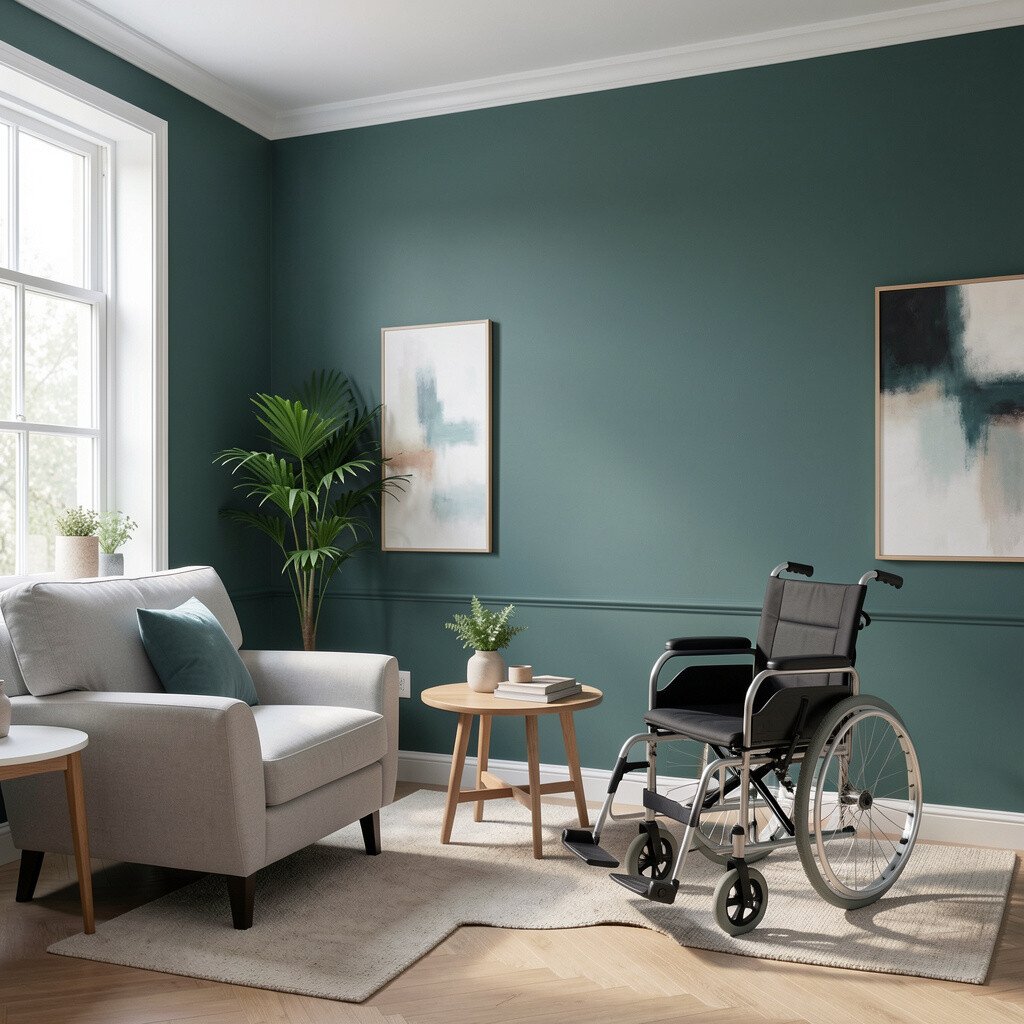
A fresh wall color can make the whole route look cleaner and easier to follow. Use a gentle background shade, then choose stronger contrast at key touch points.
Try painting the wall around doorways or sight lines with a slightly deeper tone so people can visually map the space. This supports confidence and reduces the chance of getting lost in busy colors.
For practical styling, keep the finish easy to wipe, like an eggshell or satin, especially near entryways. Cost can stay reasonable because paint often updates a room faster than big furniture changes.
3. Use Simple Wall Hooks at Reach Height

Wall hooks can help keep essentials tidy and within reach, which makes daily life smoother. Install them so a seated person can comfortably grab items without stretching.
Choose a hook style that matches your décor, like matte black for modern spaces or warm brass for classic rooms. You’ll enjoy the benefit of clear floor space, since fewer objects end up in the path.
For personalization, hang a small tote or patterned scarf that adds character while still being functional. If you’re working with a rented space, select screw-in hooks that won’t require major wall changes.
4. Frame a Mirror to Improve Light and Space
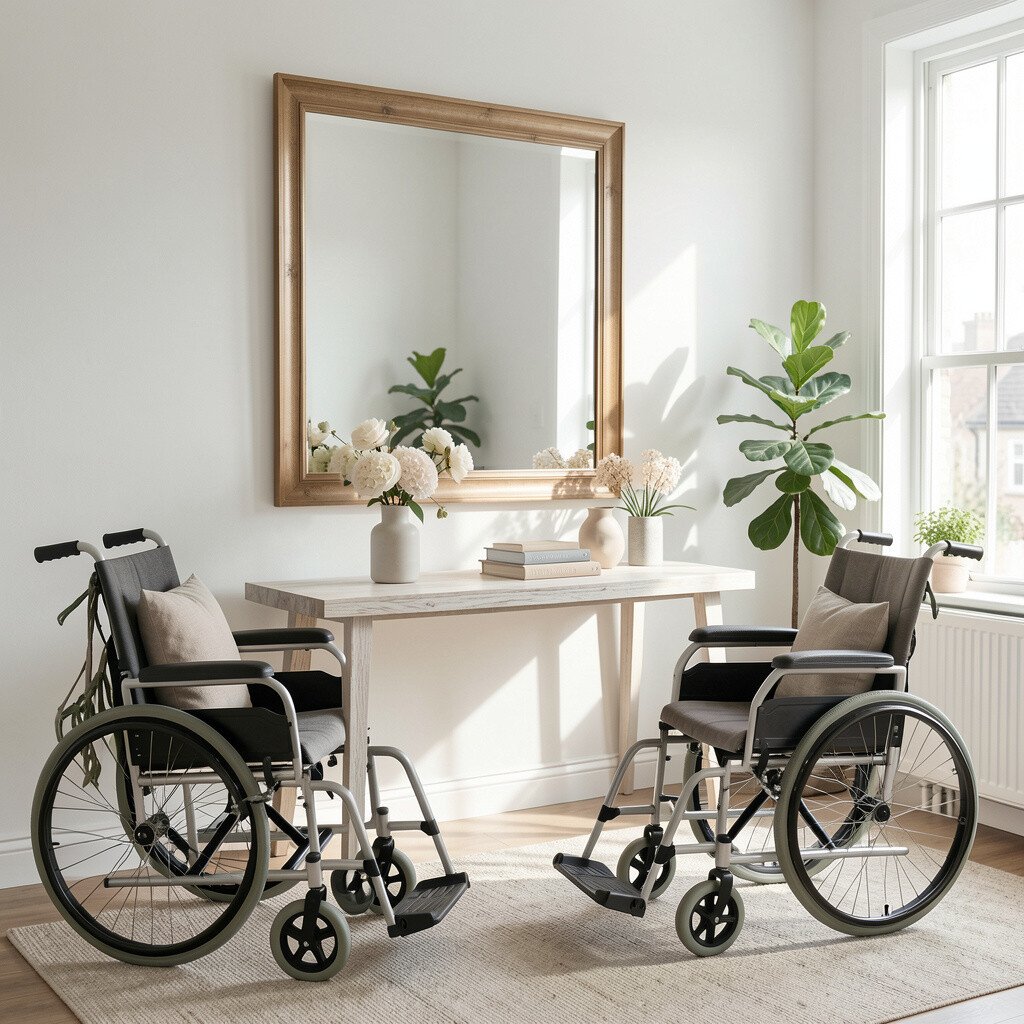
A well-placed mirror can brighten an access area and make it feel more open. Go for a slim, wall-mounted mirror so it doesn’t take up floor space.
Use a wide frame in a style you love, like light wood for cozy warmth or sleek metal for a crisp look. Mirrors also reduce shadows, which helps with safer navigation and easier everyday routines.
5. Add a Curated Gallery Wall Along the Route

Artwork can give personality to an access space without making it cluttered. Stick to pieces that are lightweight, secure, and hung at a comfortable viewing height.
Choose frames with rounded edges and stable backing so they feel safe and tidy. This setup helps the area look intentional, and it also offers gentle visual cues that guide movement.
For personalization, mix one larger artwork with smaller pieces in matching tones. Many people can do this on a budget by printing art at home or using inexpensive frame sets.
6. Choose Furniture That Leaves a Smooth Turning Radius
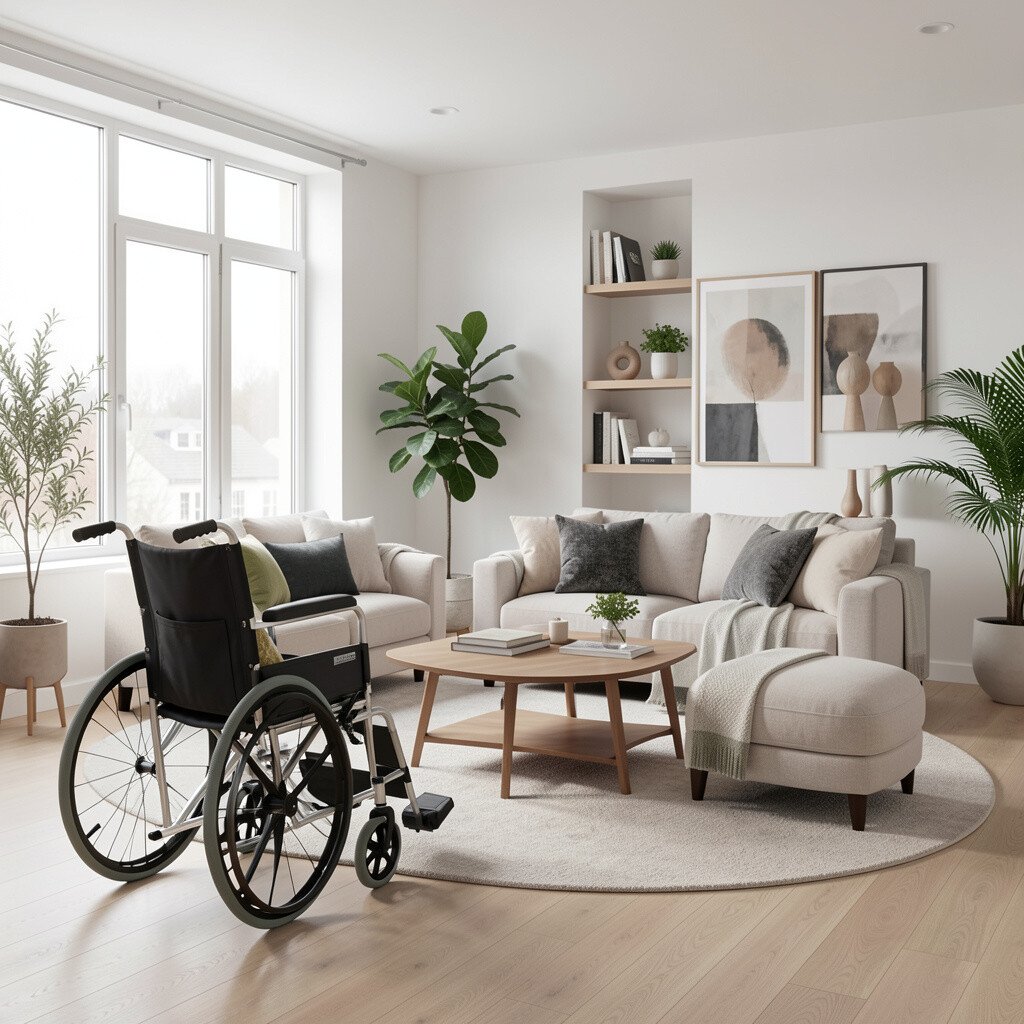
When furniture placement supports easy turning, the access space becomes genuinely usable. Look for items with rounded fronts or at least smooth edges so wheels don’t catch.
Swapping a heavy, bulky piece for a lighter style can help you maintain clear pathways. This also gives you the benefit of flexibility, since you can rearrange as needs change over time.
Pick furniture colors that match your walls so the room feels calm, not busy. Budget-friendly options include secondhand chairs or slim storage units, especially if you refinish or add new cushions.
7. Upgrade Door Hardware for Better Grip and Control
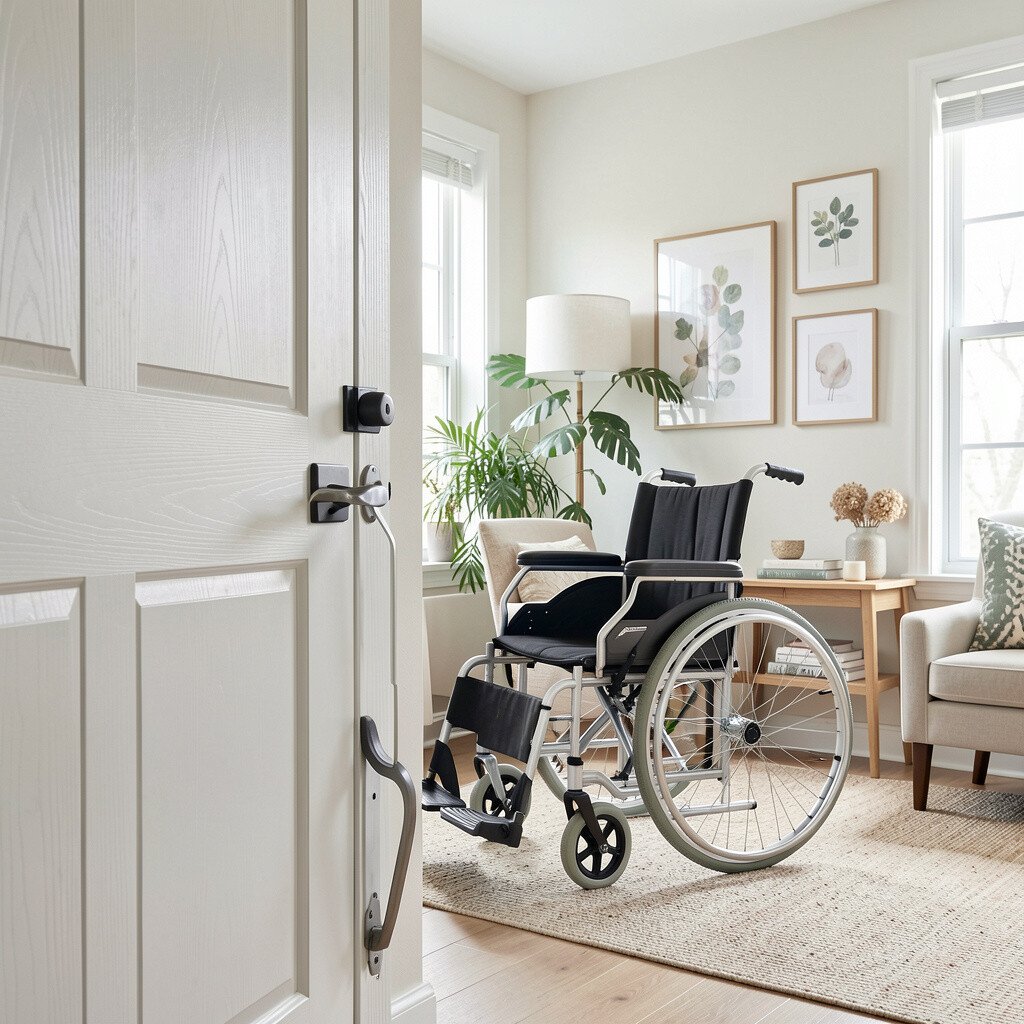
Door hardware might sound practical instead of decorative, but it can look great too. Try lever handles or easy-grip styles that feel smooth to use.
Choose finishes that match the room’s metal details, like brushed nickel, bronze, or matte black. The visual match makes the whole space feel pulled together, and the improved grip boosts daily confidence.
If you’re not ready for a full upgrade, consider decorative door accents that don’t change how the door works. Cost varies by brand, but many options are affordable and make a noticeable difference right away.
8. Install Light Fixtures That Reduce Harsh Shadows
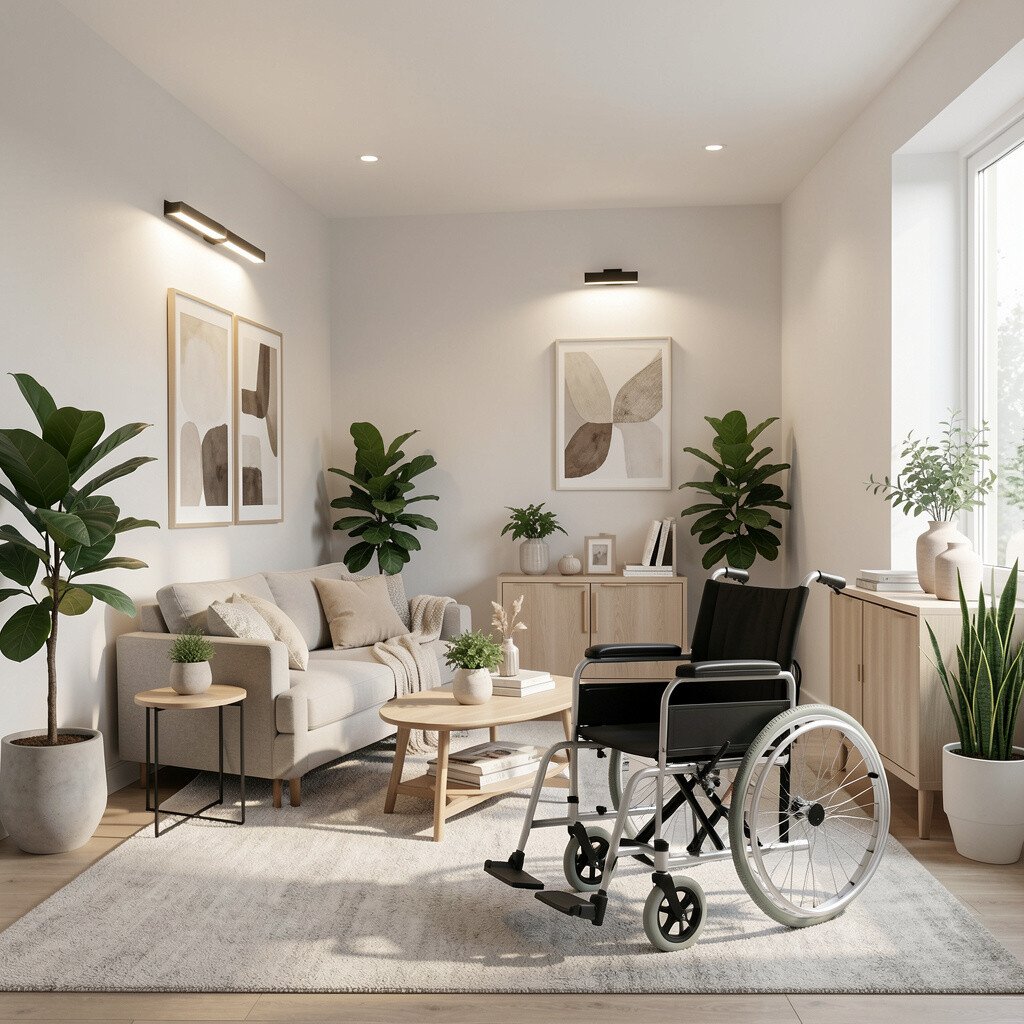
Good lighting makes an access route safer and more pleasant. Instead of one bright overhead light, consider layered lighting that spreads evenly.
Wall sconces, slim ceiling fixtures, or a floor lamp with a stable base can all help. This reduces glare and shadows around doorways, which helps people see edges and transitions more easily.
For personalization, select shades that match your décor, like linen for softness or glass for a clean modern look. Even small lighting changes can feel dramatic, and many upgrades can fit different budgets.
9. Create a Stylish Storage Zone That Stays Off the Floor
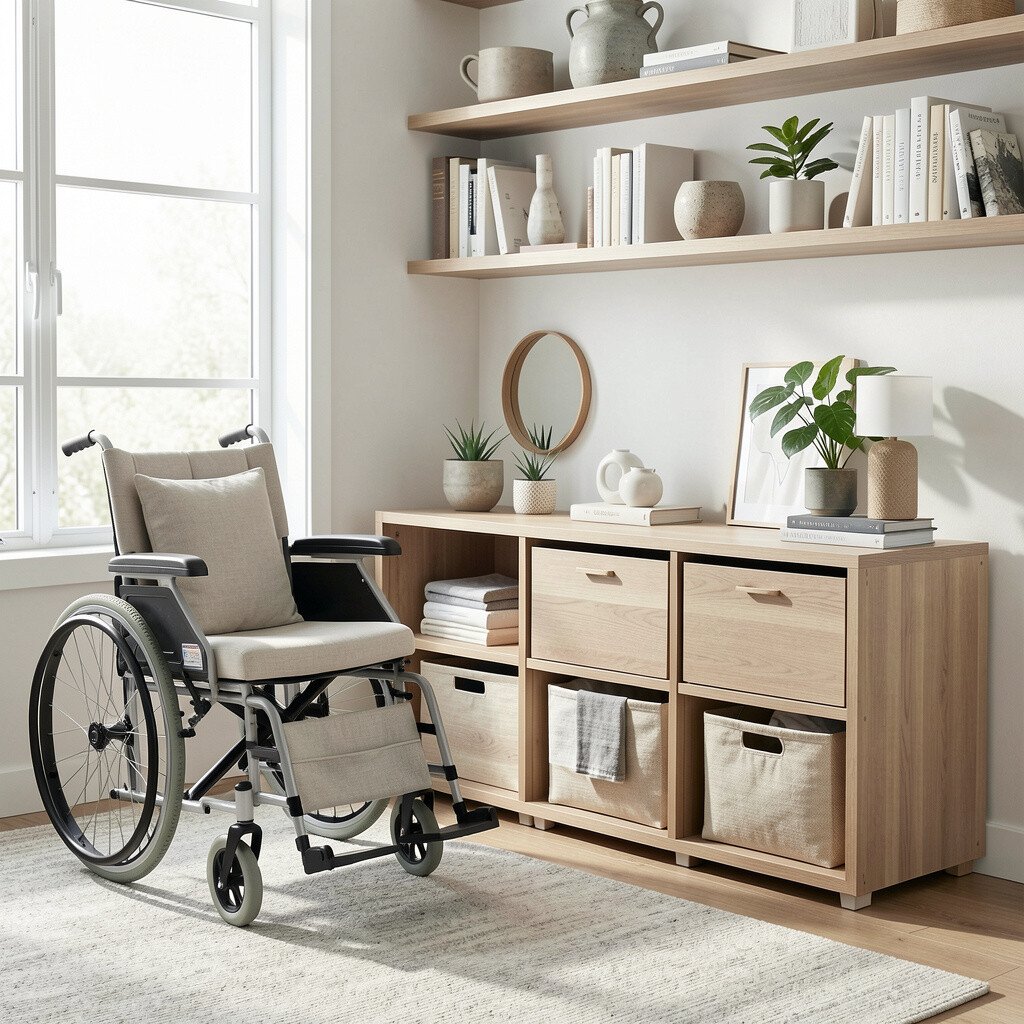
Storage is one of the biggest helpers in a wheelchair access space because it prevents clutter from blocking movement. Use tall cabinets, low shelves, or a narrow console to keep items contained.
Choose doors or baskets that look organized and match your style, like woven textures for a natural vibe or matching bins for a modern feel. When items stay put, the path stays open and the space looks polished.
For practical tips, store frequently used items at reachable heights and keep less-used items higher. You can keep cost down by repurposing furniture you already own and adding paint or new handles.
10. Choose Flooring Transitions That Look Clean and Feel Smooth
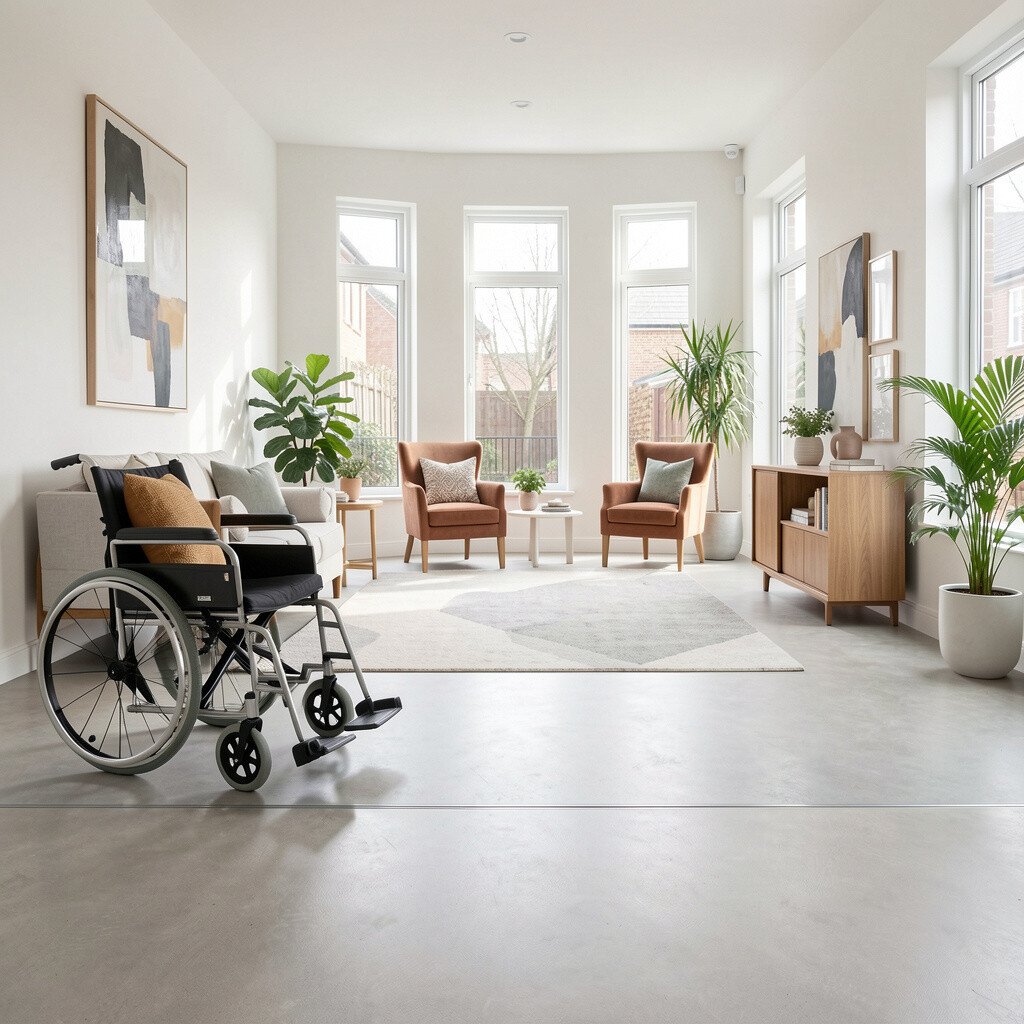
Flooring choices matter because wheels move differently on various surfaces. Smooth transitions between rooms can prevent bumps and help the space feel effortless.
If you’re updating, consider durable options like vinyl planks or low-maintenance tiles with a steady finish. This also supports a modern look, since many today come in realistic wood or stone styles.
Even small changes, like adding a matching floor runner in the entry area, can improve how the route feels. Keep an eye on installation cost and choose products that fit your timeline and budget.
11. Use Color-Coded Path Markers That Still Look Decorative
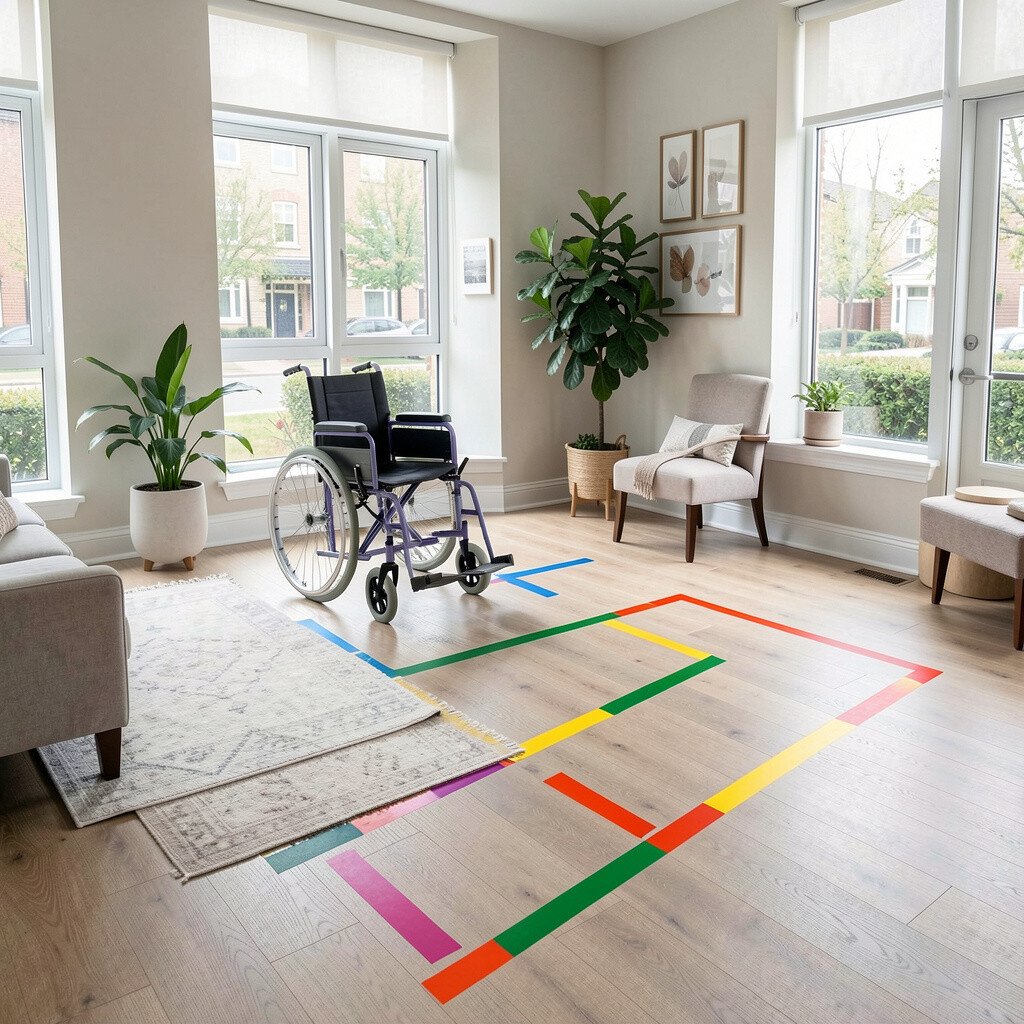
Color-coded markers can make a route easier to follow while still feeling stylish. Use subtle painter’s tape lines, removable decals, or a patterned inlay that guides the eye.
Pick colors that match your palette, like soft terracotta, muted teal, or warm sand tones, so it blends in. This helps people anticipate where to roll, turn, or pause, which boosts comfort during busy moments.
For personalization, you can echo the marker color in pillows, art, or a small plant pot. Cost can stay low because many marker options are affordable and simple to change later.
12. Add Indoor Plants in Wheel-Friendly Locations
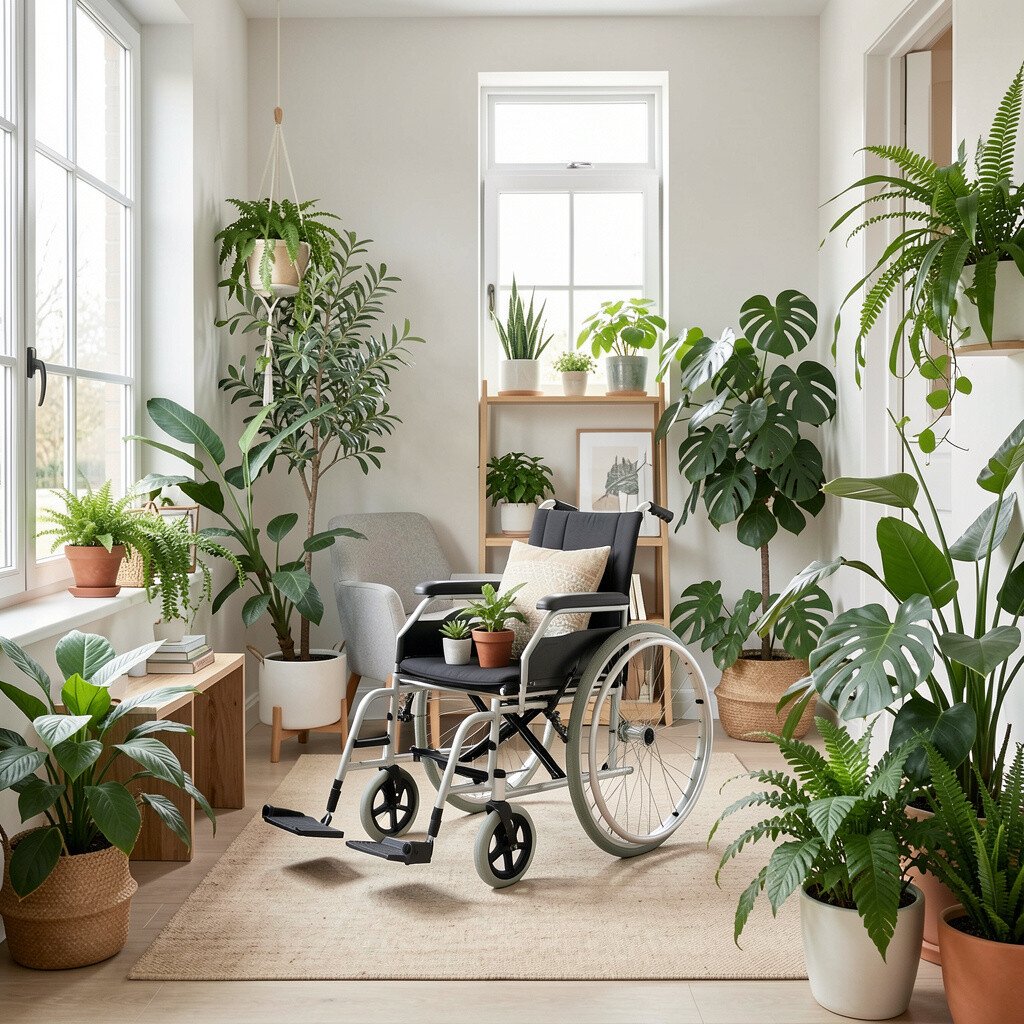
Plants bring life and calm to any access space, especially when you place them thoughtfully. Use planters with wide bases so they feel stable and don’t tip if bumped gently.
Choose pots that sit flush and don’t block movement, like tall planters tucked into corners or low shelves. This offers the benefit of visual relaxation while keeping the path clear.
For current trends, many people are leaning into natural textures, like terracotta and woven baskets, which pair beautifully with warm lighting. If budget is a concern, start with hardy plants or cuttings that you can grow over time.
13. Style a Seating Spot With Soft Textiles and Clear Edges
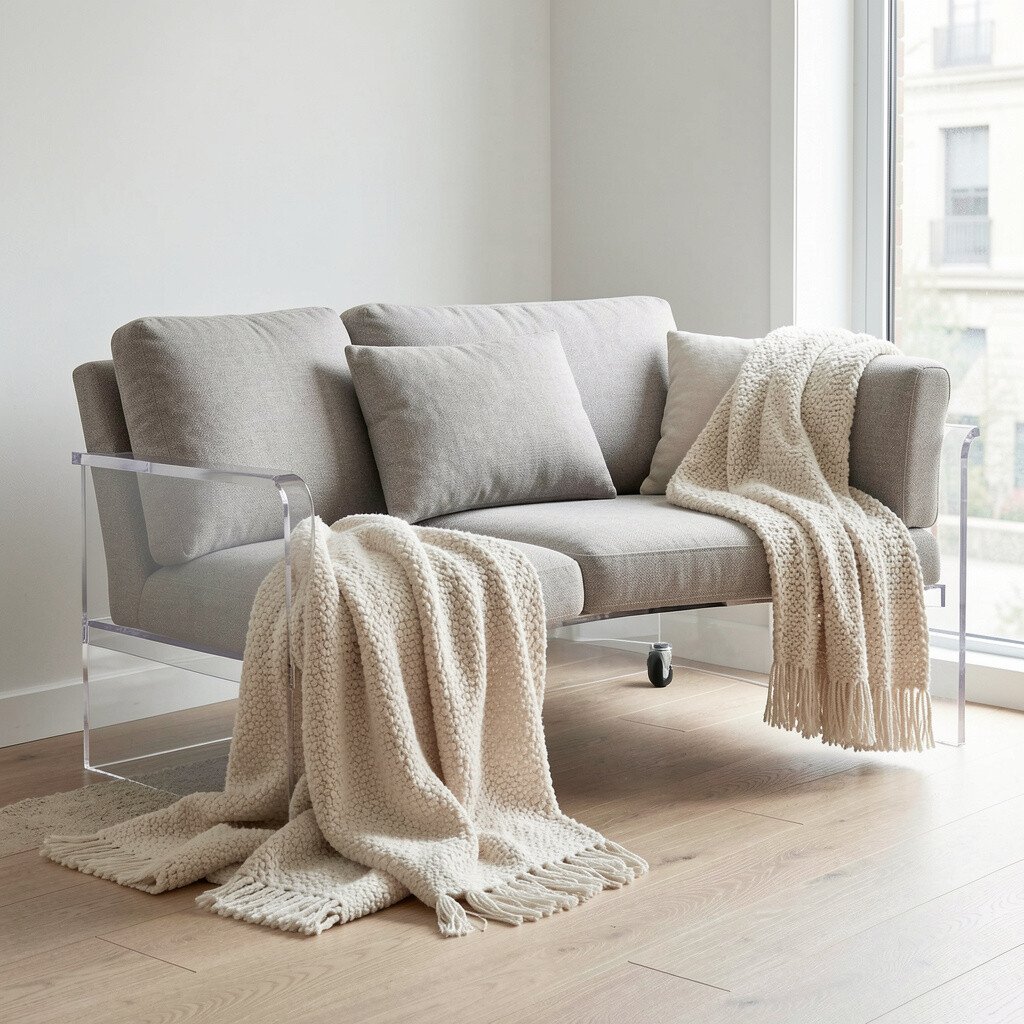
A small seating spot can make an access area feel welcoming without taking over. Choose a chair with firm cushions and arms that keep the shape steady.
Layer textiles like a throw blanket or a seat cushion in coordinated colors for warmth and comfort. Rounded edges and stable furniture help with safety, and the whole scene feels more inviting.
To personalize, use a fabric pattern you love, but keep it low contrast so it doesn’t visually overwhelm. If you’re watching costs, look for slipcovers or washable cushion covers that refresh the look without replacing furniture.
14. Hang Curtains to Open the View and Soften the Room
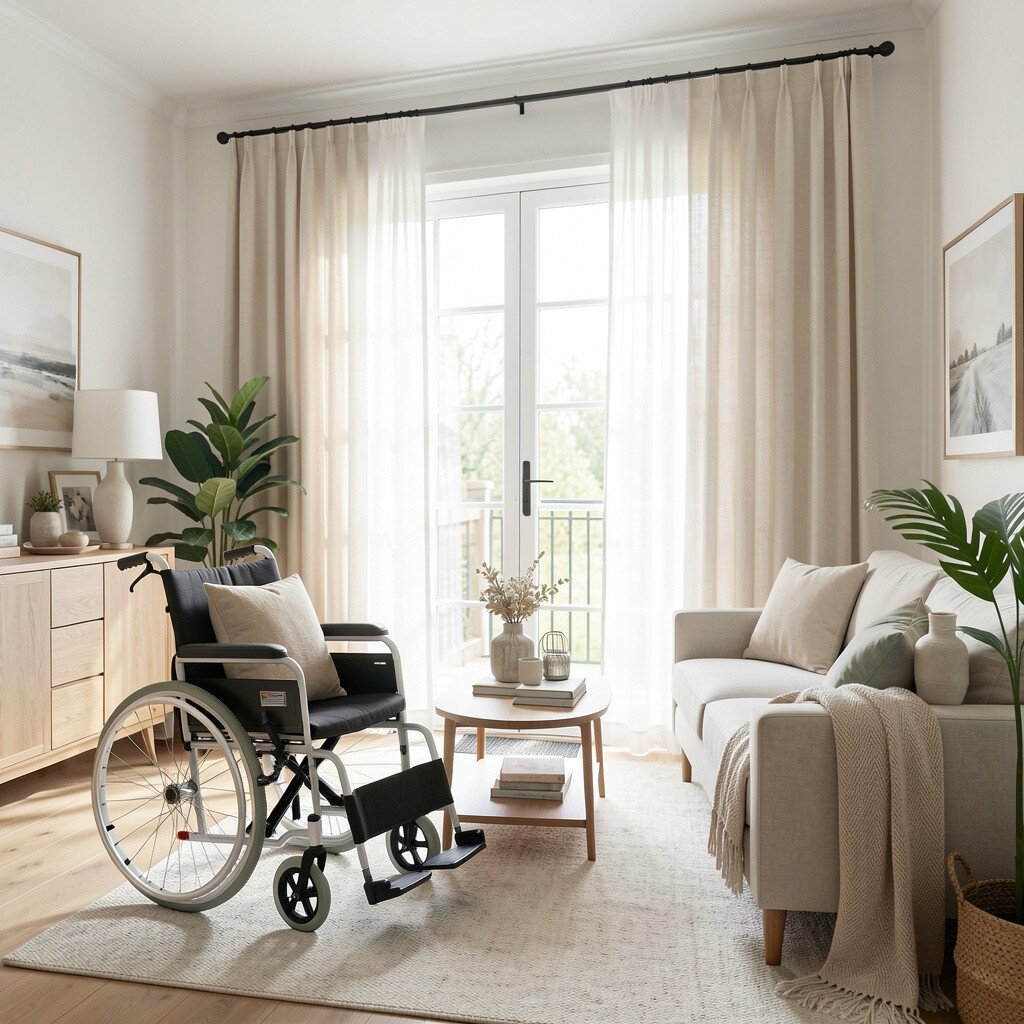
Curtains can add softness and style while also controlling privacy. Hang them high and wide so they frame windows and make the room feel taller.
Use lightweight fabric with smooth movement, and choose tiebacks that keep curtain fabric out of the path. This helps wheels glide without snagging and keeps the route feeling clear.
For practical styling, pick colors that match your wall tone, then add a contrasting trim or pattern. Many curtain updates are budget-friendly, especially when you reuse rods or change only fabric.
15. Personalize With Textures That Feel Good Underfoot
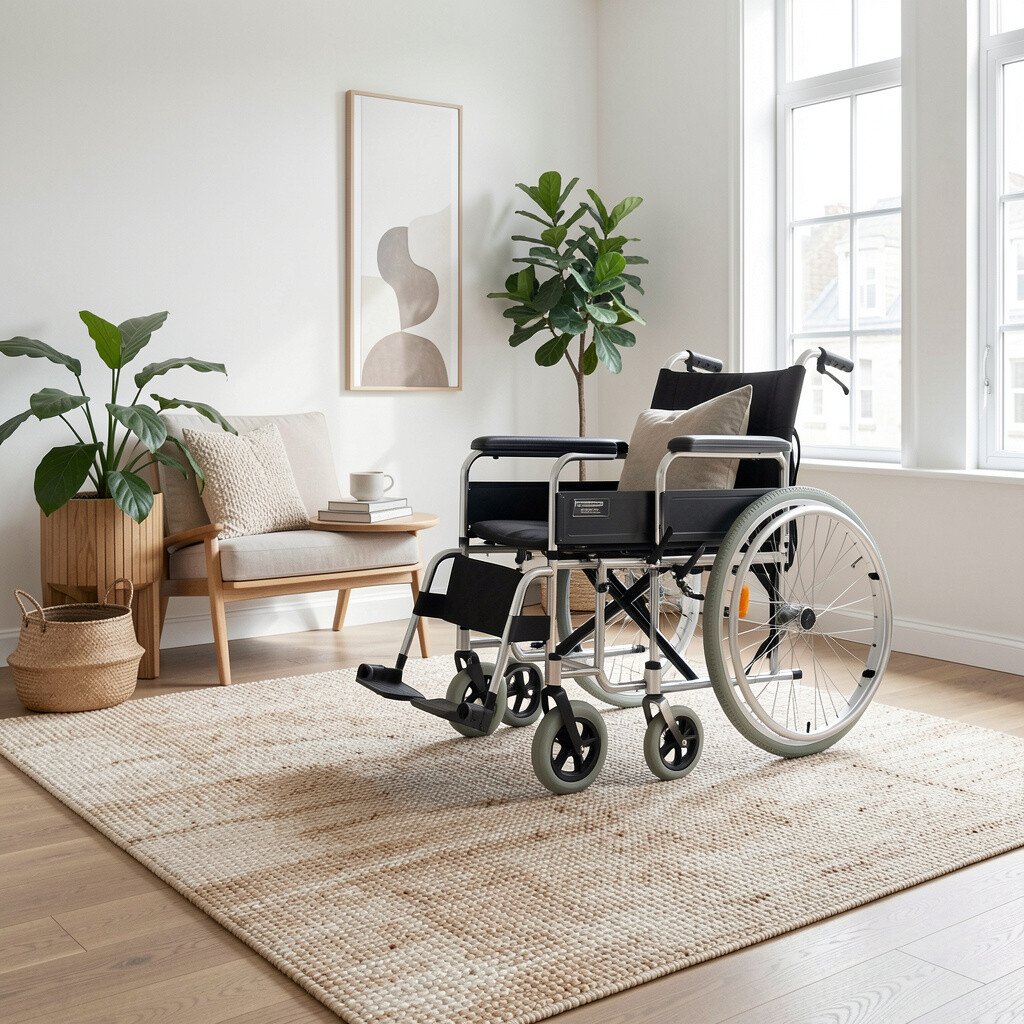
Textures can make an access space feel cozy even when the layout stays practical. Focus on materials that are stable and don’t bunch, like flat-weave rugs or textured wall finishes.
Try pairing a smooth floor with a fabric that adds warmth, such as a non-slip mat near a door or a woven wall hanging. This creates visual interest and a sense of calm, which benefits everyday routines.
For personalization, mix one natural texture, like jute or linen, with one sleek texture, like painted wood or metal. Cost considerations are easy here since you can start with small textile swaps before committing to larger changes.
16. Use Artwork Lighting to Make Pieces Look Intentional
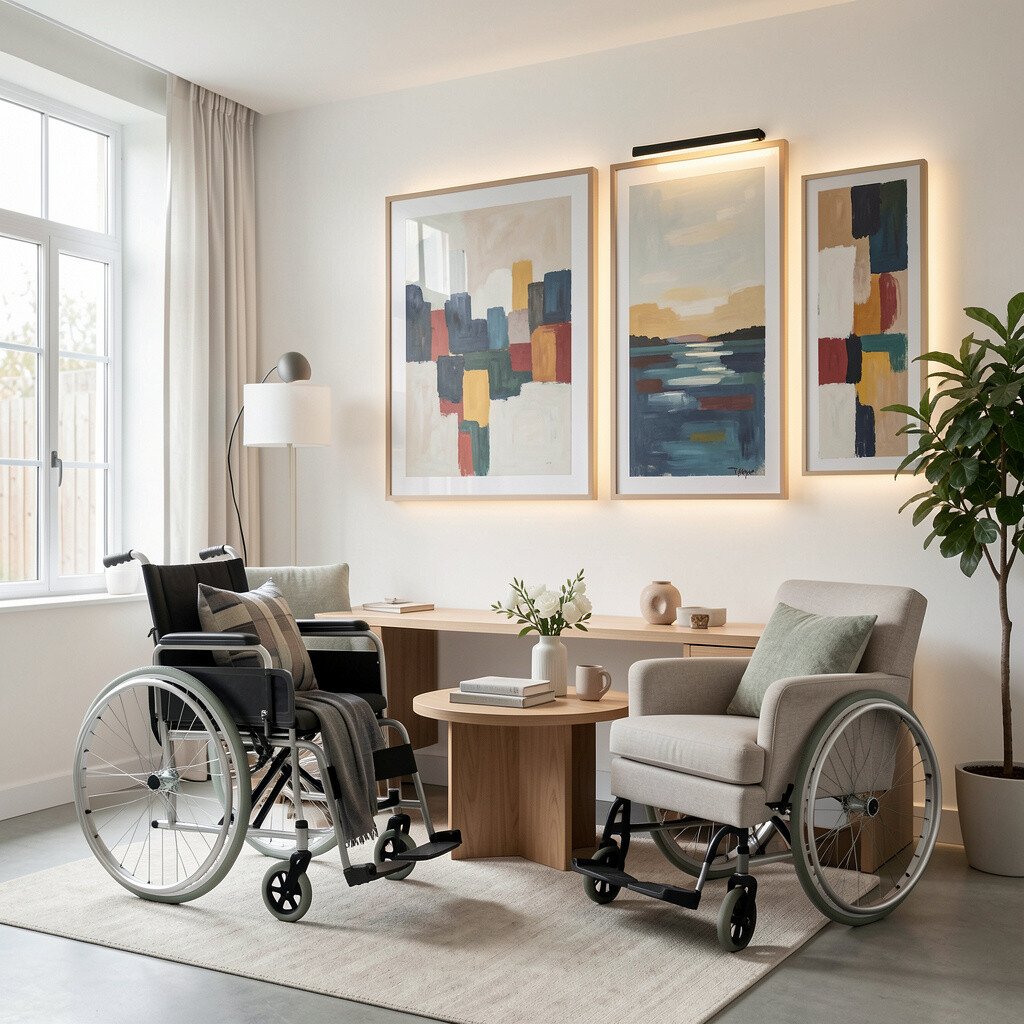
Spotlighting art can make the access route feel curated instead of plain. Use small picture lights or LED strips aimed gently at frames.
Warm LEDs often feel inviting and help colors look rich, especially in daytime. This also supports visibility, since well-lit art can create clear cues for where the path leads.
For uniqueness, choose artwork that reflects your story, like travel prints, family photos, or local community scenes. Many lighting upgrades are affordable, and LED options usually save energy long term.
17. Build a Small Help Station With Style and Order
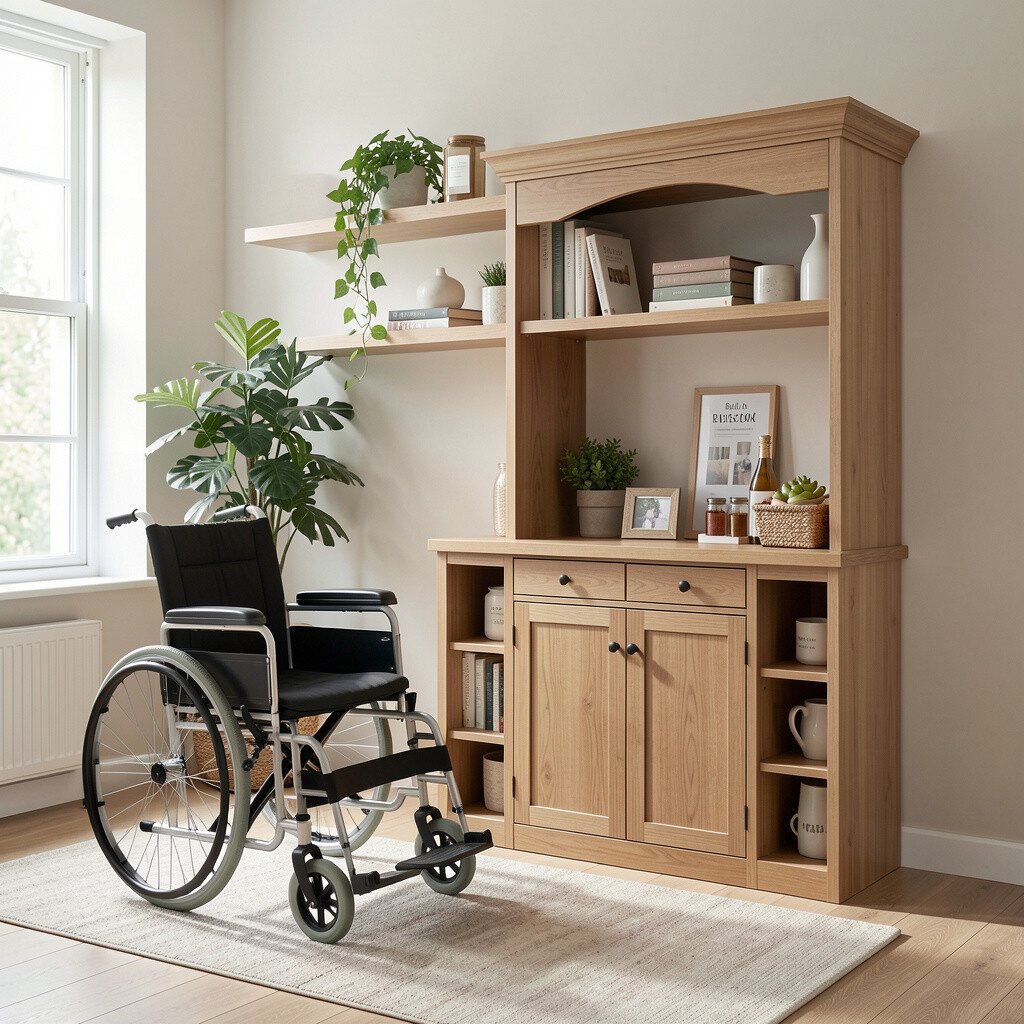
A tidy help station can reduce stress and keep daily items easy to reach. Set up a wall shelf or narrow cabinet with a basket system for essentials.
Choose organizers that match your décor, like neutral woven baskets or clean-lined clear bins. This gives you the benefit of fast access without clutter, and it keeps the route open for movement.
For practical tips, keep the most-used items at reachable heights and use labels only if you prefer them. Cost can be flexible, since you can start with a single shelf and add organizers gradually as your needs grow.
18. Match Everything With a Consistent Color Palette
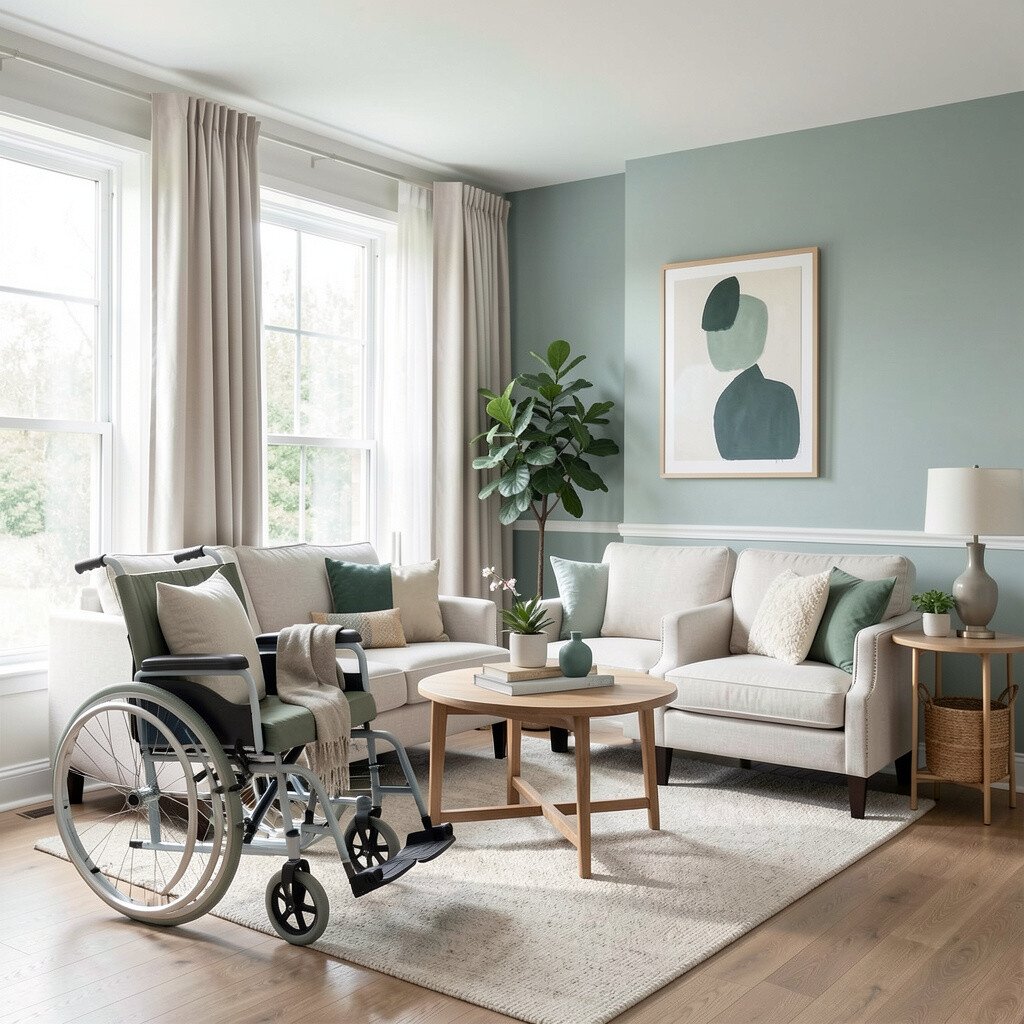
A consistent palette makes an access space look designed, not accidental. Pick a small set of colors you love and repeat them in rugs, art, storage, and textiles.
When colors match, the space feels calmer, and visual clutter reduces. That calm look is a real benefit because it helps people focus on movement and safety.
For personalization, add one signature accent color, like deep green, sunny mustard, or soft blush, to make it feel uniquely yours. Cost considerations are simpler when you shop with a plan, so you can focus spending on a few key pieces instead of many random items.