The right wall tile can make a room feel styled in minutes. Even small spaces can look warm, bold, and personal with the right pattern.
1. Color-Blocked Mosaic Panels
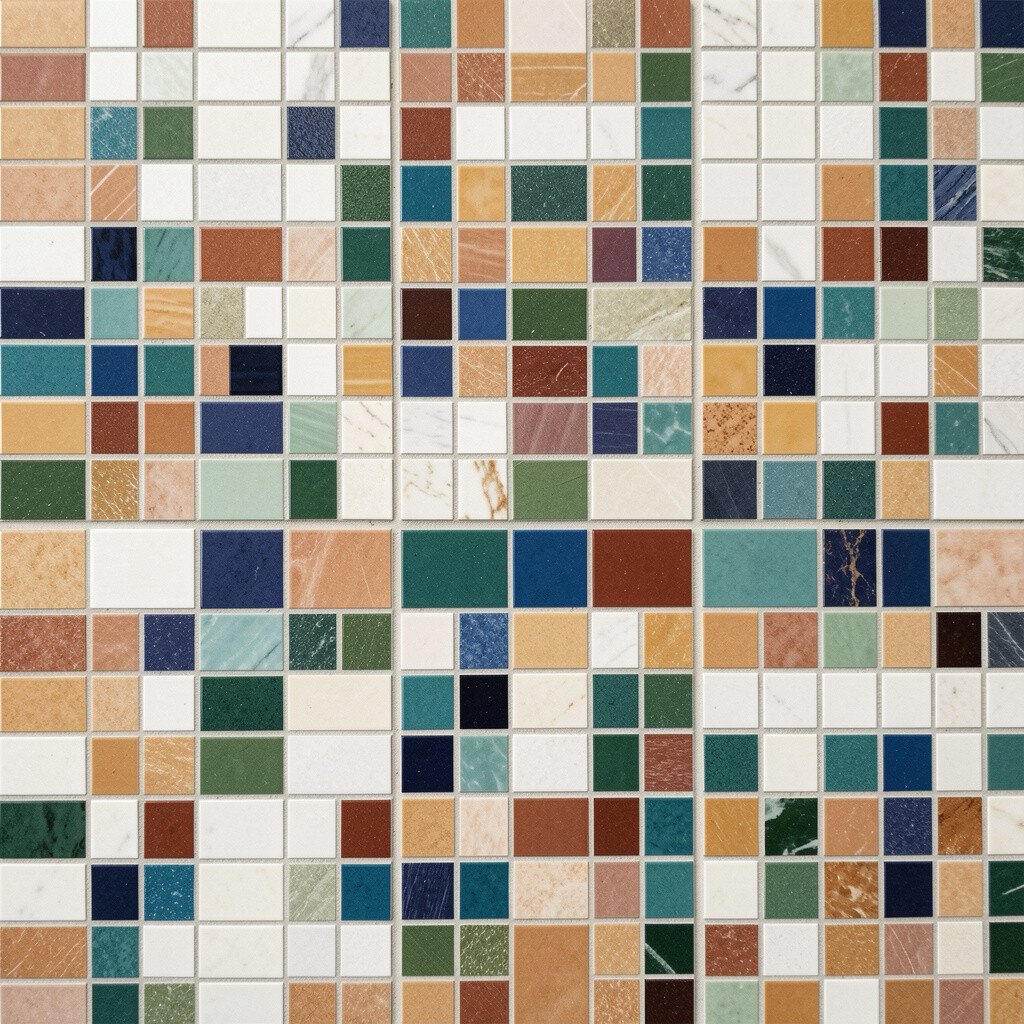
Color-blocked mosaic panels use small tile pieces to build clean, playful sections of color. When you look at a wall like this, your eyes move across bright blocks that still feel organized.
Choose two or three colors that already show up in your living space, like a rug shade or a cushion tone. For installation, plan your grout lines early and keep spacing consistent so the blocks look crisp. If you want a softer effect, vary the tile finish with matte and lightly reflective pieces.
2. Moroccan-Style Geometric Borders
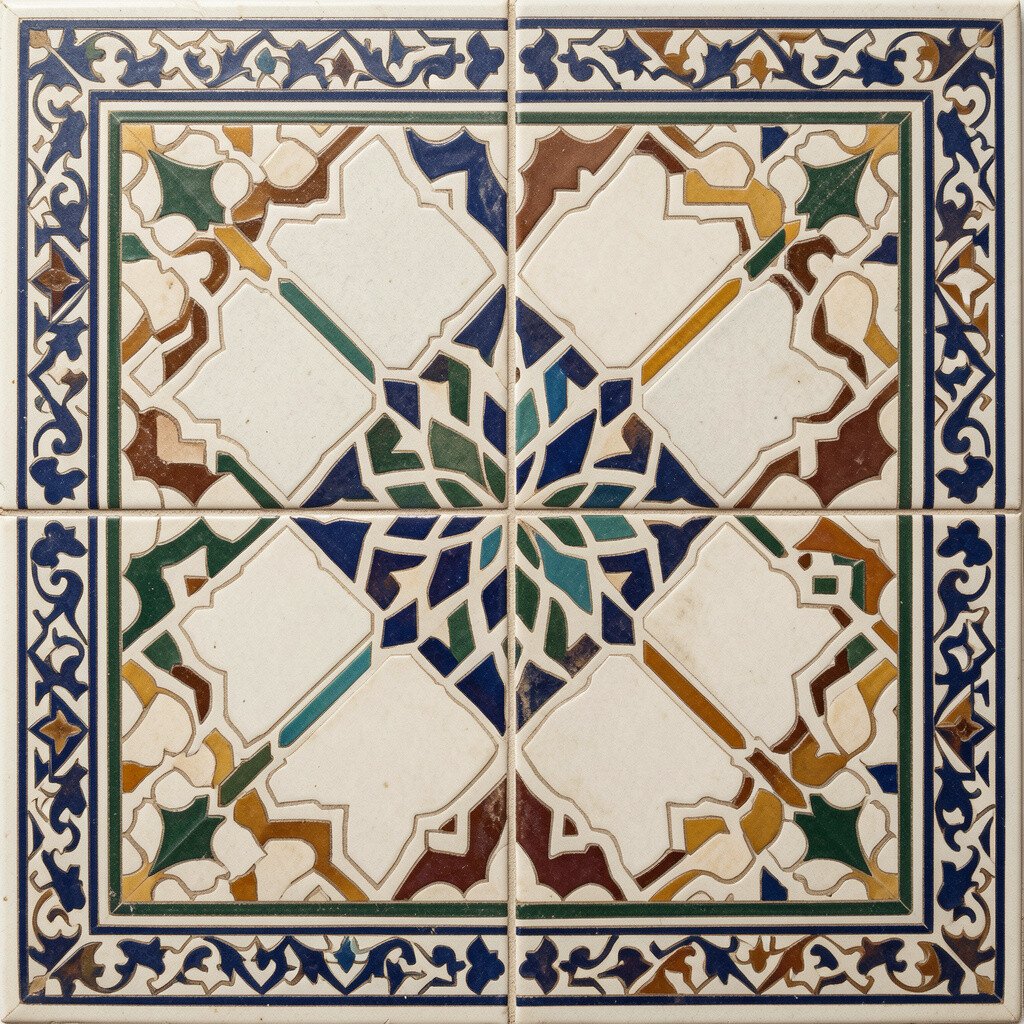
Moroccan-style geometric borders bring a sense of tradition without feeling heavy. The repeating shapes can look elegant, and they make plain walls feel like they have a story.
Pick a border pattern that fits your wall length, then place it at eye level so it feels intentional. Use a neutral field color behind the border to keep the design from overwhelming the room. For practical results, choose tiles with similar thickness so the border sits flat and neat.
Current trend favorites include slim borders that frame a mirror or a doorway area. If you are working on a budget, use the border tiles only where you need the “wow” moment, like around a vanity or hallway highlight. To personalize the look, swap one bold accent color for your favorite home color, such as dusty teal or warm terracotta.
3. Textured 3D Wall Tiles in Soft Tones
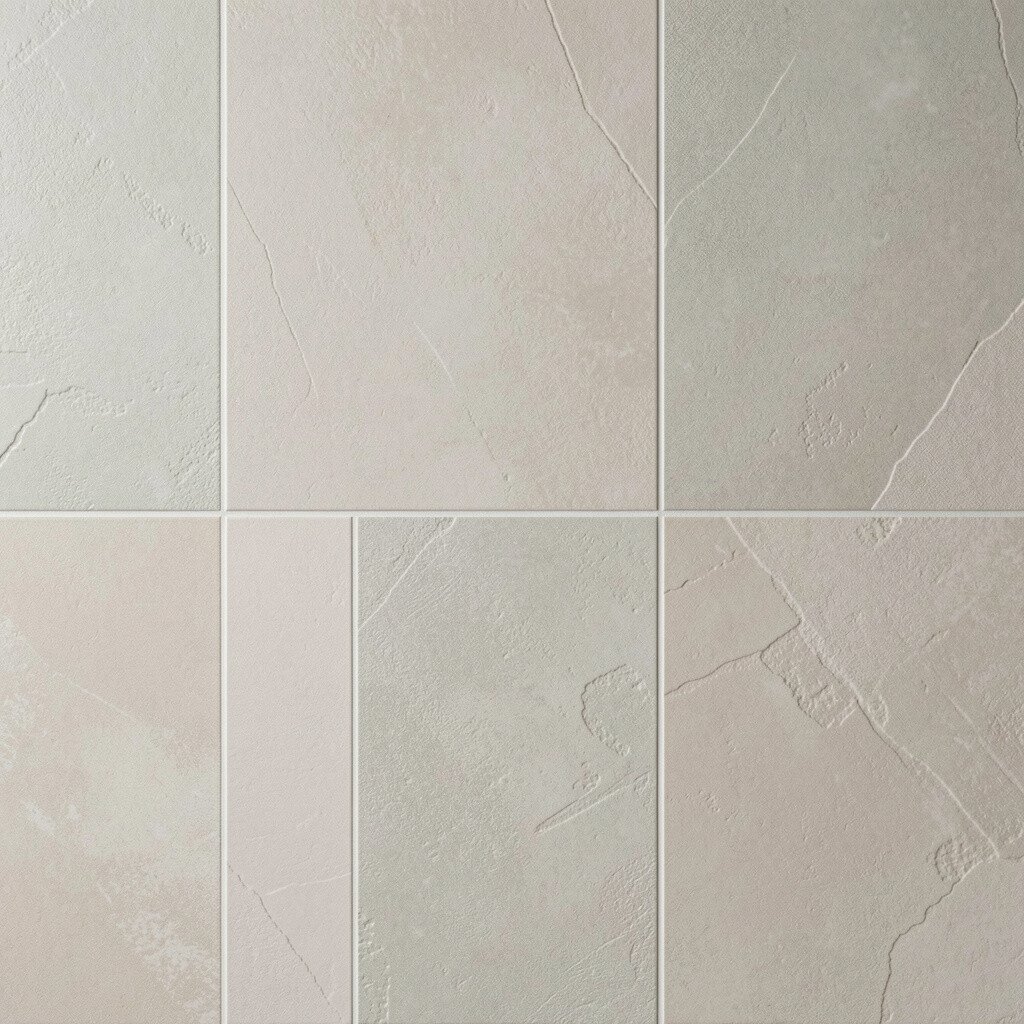
3D wall tiles add depth even when the color is calm. You get a gentle wave of shadows across the surface, which makes the wall feel lively day or night.
Go for soft tones like ivory, greige, or pale sage if you want a relaxing vibe. Install on a clean, even wall so the raised pieces line up without gaps. A practical trick is to dry-lay a few tiles first to check how the texture catches light from your fixtures.
These tiles are popular because they create visual interest without needing busy patterns. They can also help walls look more polished because small imperfections become less noticeable. If you want to keep costs down, cover just one feature wall and pair the rest with simple paint.
4. Arched Tile Medallions Behind a Vanity
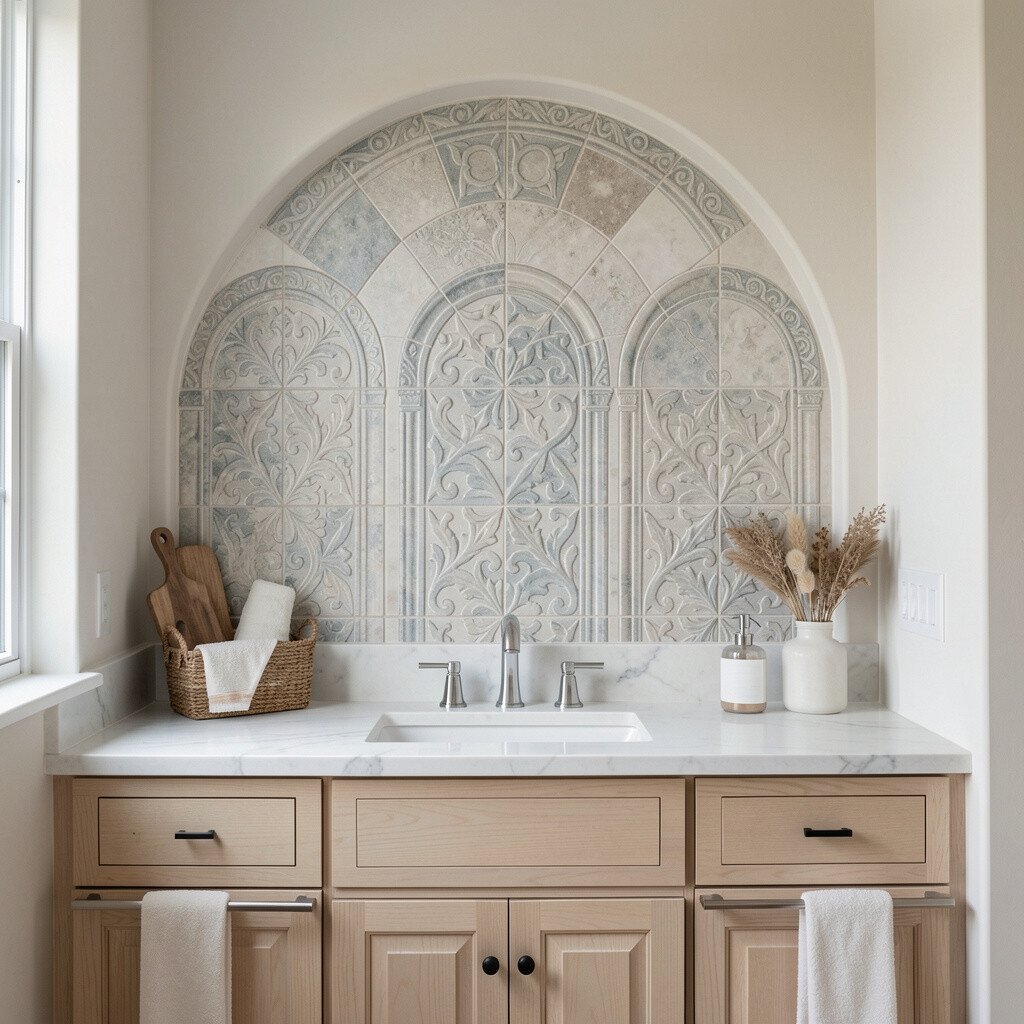
Arched tile medallions can turn a simple bathroom wall into a focal point. The curved design frames the sink area and makes the whole space feel more custom.
Choose medallion tiles with colors that work with your hardware, like brushed nickel or warm brass. Keep the surrounding tiles in a solid, quiet color so the medallion stands out. For an easy install, measure the vanity center first and dry-fit the arched section before spreading adhesive.
5. Handmade-Look Terracotta with Earthy Grout
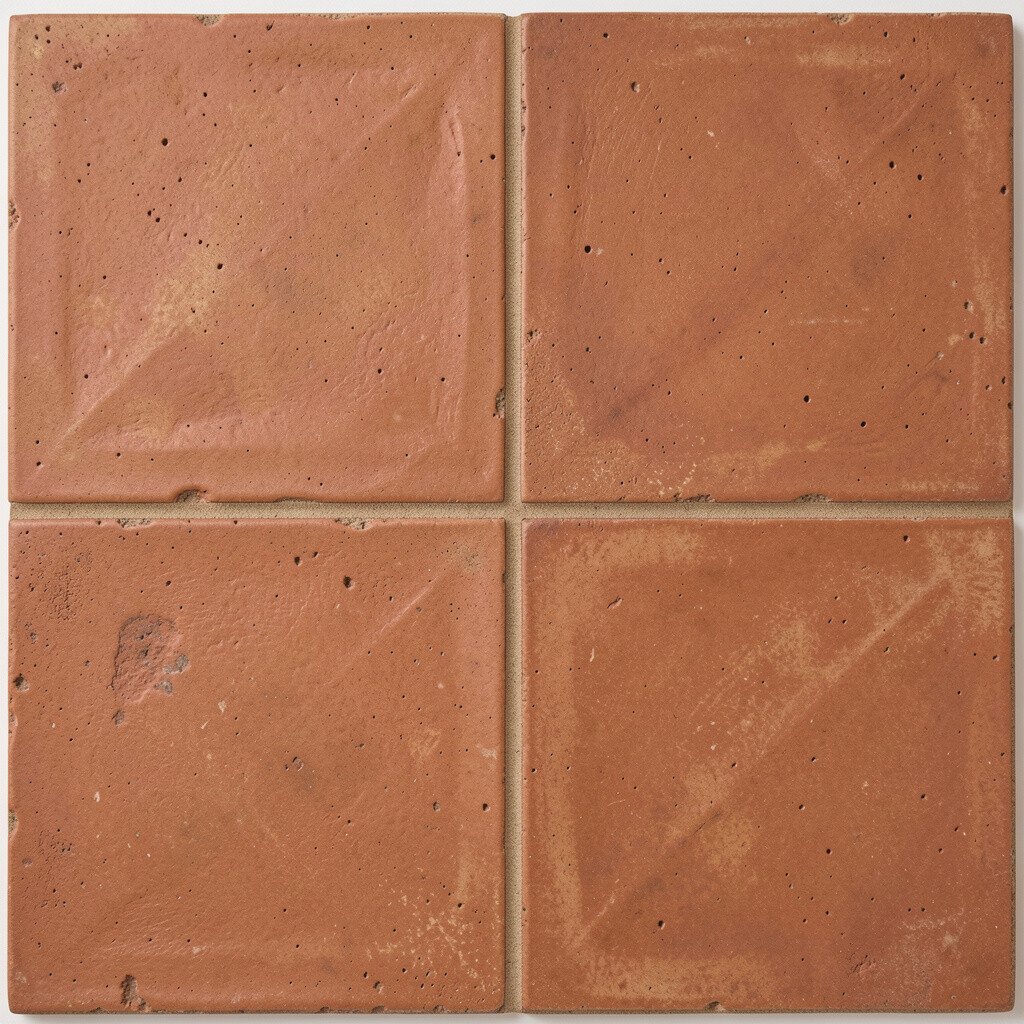
Handmade-look terracotta tiles feel grounded and friendly. Their slight variation in shade gives your wall the charm of a market stall, not a factory display.
Pair terracotta with earthy grout colors such as warm sand or deep clay for a natural look. Seal the tiles in wet areas and follow the manufacturer’s care instructions so the wall stays beautiful. To personalize, mix in a few accent pieces in darker terracotta so the wall has subtle contrast.
Terracotta remains popular because it adds warmth that still feels modern. If you want a cost-friendly approach, use terracotta as a backsplash-style accent behind an open shelf or within a shower niche. Keep the rest of the room in light woods or creamy paint so the tiles shine without fighting the decor.
6. Subway Tile with Dramatic Grout Lines
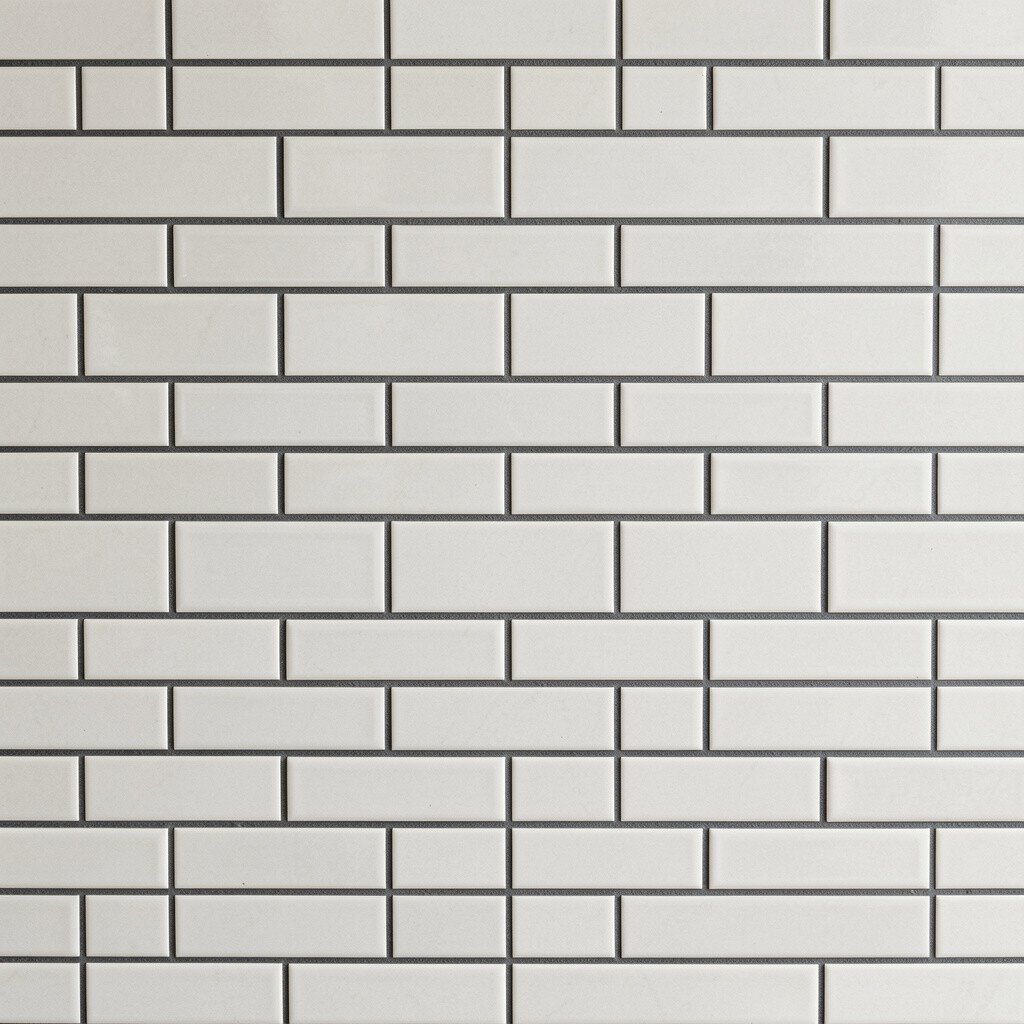
Classic subway tile gets exciting when you use grout in a bold shade. A dark grout line can make every rectangle feel sharp, clean, and architectural.
Pick grout colors like charcoal, deep navy, or even a muted green to create a modern frame around each tile. For practicality, ensure your wall is level since subway tiles show misalignment quickly. A helpful step is to use spacers carefully and wipe excess grout consistently so the lines stay crisp.
7. Watercolor-Effect Tiles for a Soft Accent Wall
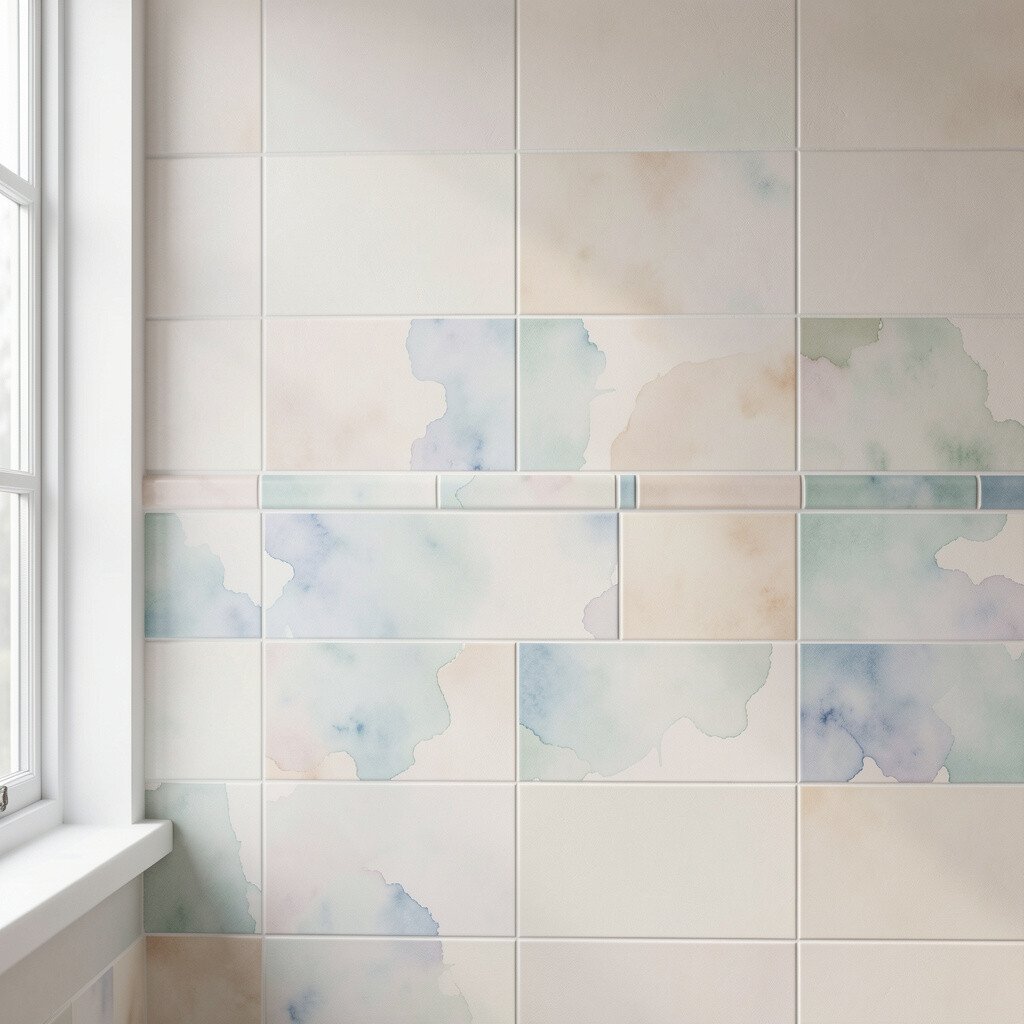
Watercolor-effect tiles look like paint drifting across the surface. The gentle blending makes your wall feel calm and artistic at the same time.
Choose a palette that matches your room mood, such as dusty pink with cream or ocean blues with warm white. To make it look intentional, limit the watercolor tiles to an accent wall or a single section like behind a reading chair. When installing, consider using a consistent layout so the color flow feels planned, not random.
This style is trending in creative homes because it adds art-like texture without needing a painting. It is also budget-smart if you buy fewer tiles and build a smaller feature area. Personalize by selecting one bold wash tone that echoes your throw blankets or curtains.
8. Coastal Blue Tile Strips for Hallways
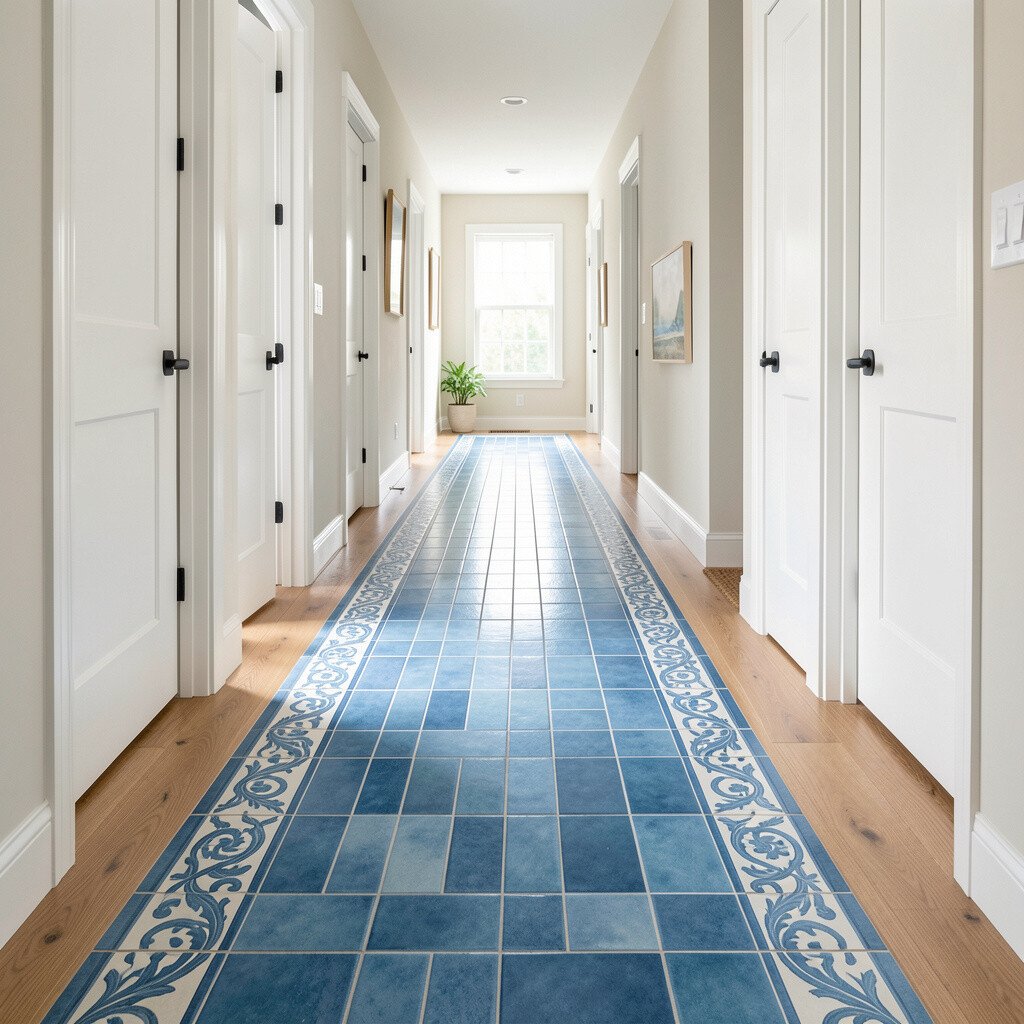
Coastal blue tile strips can brighten a hallway in a way paint cannot. The long lines create a sense of movement, and the wall feels instantly cleaner and brighter.
Install tile strips around mid-wall height, leaving a wide border for your lighting to catch. Keep the tiles glossy if you want extra sparkle, or choose matte if you prefer a softer look. For practical placement, measure the height of framed photos and align the strip with the top third of your gallery so everything feels balanced.
9. Small-Format Tile “Grid” Walls for Modern Calm
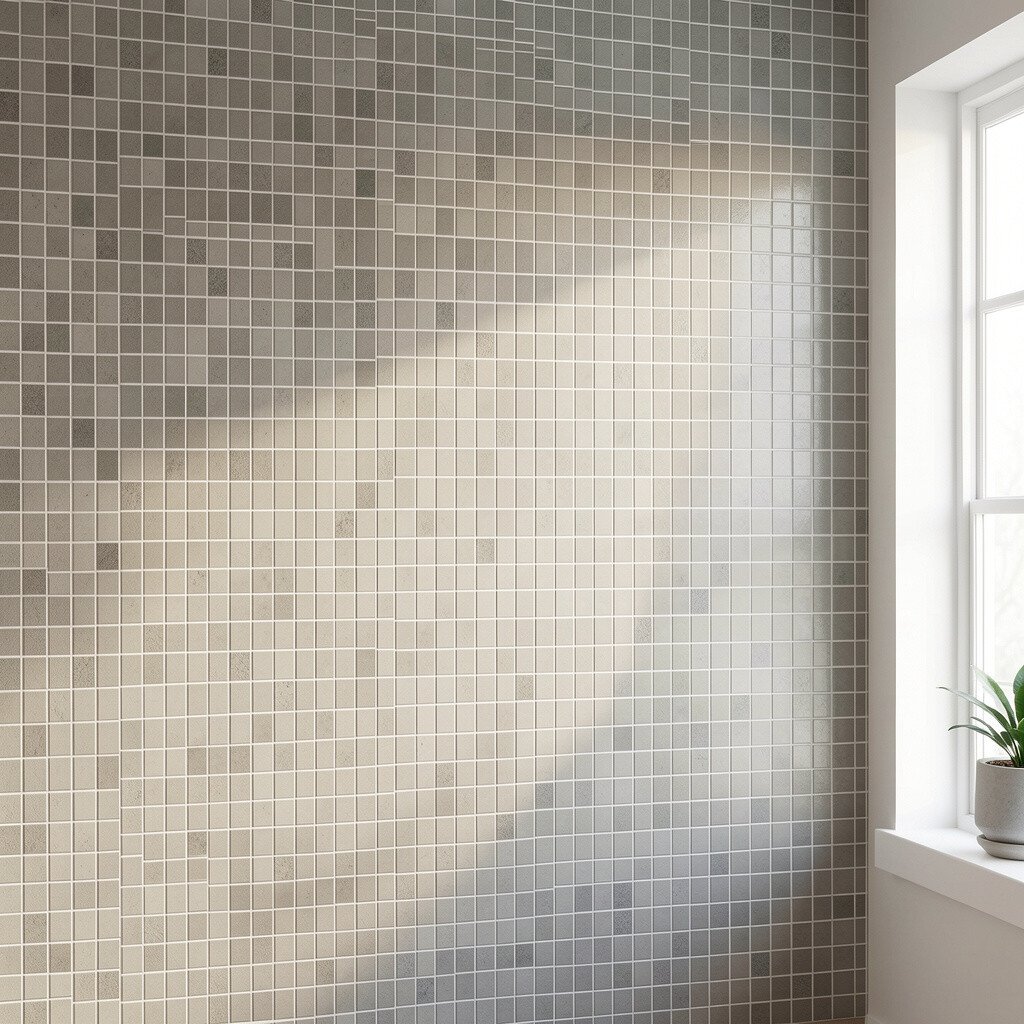
Small-format grid tiles create a tidy, modern feel. Because each square is similar, the wall reads like a structured pattern even when the color is quiet.
Use a single color family, like warm white with light gray grout, for a clean and airy style. This approach works especially well in small rooms because it keeps the visual noise low. For personalization, add one thin horizontal accent strip in a contrasting shade where you want attention.
This look is popular for current modern interiors because it pairs well with minimal furniture. Cost can be reasonable since you can cover a smaller section, like the wall behind a couch, and still get a big effect. If you want extra texture, choose a slight sheen or a subtle speckle that makes the grid more interesting in daylight.
10. Black-and-White Checker Tile for Statement Corners
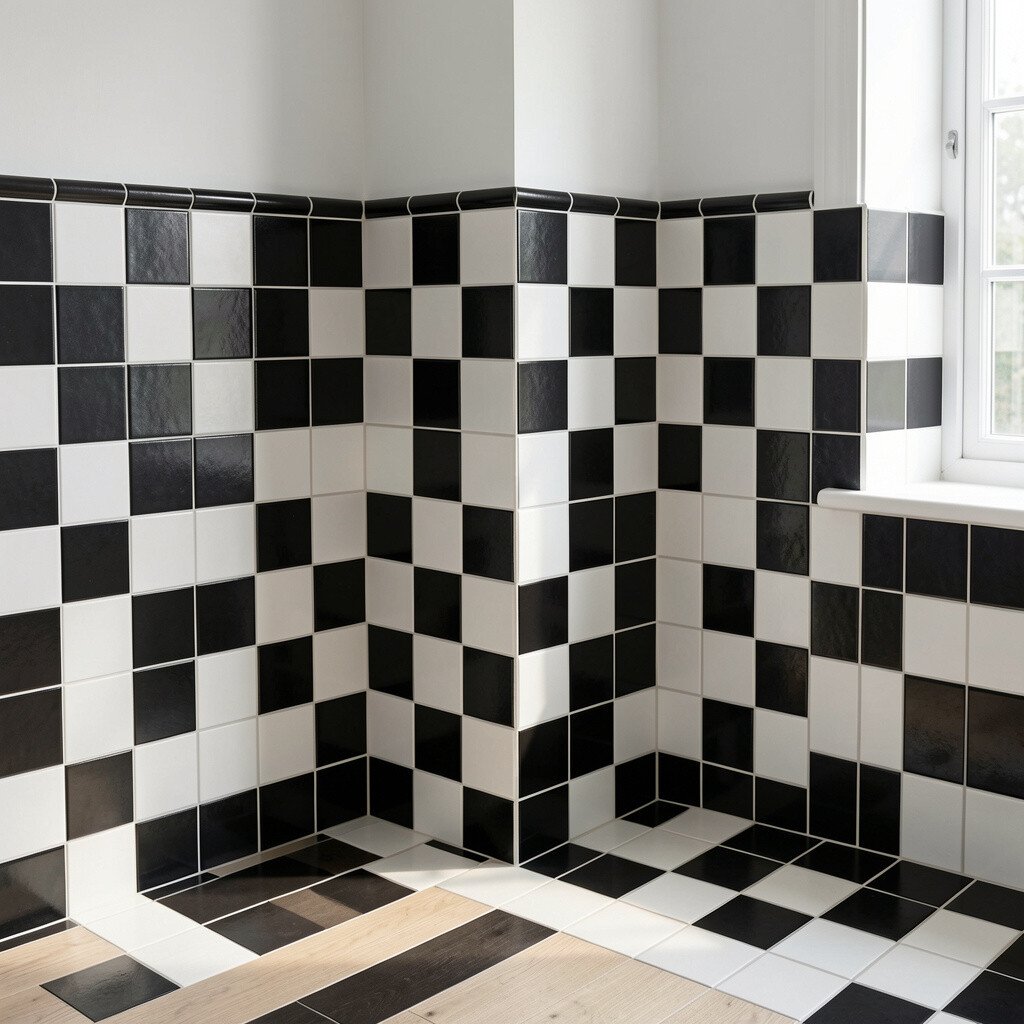
A black-and-white checker pattern is bold, fun, and instantly recognizable. It makes corners feel like they are part of the design plan rather than an afterthought.
Use checker tiles sparingly for the best impact, such as on one corner wall or around an entry mirror. Keep surrounding walls in a light neutral so the pattern stays crisp instead of chaotic. When you install, double-check the layout so the squares meet cleanly at edges and trim.
11. Patterned Encaustic-Style Tiles in Warm Neutrals
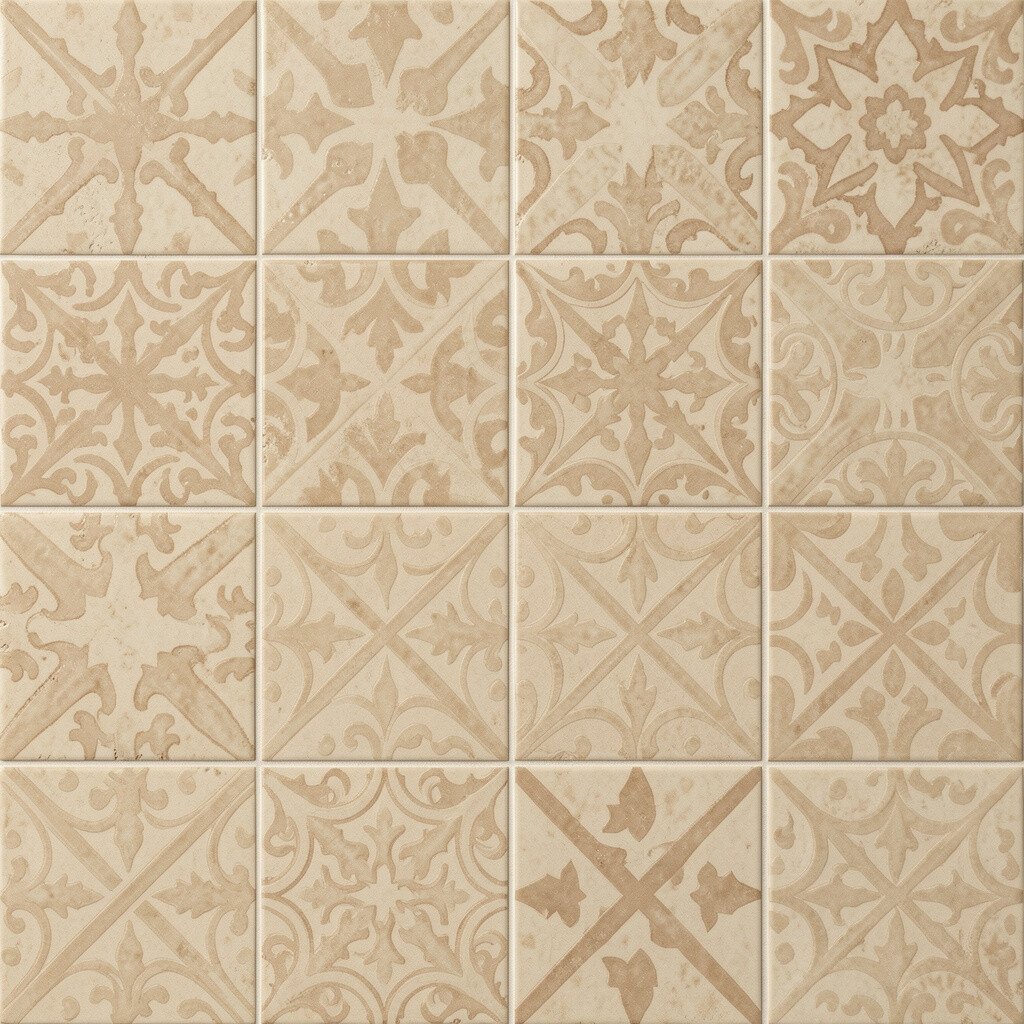
Encaustic-style patterned tiles bring old-world flair with a fresh, stylish vibe. Their intricate shapes make even a simple wall feel detailed and welcoming.
Choose warm neutrals like cream, clay, and soft brown to keep the design cozy. To avoid visual overload, pair patterned sections with plain tiles or paint on the rest of the wall. For practical installation, plan the pattern repeat and confirm you can align it so the motif stays centered around your focal point.
These tiles are trending because people want character without going fully vintage. If you are mindful about costs, use them as a feature strip behind open shelving, or as a framed panel above a console table. Personalize by selecting a pattern that matches your style, whether it is floral, starburst, or fan-like shapes.
12. Framed Tile Inserts Around Mirrors and Art
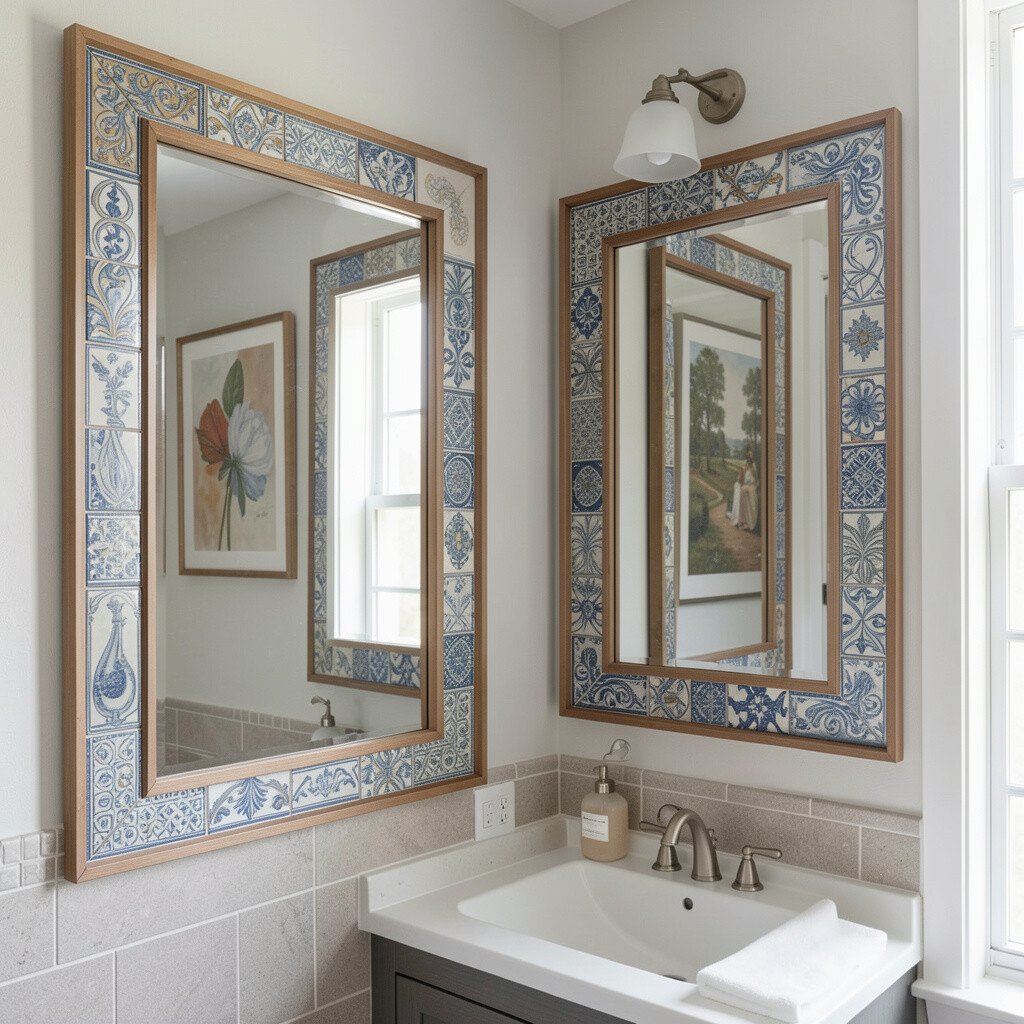
Framed tile inserts make mirrors and artwork look built-in. The tile border adds polish and turns a plain wall moment into a statement.
Pick a tile that matches the rest of your finishes, such as a glossy white tile that works with clean countertops. Keep the frame width consistent so the border looks neat and professional. A practical tip is to use a paper template to map out the insert area so you cut tiles with confidence.
This idea works in almost any room, from bathrooms to entryways, and it is easy to personalize. For cost control, buy tiles for the frame only and keep the inside area simple. If you want extra uniqueness, choose a tile border color that echoes a lamp base or a kitchen cabinet handle.
13. Moroccan Zellige Look with Irregular Beauty
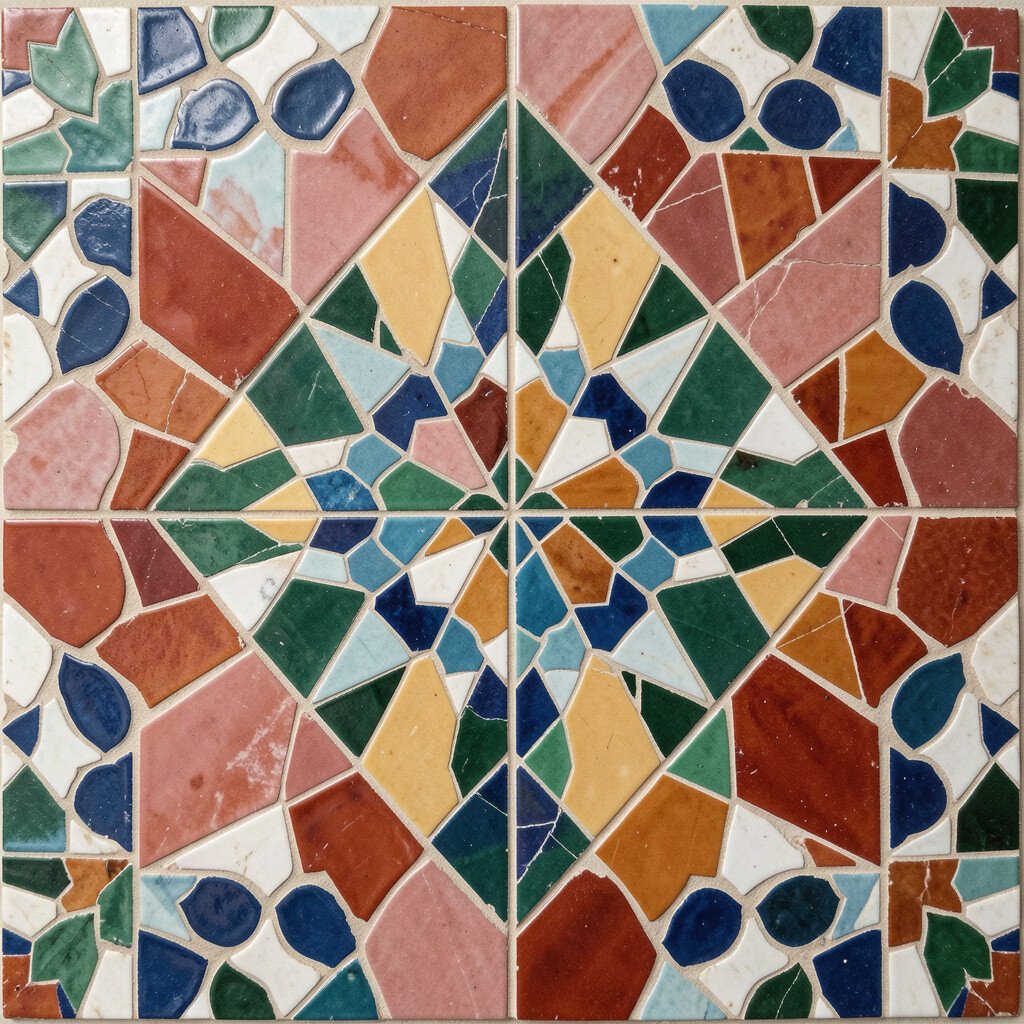
Zellige-look tiles offer a handmade, irregular beauty that still feels refined. The slight variation in edges creates natural movement and a beautiful play of light.
Choose a color like sea glass, olive green, or soft blue-gray for a calm, updated look. Because these tiles are slightly irregular, it helps to expect variation and allow careful spacing. For best results, use a skilled installer or take time during placement so each piece feels balanced.
This style is popular because it adds craftsmanship to modern spaces. It can be cost-conscious if you focus on a smaller wall section, like behind a vanity or fireplace hearth. Personalize the vibe by mixing one or two accent tiles with a quieter base tone so the texture remains the star.
14. Metallic Accent Tiles for Shelves and Niches
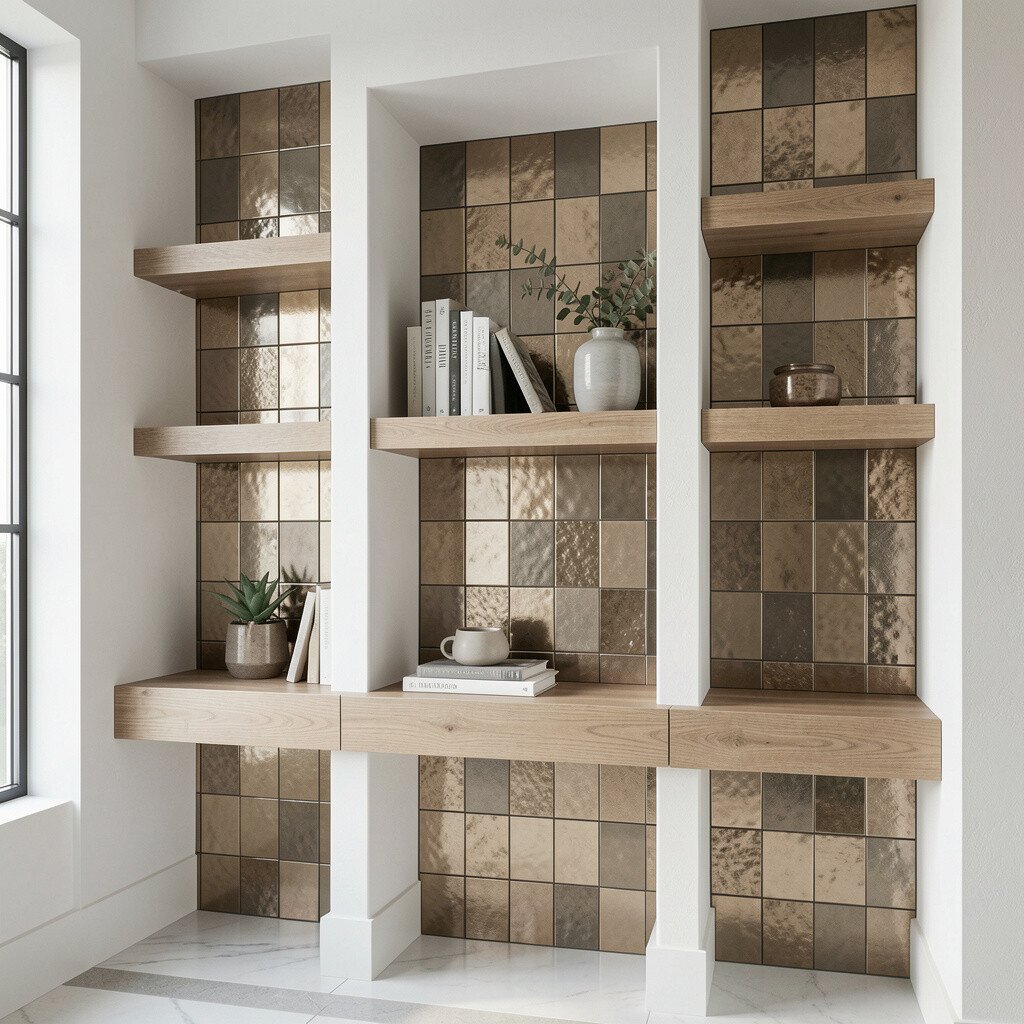
Metallic accent tiles can make a shelf or wall niche feel like a display. Even a small sparkle draws attention, and it gives your home a touch of luxury.
Use metallic tiles like brushed gold, champagne silver, or warm copper in narrow areas. Pair them with neutral walls and solid decor so the shine feels classy instead of flashy. For practical tips, protect the surface by choosing the right cleaner and avoiding harsh abrasives that can dull the finish.
15. Small Accent Panels Using Contrasting Backsplash Tiles
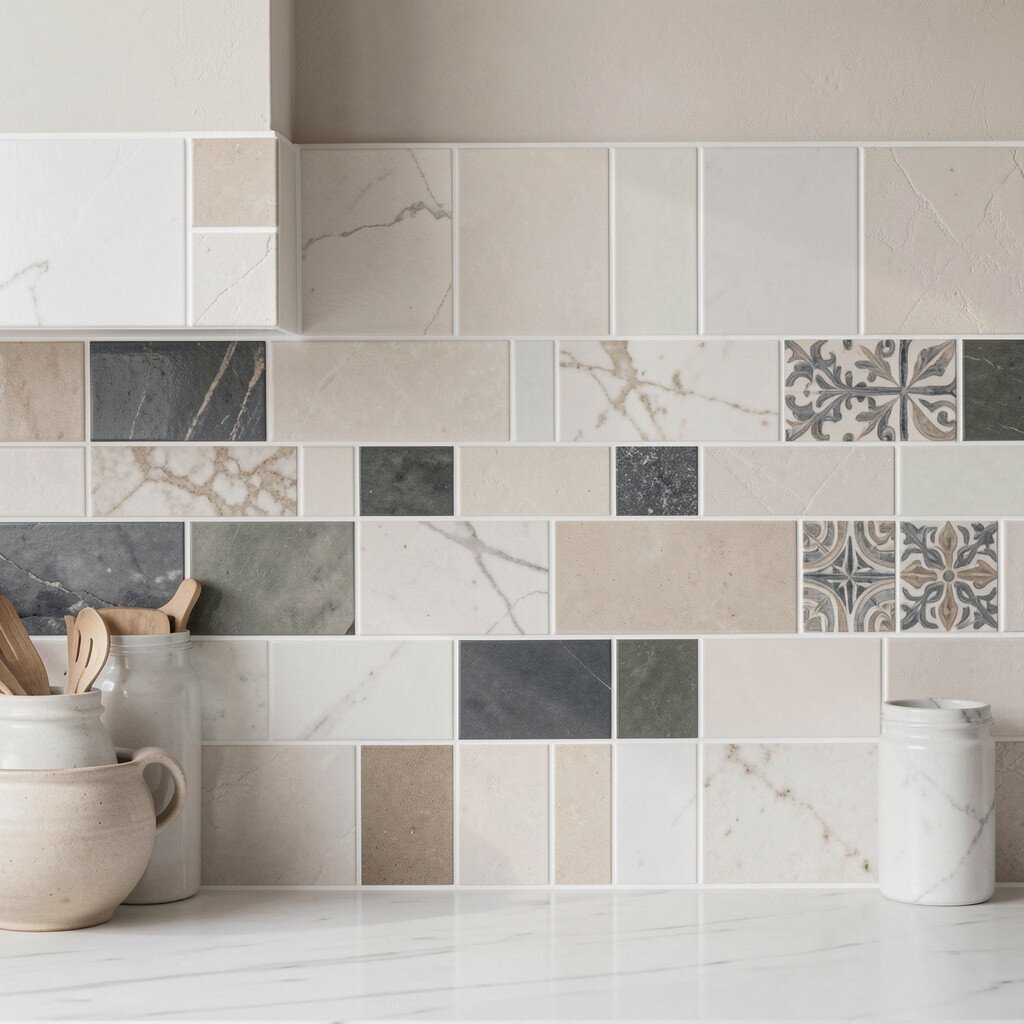
Contrasting backsplash tiles are perfect for adding detail without redoing an entire room. You can create small accent panels that feel coordinated yet different from the main wall.
Choose a backsplash tile that already looks good in kitchens, then scale the design for a wall panel behind a chair, near a desk, or around a doorway. Keep the main wall color simple so the panel feels like a curated detail. For personalization, vary tile orientation, like mixing vertical stripes with a horizontal line, while staying consistent in color and spacing.
This method is popular because it lets you experiment without major cost. You can often use leftover tiles, which keeps spending lower and reduces waste. If you want a trendy finish, go for larger-format tiles in matte styles and add a thin contrasting grout shade for a clean, modern edge.