Ever feel like your creative projects are just missing something? Sometimes a few tweaks can turn good ideas into great ones. Here are some common design pitfalls that might be holding you back.
1. Ignoring White Space

White space, or negative space, is the area between design elements. It helps your design breathe and makes content more digestible. Imagine a crowded room; wouldn’t you feel suffocated? The same applies to crowded designs.
Try leaving some areas of your design blank. It can enhance readability and draw attention to important parts. Plus, it’s cost-effective—white space is free! Think of it like giving your design a big, comfy chair to relax in.
2. Overusing Fonts

Too many fonts can be like wearing stripes with polka dots. It’s confusing and distracting! Limit yourself to two or three fonts to keep things harmonious.
Choose fonts that reflect your style and mood. Mixing too many can make your design look amateurish. Instead, play with weights and sizes within the same font family for variety.
3. Lack of Consistency

Inconsistency in your design is like a jigsaw puzzle with mismatched pieces. It confuses viewers and distracts from your message. Consistency, on the other hand, fosters a sense of trust and professionalism.
Stick to a color palette and font choice across your project. This doesn’t mean everything has to match, but it should all feel like it belongs together, like a family reunion photo.
4. Ignoring the Power of Color
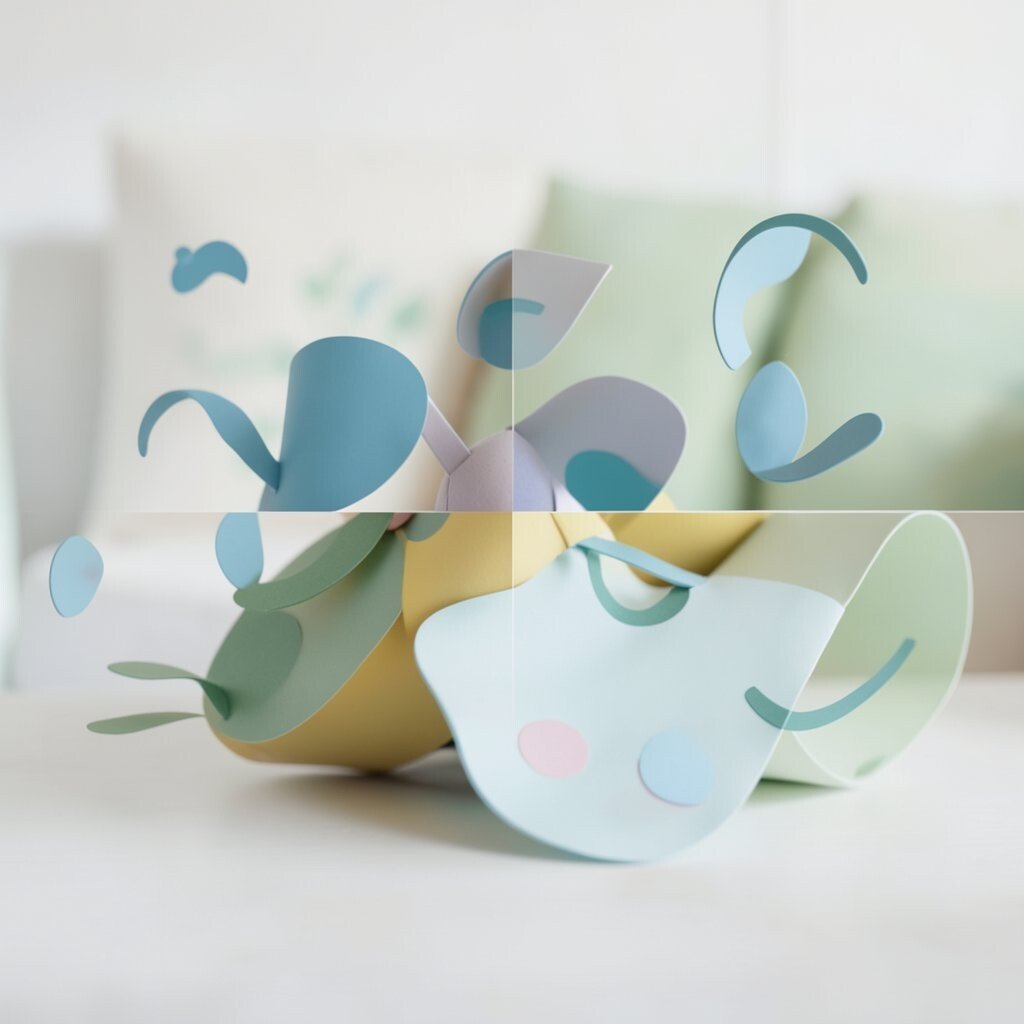
Color isn’t just decoration; it’s a powerful communication tool. It can evoke emotions and set the tone. Neglecting color can leave your design feeling flat and uninspiring.
Experiment with different color schemes. Use bold colors to make a statement, or soft hues for a calming effect. Remember, every color tells a story, so choose wisely!
5. Disregarding User Experience

Design is not just about looks; it’s about how it works. If people can’t use it easily, it’s not effective. Design with the user’s journey in mind to create a seamless experience.
Test your design on different devices and get feedback. A design that is easy to navigate will keep users coming back, like a favorite, worn-in pair of shoes.
6. Overcomplicating Designs
Simplicity is the ultimate sophistication. Overcomplicated designs can overwhelm and confuse. Focus on the essentials and remove unnecessary elements.
Think of your design as a good book. It tells its story clearly and leaves a lasting impression. Less is often more, so edit ruthlessly!
7. Neglecting Mobile Optimization
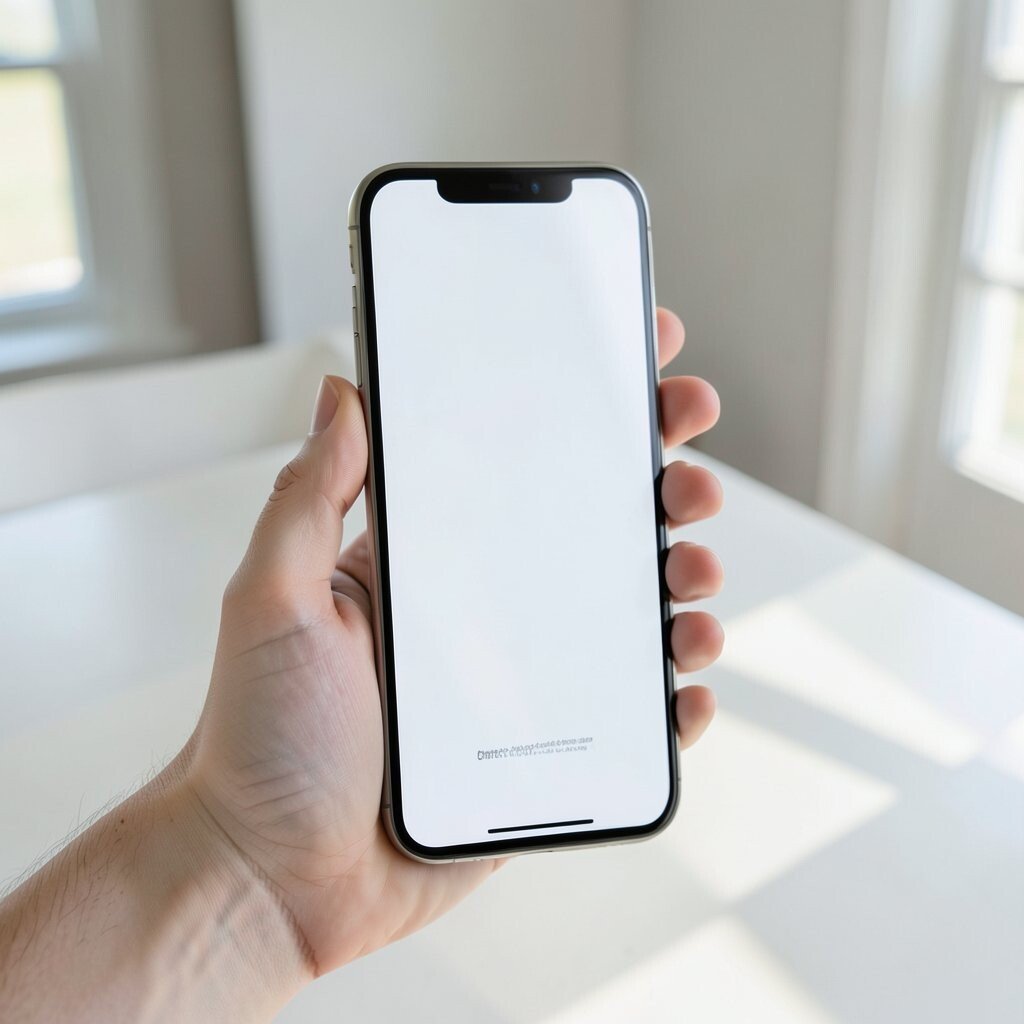
In today’s world, everyone is on their phones. A design that doesn’t translate well on mobile devices can alienate a large audience. Ensure your design is responsive and mobile-friendly.
Test your design on various screen sizes. It’s like making sure your outfit looks good in any mirror. A little effort here can expand your reach significantly!
8. Avoiding Trends Entirely

Trends can be like a double-edged sword. Ignoring them completely might make your design feel outdated, while overusing them can make it look generic. Balance is key.
Keep an eye on trends and incorporate elements that align with your brand. It’s like adding a trendy accessory to an outfit—it can freshen up your look without changing your style.
9. Forgetting Accessibility

Design should be inclusive. Forgetting accessibility means alienating people with disabilities. Design with everyone in mind, and you’ll expand your reach and impact.
Use high-contrast colors and readable fonts. Ensure your design works with screen readers. It’s like building a ramp alongside stairs—everyone should have access.
10. Not Valuing Feedback
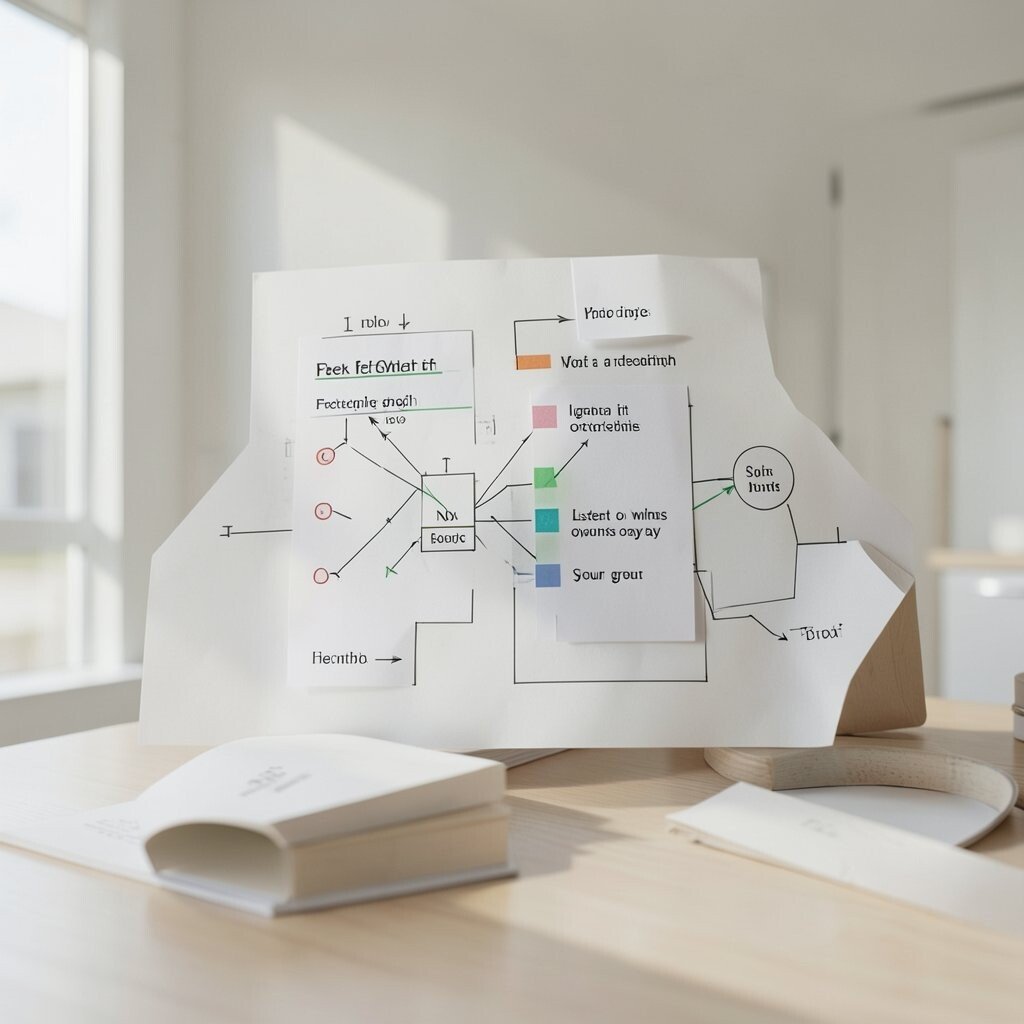
Feedback is a gift, not a criticism. Ignoring it limits your growth. Listen to what others say about your design to improve and innovate.
Seek feedback from diverse groups to get a well-rounded view. It’s like having a second pair of eyes to catch what you might have missed.
11. Overloading with Visuals
Visual clutter can be as distracting as a messy room. Too many images can dilute your message. Be selective with your visuals for better impact.
Choose images that add value and complement your content. Quality over quantity is key. It’s like curating a gallery—each piece should have purpose and meaning.
12. Ignoring Typography

Typography is not just about choosing a font. It’s about creating a visual voice for your content. Ignoring it can make your design dull and lifeless.
Experiment with different fonts and layouts. Typography should enhance your message, like a melody enhances a song. Get creative and let it sing!
13. Poor Alignment
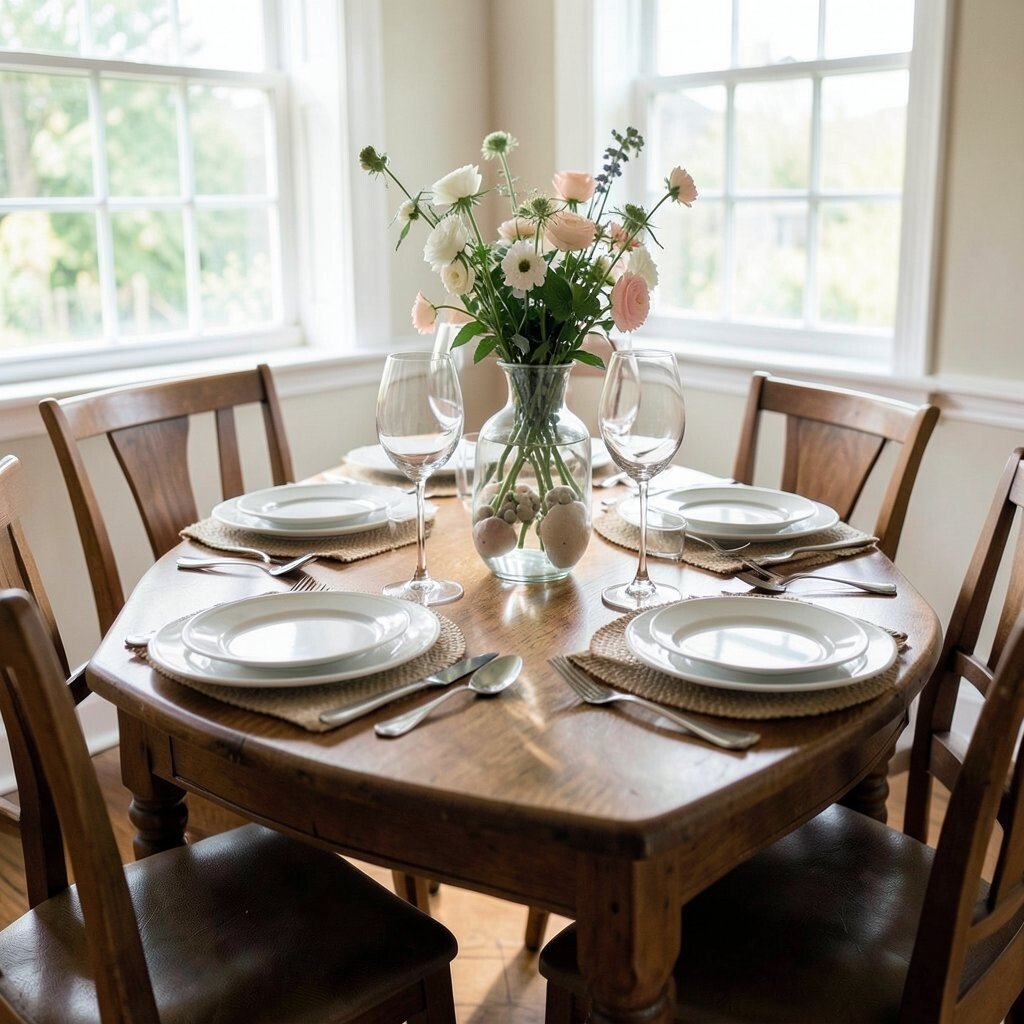
Alignment is the unsung hero of design. Misalignments can create a sense of chaos and disorganization. Good alignment is like a well-set dining table—it feels put together and inviting.
Use grids to keep elements aligned. It helps guide the eye and creates a seamless flow. It’s an easy way to make your design look professional and polished.
14. Skipping Prototyping
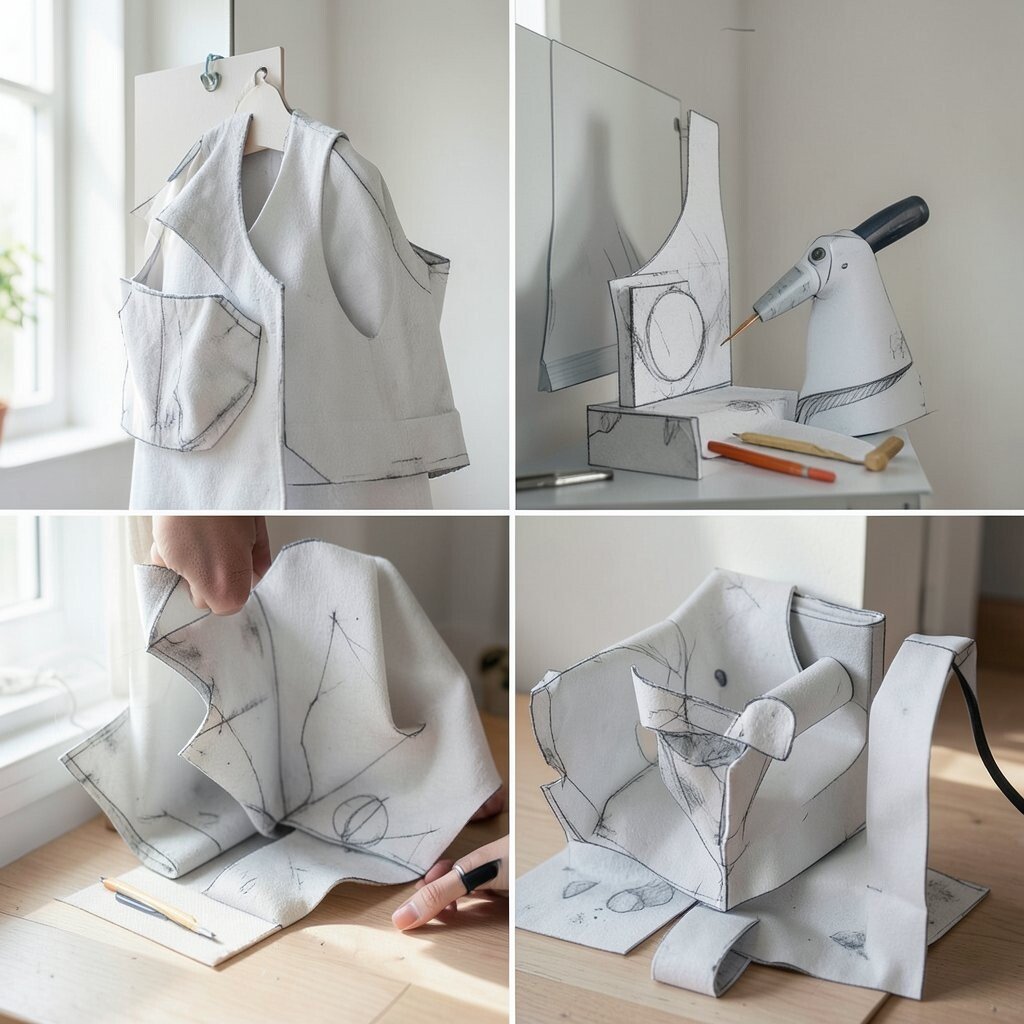
Prototyping is like a dress rehearsal for your design. Skipping it is like going on stage without practice. It helps you test ideas and catch errors early.
Create rough drafts and get feedback before finalizing. It’s cost-effective and saves time in the long run. Think of it as a safety net for your creative ideas.
15. Forgetting the Target Audience

Design is not one-size-fits-all. Forgetting your target audience can make your design miss the mark. Always think about who you’re designing for.
Research your audience’s preferences and tailor your design accordingly. It’s like choosing the right gift—personalized and thoughtful.
16. Overlooking Balance

Balance in design is like balance in life. Without it, everything feels off-kilter. It involves distributing visual weight evenly for a harmonious look.
Mix and match elements to achieve balance. Symmetry and asymmetry can both work, depending on your style. It’s like balancing flavors in a dish—each ingredient should enhance the other.
17. Not Using Visual Hierarchy

Visual hierarchy guides the viewer’s eye through the design. Ignoring it is like telling a story with no beginning, middle, or end. Structure your design to lead viewers where you want them to go.
Use size, color, and placement to create a hierarchy. It’s like directing a play—each actor knows their role and place. This ensures your message is clear and impactful.
18. Relying Too Much on Tools

Design tools are fantastic helpers but not the masterminds. Over-reliance can stifle creativity. Remember, tools are just that—tools!
Use tools to bring your vision to life, but don’t let them dictate your creativity. It’s like using a recipe as a guide, but adding your own twist to make it special.
19. Failing to Tell a Story

Every design should tell a story. Failing to do so is like a book with no plot. Your design should communicate a message and evoke emotion.
Craft a narrative around your design elements. It’s like writing a short story where every element plays a part in the bigger picture. This makes your design memorable and engaging.