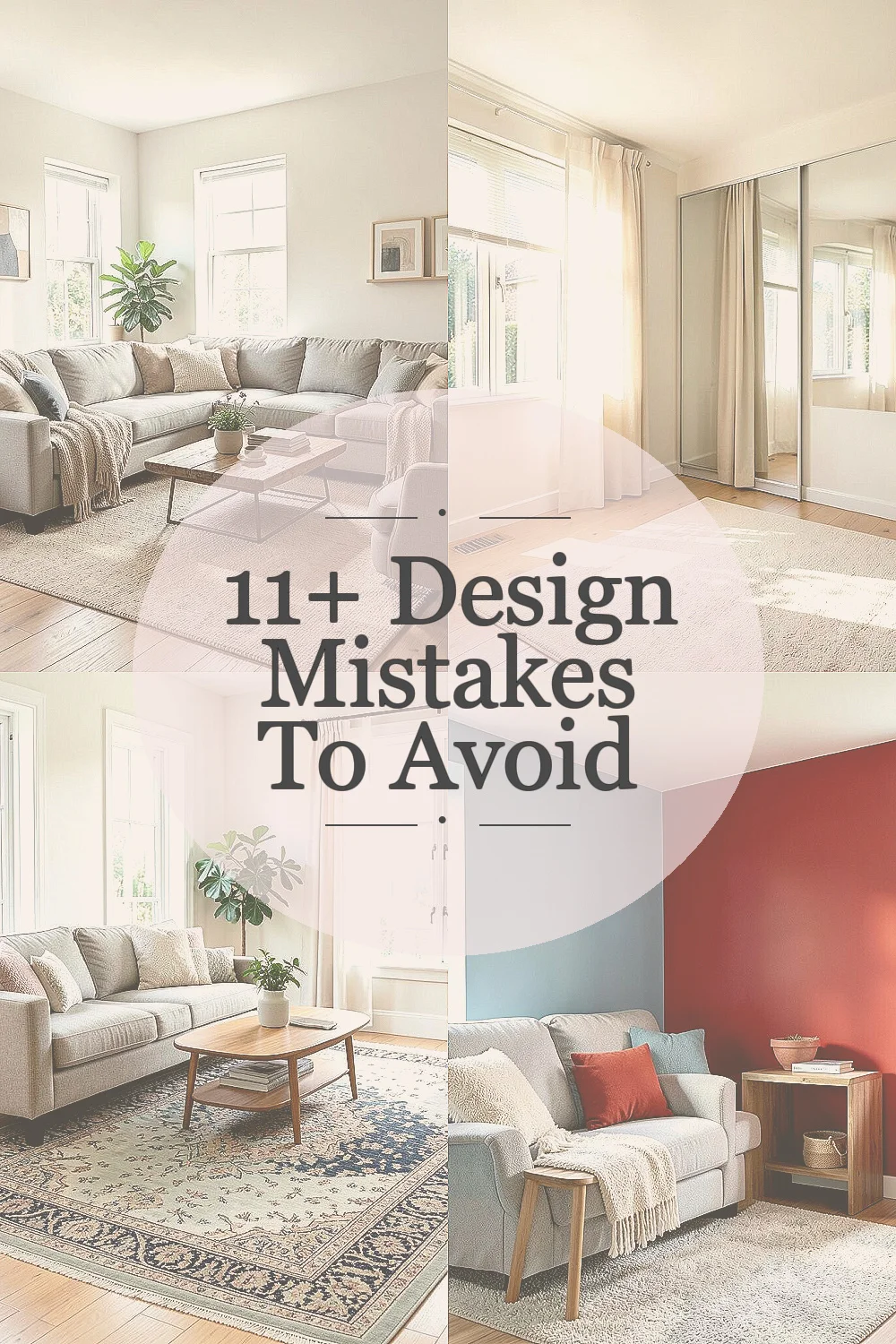
Ever wonder why some spaces feel just right, while others seem off? Unleashing the potential of your home can be as simple as avoiding a few common design pitfalls.
1. Overcrowding with Furniture
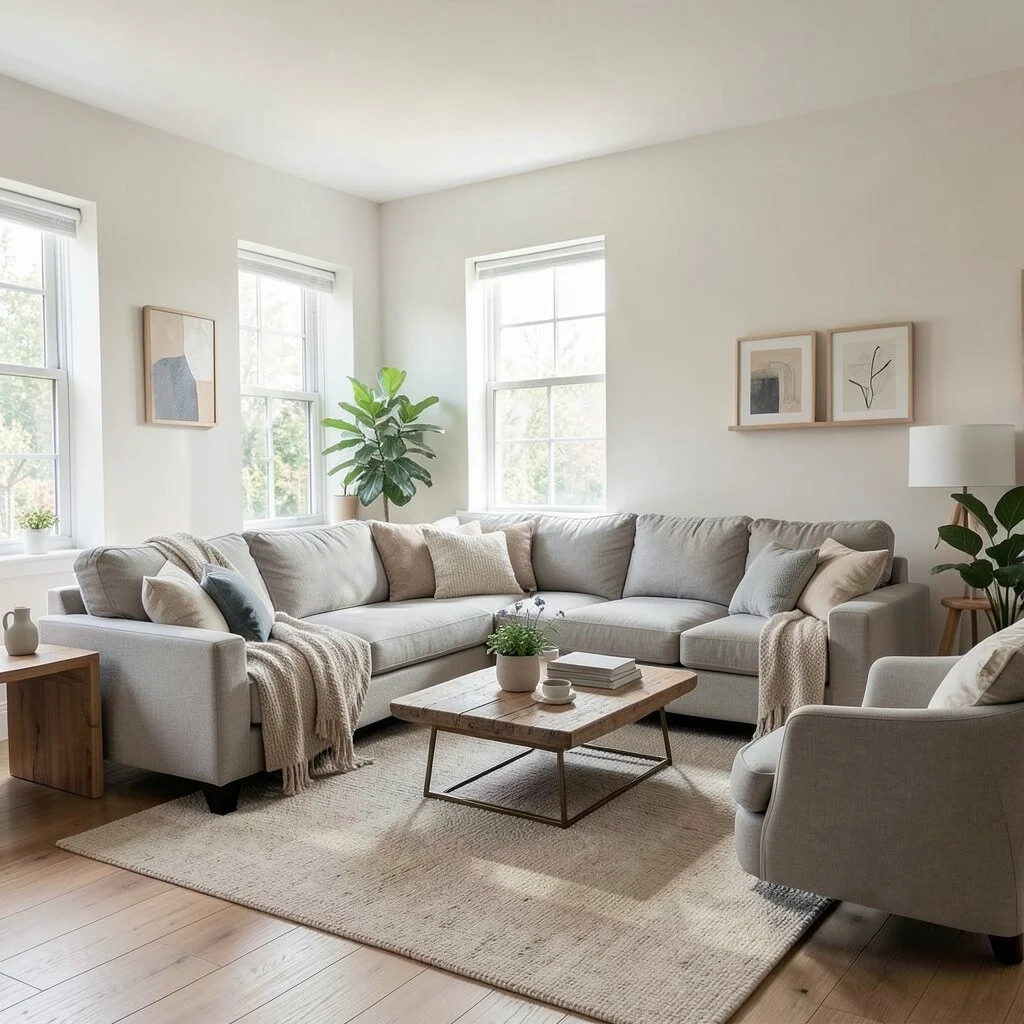
Sometimes, less truly is more. Overcrowding a room with furniture can make it feel cramped and uncomfortable. Instead, choose a few key pieces that offer functionality and style.
By leaving some breathing room, you create a more open, airy space. This not only makes the room look better but also makes it more inviting. Try using multi-functional furniture, like a sofa that doubles as a bed.
It’s cost-effective and trendy! Plus, your room will thank you with a more organized look.
2. Ignoring Natural Light
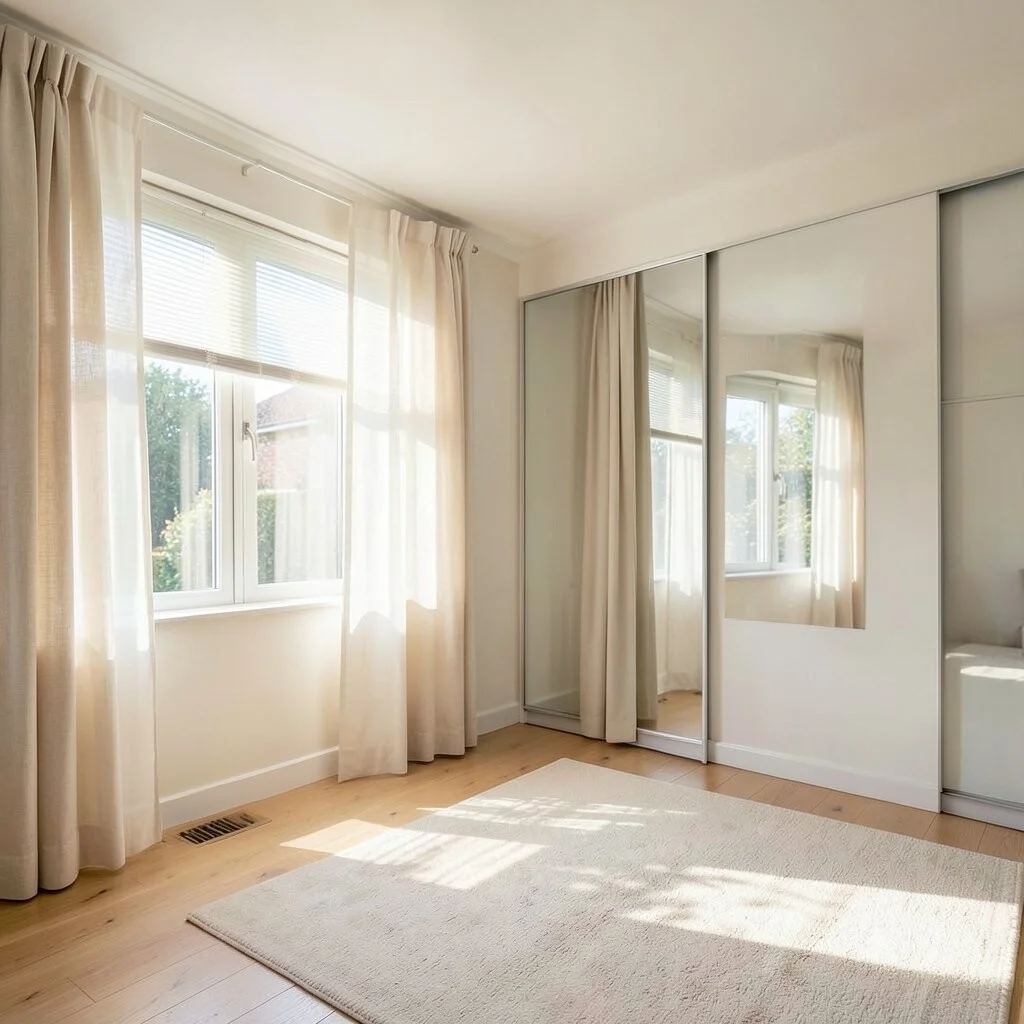
Natural light can transform a room from dull to delightful. Yet, many people forget to maximize this free resource. Consider using light, airy curtains or blinds that can be easily adjusted.
This allows sunlight to flood in, creating a warm, welcoming atmosphere. It’s energy-efficient, too! Mirrors can also reflect light, making rooms appear larger and brighter.
Play around with different placements to find what works best for your space.
3. Choosing the Wrong Rug Size
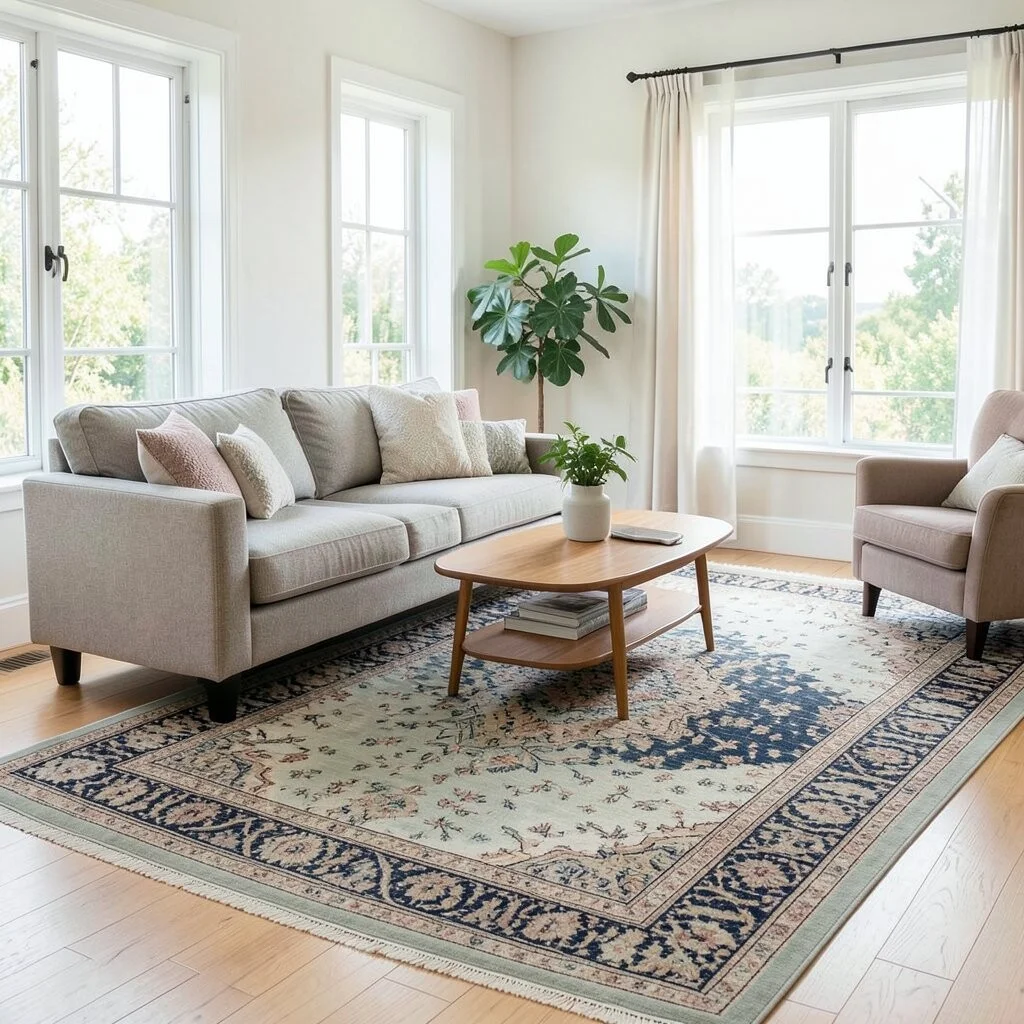
Rugs can tie a room together, but choosing the wrong size can throw everything off. A too-small rug can make a room feel disjointed, while a too-large one can overwhelm the space.
Think of the rug as the anchor for your room. It should be large enough to fit under all major pieces of furniture. This simple change can make a world of difference in pulling the room’s look together.
Rugs come in all price ranges, so there’s something for every budget. Find one that fits your style and space perfectly.
4. Ignoring the Power of Color
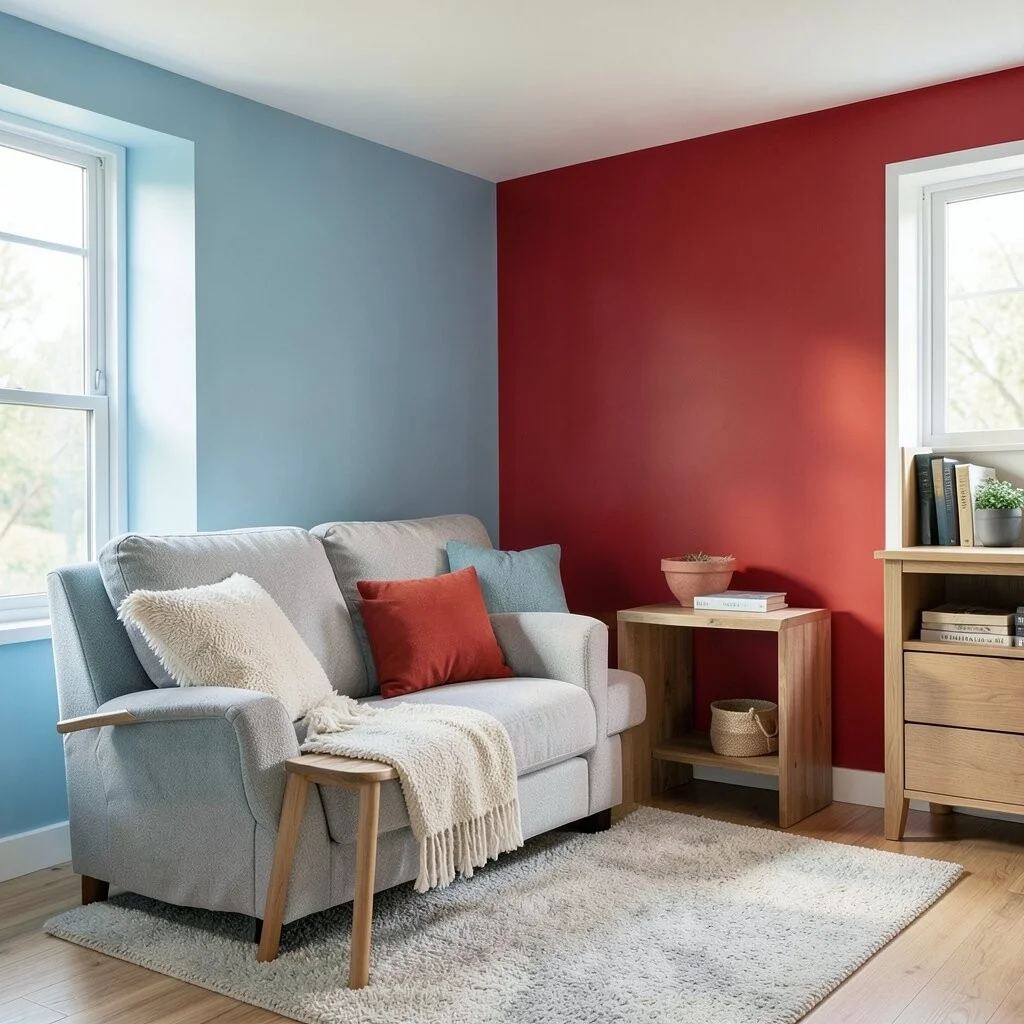
Color is a powerful tool in design, yet it’s often underutilized. Avoid the mistake of sticking to bland, neutral palettes. Instead, inject some personality with bold, vibrant colors.
Color can evoke different emotions, so choose wisely based on the mood you want to create. Soft blues can be calming, while bold reds can energize a space. Personalize your space with colors that reflect your personality.
Paint is relatively inexpensive, so experimenting with different shades won’t break the bank.
5. Ignoring Vertical Space
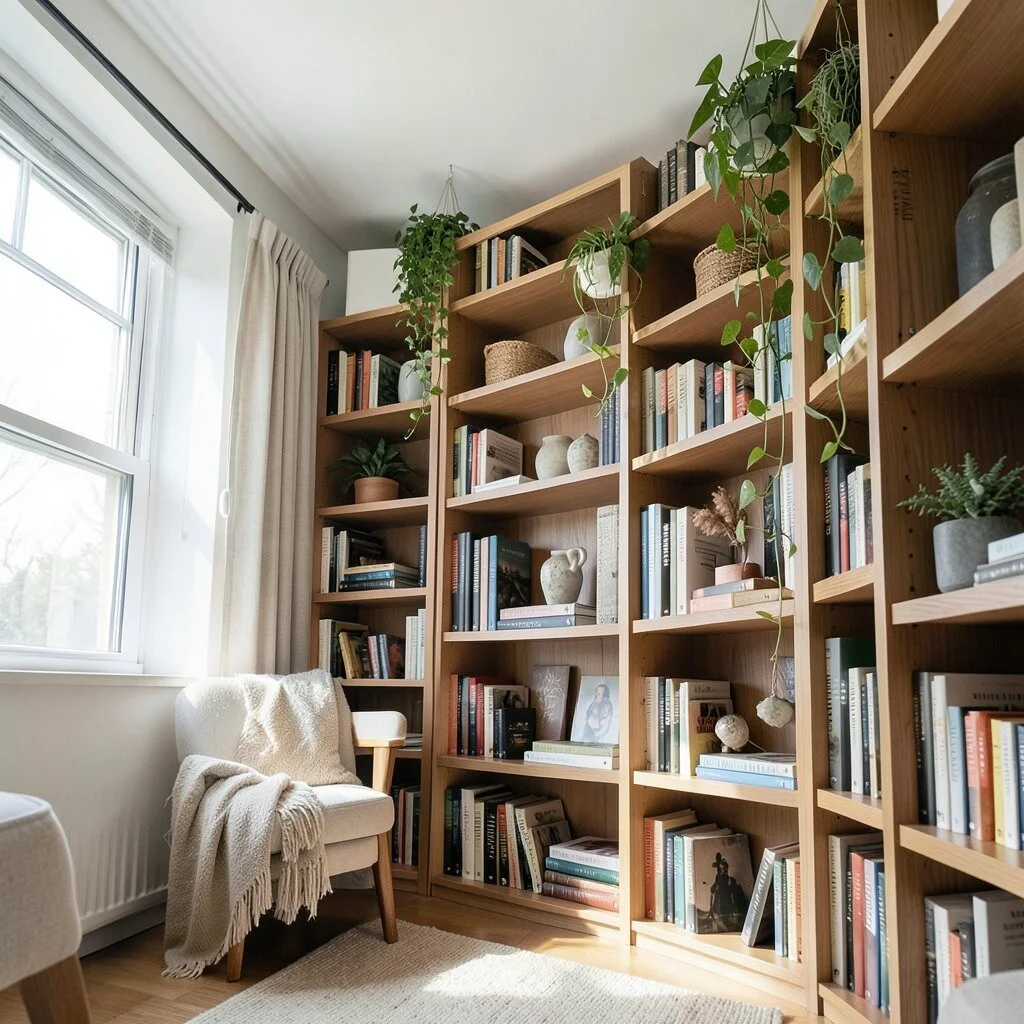
When decorating, don’t forget to look up! Vertical space is often overlooked but can be utilized for storage and decoration. Tall bookshelves or hanging plants can draw the eye upward.
This makes a room feel larger and more dynamic. Plus, it’s a great way to display your favorite items or collections. Use this space creatively to add character and uniqueness to your home.
Vertical storage solutions can be budget-friendly and offer a fresh perspective on space utilization.
6. Poor Lighting Choices
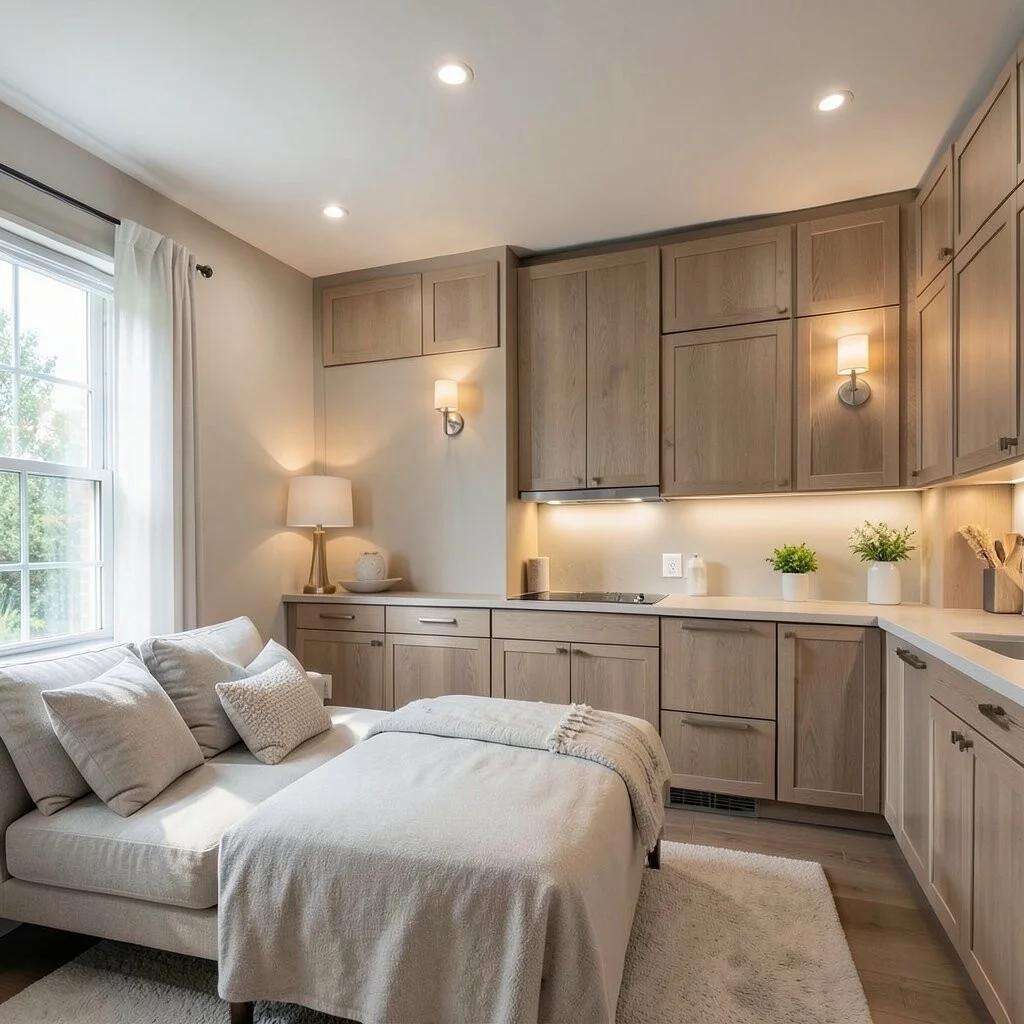
Lighting can make or break a room’s ambiance. Relying solely on overhead lighting can cast unflattering shadows and make a space feel harsh. Consider layering different types of lighting.
Combine ambient, task, and accent lighting for a balanced look. Lamps, sconces, and under-cabinet lights can add warmth and depth to a room. Play with different light sources to see what works best for each area.
There are plenty of affordable lighting options that can transform your space instantly.
7. Matching Everything Perfectly
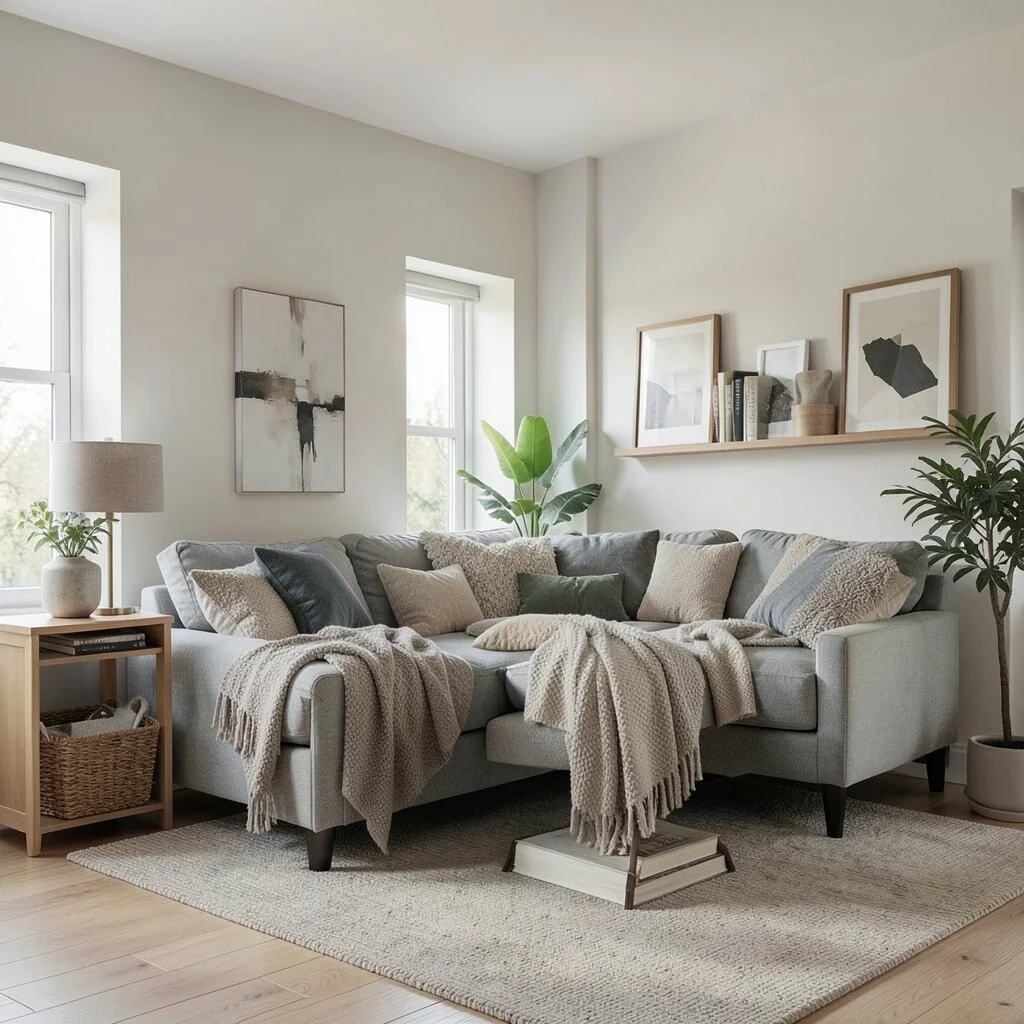
A perfectly matched room can feel sterile and uninspired. Instead, mix and match textures, colors, and styles for a more interesting and personalized look.
Contrast can add depth and character to your space. Don’t be afraid to blend modern with vintage or smooth with rough textures. This approach showcases your unique style and makes your home feel more personal.
Mixing doesn’t mean chaos; it’s about finding a harmonious balance that speaks to you.
8. Forgetting About Functionality
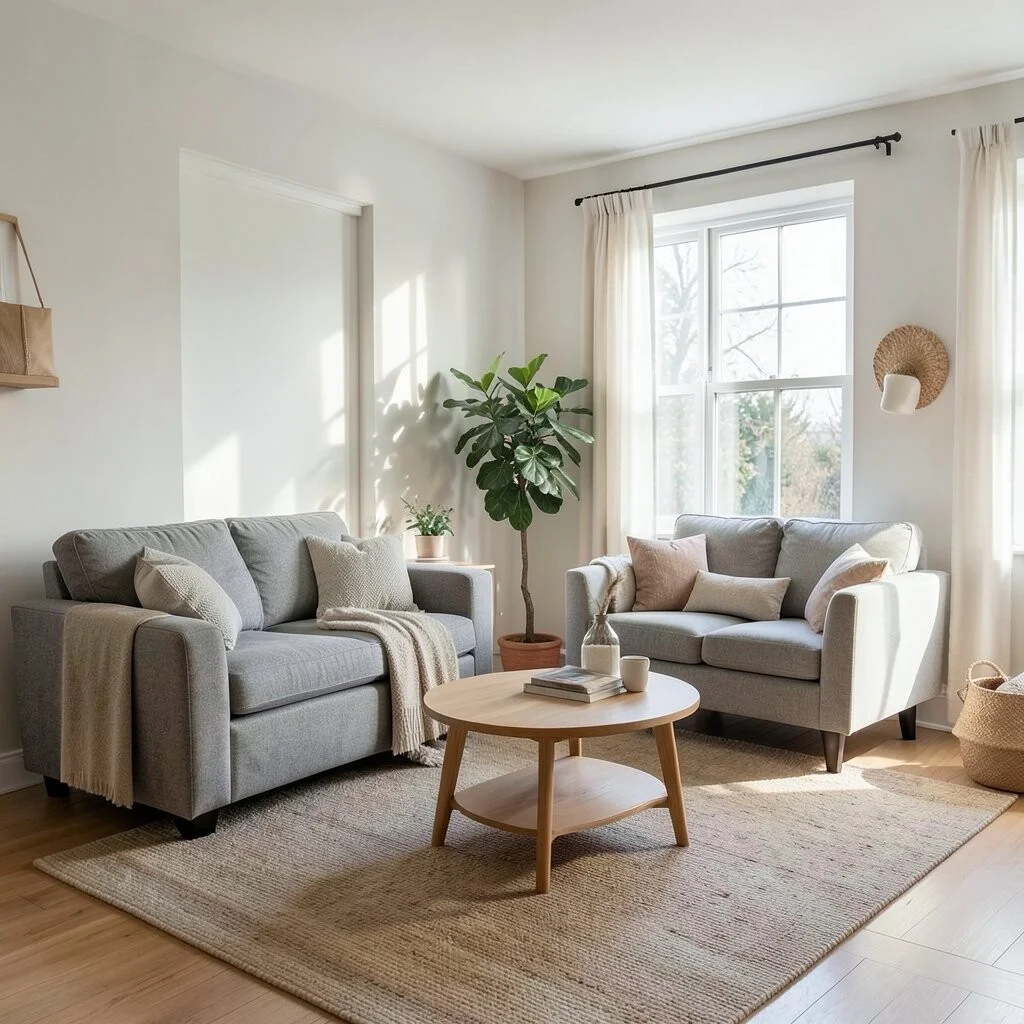
A beautiful room is great, but it also needs to be functional. Don’t sacrifice comfort for style. Consider how you use the space and choose pieces that serve a purpose.
For example, a comfy chair that’s easy on the eyes but hard on the back isn’t a good choice. Select furniture and layouts that make daily life easier and more enjoyable. Functional doesn’t have to mean boring!
Look for stylish solutions that cater to your needs and lifestyle.
9. Neglecting Personal Touches
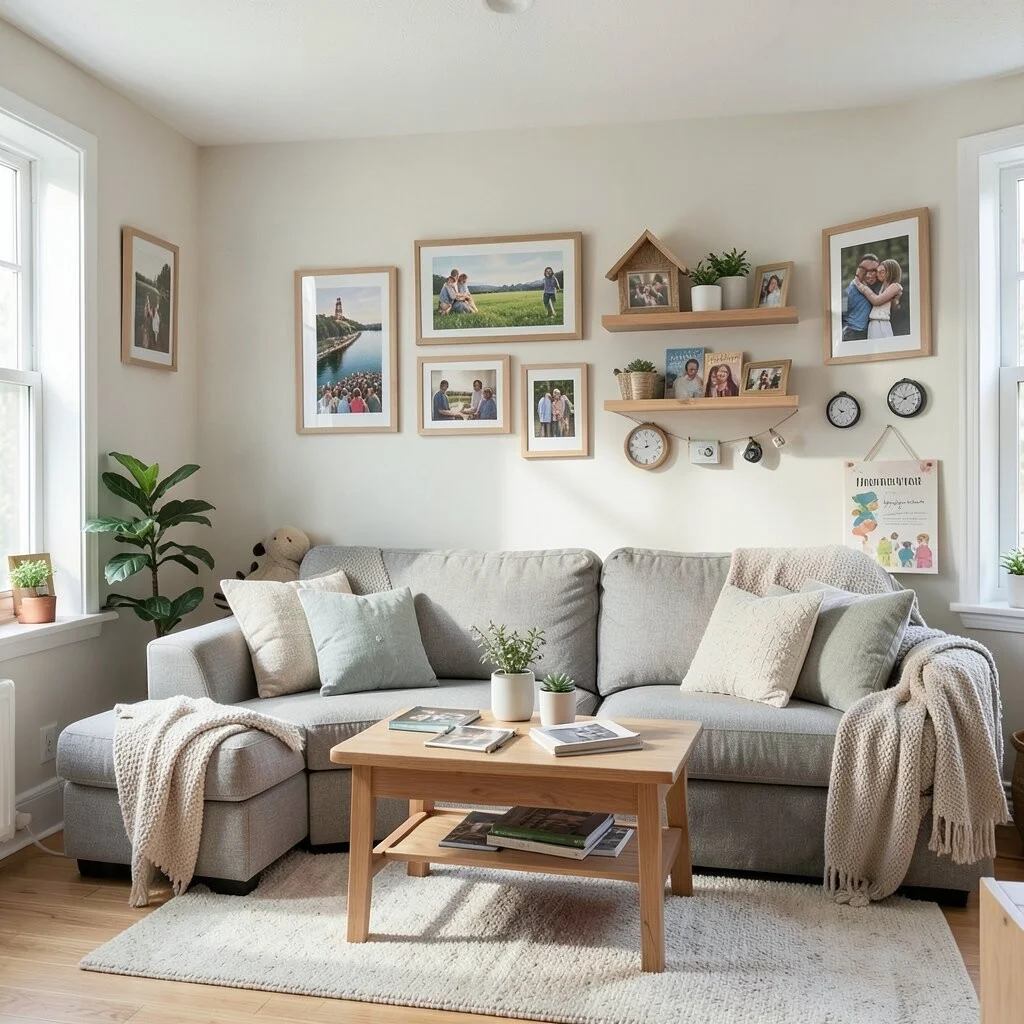
A home should reflect the people who live in it. Avoid making it look like a showroom by incorporating personal touches. Family photos, travel souvenirs, and DIY projects add warmth and personality.
These elements tell your story and make the space uniquely yours. Don’t be afraid to showcase your hobbies or interests. It’s the little details that make a house feel like a home.
Personalization doesn’t have to be costly—use what you already have to create a space that’s distinctly you.
10. Overlooking Scale and Proportion
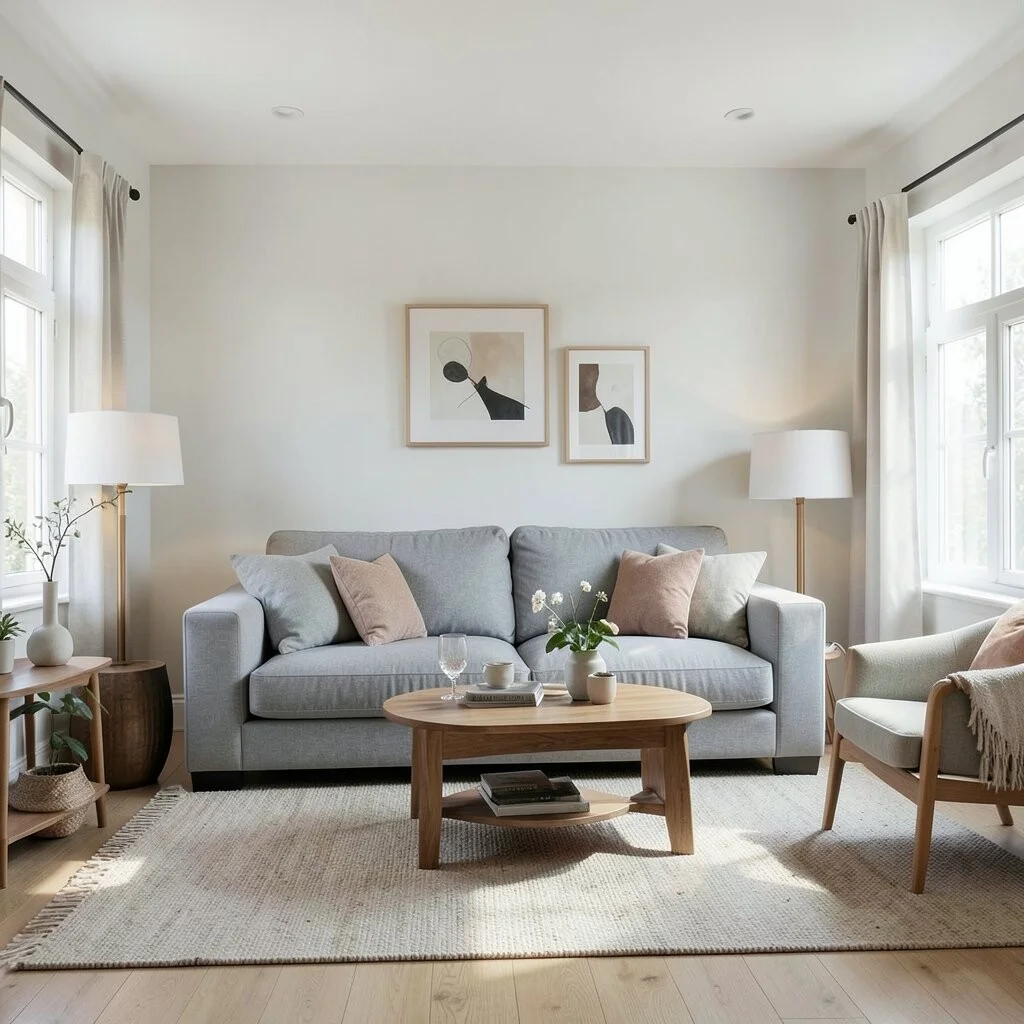
The size of furniture and decor items should complement the size of the room. A giant sofa in a tiny room can feel overwhelming, while small pieces in a large space can seem out of place.
Pay attention to scale and proportion to maintain balance. This ensures your room feels cohesive and comfortable. Experiment with different arrangements to find the perfect fit.
Use this principle to guide your choices, and your home will look effortlessly polished.
11. Forgetting About Texture
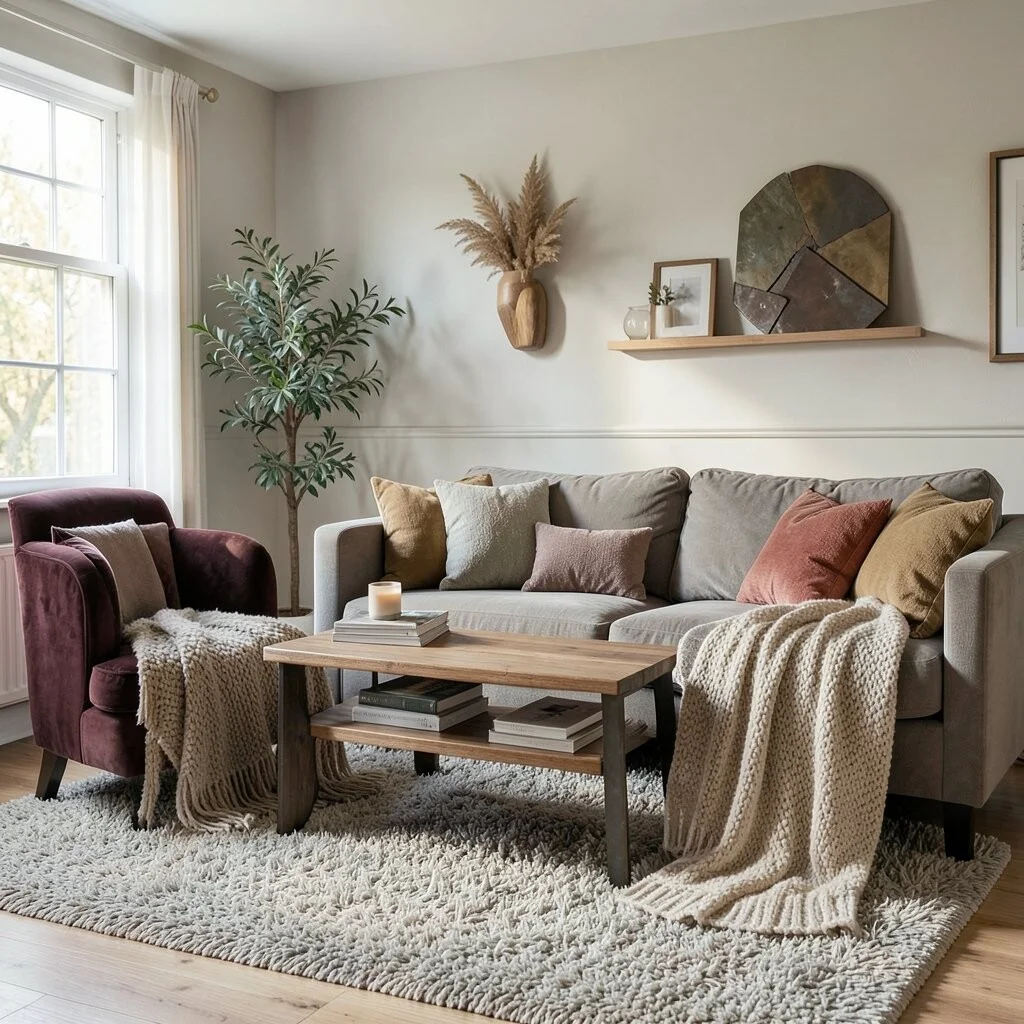
Texture adds depth and interest to a space. A room without texture can feel flat and lifeless. Layer different materials like wood, metal, and textiles to create a rich and inviting atmosphere.
Mixing textures adds warmth and can make a room feel more dynamic. Velvet pillows, a shaggy rug, or a knitted throw can make a big impact. Textures are an easy way to update a space without a complete overhaul.
Don’t be afraid to experiment—textures are your friend!
12. Ignoring the Entryway
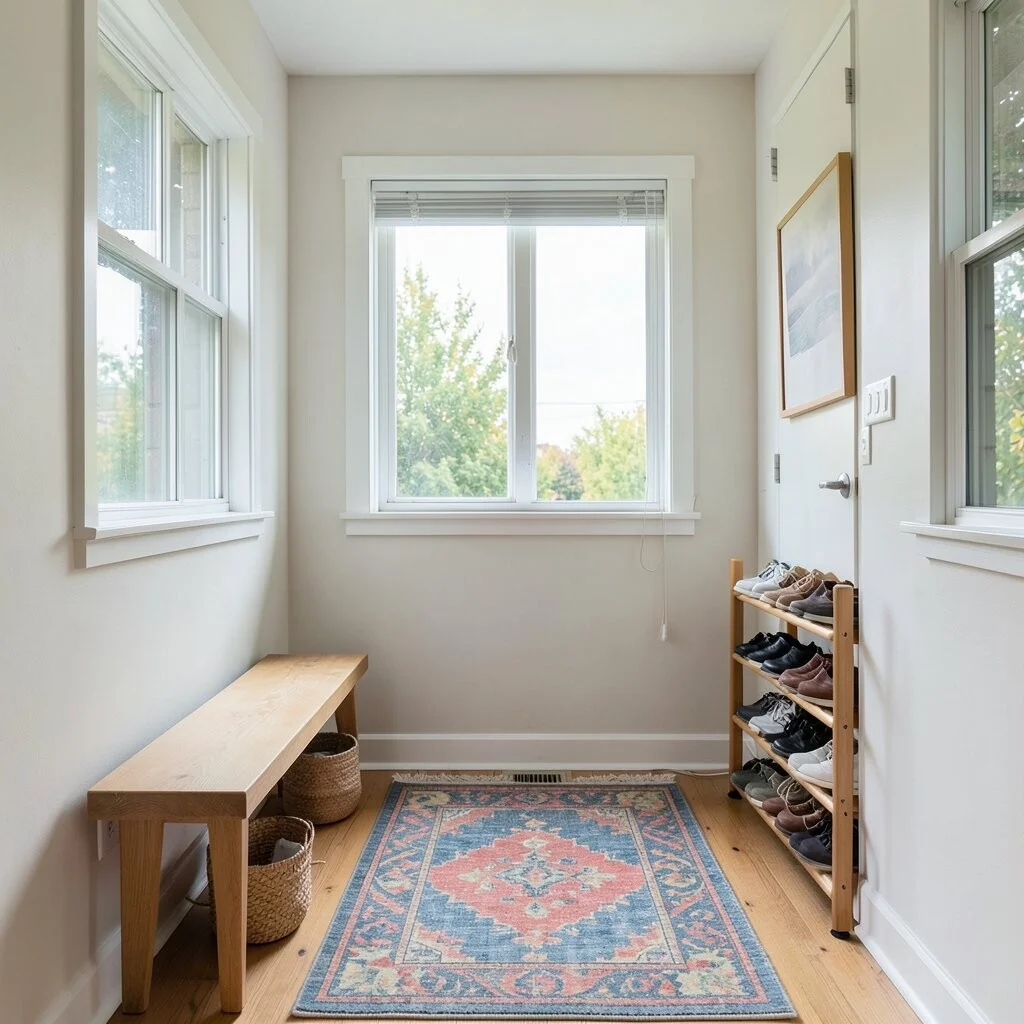
The entryway is the first impression of your home, yet it’s often neglected. Make it welcoming with a few thoughtful touches. A simple bench, a tidy shoe rack, or a colorful rug can make all the difference.
This small area sets the tone for the rest of the home. It’s a spot where you can get creative with design elements that reflect your personality. Even with a small budget, a little attention to the entryway can go a long way.
Creating a welcoming entrance doesn’t have to be daunting—keep it simple and personal.