Ever walked into a room and felt something was just off, but couldn’t quite put your finger on it? Sometimes, it’s the little things that can make or break the vibe of a space.
1. Overcrowding with Furniture
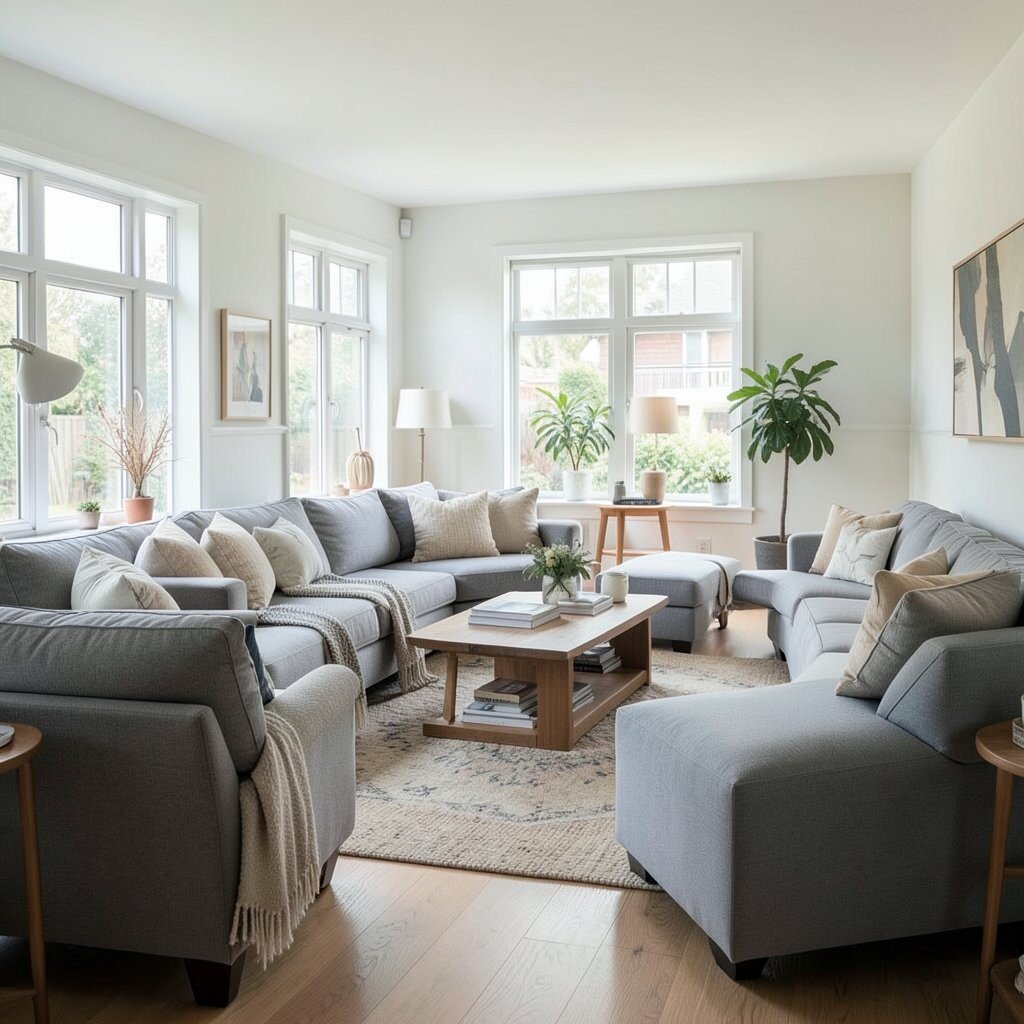
Think of a room as a canvas. Overcrowding it with furniture can make it feel more like a storage unit than a cozy space. Instead, choose pieces that are functional and stylish.
Keep pathways clear and let your eye move easily around the room. This will create a sense of calm and order. Plus, fewer pieces mean you can splurge on that one statement chair without breaking the bank!
Pro tip: Use multi-functional furniture like ottomans or benches that offer storage. In 2023, modular sofas are trendy and provide versatility for any space.
2. Ignoring Natural Light
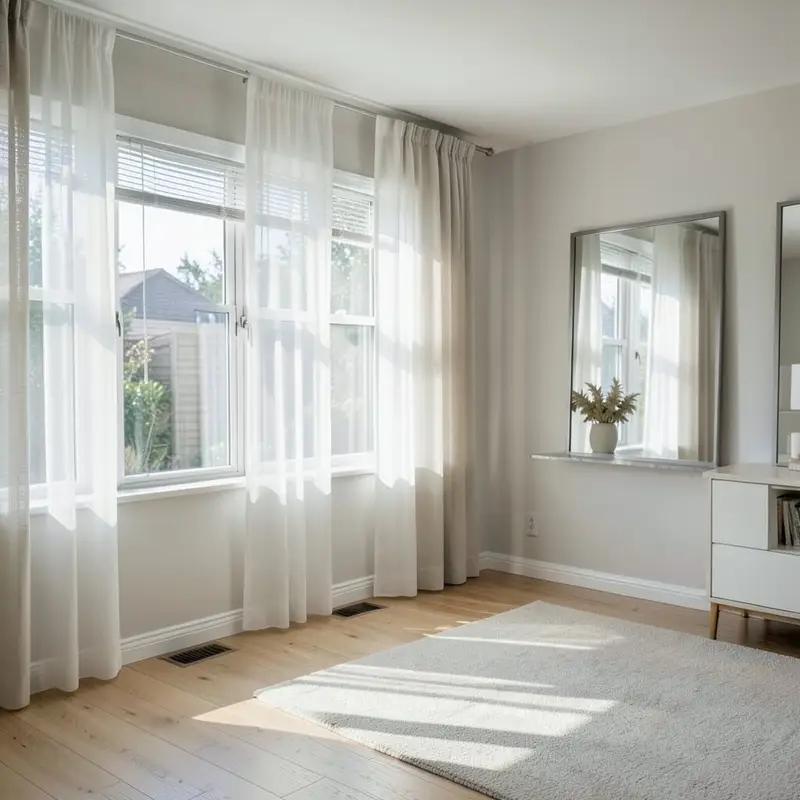
Natural light can be a game-changer. It can make a room feel bigger, brighter, and more inviting. Don’t hide it behind heavy curtains or bulky furniture.
Consider sheer curtains or blinds that let light in while maintaining privacy. Position mirrors to reflect and amplify sunlight. It’s like giving your room a free, eco-friendly glow-up!
Investing in energy-efficient windows can be costly upfront, but they pay off by reducing energy bills and adding to the home’s value.
3. Choosing Style Over Comfort
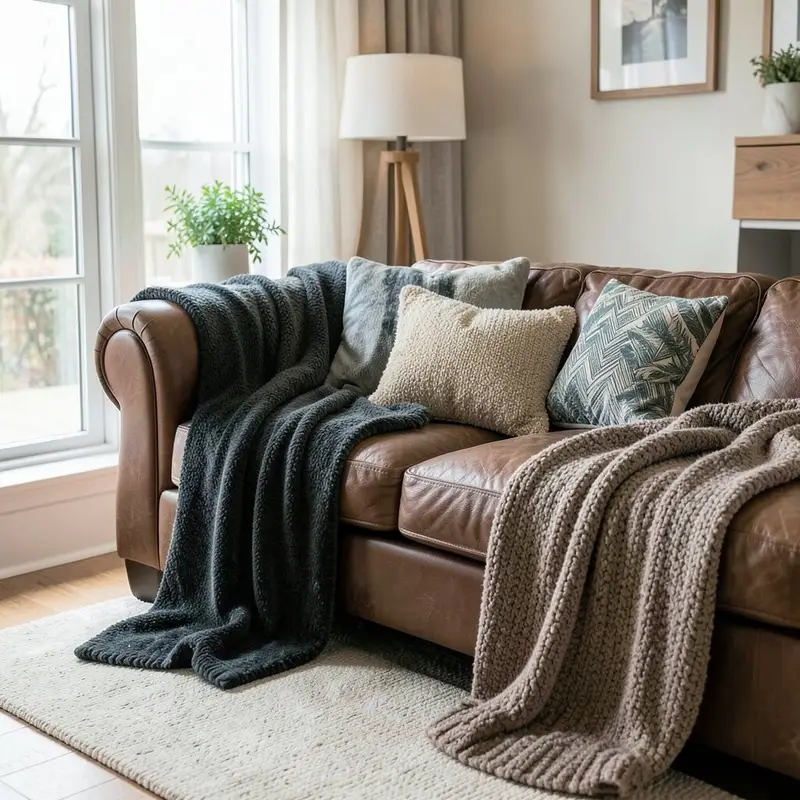
We all want our homes to look like they belong in a magazine, but comfort should never be sacrificed. The coziest spaces combine style with comfort.
Opt for plush fabrics and pillows that invite you to sink in. This doesn’t mean abandoning style; instead, find pieces that are both chic and comfy.
Mix textures like velvet or knit throws with leather or wood elements. This trend is not only stylish but adds a layer of warmth and homeliness.
4. Overlooking Scale and Proportion
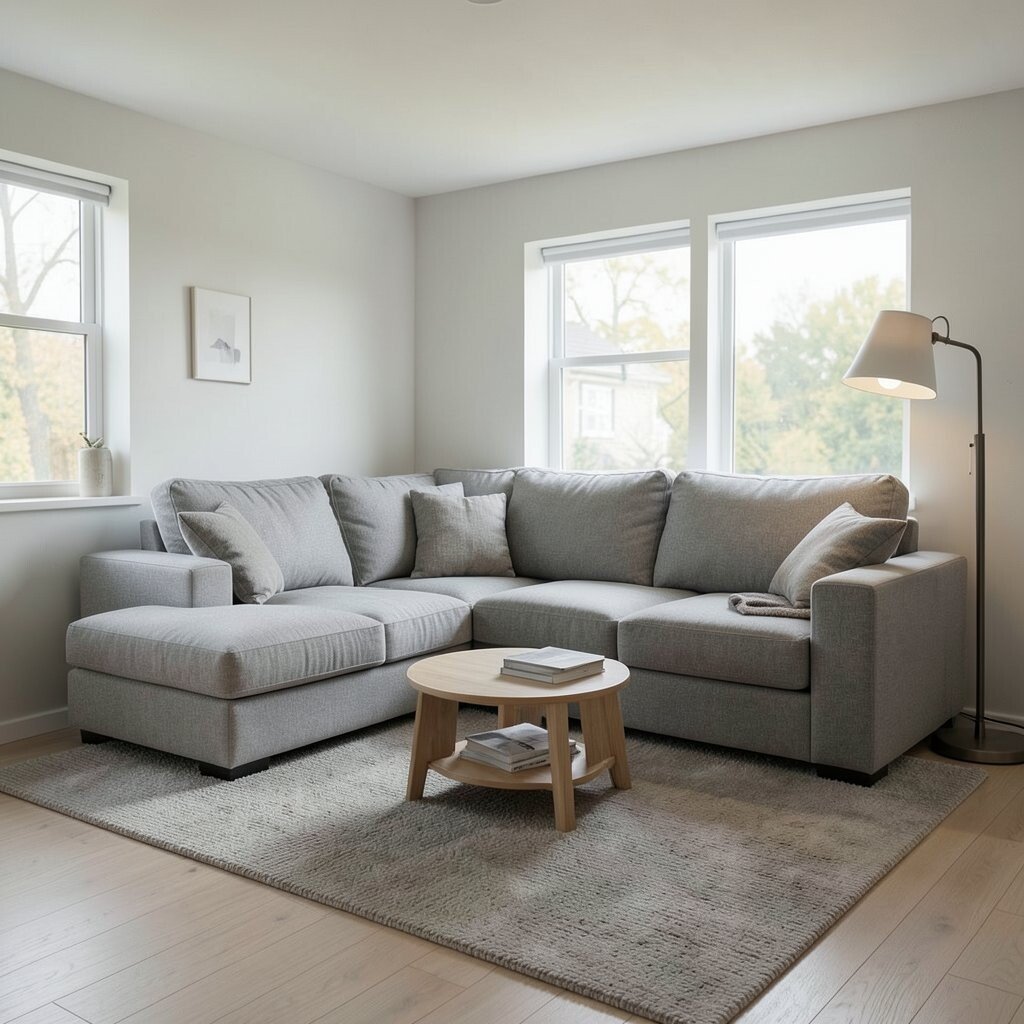
Scale and proportion are key to making any space feel balanced. A giant sofa in a tiny room can feel overwhelming, just like a small rug in a big room can seem lost.
Measure your space and choose furniture that fits comfortably. A well-proportioned room feels harmonious and pleasing to the eye.
Try creating zones with rugs or lighting to break up larger spaces. It’s an affordable way to maintain balance without a complete redesign.
5. Neglecting Vertical Space
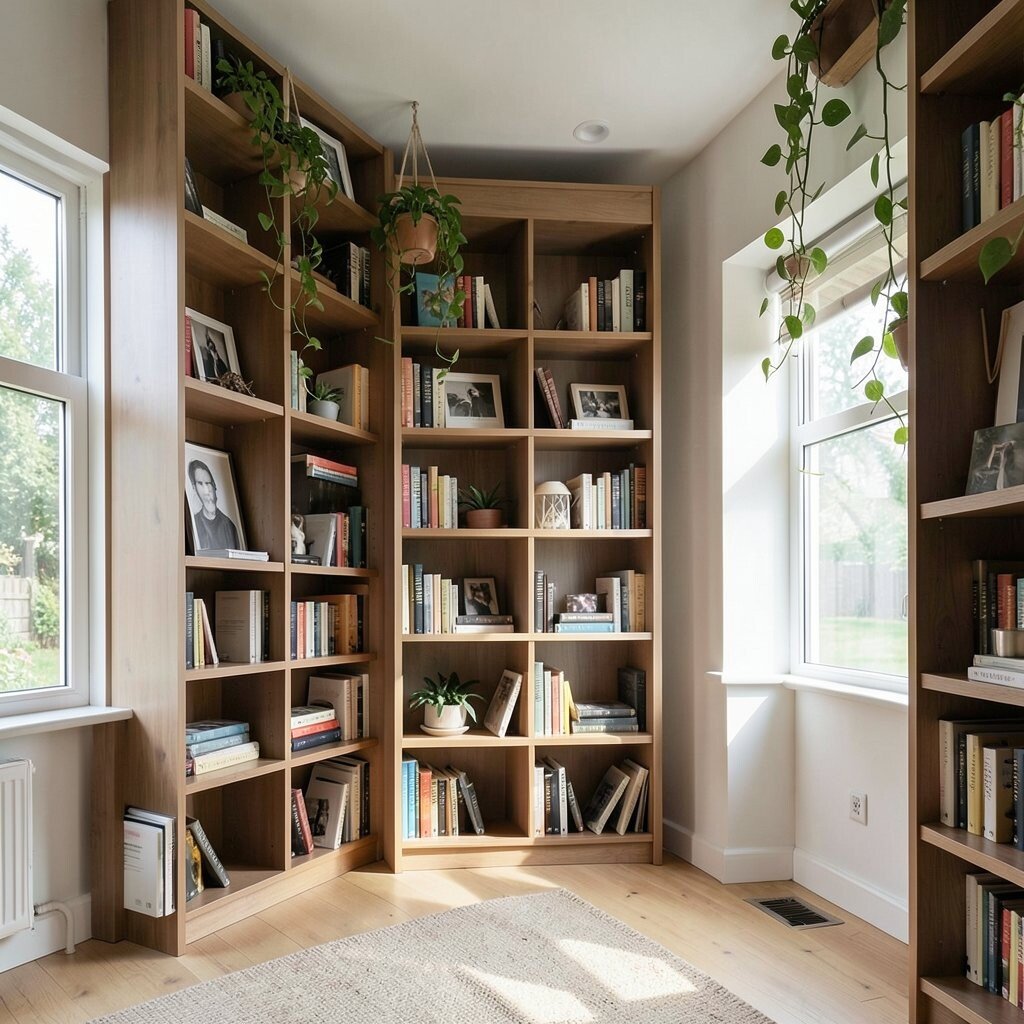
We often focus on floor space and forget the vertical. Tall bookshelves, hanging plants, or art can draw the eye upwards, adding dimension to a room.
This trick can make ceilings seem higher and rooms feel larger. It’s like giving your room a quick, effortless facelift.
Floating shelves are perfect for displaying books or treasures. They are trendy, space-saving, and budget-friendly.
6. Misusing Color
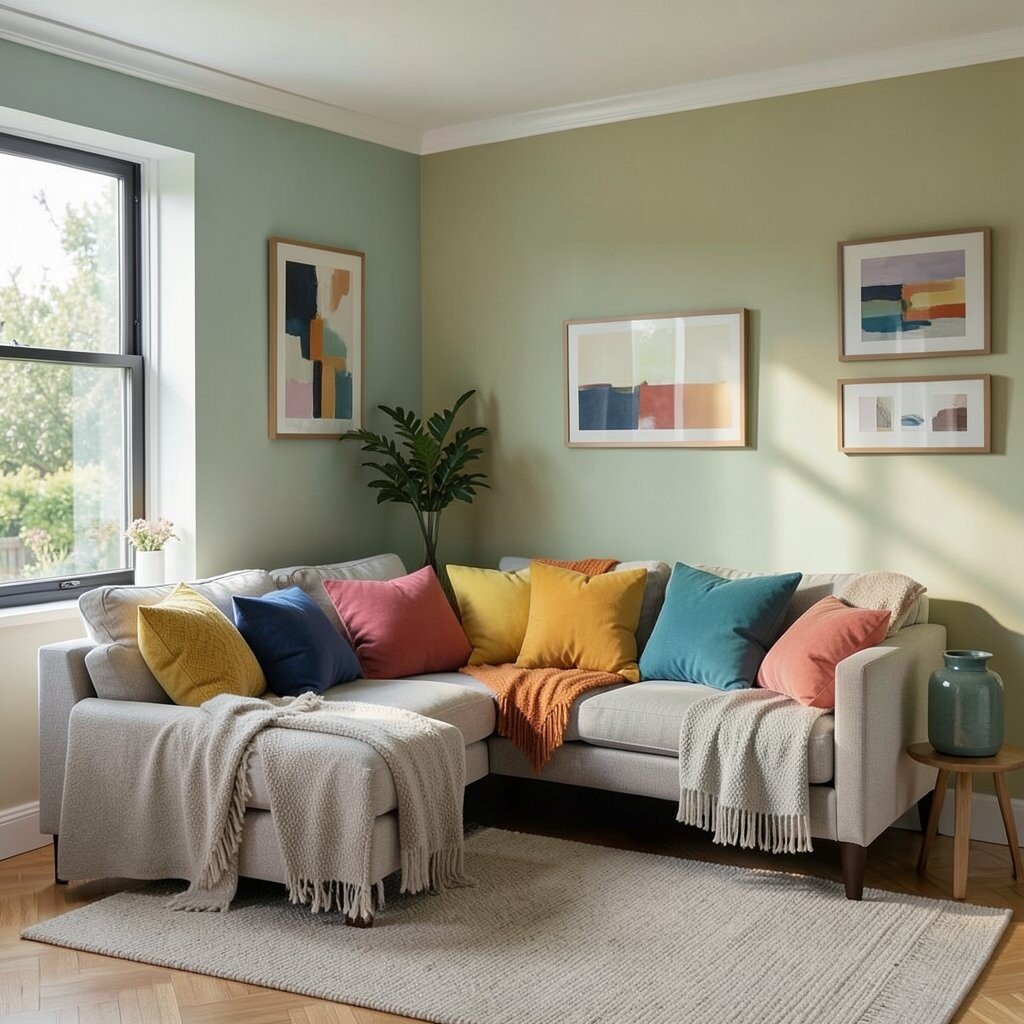
Color can transform a space, but misuse can lead to disasters. Too many colors can make a room feel chaotic, while too few can feel dull.
Find a palette you love and stick to it. Balance bold colors with neutrals to keep the space lively yet grounded.
Experiment with accent walls or colorful accessories. This trend allows for easy changes and personalization without a full repaint.
7. Ignoring the Focal Point
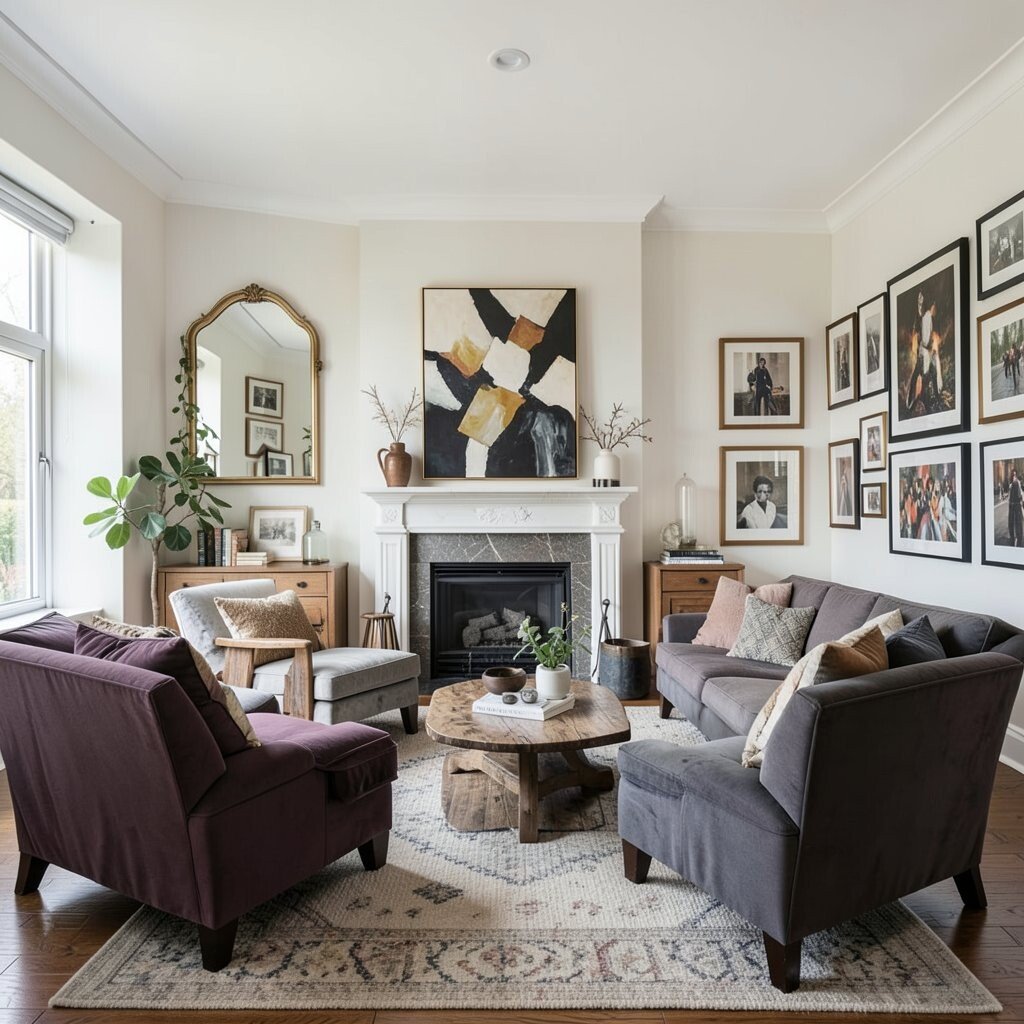
Every room should have a focal point, whether it’s a fireplace, a stunning piece of art, or a bold piece of furniture. It gives the room a purpose and anchors the design.
Decide on your focal point and arrange your furniture and decor to highlight it. This will provide a natural flow and focus to the room.
Create faux focal points with large mirrors or gallery walls. It’s a creative and often cost-effective way to add interest.
8. Poor Lighting Choices
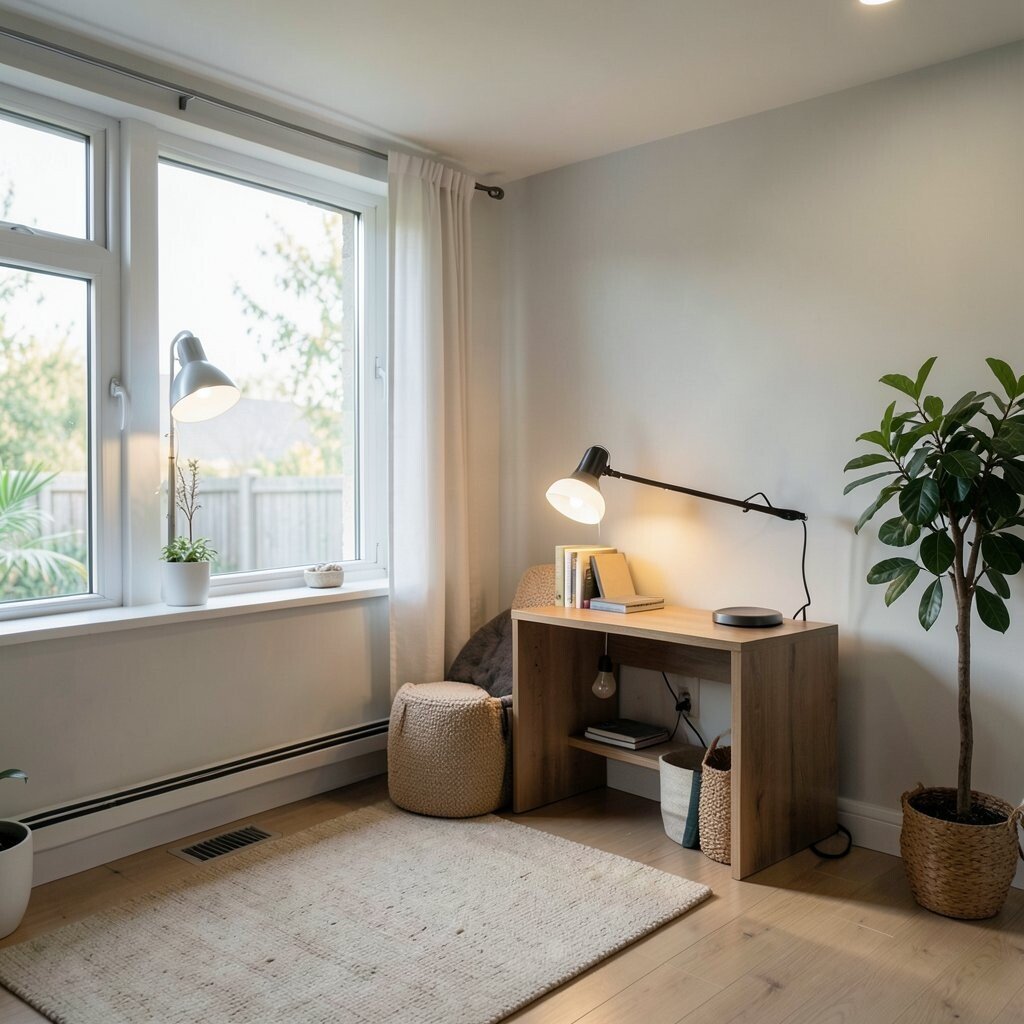
Lighting can set the mood. Too harsh, and it feels sterile; too dim, and it’s hard to see. Layering different types of lighting can create a perfect balance.
Combine ambient, task, and accent lighting to suit various needs. This flexibility makes spaces more functional and cozy.
Consider energy-efficient bulbs or smart lighting systems. They’re modern, time-saving, and can even be controlled via smartphone.
9. Forgetting About Texture
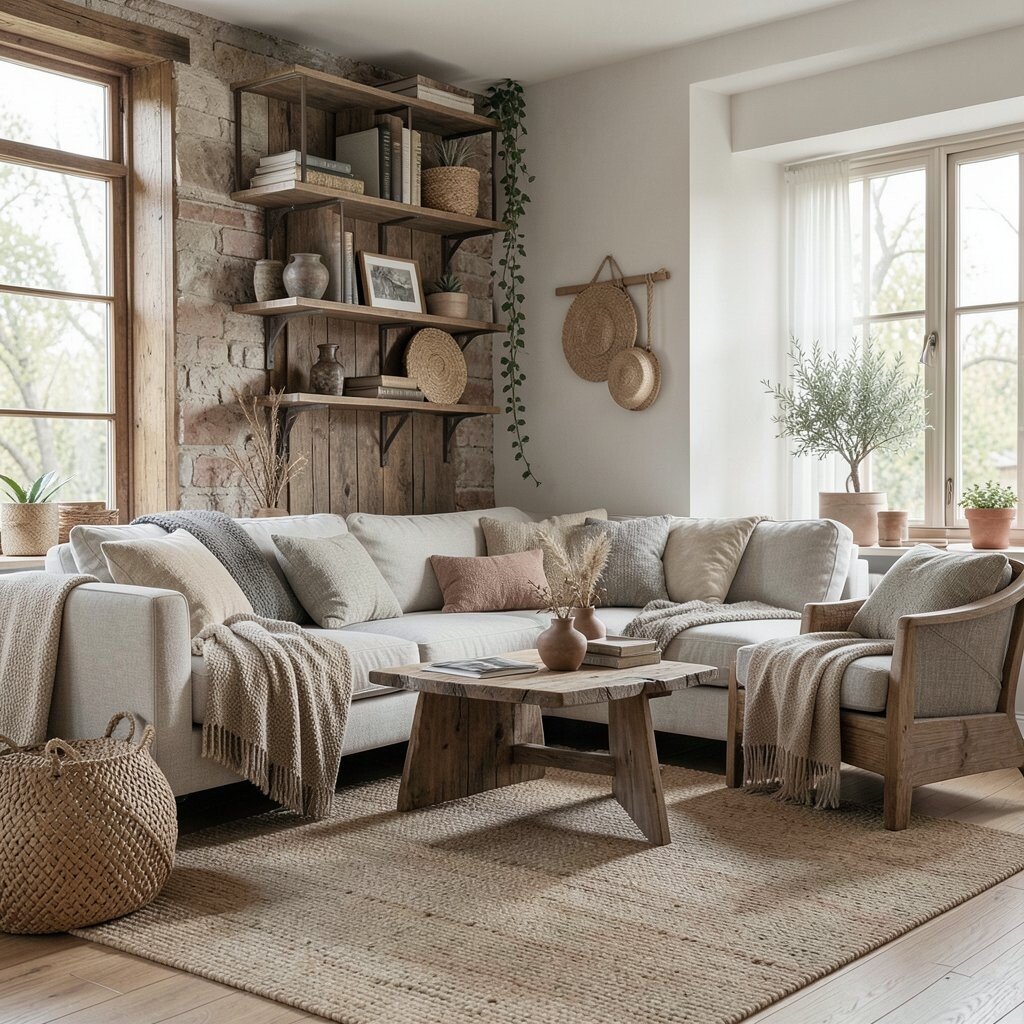
Texture adds depth and interest to a room. Without it, spaces can feel flat and uninspired. Mix different materials like wood, metal, and fabric.
This layering creates a tactile experience that invites touch and exploration. It’s like an adventure for your senses!
Trends in 2023 favor eco-friendly and natural textures. Recycled materials or handwoven items add character and sustainability.
10. Avoiding Patterns
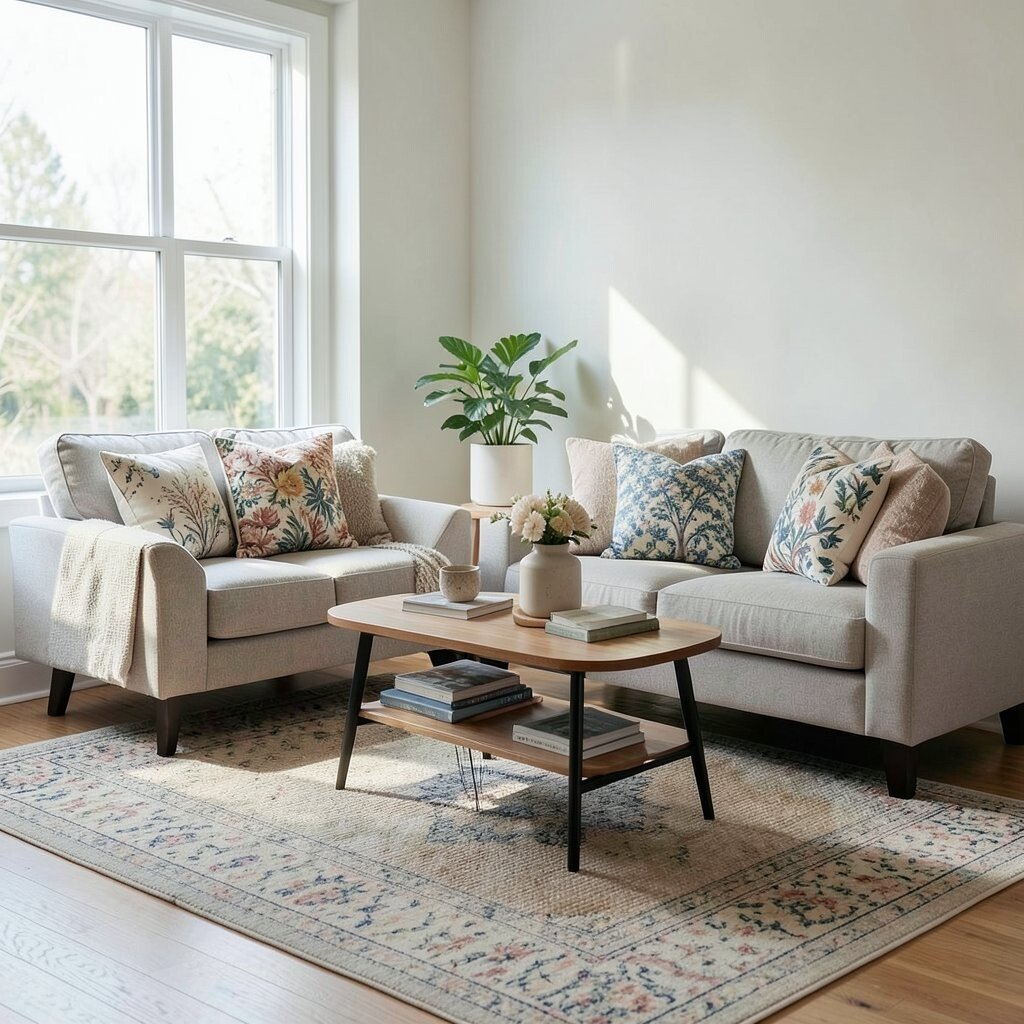
Patterns can be intimidating, but they are a fantastic way to add personality and life to a space. The key is balance; too many can overwhelm.
Mix patterns in similar color schemes to keep things cohesive. This adds a playful yet sophisticated touch.
Start small with patterned pillows or rugs. They’re an affordable way to experiment without commitment.
11. Ignoring Functionality
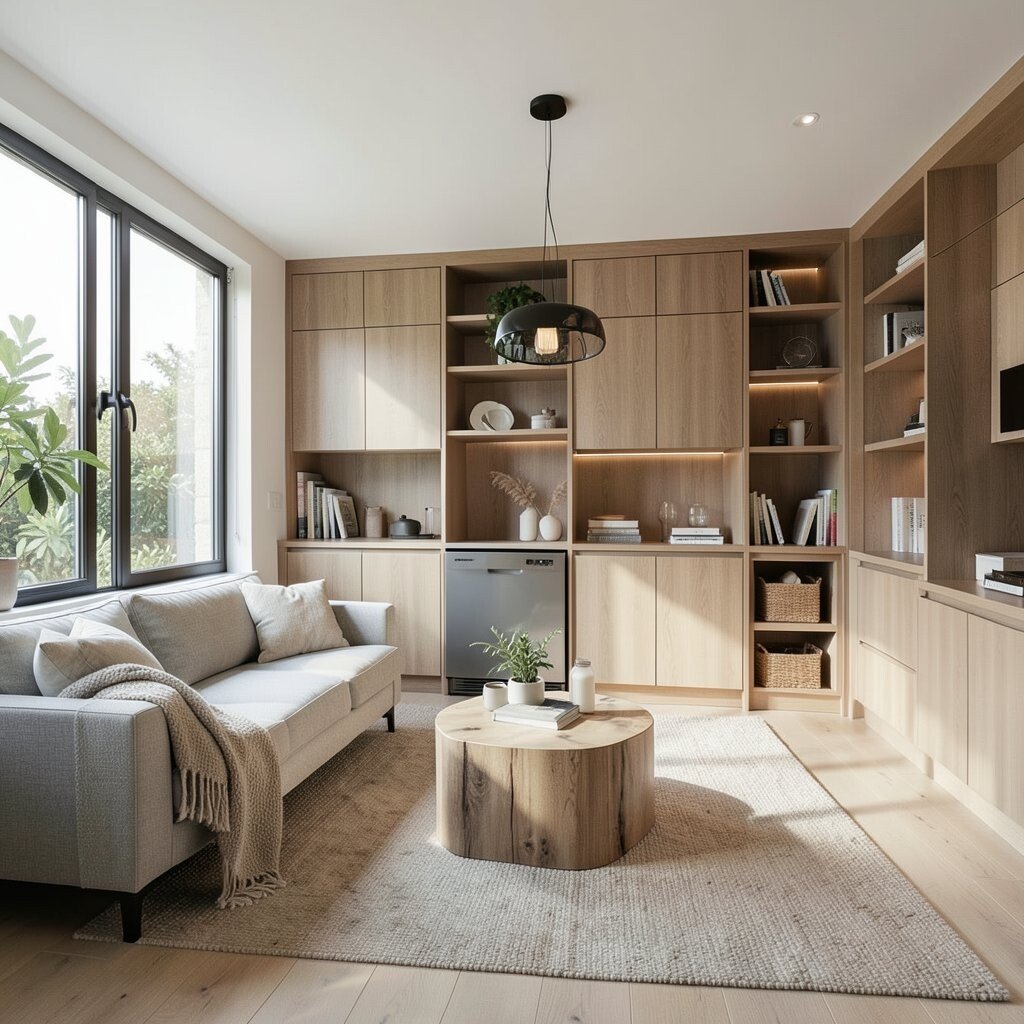
Beautiful spaces are great, but they need to work for you. Spaces that don’t meet your needs can feel frustrating and impractical.
Consider how you use the room and design around your lifestyle. This makes everyday living easier and more enjoyable.
Custom built-ins or storage solutions can be a bit pricey but save time and hassle in the long run.
12. Neglecting Outdoor Spaces
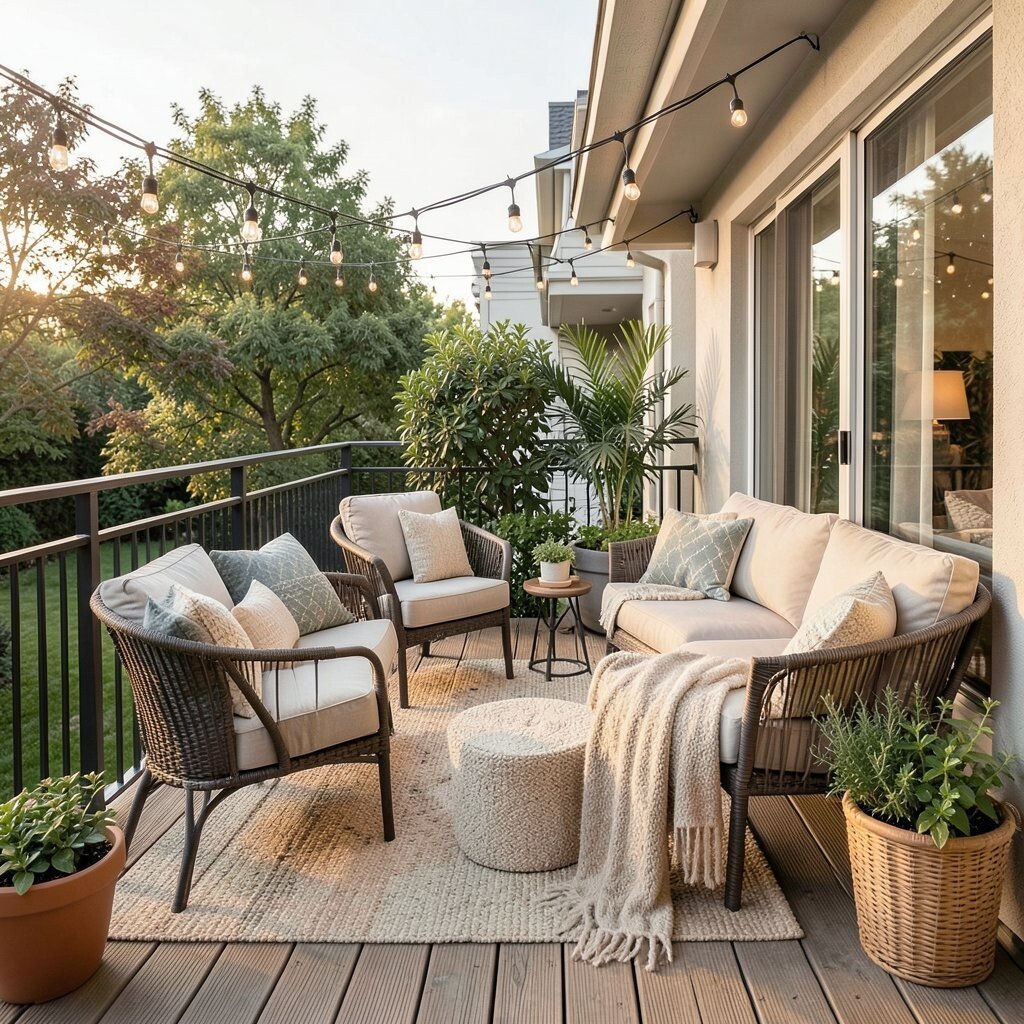
Outdoor areas are extensions of your home. Ignoring them means missing out on extra living space.
Even small balconies can become cozy retreats with the right furniture and decor. Think comfy seating, outdoor rugs, and string lights.
Invest in weather-resistant materials for longevity. They might cost more initially, but they’ll withstand the elements and look great year after year.
13. Overlooking Personalization
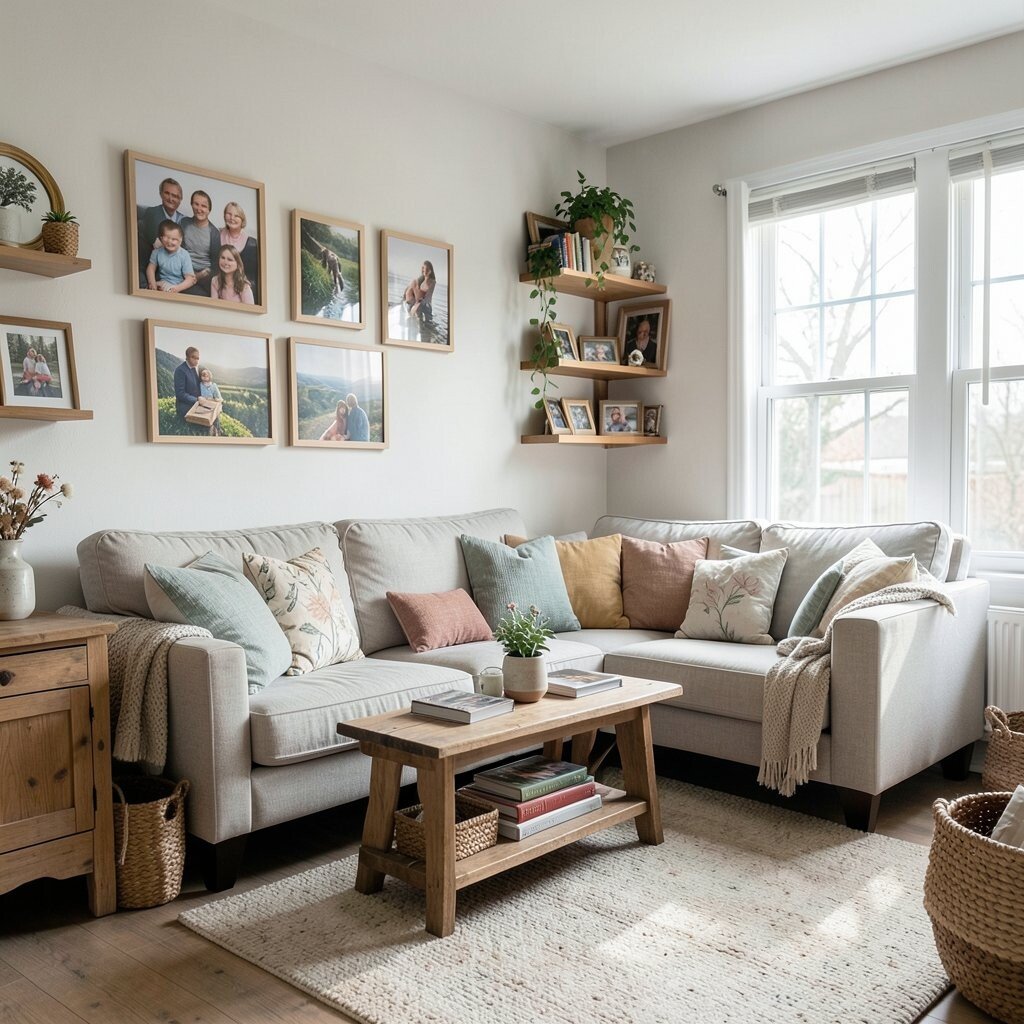
Your home should reflect you. Spaces that feel generic can lack the warmth and personality that make them inviting.
Add personal touches through family photos, art, or souvenirs from travels. These elements tell a story and make spaces unique.
DIY projects are a fun, budget-friendly way to personalize. They add charm and a sense of accomplishment.
14. Cluttered Surfaces
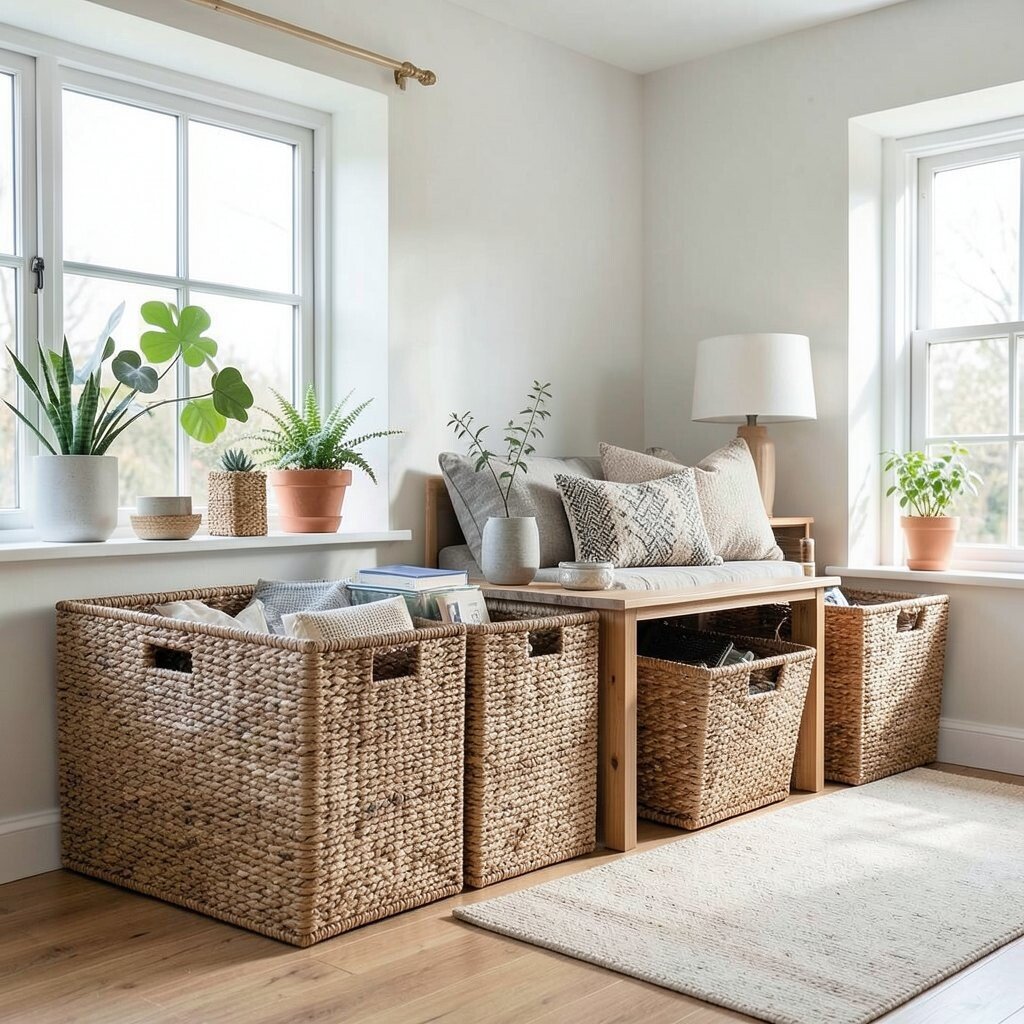
Clutter can make a space feel chaotic and stressful. Clear surfaces lead to a more organized and serene environment.
Regularly declutter and find homes for items you use often. This keeps spaces tidy and functional.
Trendy storage baskets or decorative boxes can hide clutter stylishly. They’re a quick fix and often inexpensive.
15. Rushing the Design Process
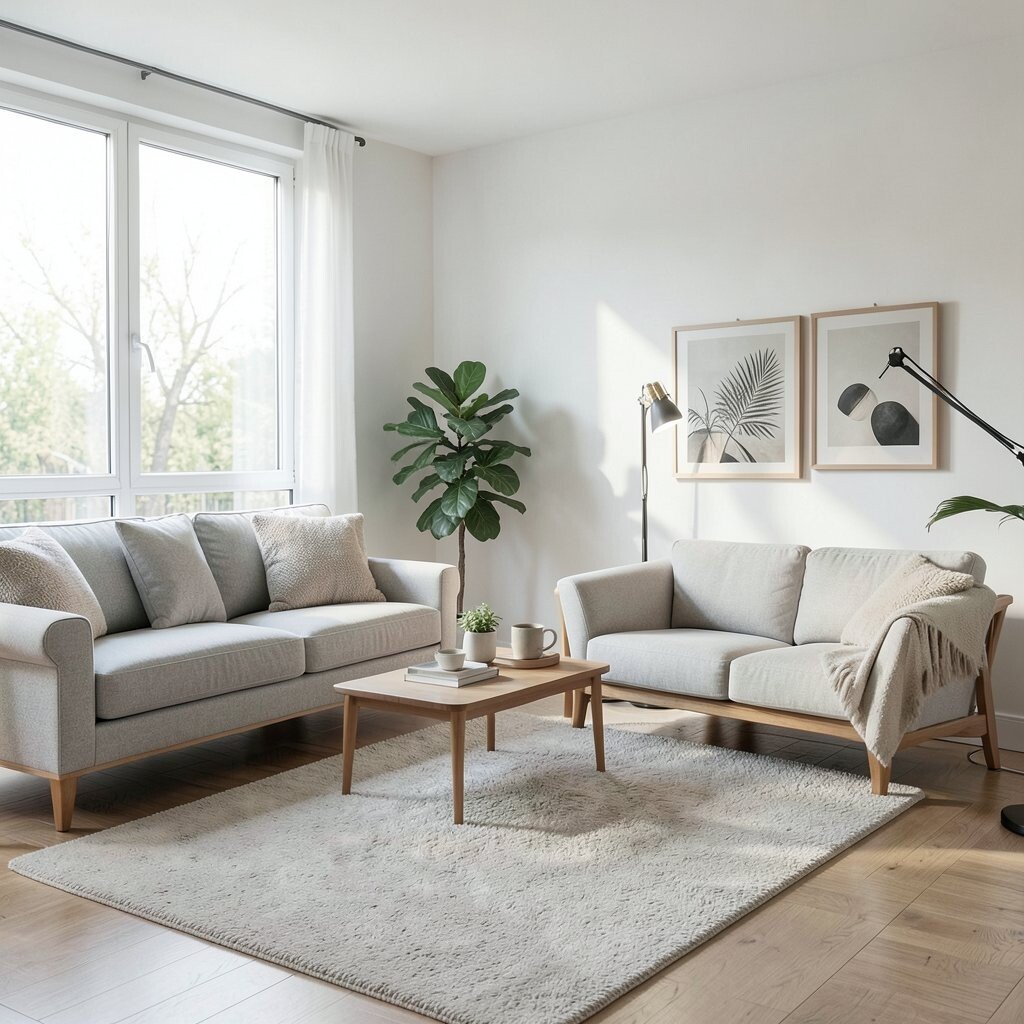
Designing a space takes time. Rushing can lead to choices that don’t work together or feel right.
Take your time to plan and visualize the space. This ensures a cohesive and satisfying end result.
Mood boards are a helpful tool for organizing ideas. They’re fun to create and help guide decisions and purchases.
16. Not Considering Acoustics
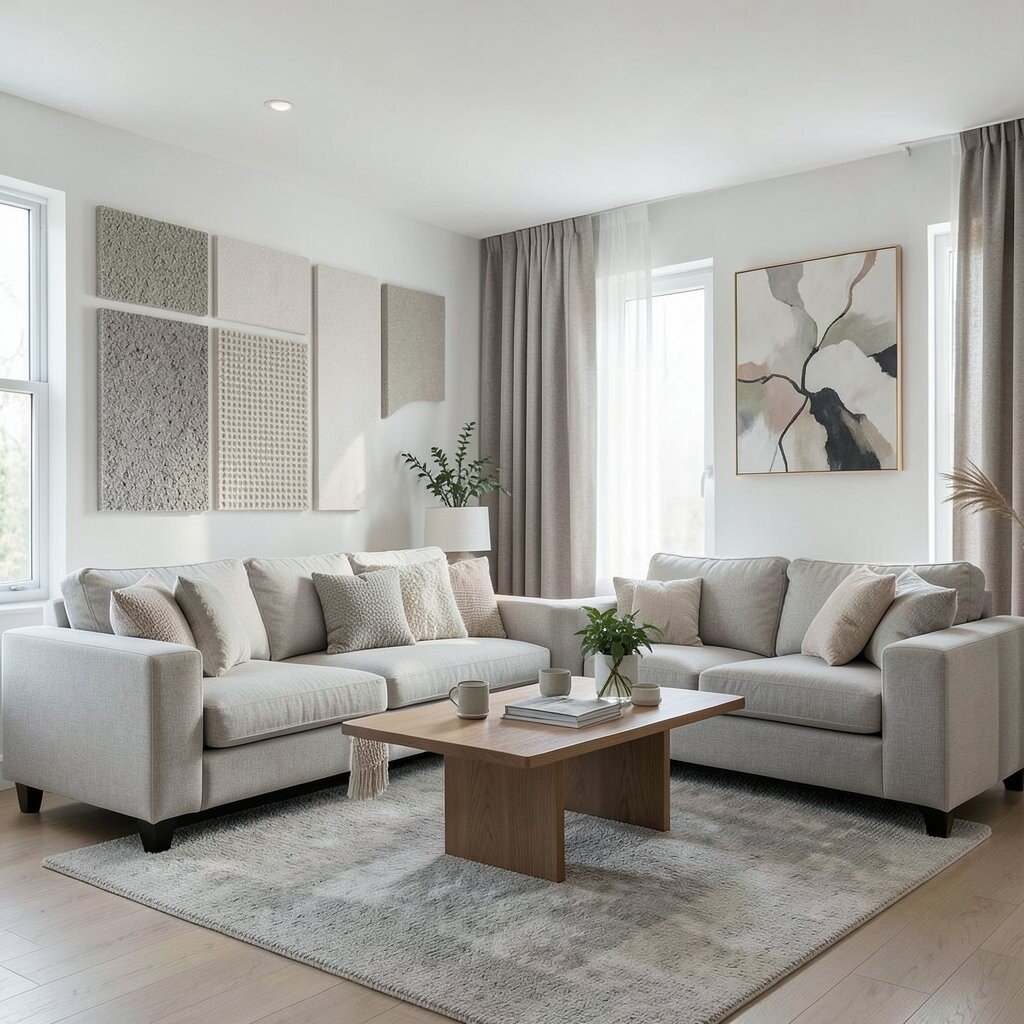
Acoustics can greatly impact how a space feels. Rooms with poor acoustics can seem cold or echoey.
Soft furnishings like rugs, curtains, or cushions can absorb sound and create a more pleasant environment.
Acoustic panels are a trendy solution that can double as art. They’re practical and add a modern touch.
17. Underestimating the Power of Plants
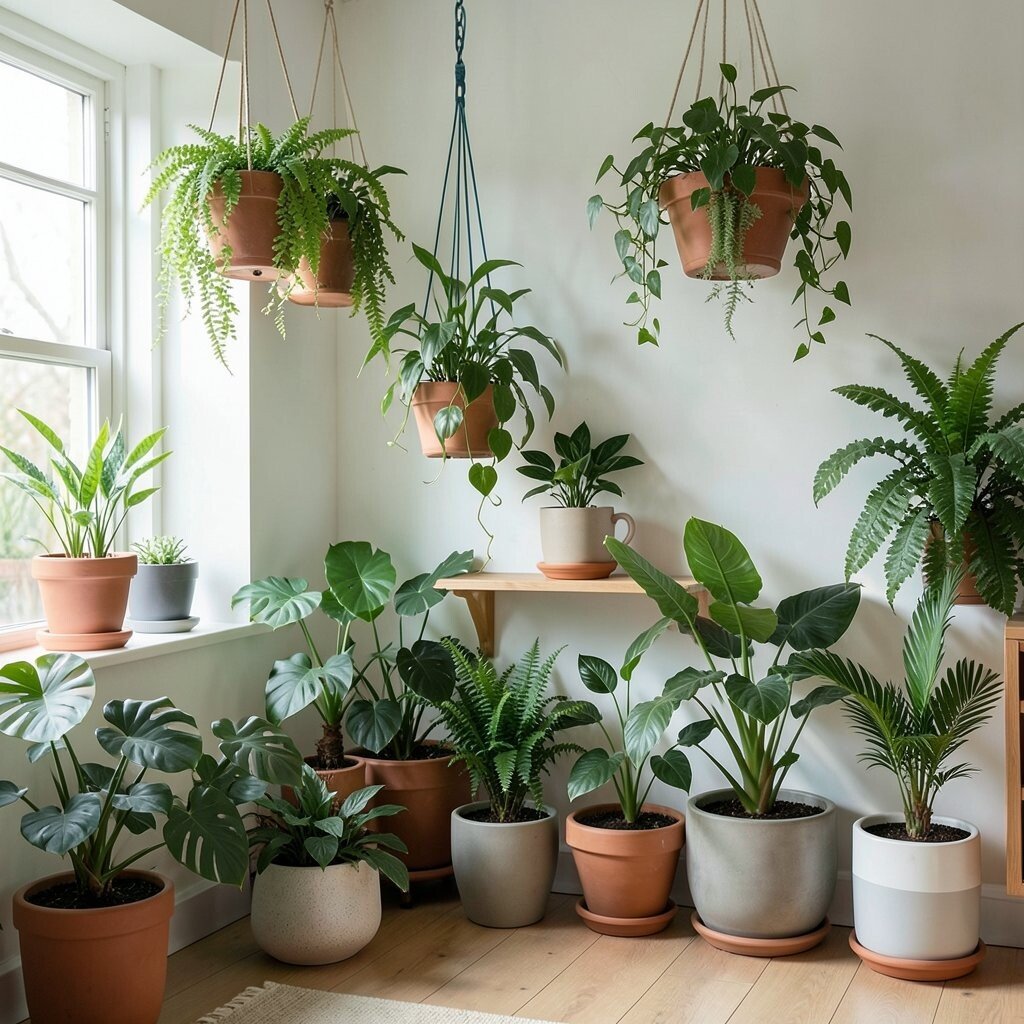
Plants can breathe life into a room. They add color, texture, and even purify the air.
Choose plants that suit your lifestyle and lighting conditions. This adds a touch of nature and serenity to any space.
Hanging plants or stylish planters are a trend that saves space and adds interest. They’re an affordable way to boost any room’s appeal.
18. Forgetting to Edit
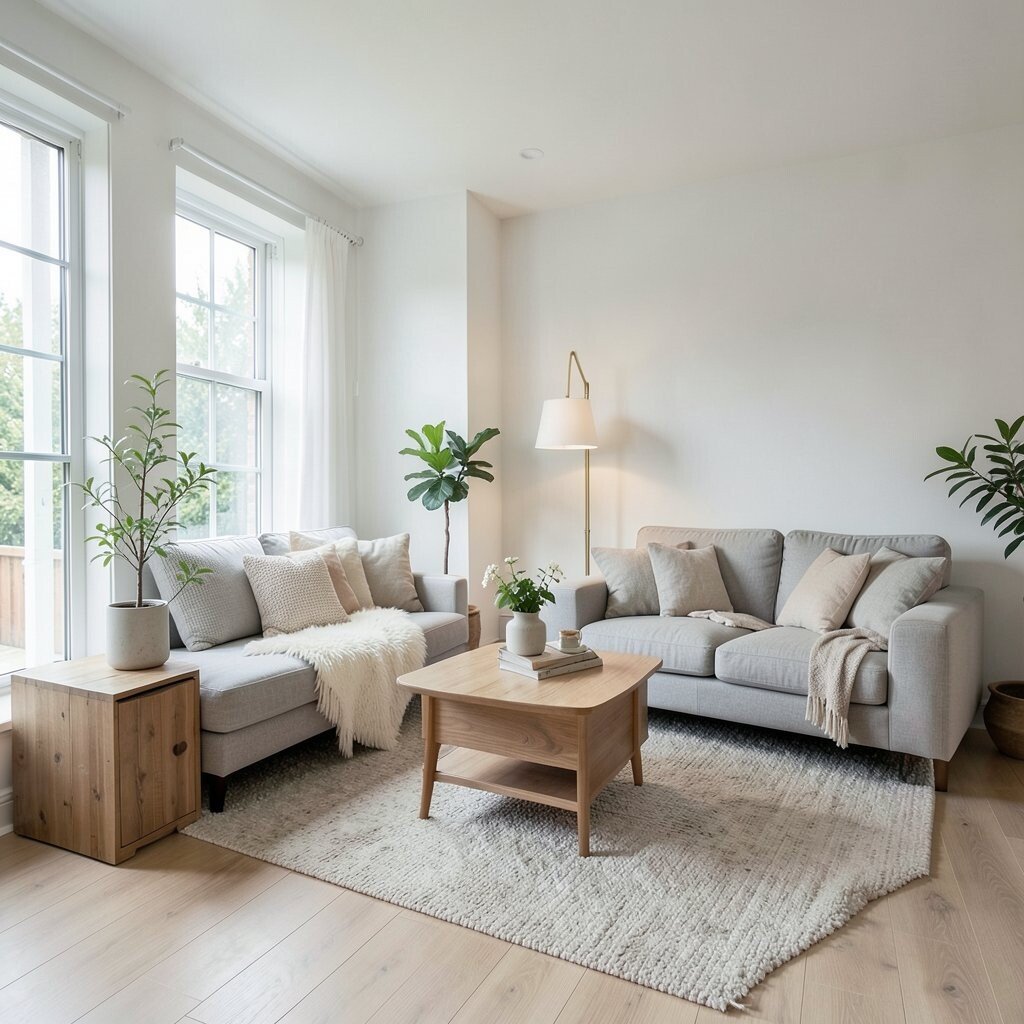
Sometimes less is more. Editing your space can make it feel more open and intentional.
Regularly evaluate your space and remove or rearrange items that no longer serve it. This keeps the design fresh and functional.
Consider the “one in, one out” rule. It’s a simple and effective way to maintain balance and prevent clutter.