Creating a space that feels just right is like crafting a cozy nest. Sometimes, small design choices can make a big difference, and knowing what to avoid can open up a world of possibilities.
1. Ignoring Natural Light
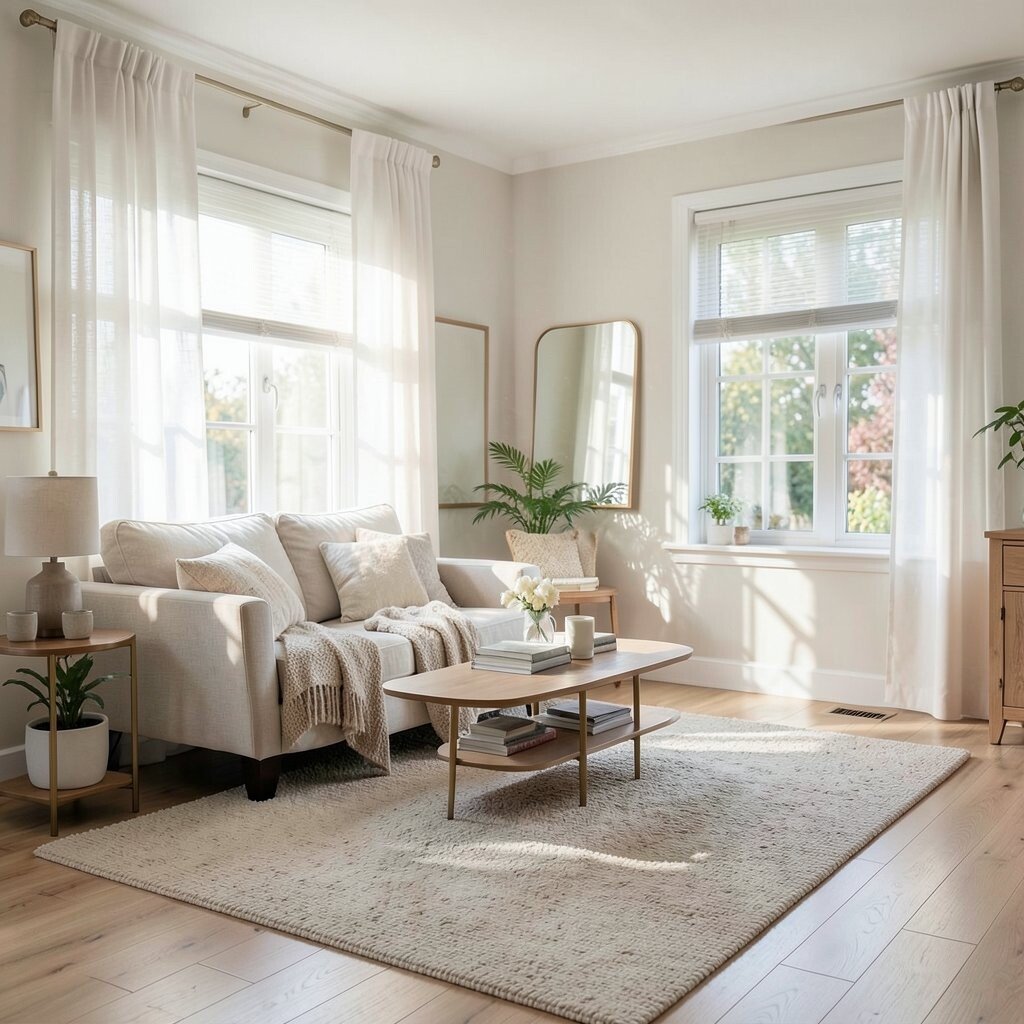
Natural light is like magic in your home! It makes rooms feel bigger and more inviting. If you’re blocking out sunlight, you’re missing a chance to brighten your space.
Try using sheer curtains or blinds that can be easily adjusted. Mirrors can also help bounce light around. It’s not just about brightness; natural light can boost your mood and save on electricity costs.
2. Overloading with Furniture
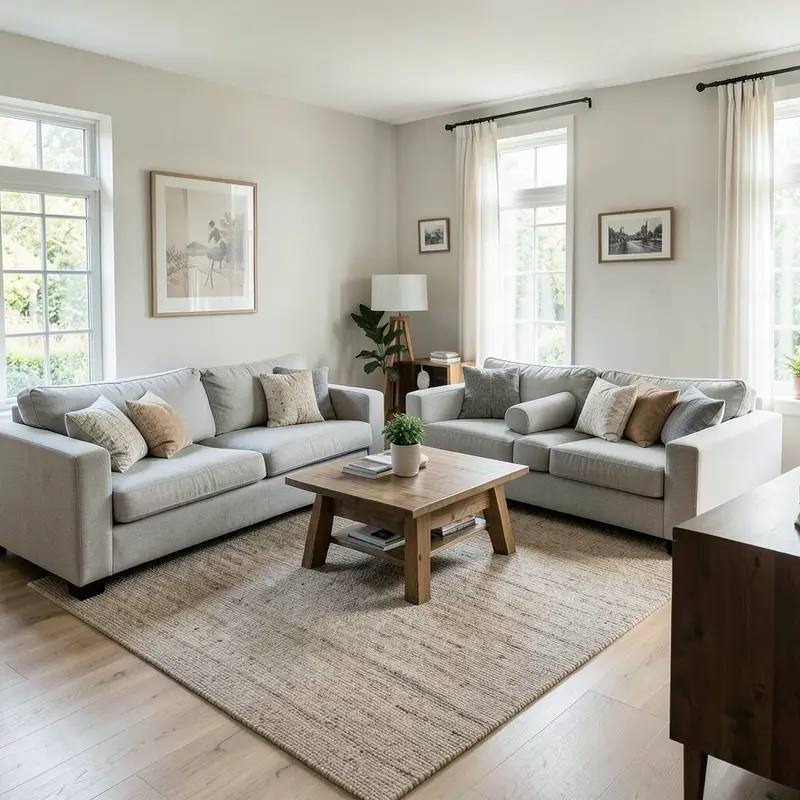
Too much furniture can make a room feel cramped. It’s like trying to dance in a packed room. Instead, choose key pieces that suit your needs and style.
Focus on functionality and flow. Leave enough space to walk comfortably. This approach not only makes your space feel larger but also makes it more user-friendly.
3. Choosing Style Over Comfort
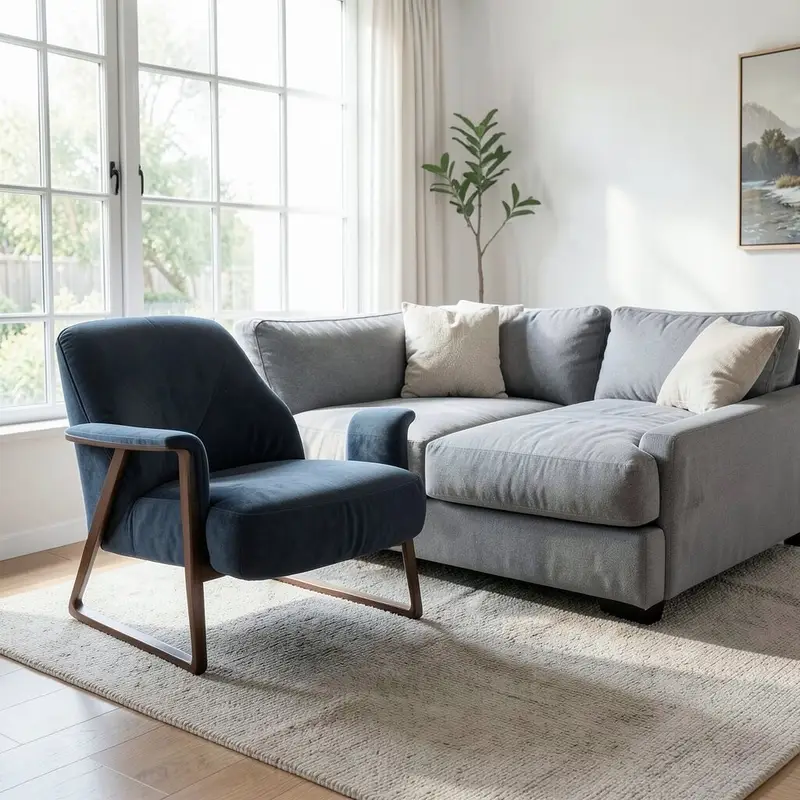
Ever sit on a stylish chair that’s as hard as a rock? That’s style over comfort. While aesthetics are important, comfort should be a priority, especially for items like sofas and beds.
Opt for furniture that feels good to use. Test it before buying. Remember, your home is for living, not just for show.
4. Neglecting Color Balance
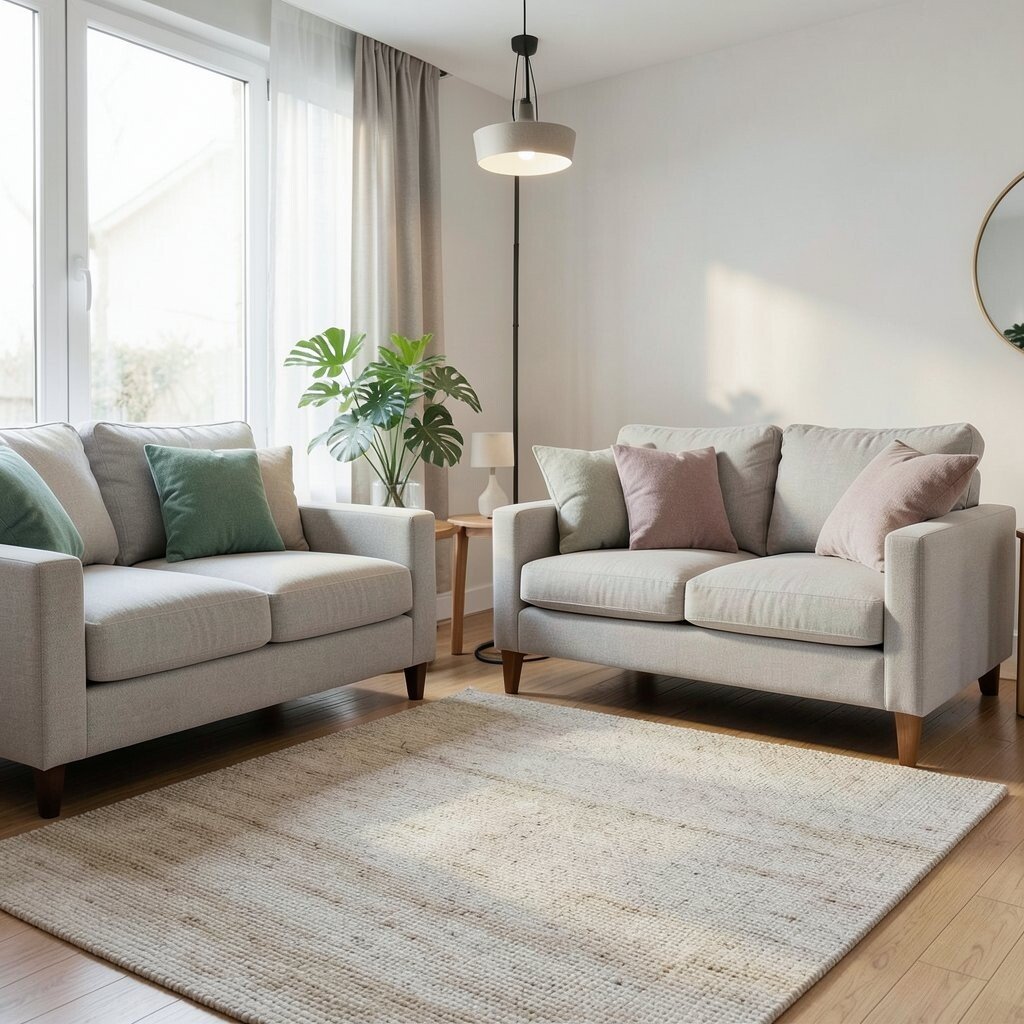
Color can change the vibe of a room instantly. Too much of one color can be overwhelming. Balance is key.
Consider using a color wheel to find complementary shades. Neutrals can tone down bold colors, creating harmony. Balance keeps your space feeling fresh and dynamic.
5. Forgetting About Scale and Proportion
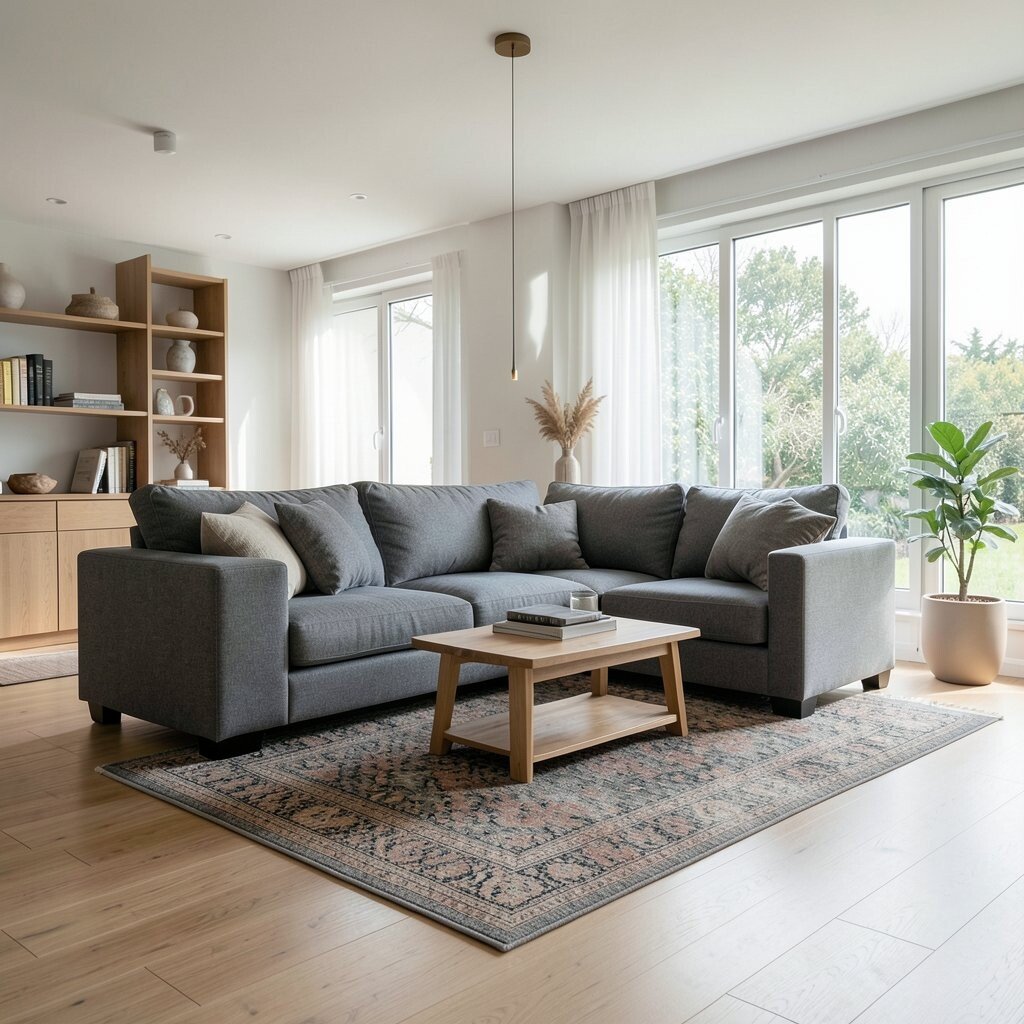
Have you seen a tiny rug in a huge room? That’s a scale mishap. The size of your furniture and decor should fit the room’s proportions.
Measure spaces before buying. A large sofa in a small room can dominate, while small pieces in a big room can look lost. Proper scale ensures a cohesive look.
6. Overlooking Storage Needs
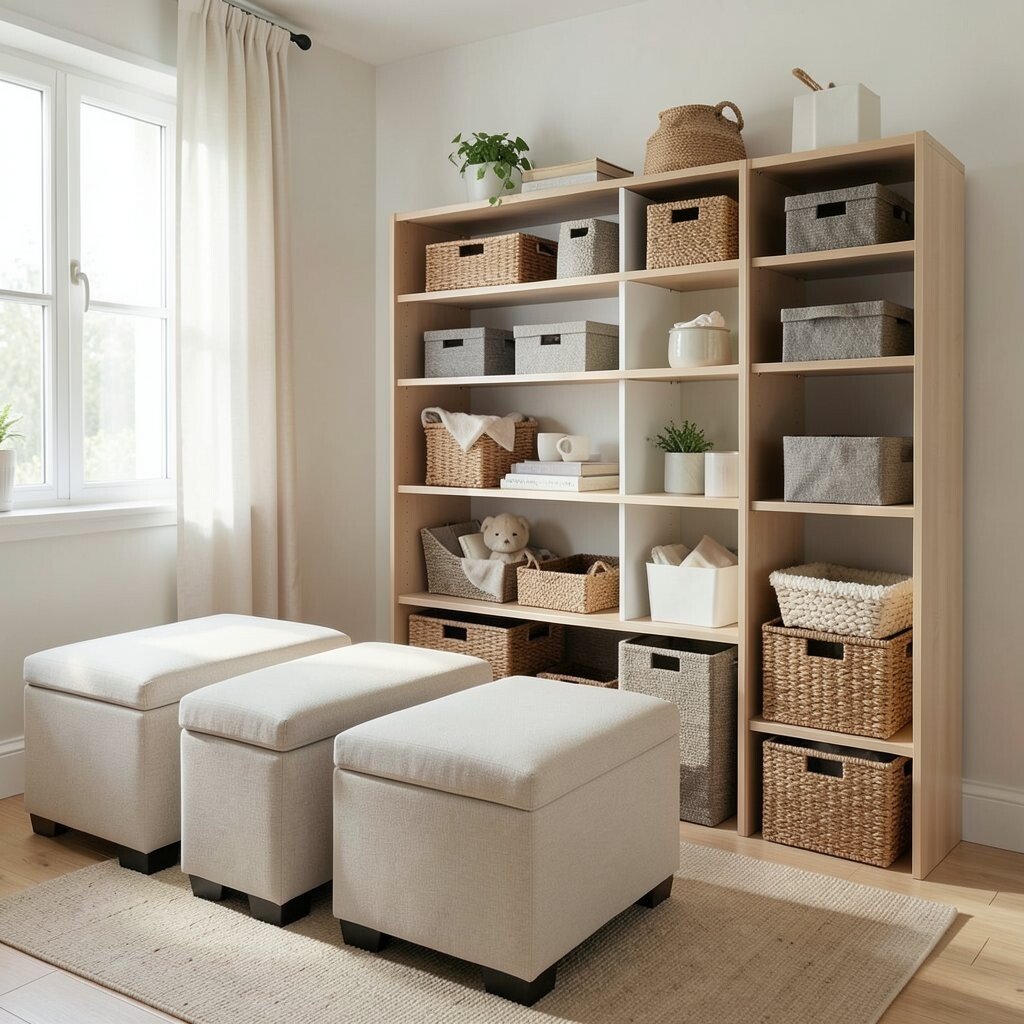
Clutter is the enemy of calmness. Without proper storage, things can get messy quickly. Think about what you need to store and plan accordingly.
Use multi-functional furniture like ottomans with storage. Shelving and baskets can also help keep things tidy. A well-organized space feels more relaxing.
7. Matching Everything Perfectly
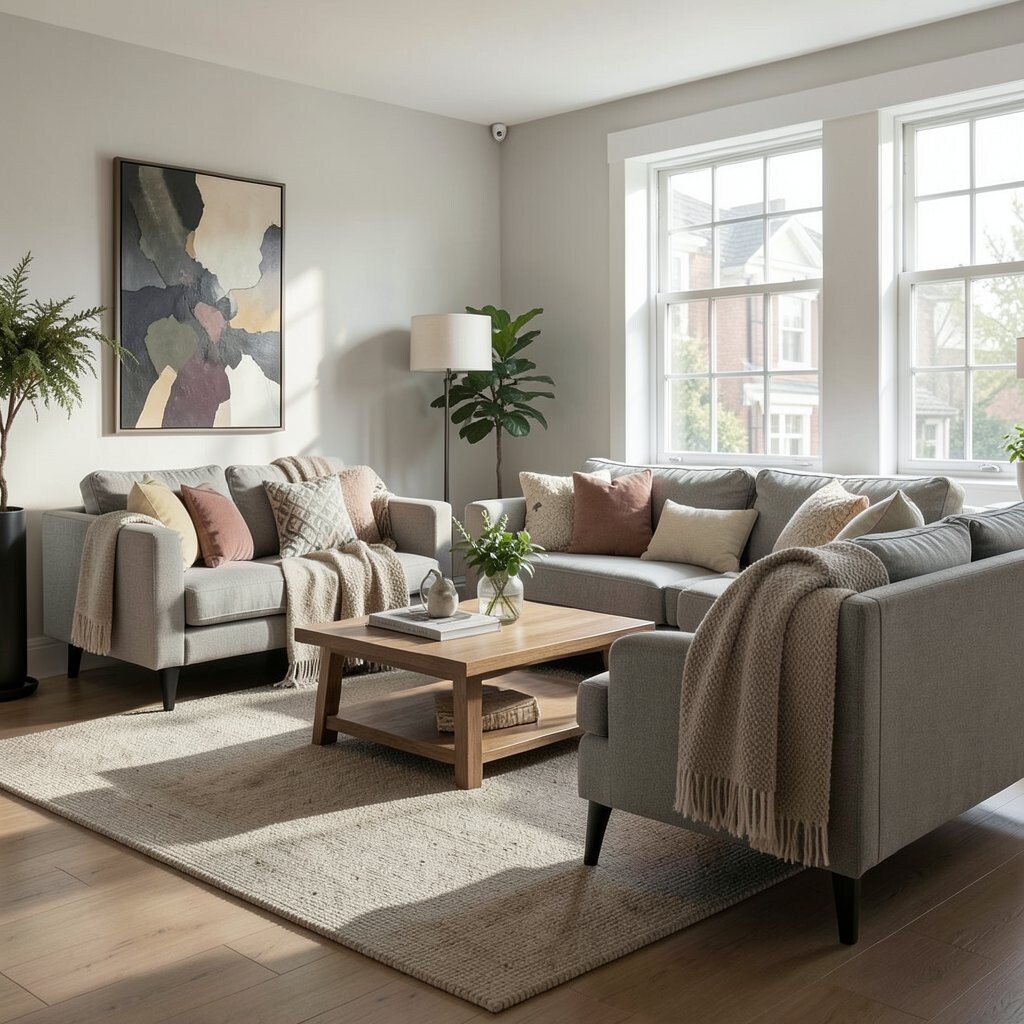
Perfectly matching furniture sets can make a room feel like a showroom. Mixing styles and textures adds character and warmth.
Try combining different materials like wood and metal. Use textiles to introduce variety. This approach reflects personality and makes your space uniquely yours.
8. Ignoring Traffic Flow
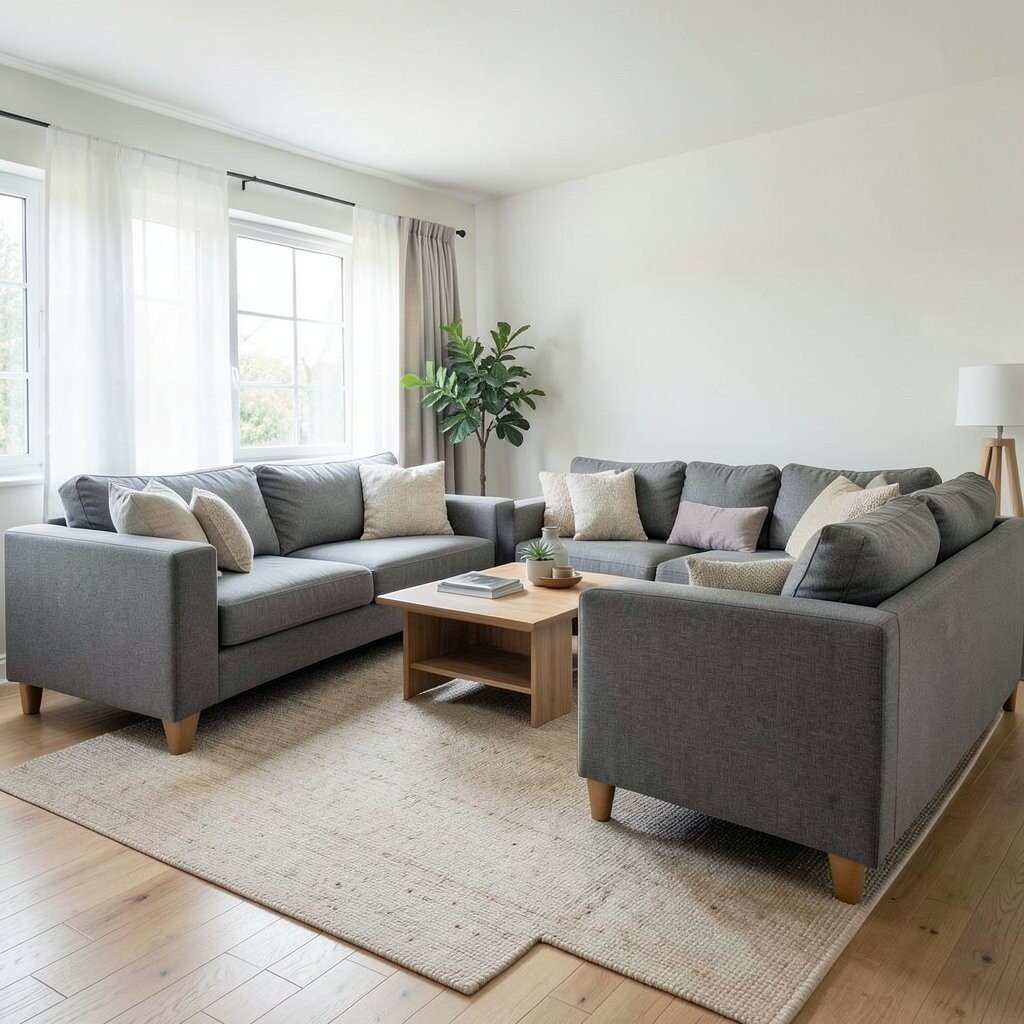
Is your living room an obstacle course? Poor layout can hinder movement. Good traffic flow makes spaces more enjoyable.
Arrange furniture with clear pathways in mind. Avoid blocking doors or windows. This consideration enhances comfort and accessibility.
9. Skipping Personal Touches
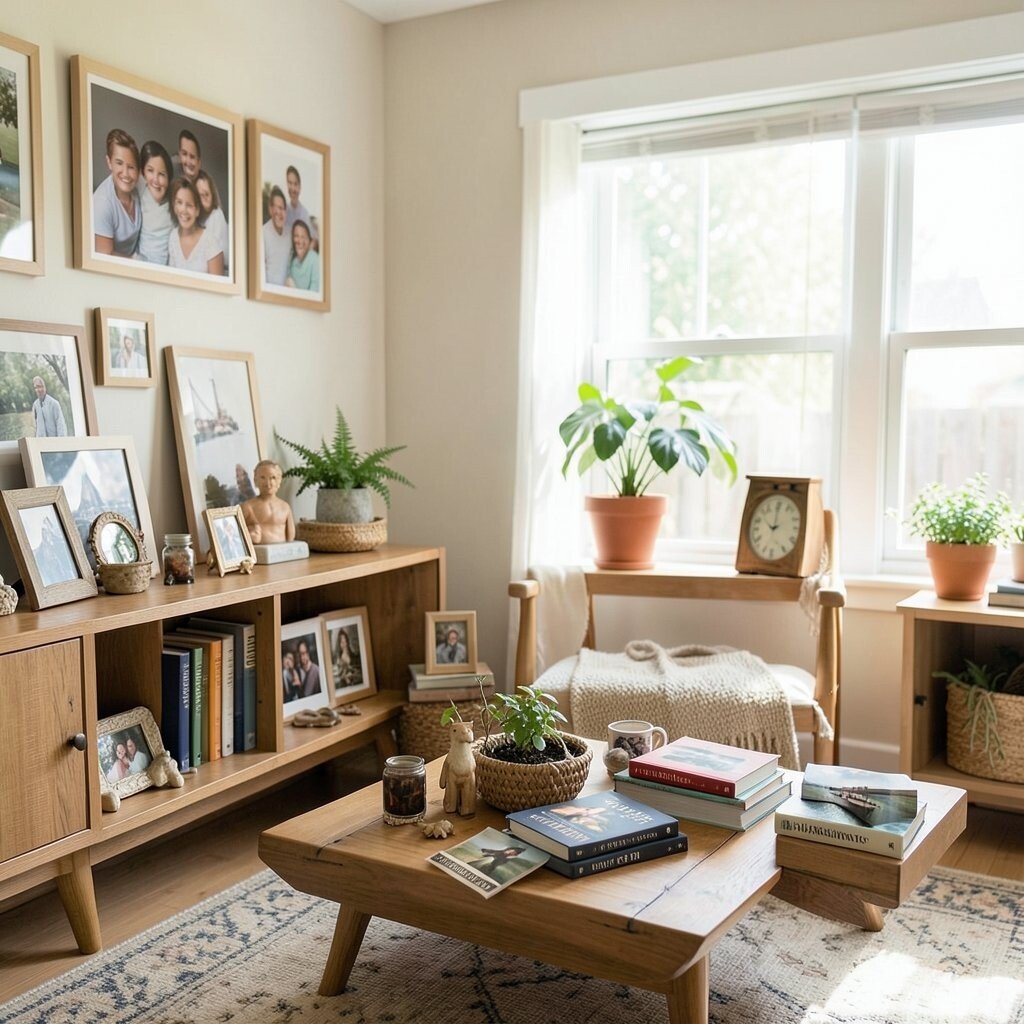
Your home should reflect who you are. Without personal touches, it can feel generic. Add items that tell your story.
Display family photos, travel souvenirs, or your favorite books. Personalization brings warmth and makes spaces feel truly yours.
10. Disregarding Acoustics
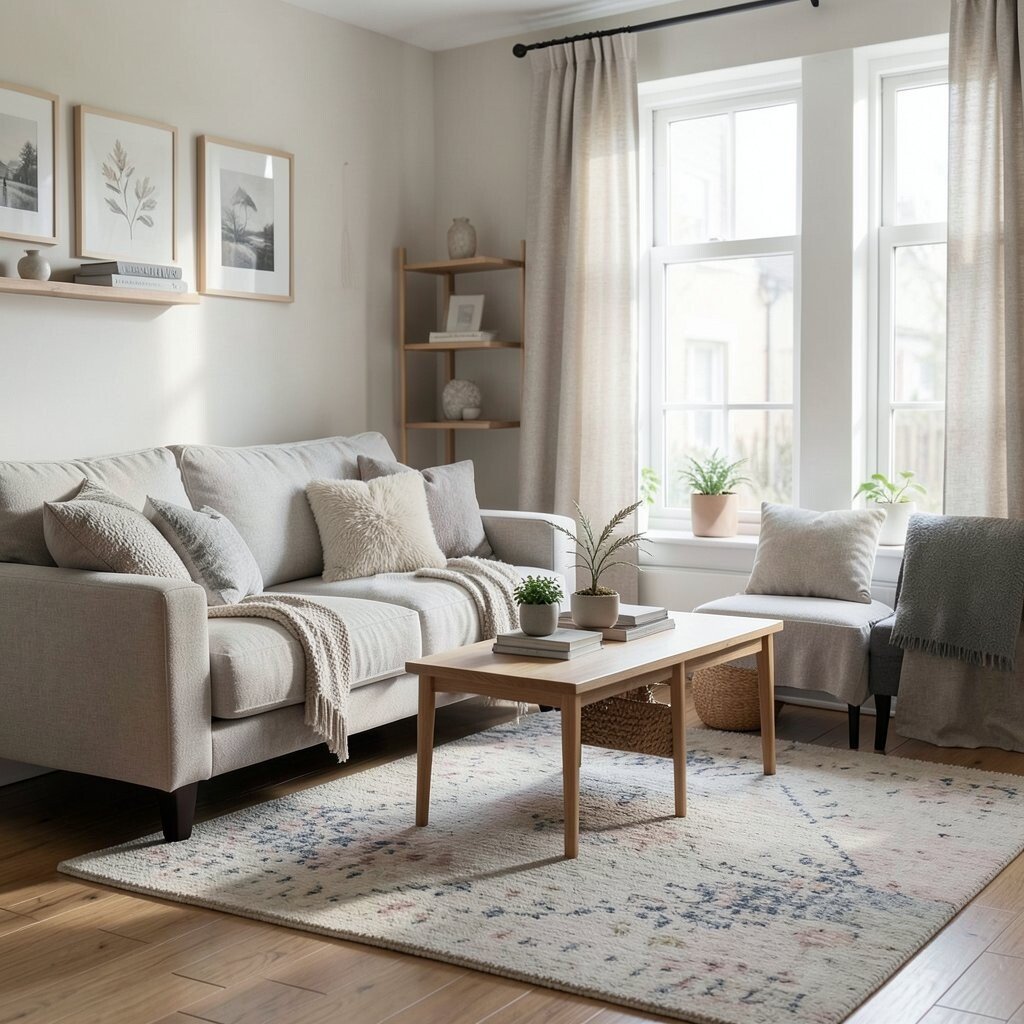
Echoes can make a space feel cold. Rugs, curtains, and cushions can help absorb sound, creating a cozy atmosphere.
Consider soft materials and wall hangings to reduce noise. A quieter space feels more intimate and inviting.
11. Overlooking the Ceiling
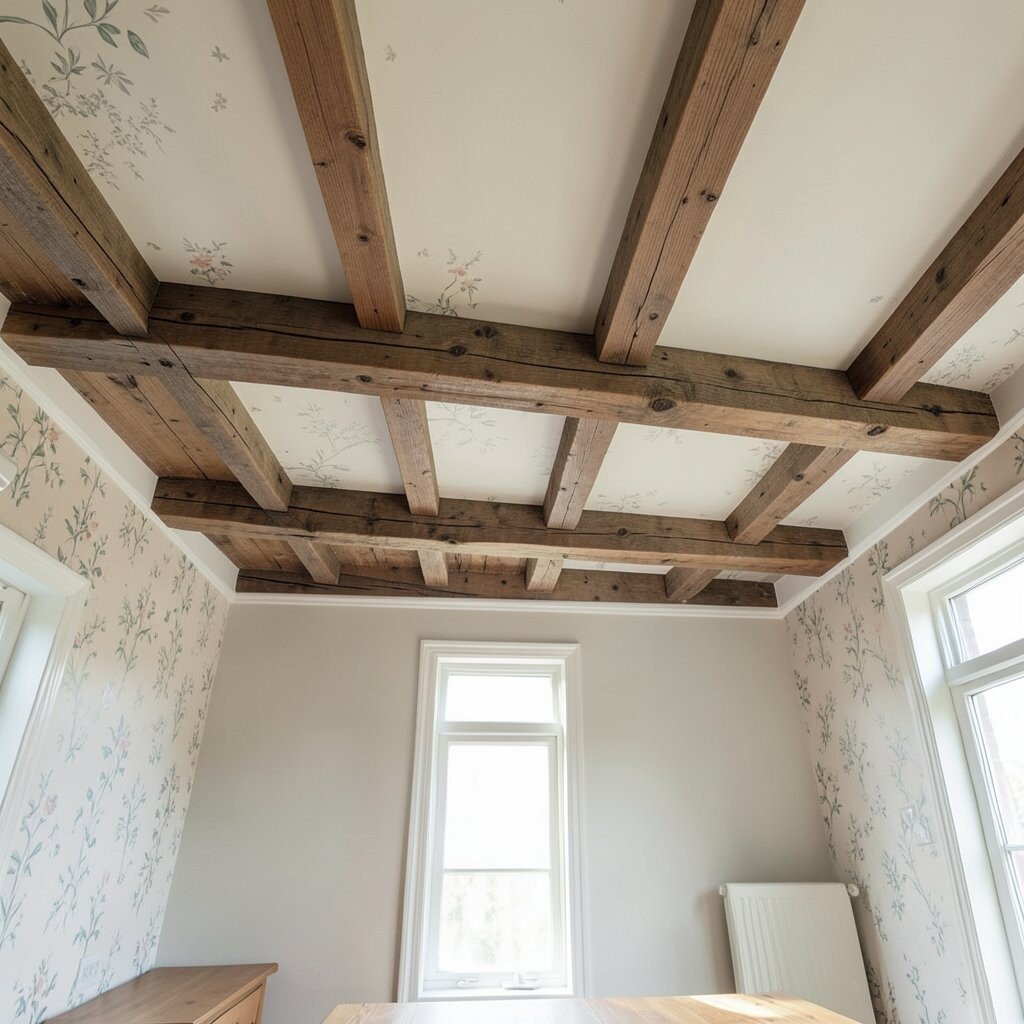
Ceilings are often forgotten. But adding interest here can elevate a room’s style. Paint, beams, or even wallpaper can make a difference.
A unique ceiling draws the eye upward, adding dimension. It’s a simple way to make a room feel special.
12. Neglecting Outdoor Spaces
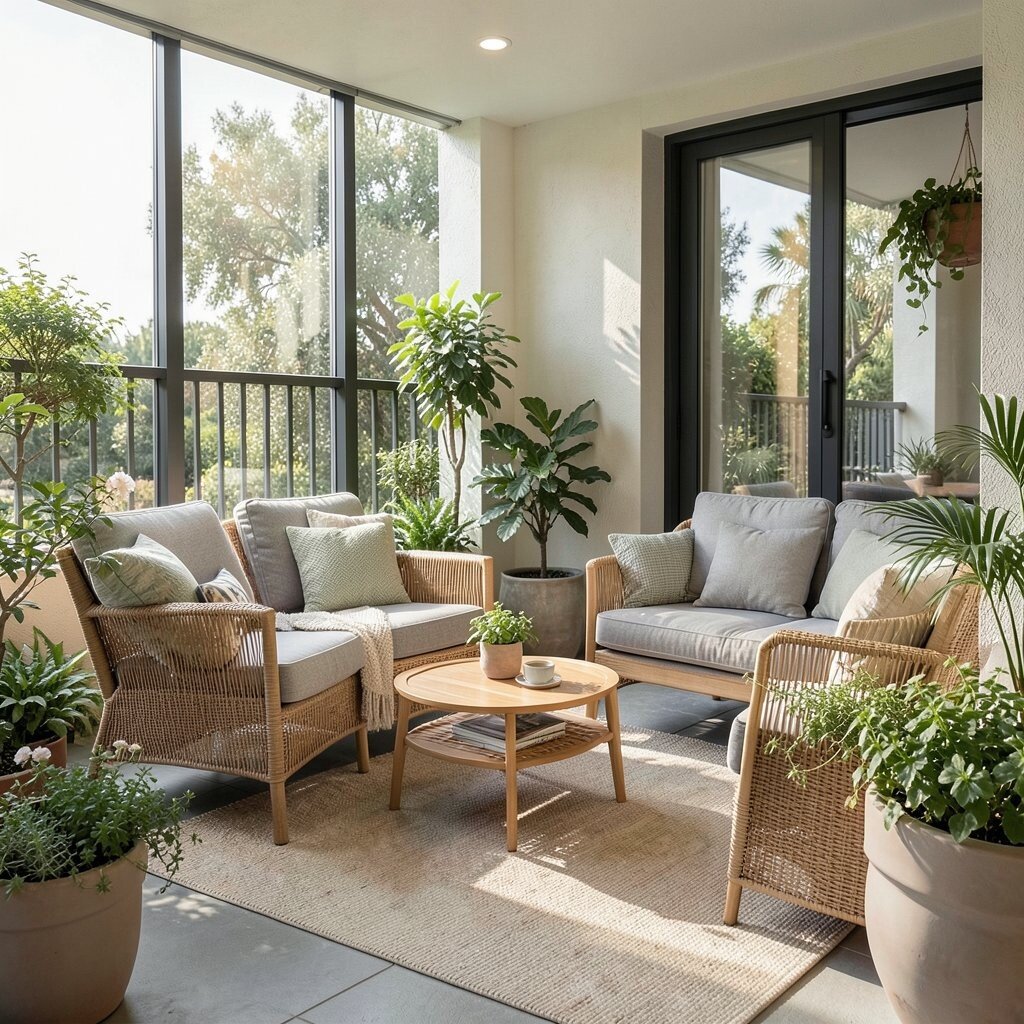
Outdoor areas are extensions of your home. Ignoring them means losing out on extra living space.
Even small balconies can become cozy retreats with the right furniture and plants. Treat these areas as part of your design plan for added functionality.
13. Poor Lighting Choices
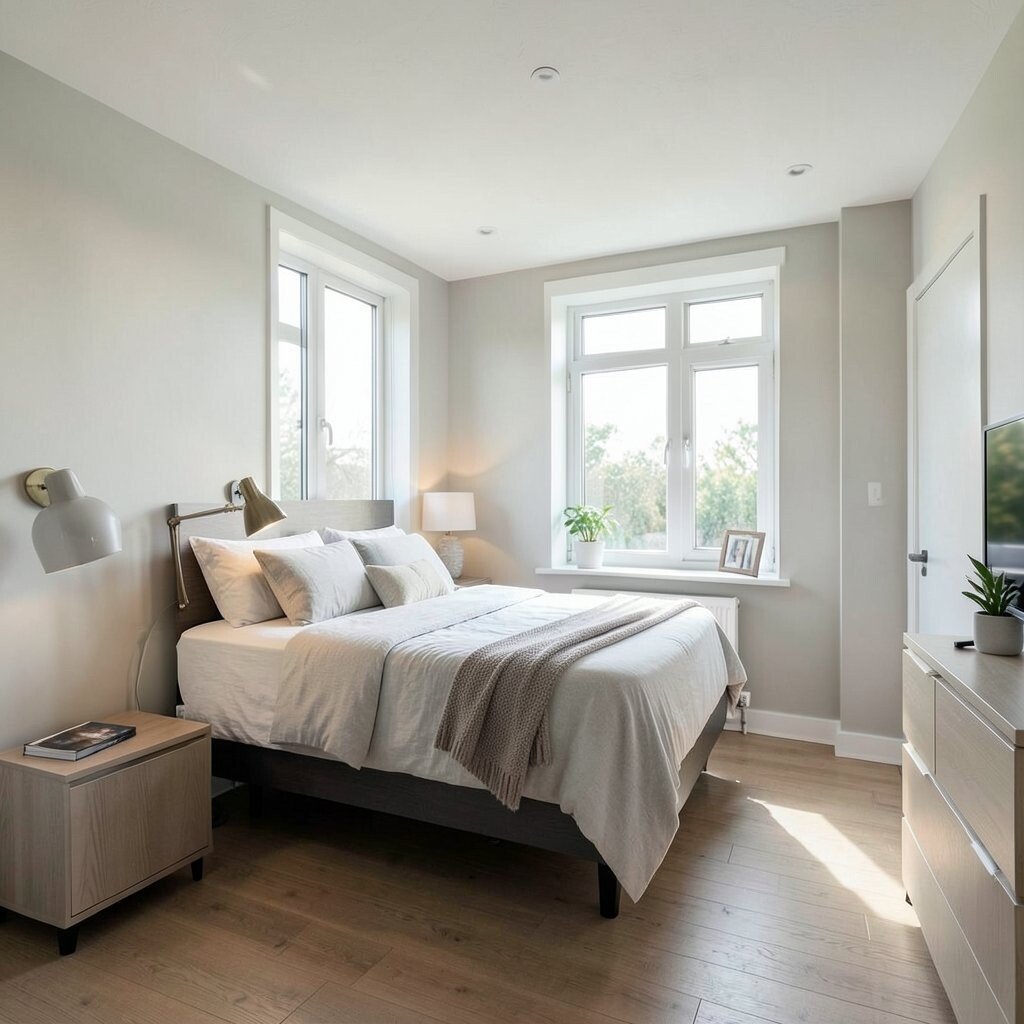
Lighting sets the mood. Too bright can be harsh, too dim can be dreary. Layer different light sources for flexibility.
Use a combination of overhead, task, and ambient lighting. Dimmers can also adjust light levels to suit different activities. Proper lighting transforms your space’s ambiance.
14. Sticking to Trends Blindly
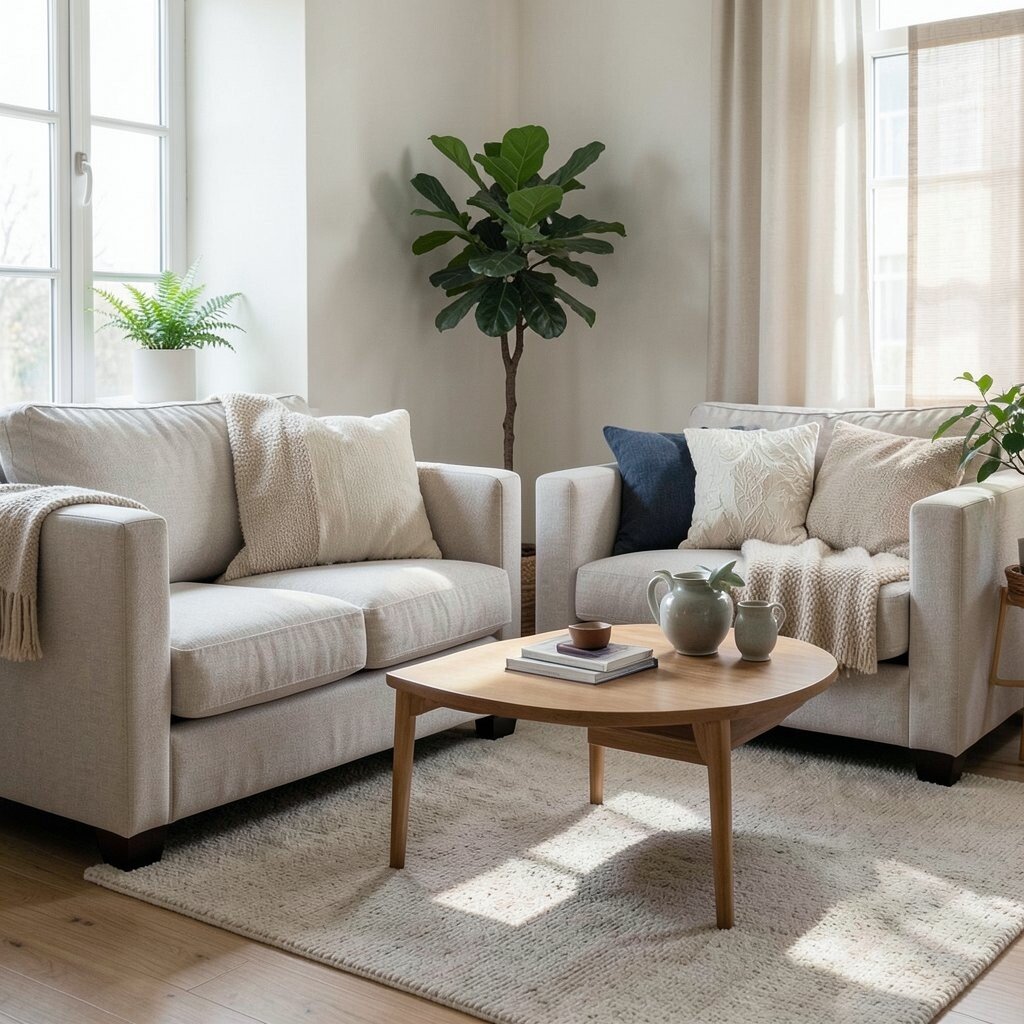
Trends come and go. Following them without considering your taste can lead to regret. Choose elements that resonate with you.
A timeless base with trendy accents keeps your space stylish and personal. This balance ensures longevity and satisfaction with your decor choices.