Outdoor spaces hold the magic to transport us to a serene oasis or a vibrant gathering spot. Yet, they’re often riddled with design pitfalls that can turn a dream setting into an awkward misstep.
1. Ignoring the Weather
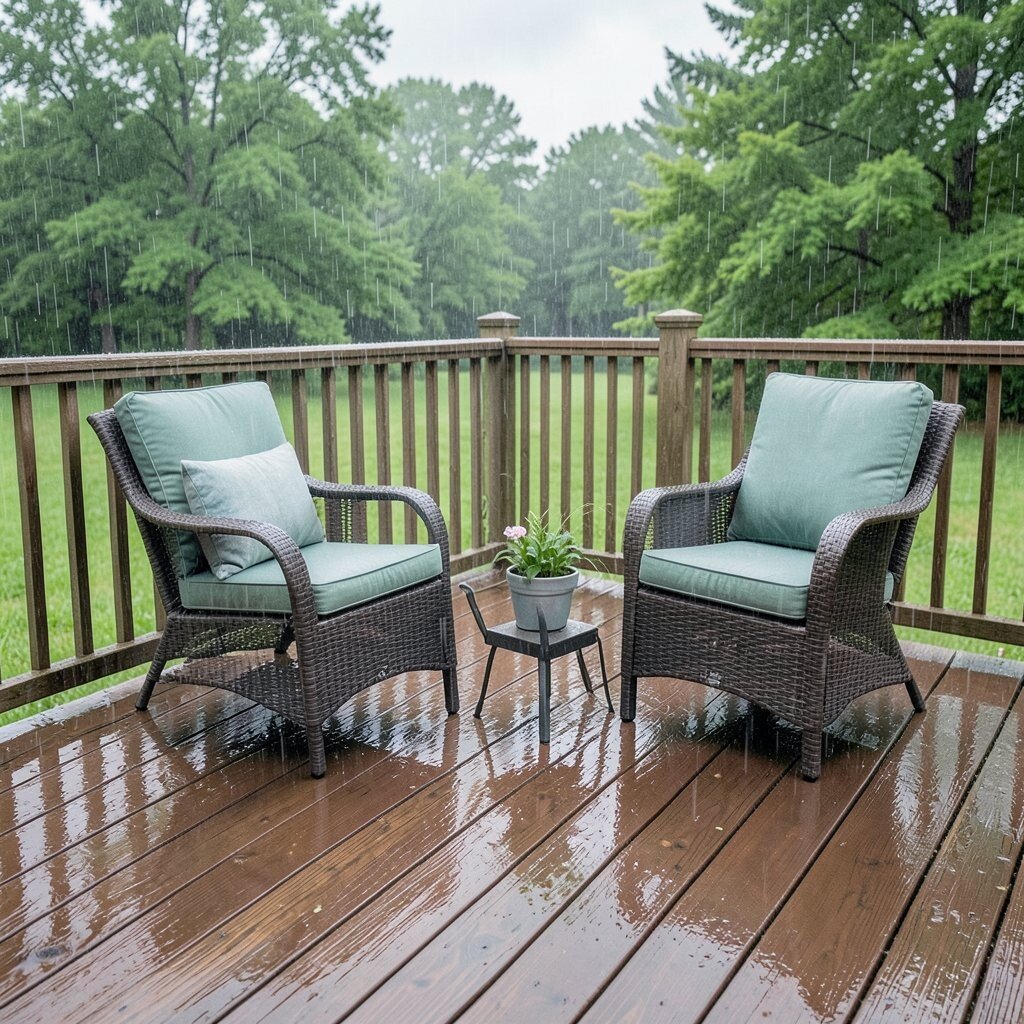
Imagine setting up a beautiful wooden deck only to have it warped by the relentless rain. If you live in a rainy area, opt for materials like treated wood or composite decking that can withstand moisture.
Use weather-resistant furniture and fabrics. They may cost more upfront, but save you money in the long run. Plus, your furniture will look great no matter the weather.
2. Overcrowding with Furniture
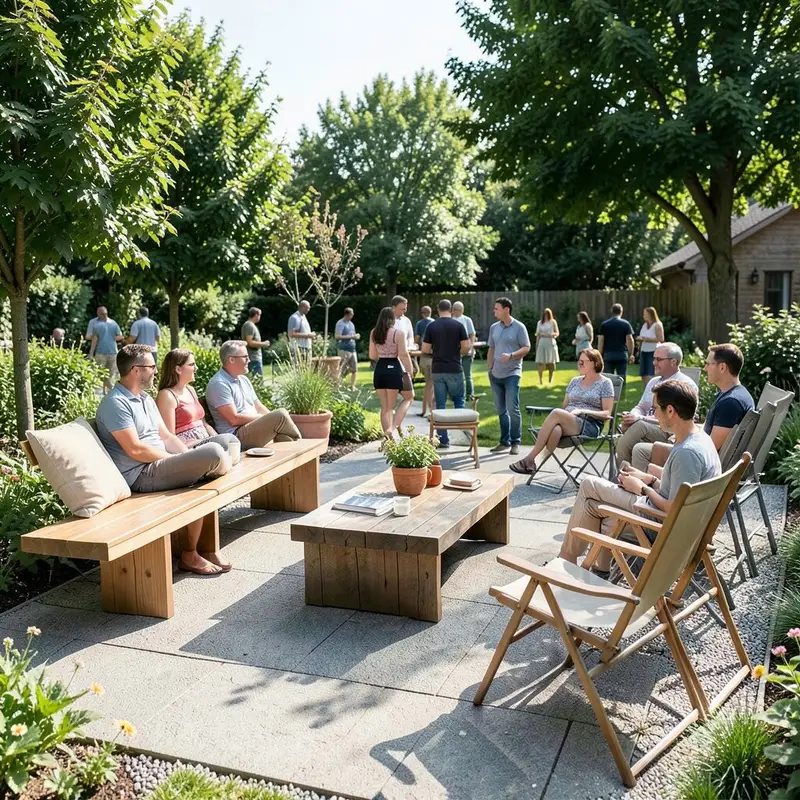
No one enjoys bumping into a coffee table at every step. Keep your outdoor area spacious by choosing multi-functional furniture like benches with storage or collapsible chairs.
Less furniture means more room for movement and activities. It’s also a good idea to keep a few extra folding chairs stashed away for when guests come over.
3. Forgetting About Lighting
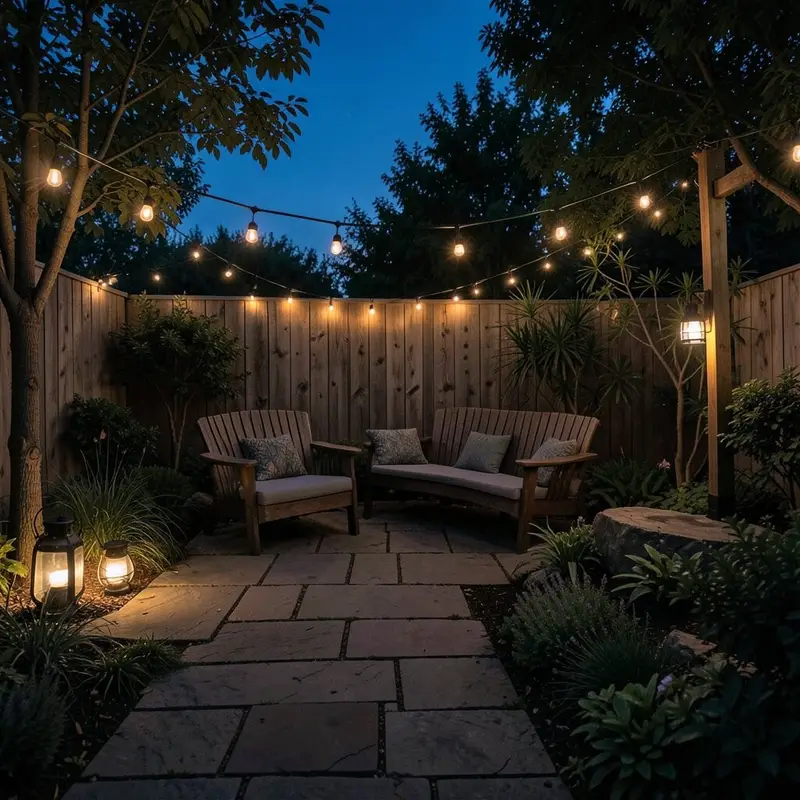
An outdoor area without lighting can turn into a shadowy space after sunset. Consider adding string lights or solar-powered lanterns to create a warm, inviting atmosphere.
Good lighting enhances safety and extends usability into the night. It’s a simple touch that makes your space feel magical.
4. Neglecting Privacy
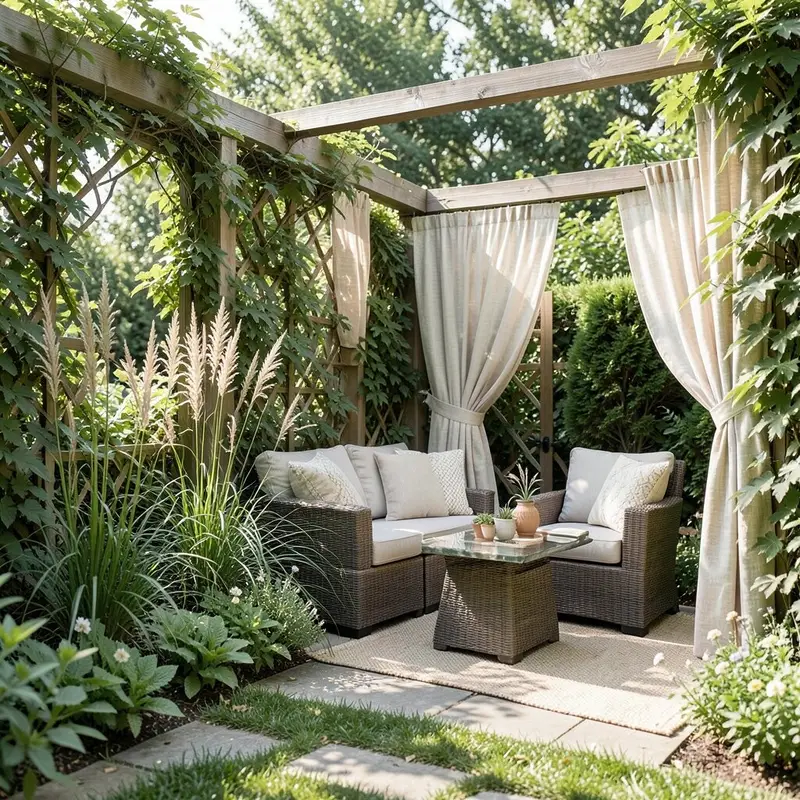
No one wants neighbors peeking in during a private gathering. Use tall plants, trellises, or outdoor curtains to create a cozy, concealed corner.
Privacy elements can also double as decorative features. They’re a great way to personalize your space.
5. Skipping Plants and Greenery
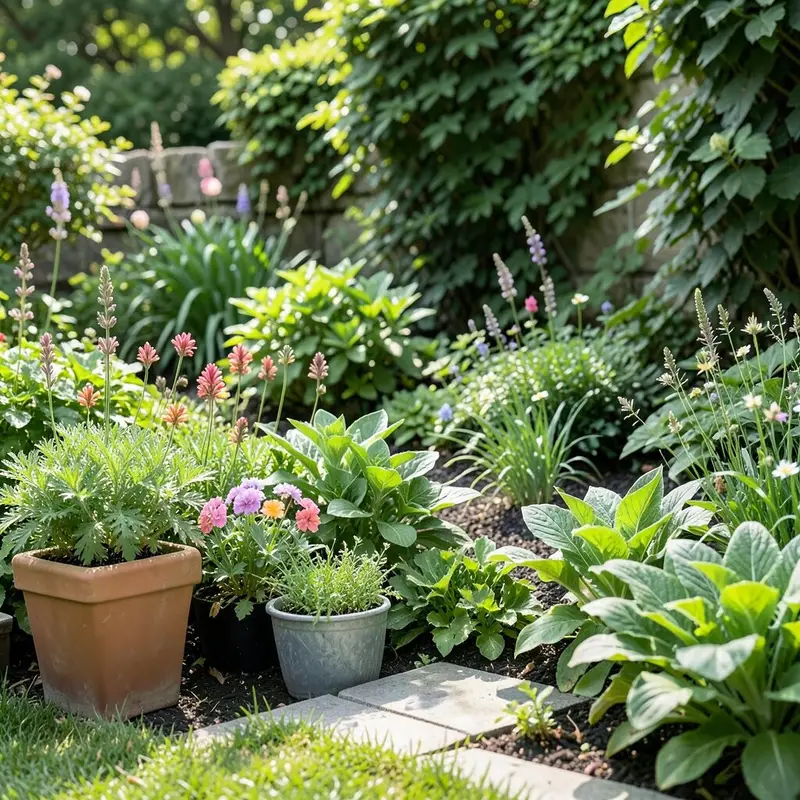
Think of plants as the jewelry of your outdoor space. They add color and vibrancy, making the area feel alive.
Choose low-maintenance plants if you’re not much of a gardener. They’re budget-friendly and offer a fresh ambiance.
6. Mismatched Themes
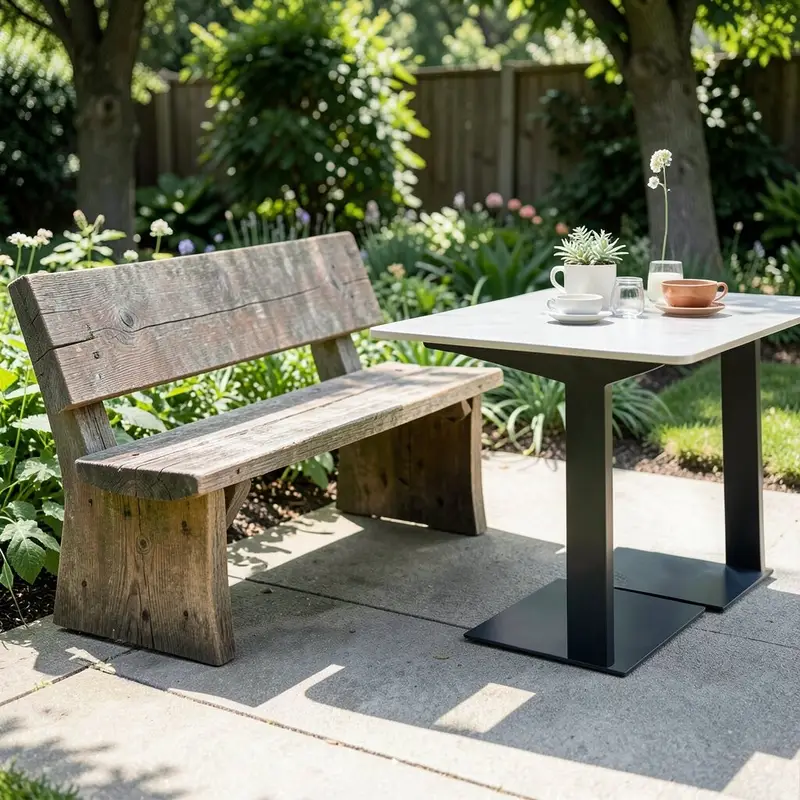
Imagine a rustic bench next to a sleek, modern table. It’s jarring! Stick to a consistent theme for a cohesive look.
It’s okay to blend styles, but ensure there’s a common element like color or material to tie it all together.
7. Overlooking Storage
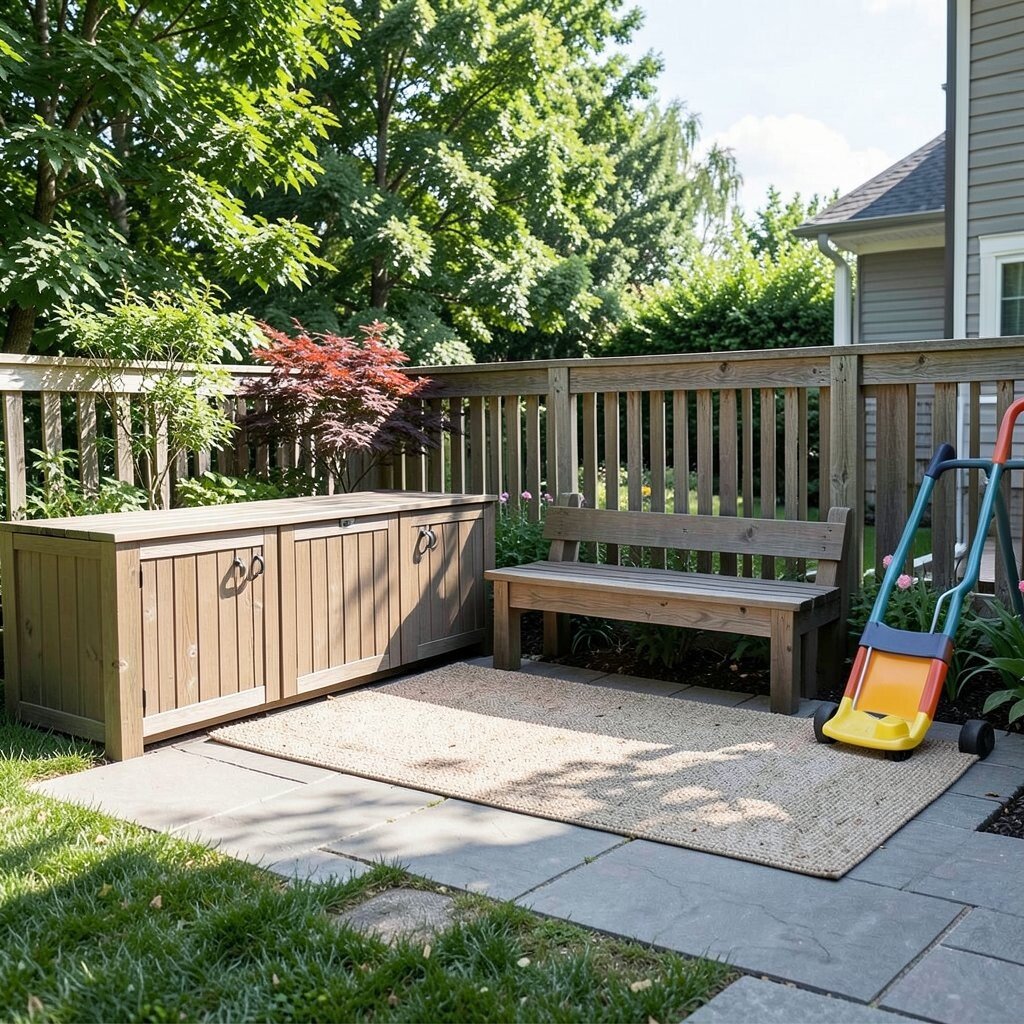
Outdoor areas can quickly become cluttered. Incorporate storage solutions like deck boxes or storage benches to keep things tidy.
Neat spaces are more enjoyable and easier to maintain. Bonus: more storage means more room for fun outdoor activities!
8. Choosing the Wrong Materials
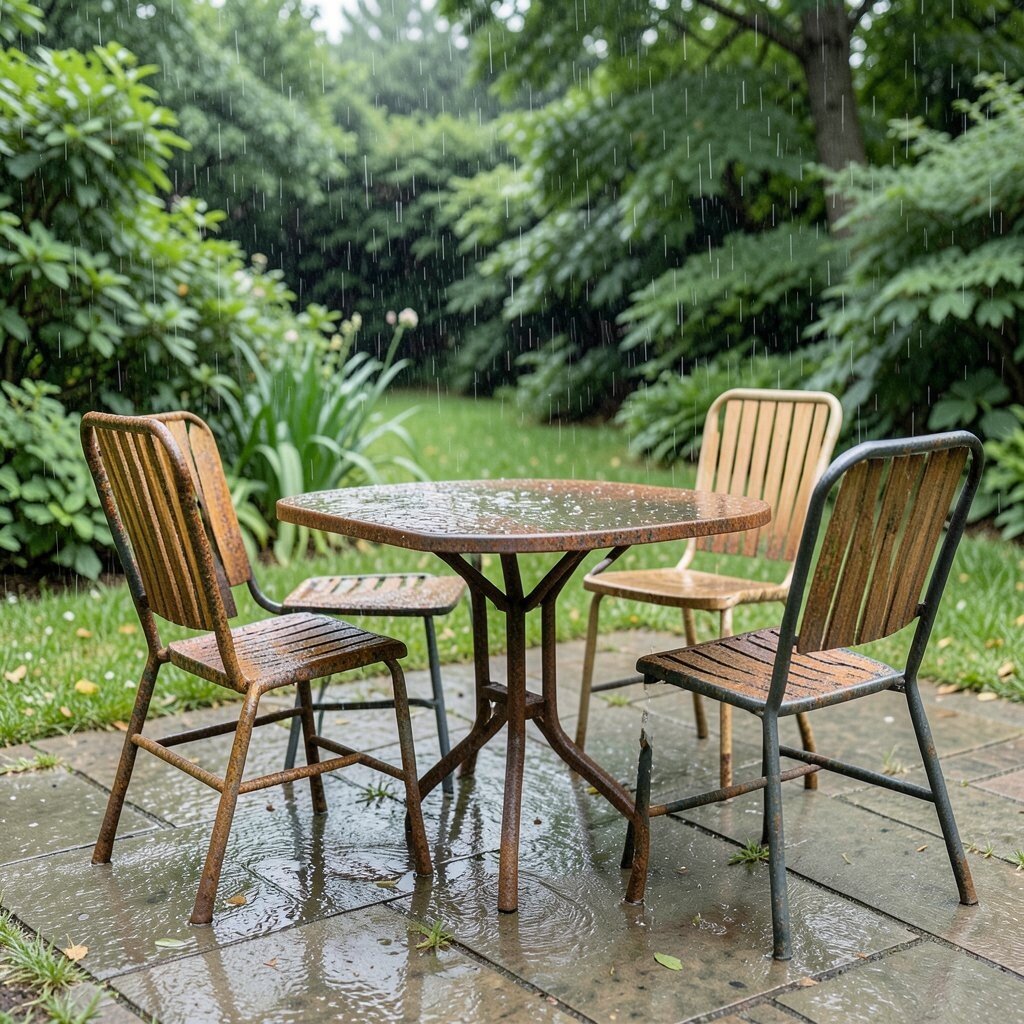
Imagine your metal furniture rusting away because of constant rain. Materials matter! Opt for weather-resistant options like teak or powder-coated metal.
These materials may seem pricey, but they’re durable and worth the investment. They keep your space looking fresh and new.
9. Forgetting About Versatility
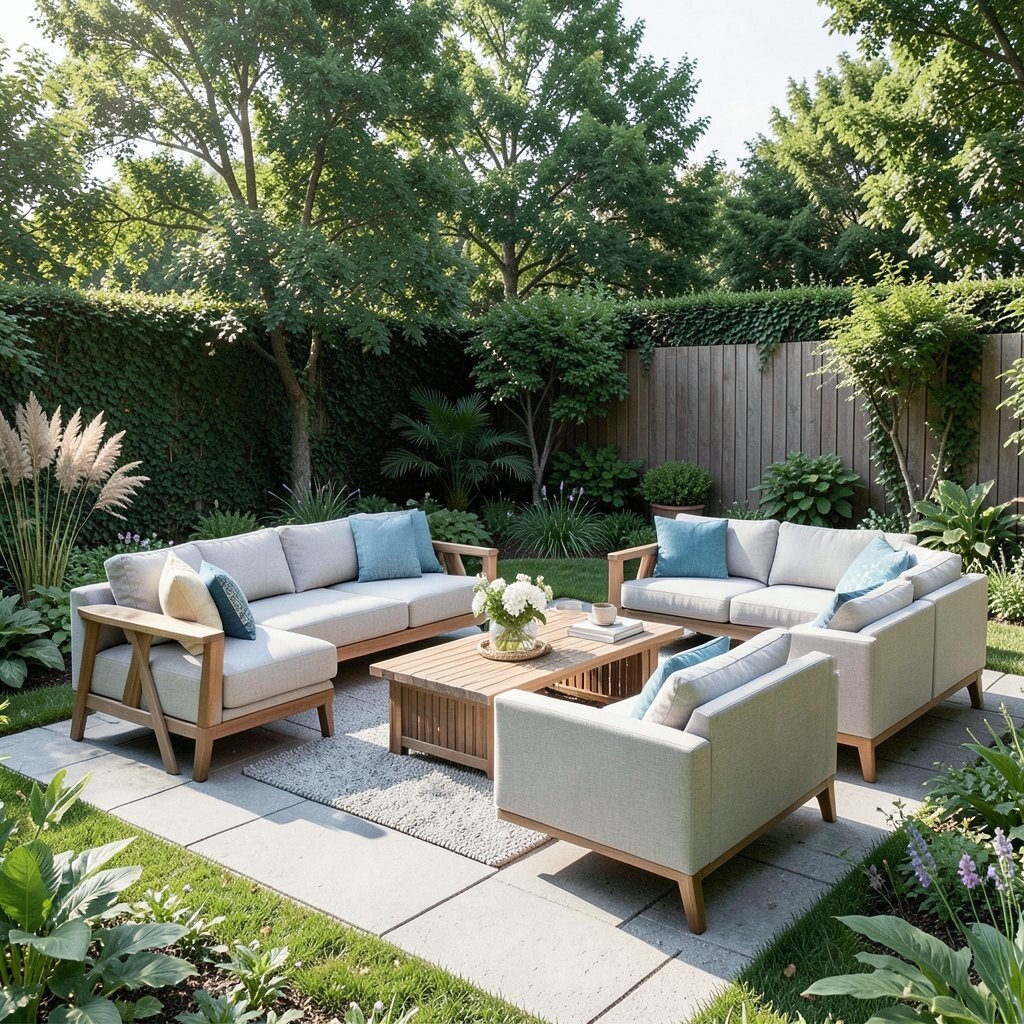
A space that serves only one purpose can feel limiting. Make your area versatile with modular furniture that can be rearranged for different activities.
Versatile spaces suit various occasions and moods. It’s like having multiple rooms outside!
10. Ignoring Seasonal Changes
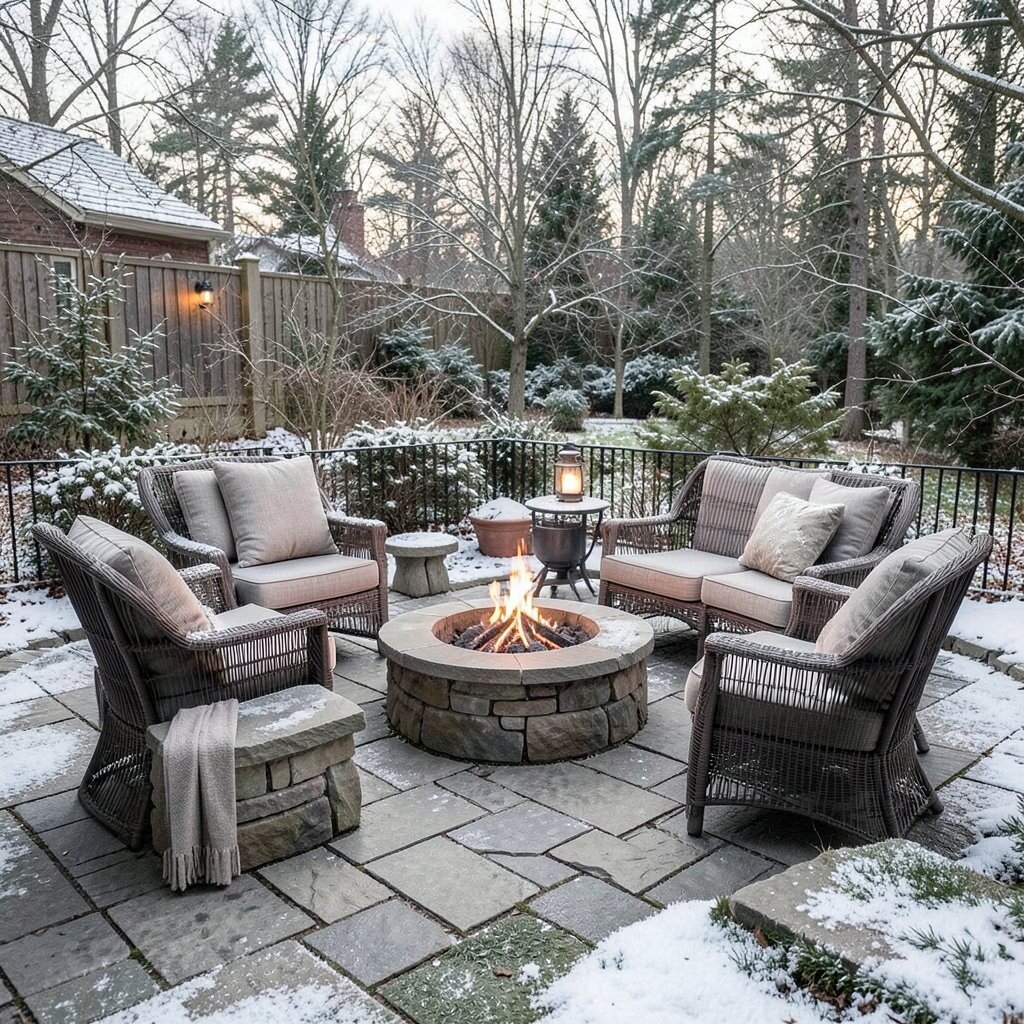
Your outdoor space shouldn’t be a summer-only spot. Incorporate features like fire pits or heaters to enjoy it through cooler seasons.
Being prepared for all seasons means more time enjoying your outdoor haven. It also adds a unique charm during colder months.
11. Overlooking Comfort
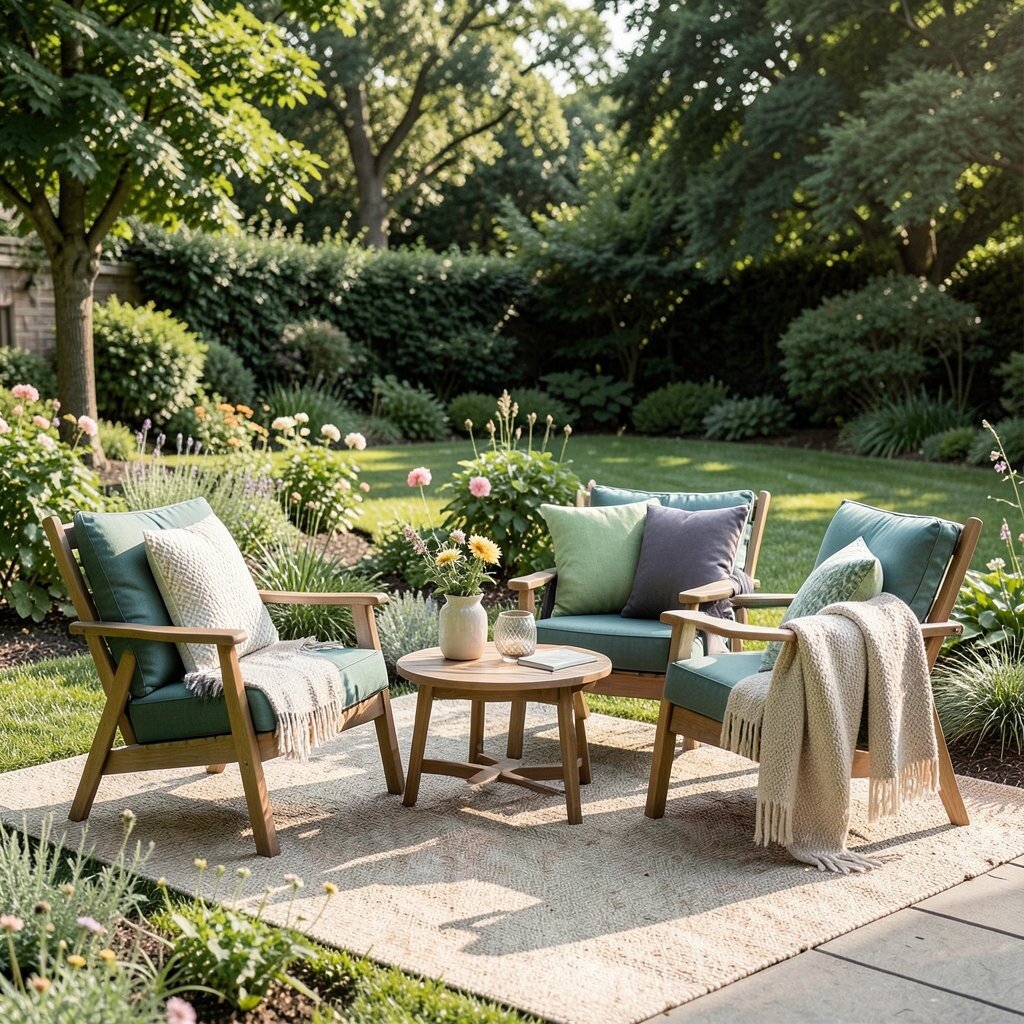
Hard chairs and stiff seating can turn any outdoor area into an uncomfortable zone. Invest in plush cushions and throws for a cozy feel.
Comfort transforms your space into a go-to relaxation spot. Plus, you can update the look easily with new cushion covers.
12. Underestimating the Power of Color
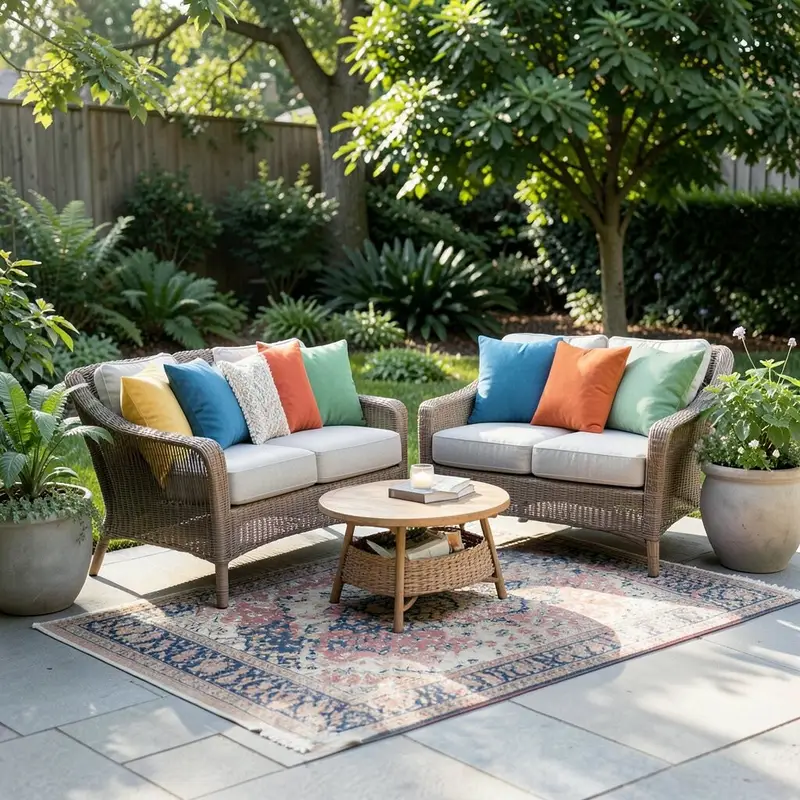
An all-neutral outdoor space can feel flat. Add pops of color with cushions, rugs, or planters to bring it to life.
Color adds personality and can reflect your style. It’s an easy way to refresh your space without a complete overhaul.
13. Avoiding Textures
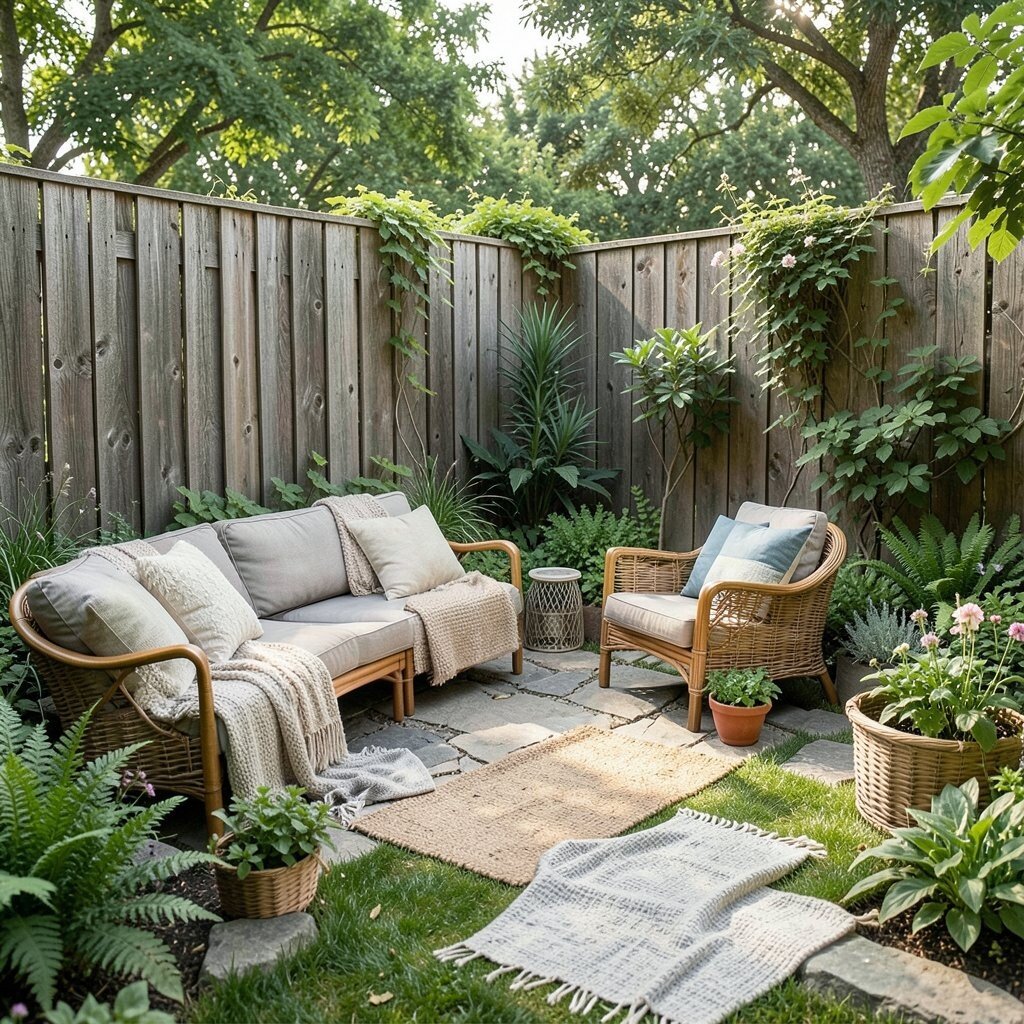
Texture adds depth and intrigue. Mix materials like wood, stone, and fabric for a dynamic look.
Layering textures makes your space feel richer and more inviting. It’s like building a cozy nest outside.
14. Not Planning for Traffic Flow
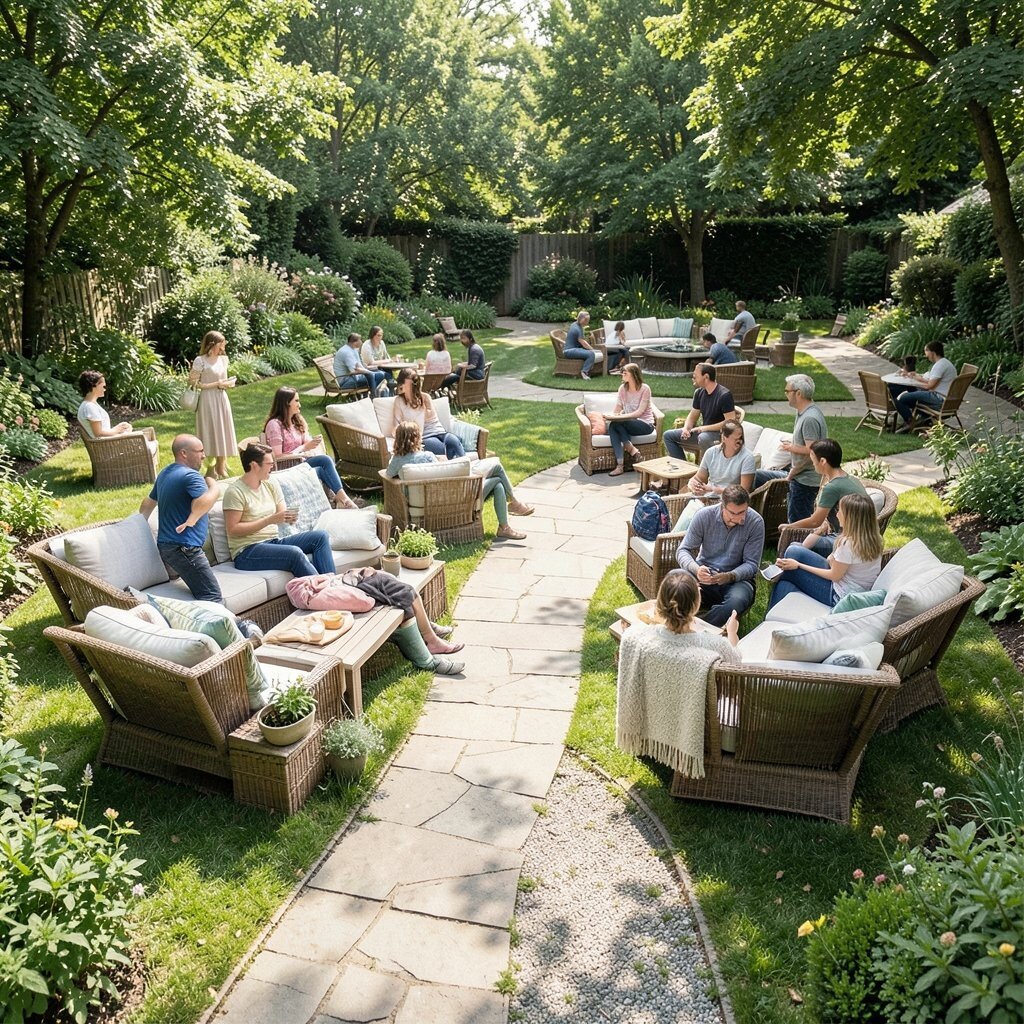
Imagine guests struggling to navigate through a maze of furniture. Keep pathways clear and intuitive for easy movement.
Thoughtful layouts enhance the usability of your space. It’s all about creating a welcoming environment for everyone.
15. Skipping a Focal Point
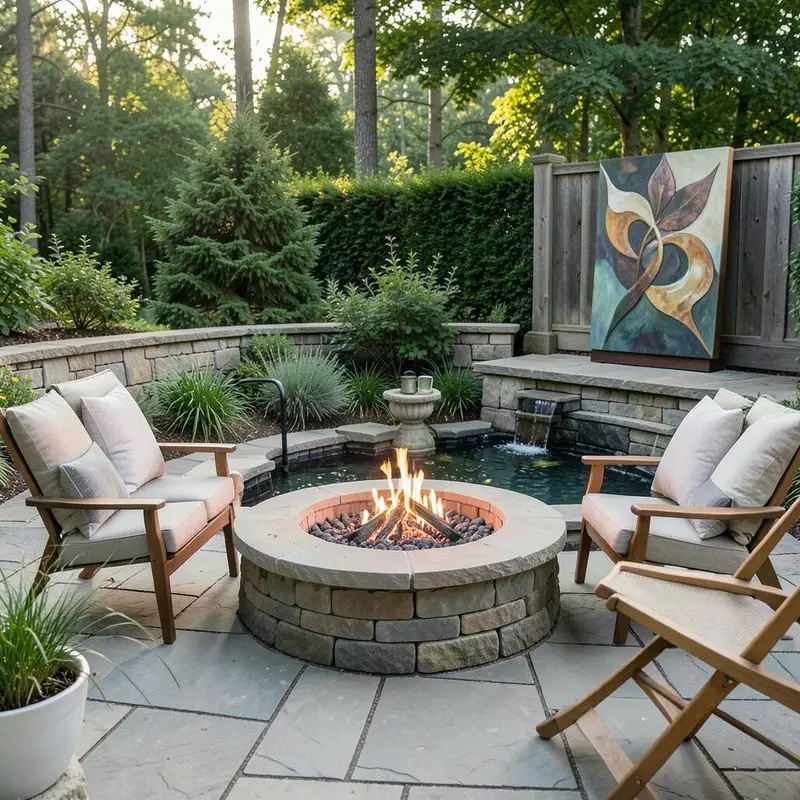
A focal point draws the eye and anchors your design. Consider a fire pit, a water feature, or a stunning piece of art.
Focal points give your space character and serve as conversation starters. They’re the heart of your outdoor area.
16. Overlooking Safety
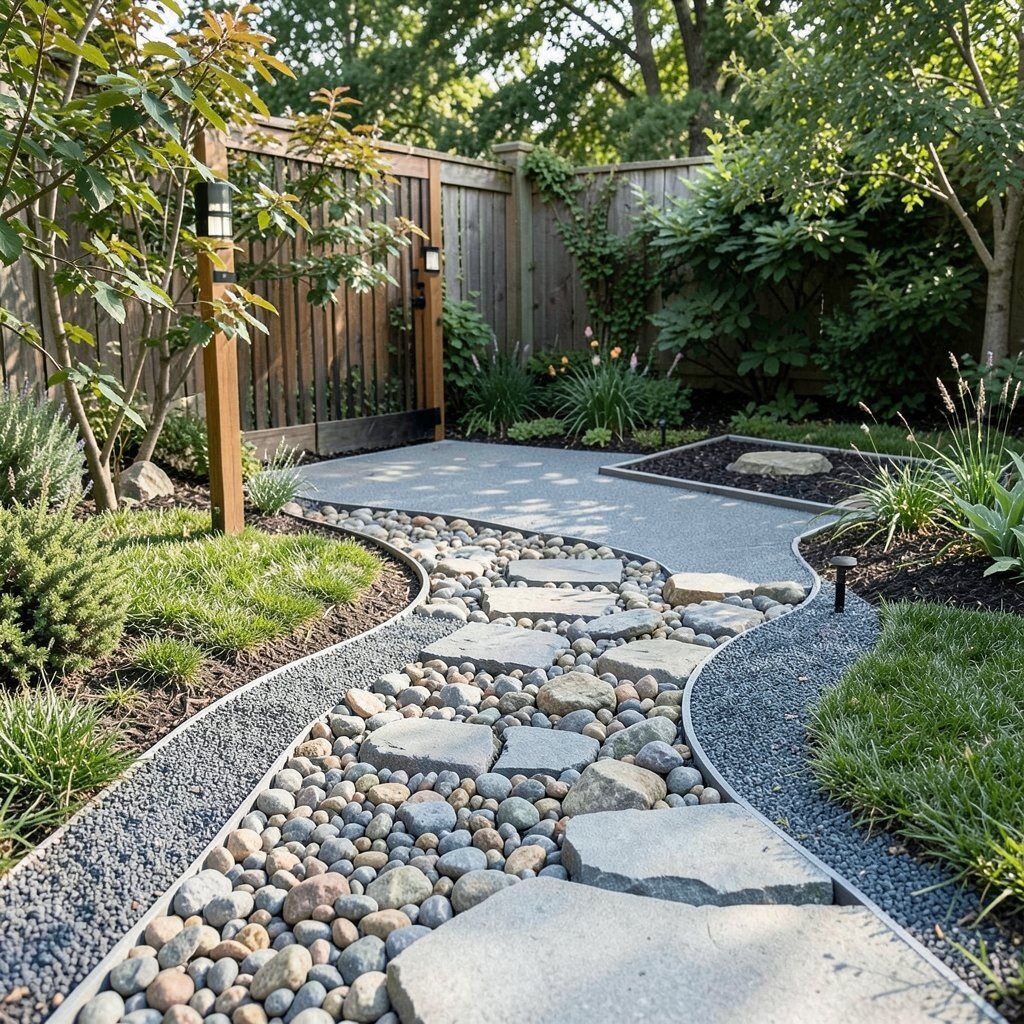
Loose stones or uneven paths can be hazardous. Ensure your outdoor area is safe with non-slip surfaces and secure fixtures.
Safety doesn’t have to be boring. Choose stylish, safe materials that blend with your design.
17. Not Considering Maintenance
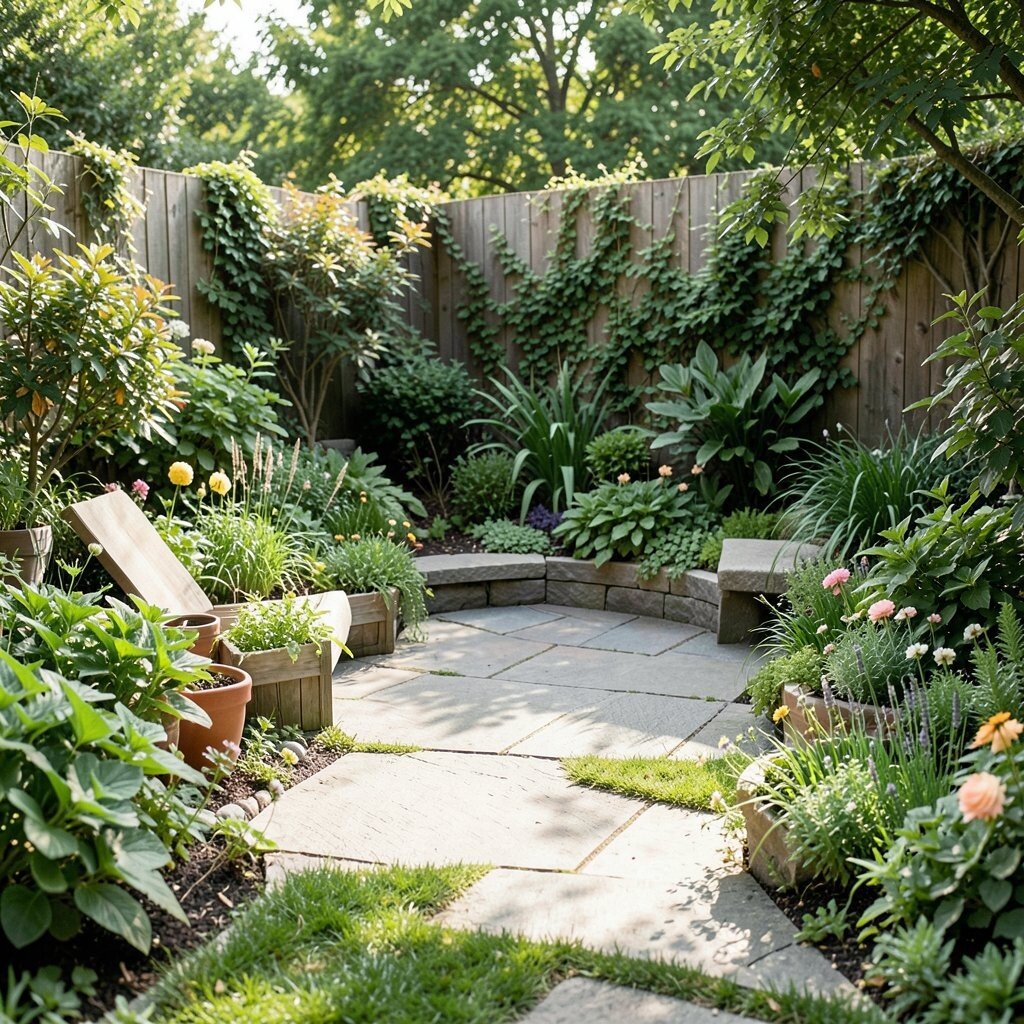
A high-maintenance garden can become a chore. Choose easy-care plants and durable materials for a low-effort, beautiful space.
Low maintenance means more time to relax and enjoy. Your outdoor area should be a pleasure, not a burden.
18. Forgetting Personal Touches
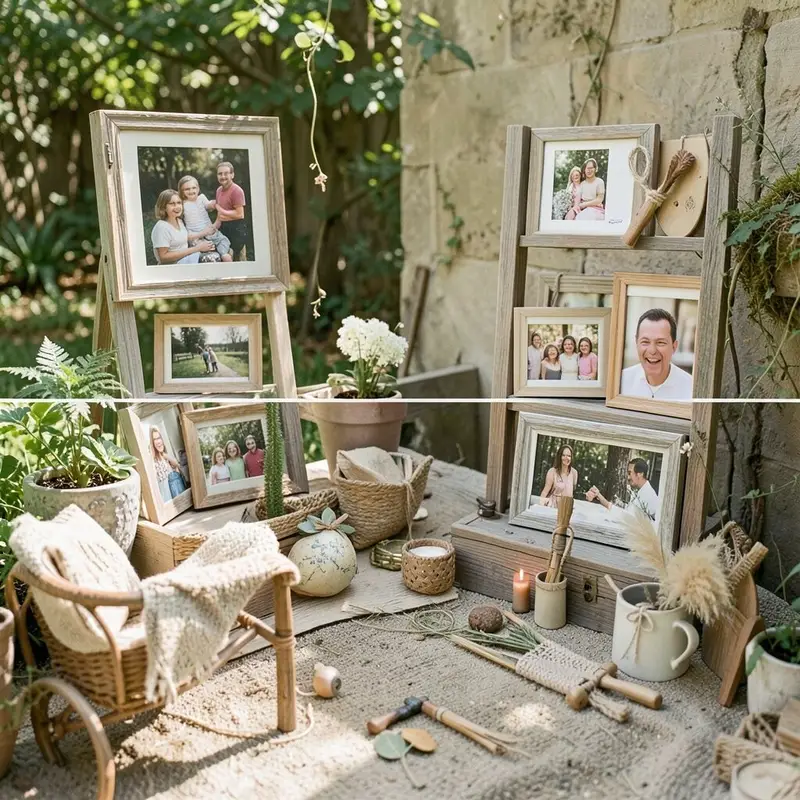
Make your outdoor space uniquely yours with personal touches like family photos in weatherproof frames or DIY crafts.
Personalization adds warmth and meaning. It’s the little details that make a space feel like home.