
Sometimes, the smallest design choices can cloud your message. Uncover the secrets to ensuring your designs always communicate clearly and effectively.
1. Cluttered Layouts

Imagine walking into a room filled with furniture. It’s overwhelming, right? Cluttered layouts in design work the same way.
Keep it simple. A clean, organized space allows your message to shine. It feels like a breath of fresh air and makes everything more readable.
Try using white space strategically. Your message will pop, and it won’t cost a thing!
2. Overuse of Fonts

Fonts are like flavors. Too many can spoil the dish. Stick to two or three at most.
Your design will feel balanced and professional. Plus, it makes your message easy to follow.
Experiment with different font pairings. It’s fun and free!
3. Ignoring Hierarchy
Think of hierarchy as a map guiding your eyes. Without it, your message gets lost.
Use size, color, and placement to show what’s most important. It directs attention instantly.
Hierarchy doesn’t cost a cent, just a bit of planning.
4. Busy Backgrounds

Backgrounds should support, not compete with, your message. Busy ones can be distracting.
Opt for subtle patterns or solid colors. Your content will take center stage.
Simple backgrounds are cost-effective and timeless.
5. Poor Contrast

Contrast is crucial for readability. Without it, your message fades away.
Dark text on a light background or vice versa works wonders. It makes everything pop.
Playing with contrast is free and can be transformative.
6. Neglecting Alignment

Alignment brings order. When everything lines up, it feels just right.
Left-align or center-align for a polished look. It’s like aligning a picture frame.
This small tweak costs nothing and adds a touch of professionalism.
7. Forgetting Visual Flow

Visual flow guides the reader’s journey. Without it, they might feel lost.
Arrange elements logically. It’s like telling a story with your design.
Fine-tuning the flow is a fun, creative process.
8. Overbearing Colors

Colors can evoke emotions, but too many can overwhelm.
Choose a harmonious palette that complements your message. It feels cohesive and inviting.
Experiment with color tools online. It’s an affordable way to find the perfect mix.
9. Small Text Sizes

Text should be easy to read. If it’s too small, it becomes a chore.
Opt for larger sizes, especially for body text. It’s like speaking clearly.
Adjusting text size is a simple, no-cost change.
10. Complex Language

Keep your language simple. It’s like speaking to a friend.
Clear, concise language ensures everyone understands your message.
Practice writing simply—it’s a skill that costs nothing to develop.
11. Ignoring Accessibility

Accessibility ensures everyone can enjoy your design. It’s about inclusivity.
Consider contrast, font size, and alt text. It makes your design welcoming to all.
Many accessibility improvements are free and impactful.
12. Skipping Consistency

Consistency breeds familiarity. It’s comforting, like a favorite song.
Stick to the same fonts, colors, and styles. It feels unified and intentional.
Consistency is a mindset, not a budget item.
13. Overloading Information

Too much information can suffocate your message. Less is truly more.
Focus on key points. It’s like highlighting the best parts of a story.
Editing down your content is free and liberating.
14. Neglecting Mobile Design
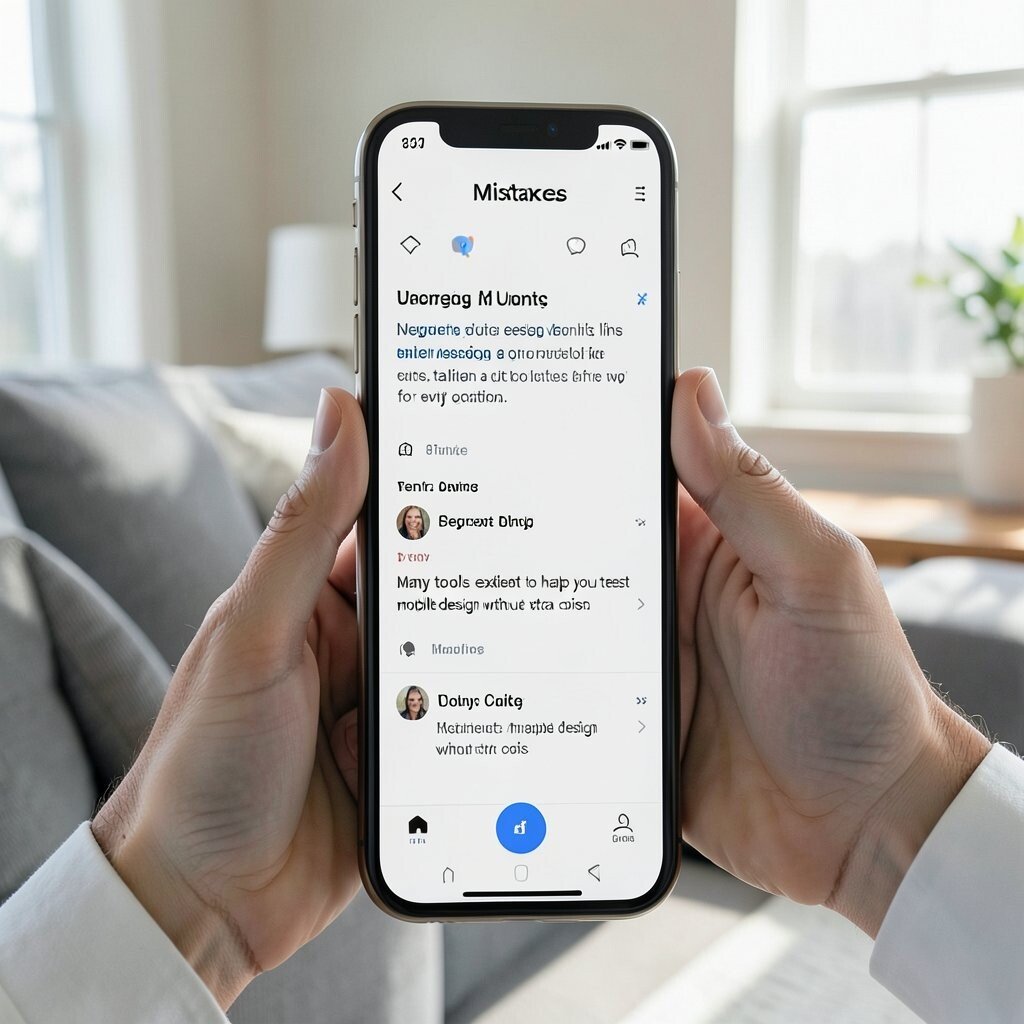
More people view content on mobile devices. Ignoring this is a big mistake.
Ensure your design looks great on smaller screens. It’s like tailoring a suit for every occasion.
Many tools exist to help you test mobile design without extra cost.
15. Disregarding Feedback

Feedback offers new perspectives. It’s a chance to see through another’s eyes.
Embrace it to refine your message. It’s like having a helpful guide on your journey.
Feedback is free and invaluable.
16. Using Stock Photos Poorly

Stock photos can be helpful but should be used thoughtfully.
Choose images that align with your message and style. It feels genuine and intentional.
Many stock photo sites offer affordable options that elevate your design.
17. Overlooking Branding
Branding is your design’s identity. It’s what makes it memorable.
Incorporate logos, colors, and fonts that reflect your brand. It’s like a signature on a painting.
Building a cohesive brand is a worthwhile investment.
18. Ignoring White Space

White space is the silent hero of design. It lets elements breathe.
Use it to create focus and clarity. It feels light and airy, not cluttered.
White space is free and powerful in creating impact.
19. Not Testing Designs

Testing helps you see what works. It’s like trying on clothes before buying.
Test your design across different devices and get feedback. It ensures everything is just right.
Testing can be done with simple, free tools.
20. Failing to Prioritize Content
Your content is the star. Design should support it, not overshadow it.
Highlight key messages and keep distractions minimal. It’s like setting the stage for a performance.
Prioritizing content doesn’t cost, but it pays off big time.
21. Missing Emotional Connection

Design isn’t just visual; it’s about emotion too. Connect with your audience’s feelings.
Use imagery and colors that evoke the right emotions. It makes your message resonate deeply.
Creating emotional connections is an art form and a creative joy.