Product placement can be a powerful tool to engage your audience, but it’s easy to make mistakes that could ruin its effectiveness. Keep reading to learn how to avoid these pitfalls and create unforgettable visuals.
1. Overcrowding the Scene

When you put too many items in one place, it can be overwhelming. A cluttered scene makes it hard for people to focus on the product you’re showcasing.
Instead, keep it simple. Use just a few key pieces to highlight your product. This way, it stands out and draws attention naturally.
Think of a minimalist room with just a sleek sofa and a vibrant painting. It’s clean, clear, and makes a statement.
2. Ignoring Context

Placing a product in an unrelated setting can confuse your audience. It’s like putting a snowman in the desert—it just doesn’t fit.
Consider the environment where your product will appear. If it’s a beach towel, place it on the sand, not in the snow.
3. Poor Lighting
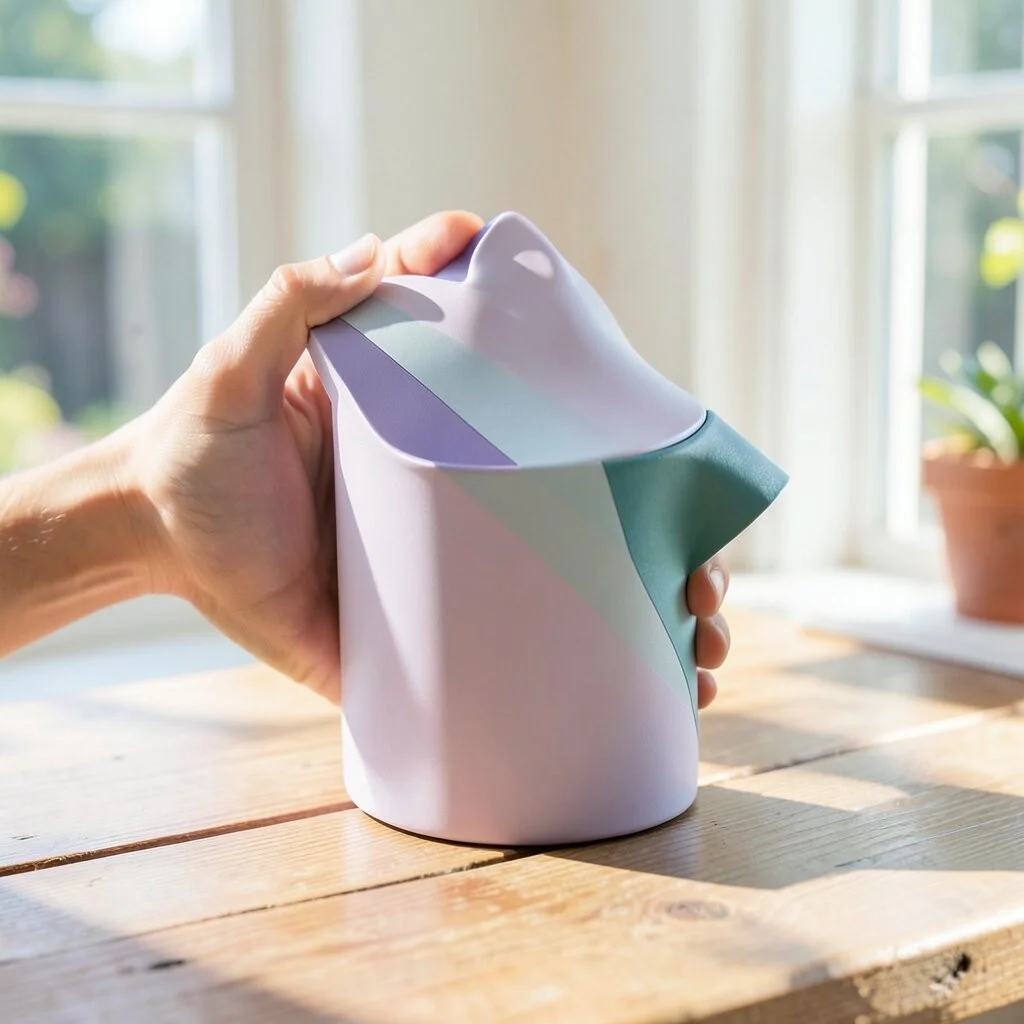
Lighting can make or break a product image. Too much light can wash out colors, while too little can make details disappear.
Natural light is often the best choice. It’s soft and brings out the true colors of your product.
Imagine a bright, sunny day where your product shines in its best light. It’s inviting and eye-catching.
4. Neglecting the Background

A distracting background can take away from the product itself. Busy patterns or bright colors might compete for attention.
Choose a background that complements but doesn’t overshadow your product. Neutrals often work well.
5. Lack of Consistency

Inconsistency can confuse your audience. It’s like reading a book where the characters change names every chapter.
Stick to a theme or style for your product placements. Consistent visuals build brand recognition.
6. Ignoring Scale

Scale is essential in conveying the true size of a product. Without it, people might get the wrong idea.
Use everyday objects to give a sense of scale. It helps viewers understand the product better.
7. Overuse of Props

Too many props can distract from the main product. It’s like having too many toppings on a pizza; sometimes, less is more.
Choose props that enhance the story of your product, not overshadow it. A single well-chosen prop can make all the difference.
8. Forgetting the Human Element

Products are often more relatable when shown in use by a person. It helps create a connection.
Consider including people in your placements. It adds warmth and a personal touch.
9. Misusing Colors

Colors can evoke emotions and influence perception. The wrong choice can send the wrong message.
Use colors that align with the mood you want to create. Cool blues can be calming, while reds can be exciting.
10. Overlooking Composition

Composition is how elements are arranged in a scene. A poor composition can make a product look unappealing.
Apply the rule of thirds for a balanced look. It’s simple and effective.
11. Ignoring Trends

Being out of touch with current trends can make your product placement look dated. It’s like wearing last season’s fashion.
Stay current by following industry trends. It keeps your placements fresh and relevant.
12. Neglecting Brand Identity

Your product placement should reflect your brand’s identity. If it doesn’t, it can confuse customers.
Ensure that your placements align with your brand’s voice and values. It strengthens brand loyalty.
13. Poor Quality Images

Blurry or low-resolution images can tarnish your brand’s image. It’s like selling a diamond in a brown paper bag.
Invest in a good camera or hire a professional photographer. High-quality images speak volumes.
14. Forgetting to Tell a Story

Every product has a story, and telling it can engage your audience. Without a story, it’s just another product.
Create a narrative around your product. It makes it memorable and relatable.
15. Skipping Personalization
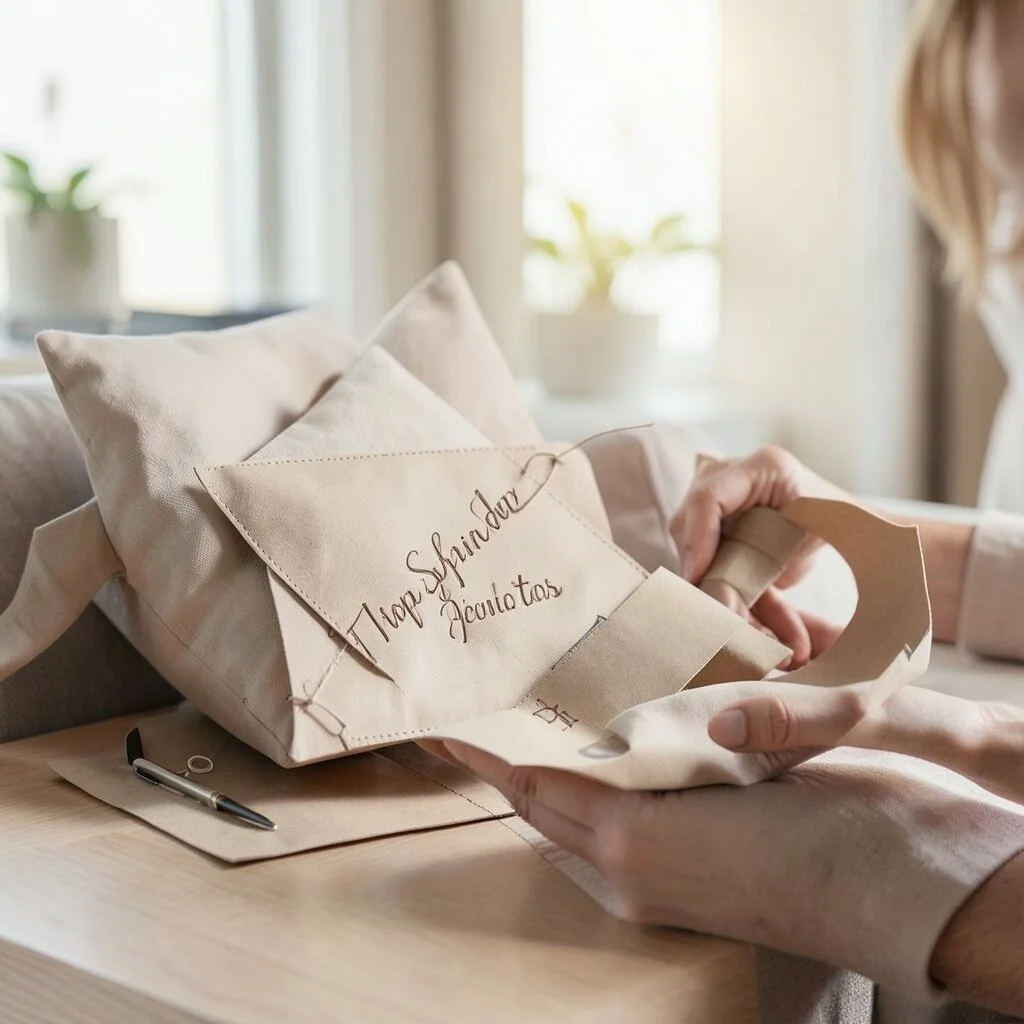
People love things that feel personal. Generic product placements can feel cold and impersonal.
Add a touch of personalization to your placements. It could be as simple as monogramming a product or using names.