Imagine a world where your home looks stunning, and your wallet stays happy. Sounds like a dream, right? Get ready to find out how you can make it a reality by steering clear of these common design pitfalls.
1. Overloading with Trends
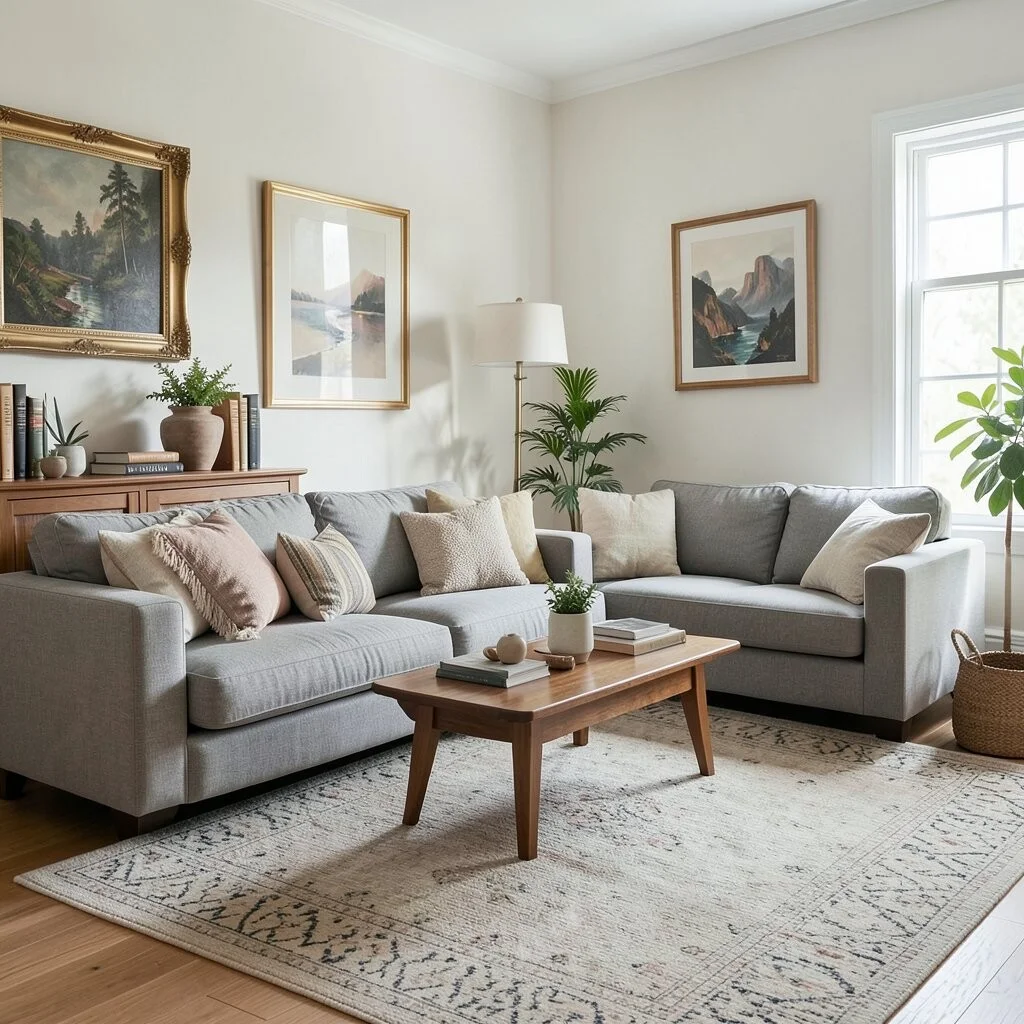
Trends are tempting, but they can be a trap. Filling your space with too many trendy items might make it look dated quickly.
Instead, choose a few timeless pieces. Classic styles last longer and save you money in the long run.
Think about mixing old and new. This way, your space feels fresh without being a slave to trends.
2. Ignoring Natural Light
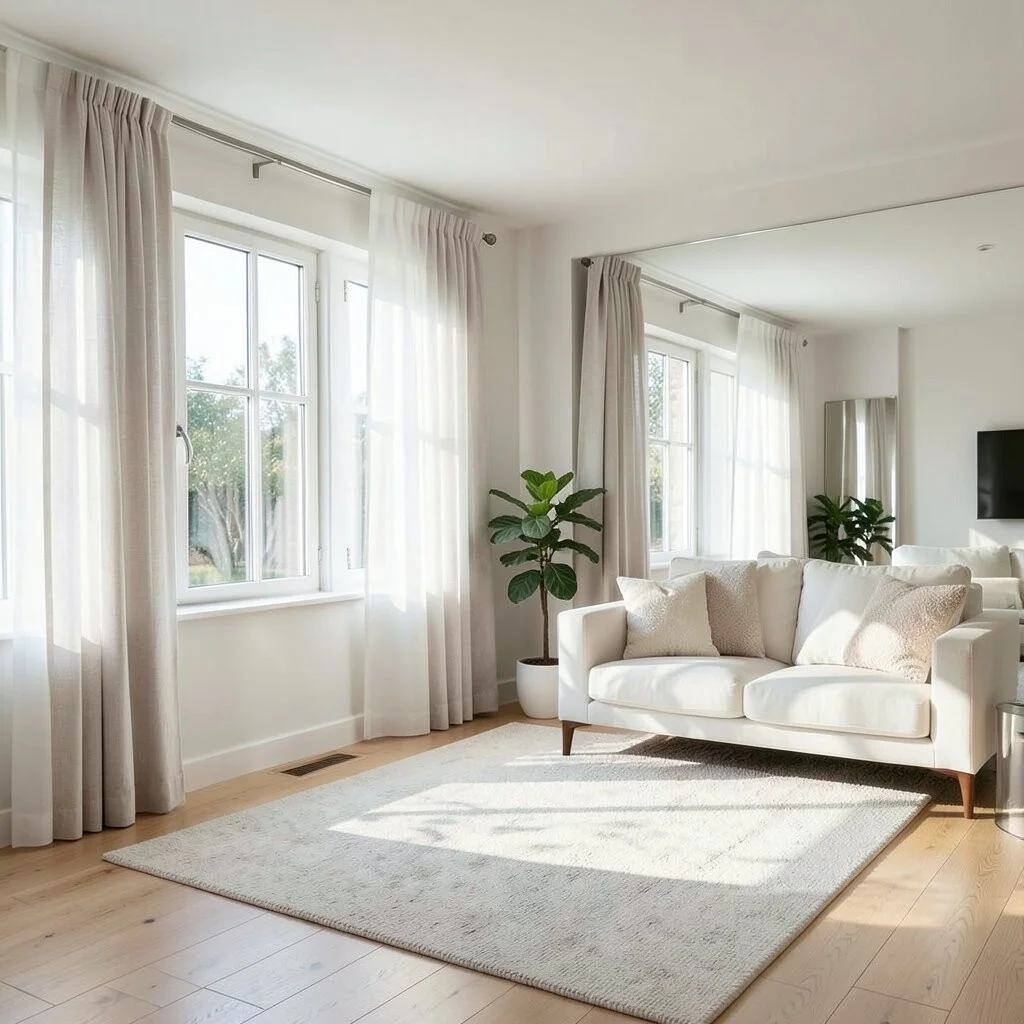
Natural light is your friend. It makes rooms feel bigger and more inviting.
Position mirrors to bounce light around a room. This trick makes spaces brighter without extra lamps.
Remember, sunlight is free! Use light curtains to let in as much as possible.
3. Buying Before Planning
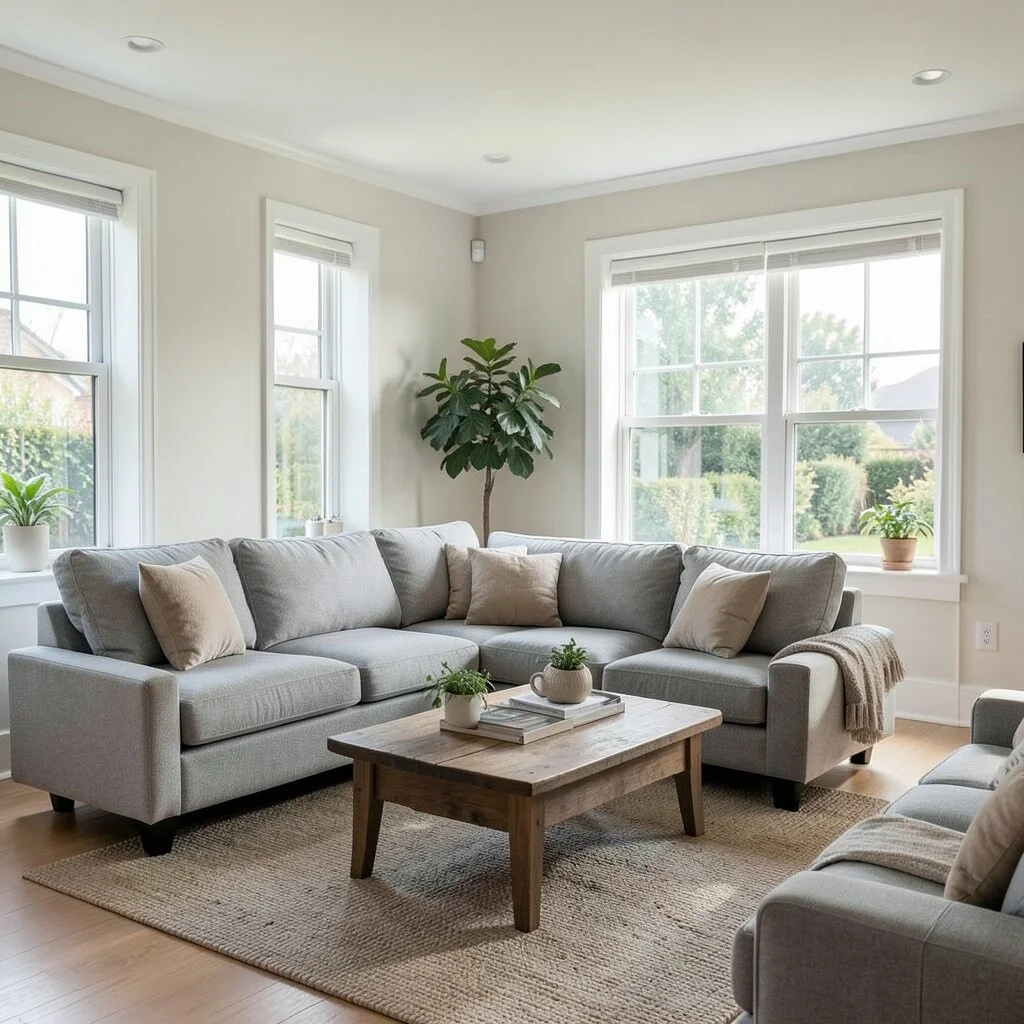
Impulse buys are exciting but often regrettable. Planning ensures every piece has a place.
Measure your space and create a layout. This avoids costly mistakes like oversized furniture.
Make a list before shopping. Stick to it to save money and avoid clutter.
4. Skimping on Paint Quality
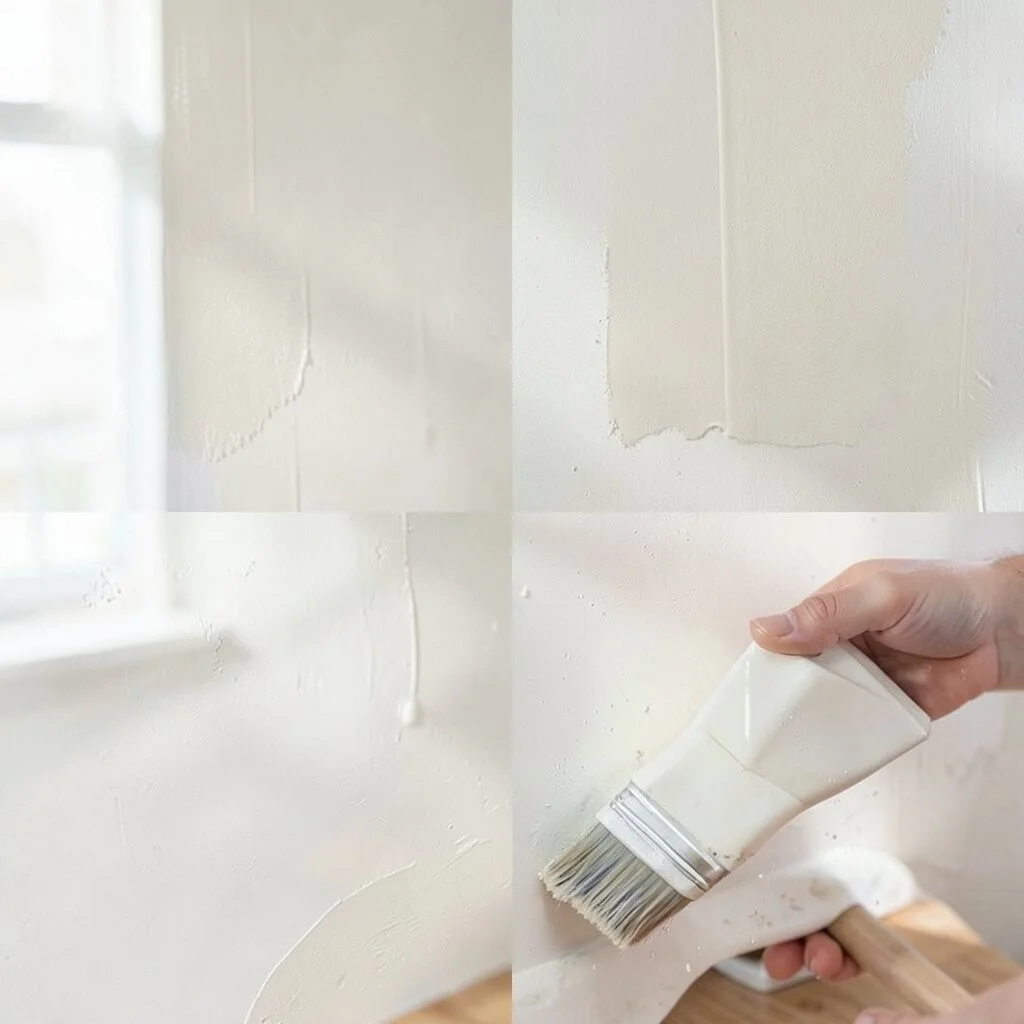
Cheap paint might seem like a bargain, but it often requires more coats, costing more in the end.
Invest in quality paint. It lasts longer and looks better, saving money over time.
Consider washable finishes for high-traffic areas. They’re durable and practical.
5. Overlooking Ceiling Potential
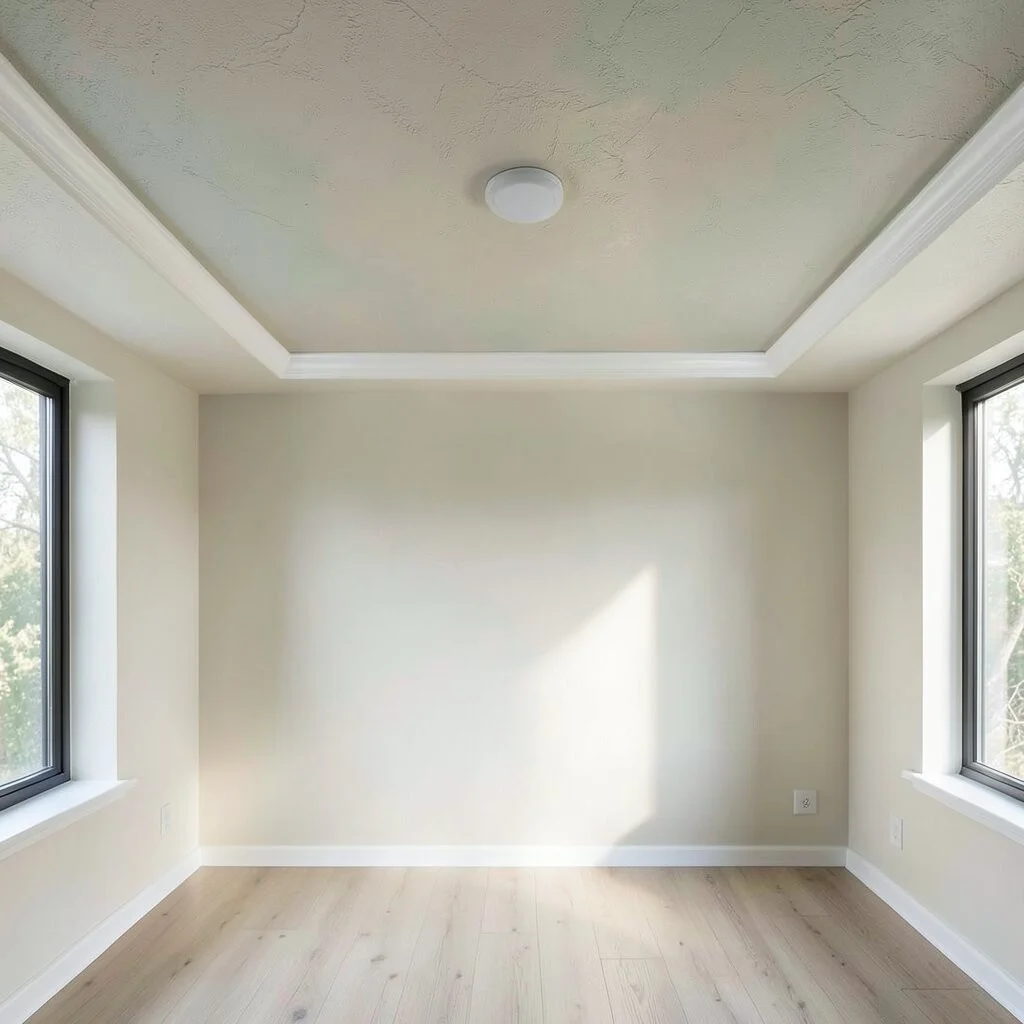
Ceilings are often a forgotten canvas. A painted or textured ceiling can add depth and interest.
Try a subtle color or pattern. It’s like giving your room a hat—stylish and unexpected.
Remember, a little creativity goes a long way without breaking the bank.
6. Neglecting Wall Art Arrangement
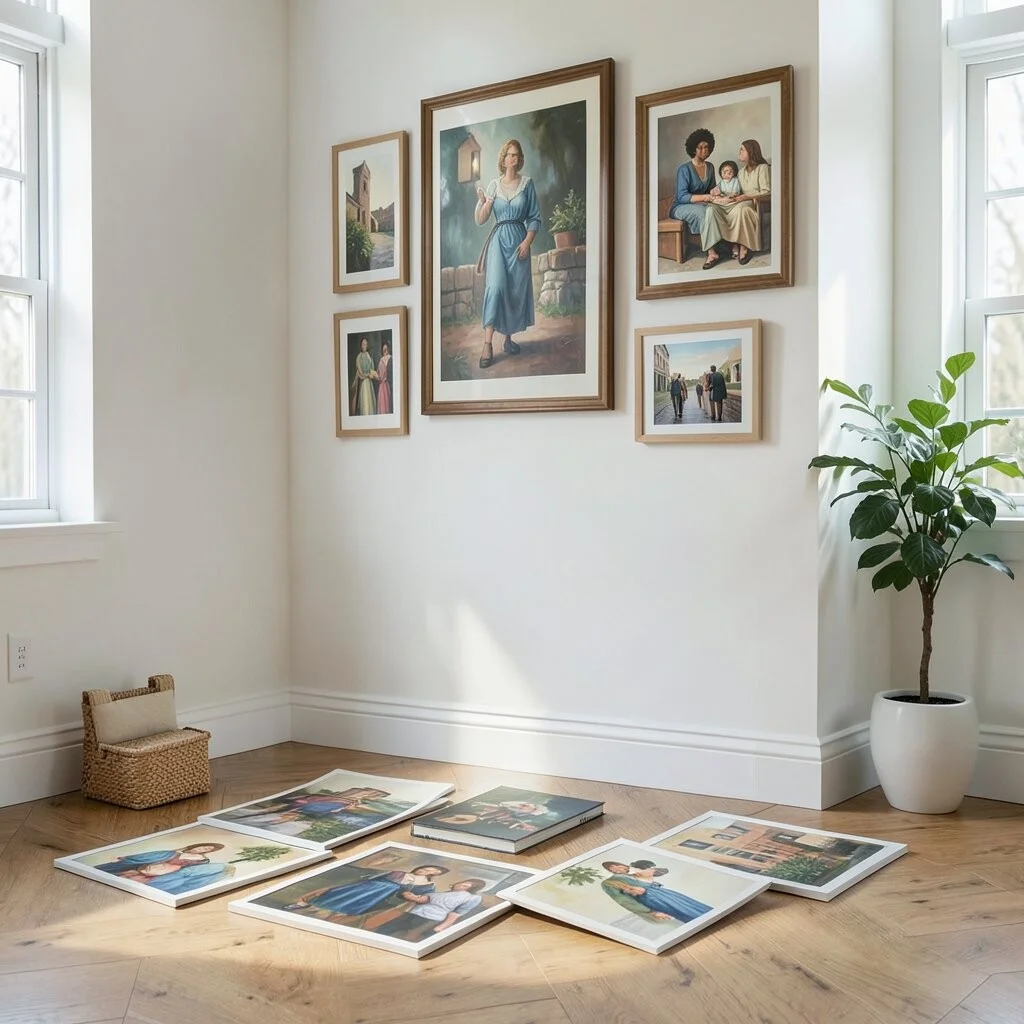
Art brings life to walls, but poor placement can ruin the effect. Balance and proportion are key.
Lay pieces on the floor before hanging them. This helps visualize the final look.
Use affordable art or DIY projects. Personal touches make spaces unique and cost-effective.
7. Choosing Style Over Comfort
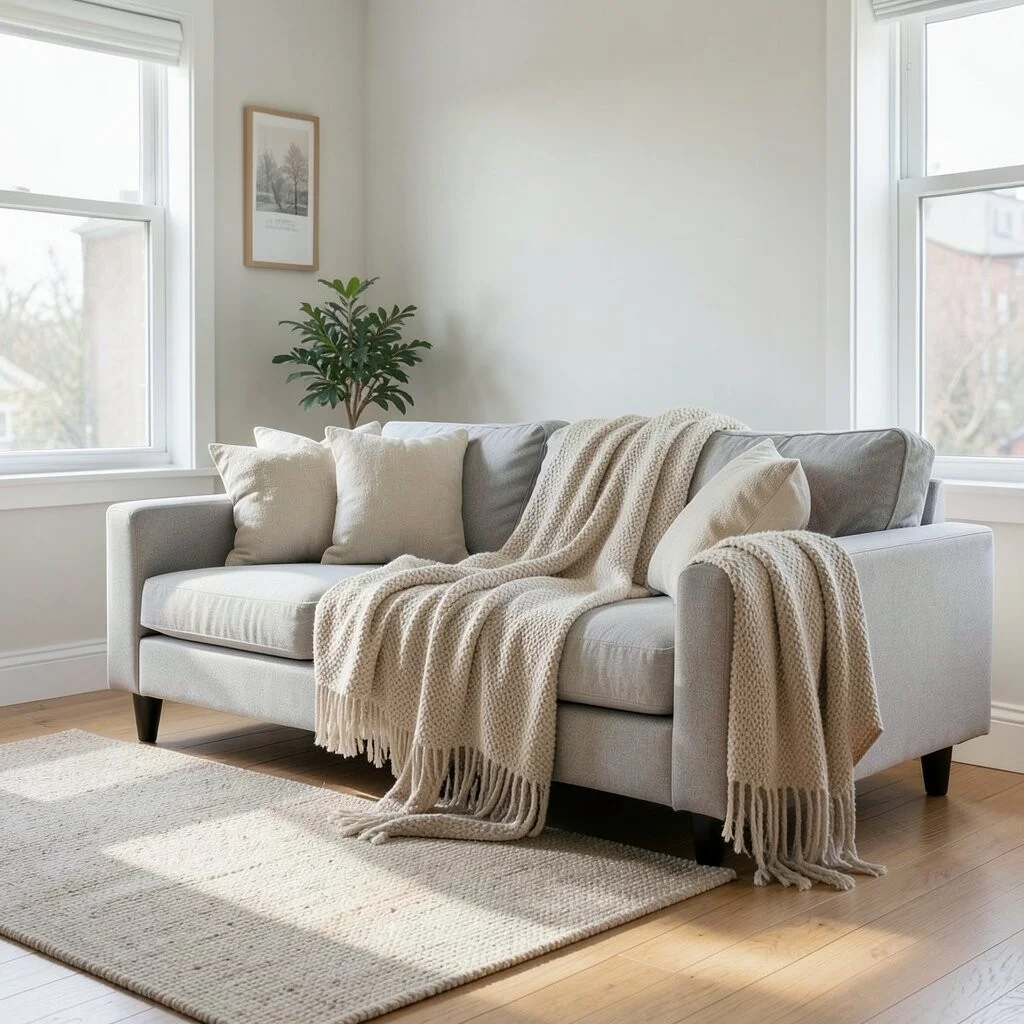
Sure, that sleek sofa looks great, but is it comfy? Prioritize comfort to ensure you’ll love using the space.
Test furniture before buying. A cozy chair can be both stylish and relaxing.
Mix textures with soft throws and cushions. These add comfort without a big price tag.
8. Forgetting the Power of Plants
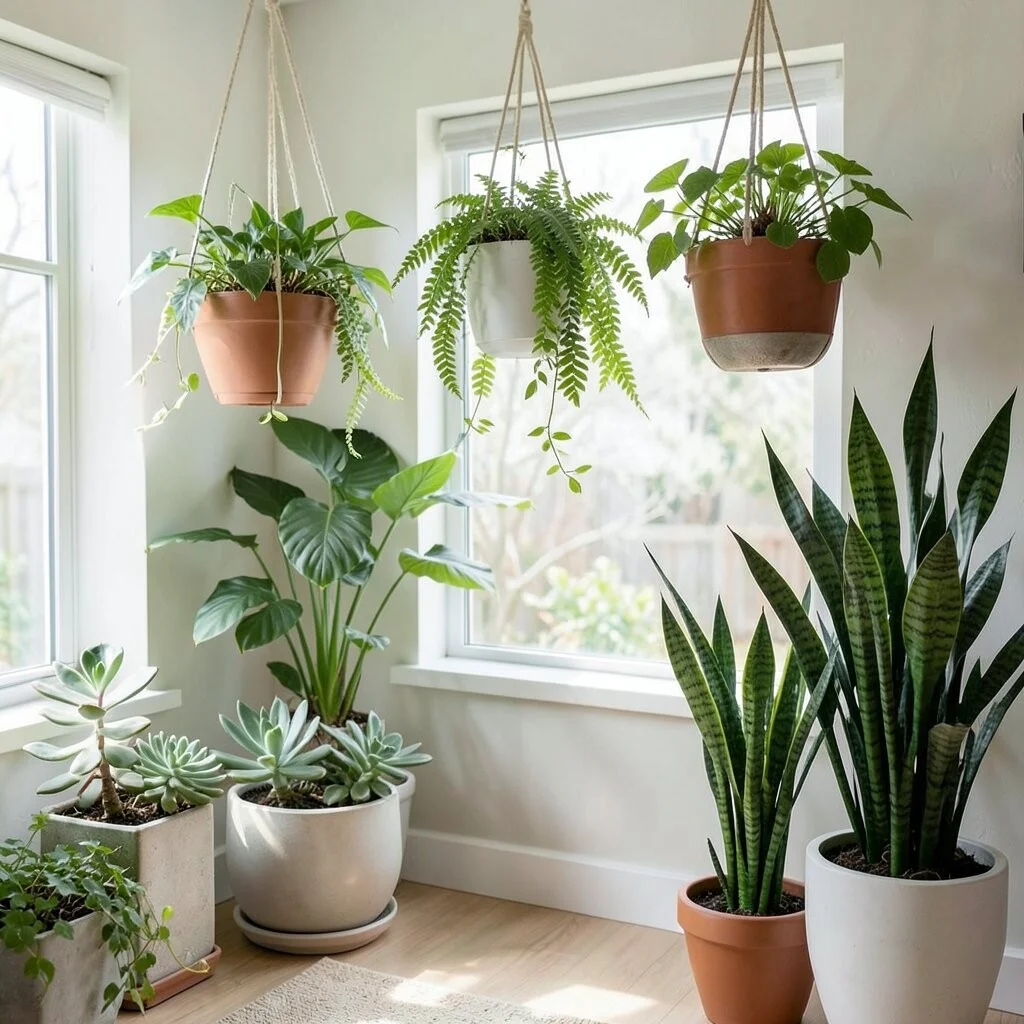
Plants add life and color to any room. They’re an easy way to refresh your space.
Choose low-maintenance varieties. Succulents and snake plants are great for beginners.
Use creative pots or hanging planters. This adds flair without extra cost.
9. Skipping the Rug
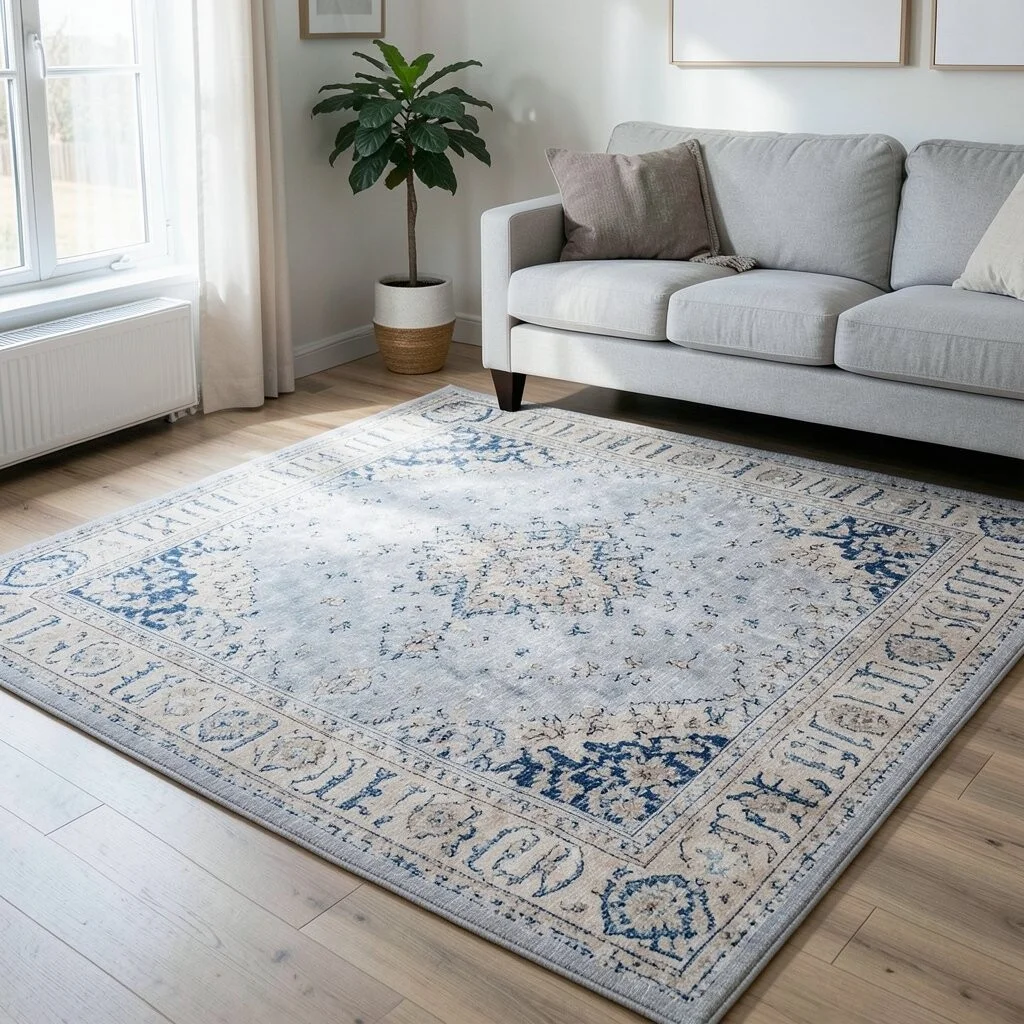
A rug can anchor a room and tie everything together. Don’t underestimate its power!
Choose the right size. A too-small rug can make a room feel disjointed.
Affordable options abound. Look for sales or consider second-hand finds for budget-friendly choices.
10. Overlooking Storage Solutions
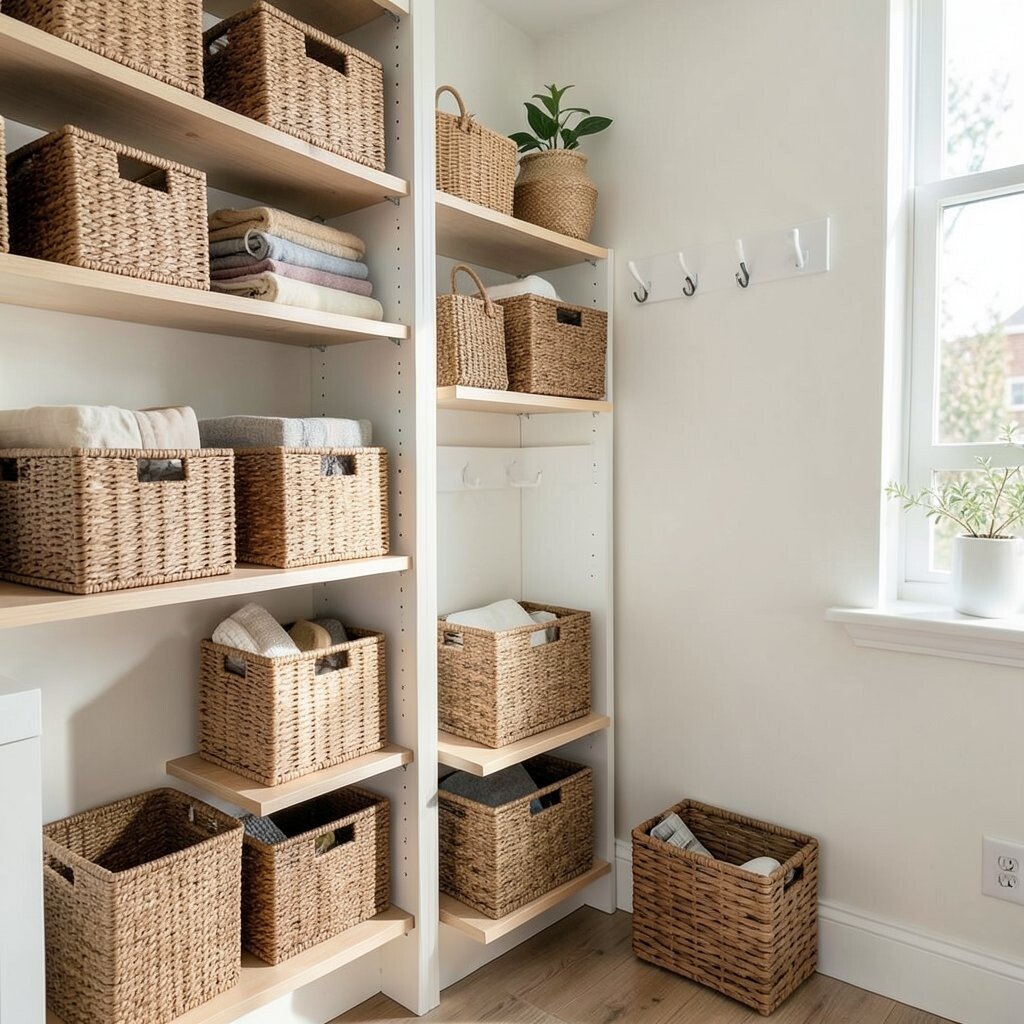
Clutter can make even the most beautiful space feel chaotic. Smart storage keeps things tidy.
Think vertically. Shelves and hooks utilize wall space effectively.
Get creative with storage baskets and boxes. They’re functional and can add a pop of style.
11. Not Layering Lighting
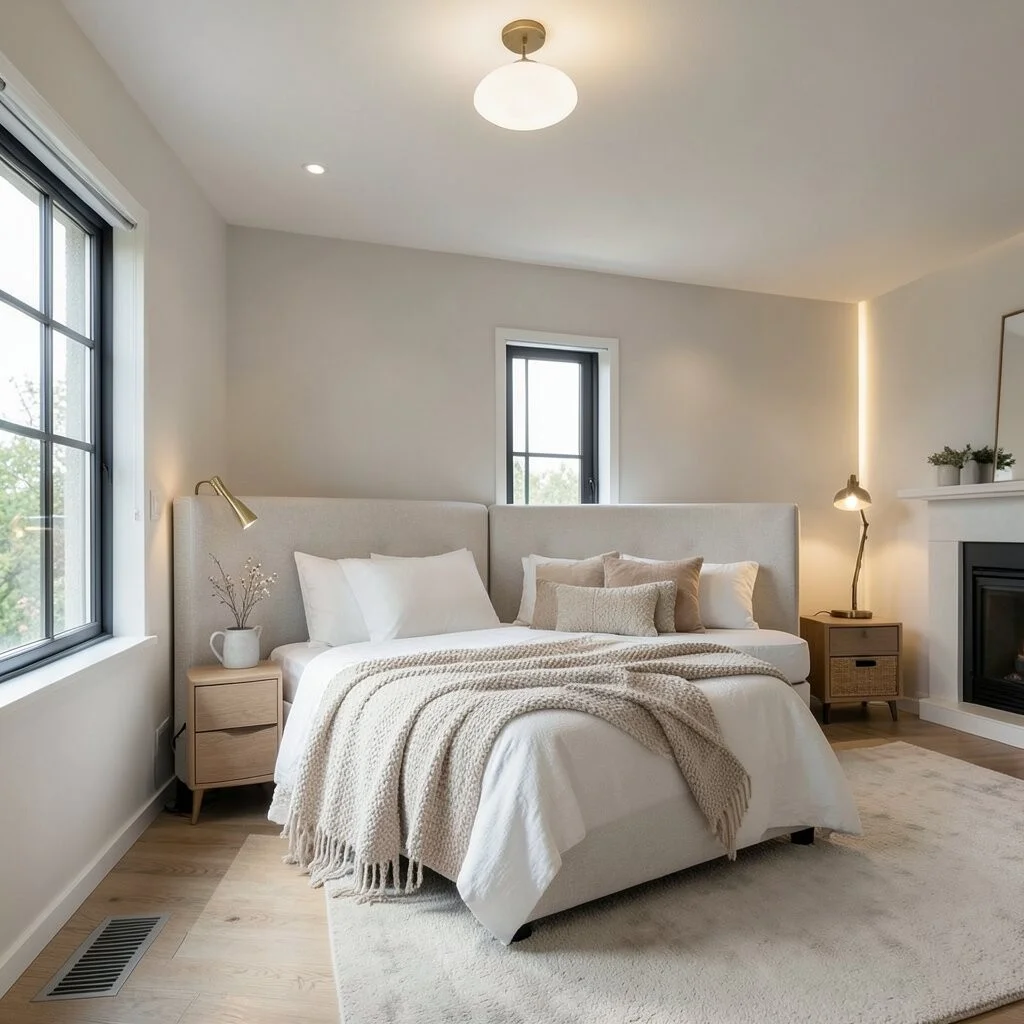
Relying on a single light source can make a room feel flat. Layering creates ambiance and interest.
Combine overhead, task, and accent lighting. This approach is both practical and stylish.
Use energy-efficient bulbs to save on electricity. It’s an easy way to cut costs.
12. Ignoring Scale and Proportion
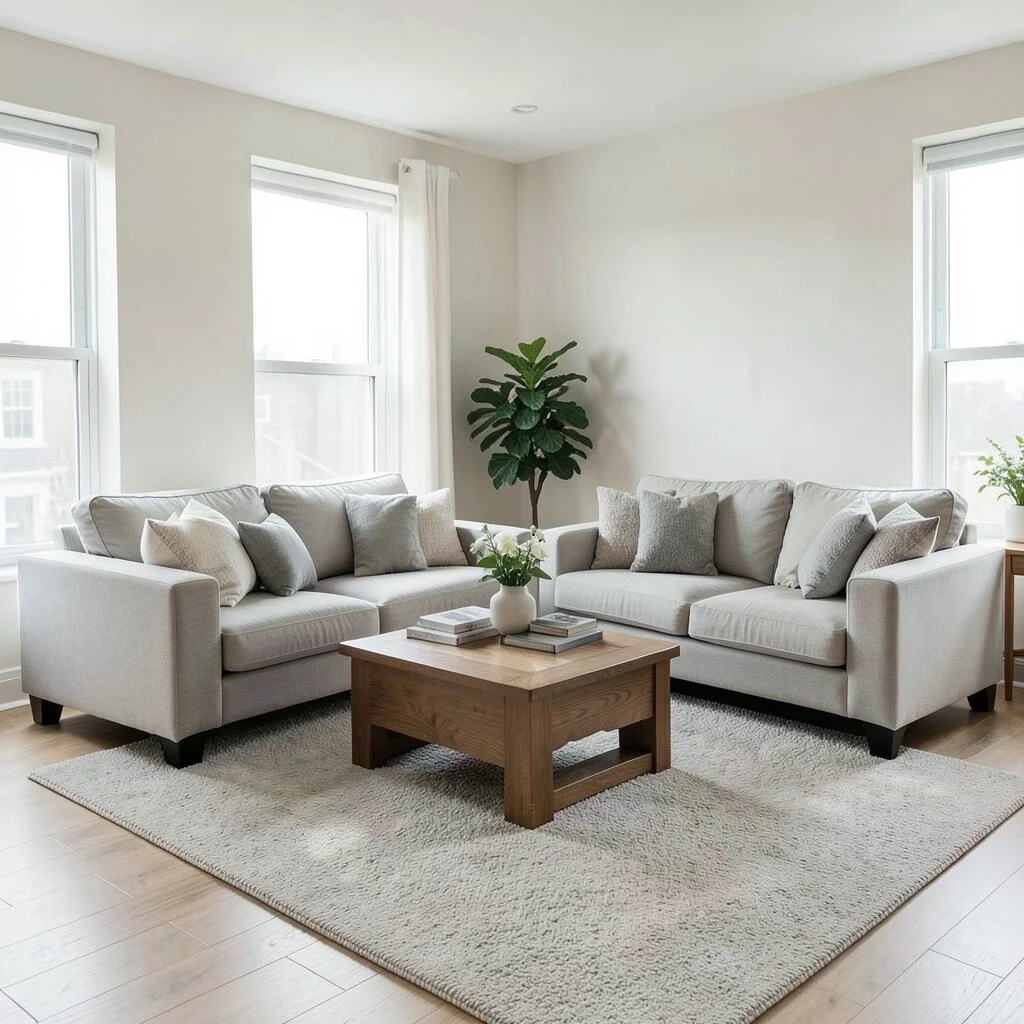
Furniture that’s too big or too small can throw off a room’s balance. Scale and proportion matter.
Measure your space and furniture. This ensures a harmonious fit.
Mix and match sizes for visual interest. Just keep the overall balance in mind.
13. Forgetting About Functionality
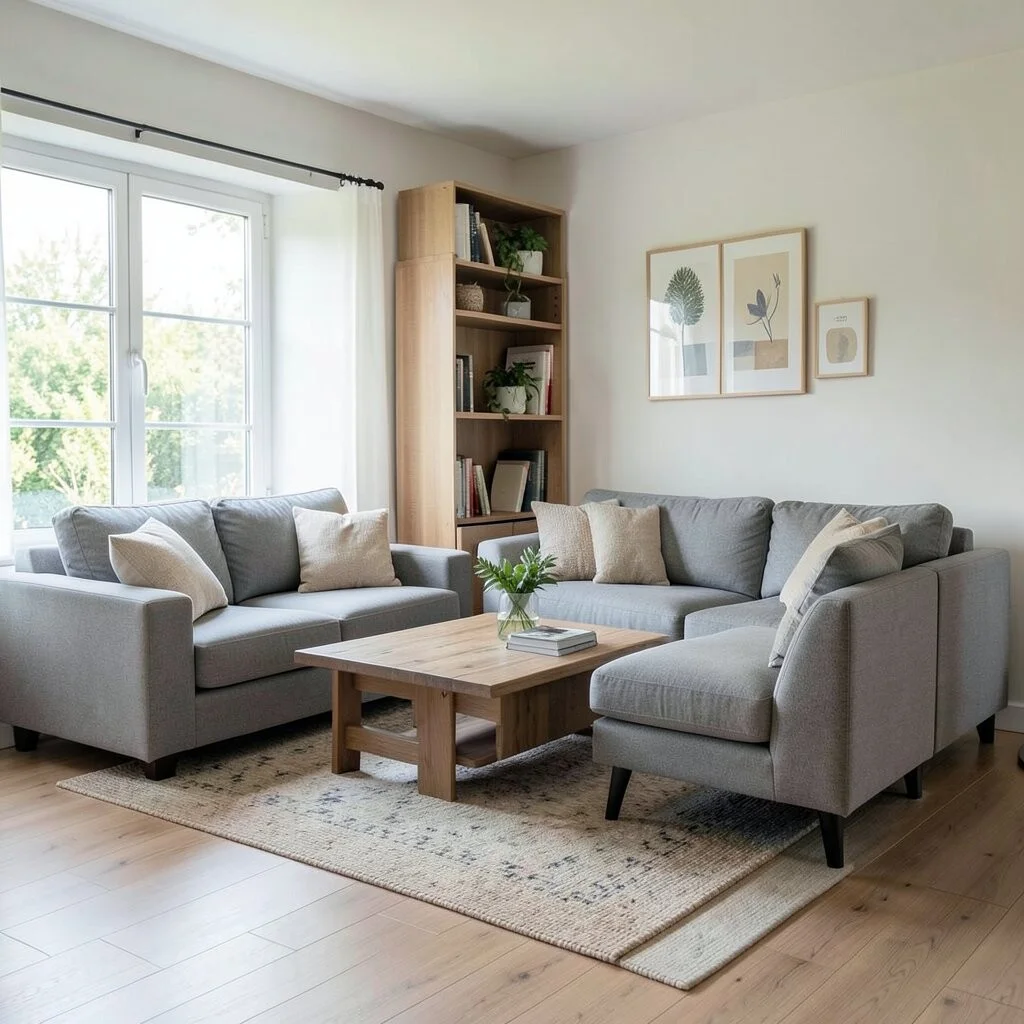
A beautiful room is useless if it doesn’t work for you. Function is as important as form.
Think about how you use the space. This helps guide your design choices.
Multi-functional furniture can save both space and money. Look for pieces that offer storage or convertibility.
14. Neglecting Entryway Impact
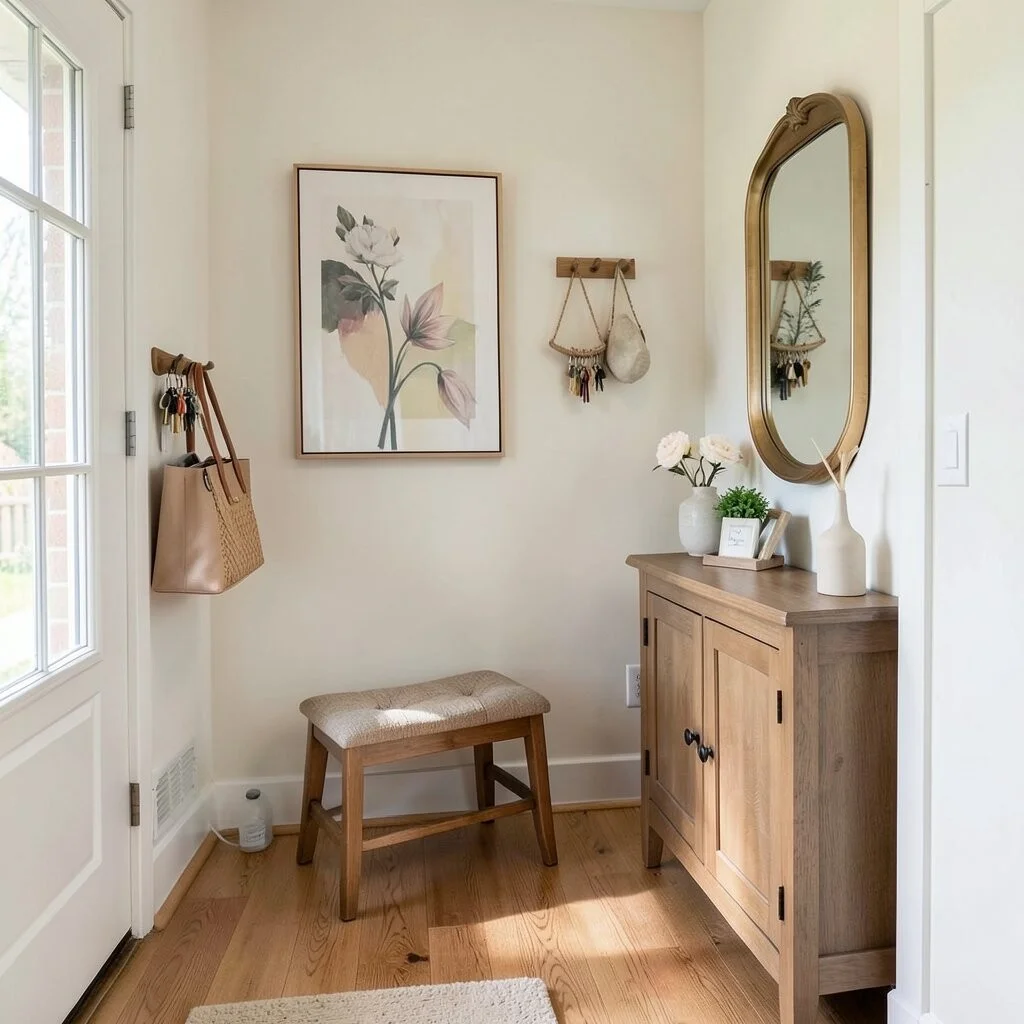
Your entryway sets the tone for your home. Make it inviting and functional.
Add hooks for keys and bags. A small bench or console table can provide both storage and style.
Personalize with art or a mirror. This creates a welcoming vibe without a hefty price.
15. Overdecorating Shelves

It’s easy to overdo it with shelf decor. Less can often be more.
Use a mix of books, art, and personal items. This keeps things interesting and personal.
Leave some space empty. It gives the eye a place to rest and prevents a cluttered look.
16. Underestimating the Power of Texture
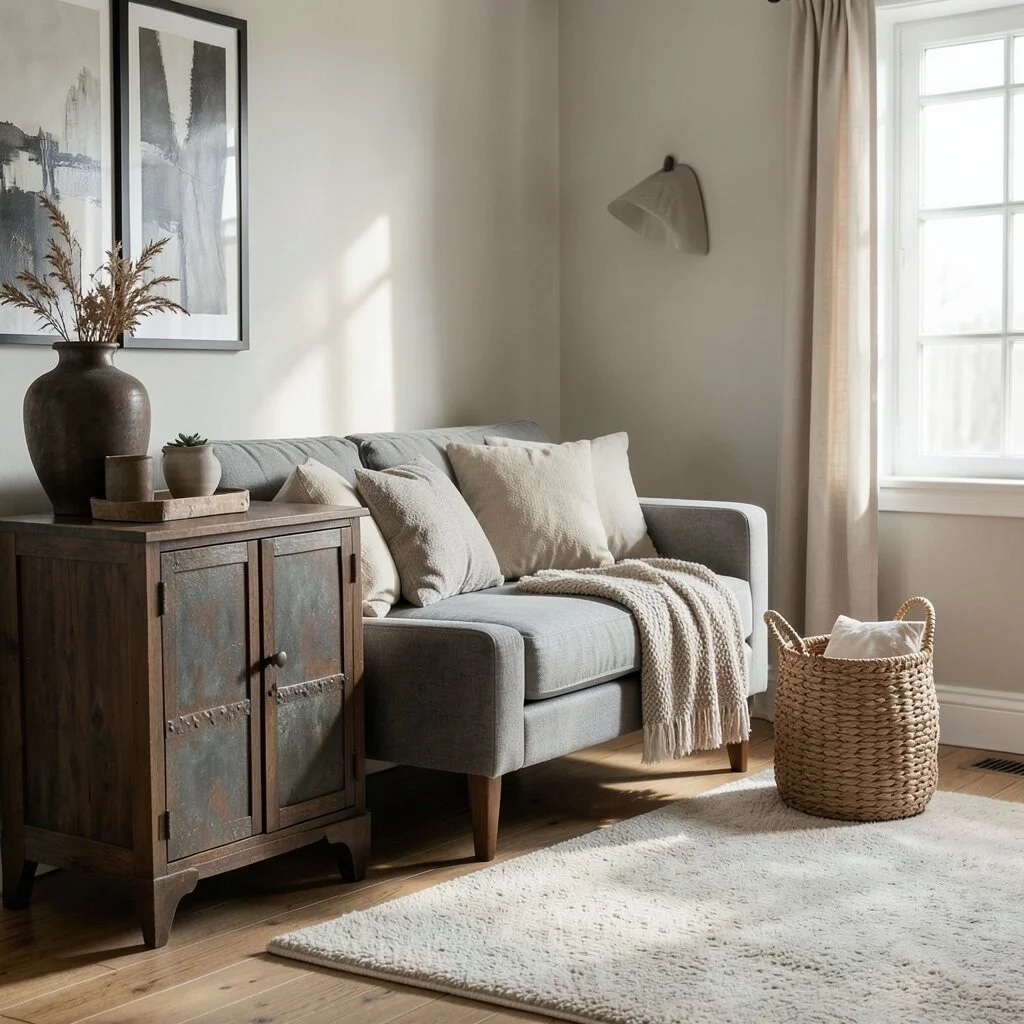
Texture adds depth and interest to a room. It’s an often-overlooked design element.
Mix materials like wood, metal, and fabric. This creates a rich, layered look.
Even small touches like a woven basket or a soft rug can make a big impact.
17. Overlooking the Bathroom
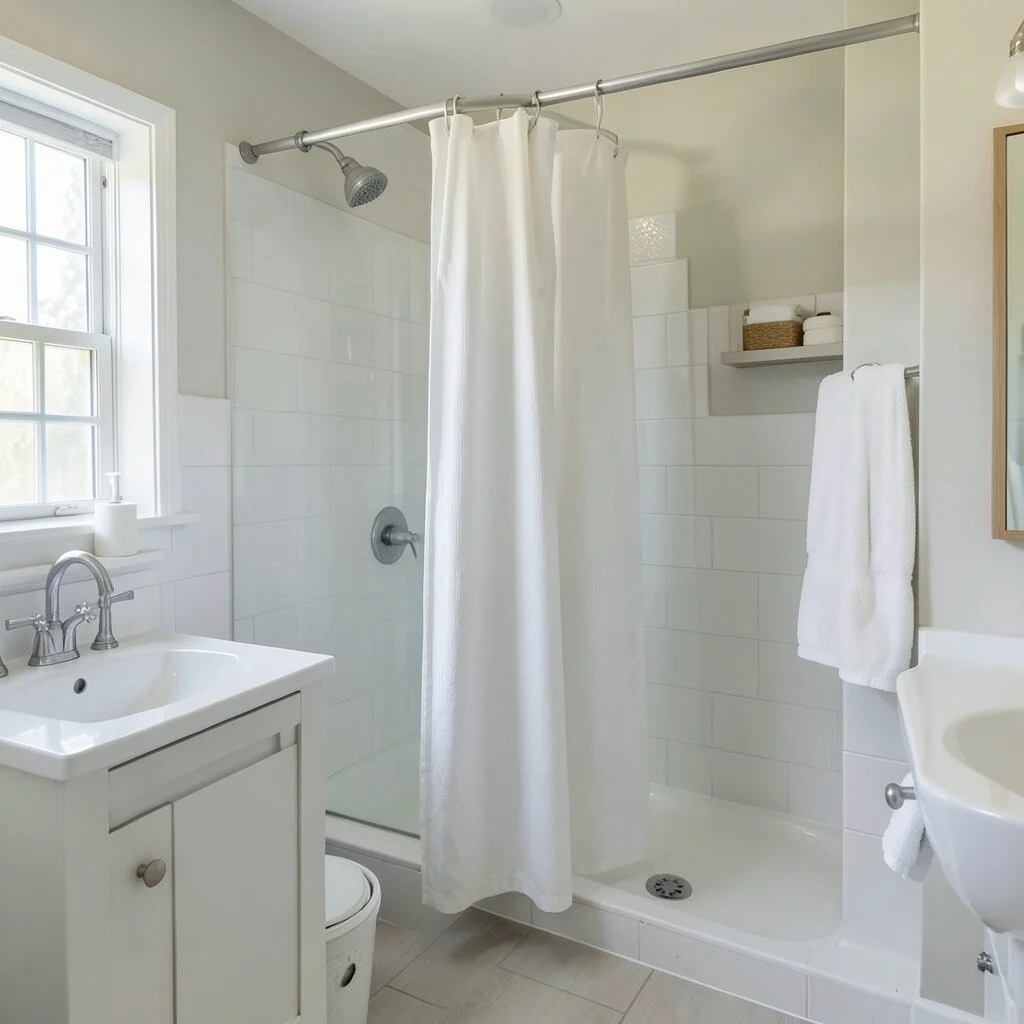
Bathrooms are often small but mighty in design potential. Don’t ignore them!
Simple updates like a new shower curtain or fresh towels can make a big difference.
Consider a fresh coat of paint or new hardware. These changes are affordable yet impactful.
18. Avoiding DIY Projects
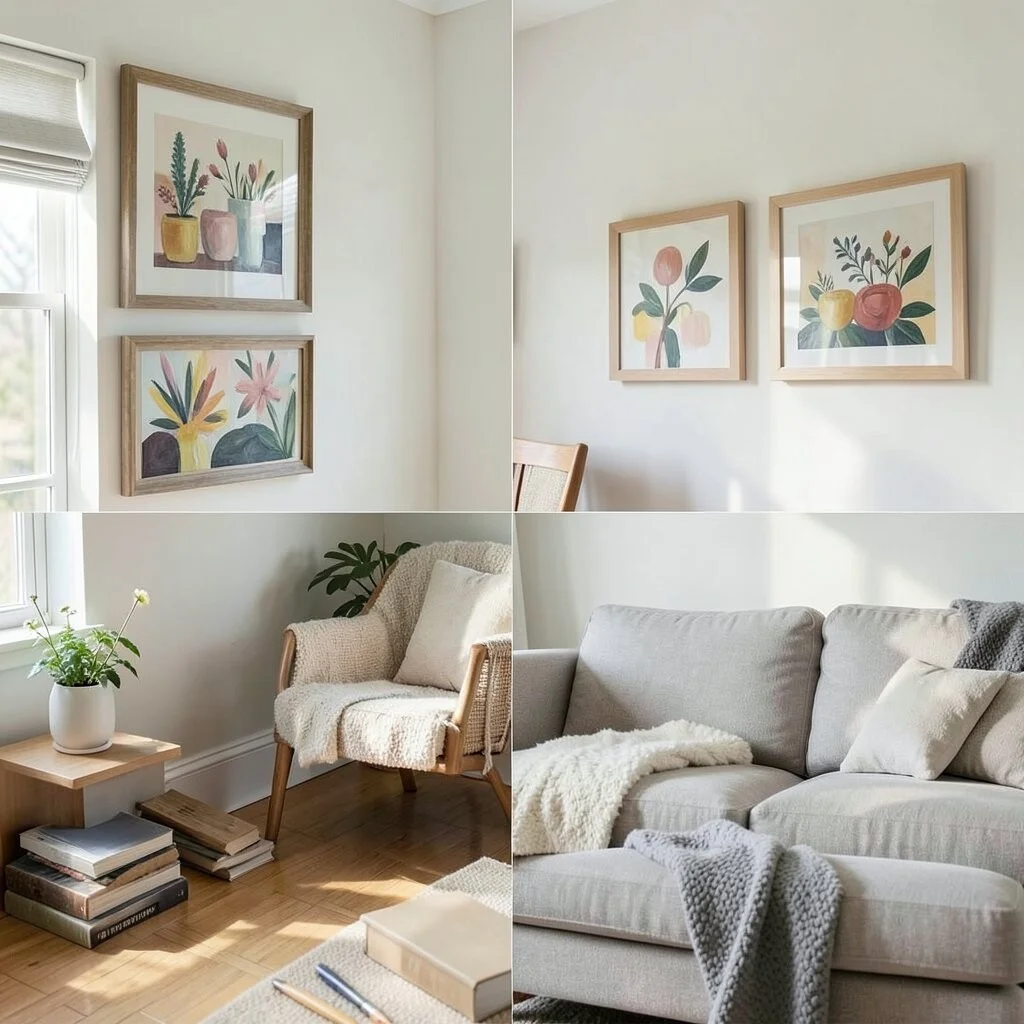
DIY projects can seem daunting, but they’re a great way to personalize your space on a budget.
Start small with things like painting a picture frame or creating wall art.
You’ll gain confidence and skills. Plus, you’ll have unique pieces that mean something to you.
19. Forgetting to Refresh
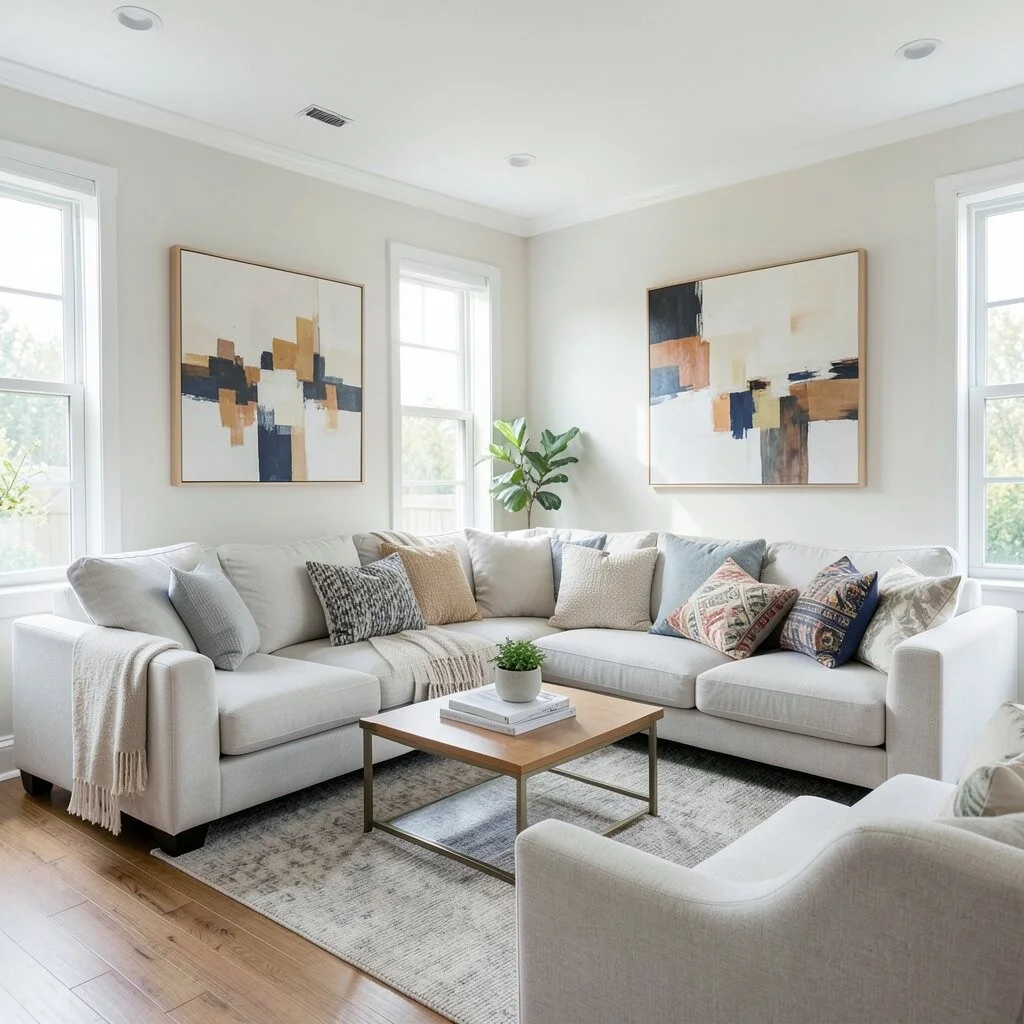
Even a well-designed space needs a refresh now and then. Small updates can make a big difference.
Swap out pillows or change up art. These minor tweaks keep things feeling fresh.
Don’t be afraid to rearrange furniture. A new layout can reinvigorate a space without costing a penny.
20. Ignoring Outdoor Spaces
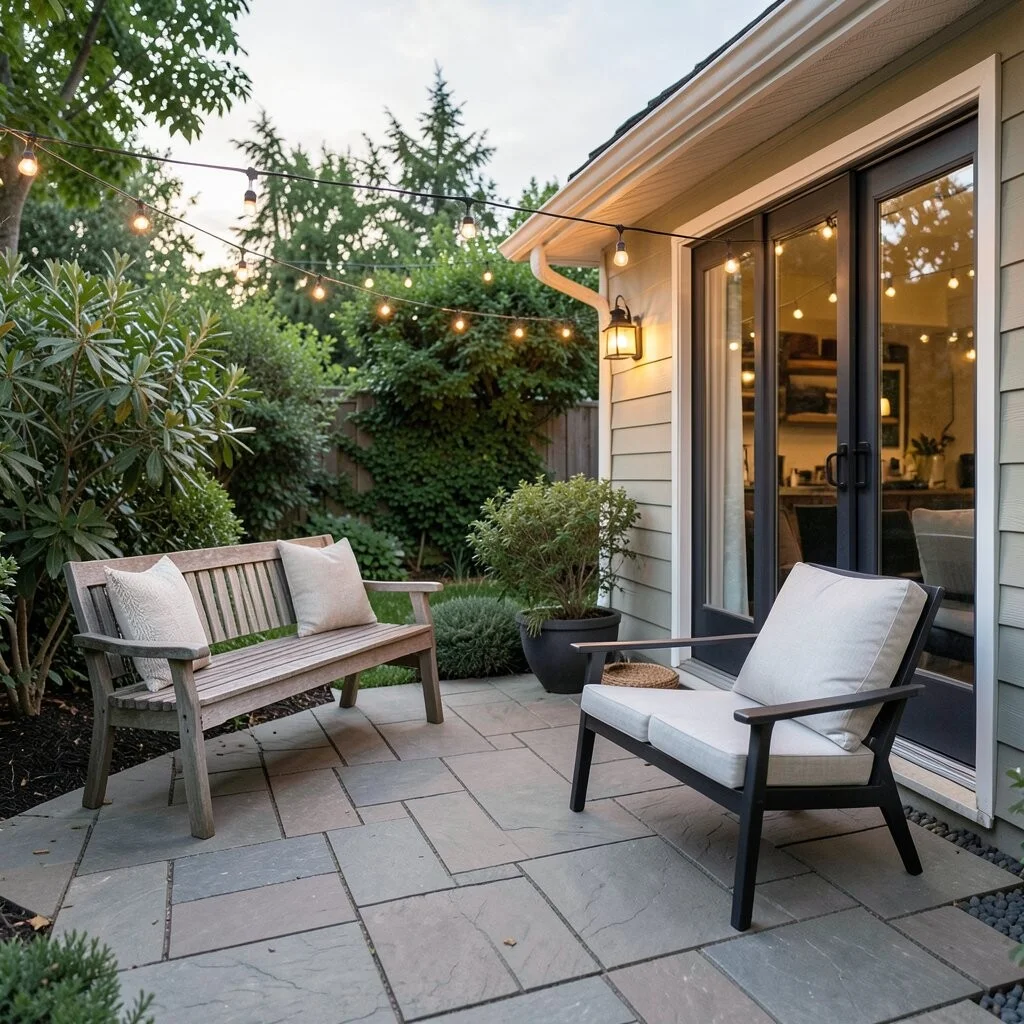
Outdoor areas are extensions of your home. Don’t neglect them!
Add string lights or lanterns for ambiance. These create a cozy atmosphere on a budget.
Look for affordable outdoor furniture. Even a simple bench or chair can transform the space.