The fitting room can feel like a tiny stage for your personal style. When you use it well, shopping starts to feel fun again.
1. The “Full Look” Mirror Walk

Before you touch any hanger, stand where you can see your outfit from head to toe in one glance. Walk slowly and notice how the silhouette reads across your body, not just in the front mirror.
Try different stances like a small turn or a slight lean to check how fabric drapes. This helps you spot fit issues early, like gaping seams or sleeves that land awkwardly, which saves time when you’re comparing options. Keep a mental note of what feels effortless, because that’s usually your best starting point.
2. The Lighting Check With Two Angles
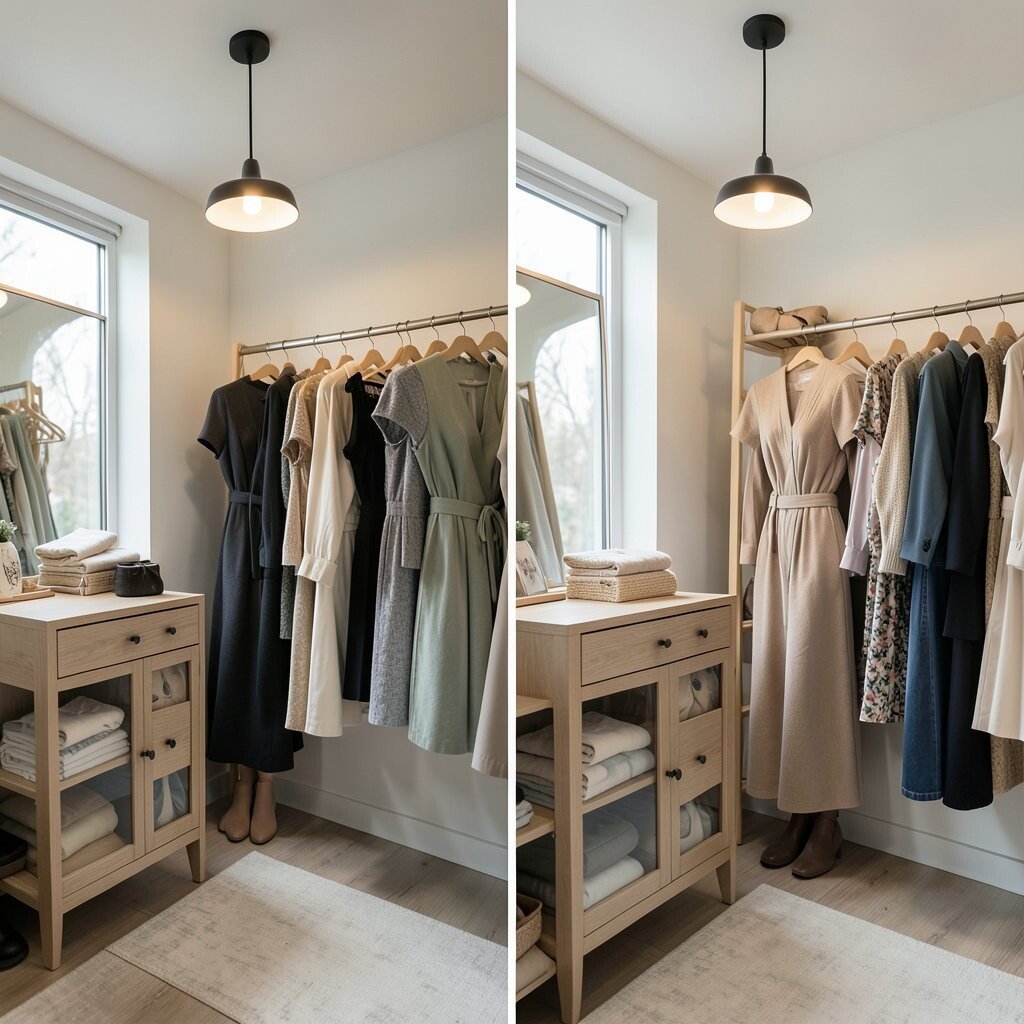
Ask yourself how the color looks in each mirror, since lighting can change everything. Some boutiques have warm bulbs and some have cool bulbs, and your outfit will look different in each.
Move to another corner mirror or step closer to a brighter light before deciding. You’ll catch shade mismatch faster, especially for denim, lipstick tones, and anything with shimmer. This is a simple habit that improves confidence and reduces the chance of surprise at home.
For practical results, bring one everyday item you know works, like a favorite belt or cardigan, and compare against it. If the outfit still feels right under mixed lighting, it’s a stronger buy. Personalizing your check like this also makes you calmer while trying on multiple pieces.
3. The “Button Test” for Instant Fit Clarity
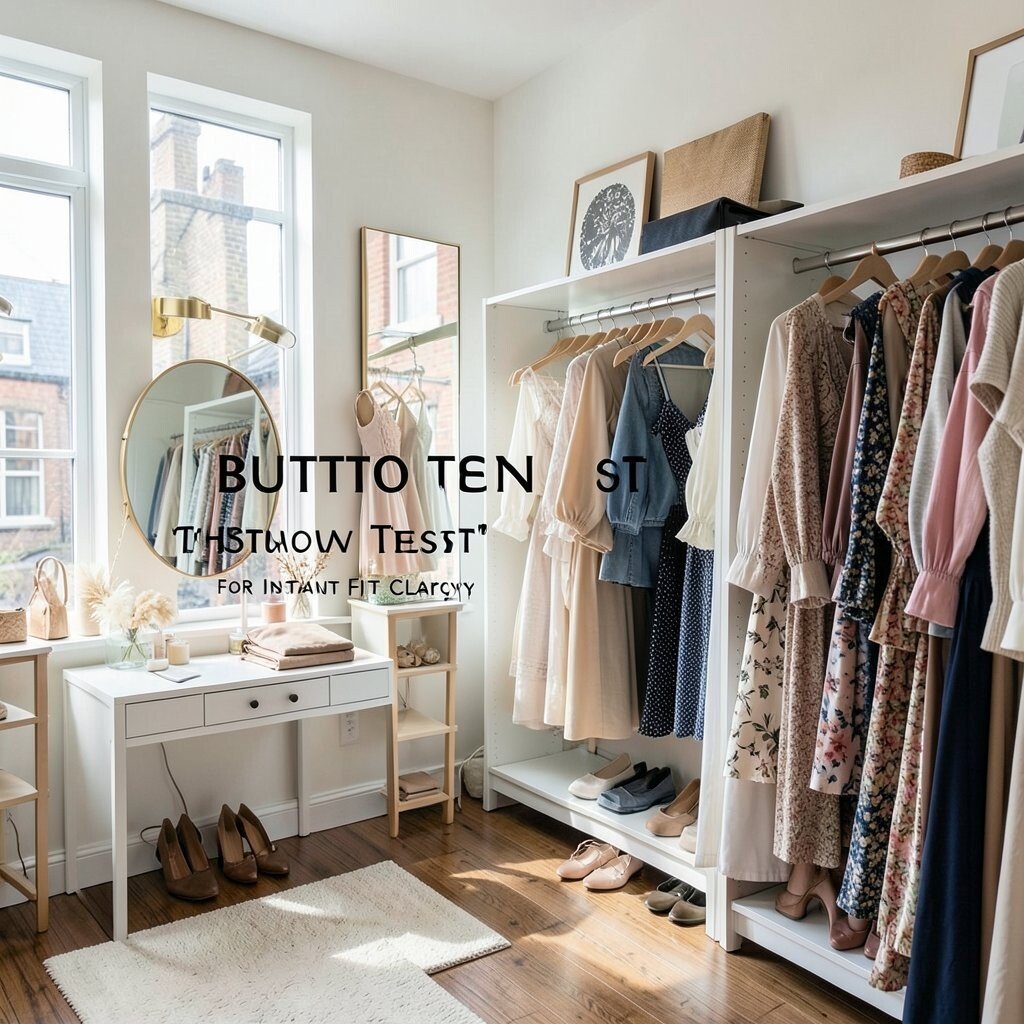
Choose one outfit and close it the same way you would wear it in real life. Then check how the fabric behaves when the buttons, zippers, or snaps meet.
Look for pulling at the bust, pulling at the waist, or strange strain near the shoulders, because those details show up quickly. If the garment feels tight in the fitting room, it will likely feel even tighter once you sit, reach, or move around your day. Try adjusting layers under it to see if your fit becomes smoother with the right undergarments.
Bring something you actually own, like a smooth bra or a shaping cami, so you’re testing the real version of you. This helps you avoid buying for a body you don’t live in. It also makes tailoring decisions easier if you fall in love with the style but the fit needs a small fix.
4. Pair It With Your “Real Day” Shoes
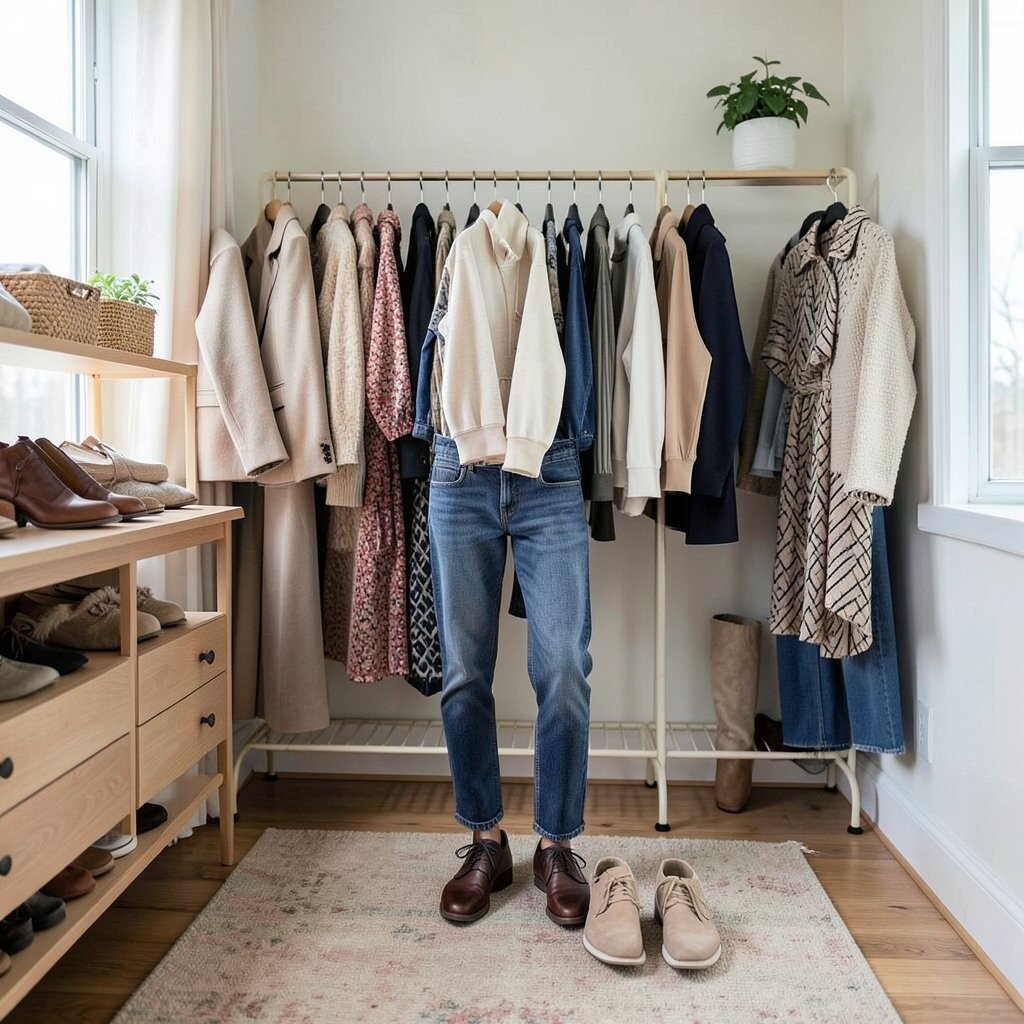
When you try on clothes, wear the shoes you would truly walk in. In a dressing room, swapping into your everyday sneakers or low boots changes how the whole outfit feels.
You’ll see the hem height, the balance of the legs, and whether the outfit drags or floats. Local boutiques often stock trendy cuts, and pairing with your normal shoe helps you judge how wearable it is. If you’re considering a heel, try it for a few minutes and do a quick step test so you’re not surprised later.
5. The Pocket Peek for Daily Convenience
Before you decide, check the pockets like you’re planning to use them. Put a finger near the opening and see if the pocket is placed where your hand naturally goes.
If pockets sit too high or too low, you might enjoy the look but hate the function. Practical pockets are a real benefit because they mean you can carry small essentials without adding a bag or extra items. Try your phone, lip balm, or keys so you understand how bulky things feel, especially in fitted styles.
For uniqueness, mix a structured jacket with jeans that have subtle pockets you actually like. You can also tailor your shopping by focusing on silhouettes that match your routine, like a roomy pocket for errands or a hidden pocket for evenings. This tiny check can save money because you’re less likely to buy a piece you won’t use.
6. The Inside-Out Fabric Feel
Flip a top or jacket inside out and touch the inner seams. You’re checking how soft it feels against your skin, not just how it looks on the outside.
Some fabrics look gorgeous but feel scratchy once you move, and that discomfort adds up fast. When the inside is smooth, you’ll enjoy the garment more and reach for it more often. It’s a simple uniqueness trick, because you’ll start noticing craftsmanship that others overlook.
7. The “Layer Stack” Reality Check
Try the outfit with the layers you wear most, like a light cardigan, a long tank, or a thin turtleneck. The dressing room is the perfect place to confirm that your pieces can coexist comfortably.
Layering changes the fit and the way fabric hangs, so you’ll get a clearer answer about whether the outfit truly works for your life. This practical test helps prevent buying a top that looks great alone but becomes bulky with your usual additions. If you’re shopping for colder months, test how a scarf sits with the collar too.
For personalization, choose one layer you love, like a fitted belt or a textured scarf, and see if it makes the whole look feel like you. If the stack feels right, you’re closer to a style system, not a one-time purchase. Considering cost, smart layering reduces the need to buy extra basics since you can mix and match what you already own.
8. The “Twirl and Sit” Movement Test
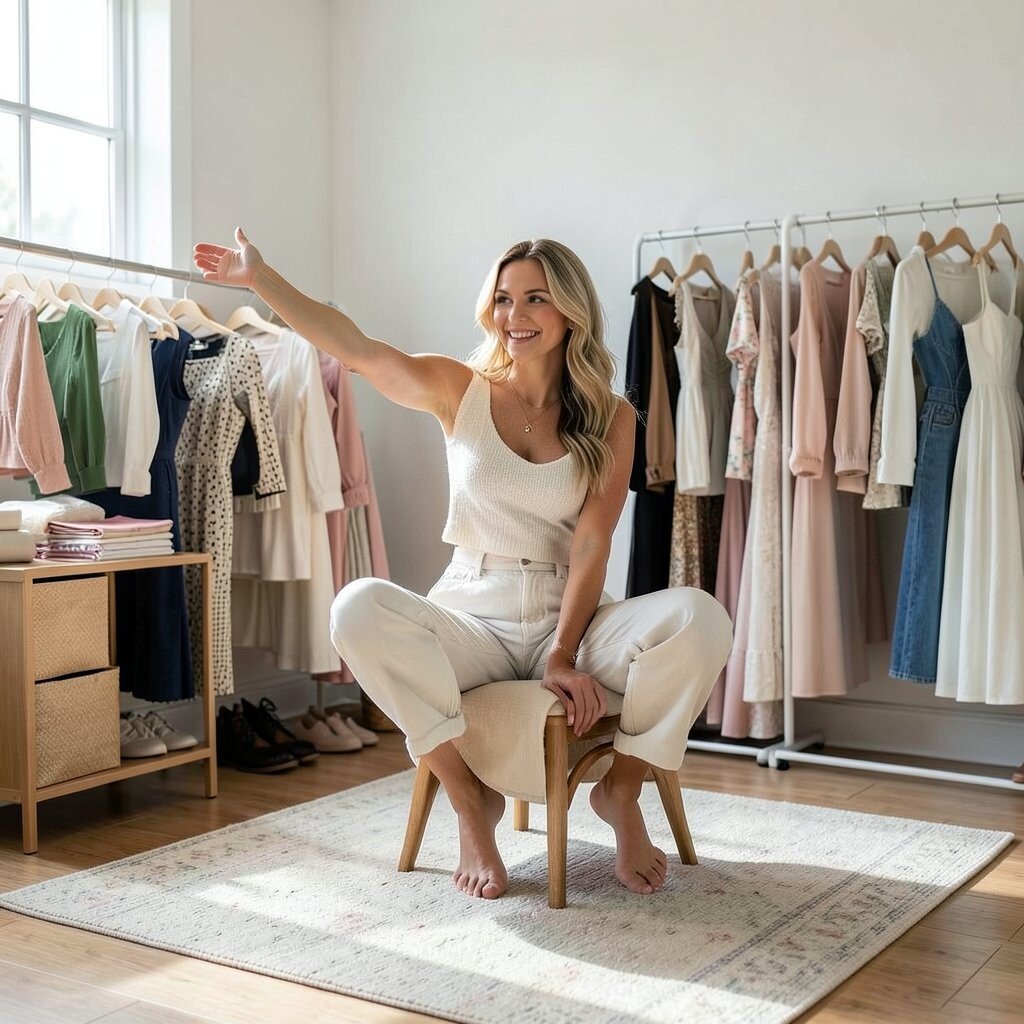
Stand up and take a quick twirl, then sit on the bench if there’s one. Movement reveals issues that a still mirror can hide.
Watch how fabric shifts, where it pulls, and whether the hem rides up in an unflattering way. This benefits your shopping because you’ll know if the outfit supports real activities, not just photos. If it feels restrictive, check for a different size or a similar style with more stretch.
9. The Color Story With Your Favorite Accessory
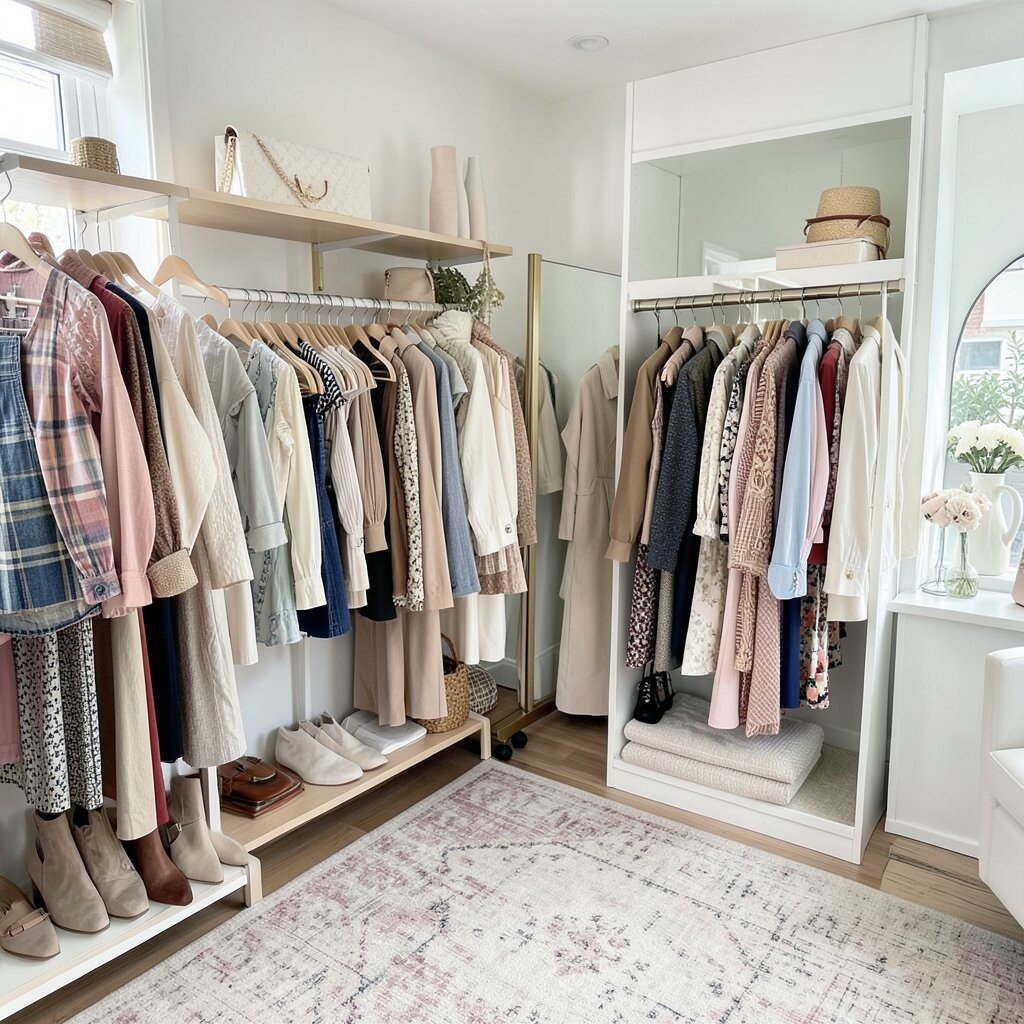
Bring a small accessory you already love, like a gold necklace or a patterned scarf, and try it with different outfits. Your favorite accessory can act like a color anchor in a room full of options.
When a new piece harmonizes with your go-to item, it feels more personal and more likely to stay in your closet. This is a uniqueness boost because it helps you spot outfits that match your style signature. You’ll also reduce cost mistakes by choosing colors that already fit your existing wardrobe.
Try one outfit with a bold accessory and another with something simple, then compare how confident you feel. Sometimes the right accessory makes a “maybe” outfit suddenly feel like the only option. That quick comparison keeps you from overbuying random pieces that don’t connect.
10. The “Hem in Motion” Check

Walk a few steps and pay attention to the hem as you move. In a boutique, the floor may be different from your home, but the direction of change usually tells the truth.
If hems flip or bunch up, the outfit may annoy you later, especially when you sit or carry a bag. This practical check helps you choose lengths that stay flattering in real life. For personalization, pick the hem movement you actually like, like a slight flutter for playful looks or a clean line for polished outfits.
11. The Belt Geometry Experiment
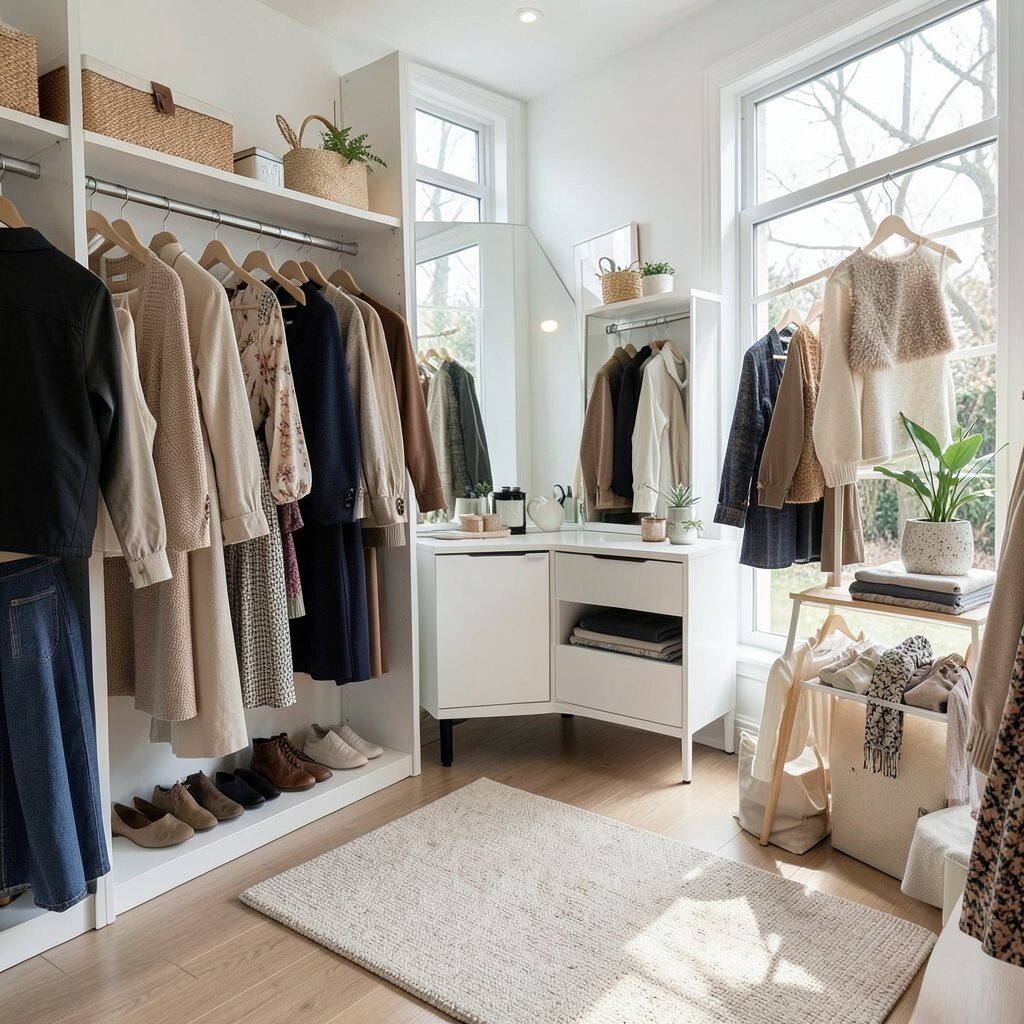
If you’re trying on a dress or long top, add a belt even if you’re not sure you will keep it. Belts create instant shape, and the fitting room makes it easy to test different placements.
Try a high waist, a mid waist, and a low waist to see which one flatters your proportions best. This offers a clear benefit because you can adjust the silhouette without buying a whole new outfit. It’s also a uniqueness opportunity since local boutiques often carry belts that add character beyond basics.
Consider cost by borrowing a belt from your current stash if the store allows it, or by saving that decision for when you’re sure of the main piece. Once you find the right belt spot, you can reuse the same geometry across multiple outfits. That makes your style feel intentional and saves you from one-off purchases.
12. The “Texture Clash” Test

Mix textures on purpose, like pairing a smooth blouse with a knit skirt or a denim jacket with a satin top. The dressing room is the safest place to test a playful contrast.
You’ll see whether textures make the outfit look rich or whether they fight each other. When it works, it adds uniqueness and makes even simple items feel styled. This is also a practical tip because texture can hide imperfections, like fabric that smooths lines or layers that add comfort.
13. The Seam Alignment Watch
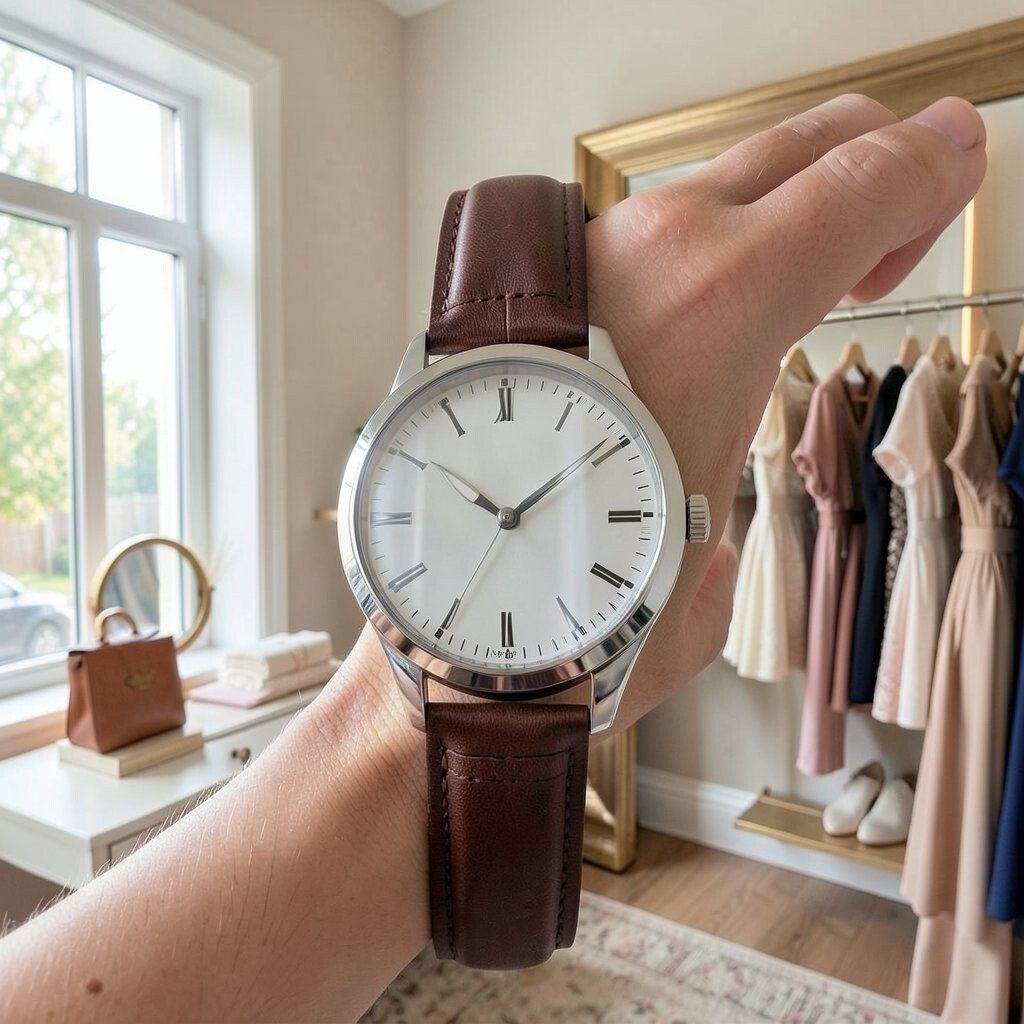
Stand close to the mirror and look at seam lines, especially around shoulders, underarms, and waist shaping. Small shifts can change how expensive the outfit looks.
If a seam tilts or pulls, it can make the whole garment look off, even when the color and style seem perfect. This benefits your buying choices because it helps you spot quality fit faster. For personalization, decide what alignment you prefer, like crisp tailoring for a sharp look or relaxed seams for a soft vibe.
If you’re between sizes, check which size keeps seam lines straighter. That tiny detail often matters more than overall tightness. Considering cost, choosing the better alignment now may save money on future alterations.
14. The “Unbuttoned Cool” Styling Try

Try the same top with different closures, like partially unbuttoned, fully buttoned, or rolled cuffs. Boutiques often show outfits styled in a certain way, but you can tailor the vibe to you.
This simple experiment helps you find the balance between casual comfort and polished style. It’s a uniqueness trick because small closure changes can create a whole new look without switching pieces. If the store offers a few similar tops, compare how each closure option affects your neckline and face framing.
15. The Movement-Friendly Size Comparison
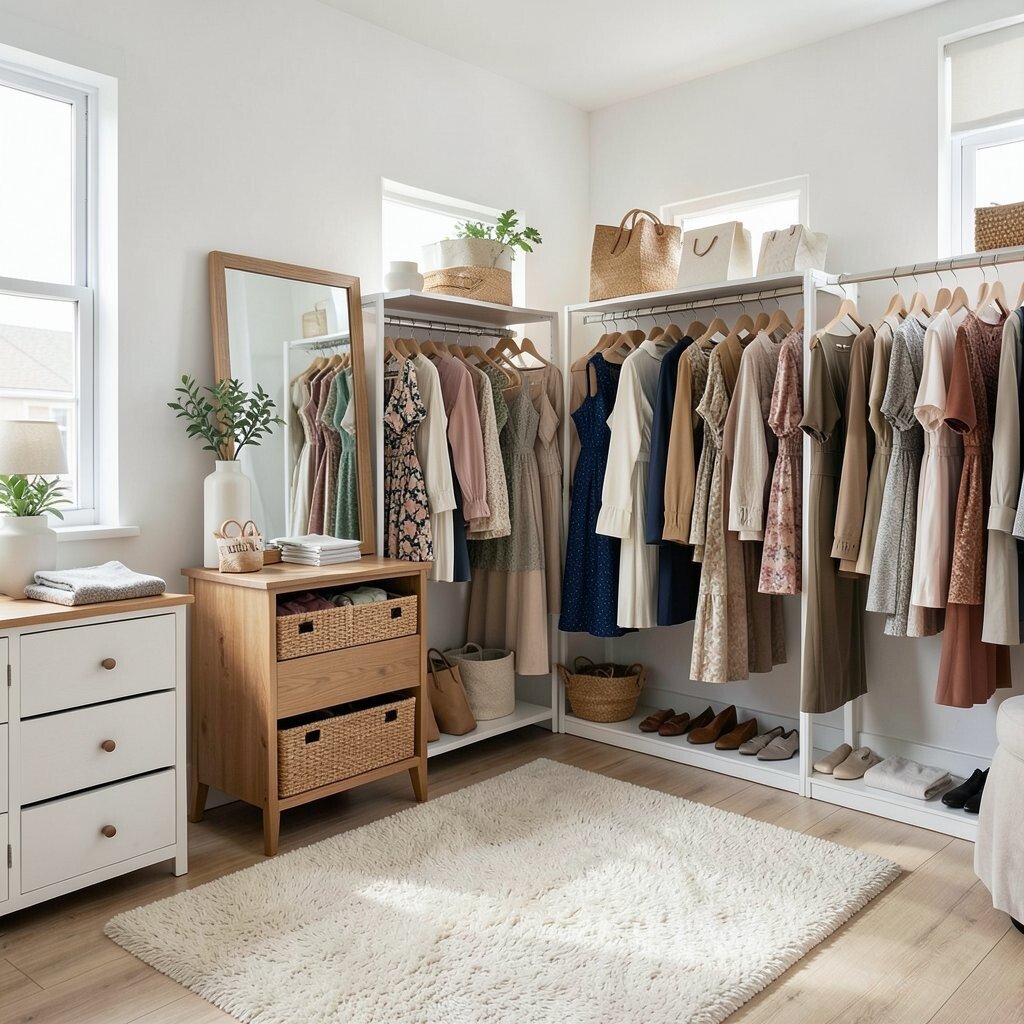
Don’t just look at how an outfit fits when you stand still. Try another size and repeat a quick movement check, like sitting and raising your arms.
You’re searching for the size that feels easy in daily life, not the one that only looks good in a still mirror. This practical tip prevents regret because comfort is what makes you wear something again. For personalization, note how you like garments to feel, like snug but flexible or relaxed and airy.
Considering cost, buying the size that works reduces the need for tailoring and returns. It also helps you build a more consistent wardrobe because you’ll learn your fit patterns across brands. That knowledge turns future shopping into a faster, calmer process.
16. The “Shoulder Comfort” Quick Scan

Watch the shoulder line where the sleeve meets the body, since this area can make or break the silhouette. Put your hands at your sides and check for pinching or slipping.
If the shoulders feel off, everything else will feel off too, even if the waist looks fine. This benefit is huge because shoulder fit affects how you stand, move, and carry confidence. For uniqueness, pay attention to how different cuts emphasize structure, like clean blazers versus softer knit tops.
17. The Underlayer Color Decision
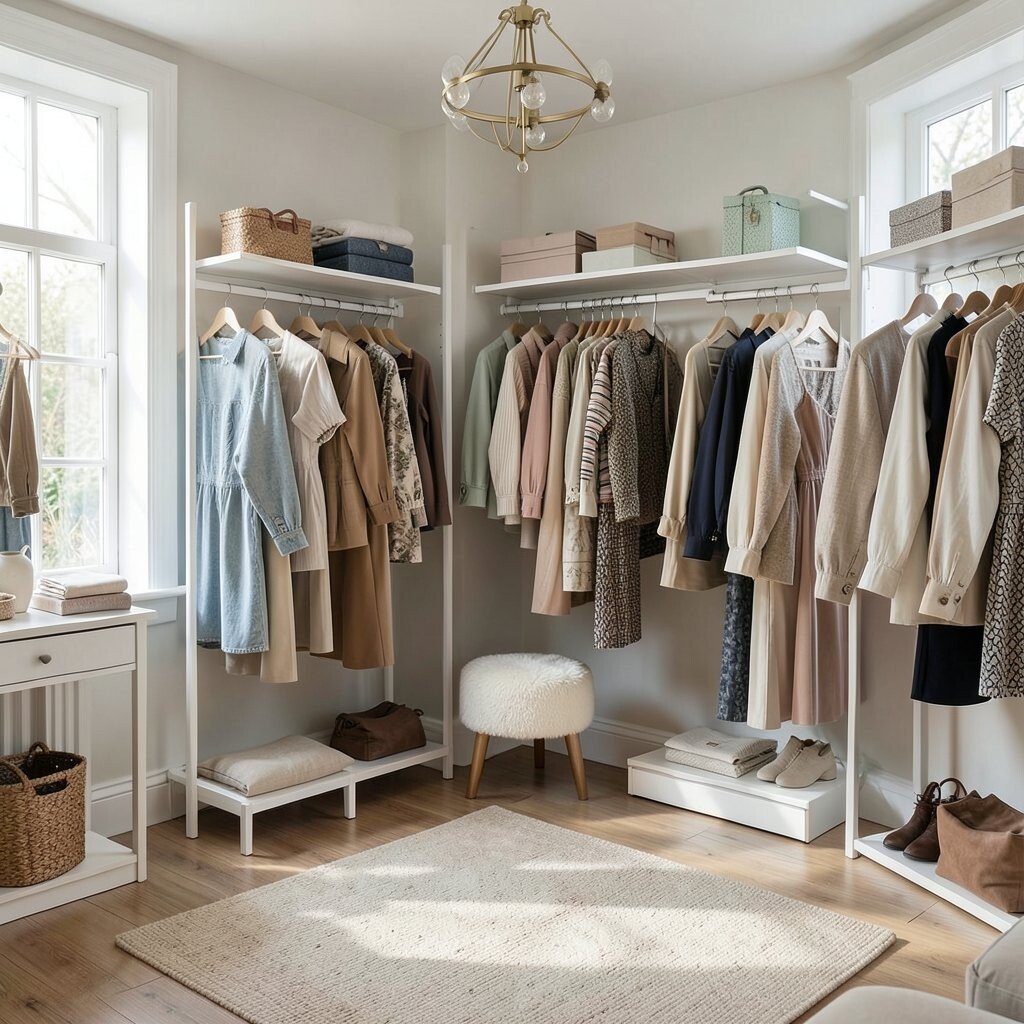
Check the outfit with the underlayer colors you actually own. A white bra under a light top can look different from a nude tone, and it changes how the garment reads.
This is an easy practical tip that prevents awkward visibility later. It also helps you personalize the look, because you can choose intentional contrast for fashion-forward styling or keep things seamless for a calm, everyday feel. When you test with your own undergarments, you’re making a more accurate decision that protects your budget.
18. The “Trend Meets Home” Wearability Check
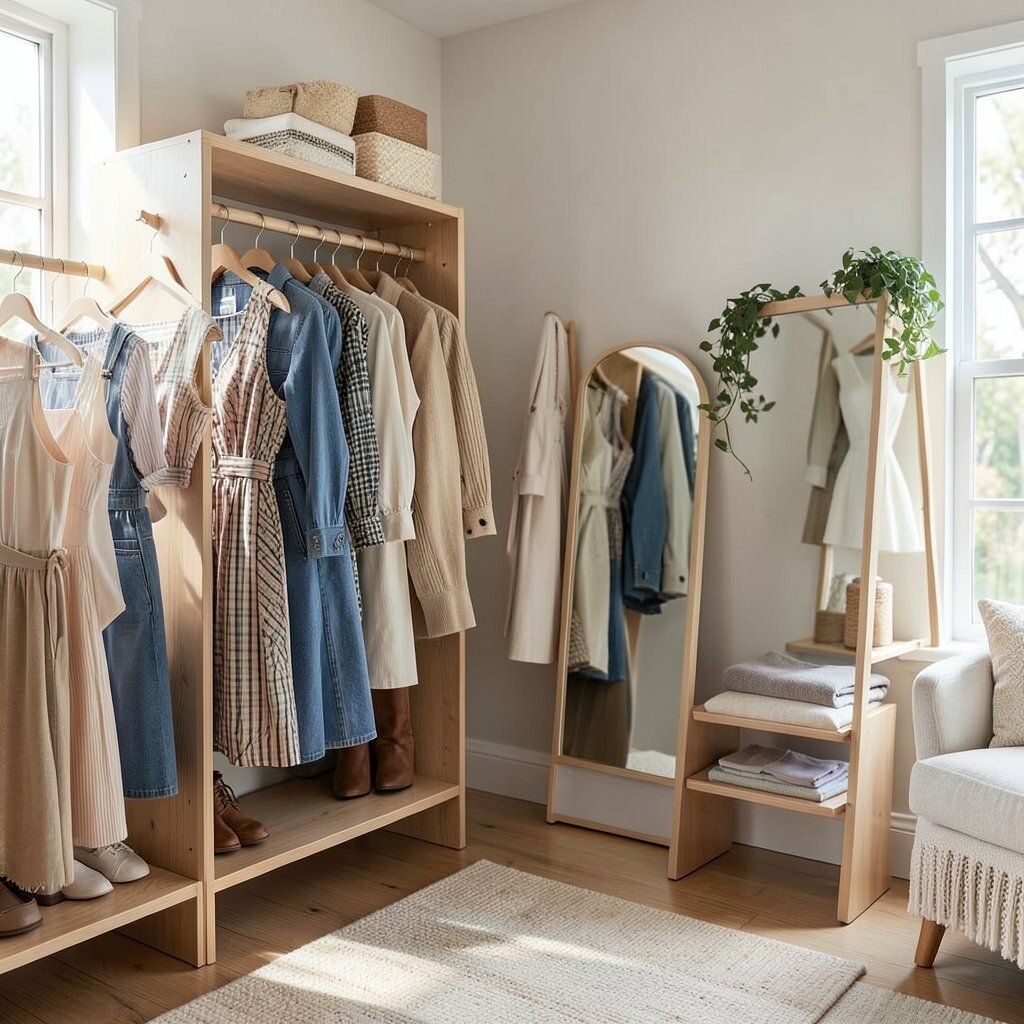
When you see a trendy piece, ask yourself if it fits into your real routines. In the dressing room, imagine how you’d wear it to work, school pickup, or weekend errands.
This helps you enjoy trends without wasting money on something you rarely use. For personalization, pair the trendy item with one familiar piece like your trusted jeans or a classic tote. The uniqueness comes from mixing fresh styling with your comfort base.
Consider cost by choosing trends that solve a style gap you already have, like a jacket that replaces two older layers. If the trend piece also matches a few existing items, it’s a smarter buy. You’ll feel excited now and satisfied later.
19. The “Try It Backwards” Style Trick
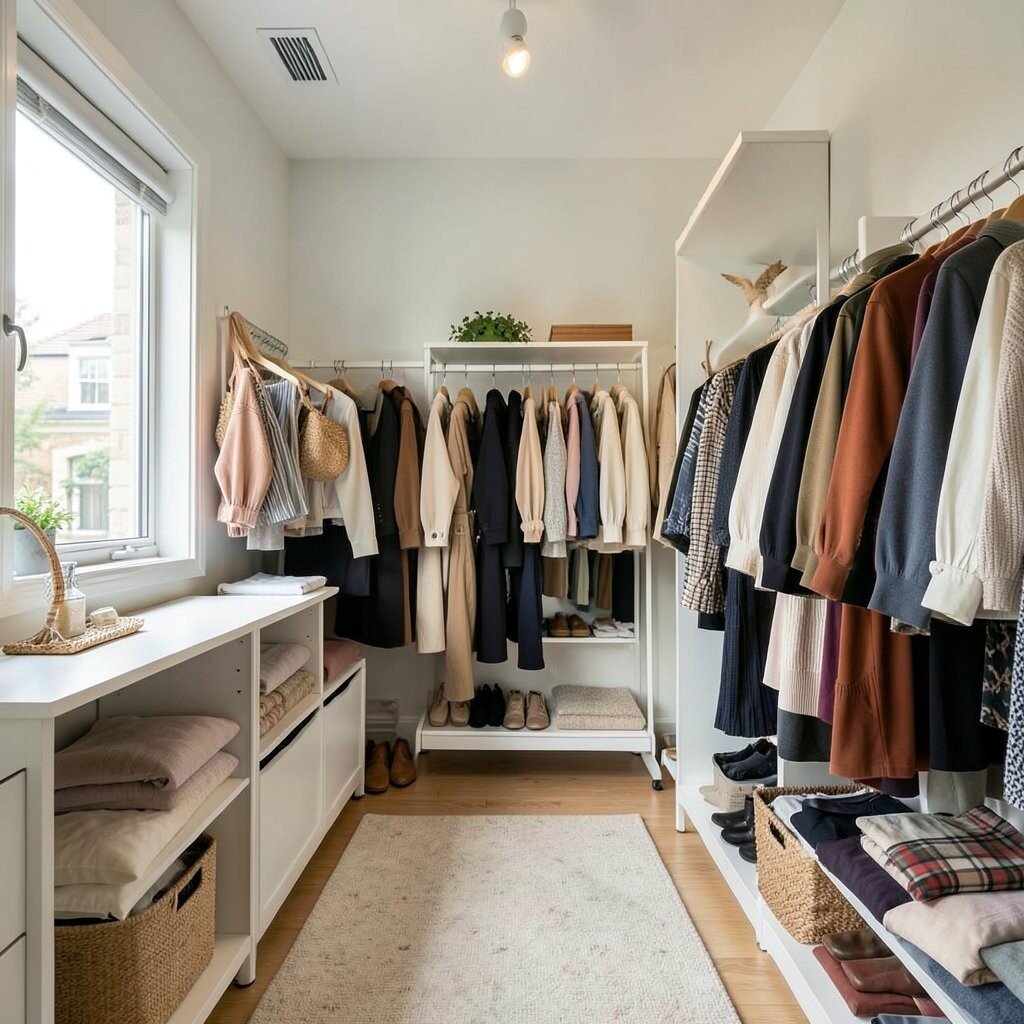
If an item has a buttoned back, an asymmetrical seam, or a reversible design, try it turned around. Some local boutiques carry pieces that look different from every angle, and the dressing room is where you’ll notice that magic.
This offers uniqueness because you can create a look that no one else is wearing, even if they bought the same item. The practical benefit is that you’ll learn which direction flatters your figure and your neckline. If the back detail is beautiful, consider choosing it as your “statement” view for social moments.
To personalize, match the new angle with the right accessory, like earrings that frame the neckline. Considering cost, this trick helps you get more styling mileage from one garment instead of chasing another piece. It’s a fun way to shop creatively without overspending.
20. The Belted Outerwear Overhaul
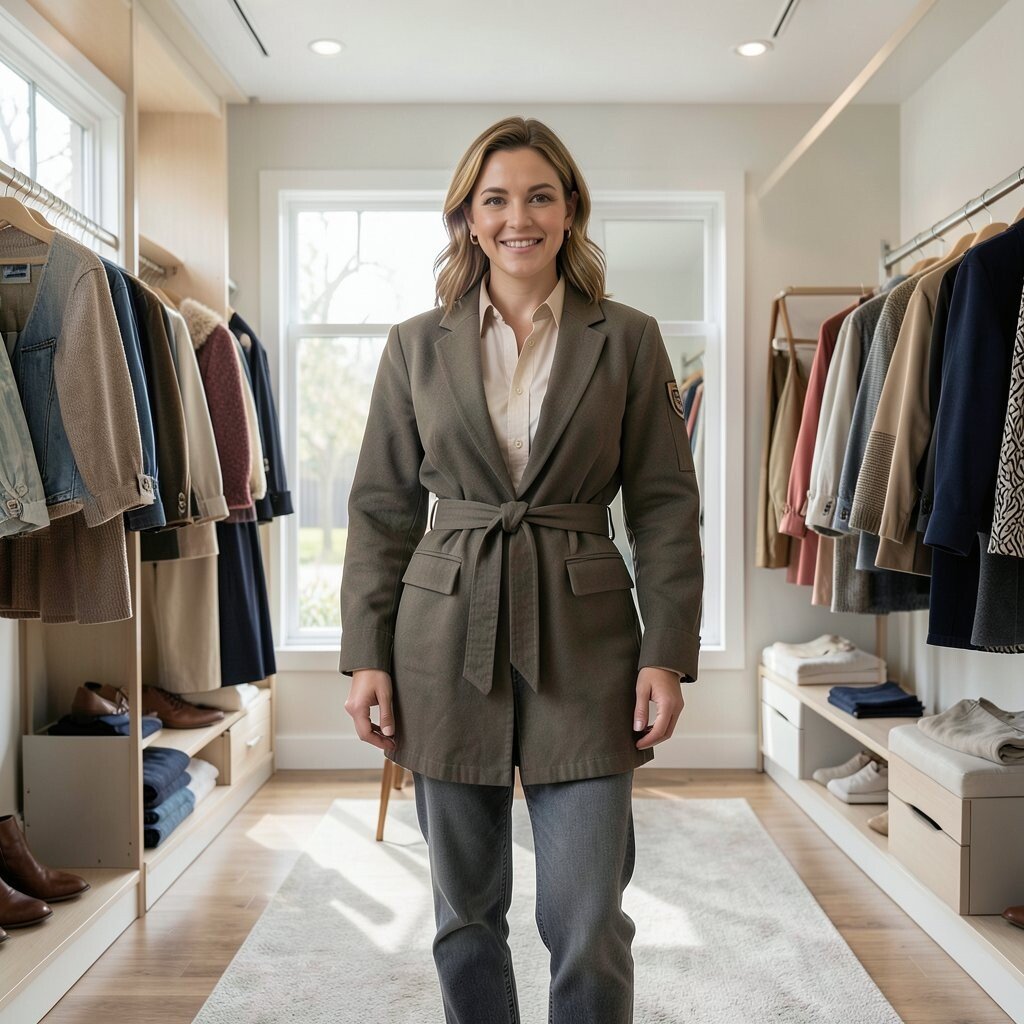
Try outerwear with a belt, even if you usually keep it loose. A belted coat or jacket can switch the entire mood from bulky to sleek.
You’ll see how the waist line changes and whether the sleeves stay comfortable when you cinch the fabric. This benefits your comfort because belting can reduce the “lost in fabric” feeling that some coats cause. For practical personalization, match the belt width to your style, like a wide belt for a fashion look or a thin belt for subtle shape.
If the boutique has a mirror long enough to show your full silhouette, use that space for the clearest check. Considering cost, belting can make one coat feel like two different outfits, stretching your wardrobe value. It also helps you buy based on versatility, not just appearance.
21. The “Two-Bottoms One-Top” Comparison
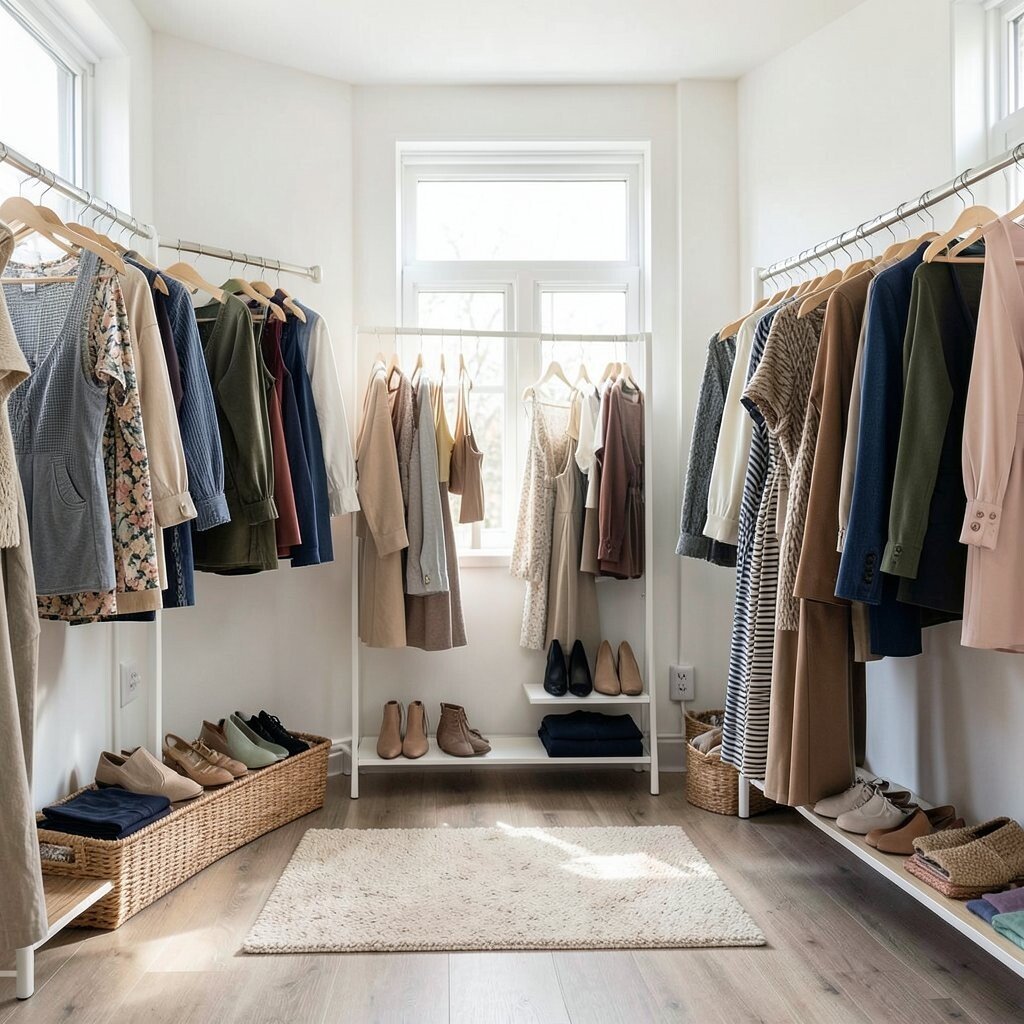
Pick one top you like and try it with two different bottoms, like a skirt and a pair of trousers. This keeps the comparison fair and makes decisions faster.
You’ll learn what works for your body type and what feels awkward, without guessing. The benefit is that you can judge the top’s value based on how many outfits it creates, which helps your budget. For personalization, notice which pairing makes you feel like yourself, not someone styled by a mannequin.
When you find a great match, check the color harmony too, like whether the top emphasizes your favorite tones. If you want uniqueness, choose a bottom with a fun texture while keeping the top simple. This approach turns one shopping trip into a mini styling session you control.
22. The Photo-to-Self Reality Check
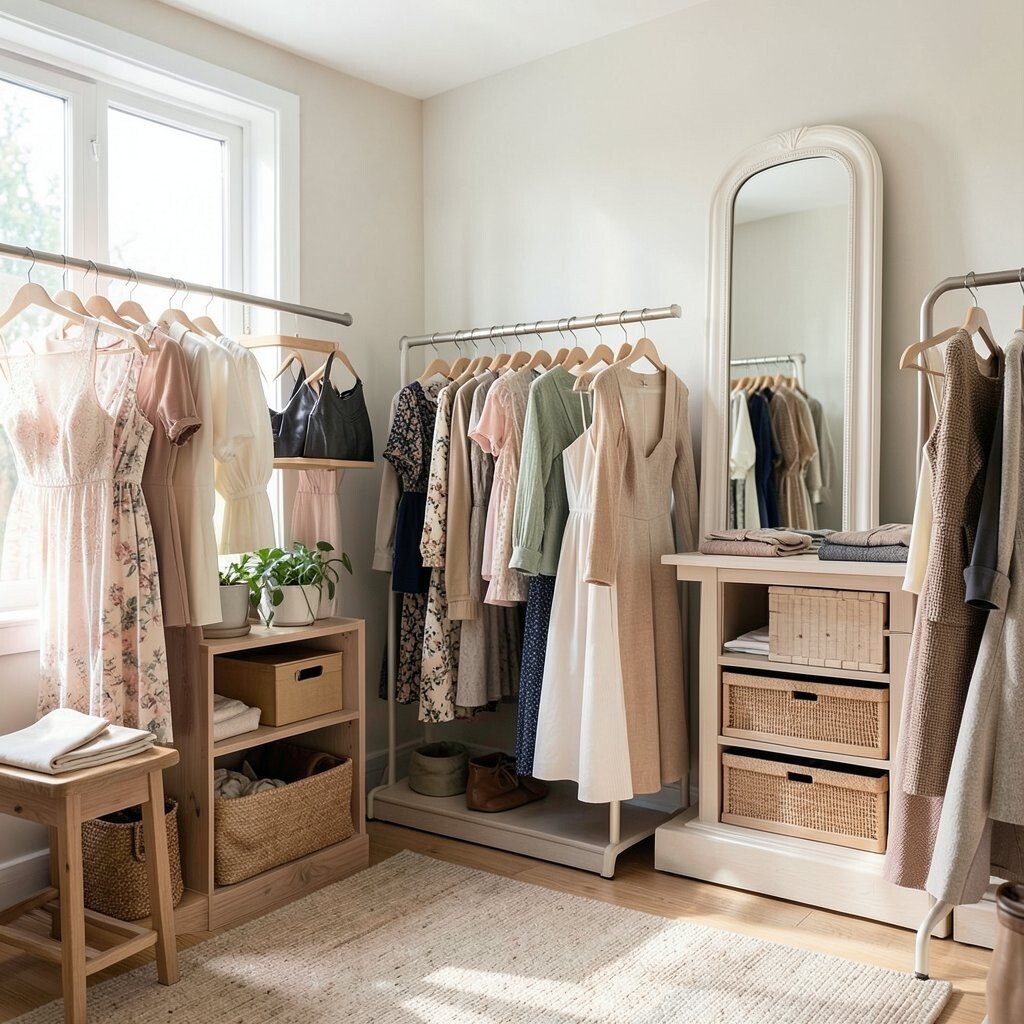
Use your phone to take a quick photo of your favorite outfit, even if it’s just for you. Mirrors can distort angles, and a photo captures the overall look more honestly.
Compare photos like you’re shopping your own closet, looking for fit, color balance, and how confident you feel. This practical benefit reduces buyer’s remorse because you’ll remember the look clearly when you get home. For personalization, zoom out and check the outfit as a whole, then zoom in to see details like collar shape, cuff placement, and neckline comfort.
If a store allows it, take one photo with bright light and one with softer light so you can judge shade consistency. Considering cost, you’re more likely to keep what truly works when you see it from multiple angles. It’s a simple habit that makes boutique shopping feel smarter and more personal.