
Imagine bringing the beauty of nature into your home or wardrobe in a way that’s as kind to the planet as it is stunning to look at. These materials offer a unique blend of sustainability and style that will not only elevate your projects but also warm your eco-conscious heart.
1. Bamboo

Bamboo is a fast-growing grass that’s as strong as it is beautiful. It’s perfect for flooring, furniture, or even clothing. You can use bamboo to bring an earthy vibe to your living room or create a chic, natural wardrobe.
With its rapid growth rate, bamboo is a renewable resource that replenishes much faster than hardwood trees. Plus, it absorbs carbon dioxide and releases 35% more oxygen than trees, making it a superstar for the environment. Try bamboo blinds for a sleek window treatment or a bamboo cutting board for your kitchen.
The cost of bamboo products can vary, but you can often find affordable options that won’t break the bank. Look for products that are certified by the Forest Stewardship Council for the most sustainable choices.
2. Recycled Glass
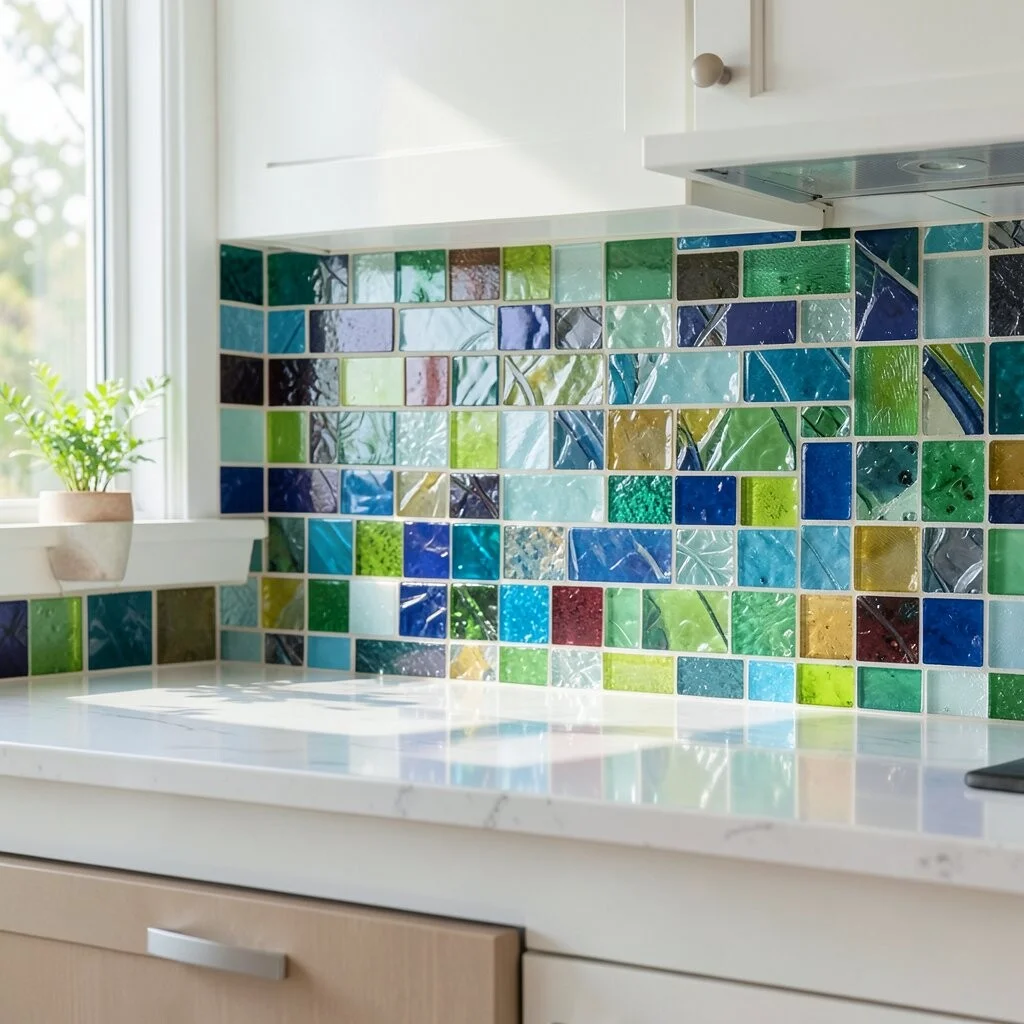
Recycled glass is a stunning way to add color and texture to your projects. Whether it’s a countertop, backsplash, or even jewelry, recycled glass can be molded into beautiful shapes and designs.
This material reduces waste by repurposing glass that would otherwise end up in landfills. Each piece is unique, with its own blend of colors and patterns. Consider using recycled glass tiles in a bold mosaic design for a statement wall in your kitchen or bathroom.
Recycled glass products can be a bit pricier than their non-recycled counterparts, but the environmental benefits and aesthetic appeal make it worth the investment. Check local artisans for custom pieces that add a personal touch.
3. Cork
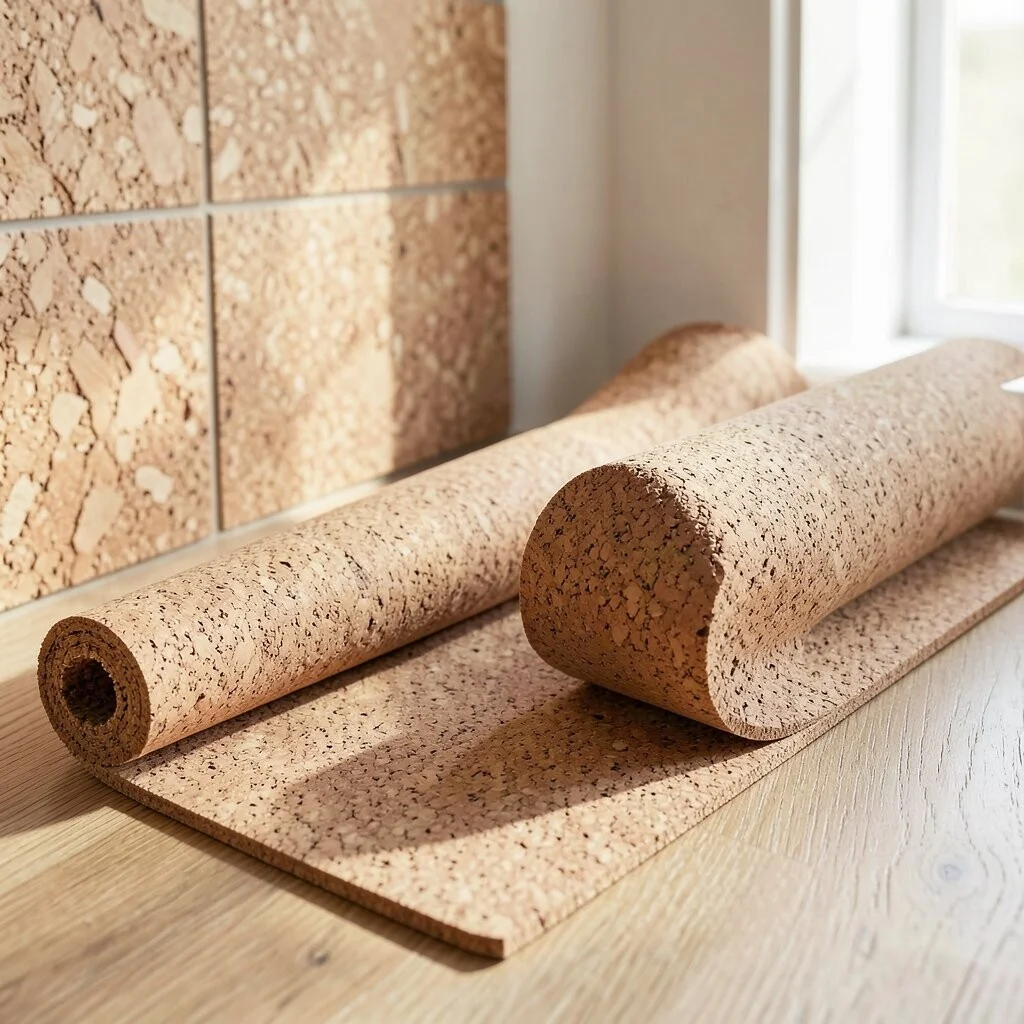
Cork is not just for wine bottles! It’s a versatile material that’s perfect for flooring, wall coverings, and even fashion accessories. Cork is harvested from the bark of cork oak trees without harming the tree, making it a renewable resource.
Its natural texture and warmth make cork an inviting choice for any room. Plus, it’s hypoallergenic and antimicrobial, making it a healthy choice for your home. Cork is also great for sound insulation, perfect for a quiet, cozy space.
Cork products are generally affordable and can be found in a variety of styles. Try a cork yoga mat for a sustainable addition to your practice or cork wall tiles for a unique, textured look.
4. Organic Cotton
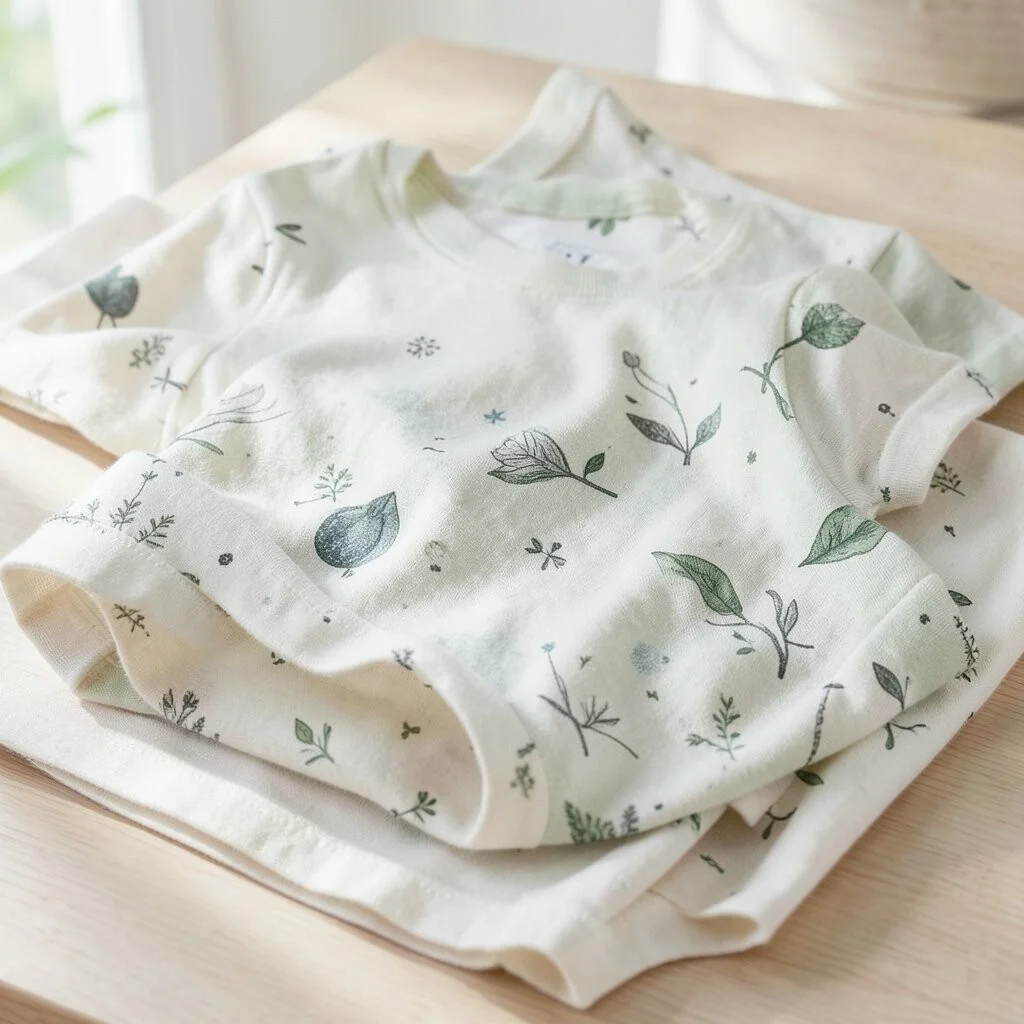
Organic cotton is a dream for those who love soft and breathable fabric. This material is free from harmful pesticides and chemicals, making it better for the environment and your skin.
Whether you’re crafting clothes, bedding, or curtains, organic cotton provides a clean, natural feel. It’s available in a range of colors and patterns, so you can find the perfect match for your project. Look for the Global Organic Textile Standard (GOTS) label for the highest quality.
Though organic cotton can be more expensive than conventional cotton, its benefits to the planet and personal health make it a worthy investment. Try using it for eco-friendly baby clothes or soft, comfy t-shirts.
5. Hemp
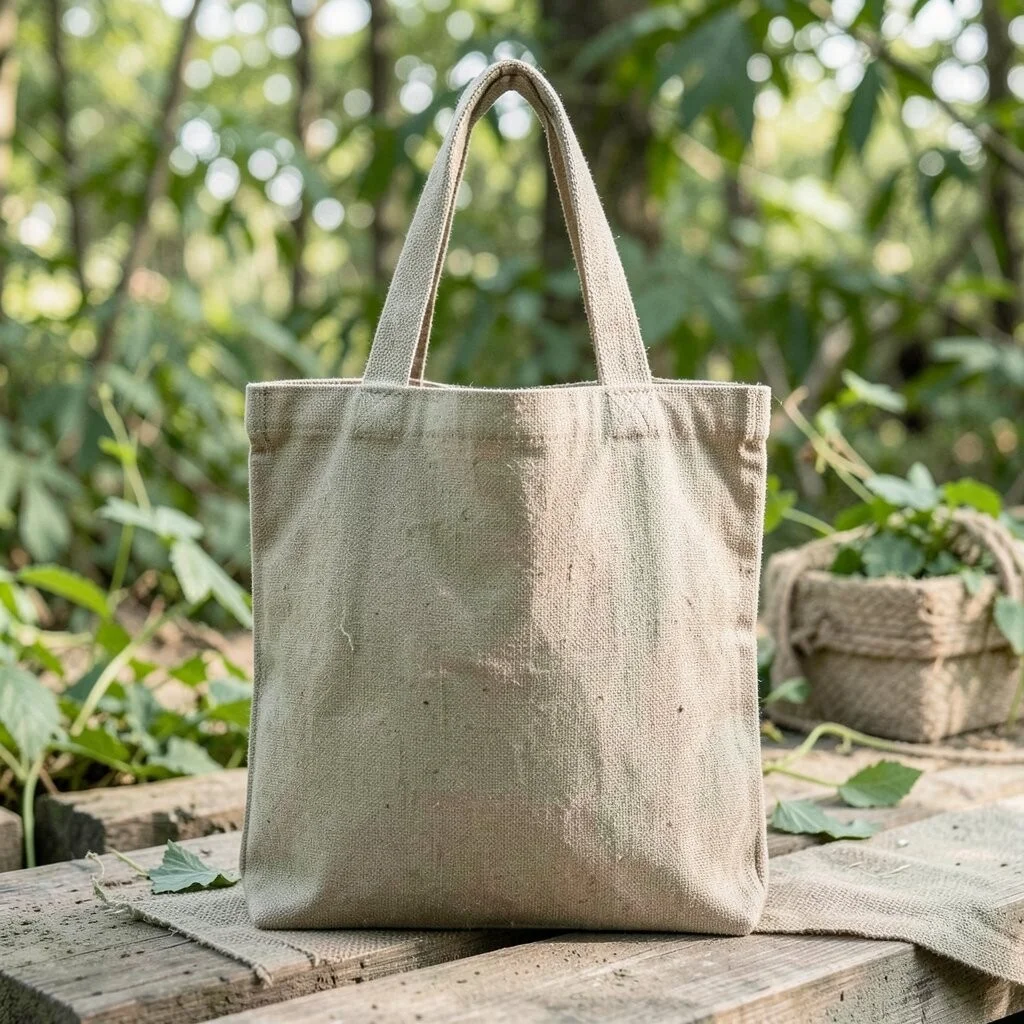
Hemp is a powerhouse material that can be used for textiles, rope, paper, and even building materials. It’s incredibly strong and durable, making it perfect for projects that need to last.
This plant grows quickly and requires little water, making it a sustainable choice. Hemp is naturally resistant to pests, reducing the need for harmful chemicals. Consider using hemp fabric for a sturdy, long-lasting tote bag or hempcrete for eco-friendly construction.
Hemp products are becoming more popular, which has helped bring down costs. Look for fair trade options to ensure ethical sourcing. Hemp clothing is particularly trendy and offers a relaxed, bohemian style.
6. Reclaimed Wood
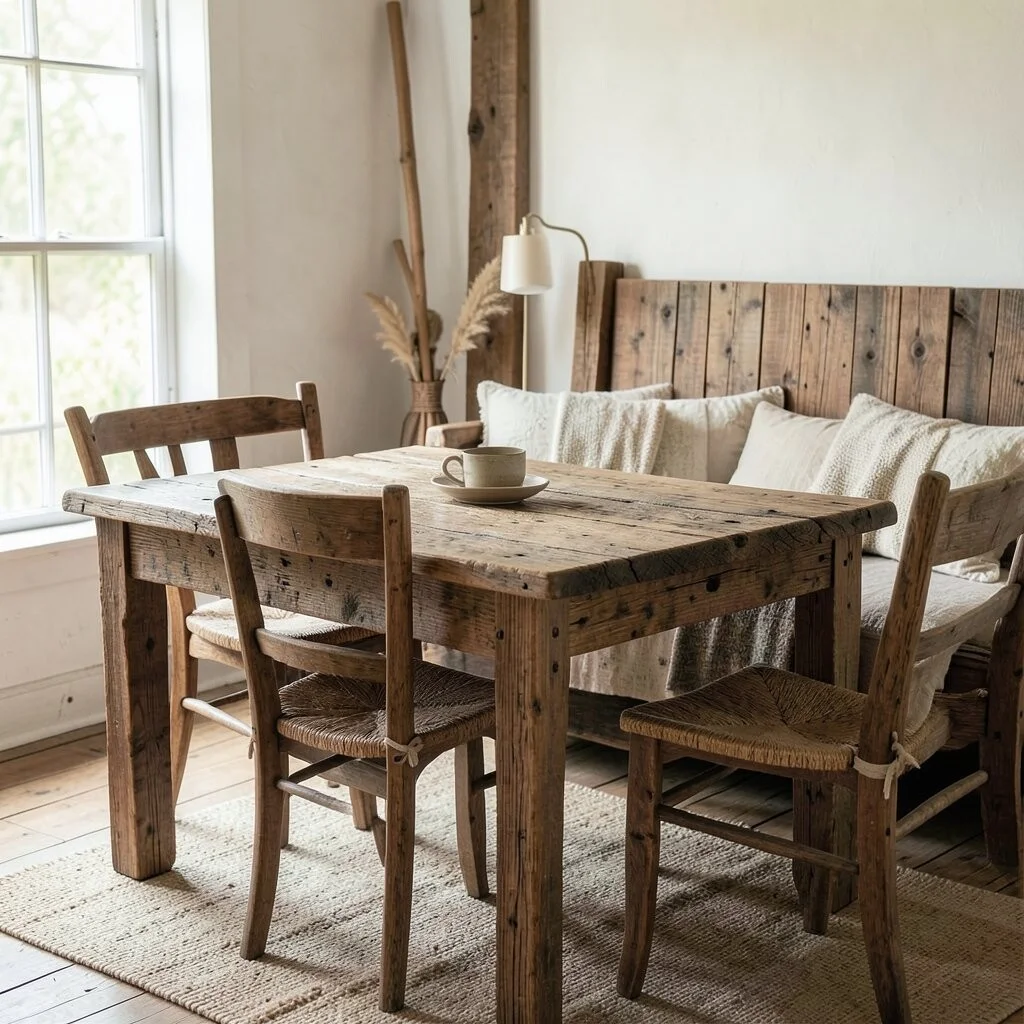
Reclaimed wood brings a touch of history and character to any project. Each piece has its own story, with unique grains and textures that add warmth and depth.
This material is sourced from old buildings and structures, reducing the need for new timber. It’s perfect for rustic furniture, accent walls, or even picture frames. Use reclaimed wood to create a charming farmhouse-style dining table or a cozy headboard.
While reclaimed wood can be more expensive due to the labor involved in sourcing and preparing it, the one-of-a-kind results are well worth it. Check local salvage yards for unique finds.
7. Recycled Metal

Recycled metal is a fantastic way to add a modern edge to your projects while being kind to the planet. From aluminum to steel, these metals can be transformed into anything from furniture to art pieces.
Metals are infinitely recyclable, reducing the demand for new materials and conserving natural resources. Try using recycled metal for industrial-style shelves or a statement sculpture. It adds a sleek, contemporary look that pairs well with other materials like wood or glass.
Recycled metal can vary in cost depending on the type and availability, but it often offers a cost-effective solution with high durability. Collaborating with local artists can yield unique, custom designs.
8. Wool
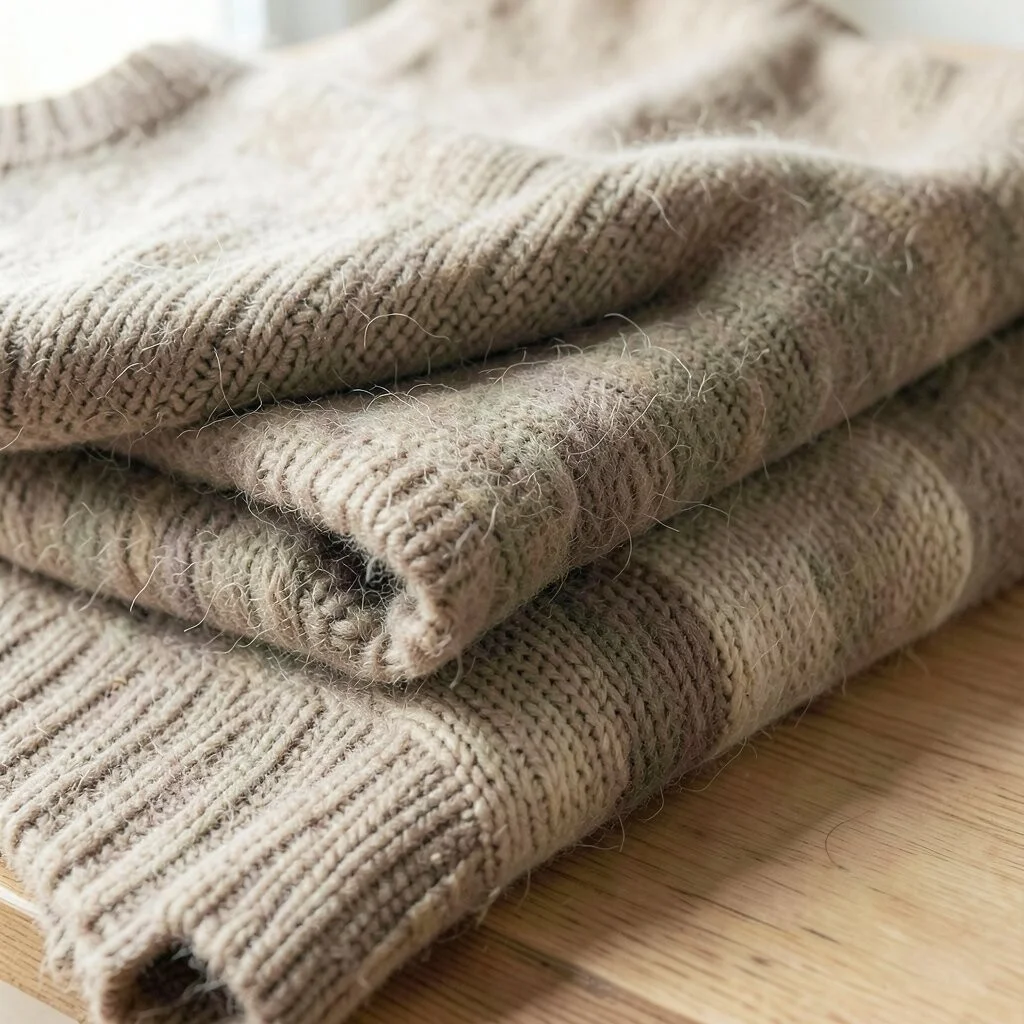
Wool is a natural, renewable fiber that’s perfect for cozy textiles like blankets, rugs, and clothing. It’s durable, insulating, and biodegradable, making it a superb choice for eco-friendly projects.
This material is naturally flame-resistant and can absorb moisture, keeping you comfortable and safe. Consider using wool for a warm winter sweater or a plush area rug. It adds a soft, inviting texture to any space.
Wool products can range in price, but investing in high-quality, ethically sourced wool ensures longevity and sustainability. Look for organic wool or wool certified by initiatives like the Responsible Wool Standard.
9. Jute
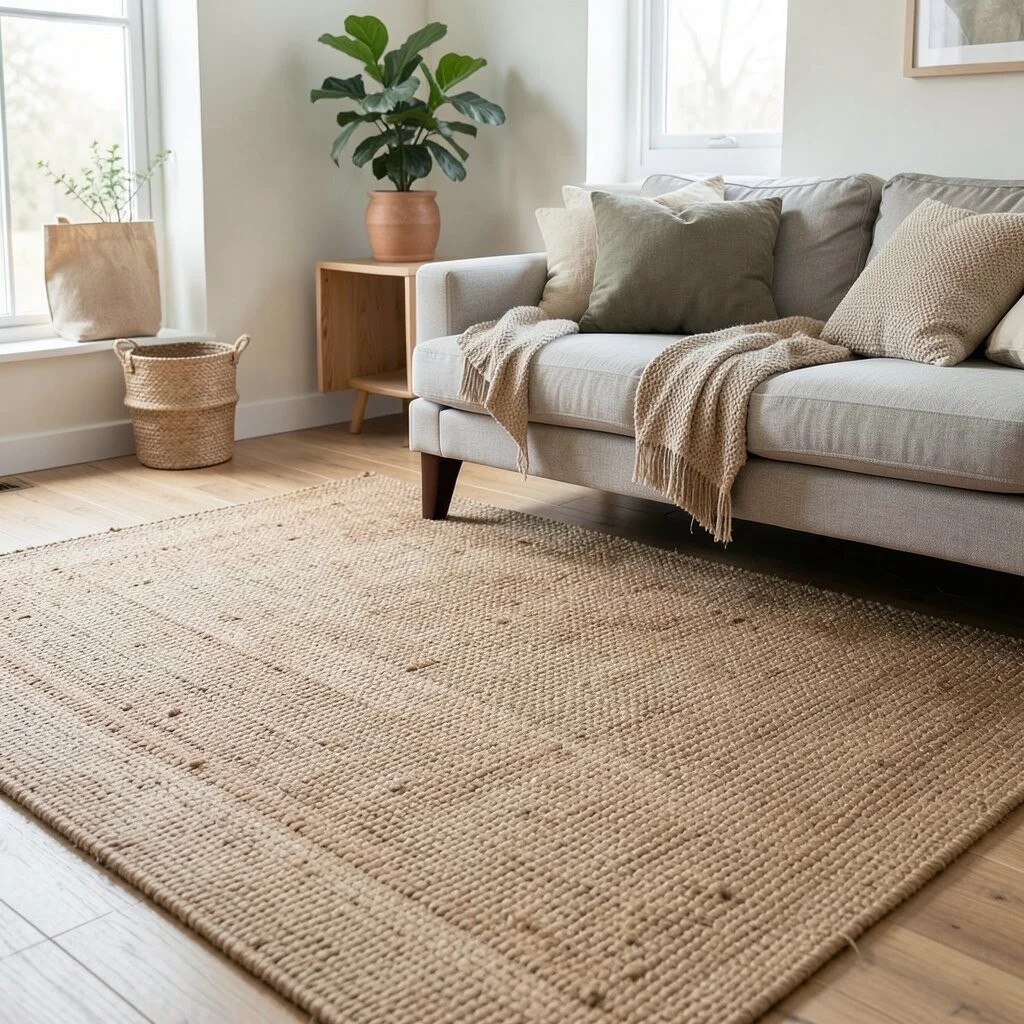
Jute is a plant fiber that’s strong, biodegradable, and affordable, making it a great choice for eco-conscious projects. It’s commonly used in rugs, bags, and home decor.
With its natural, earthy color and texture, jute adds a rustic touch to any space. It’s a renewable resource that grows quickly without the need for pesticides. Try a jute rug for your living room or a jute tote bag for shopping.
Jute is budget-friendly and widely available, making it accessible for anyone looking to go green. Look for certified organic jute for the most sustainable option.
10. Linen
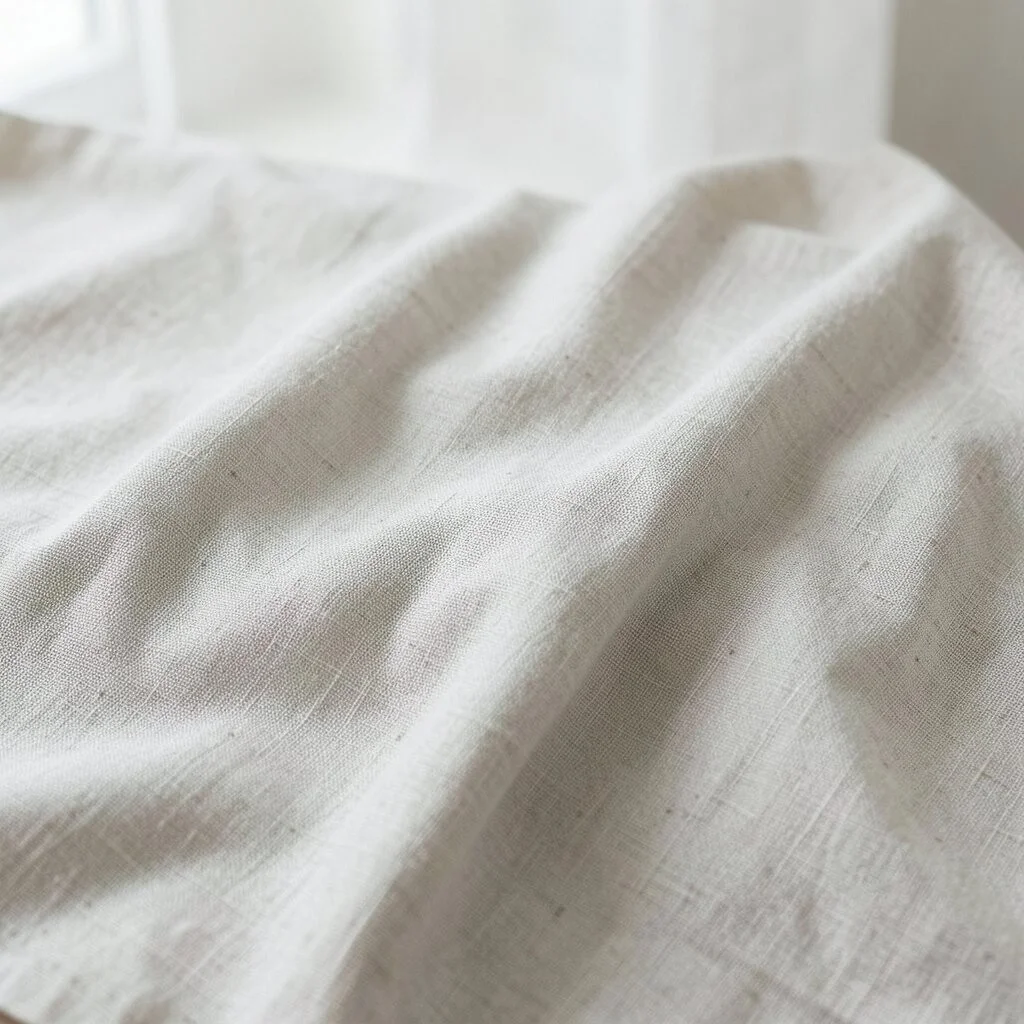
Linen is a timeless fabric made from the flax plant. It’s breathable, durable, and becomes softer with each wash, making it ideal for clothing and home textiles.
This material requires fewer resources to produce than cotton, making it a more sustainable choice. Linen’s natural texture and elegant drape make it perfect for summer dresses, tablecloths, or curtains. It adds a touch of effortless sophistication to any project.
While linen can be on the pricier side, its durability and classic appeal make it a wise investment. Look for organic linen for the most eco-friendly option.
11. Mycelium
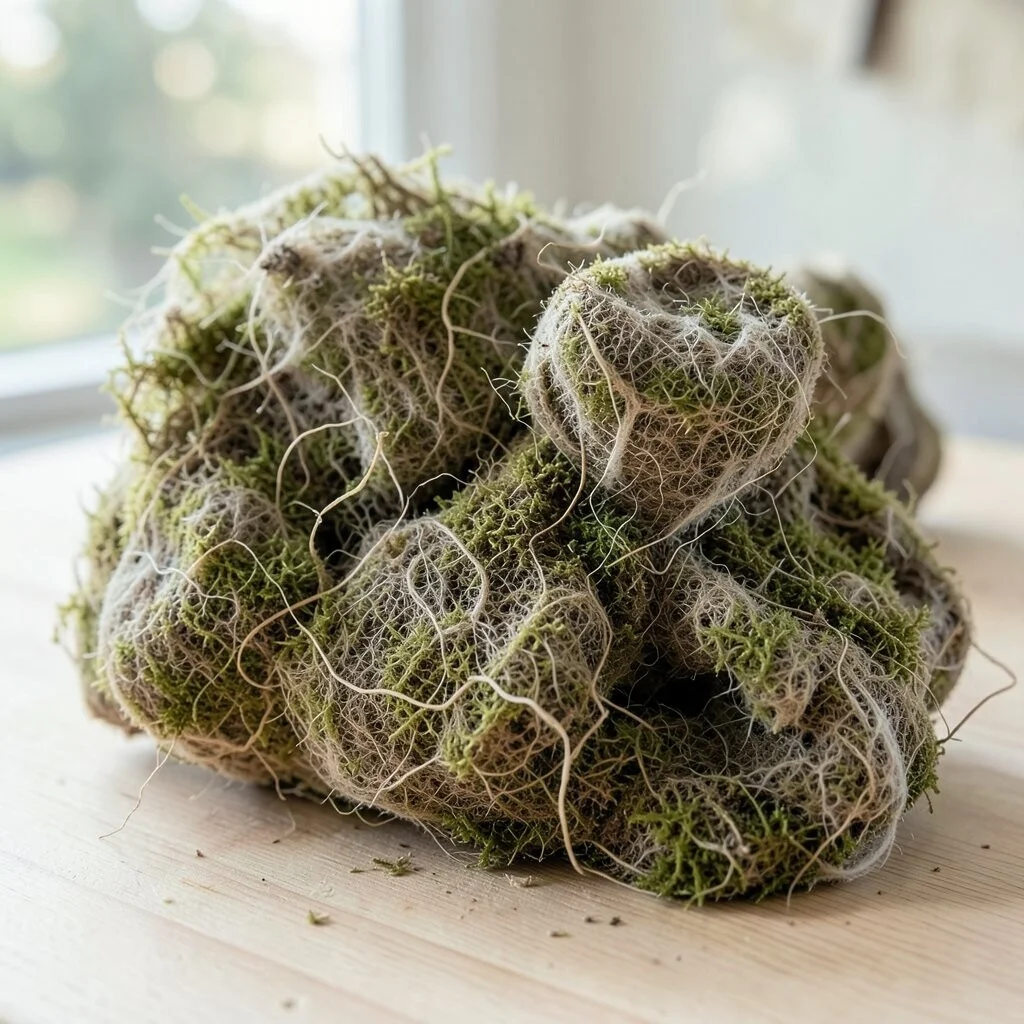
Mycelium, the root structure of mushrooms, is an innovative material perfect for eco-friendly packaging, furniture, and even construction.
It grows quickly and can be molded into various shapes, offering a sustainable alternative to plastic and foam. Mycelium is biodegradable and compostable, making it a zero-waste option. Consider using mycelium for packaging your handmade products or creating unique, organic furniture pieces.
As a relatively new material, mycelium products can be more expensive, but their unique properties and environmental benefits make them a fascinating choice. Watch for advancements in mycelium technology to broaden its applications.
12. Pineapple Leather
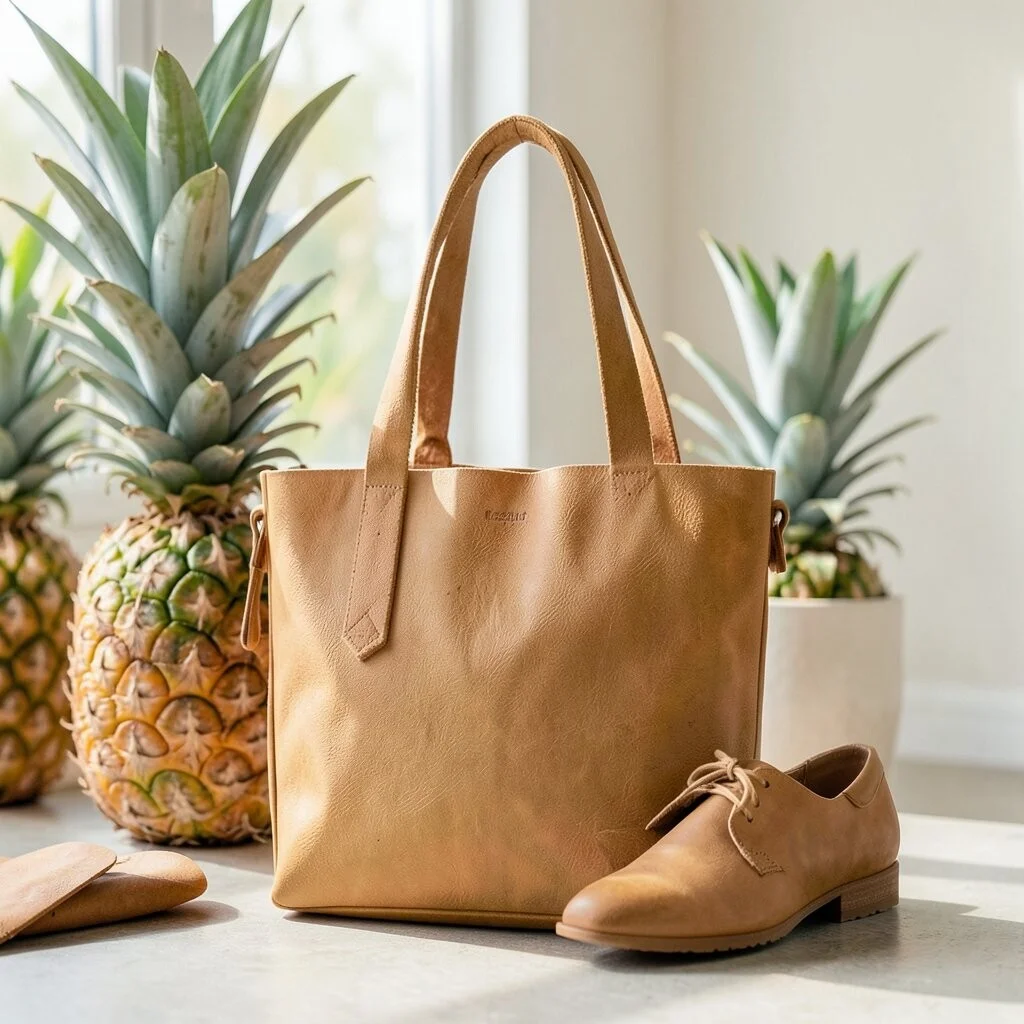
Pineapple leather, or Piñatex, is a plant-based alternative to traditional leather. Made from the fibers of pineapple leaves, it’s a sustainable choice for fashion and accessories.
This innovative material is lightweight, durable, and has a unique texture that sets it apart from conventional leather. Use pineapple leather for stylish bags, shoes, or jackets. It’s a great way to make a fashion statement while being eco-conscious.
While it can be more expensive than synthetic leathers, pineapple leather supports sustainable agriculture and reduces waste. Look for brands that specialize in vegan leather products for the best options.
13. Seaweed
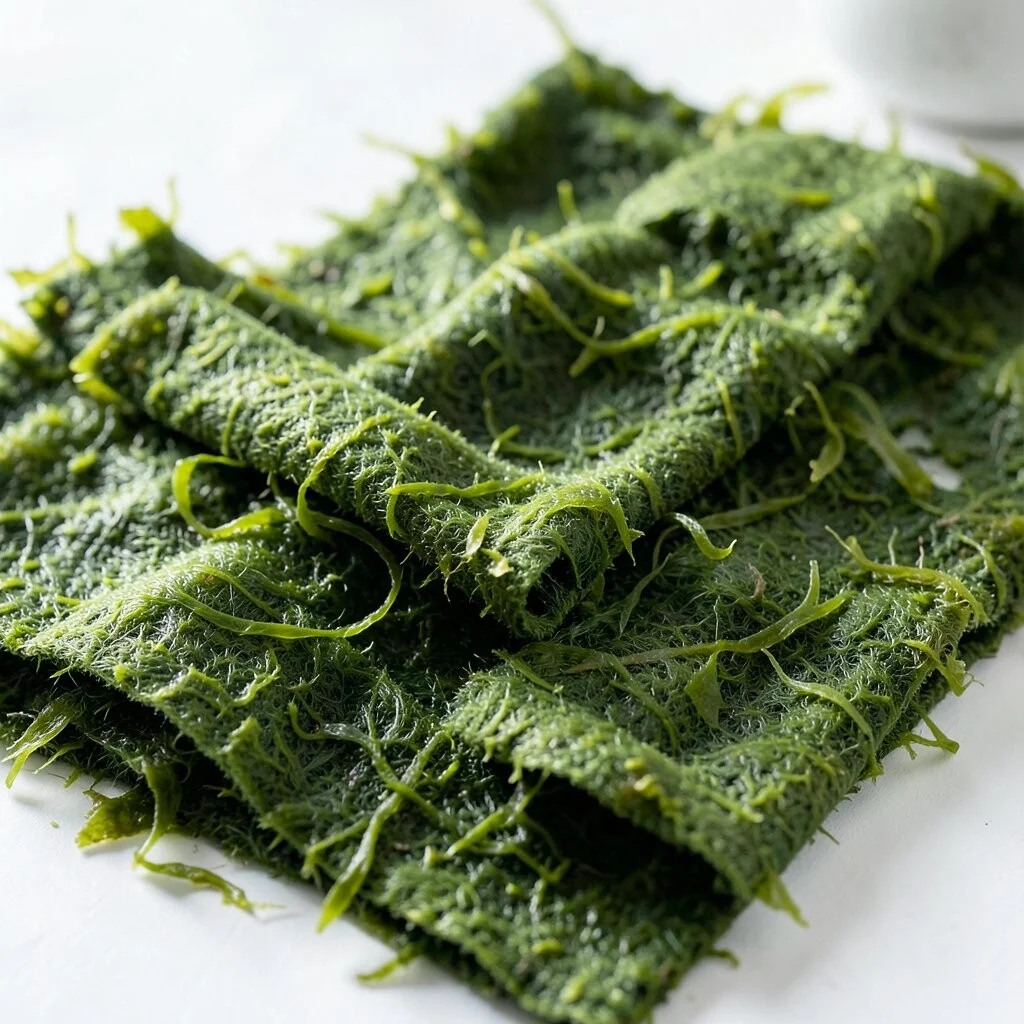
Seaweed is an abundant, renewable resource that can be used for textiles, packaging, and even food. It’s naturally antibacterial and requires no fresh water to grow, making it incredibly sustainable.
Its unique properties make seaweed fabrics soft, breathable, and biodegradable. Consider using seaweed-based materials for clothing or eco-friendly packaging. It’s a great conversation starter and adds an ocean-inspired touch to your projects.
Seaweed products are still emerging, so they can be more expensive, but their environmental benefits and unique characteristics make them worth considering. Keep an eye out for new developments in seaweed technology.
14. Recycled Plastic
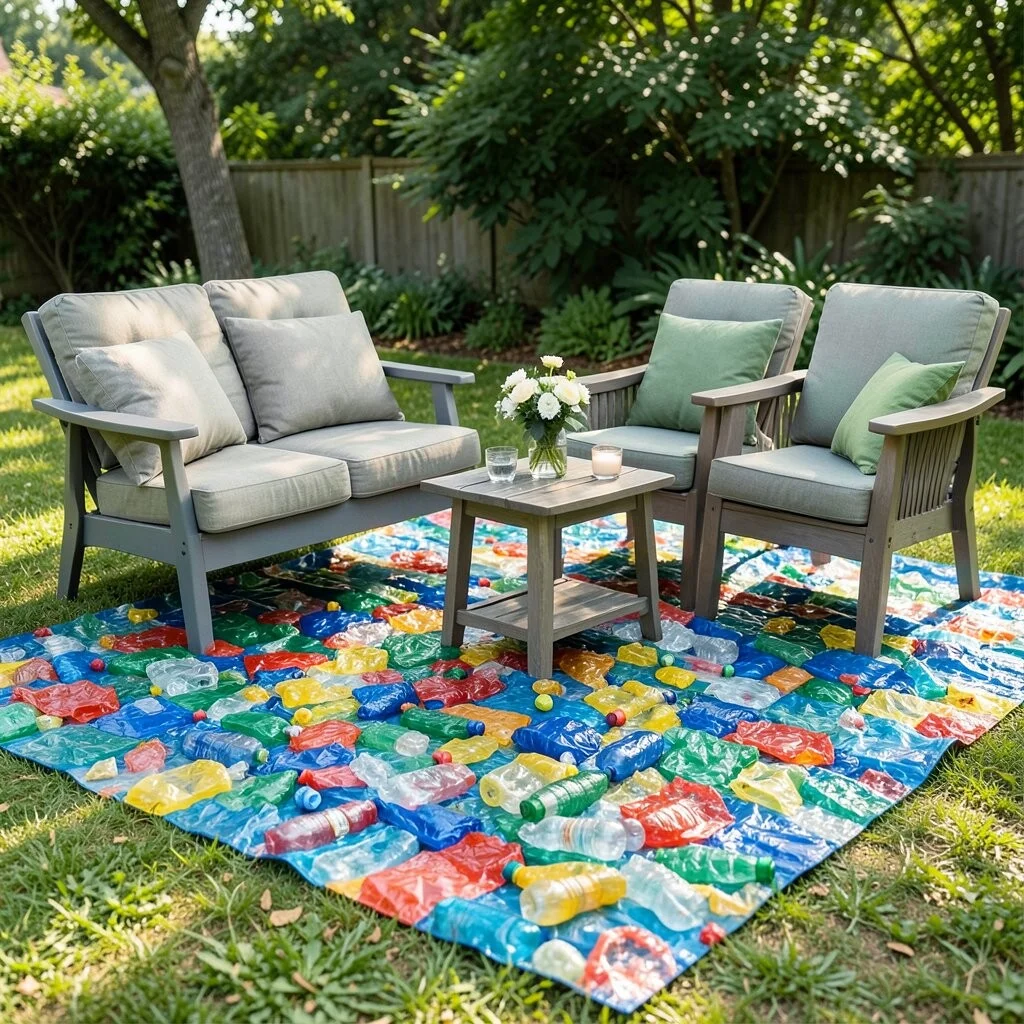
Recycled plastic transforms waste into something wonderful. It can be used for everything from furniture to clothing and even construction materials.
By repurposing plastic waste, this material helps reduce pollution and conserve resources. Imagine a vibrant outdoor rug made from recycled plastic bottles or durable, weather-resistant patio furniture. It’s a creative way to upcycle and protect the planet.
While recycled plastic products can sometimes cost more than their non-recycled counterparts, their durability and eco-friendly nature make them a smart choice. Support companies that prioritize sustainability and innovation.
15. Soy-based Foam
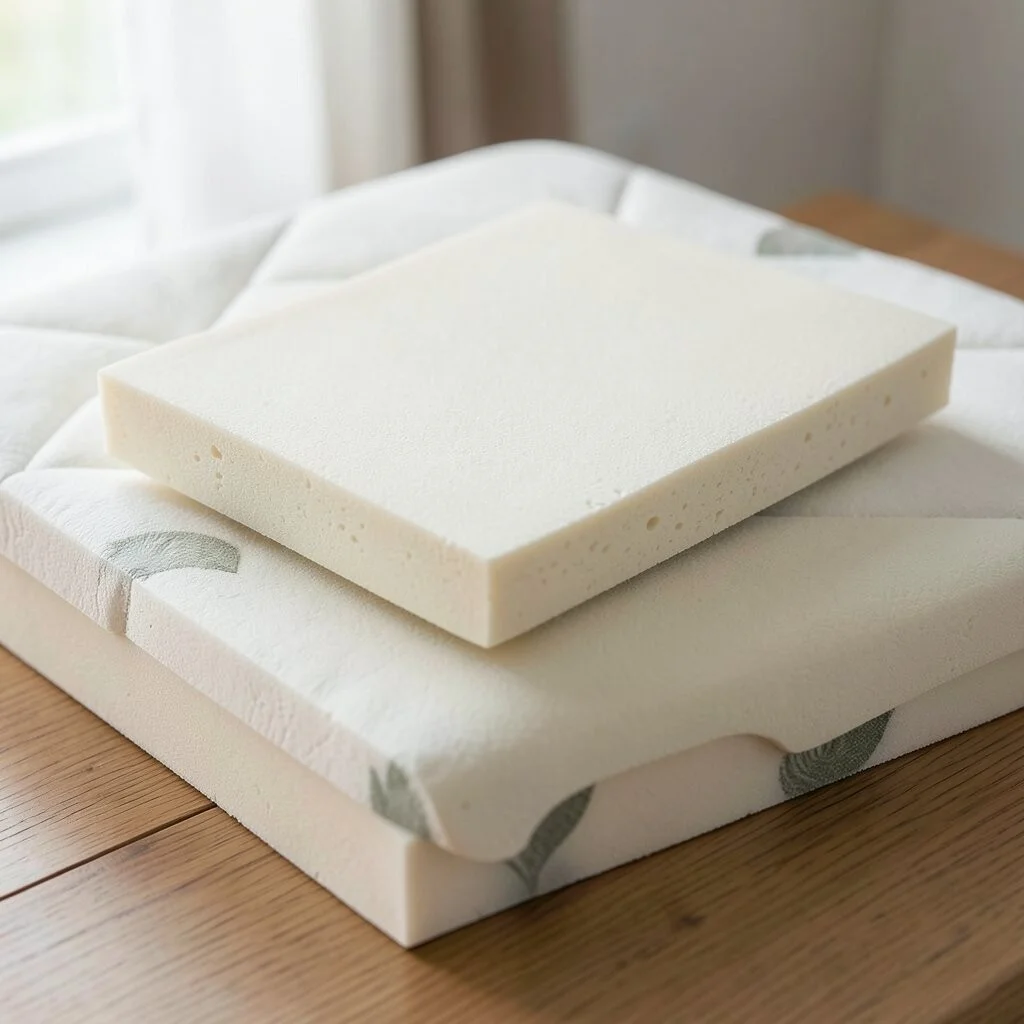
Soy-based foam is a greener alternative to traditional petroleum-based foam. It’s great for cushions, mattresses, and upholstery.
This material is made from soybeans, reducing the reliance on fossil fuels. It’s just as comfortable and supportive as conventional foam, but with a smaller carbon footprint. Try soy-based foam for your next DIY upholstery project or a new eco-friendly mattress.
While soy-based foam can be more expensive, its environmental benefits and comfort make it a fantastic option. Look for certifications that ensure the product is truly eco-friendly.
16. Biodegradable Glitter
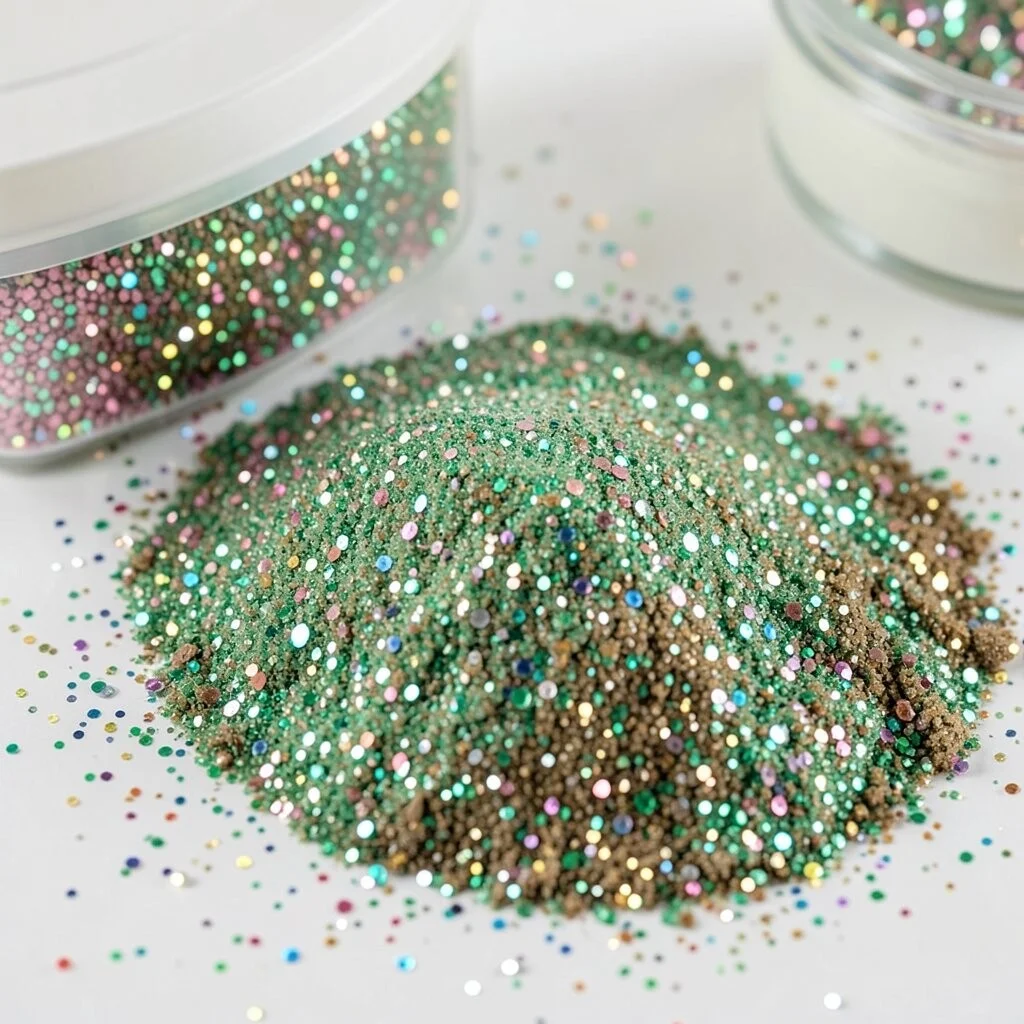
Biodegradable glitter is the perfect way to add sparkle to your projects without harming the planet. Made from plant-based materials, it’s a guilt-free way to shine.
This eco-friendly glitter breaks down naturally, unlike traditional plastic glitter that pollutes oceans and harms wildlife. Use it for crafts, makeup, or party decorations. It’s a fun and responsible way to add some dazzle to your life.
Biodegradable glitter can be slightly more expensive, but its environmental benefits make it a worthwhile investment. Look for brands that use responsibly sourced materials and offer a range of vibrant colors.