A great classroom feels like a living story. When teachers shape the space, students start writing their own chapters.
In the following list, you will find learning environments you can build with intention. Each one includes practical ways to start right away, plus ideas for making it fit your students and your budget.
1. Warm Welcome Corners

Picture a small area by the door or a cozy table near a window, with soft lighting and a simple sign that invites students in. You can add a basket of books, calming pictures, and a few predictable routines so students know what to do first.
This environment helps students feel safe before learning even begins. A quick greeting spot reduces stress and makes attention easier to earn. Keep a “start here” activity that students can complete independently, like matching vocabulary cards or choosing a journal prompt, so you can support everyone without rushing.
2. Student-Led Wall of Questions
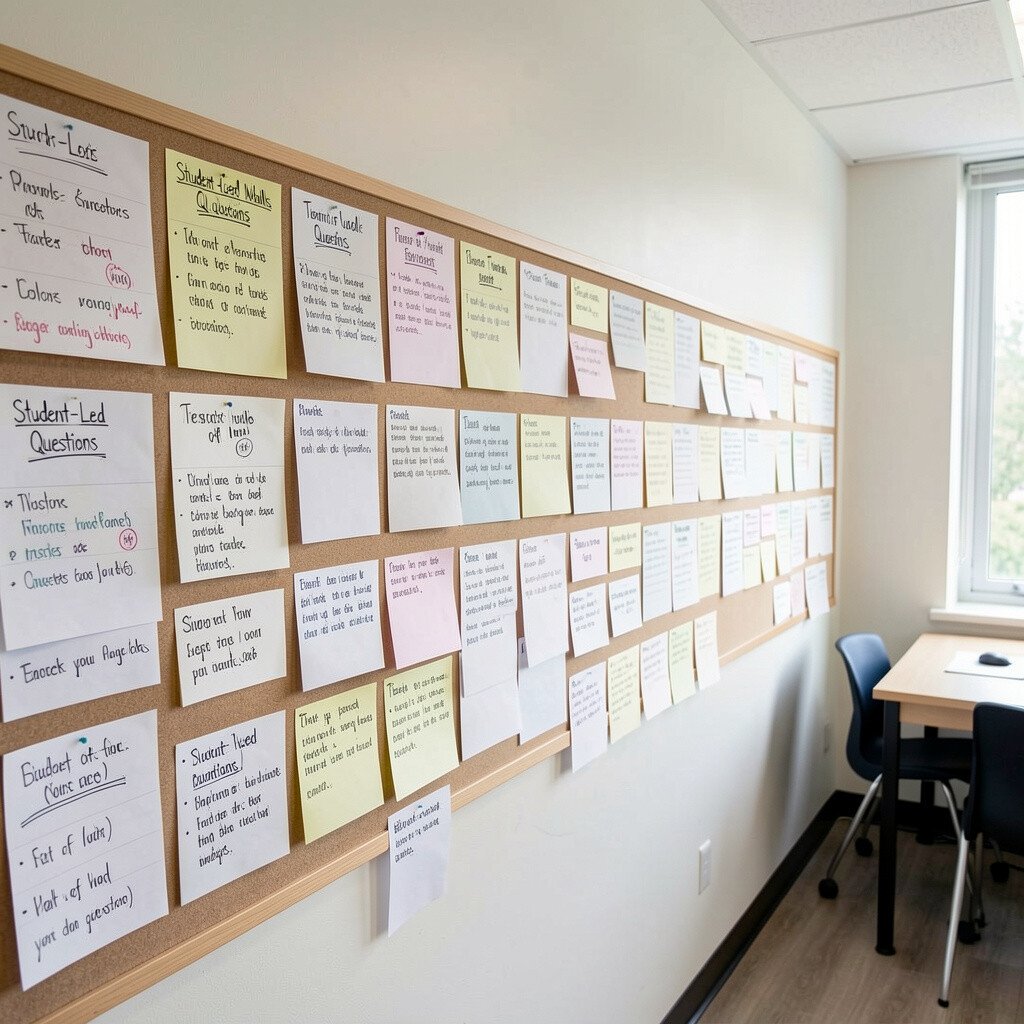
See a bulletin board covered with sticky notes, index cards, or colorful paper strips, all showing questions students ask. Some notes might be pinned under “curious about science,” others under “reading ideas,” and you can rearrange them during the week.
When students generate questions, they practice ownership and voice. It also improves participation because questions give quieter students an easy way to join in. For practical setup, rotate one question each day into your lesson opening, and use the board to track which questions you have answered.
To personalize, let students decorate their note with a tiny symbol, like a star for wonder or a question mark for confusion. For cost, use recycled paper and classroom supplies you already have, then upgrade with craft markers when you can.
3. Flexible Seating With Clear Routines
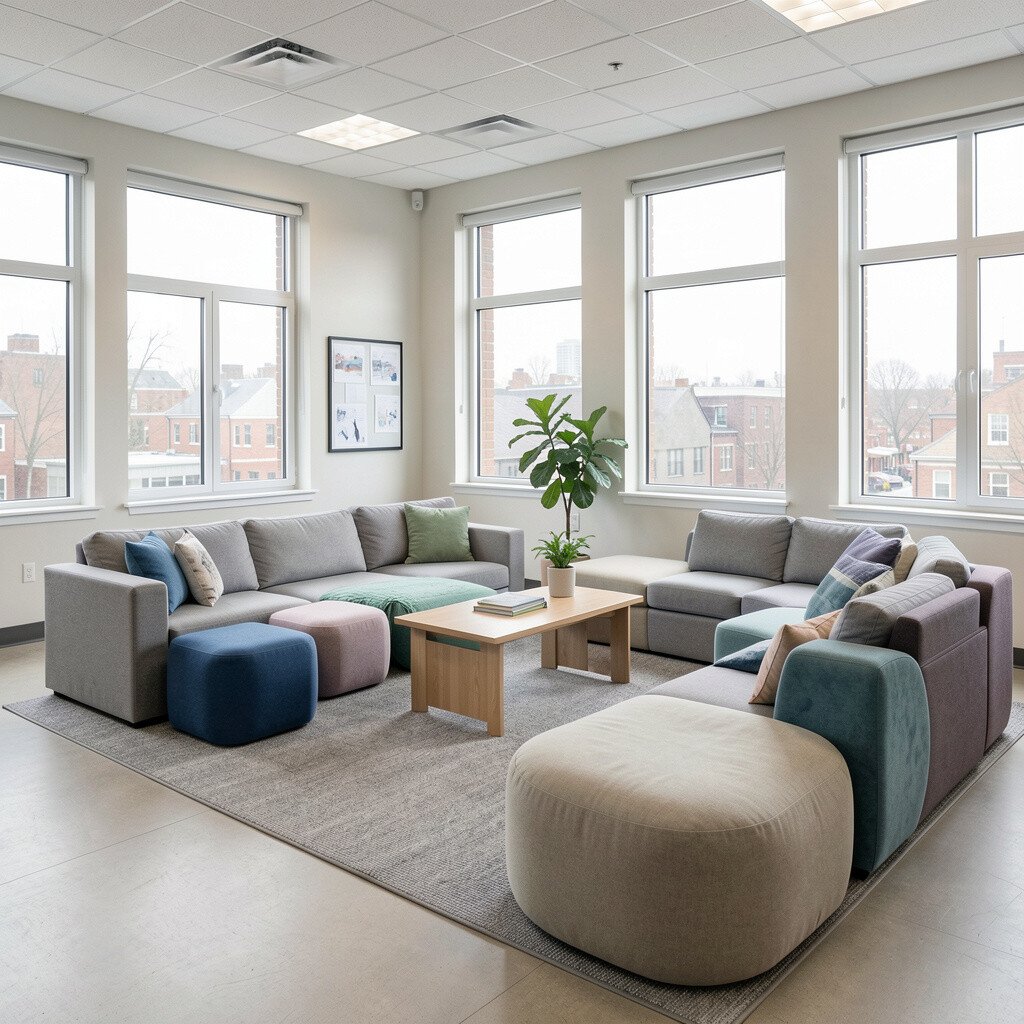
Imagine a classroom where desks are not the only option, with mats for reading, stools for standing tasks, and small tables for group work. The space looks slightly different from day to day, but it still feels organized because rules are visible.
Flexible seating supports different learning needs, especially for students who focus better when they can move. It also helps group discussions feel natural because learners can spread out without chaos. Start simple by offering only two choices at a time, then teach how to trade seats responsibly and how to reset the space at the end.
For uniqueness, create “focus zones” with labels that match your classroom theme, such as “soft focus” and “team focus,” using paper signs rather than expensive materials. You can personalize by allowing students to recommend what seating works for certain tasks, like writing, listening, or solving problems.
Cost can stay low if you repurpose items like yoga mats, thrifted stools, or even tape marks on the floor that show where each setup goes. Keep a quick checklist routine so students know exactly how to choose and return seats.
4. Vision Boards That Show Growth
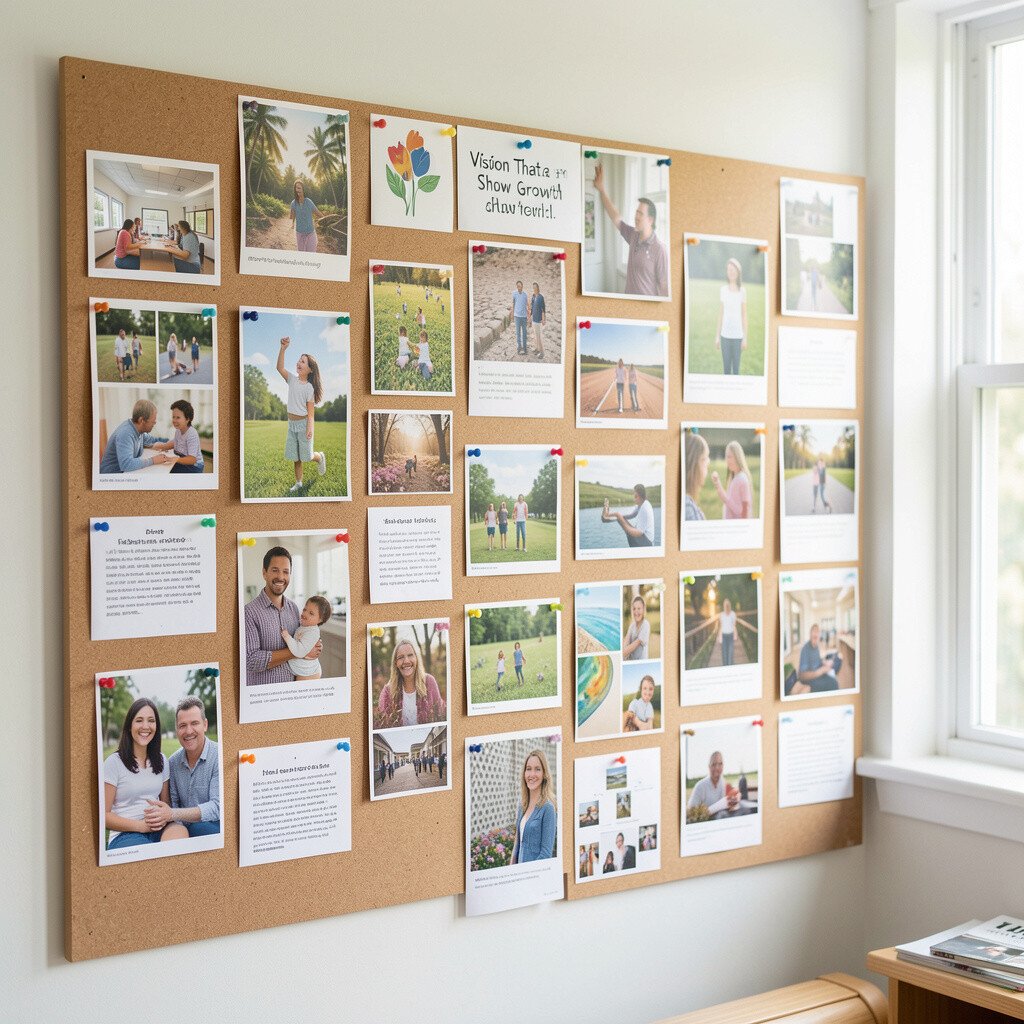
Think of a wall or folder system where students collect images and phrases about what they are working toward. You might see goals written in bright ink, alongside drawings, book covers, or photos that reflect their interests.
This kind of environment makes progress visible and supports motivation. It also turns goal setting into something students can talk about daily. Try setting a short weekly update where learners add one new target and one piece of evidence, like a paragraph they improved or a math strategy they mastered.
5. Real-World Learning Stations
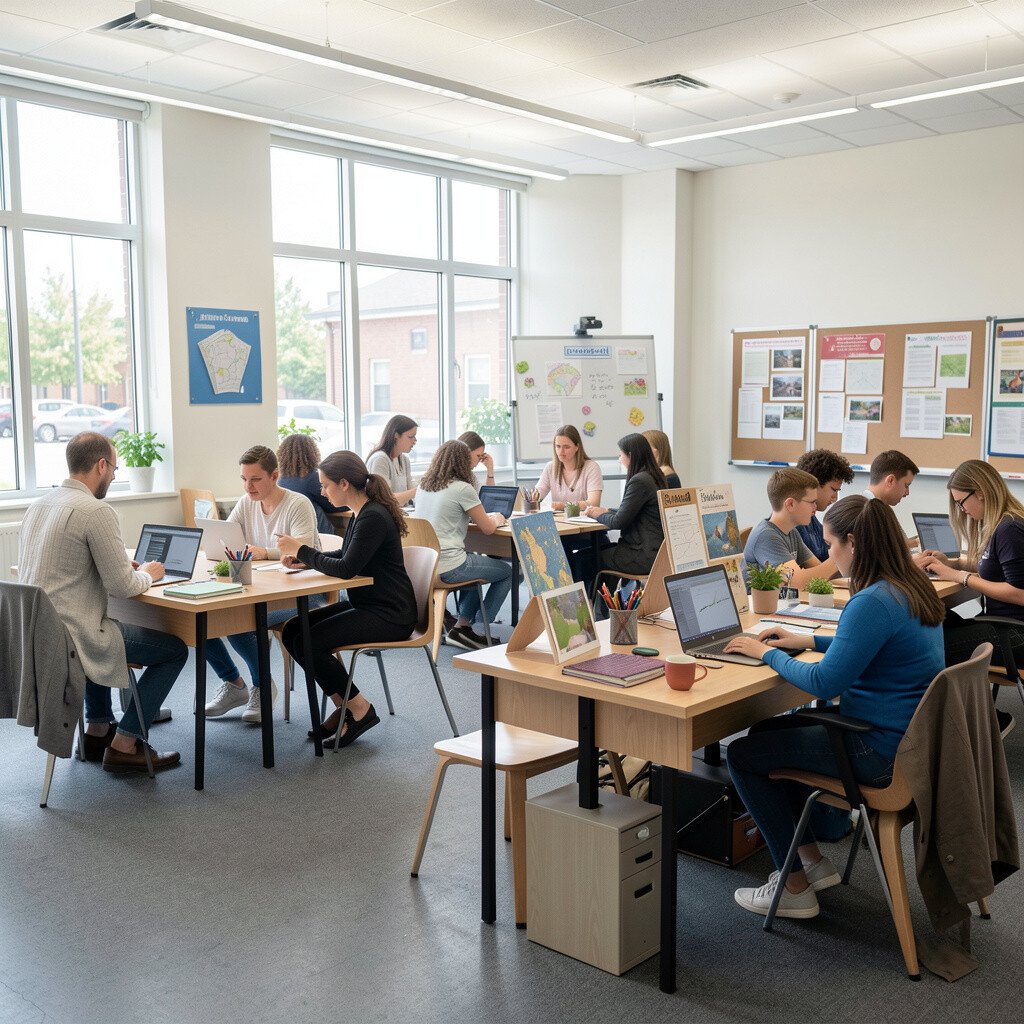
Picture small stations around the room that feel like mini workplaces, with tools, samples, and authentic resources. You could include a weather station kit, a community map, or a “real mail” writing corner that uses envelopes and addresses.
Stations add variety without losing structure, because every station has a clear task and time limit. They also support different speeds since students can move through activities at a comfortable pace. For practical tips, use a simple station card that tells students what to do, what success looks like, and where to find help.
To personalize, let students choose which station they start with based on their interests, then gently rotate so everyone experiences each area. For cost considerations, build with what you already have, like recycled magazines, used paper, and borrowed items from a library or community center.
6. Technology That Feels Like a Helper

Imagine charging stations and device bins organized so technology is ready but not distracting. On a nearby shelf, you might keep headphones, printed directions, and printable checklists so devices support learning instead of replacing it.
When technology is used thoughtfully, it can offer practice, feedback, and access to materials. It also helps students show learning in different ways, like recording a short explanation or designing a slide with pictures. A practical approach is to limit device time to specific tasks, then pair every digital activity with an offline follow-up.
7. Storytelling Displays That Invite Participation
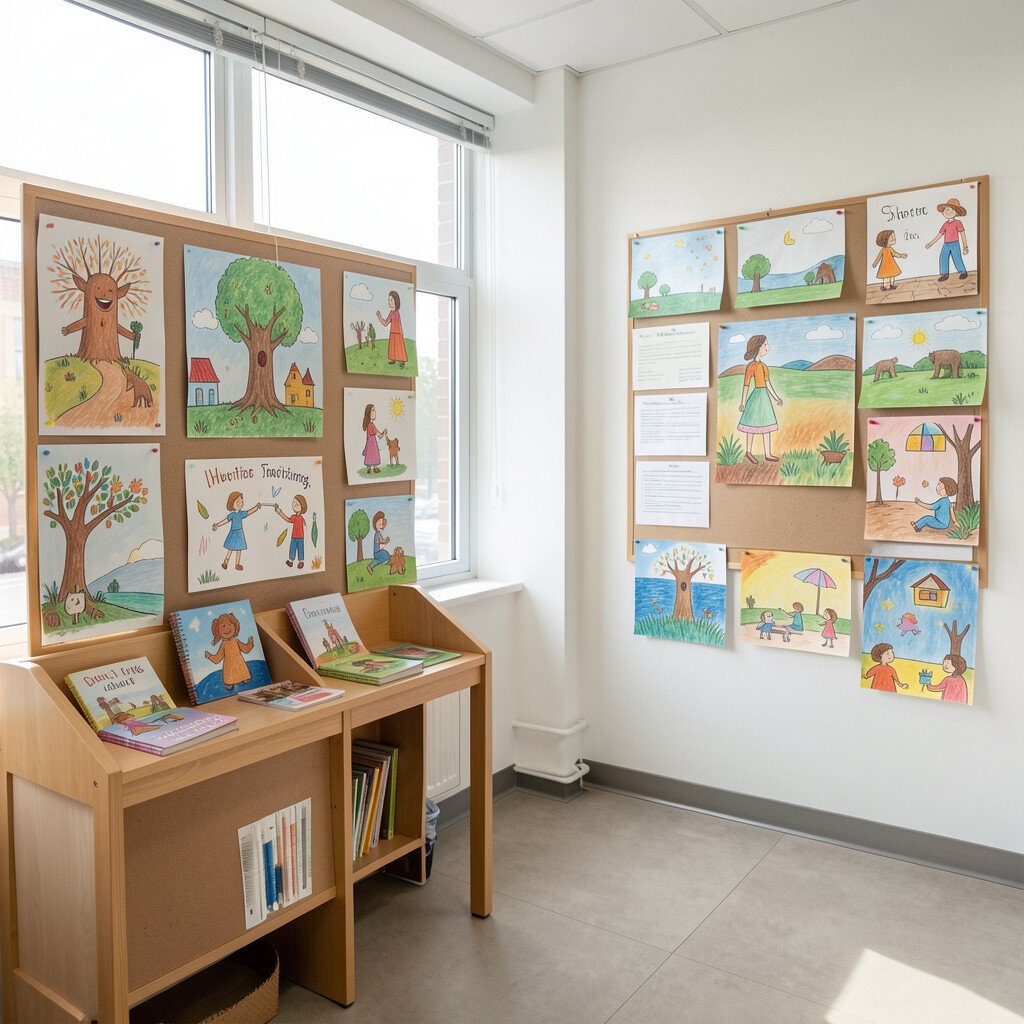
See a display that looks like an unfolding story, with pages posted around the room as the class progresses. Characters might be cut-out paper figures, sticky notes could become “plot points,” and student work can appear as scenes.
Storytelling visuals make lessons memorable because students connect ideas to a narrative. They also help you review by referencing the “last page” or “next scene” when students need reminders. For practical tips, keep a wall timeline where each new concept adds a new “page” written in kid-friendly language.
Personalize the story by letting students pick roles, such as “researcher,” “illustrator,” or “questioner,” and then assign tasks that match those roles. Cost stays low because most displays can be made from student writing, paper, and colorful markers you already have.
8. Quiet Spaces for Resetting Focus
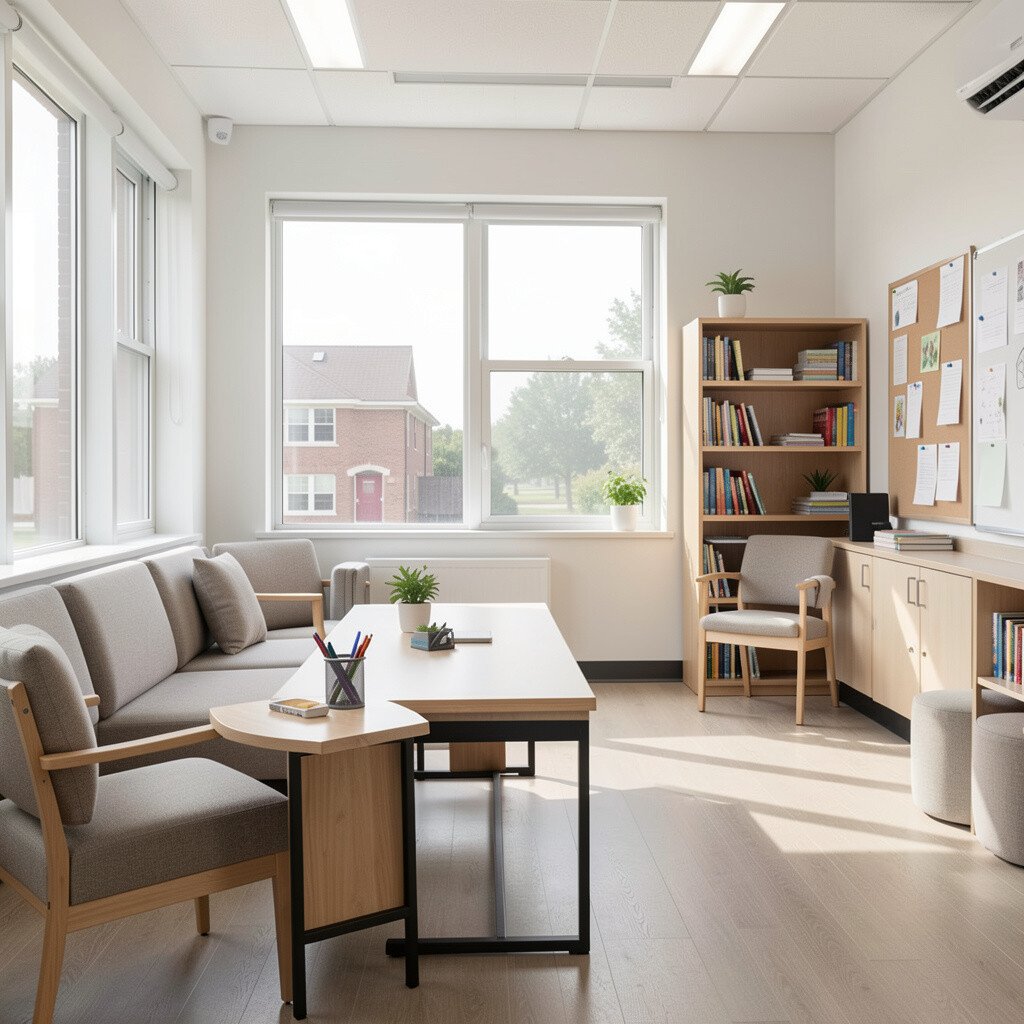
Imagine a small calm corner with soft seating, gentle visuals, and tools like stress balls, breathing cards, or a “choose your calm” spinner. The area should feel inviting rather than locked away, with a clear signal for when it is appropriate to use.
This environment supports emotional regulation and helps students return to learning faster. It also teaches self-management, which reduces interruptions over time. Start by modeling how to use the space during a calm moment, then set a simple rule like returning after a set time or completing a short reset card.
9. Color-Coded Learning Paths
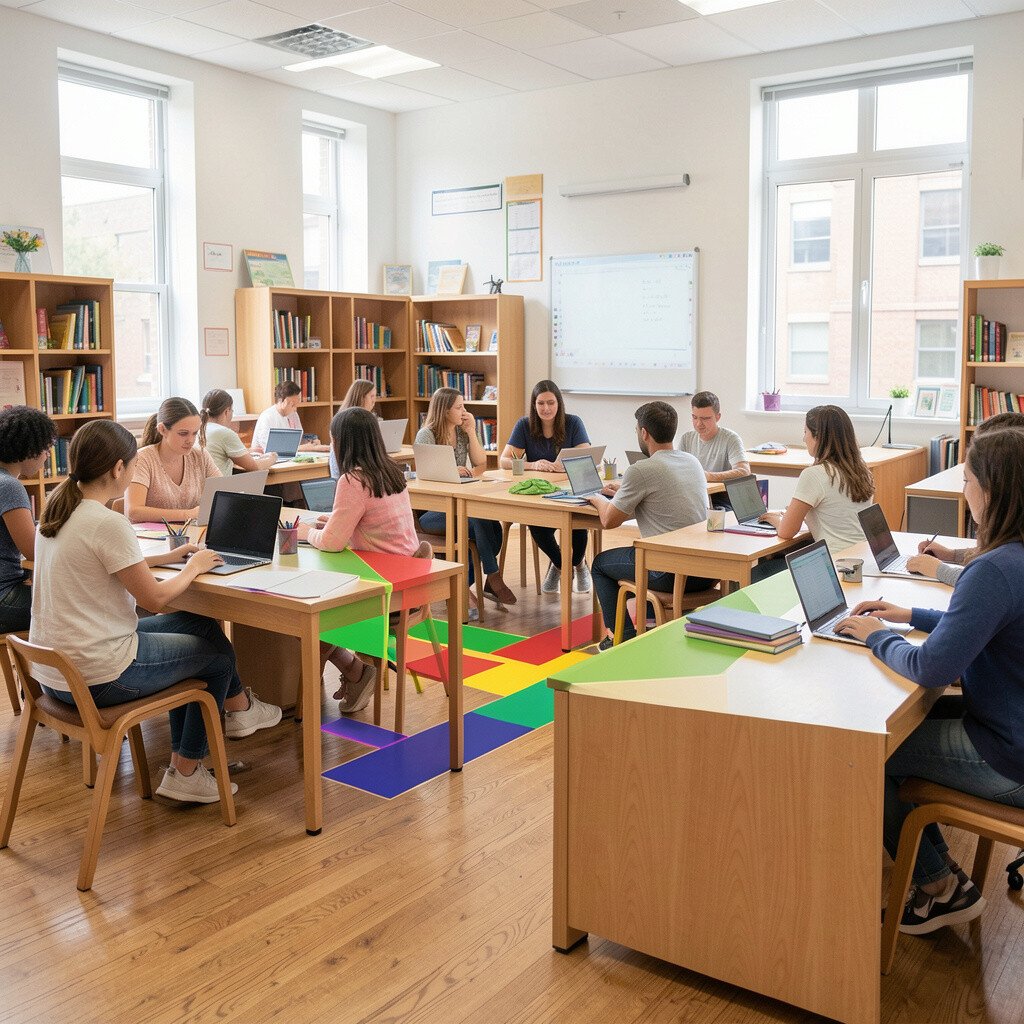
Think of a classroom where materials and directions are color-coded, such as blue for reading, green for writing, and red for problem solving. You might see folders, bins, and labels that guide students without needing you to repeat everything.
Color cues reduce confusion and make independent work easier. They also help students with organization, especially when transitions happen often. For practical tips, keep each color system consistent and show students where to find help for that color group.
To personalize, let students choose a color for their own learning tool, like a notebook, then teach them how that color connects to what they are doing. Cost considerations are simple because you can use construction paper, colored tape, and labels instead of buying new storage systems.
10. Community Connection Through Guest Voices

Picture your classroom walls showing local faces and community topics, with photos, maps, and short notes from visitors. A small schedule board can show when guests will join by video call or in person, plus what questions students plan to ask.
Real voices make learning feel meaningful, because students see how skills matter outside school. It also builds vocabulary and confidence when students prepare questions and listen actively. Practical steps include collecting student questions ahead of time and creating a simple reflection prompt after each visit.
Uniqueness can come from focusing on stories that match your community, like a firefighter explaining safety, a librarian sharing research tips, or a local artist demonstrating creative process. For budget, use partnerships with libraries, community groups, and alumni networks that often love to share their time.
11. Assessment-Friendly Progress Displays
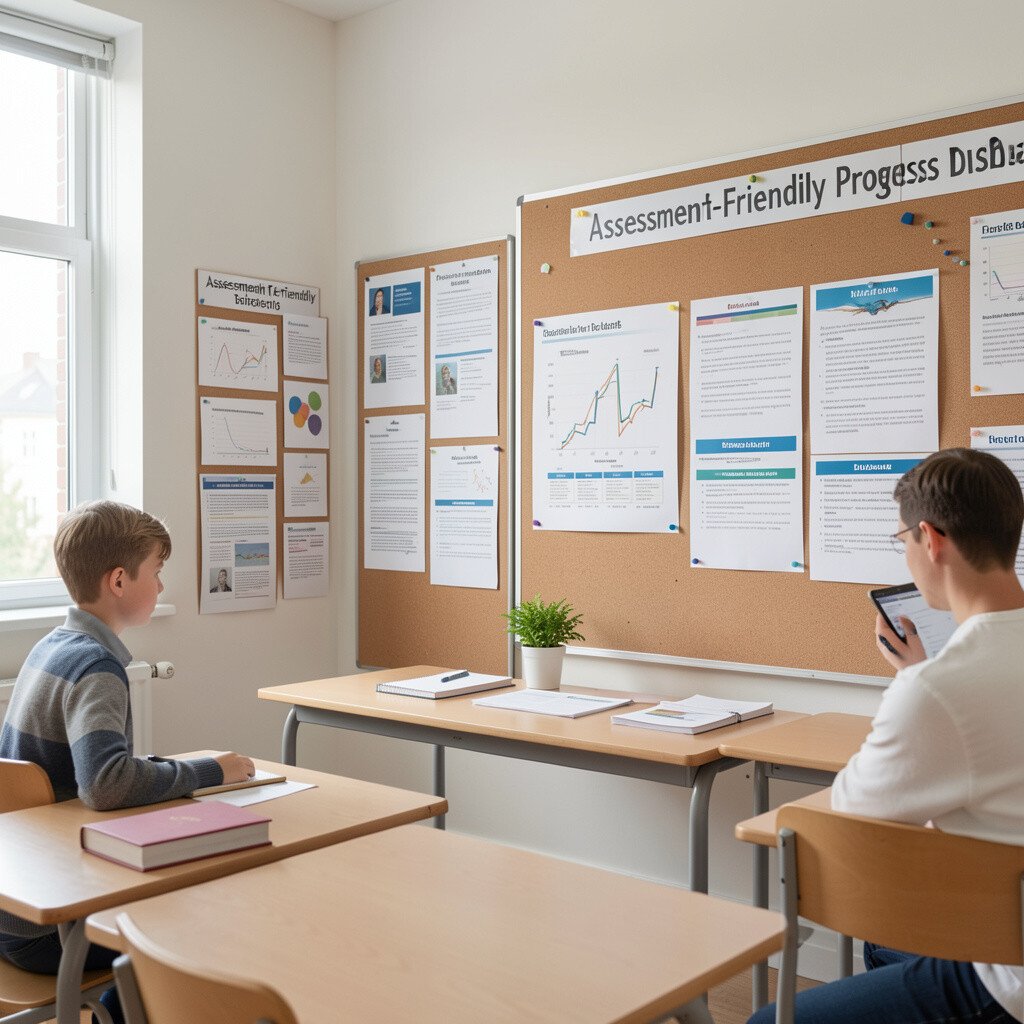
See a progress chart that does not feel harsh, with clear goals and friendly language that shows what students can do now. You might use checkmarks, stickers, or short written feedback samples posted in a “work in progress” way.
When assessment is visible and gentle, students understand expectations and feel less anxious. It also helps you plan next steps because you can spot patterns quickly. To keep it practical, use small, frequent checks and allow students to update their display after practicing and revising.
Personalize progress by letting students choose a goal they want to strengthen, then celebrate a specific improvement, like adding details or using a new strategy. Cost can stay low because you can print progress trackers on regular paper and store them in binder pockets.
12. Choice Libraries With Student Curated Books
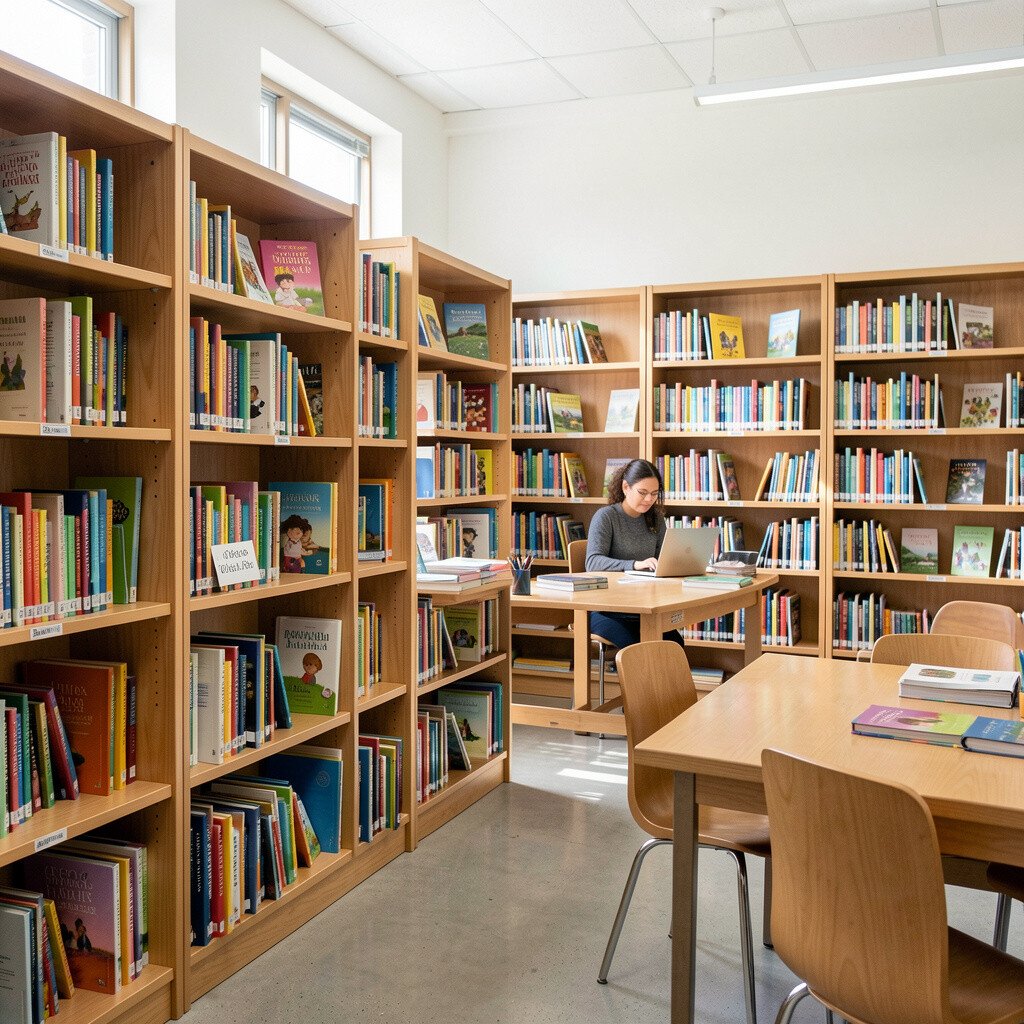
Imagine a reading area with a bright selection of books arranged by theme, interest, and reading level, including graphic novels, nonfiction, and audiobooks. Students can browse easily, and you may see handwritten labels made by previous students explaining what they liked.
A choice library builds reading stamina because students can pick topics that match their curiosity. It also improves comprehension since students practice texts they actually want to read. Start by reserving one small cart or shelf and set a rule that books can be switched after a short check-in, like one question or one page read.
Uniqueness comes from student curation, where learners recommend books and create mini blurbs in their own words. For personalization, let students rotate themes like “animals,” “sports,” or “space,” and invite them to include local authors if available. Cost considerations can be managed by borrowing through the library, using donations, and swapping books with other classrooms.
13. Task Cards for Independent Problem Solving
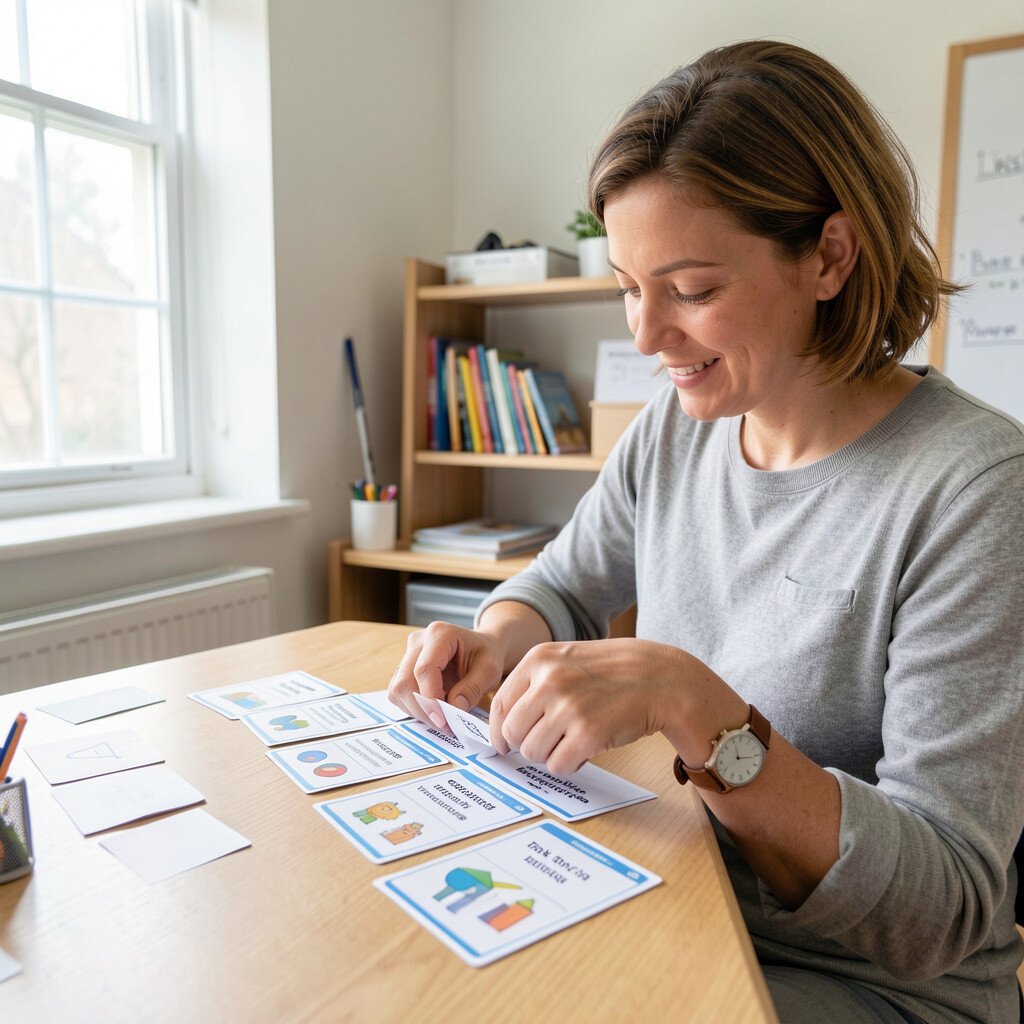
Picture a desk organizer with task cards that students can pick up when they are ready to work independently. The cards might include step-by-step visuals, answer checks, and “try again” prompts, so learners can keep going even when you are busy.
This environment supports confidence because students know how to start, how to attempt, and how to get unstuck. It also frees you to provide small-group support while others practice using a consistent system. For practical tips, include a short challenge range on cards so students can choose a level that feels just right.
To personalize, allow students to add their own tips to cards, like “underline the key word” or “draw a quick picture.” Cost stays friendly since task cards can be made from index cards, recycled paper, and free printable templates you adapt for your class.
As a current trend, many teachers now blend paper supports with digital feedback, using simple audio answers or quick quizzes to confirm learning. If you try that, keep instructions clear and pair them with a quiet offline option for students who learn best away from screens.