
A table can feel drab in seconds, yet it can glow with the right small details. Floral accents are an easy way to add warmth, color, and cheer.
When you mix flowers with thoughtful extras, your centerpiece looks styled instead of hurried. Even simple setups can feel special when the accents match the mood of your day.
1. Citrus Slices With Fresh Blooms

Bright citrus slices make flowers look instantly lively. Place thin orange or lemon rounds near the base so their warm color echoes the petals.
You can choose white blooms for a clean look or add soft pinks for a gentle, sunny feel. This accent also brings a fresh vibe to the room and gives guests a little something to notice. For practical results, keep slices away from direct water so they don’t get mushy too fast.
If you’re working on a budget, use citrus you already have at home and swap expensive fillers for herbs and greenery. A modern trend is pairing “edible styling” with florals, like citrus, berries, or small sprigs of mint. Personalize the look by using candied citrus for a more formal dinner, or by tying the zest to the color theme with ribbon.
2. Floating Candles in Clear Glass
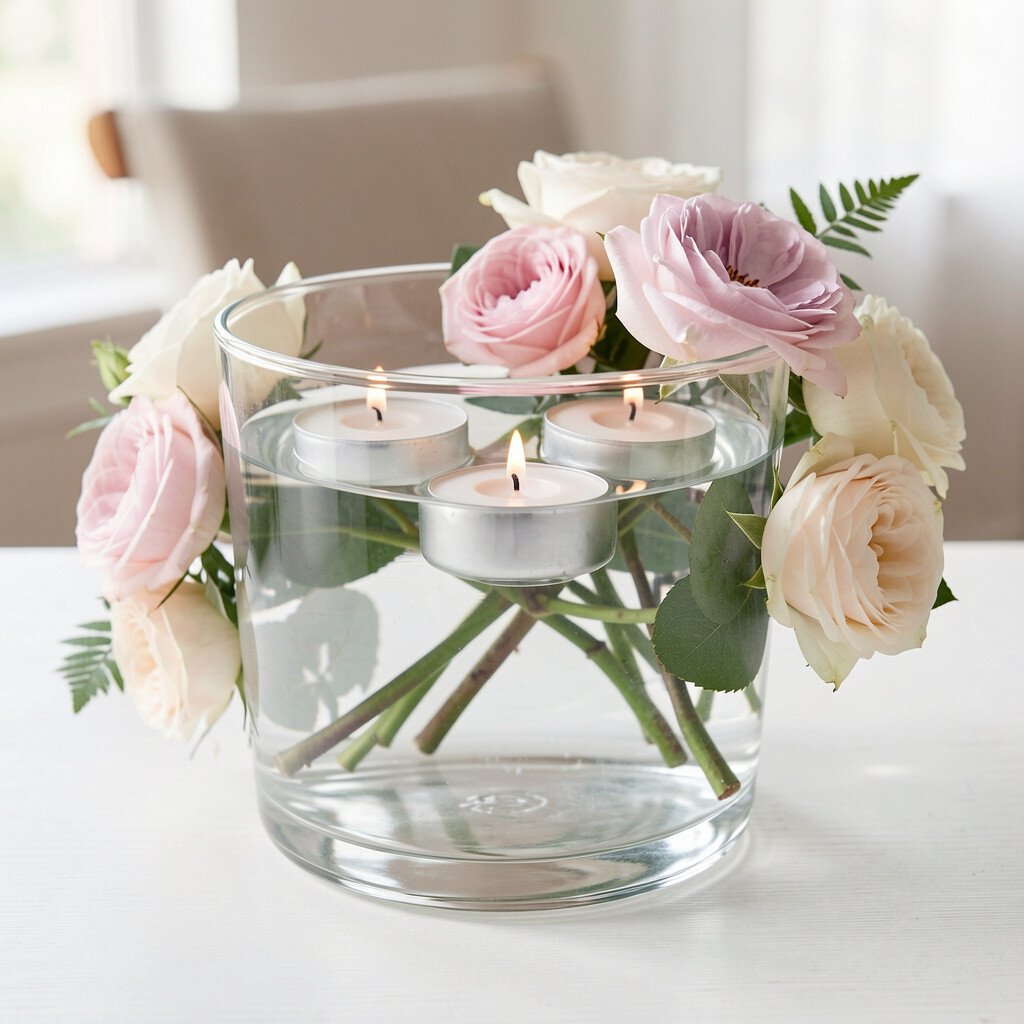
Floating candles inside clear glass add instant glow beneath the flowers. When you set a small cluster of blooms on top, the candlelight makes petals look deeper and richer.
This accent feels both cozy and polished, especially for evening gatherings. It also helps guests focus on the centerpiece because the light draws the eye. For a simple setup, use a shallow bowl with a steady base and trim stems so they sit above the flame safe zone.
To keep things practical, choose flameless candles if you want extra safety and worry-free styling. You can also buy inexpensive votives and display them in a way that looks upscale. Personalize the candles by matching the glass color to your dishware or by adding a sprinkle of faux petals for extra sparkle.
3. Herb Twigs for a Garden-Fresh Accent

Herb twigs bring a garden feel without requiring an entire yard. Try rosemary, thyme, or sage tucked around the flowers so the arrangement looks full and natural.
The green tones blend well with almost any flower color, from bold geraniums to soft baby’s breath. You’ll also get a pleasant aroma that makes the table feel welcoming. For a practical touch, lightly rinse herb stems and pat them dry before arranging so they don’t waterlog the flowers.
This is a unique way to reuse seasonal greens from your kitchen. It’s also a budget-friendly trick because herbs are often cheaper than fancy fillers. Personalize the look by tying herb sprigs with twine and adding a tiny tag with the dish you’re serving.
To keep the arrangement looking fresh, mist herbs lightly and change water if you notice cloudiness. A current trend is “living styling,” where edible or aromatic elements add meaning to the table. When your centerpiece smells like cooking herbs, it feels like the meal belongs to the home.
4. Color-Blocked Ribbon Wrapped Stems
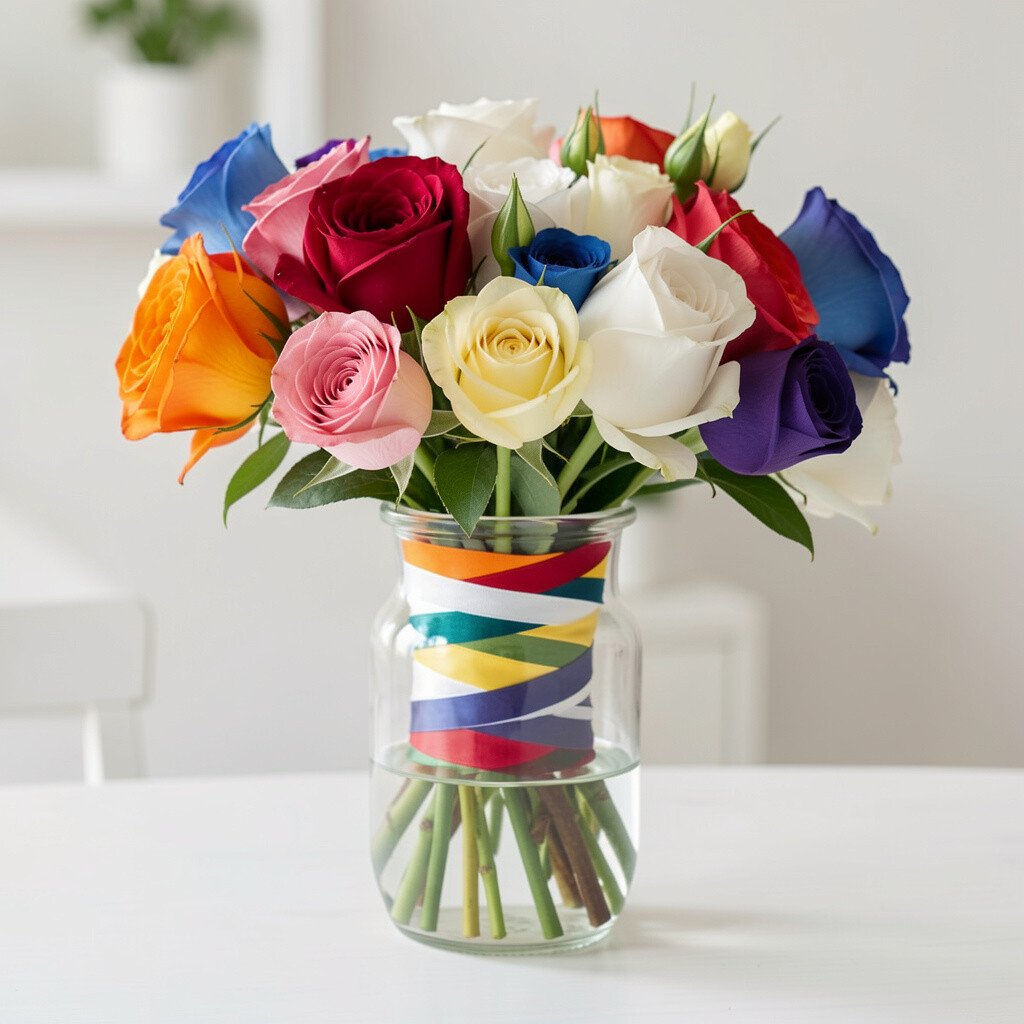
Ribbon can make floral accents feel designed, not accidental. Wrap thin strips around the stems near the base and let the colors peek out like little flags.
Choose shades that match your napkins, tablecloth, or even the vibe of your menu. This small detail boosts the visual pop and makes the centerpiece look cohesive. For practical styling, use ribbon that won’t wilt, and secure it with floral tape so it stays in place.
For uniqueness, try unexpected color pairs like mustard with blush or teal with peach. You can also use sheer ribbon for a soft, airy look that feels modern. If you want to keep costs down, use scrap ribbon from gifts or sewing supplies rather than buying new.
Personalize by tying different ribbon colors for each side of the table or by using one ribbon shade for the host seat. This trend of “intentional color coding” shows up a lot in seasonal décor and photo-friendly tables.
5. Ceramic Bud Vessels Along the Table Edge
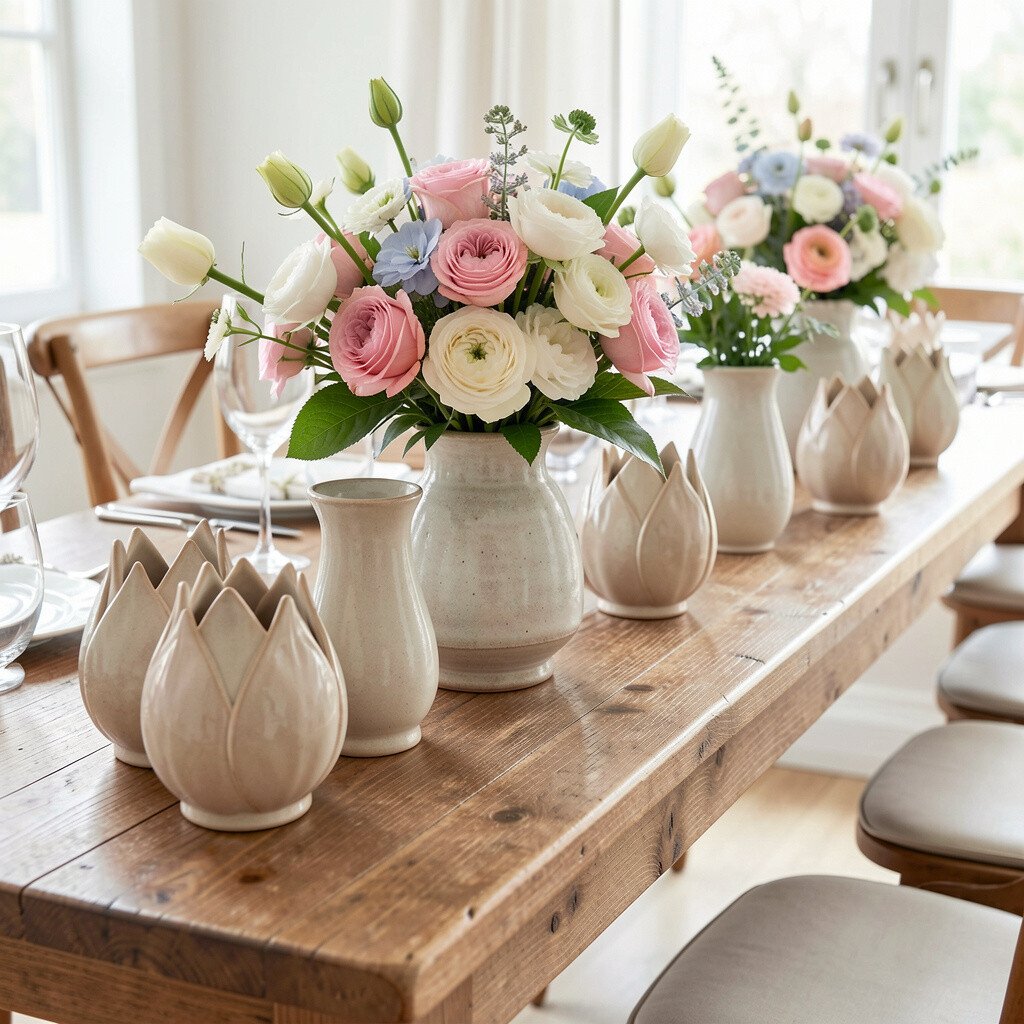
Instead of one tall centerpiece, try several small ceramic bud vessels. Line them near the table edge so each one acts like a bright little lantern.
This arrangement style looks lively because it creates a ribbon of color across the room. It also helps guests enjoy the flowers without blocking conversation. For practical setup, use matching or coordinating ceramics and keep the flower heights similar so the visual line stays neat.
To keep costs manageable, shop thrift stores or local craft markets for mixed ceramics. You can also repurpose small jars and paint them with craft paint for a custom look. Personalize by choosing vessels with your favorite patterns or by adding a tiny monogram on each one.
6. Floating Flower Heads in Water Beads
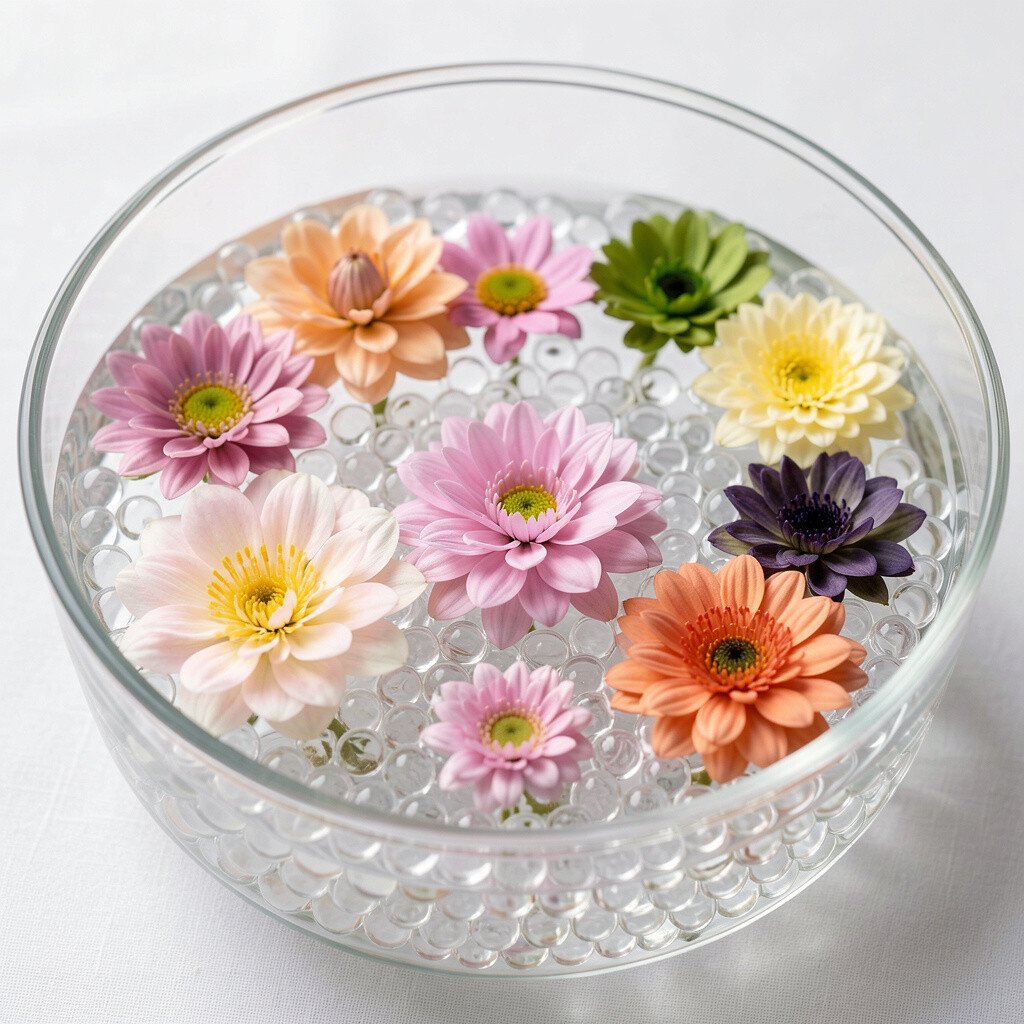
Water beads under a few floating flower heads look like tiny pearls. The effect feels playful and modern, especially for spring and summer tables.
This accent adds texture, so even simple flowers feel fancy. It also brightens the table without needing lots of bulk materials. For practical tips, rinse beads well, use clear containers, and choose flower heads with sturdy petals that float nicely.
For a unique twist, use beads in a soft color that matches your palette, like pale blue or warm gold. You can also mix in a few green leaves for contrast. Personalize the look by selecting flower colors based on your main dish colors, so everything feels planned.
Cost-wise, water beads can be inexpensive in small quantities, but you might need to buy them once to get the look. A current trend is “wet-glass” styling, where clear elements and gentle textures create a spa-like feeling. When you keep the setup tidy, it photographs beautifully and stays eye-catching.
7. Wildflower Clusters With Mini Mason Jars
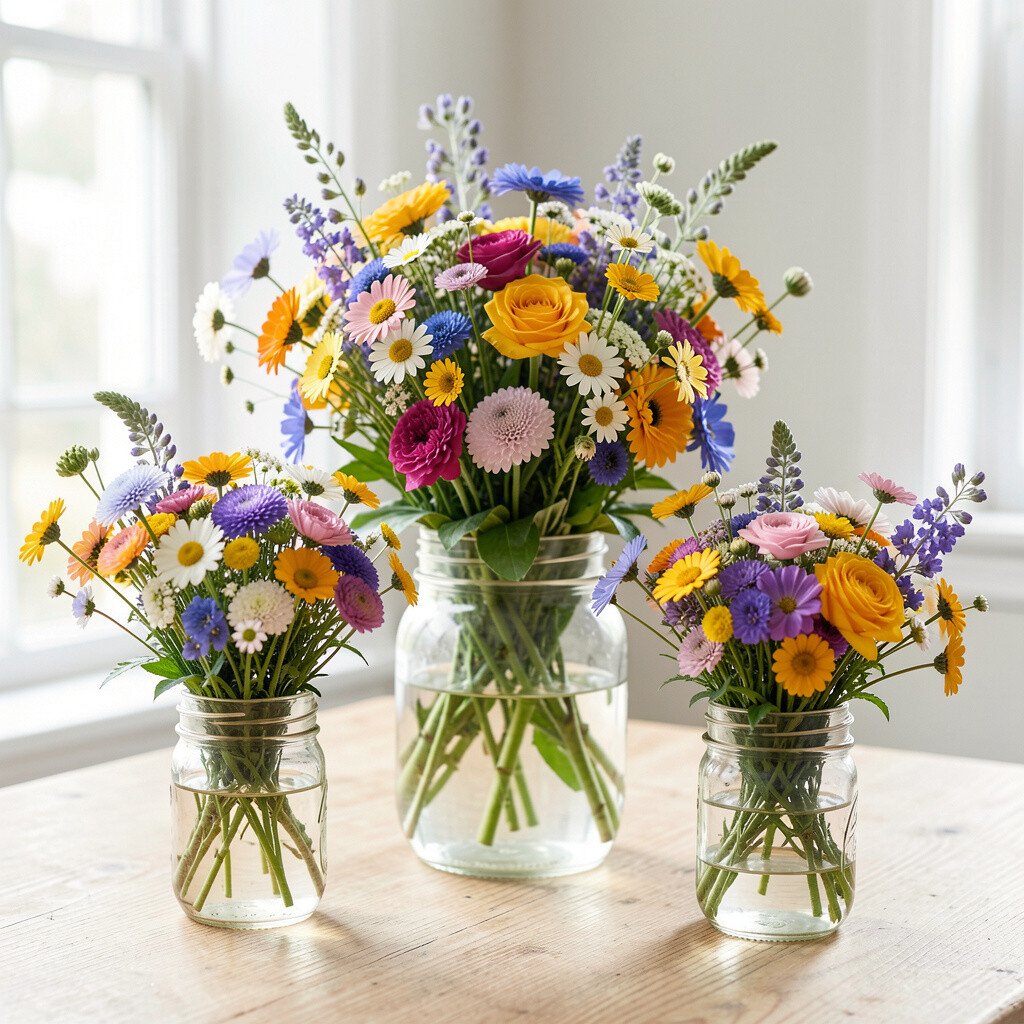
Wildflower clusters feel free and warm, like a bouquet picked on a sunny walk. Place them in mini mason jars for a rustic yet friendly look.
The small jar size makes it easy to spread flowers across the table so every place setting feels included. It’s also a practical choice because you can swap jars out as flowers fade. To keep things fresh, trim stems and refresh water regularly, especially if the room is warm.
This is a unique centerpiece accent because wildflowers naturally vary in shape and color. That variation makes your table look authentic instead of overly perfect. Personalize it by choosing blooms that match your season, like daisies for spring or sunflowers for summer.
8. Dried Flower Petals in a Glass Bowl
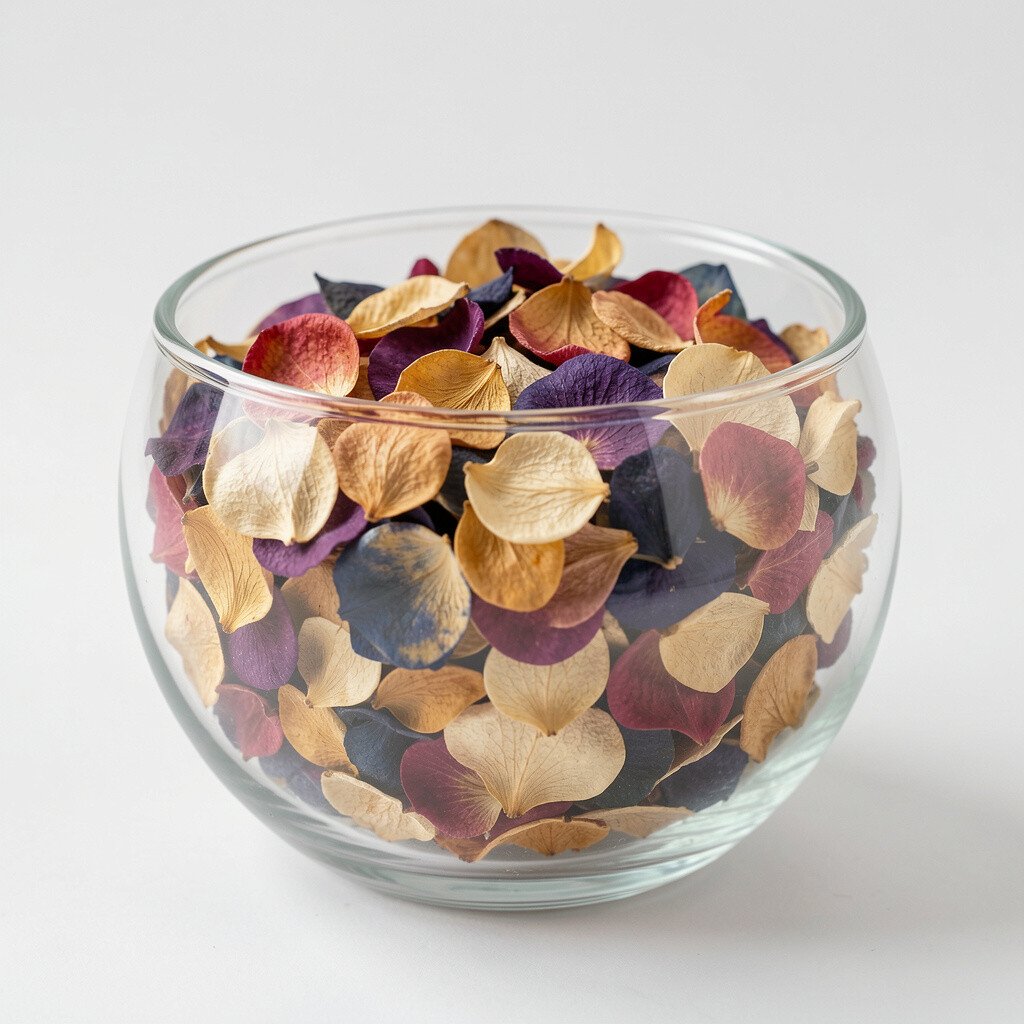
Dried petals look soft and elegant, and they last much longer than fresh blooms. Scatter petals in a clear glass bowl and add a few small fresh accents if you want extra life.
This adds color without heavy maintenance, which is great for busy hosts. You’ll also get a unique, textured look that feels artsy and calm. For practical results, keep the bowl away from moisture and handle petals gently so they don’t crumble too quickly.
Cost considerations are friendly here since dried flowers can be reused and often stay affordable. You can buy dried bundles or dry your own florals if you have time. Personalize the vibe with a light scent option, like a tiny drop of essential oil on a cotton ball placed inside the bowl lid area.
9. Oversized Leaves as a Center Stage Base
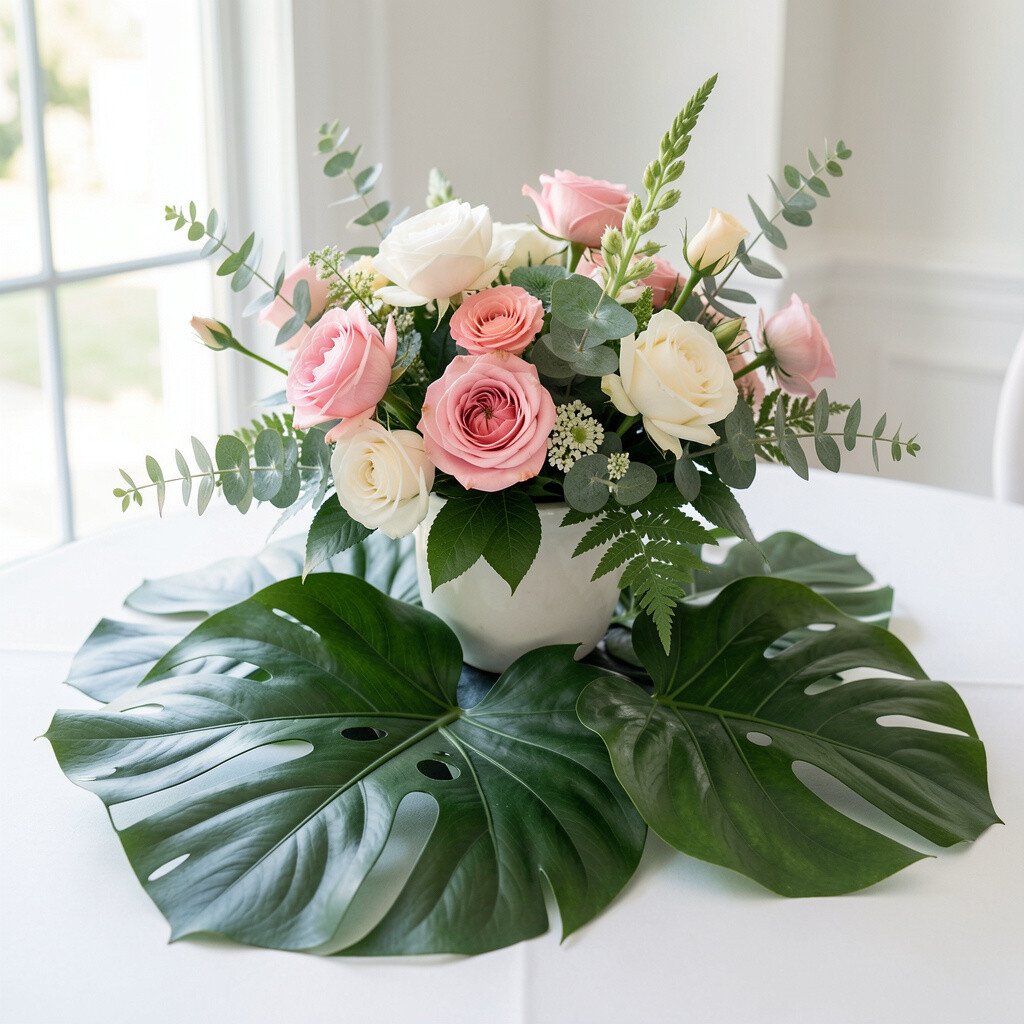
Large leaves can act like a stylish base for smaller blooms. Try magnolia leaves, monstera leaves, or even fan-shaped greenery for dramatic shape.
This accent makes your centerpiece feel full even when you use only a few flowers. It also adds natural structure, so the arrangement holds its look longer. For practical tips, remove damaged leaf edges, pat them dry, and use floral foam or a shallow container to keep them stable.
For uniqueness, combine leaf types in two textures, like glossy and matte. You can also add a single bright bloom on each end to balance the table. Personalize by matching leaf colors to your theme, such as olive greens for an earthy dinner or deep greens for a rich holiday table.
10. Berry Branches With Soft Pink Roses
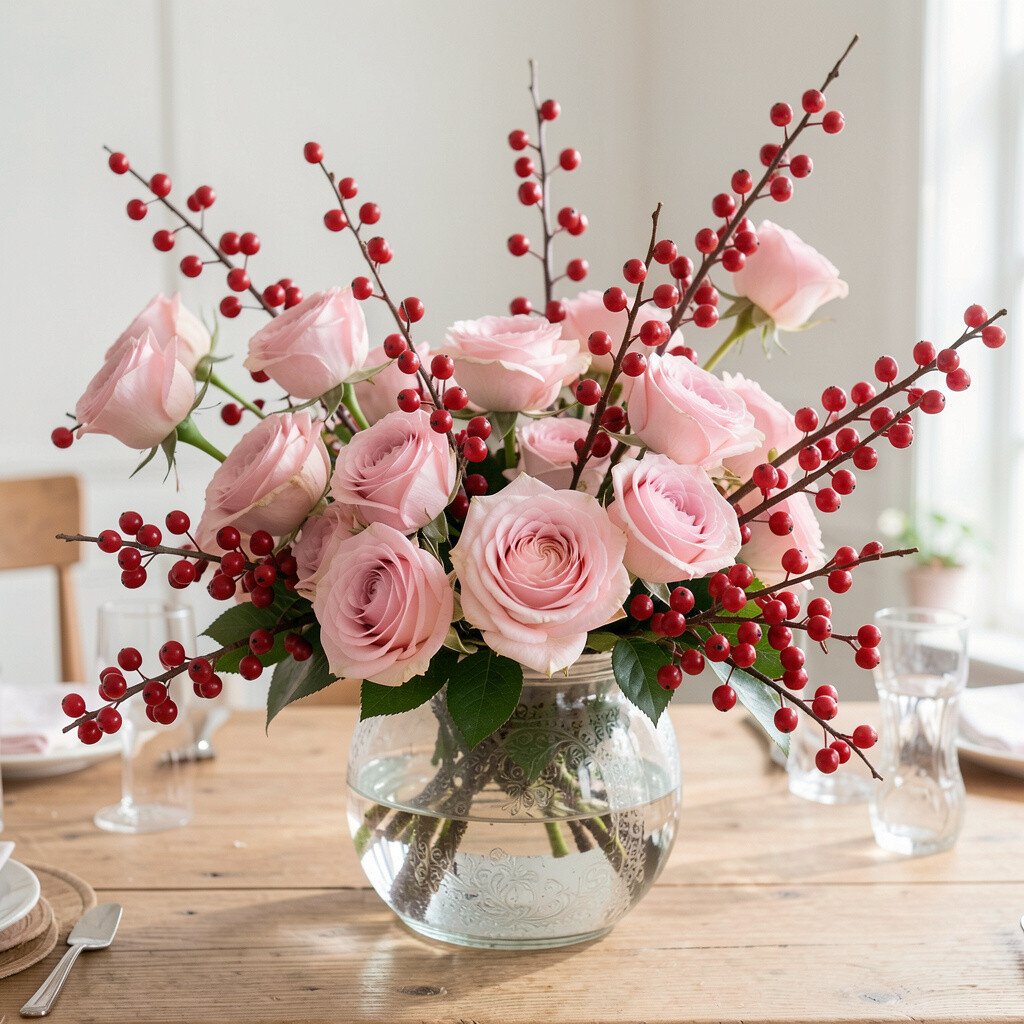
Berries add a burst of color that feels both festive and natural. Pair berry branches with soft pink roses for a gentle, romantic accent.
This combination creates a centerpiece that looks lush without needing a huge budget. It also works well for holidays, birthdays, and everyday celebrations because berries feel “special.” For practical styling, keep berries higher than water line and use floral tape to secure branches in place.
Uniqueness shows up when you mix berry tones, like red with small touches of white or purple. You can also add tiny greenery sprigs to help the berries blend smoothly. Personalize the centerpiece by tying a ribbon around the vase that echoes your napkin shade or centerpiece holder color.
11. Pampas Grass With Minimal Flower Picks
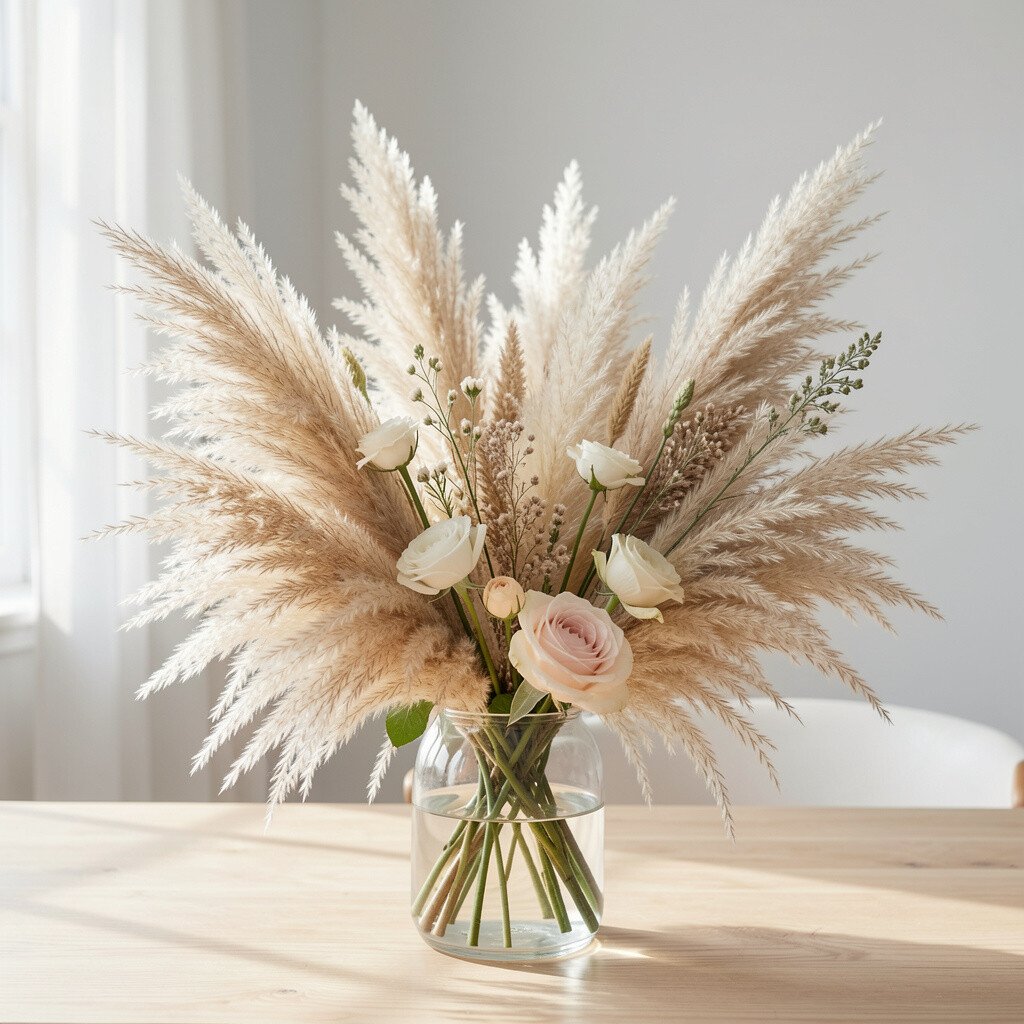
Pampas grass brings a tall, airy look that instantly changes the mood of a table. Pair it with minimal flower picks like daisies, ranunculus, or small roses for a balanced arrangement.
This accent is trending because it creates a soft, modern vibe with less clutter. It also makes cleanup easier since fewer stems are needed to create impact. For practical tips, trim the grass ends evenly and place it in a weighted vase so it stands steady.
Cost considerations can be friendly since a small bundle of pampas can go a long way visually. You can also reuse it in other décor after the table setting by moving it to a shelf. Personalize by using warm neutrals for an elegant dinner or by adding one bold color bloom for contrast.
12. Flower-Top Teacups for a Sweet Surprise
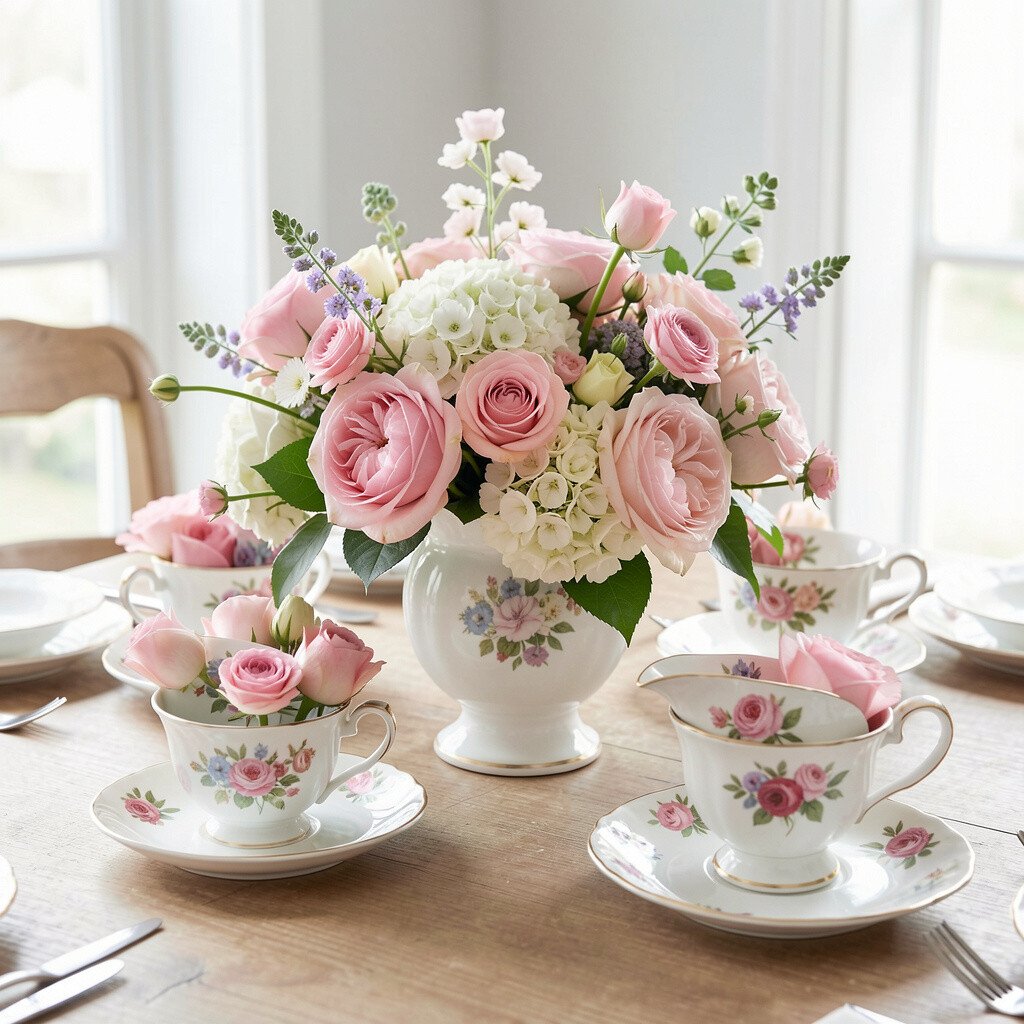
Teacups filled with small blooms feel charming and intimate. Choose cups with matching saucers, then add a few stems so each cup becomes a mini accent.
This is a great option if you want flowers at every place setting without a big centerpiece. It also encourages conversation because guests notice the details. For practical setup, keep water shallow and use mini flower holders or foam to support stems safely.
To keep the look unique, mix patterns lightly, like stripes with florals, as long as you repeat a color. You can also spray-painted thrifted teacups for a coordinated set. Personalize the cups by matching the bloom color to each guest’s favorite or by adding a small spoon-sized tag near the handle.
13. Succulent Rows in a Long Tray
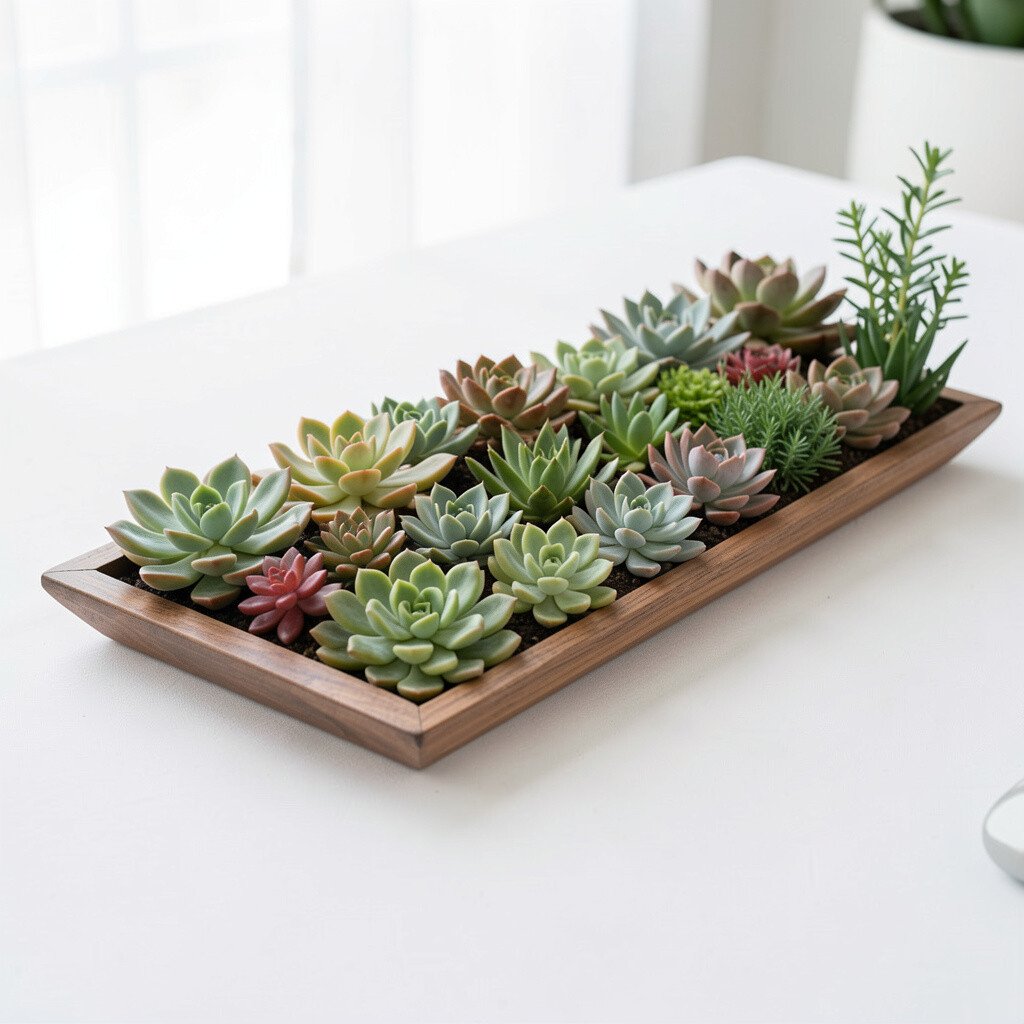
Succulents bring a modern, low-fuss accent that still feels warm. Arrange them in a long tray and tuck tiny flowers between the rosettes.
This centerpiece idea keeps maintenance simple and can last far beyond a one-day event. It also looks crisp and structured, which is perfect for clean-lined tables. For practical tips, choose a tray with a lip and use small planters inside to manage water.
Uniqueness comes from mixing textures, like smooth jade with spiky varieties. You can also add one bright flower stem per corner to give a pop of color. Personalize the tray by tying twine around the handle area or placing name cards in small soil mounds.
14. Floating Single Bloom in a Bud Vase
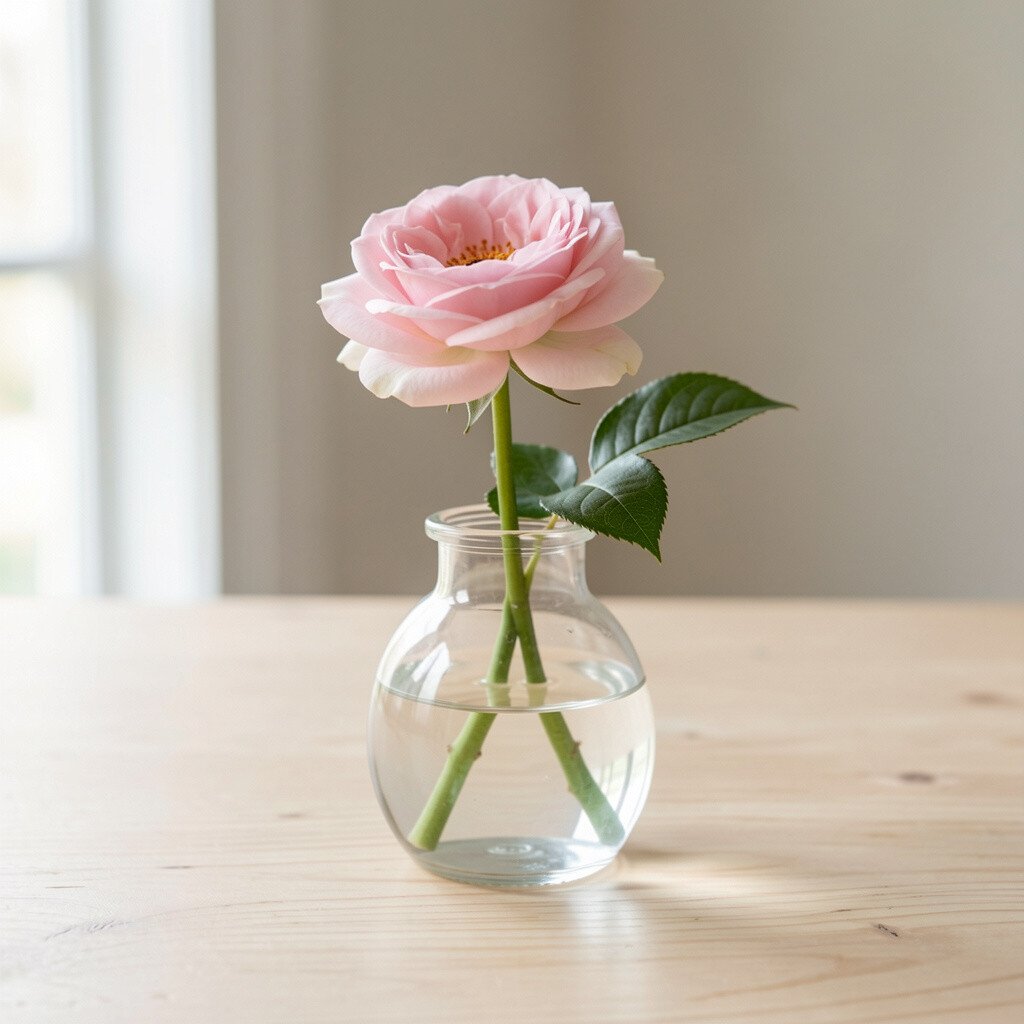
A single bloom in a slender bud vase can look surprisingly elegant. Place one flower head in each vase and cluster them at the center or around a runner.
This accent is minimal but not boring, because it creates rhythm across the table. It also helps you control cost by using fewer flowers while still getting a stylish effect. For practical tips, trim stems evenly and keep water levels consistent so every vase looks neat.
To make it unique, vary the flower type slightly, like combining one rose with a tiny hydrangea head or a few fresh petals. Personalize by choosing bloom colors based on your tableware, so the accents feel planned. This kind of “less but better” styling is a current trend in modern gatherings.
15. Vintage Lace and a Slim Bouquet
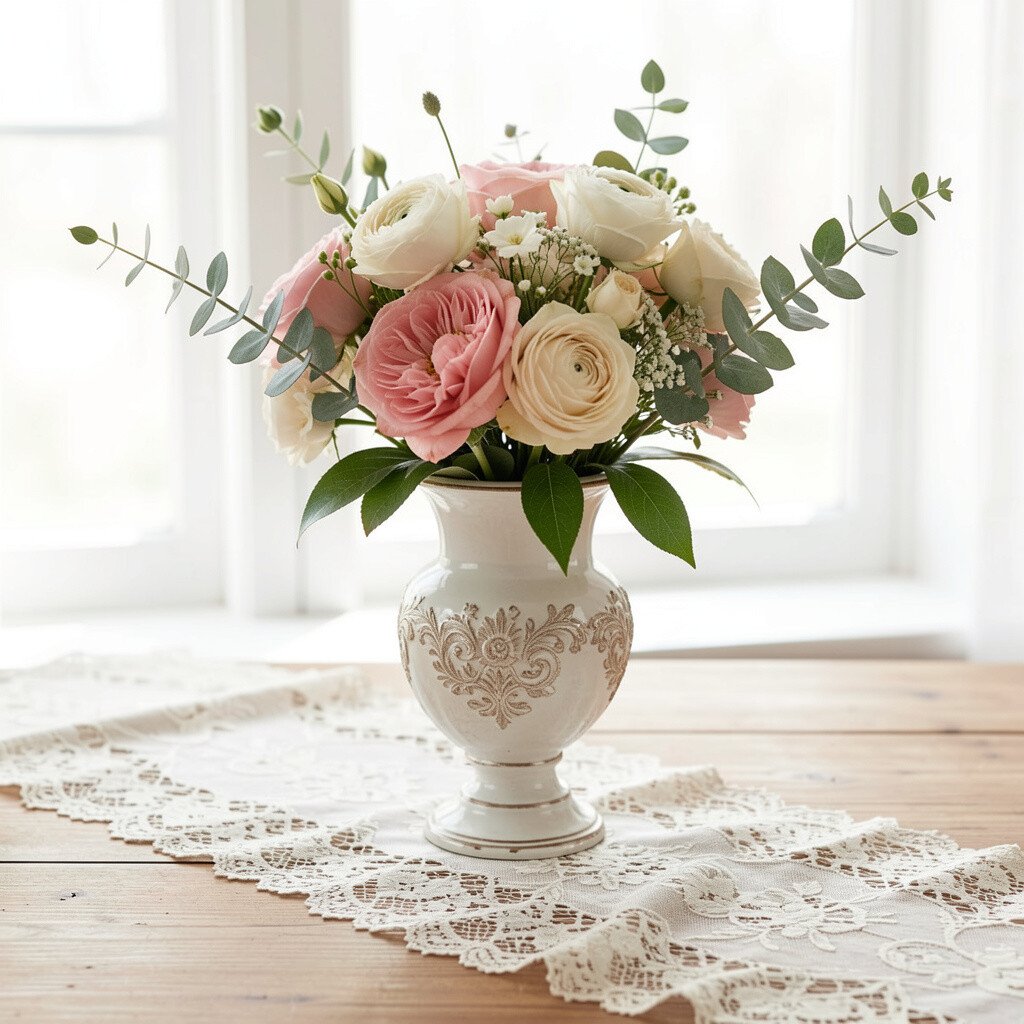
Vintage lace under a slim bouquet adds softness and a touch of old-world charm. Drape lace lightly at the base of a vase so the fabric frames the flowers.
This accent feels special and works beautifully for brunches, bridal showers, and birthdays. It also helps the centerpiece look styled even if you use only a few stems. For practical tips, choose lace that won’t shed too much and avoid heavy fabric that might drag into water.
Cost considerations are often great since lace can come from old linens or craft stores. You can also repurpose doilies by cutting them to fit under your vase. Personalize with embroidery colors that match your theme, or add a single charm near the ribbon tie for a sentimental touch.
16. Bottle Vase Mix With One Signature Flower
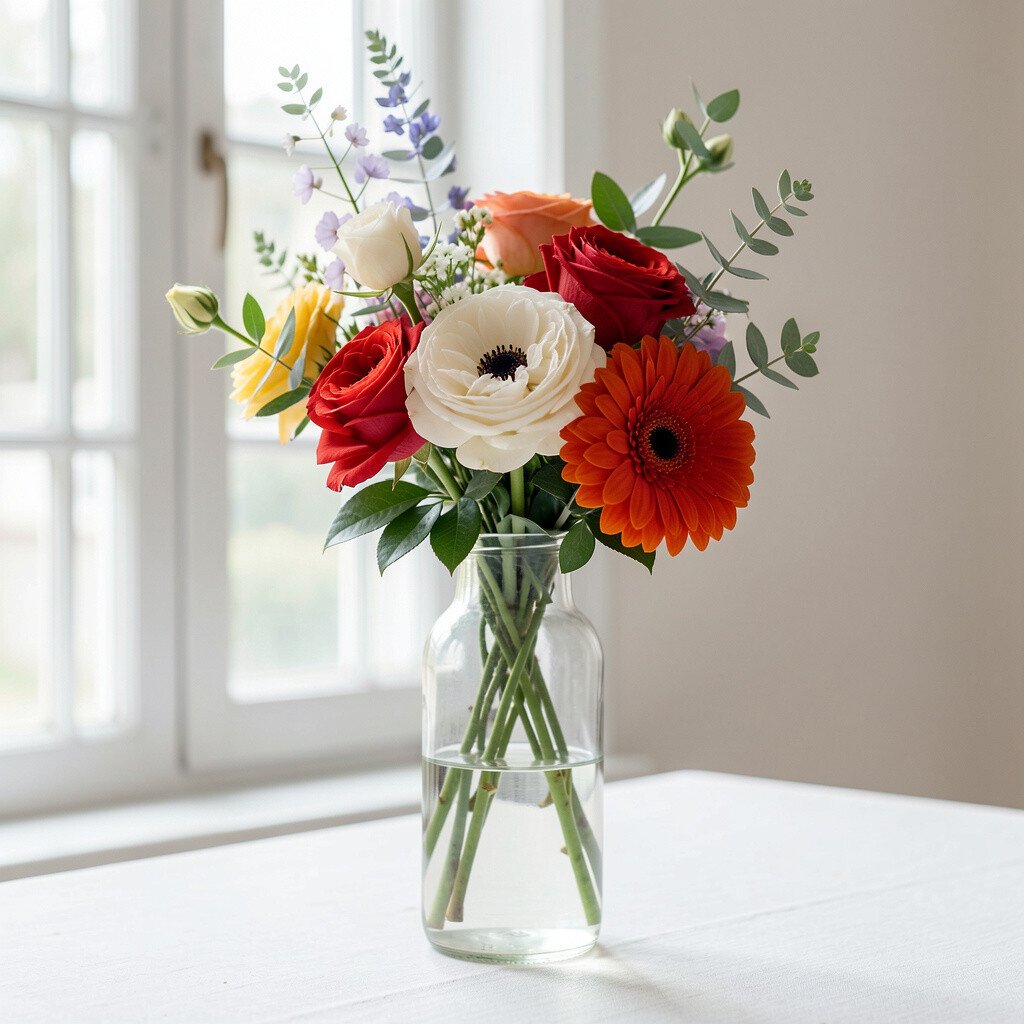
Mixing bottle vases gives your table a curated, artsy look. Use different sizes, then choose one signature flower as the repeating element.
This makes the arrangement feel unified even when the containers vary. It also boosts uniqueness because no two bottle sets look the same. For practical setup, rinse bottles well, secure them on a tray for stability, and keep stems trimmed so heights stay balanced.
For cost considerations, thrift stores are your best friend for glass bottles, and you can often find them for very little. Personalize the look by coloring bottle glass with spray paint or using clear bottles with colored candles for a coordinated glow. A trend you’ll see often is repeating one flower type across multiple containers for a “gallery wall” effect on a tabletop.
17. Floating Greenery Ribbons Around the Vase

Greenery ribbons add movement around a vase without needing extra flowers. Use long strips of basil, mint, or leafy greens tied lightly around the container.
This accent looks fresh, especially in spring, and it helps hide the base where stems meet the container. It also makes the centerpiece feel natural and breezy. For practical tips, keep ribbon greenery on the outside, trim lengths to avoid drooping, and refresh quickly if the room is hot.
To make it unique, twist the ribbons slightly so they form gentle spirals. You can also layer different greens for depth, like mixing delicate herbs with sturdy leaves. Personalize by choosing ribbon length based on the vase height and by pairing the herb choice with the meal theme, such as rosemary for a roast dinner.
Cost-wise, this can be very affordable because herbs are often inexpensive and can double as cooking ingredients. The trend of “functional décor,” where herbs and greens have a real role, fits right into everyday hosting. Your table will look bright and fragrant without complicated shopping.
18. Flower and Fruit Combine With Grapes or Pomegranate
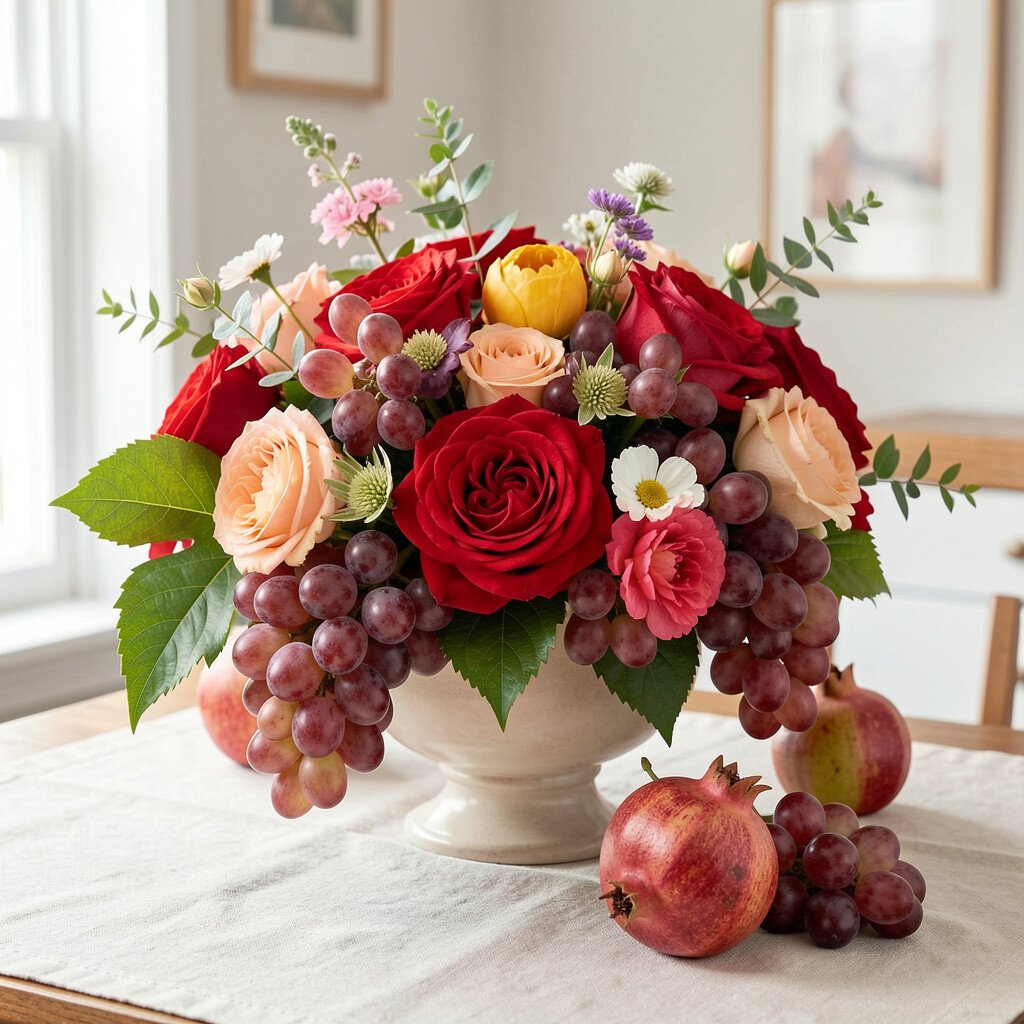
Fruit accents like grapes or small pomegranate clusters look vibrant next to flowers. They add color pop and a juicy texture that feels playful on a dinner table.
This mix can reduce the number of flowers you need while keeping the centerpiece visually full. It also brings a unique, feast-like feeling that fits celebrations and seasonal menus. For practical tips, keep fruit dry and separate from water where possible, and use a tray insert so everything stays tidy.
Cost considerations are helpful here because fruit can be cheaper than more blooms, and it’s easy to shop for. Personalize the look by matching fruit color to your flower palette, like ruby pomegranate with deep red roses or green grapes with pale white blossoms. A current trend is “table abundance,” where food-friendly items share space with florals for a cohesive look.
19. Monochrome Blooms With Shimmering Highlights
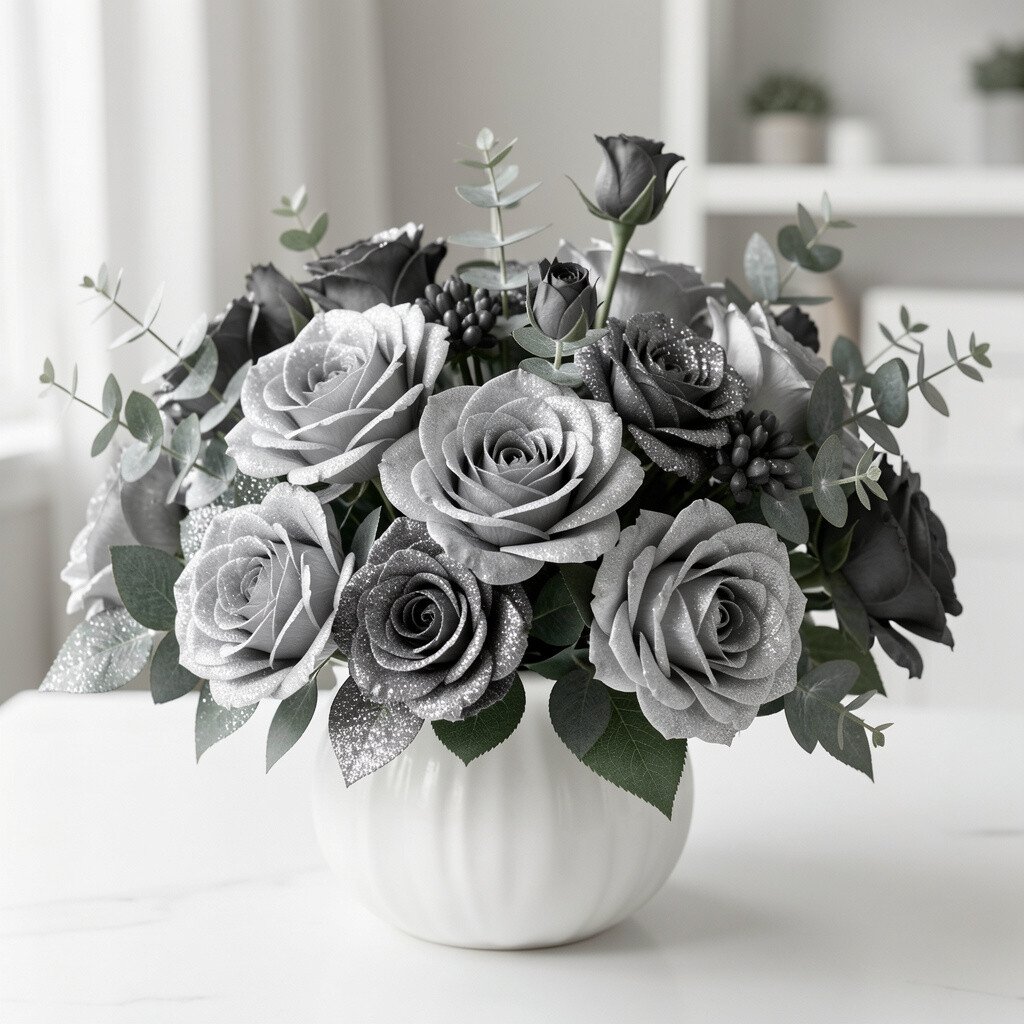
Monochrome centerpieces look sleek and calm, especially when you add subtle shimmer. Choose one color family, like white and cream, then add small sparkling details near the blooms.
This accent makes your table feel elevated without needing many different flower types. It also stays easy to personalize, because the whole look follows one color rule. For practical tips, keep shimmer away from water, use faux crystals or glitter craft touches sparingly, and keep stem heights consistent for a clean look.
Uniqueness comes from mixing textures within the same color, like matte petals with glossy leaves and soft satin ribbon. Cost considerations can be balanced by using fewer flower varieties and focusing on one “wow” element, such as a sparkly vase band. Personalize by choosing metallic tones that match your table settings, like silver for cool palettes and gold for warm palettes.
For the best effect, arrange the brightest accents near where guests will sit or where the light catches. Monochrome floral styling remains popular because it looks classy in photos and in real life.