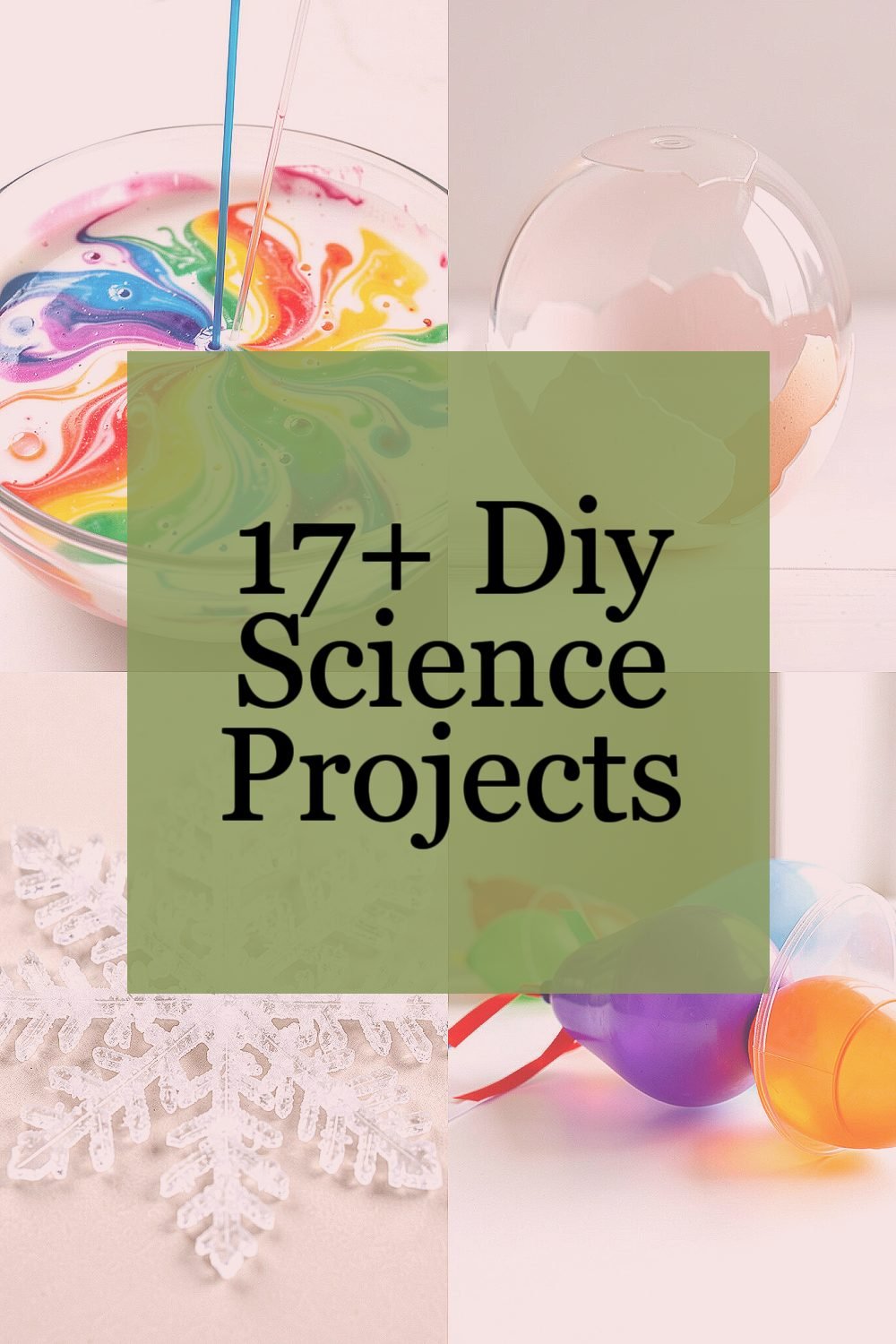
Science can feel like magic when kids get to touch it. These projects turn home supplies into bright, noisy, bubbly fun.
1. Rainbow Milk Fireworks
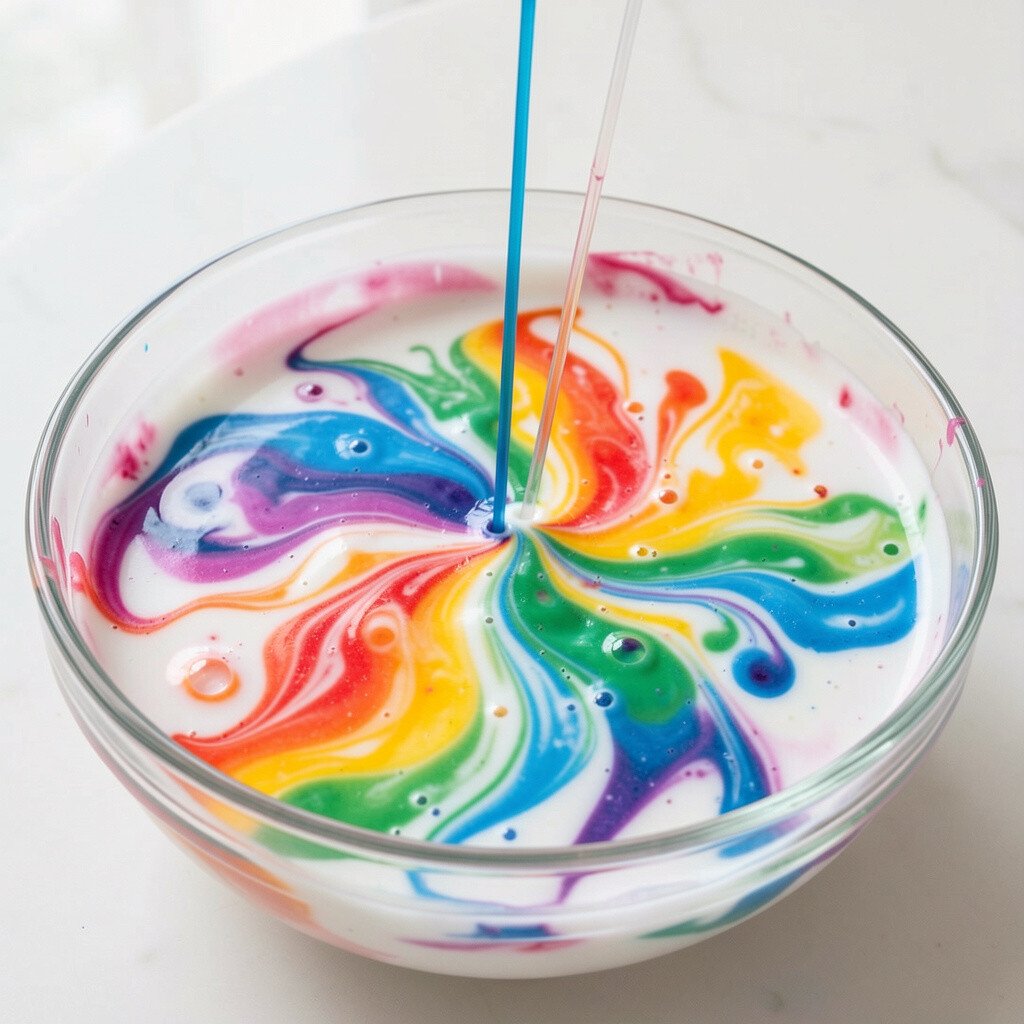
Pouring milk into a shallow dish creates a smooth white stage that looks simple at first. When food coloring and a drop of dish soap meet the surface, the colors burst and swirl like tiny fireworks.
This project is cheap, fast, and great for busy afternoons because most homes already have the supplies. Kids can change the look by using different colors, different dish sizes, or whole milk instead of low-fat milk, and the moving patterns help them notice how liquids react in surprising ways.
2. Bouncy Egg Shell Science
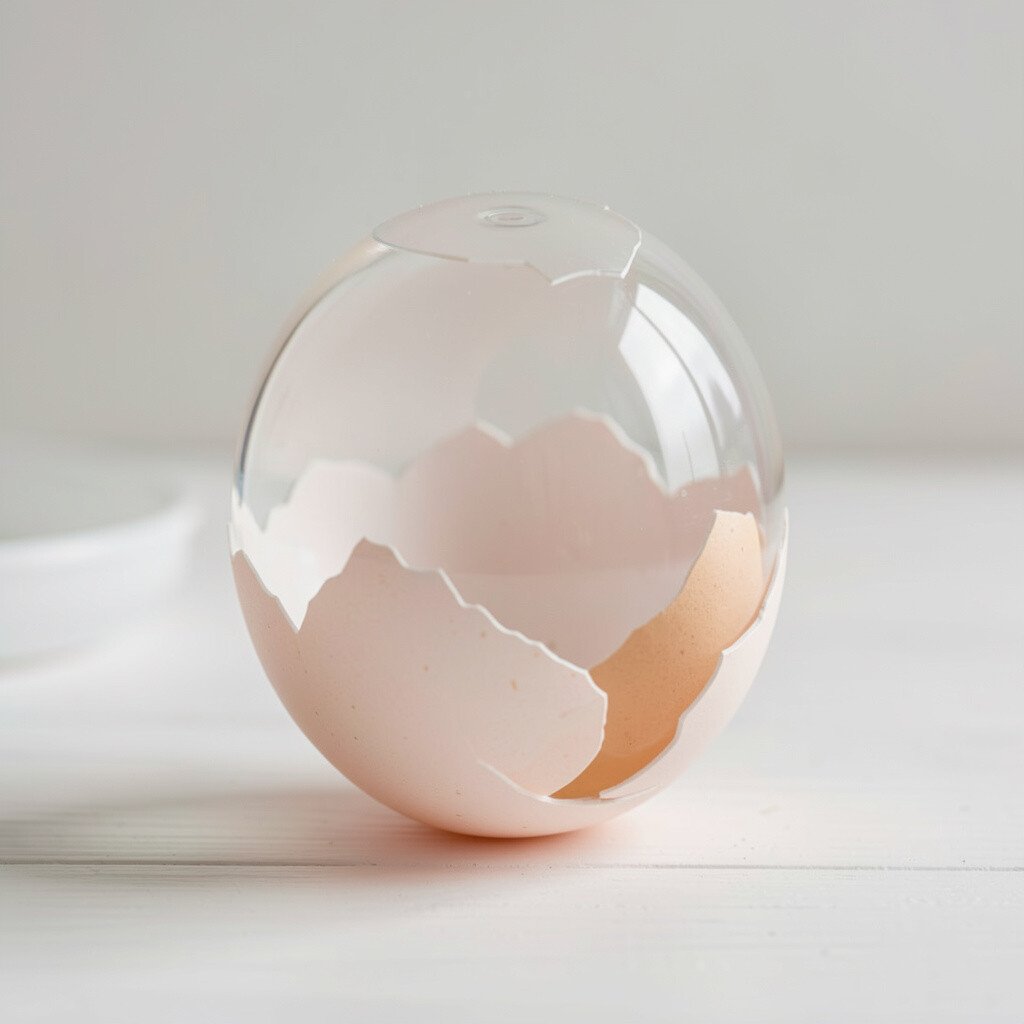
An egg placed in vinegar slowly loses its hard shell and turns into a soft, rubbery orb. The clear jar, the rising bubbles, and the change in shape make the whole thing feel almost unreal.
This is a neat way to talk about acids and shells without making the lesson feel heavy. It is also low cost since a jar, vinegar, and an egg are enough, and kids can personalize the test by using colored vinegar labels, drawing on the jar, or trying different soaking times to see how the shell changes.
Parents often like this one because it is easy to set up and gives a strong visual payoff. The egg becomes a hands-on reminder that science can be gentle, strange, and fun all at once.
3. Salt Crystal Snowflakes
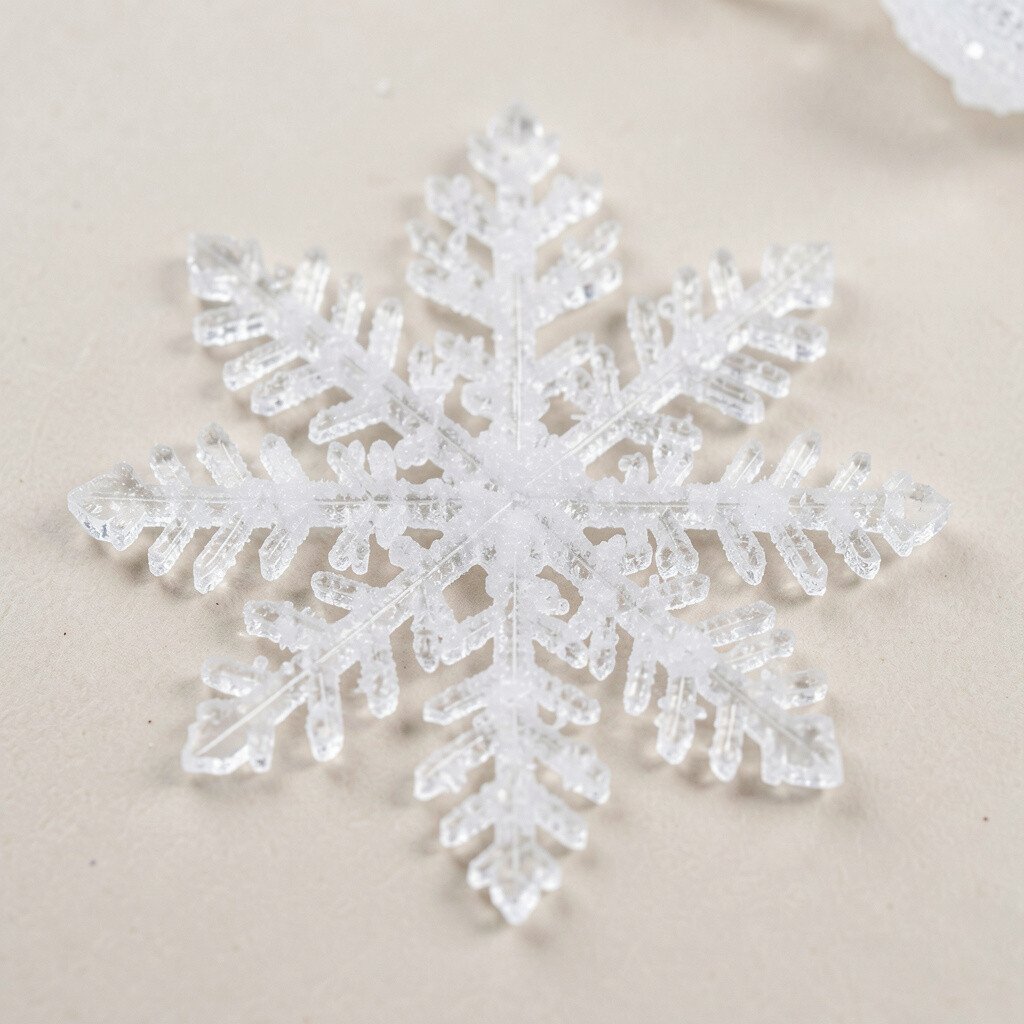
A pipe cleaner snowflake hanging in a clear jar can slowly grow sparkling crystals that look frosty and bright. As the water cools, the crystals cling to the shape and make it look like a winter decoration from a science lab.
Kids enjoy this project because the result feels special and a little like magic. It does take patience, but that waiting time is useful because it teaches that some science happens slowly, and families can make it more personal by choosing bright pipe cleaner colors, jar sizes, or even stars and hearts instead of snowflakes.
The supplies are usually inexpensive, and the finished crystal shape makes a nice room display. It also fits well with today’s maker style because children love projects they can show off later.
4. Balloon Rocket Race
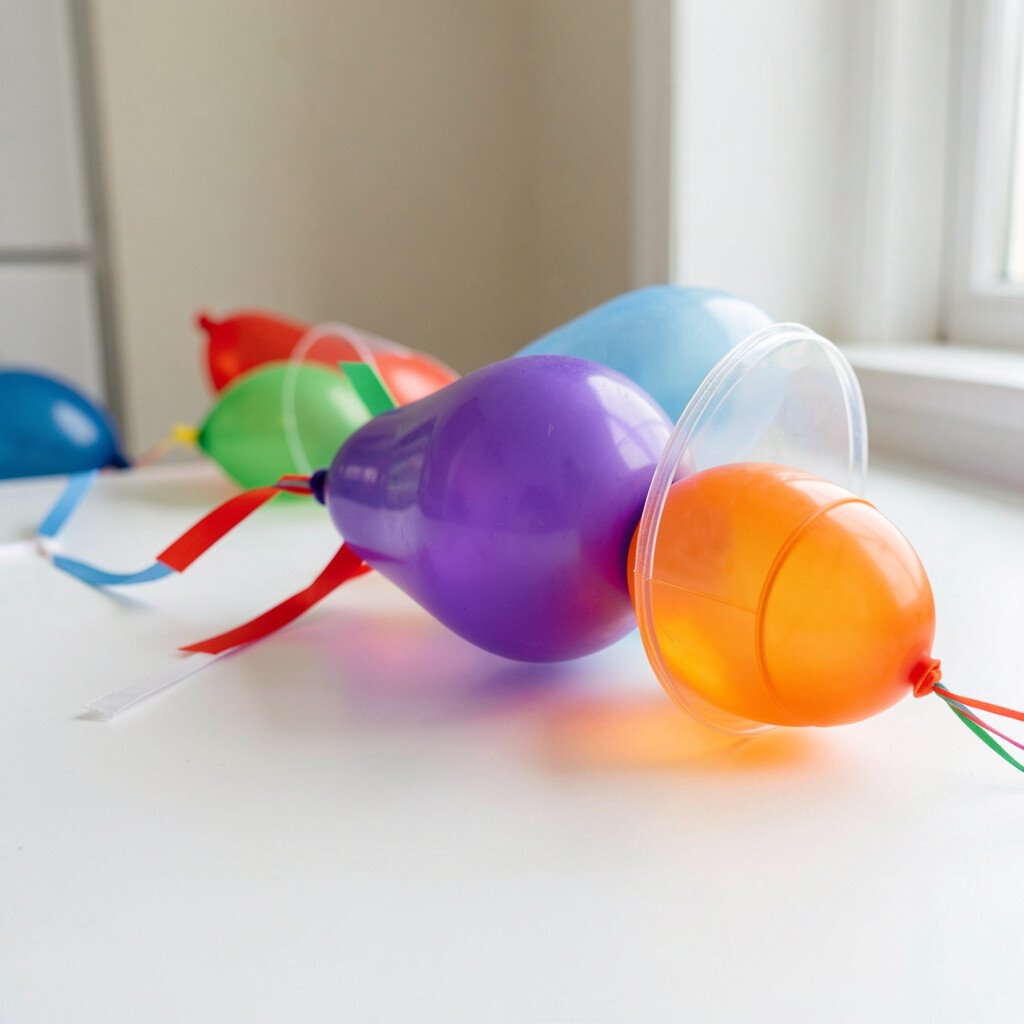
A balloon taped to a straw and threaded on a string zooms across the room when the air rushes out. The quick movement, squeaky sound, and wobbling path make kids laugh while they watch motion in action.
This project is a strong way to teach force and motion with very little setup. It is also easy to change by using longer strings, different balloon sizes, or colorful tape, and the whole idea stays budget friendly because balloons and string are cheap.
Kids can race two balloon rockets side by side and compare which one goes farther. That simple test turns playtime into a real science moment that feels exciting instead of boring.
5. Walking Water Rainbow

Several cups lined up with water and food coloring can slowly create a rainbow that seems to crawl from one cup to the next. The paper towels act like tiny bridges, and children can watch the colors blend as the water climbs and drops.
This one looks beautiful on a kitchen counter and gives kids a reason to watch closely over time. It is not costly, and families can personalize it with favorite colors, different cup shapes, or extra cups to make longer color chains, which fits the current love for colorful home crafts.
The project is also helpful because it shows how water can move through paper in a way children can understand. A little patience goes a long way here, and that makes the result feel earned.
6. DIY Lava Lamp Bottle
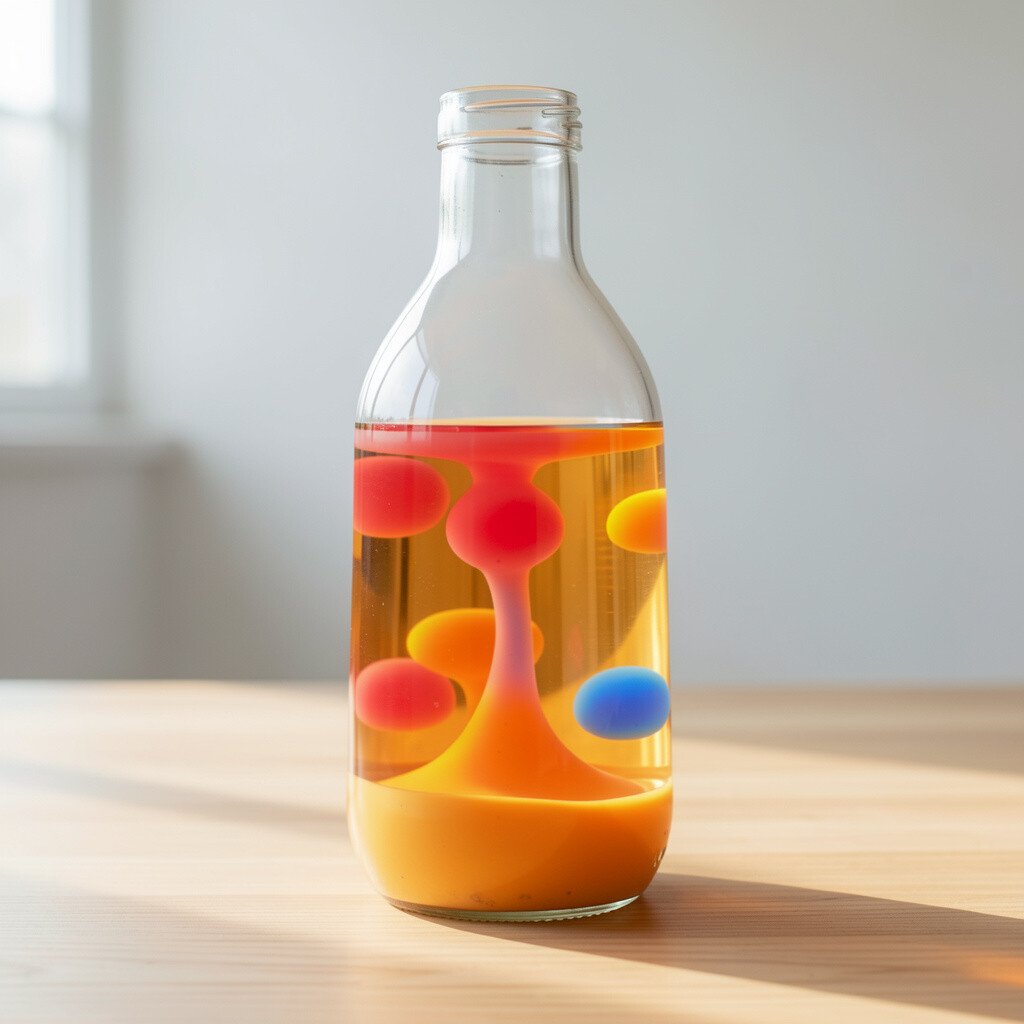
A clear bottle filled with water, oil, and colorful fizzing tablets can look like a glowing lava lamp in motion. The blobs rise and fall in slow, wavy shapes that are fun to watch from any angle.
Kids like this project because it feels trendy and a little flashy, but it is still easy to make at home. It is a good lesson in liquids that do not mix, and it stays affordable since many families already have oil, water, and an empty bottle on hand.
You can make it feel unique by using glitter, food coloring, or a flashlight under the bottle. That extra glow gives it a special look without adding much cost.
7. Homemade Volcano Eruption
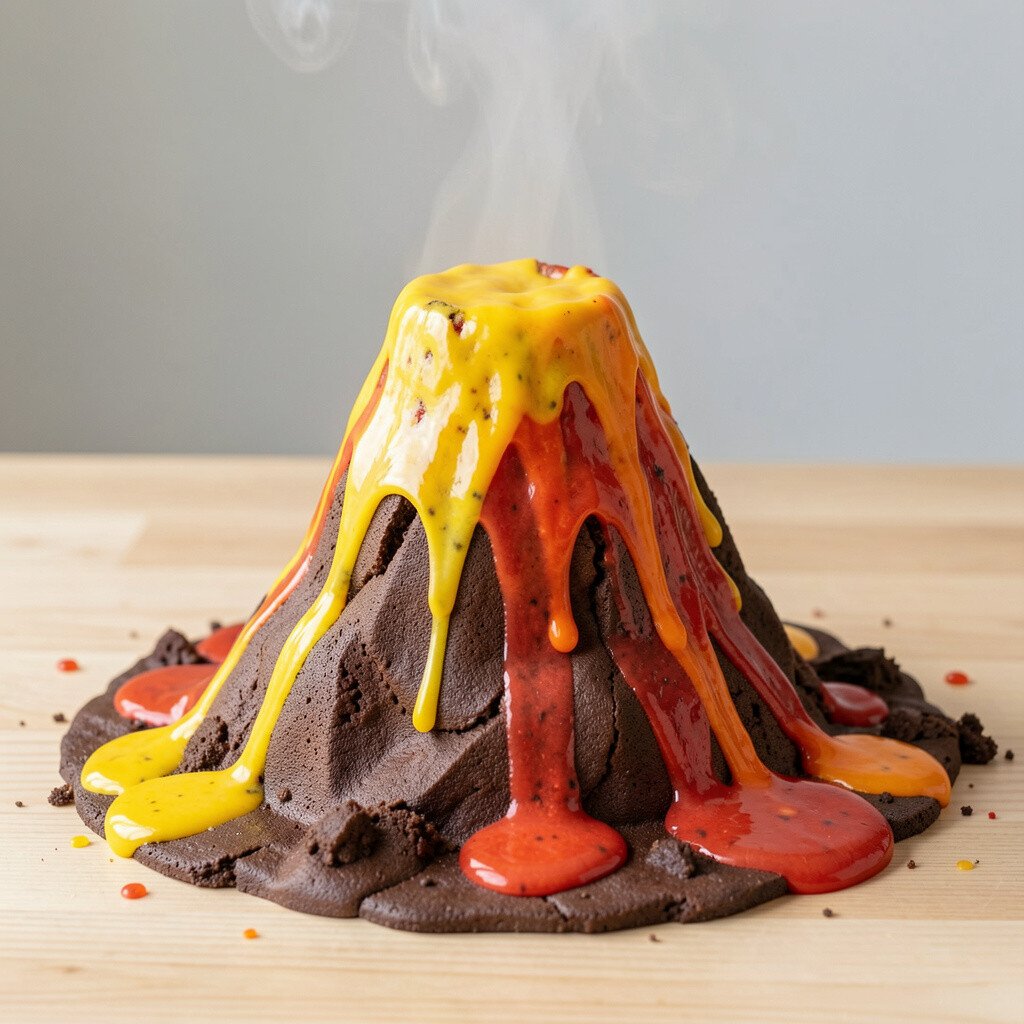
A small mound of clay, dough, or foil around a cup can turn into a dramatic volcano with foamy red bubbles pouring out. The bubbling top, the fake rock sides, and the sudden spill make the scene look bold and exciting.
This classic project is still popular because it is easy to set up and always gets a reaction. It teaches simple chemistry in a way kids can understand, and it can be customized with painted rocks, dinosaur toys, or a tall mountain shape to match a child’s interests.
The materials are usually low cost, especially if the base is made from recycled items. For a cleaner finish, it helps to place the volcano on a tray or outside, which keeps the fun from becoming a big mess.
Families often return to this project because it never gets old. Each eruption can look a little different, and that makes every try feel fresh.
8. Dancing Raisins
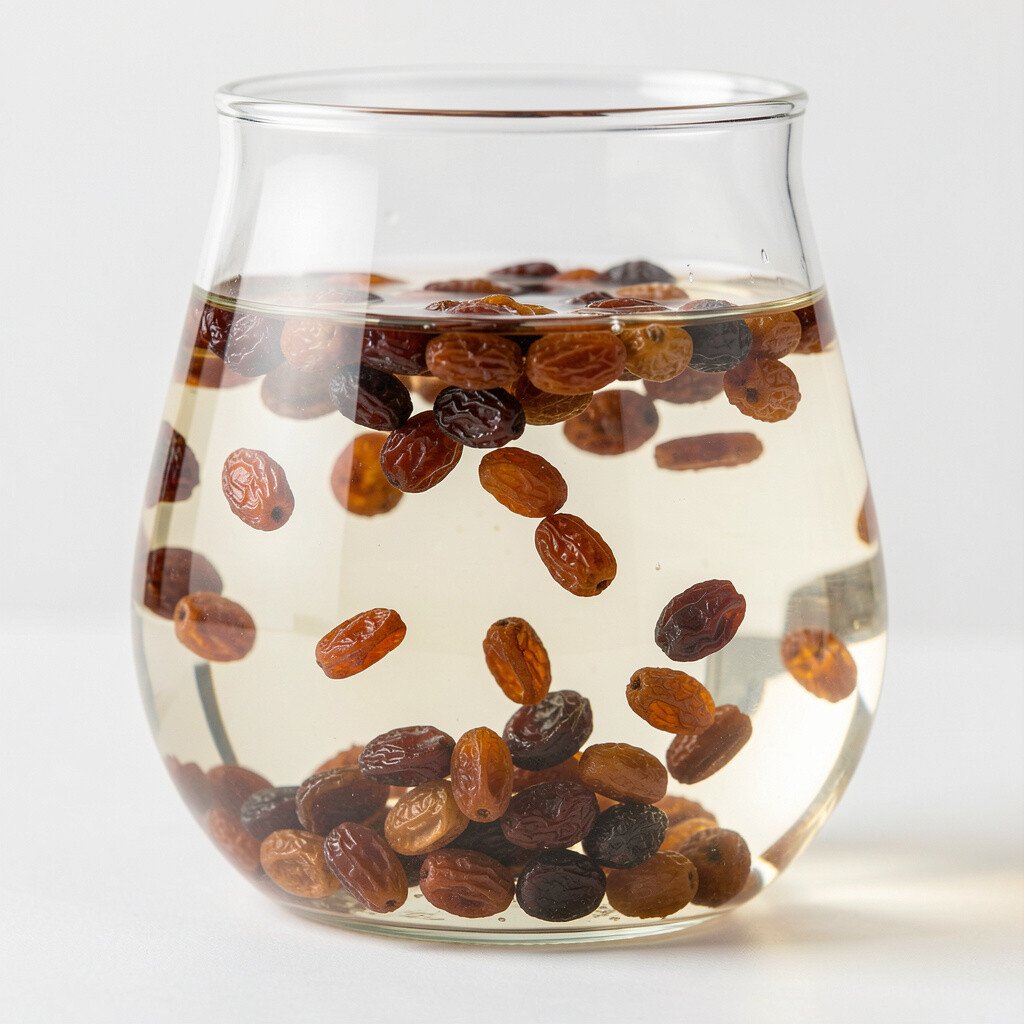
Drop a few raisins into a glass of fizzy soda and they may bob up and down like tiny dancers. The movement is funny and surprising, which makes children want to try it again right away.
This project is a great way to show how bubbles can lift small objects. It is inexpensive, quick, and simple enough for younger children, and kids can make it their own by using different small snacks or comparing clear soda with dark soda.
The clear glass makes the action easy to see, which is a big help for young learners. It also turns an everyday drink into a mini science show right at the table.
Because it uses common items, it fits well with the trend of simple home experiments. That makes it a smart choice for families who want learning without extra shopping.
9. Growing Bean in a Bag
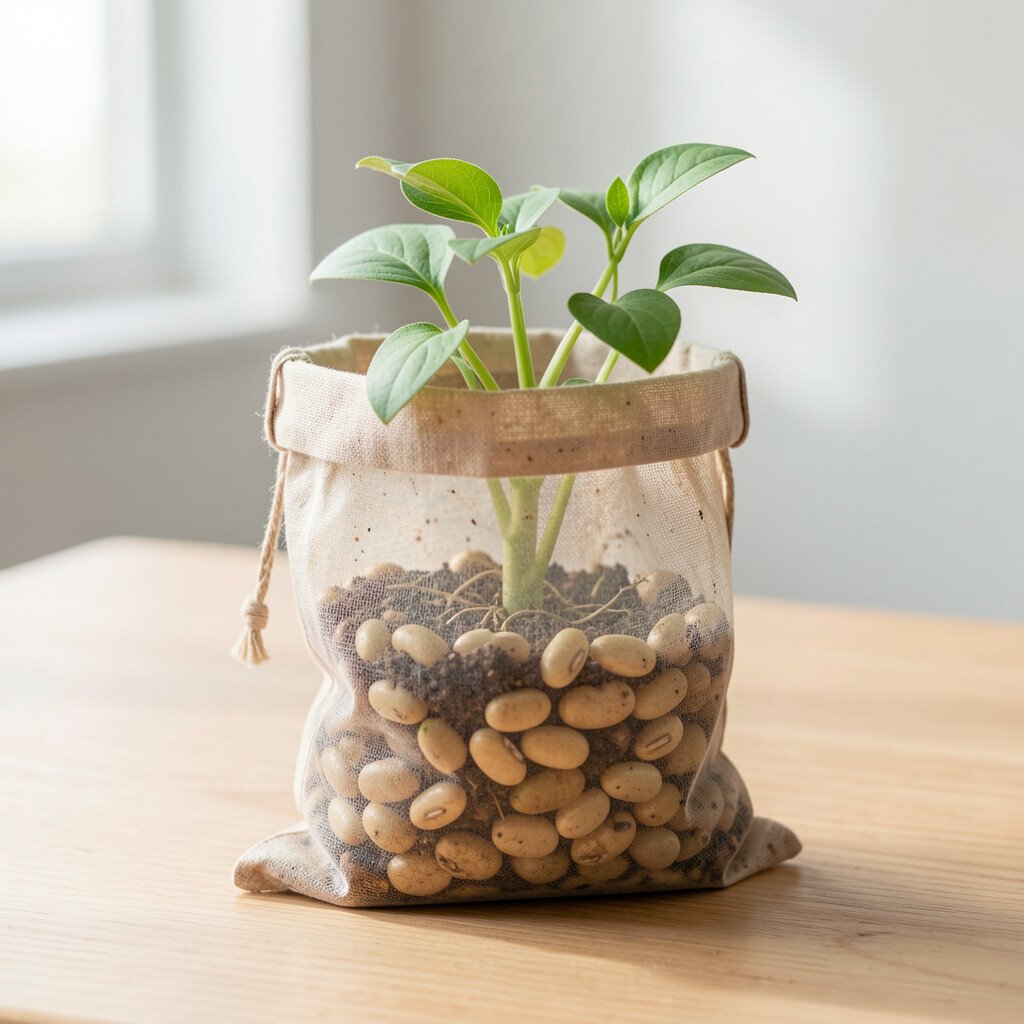
A damp paper towel, a clear plastic bag, and a bean seed can show roots and shoots as they grow day by day. The first tiny root peeking out feels exciting because children can see life beginning right before their eyes.
This project is one of the best ways to teach plant growth without needing a garden bed. It is low cost, easy to start, and simple to personalize with labels, drawings, or different kinds of seeds, which keeps kids interested while they wait.
The clear bag helps children watch each change closely, and that makes the lesson feel vivid. A sunny window and a little water are usually enough to keep the project going well.
It also gives children a chance to practice care and responsibility. Watching a seed change into a plant can build patience and pride in a gentle way.
10. Static Electricity Butterfly
Cut paper butterflies or tissue shapes can lift and wiggle when a rubbed balloon or comb gets close. The little wings seem to dance by themselves, and that surprise makes the experiment feel playful.
This is a low-cost project that uses simple household items, so it works well for families on a budget. Kids can personalize the butterflies with markers, glitter, or different colors, and the quick results make it great for short attention spans.
It also gives a simple lesson about static electricity without heavy explaining. Because it feels like a trick, children are often eager to test it again and again.
11. Homemade Slime Lab
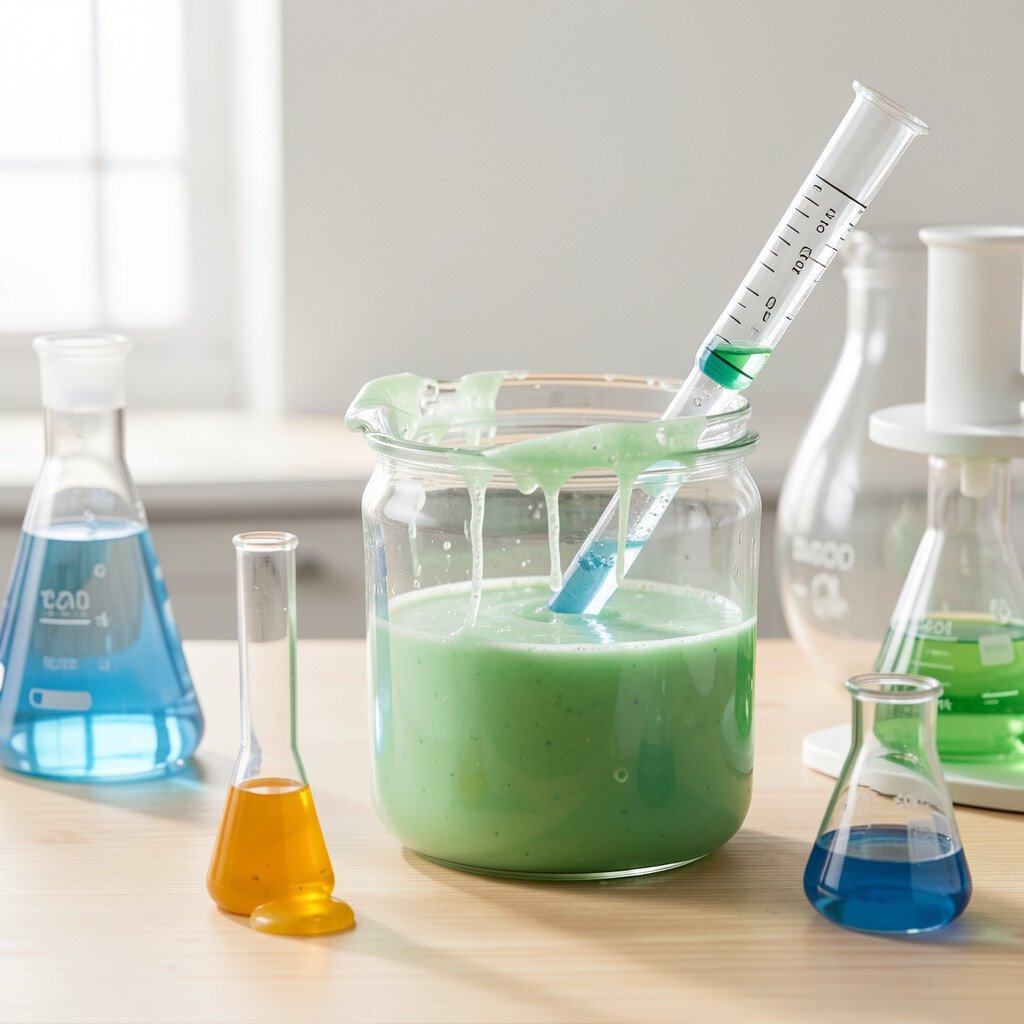
Sticky slime that stretches between hands can be bright, glossy, and oddly satisfying to watch. The goo changes when it is pulled, squeezed, or poked, so kids get a strong hands-on sense of texture.
This project stays popular because it mixes science and sensory play in one neat package. It can be made in many ways depending on what supplies are available, and families can keep costs low by using simple ingredients, while colors, beads, and glitter let kids make each batch feel special.
It helps children notice how matter can act in strange ways when mixed the right way. Adult help is useful here, especially for measuring and cleanup, but kids still get plenty of control over the final look and feel.
Many families enjoy making themed slime for seasons, holidays, or favorite colors. That makes the project feel current and personal without needing fancy tools.
12. Homemade Compass
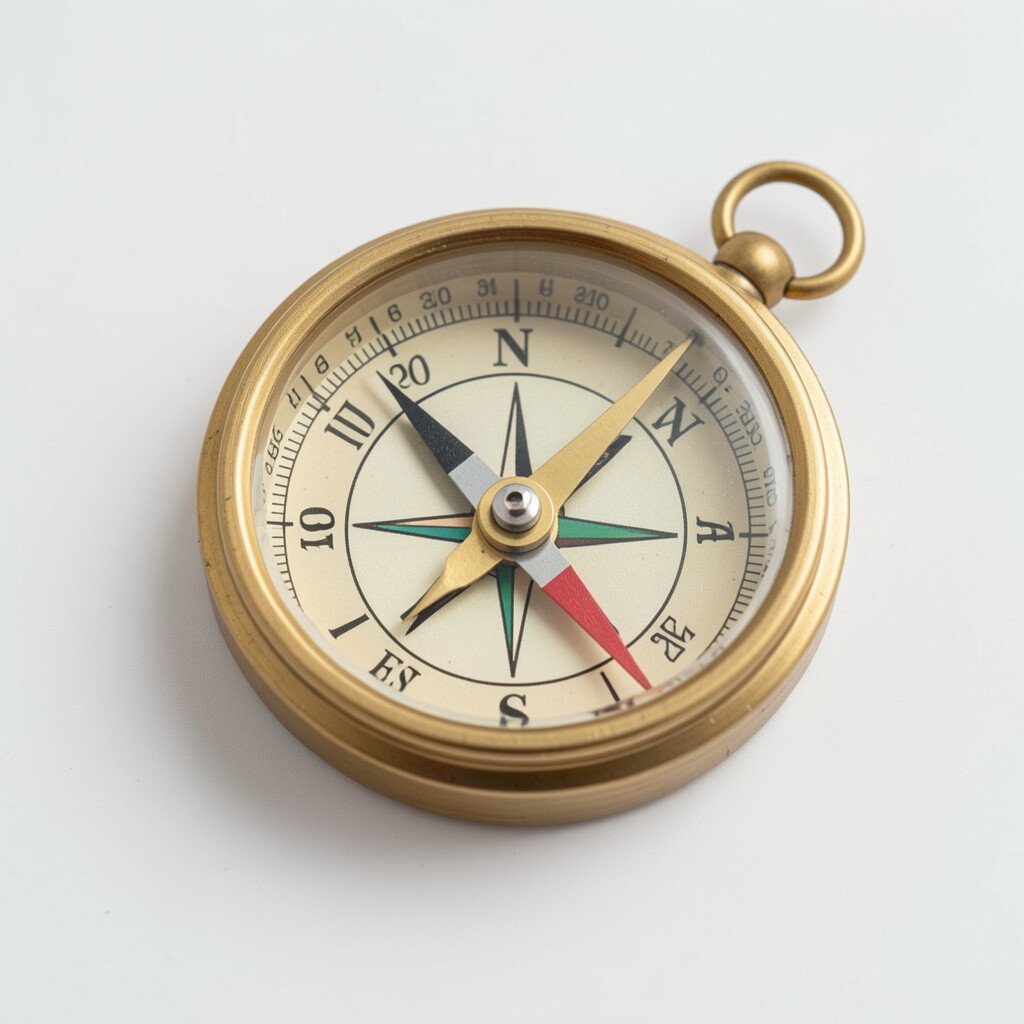
A magnet rubbed along a needle can help it act like a tiny compass when placed on floating cork or a leaf in water. The needle slowly turns and points in one direction, which gives the setup a quiet but powerful look.
This is a wonderful project for kids who enjoy secrets of the outdoors and simple tools. It is affordable because the materials are basic, and children can personalize the craft by decorating the floating base or making a map to test the direction it points.
The real benefit is that it shows how magnets and direction work together in a very clear way. It also connects well with nature walks, camping, and other hands-on family activities.
Because it feels a little like treasure hunting, many children stay focused longer than they do with ordinary worksheets. That makes the lesson both fun and memorable.
13. Soda Geyser Bottle
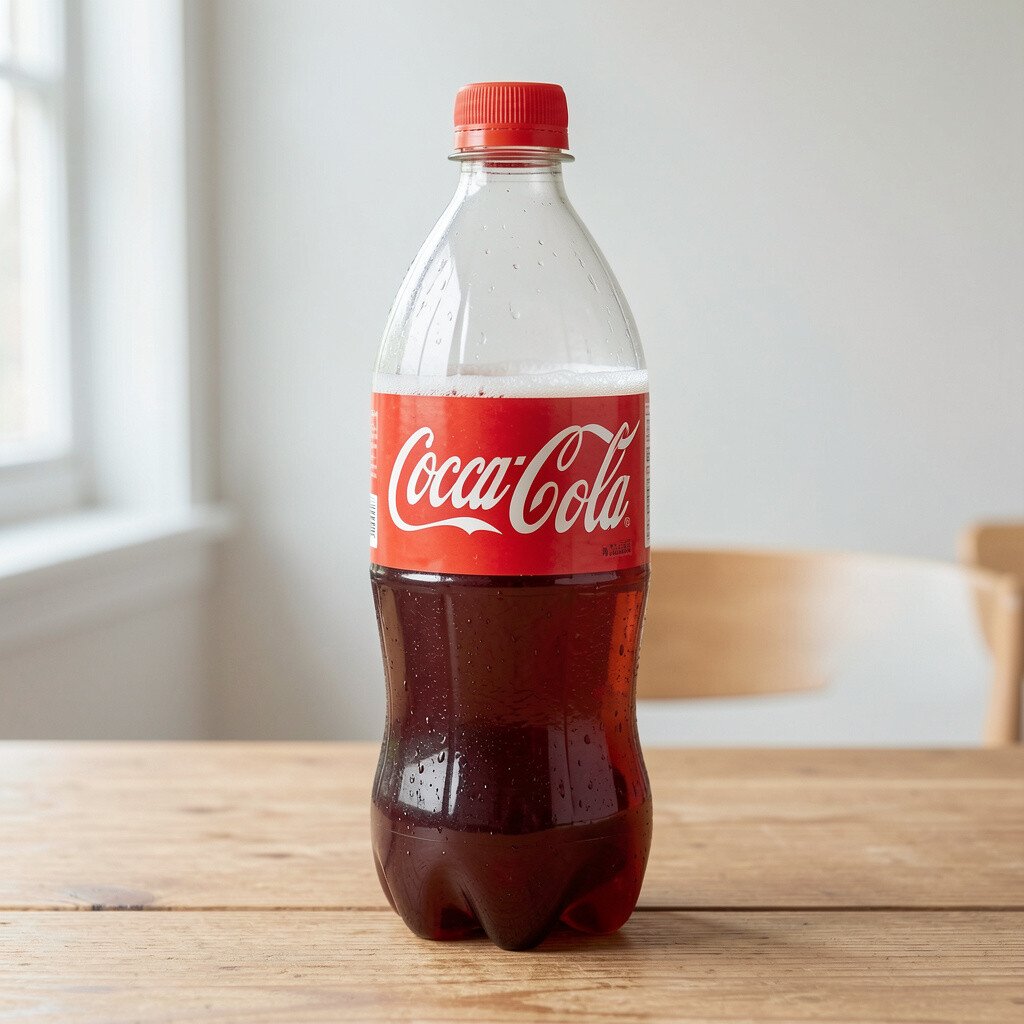
Dropping a fizzy mint candy into a bottle of soda can create a rushing geyser that shoots foam upward. The sudden burst, hissing sound, and spray of bubbles make the whole experiment feel dramatic.
This project is best done outside because it gets messy fast, but that mess is part of the fun. It is simple and low cost when using a small soda bottle, and children can try different candies or bottle sizes to see how the reaction changes.
The visual effect is huge, which is why kids often remember it long after they clean up. It gives them a clear look at gas buildup and pressure in a way that feels lively instead of dry.
Families who like bold, attention-grabbing activities often keep this one on their list. It fits the current trend of short, exciting science demos that look great and teach something useful too.
14. Egg Drop Challenge
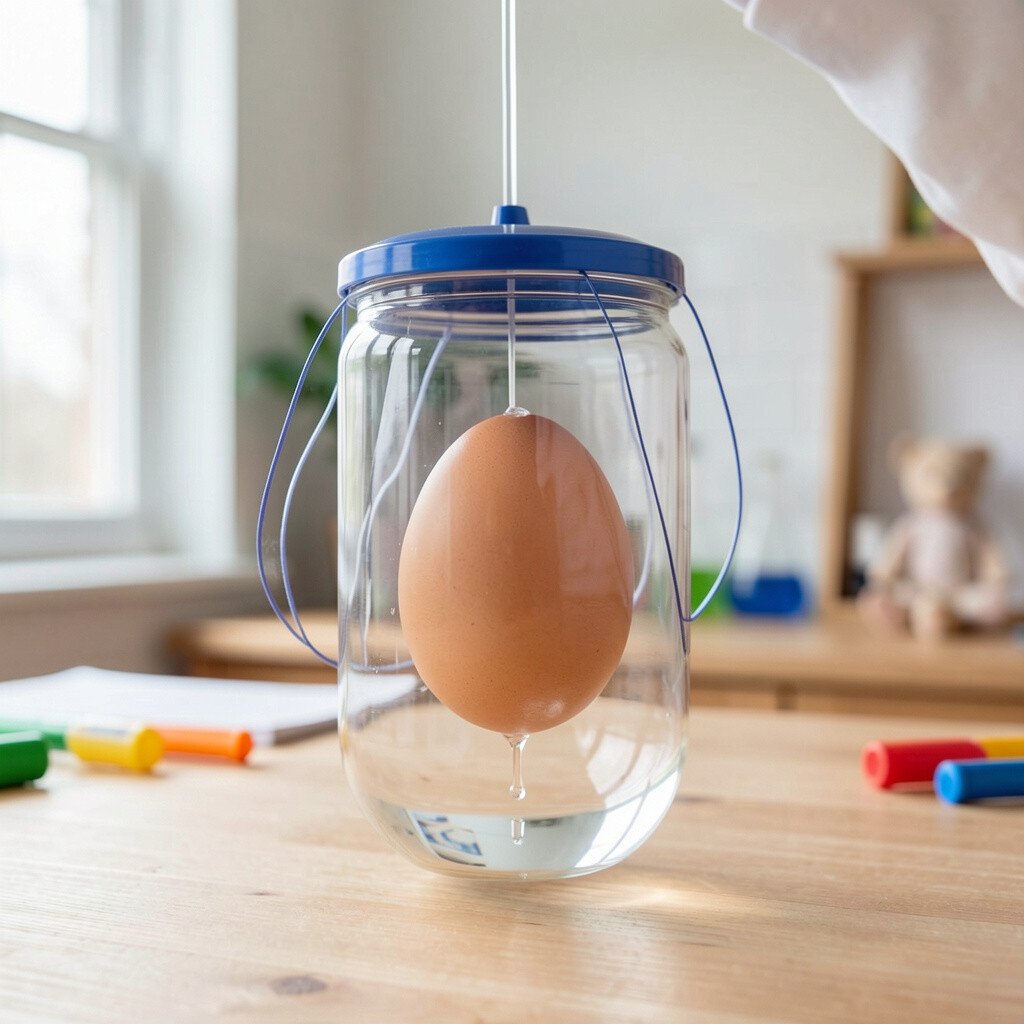
An egg protected by straws, cotton, paper, or recycled packaging can be dropped from a chair or step with a real chance of surviving. The fun comes from building a strange little shell around it and hoping the landing stays safe.
This project encourages problem solving, planning, and creative thinking in a very hands-on way. It can be done cheaply with scrap materials, and kids can personalize the design by making it look like a spaceship, a nest, or a tiny parachute package.
The best part is watching children test ideas and improve them after each try. That process helps them learn that mistakes are part of science, not something to fear.
Because it uses items already at home, it is a smart choice for weekend learning. It also gives siblings a chance to build different designs and compare results, which makes it feel like a friendly competition.
15. Color-Changing Cabbage Juice
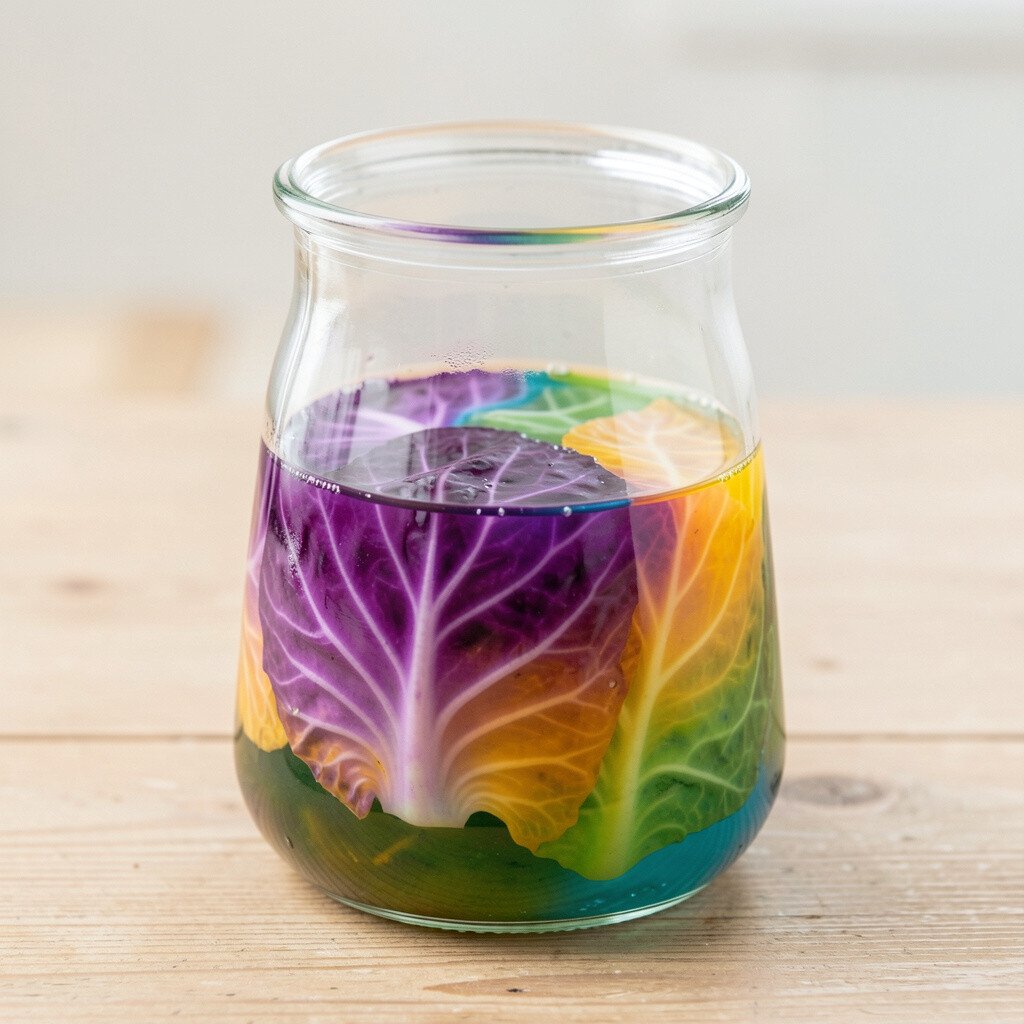
Boiled red cabbage water can turn pink, purple, or green when mixed with different kitchen liquids. The changing colors look bright in clear cups, and the whole tray becomes a tiny rainbow lab.
This project is a favorite because it feels both magical and scientific at once. It teaches about acids and bases in a very simple way, and it can be made more personal by letting kids choose which drinks or safe liquids to test, which keeps the cost low and the fun high.
The liquid itself is easy to prepare, and the results are usually vivid enough to hold a child’s attention. That strong color change also makes it perfect for today’s love of colorful science videos and home experiments.
It works especially well when children can compare one cup to another and see how each liquid acts differently. That clear contrast helps the lesson stick.
16. Paper Bridge Strength Test
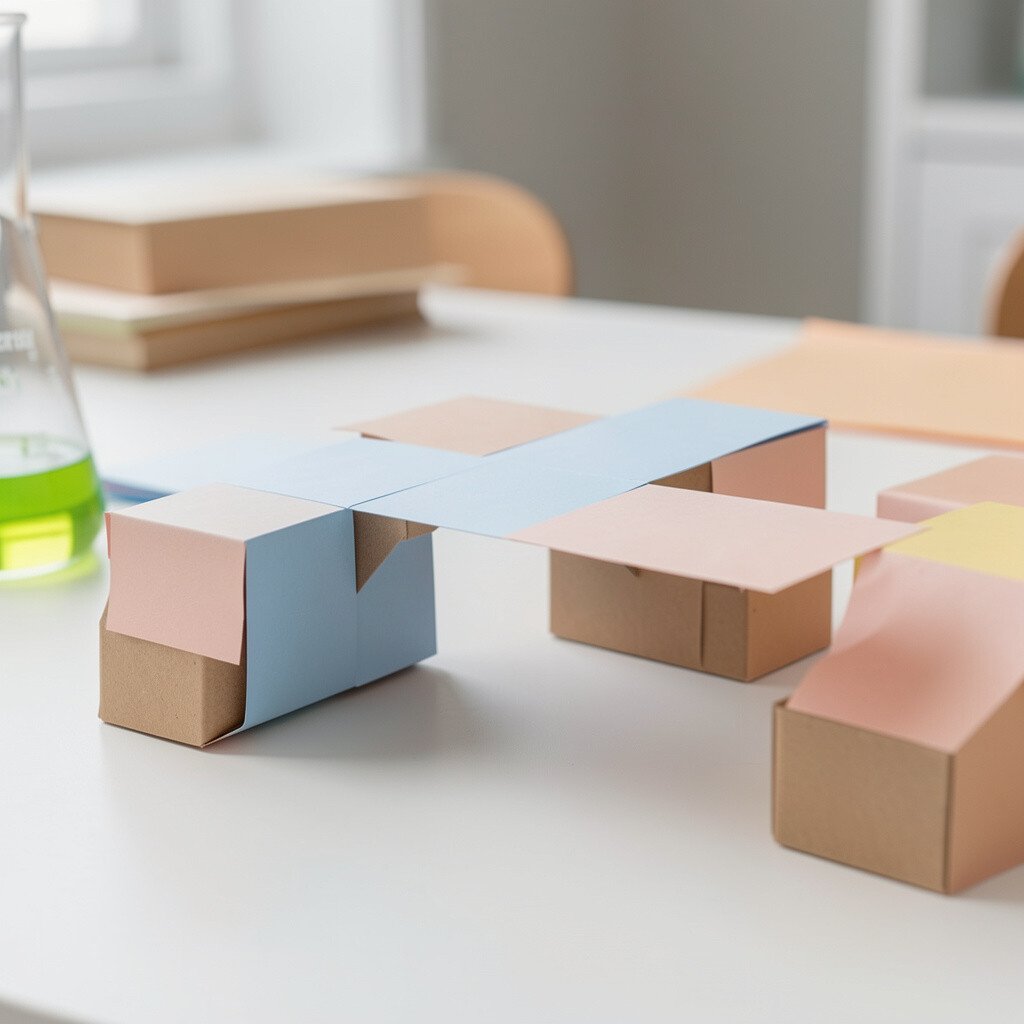
A strip of paper folded in different ways can hold surprising weight when it becomes a little bridge. Coins, toy blocks, or small cups can sit on top while the bridge stays steady and the shape looks clever.
This project shows how design changes strength, which is a useful lesson for young builders. It is almost free to make, and kids can personalize the bridge by painting it, using colored paper, or testing many shapes to see which one works best.
The visual of a simple paper strip becoming strong enough to hold objects is exciting for children. It helps them see that engineering is not just for grown-ups with special tools.
Many families like this activity because it mixes art, building, and science in one place. It feels modern too, since hands-on maker projects are still very popular in homes and classrooms.
17. Mini Water Cycle Bag
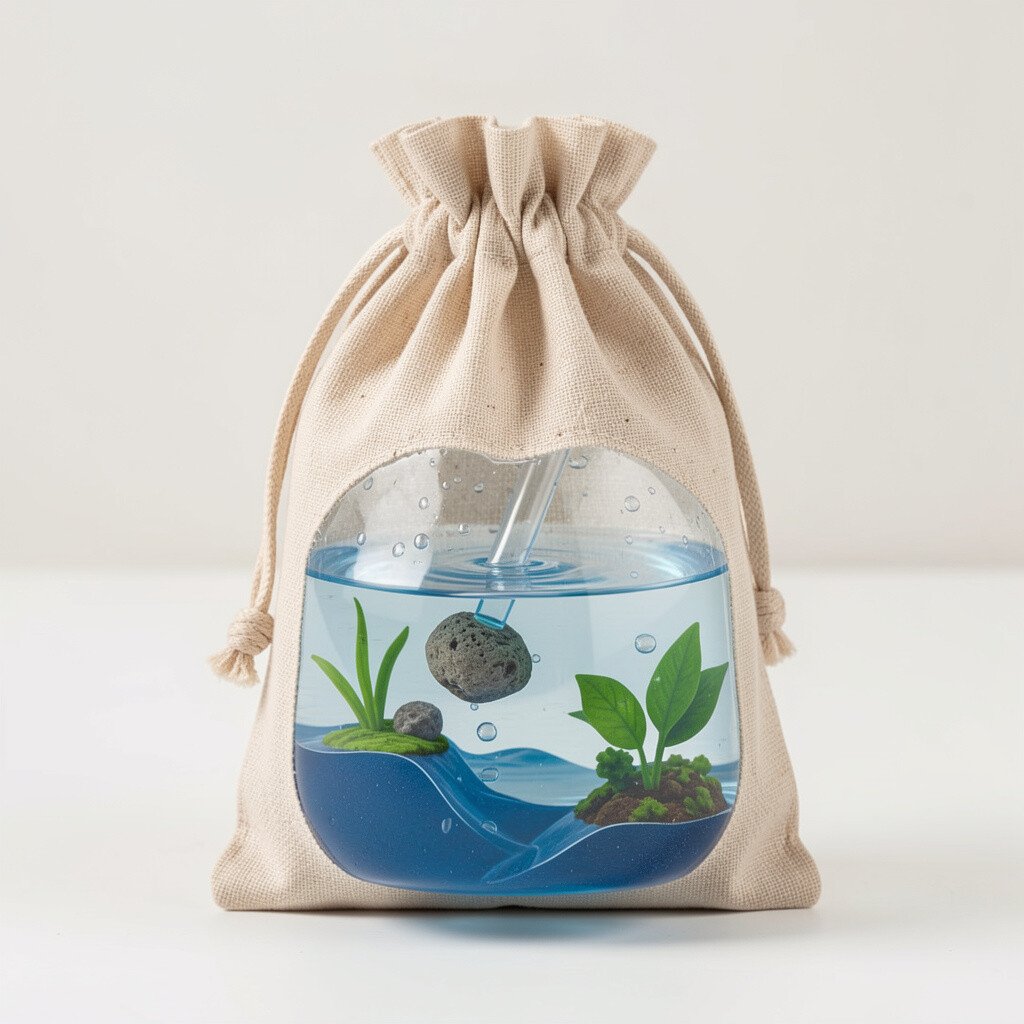
A plastic bag with a little water taped to a sunny window can show droplets forming and falling again inside the bag. The tiny cycle looks like weather in a jar, only flatter and easier to see.
This project is a smart way to teach evaporation and condensation in a simple visual form. It costs very little, needs only a marker and tape along with the bag and water, and kids can make it feel special by drawing clouds, sunbeams, or waves on the outside.
The clear bag lets children watch the water move without needing a lot of explanation. That makes it a good choice for young learners who like seeing science happen instead of only hearing about it.
It also works well as a long-term project because the changes happen slowly through the day. That slow action helps build patience and curiosity at the same time.
18. Homemade Parachute Test
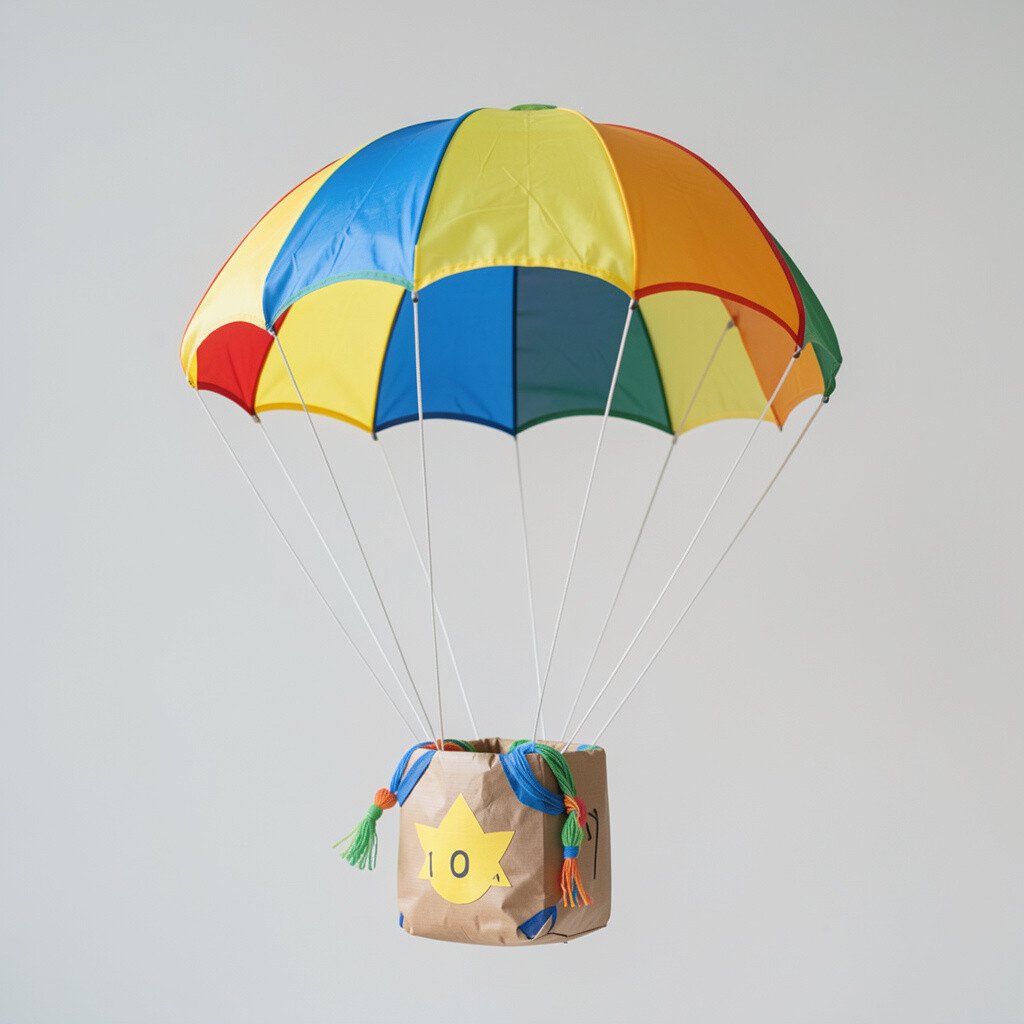
A square of tissue, plastic, or cloth with strings and a small toy in the middle can float down slowly like a real parachute. Watching it open in the air and land softly gives the room a tiny skydiving show.
This is a fun project for learning about air resistance and motion without making things too complicated. It can be done on a small budget, and children can personalize the parachute with bright colors, sticker dots, or different toy riders to compare how each version falls.
The best part is that each test can be changed a little, which keeps kids curious. They can try longer strings, bigger canopies, or different toy weights and see how the fall changes right away.
It is also a great fit for today’s love of simple STEM activities that feel hands-on and playful. When the parachute floats down just right, it gives children a proud moment they will want to repeat.