A room can feel calm before you even sit down. The right layout makes every day easier.
Good spaces do more than look nice. They help you move, store, rest, and enjoy your home with less effort.
1. Open the path from the door to the main living zone
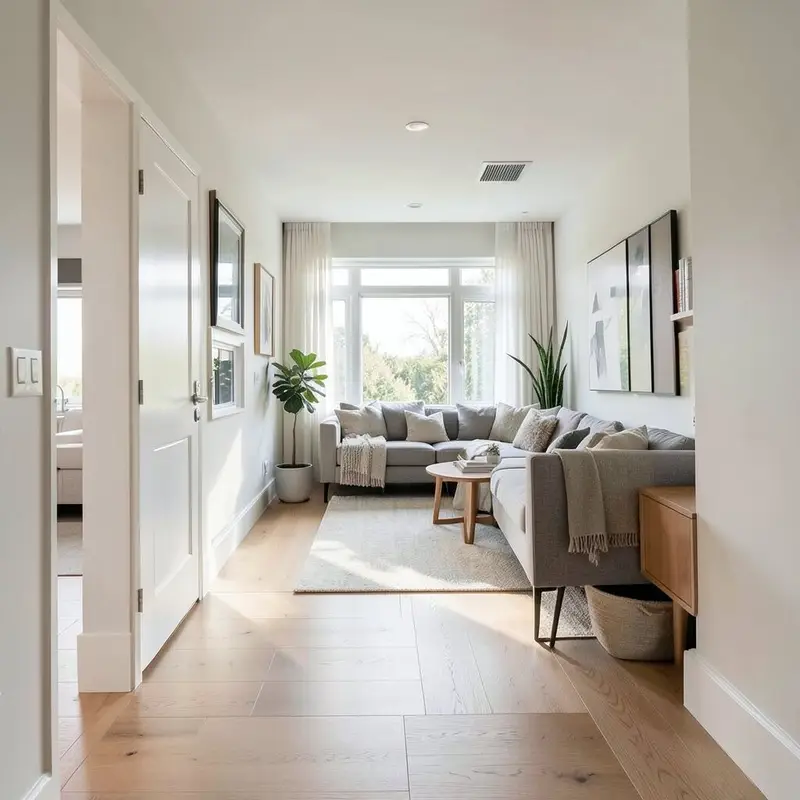
Start by clearing a clean path from the entry to the place you use most. A wide, open route makes the home feel bigger and brighter right away.
This setup helps kids, guests, and busy hands move without bumping into furniture. Keep shoes, bags, and small clutter near the door in a slim bench or closed cabinet. A simple tray, wall hook, or low shelf can keep costs low while still making the space feel neat.
2. Float the sofa to shape a room
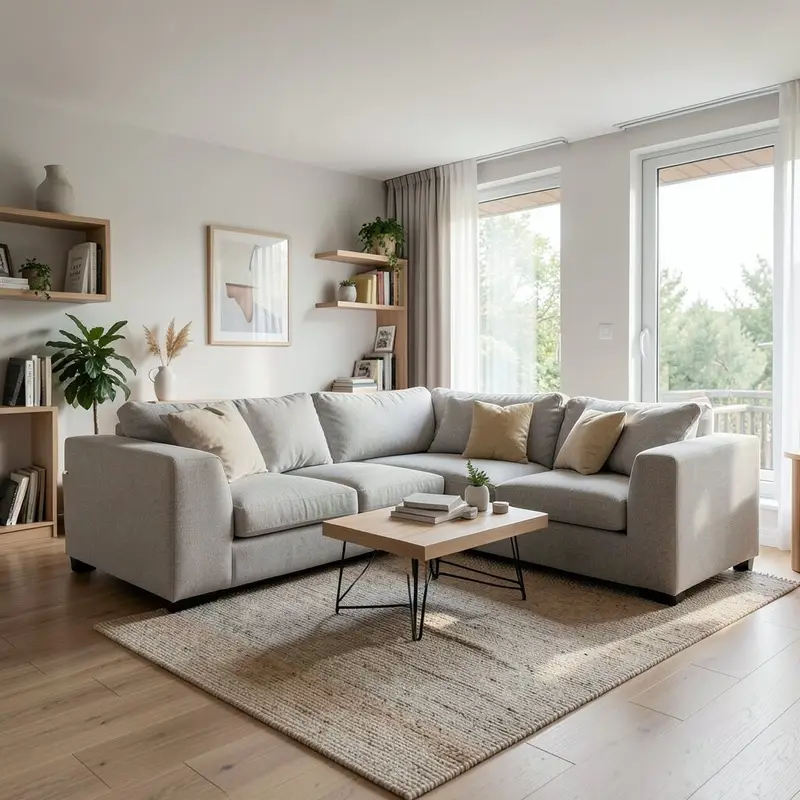
A sofa does not always need to sit against a wall. When you float it in the room, it can create a cozy living zone with clear edges.
This idea works well in open homes because it helps divide space without building walls. Add a rug under the front legs to anchor the area and make it feel finished. If you want a fresh look, use a slim console behind the sofa for lamps, books, or plants.
Floating furniture can also improve flow around the room. It gives the space a more custom feel, and it often costs nothing if you already own the pieces.
3. Build a reading corner by the window
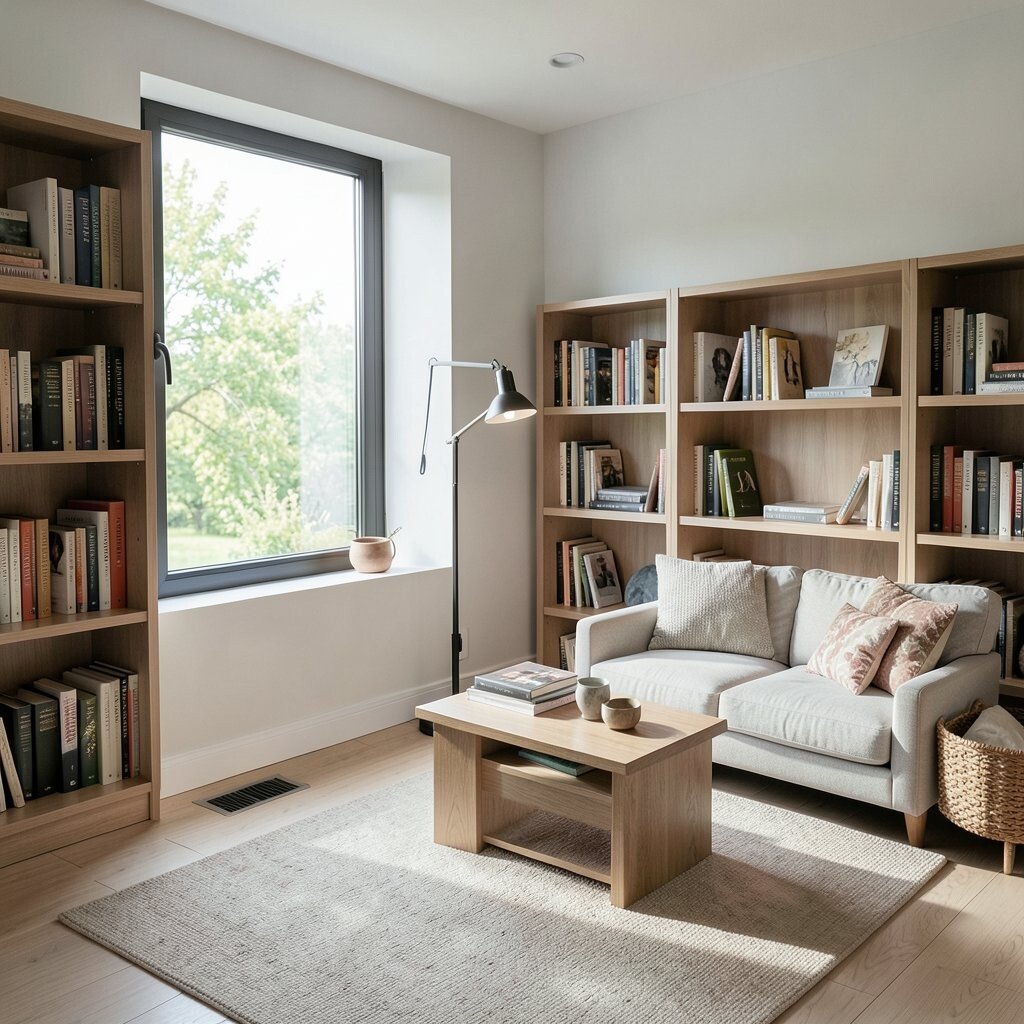
A small chair near a window can become the sweetest spot in the house. Natural light makes reading, drawing, or resting feel easy and calm.
Choose a chair with soft fabric and a lamp for evenings. A tiny table for tea or glasses makes the corner more useful. If the room is tight, a stool or wall shelf can do the job without adding bulk.
This kind of nook feels personal and warm. Add a blanket, a favorite print, or a plant to make it yours.
It is a low-cost way to give a room more purpose. Even one good chair can make a whole wall feel special.
4. Use a kitchen triangle that saves steps
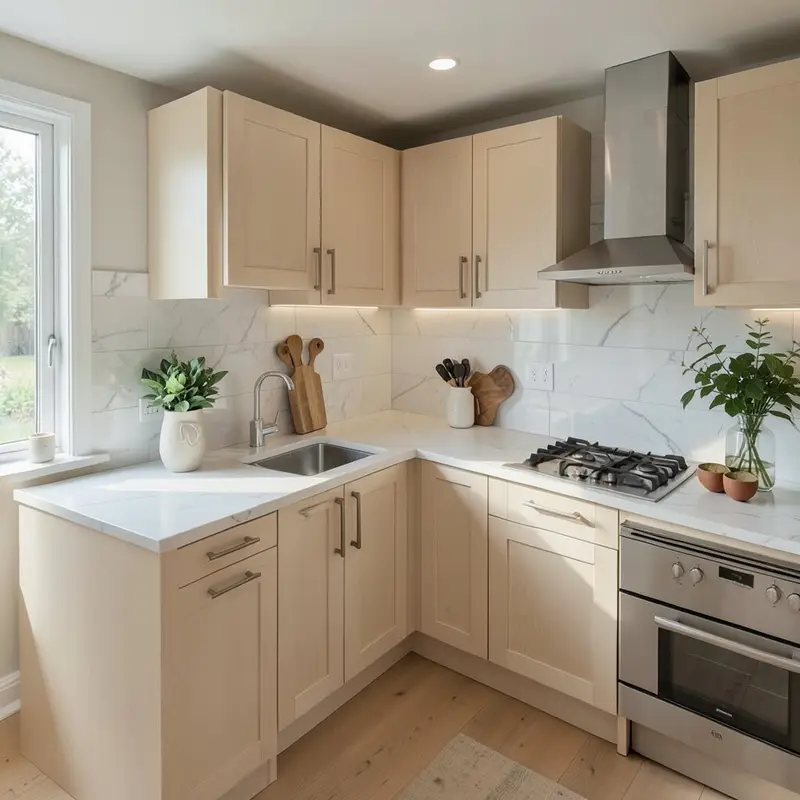
A smart kitchen layout keeps the sink, stove, and fridge close enough to reach with ease. This old favorite still works because it cuts down on extra walking.
Keep the busiest tools near the task they support. Pots near the stove, cutting boards near the prep area, and dishes near the sink can make cooking feel smoother. Today, many homes also add a small island or cart to give more work space without a big remodel.
5. Create a mudroom zone with simple pieces
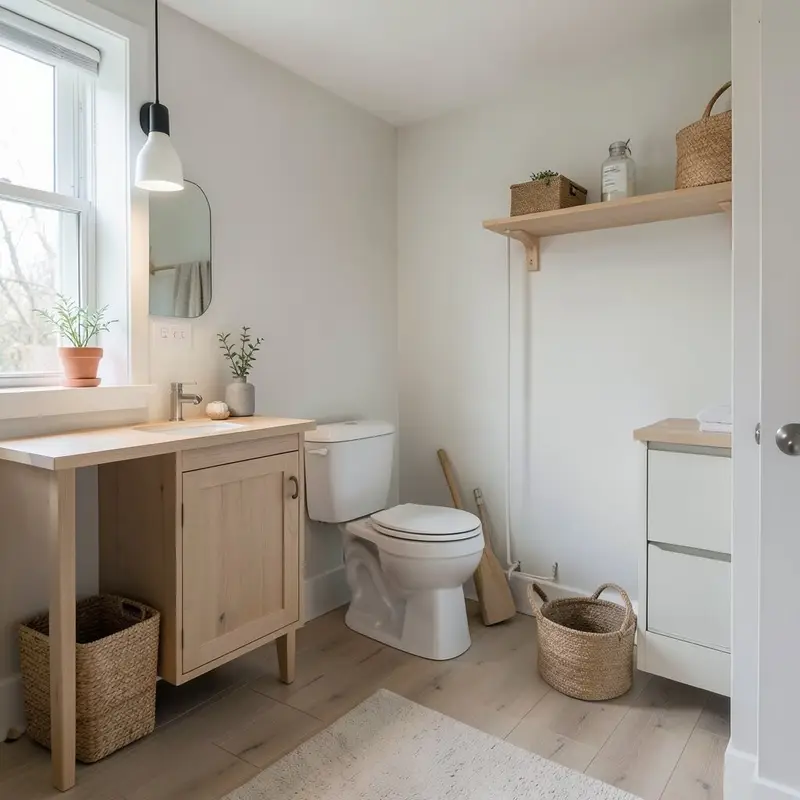
Even a tiny corner can act like a mudroom. A bench, hooks, and baskets can catch daily mess before it spreads.
This setup is great for families, pet owners, and anyone who comes and goes a lot. Use labeled bins for shoes, sports gear, or school items so everything has a place. If you want a stylish touch, match the baskets and paint the wall a calm color.
It is a smart fix for homes without a true entry room. The cost can stay small if you use wall hooks and storage you already have.
A neat drop zone makes mornings faster. It also helps the whole home feel more peaceful.
6. Place the dining table near the kitchen and light
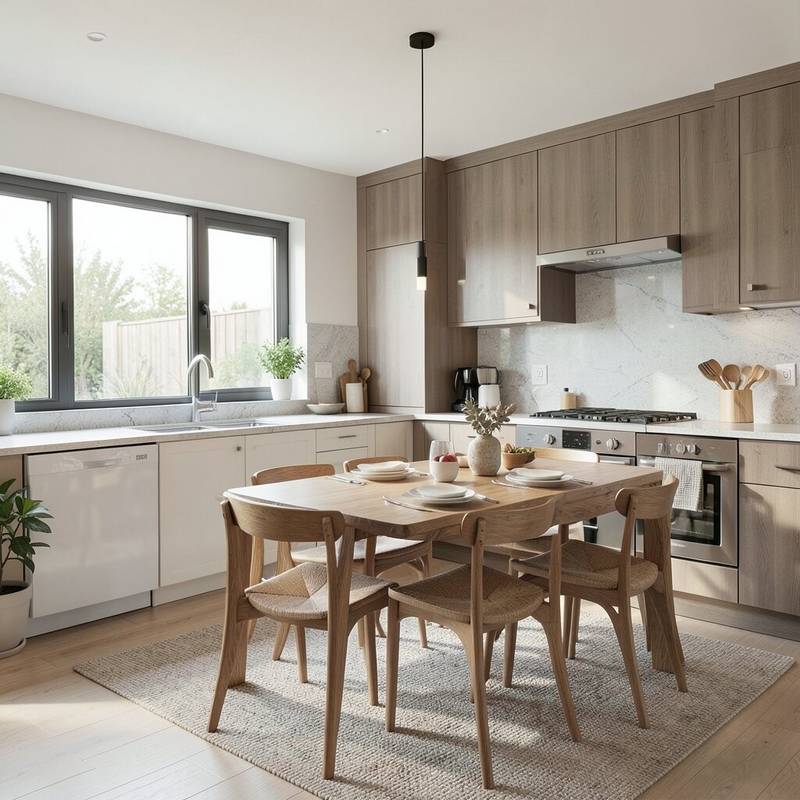
A dining table works best when it feels easy to reach and pleasant to use. Set it close to the kitchen and, if possible, near a window or pendant light.
This makes meals feel more inviting and cuts down on carrying dishes far across the house. Round tables are a current favorite because they soften the room and help people talk face to face. If space is tight, try a drop-leaf table or a bench on one side to save room.
You can make the area feel more personal with a runner, art, or mixed chairs. Small changes can make a simple dining spot feel special without a big budget.
7. Turn a hallway into useful storage
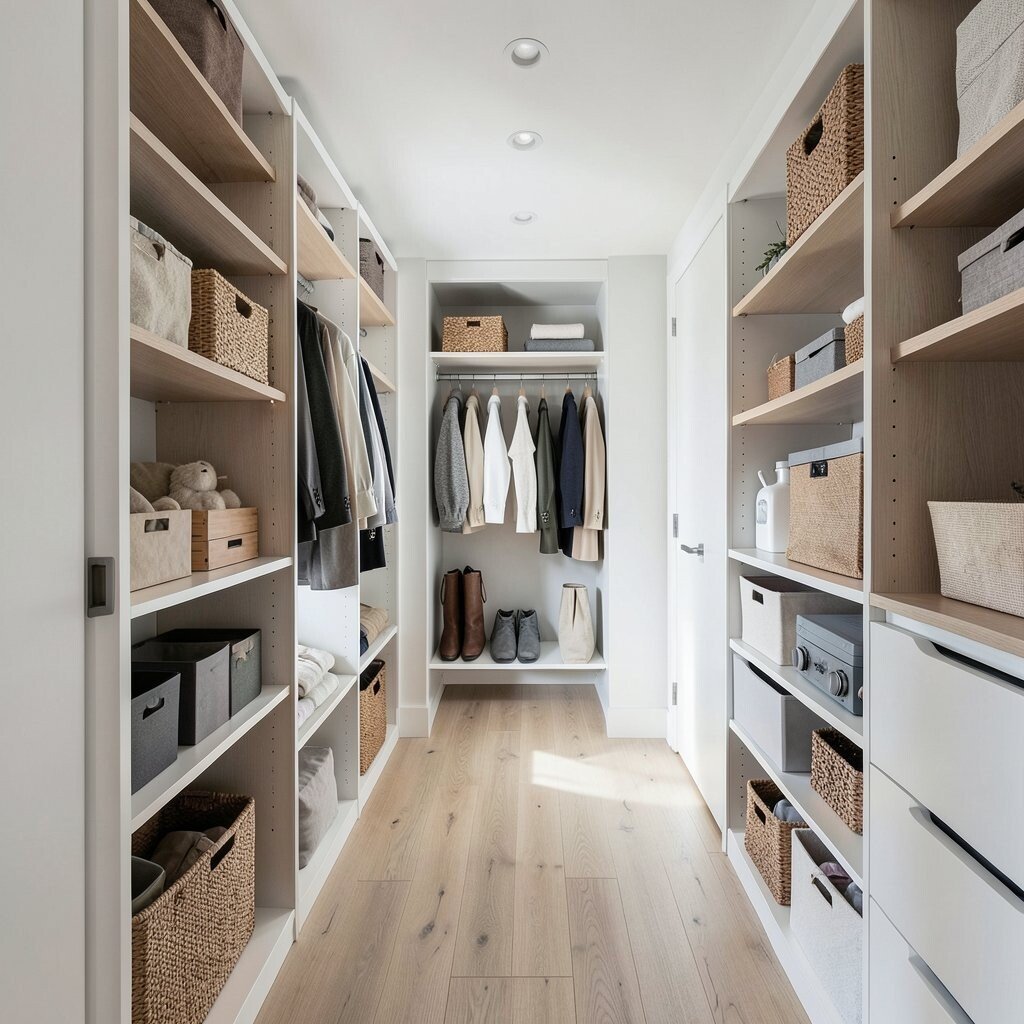
Hallways often waste good space, but they can do more than connect rooms. A shallow shelf, narrow cabinet, or wall rail can hold items without blocking the path.
This idea is helpful for books, mail, keys, or small decor. Keep the look light so the hall still feels open and easy to walk through. If you want a modern style, use closed storage with clean lines and a few framed pieces on the wall.
Because hallways are small, cost matters here. Slim furniture and wall-mounted pieces can give you function without taking much floor space.
A hallway that works hard can make the whole home feel more organized. It is a quiet upgrade that pays off every day.
8. Make the bed the center of a calm bedroom
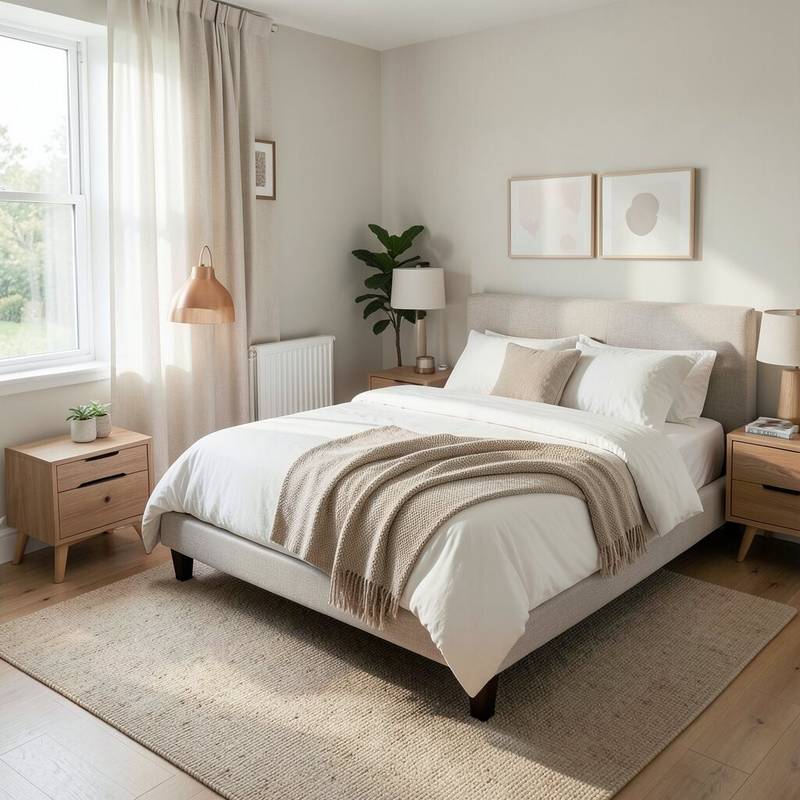
A bedroom often works best when the bed has clear space on both sides. This layout feels balanced and makes it easier to get in and out.
Put nightstands where they can hold a lamp, water, or a book. Keep extra furniture low and simple so the room feels restful, not crowded. Soft colors, warm wood, and layered bedding are popular now because they help the room feel cozy and clean.
If the room is small, use wall lights or floating shelves instead of large tables. That saves money and opens up the floor.
9. Set up a home office in a quiet corner
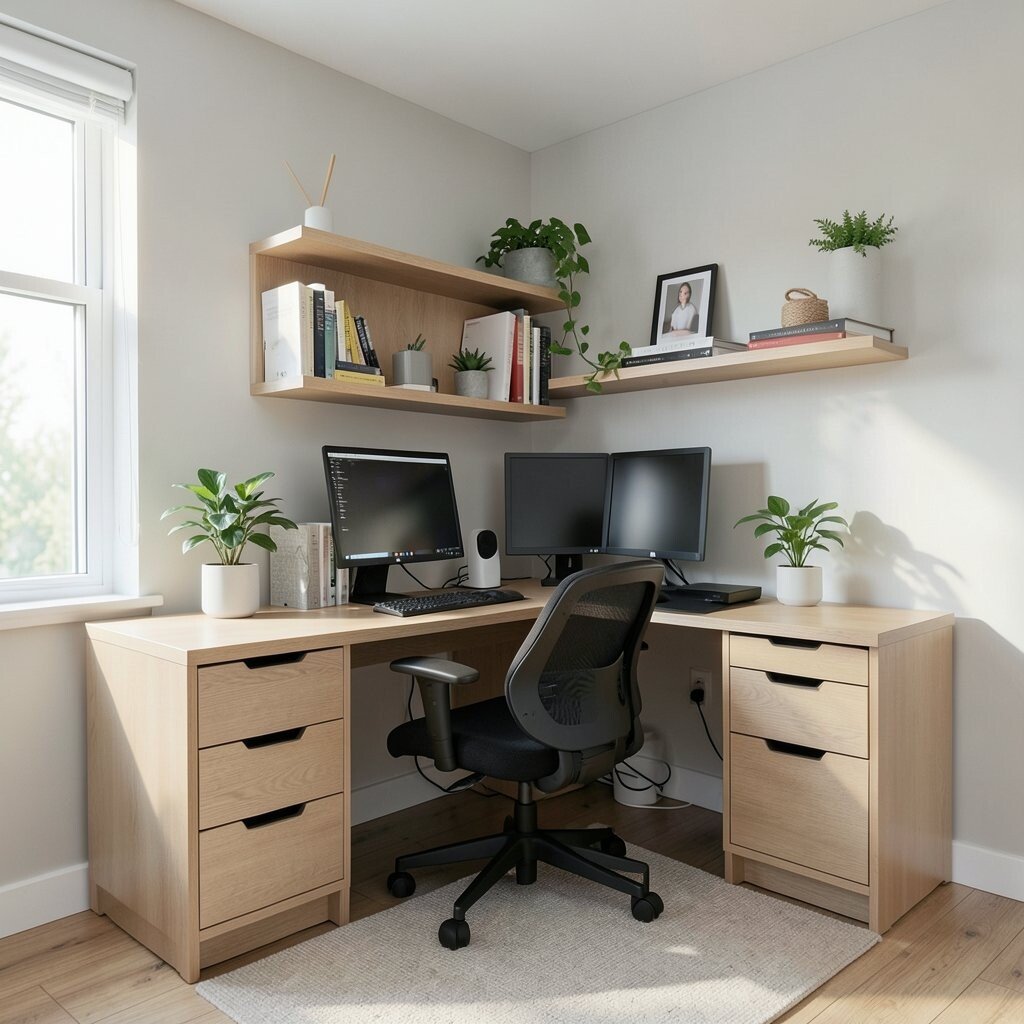
A work spot does not need a whole room. A desk in a calm corner can still help you focus and finish tasks.
Place the desk near natural light, but not in the middle of the busiest path. A good chair, a task lamp, and a few storage boxes can make the area feel ready for work. Many people now like simple setups with hidden cords and clean surfaces because they feel less stressful.
You can make the space feel like your own with art, a pinboard, or a plant. If money is tight, a small table can work as well as a full office desk.
10. Use a bench to serve more than one job
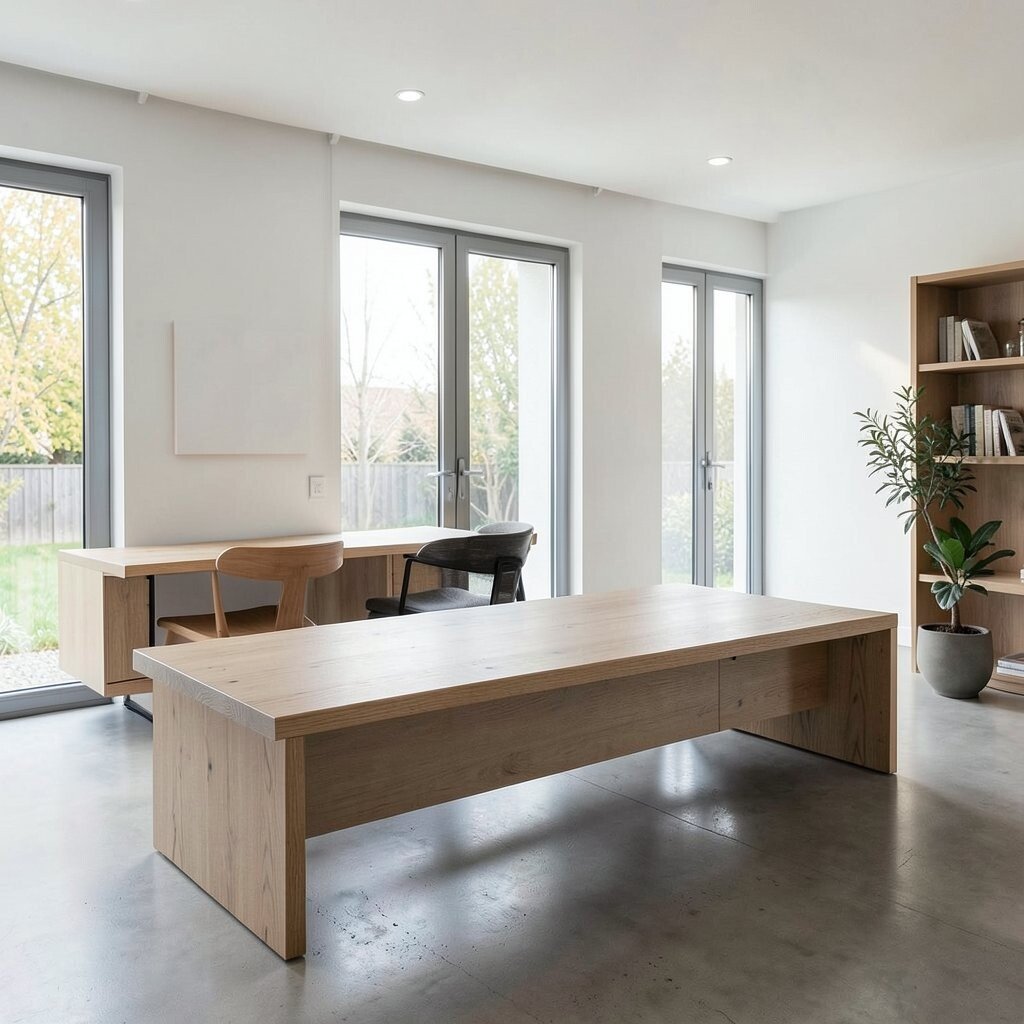
A bench is one of the most flexible pieces you can own. It can sit in an entry, under a window, at the foot of a bed, or beside a dining table.
Because it is slim, it saves space while still offering a place to sit or set down bags. Some benches have hidden storage, which is great for blankets, shoes, or toys. Choose wood for a natural feel or upholstered fabric for a softer look.
This piece is easy to personalize with pillows or a folded throw. It is also a smart buy because one item can solve several layout problems.
When you need a room to work harder, a bench can do a lot with very little fuss. It is simple, useful, and easy to move later.
11. Make a family room with zones
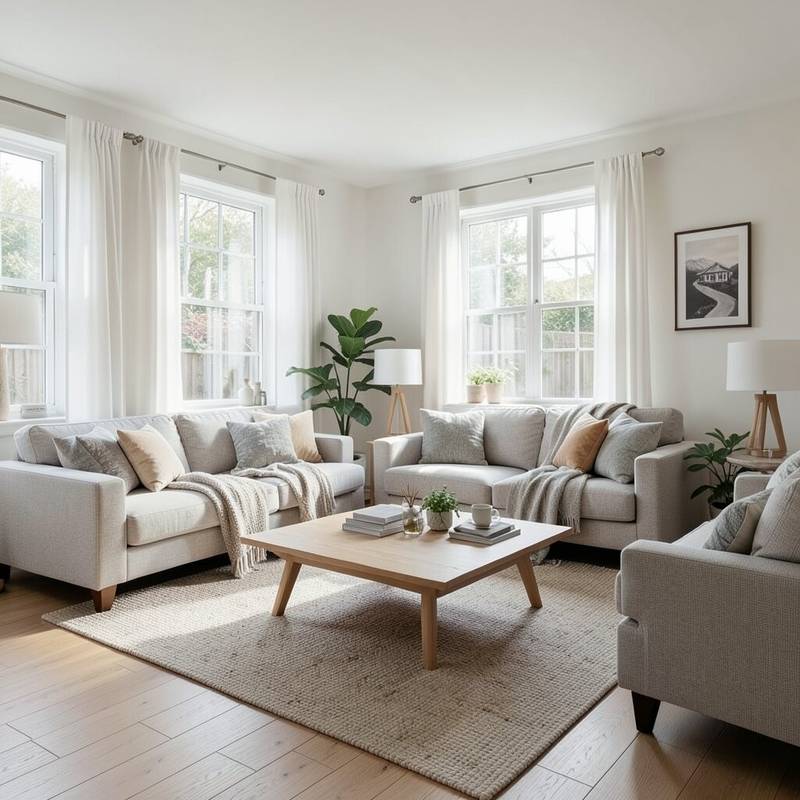
Large rooms feel better when each part has a clear job. Use rugs, lights, and furniture placement to create spots for talking, playing, and relaxing.
This helps keep the room from feeling like one big open mess. A sofa can face the TV, while two chairs and a small table make a second seating area. Add baskets for toys or blankets so the room stays easy to clean.
Zone-based layouts are popular in modern homes because they make open plans feel more useful. You can set them up with pieces you already own, so the cost can stay low.
Each zone can have its own style while still matching the rest of the room. That gives the space personality without making it feel busy.
12. Bring the island into the kitchen flow
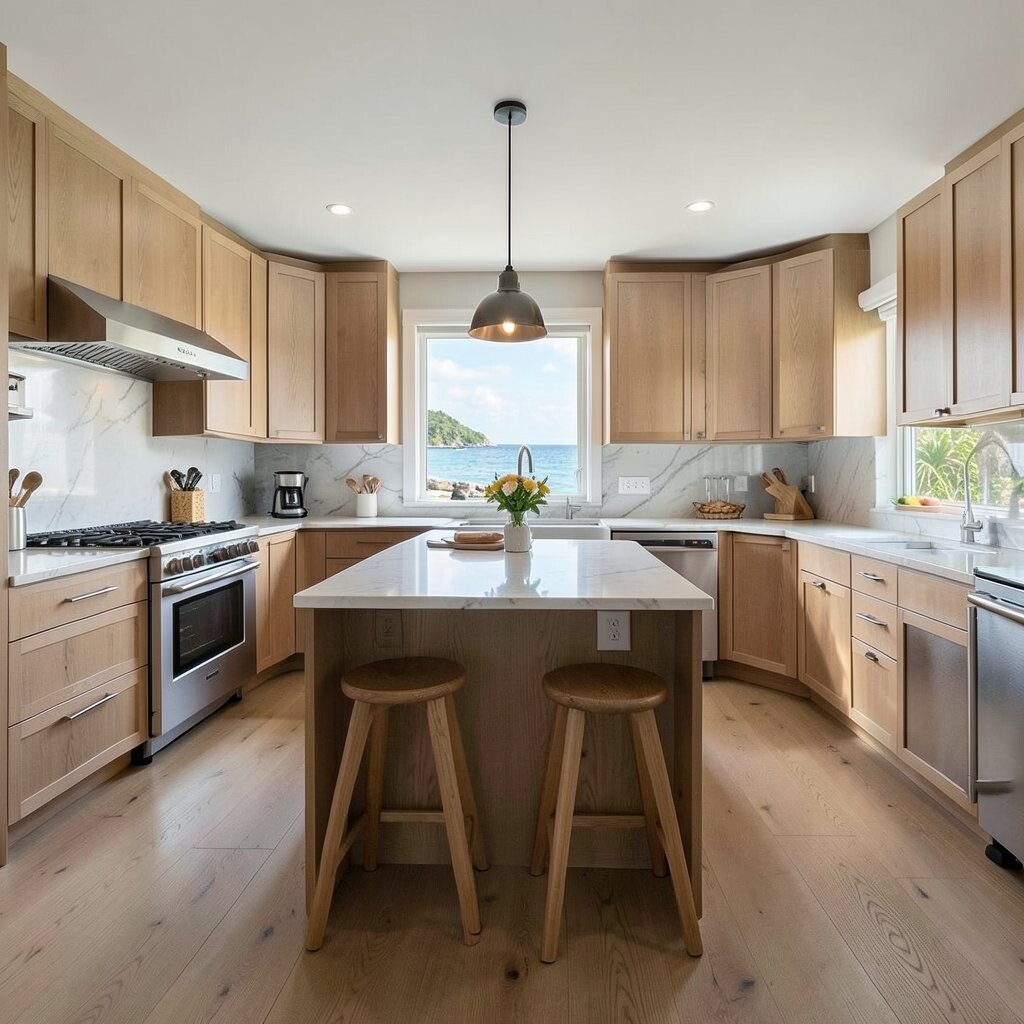
A kitchen island can be a workhorse if it is placed with care. It should support cooking, eating, and chatting without getting in the way.
Leave enough room around it so drawers and doors can open easily. Add stools on one side if you want a casual breakfast spot or homework area. Today, many people choose islands with storage, charging spots, or mixed materials for a fresh look.
If a full island is too expensive, a rolling cart or narrow prep table can give a similar effect. That keeps the layout useful without a major spend.
13. Use wall space for tall storage
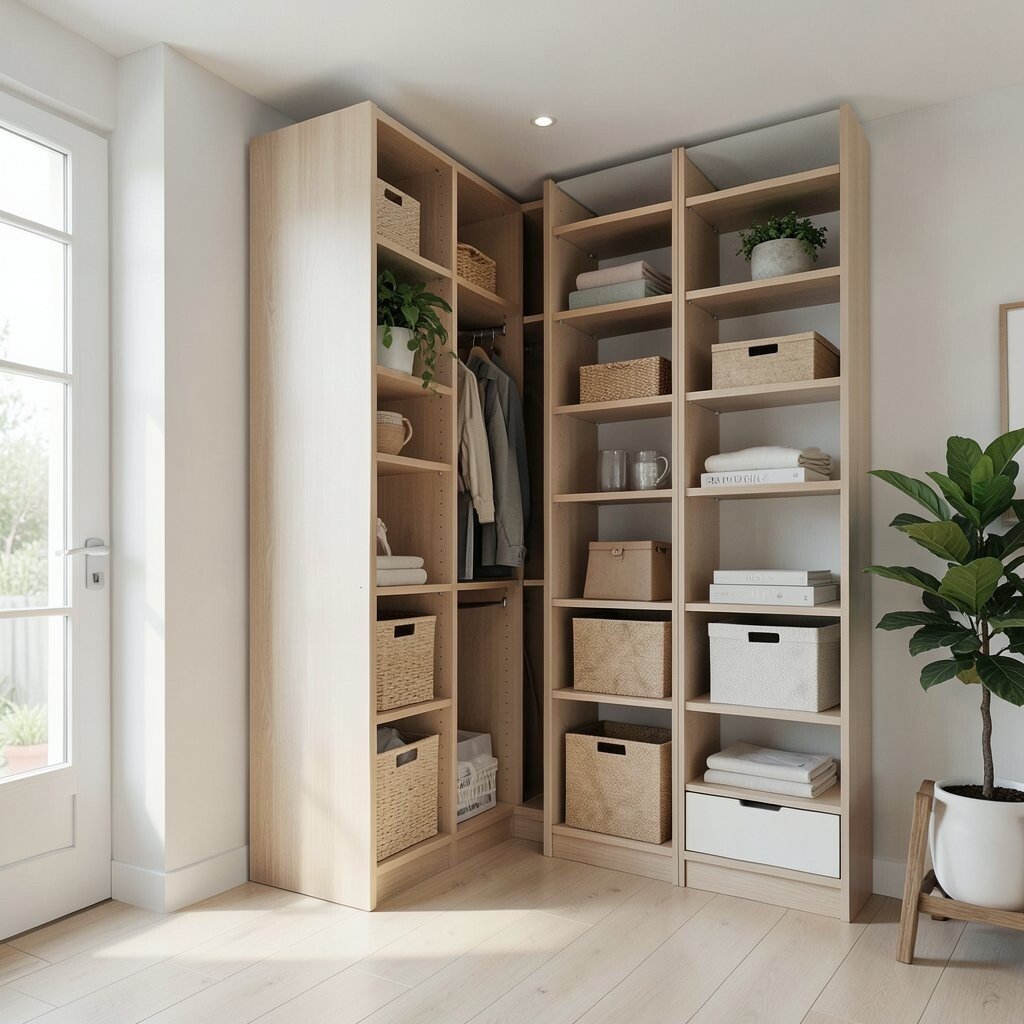
When floor space is tight, look up. Tall shelves and cabinets use the full height of a room and free up the floor below.
This is great for books, dishes, linens, or display pieces. Keep heavier items lower and lighter items higher for safety and ease. Open shelves feel airy, while closed cabinets hide clutter and give a cleaner look.
You can make tall storage feel personal with baskets, framed photos, or a few favorite objects. It is a practical choice that can fit many budgets, from simple wall shelves to built-in units.
Using vertical space is one of the easiest ways to make a home feel more organized. It also gives a room a taller, more polished look.
14. Shape a cozy TV area without taking over the room

A screen should support the room, not control it. Place the TV where it is easy to see, but keep the rest of the layout soft and welcoming.
Use a low media cabinet to hold devices and hide cords. A rug and a pair of chairs can make the area feel like part of the home instead of a dark corner. Many homes now use slim wall mounts and simple consoles for a cleaner, lighter look.
If the room has more than one use, angle the seating so it can work for talks, games, or movies. That gives you more value from the same space.
15. Build a breakfast nook in a small space
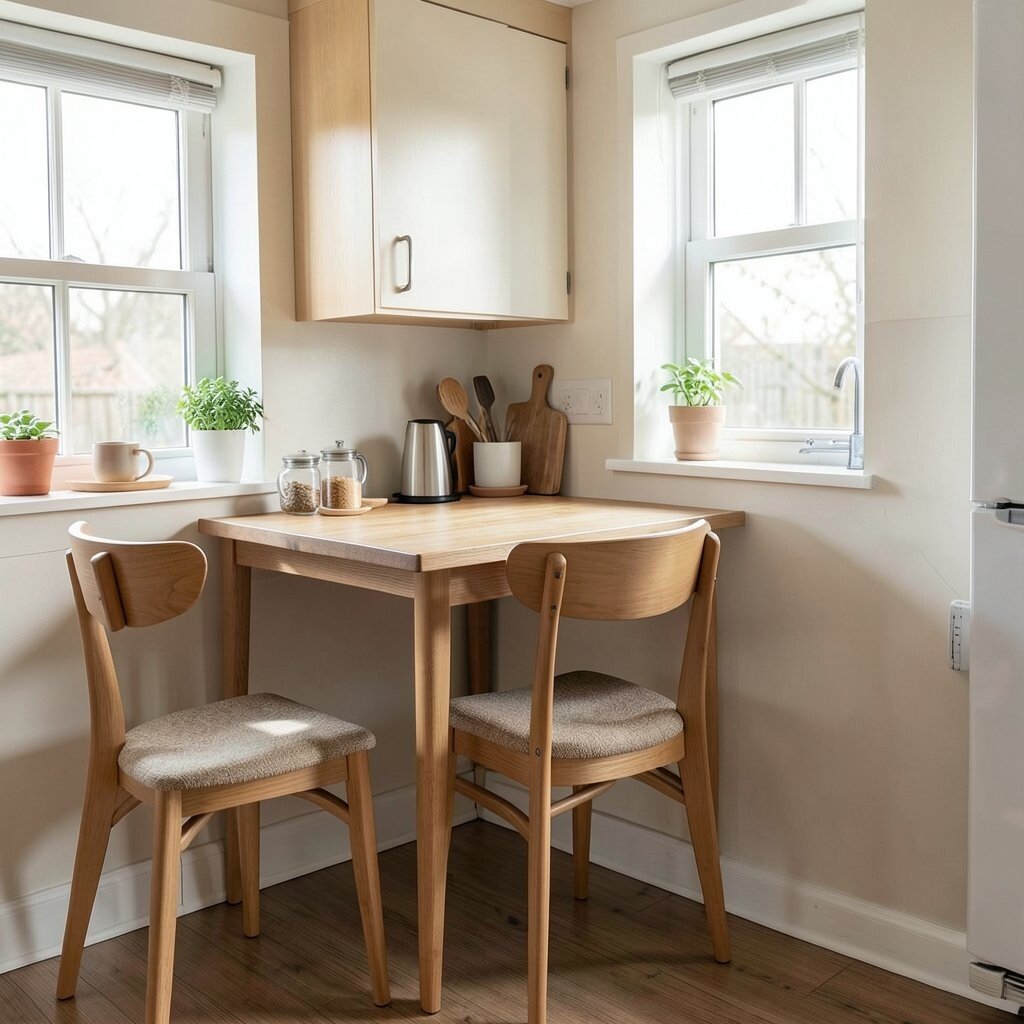
A corner with a small table can feel like a tiny café at home. It works well near a kitchen window or beside a sunny wall.
Use a built-in bench if you want a snug look, or choose a round table and two chairs for a lighter feel. Soft cushions and a pendant light can make the spot feel warm and inviting. This layout is nice for quick meals, homework, or coffee breaks.
It also helps a kitchen feel less crowded than a full dining set might. If you want to keep costs down, mix a simple table with secondhand chairs.
The nook can be made more personal with art, colorful fabric, or a small plant. Little details can turn a plain corner into a favorite place.
16. Keep the bathroom layout clear and simple
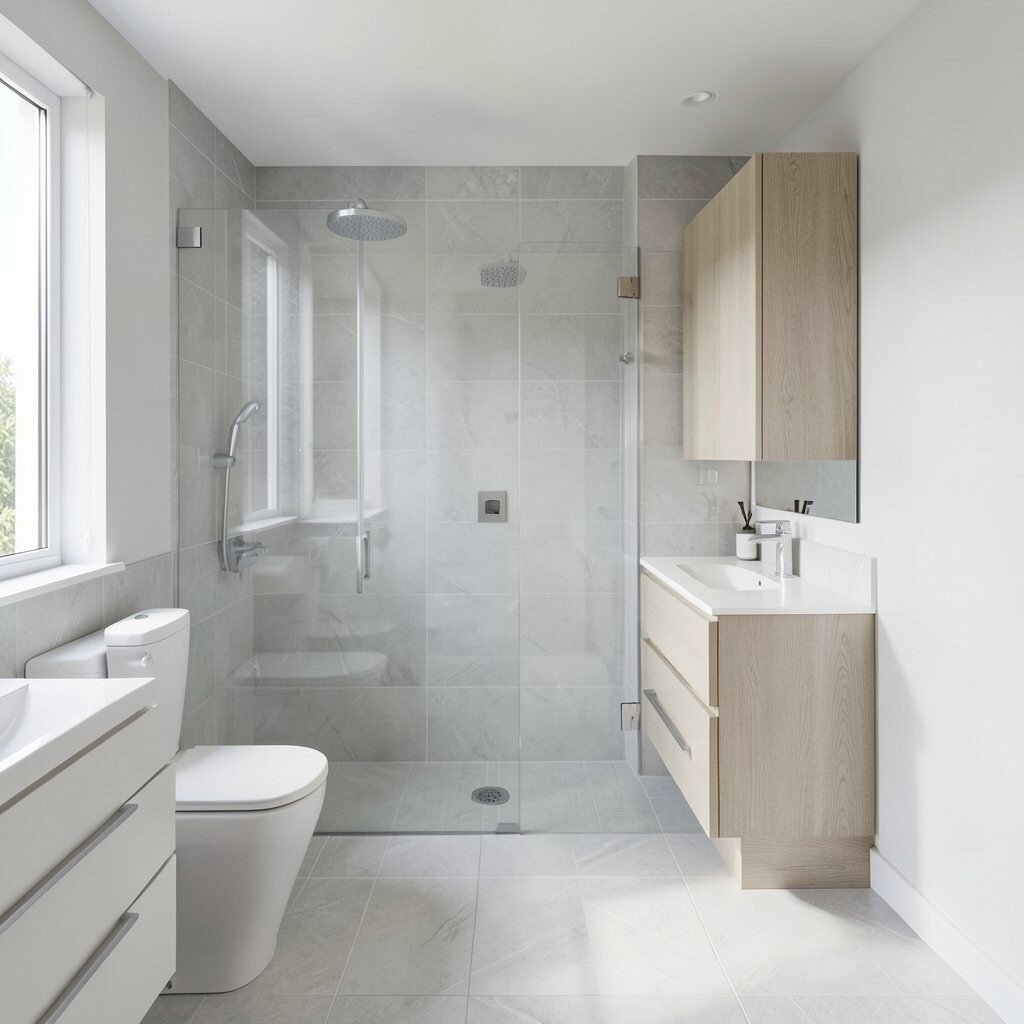
A bathroom feels better when the key items are easy to reach. Place towels, toiletries, and cleaning supplies where they are needed most.
Use under-sink storage, wall shelves, or a slim cabinet to keep the floor open. A large mirror can make the room feel brighter and bigger. Current bathroom styles often lean toward clean lines, warm wood, and soft neutral colors.
If the room is very small, choose a pedestal sink or floating vanity to save space. That can also lower the cost compared with a full custom setup.
17. Make a play zone that can be packed away fast
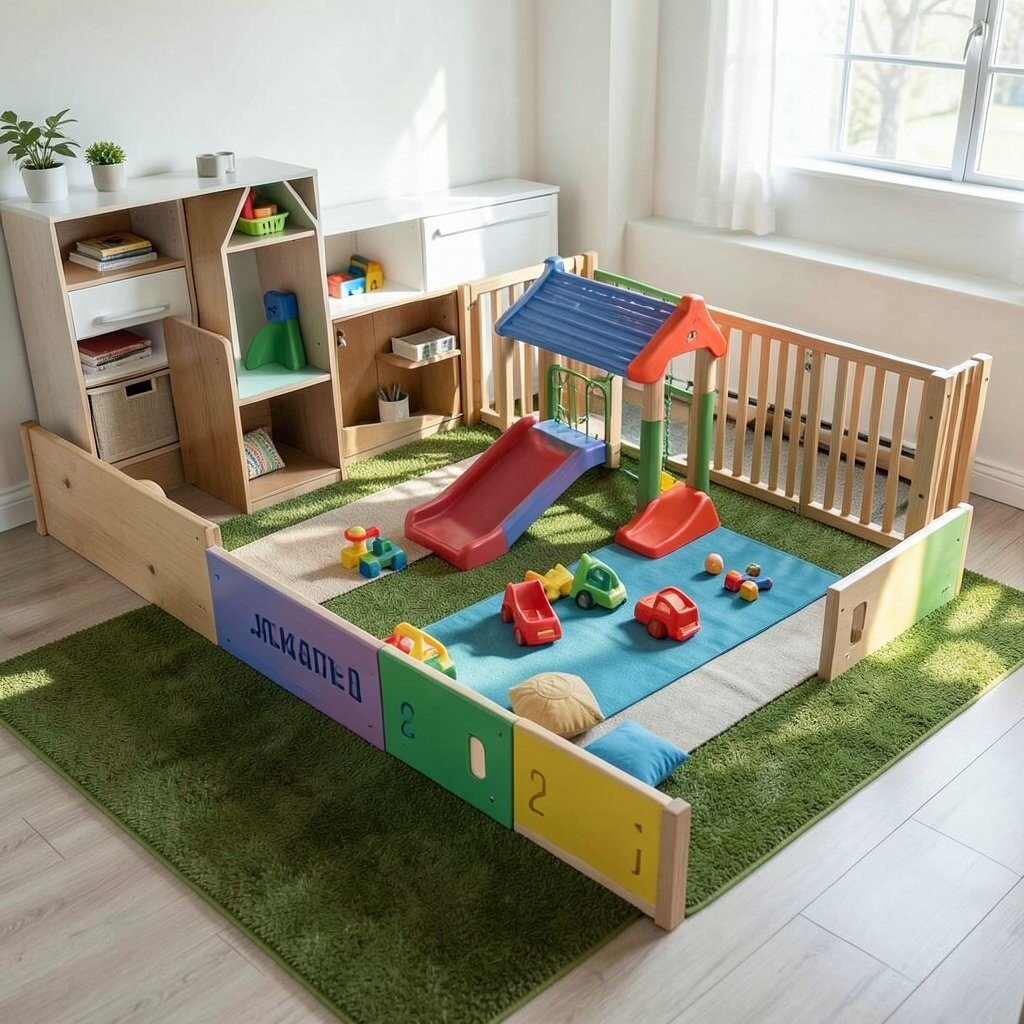
Kids need room to move, but parents need order too. A play zone with clear storage makes both sides happier.
Set aside a rug, low bins, and a shelf that children can reach. Keep the most used toys at the front so clean-up is quick and simple. Bright colors work well, but a soft base with a few bold pieces can feel less chaotic.
This layout is unique because it can change as kids grow. It costs less when you use open bins and furniture that can later serve another room.
A play area that is easy to reset gives the whole home a calmer feel. It also helps children learn where things belong.
18. Use a console table to guide the eye
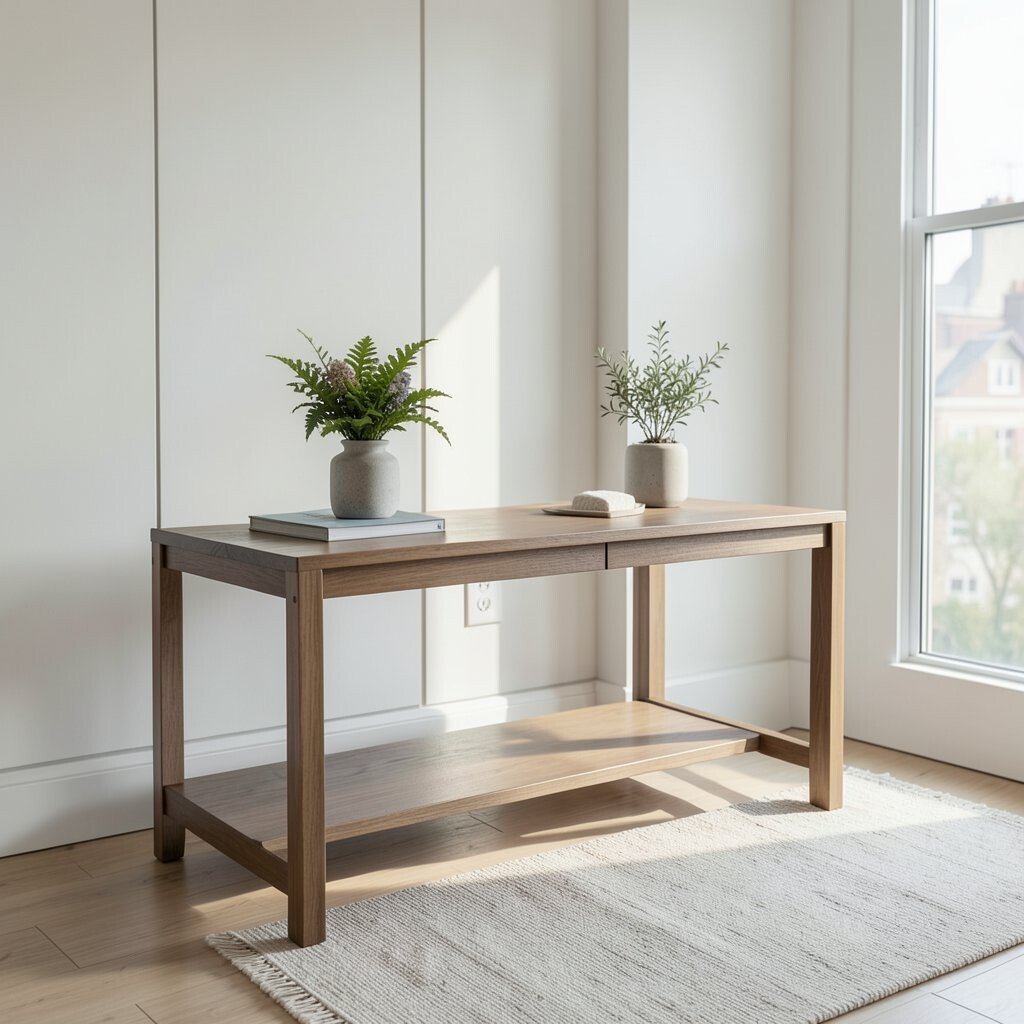
A console table can make a room feel finished without taking much space. It works well behind a sofa, in a hallway, or near an entry wall.
Style it with a lamp, a bowl, and one or two favorite objects. That gives the area a clear focal point and helps the room feel balanced. Slim furniture like this is a current favorite because it adds function without crowding the floor.
If you need more storage, choose one with drawers or a lower shelf. It can hold mail, remotes, or small extras while still looking neat.
19. Create a laundry area that feels less like a chore spot
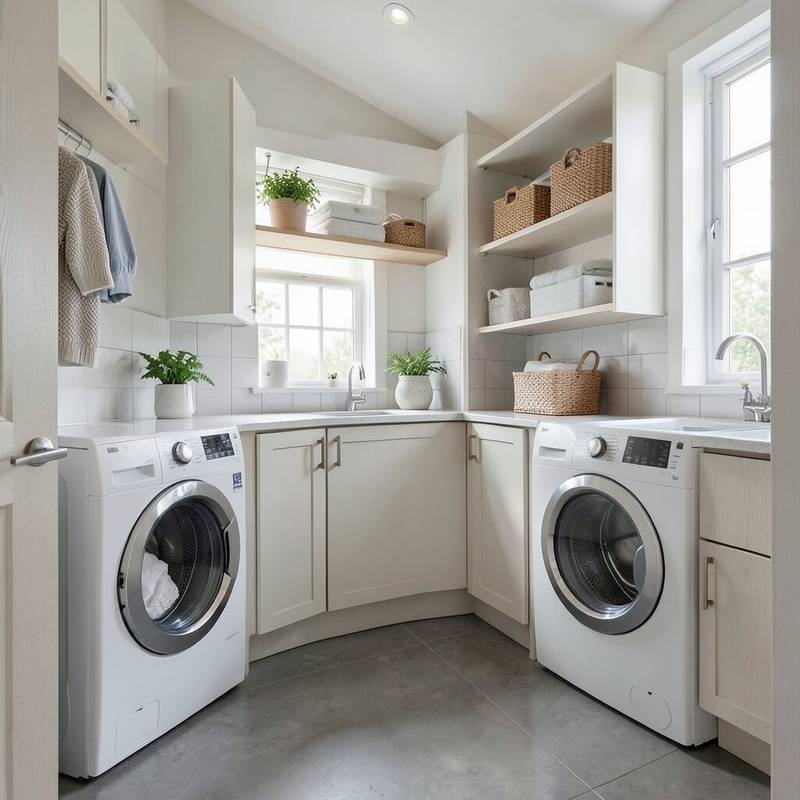
Even a small laundry corner can feel pleasant with the right layout. Put baskets, detergent, and folding space close together so the job moves smoothly.
A counter over front-loading machines can give you a place to sort and fold. Wall hooks for hangers and a shelf for supplies make the area more useful. Light colors and good lighting help the room feel cleaner and less cramped.
You can add a little style with labeled jars, a fun rug, or matching bins. If your budget is small, focus on storage first and decor second.
A tidy laundry setup saves time and cuts stress. It is a practical upgrade that pays off every week.
20. Place a rug to define each area
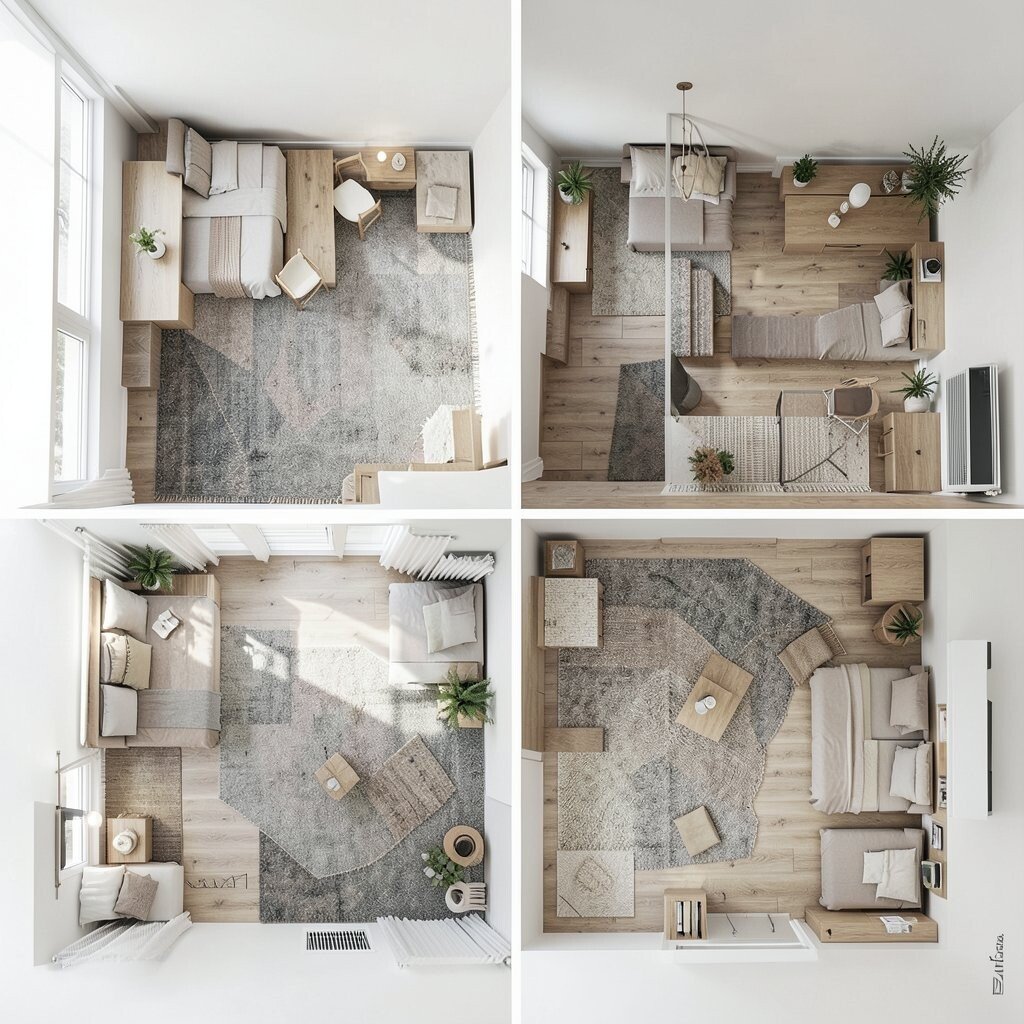
A rug does more than soften a floor. It tells the eye where one space ends and another begins.
Use a large rug under the main seating group or a smaller one under a reading chair. This helps the room feel organized and warm. Many people now like natural textures, washable rugs, and simple patterns because they are easy to live with.
Pick a size that fits the furniture, not just the floor. A rug that is too small can make the room feel choppy, while the right one ties everything together.
Rugs come in many price ranges, so there is room to match your budget. A well-chosen rug can make a plain room feel polished fast.
21. Put a desk in a shared room without crowding it
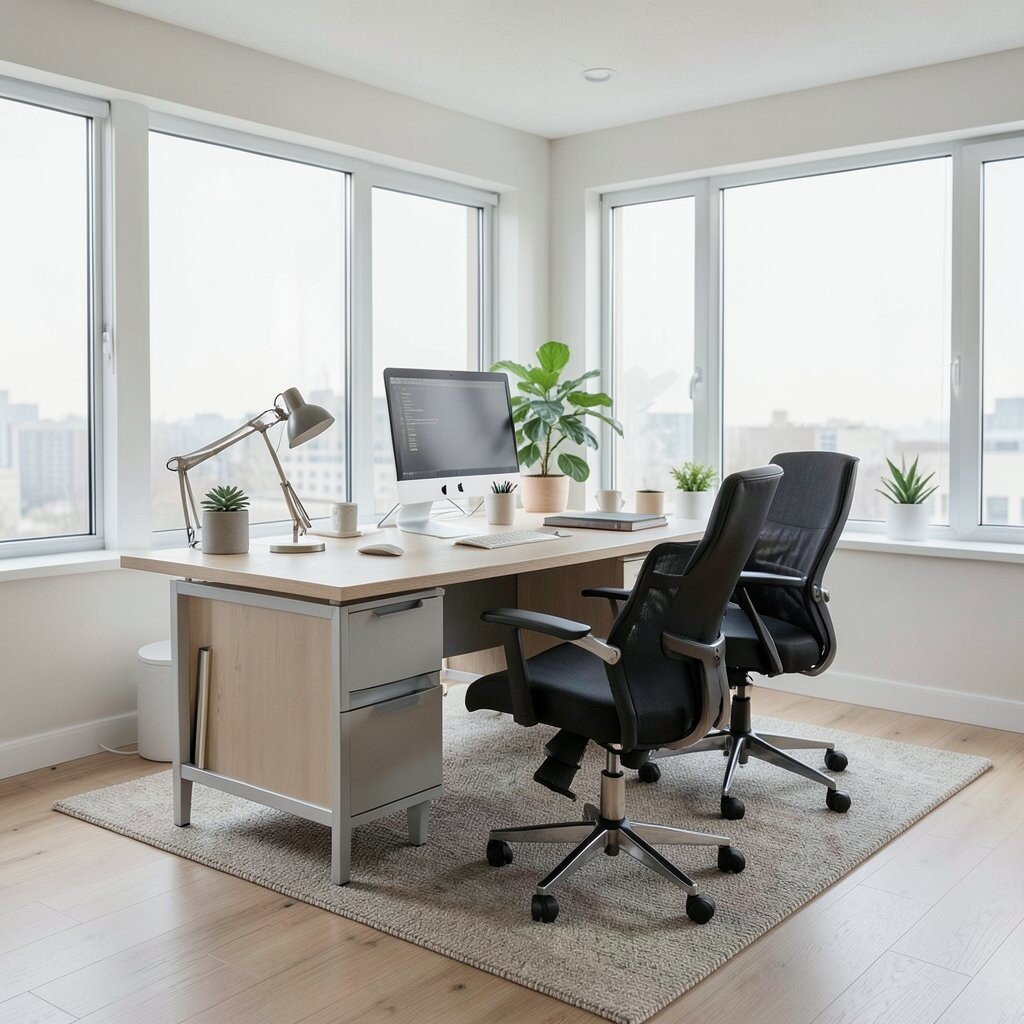
A shared room can still hold a work or study spot. The trick is to keep the desk small and placed where it does not block the main use of the room.
Try a corner desk, a wall-mounted shelf desk, or a narrow table near a window. Use a chair that slides in fully when not in use. This keeps the room open and easy to share.
Personal touches like a lamp, cork board, or small art piece help the desk feel inviting. If you need to save money, a simple table can work just as well as a fancy setup.
22. Make the master closet work like a store
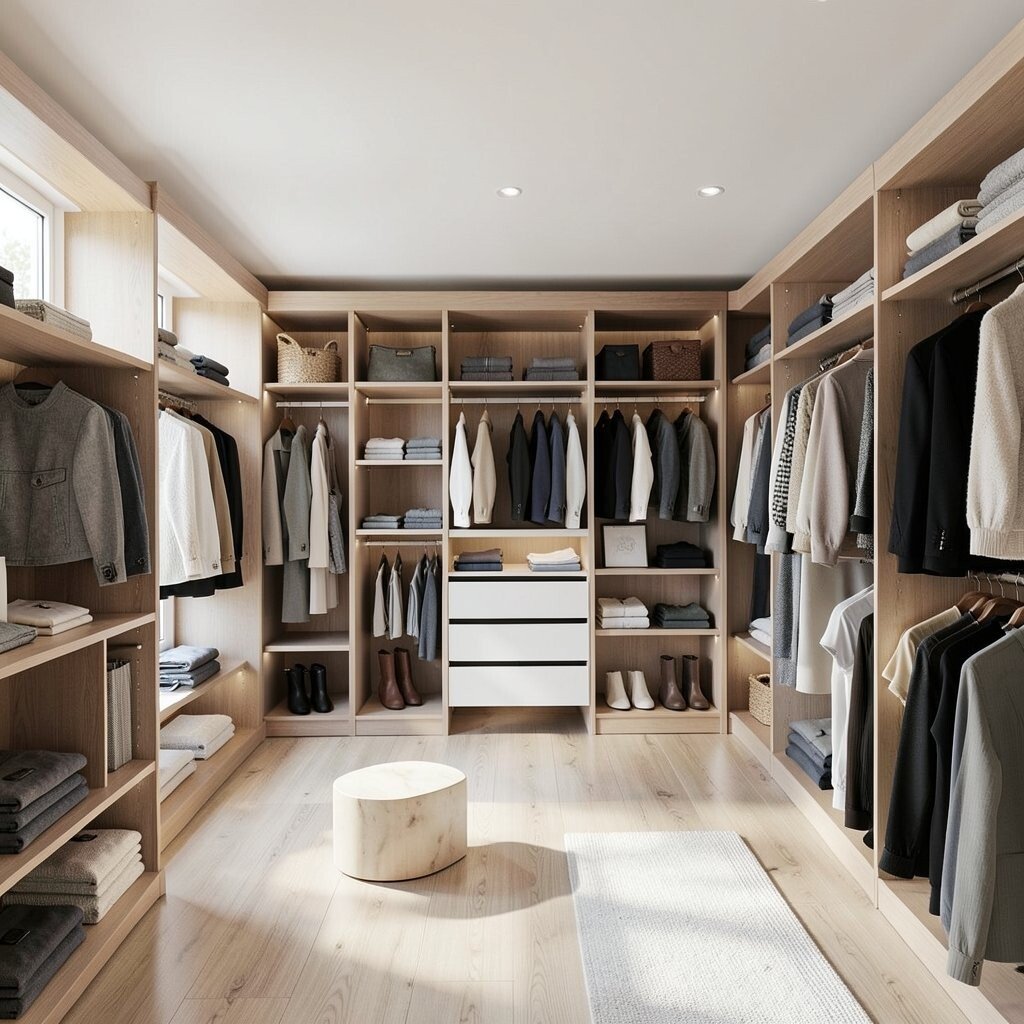
A closet feels better when everything is easy to see and grab. Group clothes by type, color, or season so dressing is faster.
Use matching bins, drawers, and hanging rods to create a tidy look. Good lighting matters here because it helps you use the space well. Current closet trends favor open shelving, clear boxes, and simple labels that make daily life easier.
You can make the closet feel more personal with a mirror, a small stool, or pretty boxes. Even low-cost changes like better hangers can improve the whole layout.
23. Turn the space under stairs into a helper spot
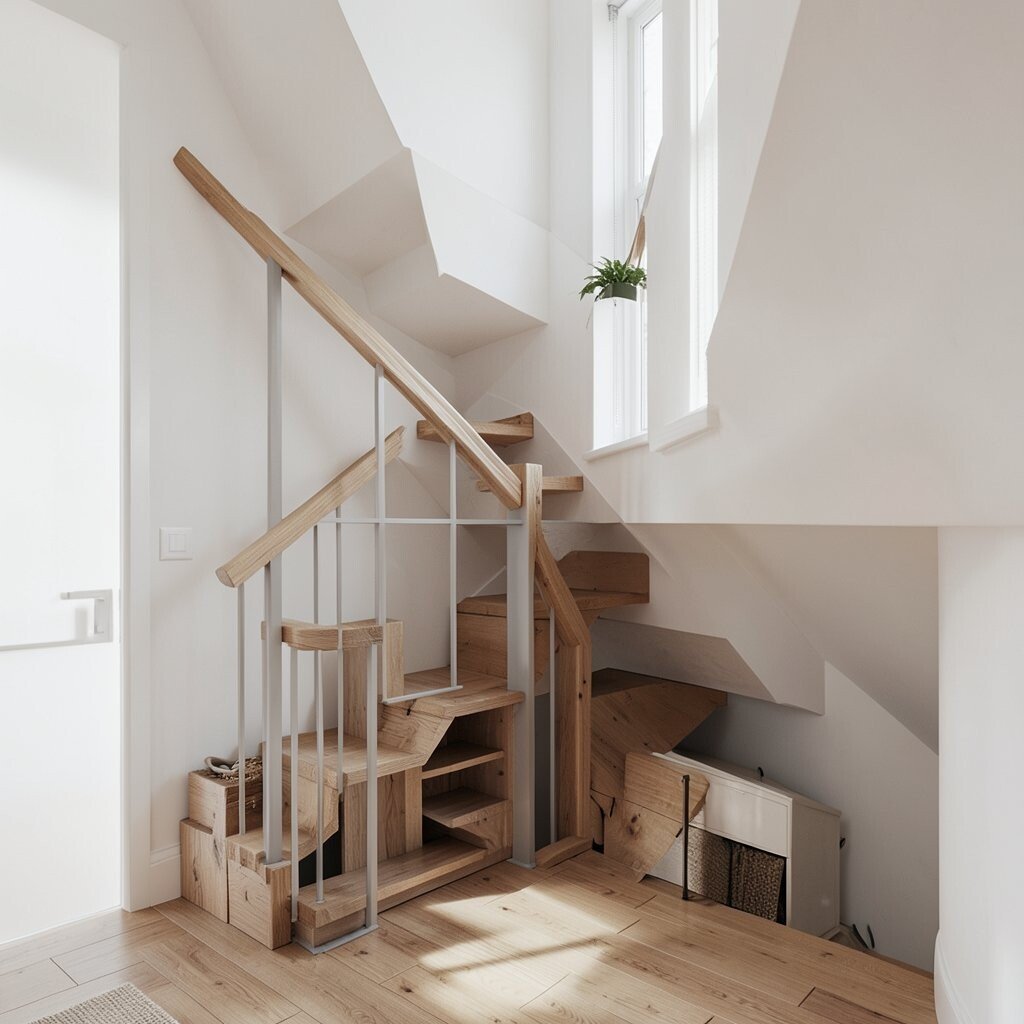
The area under stairs often sits empty, but it can do a lot. It can hold a desk, a reading nook, hidden storage, or a pet bed.
This spot is unique because its shape is unusual and fun to use. Built-in drawers or shelves can make the most of every inch. If you want a lower-cost fix, use baskets or a small cabinet that fits the slope.
Because the area is tucked away, it can also help hide clutter. Add a light, paint, or wallpaper to make it feel like part of the home instead of a forgotten corner.
It is a clever way to gain function without changing the whole house. Small, odd spaces often hold the best surprises.
24. Set up a guest room that doubles as something else
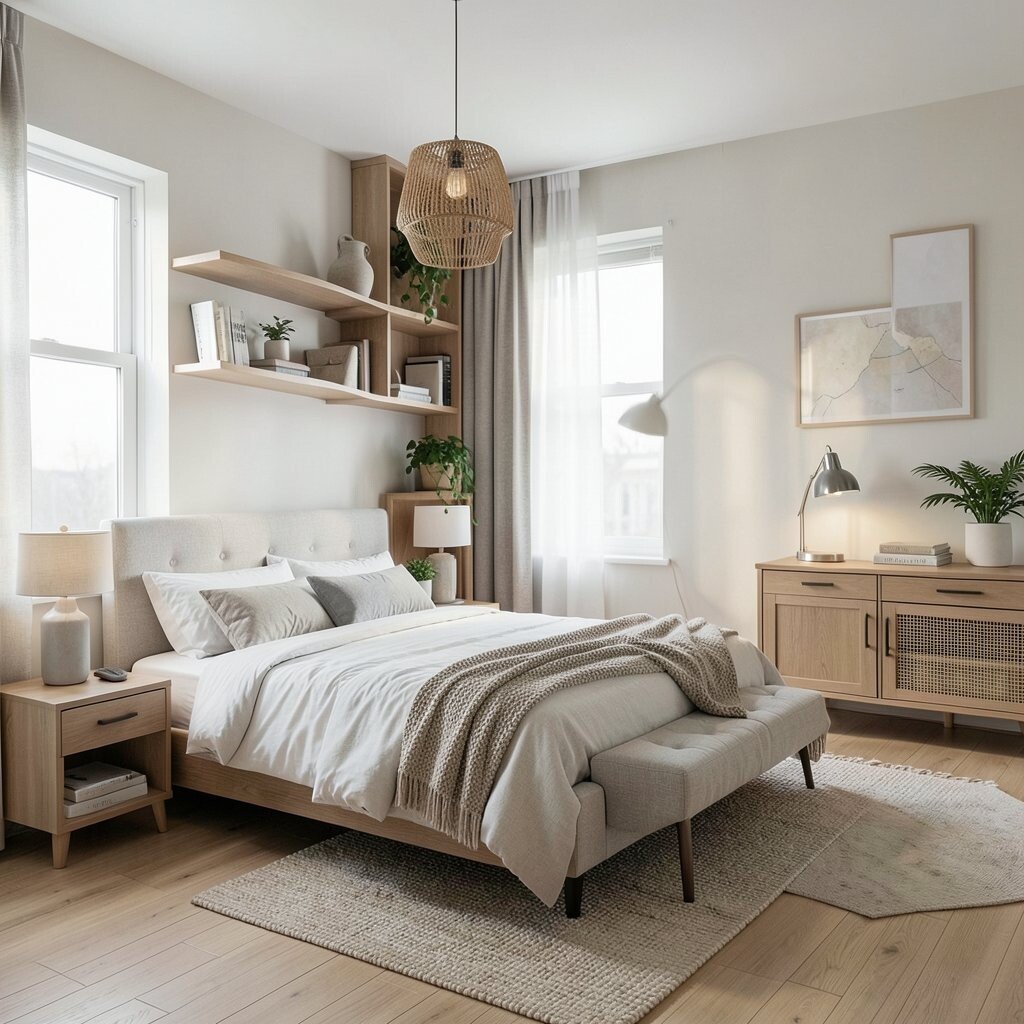
A guest room does not need to sit empty most of the year. Give it a second job so it earns its place in the home.
A daybed can work as both a sofa and a bed, while a desk can make the room useful between visits. Keep bedding easy to grab and store in a nearby basket or cabinet. Soft colors and simple decor help the room feel calm for visitors.
This kind of layout is smart for homes that need flexibility. It can save money because one room does more than one thing.
25. Use sliding doors to save swing space
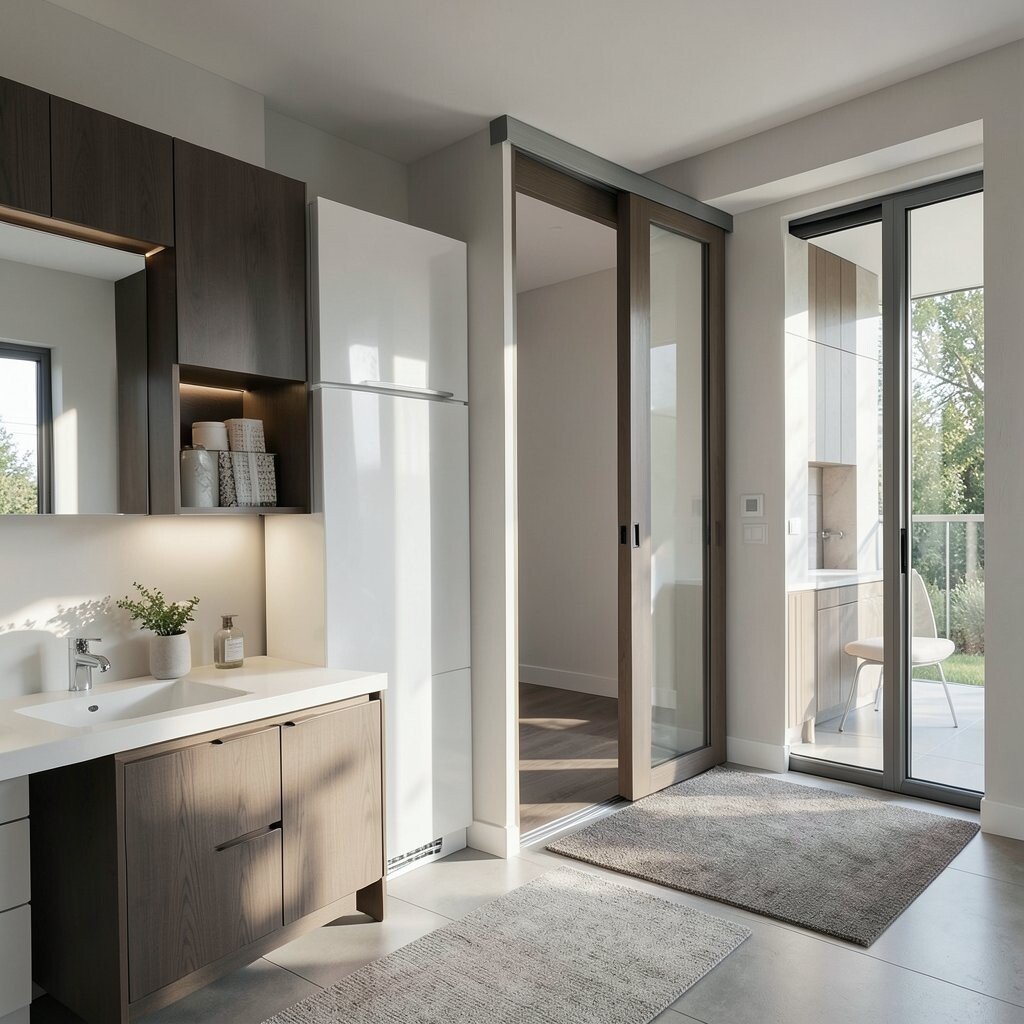
Sliding doors can make a room feel smoother and more open. They do not need the extra space that a swinging door uses.
This is helpful for closets, bathrooms, laundry areas, and small rooms. Glass versions can bring in light, while wood panels can add warmth and privacy. Many modern homes use them because they feel sleek and practical at the same time.
If a full door change is not in the budget, a barn-style track can still give the same space-saving benefit. It also adds a bit of style to the room.
26. Keep the living room centered on conversation
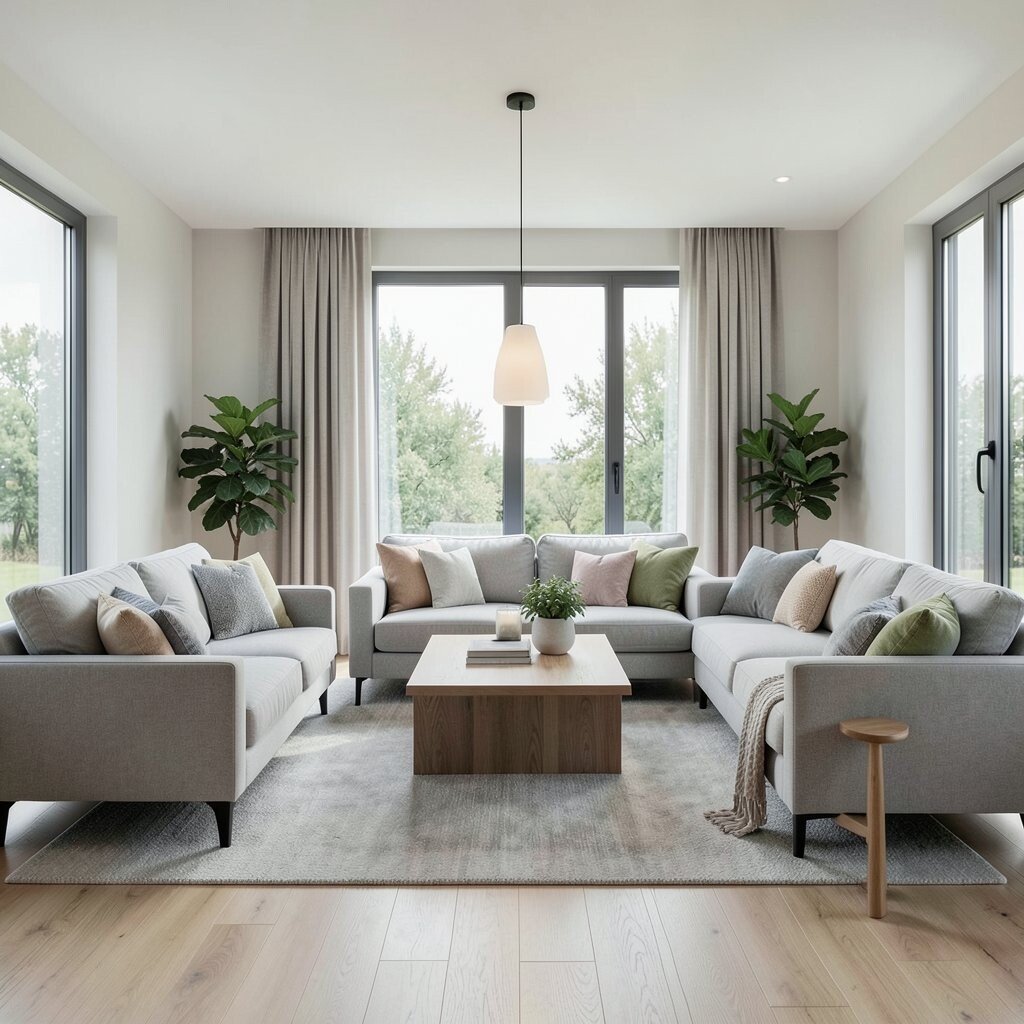
A living room can feel more friendly when seats face each other. This layout invites talking and makes the room feel welcoming.
Try two sofas, a sofa and two chairs, or a mix of chairs around a coffee table. Keep the table close enough for drinks but not so close that it blocks knees. A soft rug and warm light can make the spot feel even cozier.
This setup is great for guests, family time, or quiet evenings. It also gives the room a classic look that still feels fresh today.
You can personalize it with pillows, throws, and art that show your style. The best part is that it often works with furniture you already have.
27. Make a craft or hobby station easy to reset
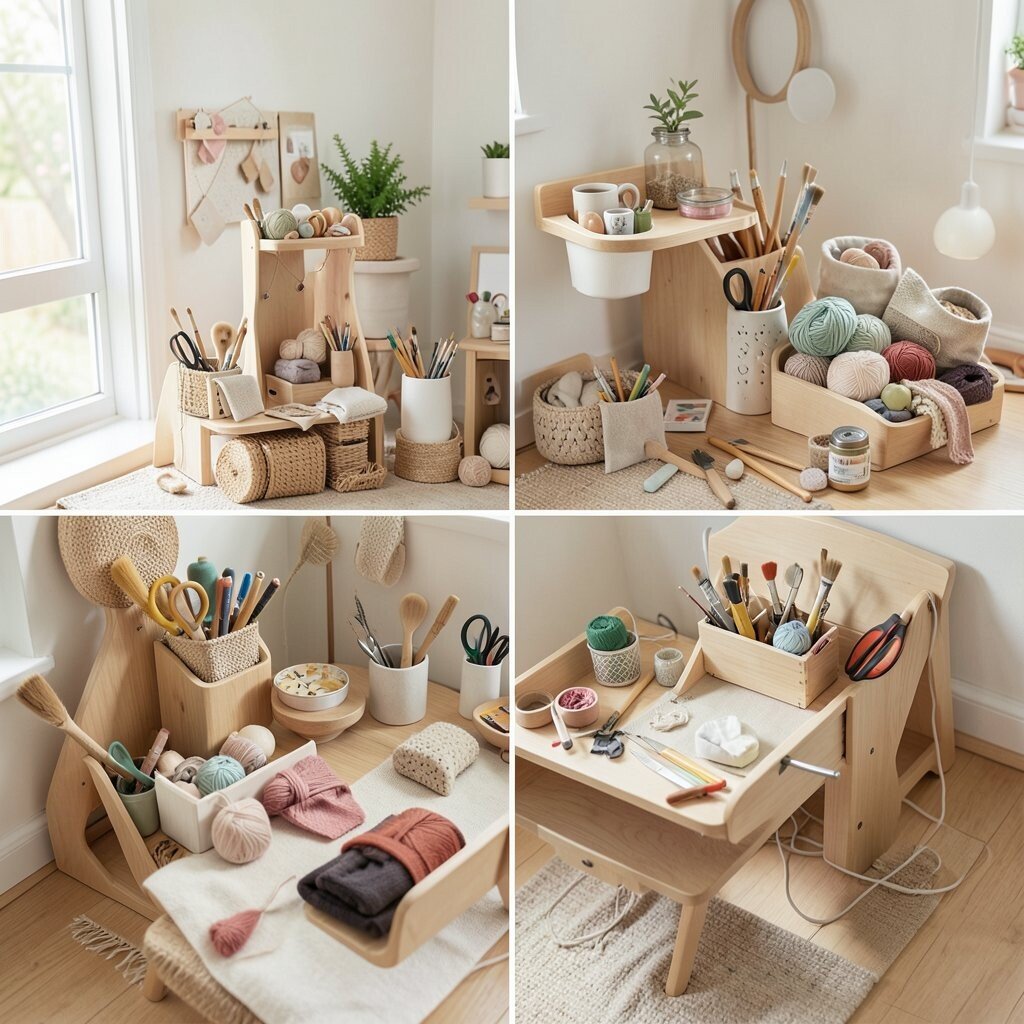
Creative spaces work best when supplies are easy to reach and easy to put away. A small table with bins, drawers, or a rolling cart can keep the area under control.
Set the station near good light and a wall that can hold tools or inspiration. Clear jars, labeled boxes, and stackable trays help the space stay neat. This kind of setup is popular now because people want rooms that support real life, not just pretty pictures.
You can make it feel personal with color, art, or a mood board. It does not need to cost much if you use simple storage and a table you already own.
28. Arrange the bedroom for easy mornings
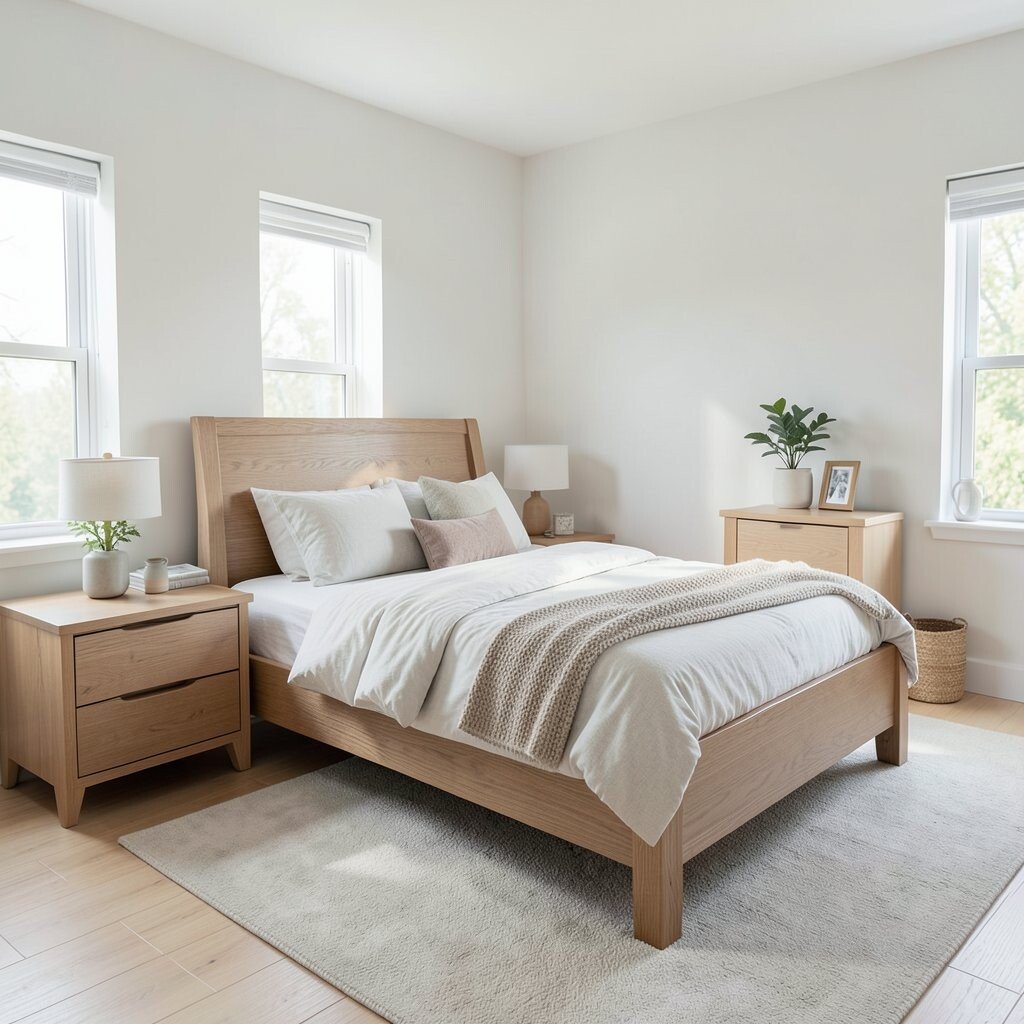
A bedroom can help your day start smoothly when the layout is thoughtful. Keep clothes, shoes, and daily items close to where you need them.
Place a dresser where it is easy to reach, and set a chair or bench near the bed for tomorrow’s outfit. A mirror near the closet or door can save time while getting ready. Soft lighting and calm colors make the room feel restful at night and easy in the morning.
This layout feels more personal when it matches your habits. If you like quick routines, keep only the items you use most in open view.
Simple changes can make the room work better without a big spend. A smoother morning starts with a smarter room.