Your favorite clothes can feel like friends, so you hate seeing them fall apart. Small repairs done quickly can save both money and mood.
Here are practical garment repair ideas that match busy schedules while keeping your style looking sharp.
1. Hem a Trouser in One Short Visit

Imagine stepping out and noticing your pants finally sit at the right spot instead of bunching at the ankle. A quick hem repair can make the whole outfit look more polished with very little downtime.
Bring the shoes you wear most so the tailor can match the height your look actually needs. Choose a thread color close to the original seam, and ask for a clean finish that won’t show on the outside.
2. Fix a Torn Shirt Seam Before It Spreads
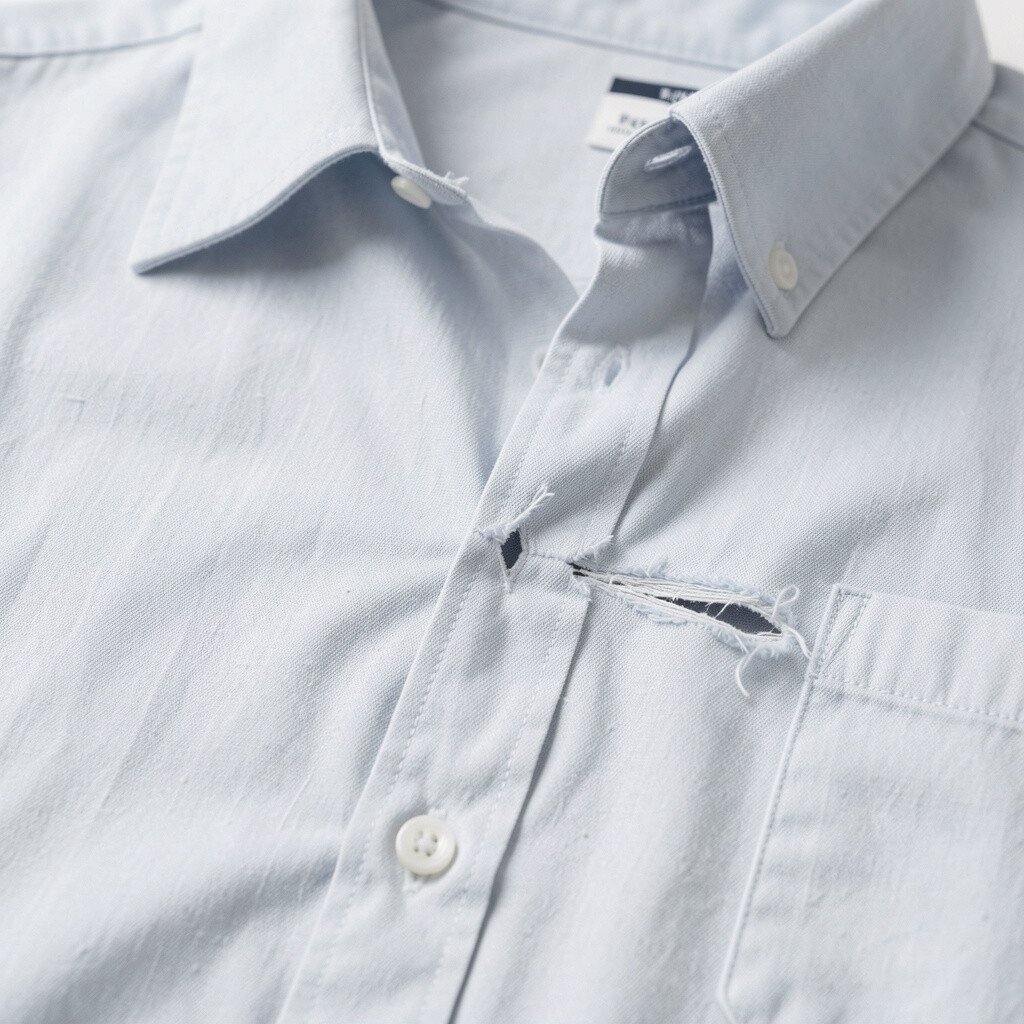
A seam tear can start as a small rip, but it often grows every time you move. Seeing the stretched fabric and pulled stitches is frustrating, especially when the shirt still fits well.
Have the repair done soon so the fabric edges don’t fray further. A good quick stitch locks the original shape, and it feels strong again when you put the shirt on.
If you like a slightly rugged look, ask for matching thread and a neat backstitch that blends in rather than hiding the damage. For personalization, you can also request a tiny row of contrasting thread on the inside seam where it’s secret but stylish.
3. Replace a Missing Button Fast and Neatly
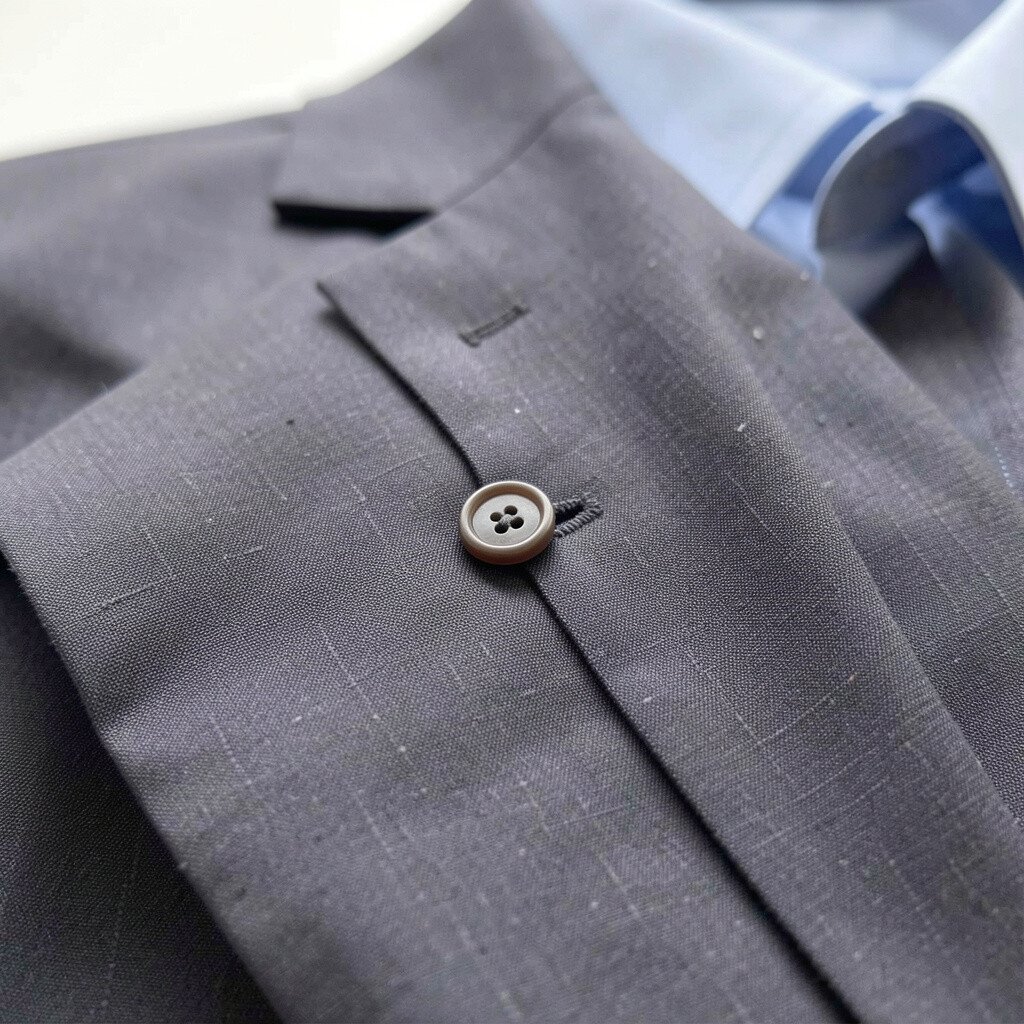
A missing button can turn a perfect shirt into a reluctant outfit, especially when the front gapes. The visual gap is obvious, and it makes the whole garment look unfinished even if the fabric is fine.
Quick button replacement restores function and gives your clothing a “put together” feel again. Bring the original button if you can, because matching size and shade is the easiest path to a clean result.
Consider choosing a metal-look button for a modern feel or a matte one for classic style. For cost, basic buttons are usually affordable, but asking for the exact match can reduce the chance of rework later.
4. Patch a Hole With a Fabric That Looks Intentional
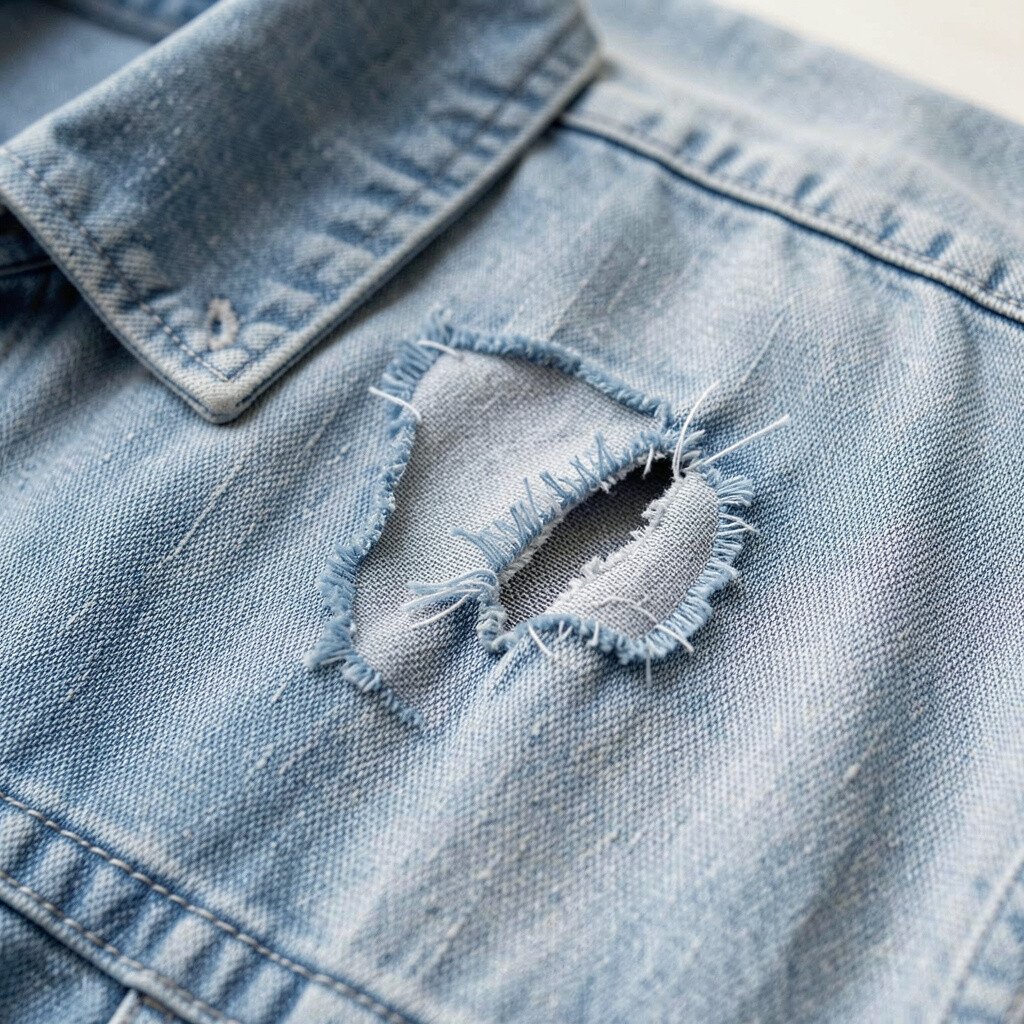
A small hole can look worse than it is, because the empty spot pulls the eye right away. When you patch it well, you get back comfort and you also gain a bold design moment.
Choose a patch fabric that matches the shirt tone, or pick a patterned cloth for a creative twist. Make sure the patch edges are secure and flat so the garment doesn’t rub your skin.
5. Repair a Zipper That Sticks or Slips
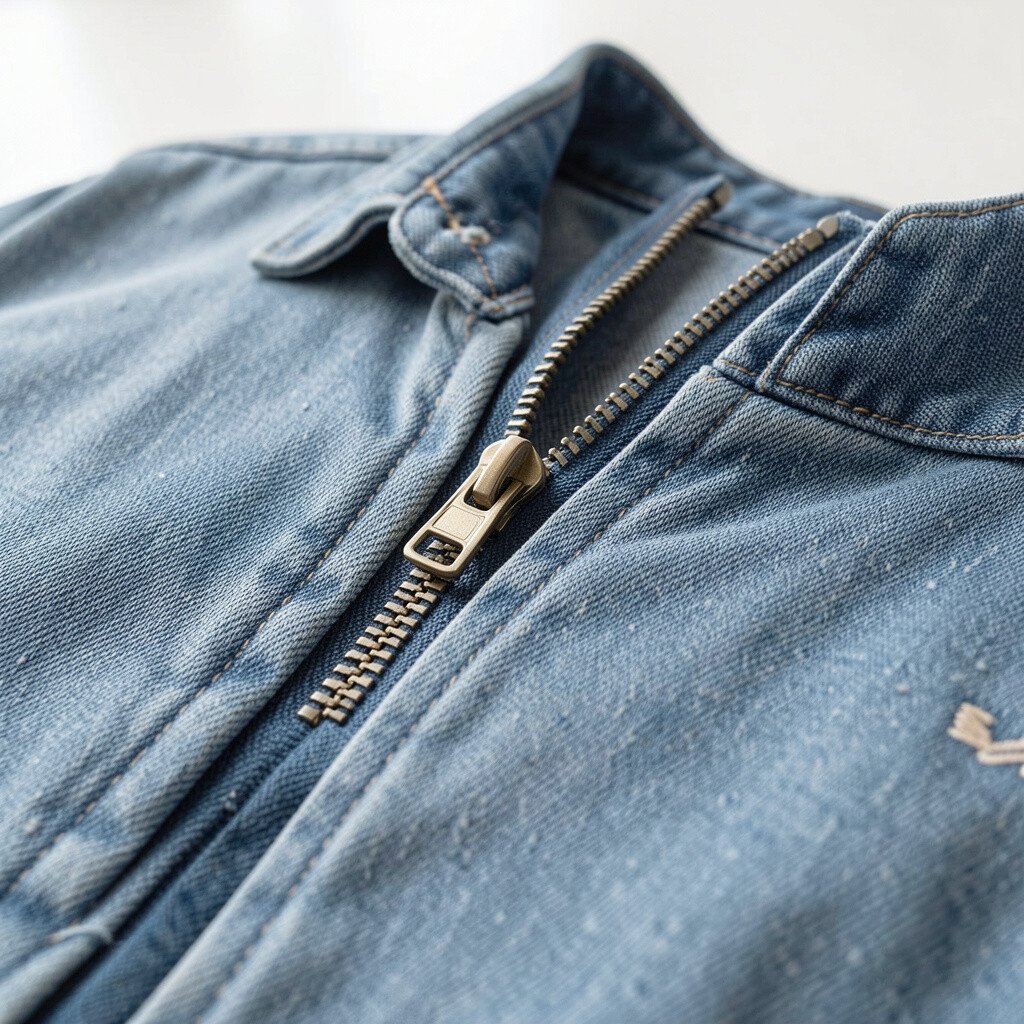
A zipper that catches mid-way feels like a daily hassle, and you end up forcing it in a way that can worsen the damage. When it slides smoothly again, the garment feels brand new and easier to wear.
A fast repair often involves cleaning the track, checking the slider, and tightening or replacing the zipper tape if needed. Ask whether a new pull tab would be helpful, especially if the original is bent or hard to grip.
For personalization, you can choose a pull tab in a fun color, like teal, gold, or a soft neutral. This kind of quick service is usually cheaper than replacing the entire item.
6. Tighten a Loose Waist Without Losing Comfort
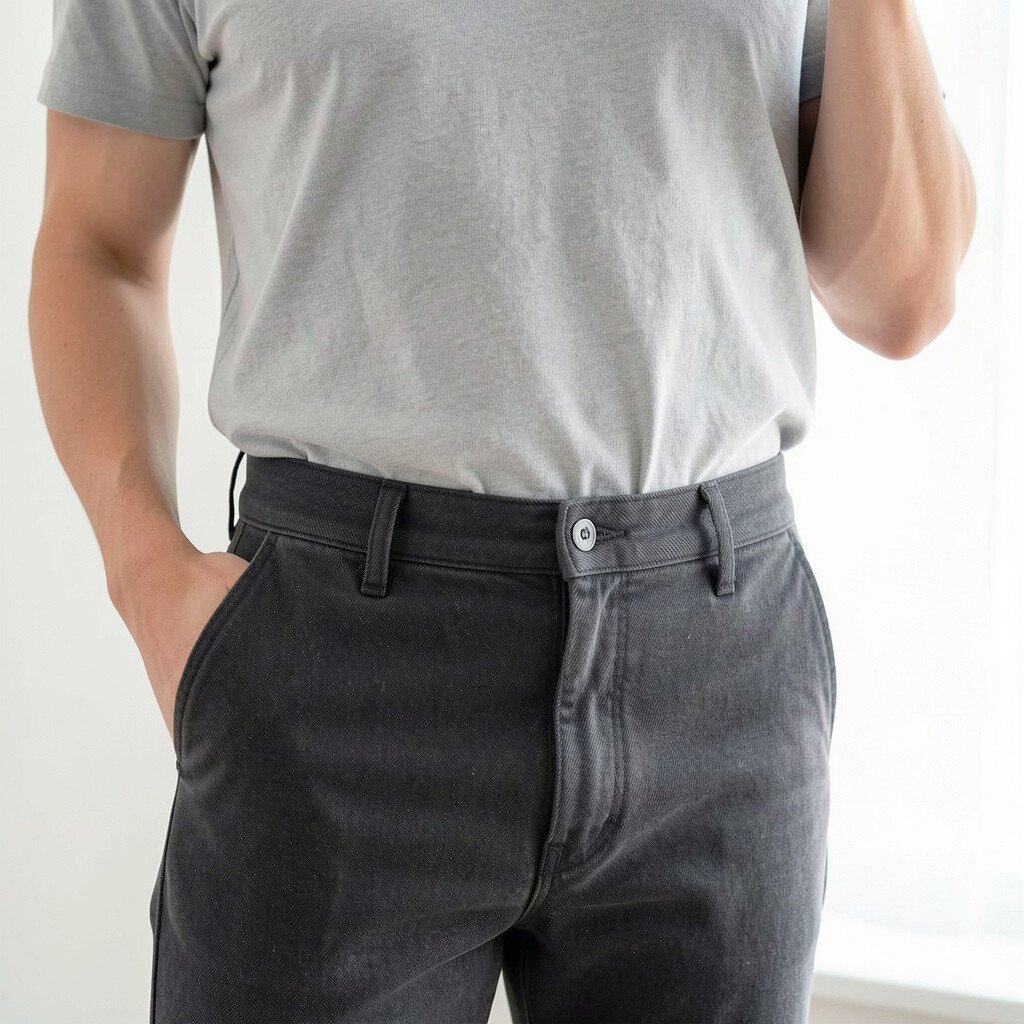
When a waistband feels too roomy, you notice it in every setting, from sitting at a desk to walking through a crowd. The fabric might shift, and your shirt may untuck more than you’d like.
A quick adjustment can take in the waist while keeping the fit comfy, so you don’t feel restricted. Tailors can also balance the changes so the waistband keeps the same shape on both sides.
7. Shorten a Sleeve for Better Shape
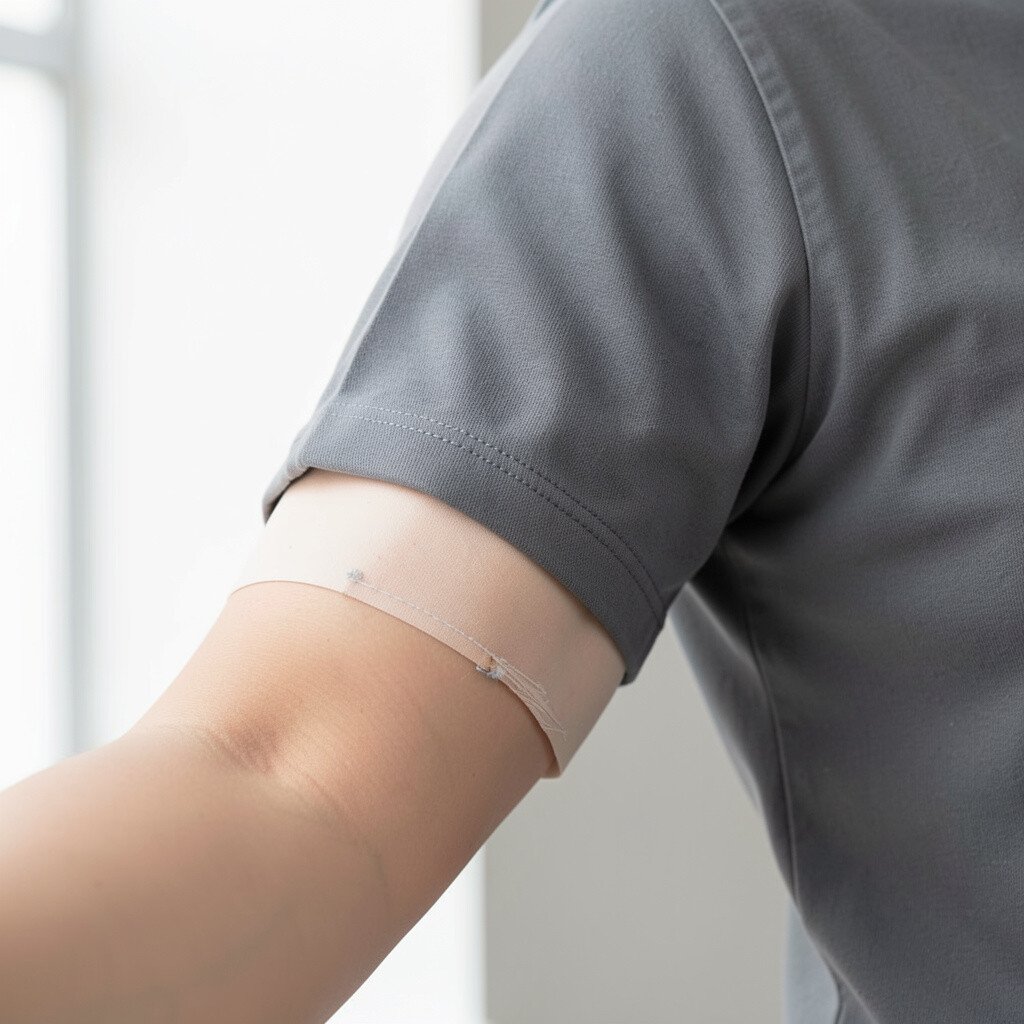
Long sleeves can make your hands look shorter, and they sometimes catch on watch bands or glove edges. If the cuff sits wrong, the whole outfit loses its clean lines.
A short sleeve repair can fix that look quickly, especially when the cuff seam can be reused. Bring the clothing you wear with it most so the tailor can match the proportions you like.
If you want extra style, keep the cuff width the same and just shorten from the inside. You can also ask for a slight taper so the sleeve falls nicely even after washing.
8. Strengthen a Stretchy Knit at the Cuff
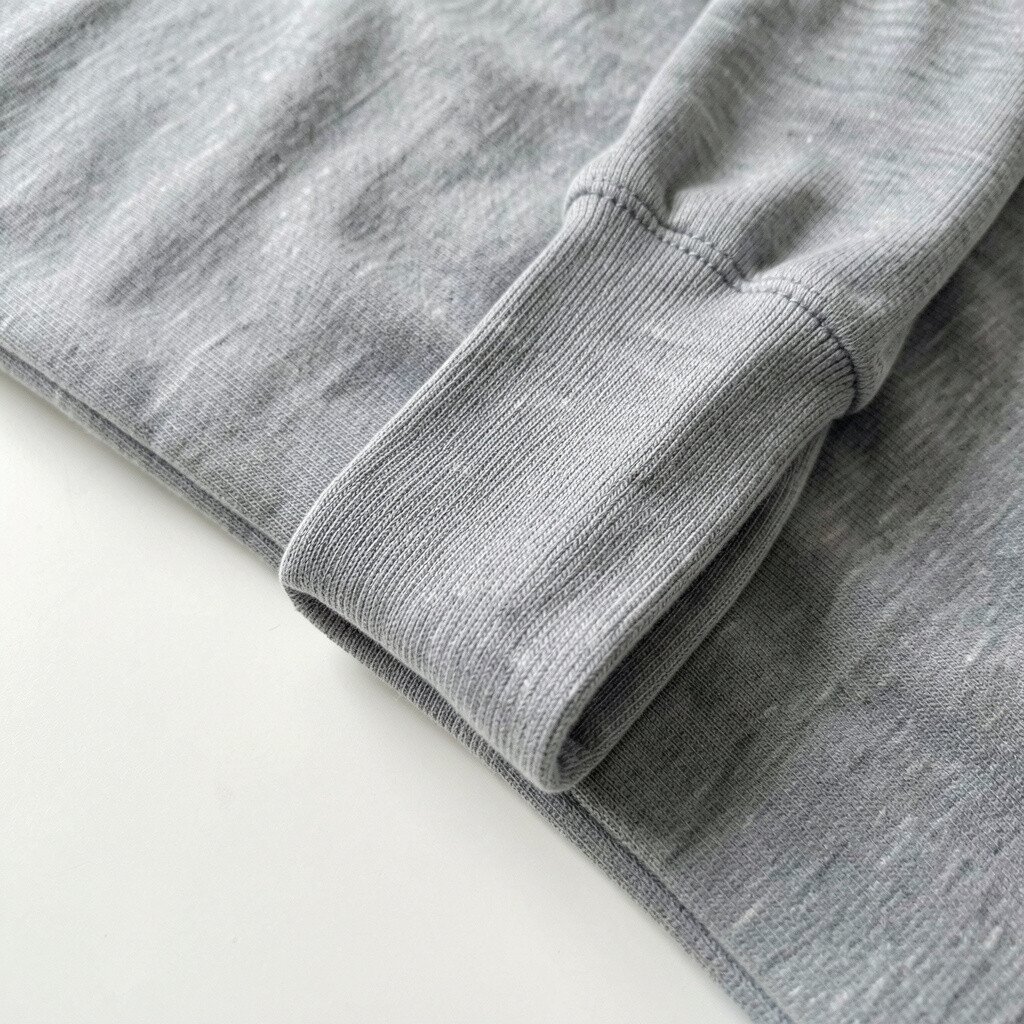
Stretchy cuffs tend to wear out because they bend again and again. You might see thinning fabric, tiny tears, or a cuff that no longer holds its shape.
A smart fix often includes reinforcing the stressed area so it keeps stretching without ripping. Look for a repair that matches the knit texture, because a bulky patch can feel stiff.
9. Reattach Loose Pockets and Flaps
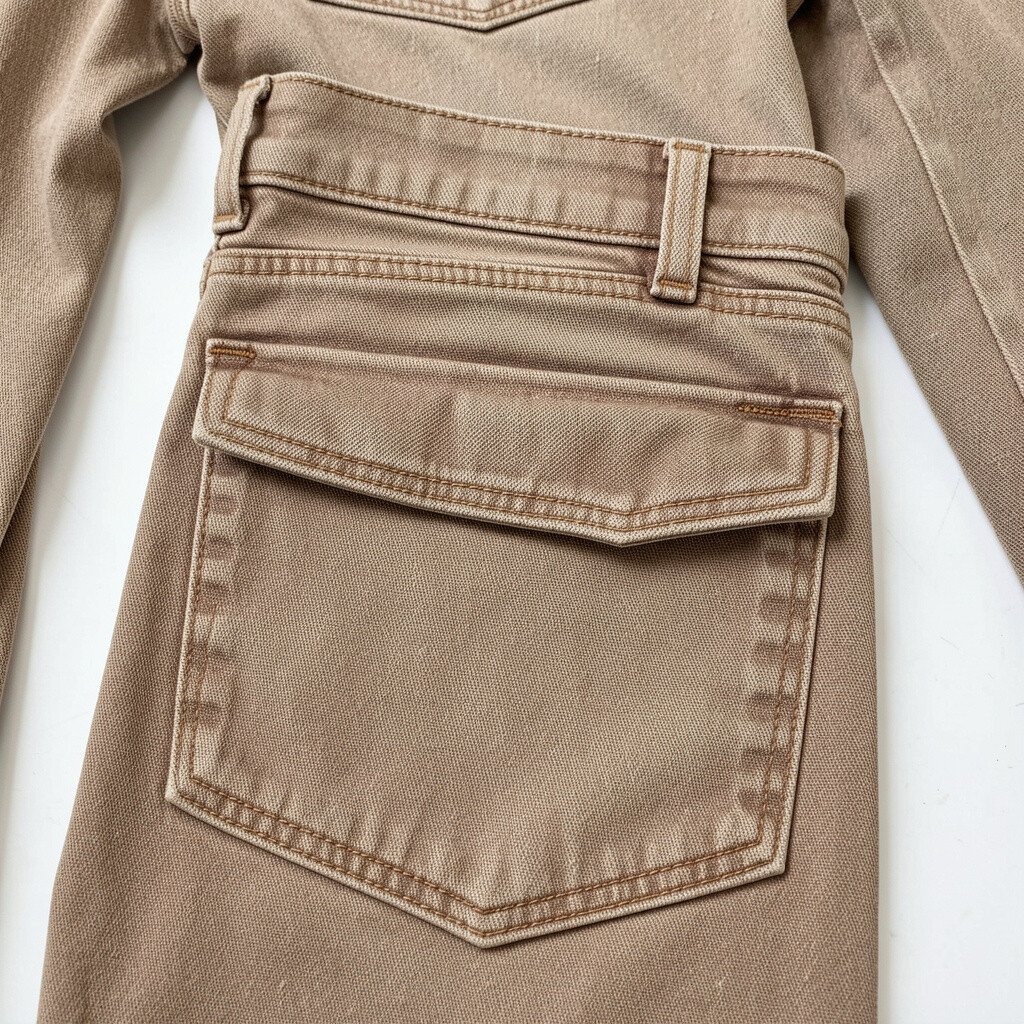
A pocket that droops or pulls away makes your pants feel sloppy, and it also affects how items stay put. You may notice the pocket lining peeking out or the edges curling every time you move.
Quick reattachment restores the structure and helps the pocket sit flat again. Ask for careful alignment so the pocket openings line up with the front seam and don’t twist.
For personalization, consider stitching the pocket edge with a subtle color thread that won’t scream but will add warmth. Cost stays reasonable because reattaching pockets usually takes less time than replacing full panels.
10. Replace a Worn Elbow Patch on a Sweater
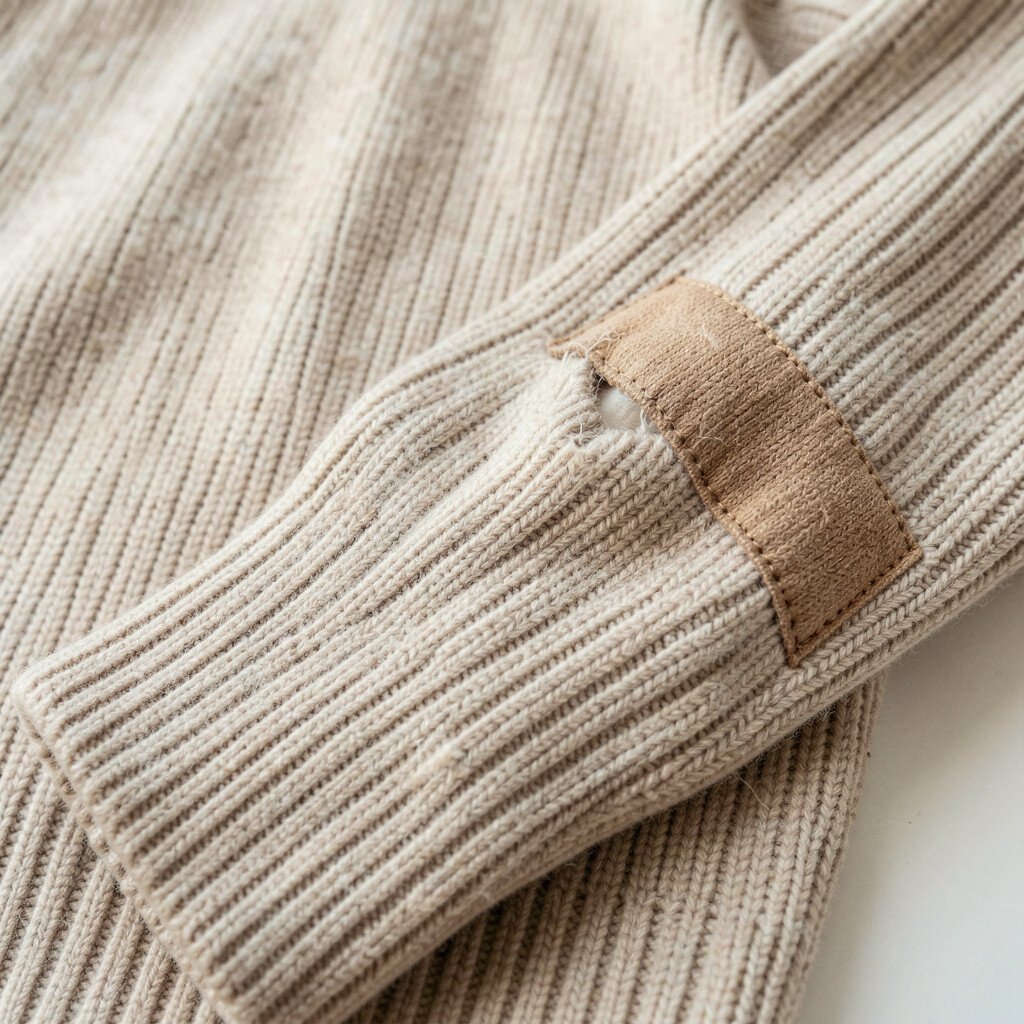
Faded elbows can make a sweater look older even when the rest still feels soft. The worn spot often shows first, especially on sleeves that bend throughout your day.
Replacing the elbow patch brings back that cozy, cared-for look while restoring durability where you need it most. Choose a patch material that matches the sweater weight so it doesn’t pull or bubble.
11. Repair Lining Tears in Jackets Without Bulk
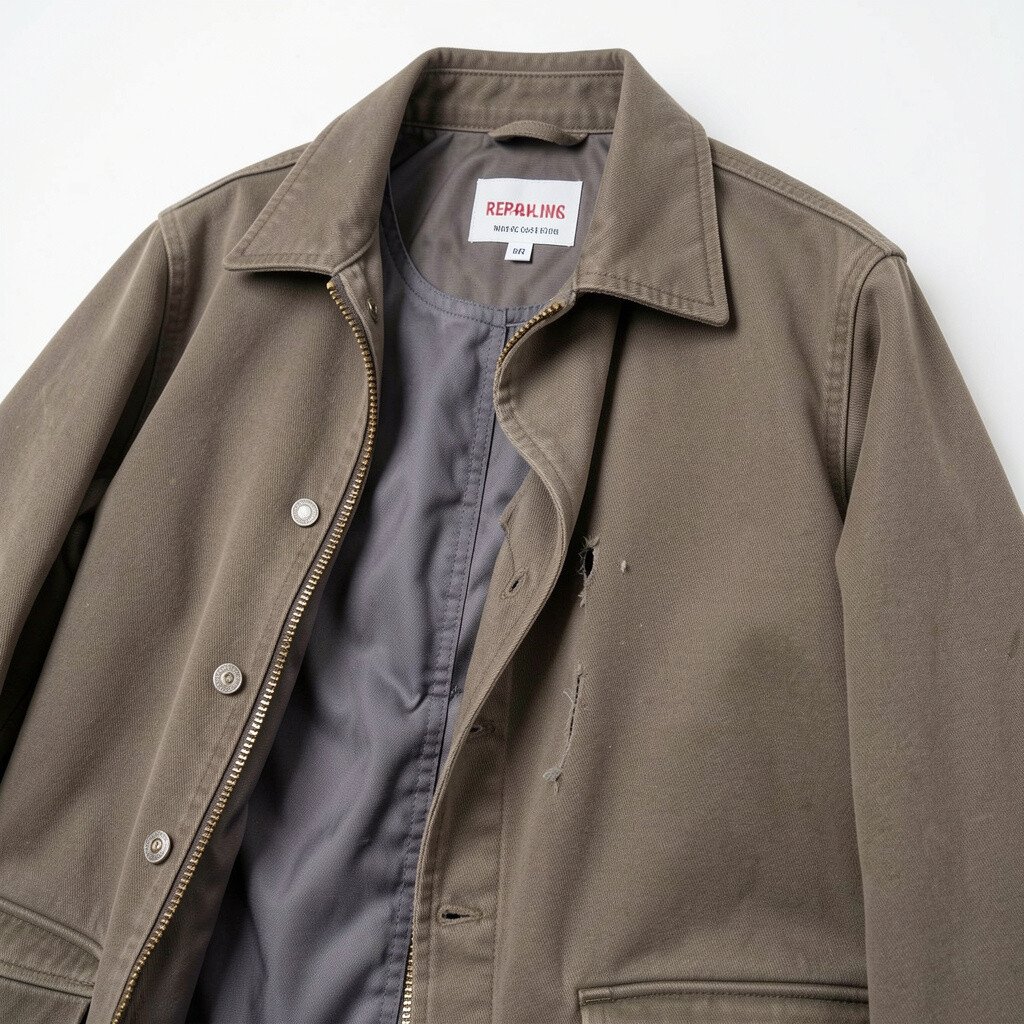
Lining tears can be sneaky, because the outside looks fine until you notice rubbing inside. When the lining slips or pulls, the jacket may feel awkward and harder to wear comfortably.
A quick interior repair can keep the outer fabric looking smooth while securing the lining properly. Ask the tailor to use matching thread and to stitch in a way that won’t create lumps you can feel when you move.
If you like current trends, you can keep the repair discreet for a clean look, or select lining fabric that adds a subtle contrast. This is also a great place to spend a little more for craftsmanship, since comfort matters as much as appearance.
12. Fix a Baggy Shirt by Taking in Side Seams
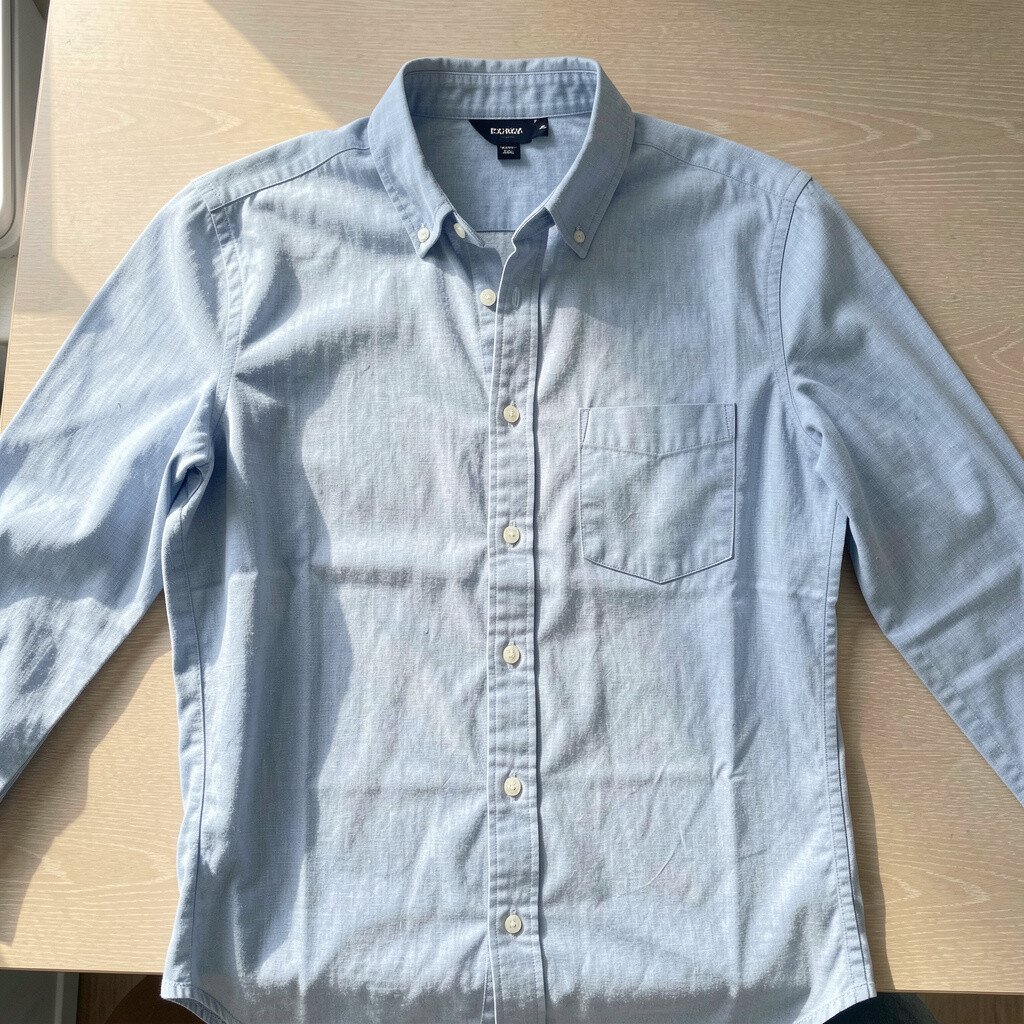
A too-roomy shirt can make your silhouette feel washed out, even if the color is perfect. You might see extra fabric around the waist or side panels that don’t drape the way you want.
Side seam adjustments can reshape the garment quickly while keeping the shoulder line intact. It’s helpful to bring the shirt as well as a fitted layer you often wear underneath so the tailor accounts for real-life styling.
13. Restore a Belt Loops Hold for Better Wear
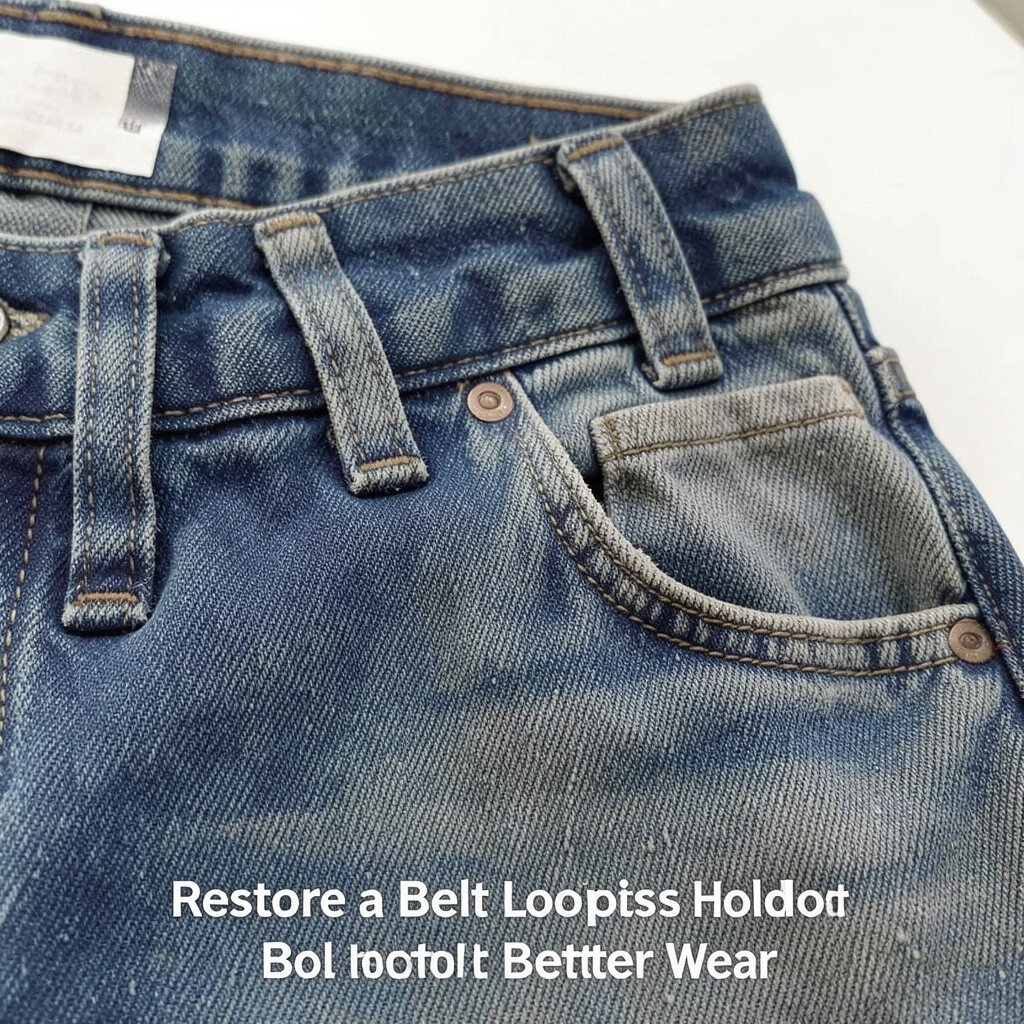
Belt loops that hang loose are annoying, and they can cause the belt to sit crooked. You may also notice the loop fabric thinning or pulling at the seam line.
A quick loop repair brings the belt back into position and helps the garment feel stable again. Ask for a reinforced stitch pattern, especially if the loop takes a lot of tension during daily use.
For personalization, you can choose a thread color that blends into the loop seam or matches a belt you love. From a cost standpoint, replacing small loop sections is often far cheaper than changing the whole waistband.
14. Sew a Small Burn or Scorch Mark Into a Clean Finish
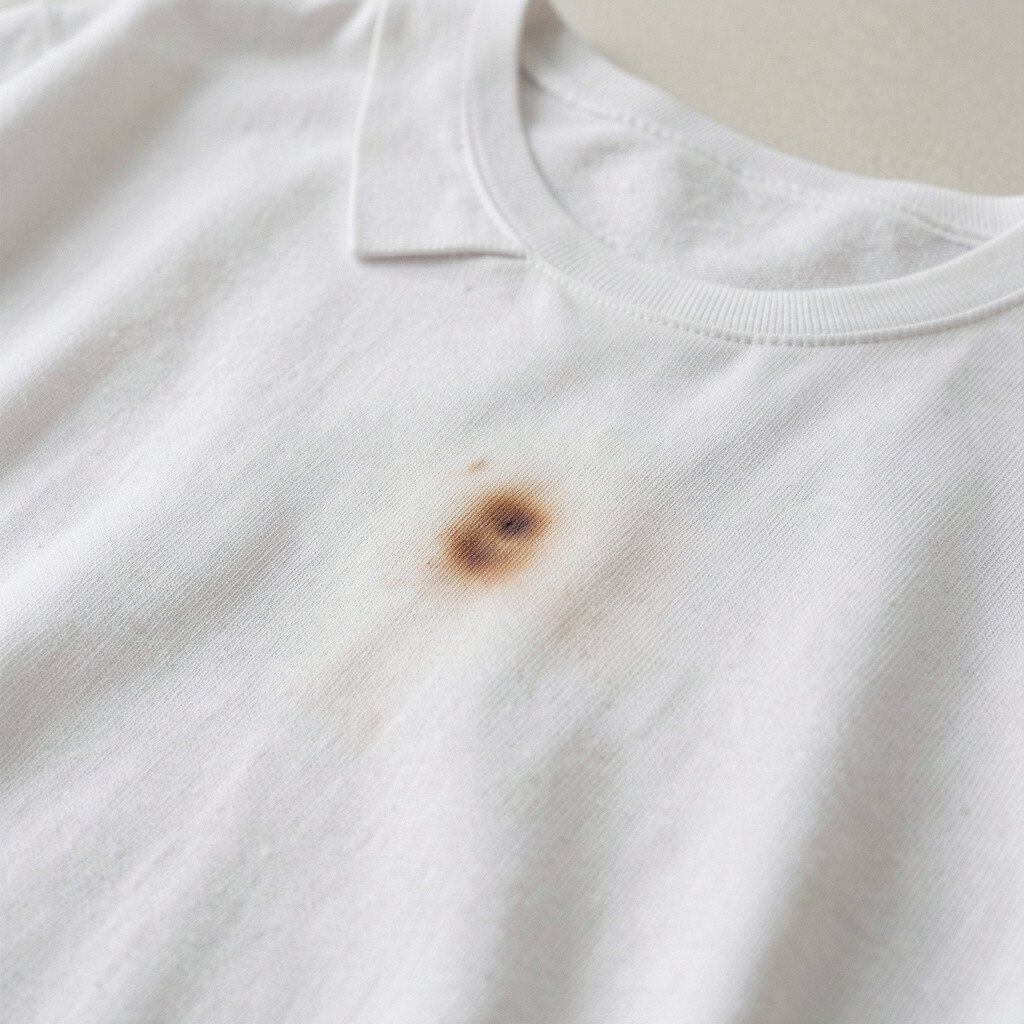
Scorch marks can look scary because they show color changes right where the fabric is most visible. Even small spots can spread if the garment is washed again and again.
Some quick repairs involve carefully stabilizing the damaged area and smoothing the surface so the fabric lays flatter. A tailor may suggest patching in a way that turns a mistake into a deliberate design moment.
15. Swap Out Old Elastic in Waistbands or Cuffs
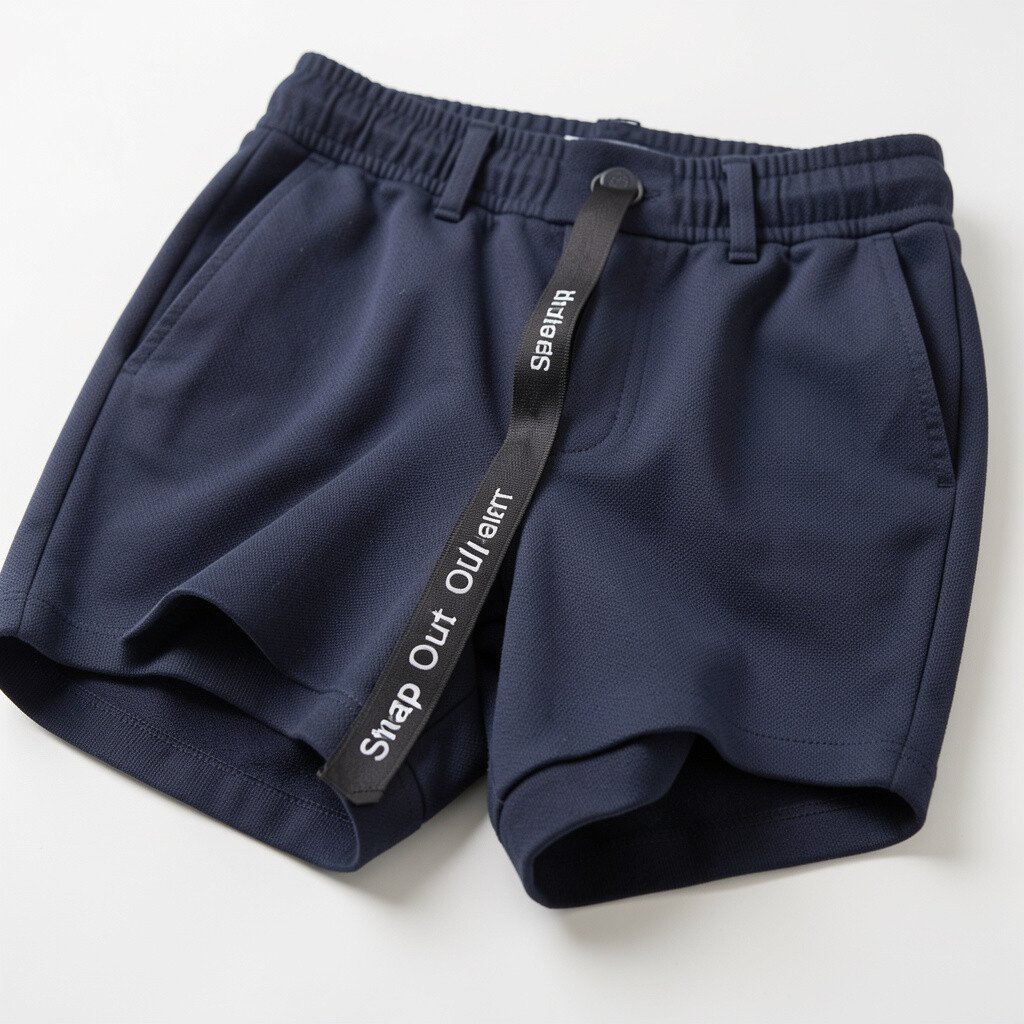
Worn elastic makes waistbands sag and cuffs lose their snug feel, so clothes don’t sit the way they used to. You might notice the garment slipping or needing constant adjusting.
Replacing elastic can bring back fit quickly, and the fabric usually looks more even after the change. Ask for the right elastic width and tension for the garment type so it holds up after washing.
If you want a modern twist, you can request a slightly firmer elastic for sharper shaping, especially on joggers or casual pants. Budget wisely by confirming whether the repair requires only elastic replacement or also needs seam reinforcement at the attachment points.