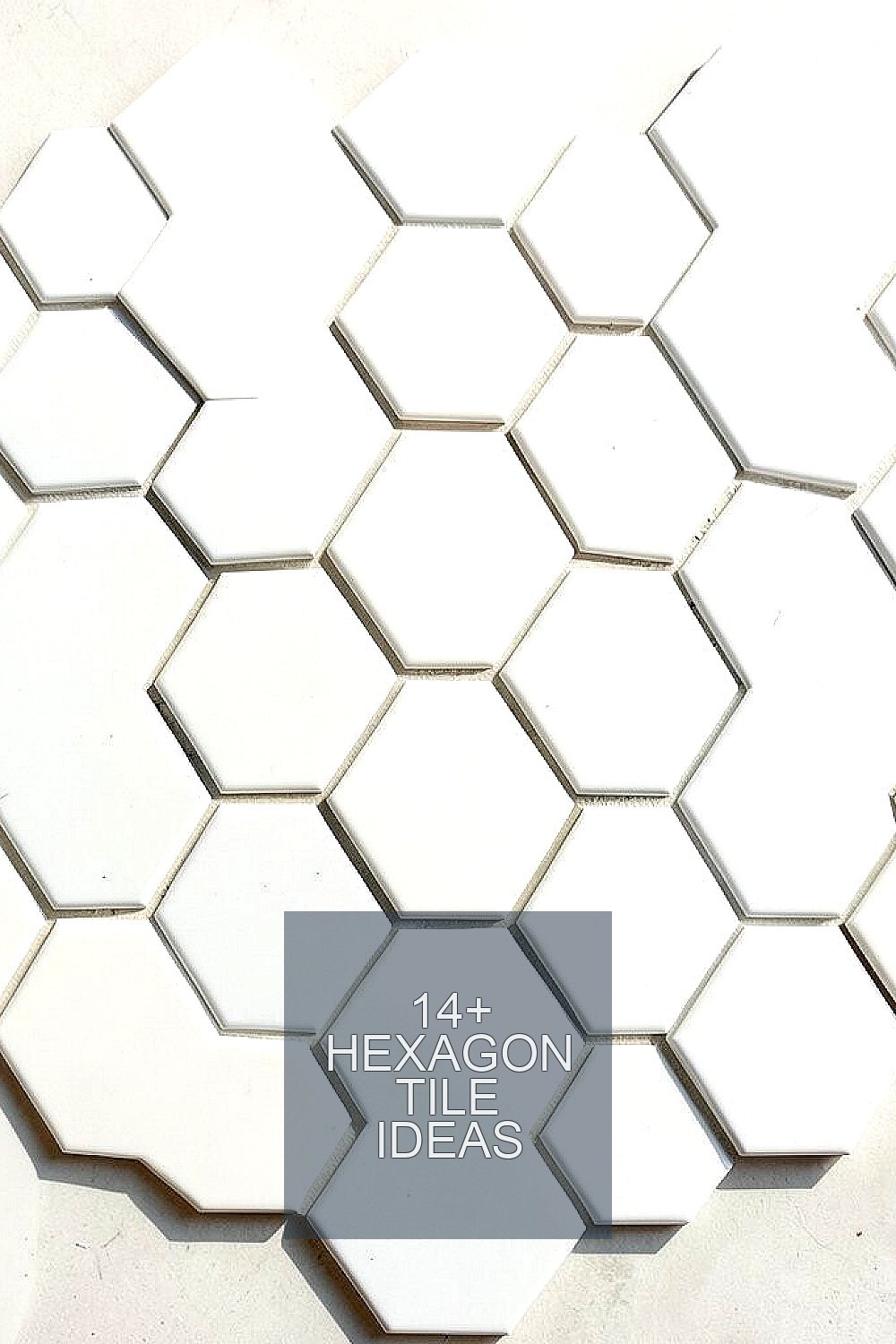
Hexagon tiles bring a playful rhythm to any room. Their angled shapes catch light in a way that feels fresh and inviting.
If you want your space to feel brighter without doing a huge renovation, these ideas can help. Each one leans into the charm of hexagons while staying practical for real life.
1. Sunlit Geometric White Hexagons
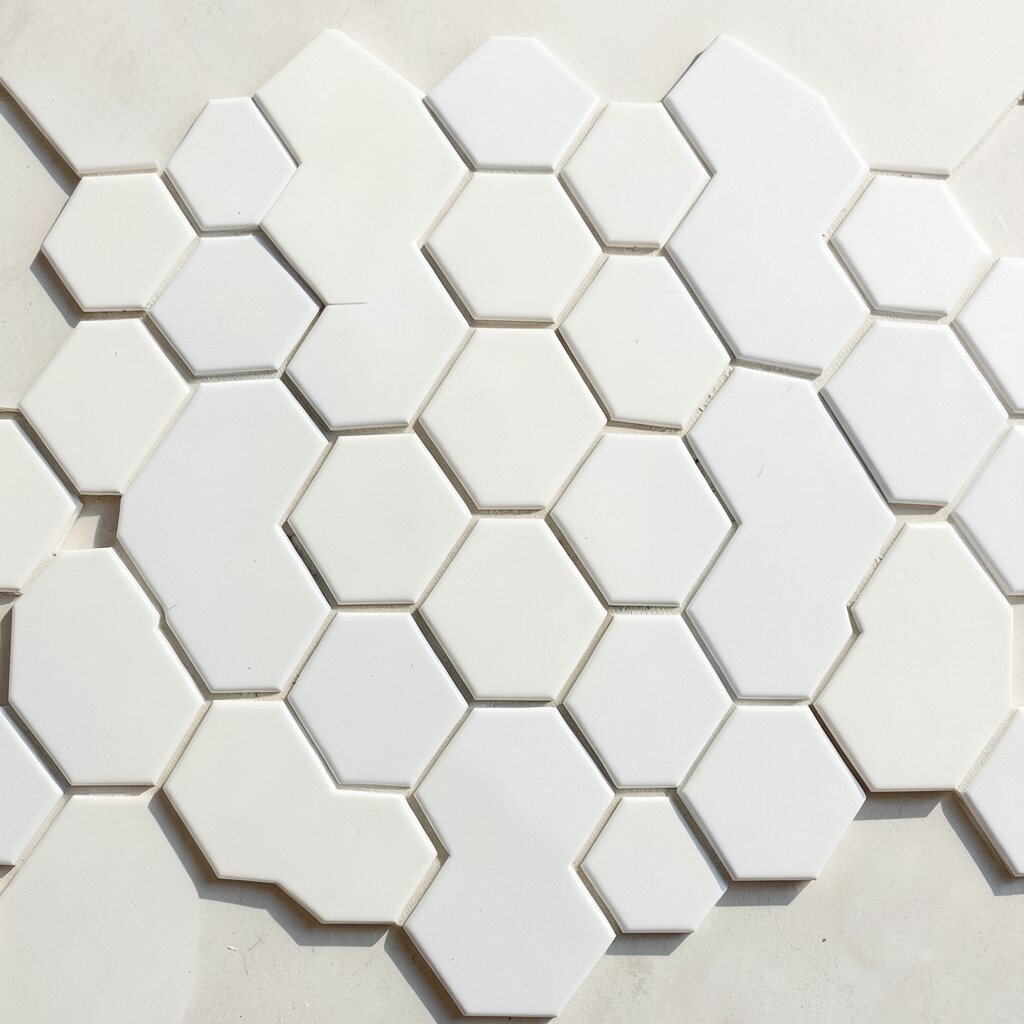
Bright white hexagon tiles can make a small room feel open and airy. Picture crisp grout lines that reflect daylight like tiny mirrors.
Choose satin or matte finishes depending on the mood you want. To keep the look clean, pick a grout color close to the tile so the pattern stays the star. For a faster refresh, use these tiles in a backsplash area first, then expand only if you love how they feel under your feet.
2. Champagne Gold Metallic Accent
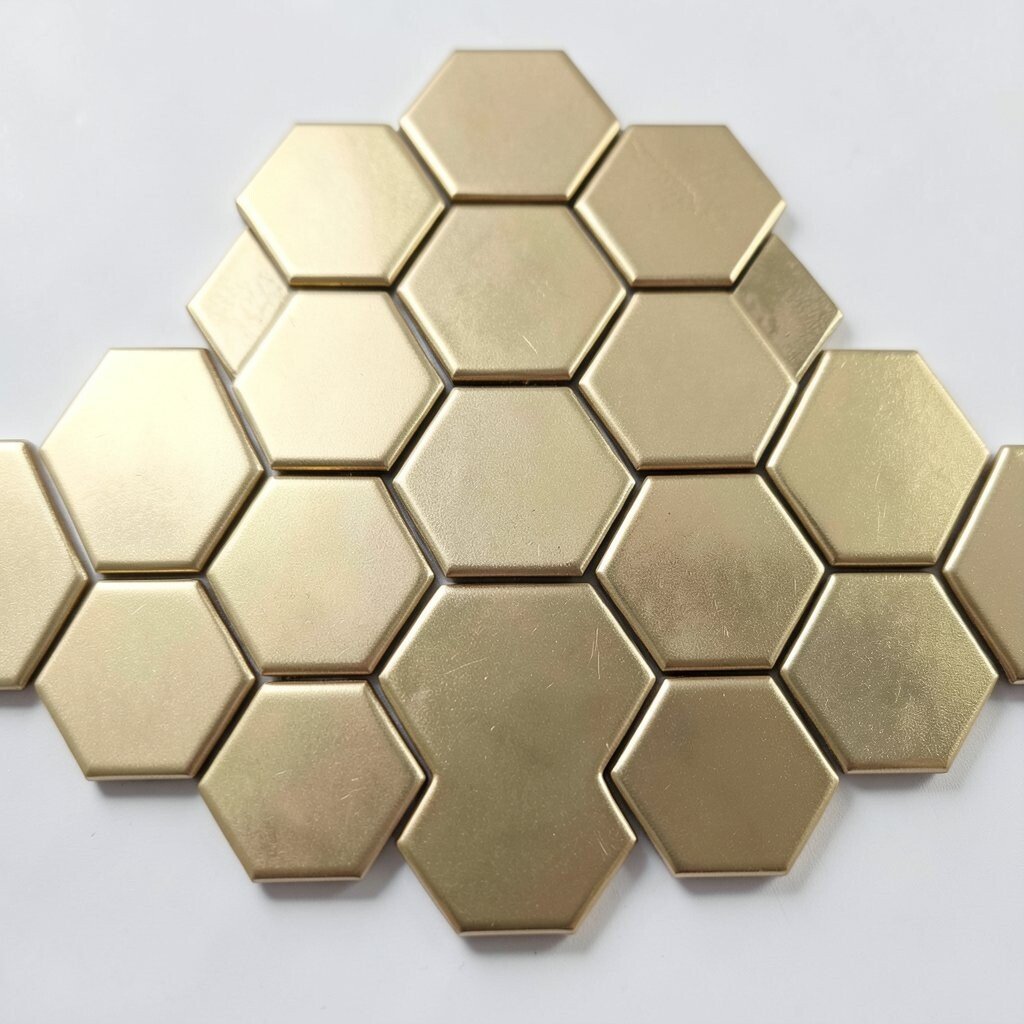
Metallic hexagon tiles add a soft glow that looks elegant without trying too hard. Imagine warm champagne tones flashing when lamps are turned on at night.
Use them as accents rather than covering every surface. A practical approach is to place them as a border around a plain tile field so the sparkle doesn’t overwhelm the room. If you’re budgeting, limit metallic coverage to a narrow strip and let the rest stay simple.
Pair the look with warm wood, brushed brass fixtures, or creamy walls to keep everything cohesive. You can also select larger hexagons for fewer lines, which often makes installation and maintenance feel easier.
3. Ocean-Blue Handmade Hexagon Mix
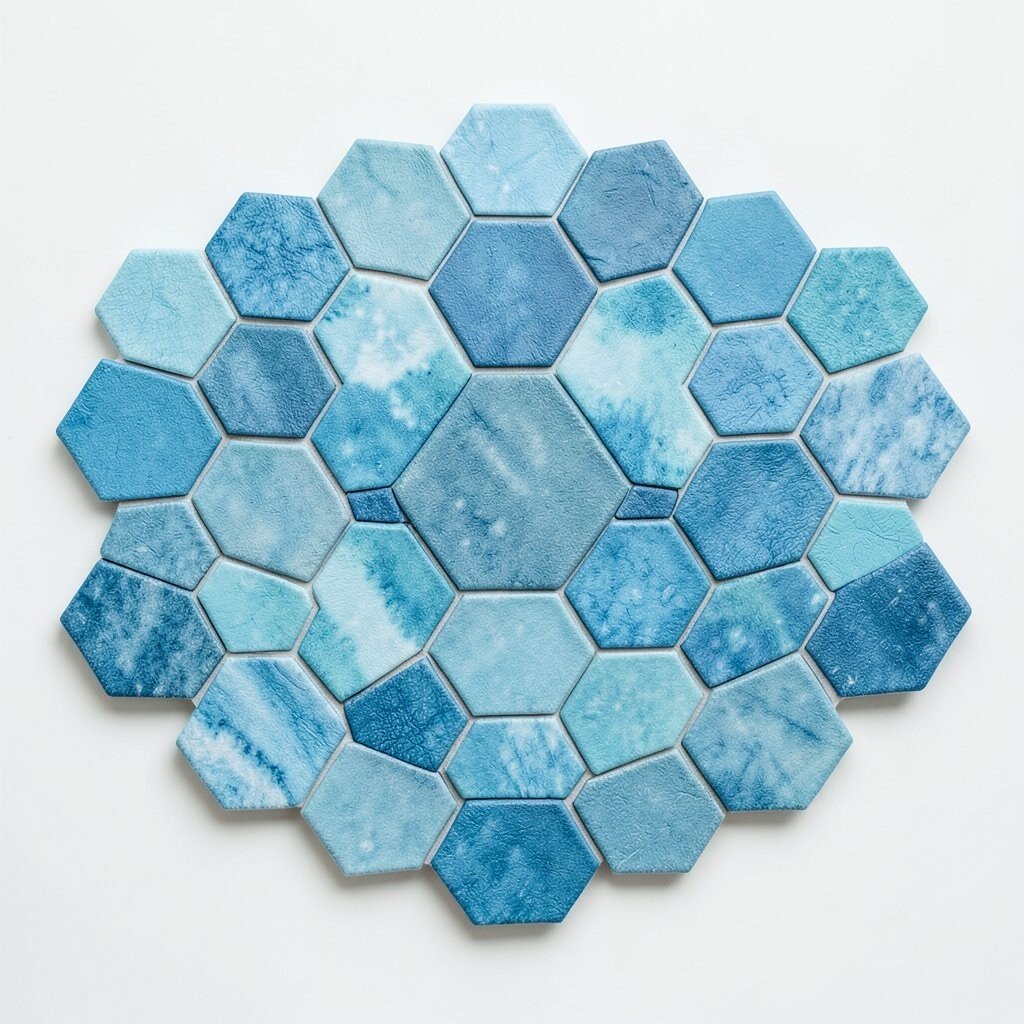
Handmade blue hexagon tiles bring a lived-in charm that feels full of character. Think of each piece carrying tiny color shifts, like sea glass after sunlight hits it.
These tiles look best in kitchens, mudrooms, and bathrooms where you want a friendly, artsy vibe. Because the glaze varies, you’ll get uniqueness even when the pattern is repeated across the wall.
Keep it practical by using a grout color that supports the busiest tones in the tile. Wipe up splashes quickly during the first weeks so the surface stays fresh. If your space is cooler in color, balance the blues with warm lighting or light wood cabinets.
4. Soft Blush Hexagons for a Cozy Glow
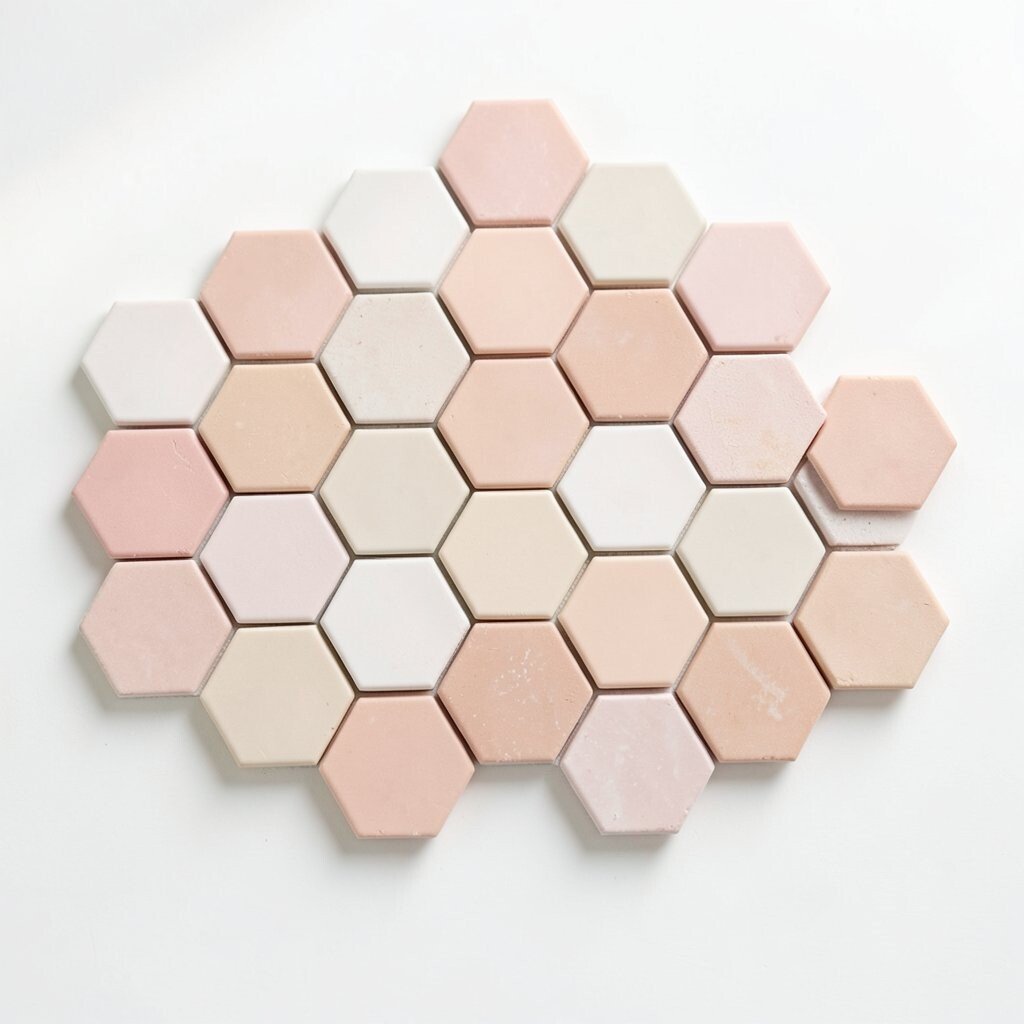
Blush pink hexagon tiles can make a room feel gentler and more welcoming. Picture a warm, rosy wash that flatters neutral walls and brings instant softness.
Try them in a powder room or behind a vanity mirror for a spot that feels special. Matte finishes help the color look calm instead of shiny, which many people prefer for everyday spaces.
5. Chalky Sage for a Fresh, Natural Look
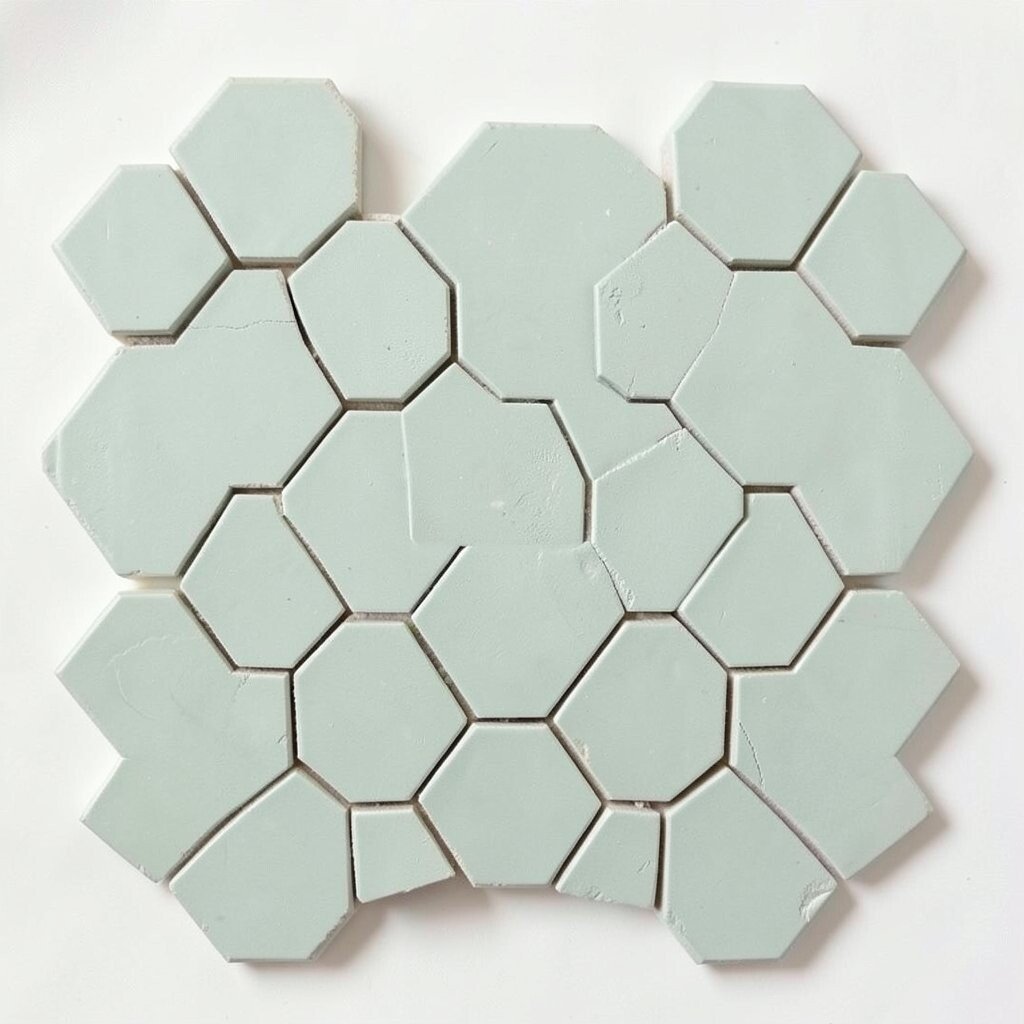
Sage green hexagon tiles feel fresh and grounded. They look like a quiet garden note that pairs beautifully with white trim.
Choose a slightly textured tile if you love a natural vibe, because it catches light gently. Keep the grout light but not stark so the pattern stays crisp without feeling harsh.
For personalization, mix sage with one contrasting tone like warm cream or soft gray in a small section. This kind of mix often stays within a realistic budget because you only need extra tiles for the accent area.
6. Bold Black and White Checker Hex Combo
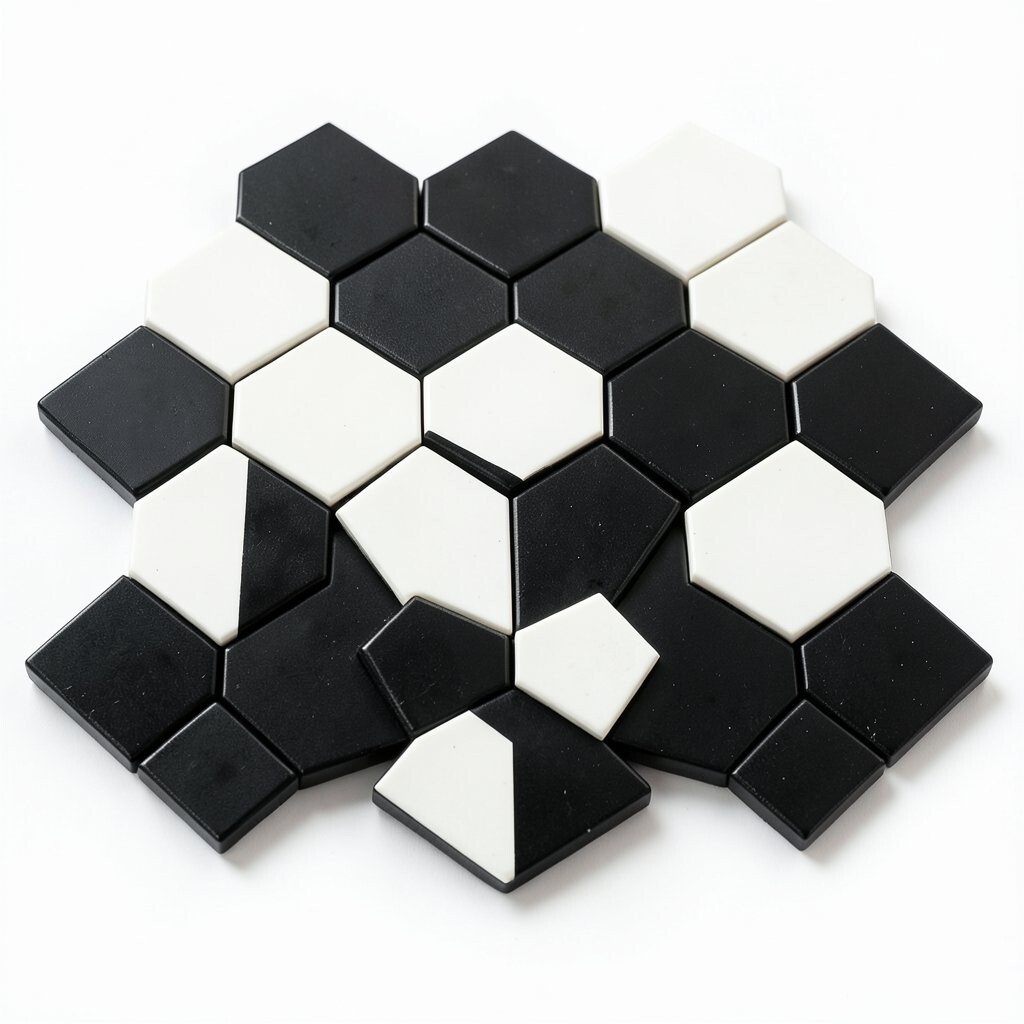
Combining black and white hexagon tiles creates a clean, high-contrast look. Visualize sharp angles that make a hallway or kitchen wall feel crisp and energetic.
To keep it from feeling too dramatic, use this pattern on a single wall or around a specific zone. A popular trend right now is using strong geometry as a feature while keeping the rest of the room in calmer colors.
7. Terrazzo-Inspired Hexagon Pattern
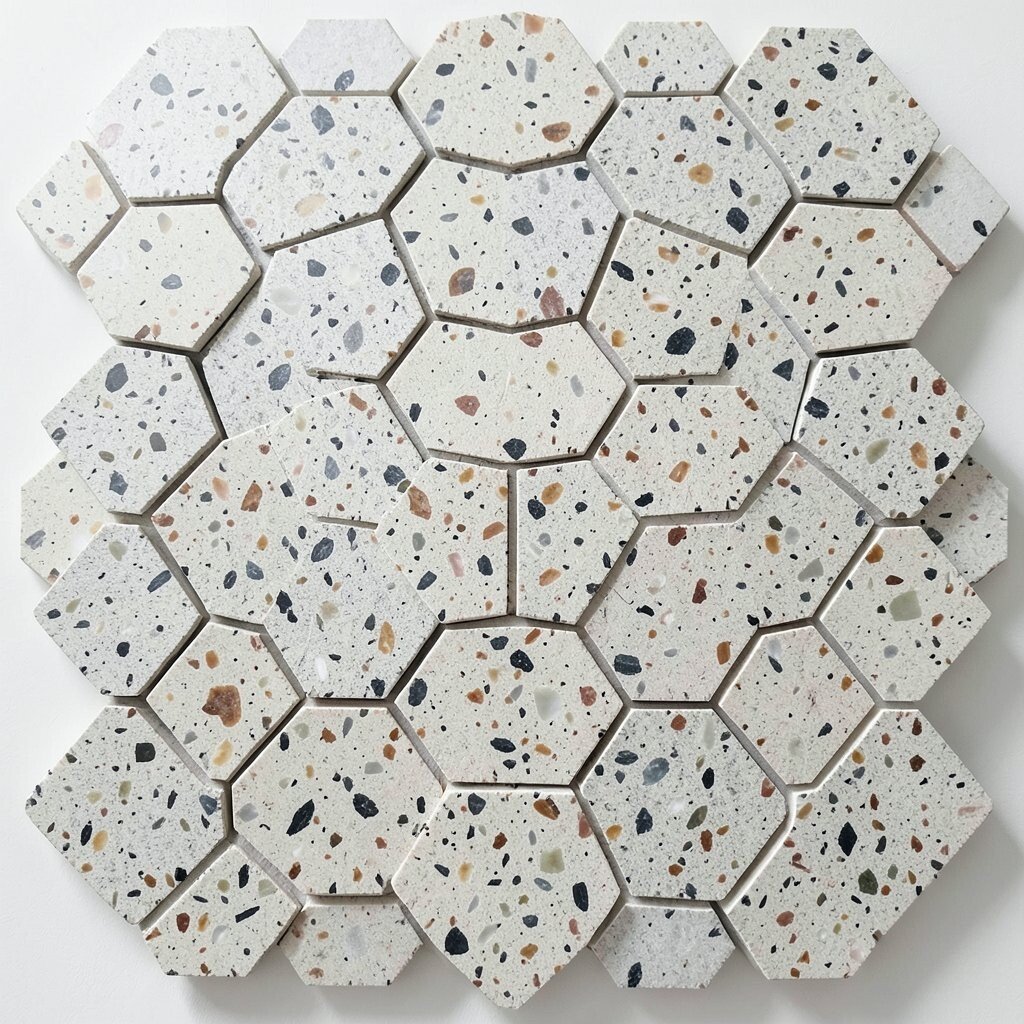
Terrazzo-style hexagon tiles make your space feel creative and lively. Imagine speckles of gray, cream, or muted color scattered across each tile for a lively texture.
This style helps hide small scuffs, which is a real benefit in high-traffic places. When light hits the speckled surface, the room looks brighter because there’s always something subtle reflecting.
If you want a cost-smart plan, look for terrazzo effects in sheet formats or smaller areas first. Pair the tiles with simple cabinetry so the pattern stays fun rather than chaotic.
For personalization, match the speckle tones to your decor like throw pillows or artwork accents.
8. Pastel Ombre Hexagon Wall
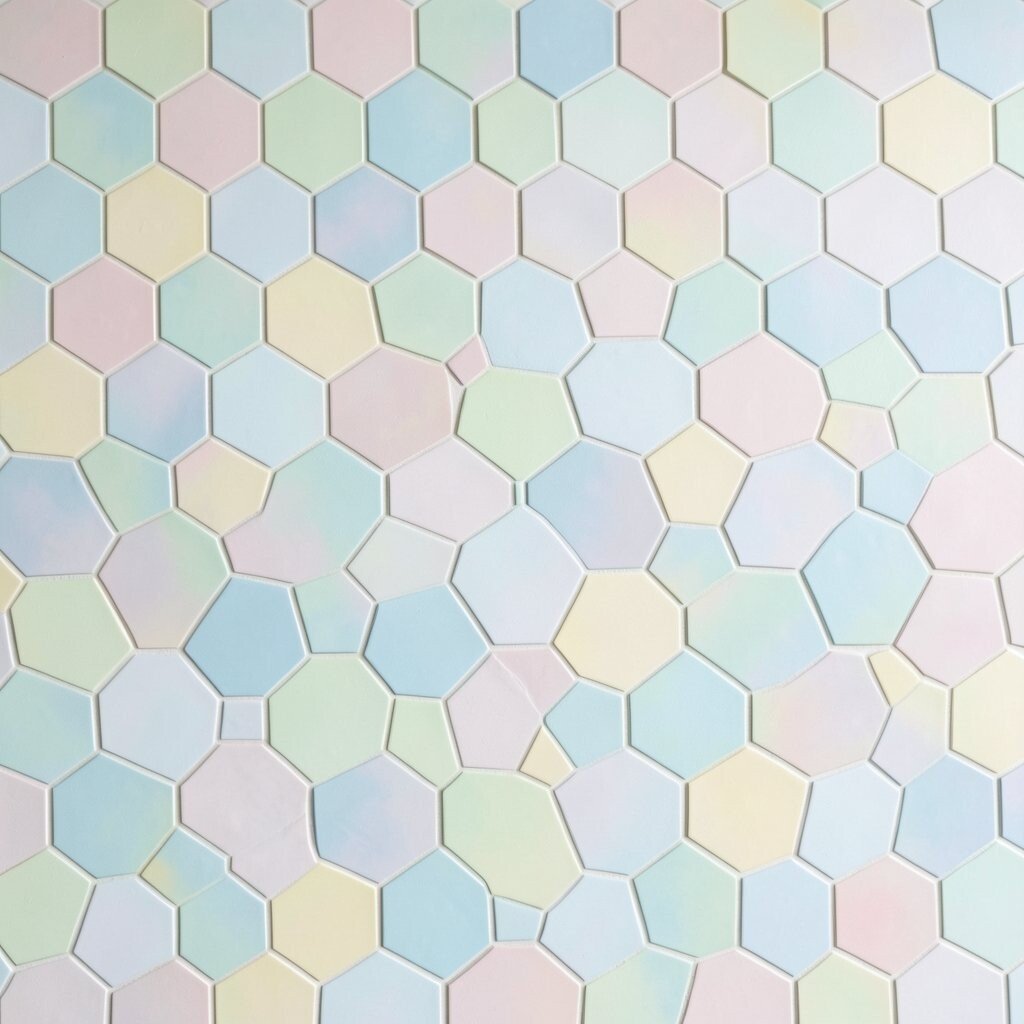
An ombre hexagon layout can make a wall feel like it’s breathing. Picture pale tones shifting gradually across the pattern, creating a gentle gradient effect.
Pick three to four pastel shades and plan the flow before installing so the colors move in the direction you want. A simple practical trick is to dry lay the tiles on the floor and rearrange until the gradient looks smooth.
9. Warm Wood Hexagon Surrounds with Light Tiles
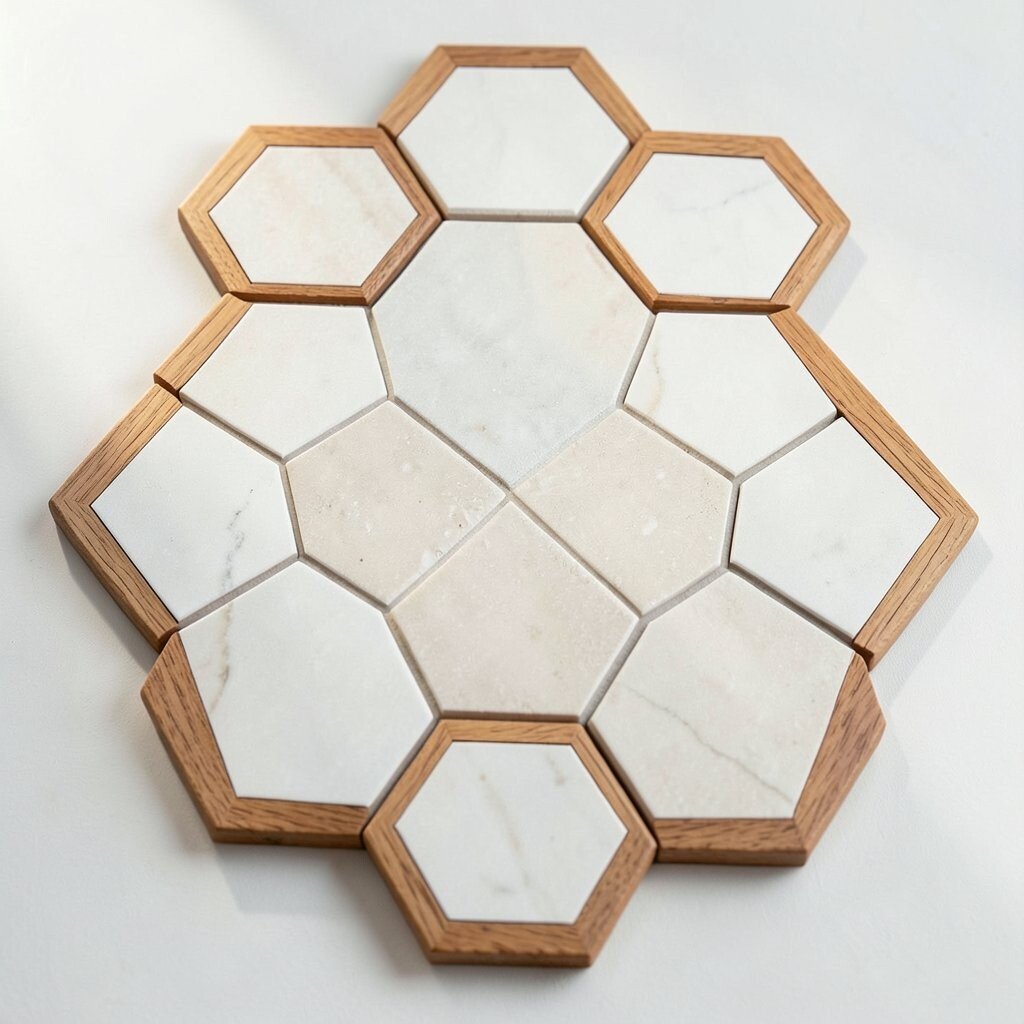
Pairing hexagon tile with warm wood gives a cozy, modern balance. Think of light tiles next to natural wood shelves or a bench that feels inviting underfoot.
Use white or cream hexagons as the main surface, then add wood elements for contrast. This makes the brightness feel natural instead of clinical, and it also helps the room stay warmer.
If you want uniqueness, choose wood with distinct grain and keep the tile grout slightly off-white for a soft blend. Budget-wise, you can focus on wood trim or a shelf detail instead of covering large areas with specialty materials.
10. Classic Stone Look with Limestone Tones
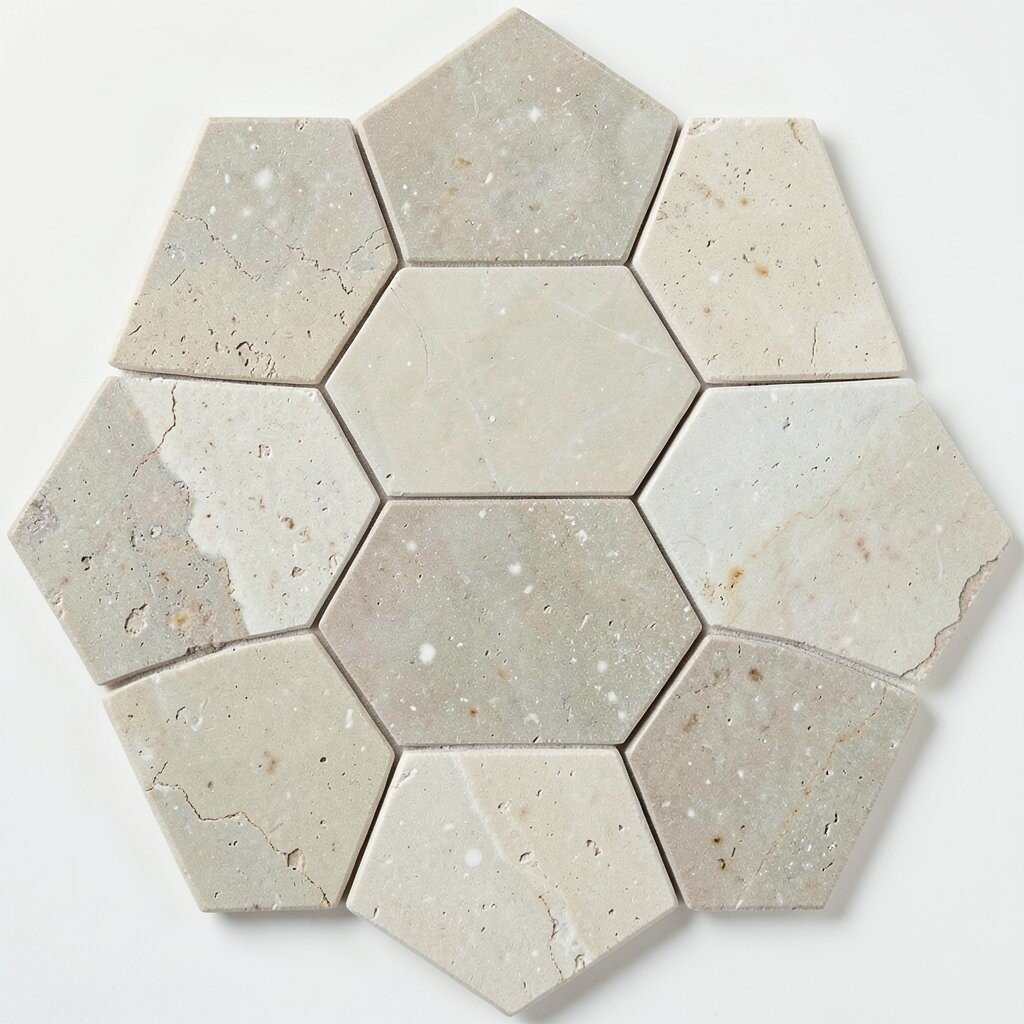
Stone-look hexagon tiles give you timeless style without the worry of heavy natural rock. Picture limestone tones with gentle veining that adds movement while still feeling calm.
This option is great for people who want durability and a practical surface. Choose a matte finish for fewer glare spots and easier cleaning, especially in kitchens.
For personalization, align the veining direction if your tile brand allows matching patterns. Keeping grout a warm gray can make the whole wall feel cohesive rather than patchy.
11. Bright Color Block Hexagon Backsplash
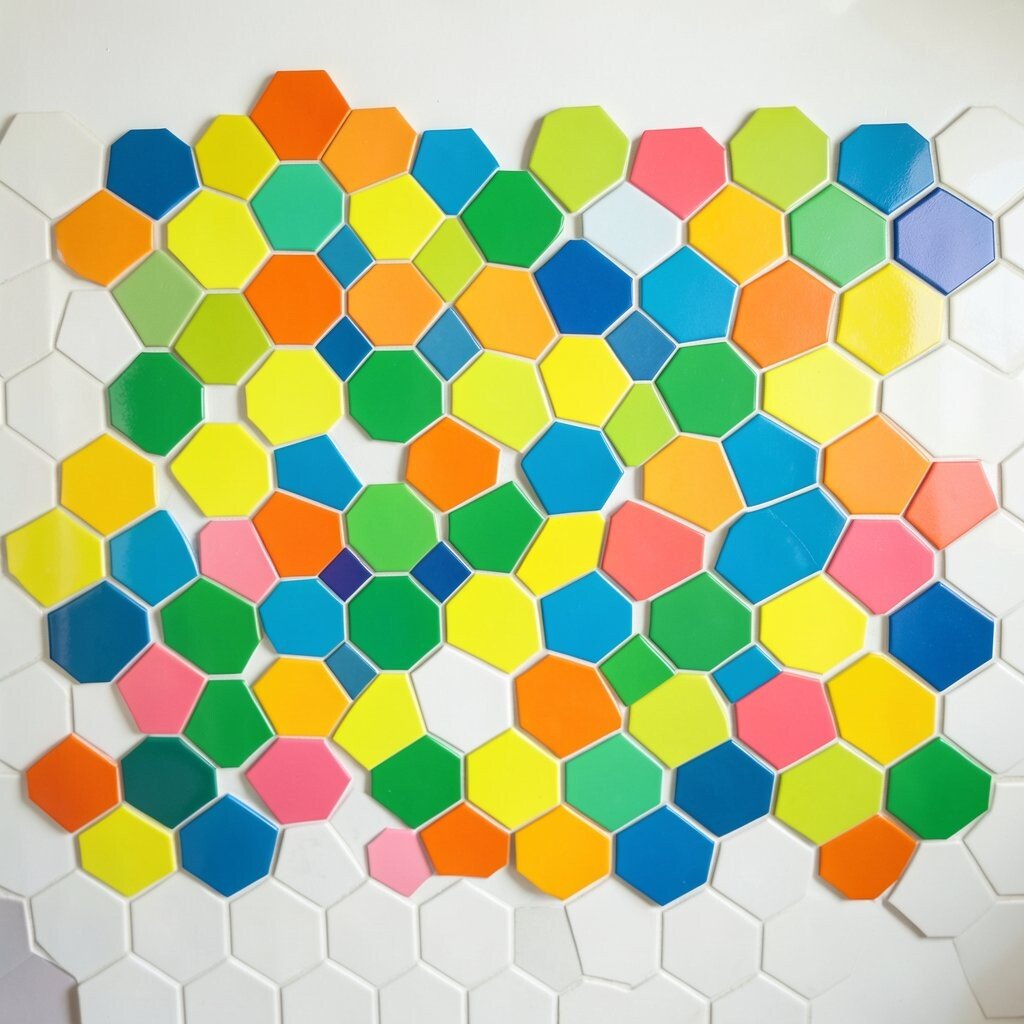
A color-blocked hexagon backsplash makes your kitchen feel playful right away. Imagine blocks of sunny yellow, seafoam, or coral forming a lively geometric rhythm.
Instead of covering every inch with multiple colors, pick one or two bold shades and let them alternate with neutral tiles. This keeps the design interesting while staying easier to maintain.
For practical planning, measure the wall and map out how far each color block should travel. If you’re watching costs, buy extra samples and confirm how the colors look with your cabinet shade under kitchen lighting.
12. Iridescent Pearl Hexagons for Soft Shimmer
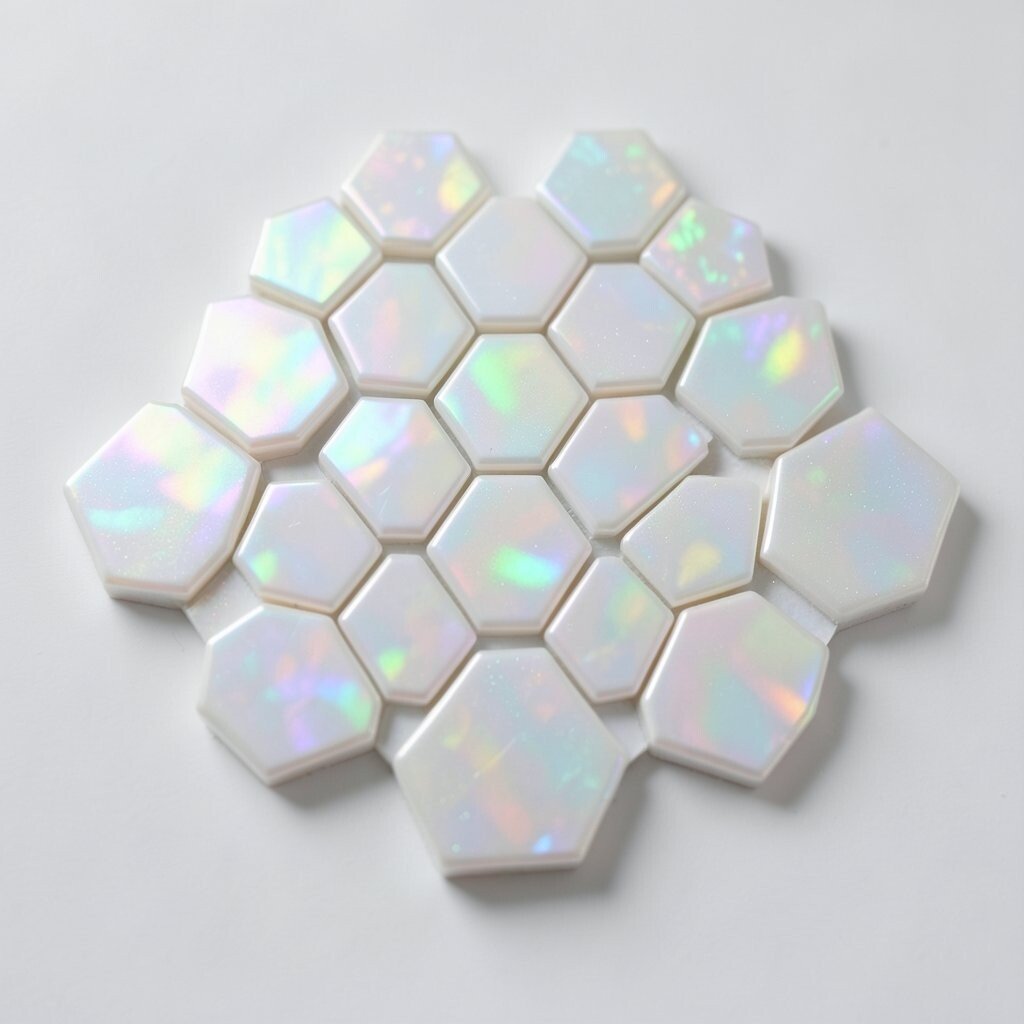
Iridescent pearl hexagon tiles bring a gentle sparkle that changes throughout the day. Picture a soft sheen that looks different in morning light compared to evening lamps.
This finish can brighten darker rooms because it reflects light without being as harsh as mirror tiles. If you love a dreamy vibe, pair these tiles with white walls, silver fixtures, and simple hardware.
To keep it manageable, consider using them in a small area like a shower niche or behind a sink. You’ll get the uniqueness and glow while keeping your overall spend more controlled.
13. Terracotta Hexagons with Creamy Grout
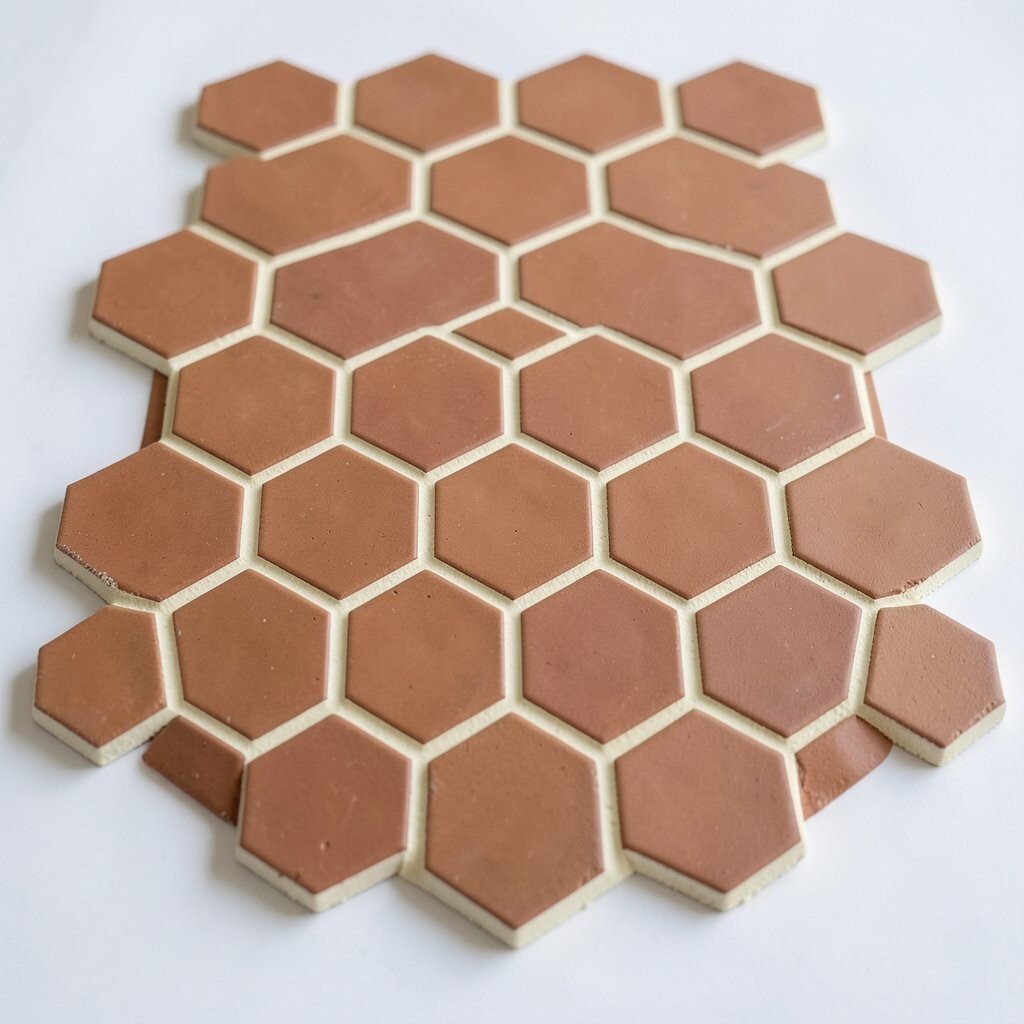
Terracotta hexagon tiles add warmth and a welcoming, earthy style. Imagine sunbaked orange-browns that make the room feel grounded and cozy.
This look works especially well in kitchens with warm lighting and in entryways where you want a strong first impression. Use creamy grout to soften the pattern and avoid an overly harsh grid.
If you want personalization, add a few tiles with subtle variation or different tonal batches so it feels handcrafted. Budget-wise, terracotta tones can be forgiving because slight shade differences still look intentional.
14. Small Hexagons with Big Impact in a Shower Niche
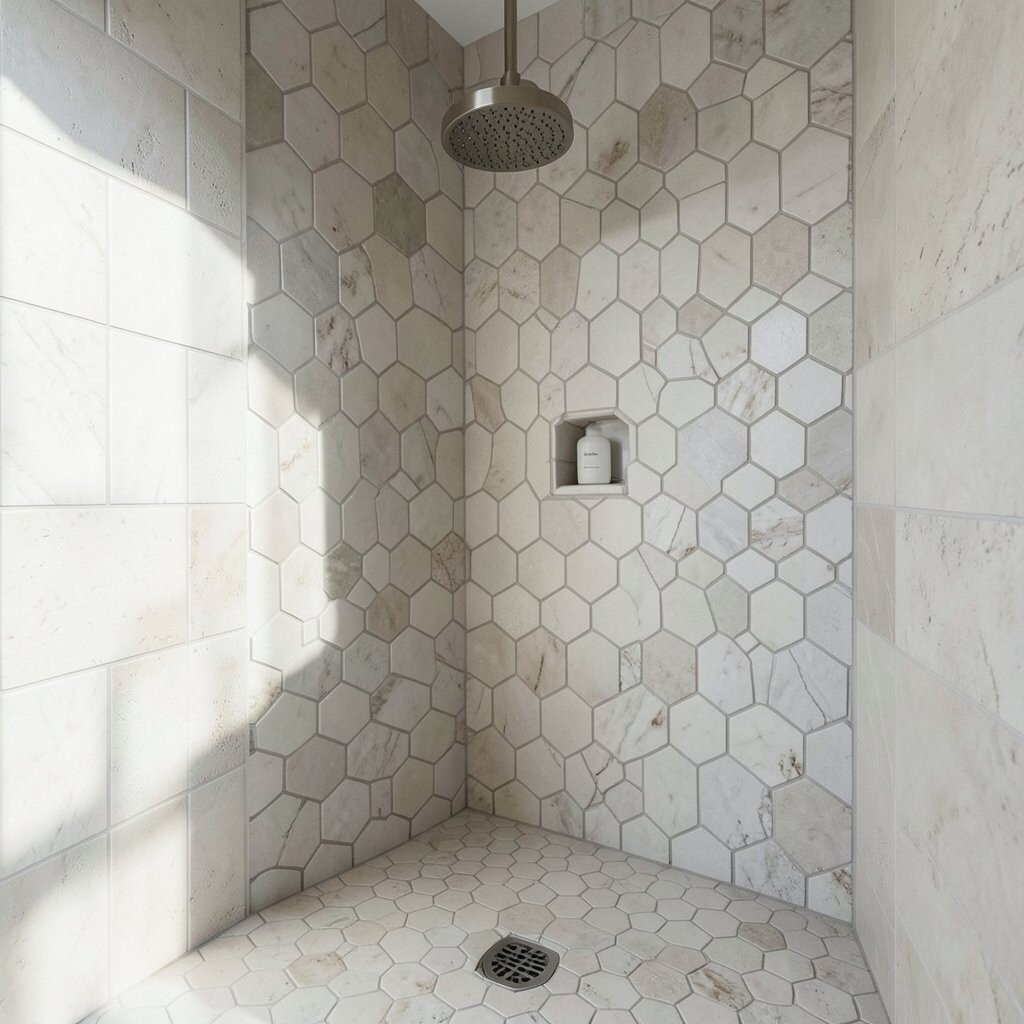
Small hexagon tiles in a shower niche create a focused burst of style. Picture a cozy, tiled seat area or wall shelf that feels like a design feature instead of a plain recess.
Because you’re using less tile overall, it’s a smart way to try a bold look. Choose a brighter color or a high-reflect finish to make the niche feel like it’s glowing even with indoor lighting.
For practicality, pick a grout finish that resists staining and plan for proper sealing where needed. This small project also makes it easier to experiment with layout spacing and trim edges without committing to every wall.
15. Geometric Line Pattern with Mixed Hex Sizes
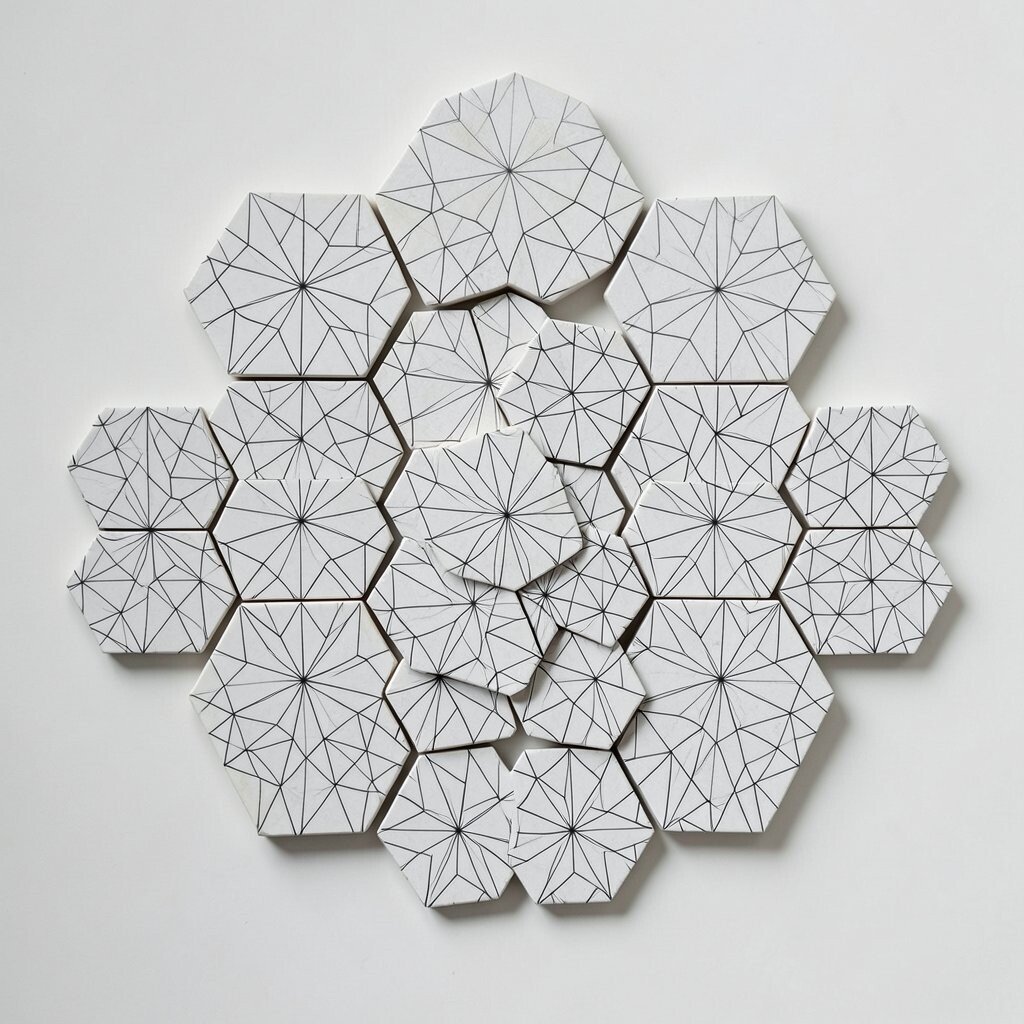
Mixing hexagon sizes creates a dynamic pattern that feels custom. Picture larger hex tiles paired with smaller ones so the design forms flowing lines across the wall.
This approach feels unique because no two layouts look exactly the same once you set the spacing. Keep the look balanced by using a limited palette like white, warm gray, and one accent color.
If you’re planning a budget-friendly route, use the larger hexagons as the main field and reserve smaller ones for corners or trim details. You can personalize the direction of the pattern to match your room lines so it looks intentional, not random.
For cost considerations, ask your tile supplier about bundle sets or pre-mixed collections, since those often reduce waste. Finally, dry-fit a small section to confirm the pattern rhythm before you commit to the full wall.