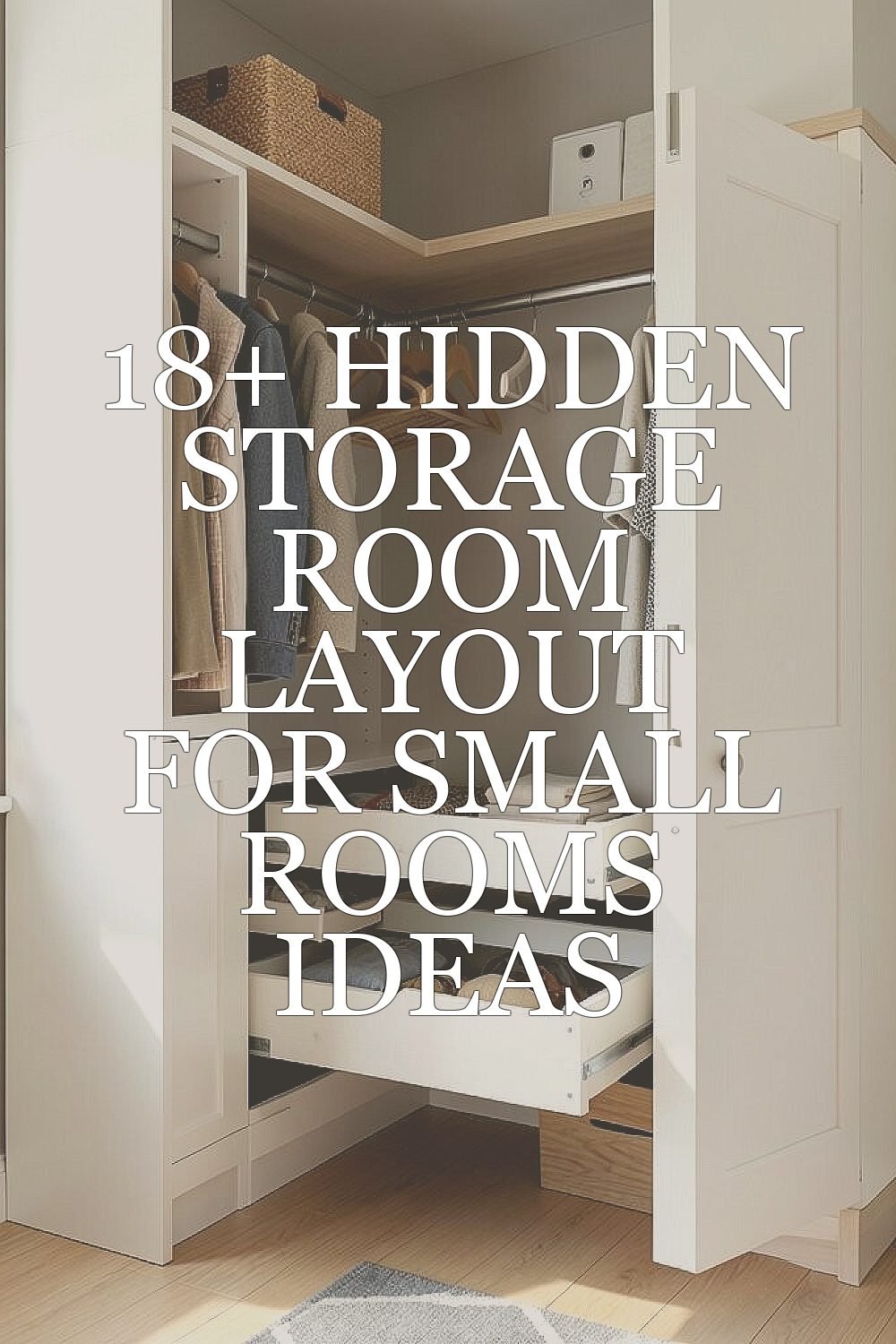
A small room can feel calm and clever at the same time. The right layout turns every corner into useful space.
1. Built-In Wall Nook With Flip-Down Top

Imagine walking into your room and seeing a neat wall panel that looks decorative at first. When you lift the top, a shallow storage area appears, perfect for small items like board games, craft supplies, or extra chargers.
This works well because it keeps clutter off open shelves and out of sight. Choose durable hinges and a soft-close mechanism so the lid feels smooth, even when you use it daily. For personalization, match the finish to your room, like warm wood, matte black, or painted cabinetry that blends with the wall.
2. Closet Door That Opens Into a Storage Drawer Line
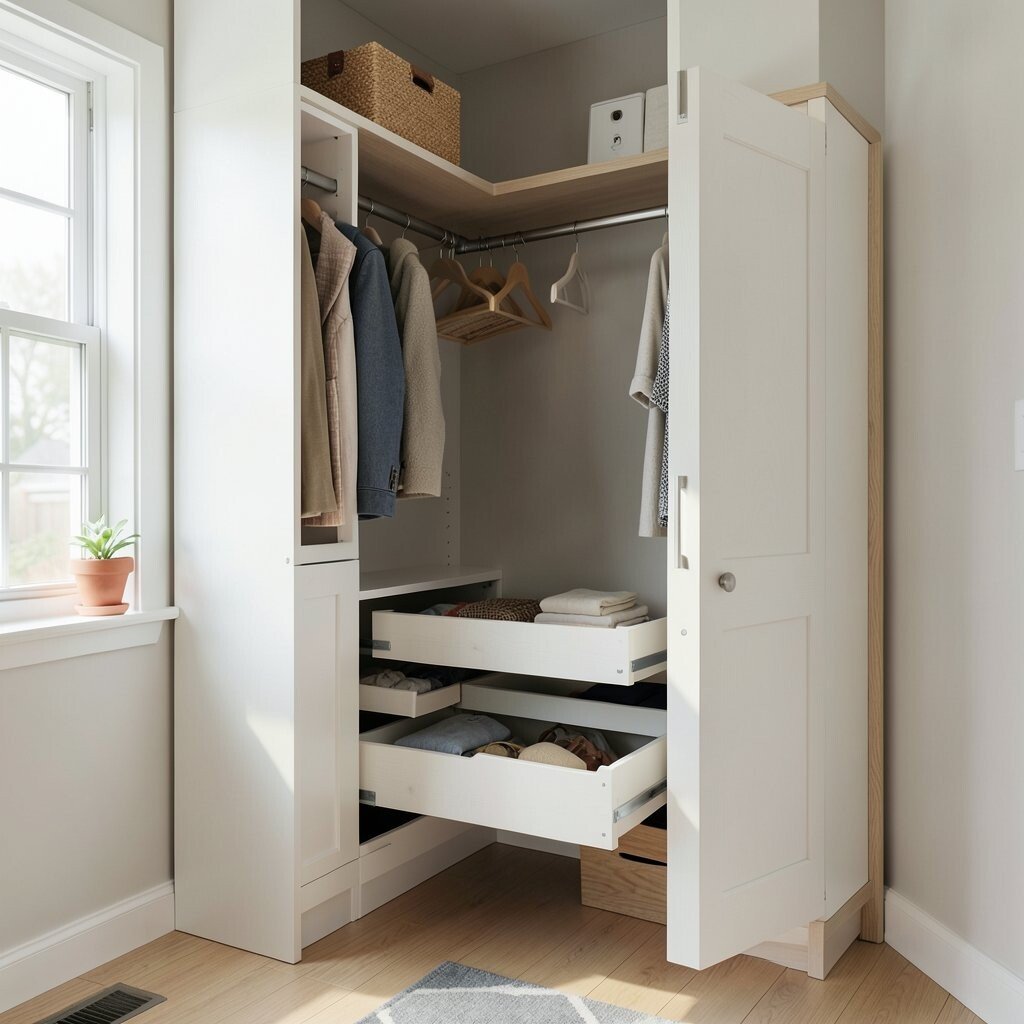
Your closet door can be more than a door when you build it to swing into hidden drawers. You’ll notice long, clean lines inside once you open it, and that same space can hold shoes, folded linens, or seasonal accessories.
Drawers reduce visual mess, which helps a small room feel bigger and easier to live in. Keep the top row shallow for items you grab often, and save deeper slots for bulky textures like sweaters. A current trend in compact homes is mixing sleek hardware with hidden organization, so consider slim pulls or a recessed touch latch for a modern look.
For cost planning, compare pre-fabricated drawer units versus fully custom cabinetry, since custom work can raise labor fees quickly. If you want to start smaller, install one drawer rail section inside the closet first, then expand as you go.
3. Under-Bed Storage With Hidden Side Access
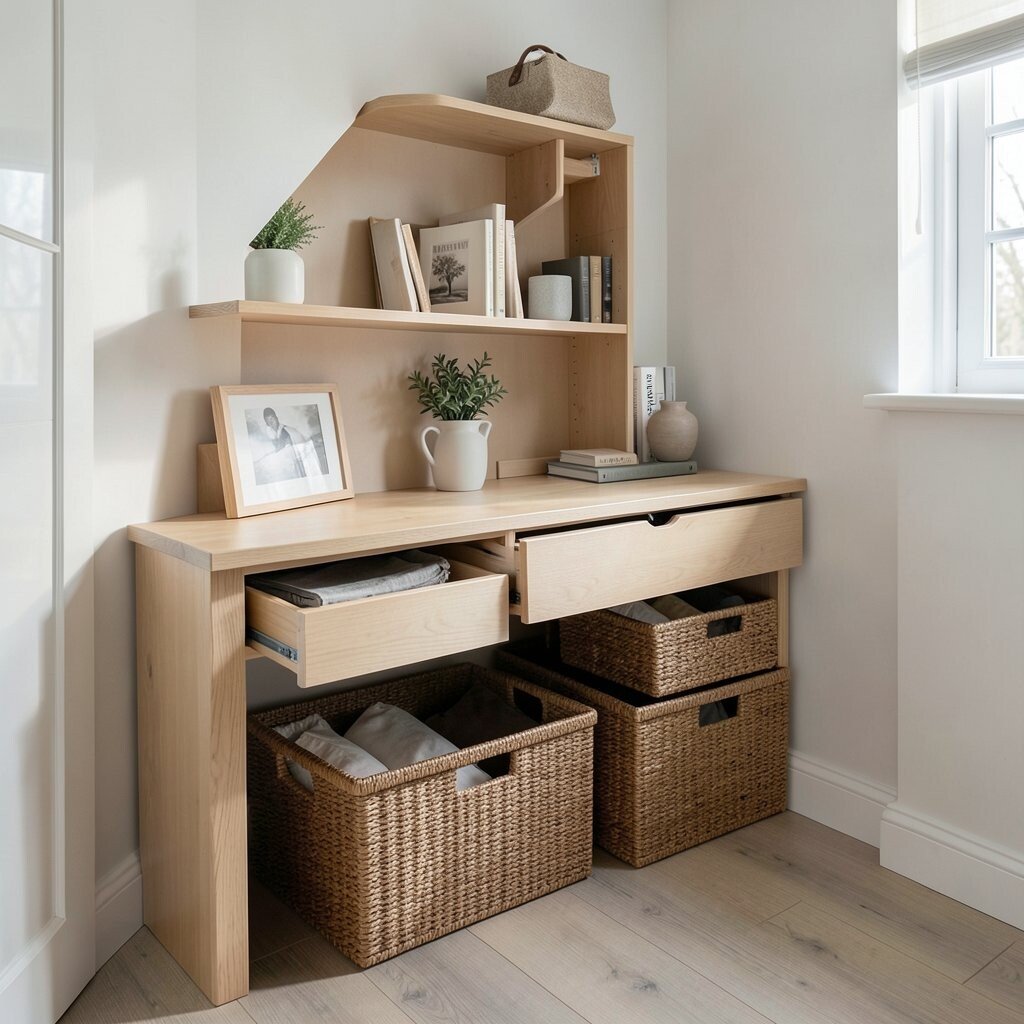
Picture a bed that looks simple from the front, but from the side you have a smooth opening panel that slides or lifts. Under that space, you can store bedding, off-season clothing, or a stack of books you don’t use every day.
Side access is a smart upgrade for small rooms because it avoids squeezing out when you need items. Use felt-lined dividers to protect delicate fabrics and keep everything from shifting. If you like a tidy look, paint the bed frame or choose a neutral fabric panel so the storage area blends in beautifully.
When budgeting, consider that quality runners and strong boards matter more than fancy decorations. Higher-quality hardware can cost more at the start, but it often lasts longer and keeps the storage feeling reliable.
4. Stair-Style Shelving Behind a Low Partition
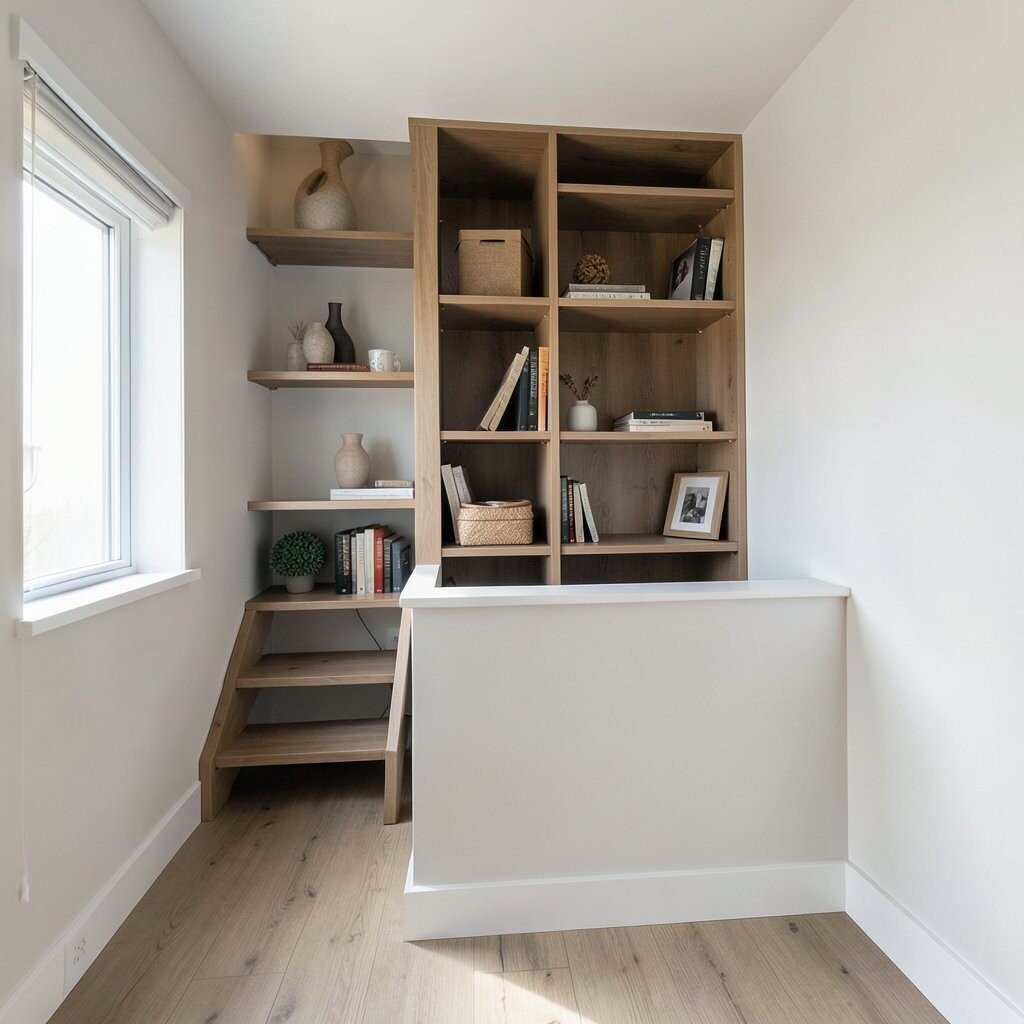
If your room has a low wall, media console, or partial divider, think of it as a stage for hidden storage. Build small stepped compartments behind the partition, so items disappear from view but stay easy to reach.
The layout creates visual structure while keeping everyday things close. Use varying depths, with shallow cubbies for small bags and deeper sections for bulky linens. This idea feels unique because it mixes modern partition styling with secret storage, giving the room a polished look.
5. Ceiling-Mounted Hanging Storage in a Narrow Track

Keep your room airy by moving storage upward. A narrow ceiling track can hold hanging bins or baskets that slide, letting you reach items without stacking them on the floor.
This layout works especially well for small rooms where the wall space is limited. Store things you use on a schedule, like travel gear, seasonal hats, or extra cleaning tools. Pick bins with solid backs if you want a cleaner visual line, and add fabric covers if you prefer a softer look.
For personalization, coordinate bin colors with curtains or bedding so the storage feels like part of the design. Many homes now use ceiling systems because they free up floor space while keeping organization flexible for changing needs.
6. Bookshelf With Rotating Back Panels

A bookshelf can hide more than books when you add a rotating back panel behind selected shelves. When the panel turns, it reveals a slim compartment for documents, tech accessories, or a hidden folder stash.
This approach keeps valuables or frequently handled items out of sight while still giving you fast access. Use a magnetic catch or a gentle latch so it stays closed but opens smoothly. The uniqueness comes from the surprise element, but it still feels practical for daily use.
7. Furniture-Integrated Ledge With Drawer Fronts

Think about a long, narrow ledge mounted along a wall, but with the face designed like drawer fronts. You get a clean surface for décor and a hidden set of compartments underneath for small tools, cables, or stationery.
Because the drawers sit low and close, it’s easy to grab things without rummaging. Choose compartments sized for your habits, like one for charging bricks and another for spare batteries. For cost, using a ready-made rail kit can be more budget-friendly than building everything from scratch.
8. Picture-Frame Storage With Magnet-Backed Panels
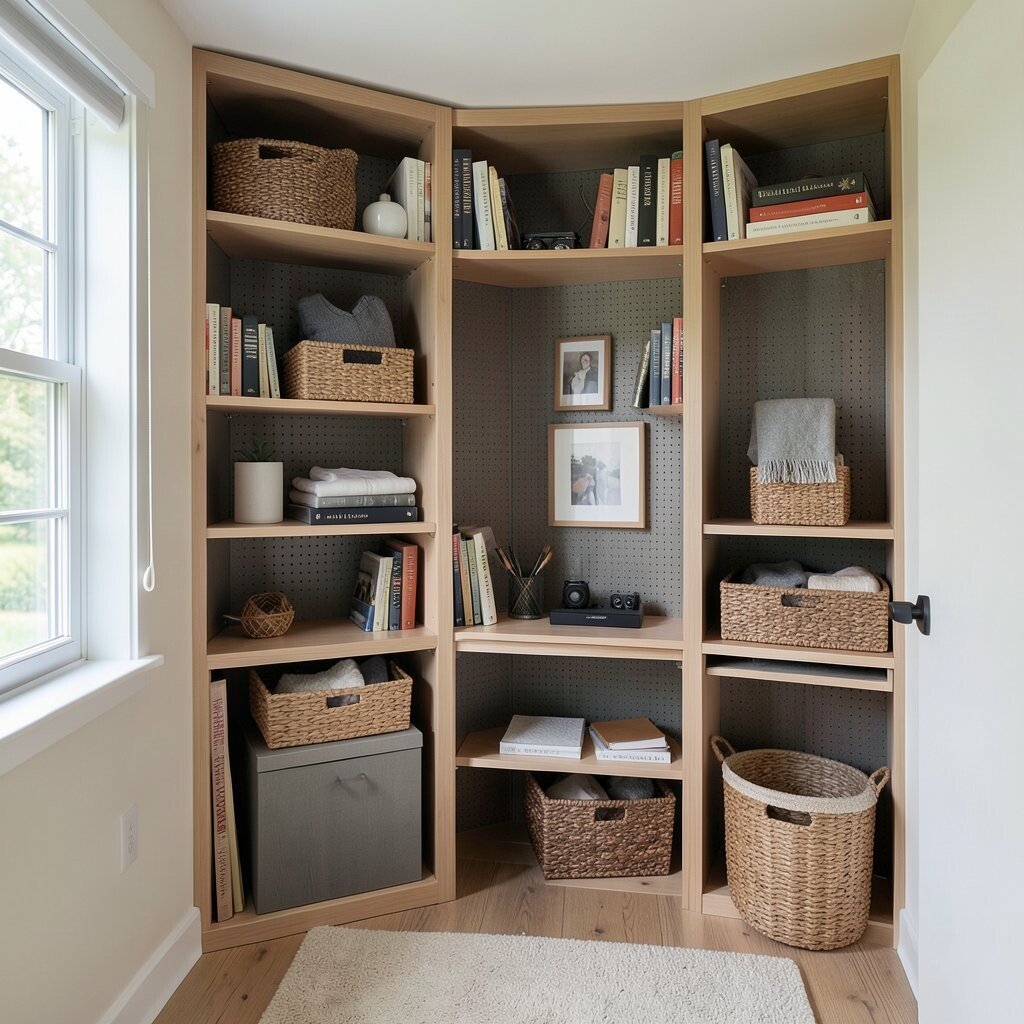
Imagine a framed art piece that doubles as a storage panel behind the wall art. Magnet-backed inserts can hold tiny notes, keys, or a small first-aid pack, all without taking extra space.
This is a fun option for small rooms because it turns existing wall decoration into useful storage. Keep the compartment size realistic, and avoid adding anything too heavy. Personalize it by choosing a frame style that matches your room theme, like gallery modern, rustic, or minimalist.
If you’re thinking about trends, wall-mounted micro-storage is growing because people want function without bulky furniture. Use strong magnets and check them periodically so the panel stays secure.
9. Corner Cabinet With Spinning Lazy Susan Shelves
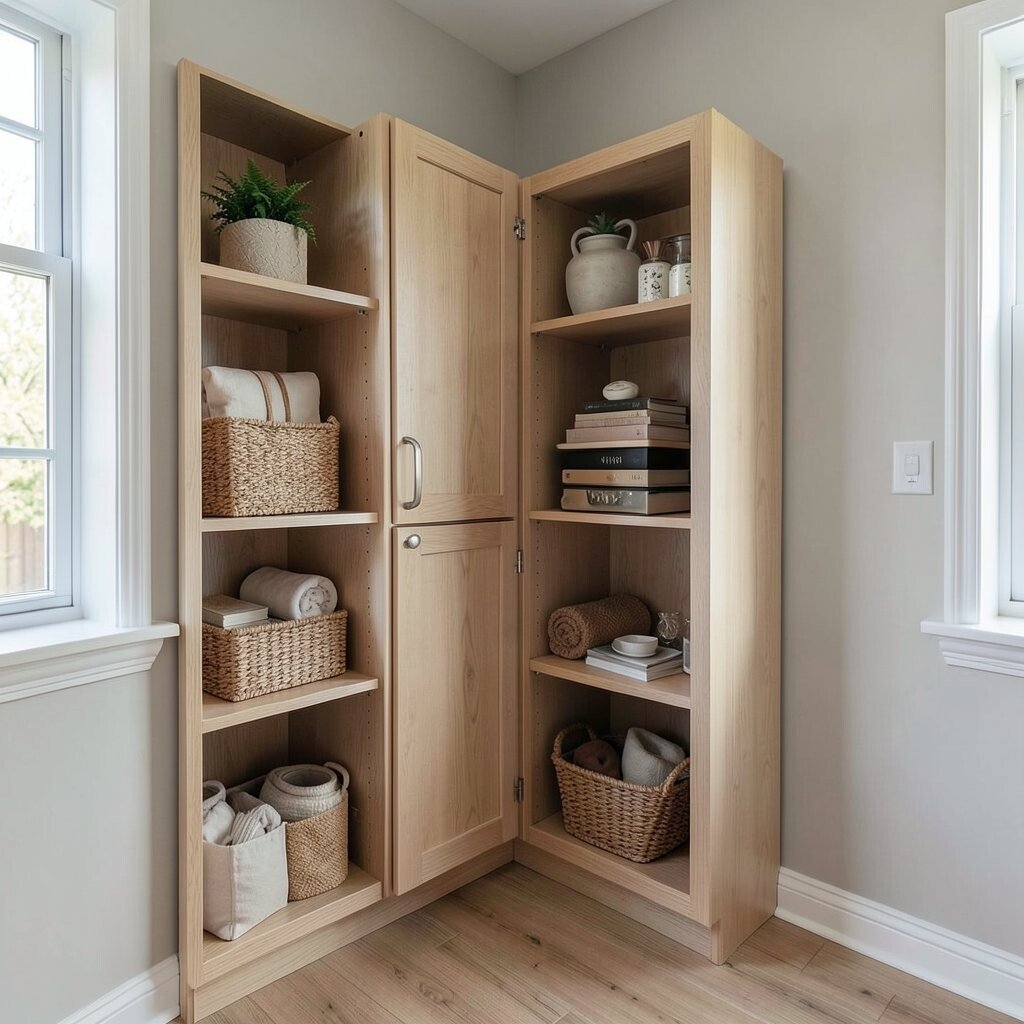
Corners often waste space, but a spinning cabinet turns that awkward area into a smooth storage zone. When you rotate the lazy Susan, you can reach items without pulling everything out.
This layout feels practical because it organizes awkward corners that would otherwise be hard to use. Add small baskets for spices, pantry snacks, or bathroom essentials so the rotation stays neat. For personalization, pick a cabinet finish that matches your trim and use color-coded labels on the basket handles.
10. Wall Bed With Integrated Wardrobe Stack

A wall bed can do more than save floor space when it includes a wardrobe stack on one side. Picture the bed folded up, revealing vertical storage behind a sleek panel.
This option is great for small rooms because it keeps sleeping, clothing, and daily supplies in one compact system. Use adjustable shelves so you can change the layout as your needs shift over time. Many current designs lean toward clean, built-in lines and hidden hardware, so consider soft-close doors for a premium feel.
Cost can be higher than simpler furniture, so measure carefully and compare brands. If a full system is out of reach, you can mimic the look with a freestanding wardrobe next to a wall bed and keep it visually cohesive.
11. Hidden Storage Bench Under Window Seating

If you have a window nook, a bench can become your favorite storage tool. Envision a cushion seat that lifts to reveal drawers or a long under-seat bin.
This layout boosts comfort and organization at the same time, especially in small rooms where seating doubles as storage. Add dividers so blankets, board games, or seasonal items stay separated. Personalize the bench with fabric you love, like textured linen or a durable indoor-outdoor material that fits your style.
12. Media Console With Pull-Out Service Panel for Cables

Wires can make a room feel messy even when the surfaces are clean. A media console can hide cords behind a pull-out panel that flips open like a secret door.
When everything is managed, your space looks calmer and more put together. Use cable sleeves and small velcro straps inside the panel area so you can set up devices quickly. A unique touch is adding a tidy power strip mount and an accessible top slot for remotes.
To keep cost reasonable, use modular cable management parts you can install without full carpentry. This idea also matches today’s trend of “clean tech” where setups look smooth instead of tangled.
13. Closet Wall With Removable Vertical Bins
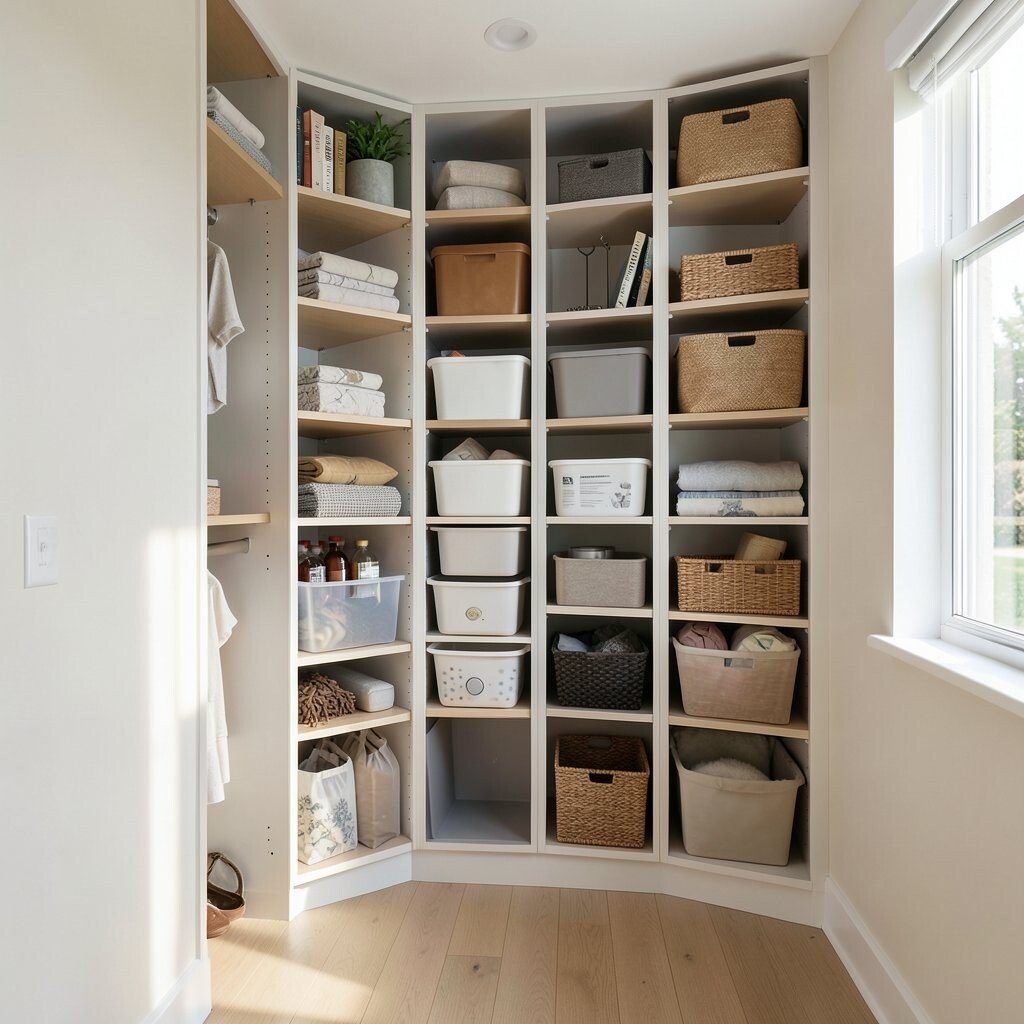
Instead of standard shelves, build vertical bins that slide out from a closet wall. You’ll see a clean set of compartments that open like a set of neat drawers, perfect for small garments and accessories.
This design helps because it prevents piles and keeps items visible when you need them. Use different bin heights based on your wardrobe habits, like taller bins for folding hoodies and shorter ones for scarves. For personalization, choose bins that match your room color palette, and add a small tag system on the front for quick selection.
14. Storage Behind a Decorative Mirror With Lift-Out Tray

A mirror can provide light and style while hiding everyday storage behind it. Picture the mirror mounted on the wall, and when you lift the panel, a hidden tray appears for makeup, skincare backups, or small hair tools.
This works well in small rooms because you keep surfaces clean without losing function. Use a tray with low sides so items stay visible, and consider waterproof backing if you store bathroom-friendly items. Personalize the look with a frame finish that matches your fixtures, like brushed metal, warm oak, or matte white.
For cost, you can buy a mirror cabinet style unit or create a simpler lift-out tray behind a custom mirror. Either way, measure thickness and door clearance so everything closes smoothly.
15. Fabric-Fold Partition With Hidden Storage Slots

Create a fabric partition that looks soft and decorative, but includes hidden storage slots inside the structure. Imagine hanging panels that conceal compartments for linens, seasonal clothing, or extra cleaning cloths.
The benefit is two-fold because the partition separates zones while also adding storage. Choose breathable fabric if the items need airflow, like folded towels, and use sturdy inserts so the shape stays crisp. For uniqueness, add removable pocket liners so you can swap organization styles as your needs change.
16. Pantry-Style Door Inside a Small Laundry Area

If your small room includes laundry or cleaning space, make the door itself do the work. A pantry-style hinged door can open to reveal stacked shelves, giving you a tidy place for detergents, sponges, and backup supplies.
This layout keeps cleaning items contained and out of sight, which helps a small room feel less busy. Use clear bins for frequently used products and label them lightly on the inside so you can restock quickly. A practical personalization move is arranging items by how often you grab them, with daily essentials at eye level and bigger refills on lower shelves.
17. Vertical Wall Peg Rail With Sliding Tool Caddies
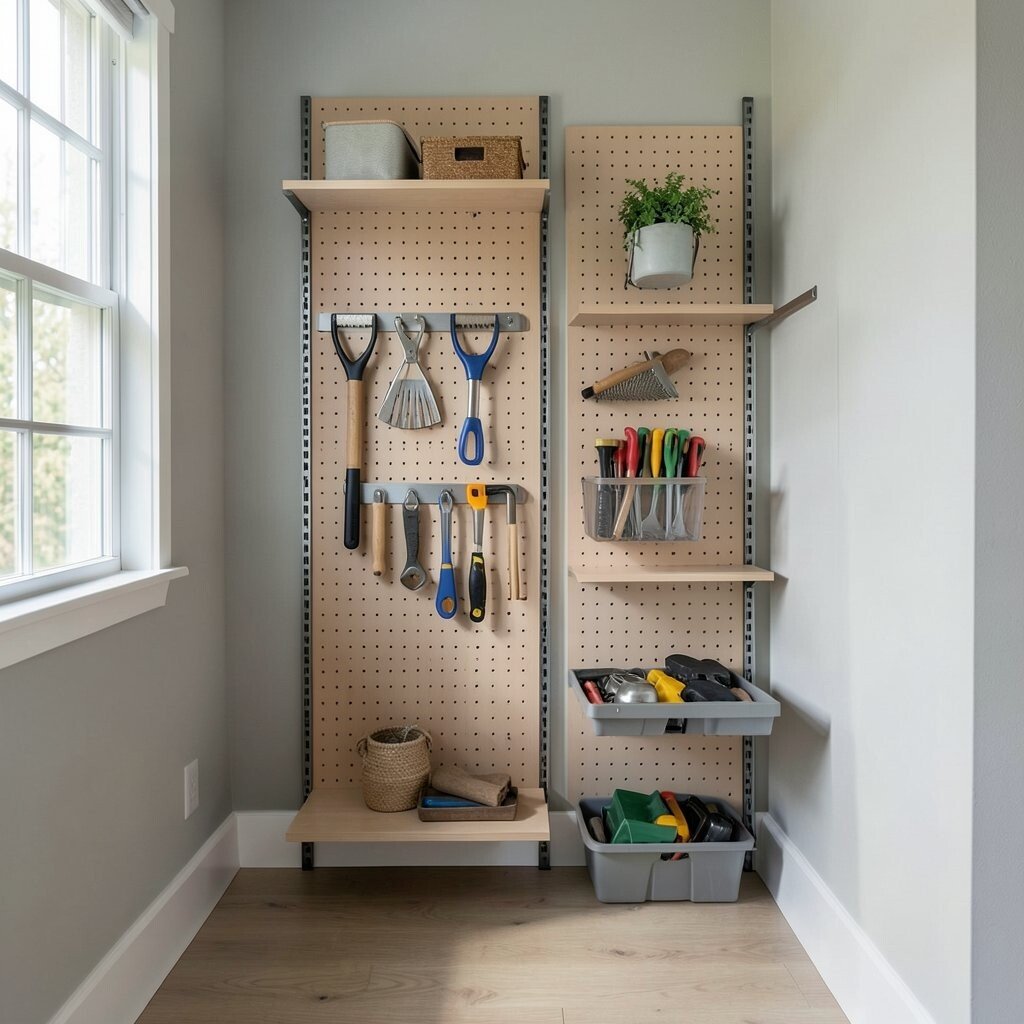
A peg rail can look artsy and still be highly organized when it includes sliding tool caddies. Picture a neat row of hooks, and beside them small carts that slide along the rail for items you want to grab fast.
This layout gives you quick access for small tools, craft kits, or seasonal repair supplies without cluttering your desk. Keep caddies lightweight and size them for your items so they don’t overload and sag. Personalize it with color-matched caddies or a mix of metal and wood accents for a warm, modern look.
For cost, peg rails are often cheaper than full built-ins, and you can expand one caddy at a time. Current trends also favor modular organization because it adapts as hobbies change.
18. Hidden Storage in the Back of a Seating Headboard
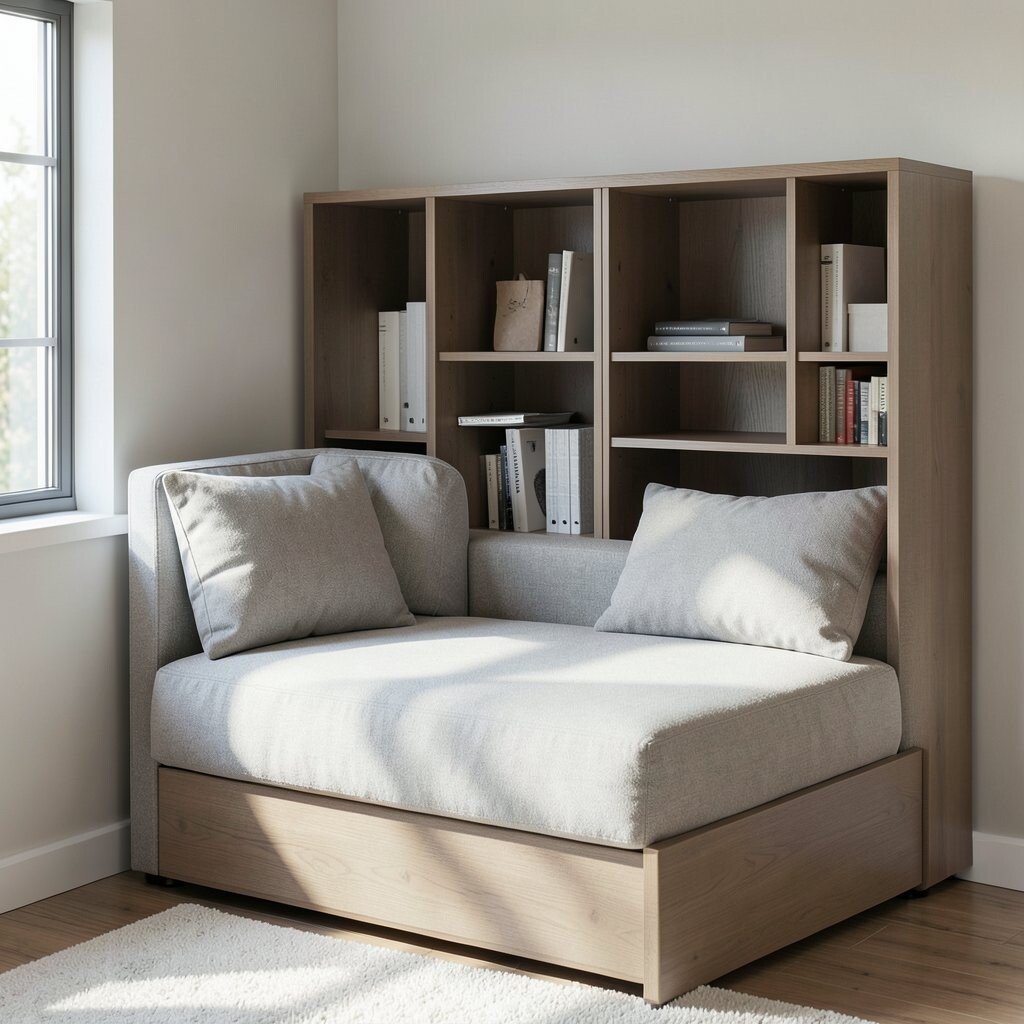
Even a headboard for a small sofa or daybed can hide storage when it’s designed with a concealed back panel. Imagine a cushioned back that looks cozy, but behind it are slim shelves or pocket compartments.
This setup is great for keeping reading items, remotes, or chargers off tables. Make compartments shallow for small electronics and add a zipper pocket section for anything you want extra secure. For personalization, choose a fabric or upholstery that matches your room style, then pick pocket sizes based on your daily routine.
19. Modular Storage Grid With Clip-On Doors for Clean Lines

A modular storage grid can make a small room feel custom without huge remodeling. Picture a grid of compartments with clip-on doors that snap into place, giving you a clean look whenever you want the room to feel extra neat.
This layout is uniquely flexible because you can adjust heights and swap panels as your storage needs change. Add doors to hide clutter and leave some open for items you use often, like books or a small display of favorite décor. For practical tips, install the grid securely into studs and keep heavier items lower so the system stays stable.
Cost considerations are important here since modular systems can range widely, so check bundles and measure carefully before buying. This approach also fits current trends because modular organization is popular for renters and busy homes that want upgrades without major construction.