There’s something magical about stepping outside and seeing your own plants thriving. A garden can feel like a daily reset button.
Even small yards, patios, and balconies can become lively places with smart choices and a little creativity. If you’re ready to shape a green space that fits your life, these ideas will help you get started.
1. Cozy Container Garden for Any Space
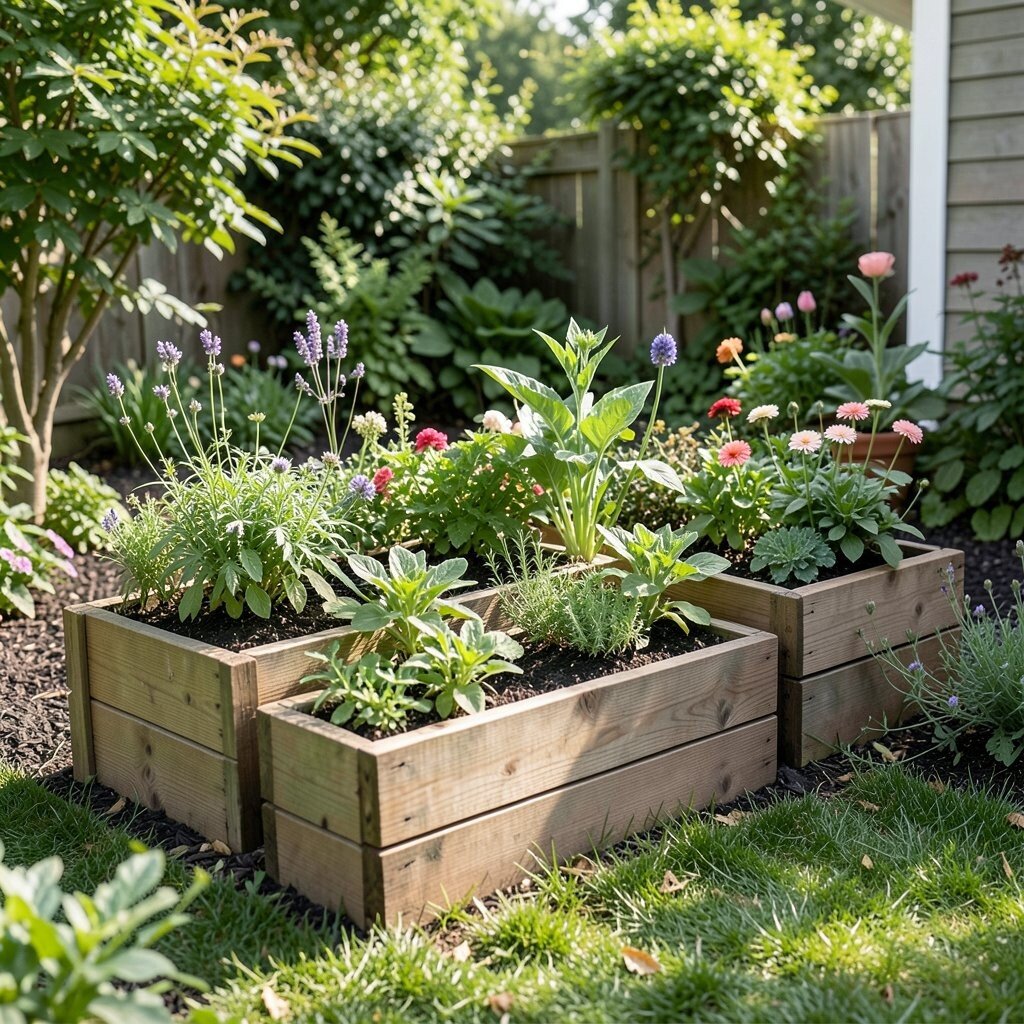
Picture a neat row of pots in different heights, with herbs spilling gently over the edges. A few cheerful blooms can make a simple patio look cared for and bright.
Container gardens are perfect when you want flexibility, because you can rearrange them as seasons change. They also help with drainage and make it easier to control soil quality. For success, choose pots with drainage holes, use quality potting mix, and group plants by how much sun they need. Water thoroughly when the top inch feels dry, and add a slow-release fertilizer once or twice during the growing season.
2. Vertical Planters on a Sunny Wall
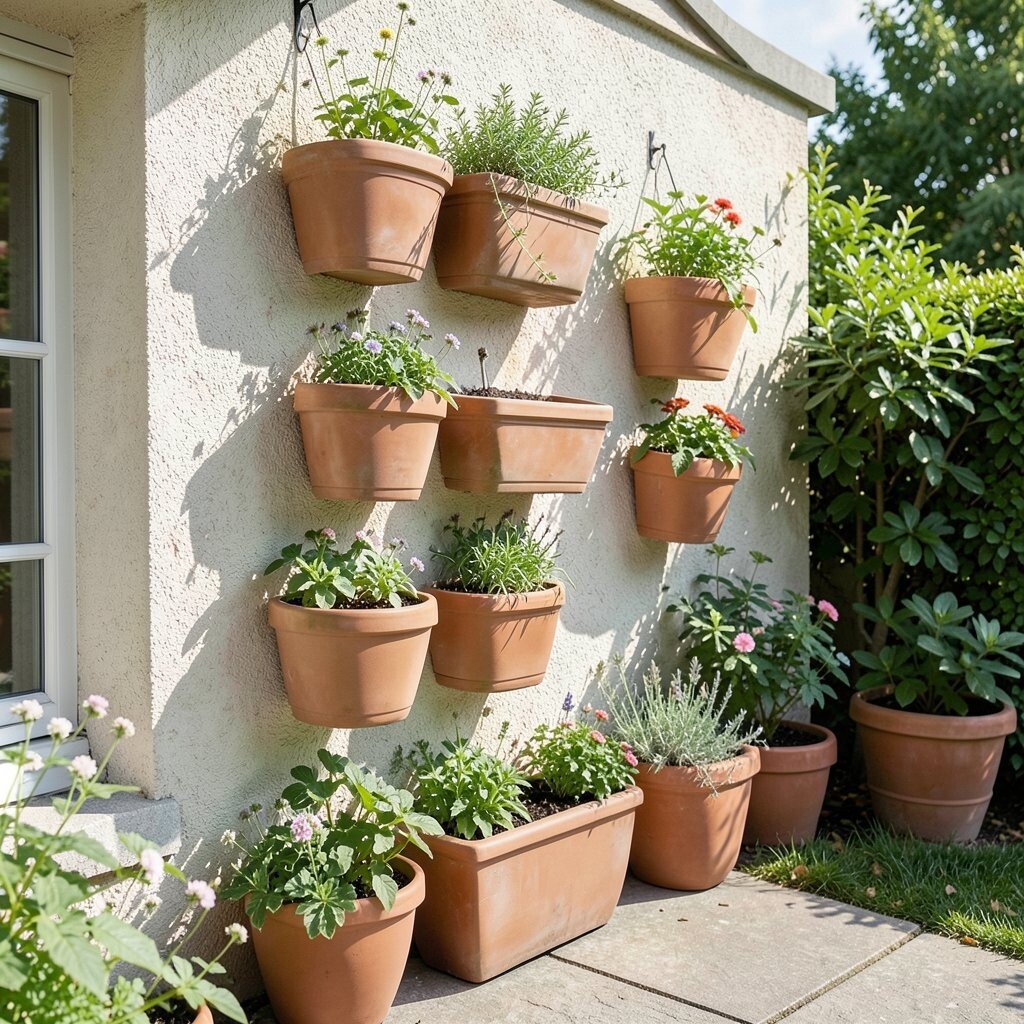
Imagine a wall covered in living green stripes, with vines curling upward like they’re climbing toward the sun. It’s a great way to turn unused space into a lush backdrop.
Vertical planters save ground area, which is especially helpful for small yards and narrow side paths. They can also keep slugs and soil mess off your plants. To make it work, pick a structure that fits your wall and use a lightweight mix that holds moisture without becoming soggy. Plant fast-growing greens, like lettuce or spinach in cooler months, then switch to flowers or trailing herbs in warmer times.
For personalization, match pot colors to your outdoor cushions or paint tones. A current trend is using modular systems with interchangeable pockets so you can swap plants easily as your taste changes. If you’re watching costs, start with one section and expand after you see how your plants do in your specific light.
3. Pollinator-Friendly Flowering Beds
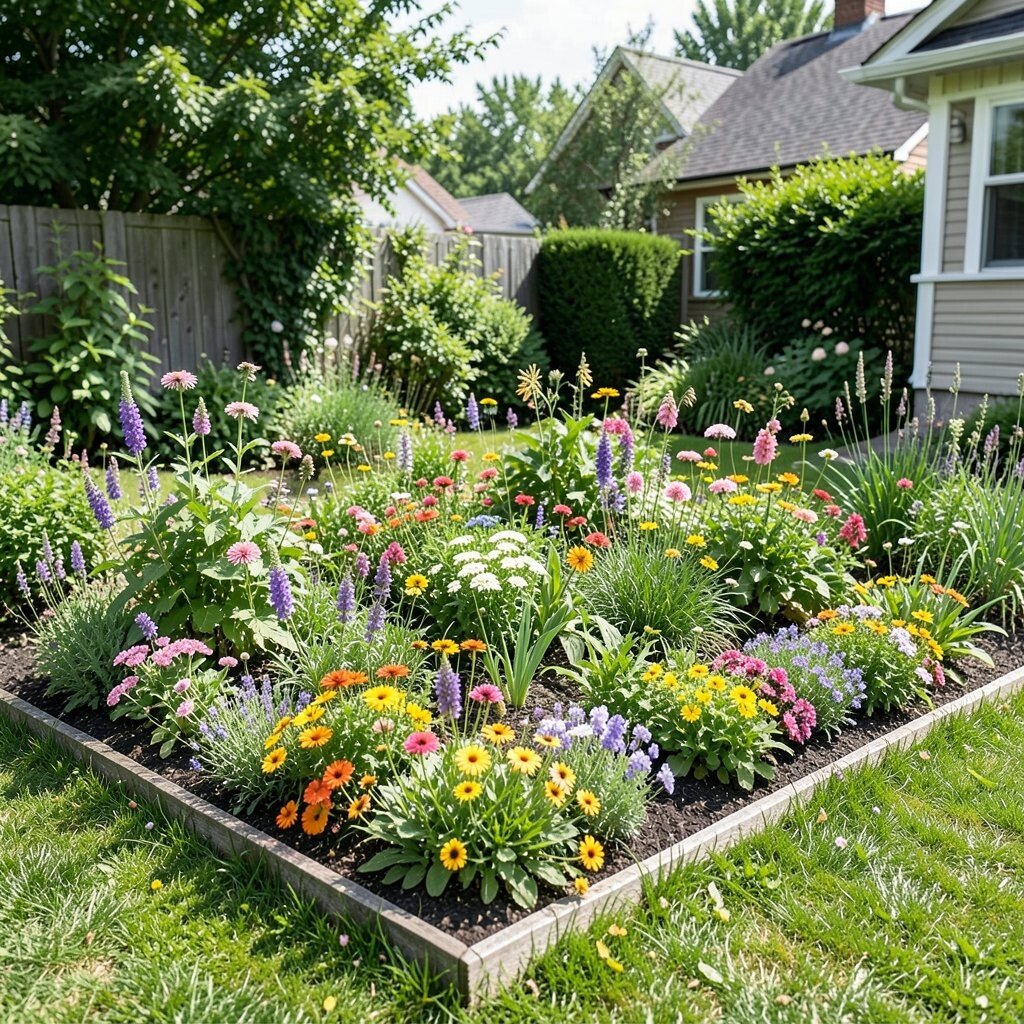
Think of a bed filled with flowers that look like they belong in a painting, with soft colors and busy movement. Bees and butterflies landing on blooms can turn an ordinary afternoon into something special.
Pollinator-friendly planting supports local ecosystems and can lead to healthier nearby plants, too. It also adds long-lasting color because many flowering varieties bloom in waves across the season. Choose a mix of blooms that flower at different times, then deadhead when needed to encourage new growth. Add a shallow water source such as a small dish with smooth stones so insects have an easy place to drink.
To keep maintenance realistic, place tougher perennials toward the back and gentler flowers where you’ll actually notice them. Many gardeners today favor native or well-adapted plants because they handle local weather better with less fuss. If budget matters, start with fewer plants and expand each year, sharing seedlings with friends or swapping starts at community plant events.
4. Raised Beds With Simple, Clean Edges
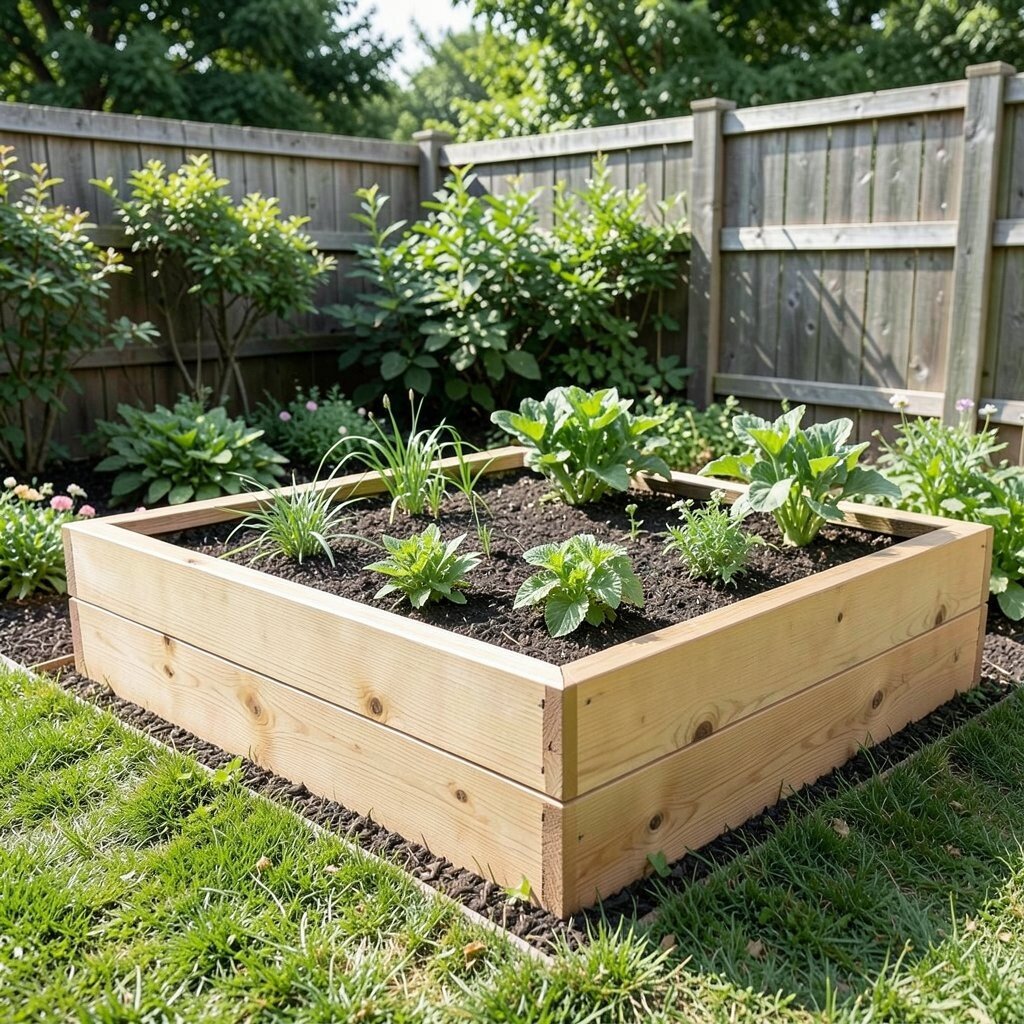
Picture neat, sturdy frames that make soil look tidy, like the garden has its own shape. Raised beds warm up faster in spring and make weeding feel less like a chore.
They can improve drainage, reduce compaction, and let you control soil conditions for vegetables and flowers. A raised bed also makes planting at a comfortable height, which is easier on your back. For practical setup, keep beds narrow enough to reach the center, and use untreated wood or rot-resistant materials for longevity. Fill with a layered mix suited for your plants, then add mulch on top to hold moisture and cut down on weeds.
5. Herb Spiral for Fresh Cooking Moments
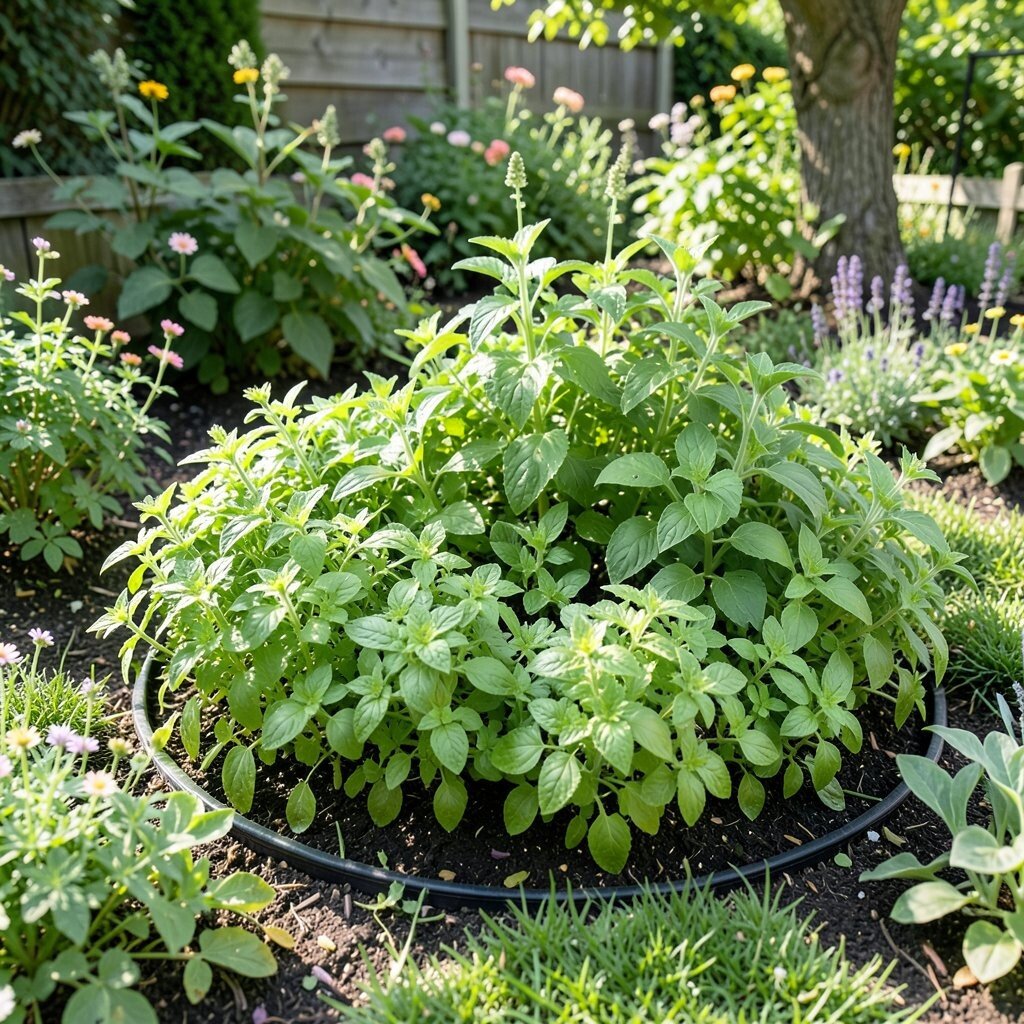
Imagine stepping stones that trace a spiral of herbs, with tall plants rising at one end and trailing ones spilling over the other. The scent alone can make the whole yard feel inviting.
An herb spiral is unique because it naturally separates plants by water needs and sunlight. Many cooks love it because you can harvest right at the edge of the bed without searching through the yard. Place a mix of sun-loving and drought-tolerant herbs higher up, and keep moisture-lovers closer to the base. Keep trimming for steady growth, and if you want more flavor, harvest in the morning and pinch lightly rather than yanking stems.
This idea also works as a decorative centerpiece, so it’s not just useful, it looks good too. Consider budget-friendly materials like stones you already have or affordable pavers. A simple personalization is to pair the herbs you actually use, such as basil, thyme, oregano, chives, and parsley, so the garden feels tailored to your kitchen.
6. Shade Garden Under Trees With Texture and Color
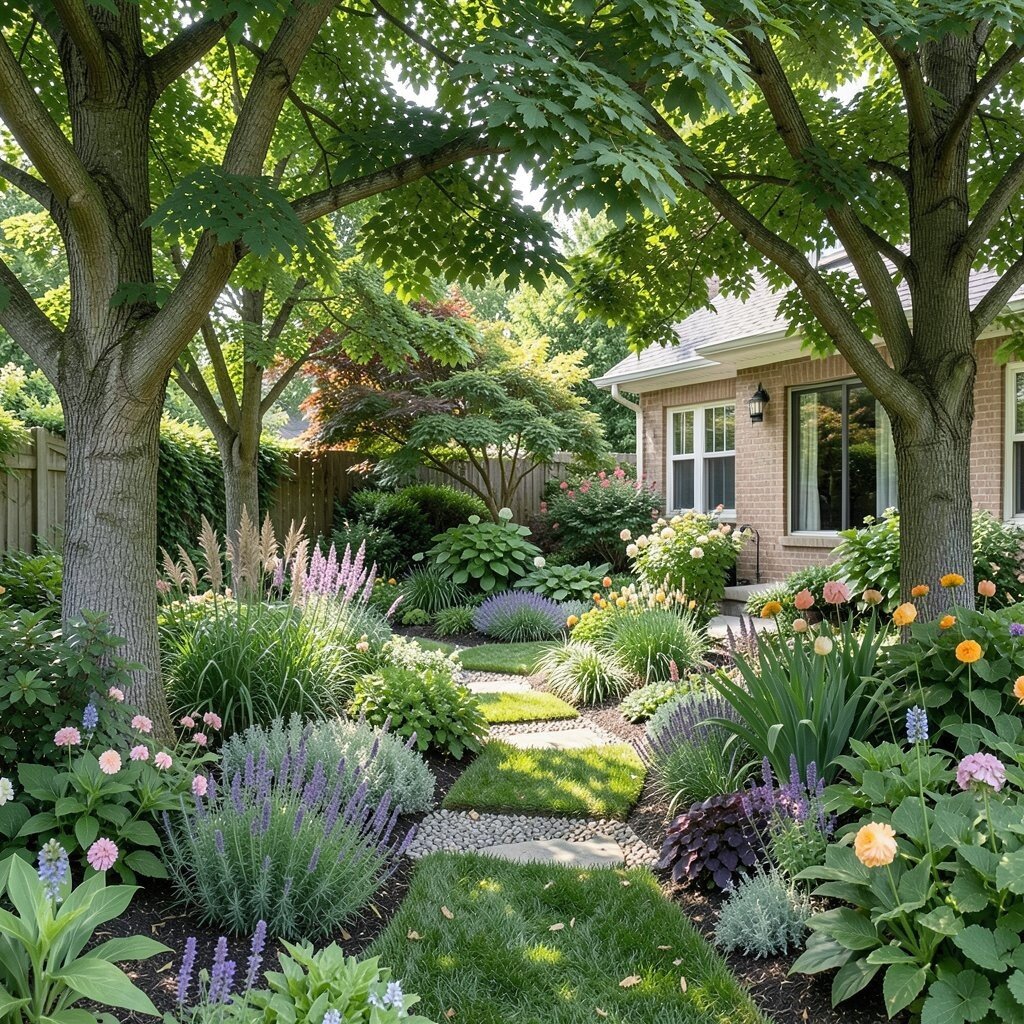
Visualize a cool green corner where leaves filter light, and plants add depth with different shapes. Even in shade, the right mix can create a calm, layered look.
Shade gardens help you use tricky areas instead of leaving them bare or patchy. They also reduce stress on plants that struggle in harsh sun. Choose shade-tolerant plants like hostas, ferns, and small flowering varieties, then add groundcover to cover soil quickly. Keep soil consistently moist during the first growing season, and use mulch to protect roots from drying out under tree canopies.
For personalization, aim for texture by mixing broad leaves with airy fronds and low flowers. A popular trend is creating mini “rooms” in gardens, so a shade nook can feel like a quiet retreat. If costs are a concern, buy fewer plants and fill in later with divisions from friends or starter plugs, which often establish faster than you’d expect.
7. Edible Borders That Look Like Flower Borders
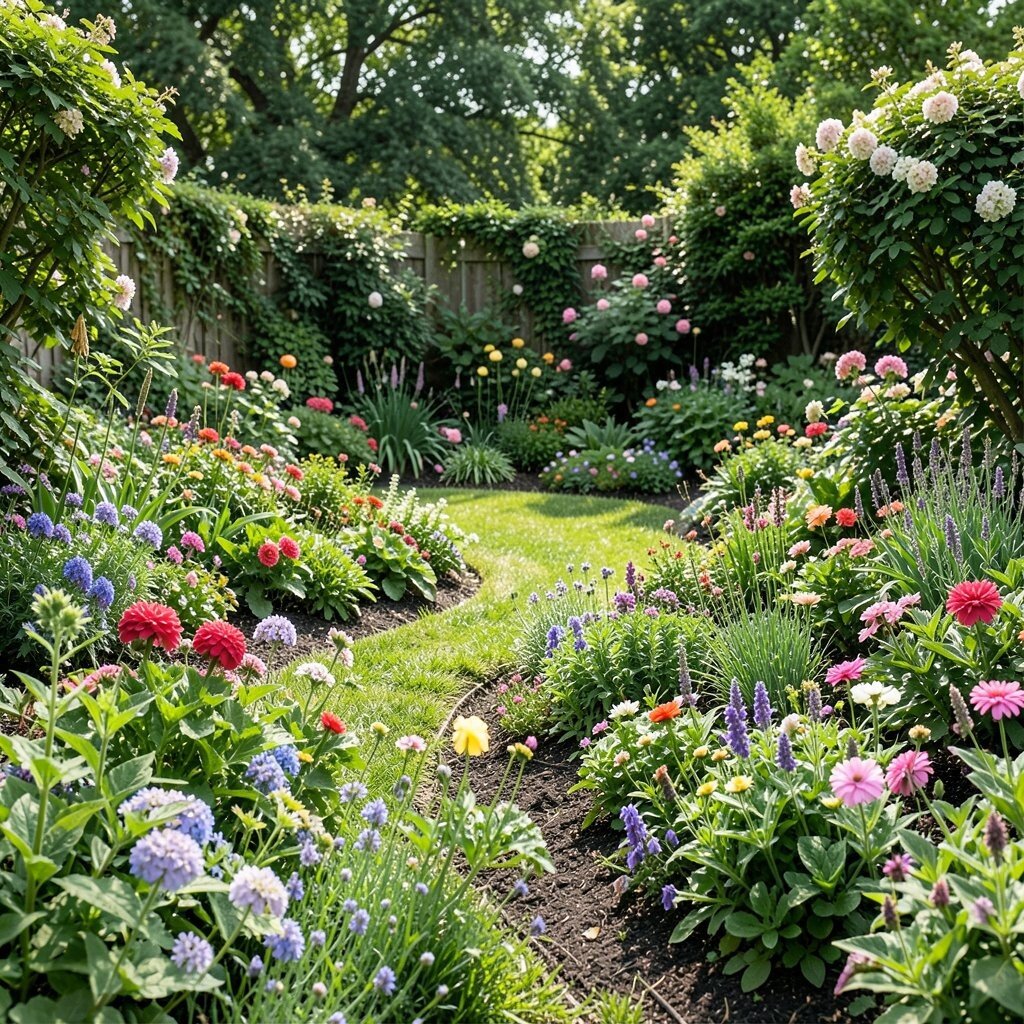
Picture a border that blends vegetables with pretty blooms, so the whole line looks intentional. Carrots, greens, and herbs can sit right next to flowers in colors that match your taste.
Edible borders make harvesting feel more fun because you don’t have to step into a separate vegetable plot. They also increase biodiversity and can help attract helpful insects. Choose compact varieties like bush beans, baby greens, and dwarf peppers, and plant taller crops at the back. Use a clean mulch layer to keep soil tidy, then install small supports early so plants grow upright without constant tying.
For personalization, weave in color through edible flowers like calendula or nasturtium, and repeat plant spacing for a polished look. Many gardeners now prefer “mixed beds” because they’re beautiful and practical in the same space. If you’re cost-conscious, grow from seeds for quick wins and buy transplants only for the plants that need a head start in your climate.
8. Outdoor Seating With a Living Backdrop
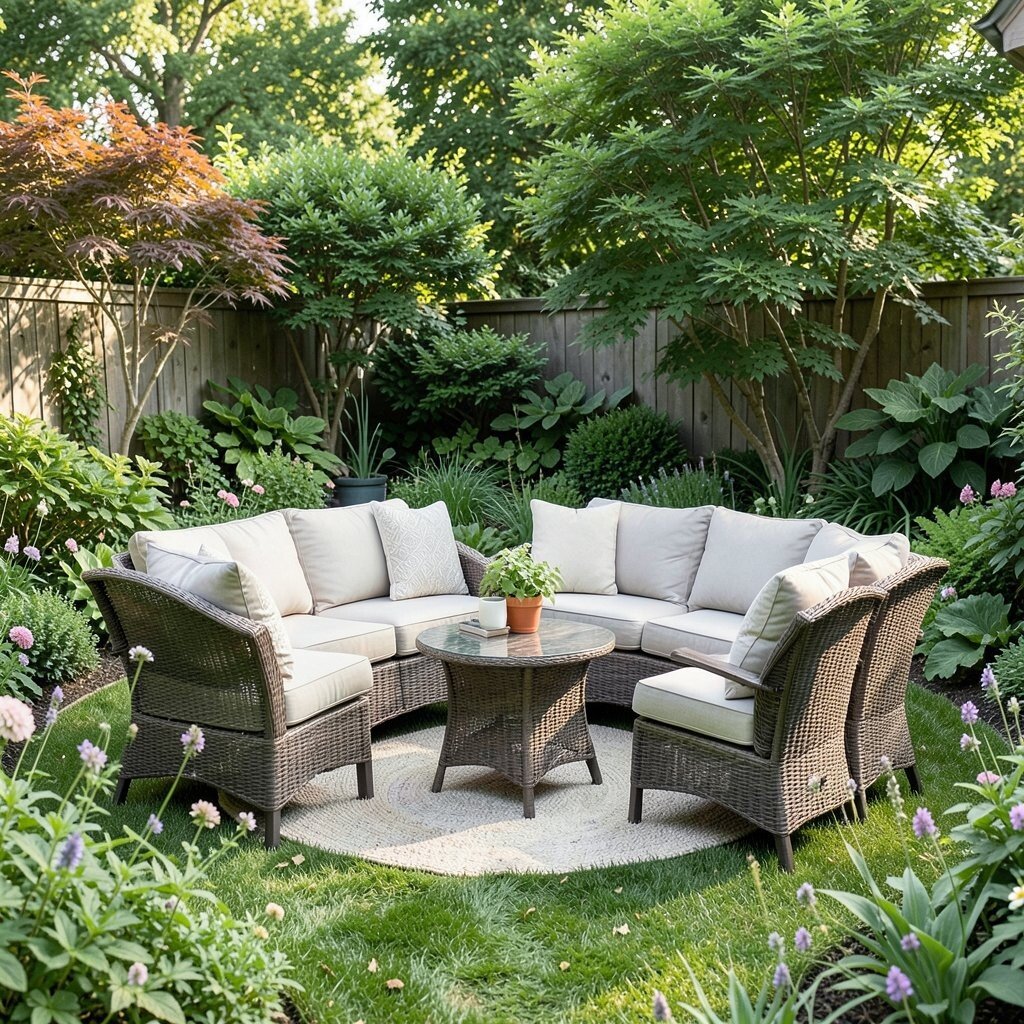
Imagine a small chair or bench framed by plants, so the garden feels like a place you want to stay. You can almost hear the quiet, with leaves gently moving as you relax.
Creating a seating zone turns your green space into an everyday hangout, not just something to maintain. It also helps you choose plants you’ll enjoy seeing, which makes your garden feel more personal. Place seating where you’ll catch the best light and where water access is easy for plants nearby. Use planters and trailing plants to soften hard edges, and keep paths clear so you can move comfortably while watering.
For personalization, add a theme like coastal blues, warm terracotta, or cottage-style charm using matching pot colors and plant varieties. A current trend is designing “use-first” gardens that prioritize how you’ll live in the space. If budget matters, start with one seating piece and build plant layers around it instead of filling everything at once.
9. Water-Saving Drought-Tolerant Planting
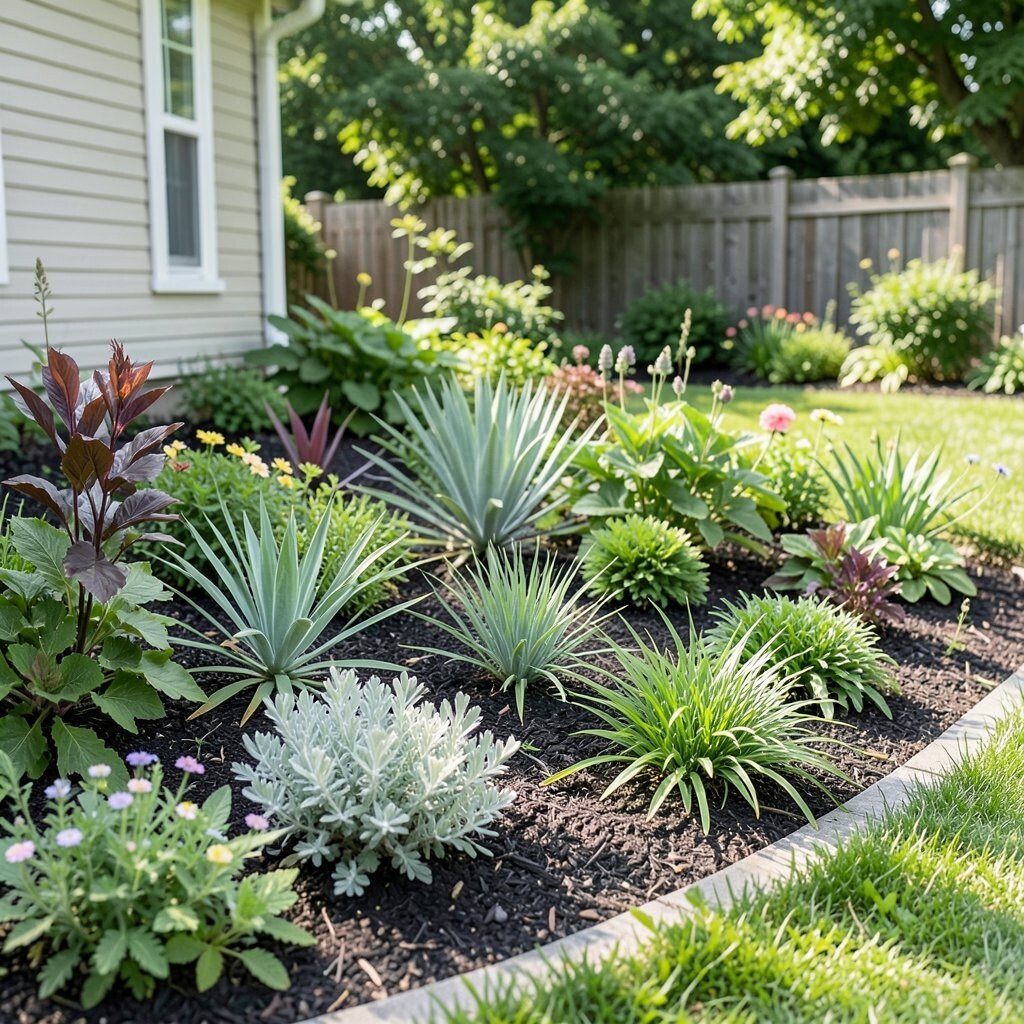
Think of a landscape that looks relaxed and natural, with plants standing firm even when summer heat arrives. The visual payoff is a soft, steady texture that doesn’t panic at dry spells.
Drought-tolerant gardens save water and can be easier to maintain once plants are established. They also support pollinators and add structure even when some flowers fade. Choose plants suited to your climate, then group them by water needs so you’re not overwatering. Add mulch, use drip irrigation if possible, and water deeply but less often during the first months.
To personalize, combine different heights and leaf textures, such as spiky grasses with rounded shrubs. Many modern gardeners love “low-water” styles because they feel relaxed and responsible at the same time. If you’re watching costs, start with a smaller dry patch, and let it expand as you learn which plants thrive in your yard’s sun and soil.
10. Seasonal Bulb Promises in Small Clusters
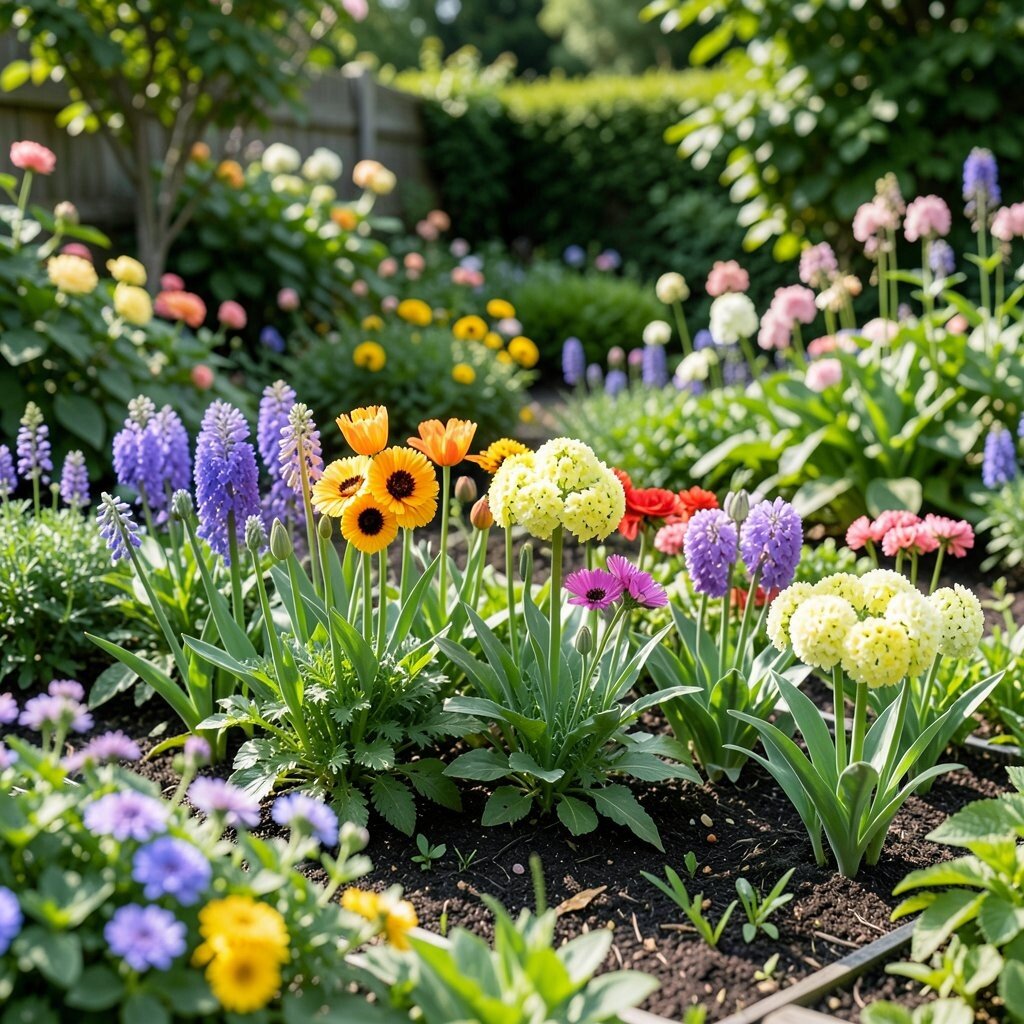
Picture small pockets of color popping up at different times, like the garden is sending you cheerful surprises. You can plan for spring, then build anticipation for the next wave.
Bulbs are unique because they store energy underground and create impact with minimal effort during planting season. They also look natural when grouped in clusters rather than scattered randomly. Plant bulbs at the right depth, water them after planting, and resist disturbing the soil after they sprout. Once foliage yellows, allow it to die back naturally so the bulbs refill for next year.
For personalization, mix colors based on your favorite palette and repeat the same combinations in two or three areas for a cohesive look. A current trend is “slow landscaping,” meaning you plant for long-term beauty rather than instant coverage. If costs are a concern, buy bulbs in smaller batches and focus on one standout color that you’ll truly enjoy.
11. DIY Seed-Starting Station Near a Window
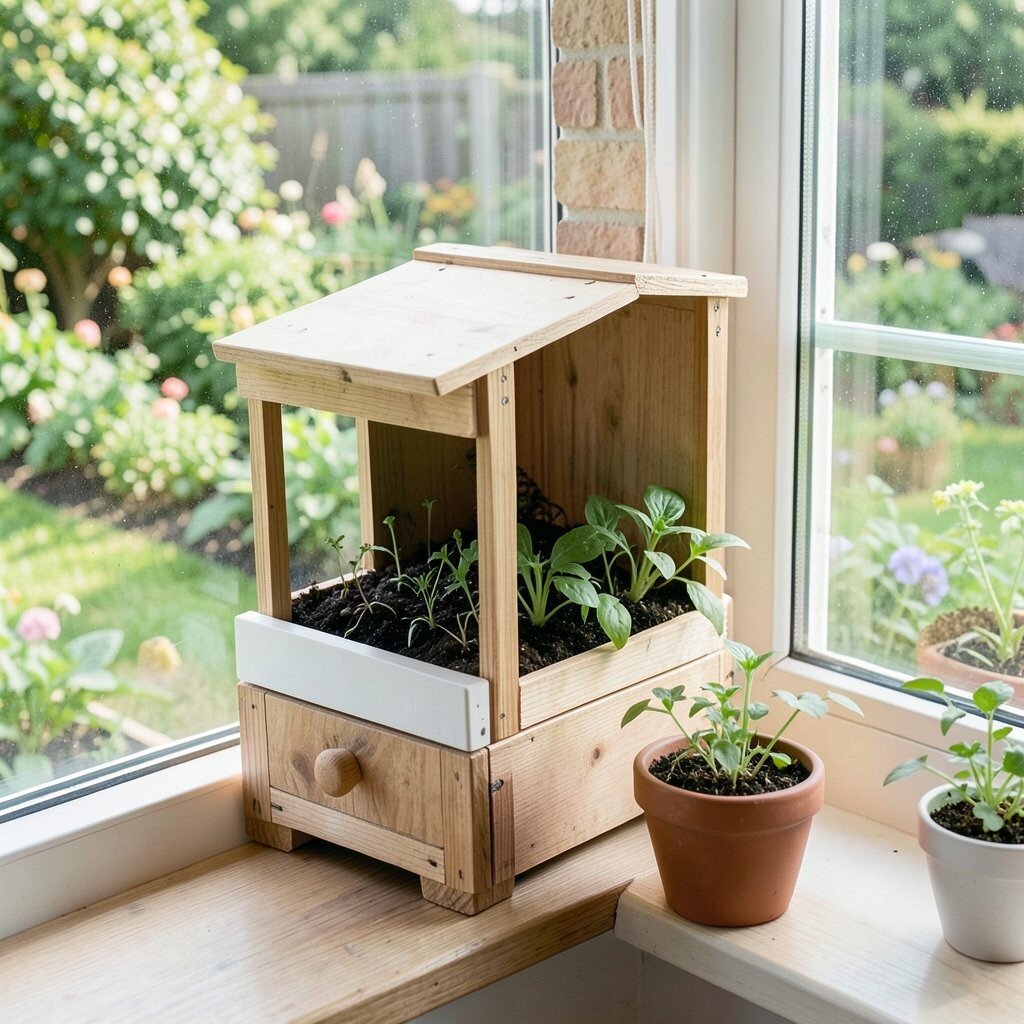
Imagine a bright spot indoors where trays line up like mini greenhouses, with tiny sprouts reaching upward. It feels exciting to see life begin before the weather even fully cooperates.
A seed-starting station helps you grow plants that are hard to find locally and can save money over time. It also gives you stronger seedlings because you control light, moisture, and airflow. Use a simple setup with trays, a light source, and a watering method that keeps soil evenly moist. Start seeds according to their timing, rotate trays so growth stays even, and harden seedlings off gradually before moving them outside.
For personalization, paint the shelf, label containers with cute markers, and keep a small notebook to track what worked. Many gardeners now like home-grown seedlings because it adds a personal touch and reduces the need for frequent buying. If costs are a concern, reuse seed trays from last season and begin with a few easy crops like basil, lettuce, and marigolds.
12. Garden Lighting for Evening Charm and Safety
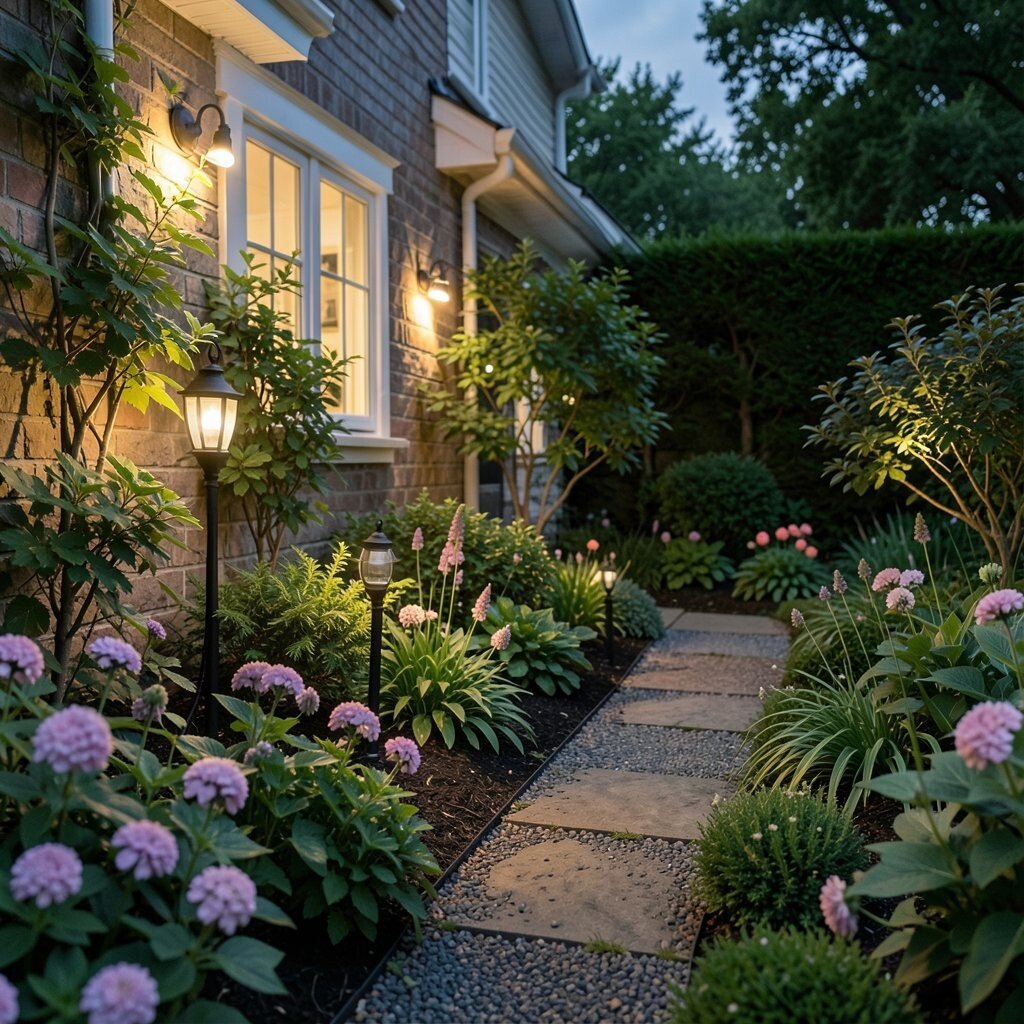
Picture warm lights along pathways and around plants, making shadows look soft instead of harsh. Even a small glow can turn your garden into a calm nighttime escape.
Garden lighting adds both mood and practicality by improving visibility and helping you spot steps, edges, and hoses. It also makes plants look more vibrant after sunset, especially textured leaves and flowers. Choose low-voltage lighting or solar options to keep setup manageable, then place lights where you need guidance rather than everywhere. Use timers if possible, and keep fixtures positioned so they highlight plants from below or along the sides.
For personalization, pick light temperatures that match your style, such as warmer tones for a cozy feel. A current trend is using layered lighting with a mix of path lights and small spotlights for depth. If budget matters, focus first on the main walkway and seating area, then expand slowly as you see what you enjoy most at night.