
Light can make even small rooms feel calm and welcoming. With a few smart choices, your home can look fresher and feel more joyful.
1. Swap Heavy Drapes for Airy Light

Let daylight flow in by choosing sheer curtains or lighter fabric. You’ll notice walls and floors look less gloomy almost right away.
Airy window coverings soften the look of a room and make it feel taller and more open. If privacy matters, layer with a slim blackout liner or choose a gauzy panel that still filters harsh glare. For practical style, match curtain color to your wall tone so the whole space feels cohesive and bright.
2. Use a Warm White Paint Accent

A warm white accent can lift the mood without turning everything into a stark, cold space. Think creamy tones that make beige, wood, and gold details pop.
Painting one wall, the ceiling edge, or even built-ins in a warm shade can brighten the room while still looking natural. It also helps hide small scuffs and wear, which is great for everyday life. Pick a sample swatch and view it at different times of day so the color looks friendly in morning light and relaxing at night.
To keep the look personalized, pair the accent with a darker trim or a softer mat finish on the rest of the room. If you rent, consider a peel-and-stick accent panel or temporary removable wallpaper in a subtle texture. This approach is usually more budget-friendly than replacing furniture, yet it still delivers a big visual change.
3. Style with Reflective Surfaces

Reflective surfaces catch light and bounce it around the room. A mirror, glass decor, or a polished lamp base can make corners feel brighter.
Choose a mirror with a frame that fits your style, like a sunburst shape for playful energy or a simple arched design for a calm feel. Place it across from a window or near a lamp so it multiplies brightness. Even a small tabletop mirror can add sparkle and make your morning routine feel nicer.
If you love current trends, textured glass and softly curved silhouettes are popular right now. To keep it practical, clean smudges often, since reflective items show fingerprints quickly. Balance shine with warm materials like wood or linen so the room stays cozy, not icy.
4. Layer in Soft, Bright Textiles
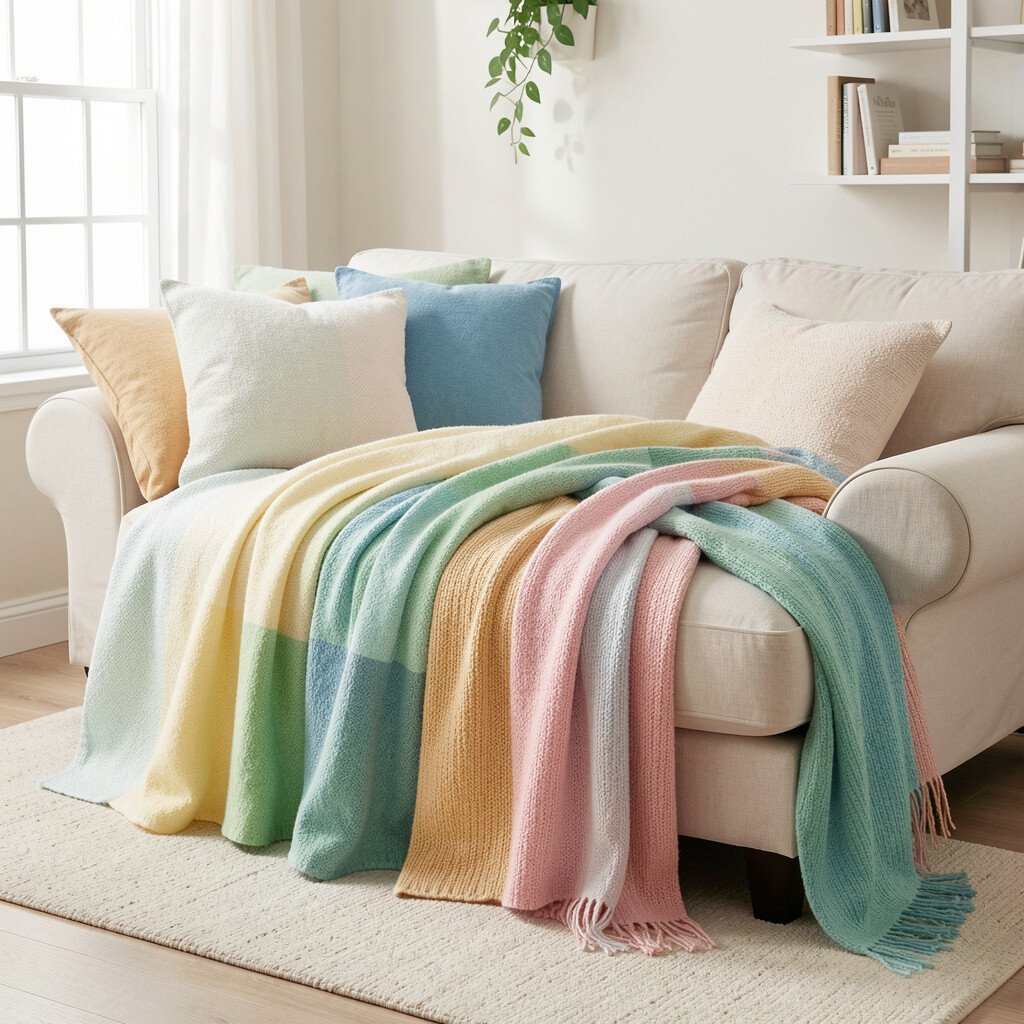
Textiles are one of the easiest ways to change how light moves through a space. Light-colored throws, cushion covers, and rugs make the room look fuller and more inviting.
Choose fabrics with gentle texture, like boucle, cotton, or a woven pattern that catches light in small ways. For a personal touch, mix two shades that feel related, such as cream and pale sand, rather than using bright color in every spot. If your home gets direct sun, pick fade-resistant materials so your bright look lasts.
5. Pick a Lighter Rug with Personality
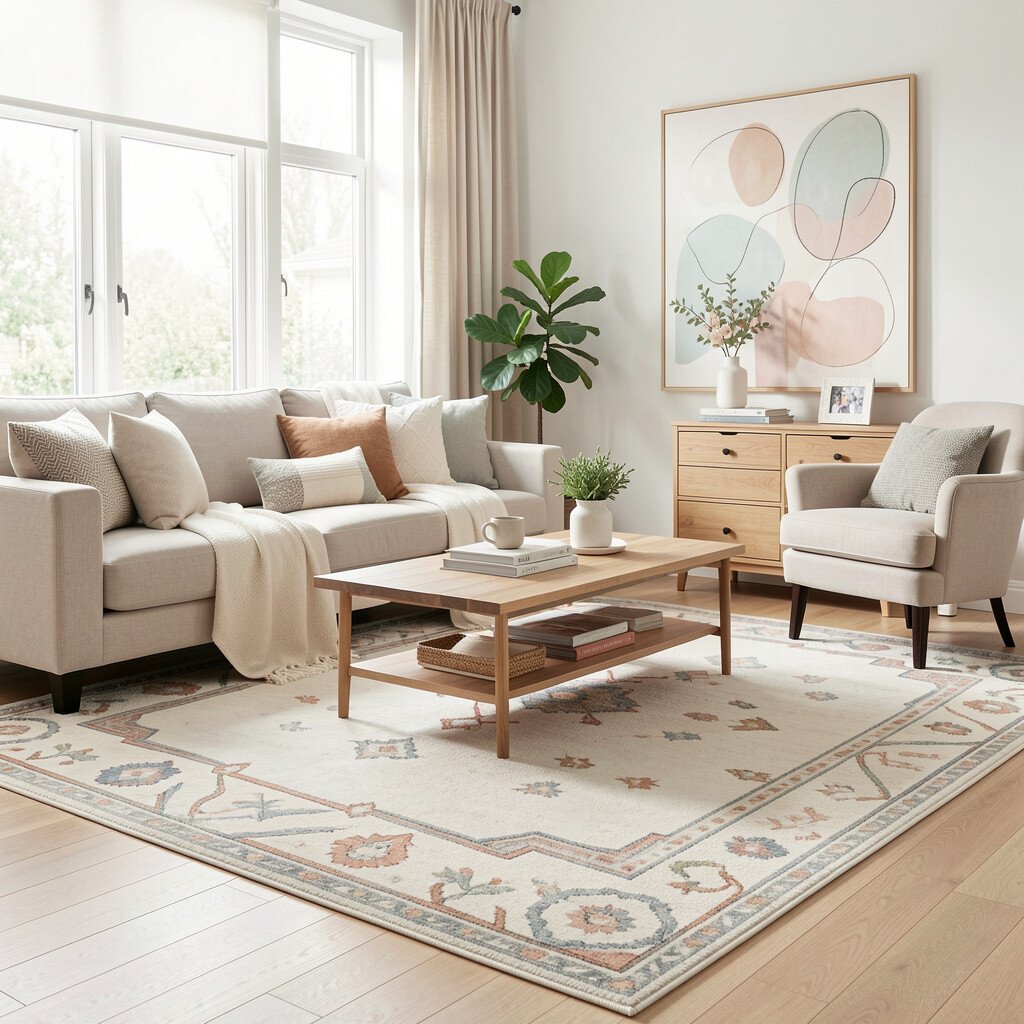
A lighter rug can ground your room while still keeping it bright. You’ll often see more contrast between furniture legs, which makes the layout look crisp.
Look for rugs in ivory, oatmeal, light gray, or pale natural tones, especially if your walls are neutral. Patterns can help too, since subtle lines and gentle motifs hide everyday marks. If you worry about mess, choose a rug with a slightly varied weave so stains don’t stand out as much.
For uniqueness, mix a modern rug with classic furniture, or pair a traditional pattern with modern decor for a stylish contrast. A larger rug also helps rooms feel brighter because it reduces empty floor areas. When budget matters, consider a smaller size in a high-traffic spot first, then expand later.
6. Arrange Furniture for Clear Sightlines

When furniture blocks windows or paths, light has trouble reaching the whole room. Create clear sightlines so daylight can travel and your space feels easier to move in.
Try pulling seating slightly away from walls and leaving breathing space around the center. This simple shift can make a room look larger and more airy. If you’re styling a living area, keep a small gap between the sofa and side pieces so the light can spread across the floor.
7. Add Color with Small, Confident Accessories

Bright accents don’t have to be bold all over the place. A few colorful accessories can wake up a room without making it feel busy.
Choose one or two accent colors, then repeat them in small ways like a vase, candle holders, and framed photos. This repetition creates a polished look that feels intentional. If you like current home trends, earthy terracotta and cheerful citrus tones are often used to keep spaces fresh but grounded.
For personalization, use items that match your story, like travel souvenirs or art from a local maker. If you’re keeping costs low, shop your home first and then add only a couple new pieces to finish the look. A simple rule helps here, using brighter items at eye level for the most impact.
8. Light Up with Layered Bulbs and Warm Lamps

Good lighting is like good music for a room, it sets the mood. Instead of relying on one overhead light, add multiple light sources in different spots.
Use table lamps, floor lamps, and wall lighting so the room glows from several angles. Choose bulbs with a warm tone that feels cozy, then raise brightness with layering rather than harsh glare. You can also place a lamp near a mirror or reflective surface to boost the glow even more.
9. Choose Ceiling-Friendly Paint and Finishes

Your ceiling can work like a hidden light booster when you choose the right paint and finish. A lighter ceiling helps reflect light upward, which makes the whole room feel brighter.
Go for a satin or matte finish that resists glare and keeps colors looking soft. If your walls are colorful, a classic bright ceiling helps balance the space. For practicality, consider using a paint formulated for easy cleaning, especially in kitchens or hallways.
10. Refresh Walls with Lighter Art and Frames

Wall art changes the feeling of a room faster than most people expect. When the colors are lighter, the space often feels more open and cheerful.
Try art with airy tones, gentle gradients, or scenes that include sky-like blues and warm creams. You can also switch to lighter frames, since dark frames can sometimes absorb light. If you want an easy personalization route, mix one larger piece with a few smaller prints, then keep them evenly spaced for a tidy look.
For budget control, swap existing prints into new frames instead of buying a whole gallery set. Online prints can look just as stylish when you choose good paper and a simple frame style. This approach also keeps up with current trends like minimal gallery walls and soft, modern color palettes.
11. Keep Clutter Low with Bright Storage
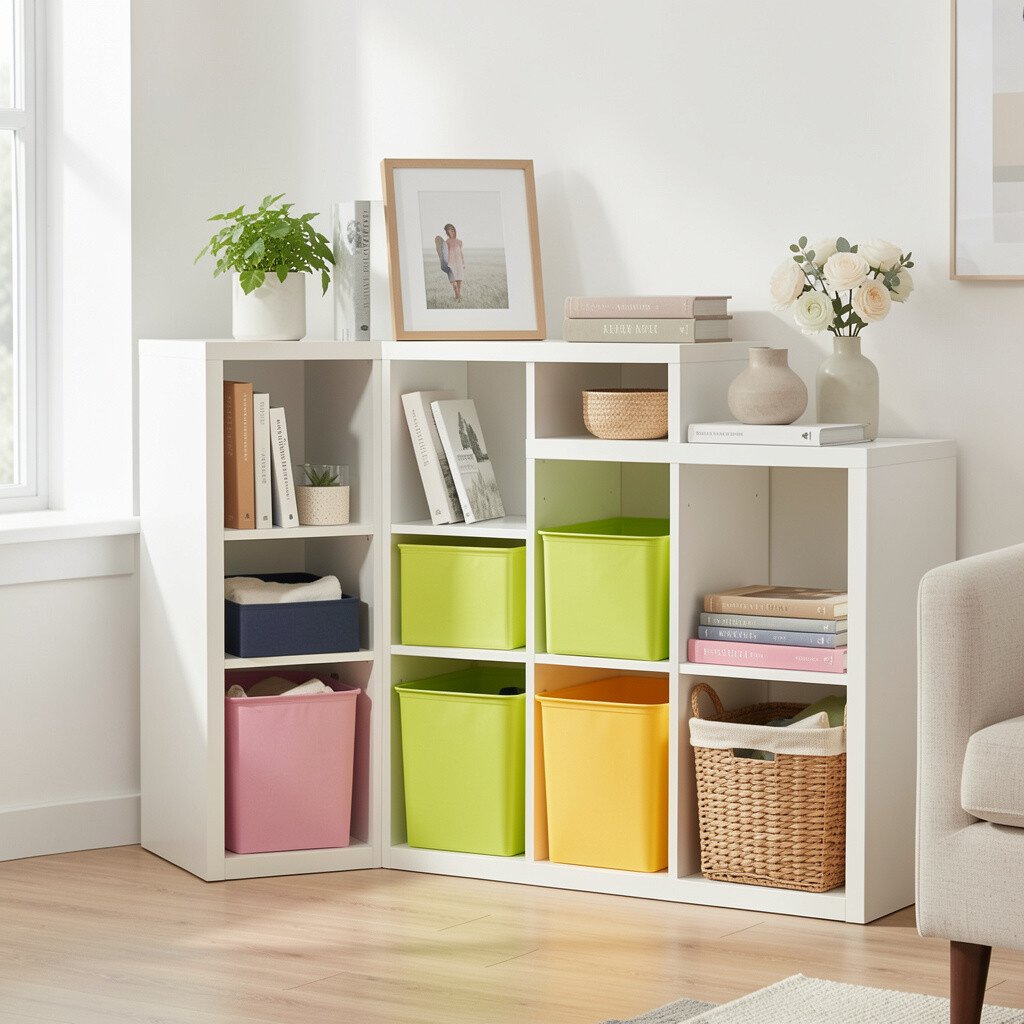
Clutter blocks light because it creates visual noise and busy surfaces. When shelves are cleaner and storage looks neat, the room feels calmer and brighter.
Choose storage pieces in light colors like white, pale wood, or light painted finishes. Clear bins or labeled baskets can help you stay organized without making everything look crowded. Add decorative baskets to hide small items while still keeping a stylish texture.
If you want uniqueness, use a mix of open shelving and closed storage so the room looks styled but still lived in. A little personalization goes a long way, like placing a stack of books with a bright spine or a small plant near a lamp. While the cost can vary, you can start with one shelf or cabinet and upgrade as you go.
12. Bring in Natural Elements with Bright Greenery

Plants add color, shape, and a fresh feeling that makes rooms feel alive. Bright greenery often gives a soft contrast to light walls and warm wood tones.
Pick plants that fit your light level, like a pothos for medium light or a bright-window-friendly fiddle leaf fig for a statement look. Use planters in ceramic whites, light clay, or woven textures to keep the look consistent and bright. For practical care, group plants together so they share similar watering needs and look cohesive.
To personalize, choose one plant as a hero and add a few smaller pieces nearby. This styling matches current trends like cozy indoor gardens and natural textures. If you’re watching your budget, start with cuttings from friends or buy small plants and let them grow into their spots over time.