
A nice home can feel calm, warm, and easy to live in. Small design mistakes can quietly make it feel cramped, dull, or hard to enjoy.
1. Ignoring Natural Light
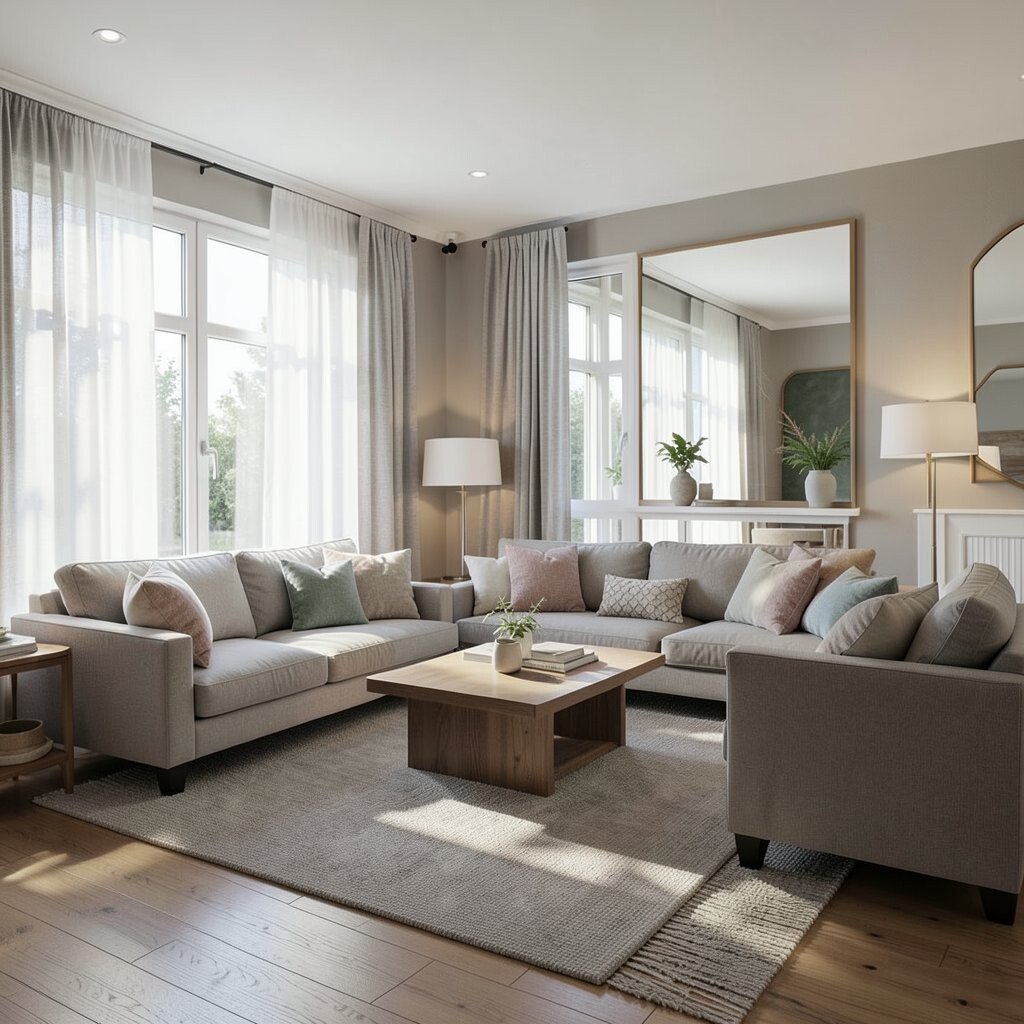
Dark rooms can feel heavy, even when the furniture is beautiful. Sunlight makes walls glow, colors look rich, and spaces feel bigger.
Try using sheer curtains, lighter paint, and mirrors to bounce light around the room. If new windows are too costly, a smart lamp plan can still brighten corners and improve the mood. Many modern homes now favor airy rooms with open sight lines, so this fix also helps a house feel fresh and current.
2. Choosing Style Over Comfort
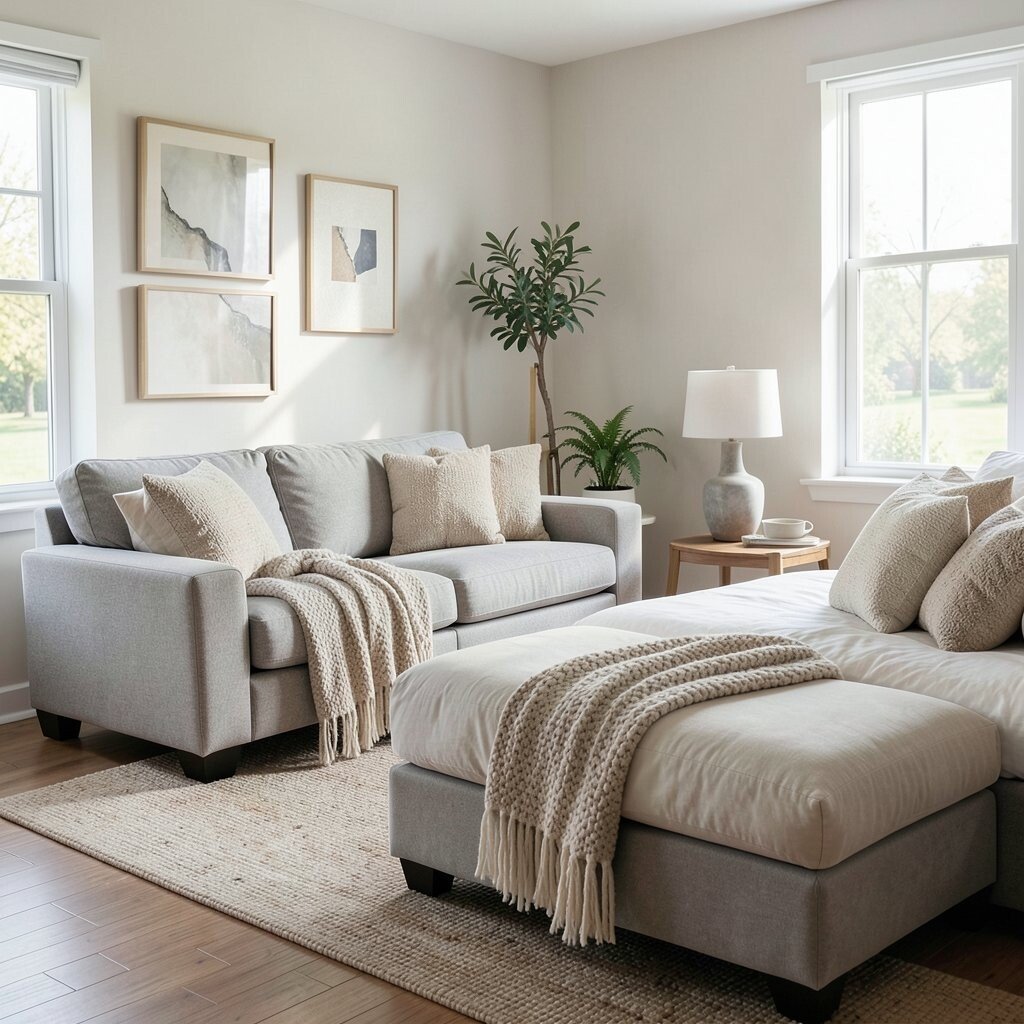
A chair may look stunning and still feel awful after ten minutes. A home should invite people to sit, relax, and stay awhile.
Pick sofas, dining chairs, and beds that support the body well. Soft textures, rounded edges, and cozy fabrics can make a room feel friendly and unique. Spending a bit more on comfort often saves money later because you will not replace unhappy purchases so soon.
Mix pretty pieces with practical ones so the room still has charm. A stylish throw blanket, a useful side table, or a cushioned bench can add character without hurting comfort. This balance is a big trend now because people want homes that look good and feel easy to use.
3. Blocking the Flow of Movement
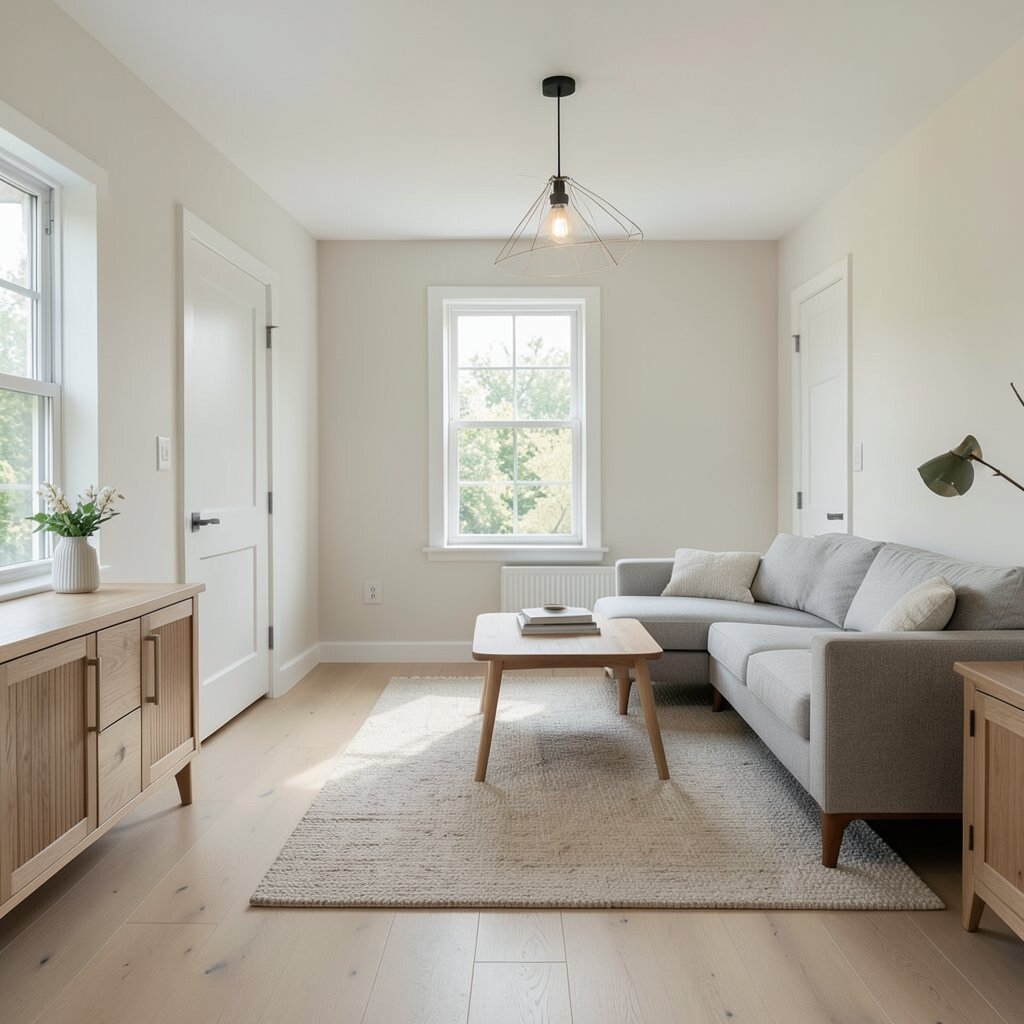
Rooms can look full in a bad way when furniture sits in the path. Clear walkways make a house feel open, safe, and simple to move through.
Before buying anything, sketch the room and mark where people walk. Leave space around doors, drawers, and chairs so daily life feels smooth. This helps small homes feel less crowded and gives larger rooms a more polished look.
If a sofa or table is too large, swap it for a slimmer shape or a piece with legs that show the floor. That little gap can make the whole room feel lighter and more modern. It also keeps cleaning easier, which is a nice bonus for busy families.
4. Using Too Many Competing Colors
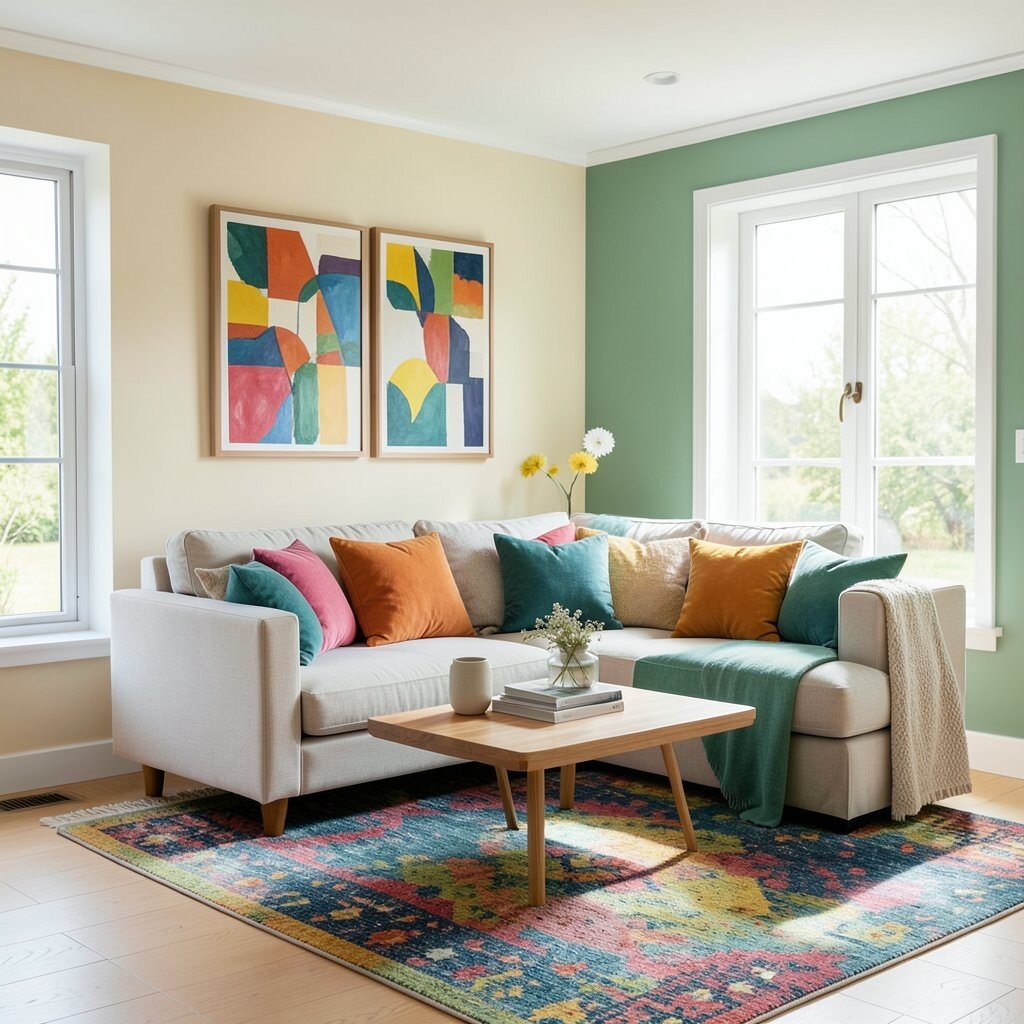
Bright colors can be fun, but too many loud shades can make a room feel busy and tired. A good color plan helps the eye rest and makes the whole home feel more special.
Choose one main color family and add a few accents that match the mood. Soft walls with bolder pillows, art, or rugs often look cleaner than a rainbow of random tones. Paint is usually cheaper than big furniture changes, so color planning is a smart place to save money.
5. Forgetting Storage
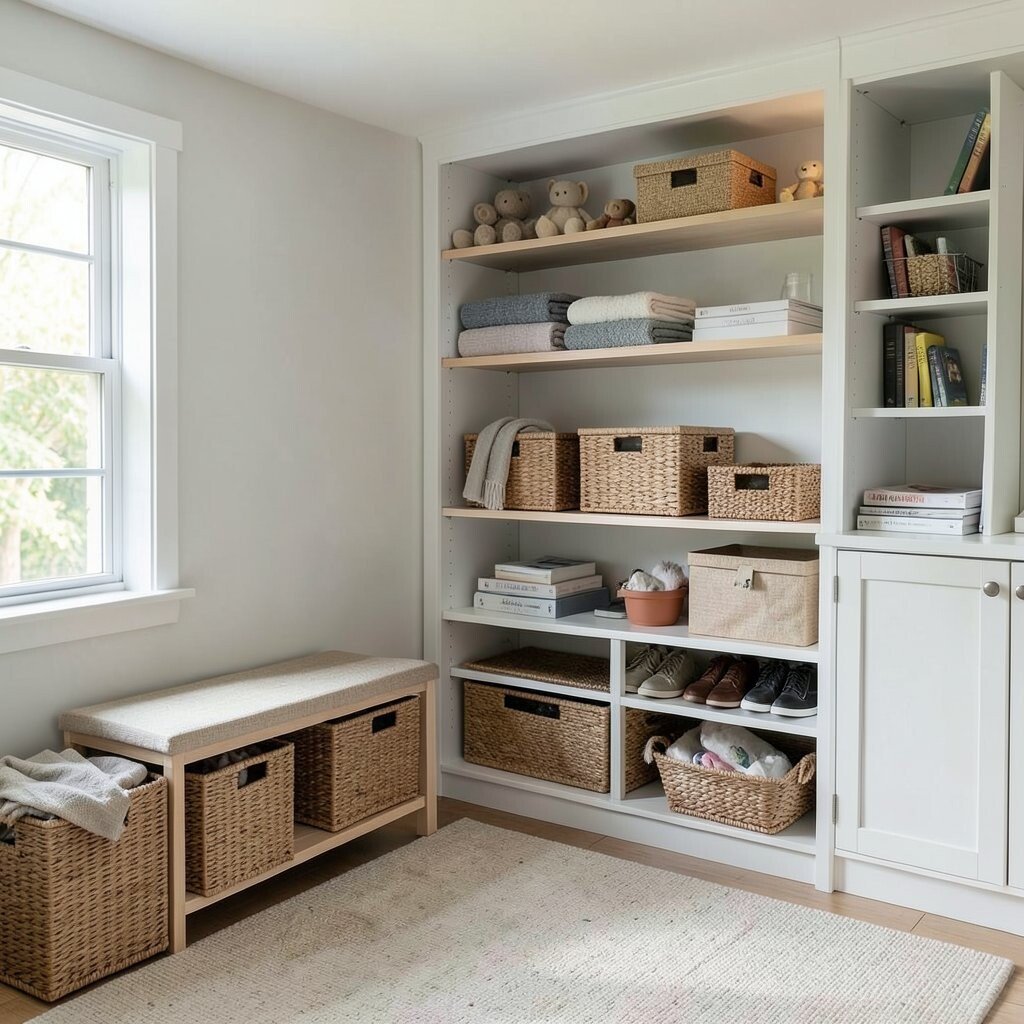
Clutter can steal the charm from even the nicest room. Hidden storage helps a home stay neat, calm, and ready for guests.
Use baskets, benches with lids, shelves, and built-in cabinets where you can. These pieces can look lovely while holding toys, blankets, shoes, or papers. A tidy space also feels more unique because the design can shine instead of being buried under stuff.
Think about storage before the room fills up, not after. A few smart choices now can keep you from buying more furniture later just to hide mess. Open shelving is trendy, but it works best when you leave some breathing room on each shelf.
6. Hanging Art Too High

Art placed too high can make a room feel awkward and disconnected. When pictures sit at the right level, the whole wall looks more balanced and welcoming.
Try hanging art near eye level so it feels connected to the furniture below. A gallery wall can look lively, but it works best when the pieces are arranged with care. Simple frames and a clear layout often cost less than large statement art and still look elegant.
Use art to show your personality with family photos, favorite prints, or handmade pieces. This makes the home feel one of a kind instead of copied from a catalog. If a wall feels empty, one large piece can be stronger than many small ones.
7. Picking the Wrong Rug Size
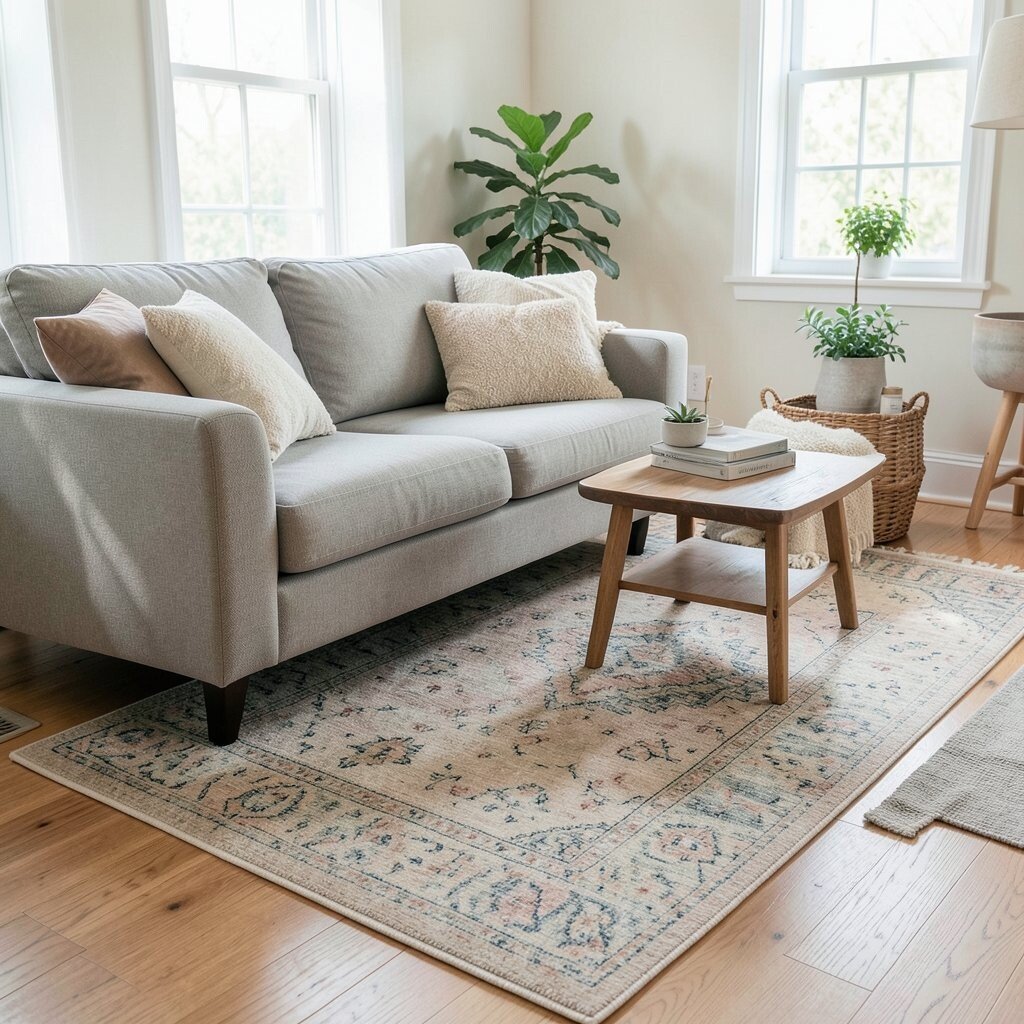
A rug that is too small can make a room seem choppy and unfinished. The right rug pulls furniture together and gives the space a warm, cozy base.
Make sure at least the front legs of your main furniture sit on the rug. This helps the room feel larger and more connected. Rugs can be pricey, so measuring first prevents a costly mistake that is hard to fix later.
Color and texture matter too, since a rug can add softness, pattern, or a calm neutral look. In many homes, layered natural fibers and simple patterns are very popular right now. Pick a rug that fits your lifestyle, especially if kids or pets will use the room every day.
8. Overlooking Good Lighting Layers

A single bright ceiling light can make a room feel flat and harsh. Layered lighting adds warmth, depth, and a much nicer glow.
Use a mix of ceiling lights, table lamps, and task lights in the rooms you use most. This gives you better control for reading, cooking, relaxing, or hosting friends. Dimmable lights are a smart choice because they let you change the mood without changing the whole room.
Soft light can make colors look richer and surfaces feel more inviting. It also helps highlight special details like wood grain, art, or textured walls. If you want a cozy style that feels current, warm bulbs and simple lamp shapes are a strong choice.
9. Filling Every Wall With Stuff
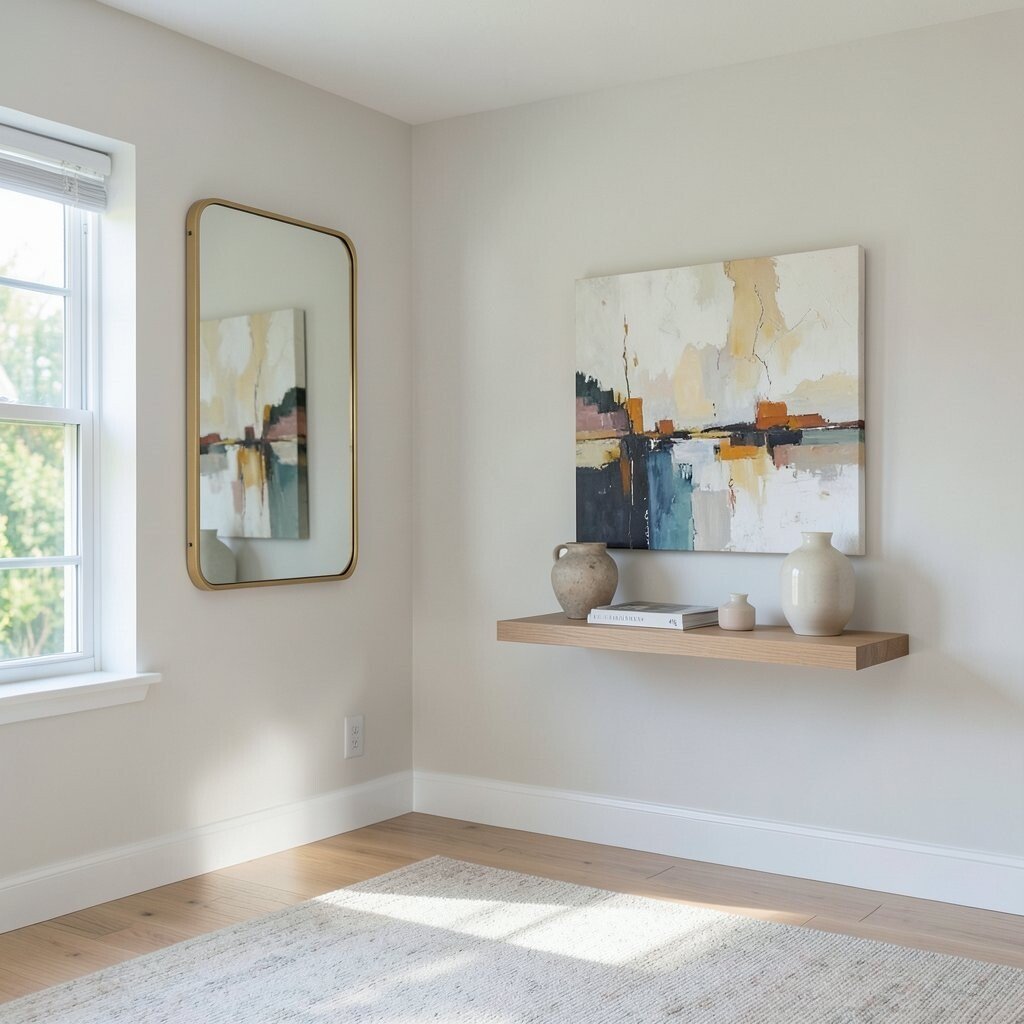
Busy walls can make a home feel smaller than it is. A little open space gives the eye room to rest and helps key pieces stand out.
Leave some walls simple so the room can breathe. One strong mirror, one large painting, or one nice shelf can have more impact than many small items. This can also save money because you do not need to keep buying decor to fill every inch.
Clean walls can feel modern, calm, and very stylish. They also make special pieces feel more personal because they are not fighting for attention. If you want a unique look, choose a few meaningful items instead of crowding everything together.
10. Forgetting the Home’s Exterior
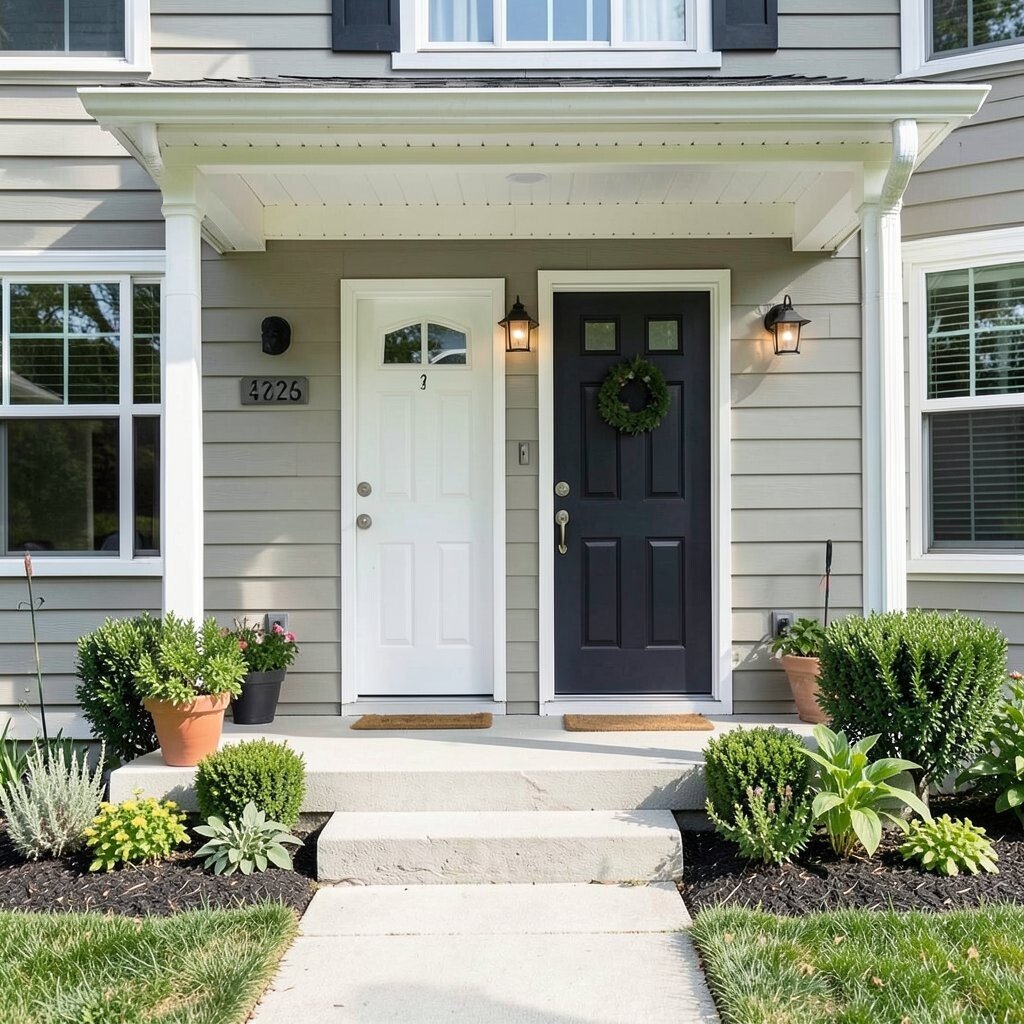
The outside of a house gives the first hint of what is inside. A neat front porch, tidy path, and cared-for door can make the whole home feel more welcoming.
Simple updates like paint, house numbers, plants, and a clean light fixture can make a big difference. These changes often cost less than major indoor work but still boost charm right away. Many homeowners now like a mix of simple lines and natural touches for a fresh curb look.
Choose details that match your style, not just what is popular. A bright door can feel cheerful, while a dark one can feel elegant and calm. Even a small front space can look special when it feels cared for and personal.
11. Using Furniture That Is Too Large
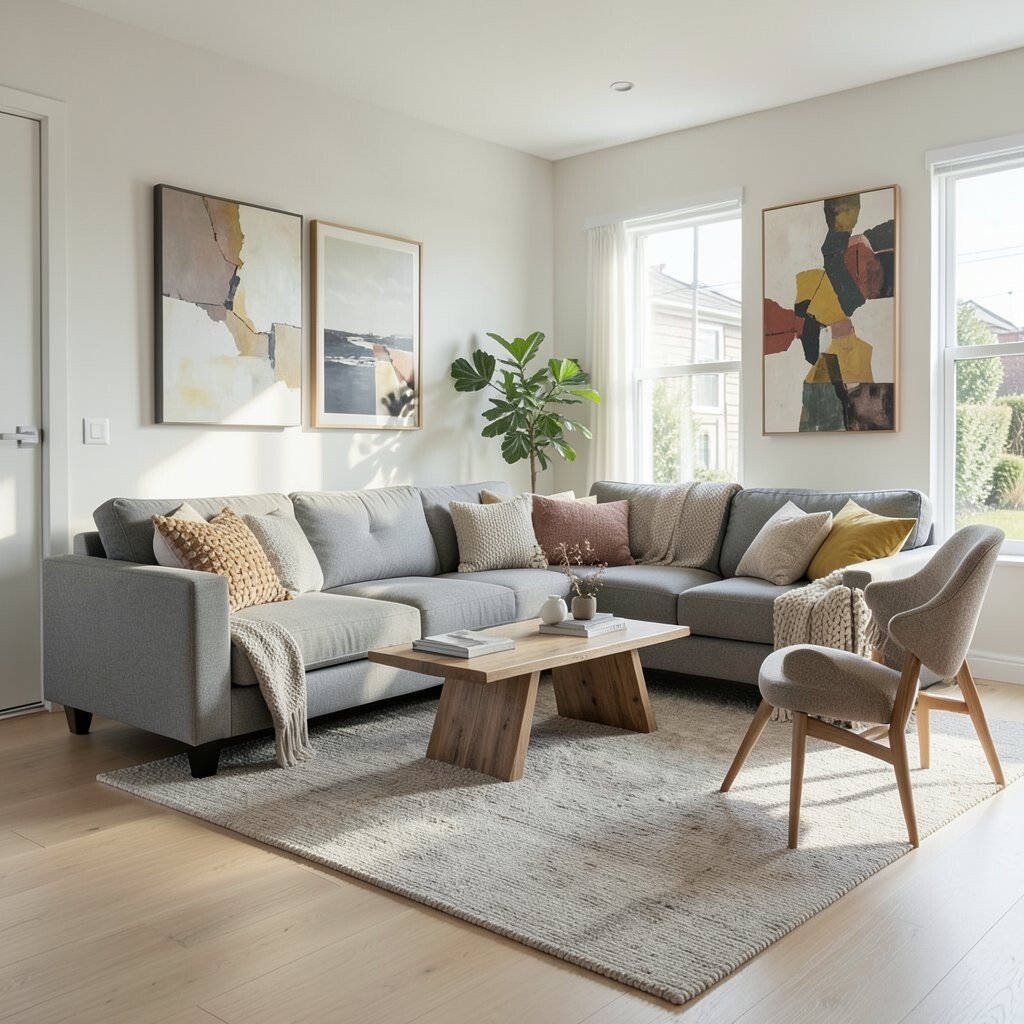
Oversized furniture can swallow a room and make it hard to move around. Pieces that fit the scale of the room help it feel balanced and easy to enjoy.
Measure carefully before you buy, and think about how the room will be used each day. A slim sofa, smaller table, or open-leg chair may give you more room without losing comfort. This is especially helpful in modern homes where people want a light, open feeling.
Smaller furniture can also be easier on the budget. It often costs less, uses less material, and can be moved more easily if your needs change. Add personality with pillows, art, and texture so the room still feels rich and inviting.
12. Skipping a Clear Style Plan
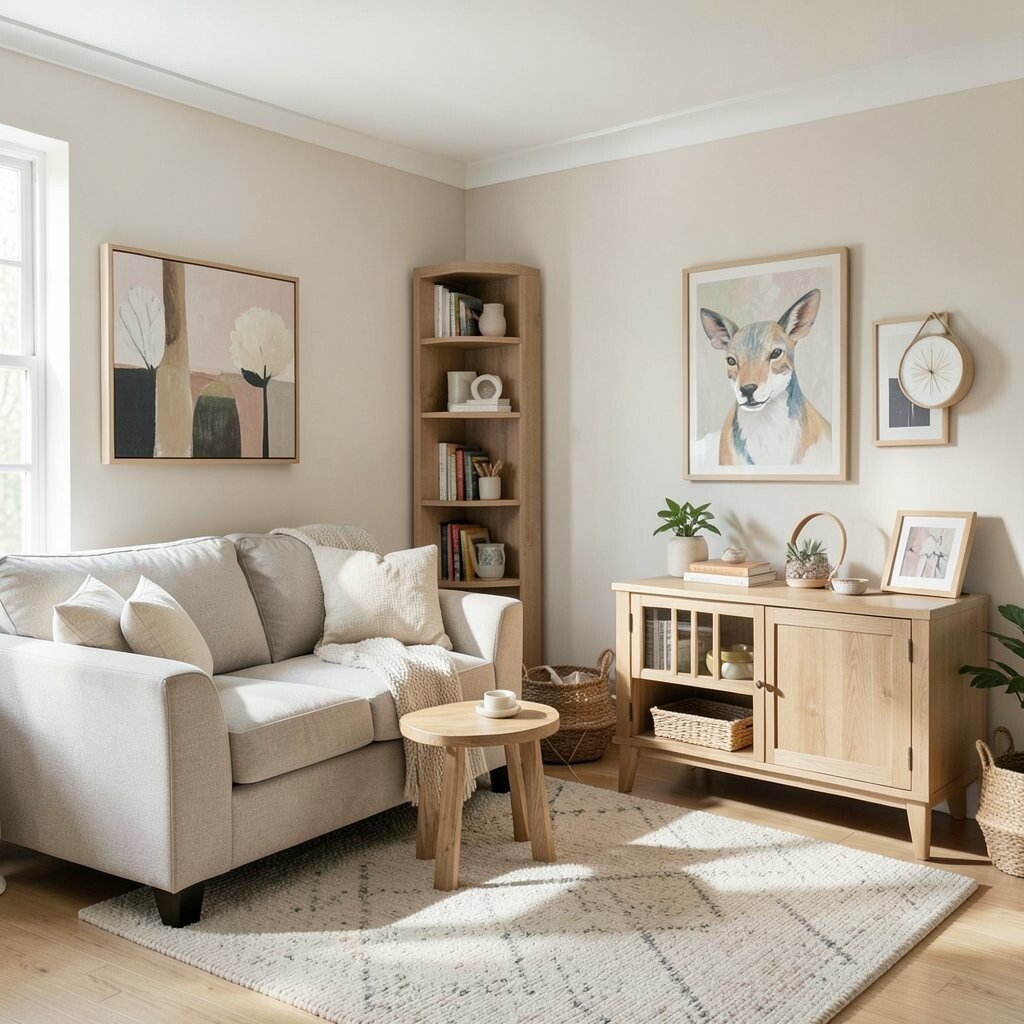
A home without a plan can end up feeling mixed up and unfinished. A simple style idea helps every room feel like it belongs to the same family.
Pick a mood, such as cozy, bright, calm, or playful, and use it as your guide. This makes shopping easier and helps you avoid buying random items that do not work together. A clear plan can save money because fewer mistakes end up in closets, garages, or donation piles.
Personal touches still matter, so leave space for art, family pieces, and favorite colors. That is what gives a home its soul and keeps it from feeling stiff. Current trends lean toward warm neutrals, natural wood, and soft shapes, which can be easy to mix with your own taste.
13. Neglecting the Bathroom Feel
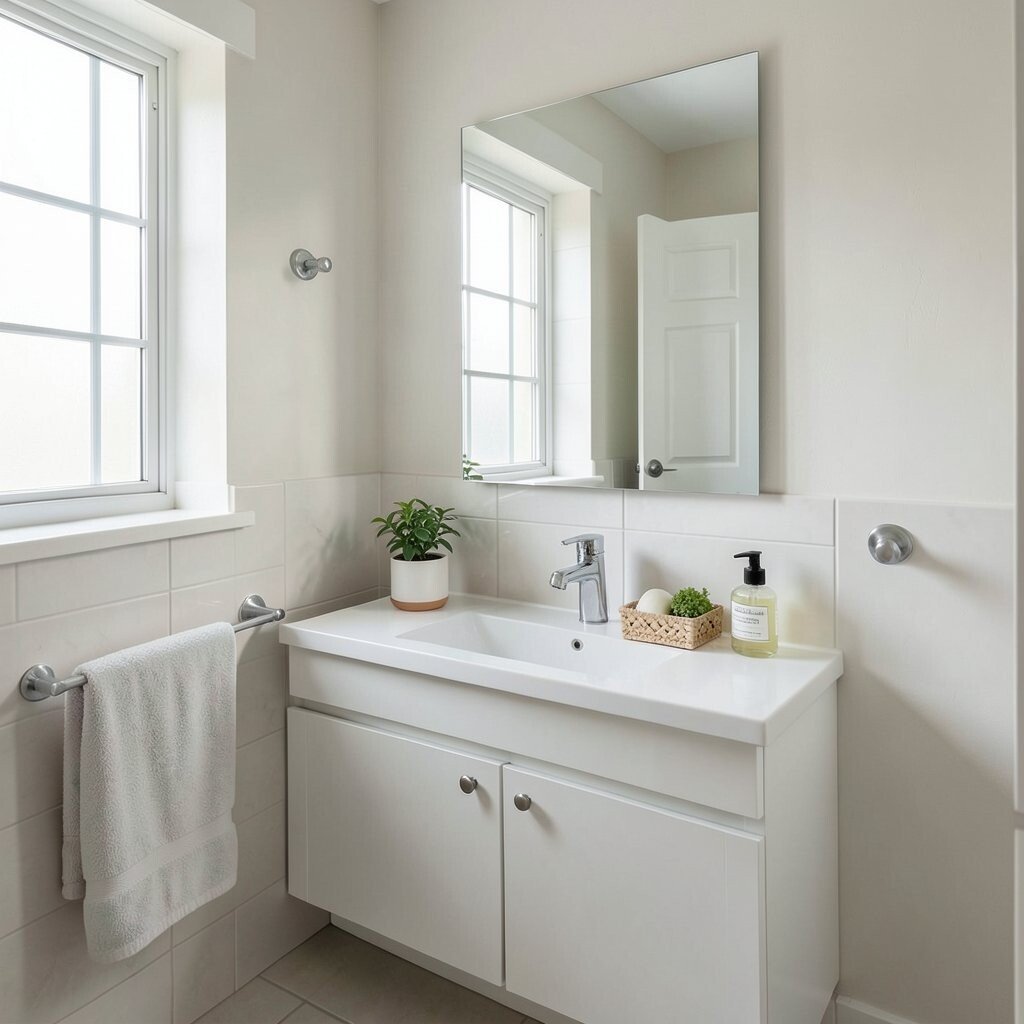
A bathroom may be small, but it can still feel lovely and fresh. Harsh lighting, poor storage, and dull finishes can make the whole space feel tired fast.
Soft towels, a clean mirror, and a simple color plan can change the mood right away. Try adding a small plant, a pretty tray, or matching soap bottles for a more polished look. These updates are often low cost, yet they can make daily routines feel nicer.
Good bathroom design should also be easy to clean. Smooth surfaces, smart hooks, and closed storage can keep the room neat without much effort. A bathroom that feels calm and tidy can make the whole home feel more cared for.
14. Forgetting to Make It Feel Like You
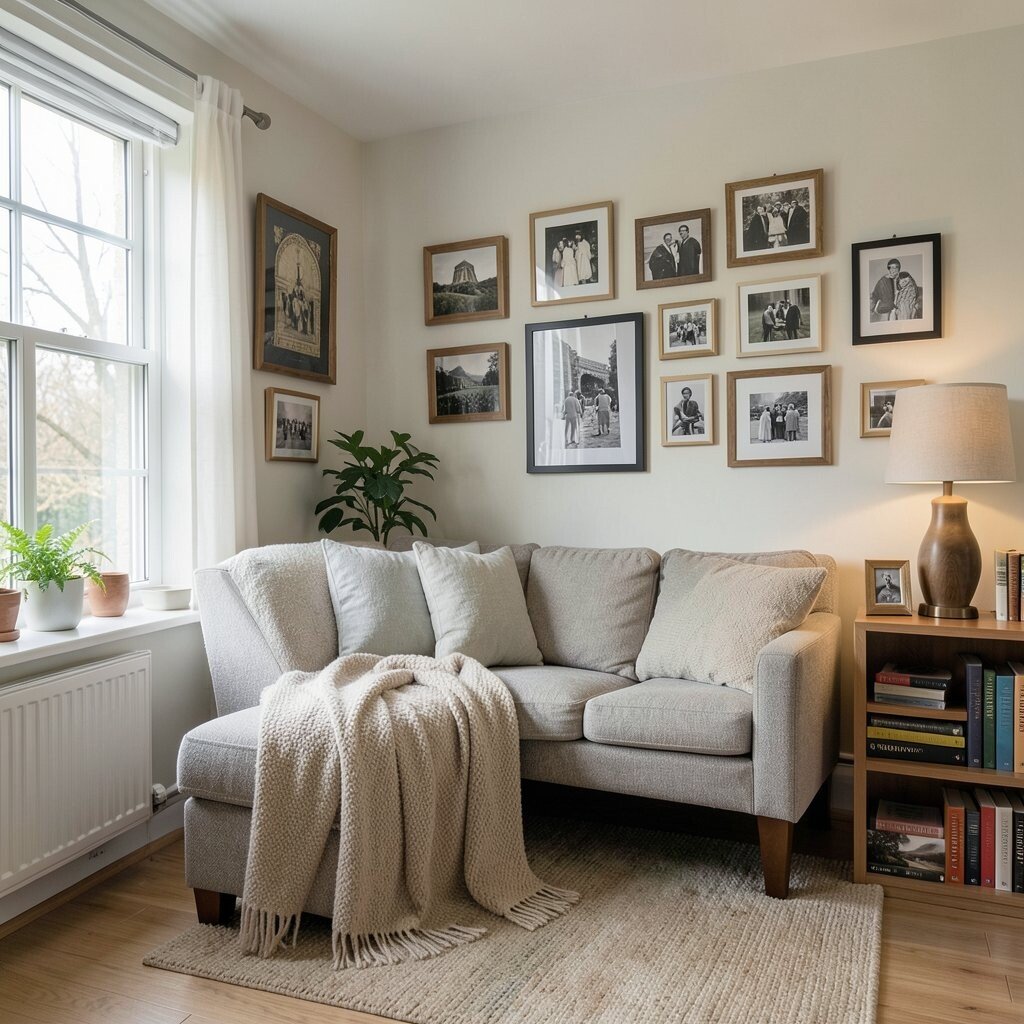
A house can be well designed and still feel cold if it has no personal touch. The nicest homes show the people who live in them through color, objects, and small details.
Use favorite books, travel items, handmade pieces, or family photos to add heart. These touches make rooms feel warm, lived in, and unique in a way store displays cannot copy. Personal design does not need to cost much, since meaningful pieces often matter more than expensive ones.
Blend your story with the room’s shape, light, and function so everything feels natural. A cozy blanket, a special lamp, or a wall of memories can make a plain room feel full of life. When a home reflects the people inside it, the space feels more inviting every single day.