The outside of a house speaks before anyone knocks. Small missteps can make a big project feel off.
1. Skipping a Clear Plan
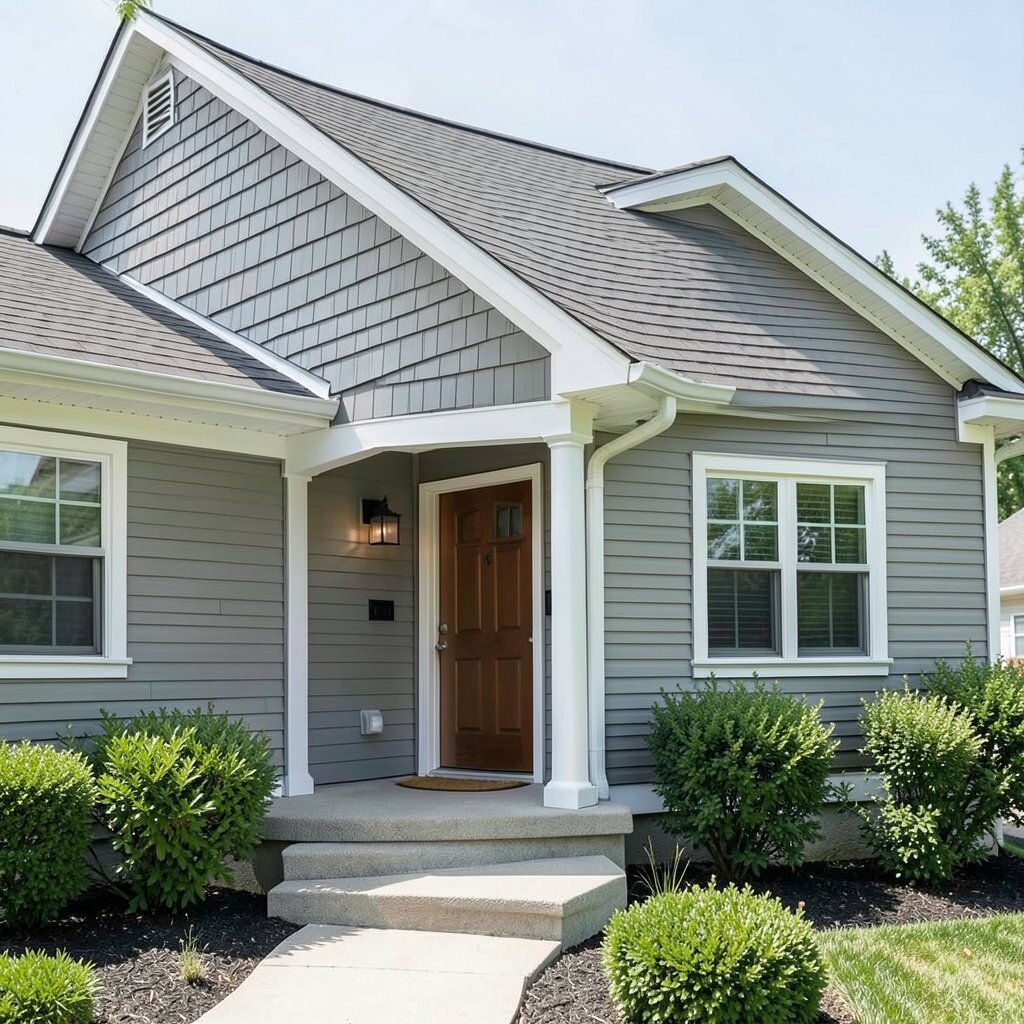
A fresh exterior can look amazing, but a vague plan often leads to clashing colors and awkward details. The house may end up looking busy instead of polished.
Good planning helps every choice work together, from siding to trim to lighting. It also keeps costs from creeping up in a sneaky way. A simple sketch, mood board, or photo folder can make the whole job feel easier and more personal.
2. Choosing Paint Colors Too Fast
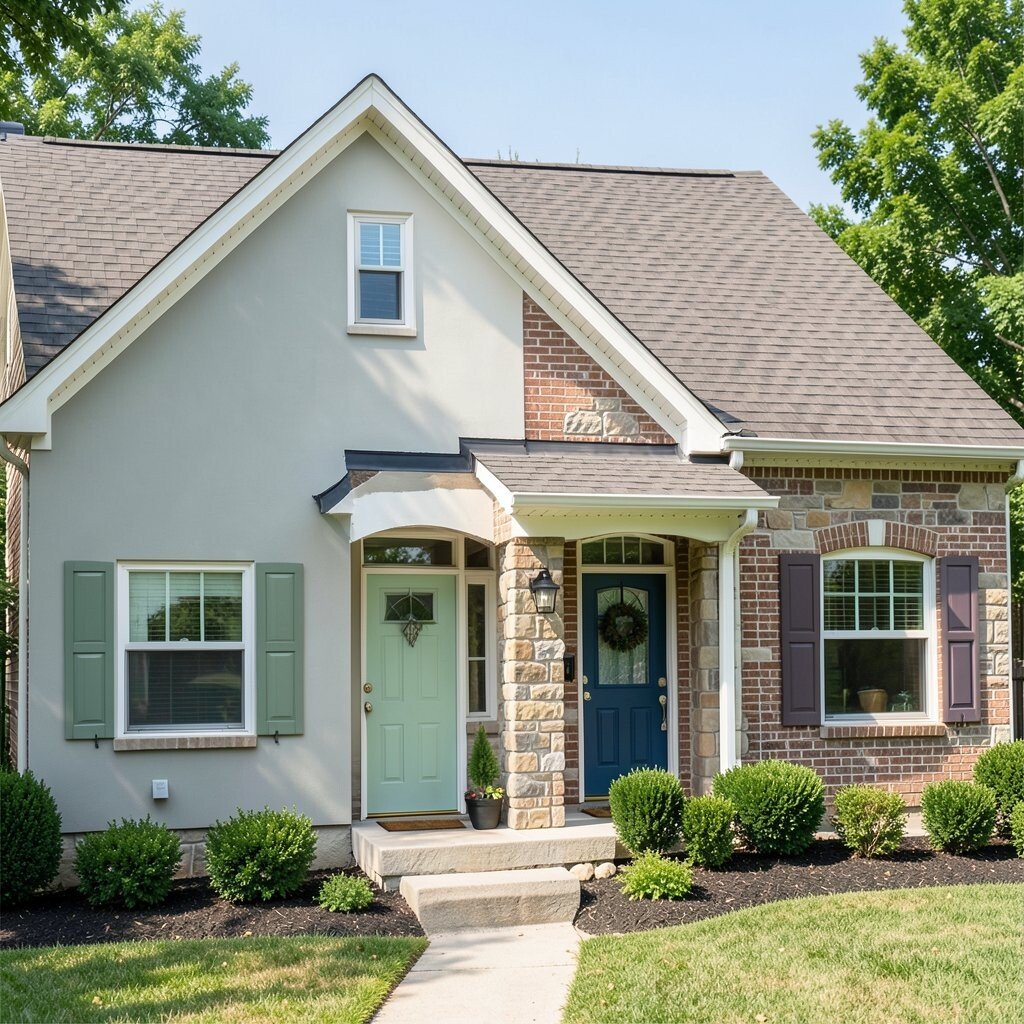
Color can change the whole mood of a home in one glance. Picking a shade from a tiny swatch often leads to regret once sunlight hits the walls.
Test paint on large sample boards and move them around at different times of day. This helps you see warm, cool, bright, and shadowed spots before you commit. If you want a modern look, softer grays, warm whites, and earthy greens are still popular choices.
Think about the roof, brick, stone, and nearby trees before making the final call. A color that looks rich on one home may look dull on another. Personal touches like a bold front door or painted shutters can add charm without raising the whole budget.
3. Ignoring the Roof and Gutters
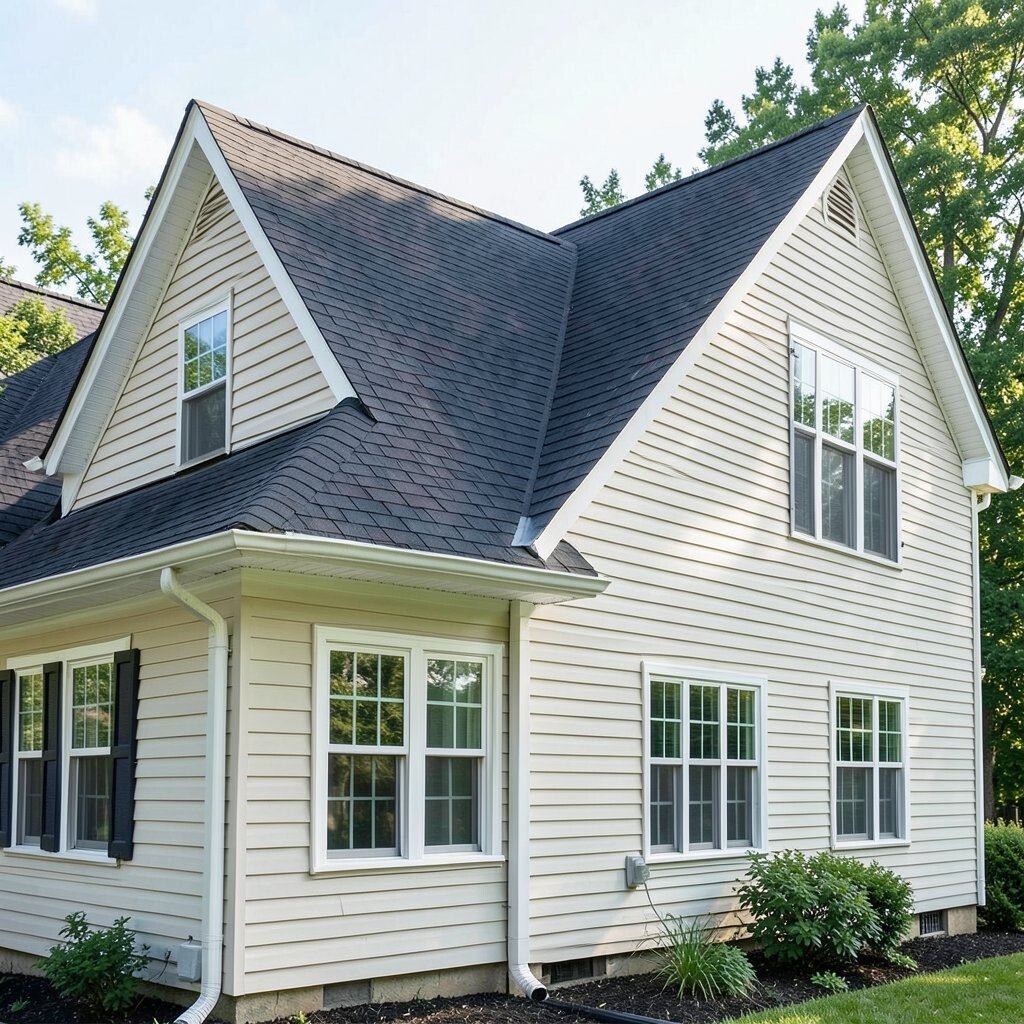
The roof sits high, but it still shapes the full look of the exterior. Old shingles or bent gutters can make even new siding feel unfinished.
Check for stains, sagging lines, and missing pieces before spending money elsewhere. Fixing drainage early can protect your walls, windows, and foundation. A clean roofline also makes the home look sharper and more cared for.
Many owners forget that roof color should match the rest of the design. Dark shingles can feel strong and classic, while lighter ones can look softer and more relaxed. If a full replacement is not in the budget, simple repairs and fresh gutters can still give a neat, updated feel.
4. Overlooking Curb Appeal Basics
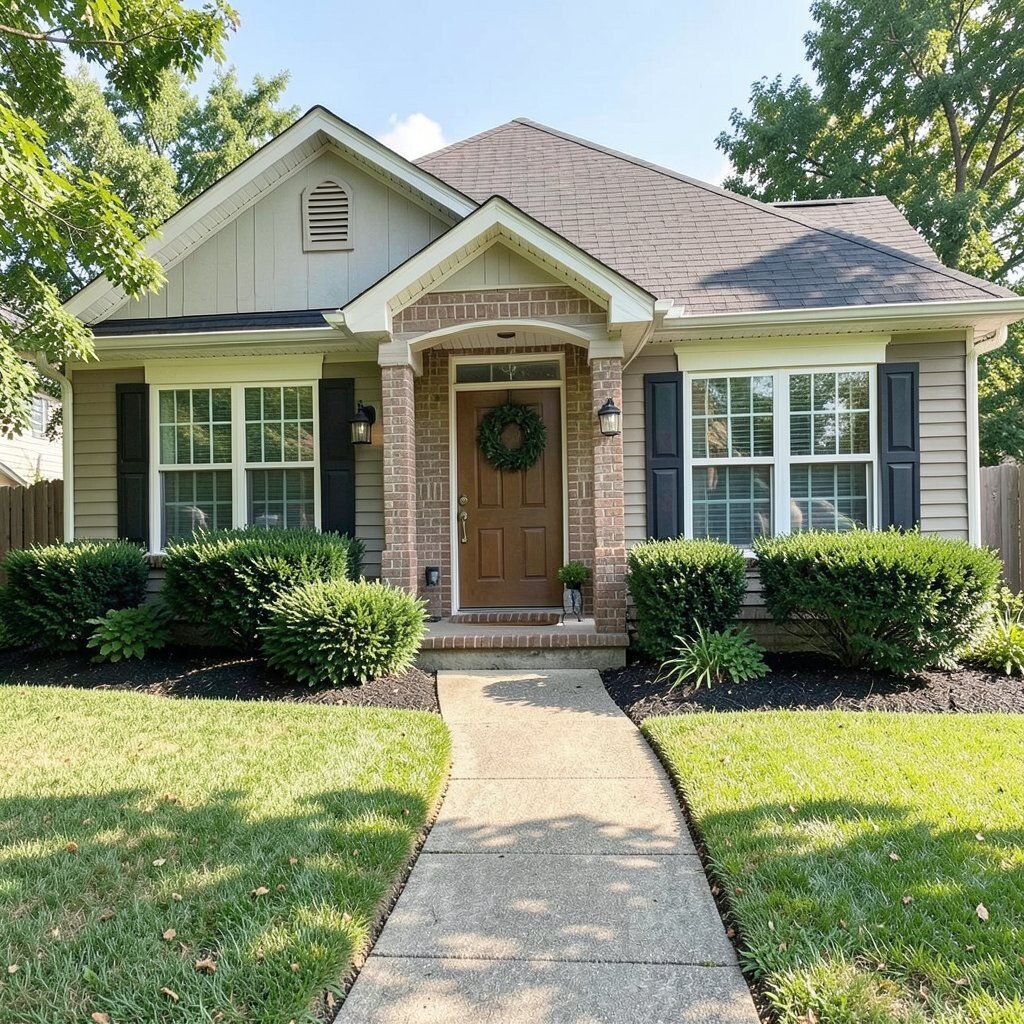
People often focus on the big items and forget the small ones that shape first impressions. A tidy path, trimmed plants, and working lights can make a house feel warm right away.
These simple updates are usually low-cost but high-impact. They help the home feel welcoming without a huge remodel. Front-yard style can also show off your taste in a quiet, friendly way.
5. Using the Wrong Materials
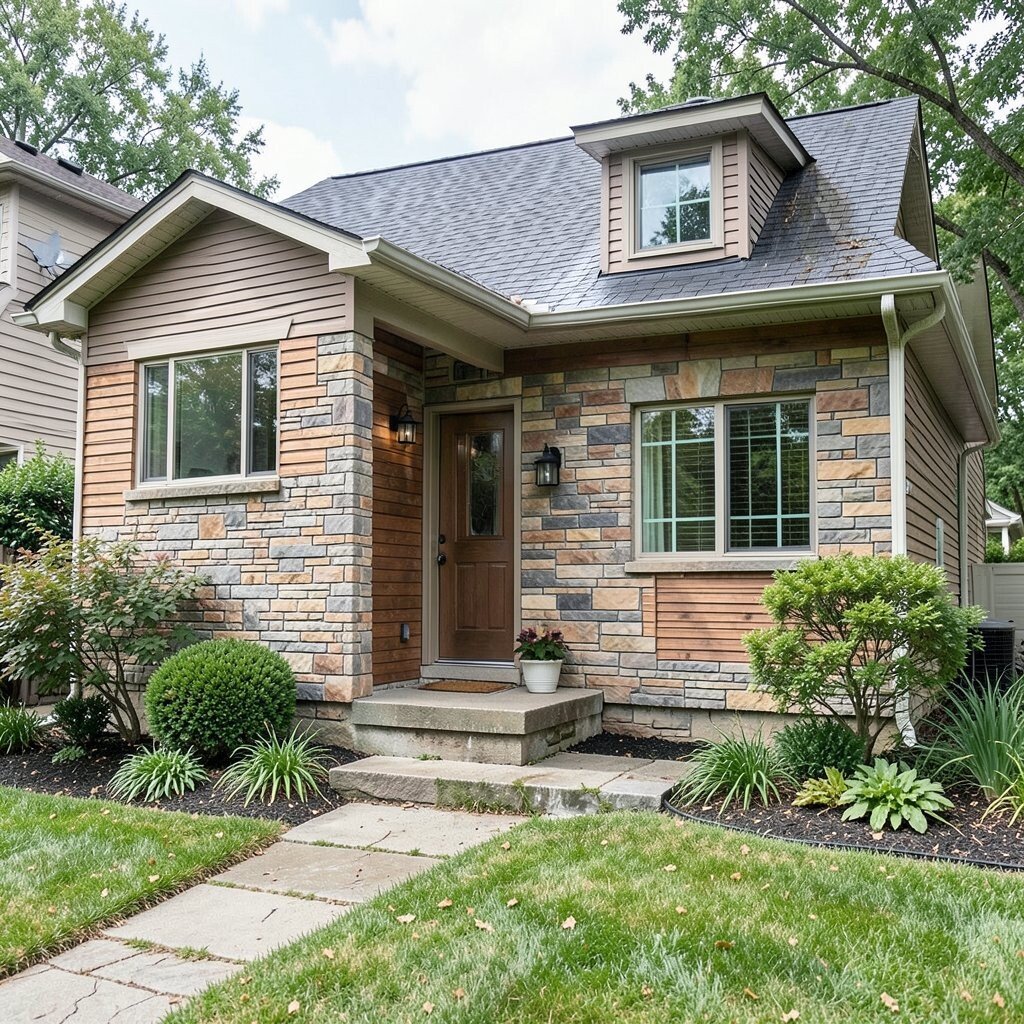
Some materials look great in a catalog but fail in real weather. Cheap choices may crack, fade, or warp faster than expected.
Match the material to your climate, not just to the photo you liked online. In wet places, water-resistant products matter a lot. In hot areas, UV-safe finishes can save money over time and keep the home looking fresh.
It also helps to compare upkeep before buying. A low-price option may cost more later if it needs constant repairs. For a unique touch, mix durable materials like stone, wood-look panels, or metal accents in small ways that fit your style.
6. Forgetting the Home’s Style
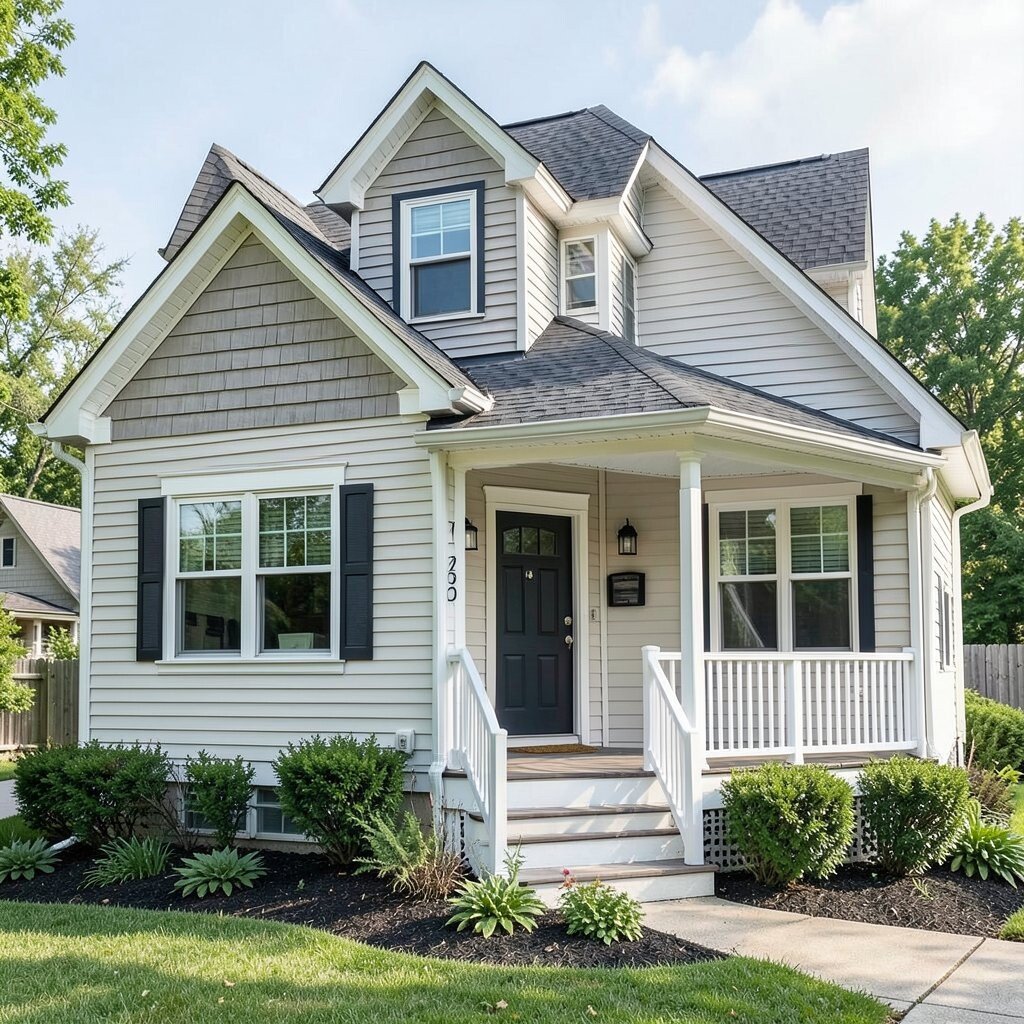
Every house has a shape and personality of its own. A renovation that fights the original style can make the home feel confused.
Look at the roof pitch, window shape, and trim lines before changing too much. A cottage, ranch, or colonial each needs a different touch. Keeping the style in mind helps the home feel balanced and proud.
You can still make it feel fresh with modern details. New house numbers, sleek sconces, or a simple porch railing can update the look without erasing its charm. This kind of careful blend often feels more unique than a trendy makeover that ignores the house itself.
7. Making the Front Door an Afterthought
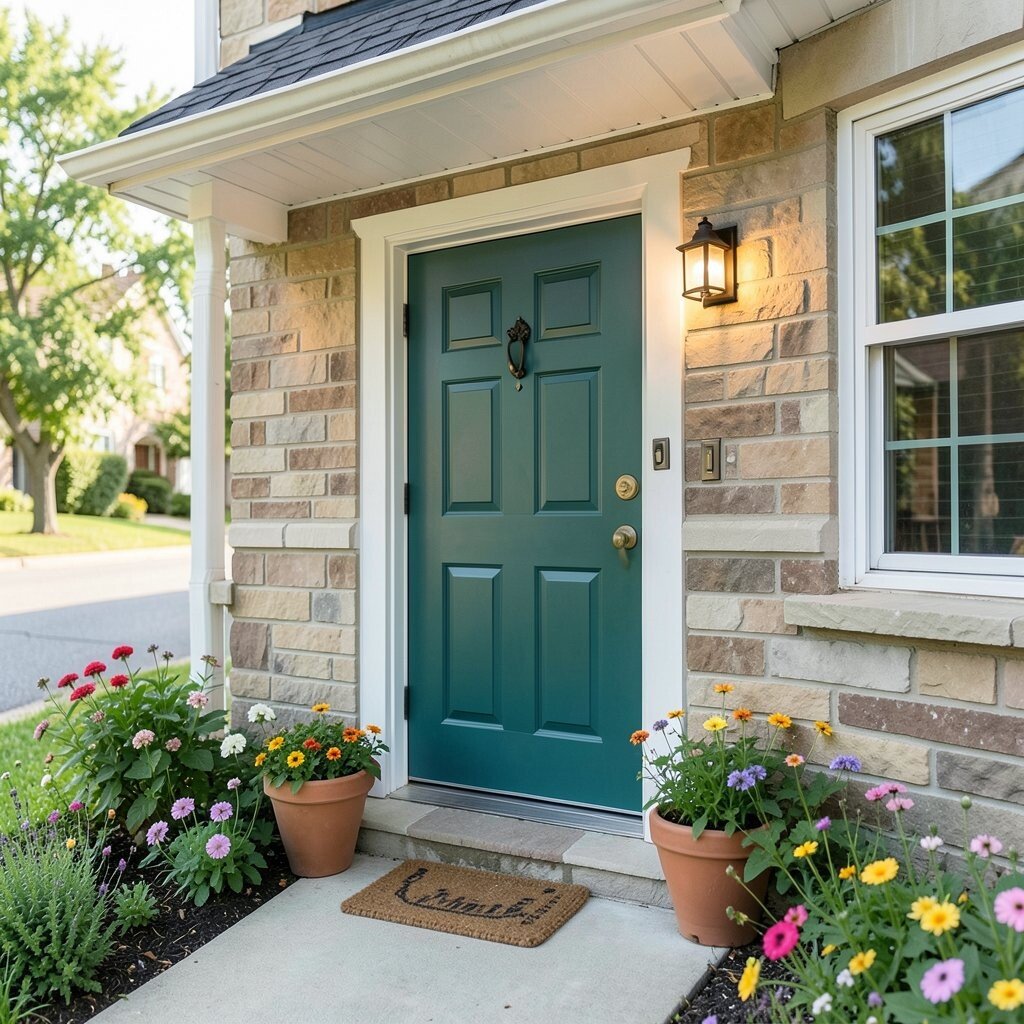
The front door is small, but it carries a lot of visual weight. If it looks dull or worn, the whole entry can feel tired.
A bold door color can bring life to the exterior fast. Hardware, a new knocker, and better lighting add even more style. These upgrades are often affordable and can be chosen to match your taste, from classic brass to matte black.
Think about how the door looks from the street and from the porch. A fresh finish can make guests feel invited before they even step inside. If you want a personal touch, choose a color that connects with your favorite flowers, roof tones, or trim.
8. Poor Window Choices
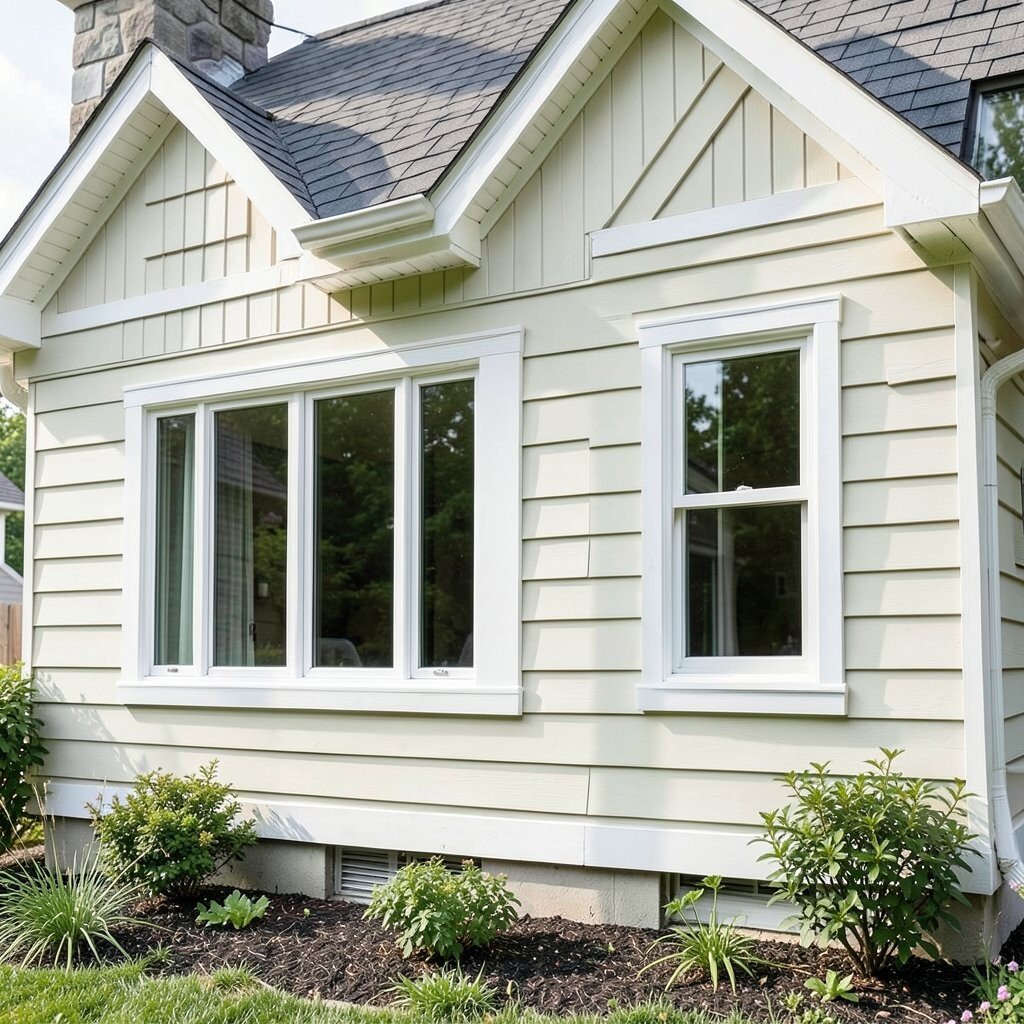
Windows do more than let in light. They set the rhythm of the front view and can make a home feel open or closed.
Replacing windows without thinking about size and shape can throw off the whole face of the house. New frames should fit the home’s style and the room’s needs. Energy-saving glass is a smart trend, since it can help with comfort and lower utility bills.
Pay attention to trim details too, because they frame the view from outside. A clean window design can make the exterior look crisp and bright. If full replacement is too pricey, fresh paint and repaired trim can still improve the look a lot.
9. Neglecting Lighting Design
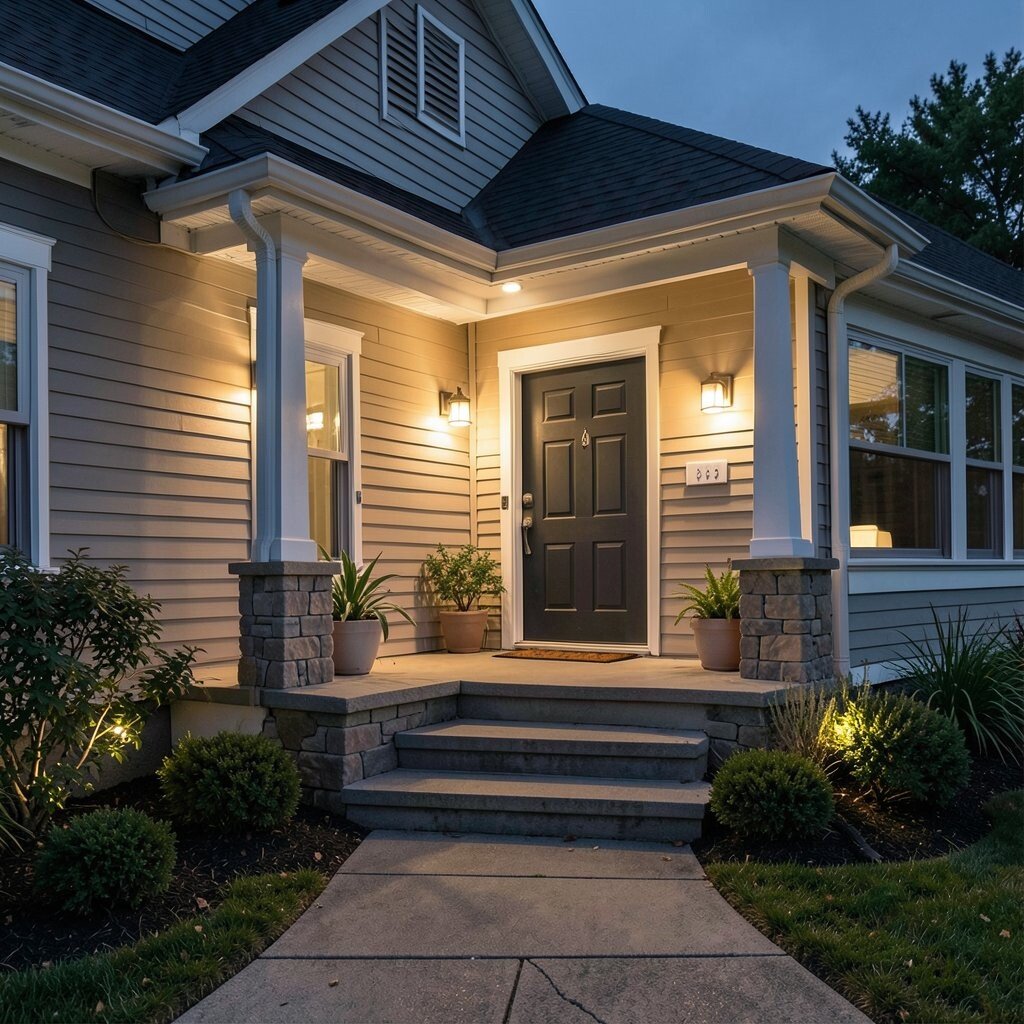
Good lighting makes a house feel safe and beautiful after dark. Bad lighting can leave the best renovation looking flat and hard to see.
Use fixtures that fit the scale of the house and the style of the entry. Too-small lights can disappear, while oversized ones may feel awkward. Warm LED bulbs are a popular choice because they save energy and give a cozy glow.
Think about paths, steps, and corners that need extra help. Soft light near plants or porch posts can add depth and charm. A few well-placed fixtures can make the home feel more unique without adding a huge cost.
10. Crowding the Facade with Too Many Features
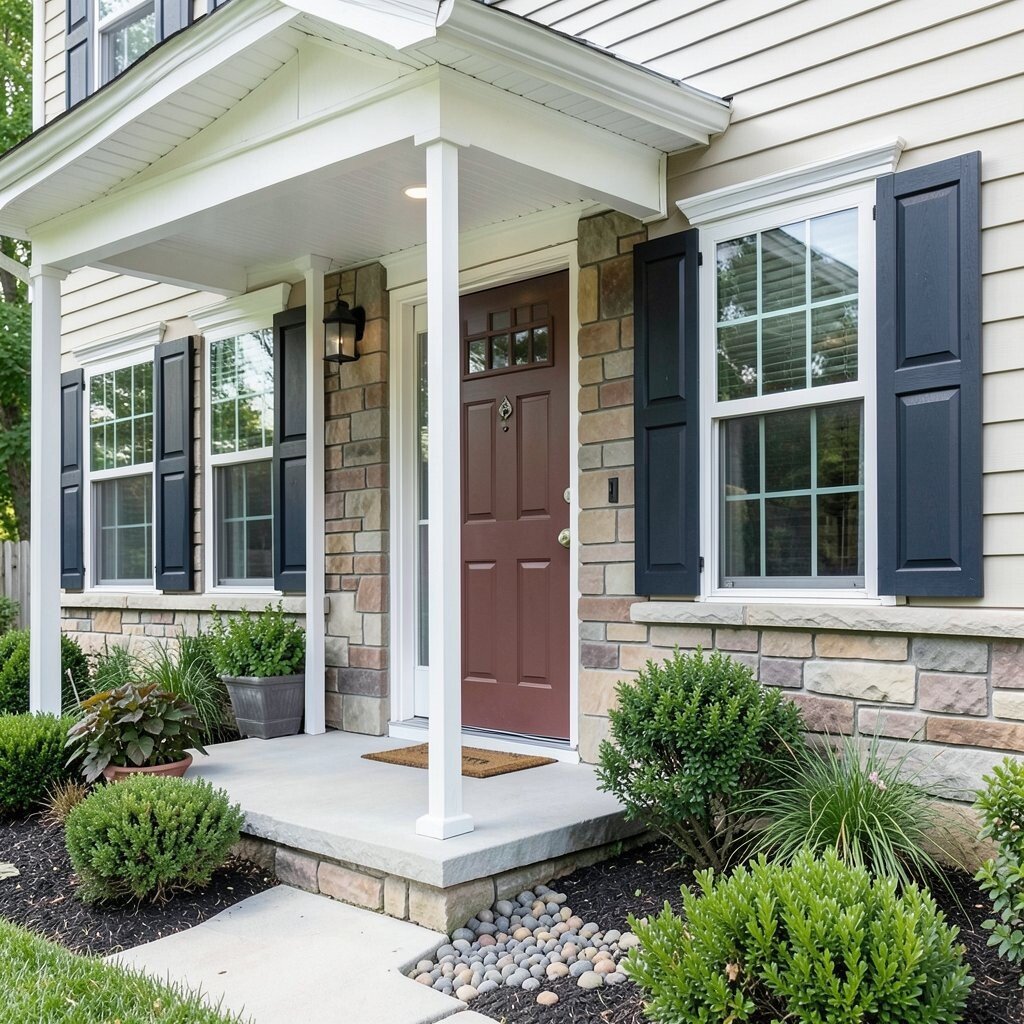
It is easy to get excited and add every idea at once. But too many textures, colors, and decorations can make the front of the house feel messy.
Choose a few strong features and let them stand out. A clean mix of siding, trim, and one accent material often looks better than a packed design. This also helps your budget stretch farther, because fewer changes can still make a big difference.
Editing is part of good design. If a porch, stone wall, and bold shutters all compete, the eye gets tired fast. A simpler look can feel more modern and can still show personality through plants, door color, or small metal details.
11. Forgetting About Maintenance
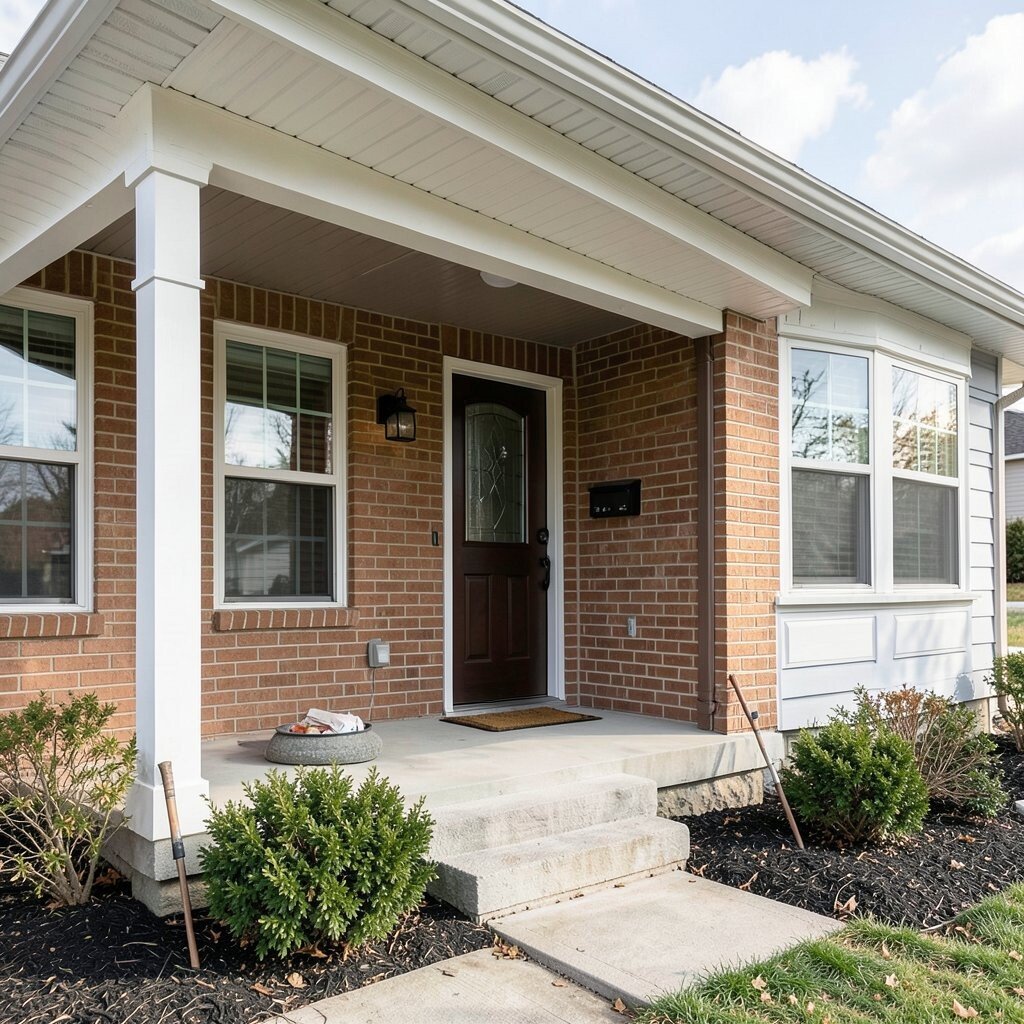
A beautiful finish is not very helpful if it is hard to care for. Some exterior choices may look nice at first but become a chore later.
Ask how often each surface needs washing, sealing, or repainting. Low-maintenance products can save time and money year after year. They are especially useful for busy families or homes in harsh weather.
It helps to think beyond the first season. A material that resists stains, mold, and peeling can keep the house looking neat longer. If you want a custom feel, choose durable accents in places that get less wear, like porch ceilings or trim bands.
12. Not Checking Local Rules
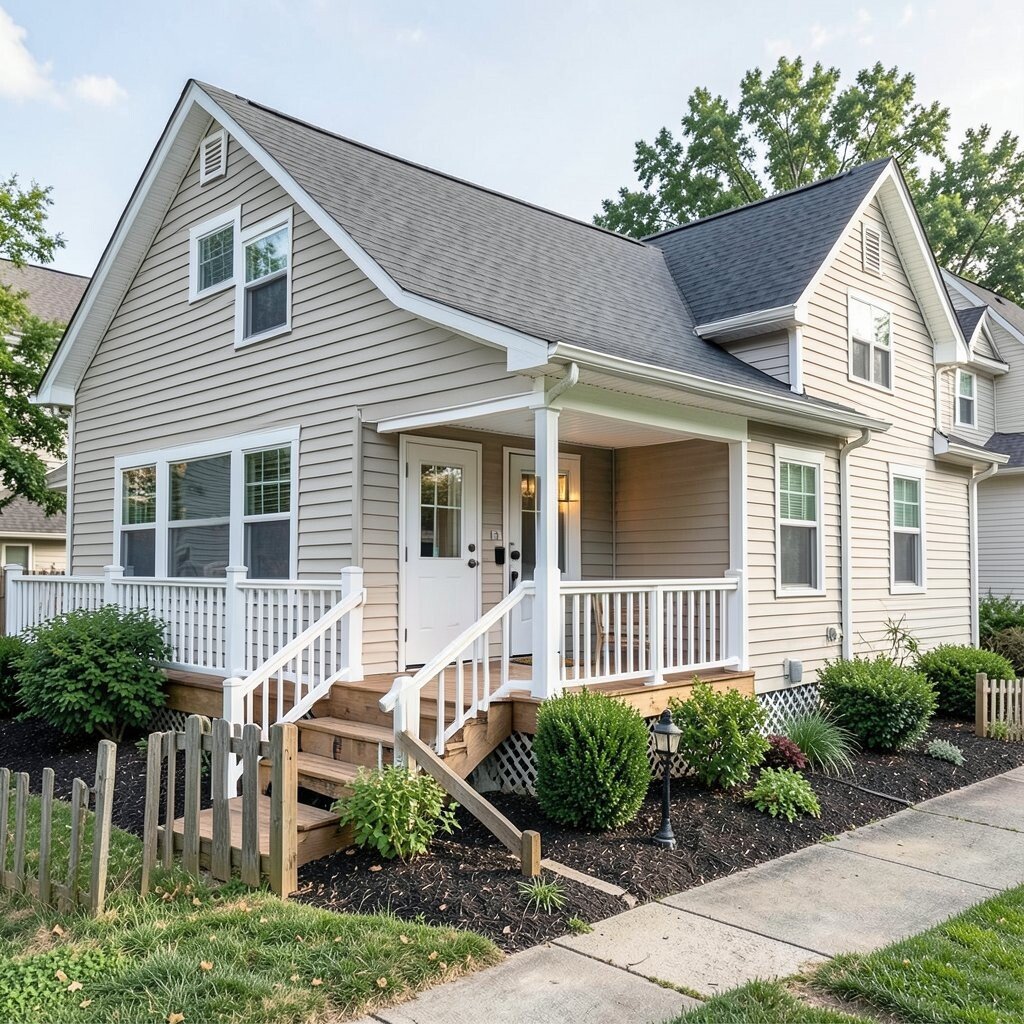
Some changes look great but may not fit local codes or neighborhood rules. That can lead to delays, fines, or expensive do-overs.
Before work begins, check permits, height limits, and color rules if they apply. This step may feel boring, but it can save a lot of stress. It also helps the project move along in a smoother, more confident way.
Local rules can affect fences, decks, siding, and even lighting. A quick call or visit to the town office is often worth the time. Once the paperwork is clear, you can focus on making the home look special without worrying about surprise problems.
13. Hiring Without Looking at Past Work
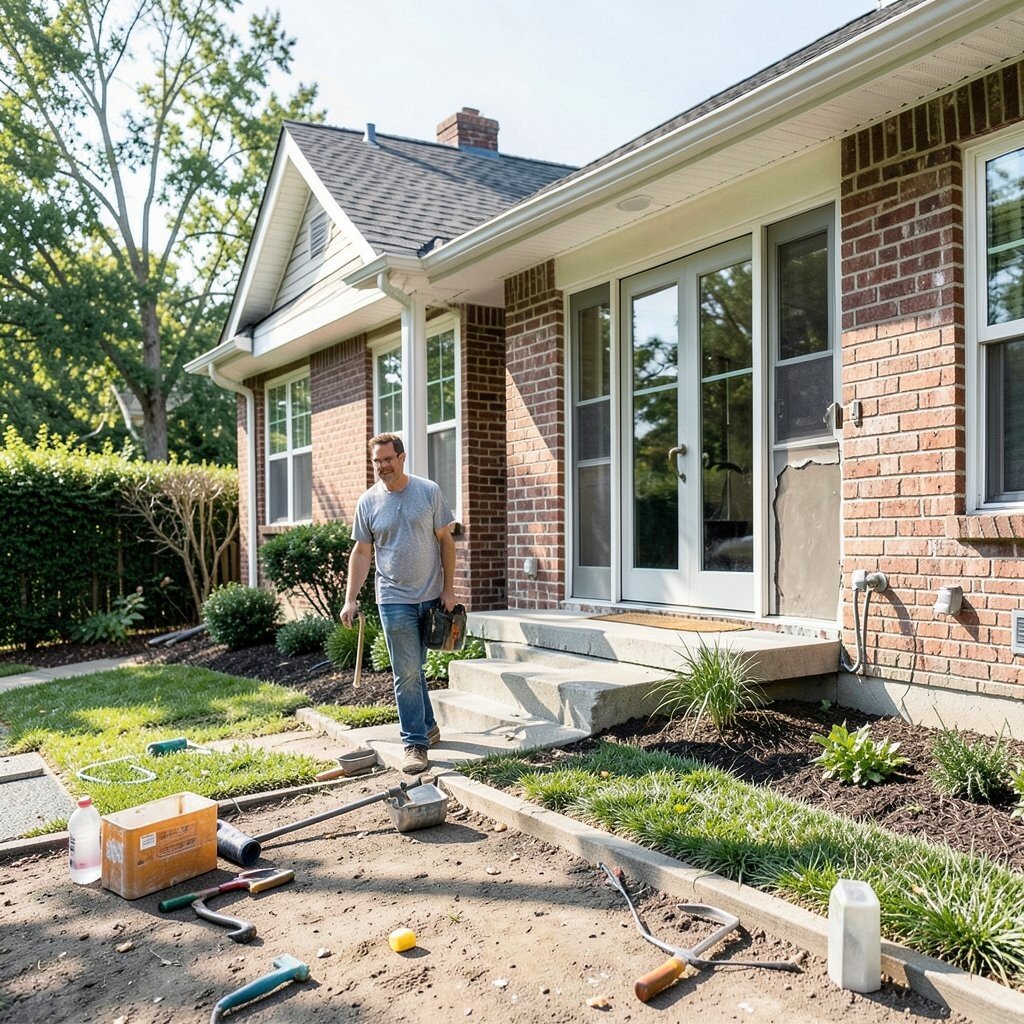
The right contractor can make the process calm and steady. The wrong one can leave behind uneven work and a lot of frustration.
Always ask for photos, references, and clear details about what is included. Compare more than one quote so you can see the difference in skill and price. The cheapest bid is not always the best value if the work has to be fixed later.
Good communication matters just as much as tools and materials. A contractor should listen to your ideas and explain choices in plain words. That kind of teamwork helps your vision stay personal while still staying on budget.
14. Forgetting the Yard and Driveway
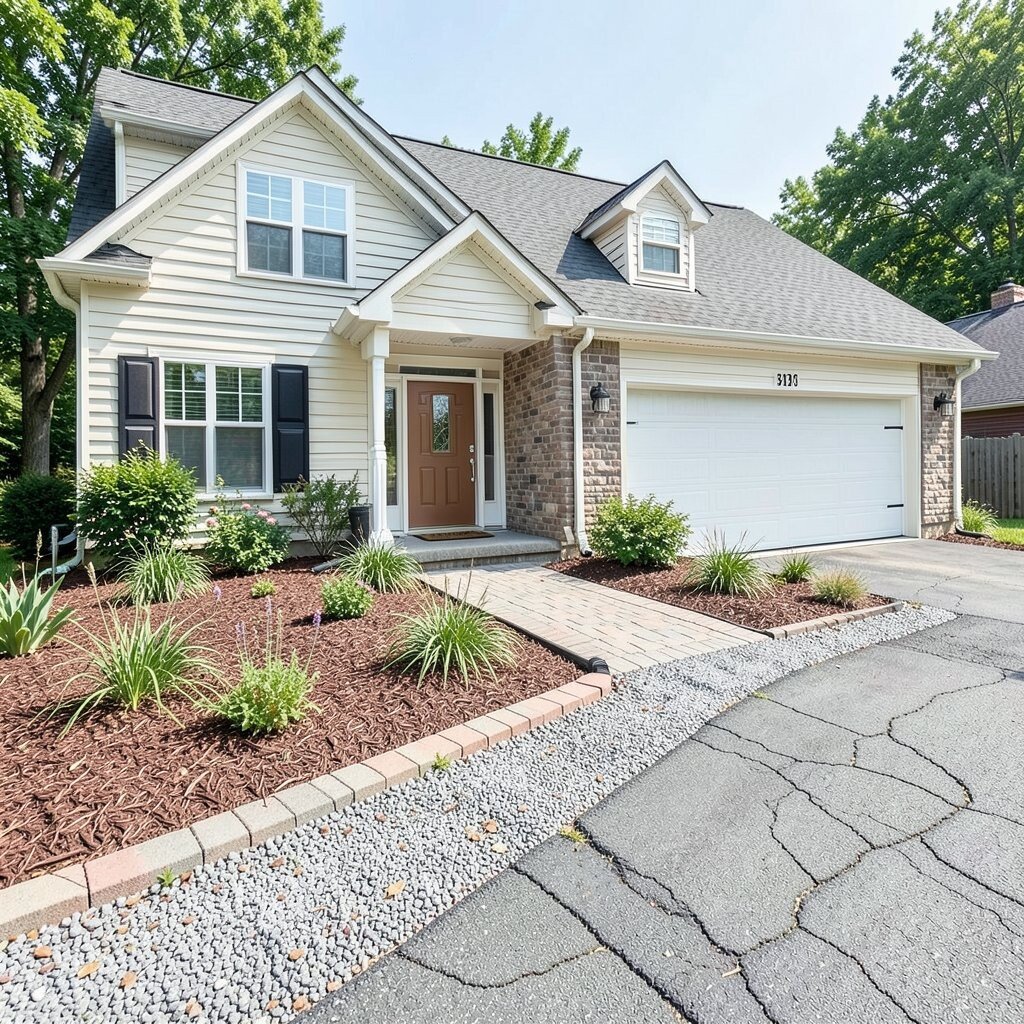
The house does not stand alone, and the land around it shapes the whole picture. A bright new exterior can look unfinished beside cracked pavement or wild overgrowth.
Fresh mulch, edged beds, and a repaired driveway can make the home feel cared for. These updates support the renovation and help the eye move smoothly from street to door. Even small fixes can make the property feel cleaner and more valuable.
Try to match outdoor materials and colors so everything feels connected. A gravel path, paver walk, or simple border can add charm without a giant price tag. If you want a personal style, choose plants and hardscape pieces that fit your climate and your daily routine.
15. Chasing Trends Without Thinking Ahead
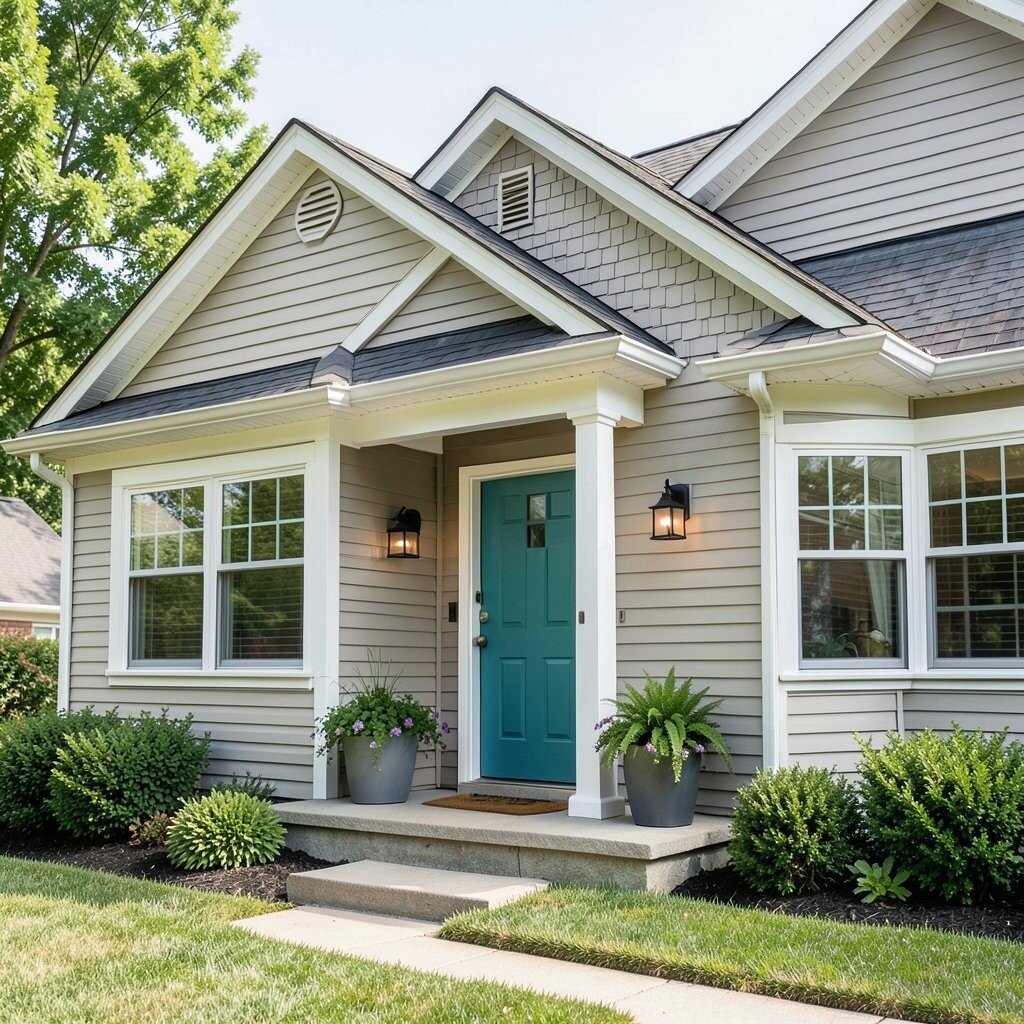
Trendy exteriors can look exciting right now, but some ideas age quickly. A style that feels bold today may seem dated before long.
Pick trendier pieces in places that are easy to change, like door color, planters, or light fixtures. Keep the bigger parts, such as siding and roof shape, more classic. This balance gives the home a fresh feel while protecting long-term value.
It also helps to think about how the house will look in five or ten years. A timeless base with small modern touches often gives the best mix of style and savings. That way, the home feels current, personal, and ready for the future.