A calm office can change the whole mood of a workday. Small design choices can make your eyes feel at ease and your mind feel ready.
1. Choose Soft, Balanced Lighting
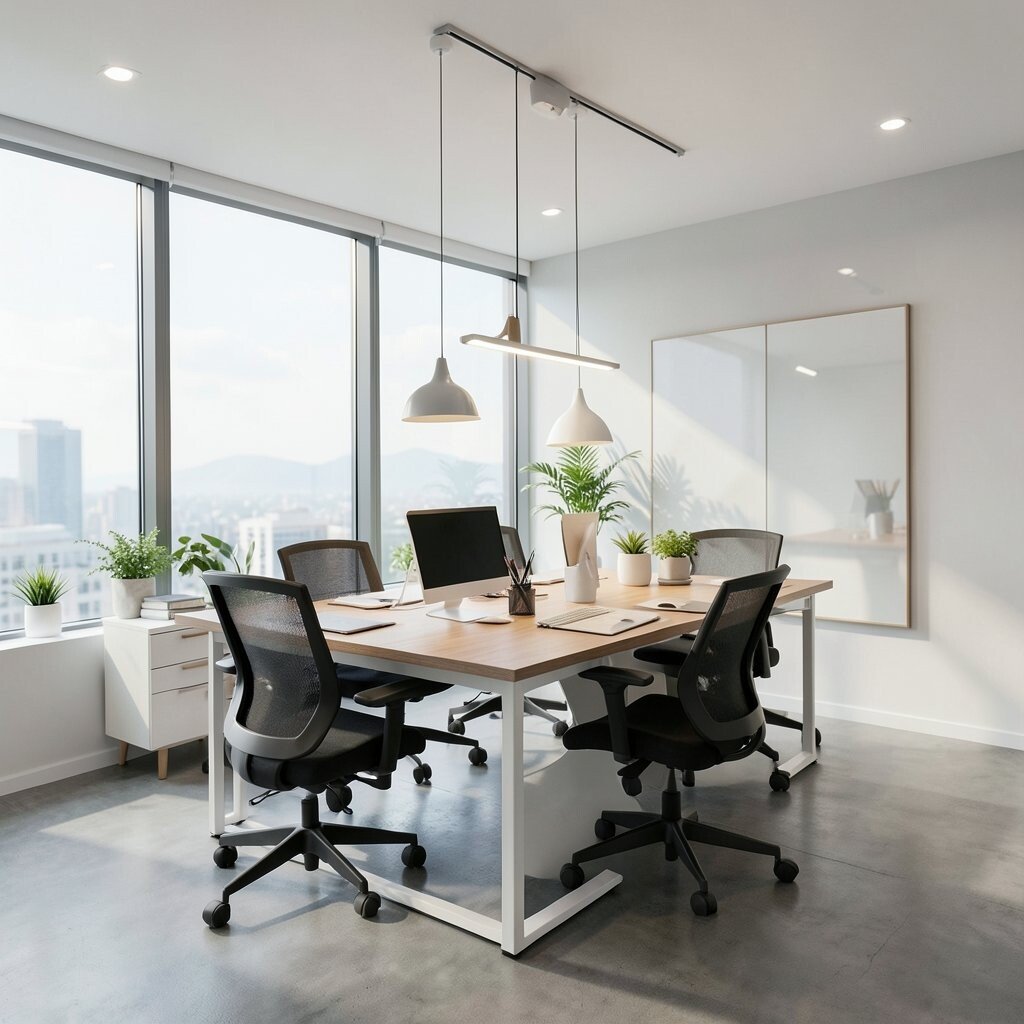
Soft light can make an office look warm and easy on the eyes. A mix of daylight and gentle lamps helps cut glare and keeps screens from feeling harsh.
This kind of setup can lower eye strain and make long tasks feel less tiring. Warm white bulbs often look more inviting than bright blue light, and they usually cost the same as standard bulbs. If you want a fresh look, try lamps with simple shapes or matte finishes, since they feel current and add quiet style without taking over the room.
2. Use Calm Wall Colors

Calm wall colors can make the room feel open and steady. Soft greens, pale blues, warm grays, and creamy whites often work well because they rest the eyes.
These shades can make a small office feel larger and help busy spaces feel less crowded. Paint is also one of the most affordable ways to change a room, and even one accent wall can bring a new mood. Many modern offices use muted colors with one bold detail, which gives the space personality without making it feel loud.
3. Add an Adjustable Desk Lamp

An adjustable desk lamp gives light where it is needed most. It can help with reading, writing, and detailed work while keeping the rest of the room soft.
This is useful for people who move from paper to screen often, since the light can be aimed with ease. Some lamps now use touch controls and simple dimmers, which feels modern and makes daily use smoother. A good lamp can be a smart buy at many price points, and you can match the finish to your desk for a more personal touch.
4. Bring In Natural Textures

Natural textures can make an office feel less stiff and more friendly. Wood, linen, woven baskets, and soft rugs add visual comfort and keep the room from looking flat.
These pieces can help balance shiny screens and hard furniture, which makes the space feel more human. You do not need to spend a lot, since a few well-chosen items can make a strong difference. The current look in many offices leans toward earthy, simple materials, and that trend works well because it feels both calm and unique.
5. Set Up A Clear View To The Outside

A clear view to the outside can give the eyes a place to rest. Even a small window view, a plant outside the glass, or a wide opening to another room can make the office feel lighter.
Looking up now and then helps break the strain of focusing on close work for too long. If privacy is needed, light blinds or sheer curtains can soften the view without blocking daylight, and they are often a lower-cost choice than heavy window treatments. A simple window setup can feel special because it connects the office to the world beyond the desk.
6. Keep The Desk Surface Simple

A simple desk surface can make the whole office feel cleaner. When only the needed items stay in view, the eyes can relax and the mind can stay on task.
This kind of order is helpful for people who get distracted by clutter or too many colors. A tray, a pen cup, and one small organizer can do a lot without taking much money or space. Many people now like a neat desk with a few personal objects, since that mix feels modern and still shows style.
7. Use A Comfortable Monitor Setup

A good monitor setup can change how an office feels right away. When the screen sits at the right height and distance, the posture looks better and the eyes work less hard.
This can lower neck strain and make the space feel more professional at the same time. A stand, a laptop riser, or even a stack of sturdy books can help without a big cost. If you like a custom look, choose a stand in wood, black metal, or white lacquer so it fits the rest of the room and feels tidy.
8. Mix Open Space With Cozy Corners

An office feels more welcoming when it has room to breathe and a few cozy spots too. Open floor space gives the eyes a break, while a reading chair or small lounge corner adds warmth.
This balance can make the room easier to use for many kinds of work, from focused tasks to quick chats. A chair, a small side table, and a lamp can create a useful corner without a huge expense. Many offices now use soft seating in simple shapes, which gives the room a fresh look and makes it feel less like a plain work box.
9. Choose Furniture With Gentle Lines
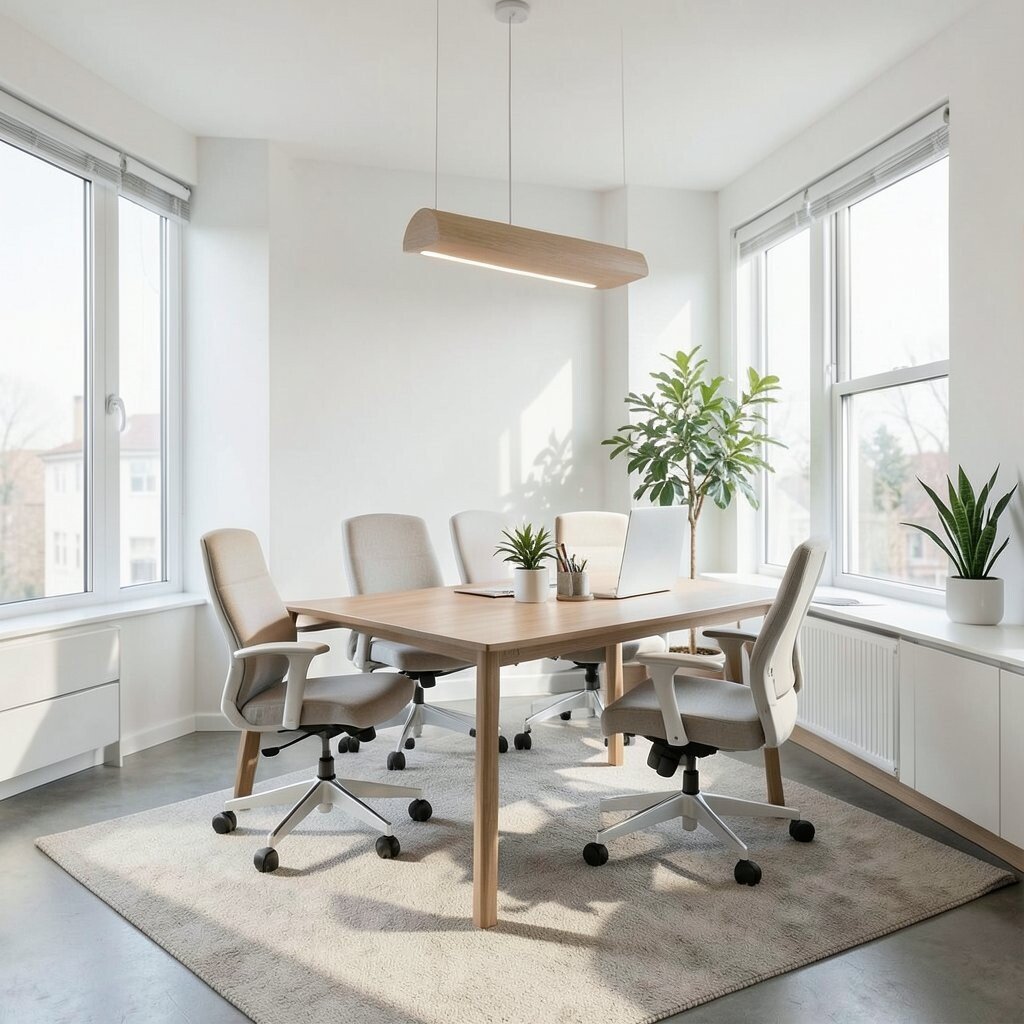
Furniture with gentle lines can feel softer than sharp, heavy shapes. Curved edges on chairs, rounded tables, and smooth shelves can make the room easier on the eyes.
This style often feels more relaxed and can keep a space from looking too strict or stiff. A curved chair or round table may cost more than a basic square piece, but even one special item can change the whole mood. If you want a unique feel, mix one soft shape with simple straight pieces so the room stays balanced and personal.
10. Add Plants In Easy-To-Care Spots

Plants can bring color, life, and a gentle natural feel to an office. Their leaves add soft shape and movement, which can make screens and shelves seem less harsh.
They can also improve the mood of the room and help it feel more welcoming during long work hours. Low-care plants are often the best choice, since they save time and money while still giving the same visual lift. Small pots on a desk, a tall floor plant, or a hanging planter can all add a current, lively touch that feels very personal.
11. Use Storage That Hides Clutter

Hidden storage can make a busy office look calm in an instant. Cabinets, drawers, and closed boxes keep extra items out of sight so the room looks clean and bright.
This helps the eyes focus on the main work area instead of a lot of small objects. It can also save time because things are easier to find when each item has its place. Storage pieces come in many price ranges, and a simple finish in white, wood, or black can match almost any style while keeping the space neat and unique.
12. Bring In Quiet Pattern

Quiet pattern can add interest without making the room feel busy. A soft rug, a gentle wallpaper print, or a fabric with a small repeat can give the office a polished look.
This works well for visual comfort because the pattern guides the eye in a soft way instead of pushing it too hard. If the room already has bold furniture, choose a lighter pattern so the whole space stays balanced. Pattern is a smart way to add style on many budgets, and it can show personality without filling the room with bright noise.
13. Make Use Of Soft Window Coverings

Soft window coverings can change the light in a pleasant way. Sheer drapes, woven shades, and light blinds help turn hard sunlight into a smoother glow.
This can reduce glare on screens and make the room feel more finished and peaceful. Many modern offices use layered window coverings because they are flexible and look clean, and that trend works especially well in shared work spaces. You can pick simple fabrics for a low-cost update or choose custom pieces if you want a more tailored look.
14. Create A Clear Color Story

A clear color story can help every part of the office feel connected. When wall color, furniture, decor, and small tools share a gentle palette, the room feels calm and easy to read.
This kind of unity can make even a small office look thoughtful and put together. It also helps you avoid buying random pieces that clash, which can save money over time. A color story can still feel unique when you add one accent shade, such as deep green, soft clay, or muted gold, to give the room a little spark.
15. Add A Soft Area Rug

A soft area rug can make an office feel warmer and more inviting. It adds color and texture underfoot, which can help the room feel less hard and echoey.
Rugs also help divide spaces in a natural way, which is useful in open offices or work-from-home rooms. A low-pile rug is often easier to clean and can be a smart choice for a busy space, while a thicker one adds extra comfort if the budget allows. A rug with a simple pattern or rich texture can bring in a fresh, current look without taking over the room.
16. Use Task Zones For Different Kinds Of Work

Task zones can make an office easier to use and easier to see. A writing area, a screen area, and a quiet reading spot each give the eyes a clear purpose.
This setup can reduce visual confusion because each zone has a simple job. You do not need big furniture to make it work, since even a small change in layout can give each area its own feel. People often like this approach because it makes the office more personal and practical at the same time, and it can be done with careful planning instead of large spending.
17. Include A Pinboard Or Mood Board

A pinboard or mood board can add both function and style. It gives the wall a soft focal point and offers a place for notes, photos, color samples, and small inspirations.
This can keep important ideas in sight without leaving papers all over the desk. Cork boards, fabric boards, and metal grids all have different looks, so you can choose one that fits your room and your budget. A mood board also makes the space feel personal because it can change with your goals, seasons, or creative projects.
18. Keep Cables Out Of Sight

Hidden cables can make an office look much calmer. When cords are tucked away, the desk and floor feel cleaner and the whole room looks more open.
This small change can also make daily work easier because there is less tangling and less dust collecting around devices. Cable clips, boxes, and sleeves are usually low-cost, and they can make a big difference in how polished the office feels. Many people now prefer a neat tech setup with clean lines, since it matches the simple, modern look that supports visual comfort.
19. Choose A Few Standout Art Pieces

A few standout art pieces can give an office character without making it feel crowded. A large print, a calm photo, or a simple abstract work can pull the eye in a pleasant way.
This helps create a focal point, which can be useful when the rest of the room needs to stay quiet and easy to look at. Art can be affordable too, since prints, local work, and even your own framed pieces can look great at many price levels. The best part is that art makes the office feel like it belongs to you, not just to the furniture store.
20. Use Mirrors With Care

Mirrors can open up a room and add a bright, airy feel. Placed with care, they reflect light and make a small office seem larger and less closed in.
This can be very helpful in rooms with few windows or darker corners. A mirror with a simple frame often costs less than a large decor change, and it can still look elegant and current. You can make the setup more personal by choosing a frame that matches your desk, shelves, or wall color, which keeps the whole room feeling connected.
21. Build In A Relaxing Break Spot

A relaxing break spot can make a work space feel kinder and more human. A soft chair, a warm throw, and a small side table can create a place to pause without leaving the office.
This gives the eyes a rest and can help the mind reset between tasks. The corner does not need much space or money, especially if you use one chair that feels good and one small lamp for soft light. Many offices now include simple rest spots because they help the room feel more thoughtful, more flexible, and a lot more personal.
22. Layer Small Details That Feel Like You
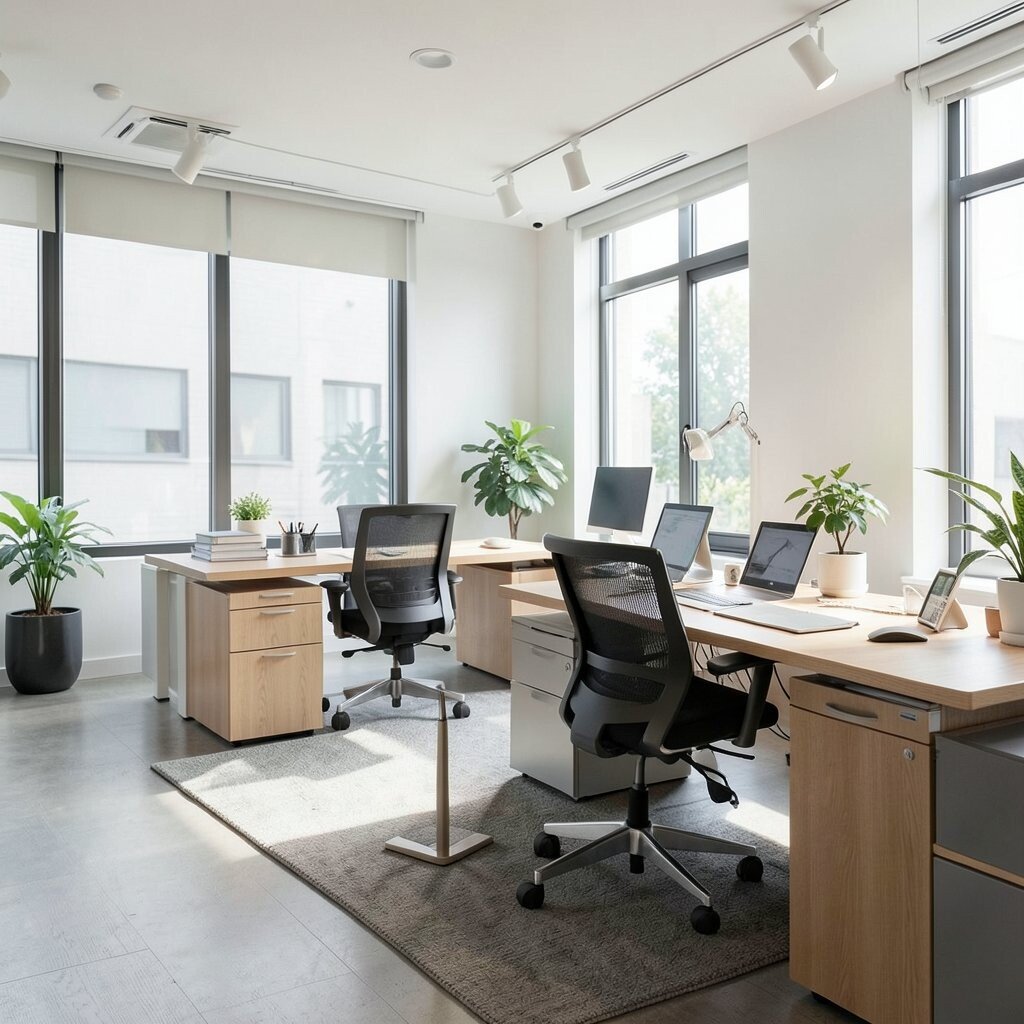
Small details can bring the whole office together in a gentle way. A favorite mug, a framed note, a special pen, or a small sculpture can add warmth and make the room feel less plain.
These little touches help the office feel unique without adding clutter or visual stress. They are also easy to change, so you can update the room on a small budget as your taste grows or your work changes. When the details match your style and stay simple, the office feels inspiring, calm, and ready for real work.