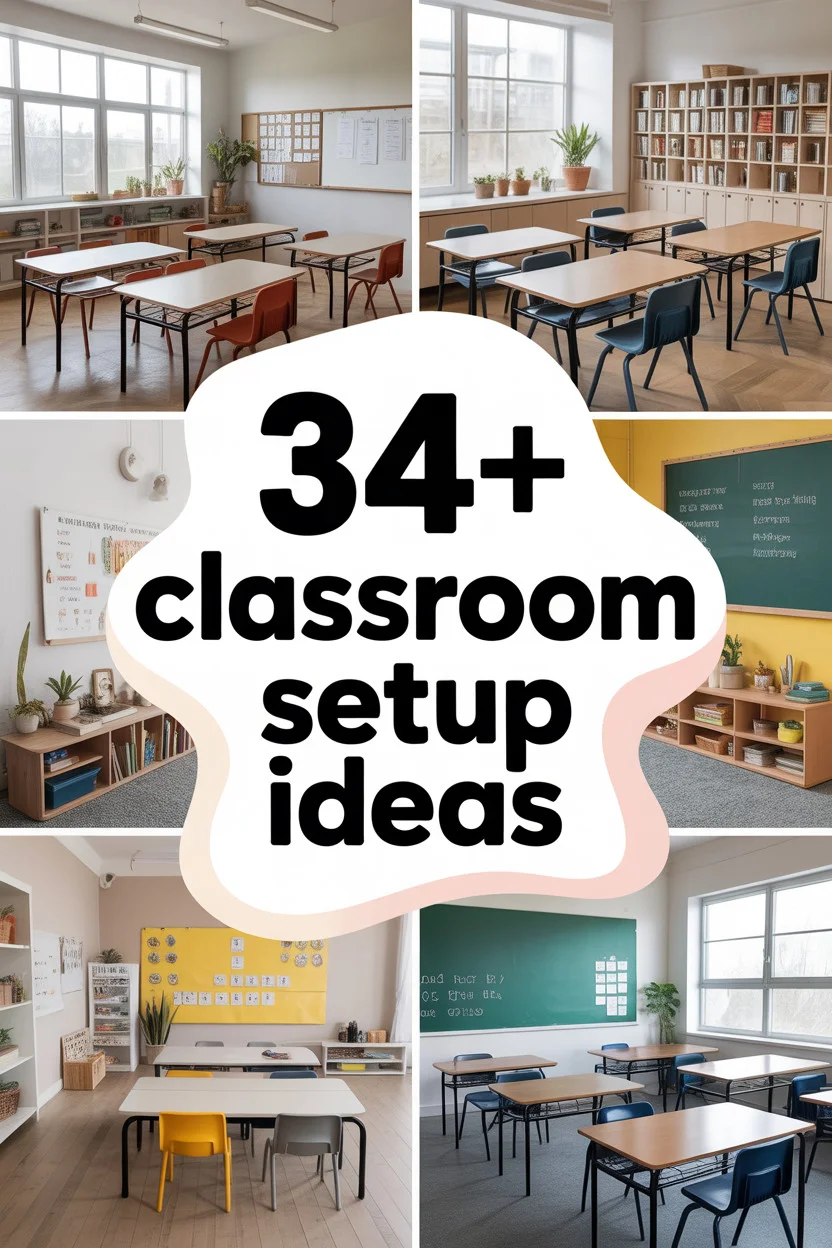
The classroom is a magical place where inspiration takes flight and creativity blooms. A well-thought-out setup not only sparks curiosity but also makes learning an exciting adventure. Here, we’ve compiled a collection of ideas that will breathe new life into any educational space.
1. Cozy Reading Nook
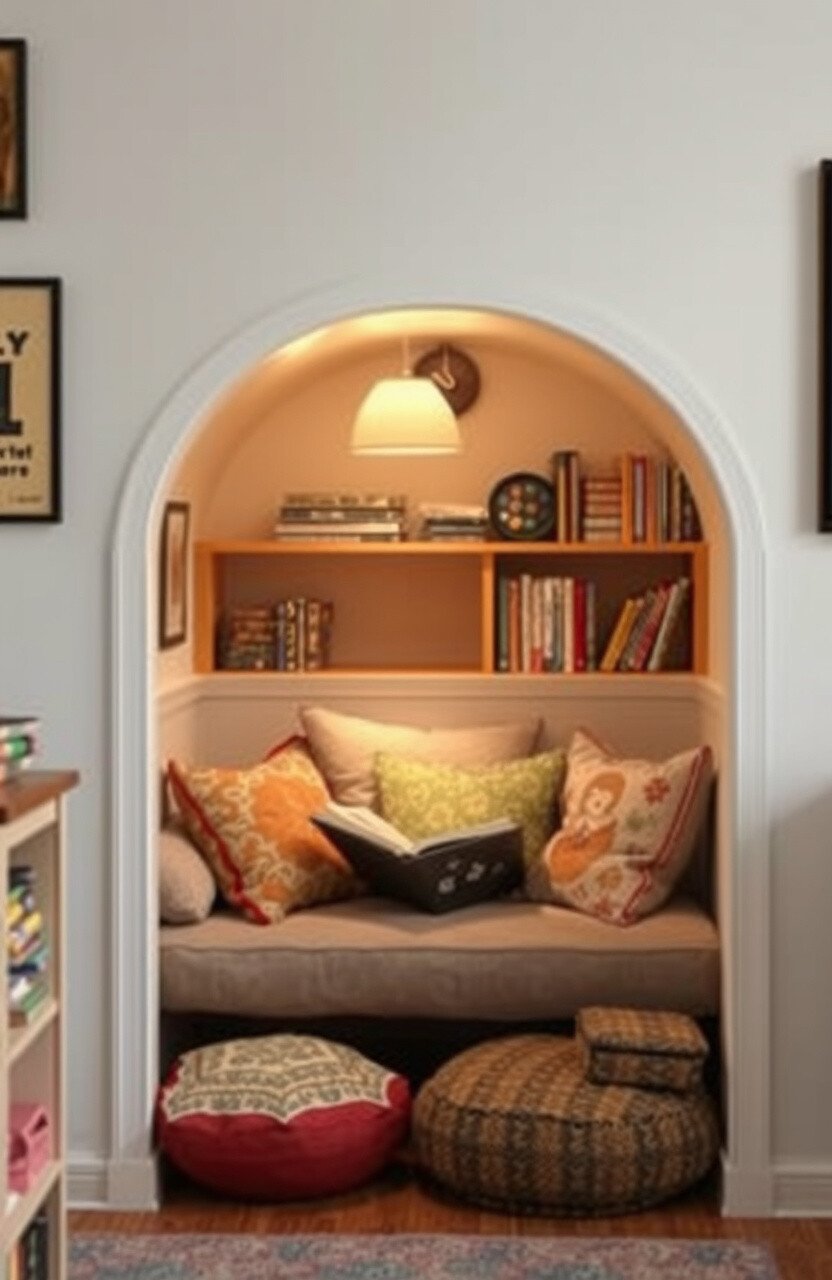
Imagine a snug corner filled with soft cushions and a gentle lamp casting a warm glow. This reading nook invites students to dive into a world of stories.
Having a dedicated space for reading can foster a love for books. It’s a place where imagination runs wild, and young minds can travel to distant lands.
To make it unique, consider adding a small bookshelf and a variety of books for different interests. Personalize it with colorful throws and themed pillows.
Creating a reading nook doesn’t have to break the bank. Repurpose old furniture or scour thrift stores for affordable finds.
2. Interactive Whiteboard Zone
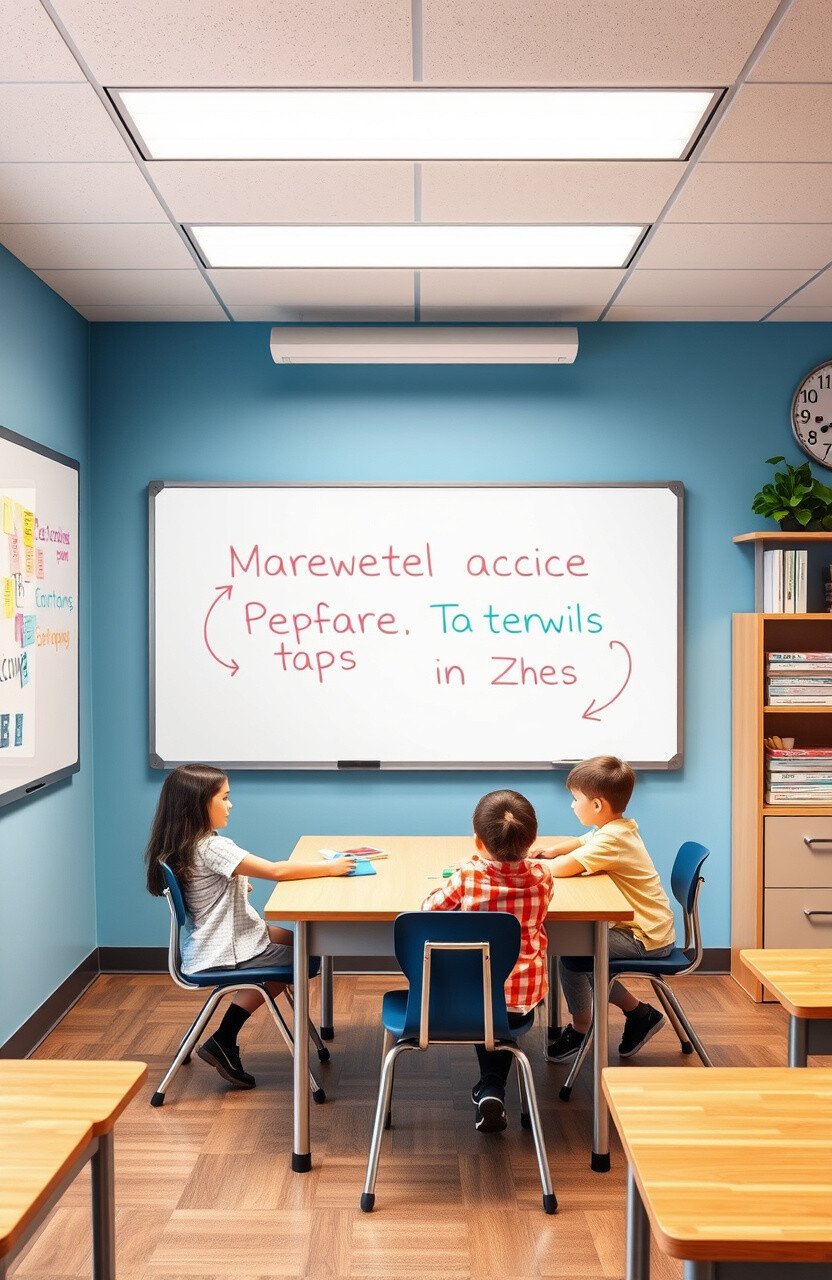
Think of a space where ideas come to life on a big, blank canvas. An interactive whiteboard zone makes collaboration easy and fun.
Students can express their thoughts visually, making learning more dynamic. It’s a great way to encourage teamwork and share ideas.
For a unique touch, include colorful markers and magnetic letters. Encourage students to use it for group projects or class discussions.
While interactive boards can be pricey, there are cost-effective alternatives like dry-erase paint or DIY marker boards.
3. Nature-Inspired Design
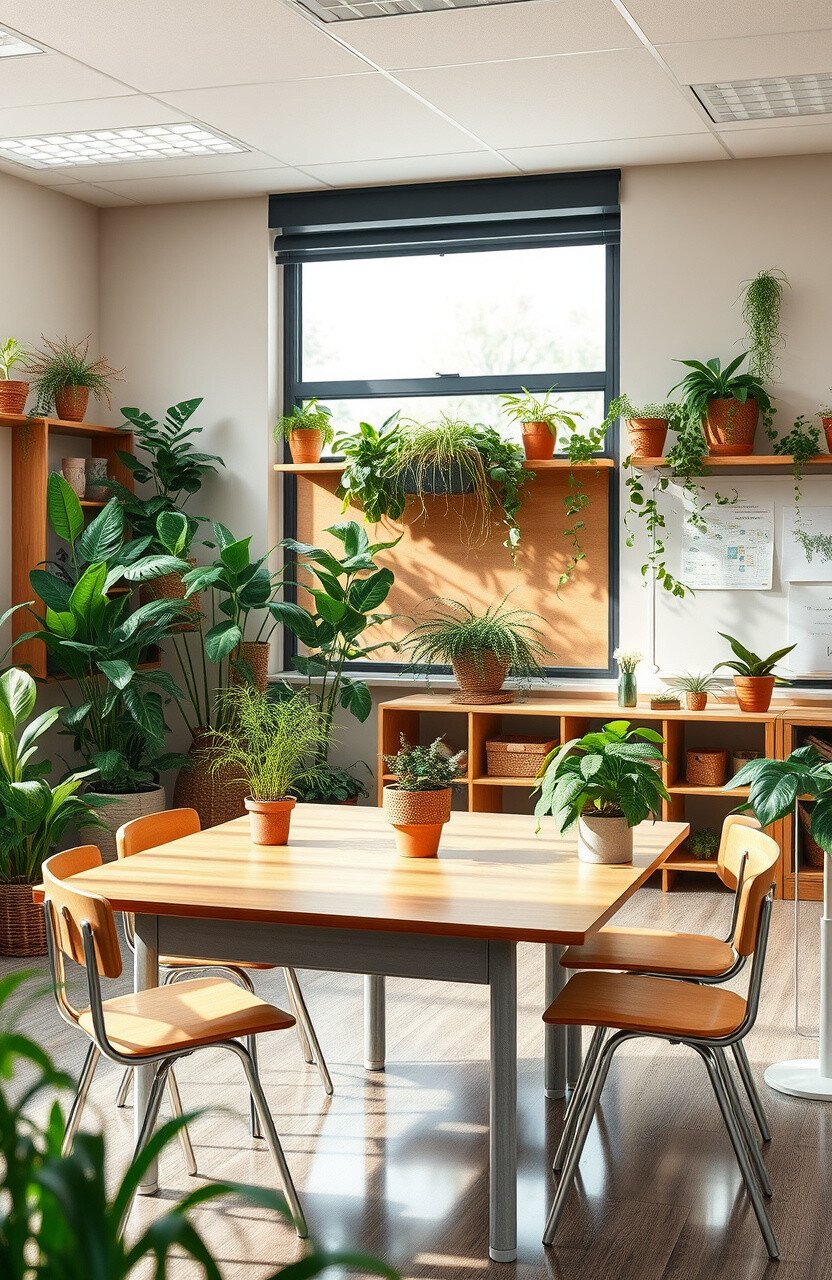
Bring the outside in with a nature-inspired classroom setup. Think plants, natural light, and earthy tones that create a calming atmosphere.
This design helps students feel grounded and reduces stress. It also makes the classroom a more pleasant place to spend time.
To make it special, use real or faux plants and add nature-themed art. Encourage students to care for the plants as a class project.
Keep costs low by using plant cuttings and DIY planters. Check local gardens for plant donations.
4. Flexible Seating Arrangement
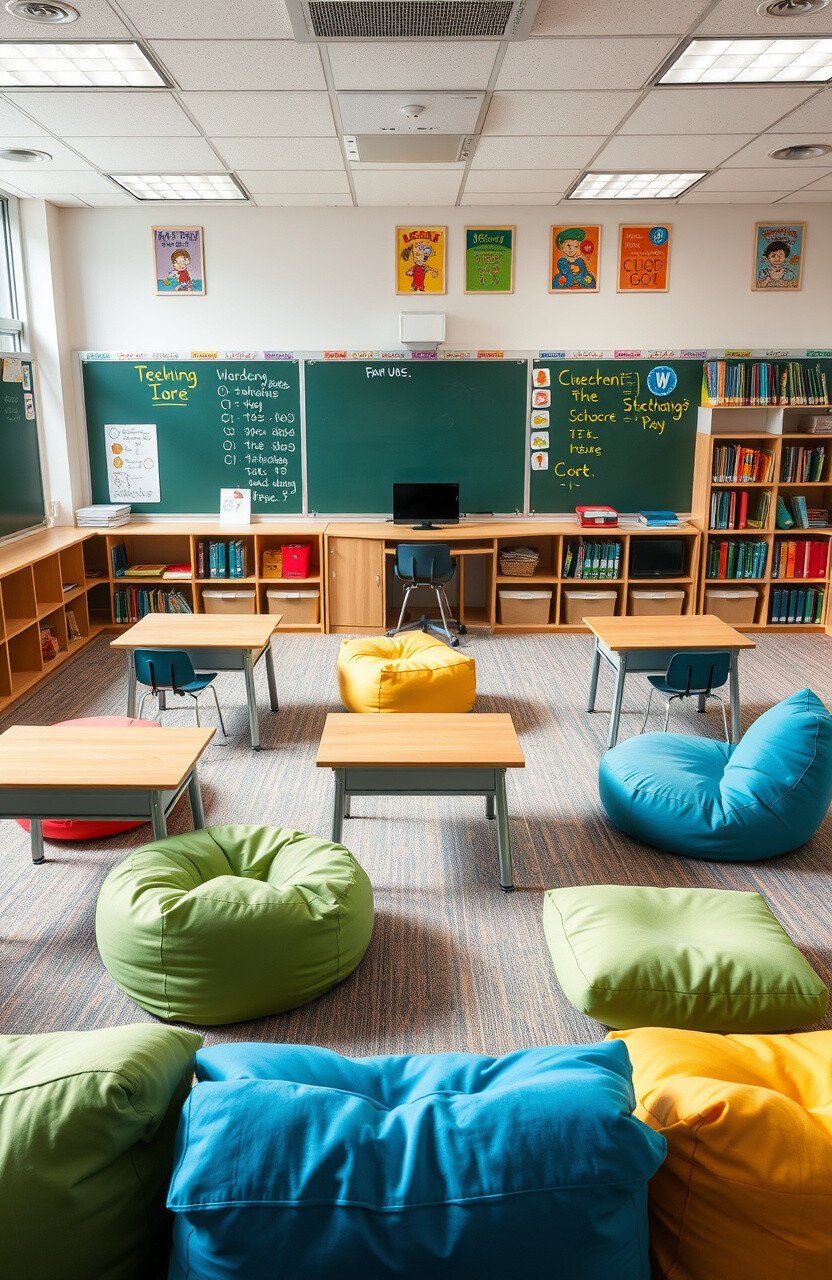
Imagine a classroom where students can choose their perfect spot. Flexible seating allows for movement and comfort, boosting concentration.
Giving students options can cater to different learning styles. It turns the classroom into a more inclusive environment.
Unique additions like bean bags, standing desks, or floor cushions can make this setup stand out. Personalize with colorful covers or DIY seating.
Start small by incorporating cushions or stools, gradually adding more options as budget allows.
5. Creative Art Station
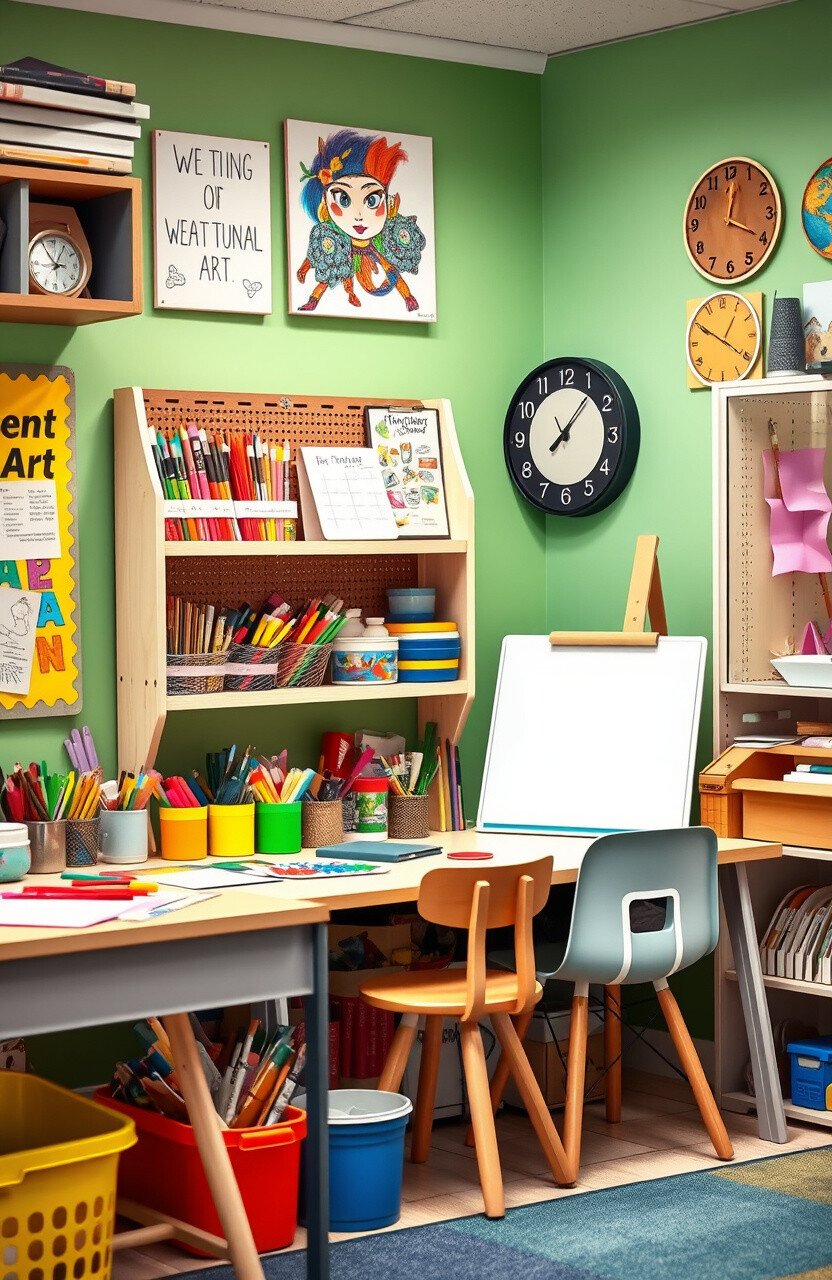
Picture a vibrant corner filled with art supplies, ready for budding artists. A creative art station inspires imagination and self-expression.
Encouraging creativity through art can enhance problem-solving skills. It’s a space where students can experiment without fear of mistakes.
Consider adding easels, paintbrushes, and a variety of materials. Personalize the area with student artwork or inspirational quotes.
Art supplies can be expensive, but bulk buys or donation drives can help keep costs manageable.
6. Tech-Integrated Learning Hub
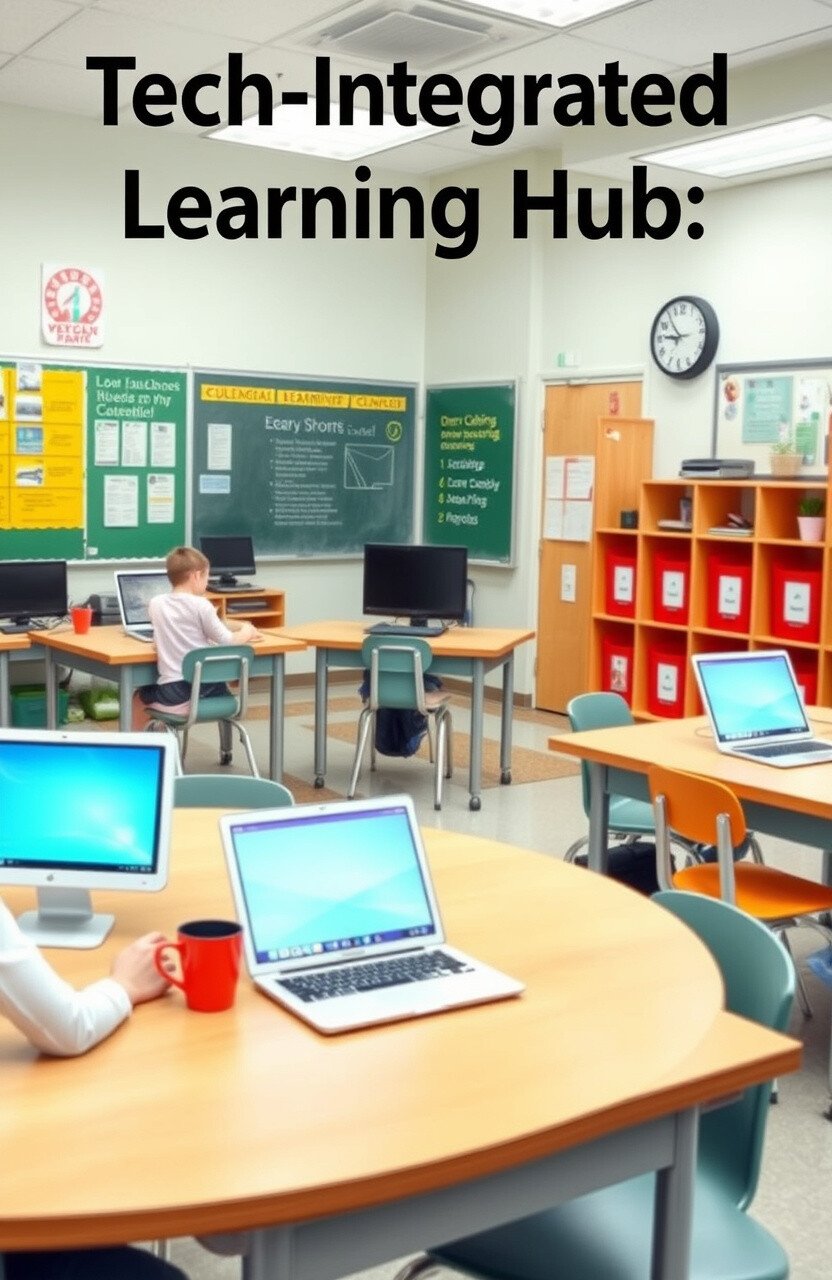
Visualize a classroom where technology and learning go hand in hand. A tech-integrated hub keeps students engaged and informed.
By incorporating technology, students can access a wealth of information. It prepares them for the digital world they’ll face.
Make it unique by including tablets or computers with educational apps. Personalize the tech area with student-created digital projects.
Grants and fundraising can help offset the cost of technology. Consider refurbished devices for a budget-friendly option.
7. Themed Learning Spaces
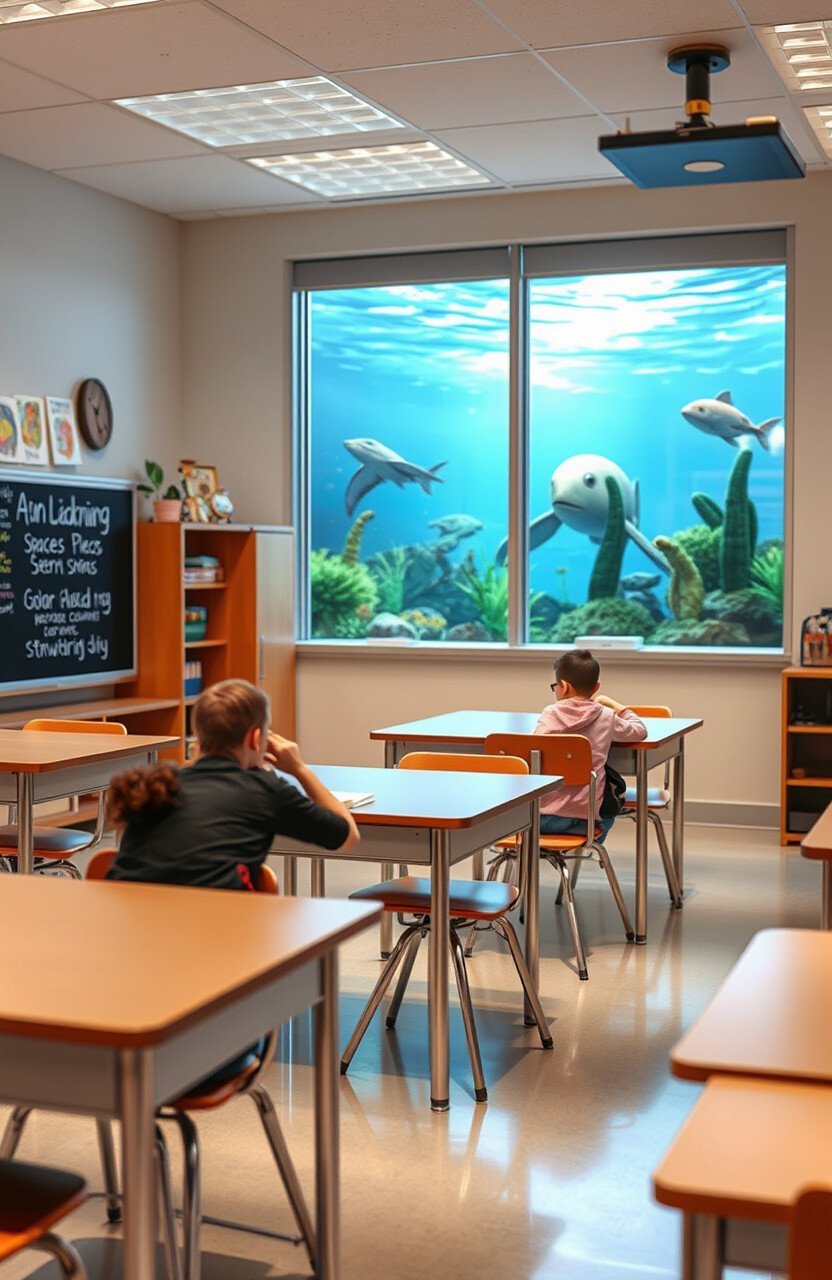
Imagine stepping into a classroom that feels like a different world. Themed learning spaces transport students to new environments.
Themes can make learning more exciting and memorable. It’s a way to tie lessons to a real-world context.
Choose unique themes like space, underwater, or historical periods. Personalize with props, costumes, and related activities.
Keep costs in check by using DIY decorations and borrowing items from local theaters or community groups.
8. Mindfulness and Relaxation Area
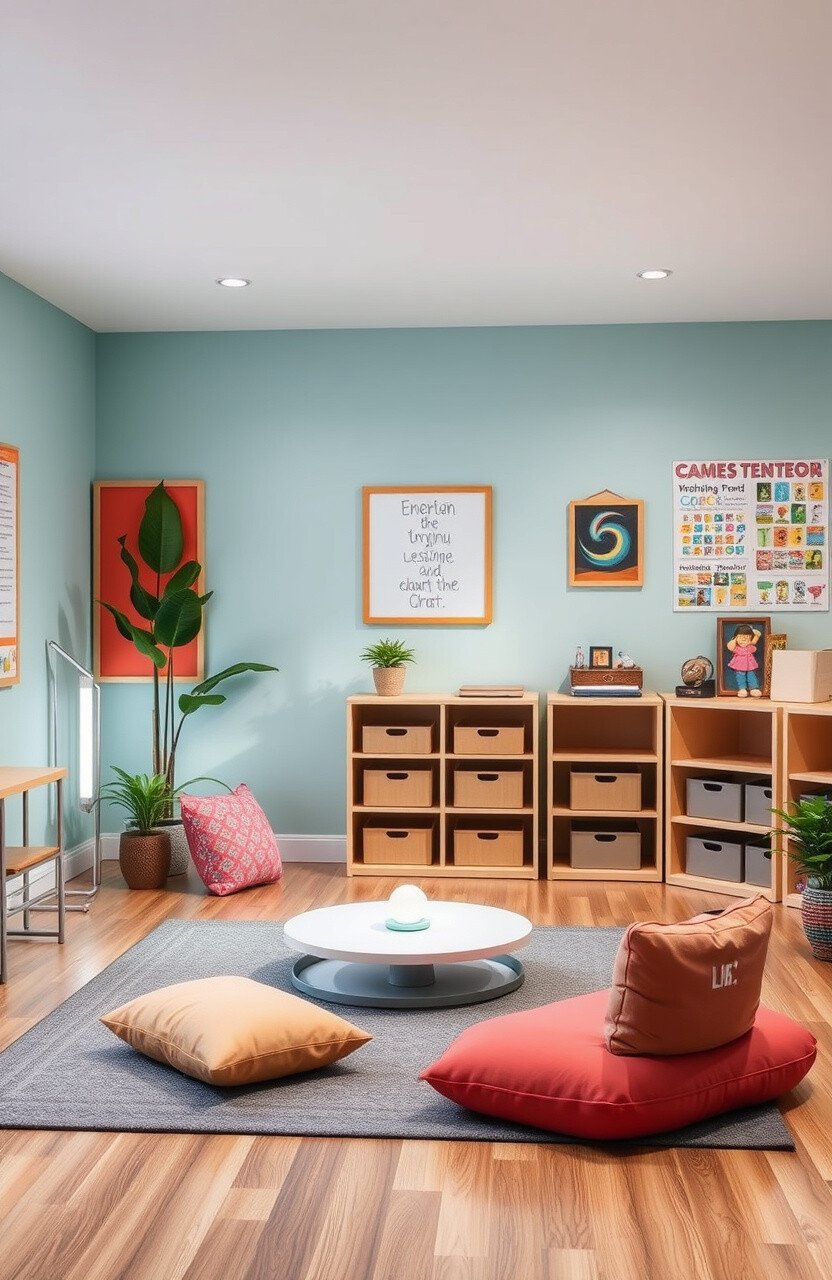
Picture a calm corner with soft lighting and soothing sounds. A mindfulness area helps students relax and refocus.
Teaching mindfulness can improve attention and emotional regulation. It’s a space where students can take a break and recharge.
Include unique elements like a sound machine, yoga mats, or stress balls. Personalize with calming colors and student-chosen music.
Use simple, homemade items like DIY stress balls and repurposed materials to keep costs low.
9. Collaborative Workstations
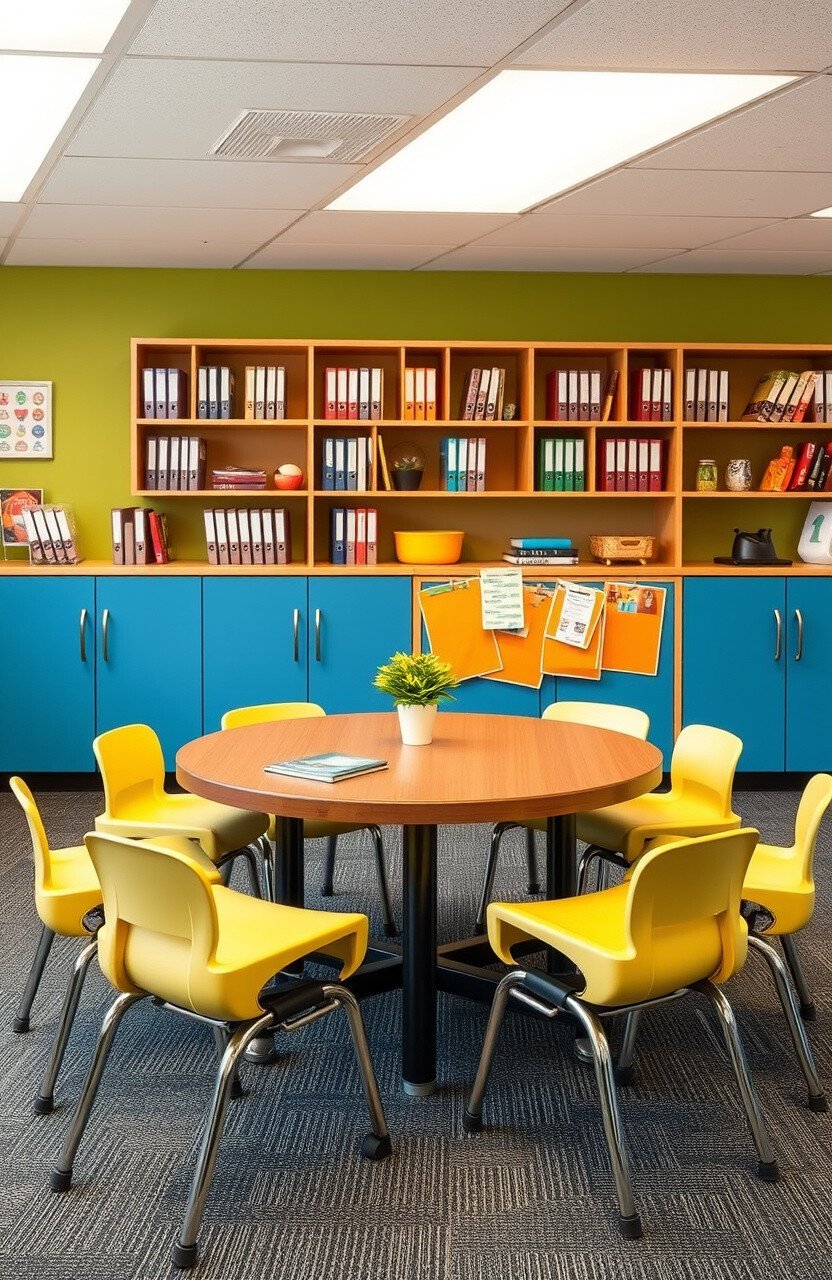
Think of a space where creativity and teamwork thrive. Collaborative workstations encourage group projects and problem-solving.
By working together, students learn to communicate and share ideas. It fosters a sense of community and cooperation.
Make it unique with movable tables and shared supplies. Personalize with group names or team themes.
Rearrange existing furniture to create collaborative spaces without spending a dime. Use community resources for extra materials.
10. Personal Expression Wall
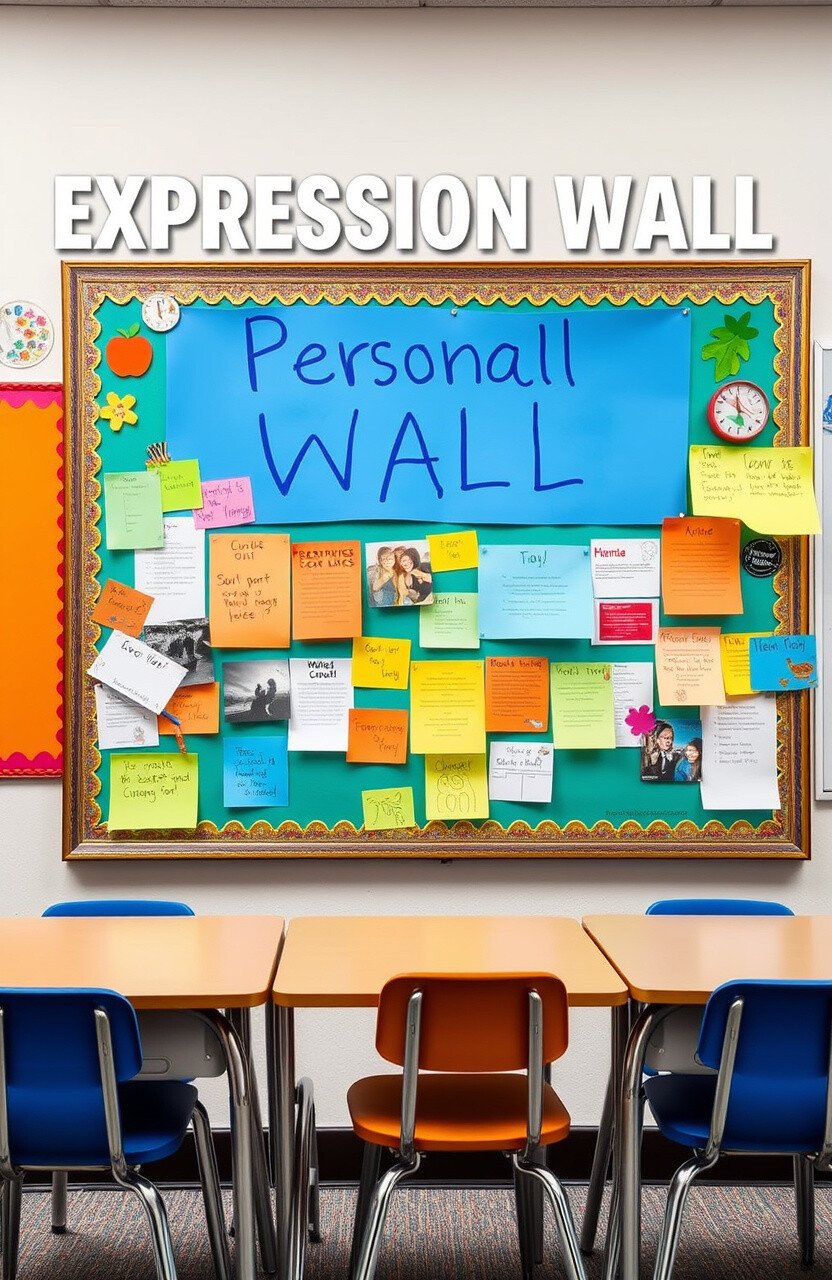
Imagine a wall that’s a canvas for student expression. A personal expression wall celebrates individuality and creativity.
It gives students a sense of ownership and pride in their space. It’s a visible reminder of their unique contributions.
Make it stand out with rotating themes or collaborative murals. Encourage students to contribute regularly and share their thoughts.
Keep it affordable with paper, markers, and a little imagination. Use recycled materials for a sustainable approach.
11. Sensory-Friendly Zone
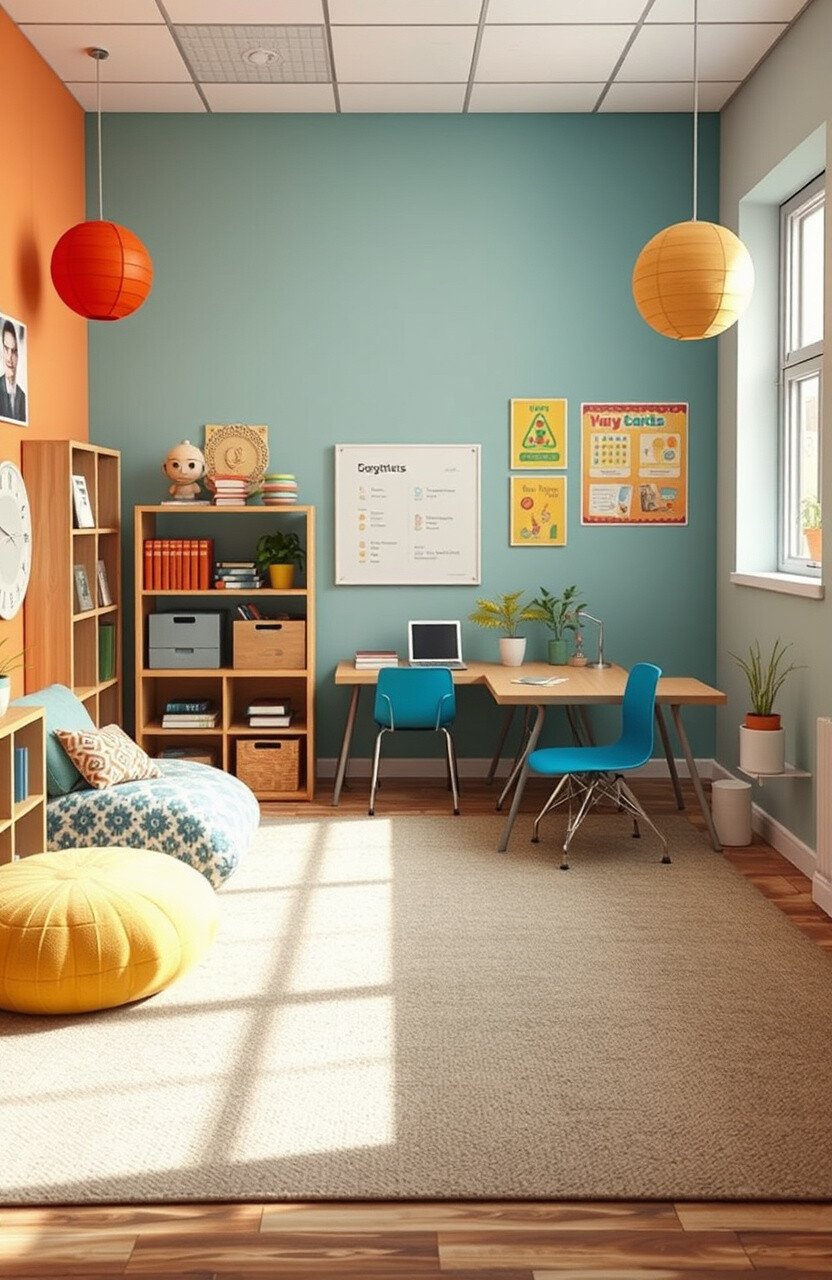
Picture a quiet, comfortable area with soothing textures and colors. A sensory-friendly zone supports students with sensory needs.
Such a space can help reduce anxiety and improve focus. It’s a haven where students can feel at ease.
Unique touches might include textured fabrics, soft lighting, or noise-canceling headphones. Personalize with calming scents or visuals.
Use donations or thrift store finds to create this special area without a high cost. DIY projects can add personal flair.
12. Outdoor Learning Extension
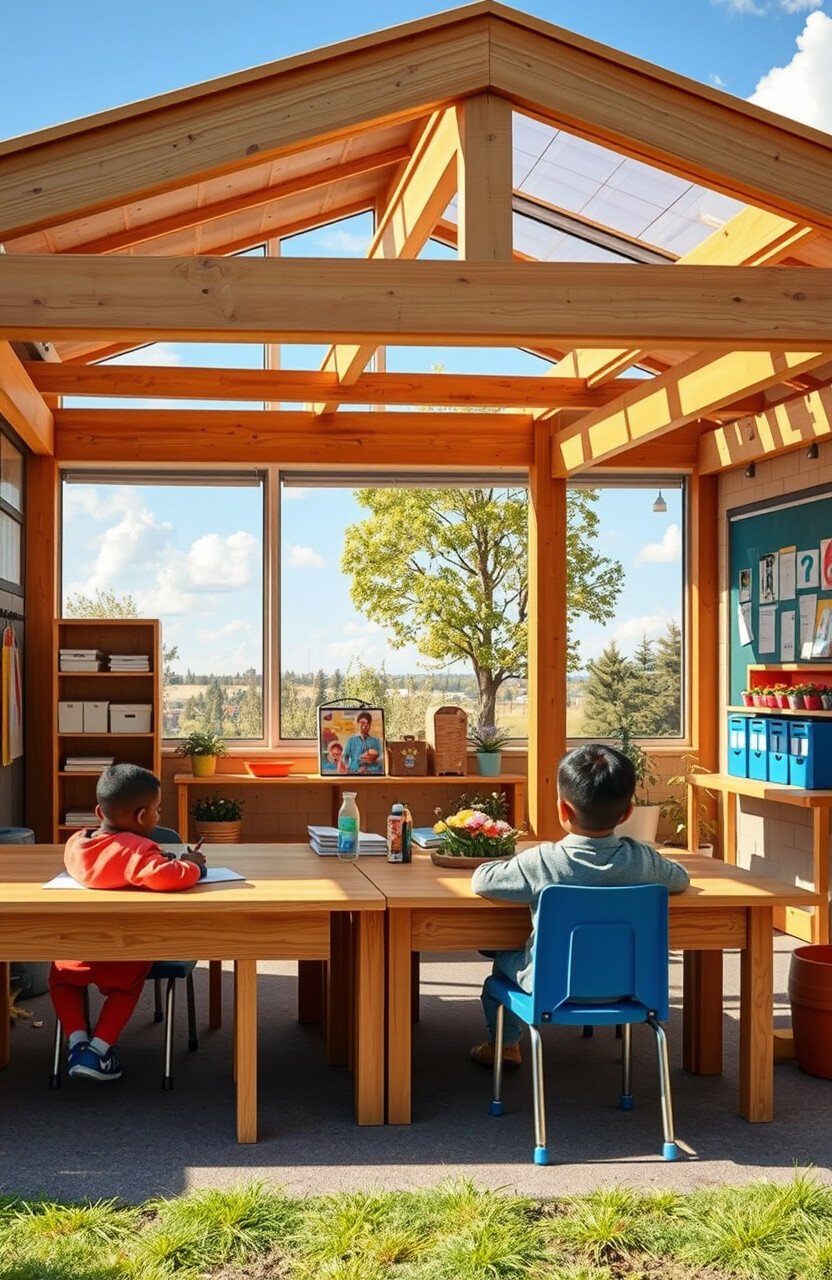
Imagine a classroom that extends into the great outdoors. An outdoor learning area brings lessons to life under the open sky.
Fresh air and nature can stimulate curiosity and engagement. It’s a dynamic way to explore subjects hands-on.
Consider unique setups like garden beds, weather stations, or nature trails. Personalize with seasonal activities and student projects.
Partner with local businesses or community groups for materials and support. Use recycled or natural materials for cost-effective solutions.
13. Inspirational Quote Wall
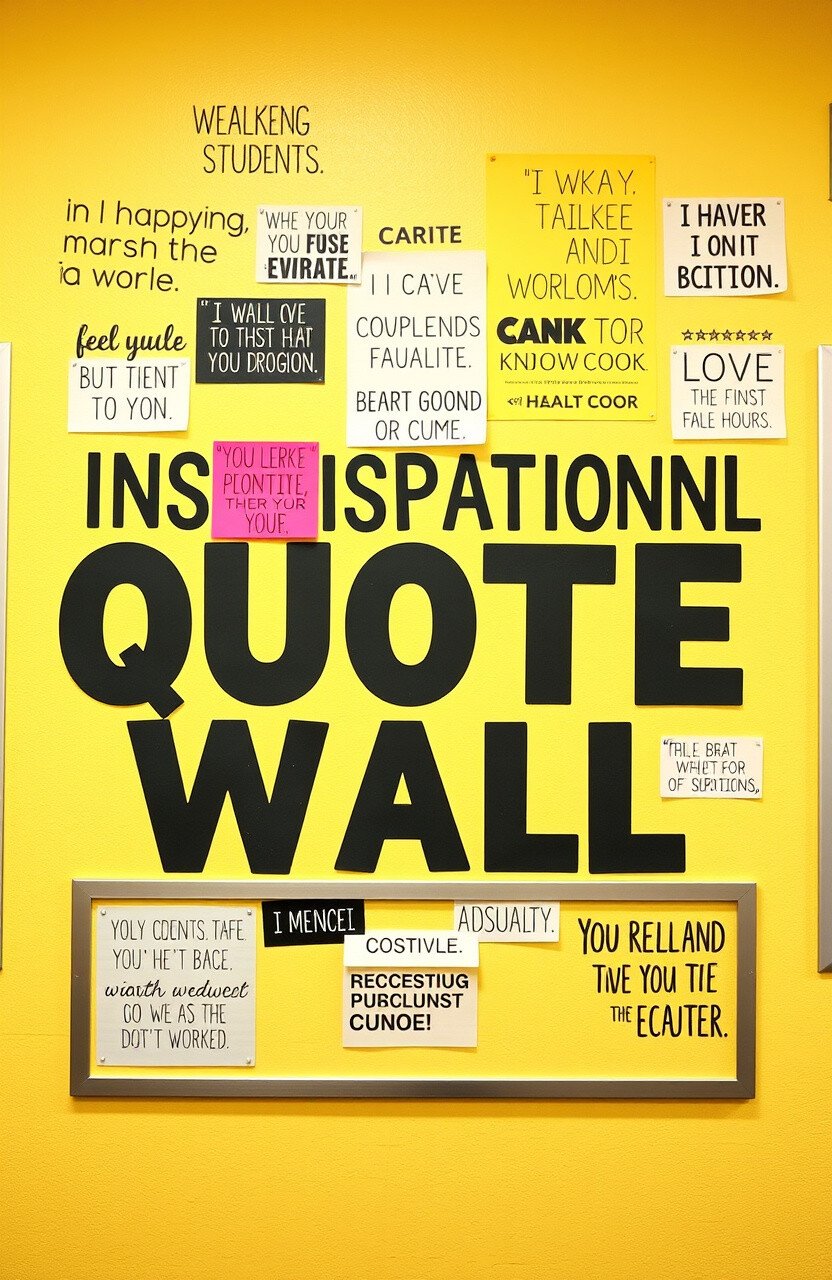
Picture a wall filled with words of wisdom and encouragement. An inspirational quote wall motivates and uplifts students daily.
Seeing positive messages can boost morale and inspire action. It’s a constant reminder of the power of words.
Make it special by letting students contribute their favorite quotes. Personalize with colorful designs or themed displays.
Keep it budget-friendly with printouts or handwritten notes. Change quotes regularly to keep the inspiration fresh.
14. Historical Time Travel Corner
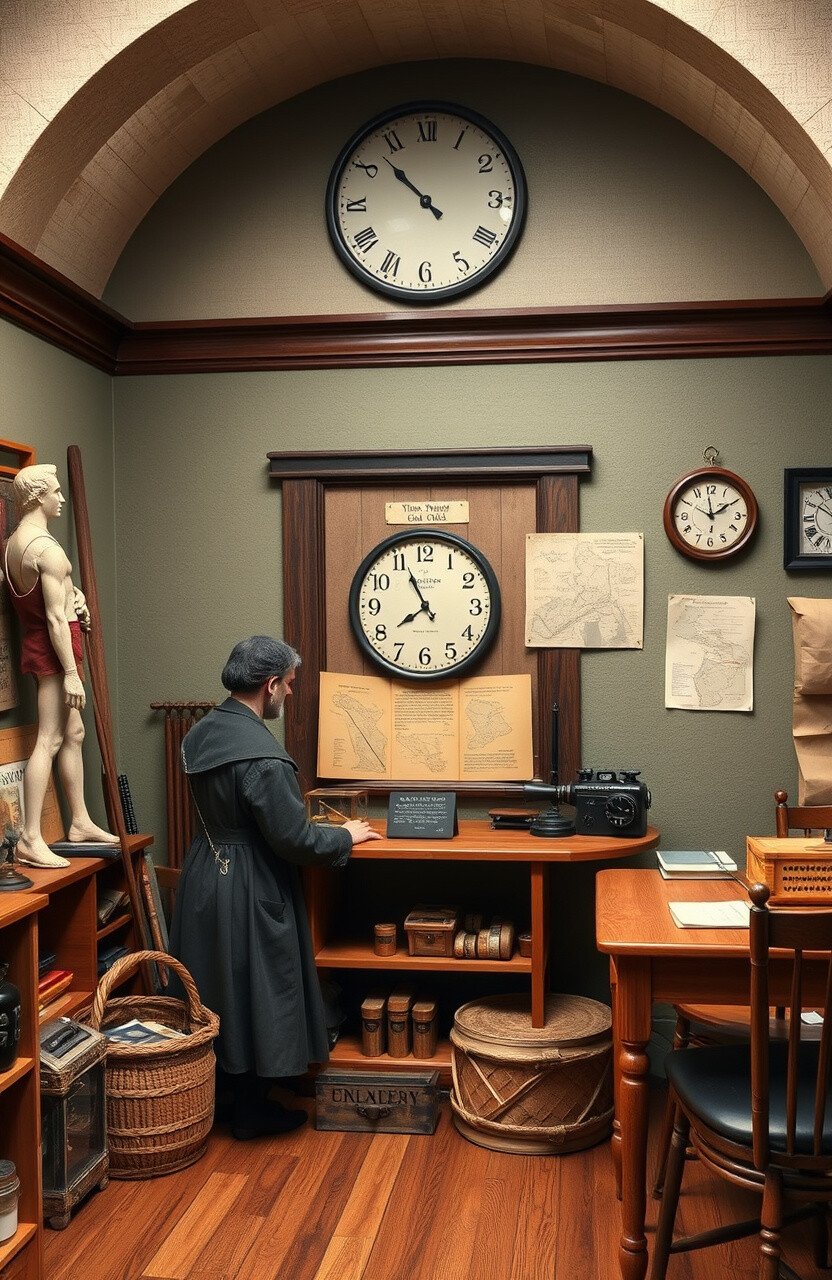
Imagine stepping back in time to learn about history firsthand. A historical corner makes the past come alive in the classroom.
Experiencing history this way can spark interest and deepen understanding. It’s like having a mini-museum in the classroom.
Unique additions might include replicas, artifacts, or themed costumes. Personalize with student-created timelines or dioramas.
Seek donations or borrow items from local museums or historical societies. DIY crafts can add authenticity without high costs.
15. STEM Exploration Area
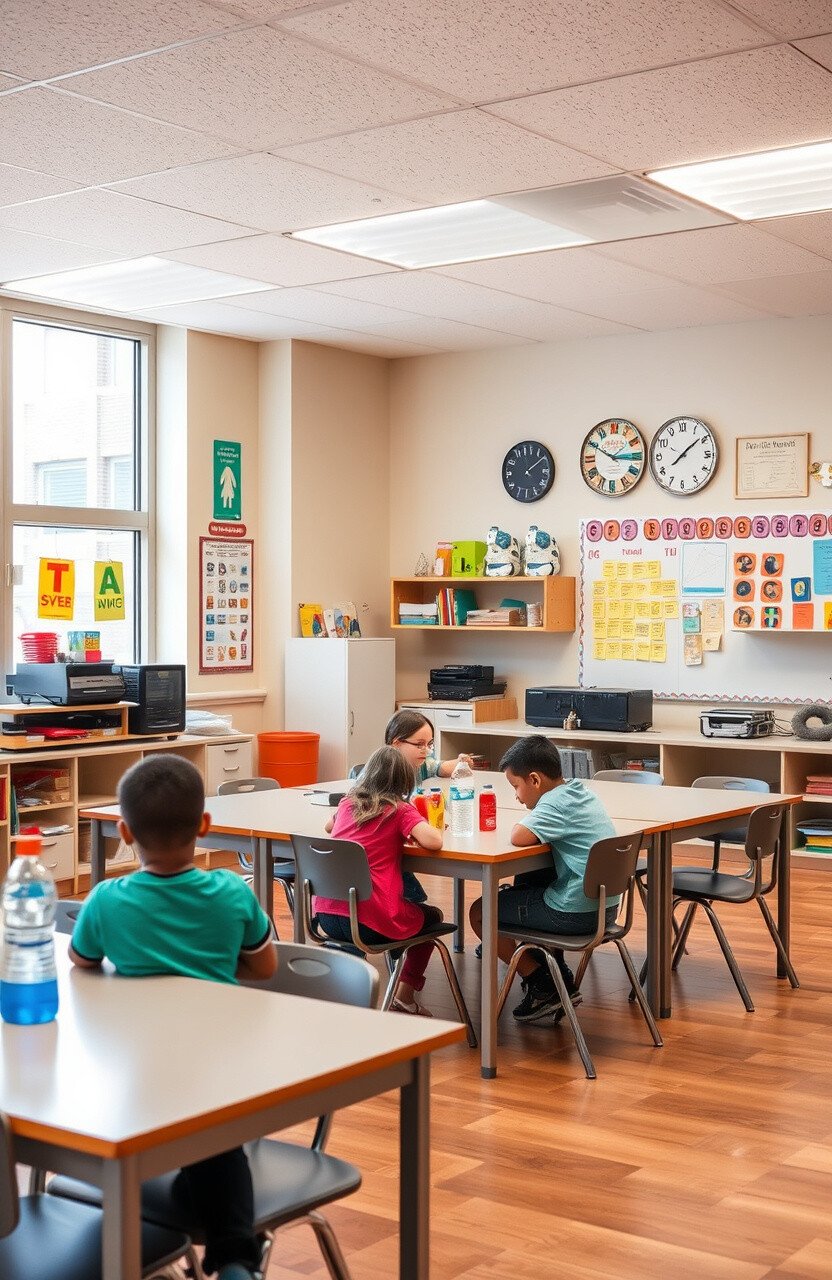
Think of a space buzzing with experiments and inventions. A STEM area ignites curiosity and innovation in science, technology, engineering, and math.
Hands-on activities can enhance problem-solving skills and critical thinking. It’s a place where future inventors and scientists can thrive.
Make it unique with robotics kits, lab equipment, or 3D printers. Personalize with student-led experiments and discoveries.
Grants and community partnerships can provide resources. DIY projects or recycled materials can also keep costs in check.
16. Cultural Celebration Space
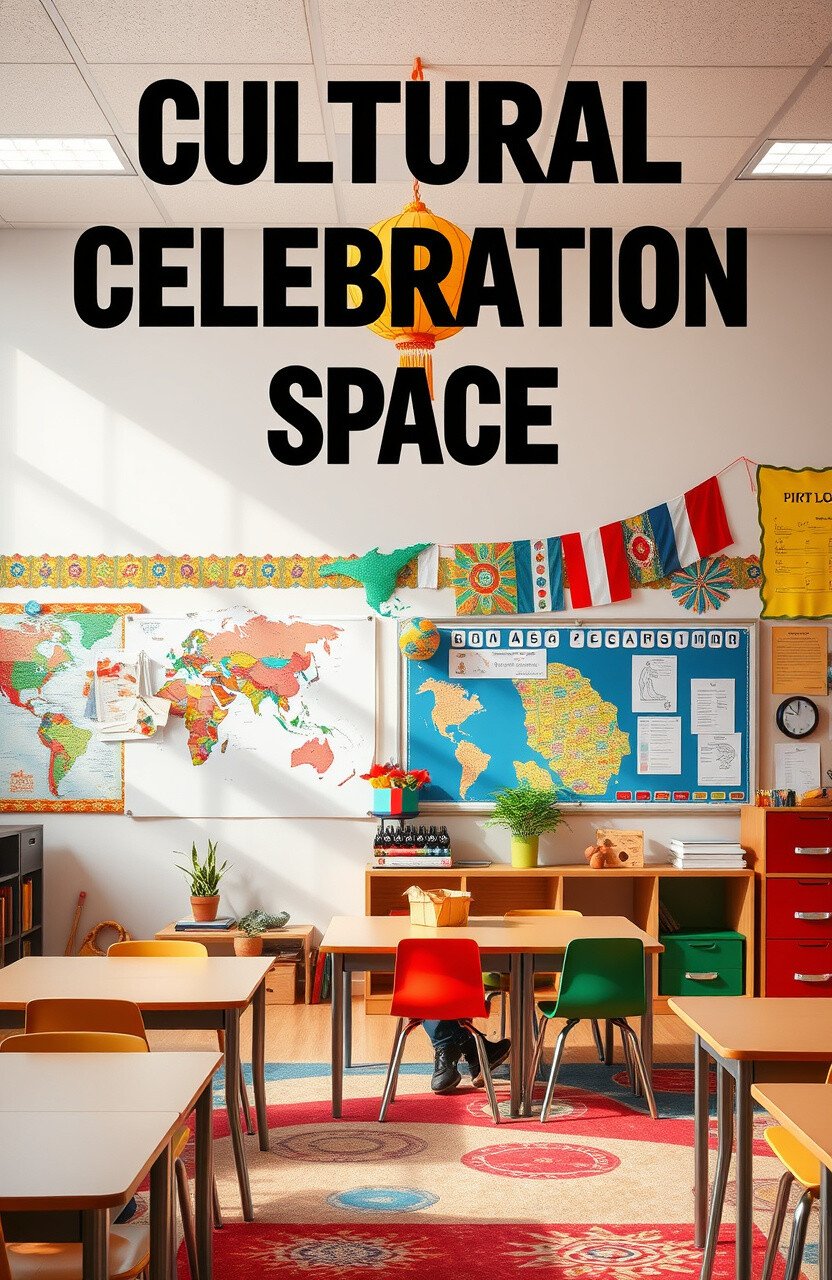
Imagine a vibrant area celebrating diverse cultures. A cultural space promotes understanding and appreciation of different traditions.
Learning about other cultures can broaden perspectives and foster empathy. It’s a colorful journey around the world from the classroom.
Include unique elements like maps, flags, or cultural artifacts. Personalize with student projects or themed celebrations.
Use community connections to source authentic items. Encourage families to share cultural items or stories to enrich the space.
17. DIY Craft Corner
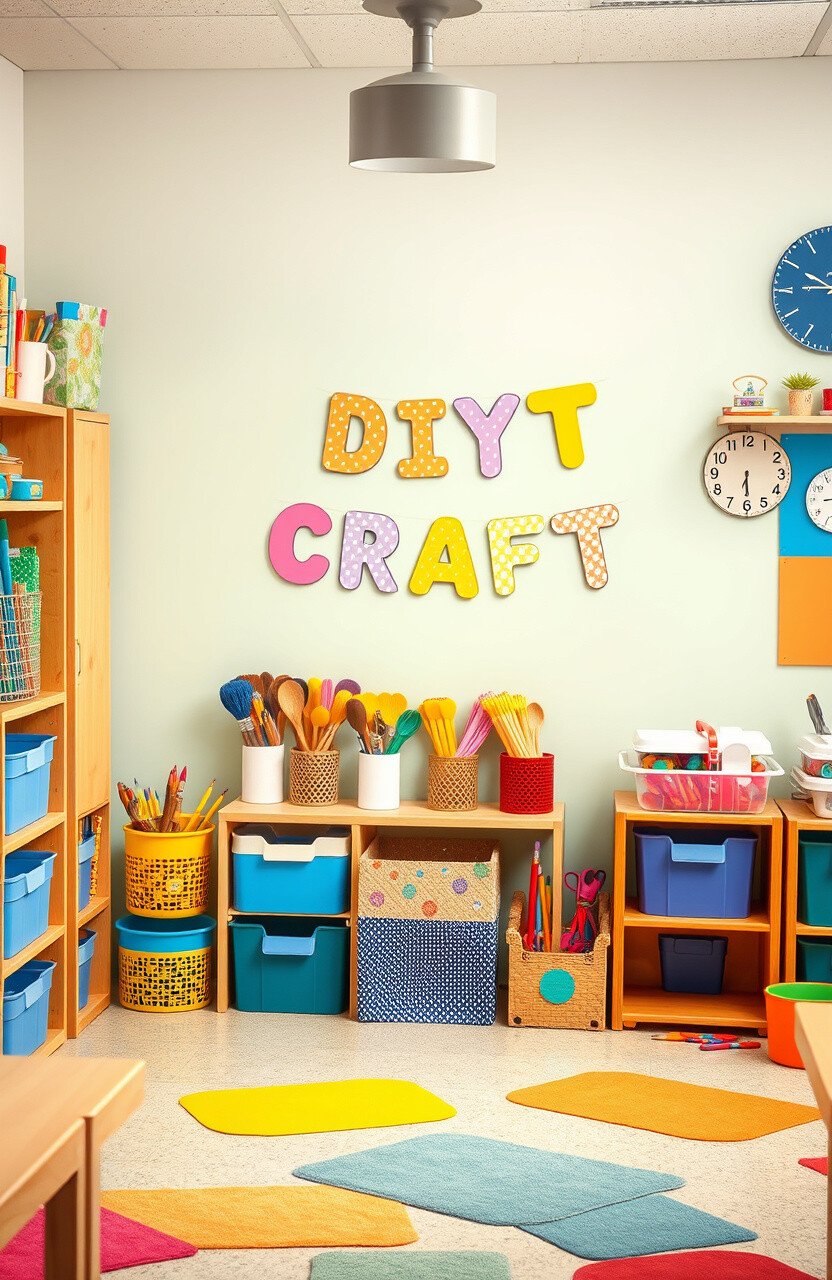
Picture a lively spot brimming with craft supplies and creativity. A DIY craft corner encourages innovation and hands-on learning.
Crafting can boost fine motor skills and imagination. It’s a place where students can bring their ideas to life.
Unique features might include a variety of materials, from paper to fabric. Personalize with rotating projects or themed crafts.
Stock up on materials during sales or through donations. Encourage students to bring in recyclables for eco-friendly crafting.
18. Science Discovery Zone
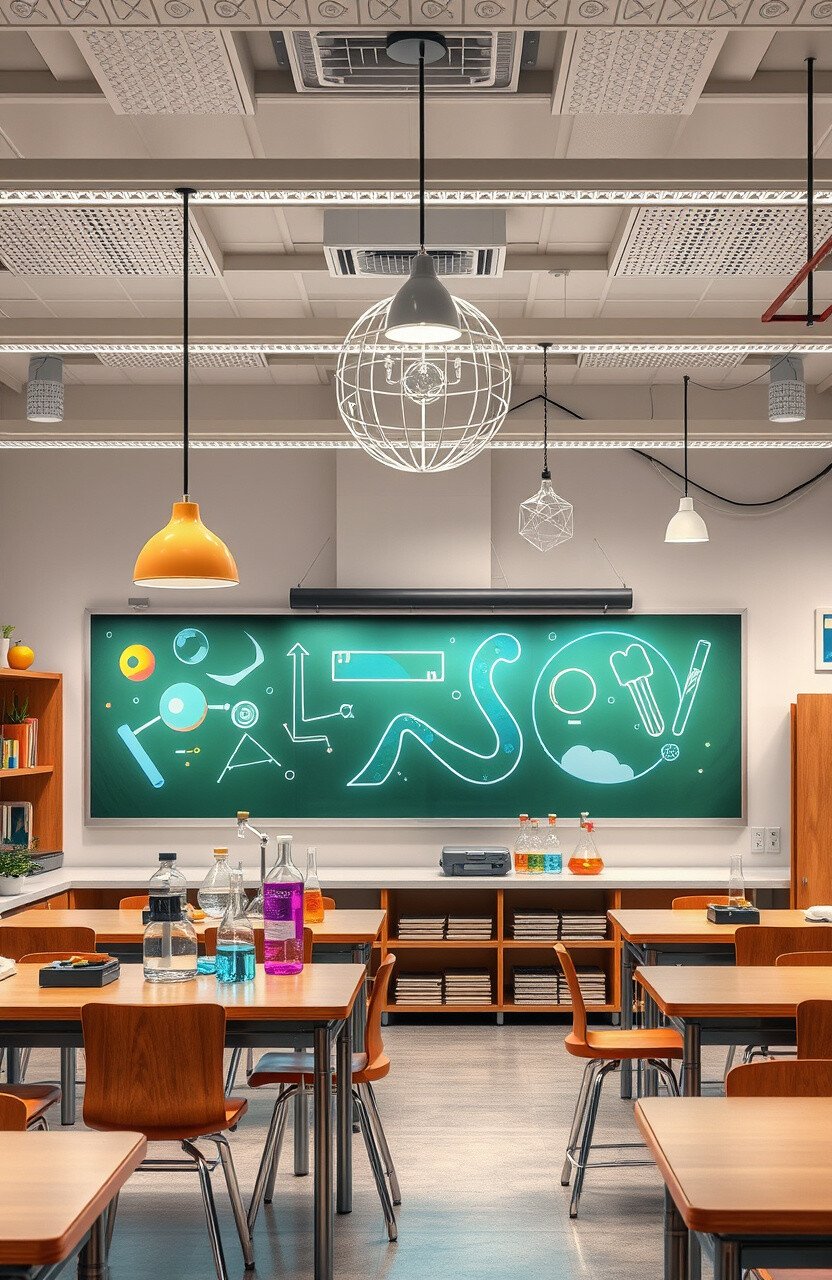
Imagine a space filled with scientific wonders and experiments. A discovery zone makes learning about science an exciting adventure.
Hands-on experiments can deepen understanding and curiosity. It’s a place where young scientists can explore and learn.
Make it unique with lab equipment, specimens, or interactive displays. Personalize with student-led experiments and findings.
Use grants or donations to acquire specialized equipment. DIY models and experiments can also keep costs manageable.
19. Music and Rhythm Area
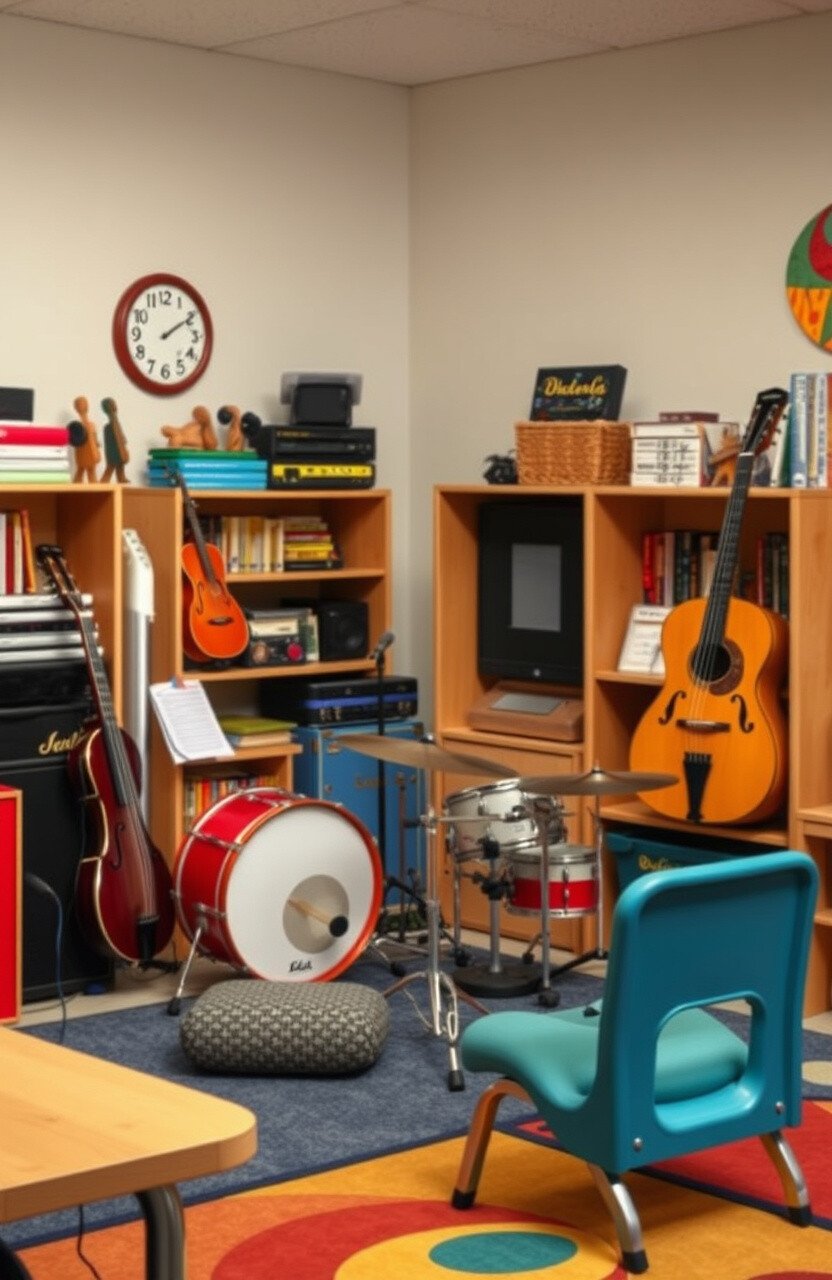
Picture a corner alive with sound and rhythm. A music area encourages exploration of instruments and musical expression.
Music can enhance learning and creativity. It’s a space where students can discover their musical talents.
Include unique instruments, from drums to keyboards. Personalize with student-composed songs or performances.
Borrow instruments or use DIY alternatives to start. Encourage community support for resources and expertise.
20. Math Manipulative Station
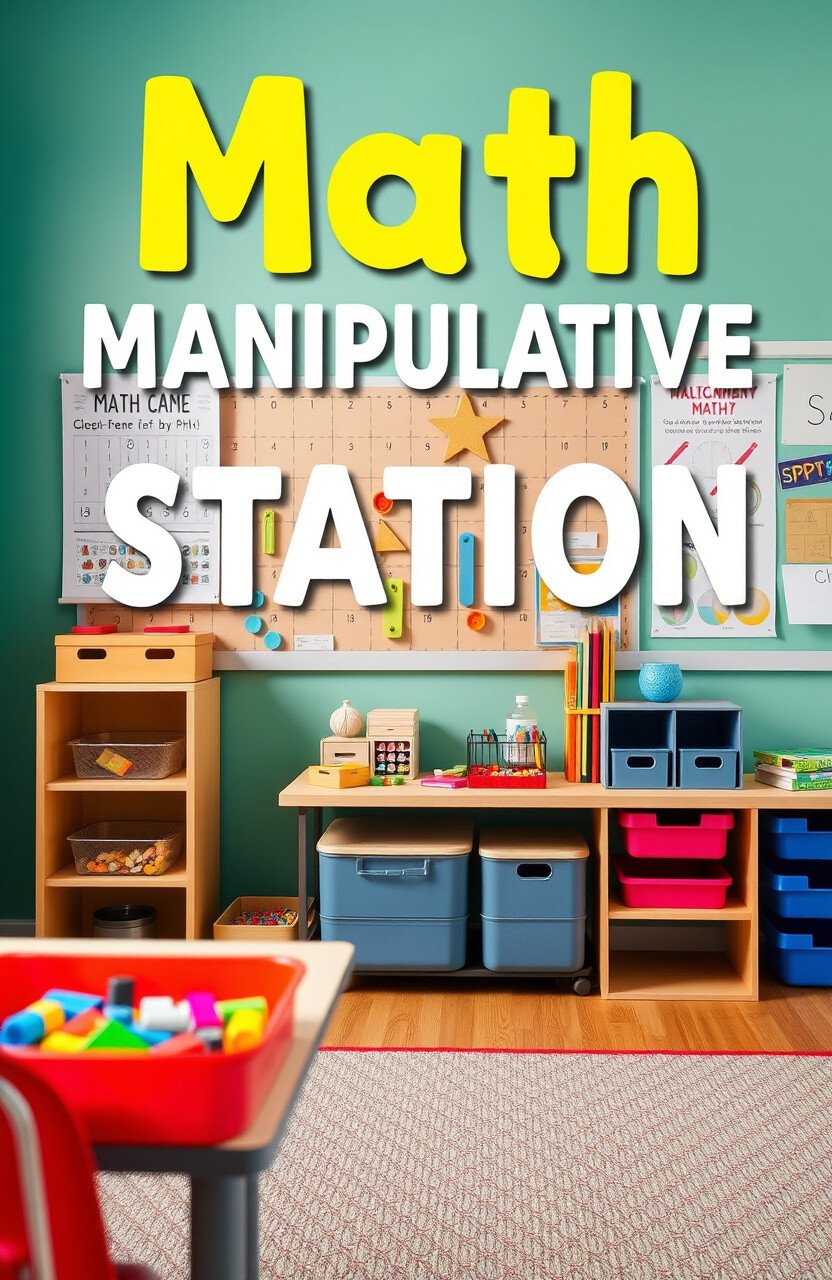
Imagine a spot filled with tools for hands-on math learning. A manipulative station makes abstract concepts tangible and fun.
Using manipulatives can improve understanding and problem-solving skills. It’s a playful way to engage with math.
Make it unique with a variety of tools, like blocks or beads. Personalize with student-created math games or challenges.
Search for affordable resources online or in educational stores. DIY options can also provide creative solutions.
21. Drama and Performance Space
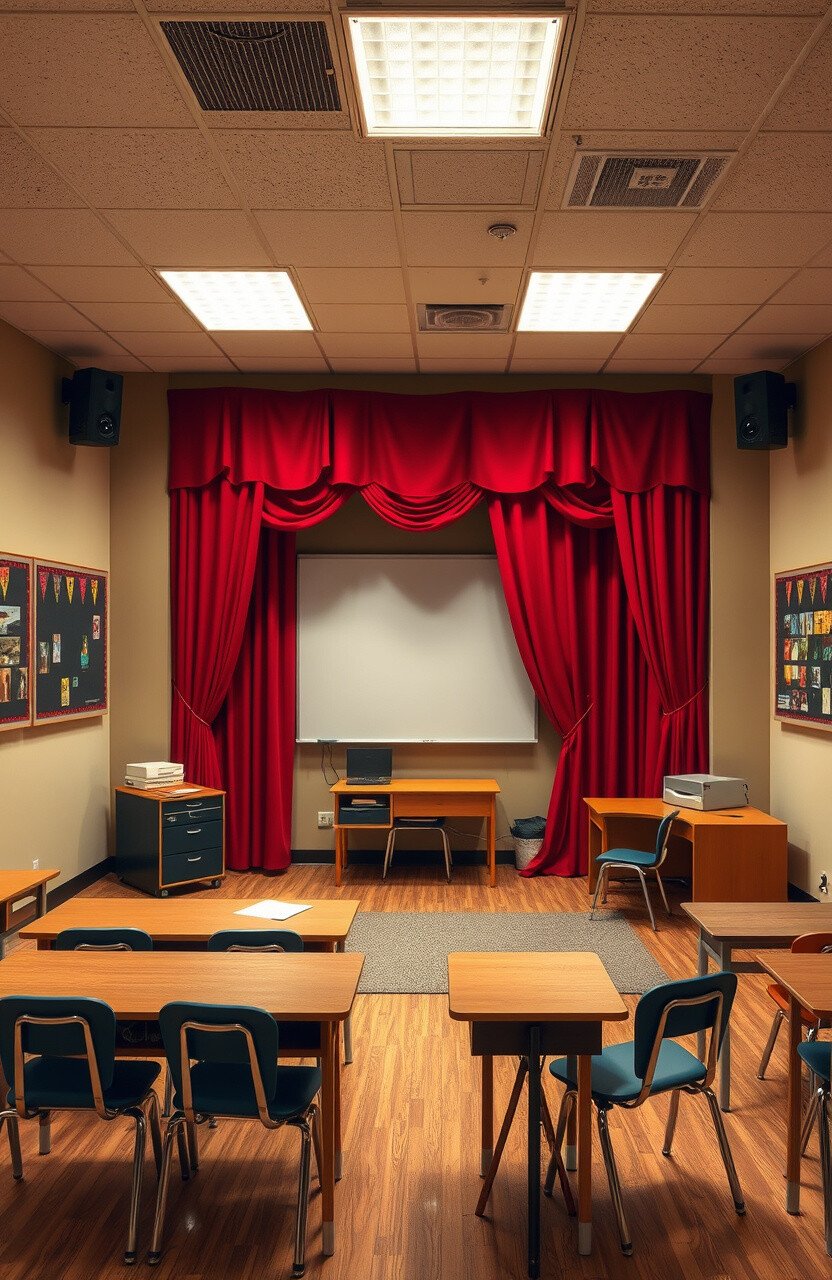
Imagine a stage set for creativity and expression. A drama space encourages storytelling and performance skills.
Drama can boost confidence and communication abilities. It’s a place where students can step into different roles and scenarios.
Include unique props, costumes, or scripts. Personalize with student-written plays or improvisation activities.
Seek community theater collaborations or use simple DIY props. Encourage students to create their own costumes and sets.
22. Geography Exploration Corner
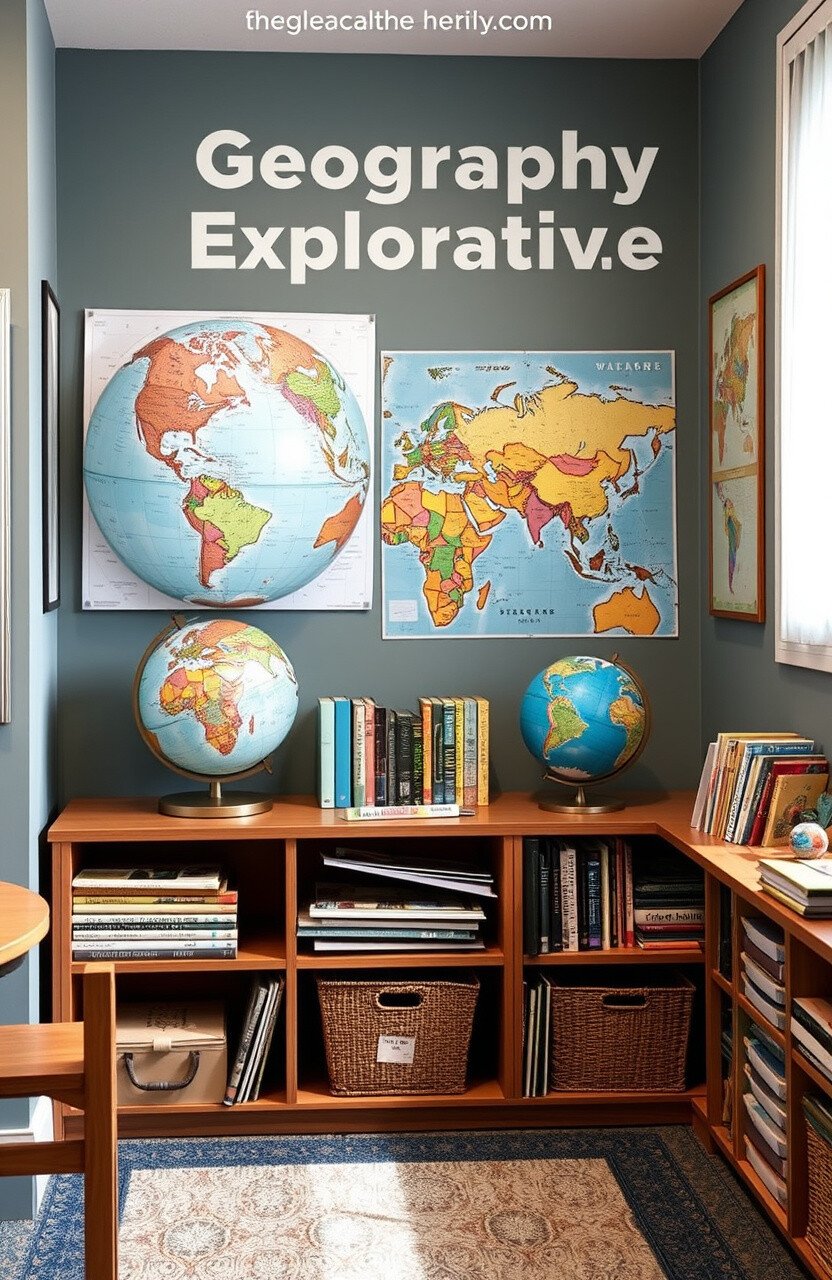
Picture a spot where maps and globes take center stage. A geography corner makes exploring the world exciting and educational.
Geography can inspire curiosity about different places and cultures. It’s a way to connect classroom lessons to real-world locations.
Include unique items like interactive maps or travel guides. Personalize with student-researched country reports or presentations.
Use online resources or library materials to supplement the space. Encourage students to share travel experiences or artifacts.
23. Language and Literature Haven
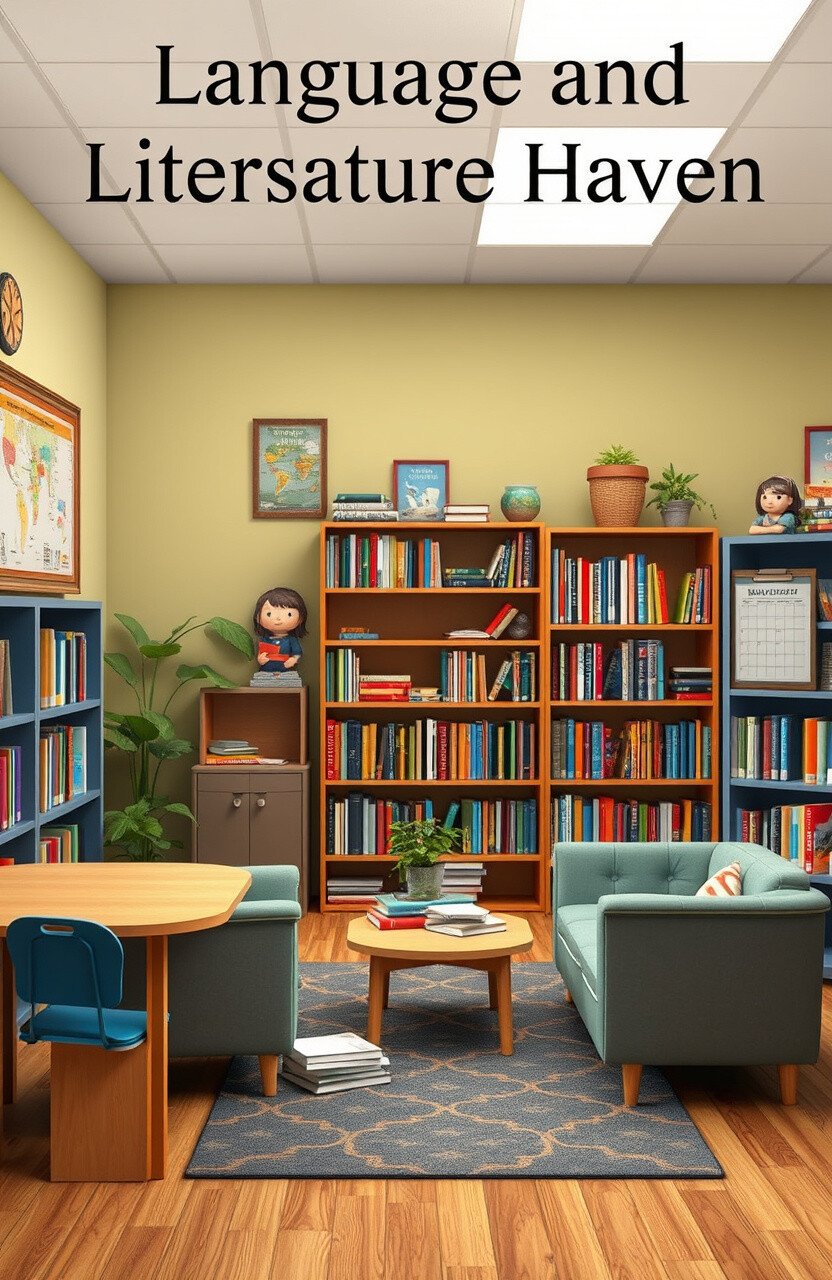
Imagine a cozy area dedicated to words and stories. A language haven promotes literacy and a love for reading and writing.
Exploring language can improve communication and comprehension. It’s a place where students can immerse themselves in literature.
Include unique features like language games or a poetry wall. Personalize with student-written stories or book reviews.
Use library resources or donations to build a diverse book collection. Encourage students to contribute their favorite reads.
24. Eco-Friendly Learning Space
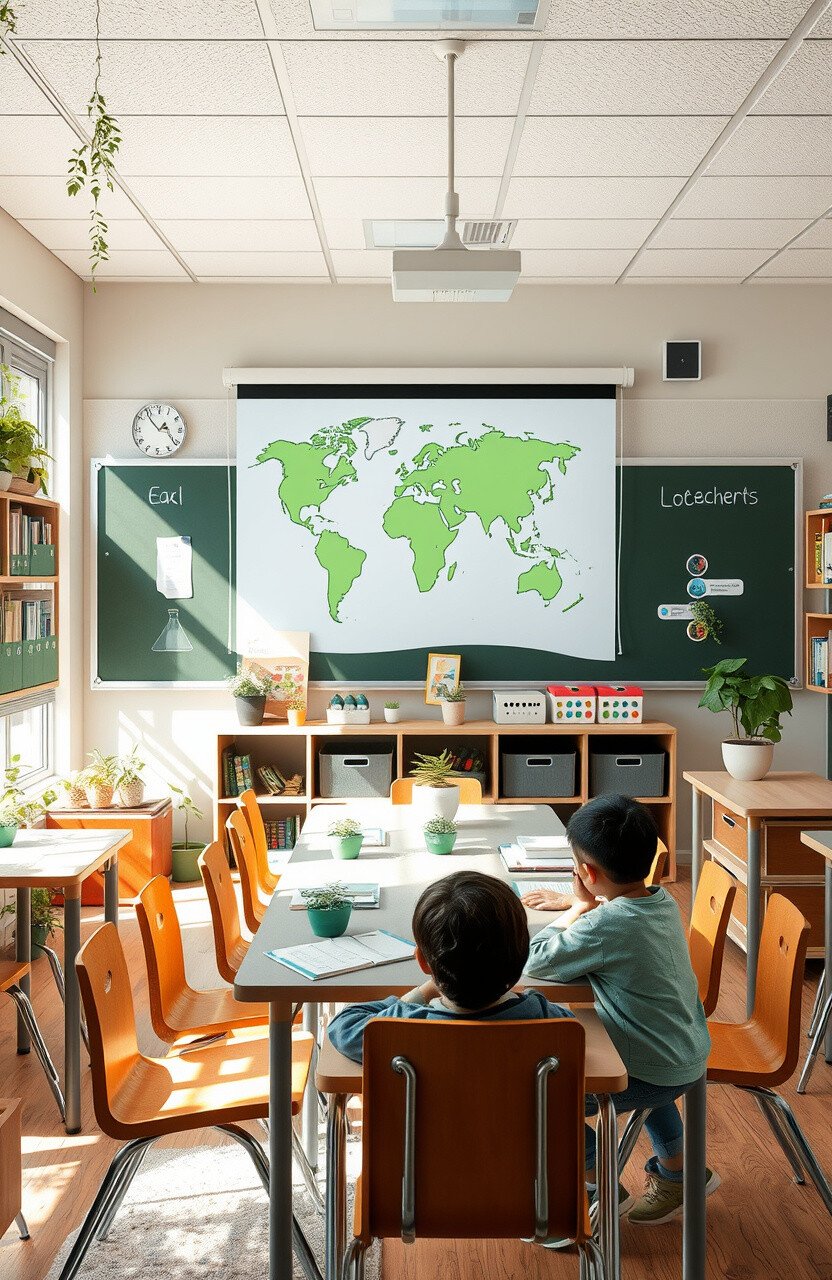
Picture a classroom that champions sustainability and green living. An eco-friendly space teaches the importance of caring for the planet.
Learning about sustainability can inspire eco-conscious decisions. It’s a way to integrate environmental lessons into daily activities.
Include unique elements like recycling stations or compost bins. Personalize with student-led green projects or initiatives.
Use recycled materials or donations for eco-friendly supplies. Partner with local environmental groups for support and resources.
25. Calm and Quiet Zone
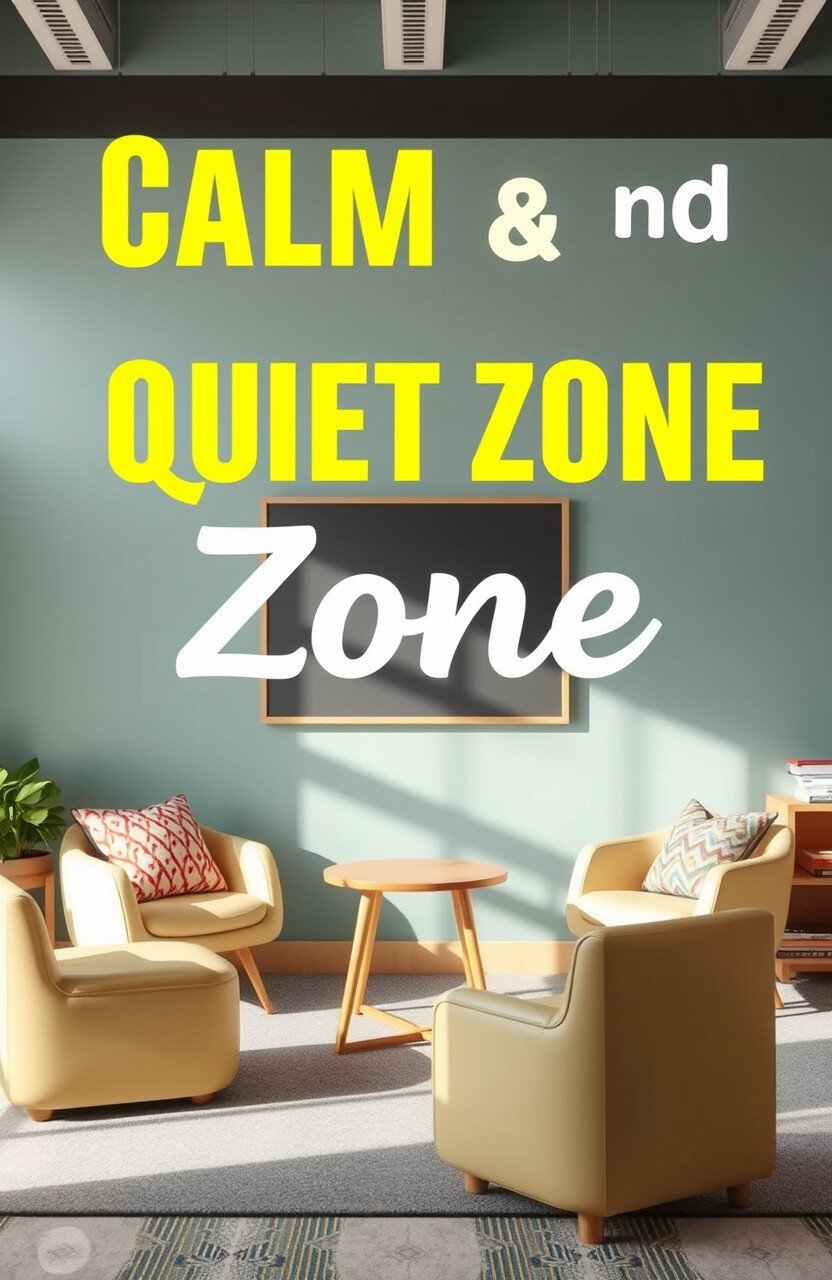
Imagine a serene space where peace and quiet reign. A calm zone offers a retreat from the hustle and bustle of the classroom.
Quiet areas can help students relax and focus. It’s a place where they can unwind and recharge.
Include unique features like soft seating or tranquil decor. Personalize with student-selected calming activities or books.
Use existing furniture or thrift store finds to create a budget-friendly space. DIY touches can add personal charm.
26. Technology-Free Zone
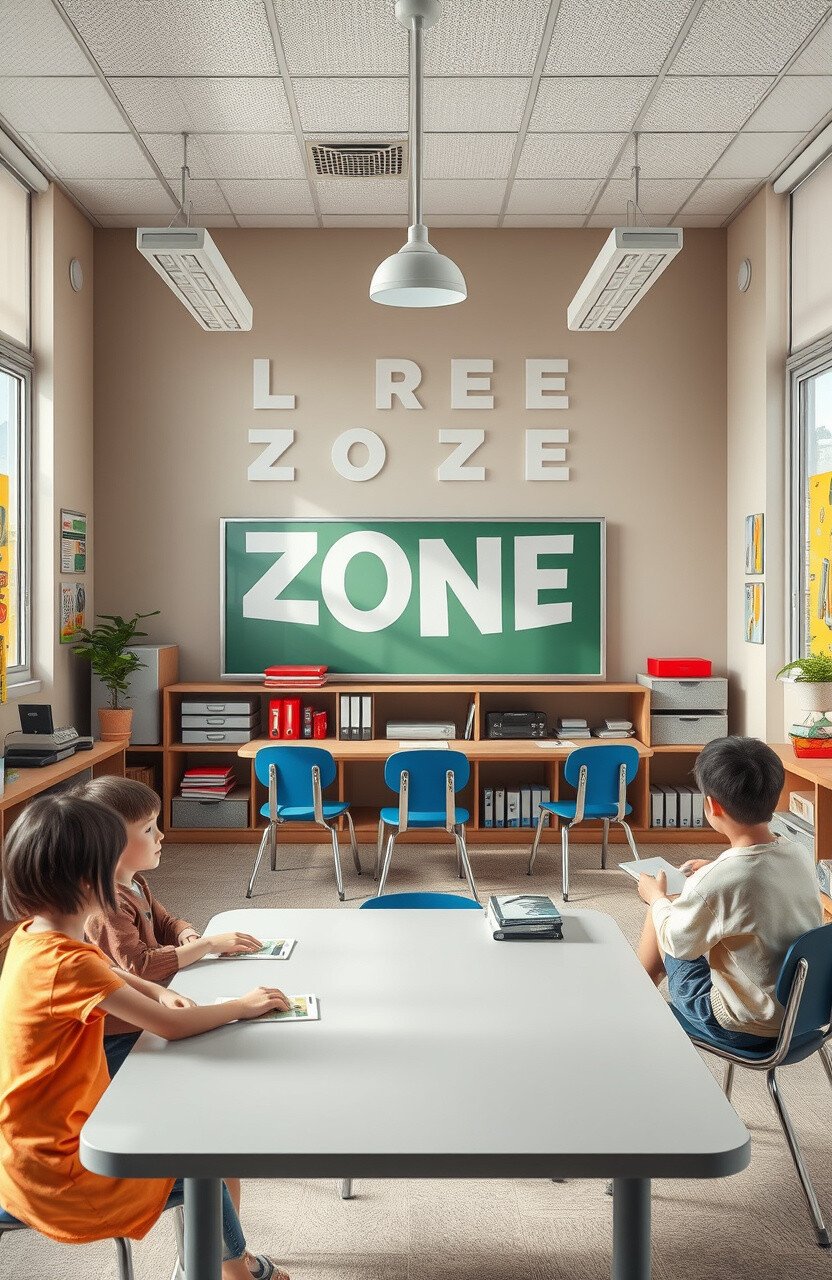
Picture a haven free from screens and devices. A technology-free zone encourages face-to-face interactions and unplugged learning.
Unplugged time can promote creativity and mindfulness. It’s a space where students can connect without digital distractions.
Include unique activities like board games or collaborative puzzles. Personalize with student-led discussions or book clubs.
Use existing resources or borrow games to keep costs low. Encourage students to bring favorite activities from home.
27. Art Gallery Showcase
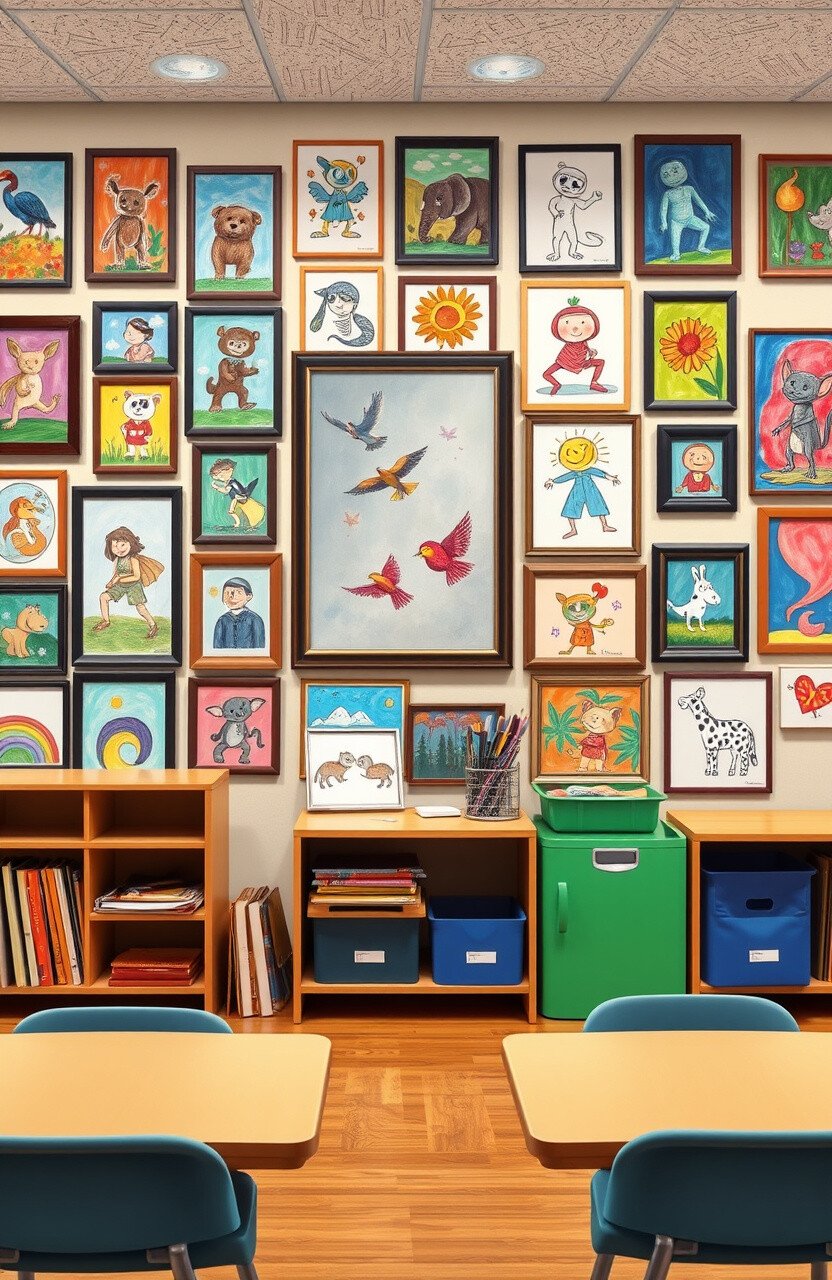
Imagine a wall filled with student masterpieces. An art gallery showcase celebrates creativity and artistic expression.
Displaying art can boost confidence and pride in achievements. It’s a visual reminder of talent and hard work.
Make it unique with rotating exhibits or themed displays. Personalize with student-curated shows or art critiques.
Use simple frames or clips to display artwork affordably. Encourage students to participate in setting up and curating the space.
28. Storytelling and Imagination Station
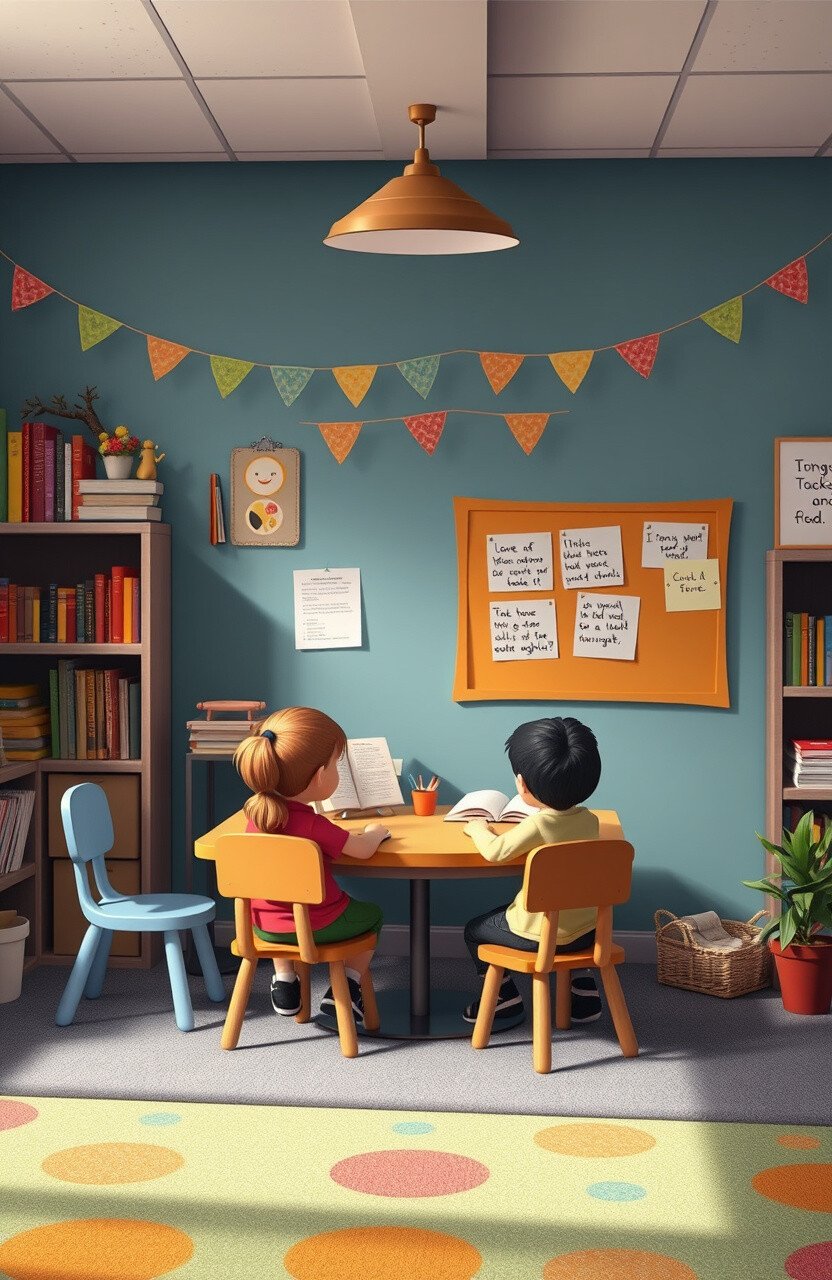
Picture a spot where stories come to life through words and play. A storytelling station ignites imagination and narrative skills.
Storytelling can enhance language and creativity. It’s a place where students can craft and share their own tales.
Include unique props, puppets, or storytelling prompts. Personalize with student-created stories or collaborative narratives.
Use DIY materials or donations to create props and prompts. Encourage students to contribute ideas and themes.
29. Seasonal and Holiday Corner
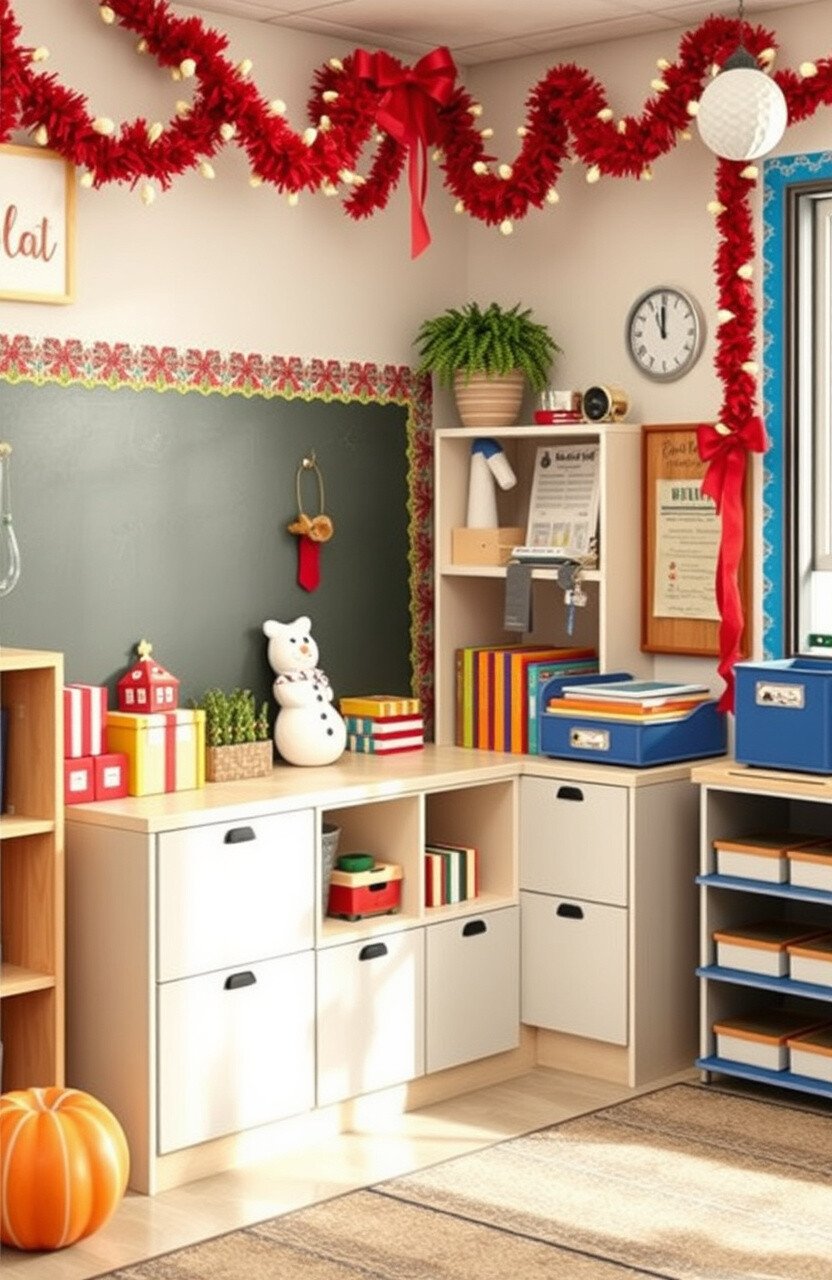
Imagine a space that changes with the seasons and celebrations. A seasonal corner keeps the classroom fresh and festive.
Celebrating seasons and holidays can make learning more engaging. It’s a way to connect lessons to the world around us.
Include unique decorations, crafts, or themed activities. Personalize with student-led projects or holiday traditions.
Reuse decorations or create DIY crafts to keep costs low. Encourage students to share their own holiday traditions.
30. Communication and Debate Area
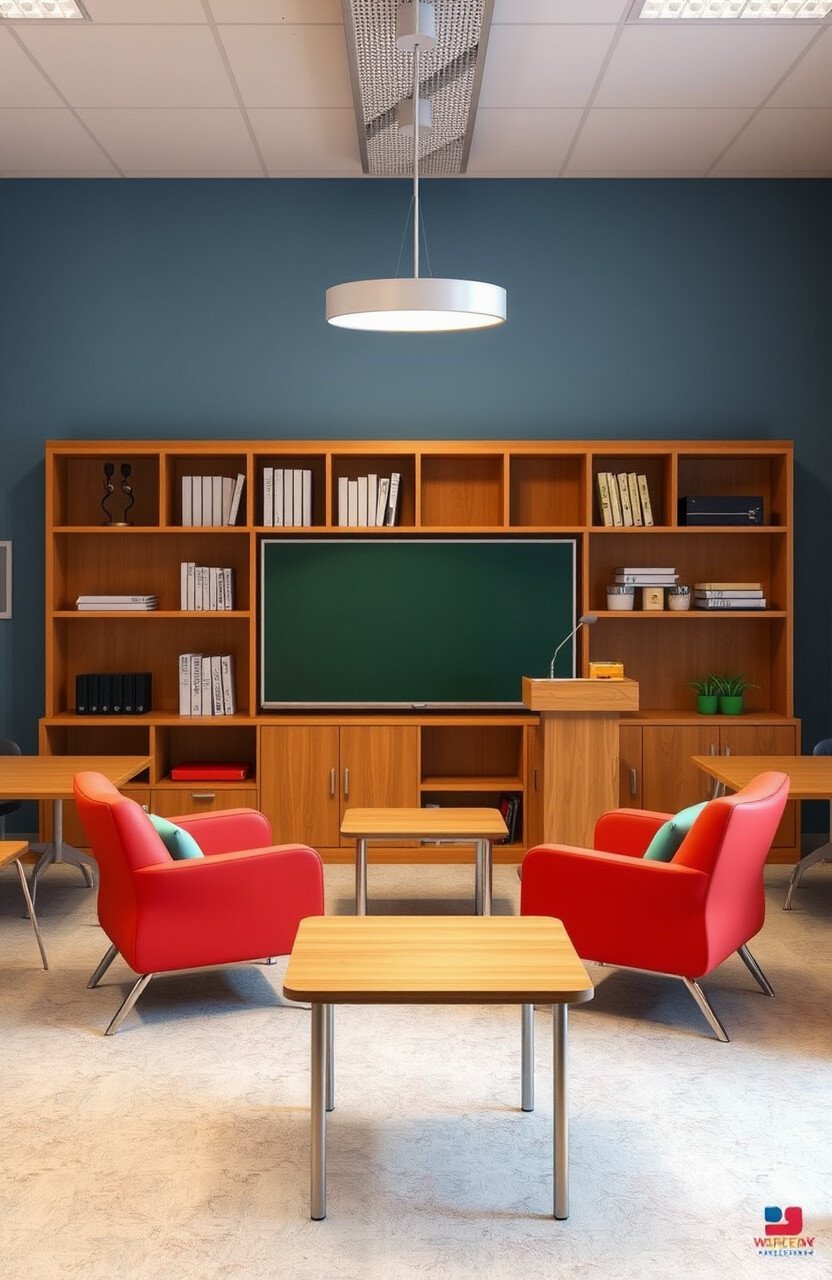
Picture a space dedicated to thoughtful discussions and debates. A communication area hones speaking and listening skills.
Debating can improve critical thinking and confidence. It’s a platform for students to voice their opinions and ideas.
Include unique elements like podiums, microphones, or debate topics. Personalize with student-chosen subjects or debate formats.
Use simple furniture arrangements and DIY podiums to set the stage. Encourage students to contribute topics and ideas.
31. Puzzle and Problem-Solving Spot
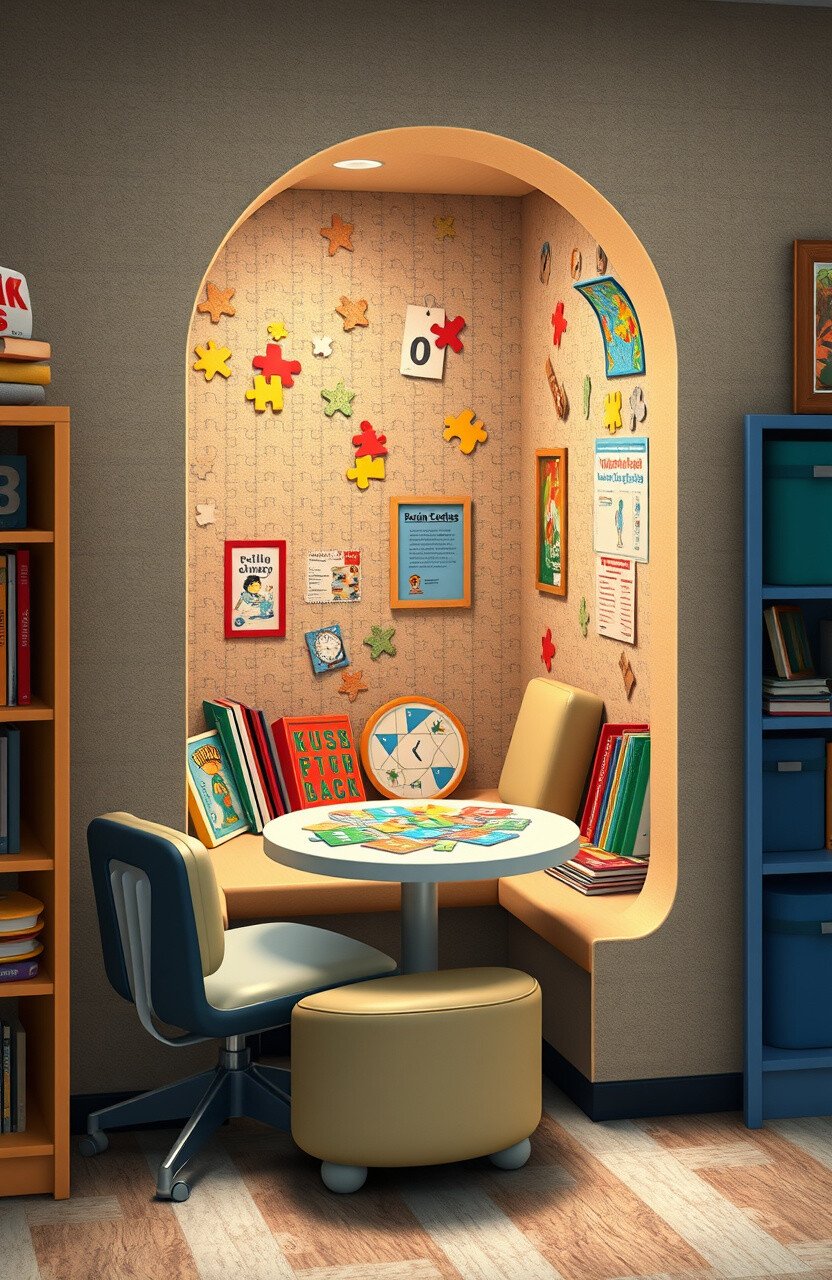
Imagine a nook filled with brainteasers and puzzles. A problem-solving spot challenges minds and fosters logical thinking.
Puzzles can improve concentration and perseverance. It’s a space where students can tackle challenges head-on.
Include unique puzzles, games, or riddles. Personalize with student-created challenges or competitions.
Use donations or thrift store finds to build a collection. Encourage students to contribute favorite puzzles or games.
32. Health and Wellness Zone

Picture a space focused on health and well-being. A wellness zone promotes physical and mental health awareness.
Learning about wellness can encourage healthy habits. It’s a space that supports overall student well-being.
Include unique features like exercise mats, healthy recipes, or relaxation tips. Personalize with student-led wellness initiatives.
Use community resources or donations to equip the space affordably. Encourage students to share wellness ideas and practices.
33. Digital Media Creation Hub

Imagine a spot buzzing with digital creativity and innovation. A media hub encourages exploration of digital tools and storytelling.
Creating digital media can enhance tech skills and creative expression. It’s a place where students can produce and share their work.
Include unique tools like cameras, editing software, or green screens. Personalize with student-led media projects or showcases.
Seek grants or community support for equipment. Use free or low-cost software for digital creation.
34. Outdoor Nature Classroom
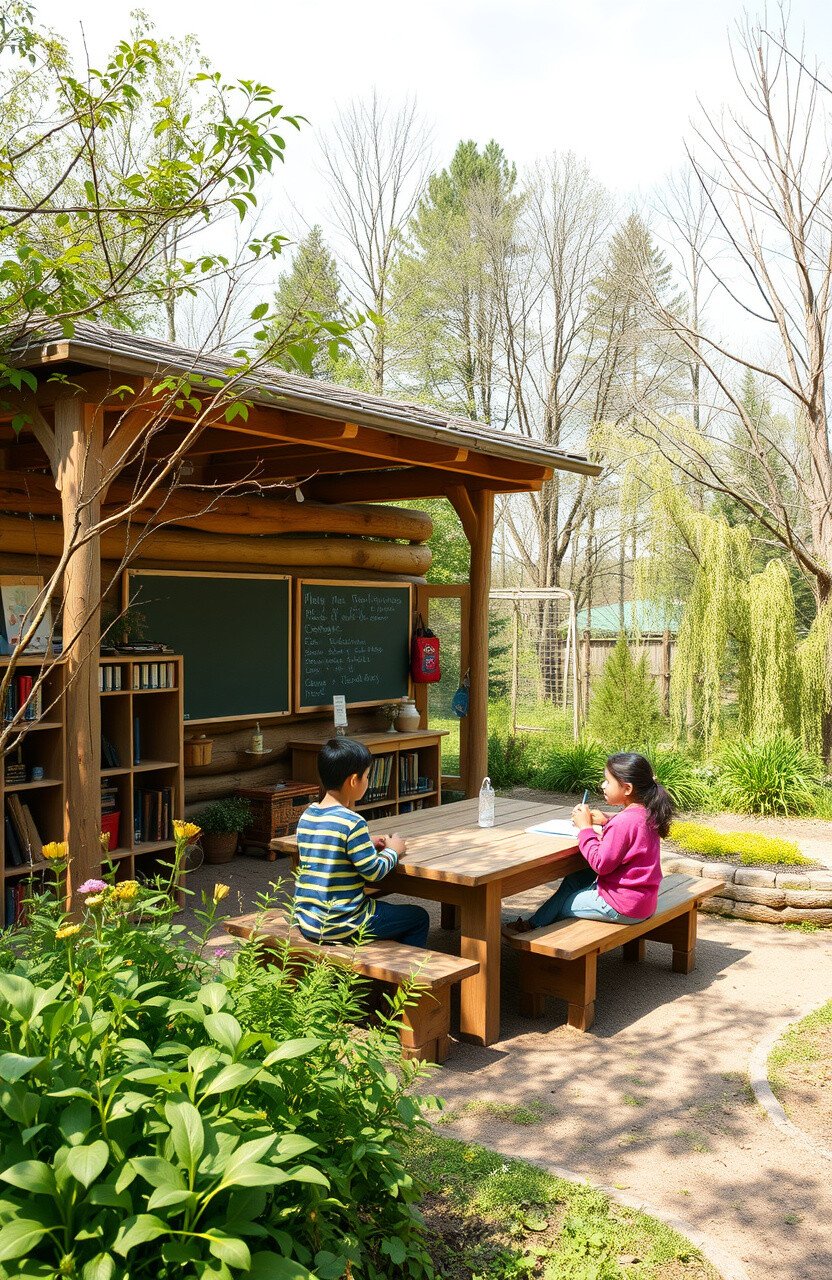
Picture a classroom where nature is the teacher. An outdoor classroom connects lessons to the natural world.
Learning outside can enhance engagement and understanding. It’s a dynamic way to explore and connect with nature.
Include unique features like outdoor seating, nature trails, or observation areas. Personalize with student-led nature projects or studies.
Partner with local parks or environmental groups for resources. Use natural or recycled materials to create an outdoor learning space.
35. Motivational Achievement Wall

Imagine a wall that celebrates student success and achievements. An achievement wall boosts morale and encourages effort.
Recognizing accomplishments can inspire motivation and pride. It’s a visual reminder of hard work and progress.
Include unique elements like certificates, awards, or photos. Personalize with student-nominated achievements or themes.
Use simple frames or clips to display achievements affordably. Encourage students to participate in nominating and celebrating peers.