The energy of a unit can change on a single day. When nurses feel supported, patient care gets stronger too.
Good activities do more than break up routines. They help people connect, recharge, and practice skills in ways that feel human.
1. Start With a “Shift Story” Wall
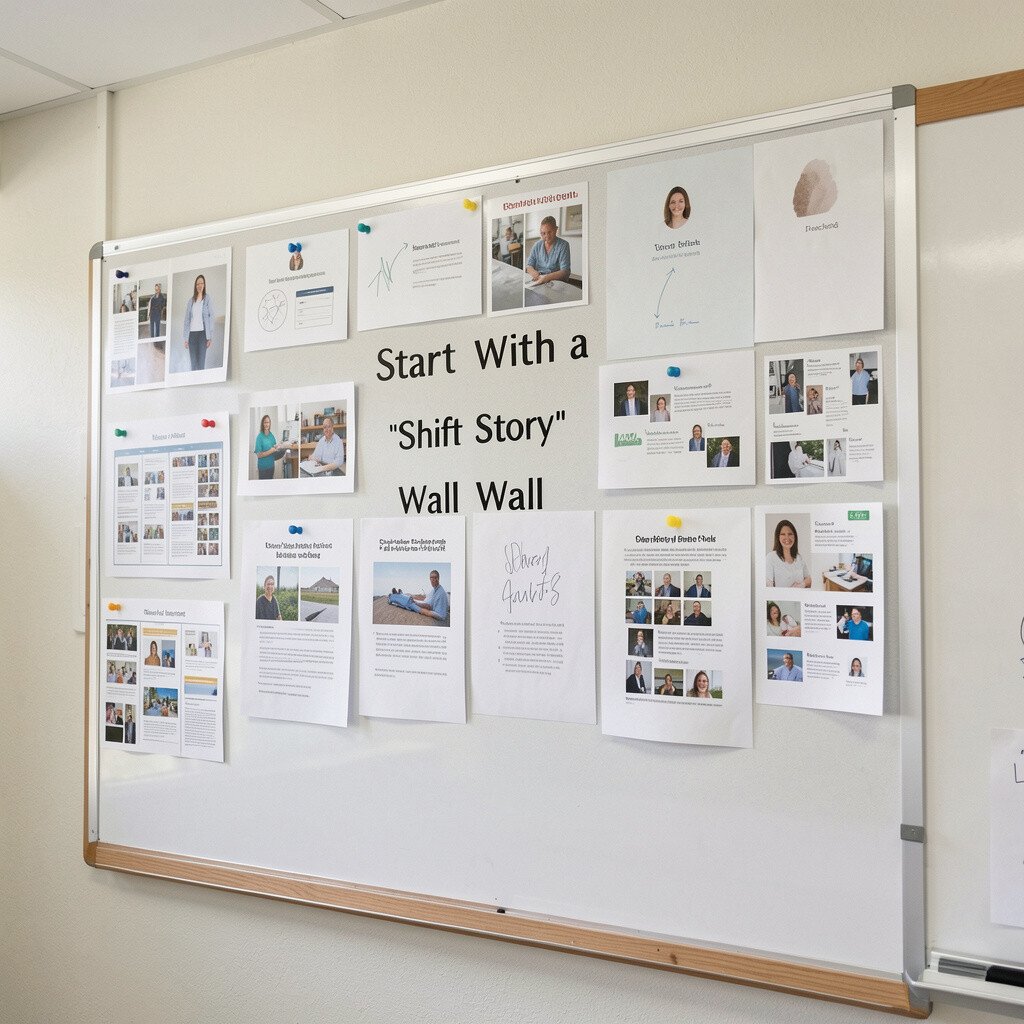
Place a simple board in a staff-friendly spot and invite nurses to share one short moment from their shift. Use sticky notes so the wall fills with warm stories like teamwork wins, funny observations, and small kindnesses.
Seeing real moments in bright handwriting boosts belonging and lifts morale. Keep instructions gentle, like sharing what went well or what helped someone, and set a weekly refresh so it never feels cluttered.
2. Host Micro-Growth Skills Rounds

Pick one practical skill each week and run a short round during a naturally calm time. The room can look lively with chairs in a circle, a whiteboard nearby, and a few real supplies laid out clearly.
Nurses gain confidence when practice is quick and focused, not overwhelming. To keep it fair, rotate who leads, use simple demonstrations, and personalize examples so they match your unit’s common cases.
For cost, choose low-cost items like a stopwatch, printed checklists, or reusable practice models if you already have them. A current trend is “just-in-time coaching,” so short sessions that fit real schedules tend to land well.
3. Run a Kindness Bingo Card
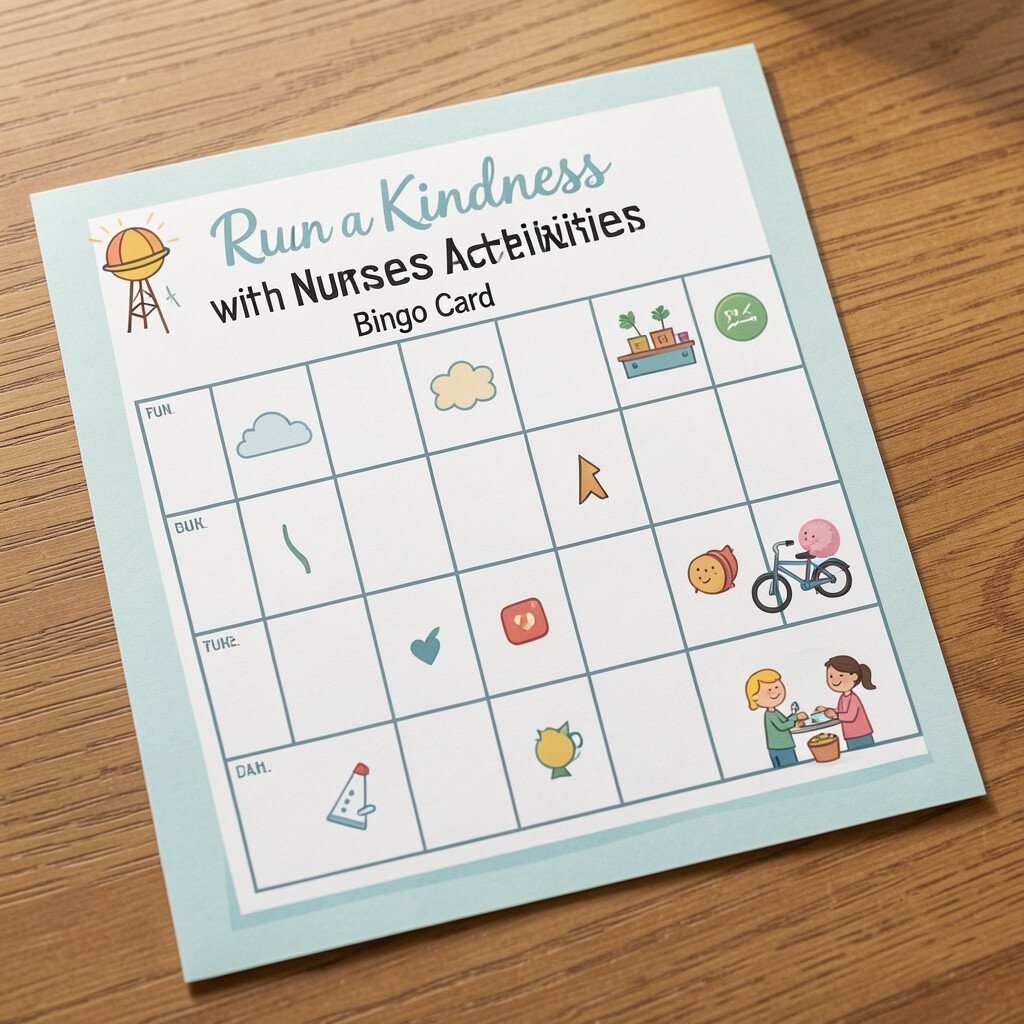
Create a bingo card where each square describes a small act of support, like writing a thank-you note or helping a coworker find supplies. Use bold colors and easy language so the cards feel playful, not like paperwork.
Nurses often enjoy friendly challenges, and it can reduce stress by shifting attention to positive teamwork. Make it flexible by allowing different ways to earn a square, and celebrate quietly so everyone feels safe participating.
Keep printing costs low by using one per team and sharing a digital copy. Personalize the squares for your setting, such as adding items that match your pace, patient flow, or skill mix.
4. Plan a “Choice Stations” Team Day

Instead of one big event, set up several stations and let nurses choose what fits their energy. You can include a short stretching area, a snack-and-chat table, a quick learning corner, and a calm decompression space with soft lighting.
This approach respects different personalities, so more people show up and actually enjoy it. It also helps retention because nurses feel seen, not forced, and you can tailor each station to your unit’s daily reality.
5. Use Theme-Based Badge Days
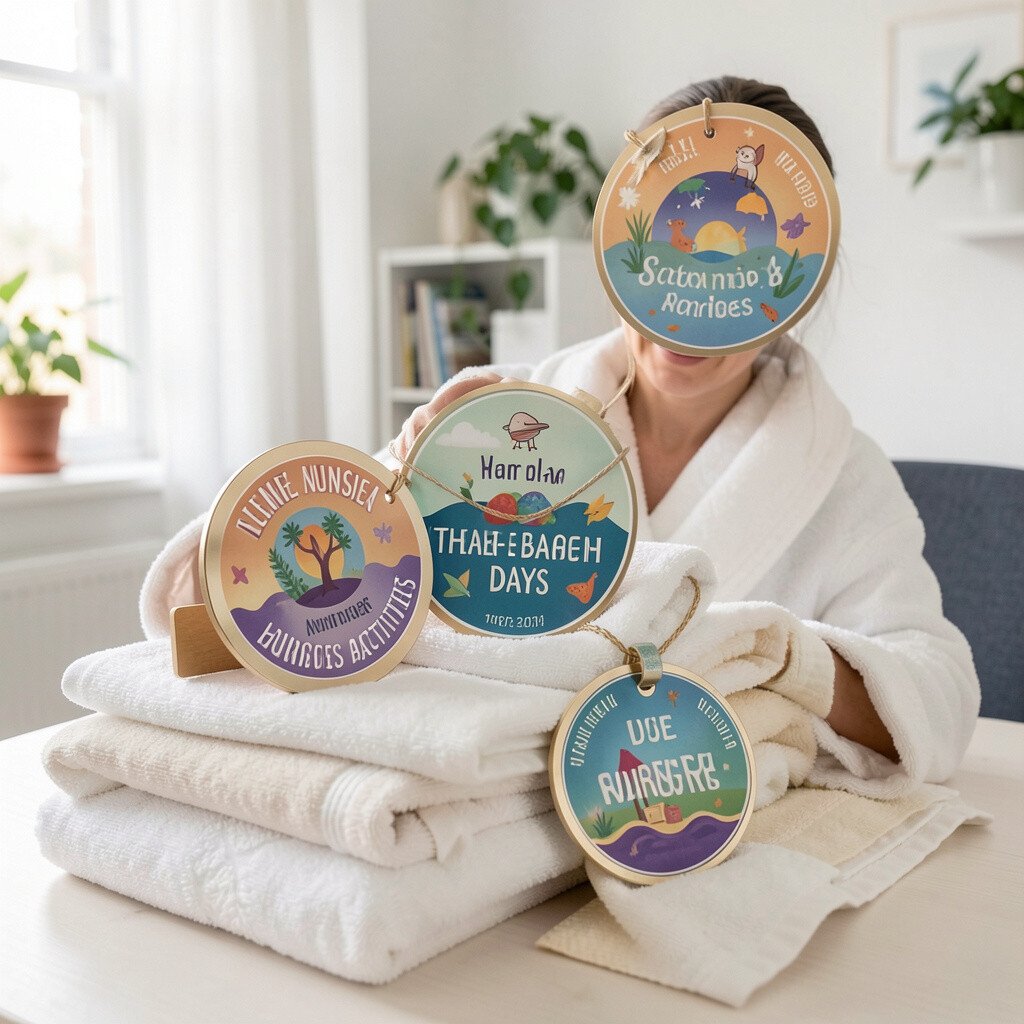
Pick a fun theme for a badge day, such as “super helper,” “comfort crew,” or “team navigator.” You can print simple badges or use magnet name tags, and the visual pop makes the day feel like a celebration.
Recognition like this boosts motivation and encourages a culture where support is noticed. Keep it practical by rotating themes so the same people do not always get the spotlight, and personalize messages so they match each nurse’s role.
Cost can stay low with paper badges or reusable name tag clips. A current trend is “meaningful micro-recognition,” and these small moments can create big energy shifts.
6. Create a Calm Corner With Real Choices

Build a calm corner using items you can assemble safely and quickly. Think soft chairs, a small shelf with fidgets, a scent-free hand lotion option, and a simple timer so anyone can choose a short reset.
This is unique because it supports self-regulation in a way that fits busy shifts. It helps nurses feel steadier, which can improve communication during stressful moments.
Personalize what you include based on feedback, because some people want quiet and others want light activity. For cost, focus on affordable basics like comfortable seating cushions, printed breathing cards, and already-available wellness items.
7. Hold a “Safety Myth vs Reality” Game Night

Turn everyday safety topics into a friendly game with cards, quick scenarios, and lively discussion. The room can look inviting with clear signage, a timer, and teams gathered around small clusters.
Nurses learn best when information feels relevant and memorable, and game formats often reduce fear of making mistakes. Keep the tone supportive by using respectful language and making sure the correct guidance is shared after each round.
8. Run a Patient Story Thank-You Craft
Invite nurses to make small cards that thank patients for the lessons learned, when appropriate and permitted. Use simple art supplies like colored paper, stickers, and pens, and keep the process gentle so it does not feel like extra labor.
Crafting can be surprisingly calming and it helps nurses connect to purpose. It also creates a visible reminder that care matters, which can strengthen emotional endurance.
9. Plan a Rotating Lunch With “Conversation Prompts”

Schedule a rotating group lunch where each table gets a few light conversation prompts to keep things flowing. A simple table sign and a short list of prompts can guide discussions while leaving room for laughter.
This activity builds relationships that carry into shifts, making teamwork smoother when pressure rises. It also supports uniqueness because nurses can choose how personal they want the conversation to be.
For cost, use potluck options or set a modest budget and partner with local vendors for bulk discounts. A current trend is micro-community building, and that fits nursing culture well because it is small, consistent, and realistic.
10. Host a “Badge of Skills” Mini Showcase

Ask nurses to highlight a skill they’re proud of, such as IV setup efficiency, wound care basics, or patient education phrasing. Make the showcase practical by using short demonstrations and real tools already used on the unit.
Visual learning boosts confidence, and seeing skills from peers makes the training feel more relatable. It also helps new staff because they gain trusted examples from people who understand your workflows.
Personalize the showcase by matching topics to current needs, like onboarding goals or common questions from patients. Keep costs low by using existing supplies and printed one-page reminders, then rotate who presents so the work stays fair.
11. Launch a “Tool Time” Supply Improvement Sprint

Choose one small supply issue and let a group test a better system, like labeling bins or reorganizing a shared station. You can make the space look clear and fresh with color-coded labels and tidy shelves.
This is actionable and it feels empowering because nurses see direct improvement after the effort. It also saves time during busy shifts, which can reduce frustration and support better patient flow.
12. Create an Outdoor Walk or Stretch Loop

Plan a short outdoor walk or a stretch loop when weather and staffing allow. A visual touch like bright cones marking a simple path helps people feel guided, even if they are new to wellness activities.
Movement can lower stress and boost energy, and it gives nurses a reset that still fits a real schedule. Personalize it by offering choices, such as a slower mindful walk, light stretching, or a quick breathing practice.
13. Celebrate “Years of Care” With Story Capsules
Make a celebration where nurses write a short reflection about what helped them last year in the work they do. Use small sealed envelopes or “capsules” placed on a table so the visual feels thoughtful and organized.
These story capsules build connection across experience levels and strengthen a culture of respect. It also supports uniqueness because each nurse’s journey becomes part of shared meaning.
For cost, keep it minimal with envelopes, pens, and a simple binder to store the notes. If you want a modern touch, digitize the stories later with a permission-based photo of each capsule card, which fits current ideas about preserving culture while reducing physical clutter.