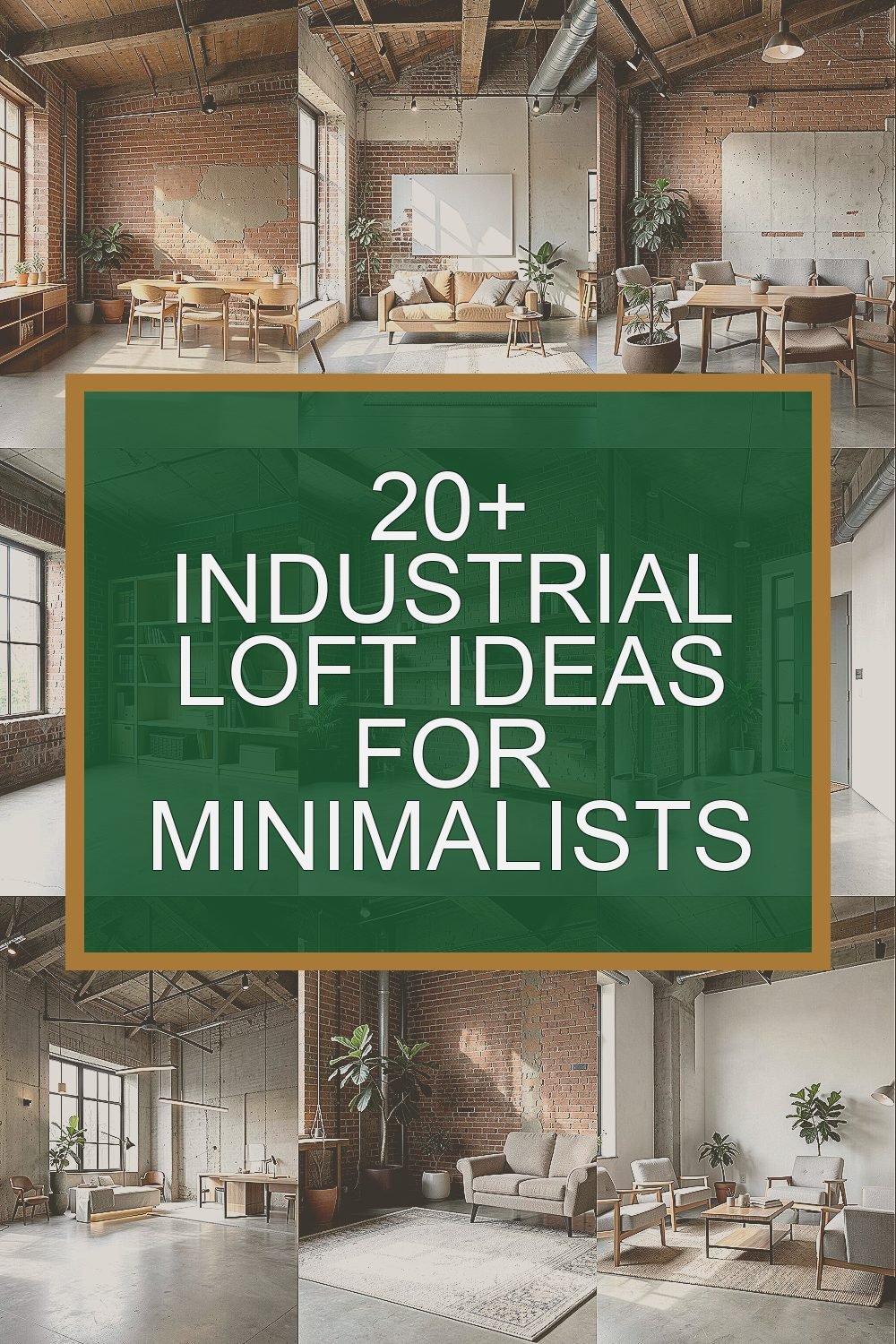
The city outside keeps moving, but your space can feel quiet. Industrial bones and minimal habits can work together beautifully.
Think of exposed structure, clean lines, and a home that stays calm even on busy days. With the right choices, an industrial loft can feel warm, personal, and easy to live in.
1. Keep the Palette Warm and Simple
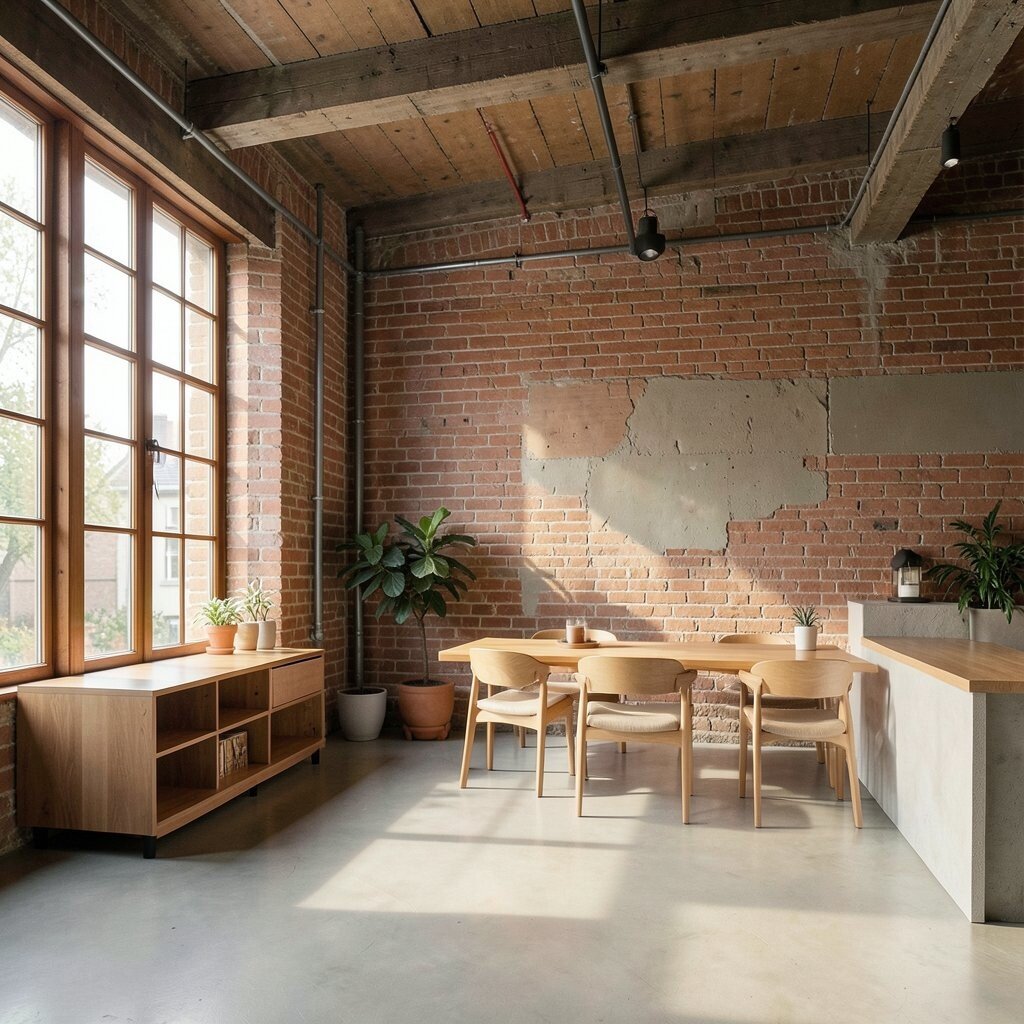
Start by choosing a small set of calming colors that let the loft’s texture shine. Warm neutrals like soft gray, sand, and creamy white make brick, steel, and concrete look intentional. Add one gentle accent, such as muted olive or rust, so the space feels alive without feeling busy.
Stick to finishes that match or quietly blend, like matte paint and natural wood. This reduces visual noise and makes daily clutter less noticeable. If you want a fast upgrade, paint bulky areas first, then select textiles in the same tone family. You’ll spend less time reorganizing because everything already feels like it belongs.
2. Let Natural Light Be the Main Decor
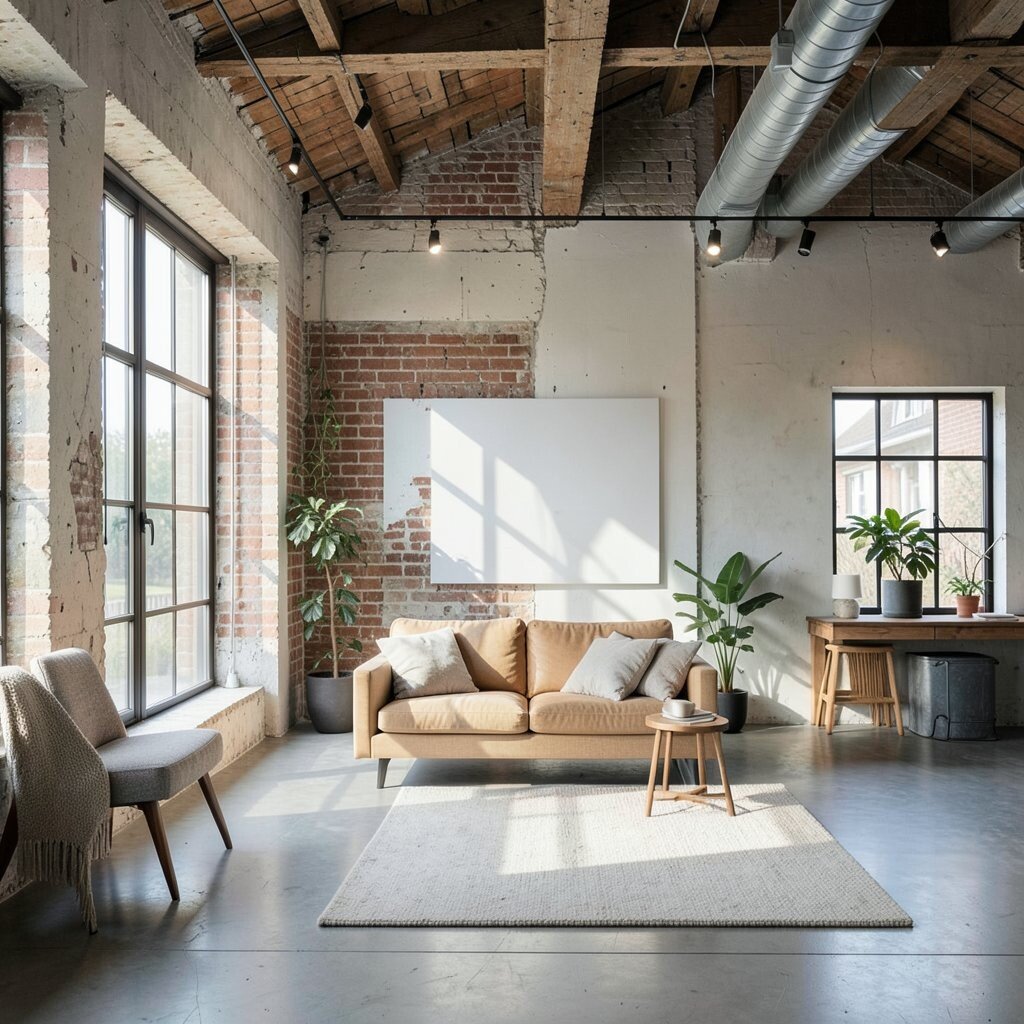
Industrial lofts often have tall windows, and they can do most of the work. Use sheer curtains or slim blinds so daylight stays strong and clean. When light hits exposed beams and polished floors, it creates a soft glow that feels modern and calm.
Position your seating to face the window, even if it’s just part of the day. Light makes the room feel larger and helps your mind feel less crowded. For practical gains, keep window sills clear so the view stays crisp. If privacy matters, choose frosted glass films or layered sheers that still let brightness in.
To personalize, add one simple lamp with a warm bulb near the brightest area, so evenings feel steady too. This approach is popular right now because people want spaces that look good in both daylight and night light. It can cost less than buying lots of new decor because the main change is your arrangement.
3. Choose One Statement Texture
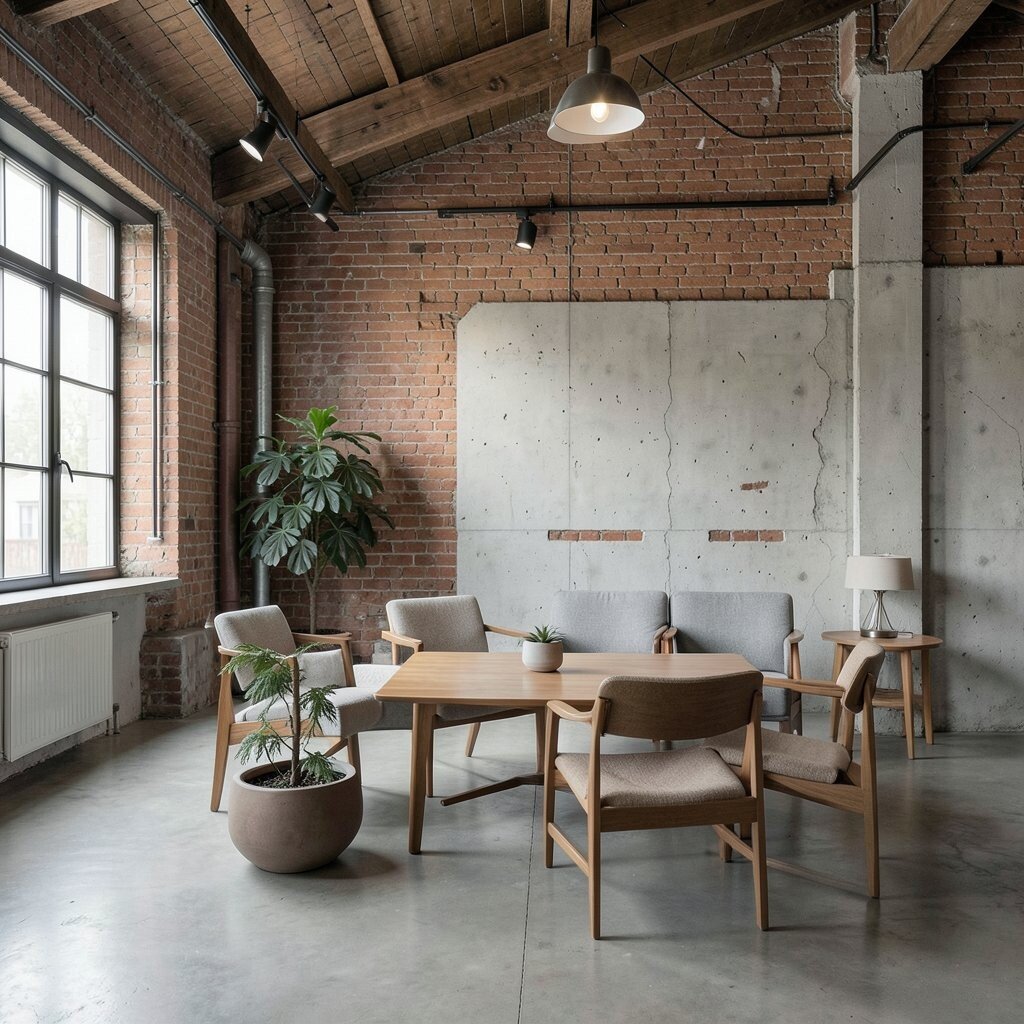
Pick a single texture to highlight, like a dark metal shelving run, a rough brick wall, or a reclaimed wood console. When you treat that surface like a main character, the rest can stay calm. The loft already has bold materials, so your job is to edit and refine.
Keep other surfaces smooth and quiet, so the eye rests instead of bouncing around. You can place one rug with a subtle pattern to balance the raw floor texture. For a minimal look, avoid mixing too many heavy textures at once.
Try adding a single accent piece, such as a textured ceramic vase or a linen throw, to bring comfort without clutter. This keeps the space unique because it follows your taste, not a generic style checklist. It also tends to stay budget friendly, since one strong material choice can replace multiple decorations.
4. Build Storage Into the Background
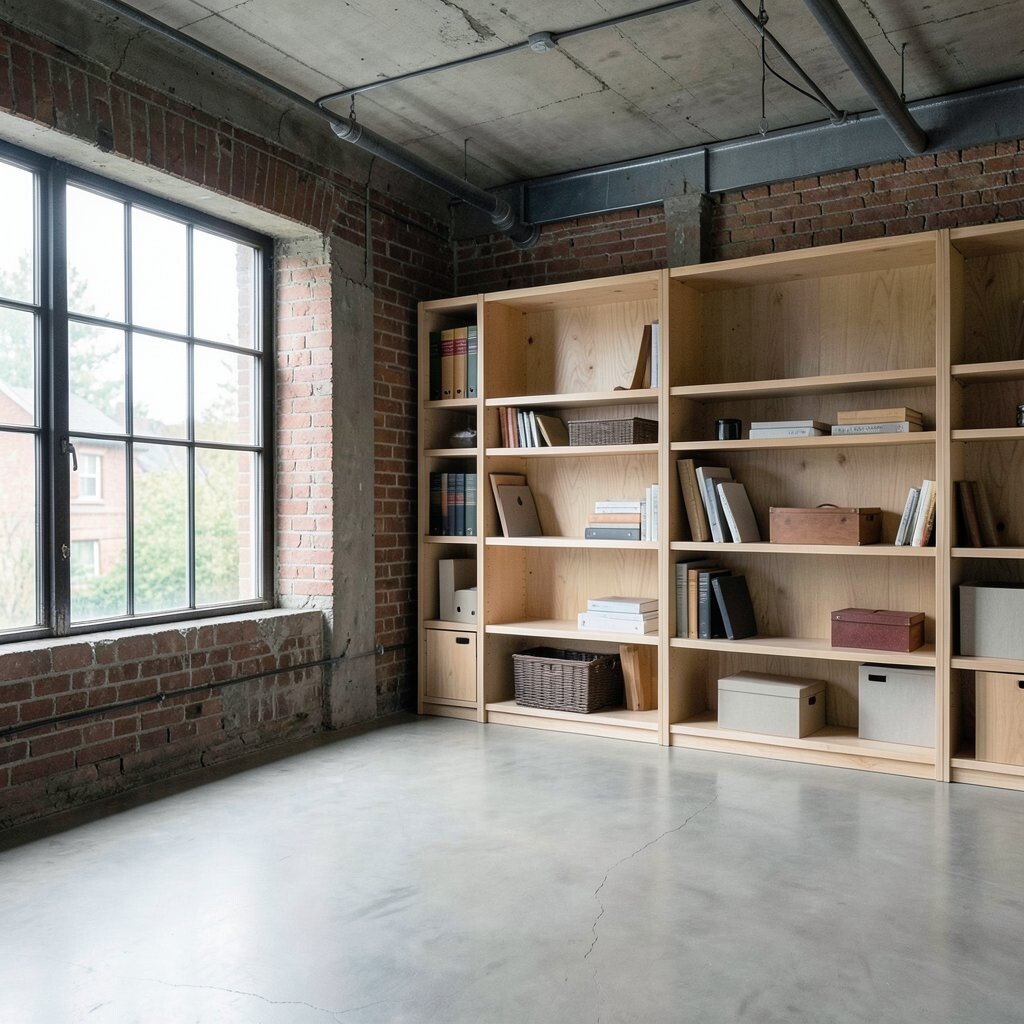
Minimalism feels easiest when your storage disappears. Look for cabinetry that matches the wall color or choose built-ins that run along the ceiling height. In an industrial loft, you can use closed-door storage to keep visible shelves from turning into visual mess.
Use slim organizers inside drawers and cabinets so things stay in their place. When every small item has a home, your loft looks tidy even when life gets busy. If you rent, consider freestanding storage with matching finishes, like a matte black cabinet or light wood sideboard.
5. Use Floating Shelves Sparingly
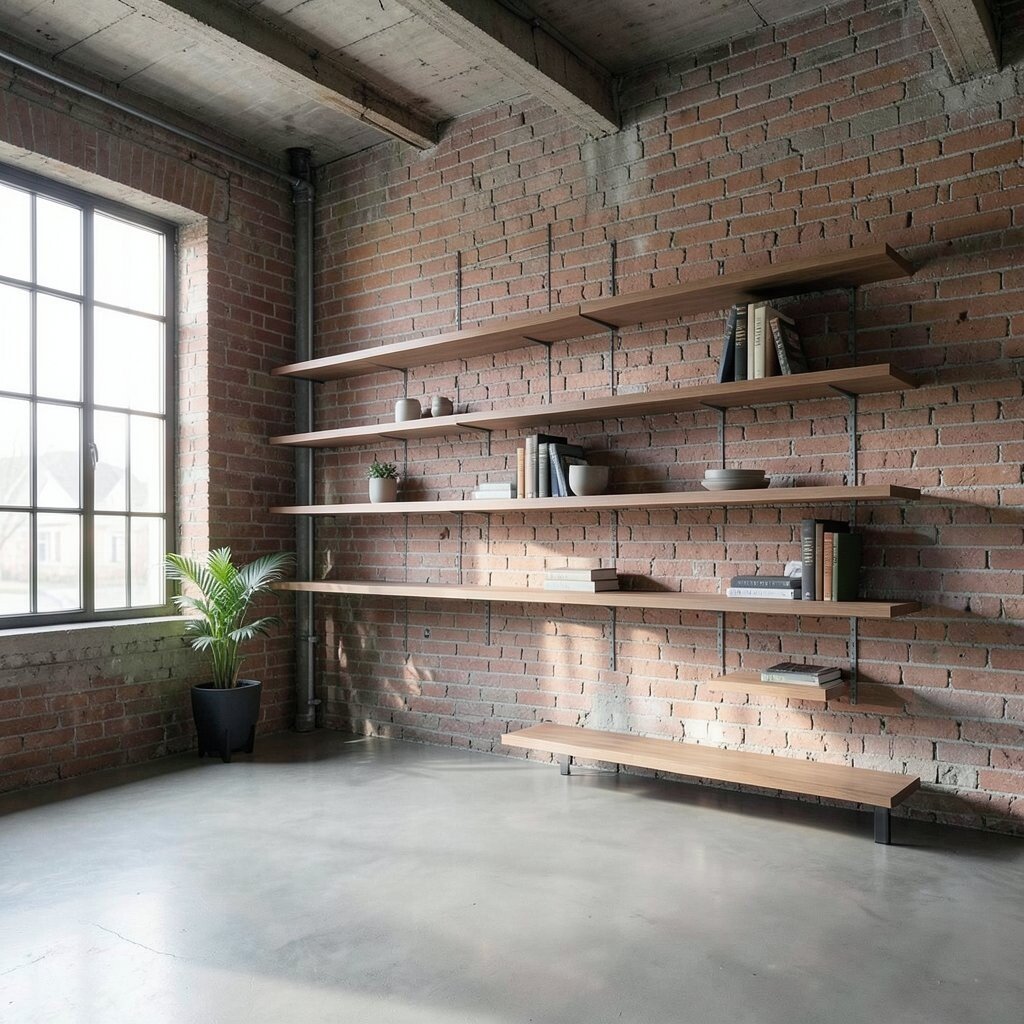
Floating shelves can look great in industrial lofts, but they can also turn into a clutter magnet. Choose a short run and keep it focused on only a few items. Style them with books stacked the same direction and one or two objects that feel meaningful, like a small sculpture or a framed photo.
For visual calm, use books with similar colors or neutral covers. Leave empty space between items so the shelf feels breathable. If you need storage, combine one shelf with a nearby cabinet so everyday tools are hidden.
A neat shelf is also helpful for routines because you can grab things quickly without searching. To personalize, rotate one seasonal piece like a terracotta pot or a minimal candle holder. This can stay within a reasonable cost range because you’re mostly paying for shelves and keeping the display edit tight.
6. Create a Clean Entry Zone

Your entry area sets the mood for the whole loft. Even if it’s just a corner, add a simple bench with a closed base or a narrow console with drawers. A small tray for keys and a slim hook for coats keep daily items contained.
Choose a neutral doormat and a single umbrella stand to reduce extra clutter. Industrial lofts often show dirt fast on bare floors, so a defined entry helps you maintain a clean look. If you want a modern feel, match metal hardware finishes across the space, like black or brushed steel.
7. Pick Lighting That Feels Like Architecture

Industrial lofts shine with the right lighting, especially when it looks structural. Consider a pendant over a dining table or a track system with simple lines. Use warm bulbs so the space feels welcoming rather than harsh.
Layer lighting with a floor lamp or two, but keep shades minimal and consistent. When everything follows the same style language, your loft feels designed instead of decorated. For practical comfort, use dimmers so you can adjust brightness for work, relaxing, and guests.
To personalize, choose one fixture with a subtle personality, like a textured glass shade or a slim metal cage. This approach reflects current trends toward statement lighting with clean shapes. It can be worth the cost because lighting affects every mood, even with fewer accessories.
8. Keep Rugs Low-Drama and Grounded
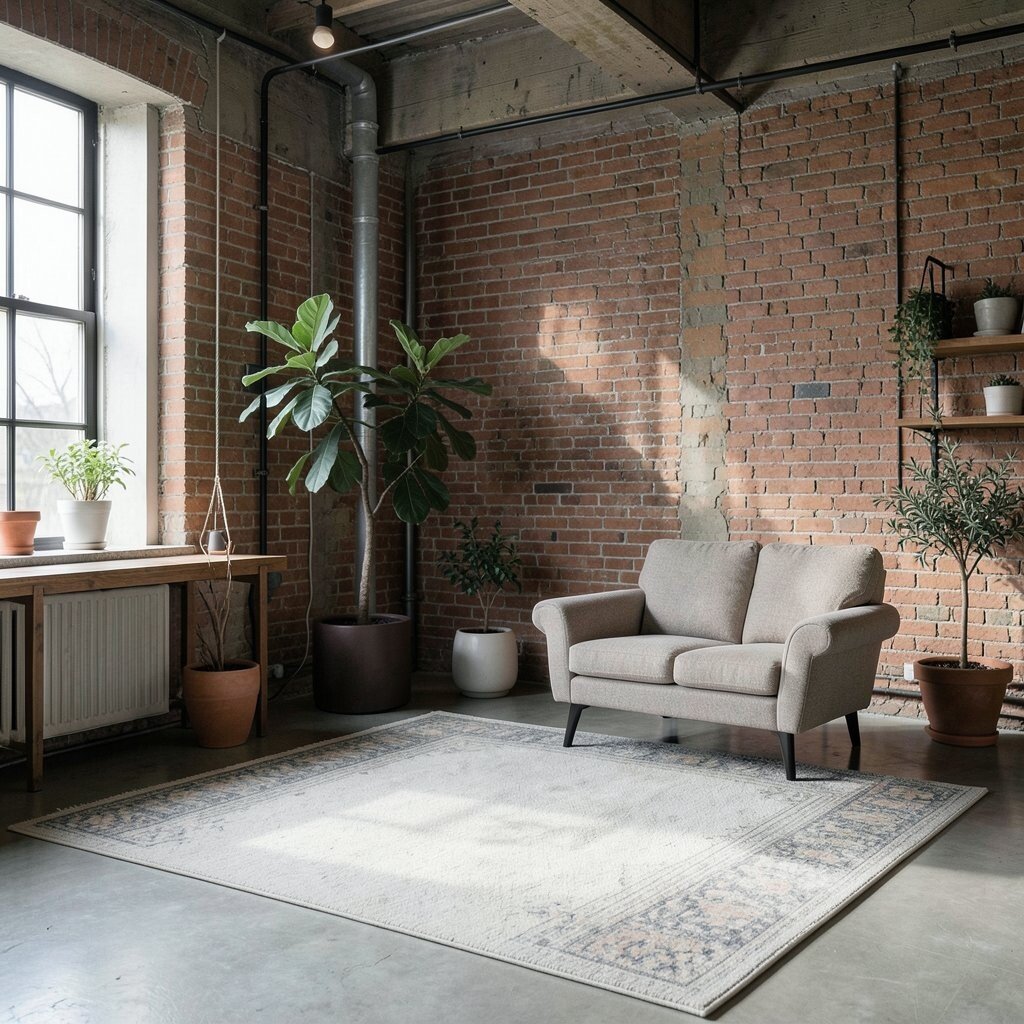
Rugs help minimalists because they visually anchor a room. In an industrial loft, aim for natural materials or simple patterns that look sturdy. A flatweave rug or low-pile option works well under dining chairs and keeps cleaning simple.
Choose colors that match your palette so the rug doesn’t fight the brick and concrete. If you love a bolder vibe, pick one rug with a restrained pattern instead of mixing multiple prints. Measure carefully so the rug fits the seating area without looking random.
9. Select Furniture With Clear Lines
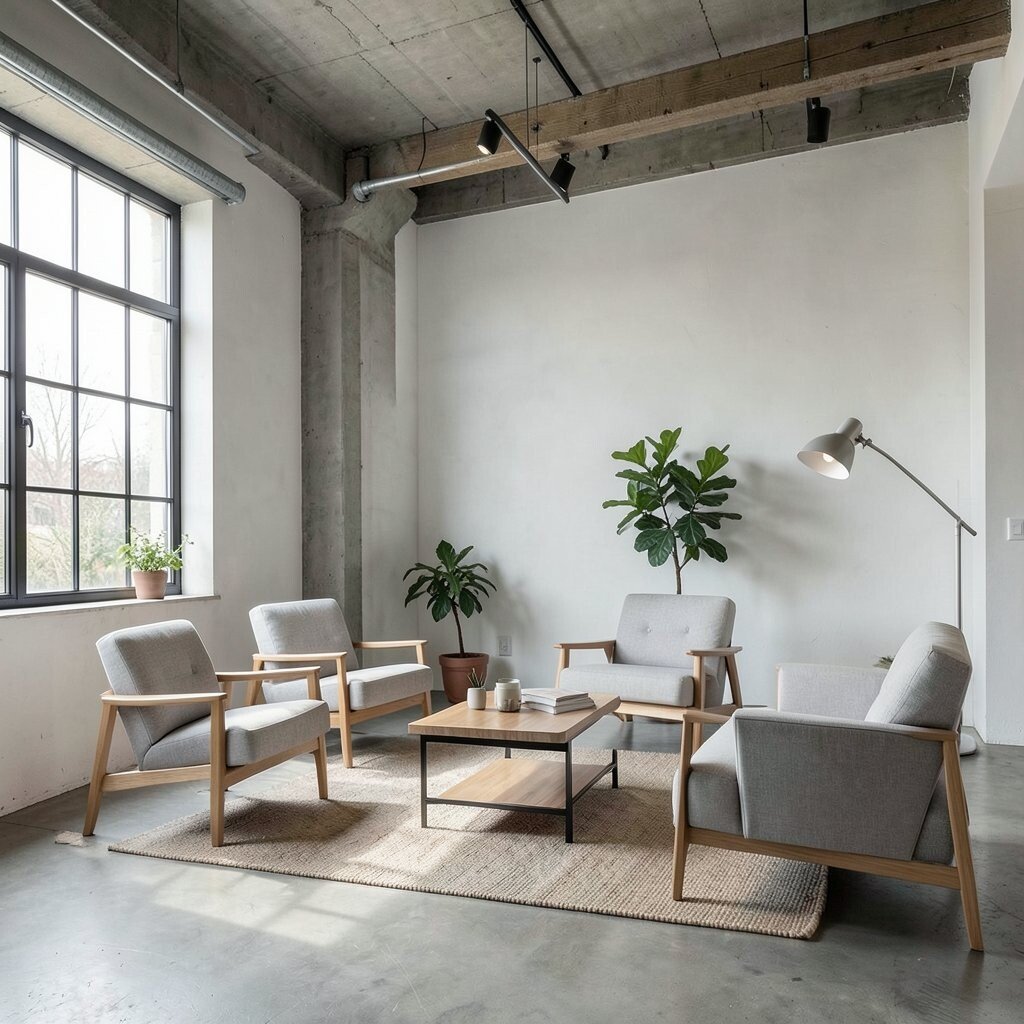
Minimalist furniture usually looks best when it has steady shapes and honest materials. Look for a sofa with clean seams, a coffee table with simple legs, and a dining set with slim profiles. In industrial spaces, leather, light wood, and metal accents blend naturally.
Keep proportions in mind, especially in open lofts. A bulky sectional can block the flow and make the room feel heavier. If you want an open feel, use a smaller seating piece and place a low cabinet behind it to define the zone.
To personalize, add one soft item like a throw pillow collection with matching textures. This keeps your style visible without piling on visual clutter. When budget matters, focus spending on the largest items first, because they dominate how the room feels.
10. Turn Exposed Brick Into a Feature, Not a Backdrop
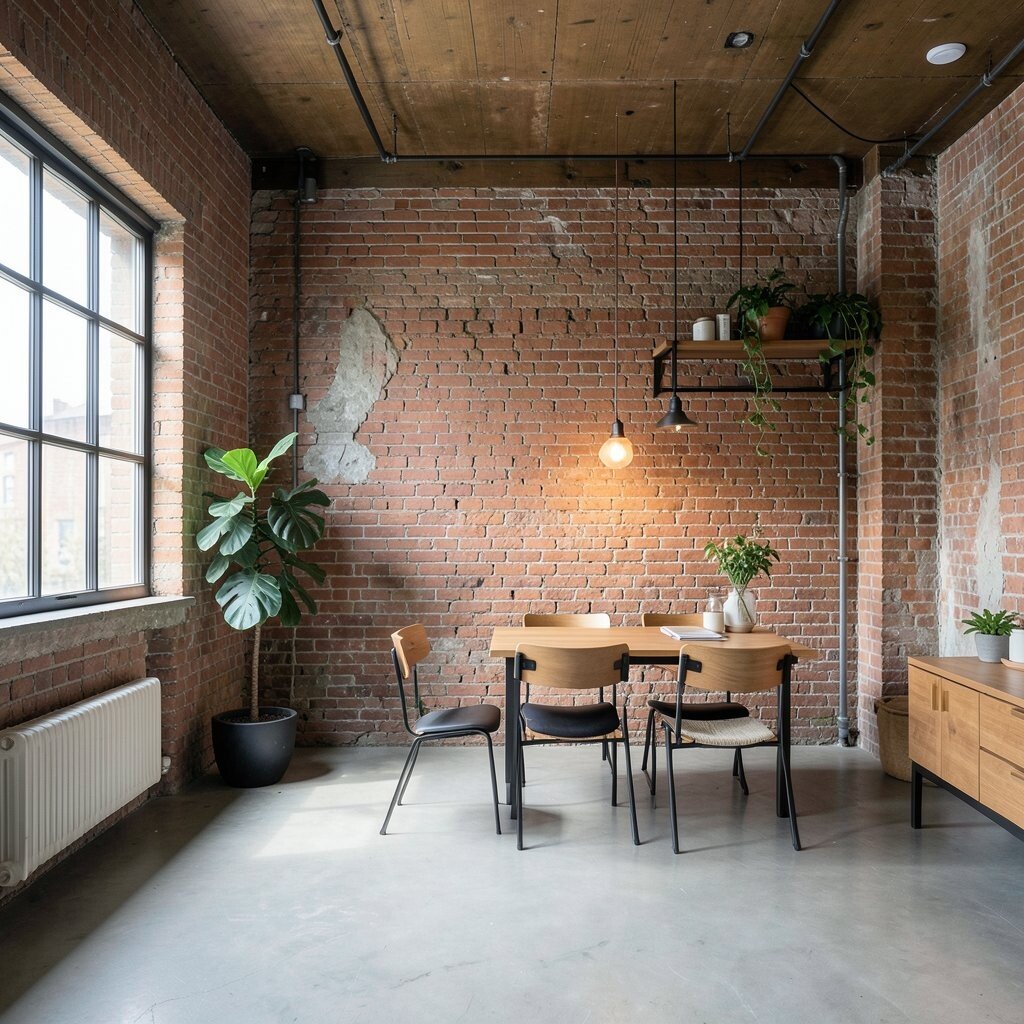
Exposed brick is already dramatic, so it deserves a plan. Keep the wall clean and consistent in tone, using gentle cleaning and sealing if needed. If the brick feels too red, consider limewash for a softer, modern look.
To keep minimalism strong, avoid hanging many small items on brick. Choose one larger piece, like a large mirror or a single oversized artwork. This makes the wall feel intentional and reduces the sense of clutter.
11. Use Mirrors to Expand the View

Mirrors are an easy way to make an industrial loft feel bigger. Place a large mirror near natural light to bounce brightness across the room. A simple metal frame can match the loft’s structure and keep the style cohesive.
Try a mirror with a clean edge rather than ornate details, especially in a minimalist space. If you want function, use a full-length mirror near the entry for quick outfit checks. This is a practical upgrade that also makes the loft feel airy without adding more furniture.
For personalization, choose a mirror shape that fits your vibe, like a tall rectangle or a rounded top. Trend-wise, many people now prefer oversized reflective pieces over tiny decorative mirrors. It can be a smart cost choice because one mirror can replace several smaller wall items.
12. Create One Quiet Work Corner
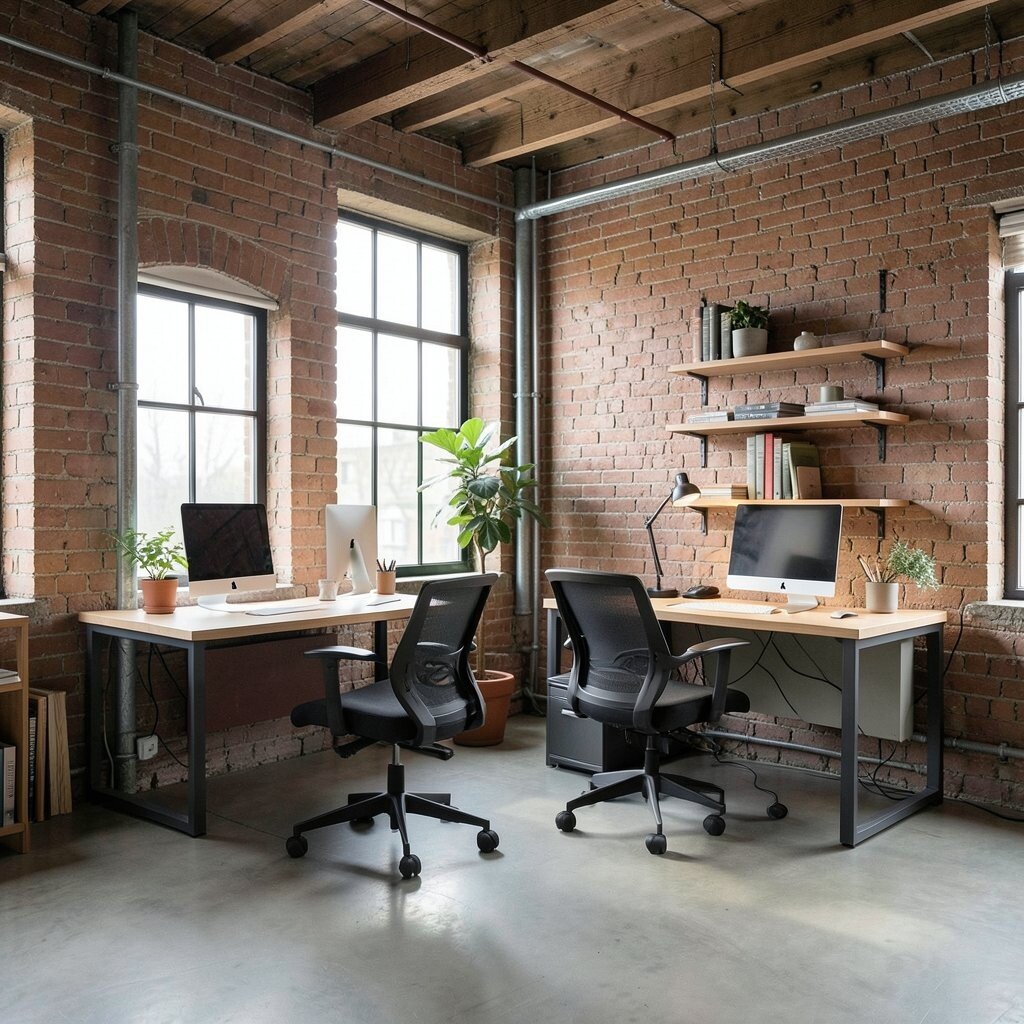
If you work from home, give your focus a dedicated zone. Choose a slim desk and pair it with a simple chair that fits your color palette. Keep the wall behind your desk uncluttered so your eyes rest between tasks.
Use cable management to keep cords off the floor and out of view. A cord box under the desk can make a surprising difference in how clean the space looks. Add a single tray for pens and a small lamp so your desk stays ready without being busy.
13. Hide Small Clutter in Everyday Containers
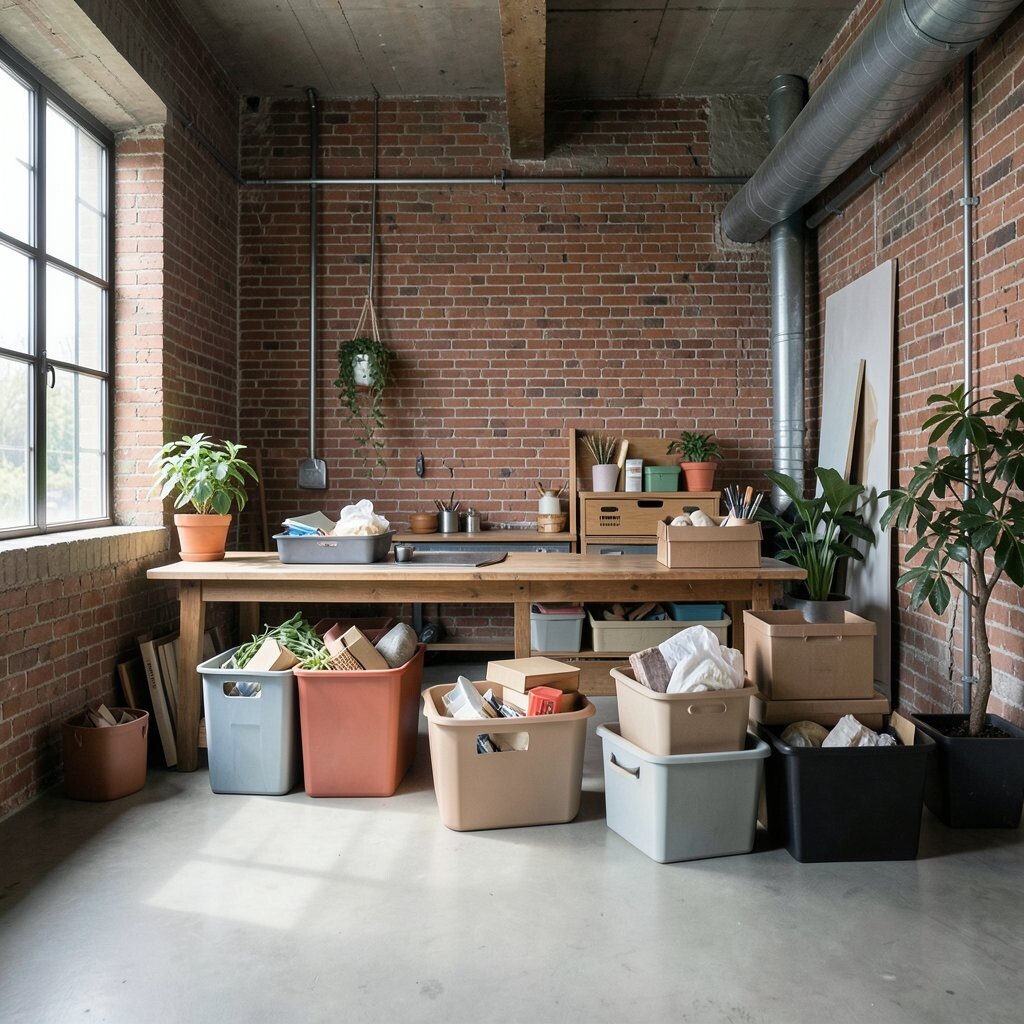
Minimalists don’t eliminate stuff, they manage it well. Use matching containers for chargers, remotes, and small gadgets so they look neat. Clear acrylic can work, but matte containers usually feel calmer and less messy.
For a practical daily rhythm, keep one container in reach and store everything else away. This reduces the temptation to leave items on surfaces. If you like a more industrial feel, choose metal bins or woven baskets in neutral tones.
Personalize with a single label on the inside of a cabinet or drawer, using simple handwriting. Keeping items grouped makes your space easier to clean, so you spend less time tidying. It also helps with cost because you’re using storage to reduce the need for extra decorative purchases.
14. Add Softness Through Textiles
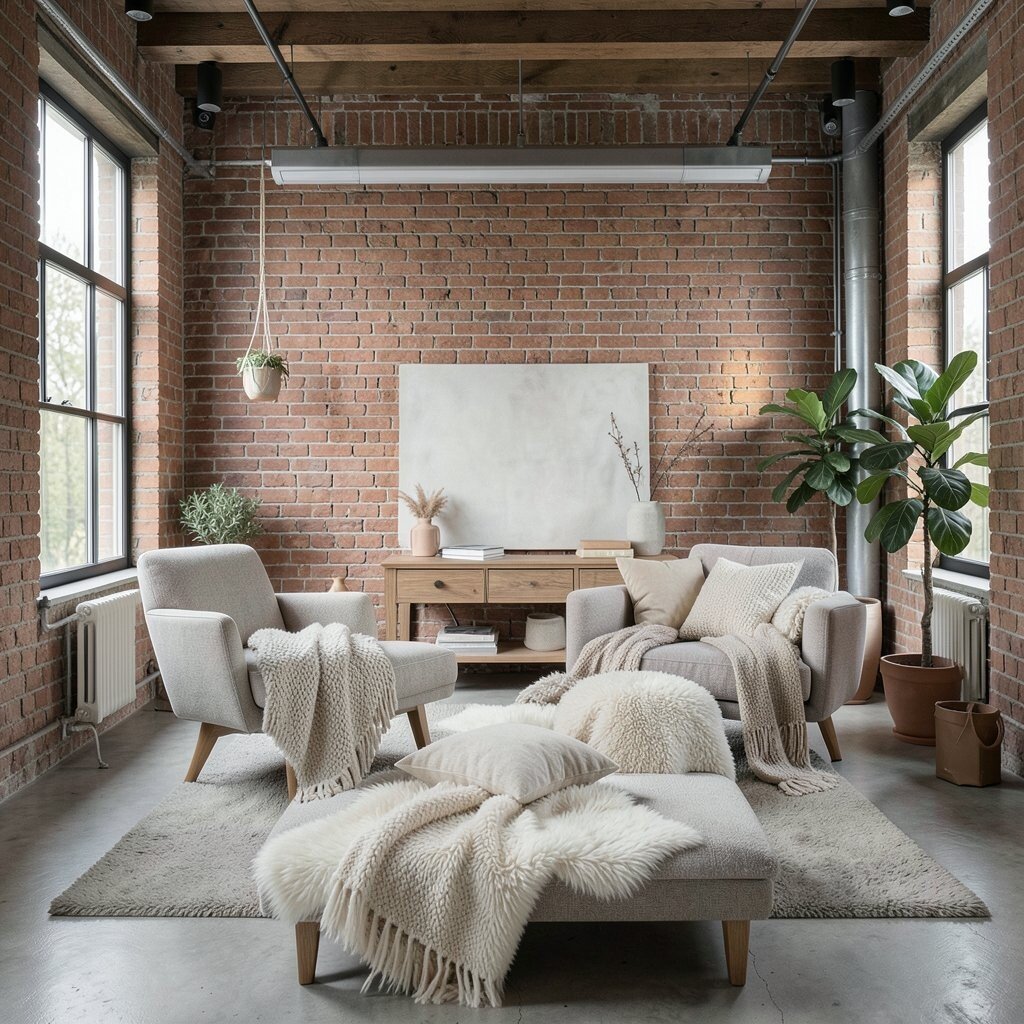
Industrial lofts can feel cool, especially with concrete and metal. Textiles bring warmth in a way that still looks minimal. Choose linen curtains, a thick cotton throw, and simple bedding with a consistent color story.
Use fewer pieces with better quality so your bed and seating areas look styled, not crowded. When textures match, the room feels cozy without needing lots of décor. If you’re on a budget, upgrade one textile per season, like swapping pillow covers or adding a heavier throw.
15. Make the Kitchen Look Intentional
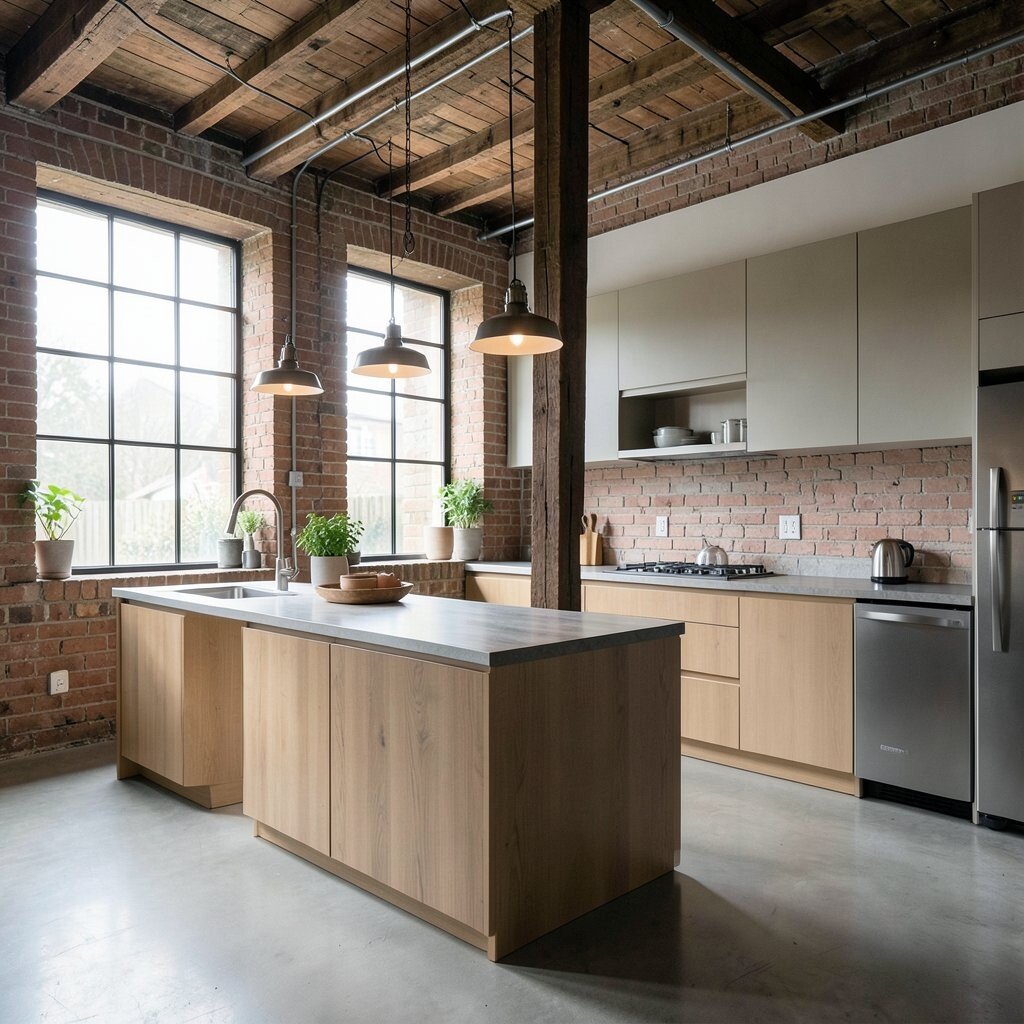
In a loft kitchen, minimalism works when counters stay clear. Store appliances you use daily in cabinets or behind simple panels so the surfaces feel calm. Keep only one or two items on display, like a fruit bowl or a neat set of jars.
Use matching dish towels and simple canisters to unify the look. Industrial loft kitchens often mix well with wood cutting boards and matte black hardware. For practical tips, use hooks or racks for frequently used utensils so drawers stay organized.
To personalize, display one meaningful cookbook or a small art tile, but avoid stacking many small objects. This keeps your kitchen unique while still following the clean visual rule. It can also reduce cleaning time because smooth counters make daily wipes quicker.
16. Style the Dining Area Like a Calm Gallery

Your dining table can feel like a simple centerpiece for the whole loft. Use a runner or placemats in neutral tones, and keep the rest of the surface empty. Industrial settings look especially good when the table styling is sparse and structured.
Choose one centerpiece such as a single vase with fresh branches or a small set of stacked bowls. This creates a focal point without turning the table into a storage shelf. If you host guests, add chairs that look uniform so the room stays streamlined.
17. Embrace Metal, But Keep It Consistent
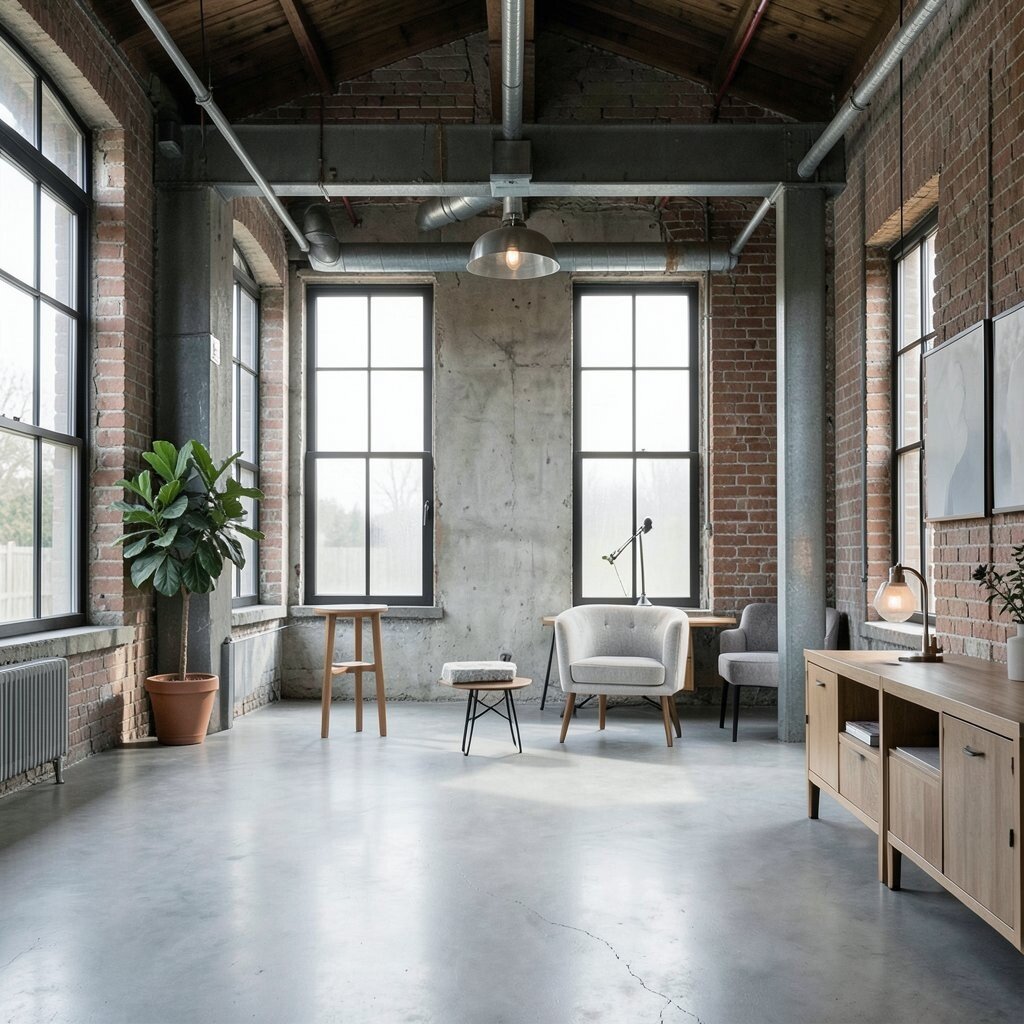
Industrial design often includes metal everywhere, from pipes to fixtures. Minimalists look best when the metal finishes don’t compete. Pick one primary finish, like brushed steel, blackened steel, or warm brass, and reuse it across hardware and decor.
When mixing metals is tempting, do it in a tiny way, such as one brass lamp paired with black frames. This keeps the look cohesive and avoids a scattered feel. For personalization, consider one metal art piece or a slim railing-style shelf that ties into the loft’s bones.
This approach also helps with budgeting because you can buy fewer “matching” items. Once your metal finish is chosen, you can shop faster with fewer returns. It’s a popular trend too, because people want industrial details to look curated rather than accidental.
18. Add Greenery With a Minimal Plan

Plants soften industrial lofts and make them feel alive. Choose a small number of plants with clean shapes, such as a tall fiddle-leaf or a compact snake plant. Place them where the natural light supports them, usually near windows or open corners.
Use simple planters in matte ceramic or stone-like finishes to keep the look modern. A consistent planter style makes your greenery feel designed, not random. For practical care, group plants by watering needs so maintenance is easy.
If you want personalization, add one plant container with a color that matches your accent tone. This gives character without adding more clutter. It’s often budget friendly because plants can last for years with proper care, and they replace the need for many decorative items.
19. Curate Wall Art Into a Single Rhythm
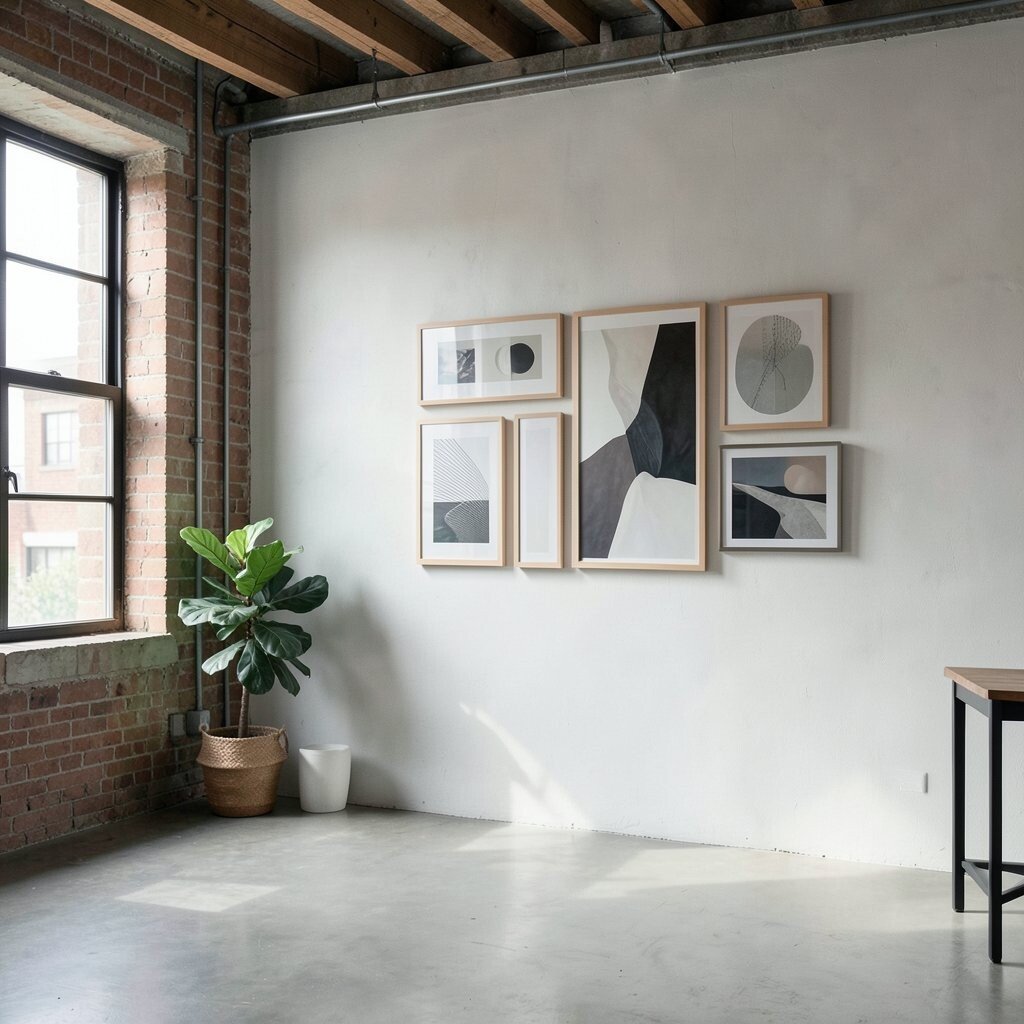
Wall art can make or break minimalist industrial spaces. Instead of many small pieces, use one larger artwork or a simple pair that follows a clear alignment. Choose frames in the same finish and keep the mat colors neutral.
Try placing art at eye level and leaving open wall around it. That empty space helps the loft’s texture breathe and keeps your home from feeling crowded. If you love photography, use a set with one color filter so the images feel connected.
To personalize, swap seasonal prints in the same frame style so your walls stay fresh. This is a current trend because people enjoy rotating art without buying new furniture each time. While art can cost money, buying one strong piece can be more affordable than collecting many smaller prints.
20. Tune the Layout for Flow and Calm
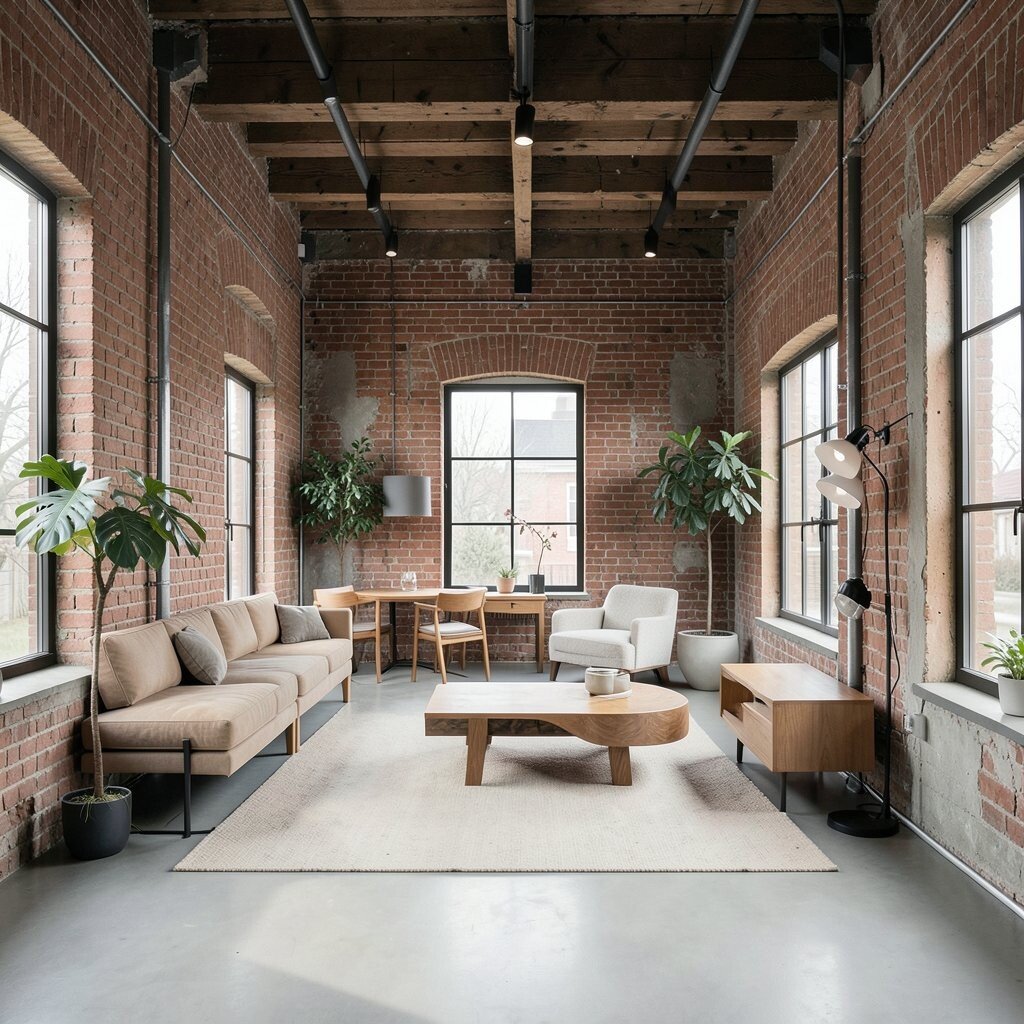
A minimalist loft must feel easy to move through. Plan your layout so walkways stay clear and furniture doesn’t create tight corners. In an open loft, defining zones helps, but it should never block movement.
Start by measuring the space and placing the largest items first. Then set side tables and lighting so you can reach essentials without crossing the whole room. This saves time in daily life and makes the loft feel more comfortable.
For personalization, adjust the seating angle to match how you actually live, like facing the TV only when you want it or turning chairs toward the window. Many current interiors focus on “lived-in minimalism,” meaning the layout works for routines, not just photos. Even small layout changes can cost little and deliver a big feel-good result.
21. Build a Minimalist Cleaning Routine That Fits Your Life
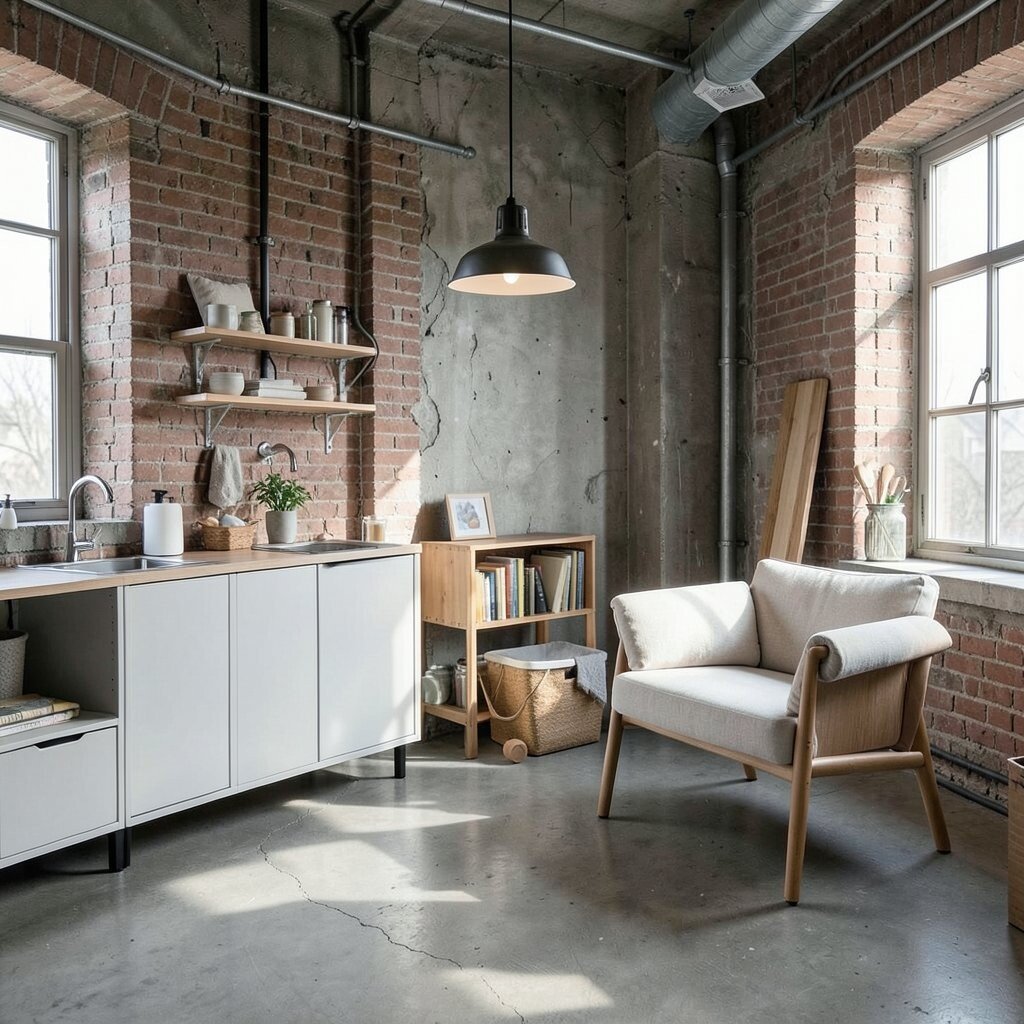
Minimalism stays beautiful when it’s easy to maintain. Choose a simple cleaning routine that matches your schedule, such as a quick wipe of surfaces and a floor sweep every few days. Industrial floors can show dust and marks, so frequent light care beats deep scrubbing.
Keep your cleaning tools in a closed storage area so they don’t visually clutter the loft. Use one basket for daily supplies, and restock it when needed. When your space looks clean, you feel calmer, and the industrial textures look more polished.
Personalize the routine with a scent you enjoy, like a light citrus spray for mopping. Trends now emphasize healthy, low-chemical routines, so simple products can align with modern preferences. Over time, fewer purchases and faster upkeep often lower costs while keeping your loft looking sharp.