
A blank board can feel loud in the best way. When you give it shape and purpose, ideas start showing up like friends you forgot you needed.
Below are many board ideas you can build with everyday materials, quick habits, and personal style. Each one is meant to help your brain move, your hands create, and your space feel more alive.
1. Dream Map Corkboard
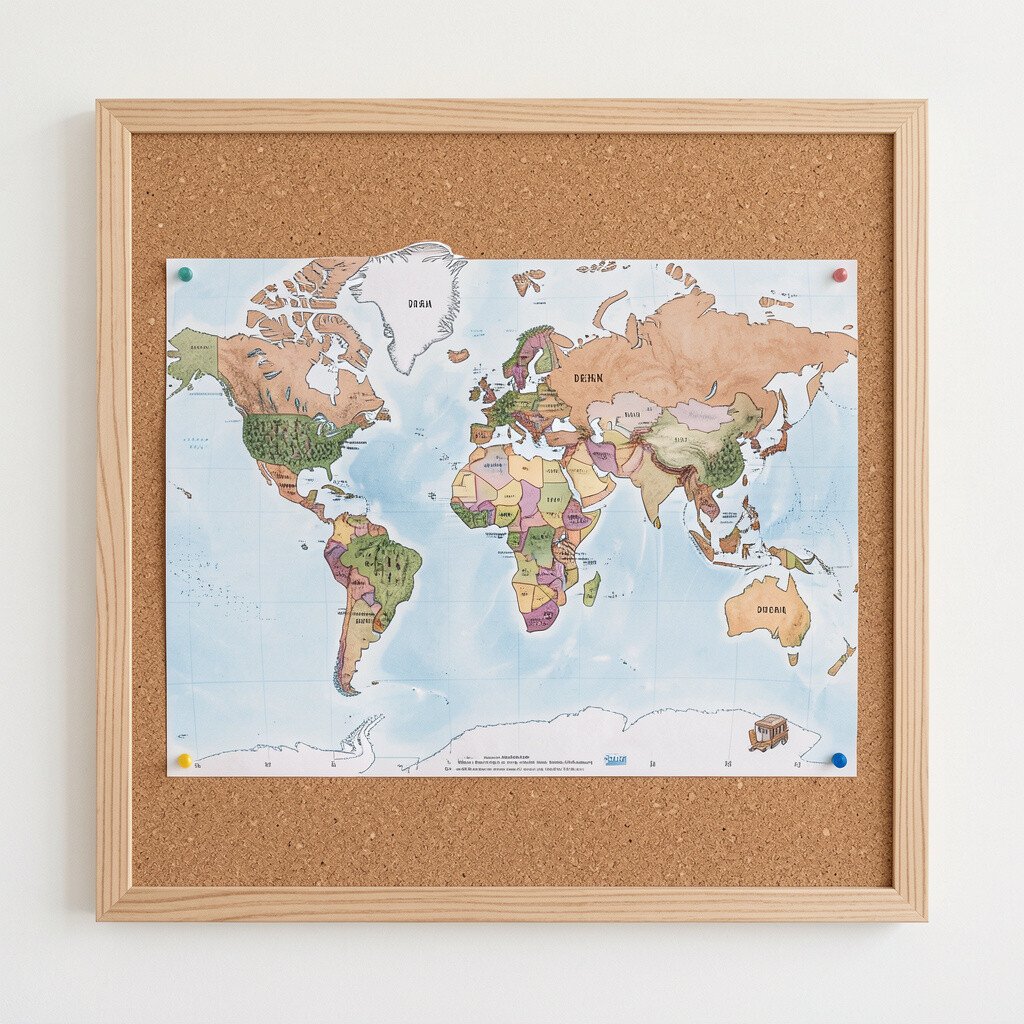
Picture a warm cork surface with thumbtacks holding tiny photos, ticket stubs, and handwritten hopes. As you pass it, the collage looks like a living window into your future.
Choose a section for big goals and smaller pockets for daily steps, so progress never feels far away. Pin images that match how you want to feel, not just what you want to achieve. Keep it current by swapping one piece every week.
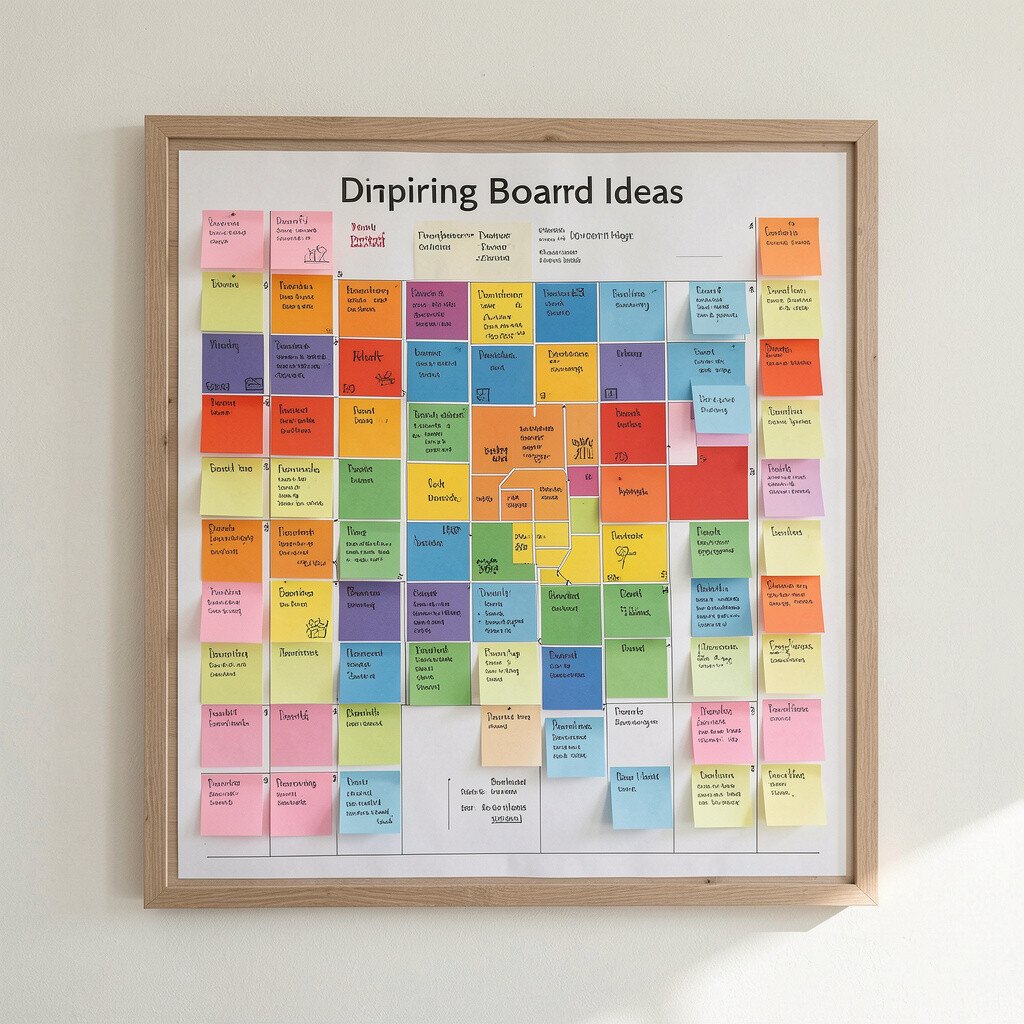
2. Sticky-Note Storyboard Wall
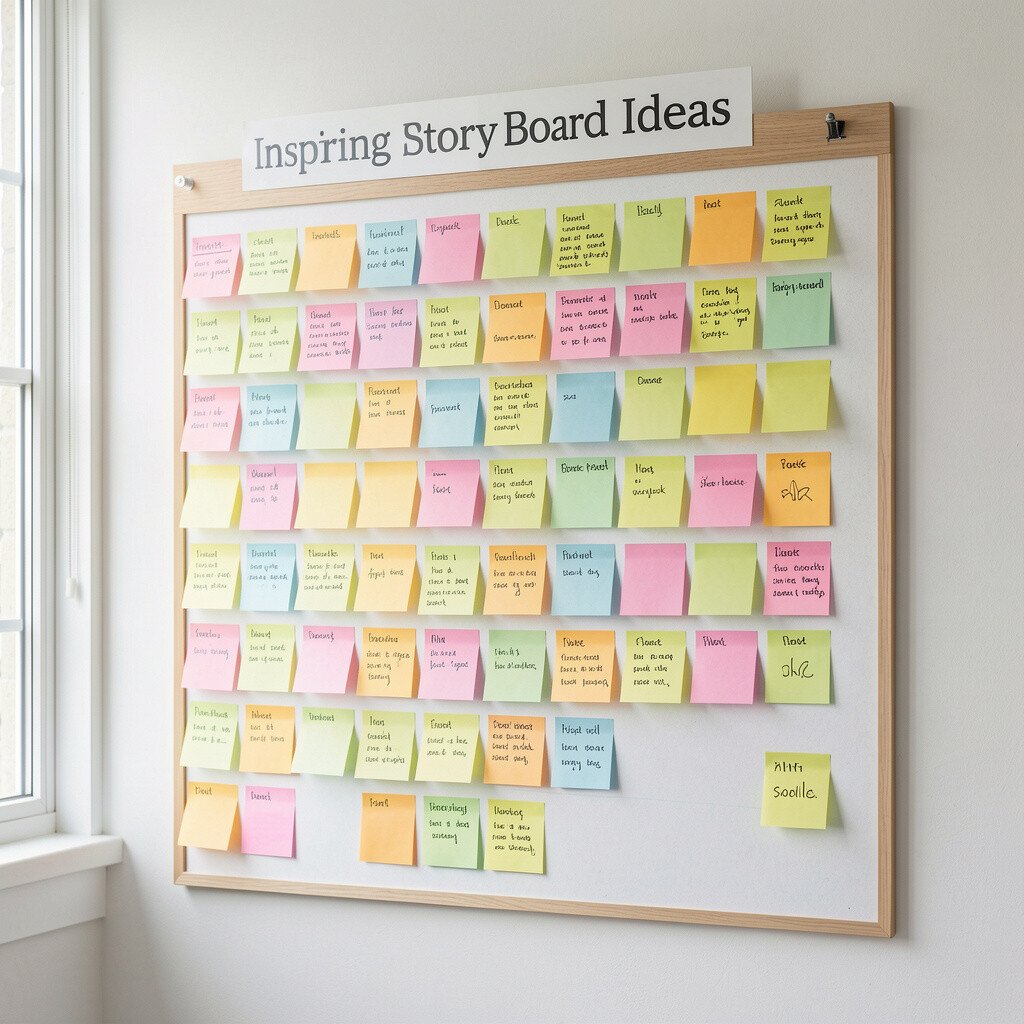
Imagine a wall covered in color blocks of sticky notes, each note acting like a scene. Lines of notes create little paths that move your story from beginning to end.
Write one sentence per note, then rearrange them until the plot clicks. Use different colors for characters, settings, and conflicts so you can see patterns fast. If you want to keep it fresh, set a rule to move at least three notes during each session.
For a practical setup, place removable hooks above your board for extra notes and pens. It can be cheap if you use scrap paper cut into note-size rectangles when needed. Personalize it with doodles around key notes so the whole wall feels like yours.
3. Magnetic Recipe Mixer Board

Think of a metal board with magnets holding cards like floating ingredients. The whole surface becomes a playful kitchen menu that’s easy to change.
Create recipe cards for favorites, then add magnets for meal parts like “quick,” “cozy,” and “spicy.” When you feel stuck, mix one “base” card with two “mood” cards and build from there. This turns cooking planning into a fun game instead of a chore.
To keep it organized, use small labeled envelopes to store extra cards behind the board. You can keep costs low by printing cards on thick paper and using bottle-cap magnets for heavy items. Make it personal with your own rating system and little food drawings in the corners.
One popular trend right now is using swap-and-share recipe cards with friends, so consider a weekly exchange night. That way, your board grows without you doing all the work. Over time, you’ll notice your tastes shaping the collection.
4. Habit Rhythm Whiteboard
Picture a clean whiteboard with faint lines showing time, and bold markers marking what you did today. The board looks calm, yet it signals momentum every time you walk by.
Draw a simple grid for the week and add check marks, streak counts, or circles for wins. Use one color for actions you want to repeat and another color for gentle reminders. To make it practical, keep an eraser and marker clipped right on the frame.
5. Community Bulletin With Kindness Prompts

Imagine a board where flyers share events and small sticky notes hold short kindness ideas. The space feels warm, like a neighborhood message center.
Pin local announcements, then add rotating prompt cards such as “send a thank-you,” “offer a ride,” or “cheer from afar.” Encourage yourself and others to reply by adding a note to the board, not just consuming the information. Make it unique by using handwritten calligraphy or themed borders around each prompt.
For cost considerations, use free printouts, thrifted frames, and colored paper that you already own. Keep the board tidy by moving expired notes into an archive envelope. A current trend is hyper-local sharing, so this kind of board can make your community feel closer.
6. Travel Story Pinboard
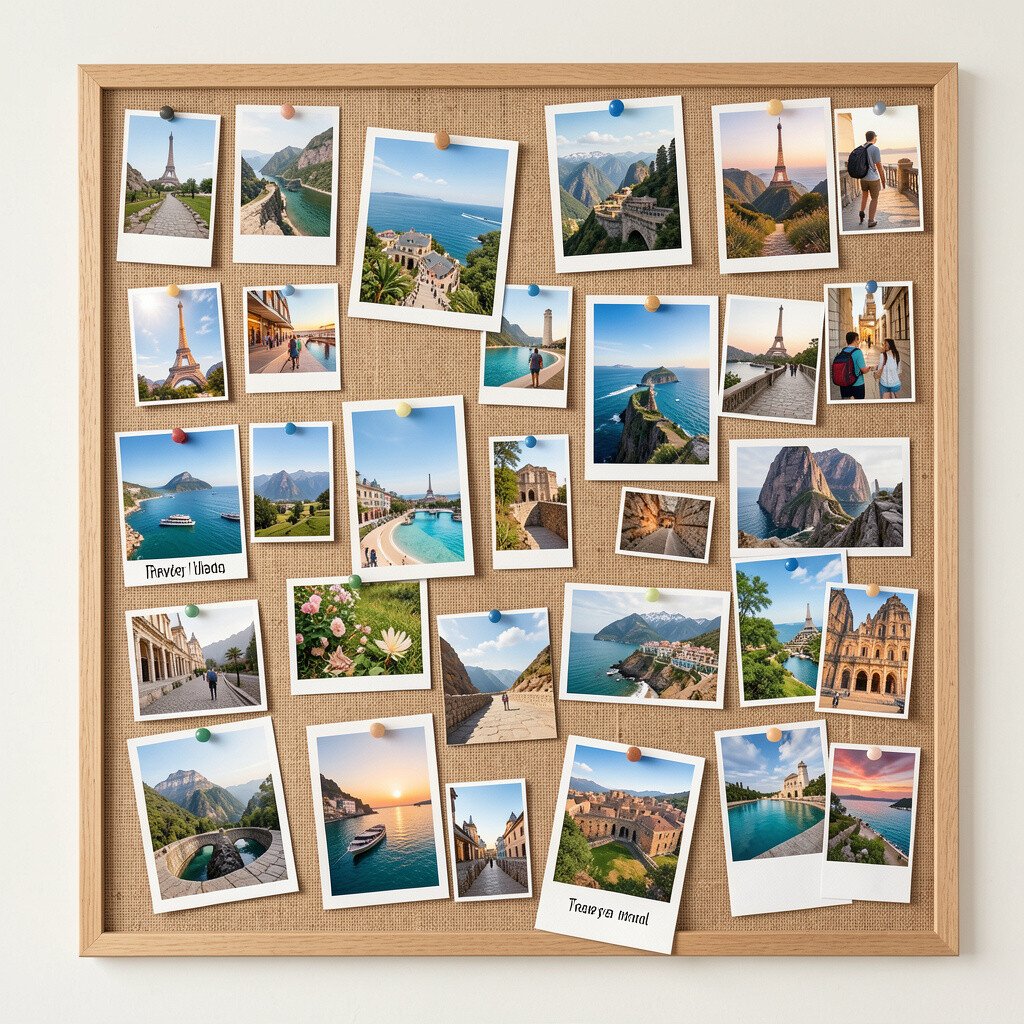
Picture postcards and map scraps arranged like stepping stones across a cork board. Each item has a small label and a tiny memory that makes the whole layout feel personal.
Use pushpins for photos, then add string lines connecting places you want to visit next. This helps you plan without turning your life into a list of errands. When you update it, write one small story sentence under each photo so you actually remember why it mattered.
7. Vision Board in a Picture Frame Grid
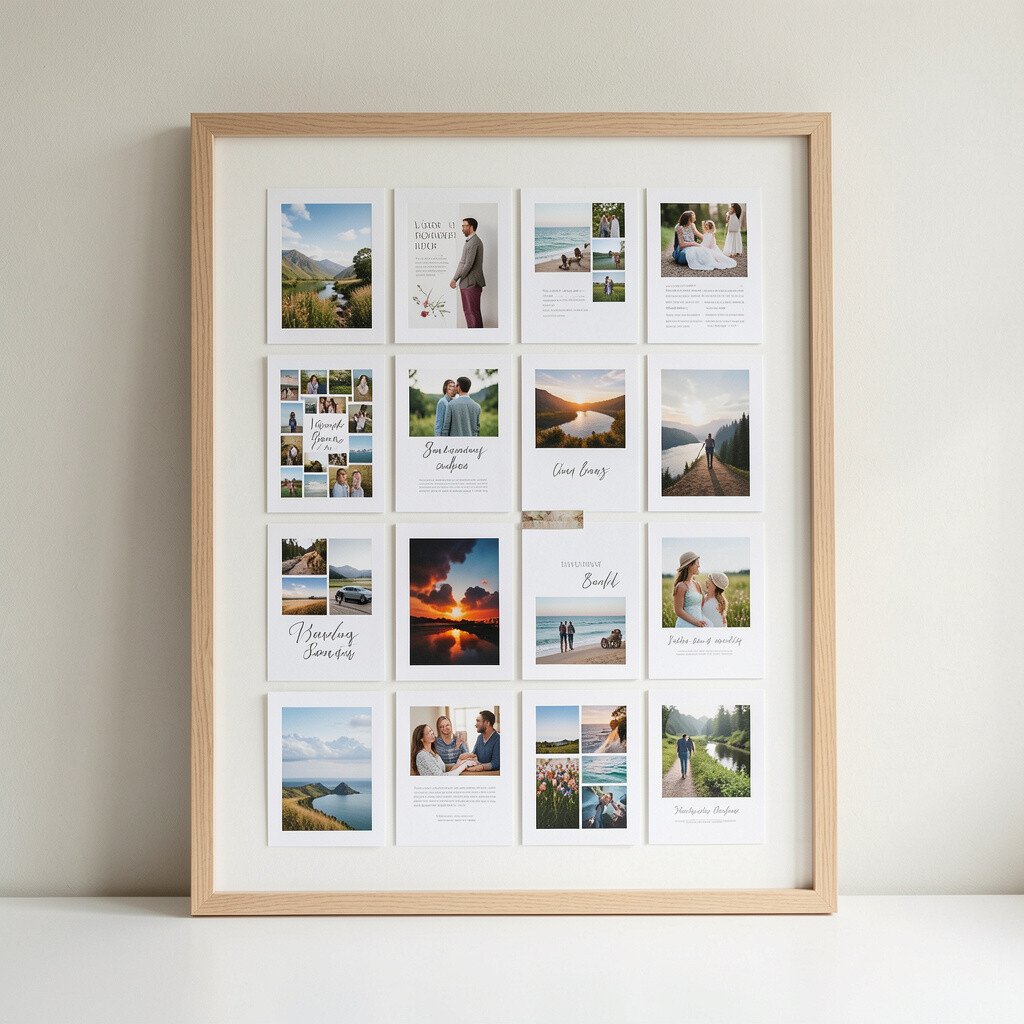
Imagine a set of matching frames on a wall, each one holding a different piece of your dream life. The grid pattern makes everything look organized and intentional.
Choose themes like health, learning, home, and play, then fill each frame with a single strong image. Add short captions in your own handwriting so your goals feel human, not generic. A practical tip is to keep backups of images in a folder so swapping is quick.
To keep costs down, buy thrifted frames and clean them with a simple wipe. Personalize the layout by mixing sizes of printouts, then using a consistent color border to tie it together. Many people are using “capsule boards” like this lately because the look stays neat while the ideas stay flexible.
8. Mood Color Palette Board

Picture swatches of paint chips, fabric bits, and printed gradients pinned in tidy rows. When light hits the colors, the board feels like a visual playlist.
Pick a color for each mood you want more of, then add words and tiny icons next to the swatches. This helps you choose activities that match your energy, like using calmer colors for slow evenings. For a practical twist, tape a small “today” card at the top and rotate it whenever you update your board.
9. Workshop Tools and Project Planner
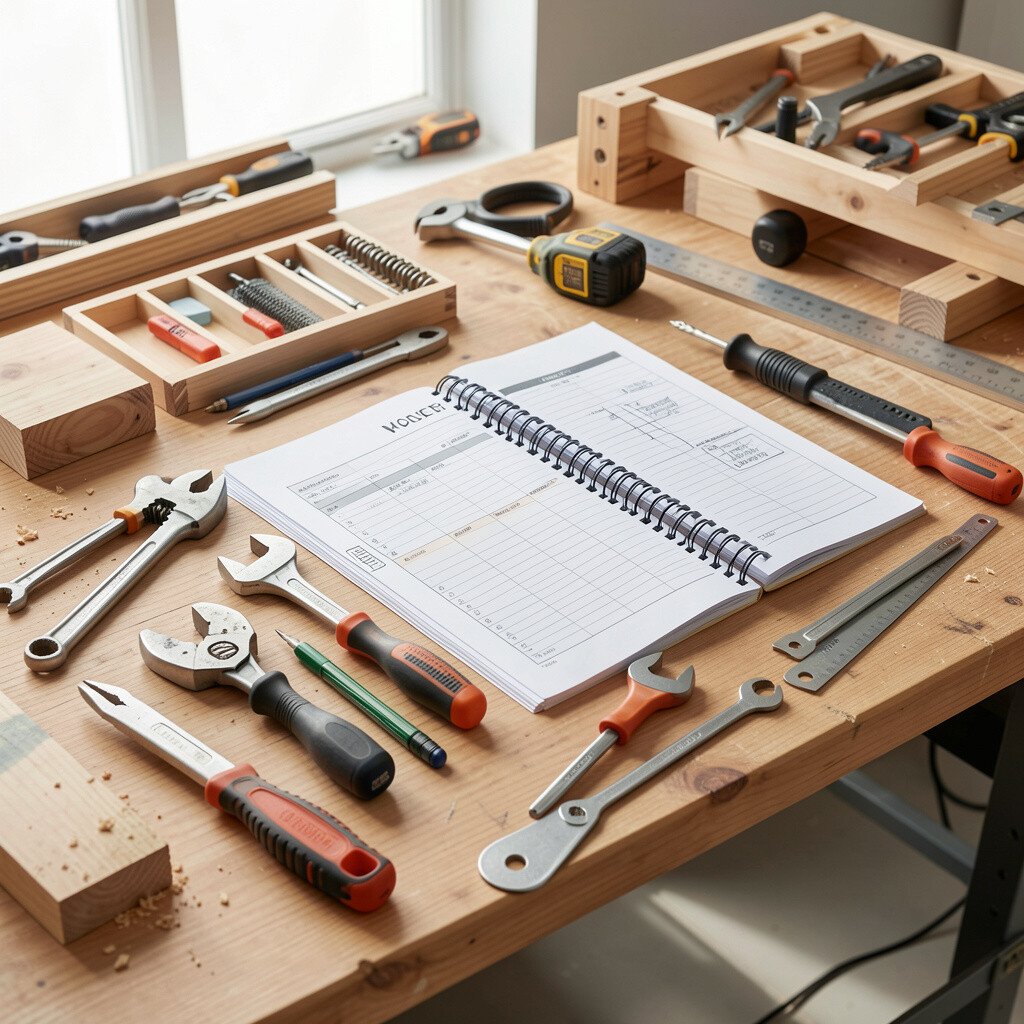
Imagine a board next to your workspace with outlines of tools and space for project notes. Everything looks ready, like your creativity has a launchpad.
Hang commonly used tools with hooks or magnets, and add a pocket for supplies you reach for often. Use index cards to plan each project phase, then pin them in order so you can see the next step at a glance. Keeping the area organized saves time and makes starting feel easier.
Personalize it by drawing small tool icons that match your favorite brands or styles. Cost-wise, you can print icons, laminate them with clear tape, and use cheap command strips. A current trend is “maker boards” for small businesses, and you can scale the idea to home projects too.
When you finish something, replace the card with a short note about what you’d improve next time. That simple reflection helps your future self move faster.
10. Board of Questions for Deep Thinking
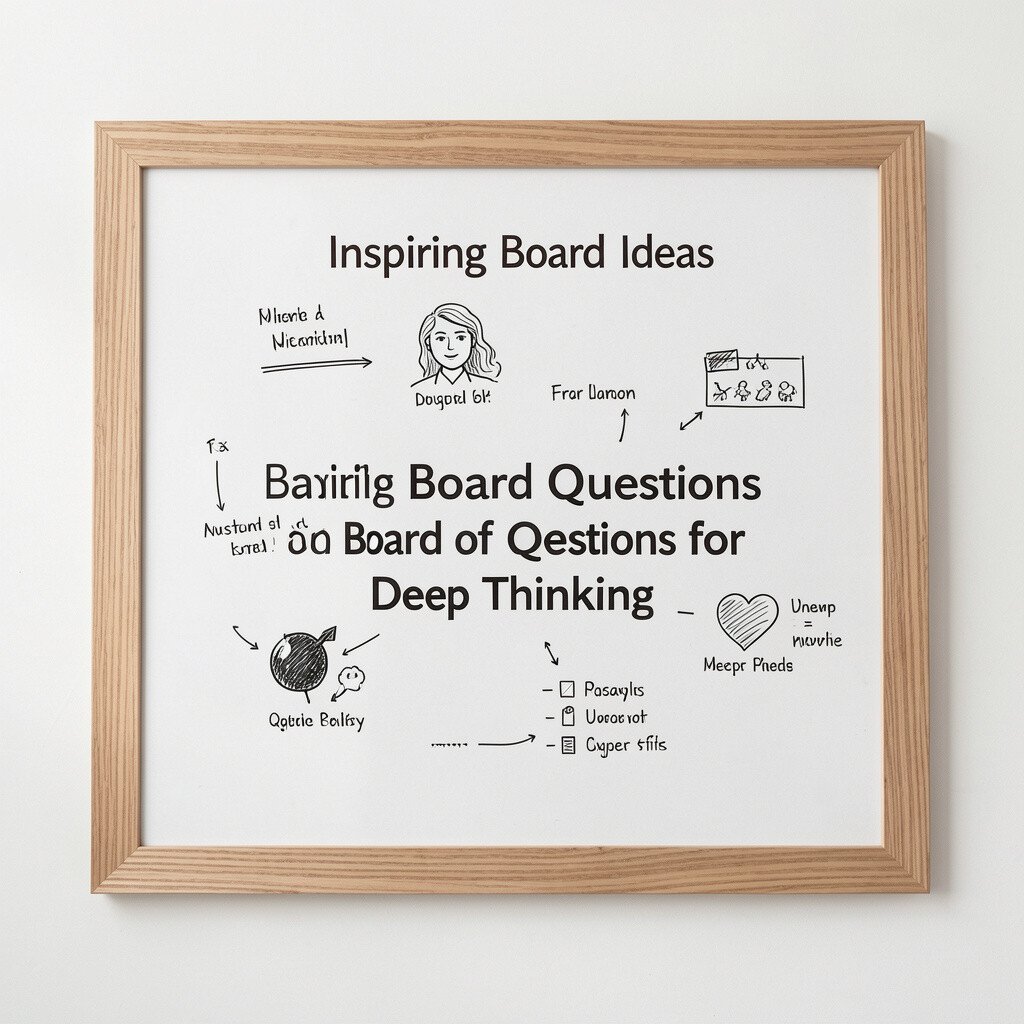
Imagine a board filled with carefully chosen questions written on cards, like lanterns in a dark room. Some questions are big and bold, and others feel like gentle taps.
Choose prompts that match your life right now, such as “What energizes me?” or “What do I keep avoiding?” Rotate one question each day and spend a few minutes writing your answer on a sticky note. This creates clarity without needing a complicated routine.
11. Learning Goals Magnetic Index Board
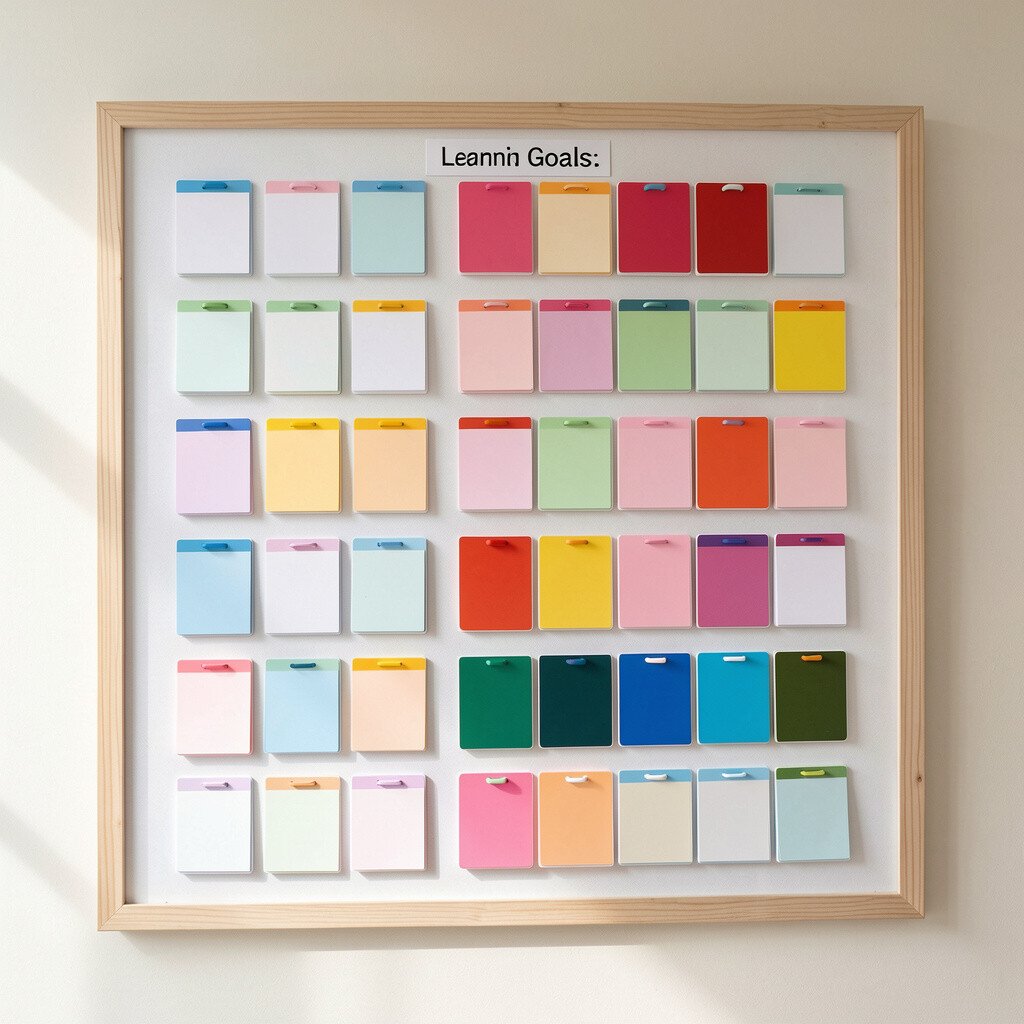
Picture a metal board with magnetic index cards grouped by topic. Each card can flip from “not started” to “in progress,” like a mini progress dashboard.
Write one learning goal per card and include a small “next practice” line you can do in ten minutes. When you feel ready, move the card to a new spot so you always see what matters most. This turns studying into motion, which helps motivation stay steady.
To personalize, add icons showing what kind of learning you prefer, like listening, reading, or hands-on building. Costs are often low if you already have a scrap metal sheet or old cookie tray with a magnetic surface. A helpful trend is using tiny, repeatable sessions instead of waiting for a perfect schedule.
12. Kids’ Creativity Board With Open-Ended Prompts
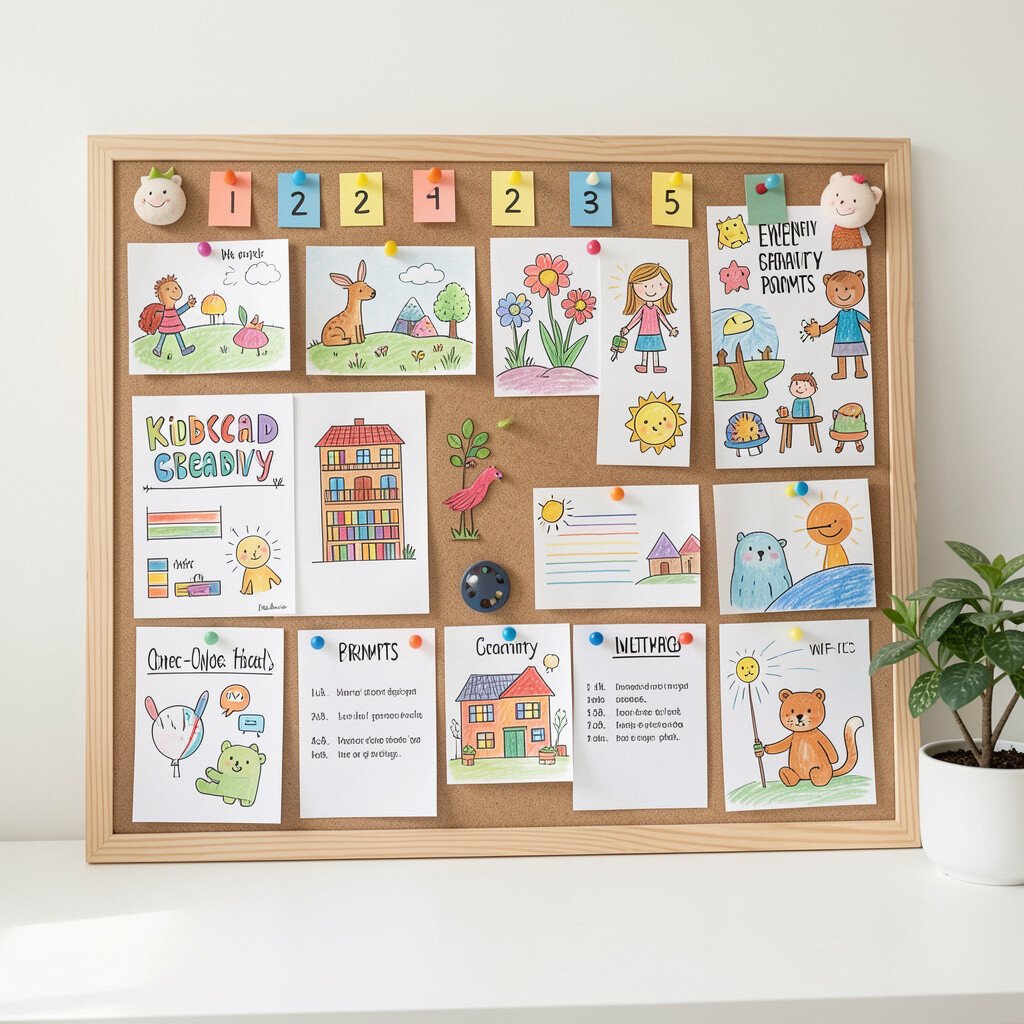
Imagine a board designed for easy change, with pockets holding paper scraps, crayons, and prompt cards. The whole setup invites kids to play without needing permission every minute.
Use prompt cards like “make a creature,” “design a new cover,” or “draw your dream day,” and let your child pick one. Add a small display area where finished work goes so effort gets celebrated. For practical setup, choose thick paper prompts and swap them weekly.
Consider cost by reusing packaging cardboard as backing and using binder clips instead of expensive holders. Personalize it with the child’s name and favorite colors, then let them decorate the borders. A current trend in families is giving kids more choice, and this board does that in a fun visual way.
13. Fitness Challenge Completion Board
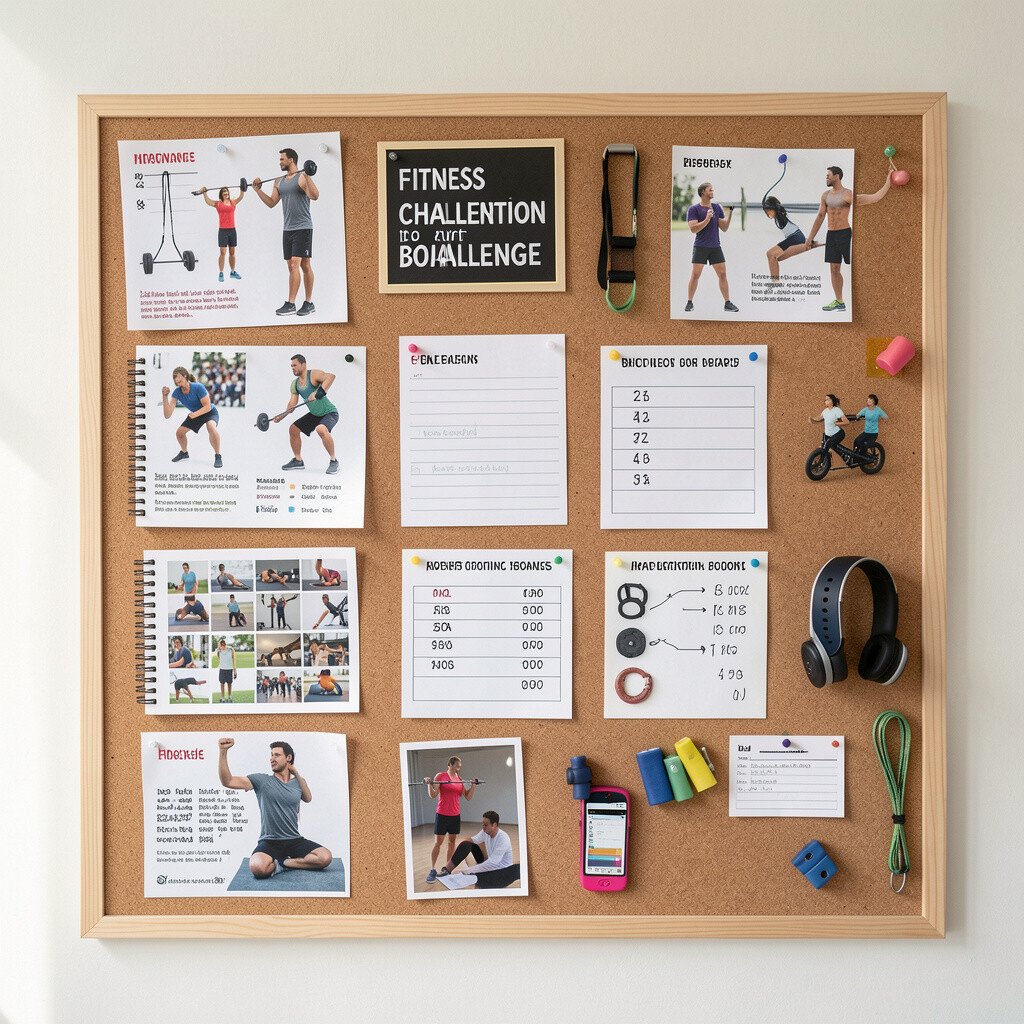
Picture a board with workout cards lined up in rows, each one a small promise. Little checkmarks build a story of effort you can see clearly.
Pick a theme for a set of weeks, such as strength, steps, or mobility, and pin one card each time you complete a session. Add short reflections so you remember how your body felt, not just what you did. To keep it realistic, allow flexible versions of every challenge so it fits your day.
Cost considerations are friendly here since you can use printed cards, a marker, and simple magnets. Personalize by adding your own workout symbols and favorite quotes in tiny handwriting. Many people now prefer “gentle consistency,” and this board supports that by focusing on completion and care.
When you’re done with a theme, celebrate with a new color border so the board feels like it’s evolving.
14. Podcast, Playlist, and Reading Swap Board
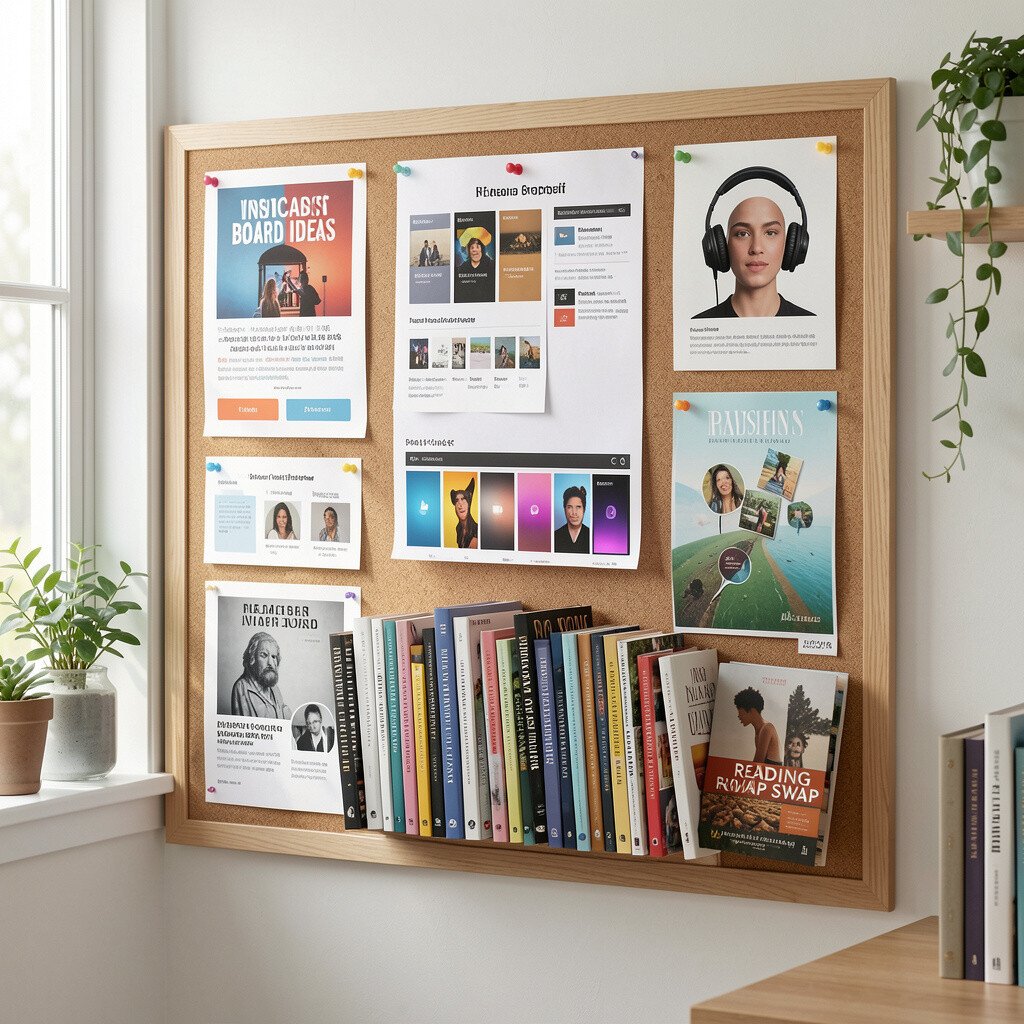
Imagine a board with sections for episodes, book titles, and shared recommendations. The layout looks like a mini library, and it feels social even when you’re alone.
Write each recommendation on a card and include one sentence about why it helped you. Then leave space for a reply card where friends can add their own take. That simple feedback loop makes the board more than a list; it becomes a conversation starter.
15. Seasonal Home Styling Board
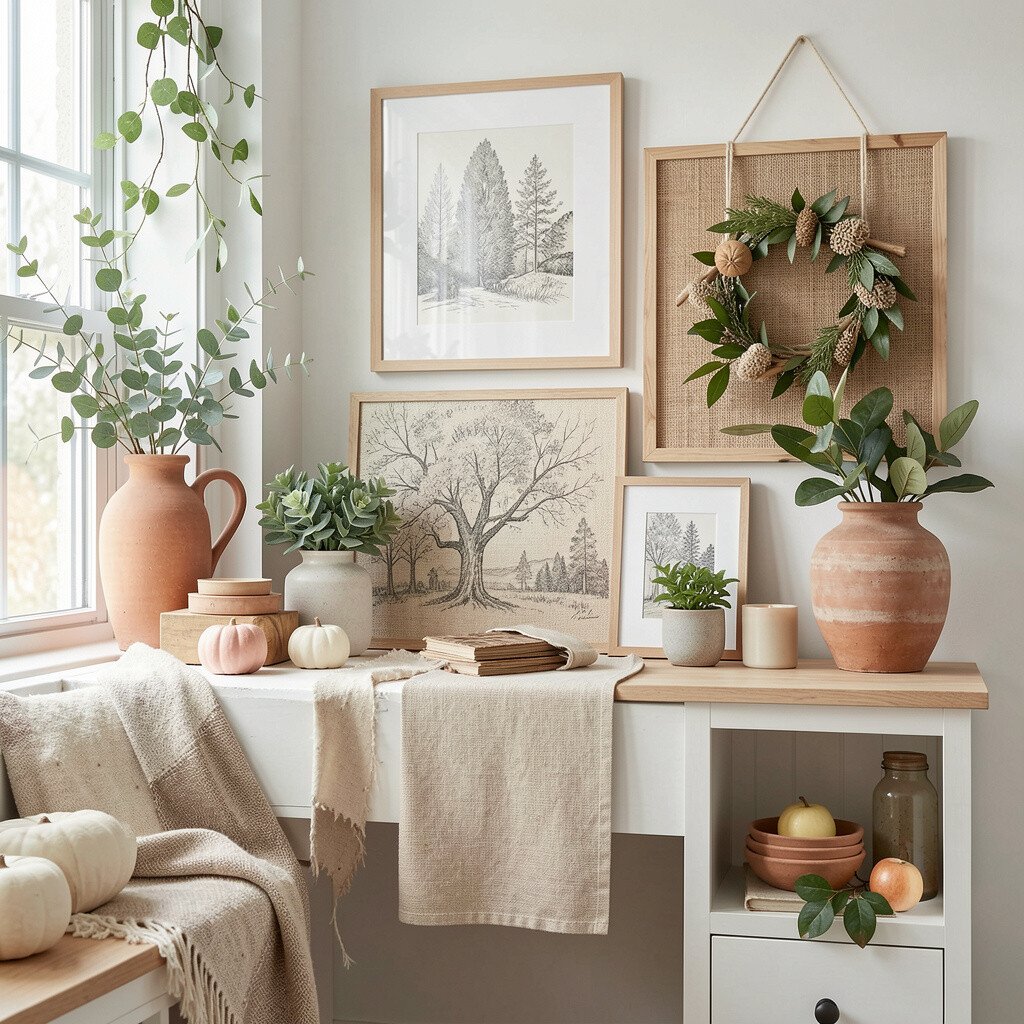
Picture a board with fabric samples, paint swatches, and small decor photos grouped by season. It looks like a mood ring for your home.
Plan each season with a few key changes, then pin photos of the items you already own. If you need new pieces, create a wish list card with estimated prices so buying decisions stay calmer. A practical tip is to update the board right after you clean, when you’re already in “fresh” mode.
Personalize by adding sketches of how you want furniture to sit, even if the sketches are simple. Cost considerations are easier when you shop from your own stash first, like swapping curtains or changing pillow covers. Current trends often favor small swaps over full makeovers, and this board supports that smarter approach.
16. Gratitude and Growth Chalkboard
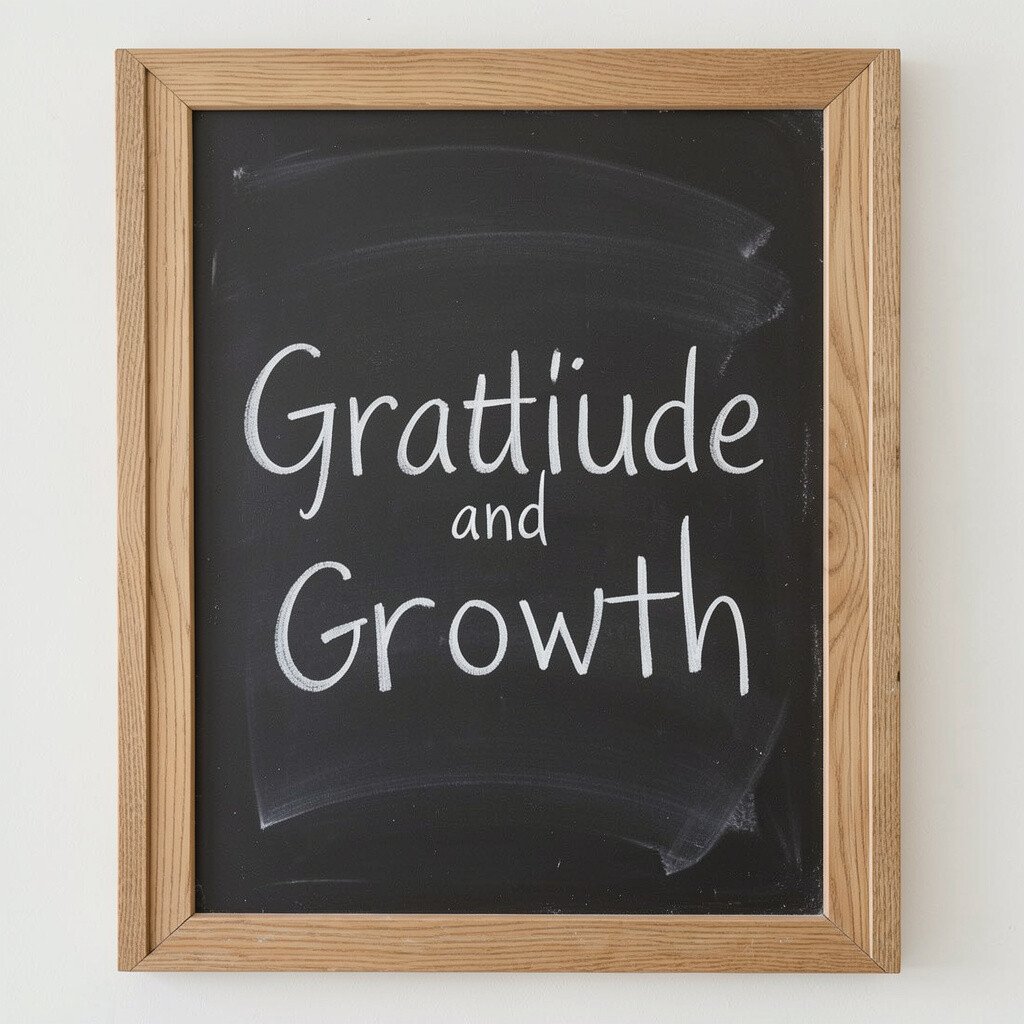
Imagine chalk marks rising across a dark board, with one section for gratitude and one for growth. The texture makes the whole message feel softer and more real.
Write a few gratitude notes and a few learning lines each week, then erase the rest when the season changes. This keeps your board from becoming clutter while still preserving important moments. For a practical method, take a quick photo before erasing so you can keep the memory without keeping the dust.
Personalize with doodles around each line, like little stars for gratitude and arrows for learning. Costs are low if you already have chalk, and replacement chalk is usually easy to find. Many people are using short “chalk rituals” lately because it feels calming and personal.
17. Personal Values and Decision Board
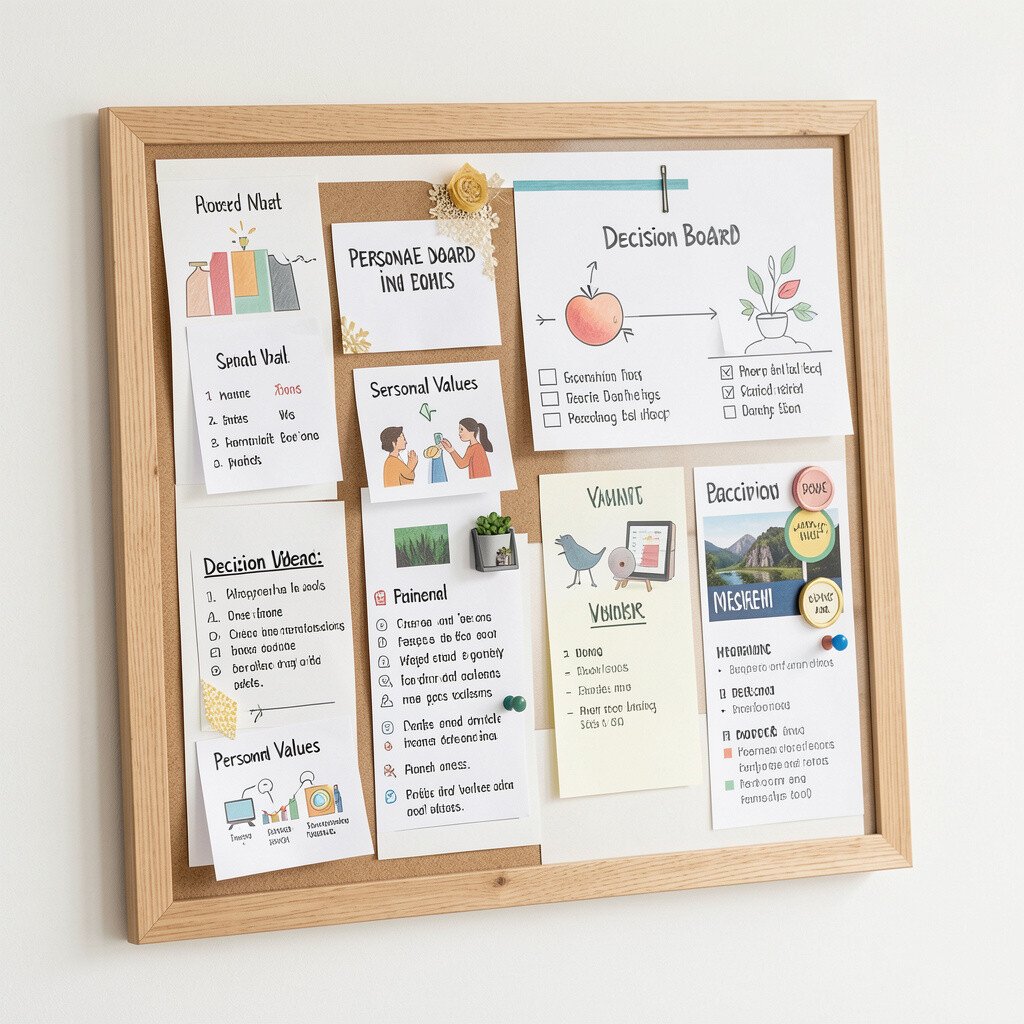
Picture a board that holds your core values as simple icons and short phrases in your handwriting. When you look at it, it feels like having a steady compass on the wall.
Pick a small set of values, then add decision prompts like “What choice supports my values?” and “What drains my energy?” Pin examples of times your values showed up, so the board becomes proof, not just theory. This helps you make choices faster because you can check your direction instantly.
To keep it practical, put the board where you plan your day or review your schedule. For cost considerations, use printed icons and plain cardstock instead of expensive design supplies. Personalize by adding small color cues for each value, which makes scanning feel effortless.
18. Color-Coded Donation and Declutter Map
Imagine a board with pockets labeled by categories of items, and little checkboxes that track progress. It turns the messy process of decluttering into something you can actually finish.
Sort items into donation, trash, storage, and keep, then pin photos of what’s going to each place. This visual reminder helps you follow through instead of letting piles grow again. Keep it personal by adding a “why” card under each pocket, like “make room for calm” or “support someone else.”
Cost considerations are easy here because most of what you need is paper, tape, and a few bins you already own. A helpful trend is the “see it to finish it” approach, where visual trackers reduce decision fatigue. Set a small schedule for updates so the board stays active, not abandoned.
When you complete a batch, swap the photos for new ones and celebrate the emptier space you’re creating.