
Your home is speaking every day, even when you think it’s saying nothing. A few smart design resources can help it sound clearer and feel more like you.
When you use the right tools, style stops feeling mysterious and starts feeling doable. You’ll get better results with less stress, and the room will look like it belongs to you.
1. Favorite Design Magazines and Print Libraries
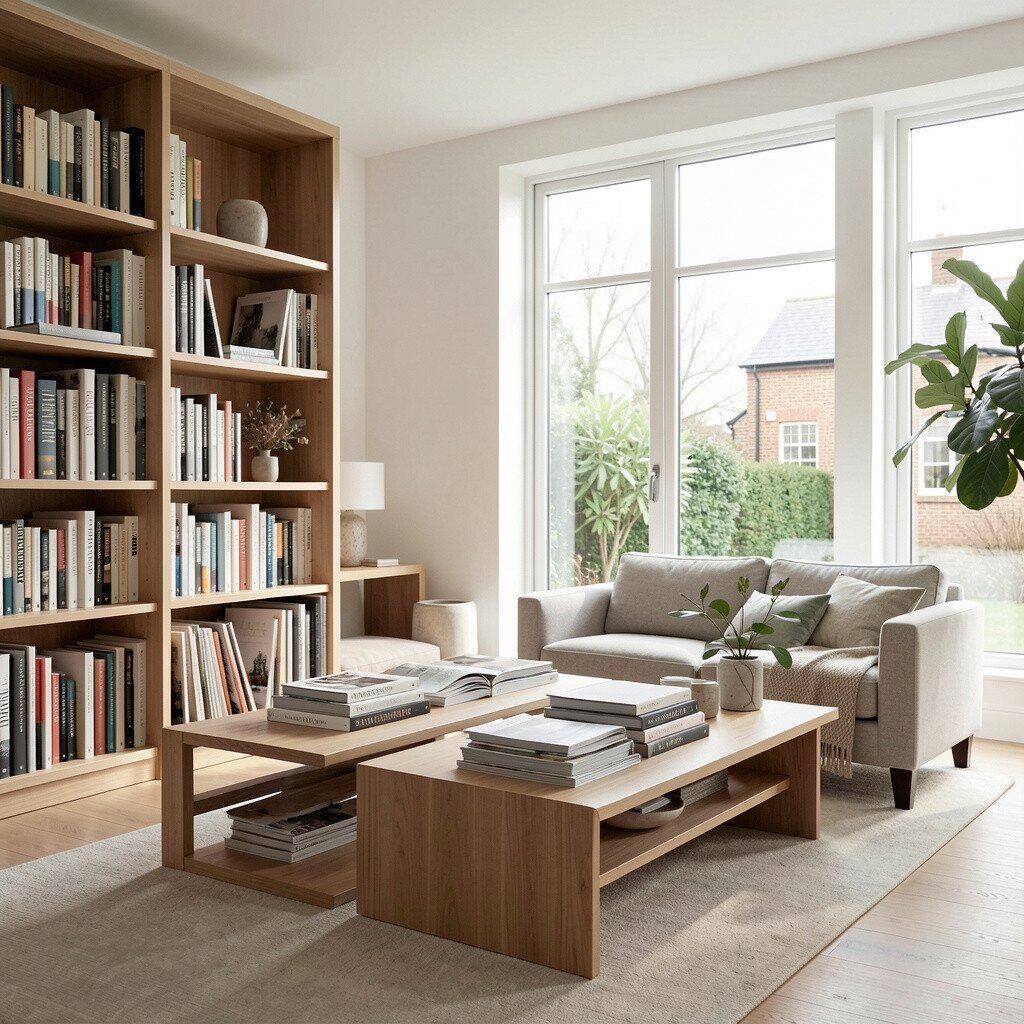
Holding a glossy magazine can make colors feel real instead of just theoretical. You can flip pages and pause on that perfect living room lighting for a full minute.
Look for issues that match your life, like small-space living, kid-friendly materials, or calm bedrooms. Save your favorite spreads in a folder and jot down what you love, such as warm woods, layered textiles, or bold art. Over time, you’ll see patterns that guide your choices without guessing.
2. Pinterest Boards for Color, Layout, and Mood
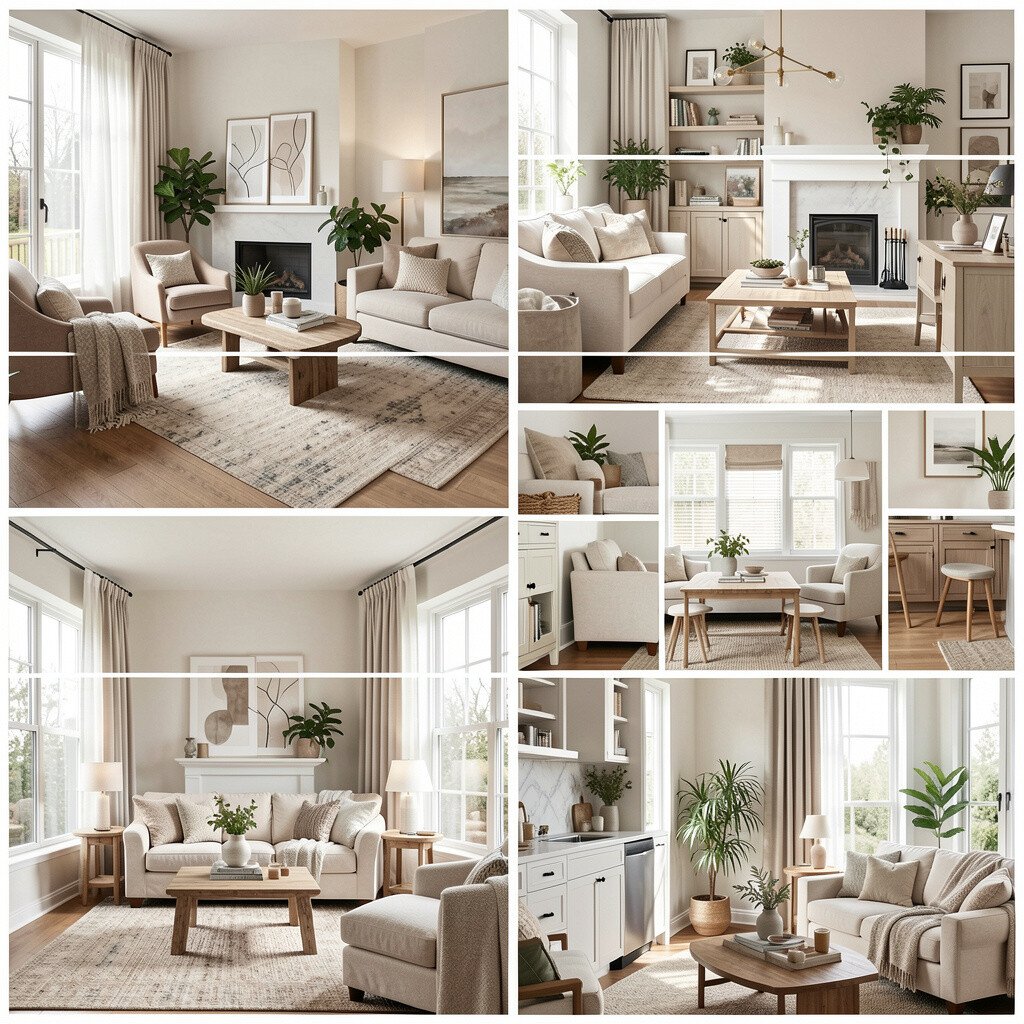
Pinterest is great for building a visual mood that actually guides what you buy. You can gather photos of kitchens, sofas, and wall colors until your taste becomes obvious.
Try grouping pins into themes like “morning light,” “cozy movie nights,” or “clean lines.” When you’re ready to shop, bring those boards into the store with you and compare real items to what you saved. This keeps impulse purchases from stealing your vibe.
To personalize, add a few pins that reflect your everyday habits, like a coffee station, a reading nook, or a craft corner. Small references make the space feel lived-in, not staged. It also helps you spot trends that fit your home, not someone else’s.
3. Interior Design Books You Can Re-Read
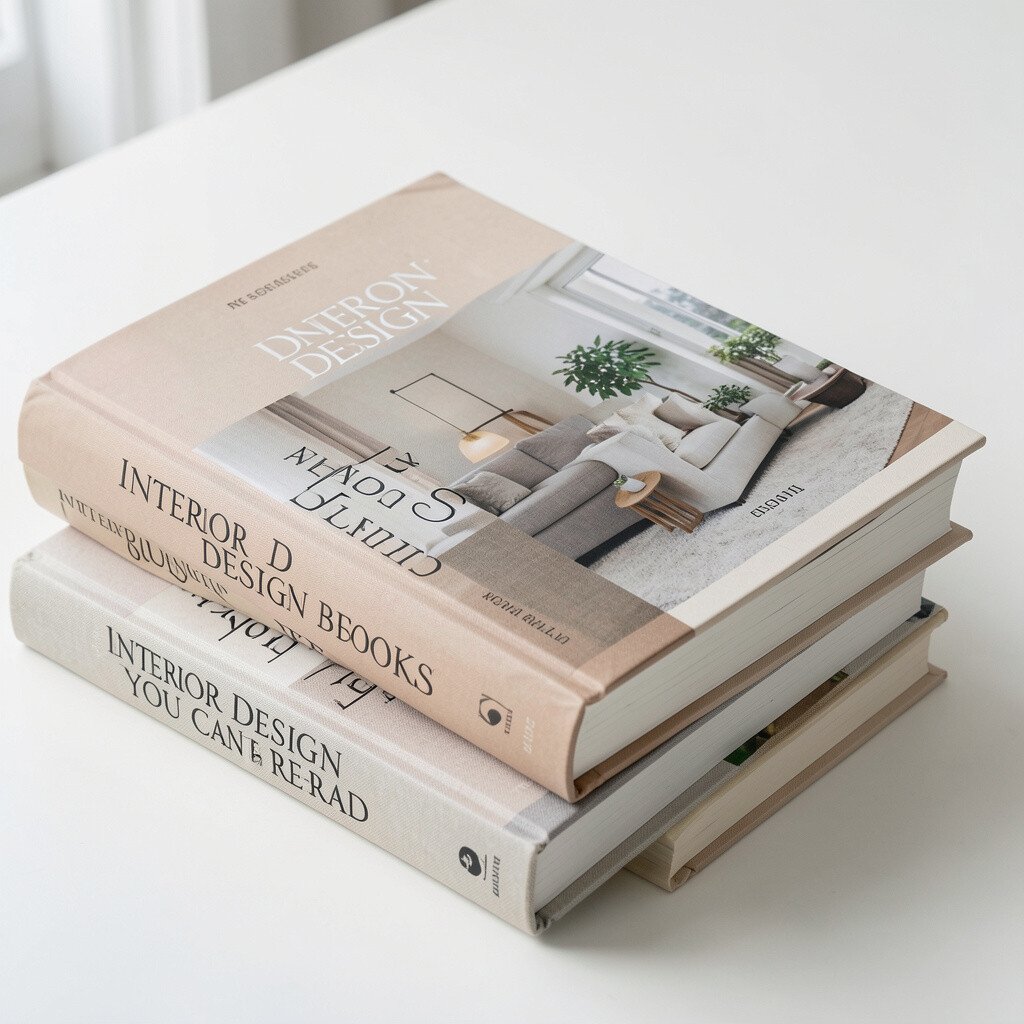
Good design books feel like friendly teachers who never rush you. You can read one chapter and suddenly understand why certain rooms feel balanced.
Choose books that cover fundamentals, like proportion, lighting layers, and how to mix textures. Then use the pages as a checklist when you plan a room. Write down what you want to copy, such as a rug size, a chair height, or a paint finish.
To keep things practical, set aside one hour a week for reading and planning, then apply it to one small area. Over time, your home becomes more cohesive without needing expensive changes. Even if your budget is tight, learning the basics helps you spend smarter.
4. Architecture and Home Plans for Layout Confidence
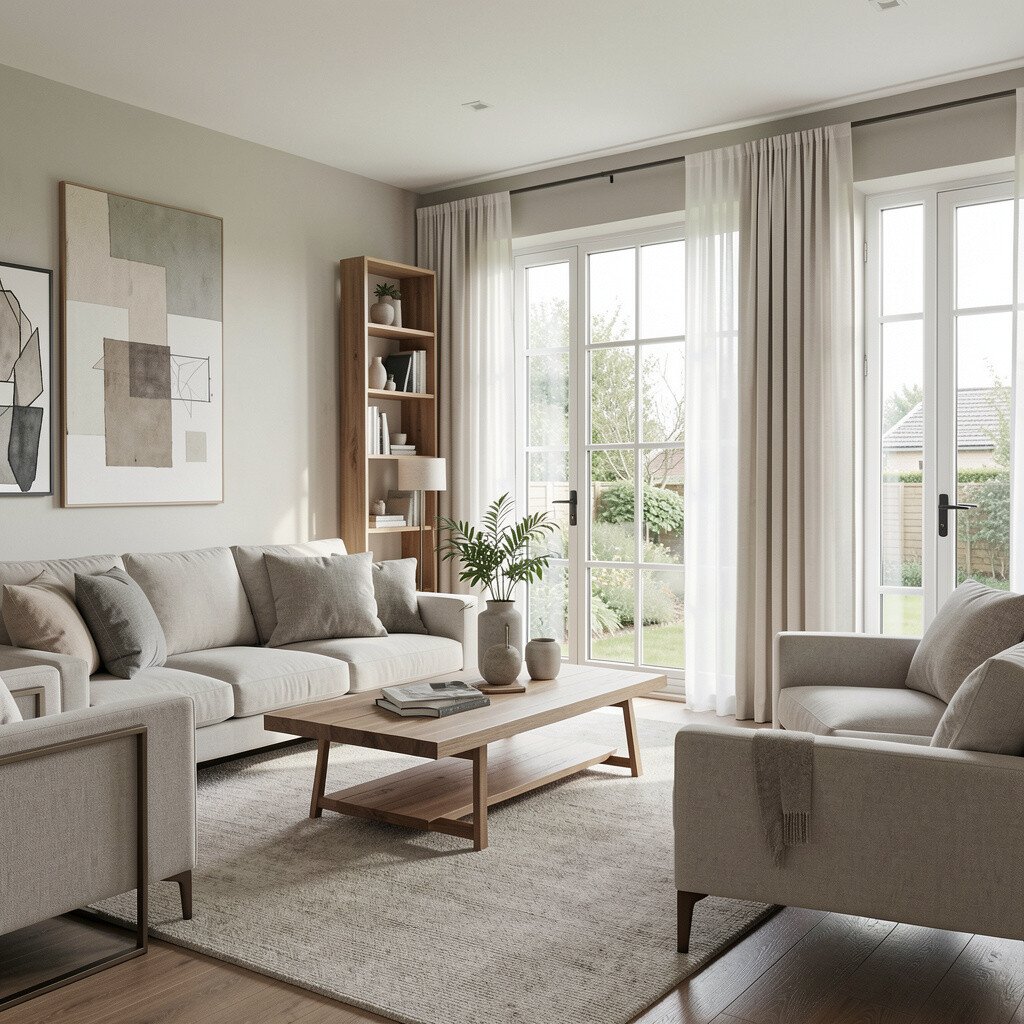
Sometimes the best resource is a simple floor plan that shows how rooms connect. When you see traffic flow clearly, the space feels calmer and more usable.
Use plan websites or public library collections to study common layouts and storage placements. Pay attention to where doors swing, where light enters, and how furniture can create clear paths. This prevents the frustrating problem of buying a beautiful sofa that blocks movement.
5. YouTube Home Tours and Styling Walkthroughs
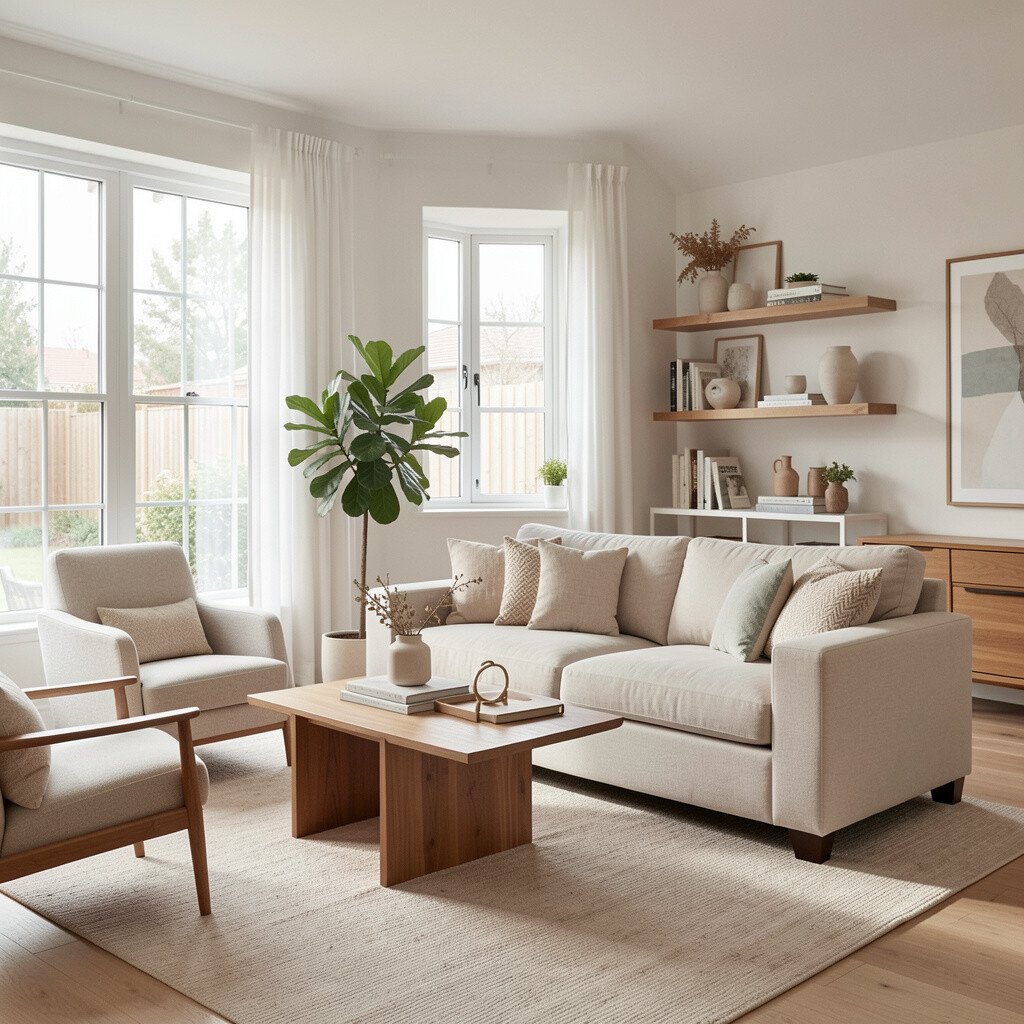
YouTube is perfect when you want to “see it work” before you commit. Watching someone style a shelf or hang art step by step makes the process feel less intimidating.
Look for channels that show budget-friendly swaps, not just high-end showrooms. Notice how they use lighting, what order they decorate in, and how they pick a few repeat elements like colors or materials. You can copy the steps even if your room is different.
For personalization, pause the video and imagine your own items in the same spots, like a stack of favorite books or a family photo. This helps you avoid making your home look like a copy. As a bonus, you’ll often find practical tips on measuring and placement.
6. Architectural Digest, Dwell, and Other Inspiring Publications
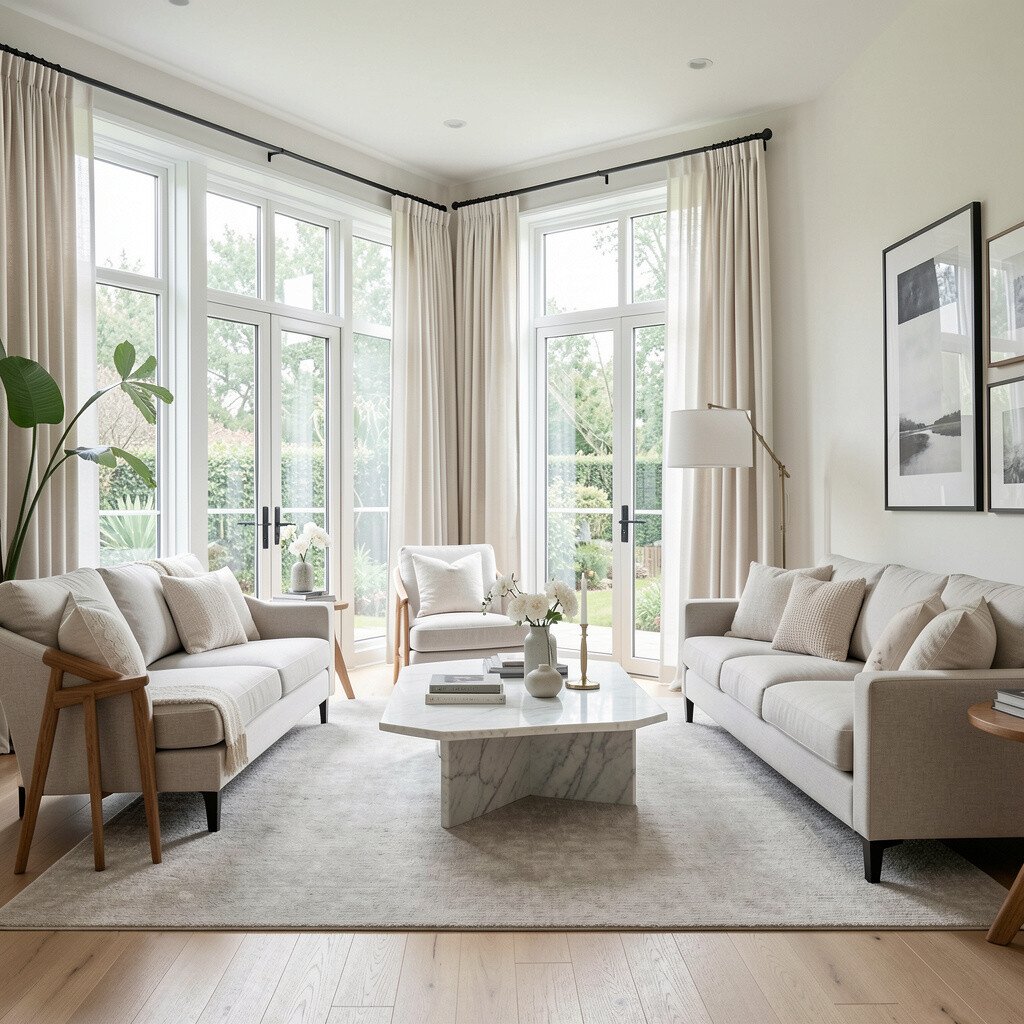
Editorial sites can spark big-picture ideas when you’re feeling stuck. You might open an article and suddenly notice how designers use negative space and texture instead of clutter.
Follow publications that match your aesthetic, whether it’s modern, coastal, or warm contemporary. Save images that show real homes with thoughtful details, not just perfect staging. That approach helps you aim for beauty you can actually maintain.
7. Color Palette Tools and Paint Visualizers
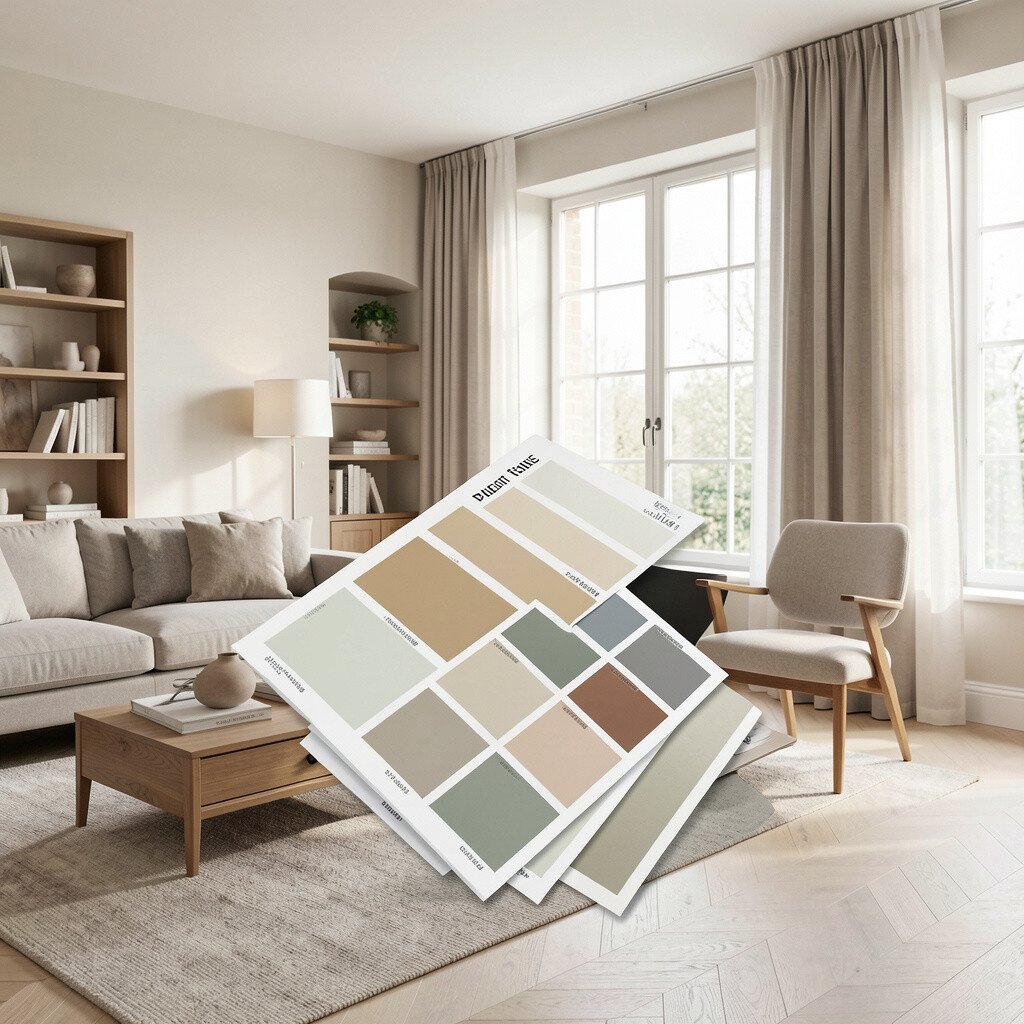
Paint can be the fastest upgrade, but it can also be the hardest to choose. Color visualizer tools let you test shades in your lighting, which makes a huge difference.
Start by picking a main tone and then choose an accent that supports it, like a deeper shade for an entry wall. If you love warm spaces, try colors with a creamy base. If you love crisp rooms, look for balanced undertones so the color stays calm.
To keep cost in check, buy sample pots first and test them on your wall near the spot that gets most daylight. Then compare them at morning and evening. That small step can save you from repainting later, which is both stressful and expensive.
8. Online Furniture Showrooms and Size Guides
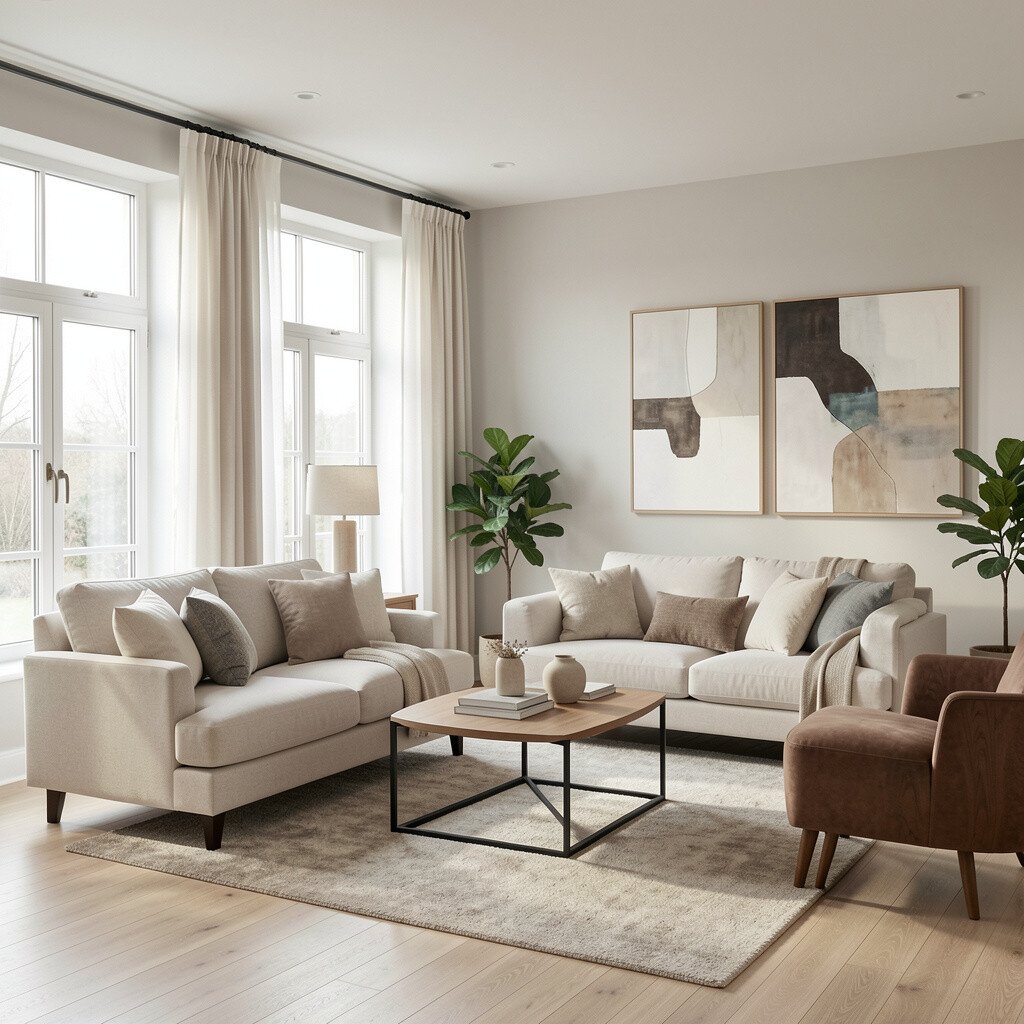
Scrolling through furniture sites can feel endless, but the right filters help you find the right scale fast. When you see measurements clearly, you stop guessing and start buying with confidence.
Use size guides for sofas, rugs, and dining tables so your room stays comfortable. A rug that’s too small can make the whole layout feel off, even when everything looks nice. Measure your space, then compare it to the site’s dimensions before you fall in love with a piece.
9. Lighting Resources for Layered, Cozy Rooms
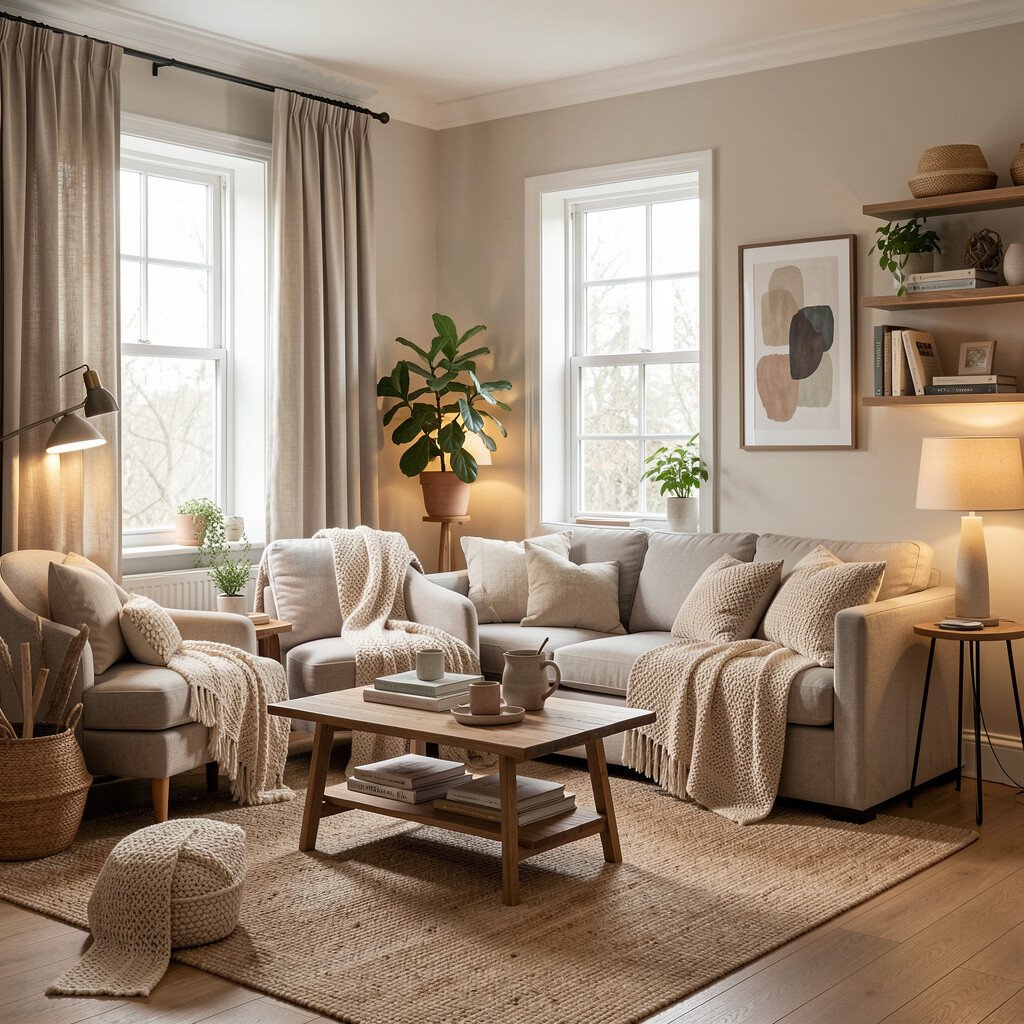
Lighting is the secret ingredient that makes rooms feel finished. With the right mix, your space can look bright and welcoming without being harsh.
Use lighting guides that explain ambient, task, and accent lighting in simple ways. Then plan where each light should go, like a floor lamp near a chair or a small pendant above a table. Layering helps you use the room differently throughout the day.
For practical personalization, choose bulbs with warmer color temperatures for living spaces and adjustable options for flexibility. Even simple fixtures can feel unique when you match finishes, like brushed brass with warm woods. This is also where you can control cost, since you can upgrade bulbs first and fixtures later.
10. Rug Sizing Charts and Placement Rules
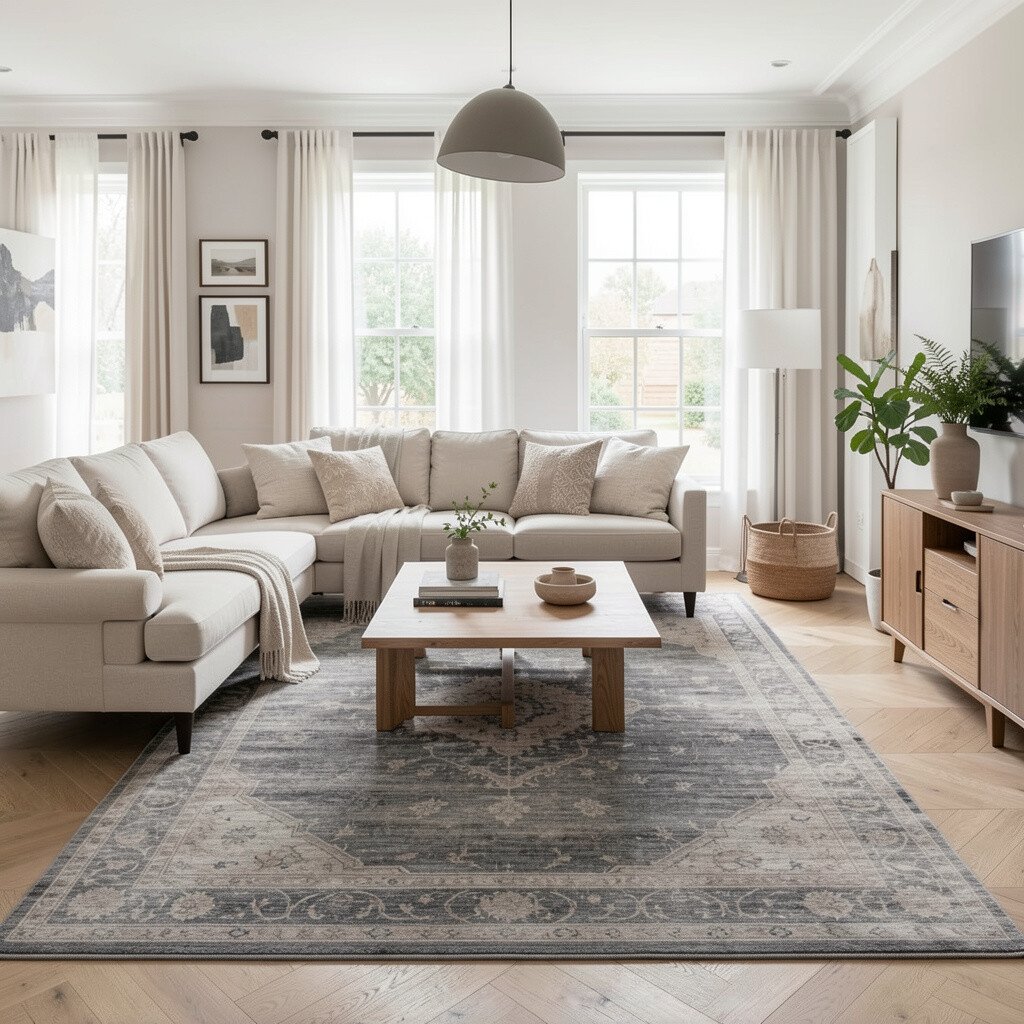
A rug can anchor your room and make everything look intentional. But only if it’s the right size and placed in a way that supports your layout.
Use rug sizing charts to decide how much rug should sit under furniture. In many living rooms, front legs of the sofa and chairs help the space feel tied together. In bedrooms, a rug that reaches beyond the bed creates a soft landing for your feet.
To personalize, pick patterns that match how you live, like low-contrast designs for a calm look or bolder patterns for a lively vibe. If you have pets or kids, consider easier-to-clean materials that still look beautiful. Planning for your real life helps the rug stay a favorite instead of a regret.
11. Storage and Organization Ideas for a Cleaner Look
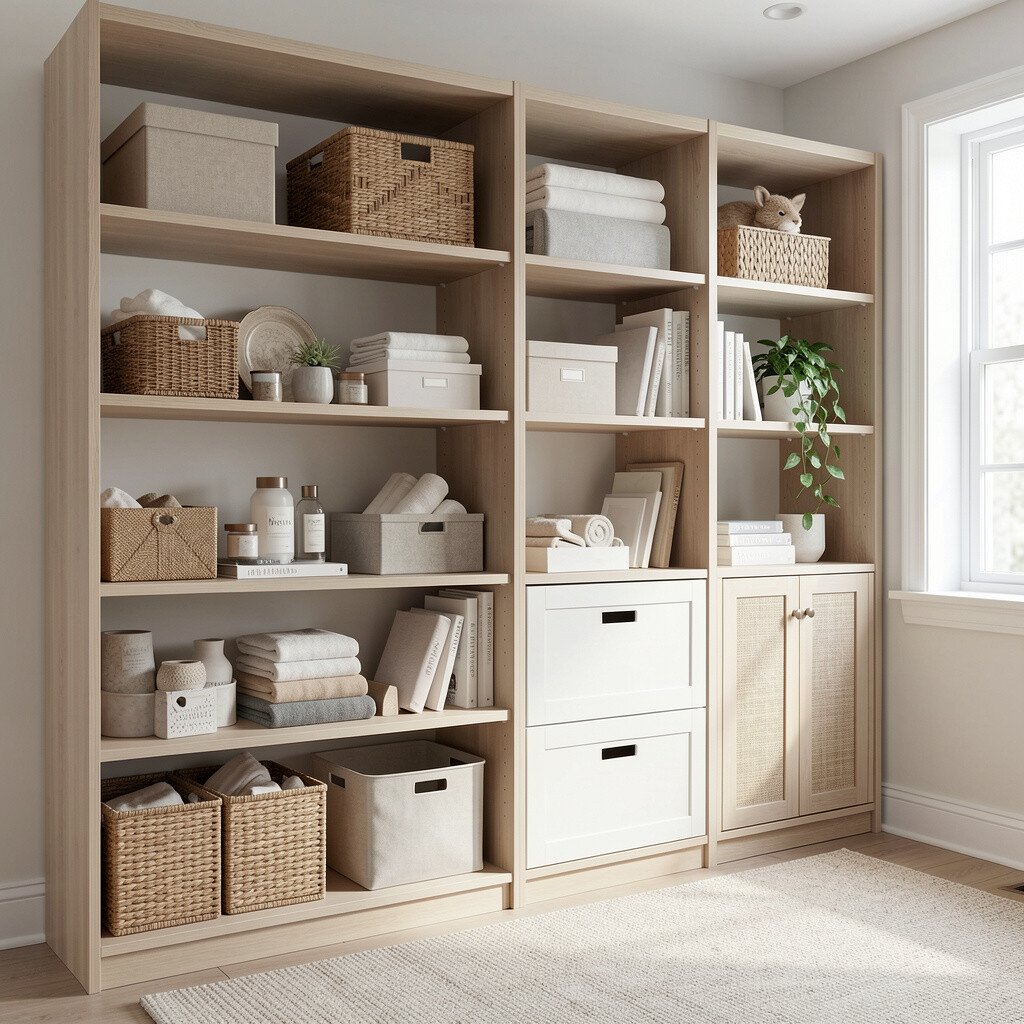
Beautiful spaces often start with smart storage. When items have a home, surfaces look smoother and your room feels more peaceful.
Use organizing resources that focus on zones, like entry, kitchen counter, and bedside. Shelf dividers, drawer inserts, and labeled bins can reduce visual noise quickly. This is especially helpful for small homes where every inch counts.
12. Wallpaper and Texture Libraries for Wall Drama
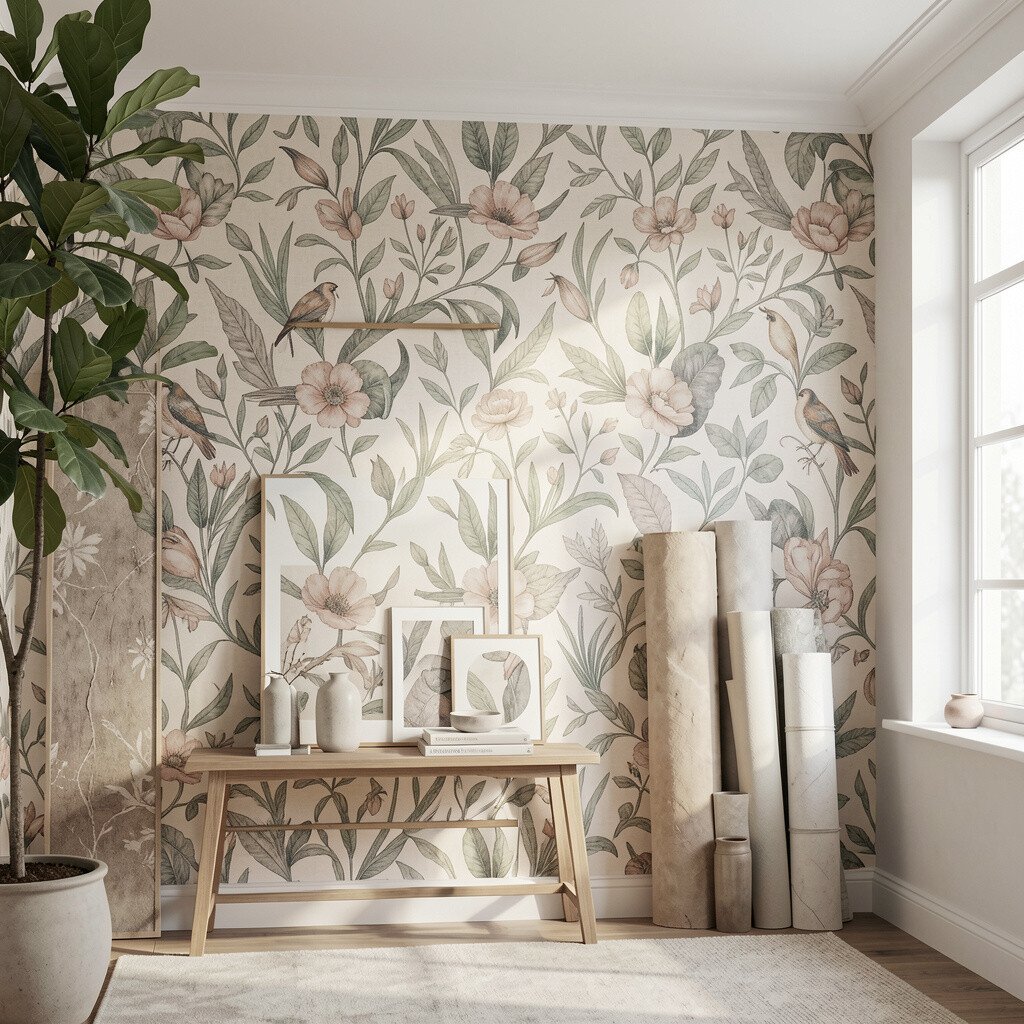
Wallpaper can add personality faster than almost any other upgrade. Textures like grasscloth or subtle patterns can make light feel warmer and richer.
Browse wallpaper samples and texture libraries to compare how designs look from different angles. Consider peel-and-stick options if you want flexibility or you’re renting. If you’re nervous about commitment, start with an accent wall or a small hallway section.
For personalization, match wall patterns to your art style and choose colors that repeat in your textiles. This makes the wall feel like part of the whole room, not a random design moment. It can also be a budget-friendly choice if you limit coverage and focus on one high-impact area.
13. Art Curation Guides for Walls That Feel Personal
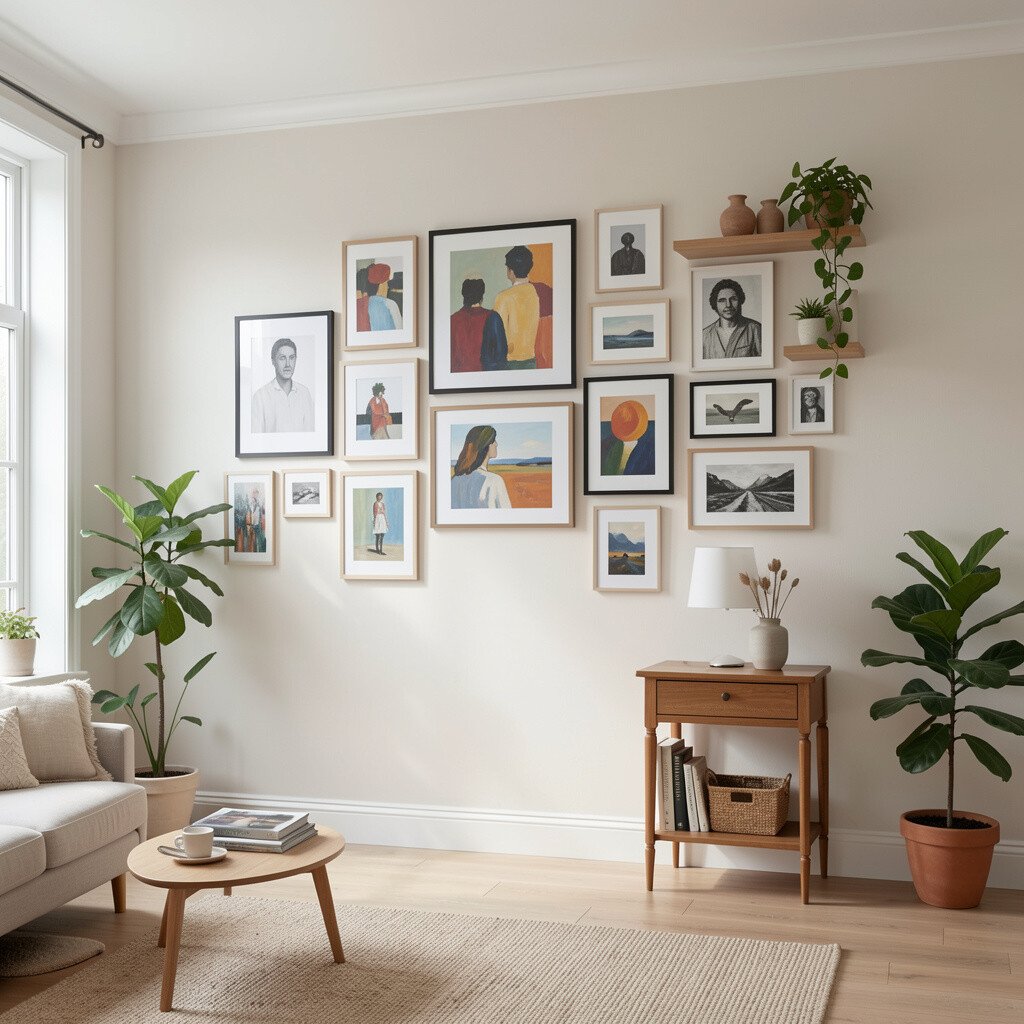
Wall art can tell your story, but it can also look messy if it’s chosen without a plan. Art curation guides help you create spacing that feels balanced.
Follow recommendations for the size of art relative to furniture and wall space. Many people love the look of a gallery wall, but you’ll get better results when you choose a consistent theme like color, frame style, or subject matter. This is a simple way to make your display feel intentional.
To personalize, include a mix of meaningful pieces and one surprising item that adds personality. You can frame ticket stubs, sketches, or photos from trips. When your art reflects your life, the room becomes more inviting to guests and more comforting for you.
14. Hardware and Fixture Inspiration for Small Details
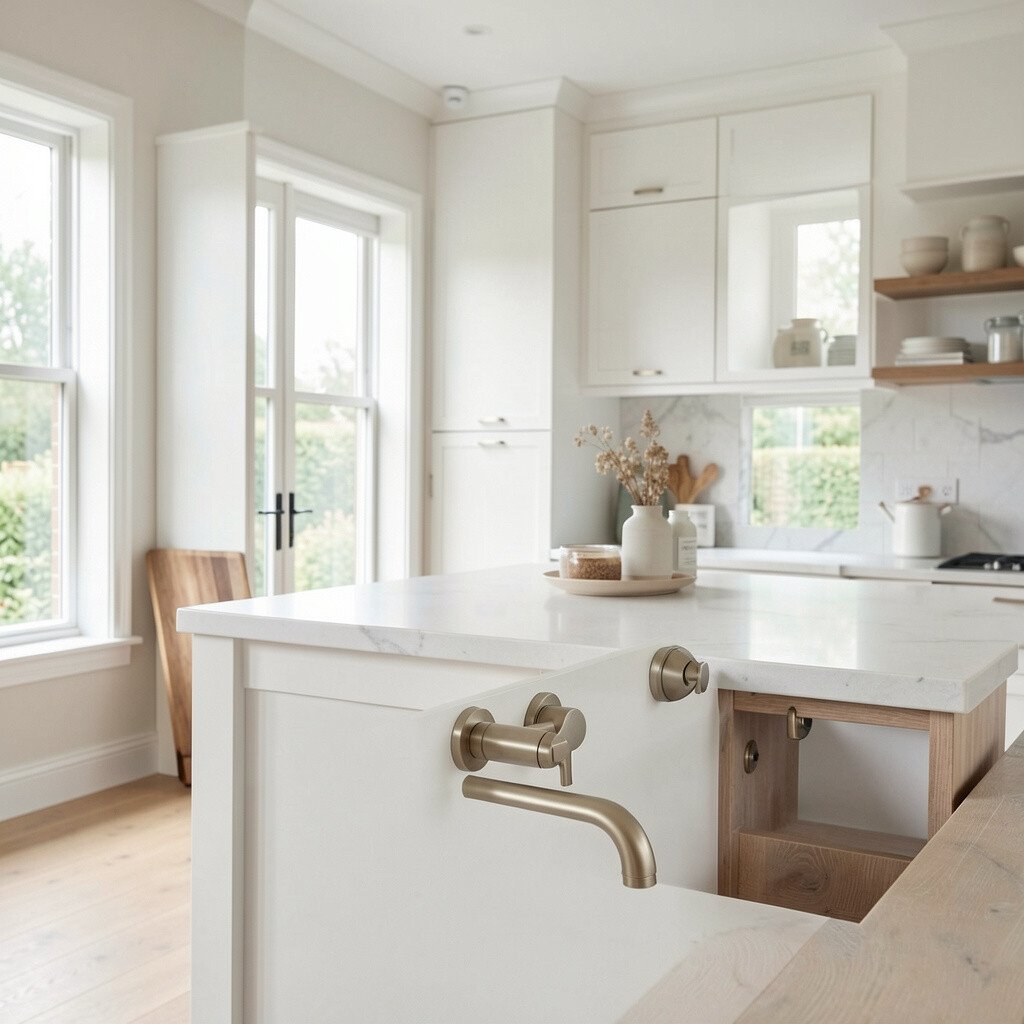
Small details can make a room feel carefully designed, like the difference between average and polished. Cabinet pulls, faucets, and door handles are tiny choices that add up.
Use fixture inspiration sites to compare finishes, such as matte black, brushed nickel, or warm brass. Notice how each finish works with your existing metals, light fixtures, and even your appliances. Matching or intentionally contrasting metals can keep the room from feeling random.
For cost considerations, you can update hardware without redoing cabinets, which saves time and money. Measure screw spacing carefully before you buy. A careful swap can give your kitchen or bath a fresh look in a weekend.
15. Sustainable Materials Resources for Modern Comfort
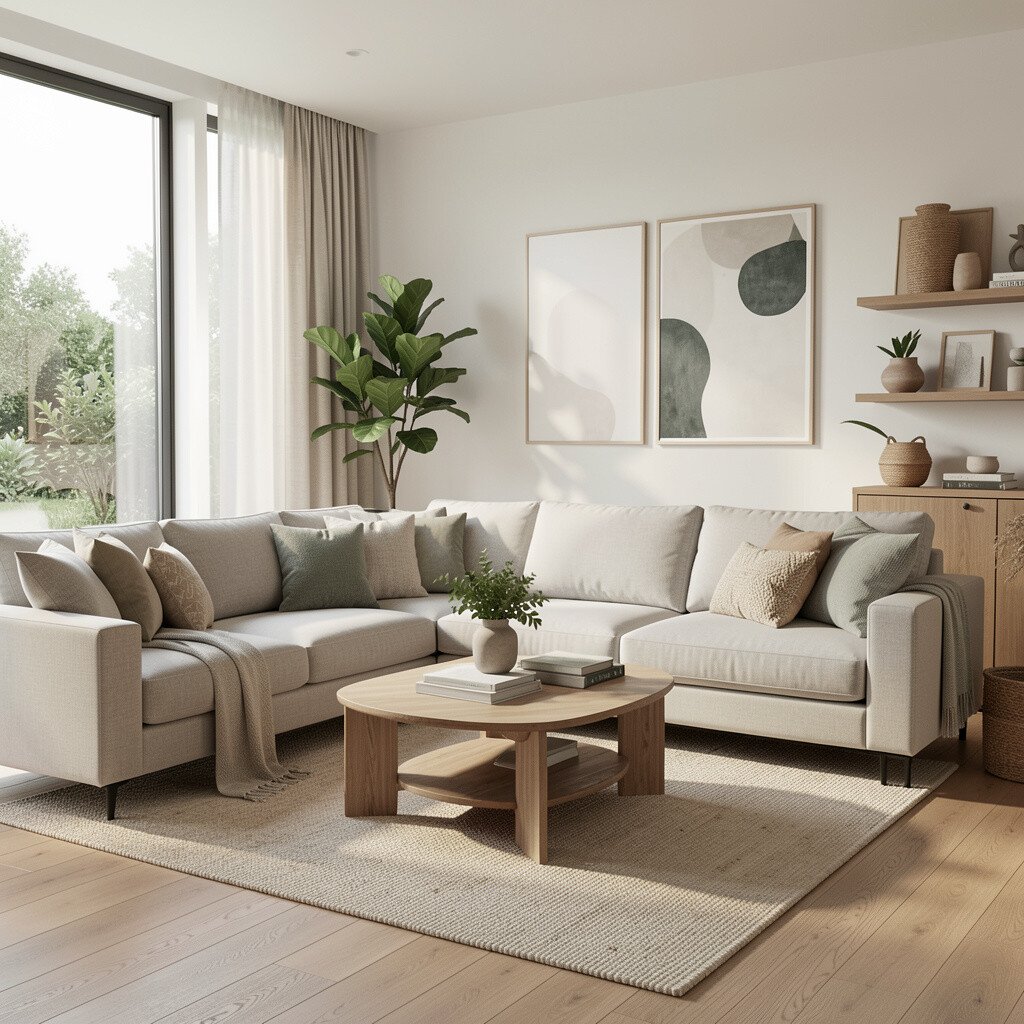
Sustainable materials can look beautiful while supporting a better home. Eco-friendly options often bring a natural warmth that feels inviting right away.
Search for resources on low-VOC paints, responsibly sourced wood, and durable fabrics that resist fading. You can also learn how to care for natural materials so they keep their look longer. The long-term benefit is less waste and fewer replacements.
To personalize, choose textures that match how you want to feel, like linen for calm mornings or reclaimed wood for cozy character. Even small upgrades, like a sofa cover in a natural blend, can shift the whole mood. This is one of those choices where values and style truly align.
16. DIY Guides for Custom Styling on a Practical Budget
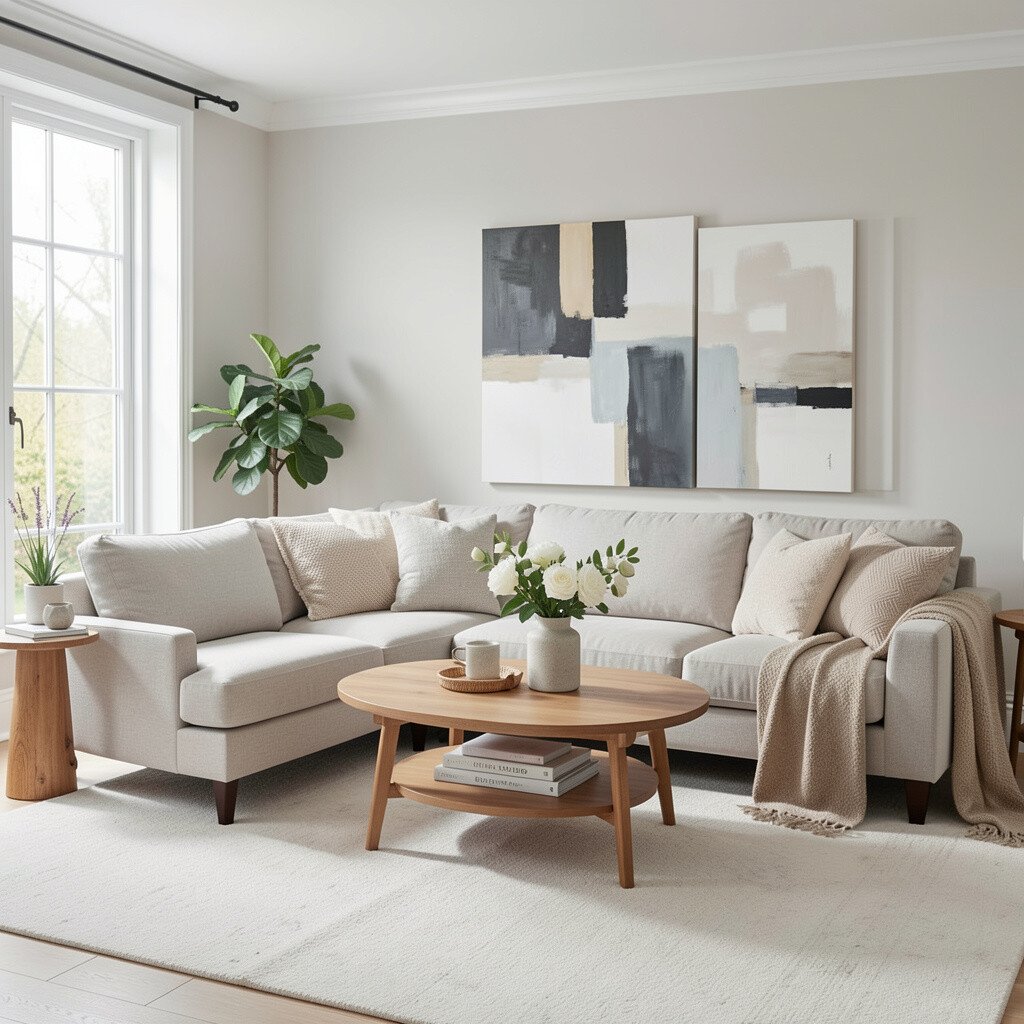
DIY resources can turn your home into a one-of-a-kind place without draining your wallet. When you make something yourself, it naturally matches your taste and your needs.
Focus on projects that improve function first, like a simple shelf, a wall organizer, or a framed photo grid. Then add style through color, paint, or stain so the piece fits your room. Keep your tools and time realistic so the project stays fun.
For a personalization twist, use fabrics, handles, or decorative trim that already match your current decor. That way, the DIY project doesn’t clash with the rest of the room. You’ll feel proud and your space will look like you’ve invested real love into it.
17. Community Forums for Real Feedback and Honest Reviews
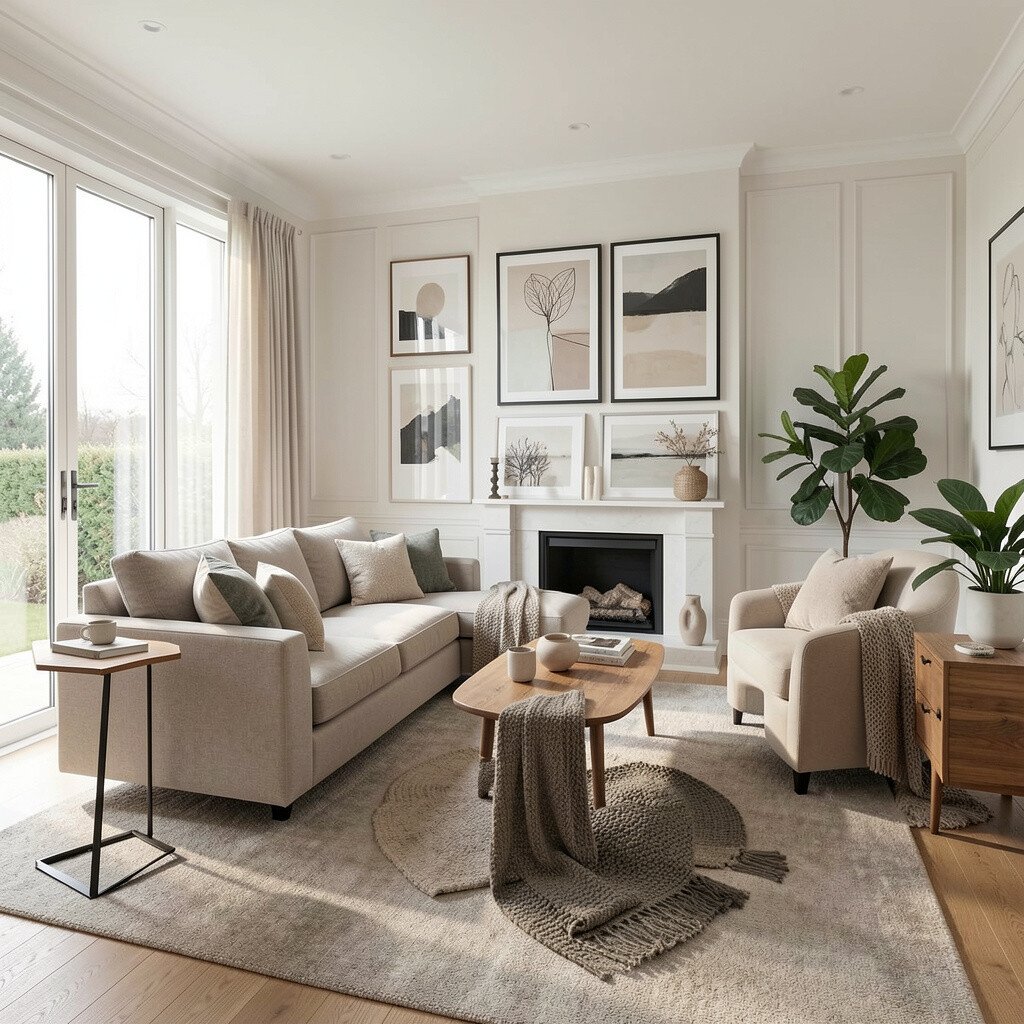
Design forums can be surprisingly helpful when you want honest opinions from people with real homes. You can ask questions and learn what worked, what didn’t, and what surprised them.
Read reviews for furniture quality, color accuracy, and shipping reliability. Pay special attention to details like how the fabric feels in sunlight or how the finish holds up over time. This kind of information reduces risk and helps you choose with confidence.
To personalize your choices, share a description of your space and your goals, then request recommendations based on similar rooms. When people understand your constraints, they can suggest more realistic solutions. It also helps you avoid expensive mistakes that come from trusting only product photos.
18. Home Styling Calendars for Seasonal Updates
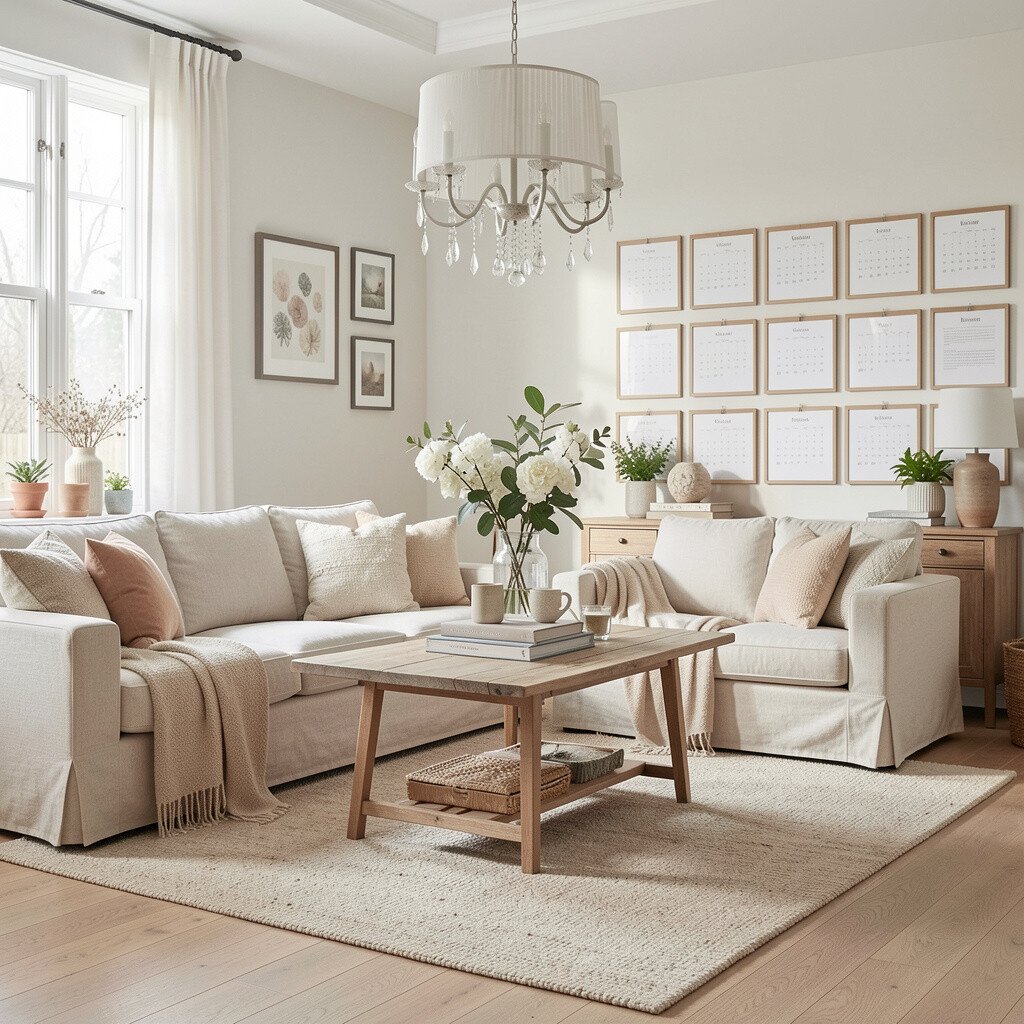
Seasonal styling resources help your home stay fresh without constant shopping. You can refresh with small changes that make a room feel new as the weather shifts.
Try swapping textiles like pillow covers, throws, and curtains to match cooler or warmer months. Add seasonal accents with lighting, like string lights for cozy evenings or brighter bulbs for summer brightness. These changes make the room feel tailored to your life and the time of year.
For personalization, pick items that reflect your activities, like a cozy reading setup in winter or a breezy snack corner in summer. Cost stays reasonable when you treat swaps as planned rotations. You’ll also enjoy the process, because styling becomes part of your routine instead of a big stressful project.
19. Virtual Room Planners and Measurement Apps
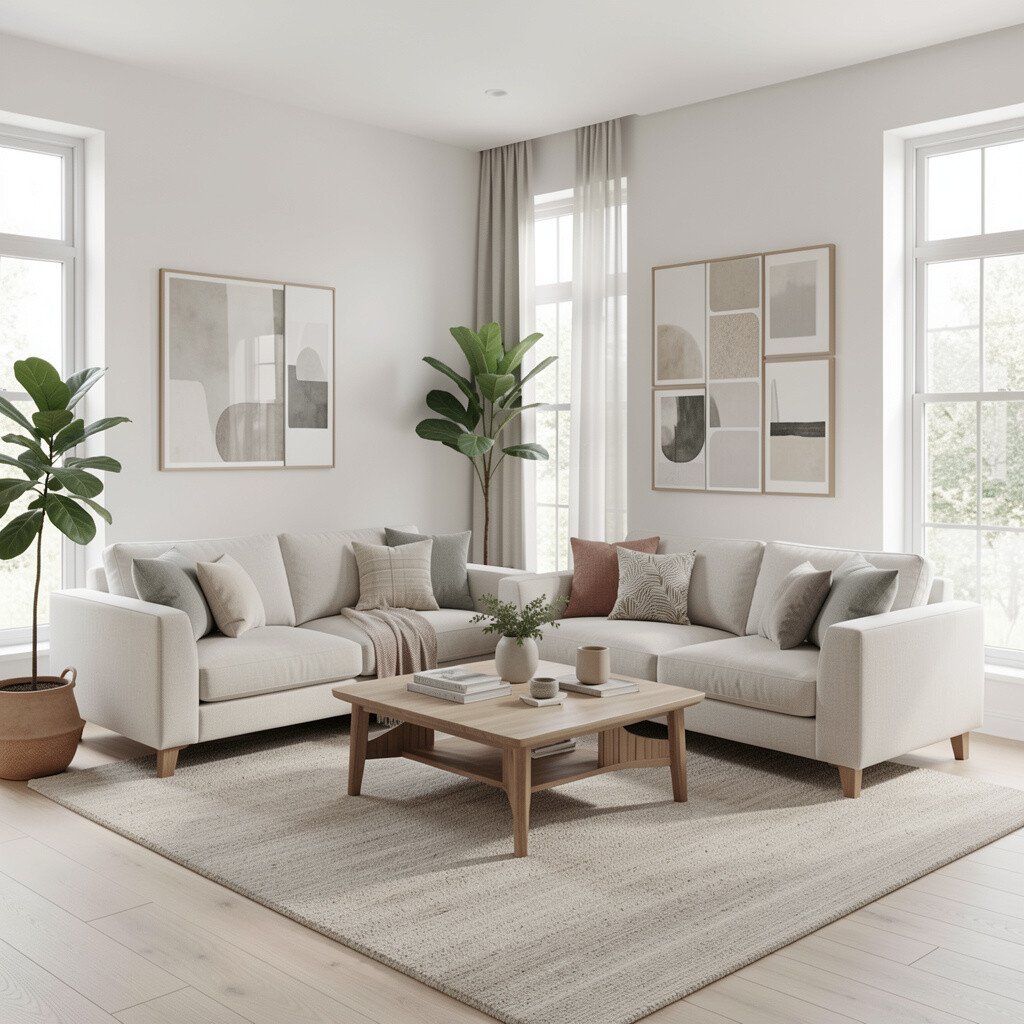
Virtual room planners can help you see furniture in your space before you buy it. When you can rotate and move items on a screen, awkward layouts become easier to avoid.
Use measurement apps to map wall lengths, window placement, and furniture clearances. Then build a simple plan that includes your key pieces, like the sofa, dining table, and main lighting. A clear plan helps you balance style with real movement and comfort.
To personalize, try multiple arrangements and save the ones that match your daily routines, like where you watch TV or where you store bags. This makes the final layout feel natural, not forced. It’s also a smart cost saver because you can avoid buying the wrong size or returning bulky items.