Interior doors do more than close off a room. They can also help keep your home safer, calmer, and easier to live in.
1. Check That Every Door Opens and Closes Smoothly
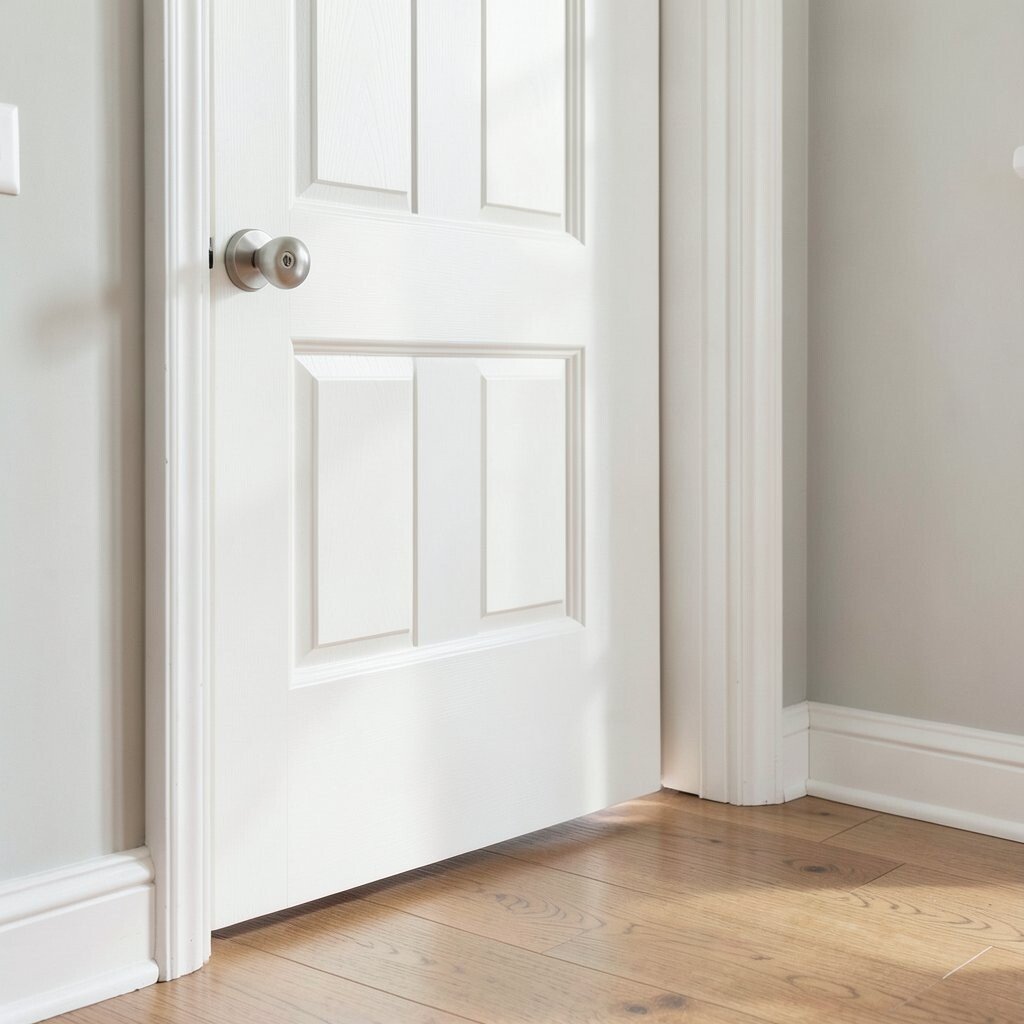
A door that sticks, drags, or swings too fast can cause trouble fast. Smooth movement helps prevent pinched fingers, trips, and sudden bumps.
Look at the door edge, the floor, and the hinges to see what is causing the problem. A small fix like tightening screws or trimming a swollen edge can make the door feel fresh and safe again. This kind of care also keeps the door looking neat, which adds a clean and polished feel to the room.
2. Use Door Stops to Protect Little Hands and Walls
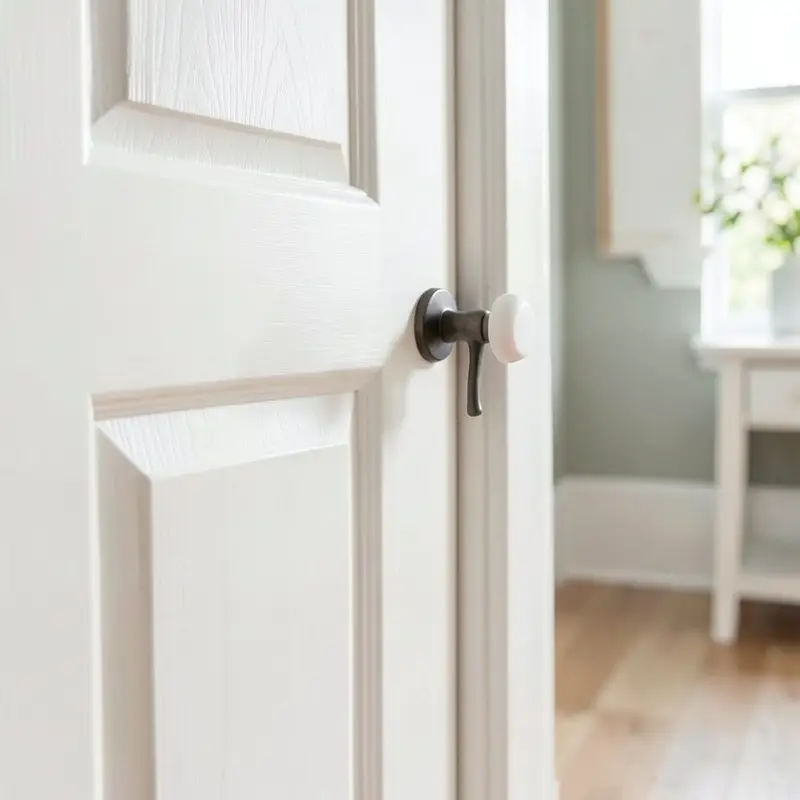
Door stops are small, but they can save a lot of pain and damage. They keep a door from slamming into a wall or trapping fingers.
Soft rubber stops, floor stops, and hinge stops all work in different ways. Pick one that fits the room style, like a simple white stop for a bright hallway or a dark metal one for a modern space. They are usually low-cost, and that makes them a smart safety upgrade for busy homes.
If you want a fun touch, choose a stop that matches the room theme or paint color. That tiny detail can make a plain door area feel more finished and personal. Families with children or pets often like this change because it helps the home feel kinder and calmer.
3. Choose the Right Door Material for Each Room
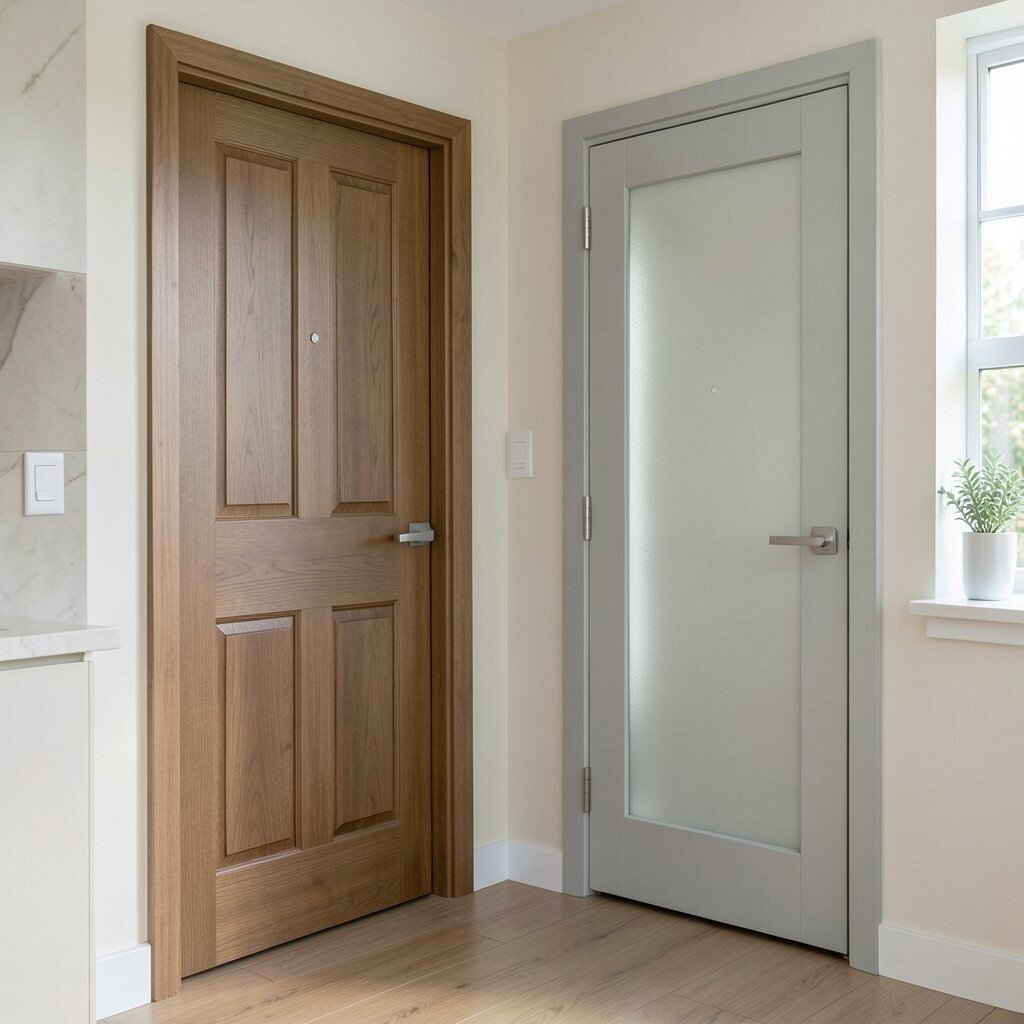
Not every interior door needs the same kind of build. A solid door can feel sturdy and private, while a lighter door may work well in a quiet room.
Think about where the door is used and what it must do each day. A bathroom door may need moisture resistance, while a bedroom door may need better sound control. The right material can improve safety, comfort, and even the way a room looks.
Wood, molded panels, glass inserts, and composite doors each have their own style. If you want a warm look, wood grains can feel cozy and classic. If you want a clean modern feel, smooth painted doors are still a popular choice and can often fit many budgets.
4. Keep Glass Panels Safe and Easy to See
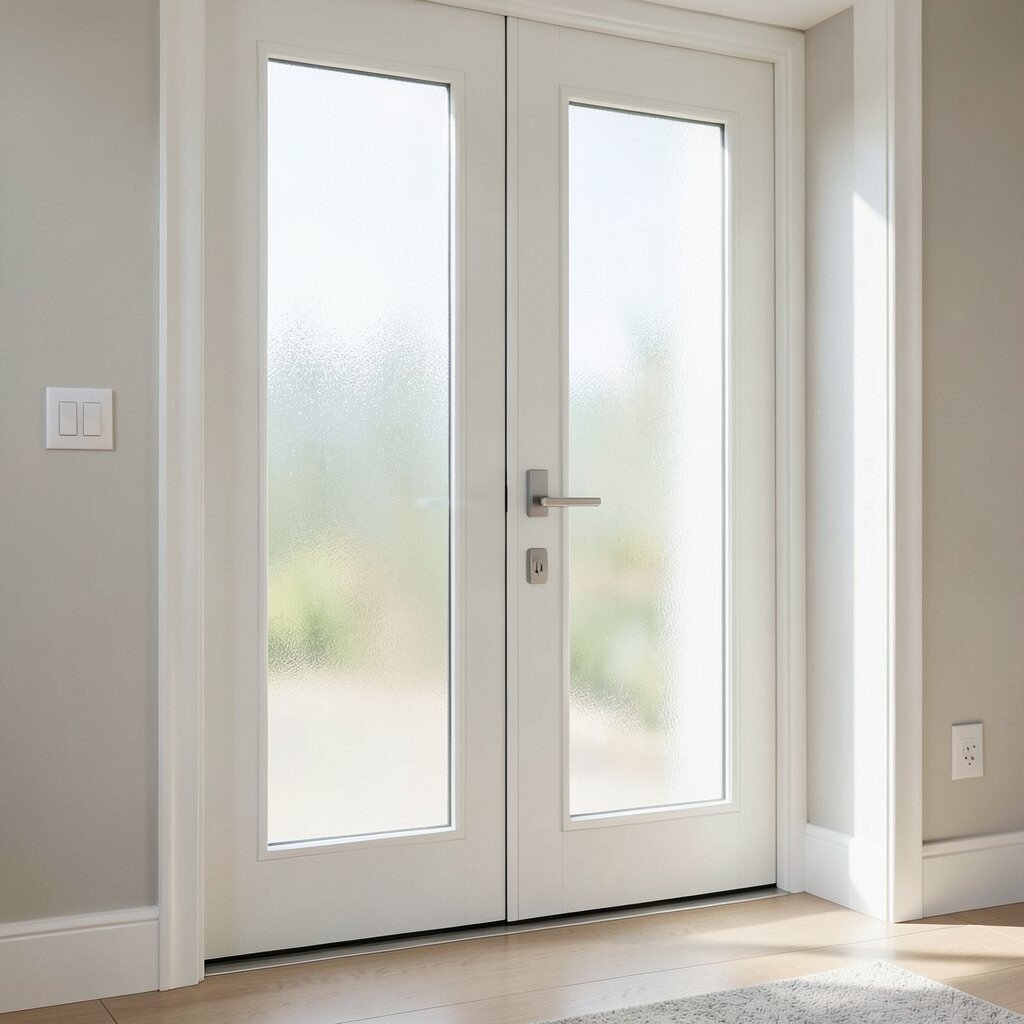
Glass in an interior door can look bright and stylish. It also brings light into darker spaces, which helps people see where they are walking.
Choose glass that is strong and made for doors, not thin glass that can break too easily. Frosted or textured glass can give privacy while still letting light pass through. That mix of beauty and safety is one reason glass doors remain a favorite in many homes.
5. Add Privacy Locks Where They Make Sense
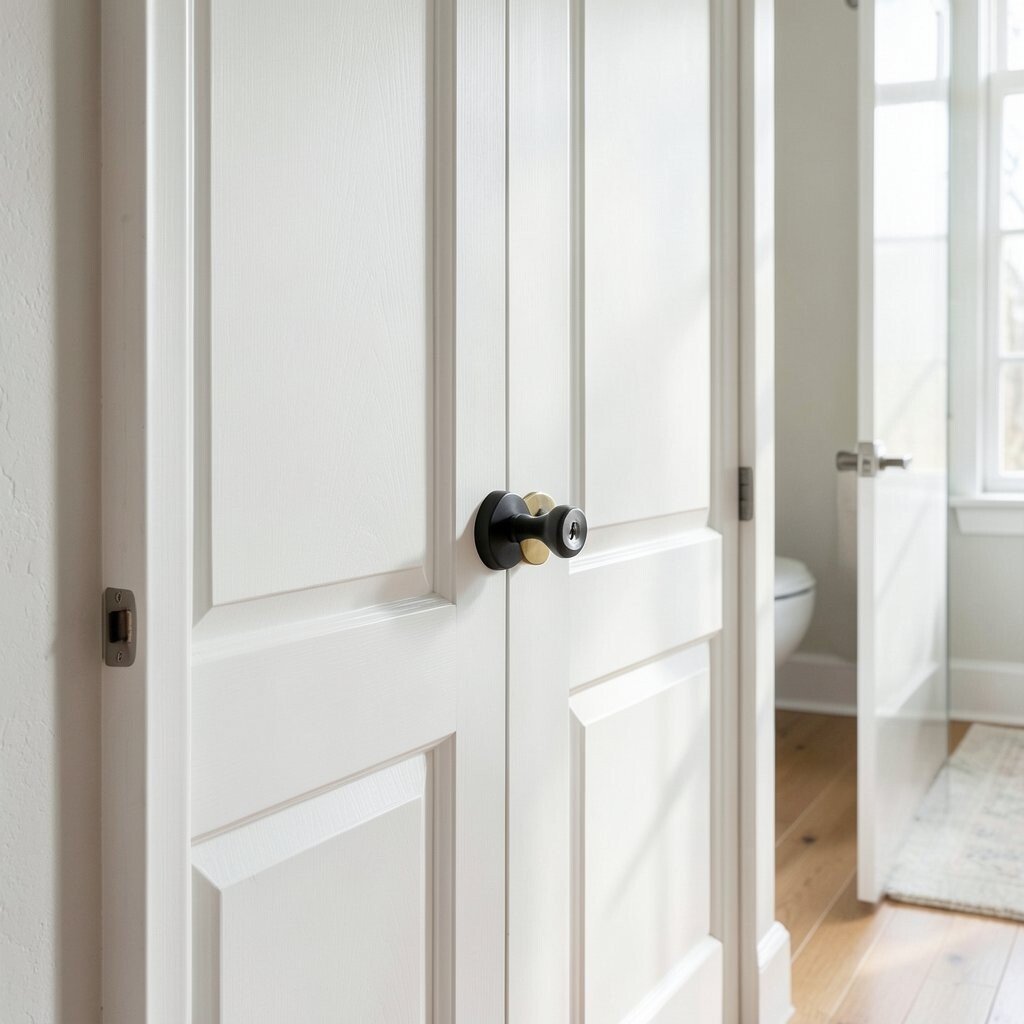
Some rooms need more privacy than others. A simple lock can help protect personal space in bathrooms, bedrooms, or home offices.
Pick a lock that is easy to use but still secure. For kids or older adults, a knob that turns smoothly is often better than a stiff latch. The best part is that many privacy locks are affordable and come in styles that match modern, classic, or farmhouse doors.
If you are updating a room, match the lock finish to the hinges and handle for a neat look. Black, brushed nickel, and brass are all common choices right now. Small details like this can make the whole door feel more custom without a big price jump.
6. Make Sure Handles and Knobs Are Easy to Grip
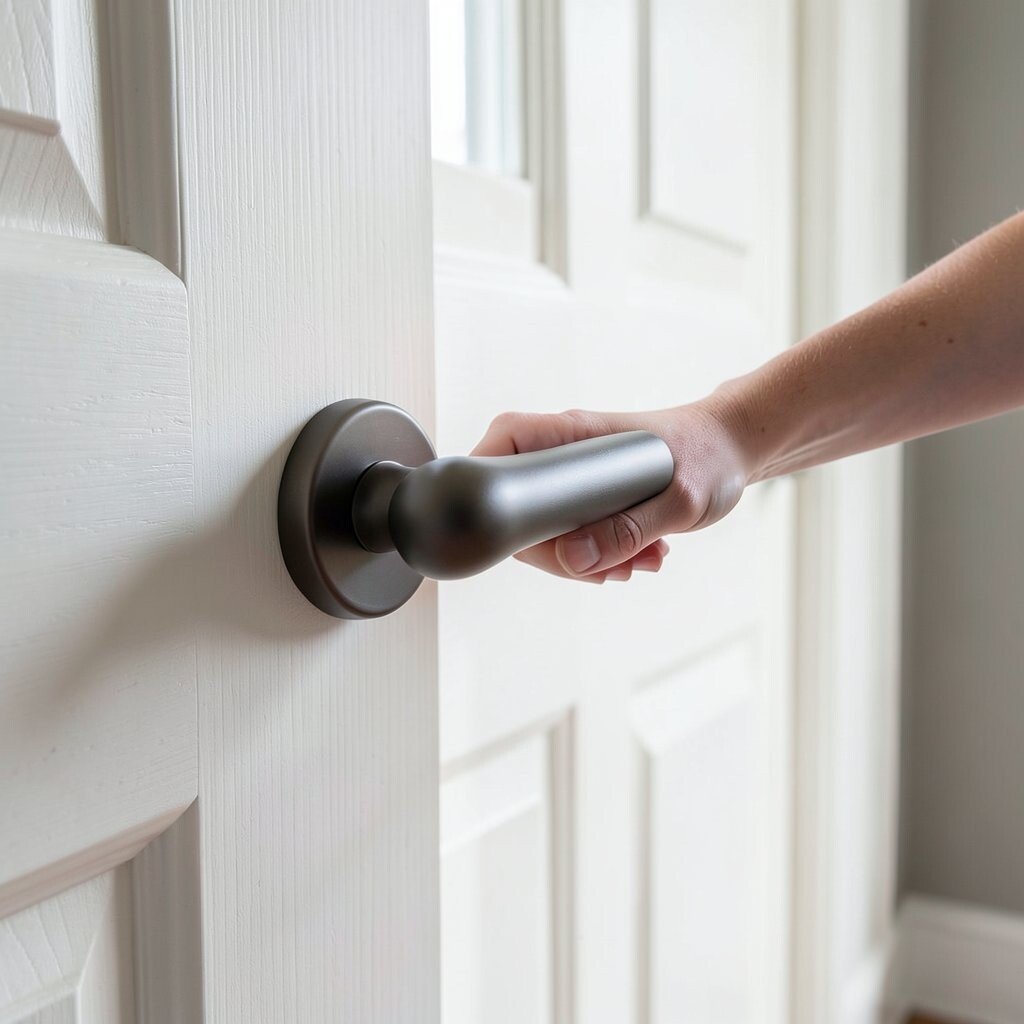
A handle should feel comfortable in the hand. If it is too slippery or too hard to turn, it can become a daily annoyance and a safety issue.
Levers are often easier for children, older adults, and anyone with sore hands. Round knobs can still work well, but they may need a firmer grip. A smooth, easy handle also gives the door a more polished look and can make the room feel more welcoming.
When choosing hardware, think about size, shape, and finish. A matte finish can hide fingerprints, while a shiny finish can add sparkle. Many homeowners like mixing safety and style by picking hardware that feels good and matches the room’s mood.
7. Watch for Pinch Points Near Hinges
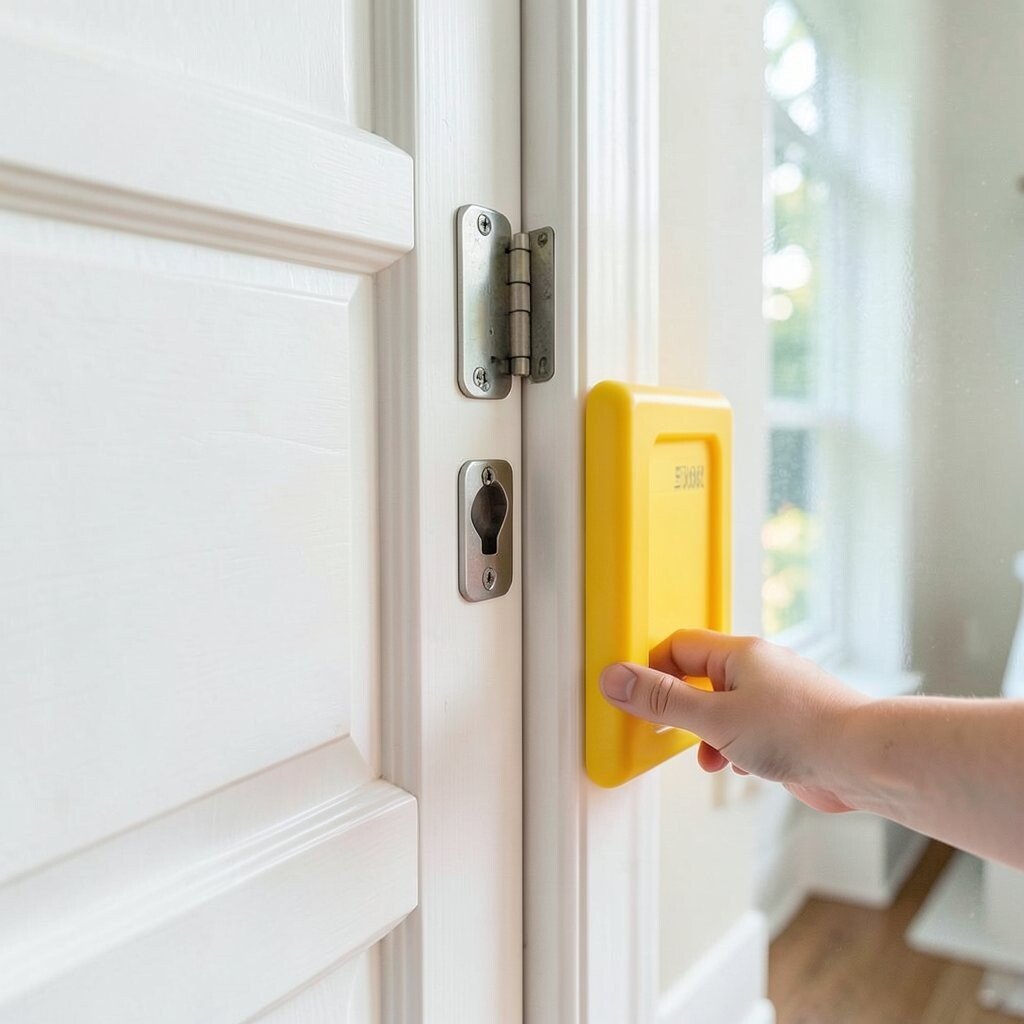
Hinges can hide a small danger. Fingers can get pinched if a door closes too fast or if someone reaches into the wrong spot.
Try hinge guards or door hinge covers, especially in homes with young children. These simple add-ons can make a big difference without changing the door’s look very much. They are usually inexpensive, and they work well with many door styles.
It also helps to teach children not to play near moving doors. A bright door guard can even become part of the room’s look if you choose one in a color that blends in. That little bit of planning adds safety without making the space feel dull.
8. Pick Door Colors That Help People Notice the Door
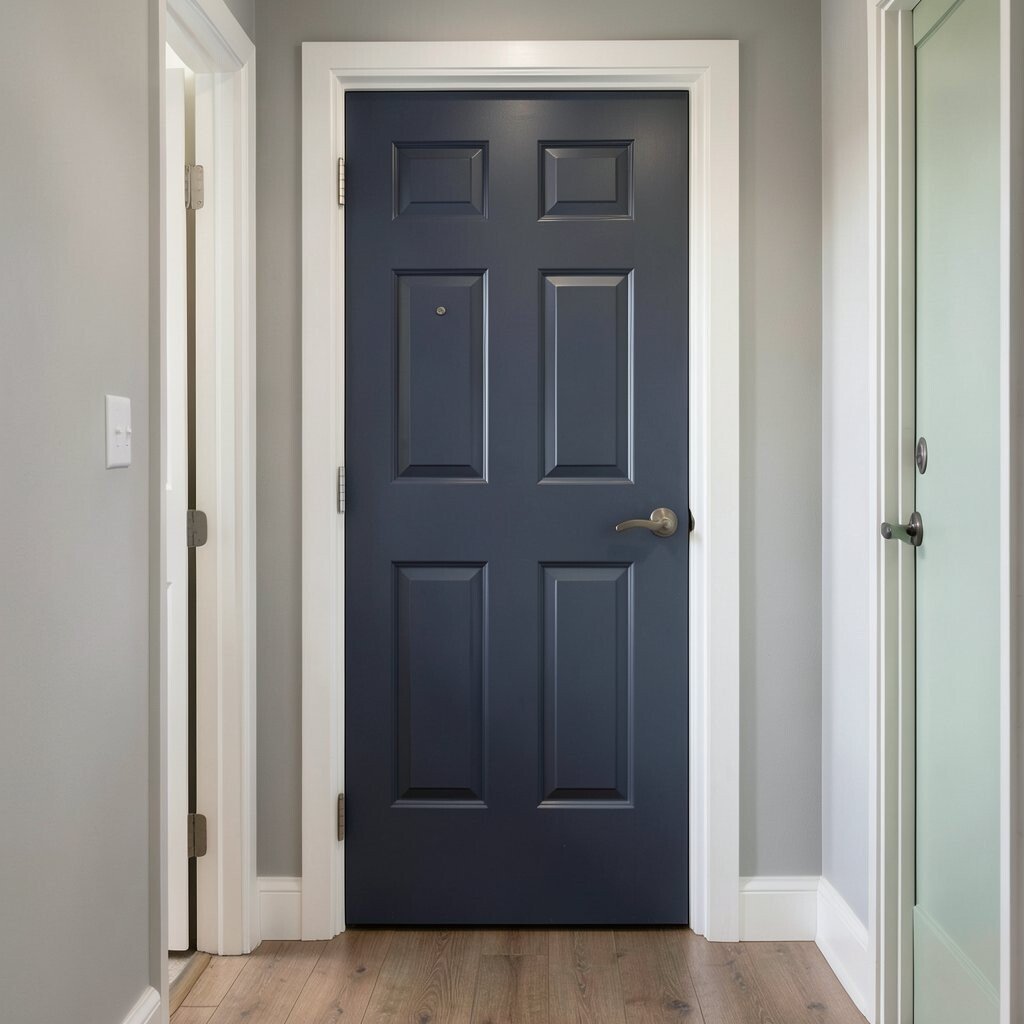
Color can help a door stand out in a good way. A visible door is easier to spot, which can help prevent bumps in busy hallways or dim rooms.
Use a color that fits the home but still gives the door a clear outline. Soft white, deep navy, warm gray, and gentle green are all popular choices. These shades can make the door feel special while still looking calm and easy on the eyes.
If your home has many similar doors, color can help people tell them apart. That is helpful for children, guests, and anyone moving quickly through the house. Paint is also a budget-friendly way to refresh an old door without replacing it.
9. Keep Door Frames Strong and Tight
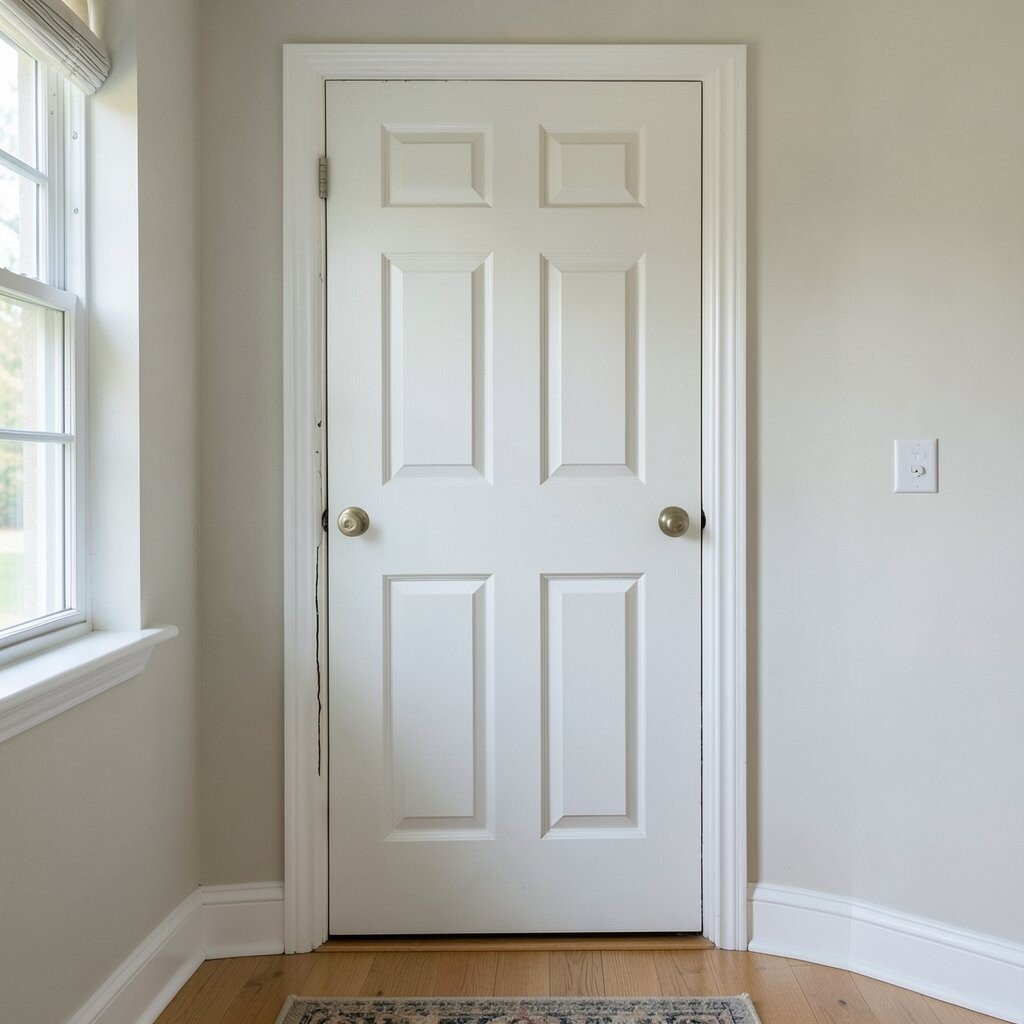
A door is only as safe as the frame around it. If the frame is loose, cracked, or warped, the door may not close properly.
Check for gaps, squeaks, and wobbling when the door moves. Small repairs can stop bigger problems later and help the door stay aligned. A strong frame also improves the way the door looks because it sits straight and neat.
Some homes need only a few screws or a bit of filler to make the frame feel solid again. For older homes, this can be a smart place to spend money because it supports the whole doorway. A firm frame gives the room a more finished and dependable feel.
10. Use Soft-Close Hardware for Busy Areas
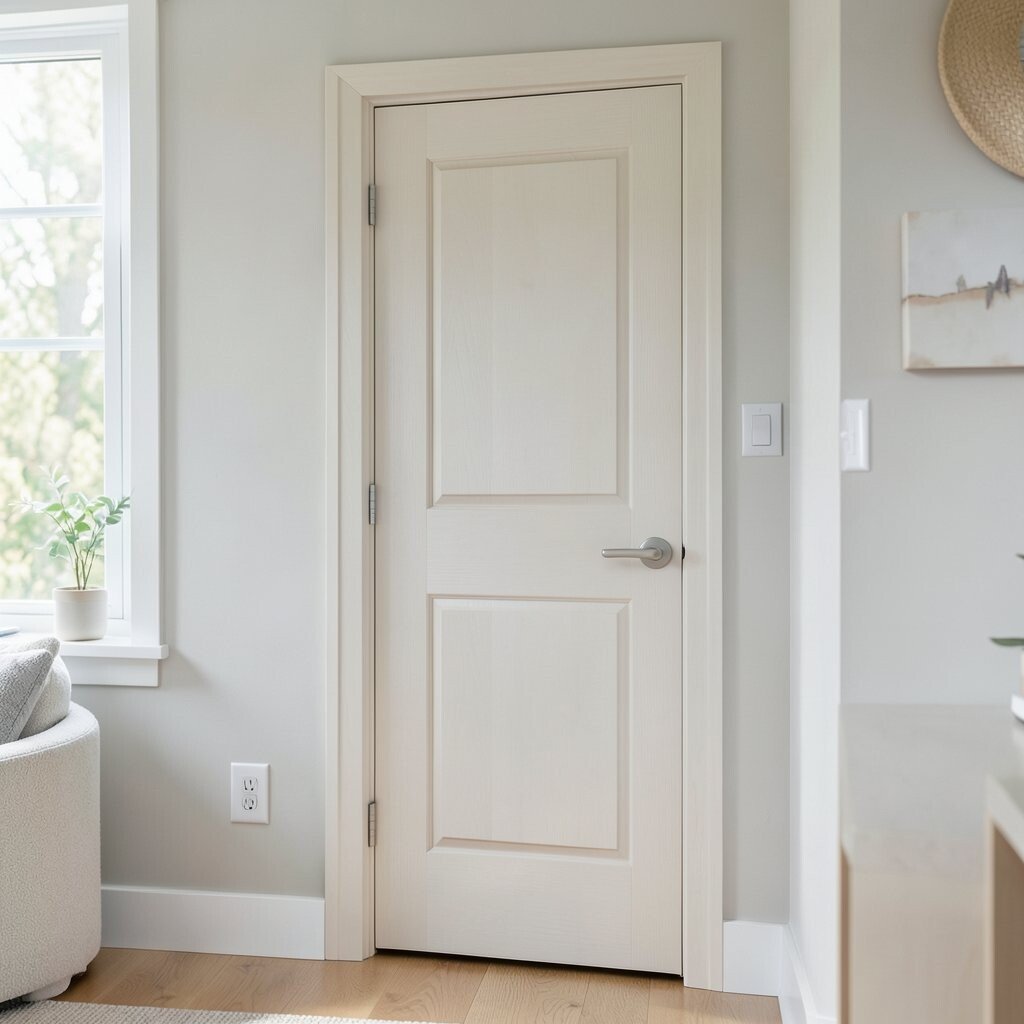
Soft-close hardware helps doors shut gently instead of banging. That quiet motion is easier on ears, walls, and little fingers.
This kind of hardware is a nice choice for bedrooms, nurseries, and hallways where people move through often. It can make the home feel more peaceful, which many families love. The smooth shut also gives the door a more modern feel, since soft-close features are a growing trend in home updates.
It may cost more than a basic hinge, but many people think the comfort is worth it. If you are updating several doors, you can start with the most used rooms first. That way, you get safety and comfort where they matter most.
11. Add Night Visibility Near Dark Hallways
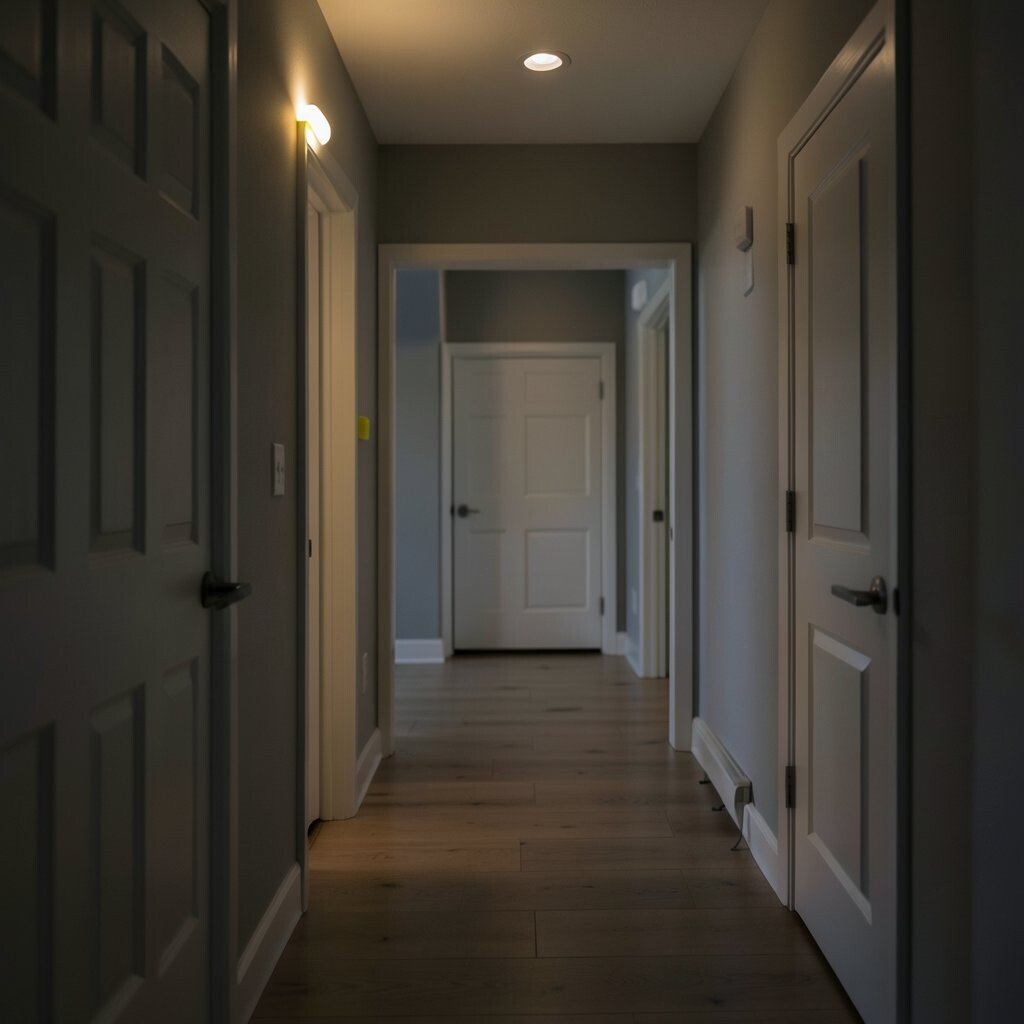
Some interior doors are hard to see at night. That can lead to sleepy stumbles, bumps, and awkward missteps.
Use a soft night light, glow tape, or a nearby wall light to help guide the way. This is especially useful for bathroom doors, laundry rooms, and basement entries. A little light can make a hallway feel safer and also more inviting.
Choose lighting that fits the room style so it does not feel harsh. Warm light often feels gentle and cozy, while cool light can look crisp and modern. This is a low-cost improvement that can help the whole home feel easier to move through after dark.
12. Match Safety Upgrades to Your Family’s Daily Life
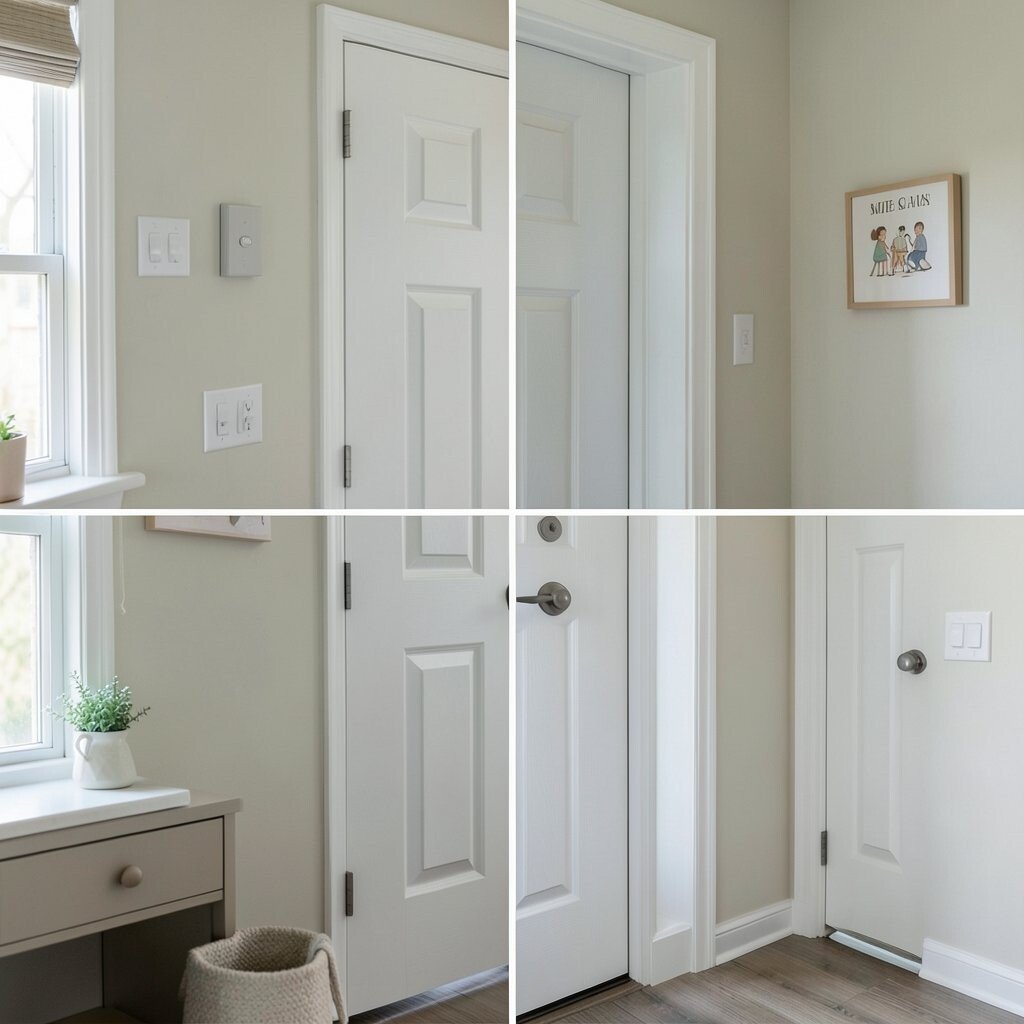
The safest door setup is the one that fits your home’s real habits. A house with kids, pets, guests, or older adults may need different door choices than a quiet apartment.
Think about who uses each room and how often the door opens. A playroom may need pinch protection, while a home office may need better privacy and sound control. Personal touches like a favorite handle finish, a soft paint color, or a custom sign can still make the door feel special while keeping safety in mind.
It helps to make a simple plan room by room so you can spend wisely. Some upgrades are cheap and quick, while others may take more time and money. When each door matches the needs of the people using it, the whole home feels safer, more comfortable, and more personal.