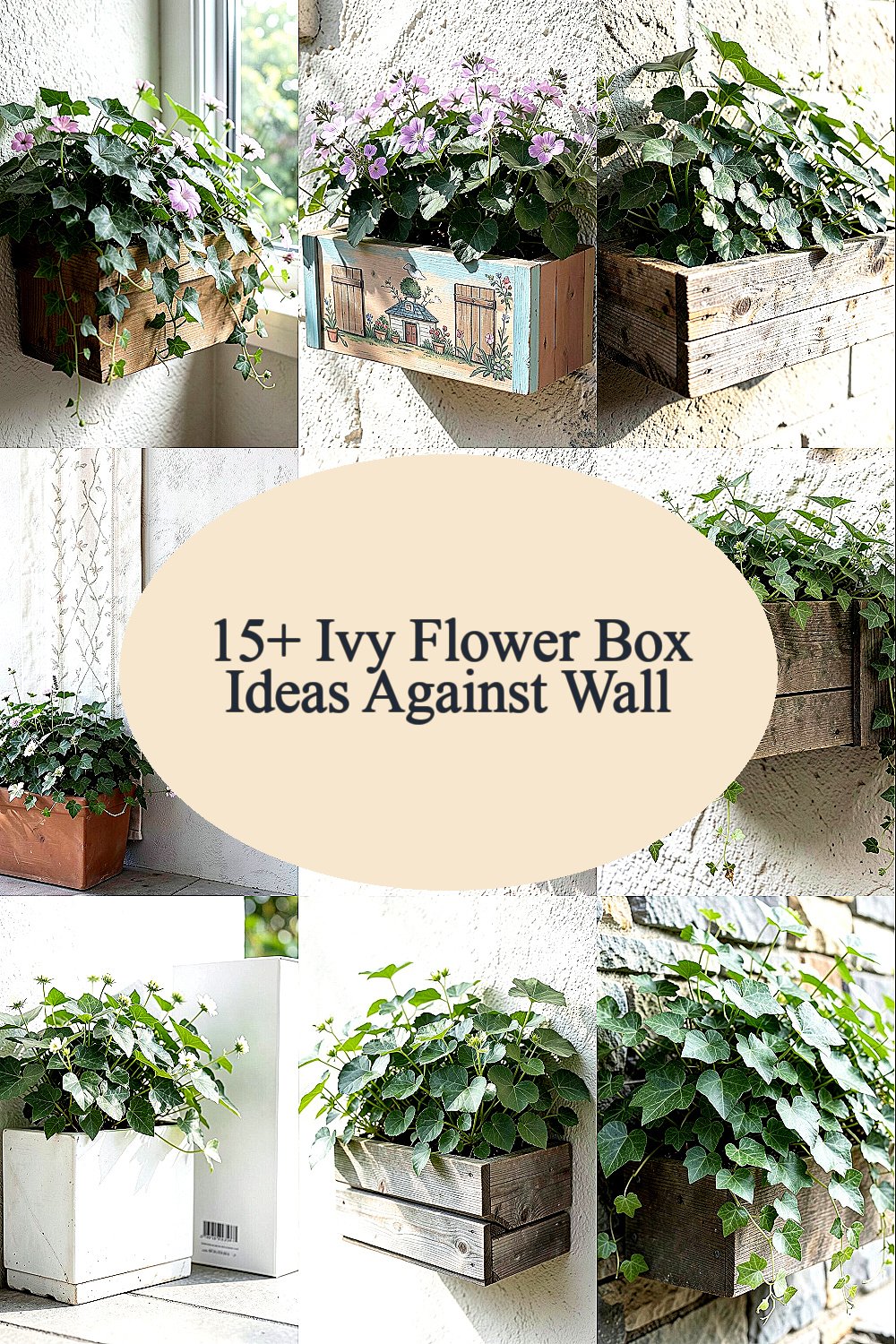
Ivy can turn a plain wall into something soft and full of life. A flower box gives it a neat place to grow with style.
1. Window-Side Ivy Box
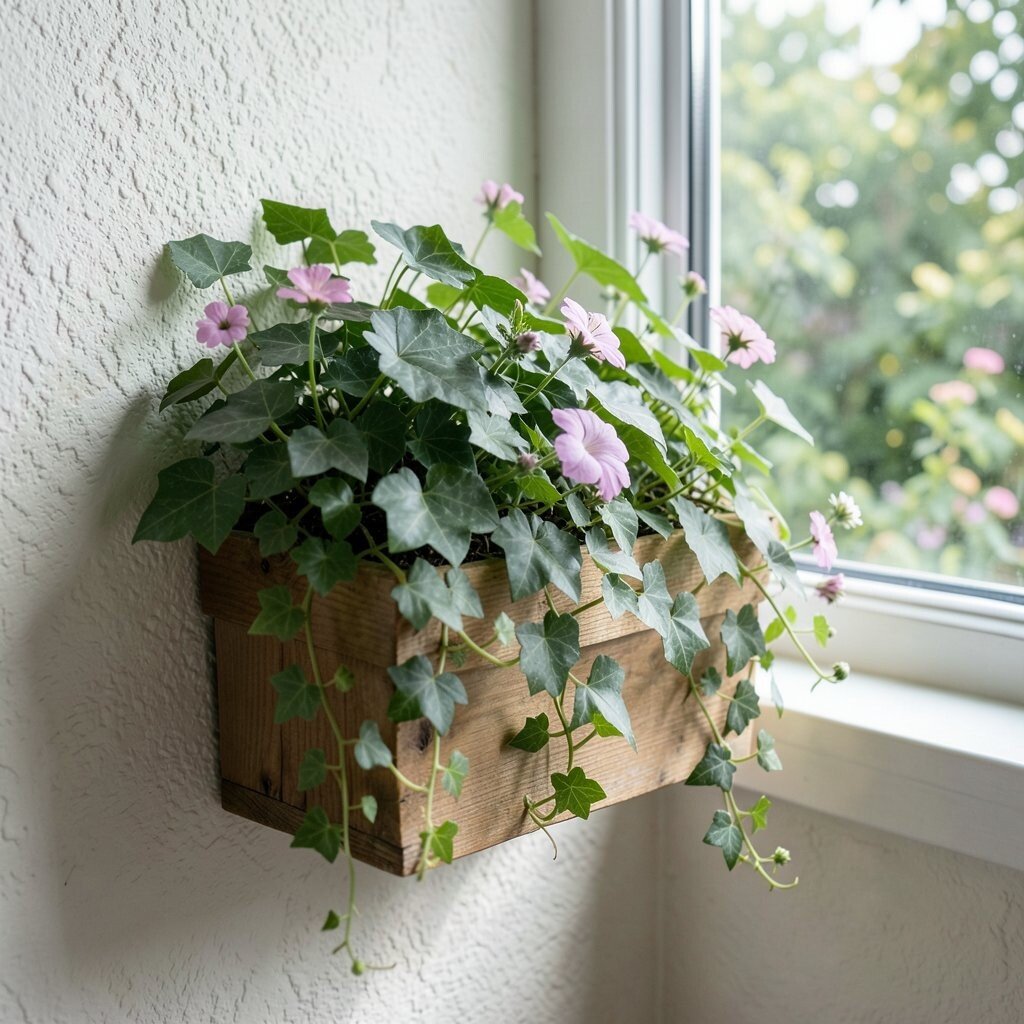
A flower box set below a window gives ivy a charming frame that feels calm and classic. The long green strands soften hard wall lines, and that gentle look works well for small homes and narrow patios.
This idea is easy on the budget because a simple cedar or pine box can look great with just a coat of paint. Choose a trailing ivy with bright leaves if you want more sparkle, and water often in warm weather so the roots stay happy.
2. Painted Cottage Style Box

A painted box against a wall can bring a storybook feel to the garden, especially when ivy spills over the edges. Soft cream, dusty blue, or sage green can make the leaves stand out and give the whole spot a cozy mood.
This style feels unique because the box color becomes part of the garden design, not just a container. It is a nice way to match porch trim or garden chairs, and it stays affordable if you use leftover exterior paint.
For a fresh modern touch, many gardeners now mix ivy with a few small flowers in the same box. That little mix adds color without much extra work, and it makes the display feel fuller and more personal.
3. Rustic Reclaimed Wood Box

Reclaimed wood gives an ivy flower box a warm, natural look that fits stone, brick, or old fence walls. The rough wood grain pairs well with ivy’s smooth leaves, creating a rich contrast that feels handmade and honest.
This option can save money when you use old boards from another project, and that makes it popular with people who like simple garden fixes. Add a liner inside the box to help the wood last longer, and keep it off the wall a little so rain can drain well.
Many people like this style because no two boxes look the same. You can keep the wood natural for a woodland feel or stain it darker if you want the ivy to pop more.
4. Tall Narrow Wall Runner
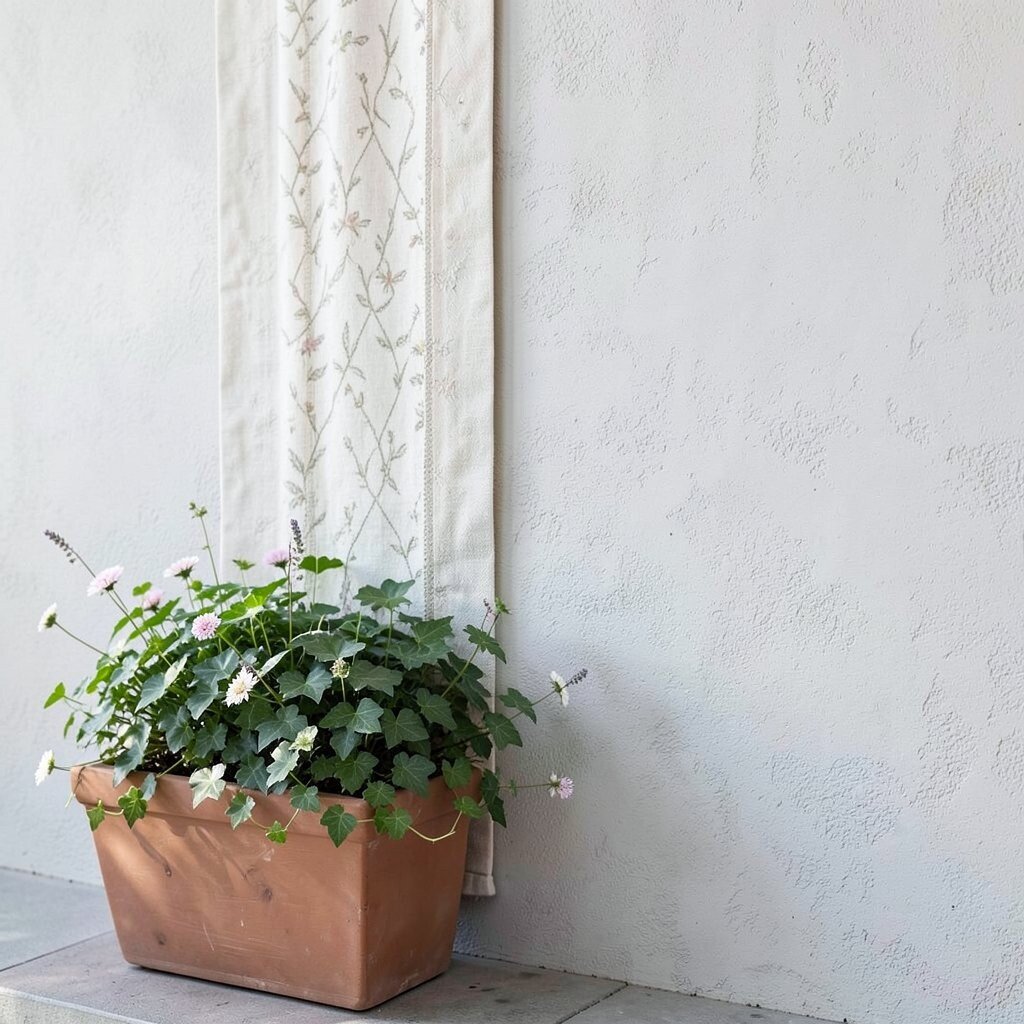
A tall narrow flower box works well on slim walls or tight courtyards where space is limited. Ivy in this shape can grow upward and downward at once, which makes the wall feel fuller without taking up much ground space.
This design is practical because it fits in spots where wide planters would not work. If you want a neat look, trim the ivy often so it stays tidy, and choose a deep box so the roots have room to spread.
5. Metal Frame Box with Ivy Spill

A metal frame around a flower box gives ivy a sleek edge that feels current and bold. Dark metal with green leaves can look especially sharp against white stucco or pale brick.
This idea is a strong choice for people who want a modern garden feel without losing the softness of plants. It can cost more than wood, but the frame often lasts longer and needs less care over time.
To make it feel more personal, you can pick a matte black finish, brushed silver, or even a painted color that matches outdoor lights. Ivy looks great here because it softens the harder lines and keeps the whole setup from feeling cold.
6. Box with Trailing Herbs and Ivy

Mixing ivy with herbs creates a flower box that looks lush and useful at the same time. The ivy trails for beauty while herbs like thyme or oregano add scent and a fresh kitchen-garden feel.
This is a smart choice for small spaces because one box can do more than one job. It is also a nice way to keep planting costs low, since herbs are often inexpensive and easy to grow from small starter plants.
Many gardeners enjoy this look because it feels natural and a little playful. Keep the herbs near the front where they get sun, and let the ivy drape toward the wall for a full, layered look.
7. White Box for a Bright Backdrop
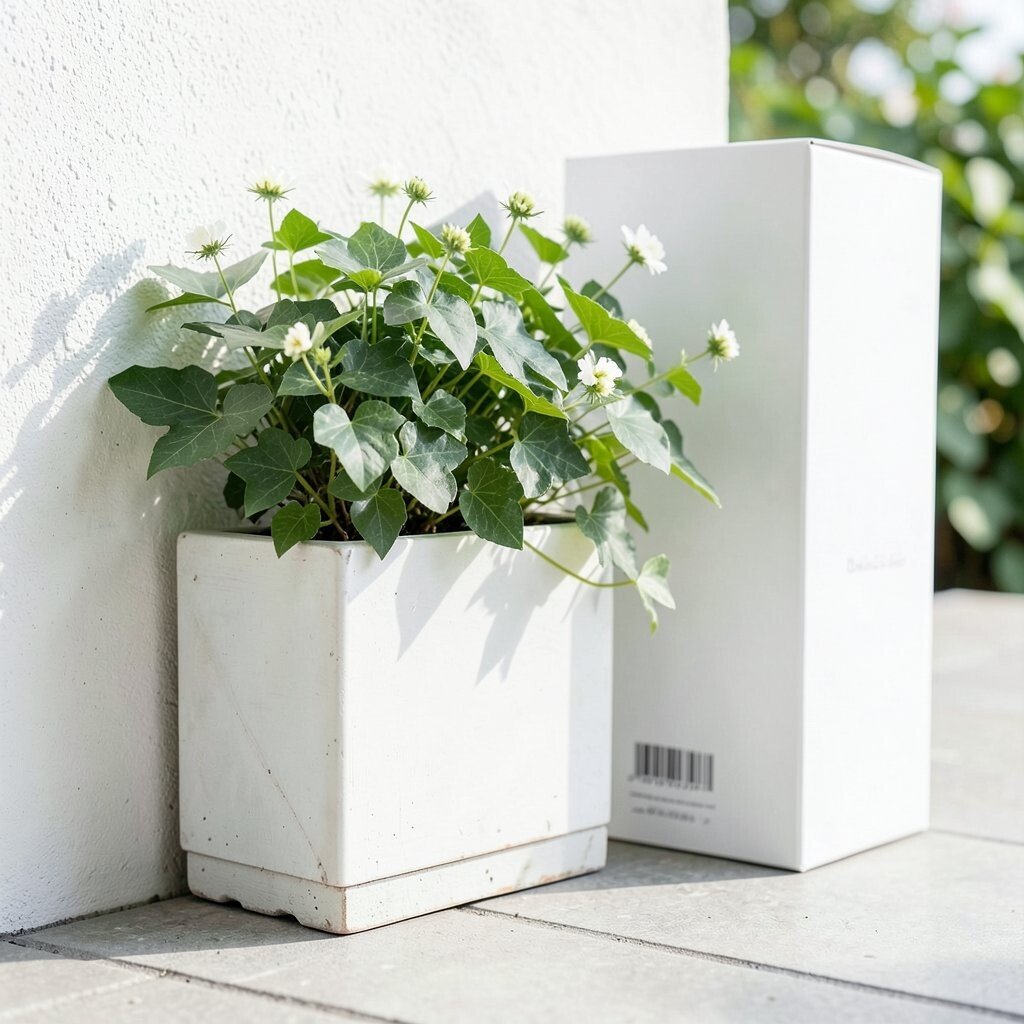
A white flower box against a wall makes ivy leaves look bright and crisp. The clean color gives the garden a fresh mood, and it works well with both modern homes and old cottages.
This style stands out because it reflects light, which can help a shady wall feel less heavy. It also does not need much fancy decorating, so the cost stays low if you use a simple box and a weather-safe paint.
For a more personal feel, add a few dark green or silver ivy types so the color changes are easy to see. This clean look is still very current, especially for people who like calm outdoor spaces with simple lines.
8. Tiered Wall Box Pairing
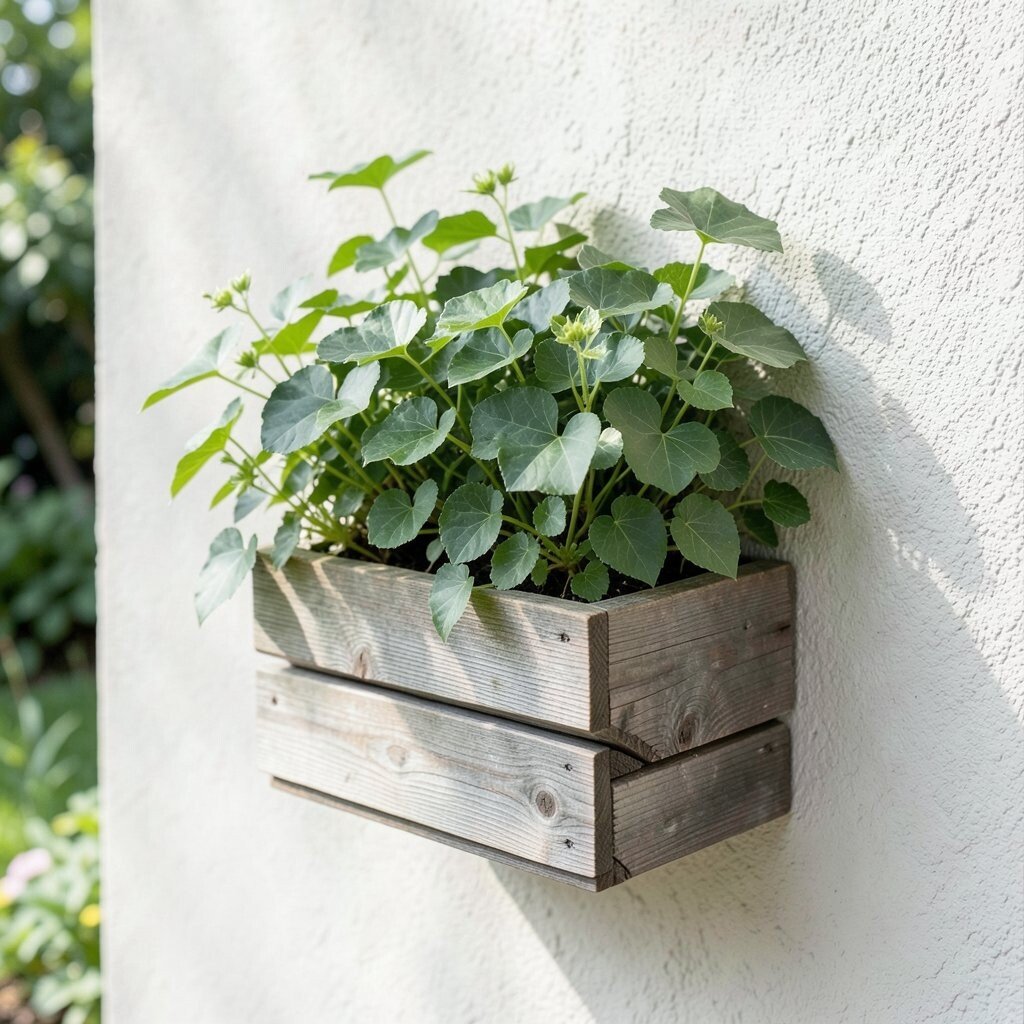
Two or more boxes placed one above the other can make ivy feel like it is climbing a living ladder. The stacked look adds depth to the wall and gives the garden a fuller shape from top to bottom.
This layout is useful when you want more planting room without using a large bed. It can cost less than building a full wall garden, and you can start with just two boxes and add more later.
The layered style also gives you room to mix ivy types with slightly different leaf shapes. That small change makes the display feel richer, and it is easy to adjust if one box gets more sun than the other.
9. Stone Wall Box with Soft Green Ivy

A flower box mounted on a stone wall creates a lovely mix of rough and soft textures. Ivy looks especially graceful here because its smooth leaves spill across the hard stone and make the whole space feel gentle.
This is a good option for older homes since the plant helps the wall feel less severe. If the wall gets hot in summer, choose a box with good drainage and check the soil often so the ivy does not dry out too fast.
People often choose this style because it feels timeless, not trendy in a short-lived way. Still, it fits today’s love of natural textures and layered garden looks, so it feels both classic and fresh.
10. Hanging Box with Cascading Ivy

A hanging flower box can create a floating ribbon of green against a wall. The ivy drops over the front and sides, which gives the garden a soft waterfall look that feels calm and lively.
This design works well on balconies, fences, and small patios where floor space is tight. It can be budget friendly if you use light materials and strong wall hooks, but make sure the box is secure before planting.
For a more personal style, you can hang matching lanterns nearby or paint the box in a favorite color. The result feels cheerful and neat, and it brings movement to a wall that might otherwise look plain.
11. Corner Wall Box Setup
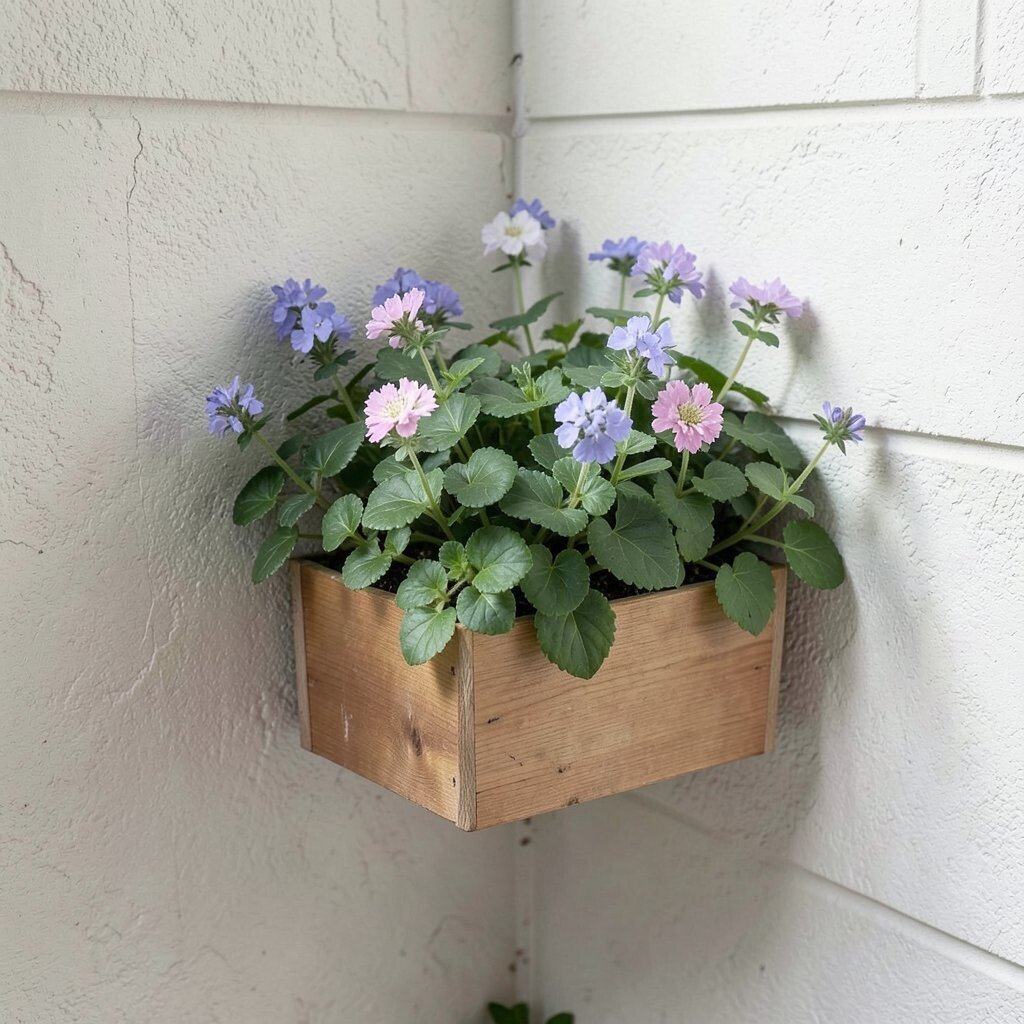
A corner flower box can help ivy wrap a hard edge and make the space feel softer. Instead of leaving a blank angle behind, the plant fills it with life and turns a tricky spot into a charming feature.
This idea is especially useful in small yards because corners are often forgotten. A simple box can be low cost, and if you choose a fast-growing ivy, the corner will fill in more quickly than you might expect.
The look feels a little unexpected, which makes it special. You can place the box at the meeting point of two walls or use a wraparound planter to create a gentle green corner that feels private and peaceful.
12. Modern Black Box with Bold Ivy

A black flower box gives ivy a strong backdrop that makes every leaf shape stand out. The dark color feels sharp and stylish, especially when the wall behind it is light or textured.
This is a great fit for homes that lean modern, since the clean contrast looks fresh and current. It may cost more if you choose powder-coated metal, but the finish often lasts well and resists weather better than many cheap materials.
To make it feel more like your own, pick ivy with lighter veins or a mix of deep and pale green leaves. That contrast creates a crisp look that feels polished without needing many extras.
13. Kitchen Wall Herb-and-Ivy Box
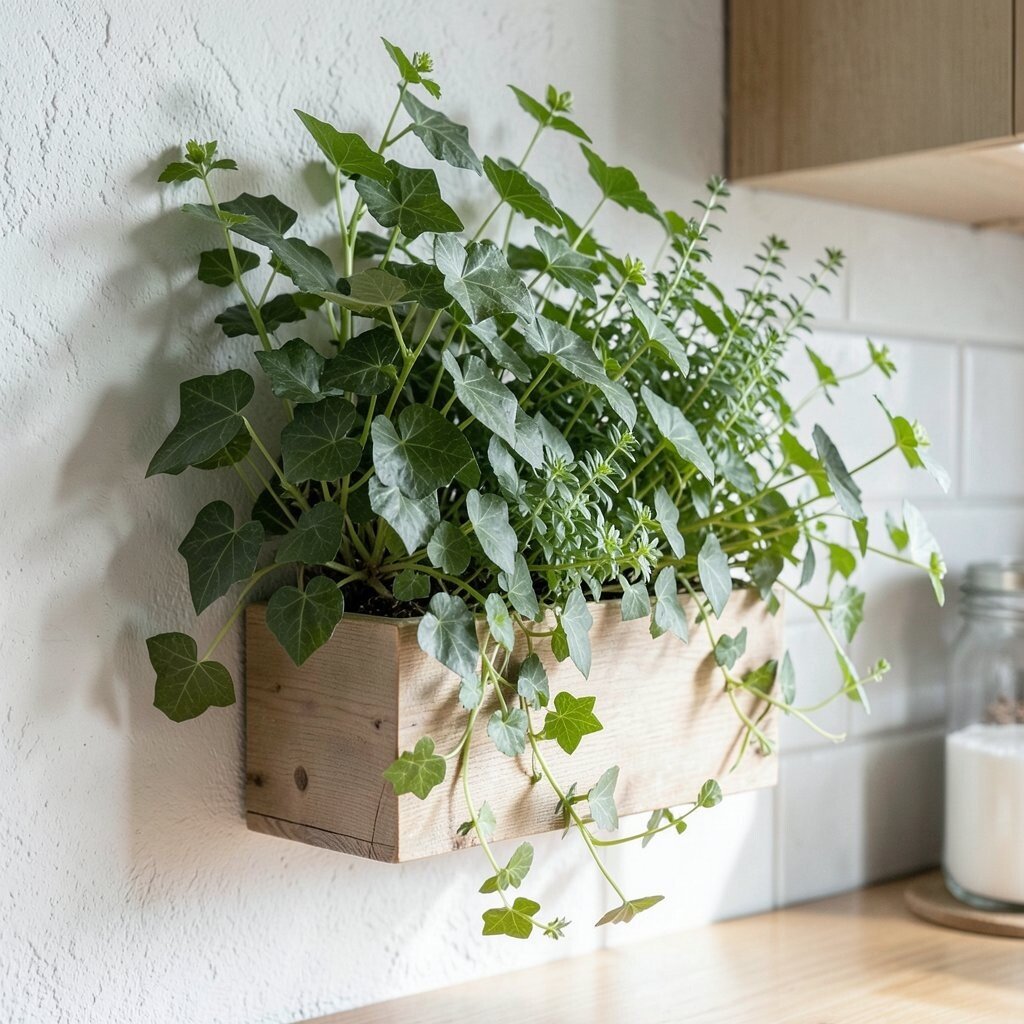
A flower box near the kitchen wall can bring green life close to where you cook and relax. Ivy adds soft drape, while a few useful plants make the space feel like a small outdoor pantry with charm.
This setup is handy because fresh herbs are easy to grab and the ivy helps the wall look finished. It can also stay affordable if you start with a modest box and small plants, then fill in as they grow.
Many homeowners like this idea because it blends beauty with daily use. A wall close to the door or window is a great place for it, and the mix of leaf shapes gives the whole area a lively, lived-in feel.
14. Fence-Mounted Ivy Flower Box
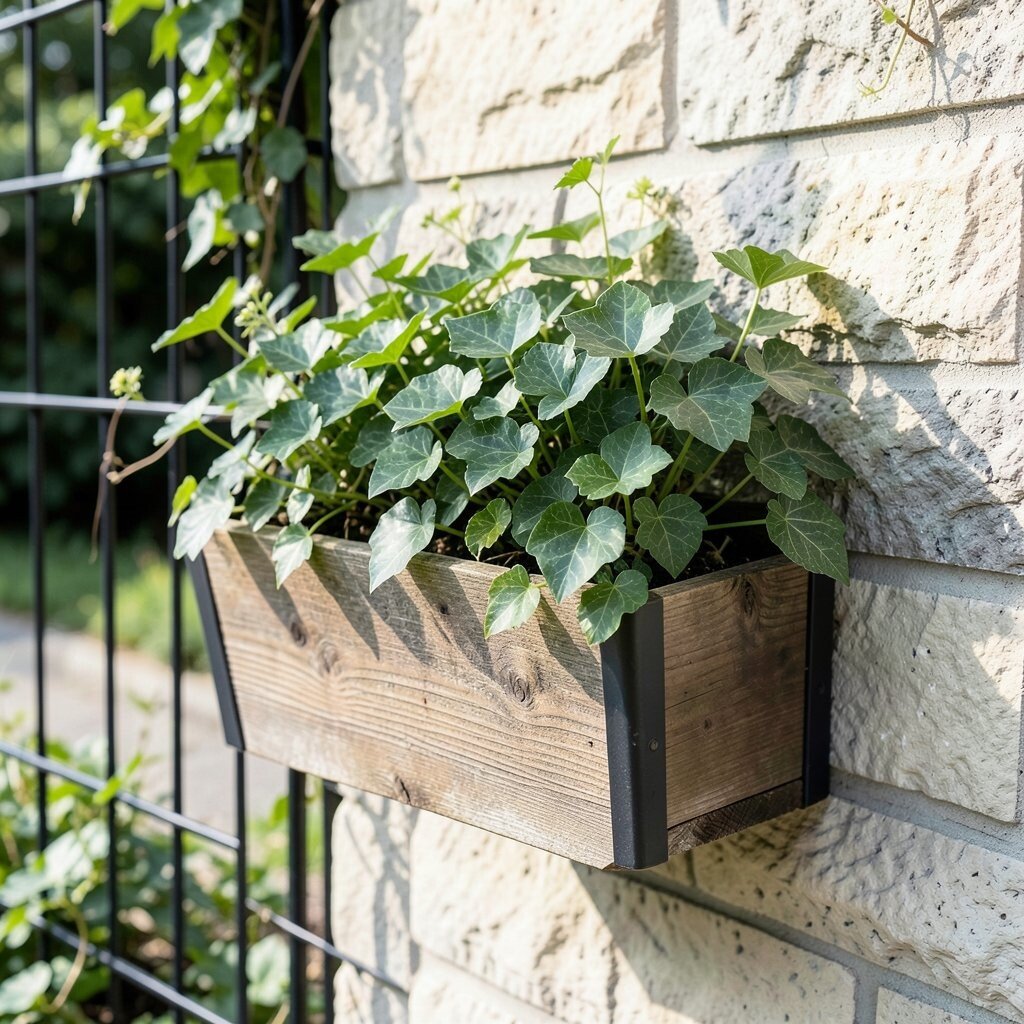
A fence-mounted box turns a plain boundary into a green garden feature. Ivy can soften weathered boards or metal fencing, making the whole edge feel friendlier and more settled.
This setup is simple to personalize with paint, labels, or small decorative hooks nearby. It is also a smart use of space because fences often sit unused, and the project can stay low cost if you mount a light box with basic hardware.
For best results, place the box where it gets enough light but not harsh all-day sun. That helps the ivy stay full and healthy, and it keeps the display looking neat through the season.
15. Built-In Wall Ledge Box

A built-in ledge box can make ivy look like it is growing right from the wall itself. The effect feels polished and calm, almost as if the greenery belongs there from the start.
This style is a little more custom, so it may cost more than a basic hanging planter. Even so, it offers a clean finished look and can be worth it if you want something that feels special and permanent.
You can make the space feel personal by matching the box finish to window trim, shutters, or nearby garden pots. Ivy works beautifully in this setting because its soft lines balance the strong structure of the wall.
16. Mixed Texture Box with Ivy and Blooms

A mixed texture box gives ivy a partner in color and form, which makes the wall look rich and full. Pairing ivy with small blooms, leafy fillers, or silvery accents creates a layered scene that feels alive from every angle.
This is a popular look right now because many gardeners like a looser, more natural style. It can still be affordable if you choose a few small plants instead of many large ones, and the mix gives you more visual interest for the money.
For a personal touch, choose flowers that match your home colors or your favorite season. The ivy helps hold the design together, and the different textures make the whole box feel playful, fresh, and easy to enjoy.