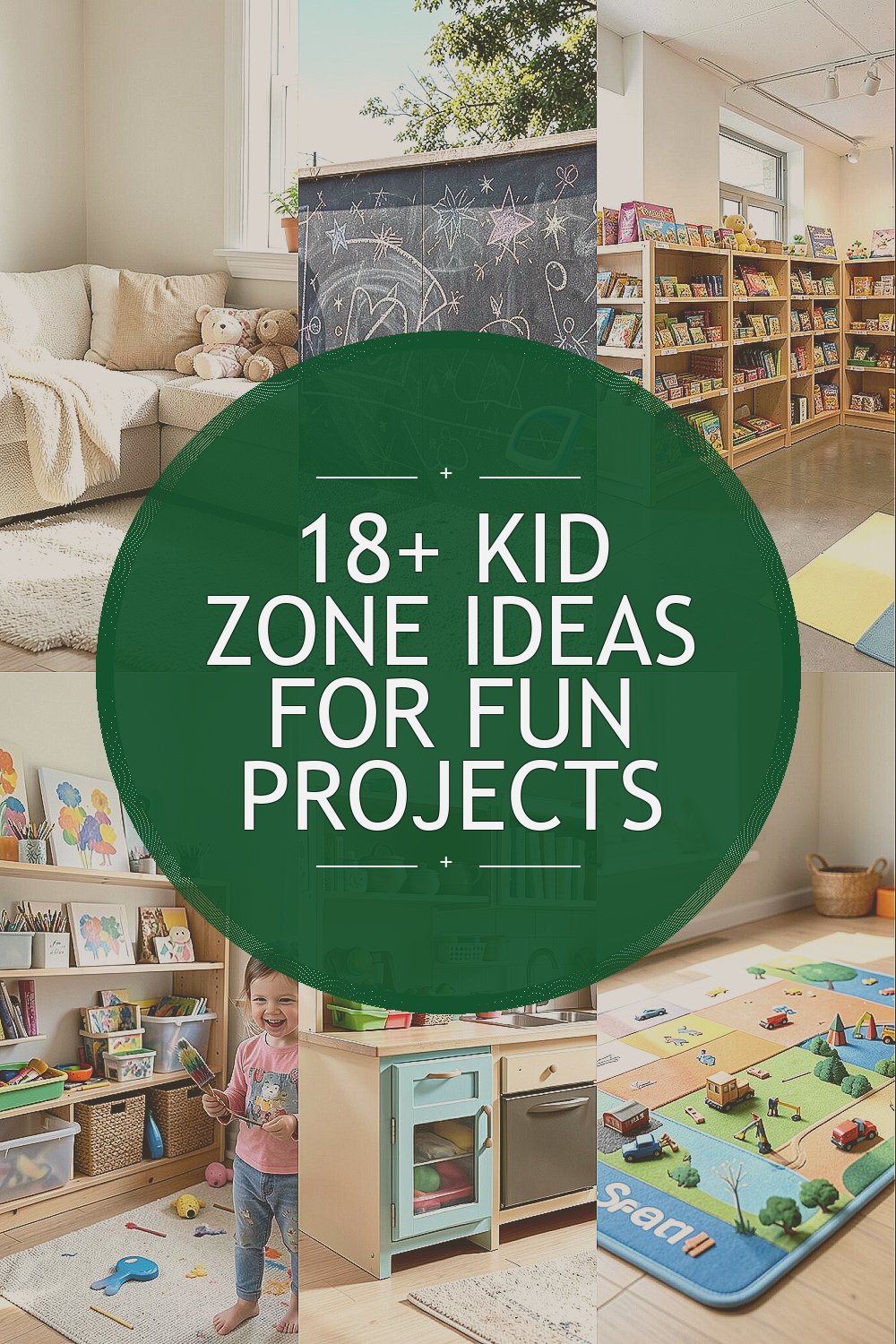
Kid zones can be bright, calm, loud, or full of wonder. A small idea can change a whole room.
1. Cozy Reading Nook
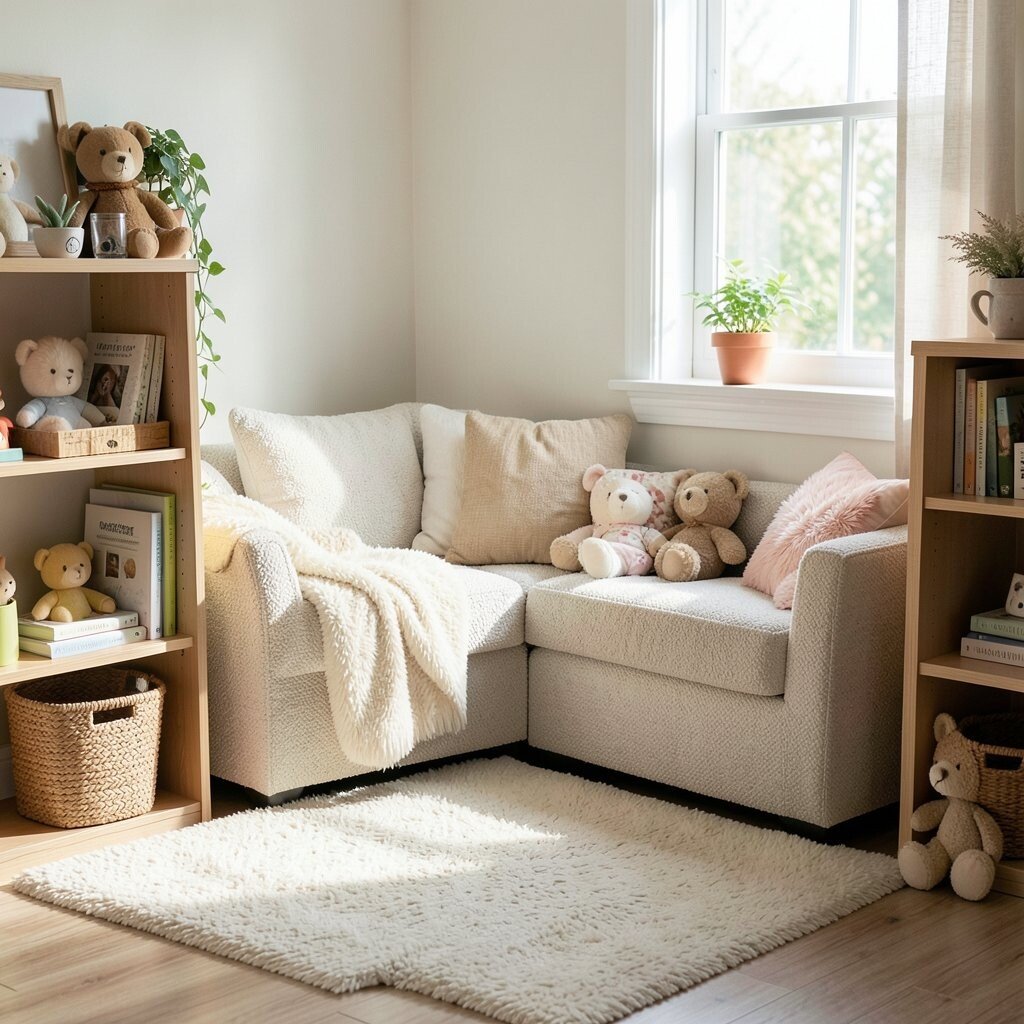
A cozy reading nook can turn a plain corner into a soft and inviting space. Low shelves, fluffy pillows, and a small lamp make the area feel warm and easy to use.
Kids often settle down faster when books are close by and the space feels special. You can keep the cost low with thrifted baskets, a rug, and a few favorite books, then add the child’s name on a pillow or sign for a personal touch.
2. Chalk Wall Play Spot
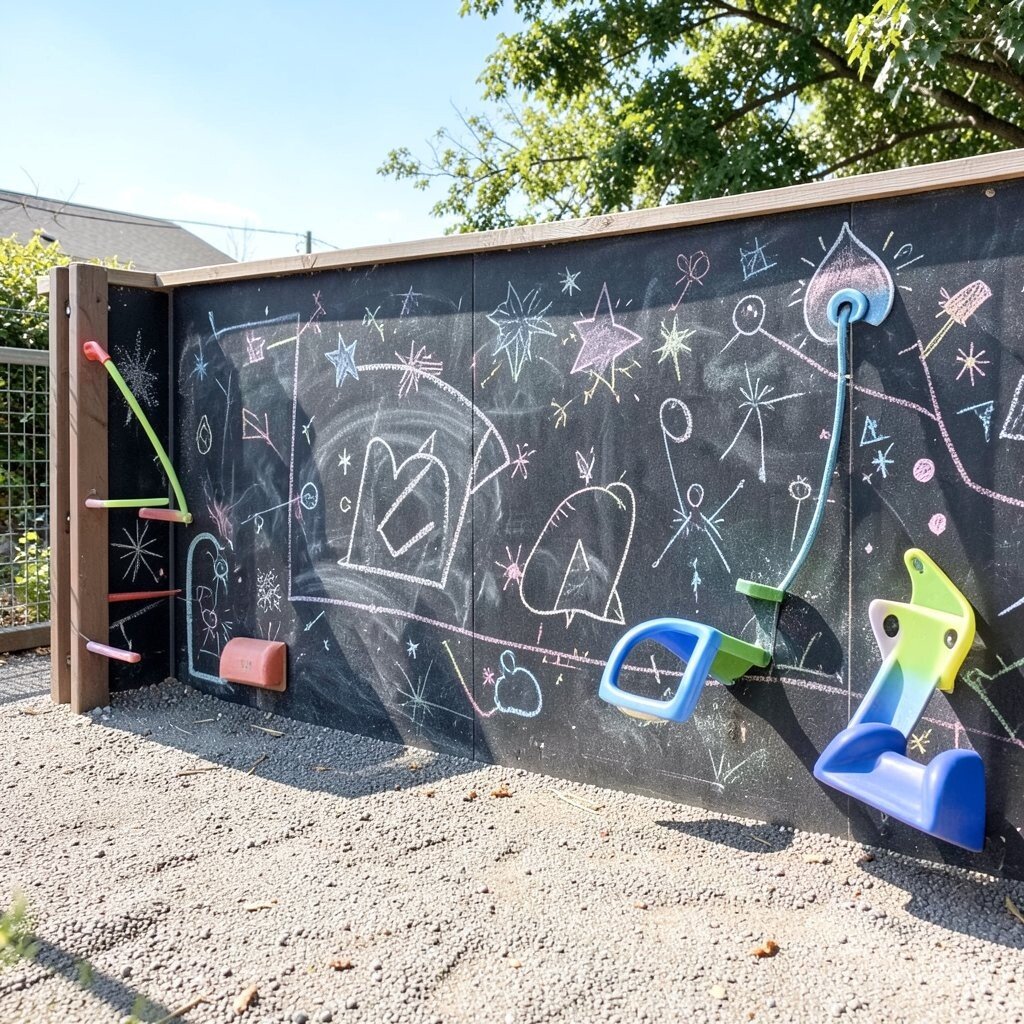
A chalk wall gives kids a large surface for drawing, spelling words, and making pretend signs. The bold black or green look feels modern and playful at the same time.
This idea helps with creativity and writing practice while keeping mess on one easy-to-clean wall. A simple coat of chalkboard paint is often affordable, and you can match it with colored chalk holders, custom borders, or a frame made from wood strips for a neat finish.
Parents like this trend because it changes fast with the child’s mood and interests. If space is tight, even a small painted board can work well and still feel special.
3. Indoor Mini Market
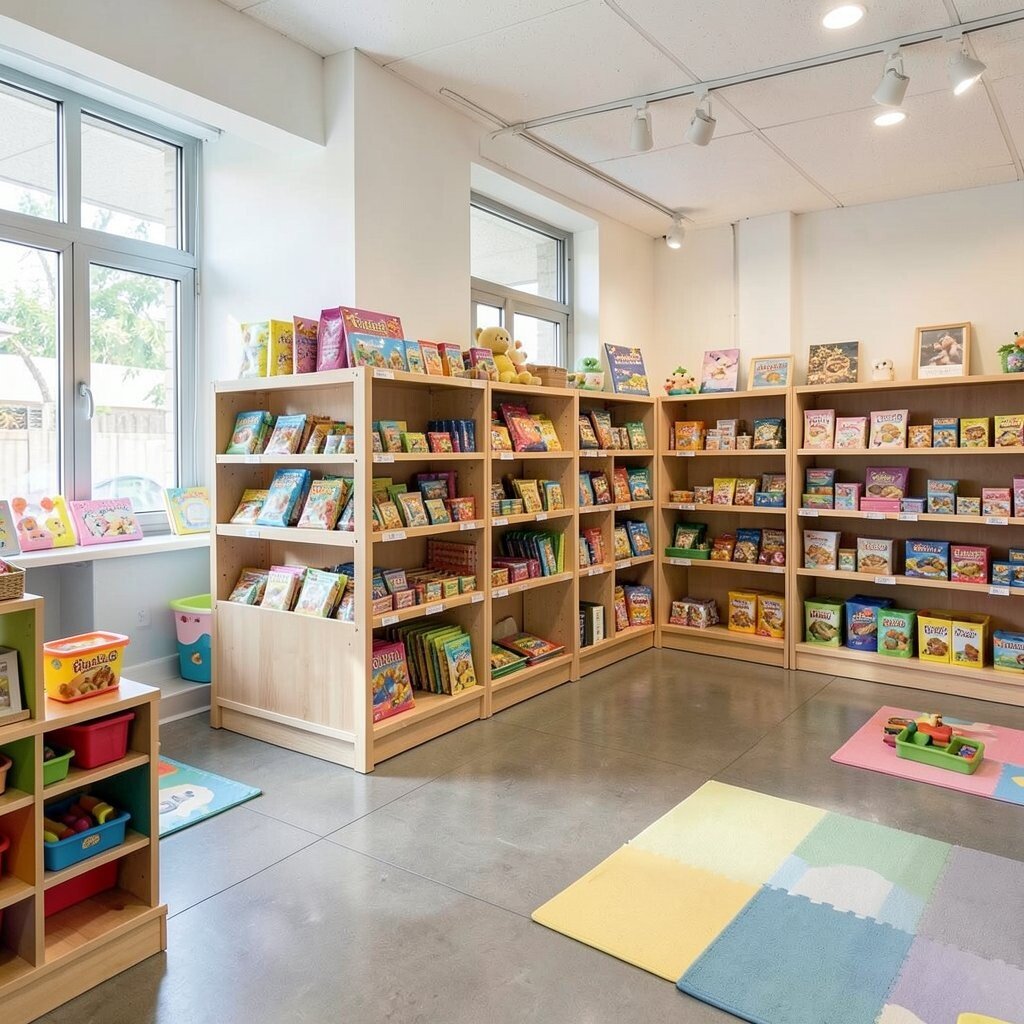
An indoor mini market can look like a tiny shop with wooden crates, play produce, and a small sign above the counter. The setup feels lively and makes kids want to role-play as shoppers, helpers, and cashiers.
It builds social skills, talking practice, and sorting skills in a fun way. You can keep spending in check by using toy food, paper price tags, and boxes you already have, then make it feel unique with a custom name like Farmer Lane Market or Tiny Town Shop.
Soft string lights or a striped cloth can give the space a trendy market feel without much money. Add baskets for easy cleanup so the zone stays ready for play.
4. Art Studio Corner
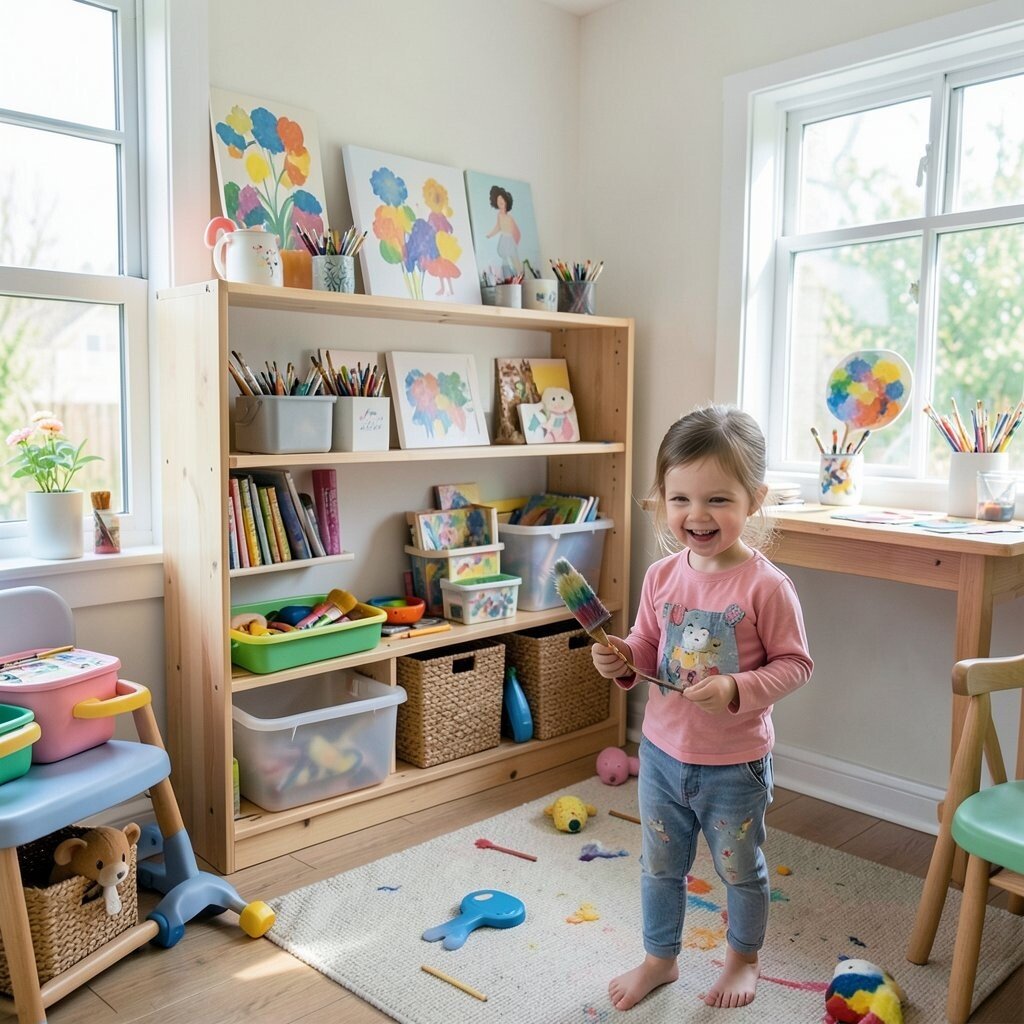
An art studio corner can glow with jars of crayons, paper rolls, and a small easel set near a sunny window. Bright color bins and a display line for finished art make the space feel proud and full of energy.
This setup supports fine motor skills, focus, and free expression. Keep supplies simple at first with paper, glue sticks, washable markers, and recycled boxes, then bring in a child’s favorite colors or themes to make it feel personal.
The look can stay neat with trays and labeled bins, which helps kids clean up on their own. Many families like the current move toward open art spaces because they feel less stiff and more fun than a desk full of supplies.
5. Pretend Play Kitchen
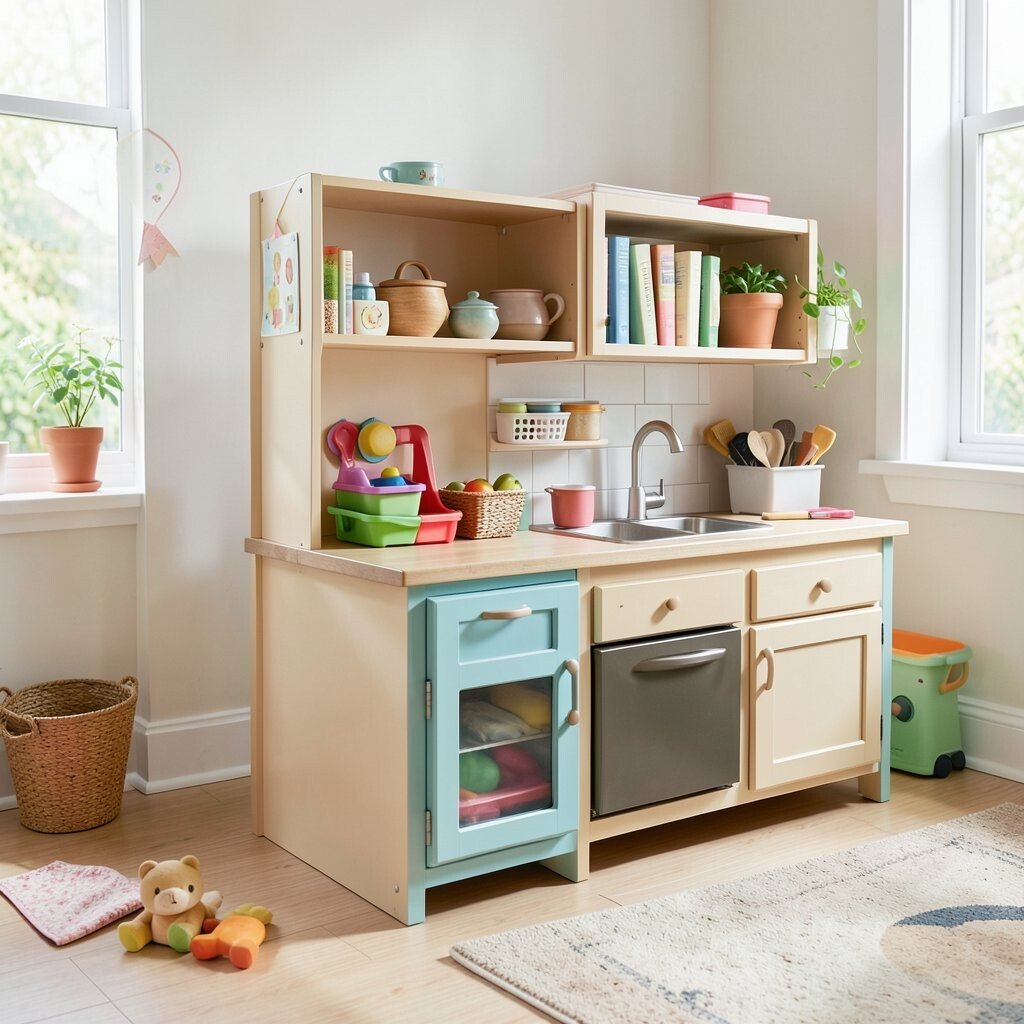
A pretend play kitchen can bring a room to life with tiny pots, cups, and a play stove set against a cheerful wall. The mix of soft wood tones and bright play food makes it look warm and inviting.
Children build language skills, sharing habits, and creative thinking while serving imaginary meals. You can save money by repurposing old shelves as counters and adding homemade food from felt or cardboard, then give the zone a personal twist with a family recipe sign or the child’s favorite restaurant name.
Realistic details are a big trend, so little dish towels or a fake menu can make the space feel even more exciting. A small rug underneath helps define the area and keeps the room from feeling too busy.
6. Sensory Path Floor
A sensory path floor can guide kids through stickers, textured mats, and simple shapes across the ground. It looks bold and playful, almost like a game board made for movement.
This type of zone helps with balance, body awareness, and getting extra wiggles out in a safe way. You can build one on a budget with painter’s tape, foam pieces, and peel-and-stick shapes, then switch out colors or patterns to match a child’s favorite theme.
Some families add hop spots, footprints, or numbers to keep it fresh and useful. The best part is that it works in small halls, playrooms, or classrooms without needing much extra furniture.
7. Science Lab Station
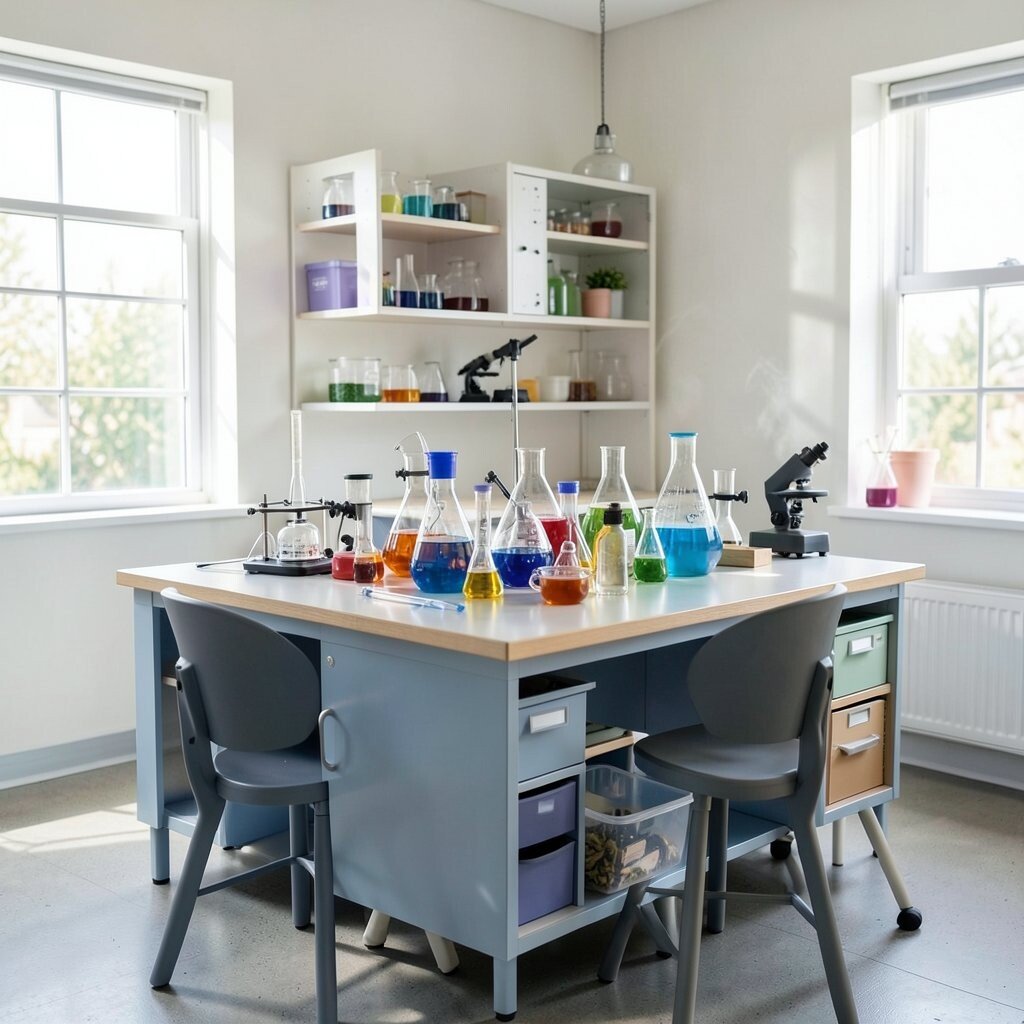
A science lab station can feel exciting with clear jars, magnifying glasses, and a sturdy work table covered in simple tools. Cool blues, white bins, and neat labels give it a clean and curious look.
Kids learn to ask questions, compare objects, and think like little inventors. The setup does not need much money if you use household items like funnels, measuring cups, and old trays, and you can make it unique by adding a name sign, a bug chart, or a favorite nature photo.
Many modern kid zones lean into hands-on learning, and this fits that trend very well. Keep the space easy to reset so kids can jump from one project to the next without a long cleanup.
8. Build-and-Block Zone
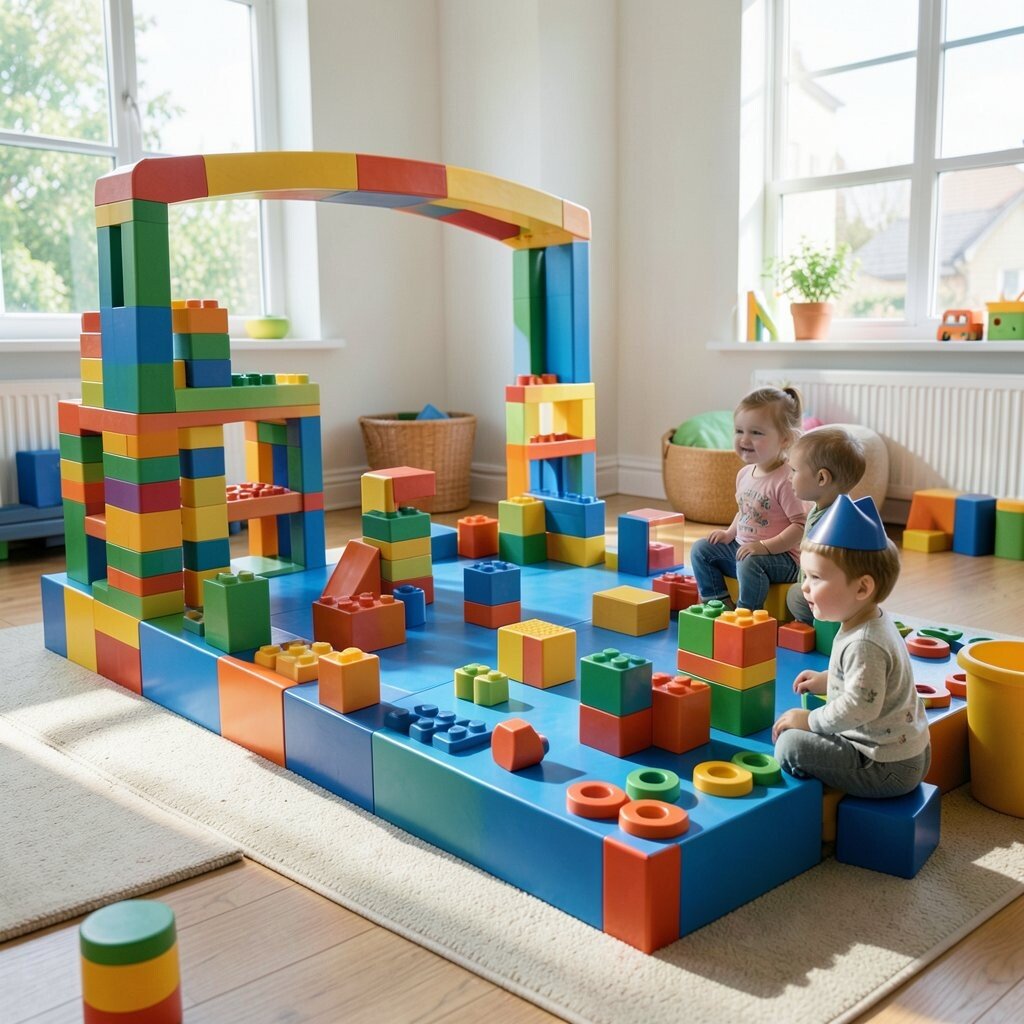
A build-and-block zone feels strong and colorful when bins of bricks sit next to a wide play mat. Tall towers, bridges, and little roads can fill the space with energy and movement.
This kind of area helps with planning, problem-solving, and hand strength. Basic blocks can be a smart low-cost choice, and you can make the zone feel personal with a custom storage shelf, a city map rug, or name labels on each bin.
Open storage is popular right now because kids can see what they have and start building faster. A simple wall shelf or cart keeps pieces easy to reach and helps the room stay tidy.
9. Dress-Up Theater Zone
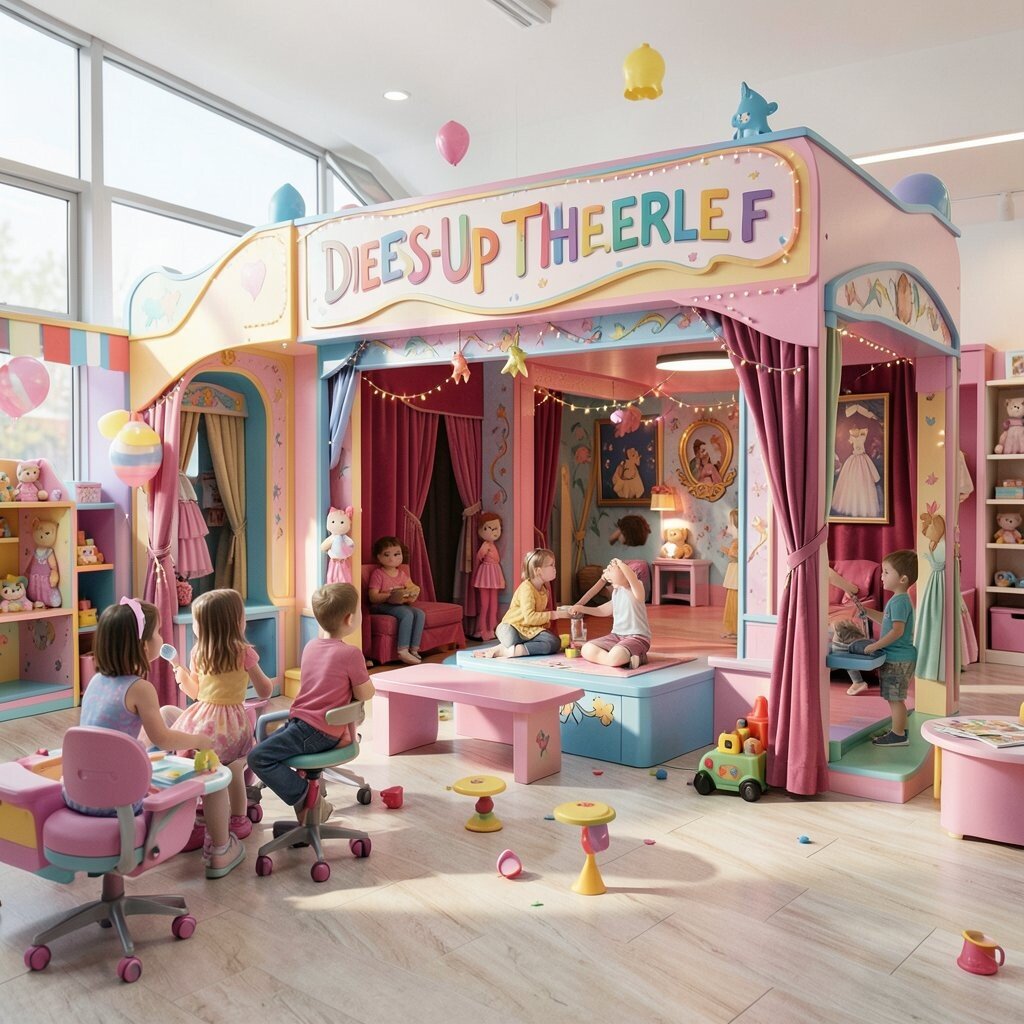
A dress-up theater zone can shine with hanging costumes, a small mirror, and a pretend stage curtain. Bright fabrics, hats, and capes create a colorful wall that looks full of story ideas.
Kids use this space to practice speaking, acting, and taking turns. You can keep costs low with thrifted clothes, old scarves, and cardboard props, then make it special by adding a custom show sign or a favorite character theme.
It also fits a current style of play that mixes open-ended pretend fun with simple performance space. If the room is small, a single rack and a basket of accessories can still give kids plenty to work with.
10. Music Jam Corner
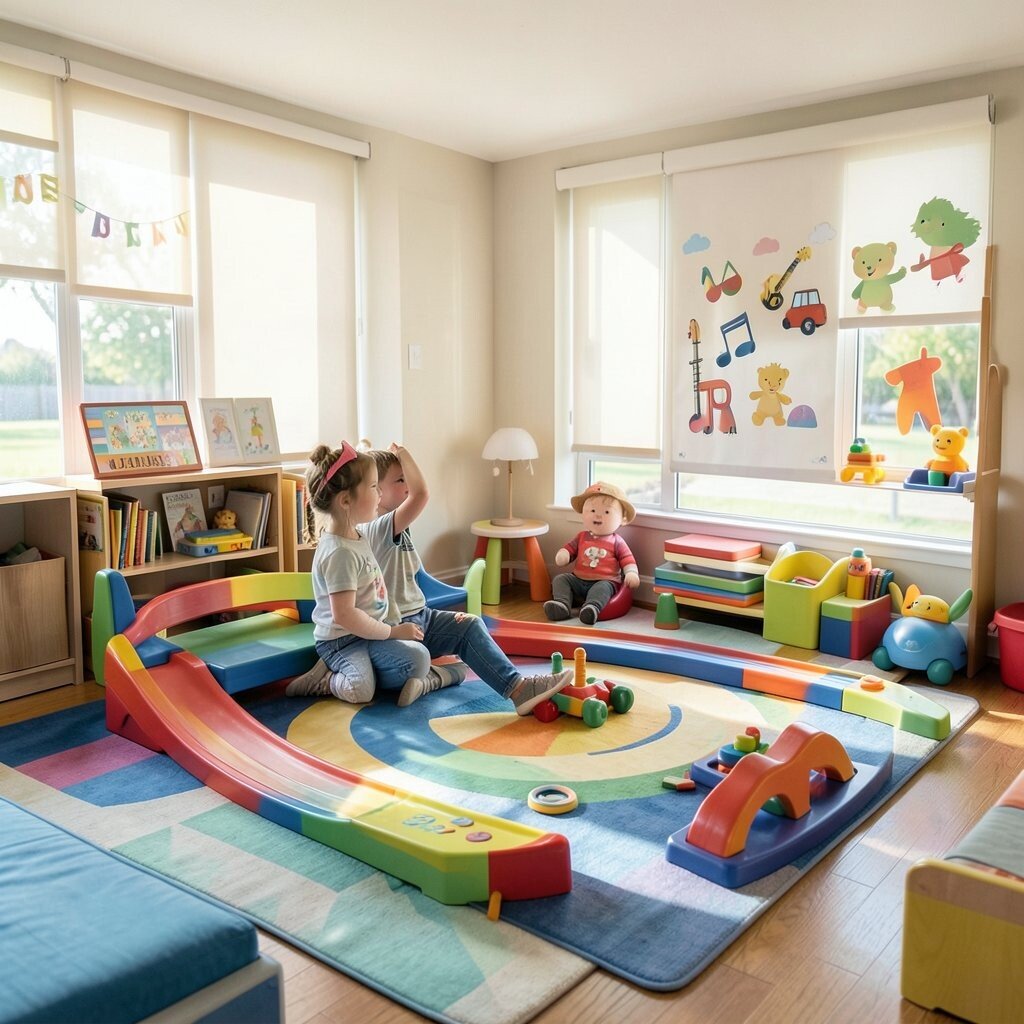
A music jam corner can be lively with tambourines, shakers, a small drum, and soft sound panels on the wall. Colorful instruments and a tiny rug make the space feel welcoming and full of rhythm.
This zone supports listening, pattern play, and confidence when kids make their own sounds. Many instruments are affordable, and you can add homemade bottles with rice or beans, then personalize the area with a child’s name on a drum or a bright lyric poster.
Families like that music spaces can be both fun and calming, depending on the activity. Keep a basket for loose parts so the area stays easy to use and easy to clean.
11. Nature Discovery Table
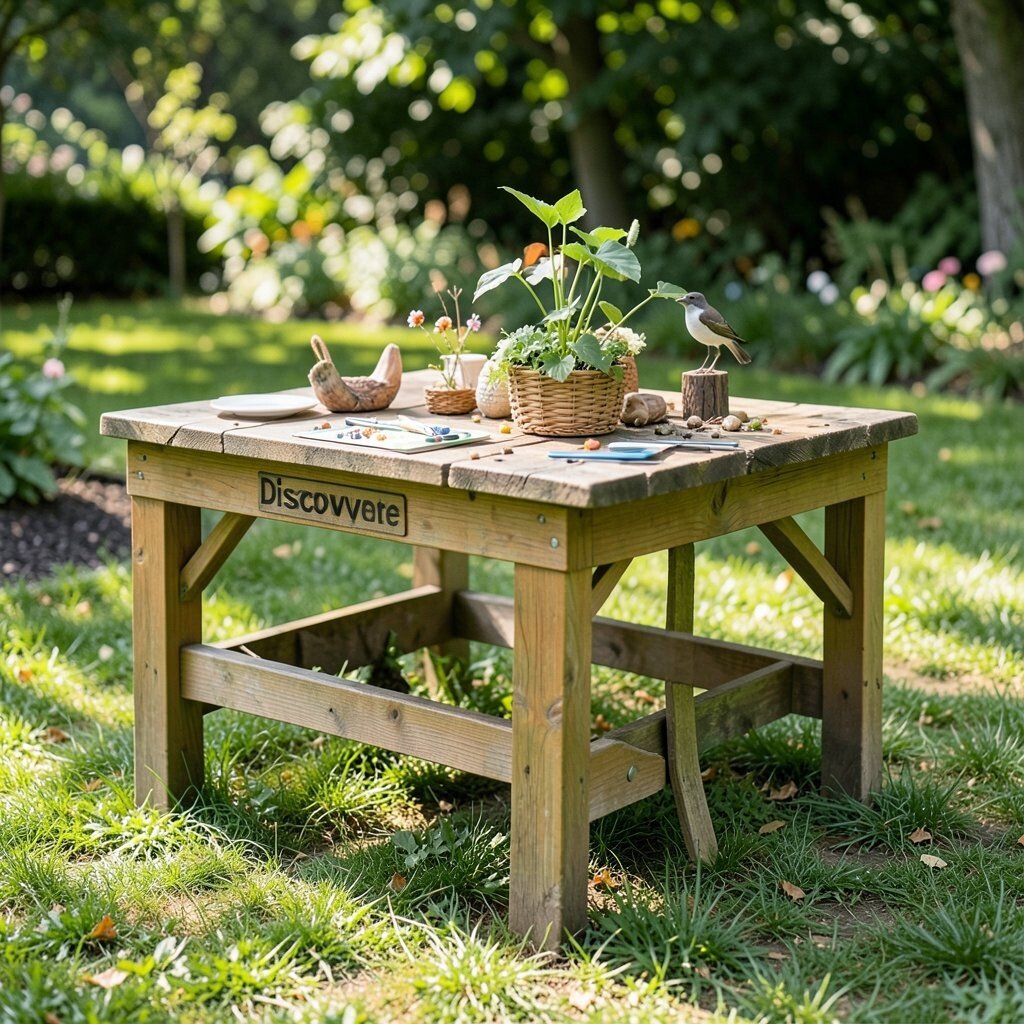
A nature discovery table can look fresh with leaves, rocks, shells, pinecones, and a shallow tray for sorting. Soft green accents and wooden bowls make the whole area feel calm and earthy.
Kids gain observation skills and learn to notice small details in the world around them. This can be a low-cost zone if you collect natural items from safe outdoor walks, and you can make it feel unique with a magnifying glass, a local map, or a display for favorite finds.
Many homes now use natural textures and simple colors, which makes this idea fit right in. Rotate the items by season so the table stays interesting without needing a full makeover.
12. Puzzle and Game Shelf
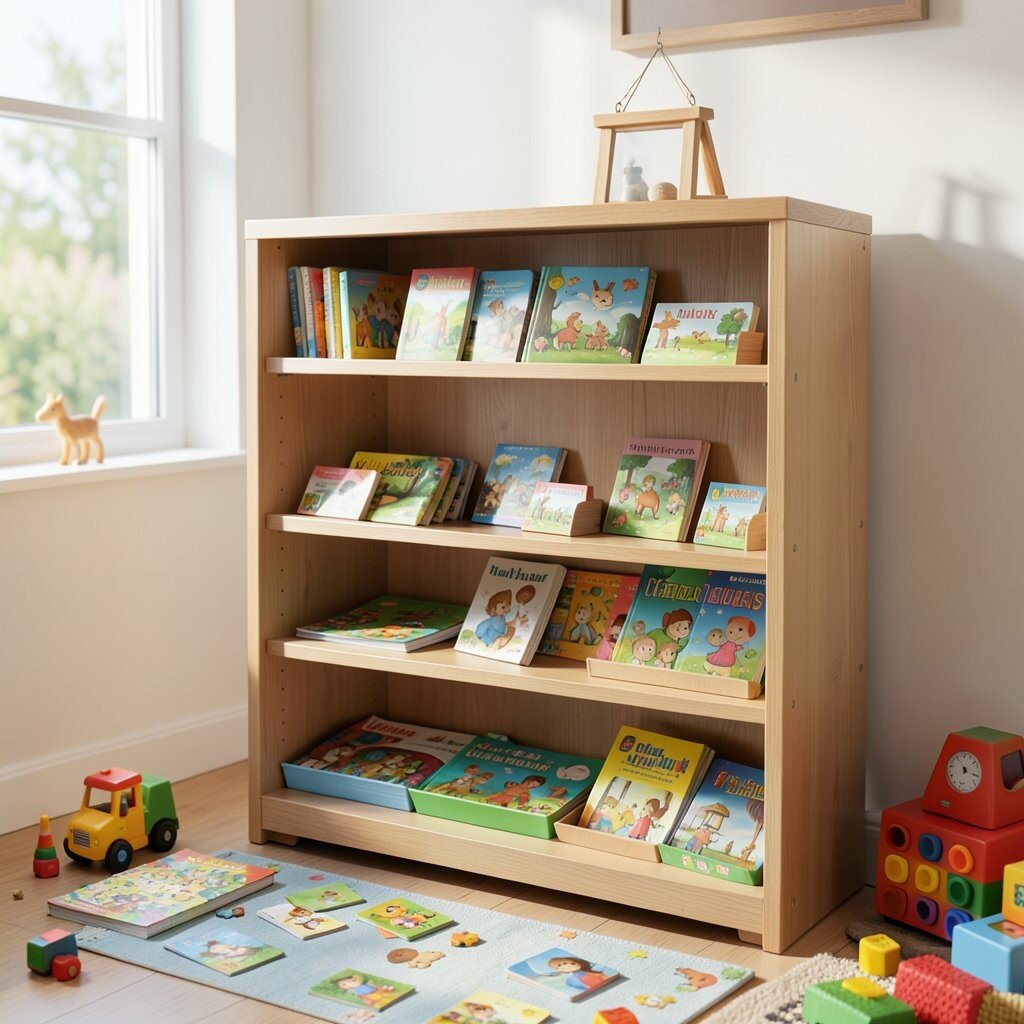
A puzzle and game shelf can bring order and charm to a kid zone with neat boxes, easy-grab bins, and a small table nearby. The look is tidy and smart, with bright covers adding just enough color.
This area helps kids build patience, memory, and problem-solving skills. You do not need a big budget if you use secondhand puzzles or family game night hand-me-downs, and you can make the shelf more personal with custom labels or a favorite character print.
Open shelves are a popular choice because children can see what is ready to play. A soft mat or chair nearby makes it more comfortable for longer play sessions.
13. Calm Down Corner
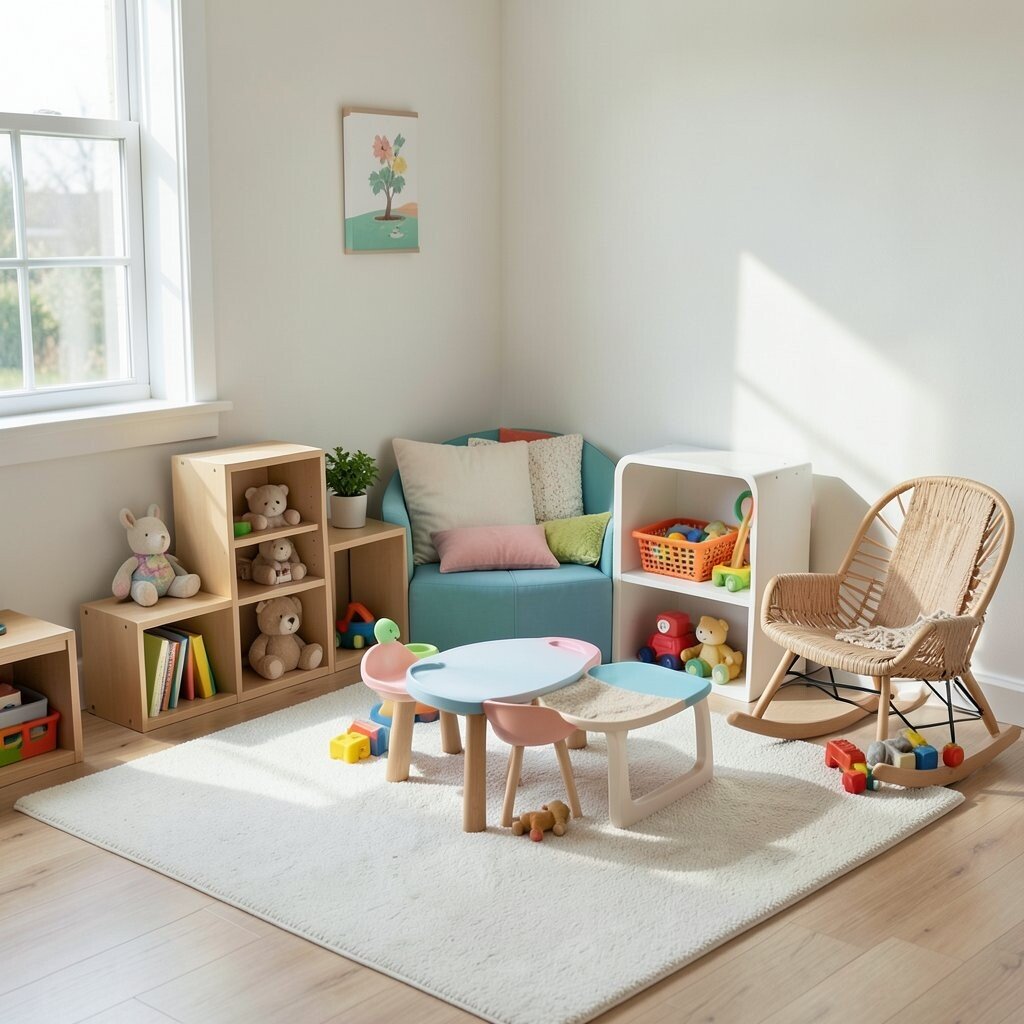
A calm down corner can feel soothing with soft pillows, gentle lights, and a small basket of quiet tools. Muted blues, greens, or creams can make the space look restful right away.
This kind of zone gives kids a place to breathe, reset, and feel safe when emotions run high. It does not take much money to set up if you use a blanket, a timer, and a few picture cards, and you can make it personal with the child’s favorite stuffed animal or a custom calm sign.
The simple style fits a growing trend toward mindful spaces in homes and classrooms. Keep the area away from busy traffic so it feels like a true break spot.
14. Building Workshop Zone
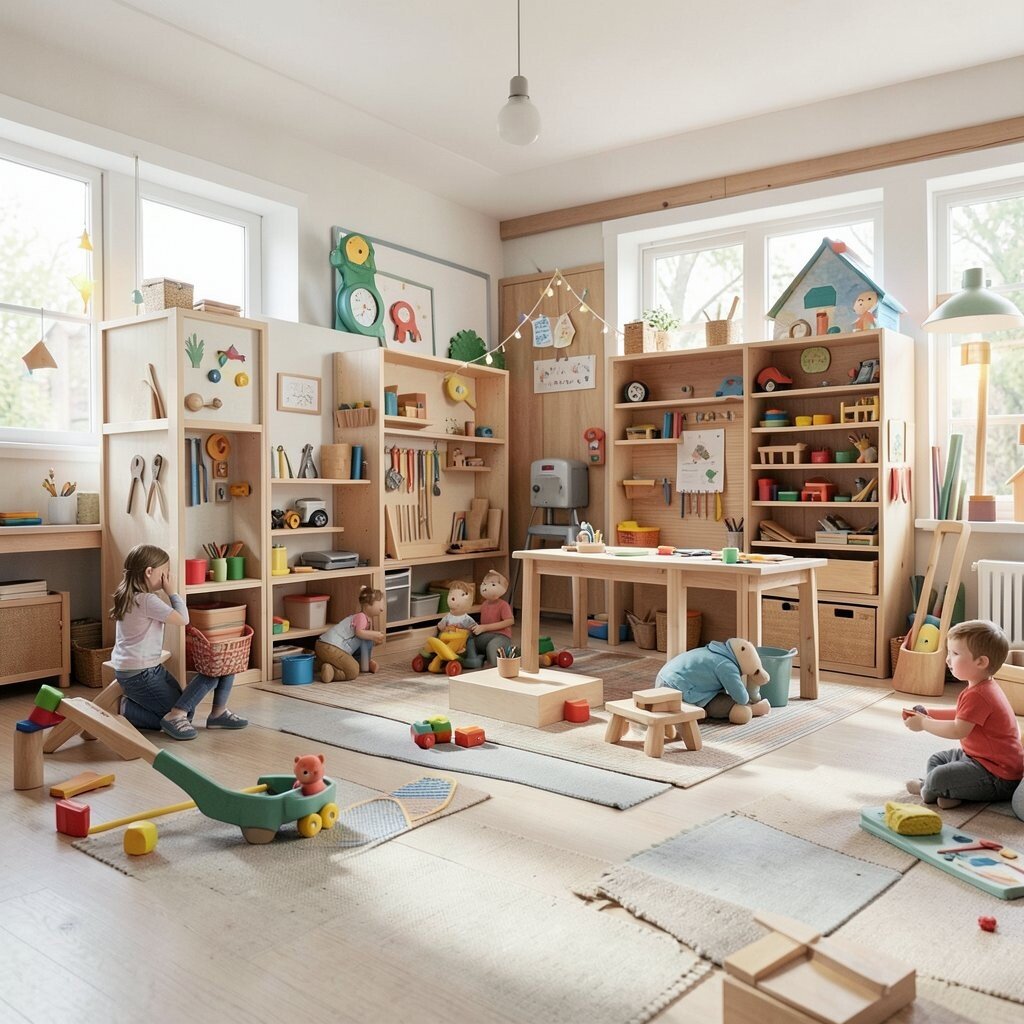
A building workshop zone can feel exciting with kid-sized tools, foam boards, and a sturdy bench made for pretend fixing and making. Bright orange, silver, and wood colors give it a strong and hands-on look.
Children enjoy using tools, solving little problems, and copying real work they see adults do. You can keep costs down with safe toy tools, scrap wood, and recycled containers, then add a custom hard hat, a name plaque, or a sign that matches the child’s favorite job.
This style of play is popular because it feels active and useful, not just cute. A pegboard for hanging tools makes the setup look neat and helps kids put things back where they belong.
15. Alphabet Adventure Wall
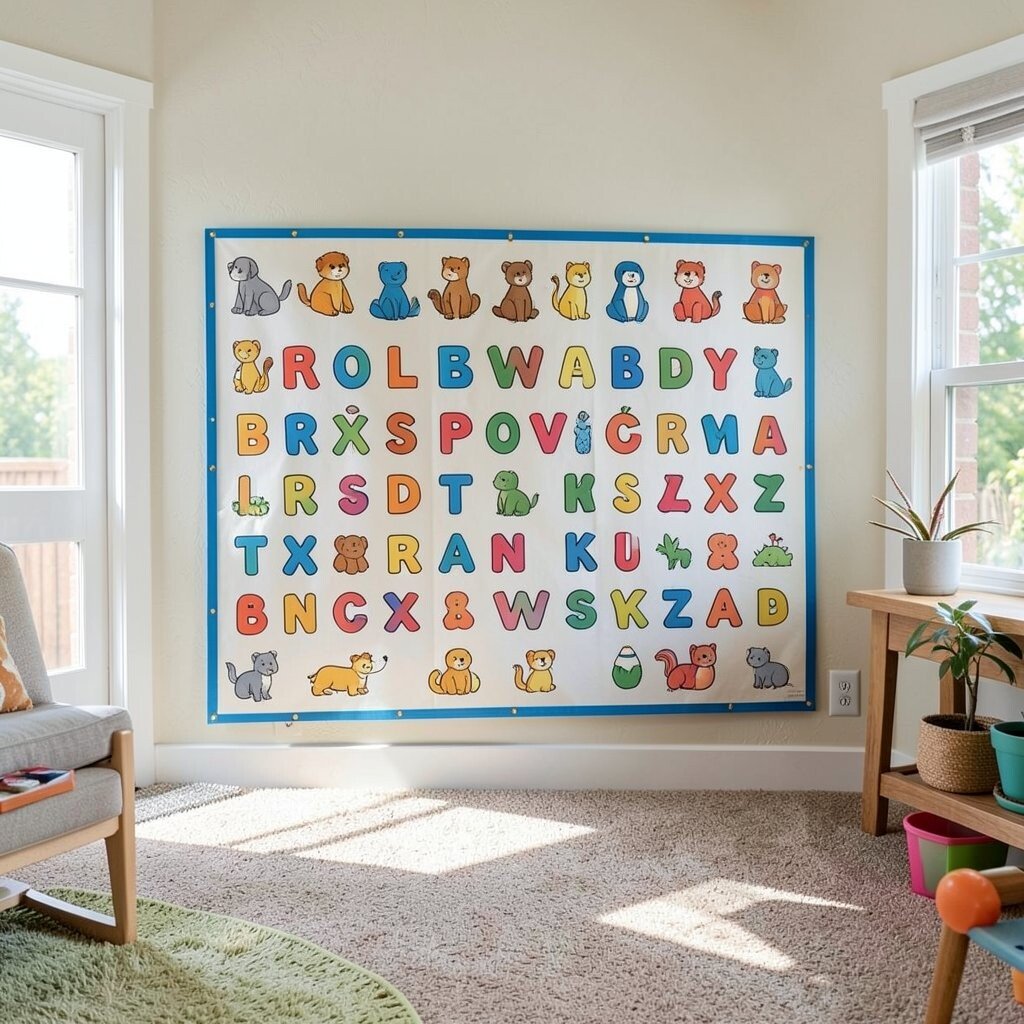
An alphabet adventure wall can light up a room with large letters, picture cards, and simple touch-and-say games. Bold shapes and cheerful colors make it easy for kids to notice right away.
This idea helps with letter learning, sound practice, and early reading skills. It can be made on a small budget with paper letters, foam stickers, or printable cards, and you can make it unique by using the child’s name, favorite animals, or objects from the home.
Interactive wall play is a strong trend because it keeps learning active and playful. If you want a cleaner look, choose one color family and repeat it across the whole wall.
16. Game Road Carpet Zone
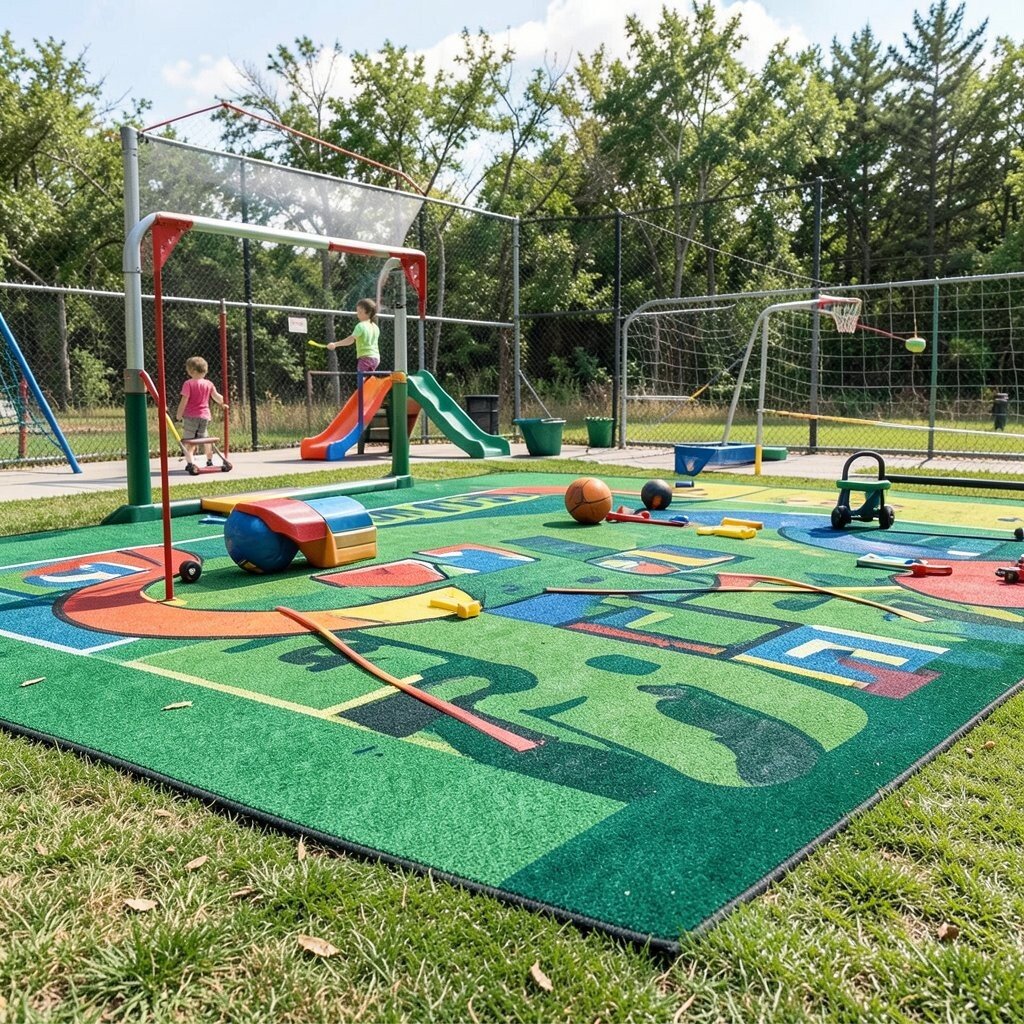
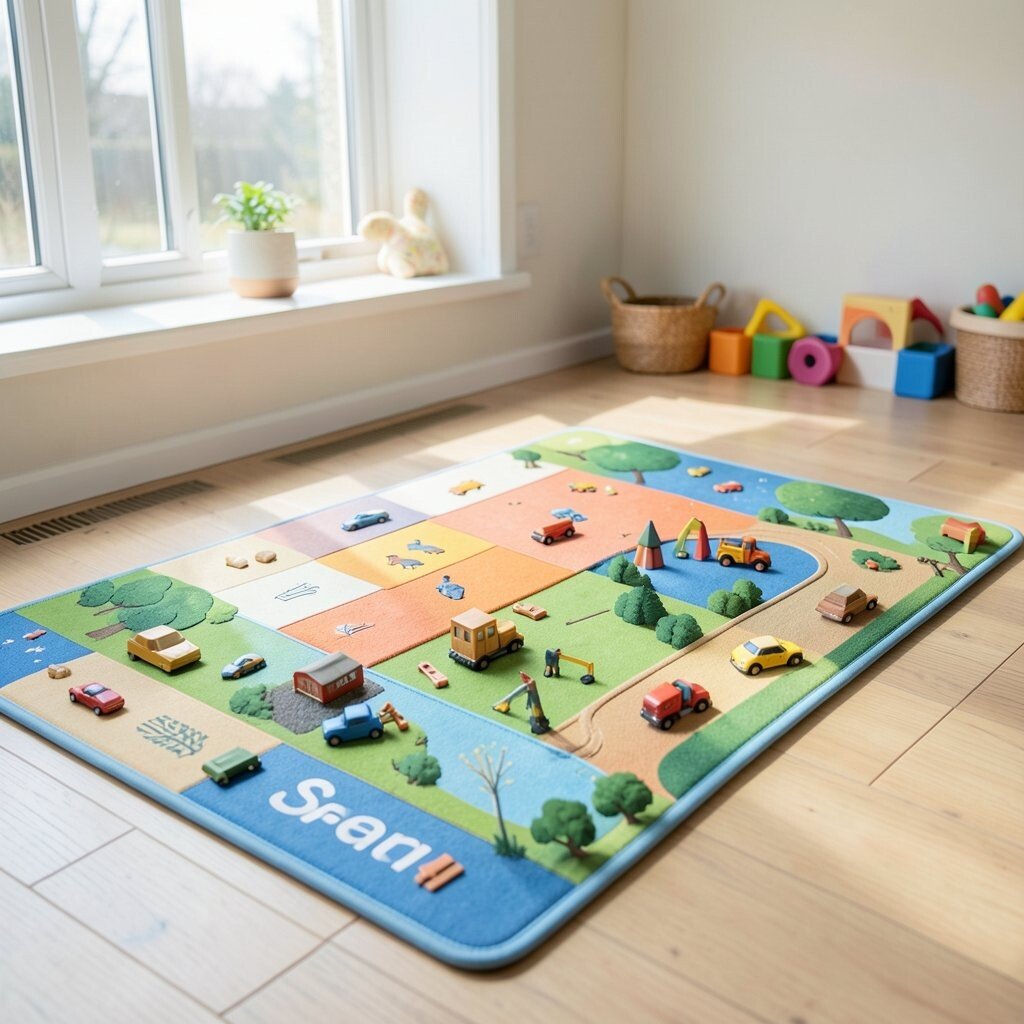
A game road carpet zone can turn the floor into a city full of roads, bridges, and tiny stops. Cars, figures, and signs look even better against a bright mat with bold lines.
Kids build story ideas, map skills, and shared play habits while moving toys around the scene. A play carpet can be a smart purchase because it lasts a long time, and you can personalize the zone with custom road signs, a monogrammed storage bin, or a favorite city theme.
Many modern kid spaces use floor play because it keeps the room open and flexible. Add a low basket for vehicles so cleanup feels quick and simple.
17. Creative Light Project Area
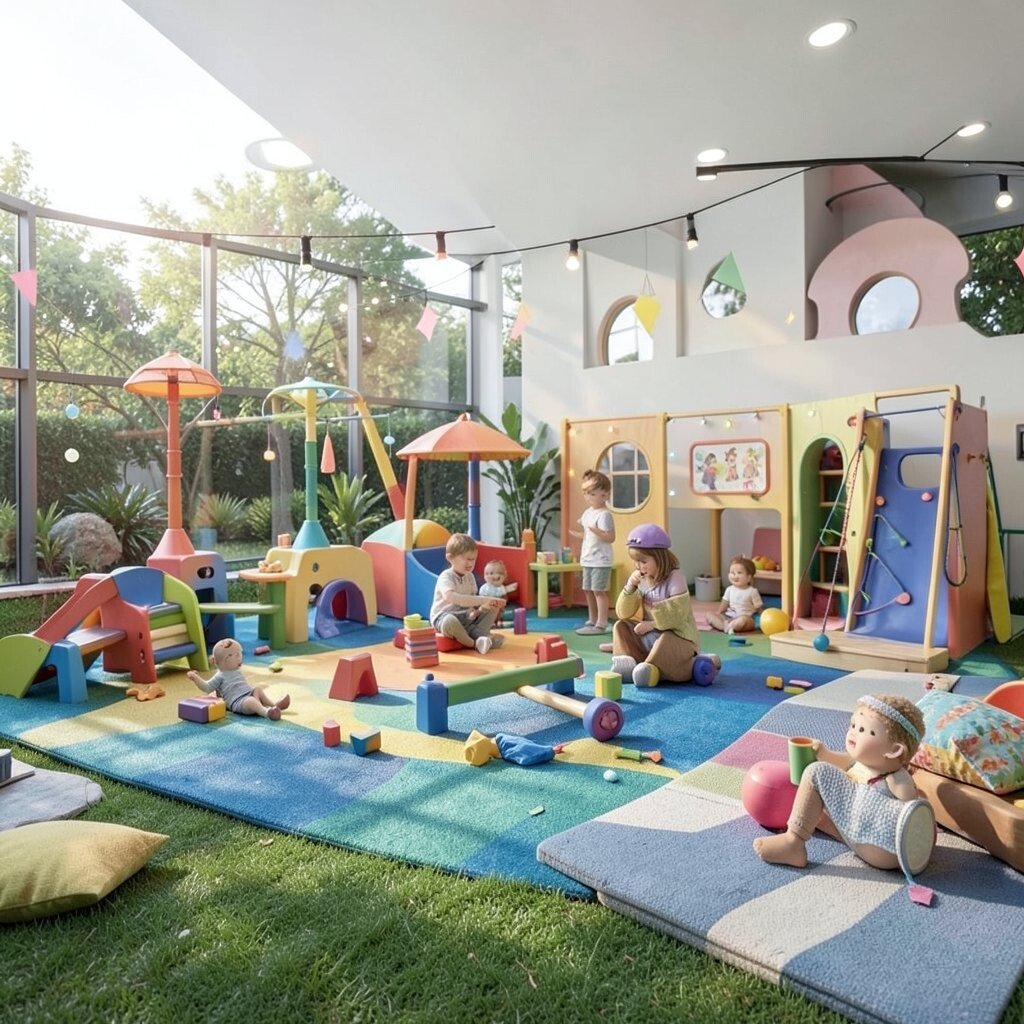
A creative light project area can glow with string lights, clear jars, and colorful translucent pieces that shine when the sun hits them. The effect feels magical and a little bit fancy, even if the setup stays small.
This zone encourages color mixing, pattern play, and careful looking. You can keep spending low by using plastic cups, old CDs, or paper shapes near a window, then make it feel special with a custom lantern, a child-made sun catcher, or a themed display tied to the season.
Soft light spaces are a current favorite because they feel calm and bright at the same time. Be sure to place fragile items higher up so kids can enjoy the sparkle safely.
18. Outdoor Mud Kitchen
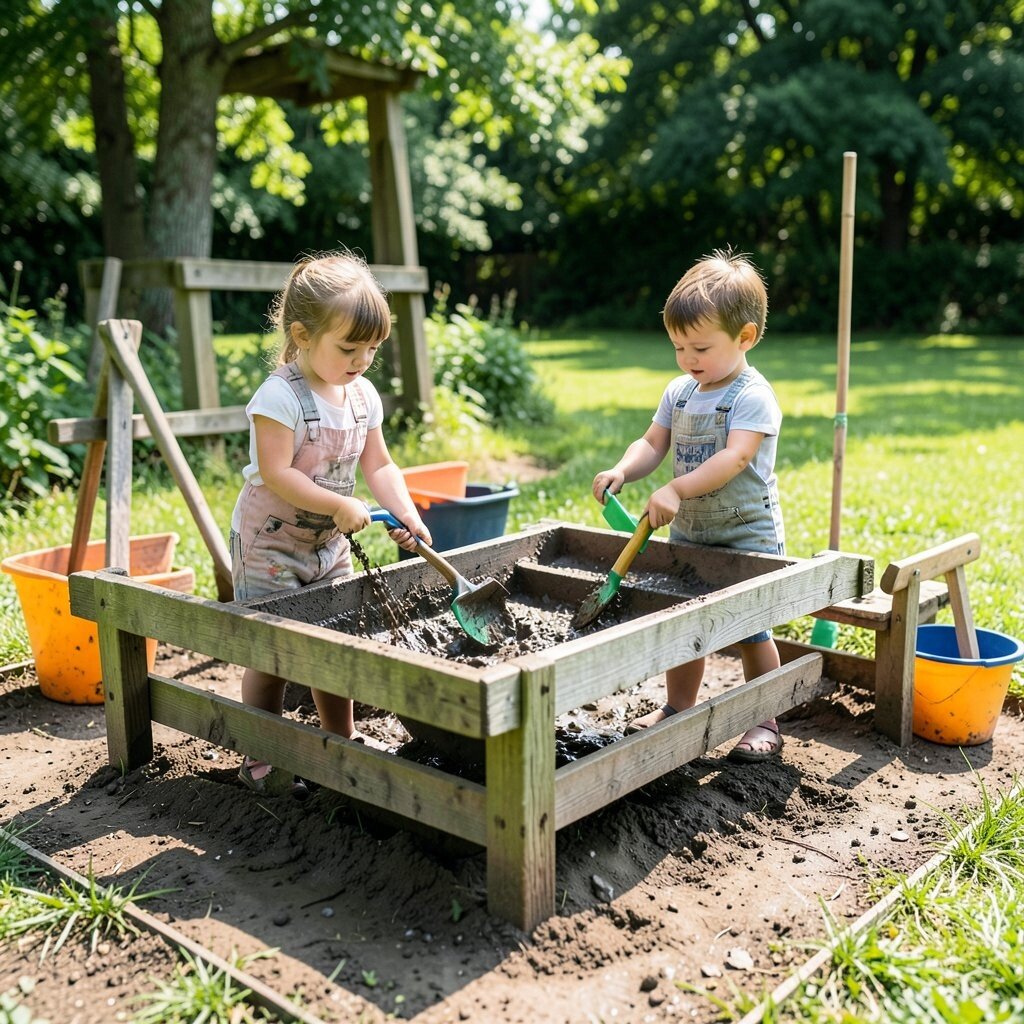
An outdoor mud kitchen can look charming with old pans, a play sink, and shelves made from weather-safe wood. Plants, stones, and water buckets add a natural look that feels alive and messy in the best way.
Kids gain sensory fun, teamwork practice, and a stronger love of outdoor play. This zone can be very budget-friendly if you use yard finds, recycled bowls, and secondhand furniture, and you can personalize it with painted signs, family garden pots, or a name plate on the front.
Outdoor play spaces are getting more attention now because families want more fresh-air activities. A hose nearby and easy-to-wipe surfaces will make cleanup much simpler.
19. Tiny Maker Space
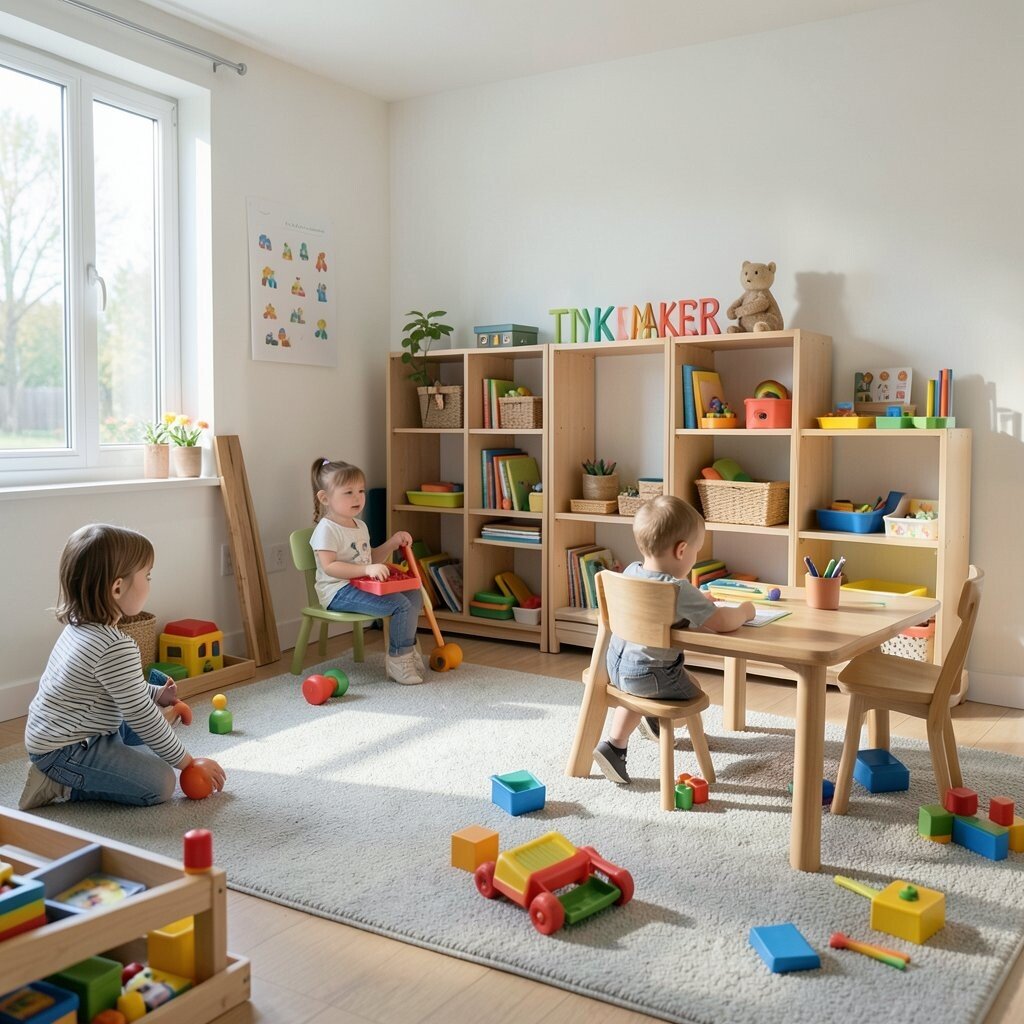
A tiny maker space can fit into a small corner with tape, scissors, paper scraps, string, and bins of loose craft parts. The look can be bright and busy, with little jars and trays giving the area a creative studio feel.
Children learn to plan, try again, and make things with their own hands. You can start with low-cost supplies from home, then add special pieces like buttons, ribbons, or a custom storage cart to make the zone feel one of a kind.
This kind of space works well with the current love for open-ended play, since kids can build, glue, and invent without a fixed result. Keep a simple mat or tray under the work area so the project stays contained and easy to reset.