The kitchen can feel thrilling and scary at the same time. Small choices there can protect people, food, and your budget.
1. Build a clean layout that makes movement easy
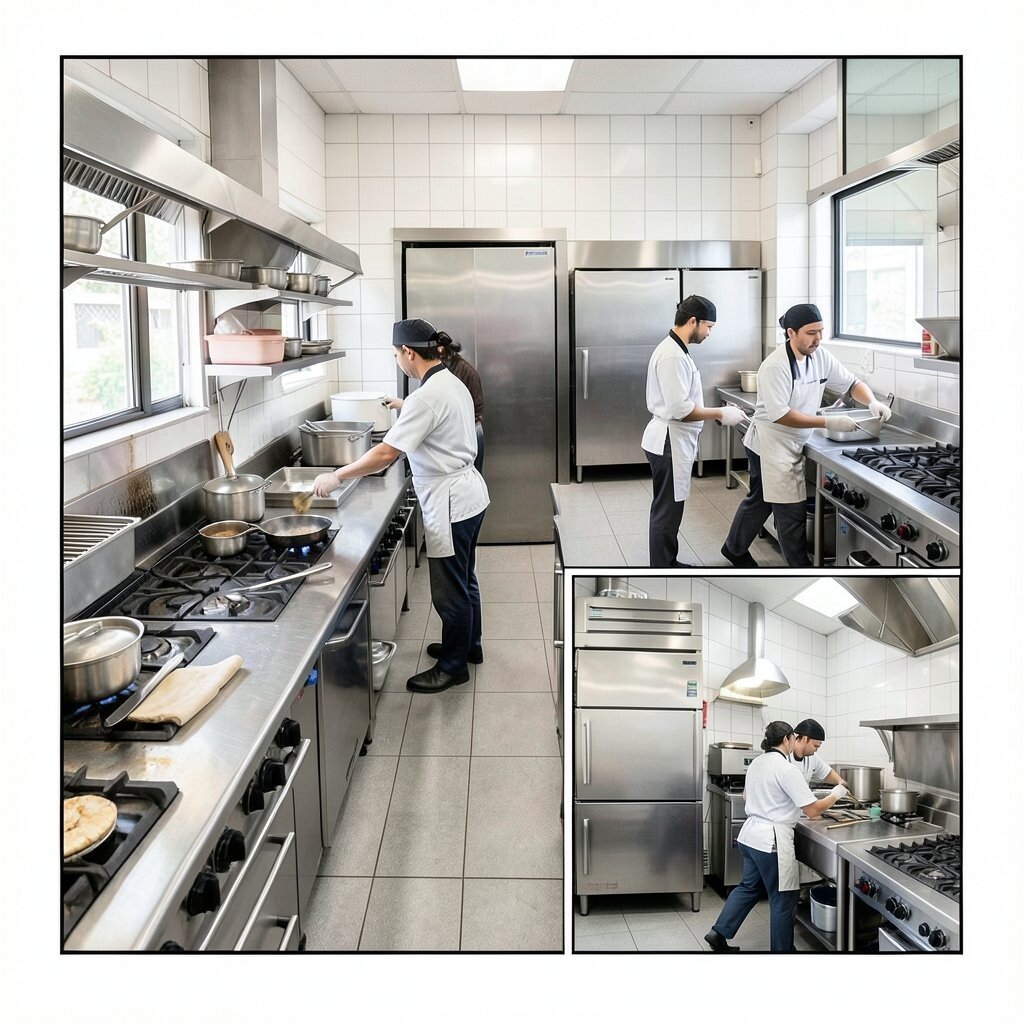
A kitchen should feel open, bright, and easy to read at a glance. Clear paths help staff move fast without bumping into hot pans or sharp tools.
Start with a floor plan that keeps walkways wide and work zones separate. Put prep, cooking, washing, and storage in spots that make sense for your team. This simple setup can lower accidents and also make service smoother, which is a big win for a new restaurant.
2. Train every worker on the same safety habits
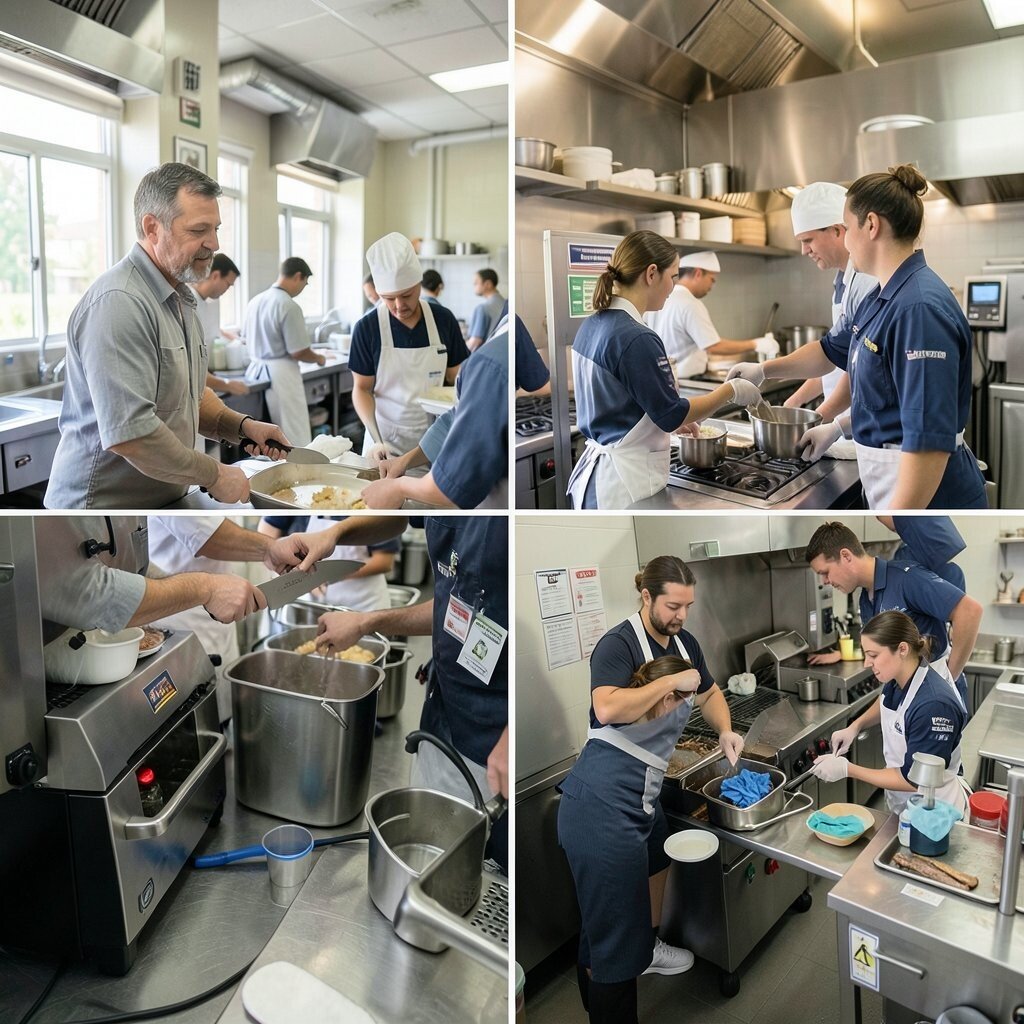
People work better when they know exactly what to do. A shared set of habits keeps the kitchen calm, even when orders pile up.
Show each worker how to use knives, ovens, fryers, and cleaning tools the right way. Use short demos, easy signs, and quick refreshers during shifts. Training can cost time at first, but it saves money by reducing injuries, waste, and broken equipment.
Make the training feel personal by using your own kitchen equipment in practice sessions. That helps new hires remember where things are and how your space works. Many owners also post simple safety cards near stations because clear reminders are a growing trend in busy kitchens.
3. Keep floors dry, bright, and free of clutter
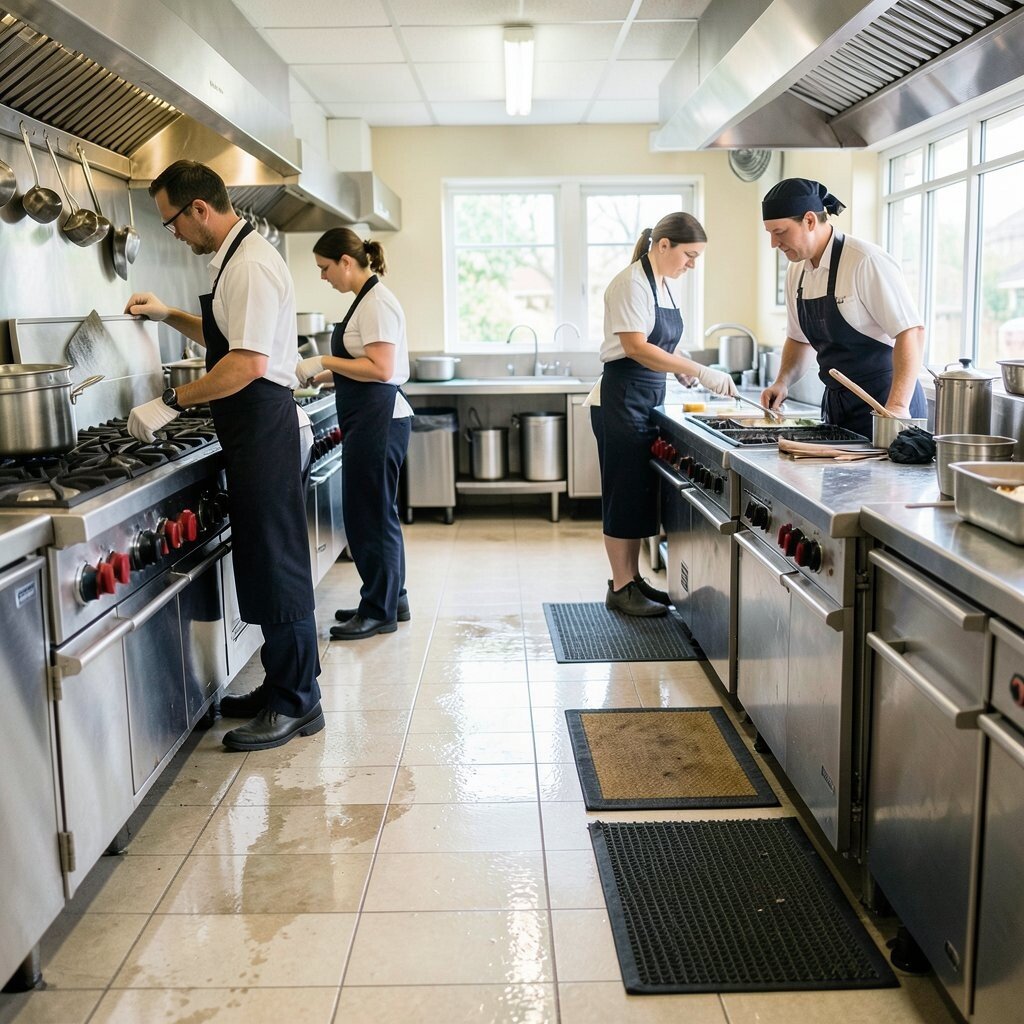
Wet floors are one of the fastest ways to ruin a shift. A clean floor also makes the kitchen look sharp and cared for.
Use mats in the right places and wipe spills right away. Add strong lighting so staff can spot messes, dropped tools, or slippery spots before anyone falls.
4. Store sharp tools where hands can reach safely
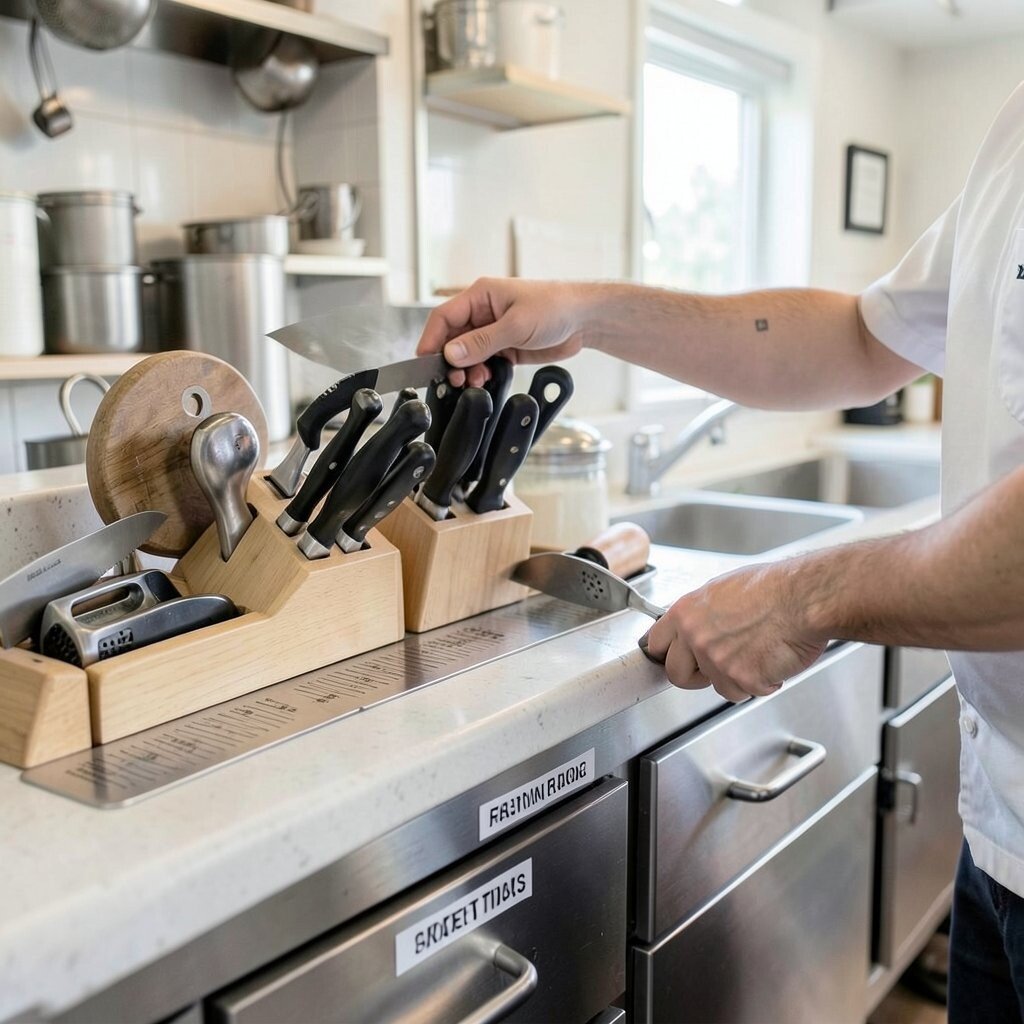
Knives, peelers, and slicers deserve a special home. When sharp tools have a set place, they are easier to find and safer to use.
Knife blocks, magnetic strips, and labeled drawers all work well. Pick the option that fits your space and your budget, since some tools cost more than others. You can also personalize storage by grouping tools by station, which helps cooks move faster during busy service.
Never toss sharp items into a crowded bin or sink. That small mistake can lead to cuts, lost time, and extra medical costs. A neat storage system also gives the kitchen a polished look that staff and guests may notice if the space is open.
5. Watch heat sources with care
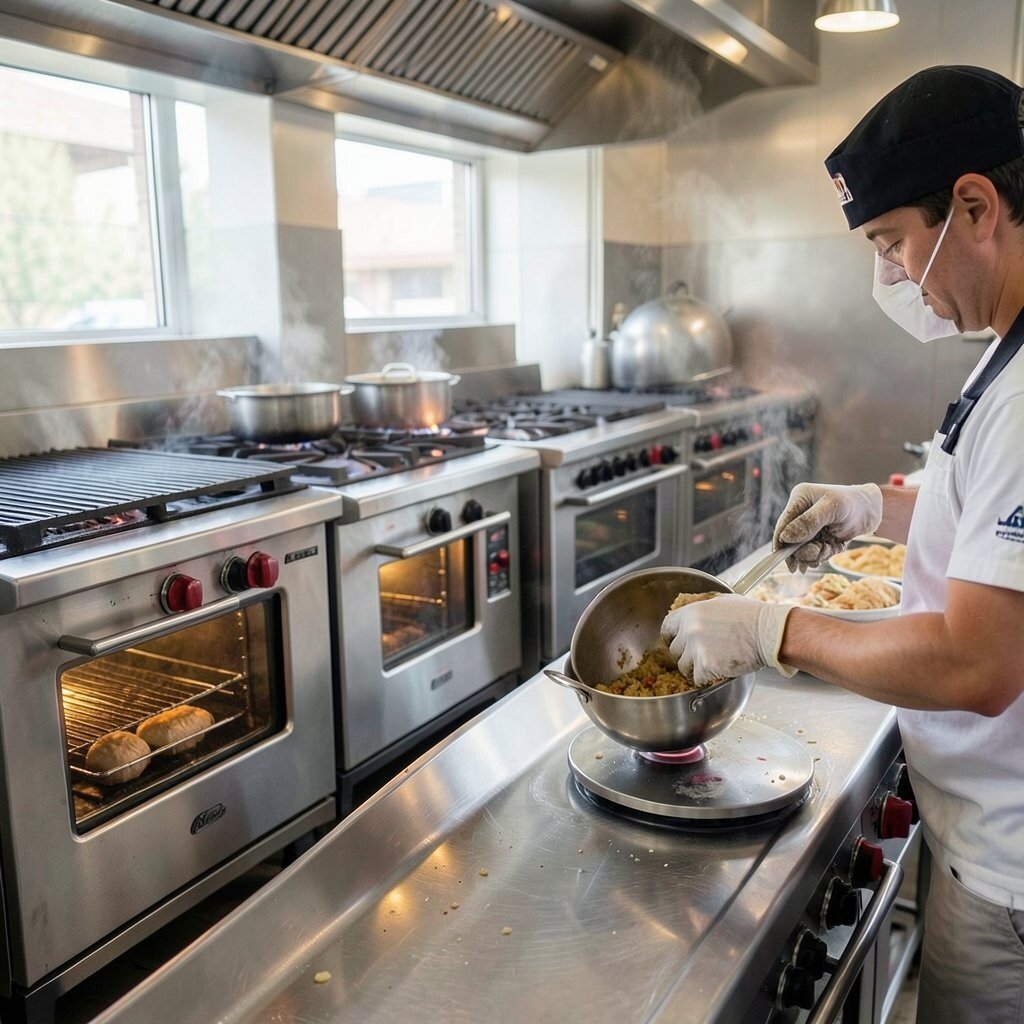
Ovens, grills, and burners can make a kitchen shine with energy. They can also turn dangerous fast if no one pays attention.
Keep handles turned in, use dry mitts, and mark hot areas clearly. Choose heat-safe gear that fits your team well, because comfort helps people use it more often. New restaurant owners are also leaning toward smart timers and alert systems that help prevent forgotten pans and burned food.
6. Make handwashing simple and easy to follow
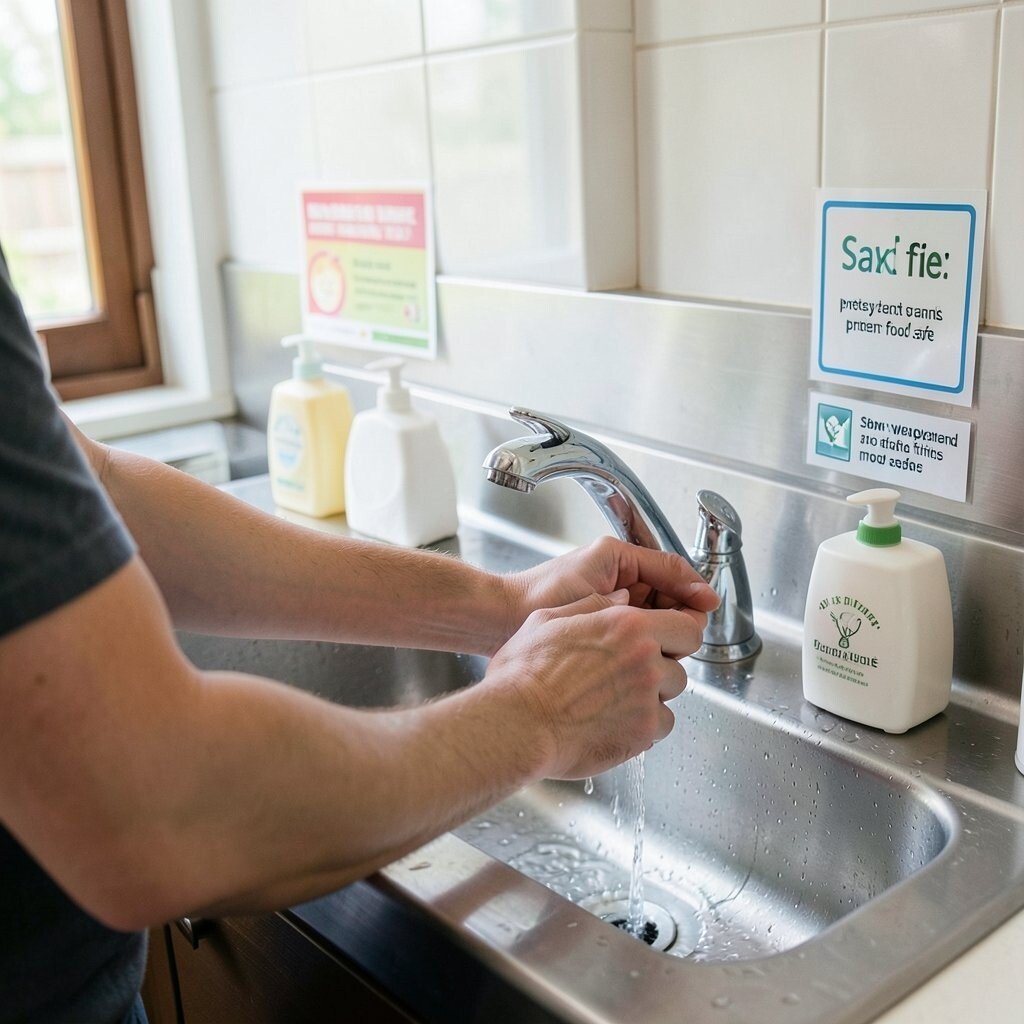
Clean hands protect guests and keep food safe. A handwashing station that is easy to reach helps everyone do the right thing more often.
Stock soap, paper towels, and warm water at every needed spot. Put clear signs nearby and keep the sink area neat so workers do not skip the step. The cost is low, but the benefit is huge because it helps stop germs before they spread.
Some owners add small reminders in fun colors or with their brand style. That personal touch can make the station feel like part of the restaurant, not just a rule. It also helps new staff remember that washing hands is part of the job, not an extra chore.
7. Label food and chemicals in a bold, easy way
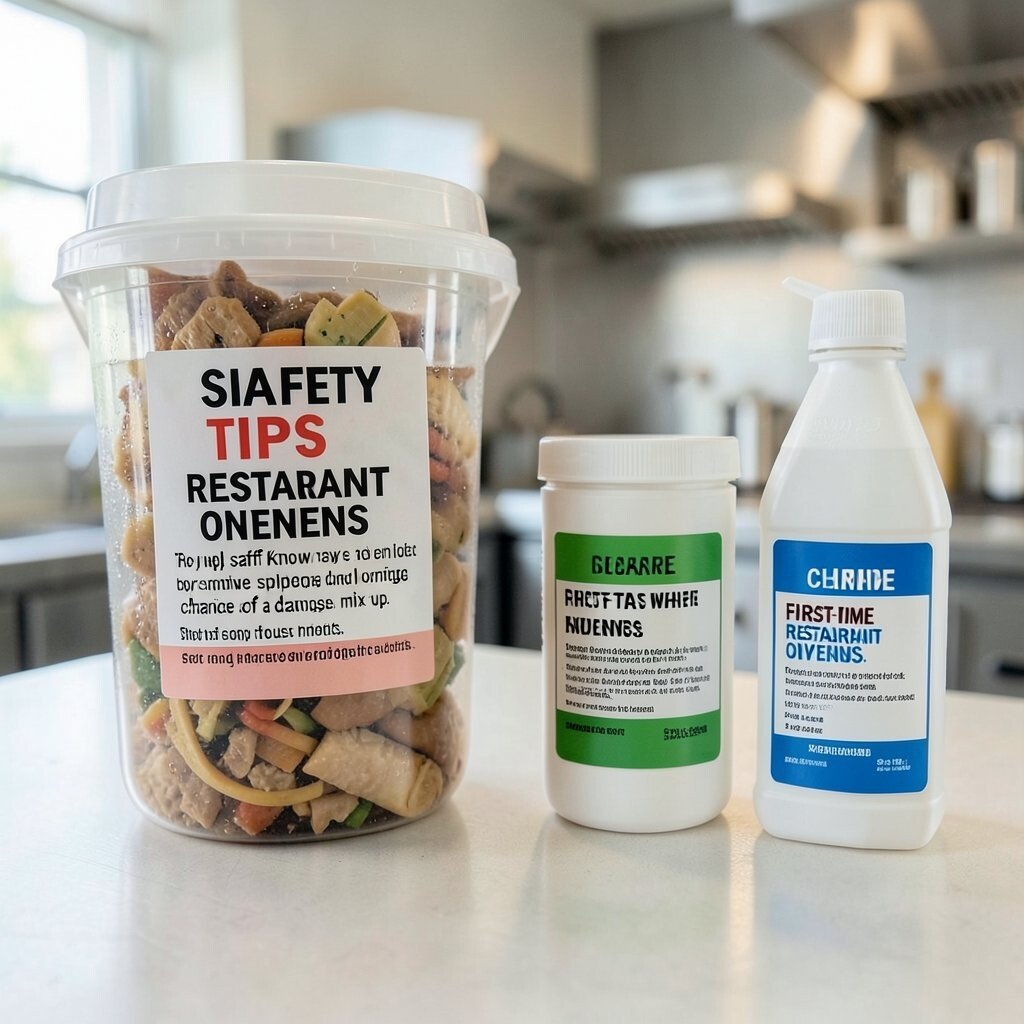
Labels may seem small, but they do a lot of heavy lifting. They help staff know what is inside a container without guessing.
Use large print for dates, names, and storage notes. Keep food containers and chemical bottles apart so no one mistakes one for the other. Good labels save money by reducing spoilage and lowering the chance of a dangerous mix-up.
Clear labels also give the kitchen a tidy, modern look. Many owners now use waterproof stickers or printed tags because they last longer in damp spaces. You can even match label colors to your stations for a simple personal system that works fast during rush hours.
8. Set rules for fire safety before the first rush
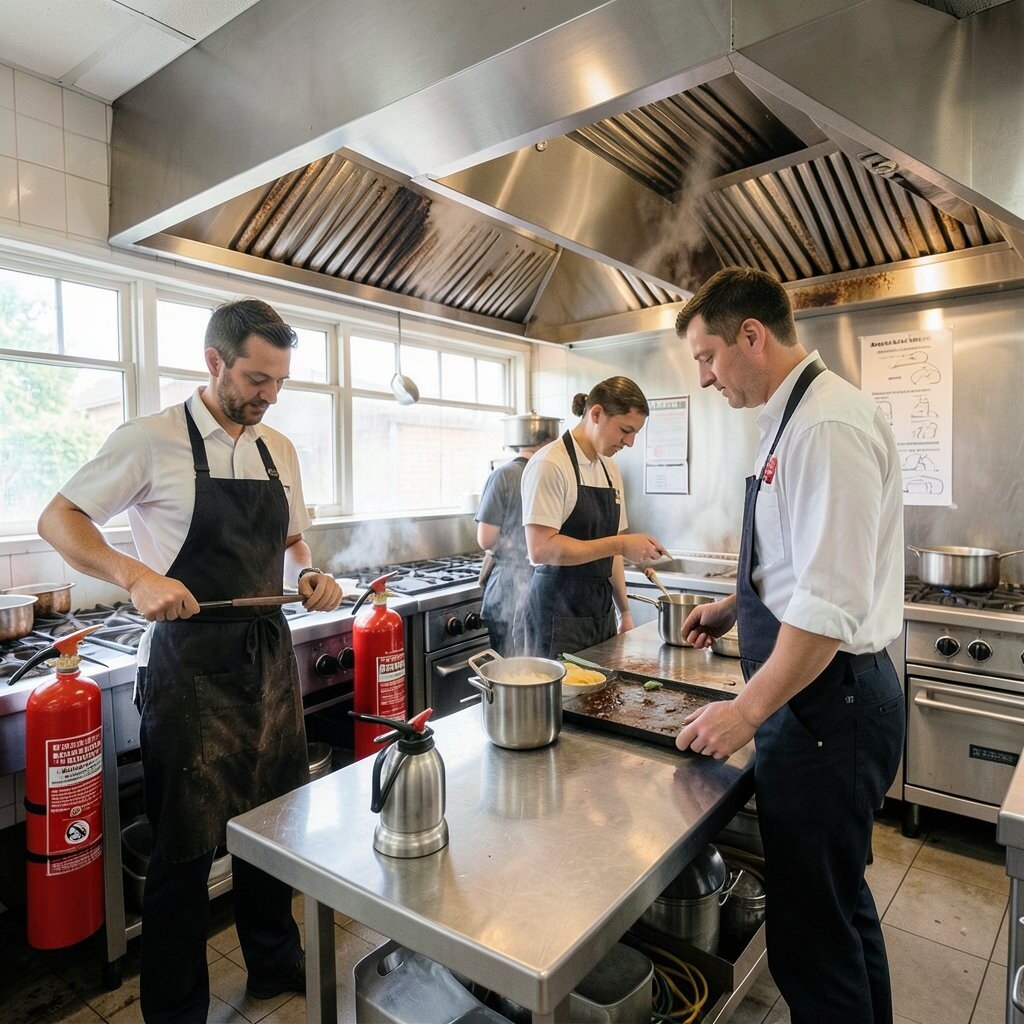
Fires can start from grease, wiring, or a forgotten pan. A kitchen that is ready for fire feels safer for everyone inside it.
Place extinguishers where staff can reach them fast and make sure they know how to use them. Check hoods, grease traps, and cords often so small problems do not grow into big ones.
Fire safety gear may seem like an extra cost, but it is far cheaper than damage from a real fire. Many owners also add regular fire drills because practice builds confidence under pressure. A kitchen with clear fire steps looks serious, organized, and ready for business.
Try making your emergency plan easy to read and posting it where all workers can see it. Personalizing the plan for your exact layout helps staff act faster if trouble starts. That kind of planning can turn a scary moment into a controlled one.
9. Keep cold food cold and hot food hot
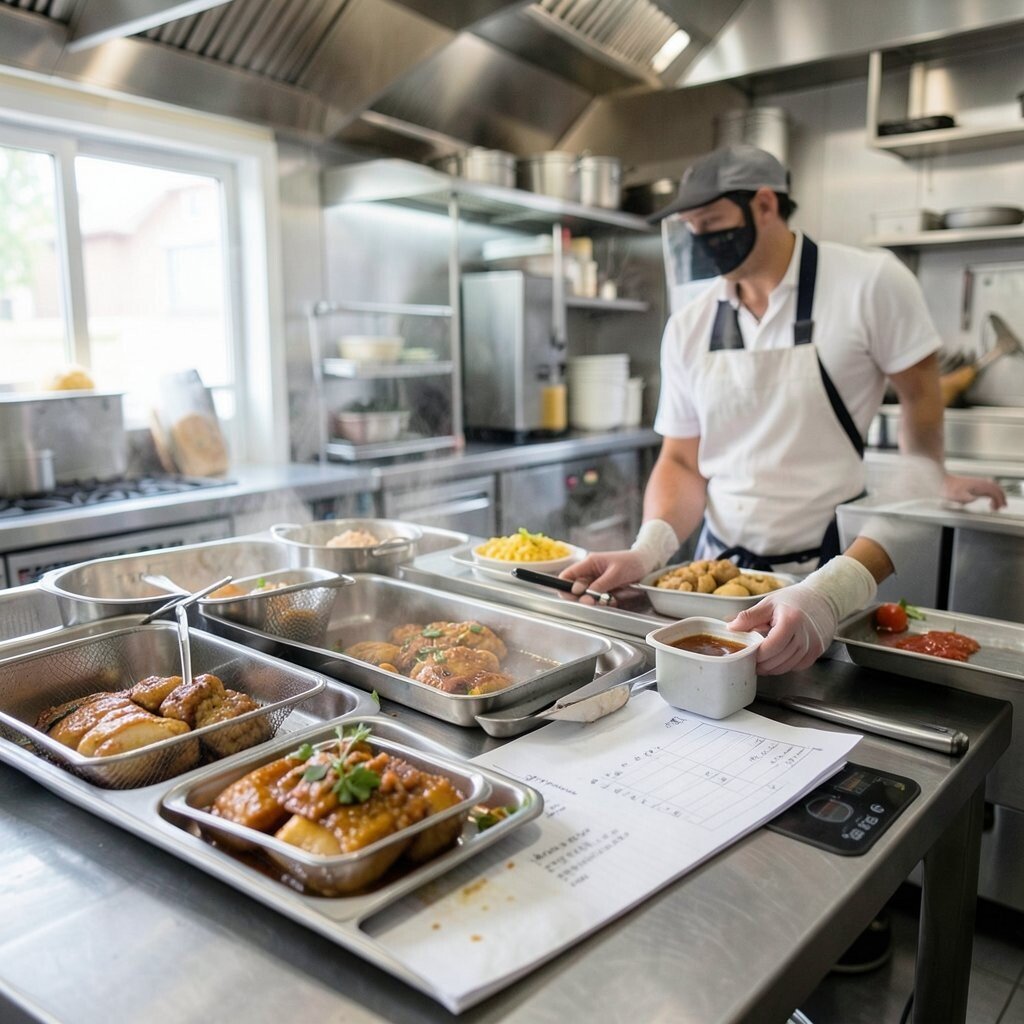
Temperature control protects taste and health at the same time. Food that sits in the wrong range can spoil fast and make people sick.
Use thermometers and check them often during prep and service. Make sure fridges are not packed too tightly, since air needs room to move around. This habit helps cut waste, which is a welcome benefit for any first-time owner watching costs.
Some kitchens now use digital temperature tools that send alerts when food drifts out of range. That trend is popular because it saves time and reduces guesswork. You can also set up a simple log sheet that matches your menu and staff flow, which makes the system feel more personal and easier to follow.
10. Pick shoes and clothing that support safe work
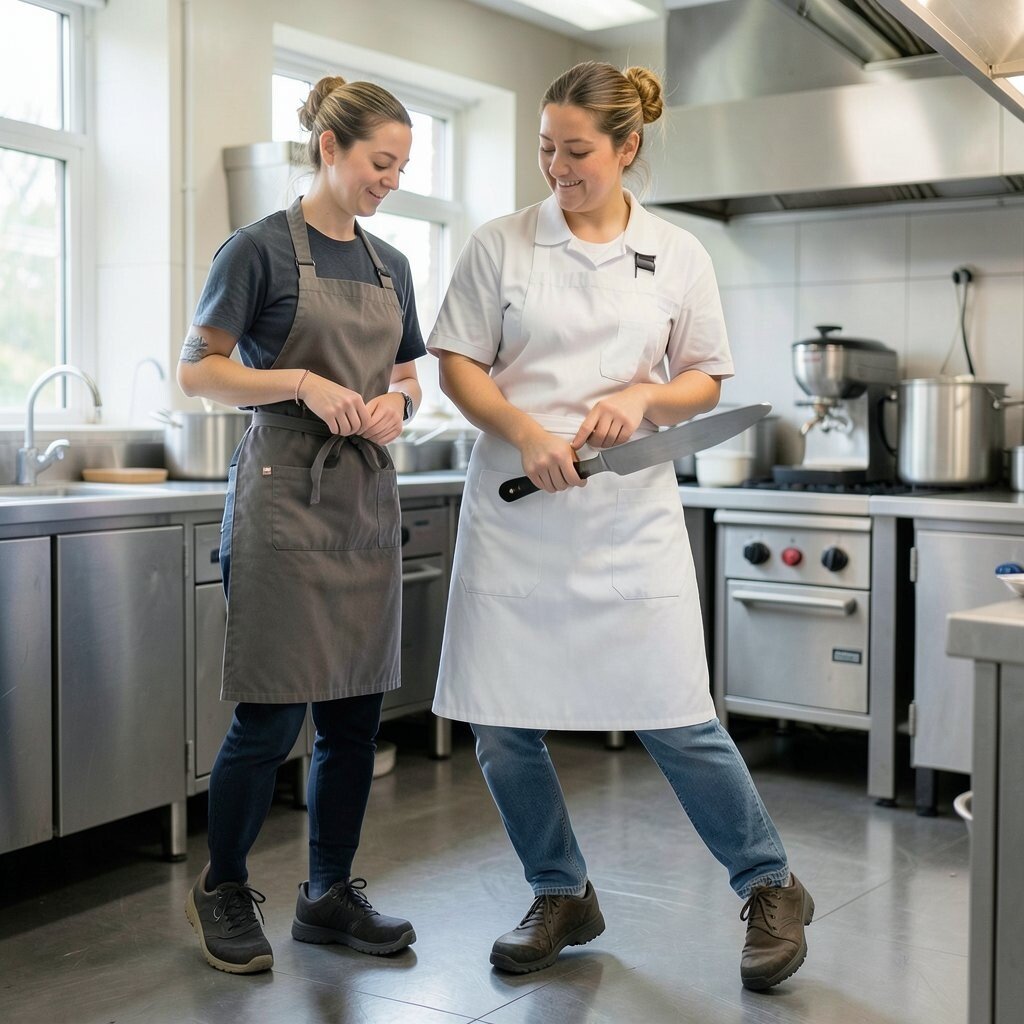
Good gear can keep a long shift from turning painful. Non-slip shoes, fitted aprons, and tied-back hair all help staff stay focused.
Choose clothing that is easy to move in and easy to clean. Avoid loose sleeves or dangling items near flames, blades, or mixers. The right outfit may cost a bit more, but it can prevent accidents and keep workers more comfortable.
11. Make cleaning part of the daily rhythm
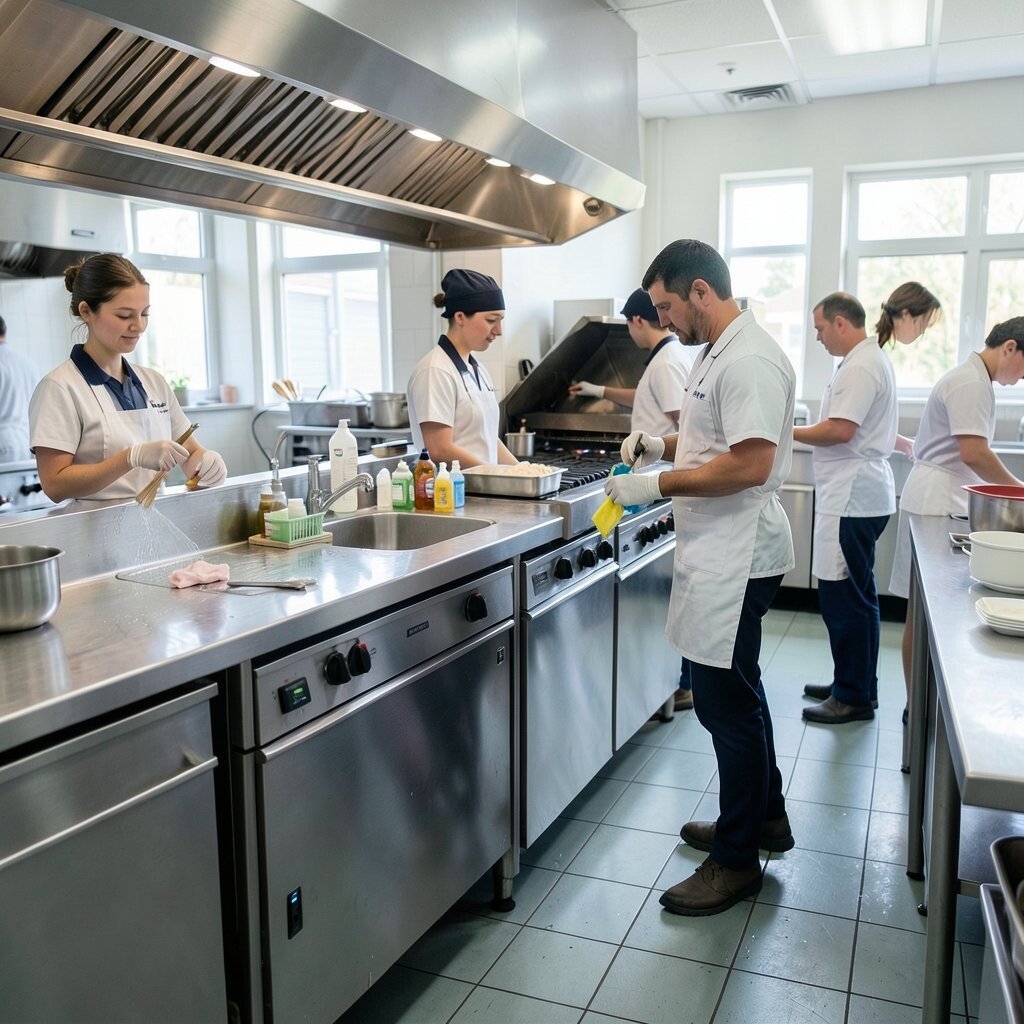
A clean kitchen is easier to trust and easier to use. When messes are handled right away, they do not turn into bigger problems later.
Set a cleaning schedule for counters, tools, drains, and floors. Give each shift a short list so tasks do not get missed when the room gets busy. A neat space also looks more professional, which can help staff feel proud of where they work.
Some owners personalize cleaning checklists by station, such as prep, grill, or dish. That makes the work feel more fair and more clear for everyone. It also fits a current trend toward simple digital checklists that track tasks without piles of paper.
Choose cleaning products that work well but are not too harsh for your surfaces. It is smart to compare prices before buying in bulk so you can keep costs under control. A steady cleaning routine protects equipment, food quality, and the people who make the meals.
12. Keep first aid supplies close and ready
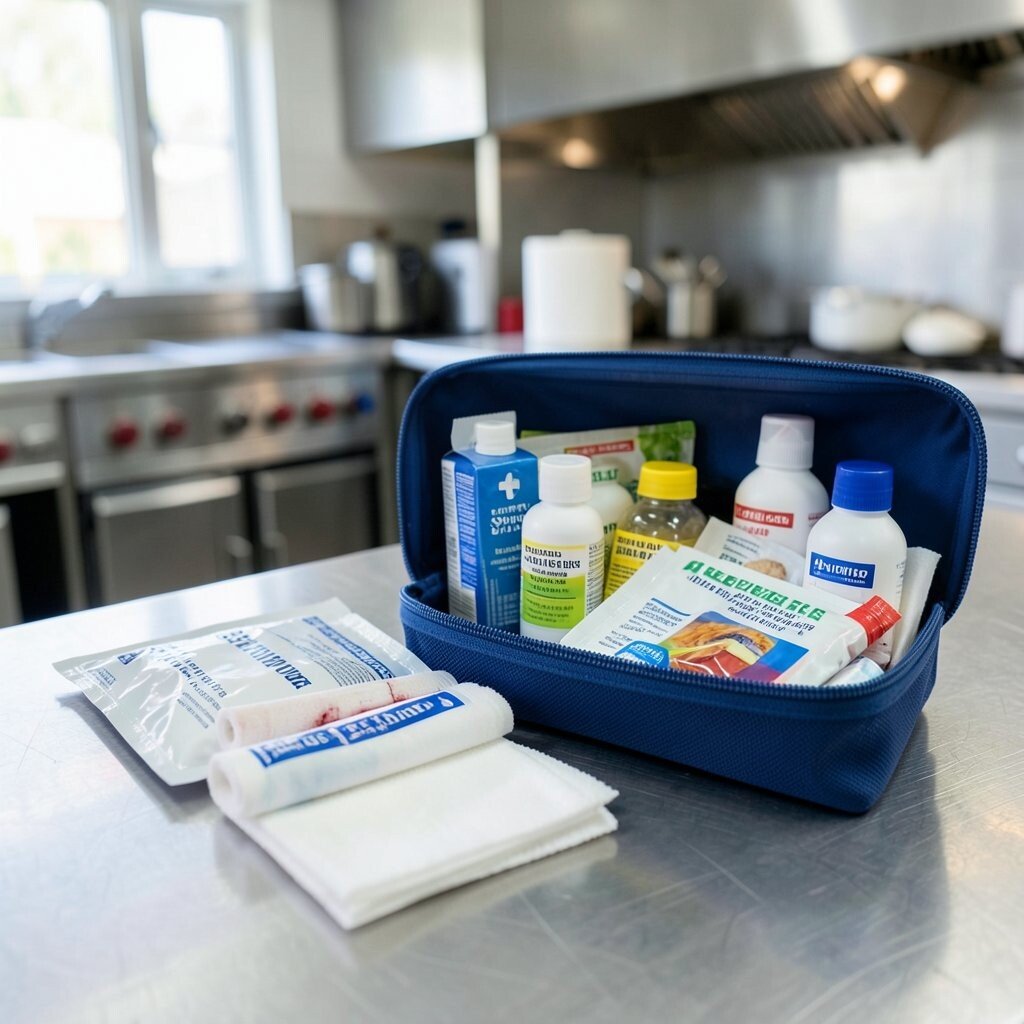
Small cuts and burns happen in even the best kitchens. A well-stocked first aid kit helps staff respond quickly and calmly.
Place the kit in a known spot and check it often. Include bandages, burn cream, gloves, and other basic items your team may need. This setup is affordable and can make a big difference during a stressful moment.
13. Watch for crowding during busy service
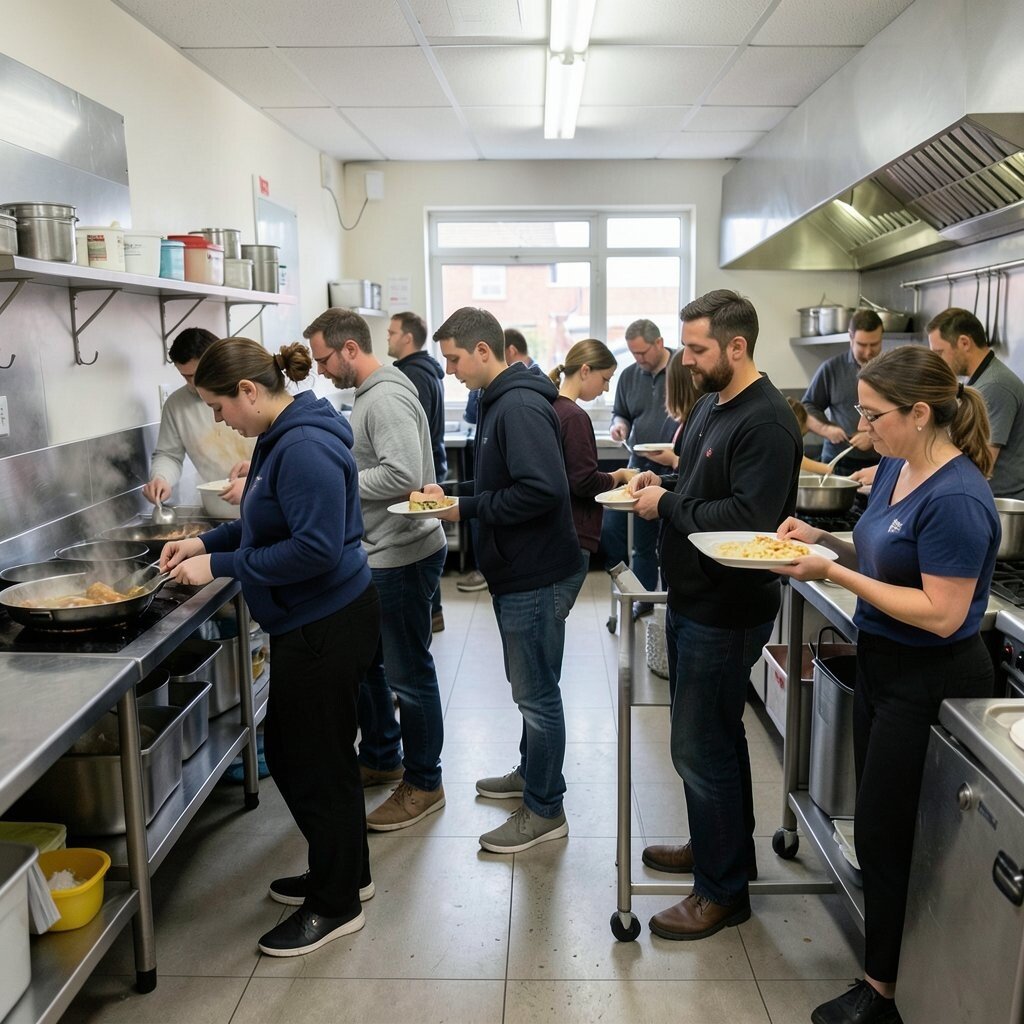
Busy kitchens can feel like a dance floor with hot pans. Too many people in one spot can lead to bumps, spills, and mistakes.
Assign each worker a clear role during rush times. Keep stations organized so no one has to squeeze past another person with a full tray or sharp knife. That kind of space control helps the whole team move with more confidence.
If your kitchen is small, think about tools and carts that save space without slowing work. Some owners also use wall hooks, slim shelves, and rolling stations to make the room feel bigger. These fixes can cost less than major remodeling and still make a strong safety difference.
14. Choose equipment that fits your menu and your space
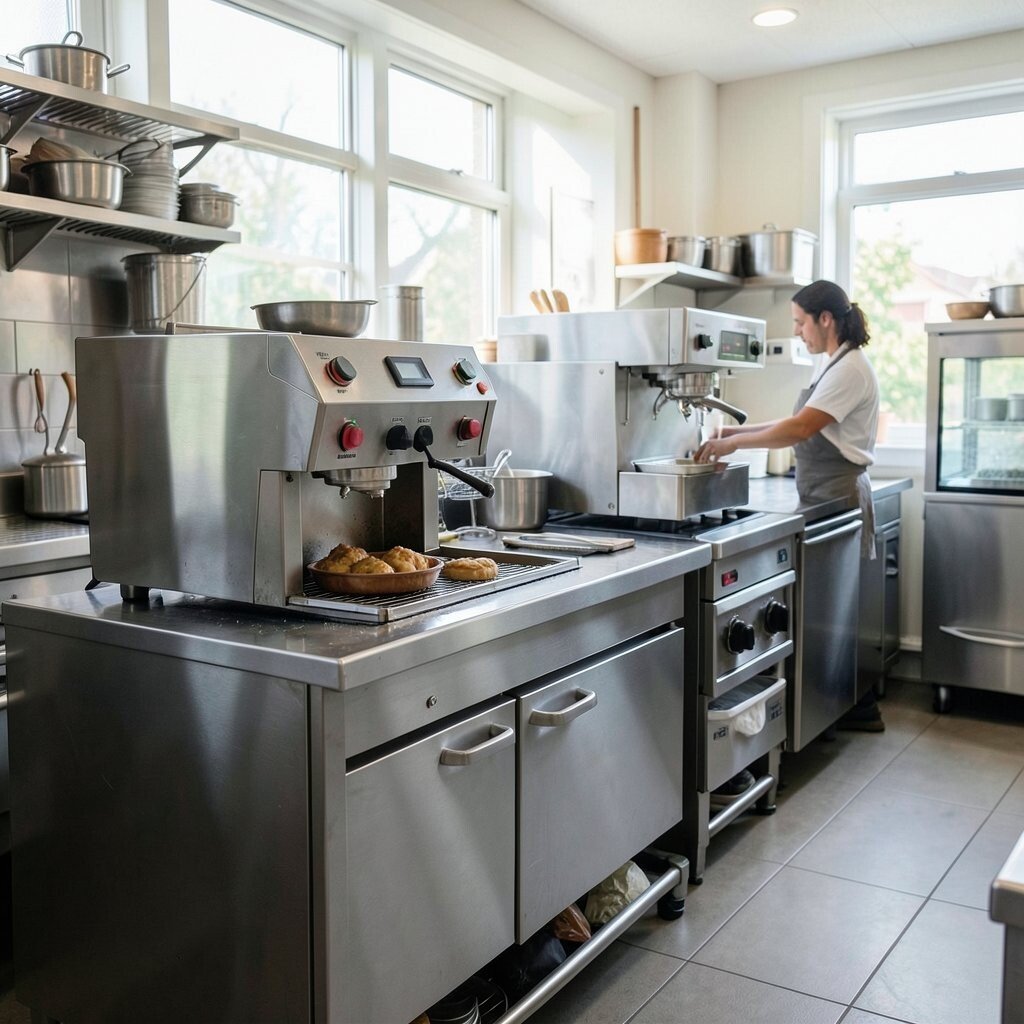
Big, shiny machines can be tempting. The best equipment, though, is the kind that matches your food, your room, and your team.
Pick tools that are easy to clean, easy to service, and simple to use. A fryer that is too large or a mixer that is too powerful can create waste and safety risks. Smart buying helps you save money now and avoid repair costs later.
15. Create a clear system for reporting problems
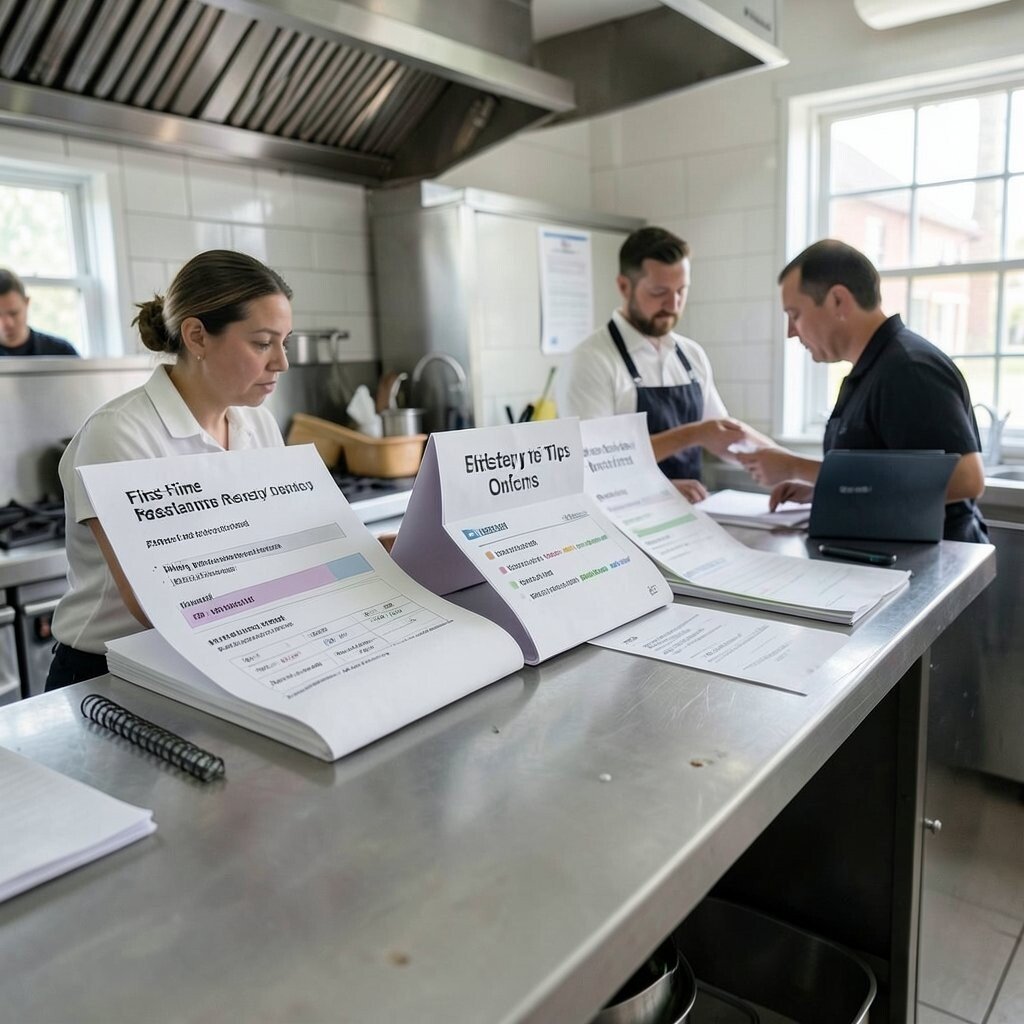
Small problems should never stay hidden. A loose handle, strange smell, or broken tile can turn into a serious issue if no one speaks up.
Give staff a fast way to report hazards, like a notebook, app, or daily check form. Make it feel safe to speak up so people do not worry about blame. This habit keeps the kitchen healthier and shows that safety matters every day.
Many new owners like simple digital forms because they are easy to track and share. That trend helps teams act faster and keeps records in one place. You can also personalize the system by adding station names or color codes so reports are easy to sort.
Fixing problems early usually costs less than waiting until something breaks badly. It also helps build trust between managers and workers. A team that feels heard is more likely to protect the kitchen and each other.
16. Review safety habits often and keep improving them
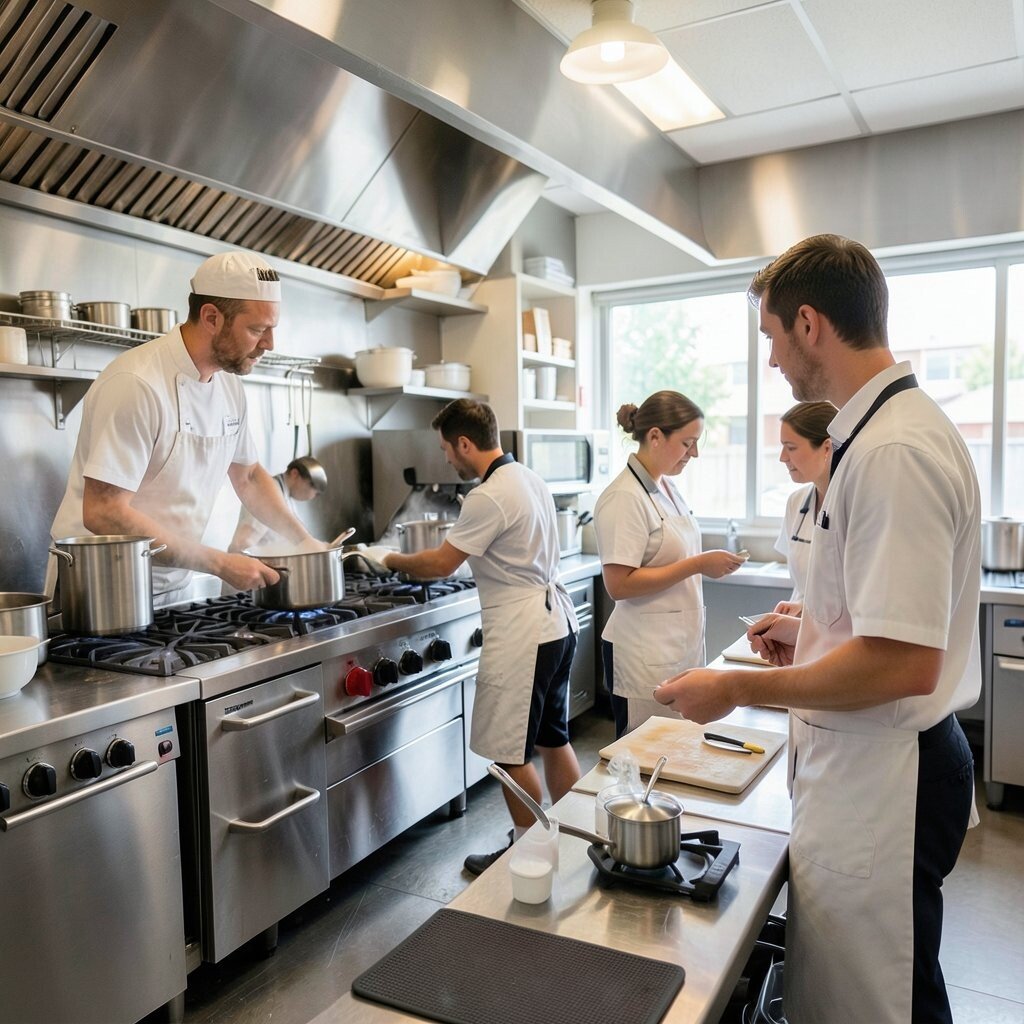
Safety is not a one-time job. It works best when it stays part of your daily routine.
Set regular times to check what is working and what needs a change. Ask your team where they feel safe, where they feel rushed, and what tools would help them do better. This keeps the kitchen fresh, practical, and ready for real life.
You can make reviews feel personal by inviting staff to share ideas in short meetings. That kind of input often leads to small fixes with big results, like moving a shelf or adding a mat. It also helps owners spot trends early, such as new gear that may improve safety without raising costs too much.