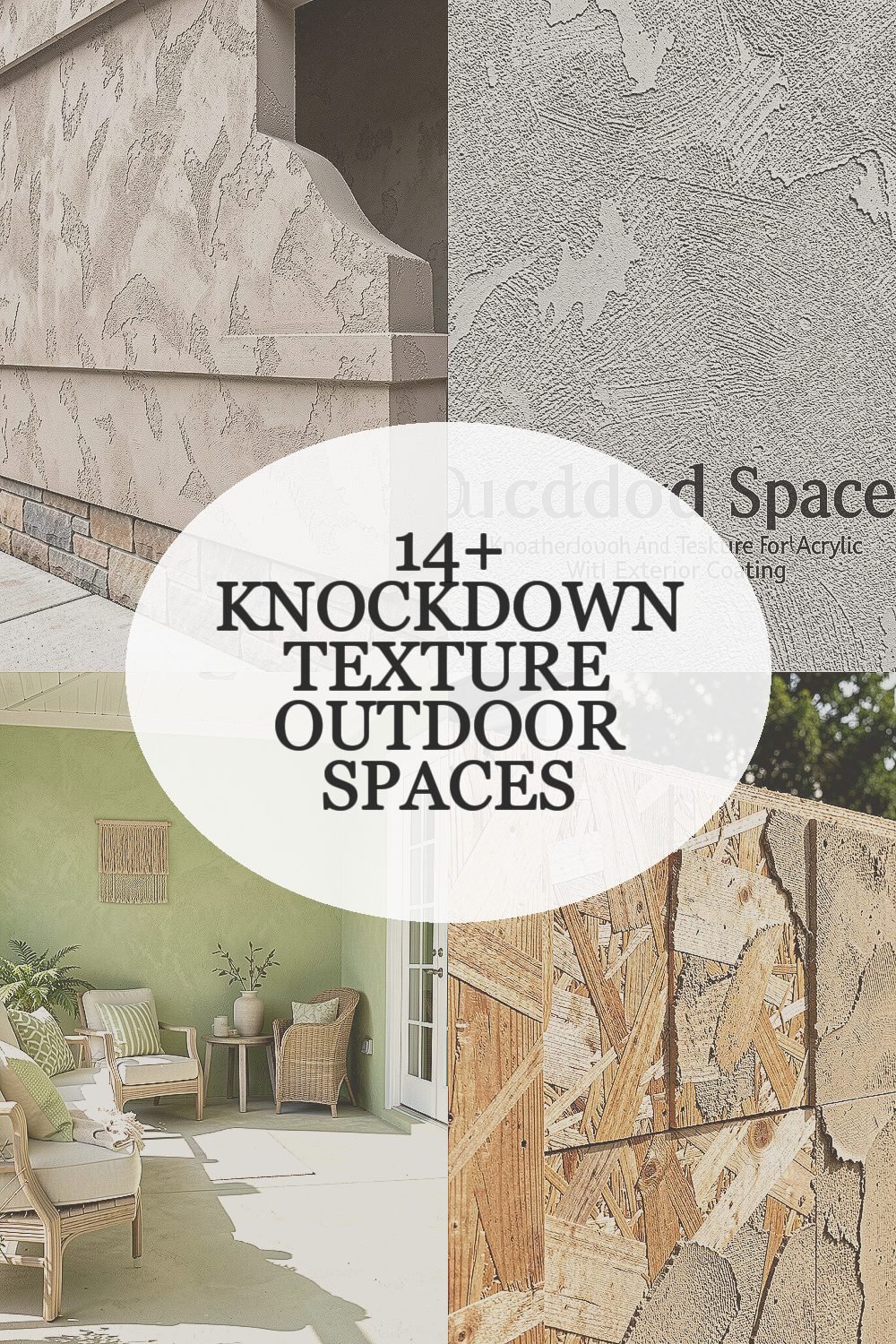
The right knockdown texture can make outdoor walls look built to last. It also adds a style that feels personal, warm, and grounded.
Even better, many options handle sun, rain, and temperature swings without losing their charm. With a few smart choices, you can get the rugged look you want while keeping maintenance realistic.
1. Weathered Stucco Knockdown Over Masonry
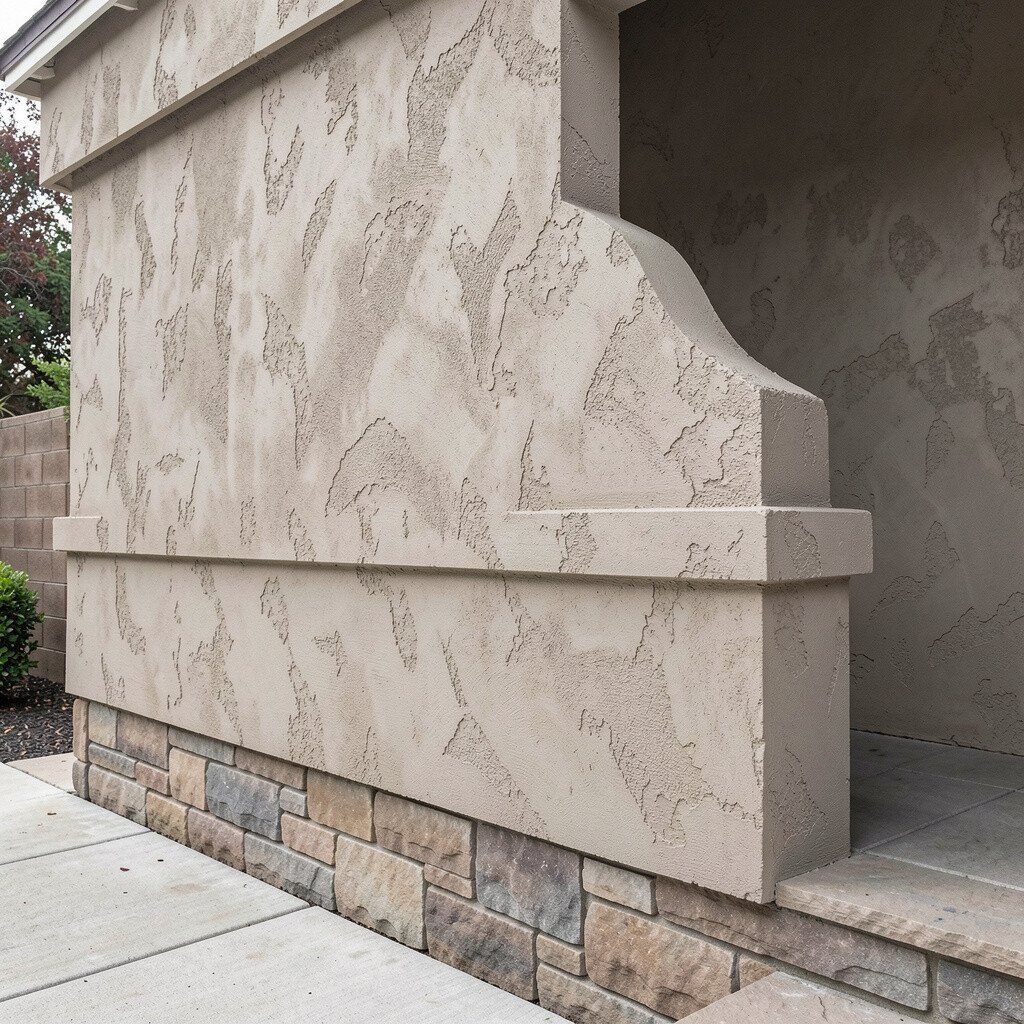
Picture a soft, sandy surface with irregular ridges that catch the light at different angles. It makes brick, block, and stone look more unified without covering up their natural character.
This option is popular because stucco is meant for outdoor use and can be finished to resist cracking. To keep it performing well, use a quality base coat, proper mesh reinforcement, and curing time that matches your climate. You can personalize the look by adjusting the knockdown pressure and the tool pattern for lighter or deeper valleys.
If you want a more modern vibe, choose muted earth tones and add a slightly smoother knockdown. For practical results, plan for regular rinsing and quick spot checks after heavy storms. Costs vary based on wall prep and stucco thickness, so a clean surface and correct installation often prevent expensive repairs later.
2. Knockdown Texture With Acrylic Exterior Coating

Think of a fine knockdown pattern that looks crisp from far away and still shows texture up close. Acrylic coatings create a “sealed” feel that looks neat while holding up to outdoor moisture.
This approach is great when you want color consistency and lower fuss after installation. It tends to be flexible, which helps with hairline movement that can happen from hot days and cool nights.
For best results, apply over a compatible primer and keep your sprayer settings steady for an even ridged texture. You can also blend pigments for a custom shade that matches railings, planters, or exterior trim. Many homeowners find this option fits tighter budgets than full stucco systems because it can be lighter in build-up while still looking rich.
3. Lime-Based Knockdown For Coastal-Style Patios
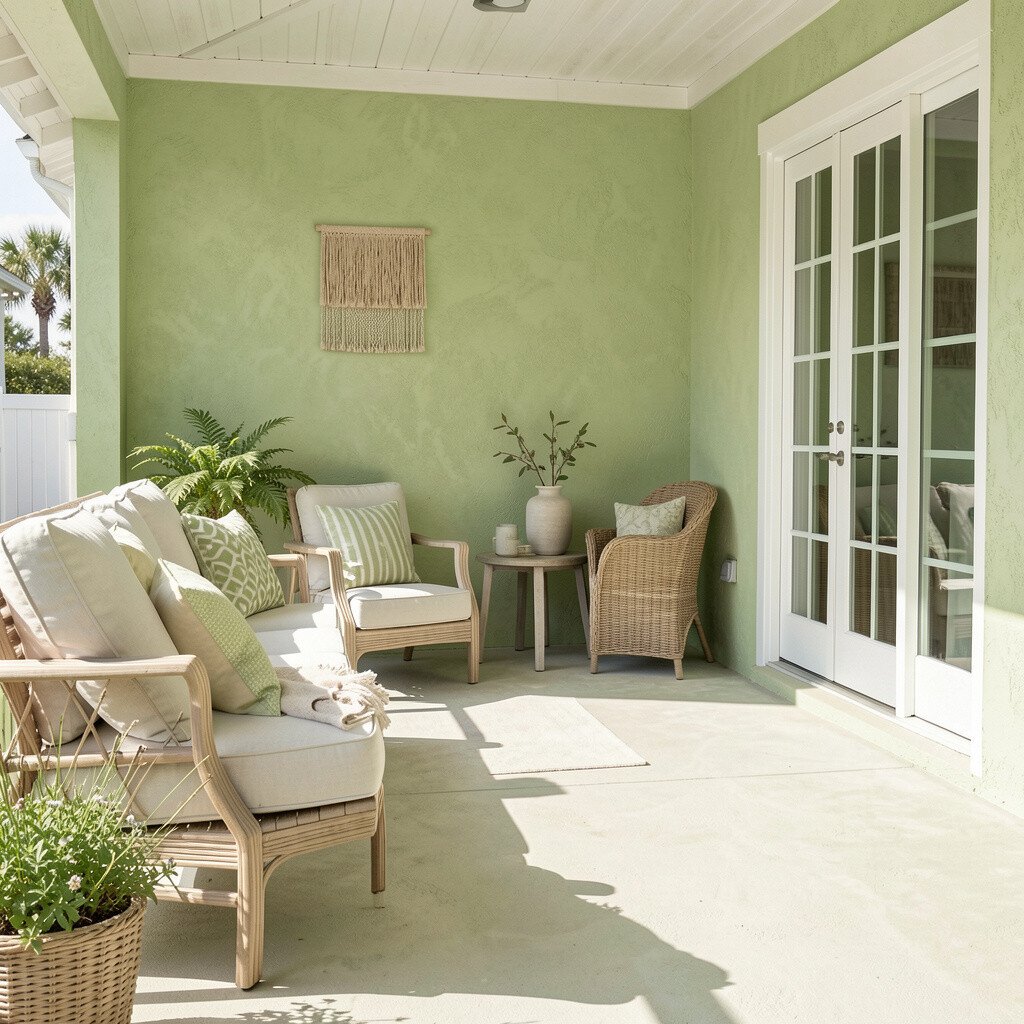
Imagine a chalky, airy finish that makes outdoor spaces feel breezy and calm. Lime-based knockdown gives a naturally organic surface with subtle movement in the ridges.
It’s valued for breathability, which can be helpful in humid or salty regions where trapped moisture is a concern. You’ll also get a softness in appearance that pairs well with whitewashed walls and natural stone paths.
To make it last, choose outdoor-grade lime products and follow a curing routine that suits your humidity and temperature. Personalize the color by using mineral-based pigments in gentle tones like sea glass, warm sand, or pale clay. While lime can cost more upfront than basic coatings, many people like its character and the way it ages gracefully.
Keep an eye on surface cleaning so you don’t scrub too aggressively and smooth the knockdown away. A light rinse a few times a year can keep it looking fresh. For coastal homes, this option often feels like it belongs, not like it was forced.
4. Knockdown Over Exterior Plywood Or Wood Panels
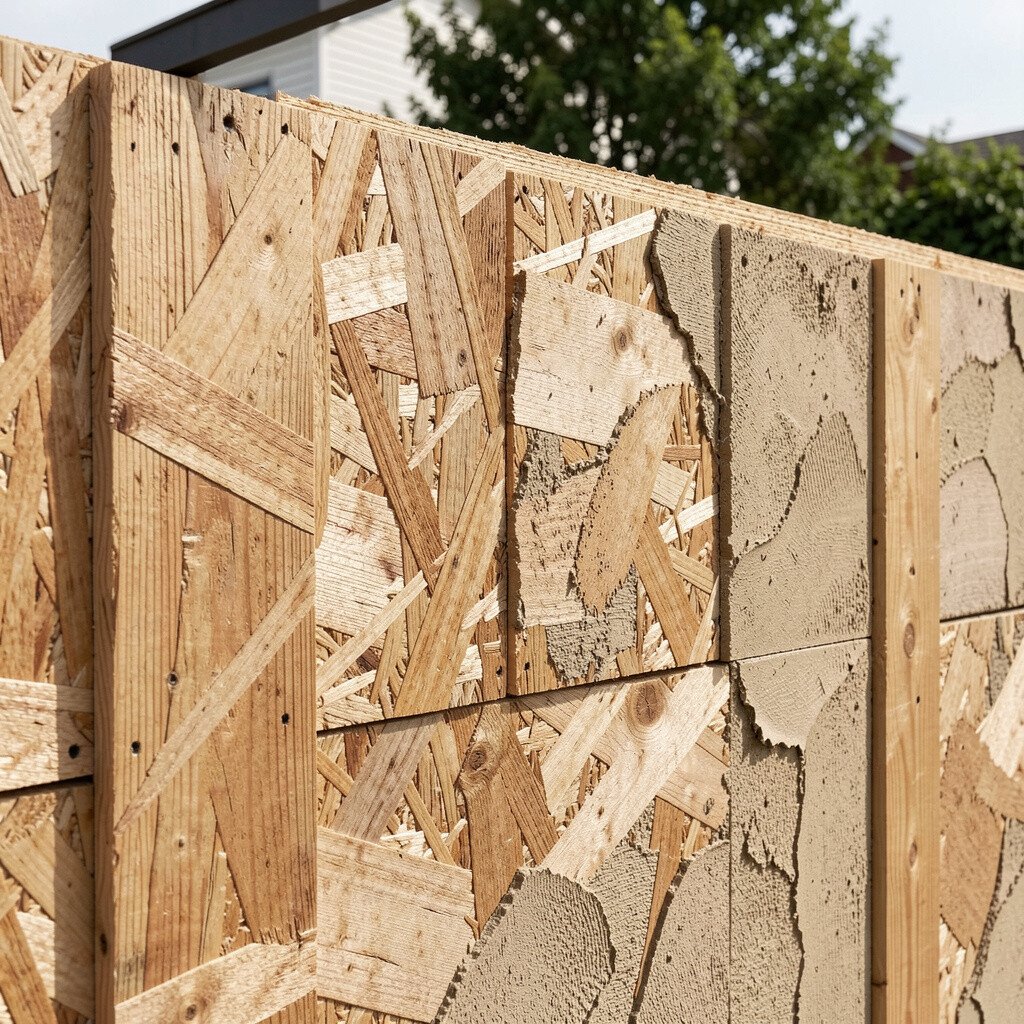
Picture a rugged plaster-like texture that hides minor imperfections in wood siding. Done correctly, knockdown can turn an average panel look into something that feels architectural.
This is a smart idea when you’re building a sheltered outdoor room, a backyard bar, or a studio shed. Wood needs the right prep, including sealing and weather barriers, so the coating bonds and moves without peeling.
Use exterior-rated systems and consider vapor management based on your region’s climate. You can customize the pattern by holding the texture gun closer for tighter ridges or further back for softer peaks. Even with the right materials, your cost will hinge on prep time, so plan on thorough sanding, fixing fasteners, and careful priming.
If you want extra longevity, topcoat with a UV-stable exterior finish. It keeps the color truer and reduces fading. This approach feels unique because it blends the warmth of wood with the durability of plaster finishes.
5. Sand-Finished Knockdown For Courtyard Walls
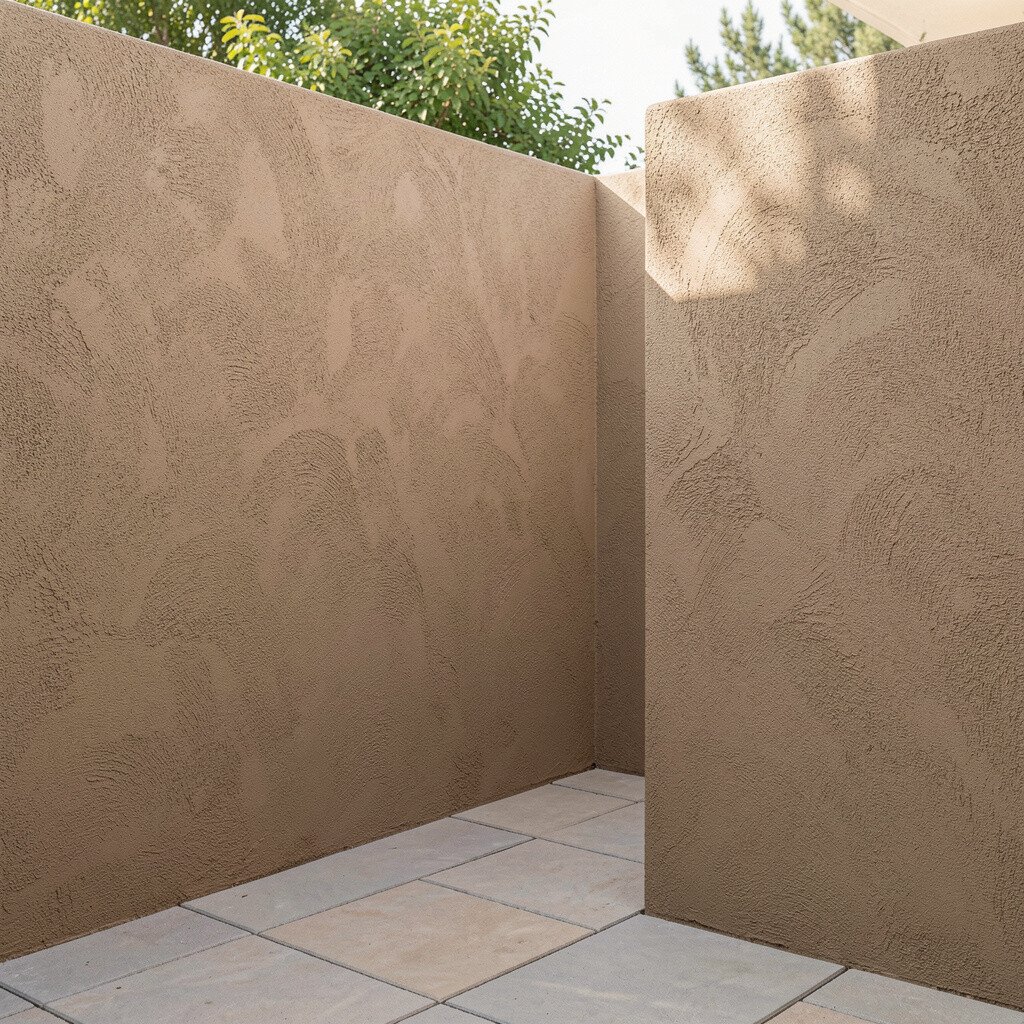
Envision a knockdown texture that looks like sun-warmed sand after the ridges settle. The surface reads calm and inviting, especially when you use neutral colors.
Sand-finished knockdown is practical because it’s forgiving and can hide tiny imperfections. It also helps give walls a uniform look when you’re working with larger outdoor elevations.
For a strong finish, keep your mix consistent and apply evenly, then knock down at the right moment so peaks don’t crumble. You can personalize the final look by adding a fine aggregate for a slightly grainy feel or keeping it smoother for a cleaner, modern surface. Many homeowners see this as a cost-friendly option because it uses familiar materials and straightforward application techniques.
To protect the texture, choose an exterior-rated sealant or breathable topcoat based on your system. After heavy rain, check corners and edges for any sheen that might signal moisture issues. This option is trending because it looks natural and fits modern landscaping.
6. Polymer Modified Knockdown For High-Heat Sun Exposure

Picture a knockdown surface that stays sharp in direct sun and doesn’t dull quickly. Polymer modified coatings create a resilient skin that resists wear from intense heat.
This option is ideal for patios with lots of afternoon light, stucco-adjacent walls, and areas that get strong UV. A well-bonded polymer finish can reduce fading and help the texture hold its shape over time.
Use a primer made for exterior systems and avoid rushing cure time between coats. You can tune the look by varying the nozzle size and knockdown timing for fine or bold ridges. While polymer modified products can cost a bit more, the reduced rework and longer lasting color often feel worth it.
For practical maintenance, rinse off dust and pollen after long dry spells. If your area has windblown grit, consider a gentle soft-brush approach instead of pressure washing right away. This texture feels uniquely “crisp” and gives outdoor spaces a polished, durable vibe.
7. Textured Knockdown With Micro Aggregates
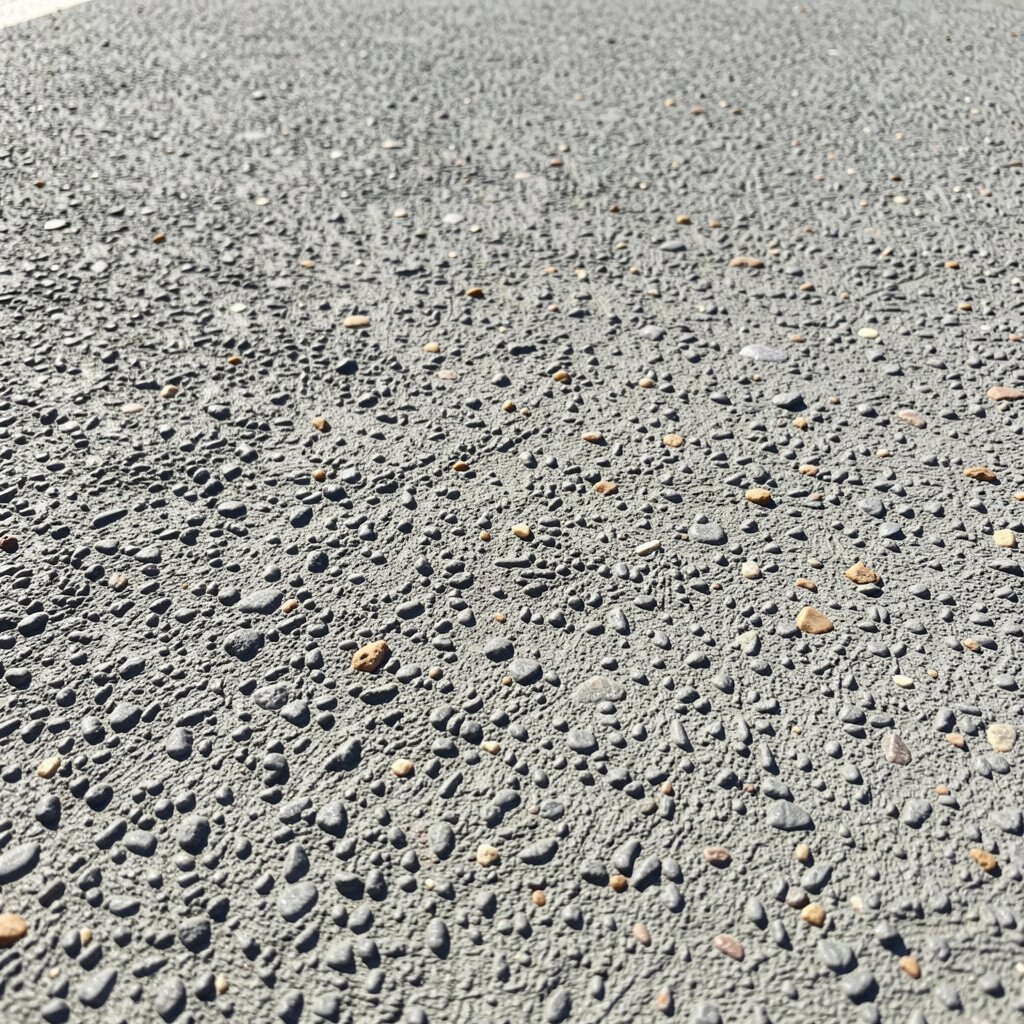
Imagine a knockdown pattern that looks almost velvet, with tiny sparkles where light hits the aggregates. Micro aggregates create depth without making the surface overly rough.
This is a great choice when you want visual richness but still want a surface that’s easier to keep clean. The added particles can make the finish feel more substantial and less flat, especially on long wall runs.
To get the best result, measure aggregate size and blend it evenly so the ridges stay consistent. Personalize your finish with subtle color shifts, like warm greige or soft taupe, for a natural layered look. Many DIY-minded homeowners choose this because the steps are familiar, yet the visual payoff feels designer.
Cost often depends on aggregate selection, so choose a quality product that matches your desired sparkle level. For outdoor rooms, consider a topcoat that supports mildew resistance in shaded areas. The uniqueness comes from how the surface changes under different lighting across the day.
8. Knockdown Texture For Outdoor Kitchens And Fireplace Surrounds
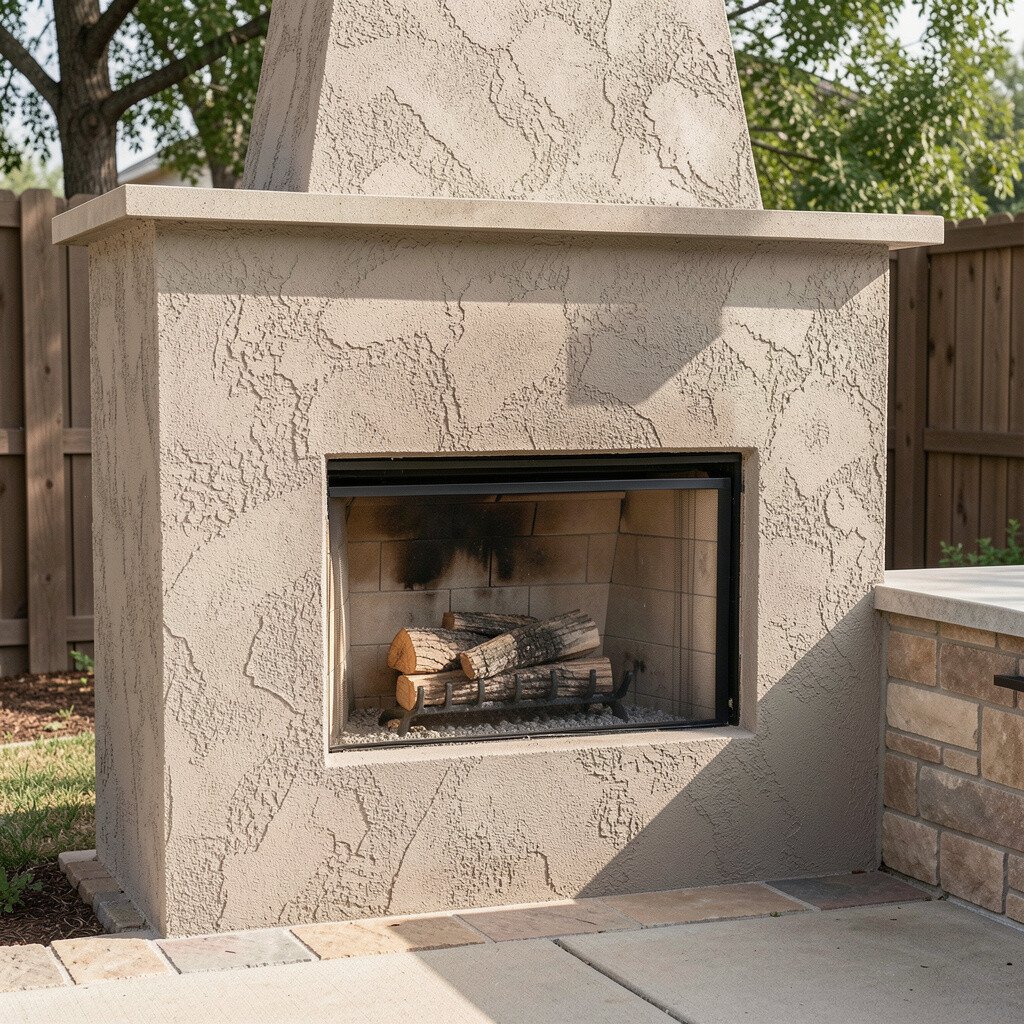
Picture your outdoor kitchen wall or fireplace surround with a knockdown finish that looks sturdy and dramatic. The irregular ridges help hide small imperfections that happen around vents and everyday cooking.
This style works especially well near grills because it can look intentional instead of patched. Using the right exterior coating system helps the surface handle humidity, splatters, and occasional heat exposure.
Use heat-safe products where required and keep the base coats properly cured before adding texture. You can personalize the tone by matching the finish to stone counters or choosing a cooler shade to balance warm metals. Costs may be higher because these areas need extra prep and sometimes thicker protection, but the payoff is a cohesive “outdoor living room” feel.
For practicality, plan for easier cleanups by keeping the texture tight enough that grease doesn’t lodge in deep valleys. A mild cleaner after messy cooking sessions can keep the ridges looking fresh. This option feels unique because it blends rugged texture with a functional, everyday space.
9. Two-Tone Knockdown With Shadowy Ridges
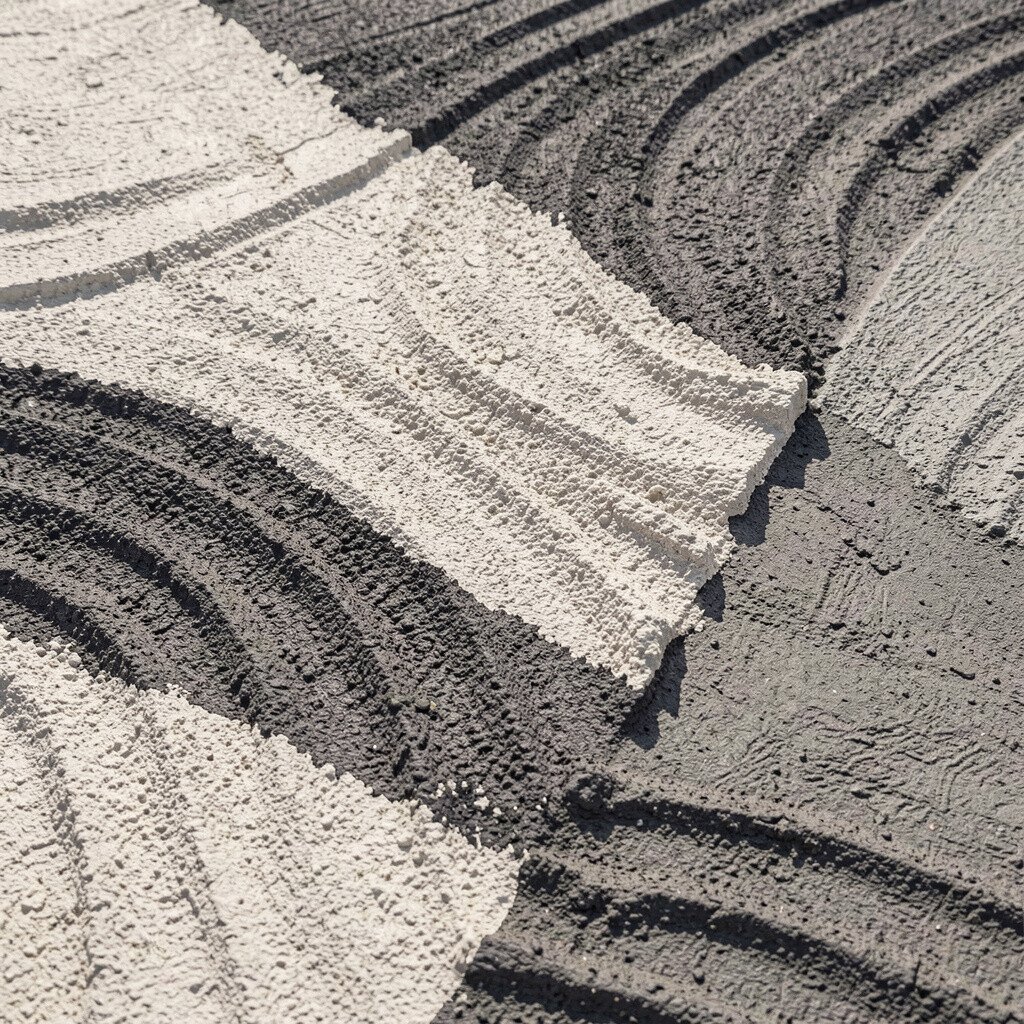
Envision a knockdown wall where the ridges look a little darker and the valleys look softly lit. Two-tone finishing creates a shadow effect that makes texture feel more dimensional.
This approach looks great on large outdoor walls because it adds depth without needing complex design lines. It also lets you personalize how bold you want the contrast to be.
To achieve a clean two-tone look, apply base color evenly, let it cure, and then use a controlled top color that won’t blur into the valleys. You can create a modern feel with high-contrast greige shades or a warmer mood with clay and sand tones. Cost considerations are straightforward since you’re essentially adding an extra color step, which can affect labor time.
For trending style, pair the two-tone knockdown with simple landscaping shapes and matte metal accents. Maintenance stays manageable if you use exterior-grade paints and avoid harsh chemicals. This option is unique because it turns texture into an intentional art-like pattern.
10. Knockdown Finish On Decorative Concrete Or Overlays

Imagine stepping onto or looking at a patio surface where walls and columns share a knockdown look with concrete. When knockdown is paired with concrete overlays, the whole outdoor area feels cohesive.
This is a practical option if you’re renovating and want the texture to match between hardscape and vertical surfaces. It can also help unify different materials like poured concrete, precast panels, and stone edging.
Prep matters most here, including cleaning, removing loose material, and using a proper bonding primer. You can personalize with tinted overlay bases so the color stays consistent even if minor scuffs happen. Costs depend on whether you’re doing a full overlay or only finishing select features, so budget for surface prep first.
To keep the knockdown from looking too heavy, choose a lighter aggregate and keep knockdown strokes controlled. If your outdoor area gets frequent rain, consider a sealant that resists water spotting. This feels uniquely modern because it connects texture across the entire design, not just one wall.
11. Knockdown Texture With Water-Repellent Additives
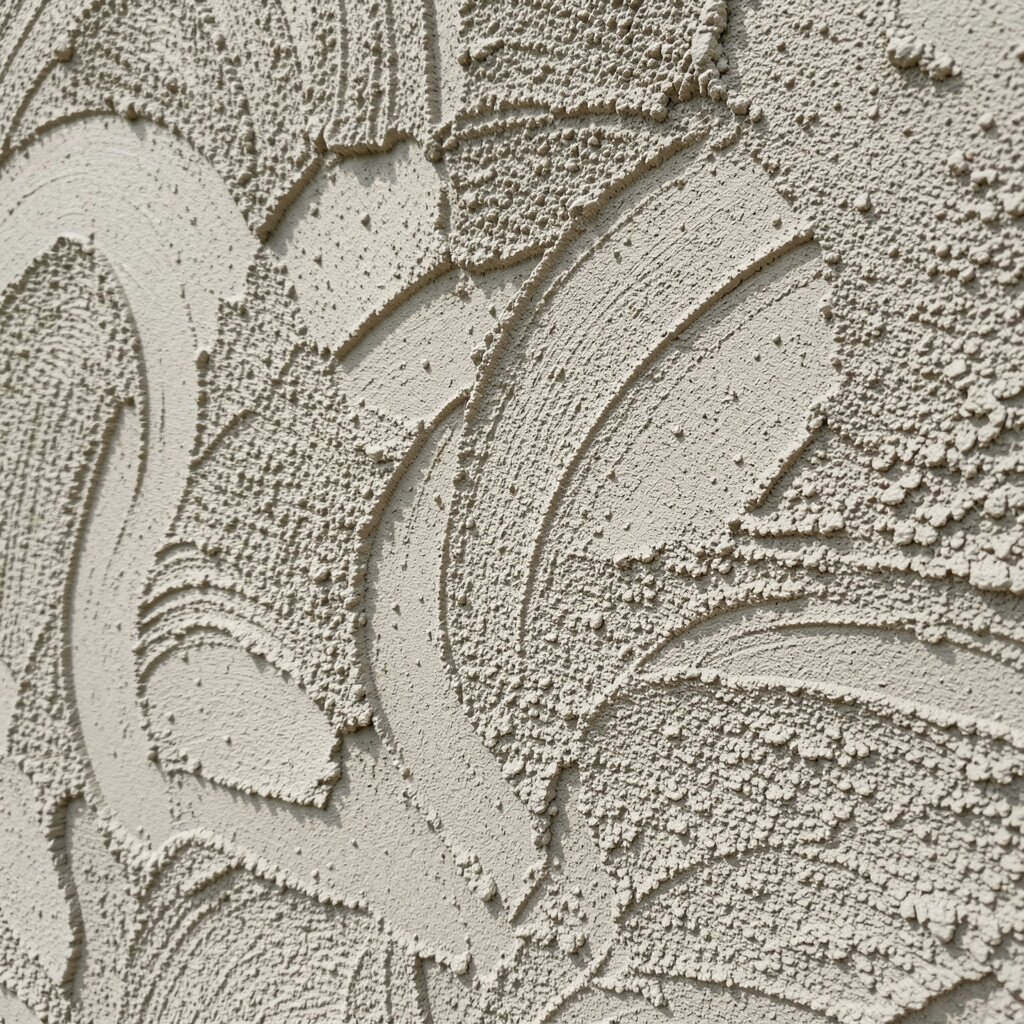
Picture a surface that looks the same after storm days, with ridges still crisp and color still steady. Water-repellent additives help reduce how much moisture clings to the finish.
This is a smart idea for shaded porches, north-facing walls, and areas that see frequent mist. When moisture penetration is lower, you often reduce the risk of staining and early wear.
Choose a system that’s meant for exterior use and mix additives exactly as instructed. You can tailor the visual finish by choosing the right spray thickness and knockdown timing so peaks don’t turn spongey. Cost can be moderate, but the extra protection may save money later by reducing repairs and repainting cycles.
For practical care, avoid aggressive pressure washing, since it can loosen edges over time. A gentle rinse and soft brush can protect the texture while keeping dirt from building up. This option feels unique because performance and looks are both tuned for real weather.
12. Stamped Look With Knockdown Blending On Retaining Walls

Imagine retaining wall sections where knockdown texture softens the look of stamped patterns. The surface feels rugged but still smooth enough for a polished outdoor design.
This option is great when you want a layered style that doesn’t look flat or overly uniform. Knockdown can help hide seams and transitions between different wall sections.
Work carefully around corners and step-downs so the ridges align with the movement of the wall. You can personalize the pattern by blending stamps with gentler knockdown pressure for a more subtle transition. Costs may rise because retaining walls need strong prep and sometimes extra reinforcement, but the result can look custom without rebuilding everything.
For tips, keep drainage in mind and ensure water flows away from the wall face. If water pools, even a good coating can wear faster. This feels unique because it mixes techniques into one coherent outdoor feature.
13. Smooth Knockdown Hybrid For Pergola Accent Panels
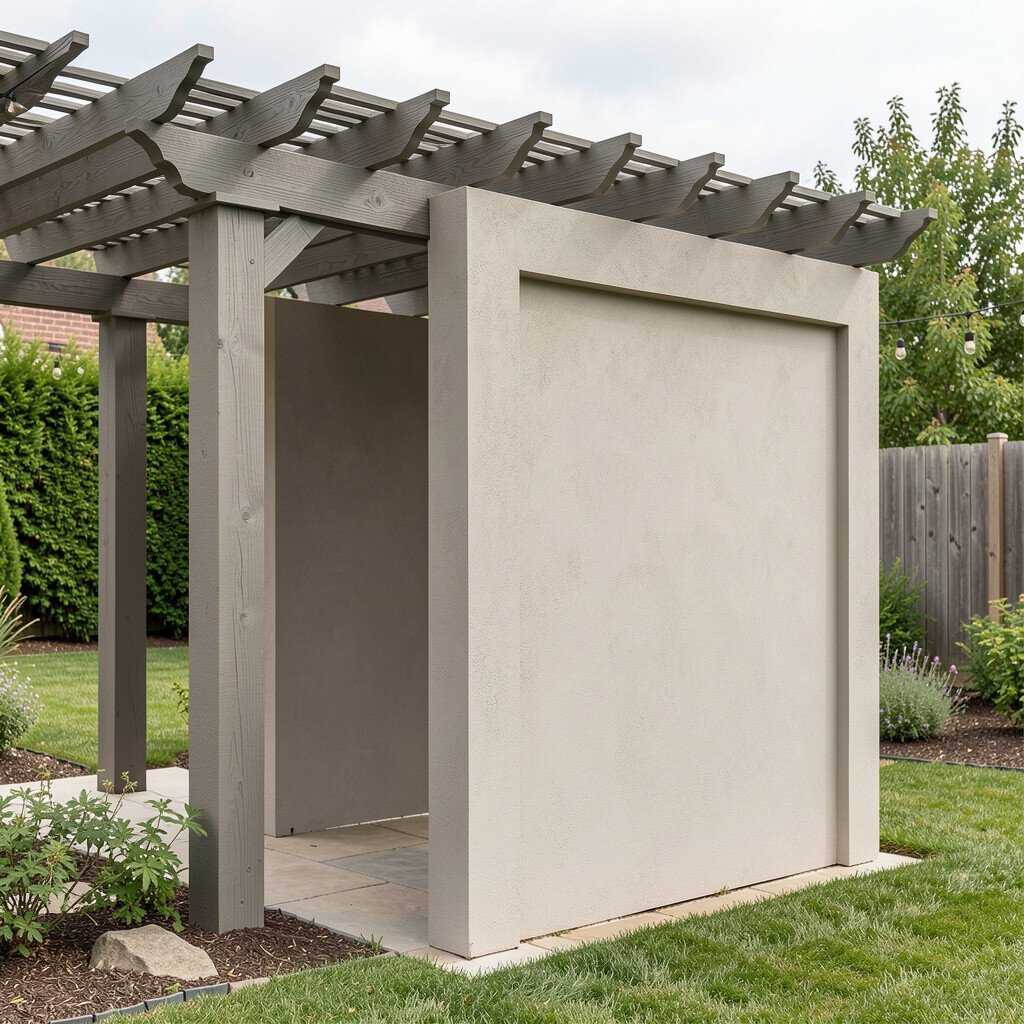
Picture pergola panels with a hybrid finish that’s part smooth, part subtly ridged. The knockdown elements add interest without making the panels feel too busy.
This is a great choice for accent areas where you want texture, but you also want clean lines. It pairs well with hanging planters, outdoor curtains, and modern furniture silhouettes.
To get the hybrid look, you can apply a lighter texture pass and knock it down sooner for softer ridges. Personalize by matching the color to your pergola beams or choosing a slightly contrasting shade for visual rhythm. Cost considerations are usually reasonable because the finish can be thin and quick compared with thicker builds.
For practical results, keep airflow and drying times in mind so the surface sets evenly under the pergola roof. If you’re painting over texture, pick a finish coat rated for exterior UV resistance. The uniqueness comes from how it stays calm while still adding character to shaded spaces.
14. Knockdown Texture Over Foam Trim For Outdoor Decor Posts
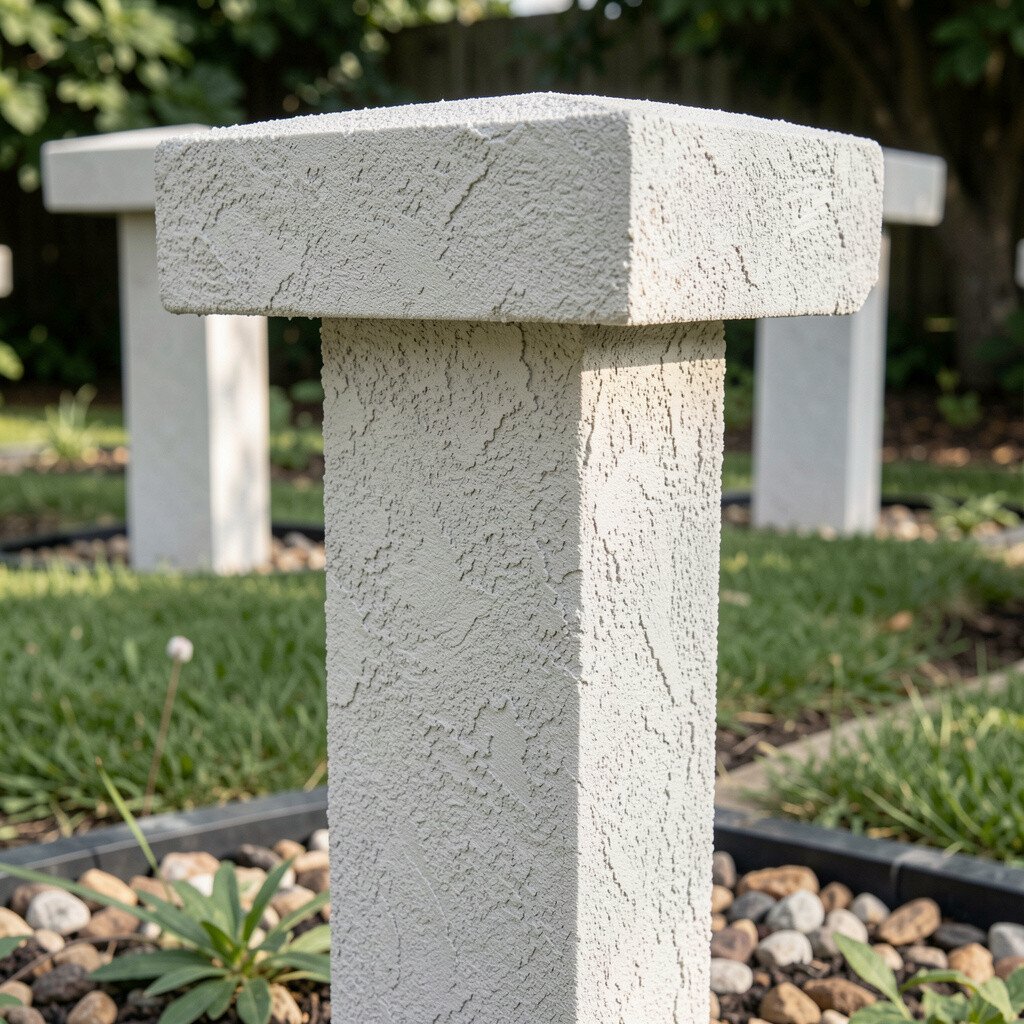
Imagine decorative outdoor posts or trim pieces with a knockdown texture that looks like carved plaster. When foam trim is properly sealed and coated, it can create an upscale look without heavy weight.
This is a practical option for adding style to front steps, porch railings, and pathway markers. It works well when you want to match older architectural details with newer outdoor features.
Use a compatible exterior coating system over sealed foam, and reinforce seams so cracks don’t form where pieces meet. Personalize with warmer tones for a traditional vibe or cooler greige shades for modern landscaping. Costs can be controlled because foam trim is lightweight and often cheaper than rebuilding larger masonry elements.
To keep everything weather-resistant, choose sealants that handle temperature swings and water exposure. Avoid rough abrasion when cleaning, since foam-based elements can be more sensitive at edges. This option feels uniquely customizable because you can design posts and trim shapes without the heavy construction costs.
15. Knockdown With Color Through Tint For Long-Term Fade Resistance
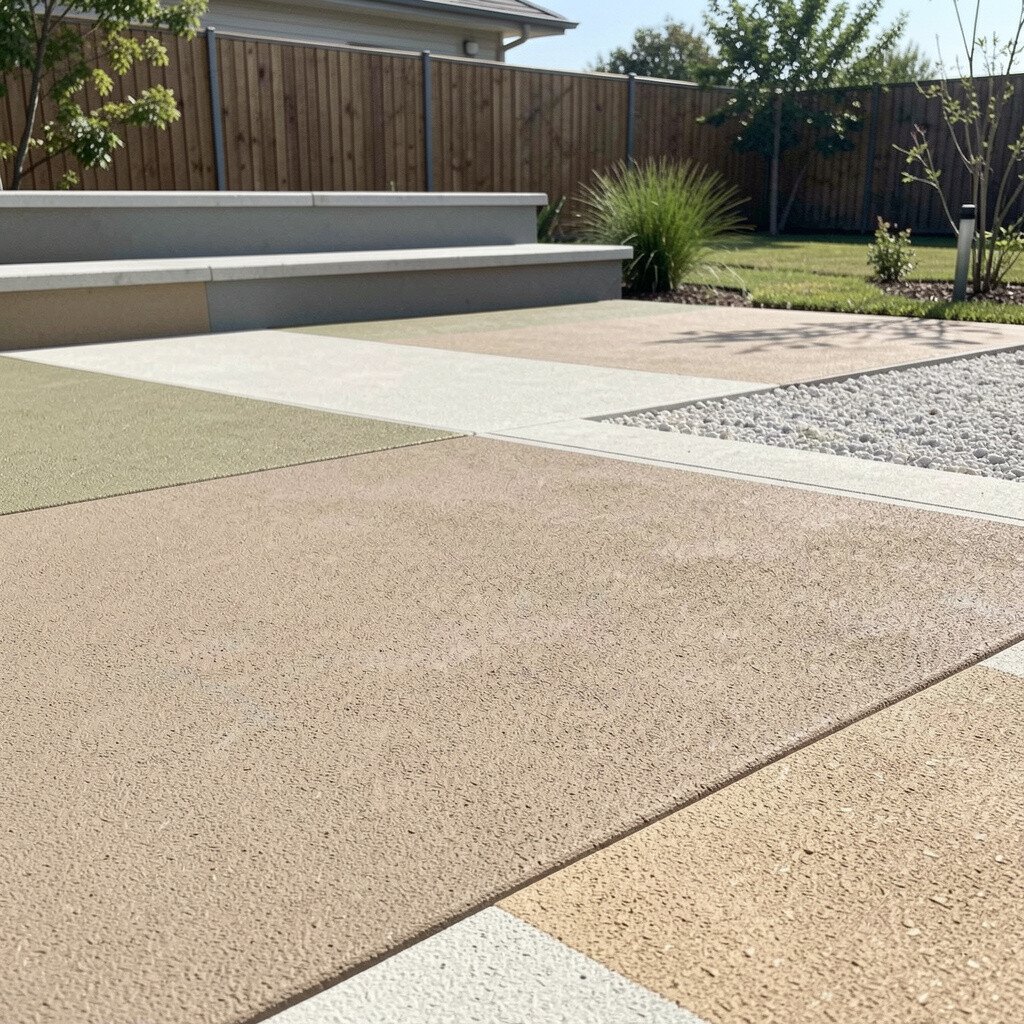
Picture a knockdown wall where the color still looks even months after strong sun seasons. Color-through tint helps reduce the look of fading by keeping pigment deeper in the finish.
This choice is practical for outdoor areas that get lots of direct sunlight and for homeowners who want fewer repaint cycles. When pigment is integrated, scuffs and minor wear often blend in better.
Choose a tinted base and follow the exact mixing ratio so the knockdown texture stays consistent across the whole wall. You can personalize by selecting a shade that matches your roofline, fence, or window trim while still feeling fresh. Cost can be higher upfront because tinted systems and quality pigments cost more, but long-term color stability can make the investment feel smart.
For trends, warm neutrals and muted greens are popular because they work naturally with plants and stone. For maintenance, do light rinsing and address stains quickly to keep ridges looking crisp. This option is unique because it prioritizes durability of color and lets texture do the styling work.