The hallway can feel like a spotlight. You can keep your footing even when everyone else seems to rush.
Confidence grows when you choose your own pace and build habits that feel like yours. Start small, stay kind to yourself, and notice how quickly your voice gets steadier.
1. Create a “Go-To” Phrase for Tough Moments

When someone pushes you, your brain can go blank. Having a simple phrase ready helps you respond without panic.
Pick words that match your personality, like “I’m good with that” or “I’m not doing it.” Say it once, then move your feet toward your next task, like joining a friend’s group or grabbing your book.
2. Practice Saying No Without Making It a Big Deal

Refusing doesn’t have to sound dramatic. A calm voice and a clear choice can be enough.
Try a short no and then a quick pivot, like “No, but I can help you with something else.” People often lose interest when you keep your response steady and brief.
You can also use a “later” plan, such as “Maybe after I finish this project.” When you follow through, your confidence grows because your actions match your words.
3. Build a Small Circle of People Who Share Your Values

Peer pressure feels stronger when you feel alone. A small, trusted circle makes it easier to stand by yourself.
Choose one or two people who encourage you, even when it’s not popular. Look for students who include others, stay respectful, and talk to you like you matter.
Start with tiny moments, like sitting near them at lunch or walking to class together. Those steady choices create a safe space where your confidence can breathe.
4. Keep an “Original Hobby” Even When Others Drop It

Your interests are like your personal color palette. When you keep a hobby going, you’re saying your identity is not up for debate.
Pick something you truly like, even if it’s not trendy, such as drawing animals, coding simple games, practicing guitar, or collecting cool rocks. Let your hobby show up in small ways, like wearing a themed notebook or talking about it during calm moments.
5. Make Your Body Language Say “I’m in Charge”

Confidence isn’t only in your thoughts. It shows up in posture, eye contact, and how you hold your hands.
Try standing tall, shoulders relaxed, and feet planted. When you speak, look at the person’s face for a few seconds, then glance away gently.
Before class or a social event, take two slow breaths and soften your jaw. This helps you feel in control, which makes it easier to trust your decisions.
6. Use a “Team Mindset” When Friends Disagree With You

Sometimes friends pressure you without meaning to. They might just want everyone to fit in.
Instead of thinking, “They’re against me,” try, “We’re on the same side, even if we want different things.” You can agree with the goal and disagree with the method.
7. Choose Spaces That Protect Your Focus

Where you sit and who you stand near can change your whole day. Some places make it easier to think clearly and say what you mean.
Find calm corners, like the back of the library, the quiet side of the cafeteria, or a spot near a teacher you trust. If your usual seat feels tense, shift it gradually so you’re not drawing attention.
Bring a small item that keeps you grounded, like a stress ball, a keychain you love, or a small notebook. When you have a steady anchor, peer pressure loses its power.
8. Turn Compliments Into Fuel for Your Decisions

When people say something nice, your brain can latch onto it. That’s a helpful moment to use praise as a reminder of your worth.
Notice compliments about effort, kindness, creativity, or improvement. Then connect them to your choices, like “I worked hard, so I’ll keep my promise” or “I’m good at speaking up, so I’ll choose respect.”
If someone compliments your style, don’t shrink it. Wear what you like, keep your colors, and treat good taste as something you’re allowed to own.
9. Create a “Before I Agree” Pause Habit

Fast decisions can feel like autopilot. A pause gives you time to check your values.
Try counting to three in your head, taking one breath, and then answering. This tiny moment helps you decide instead of reacting.
If you need more time, ask a simple question like “What’s the plan?” Questions slow things down and show you’re thinking. Most pressure fades when you stop rushing to match the crowd.
10. Build Confidence Through One Small Public Action

Confidence grows when you prove things to yourself. You don’t need to do something huge; one brave step can be enough.
Choose actions that feel manageable, like raising your hand once, reading a paragraph aloud, or asking a question after class. The goal is not perfection, it’s practice.
Track your steps in a notebook, using simple notes like “I spoke up” or “I tried.” Over time, your evidence becomes stronger than any rumor or mean comment.
11. Personalize Your Style Like It’s a Protective Shield
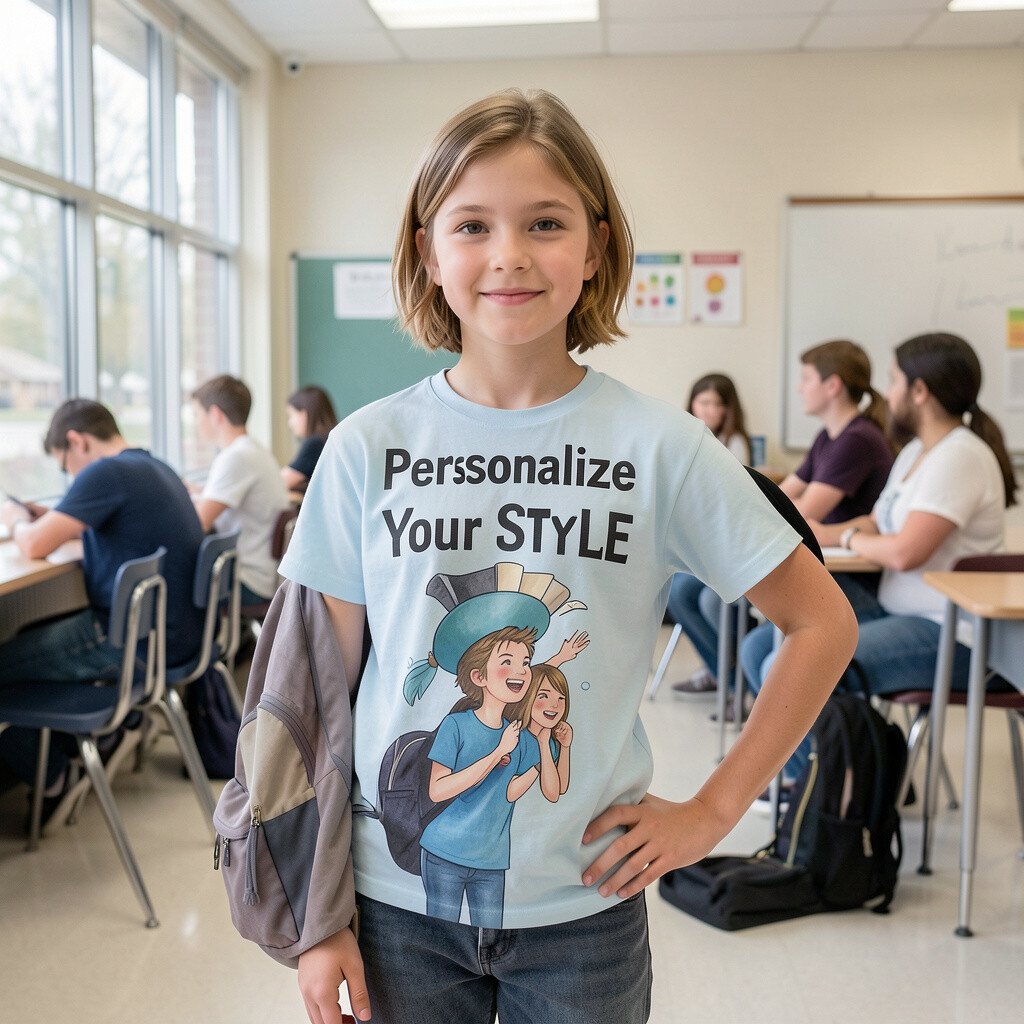
Clothes can help you feel safe and recognized. When you dress in a way that fits you, you stop trying to guess what others want.
Pick features that feel like you, such as bold socks, a favorite hoodie, a necklace with meaning, or a backpack color that stands out. If trends change, you can still keep your comfort and your identity.
12. Use “If-Then” Plans for Common Pressure Situations
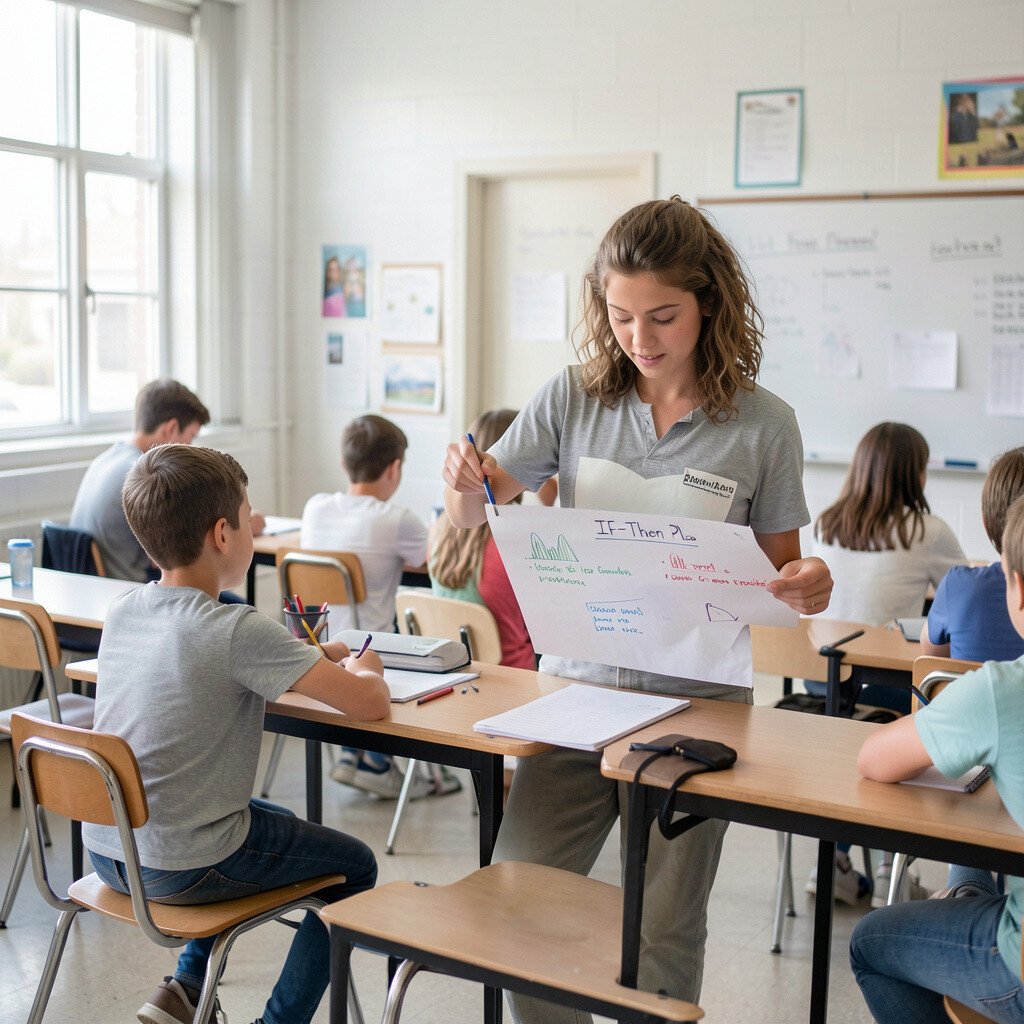
Pressure often shows up in predictable moments, like group projects, parties, or hallway chats. Planning ahead helps you react calmly instead of scrambling.
Make simple if-then choices in your head, like “If someone dares me to skip homework, then I’ll say I’m not doing it.” Another one could be “If my friends start teasing someone, then I’ll step away or suggest a kinder joke.”
Write two or three plans and rehearse them at home. When the real moment arrives, your brain remembers the path you practiced.
13. Practice Positive Self-Talk That Sounds Like a Coach

Talking to yourself in a kind way changes your inner mood. It’s hard to fold when your mind feels like your ally.
Use short phrases that sound supportive, like “You can handle this,” “Slow down,” or “You’re allowed to choose.” After a tough interaction, review what you did right, even if it wasn’t perfect.
Try imagining a coach’s calm voice when you feel pressure rising. The more you practice, the more natural it feels to choose confidence over fear.
14. Celebrate Progress With Low-Cost Rewards That Feel Personal

Reinforcing good choices helps you keep going. Rewards don’t have to be expensive, and they should match your personality.
After a day when you resisted pressure, treat yourself with something small, like a special snack, a new pencil, a movie night at home, or time to draw. If you love visuals, reward yourself with stickers for a “brave moments” page.
You can also save up for a bigger goal, like a class, a club fee, or a comfy set of art supplies. The key is choosing something that reminds you who you are and what you stand for.