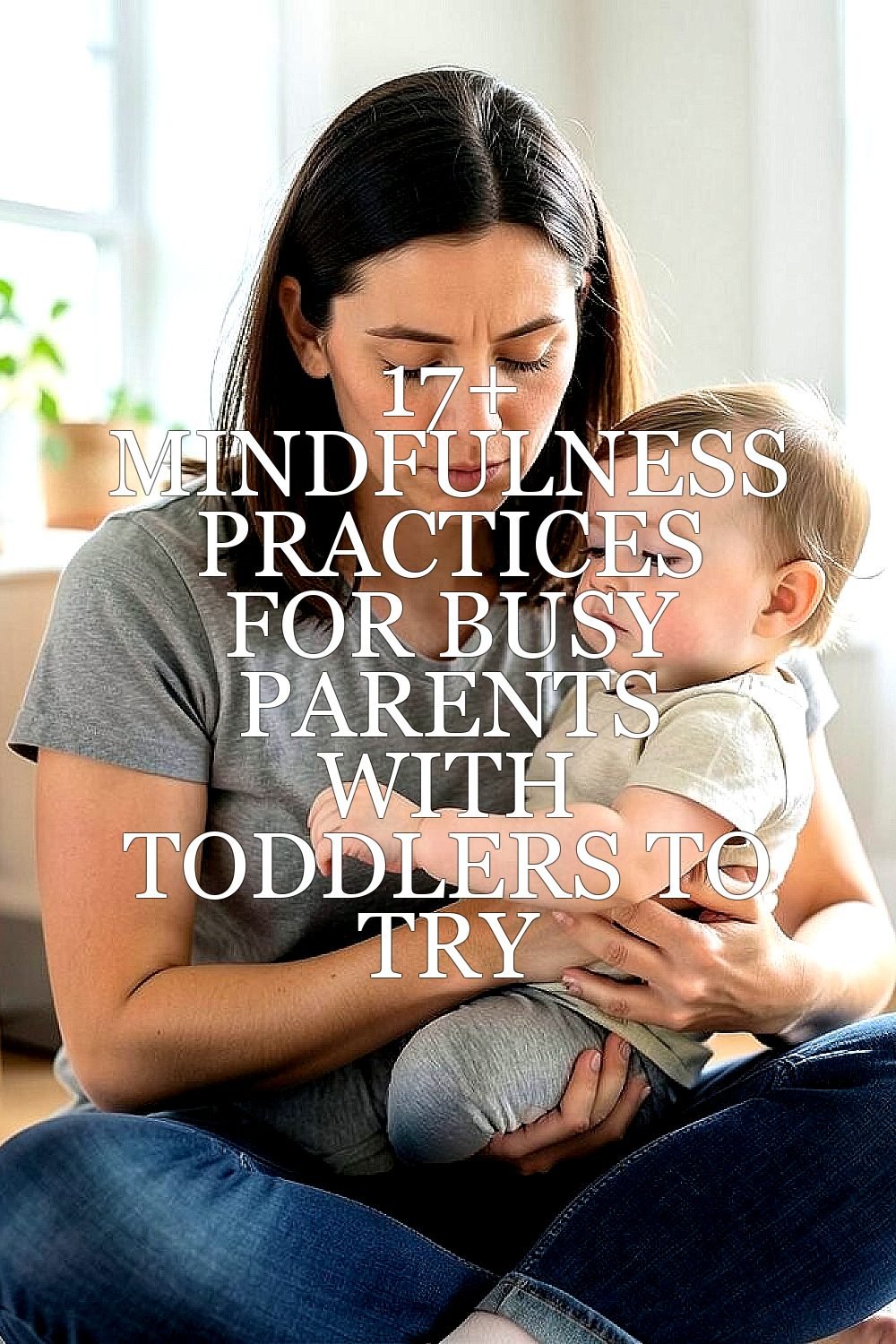
The day can feel loud before breakfast even starts. Small moments still have room to hold calm.
1. Slow Breathing While Holding Your Toddler

Sit with your toddler in your lap or beside you and take slow, even breaths. The picture of two bodies settling together can feel soft and safe, and that calm can spread through the room.
This works well because it takes no special tools and can happen on a couch, floor, or porch. It is unique because your child learns calm by feeling your steady rhythm, and you can make it more personal by humming, counting, or resting a hand on your chest while your toddler copies you.
2. A Five-Sense Walk Around the Block

Walk slowly and notice what you can see, hear, smell, touch, and taste in the air. A bright leaf, a barking dog, and cool pavement under your shoes can turn an ordinary walk into a tiny adventure.
This practice helps parents feel less rushed and gives toddlers a chance to look closely at the world. It is low cost because it only needs shoes and time, and it feels current since many families are choosing simple outdoor routines instead of packed activities.
You can make it fit your day by doing it on the way to daycare, around the yard, or even in a hallway on a rainy afternoon. Some parents like to name one thing per sense, while others let the child lead, which makes the walk feel fresh every time.
3. Quiet Hand Play With Soft Textures

Put out a small basket with a scarf, smooth stone, soft brush, or piece of felt and let your toddler touch each item slowly. The mix of colors and textures can pull both of you into the present moment.
This can calm busy nerves and keep little hands occupied in a gentle way. It stands out because it uses touch instead of screens, and you can personalize it with items from home, like a safe spoon or a baby blanket that already feels special.
The cost can be almost nothing if you use things you already own, though a small basket of sensory items can be built over time. It also matches a growing trend among parents who want simple sensory play that supports focus without making the house feel cluttered.
4. One-Minute Reset at the Sink
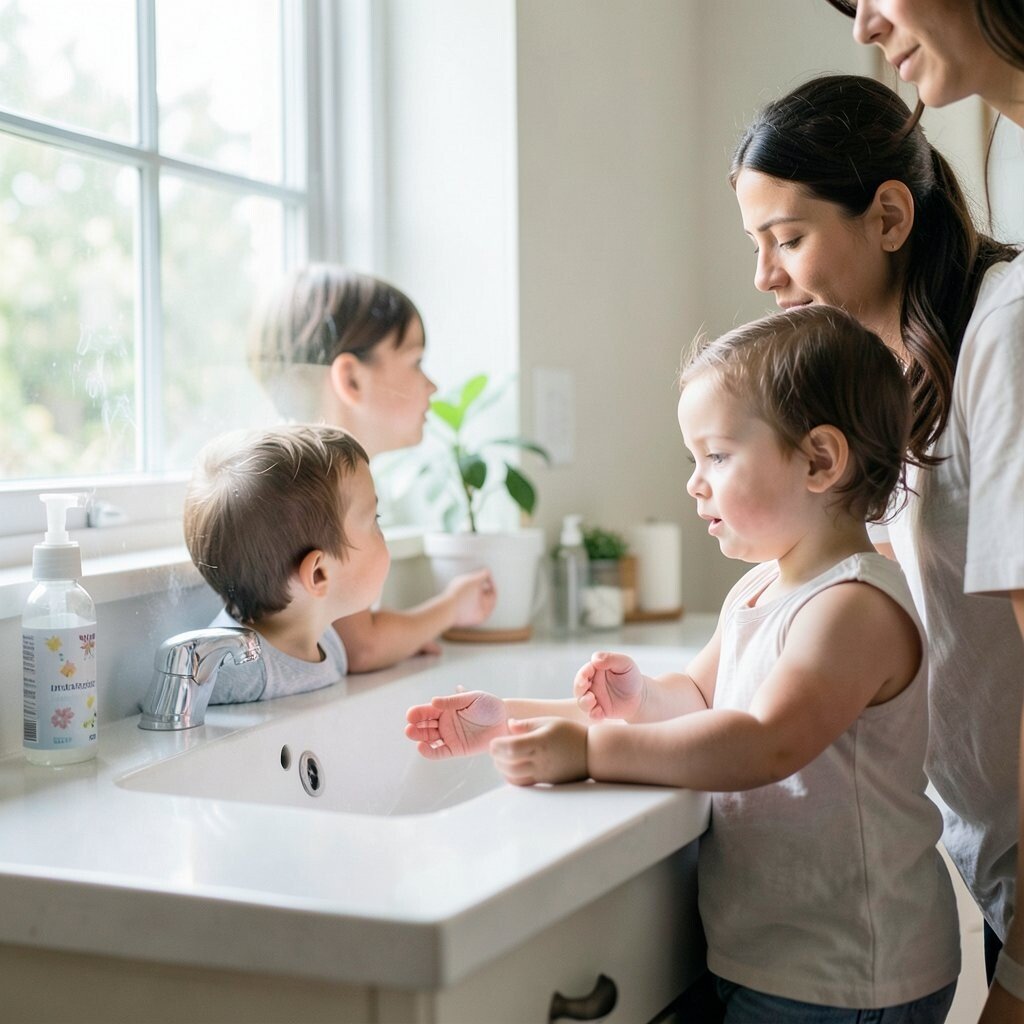
Stand at the sink, run warm water, and wash your hands with full attention. The shine of the water and the sound of the stream can make a tiny pause feel bigger than it is.
This helps you break the stress loop after a hard moment with your toddler. It is easy to do, costs almost nothing, and you can shape it to your style by choosing a soap with a scent you love or by inviting your child to copy your slow hand motions.
5. Bedtime Body Scan With a Toddler

When your child is tucked in, gently name each part of the body and notice how it feels. A sleepy face, warm toes, and a tiny chest rising and falling can create a peaceful picture before sleep.
This practice can help both parent and child relax after a busy day. It is special because it teaches body awareness in a soft way, and you can make it fit your family by using a story voice, a whisper, or a favorite stuffed animal as part of the routine.
There is no need to spend money on anything new, which makes it a smart choice for tired families. Many parents are also choosing bedtime routines like this because they are simple, screen-free, and easy to repeat even on nights that feel messy.
6. Mindful Snack Time at the Table
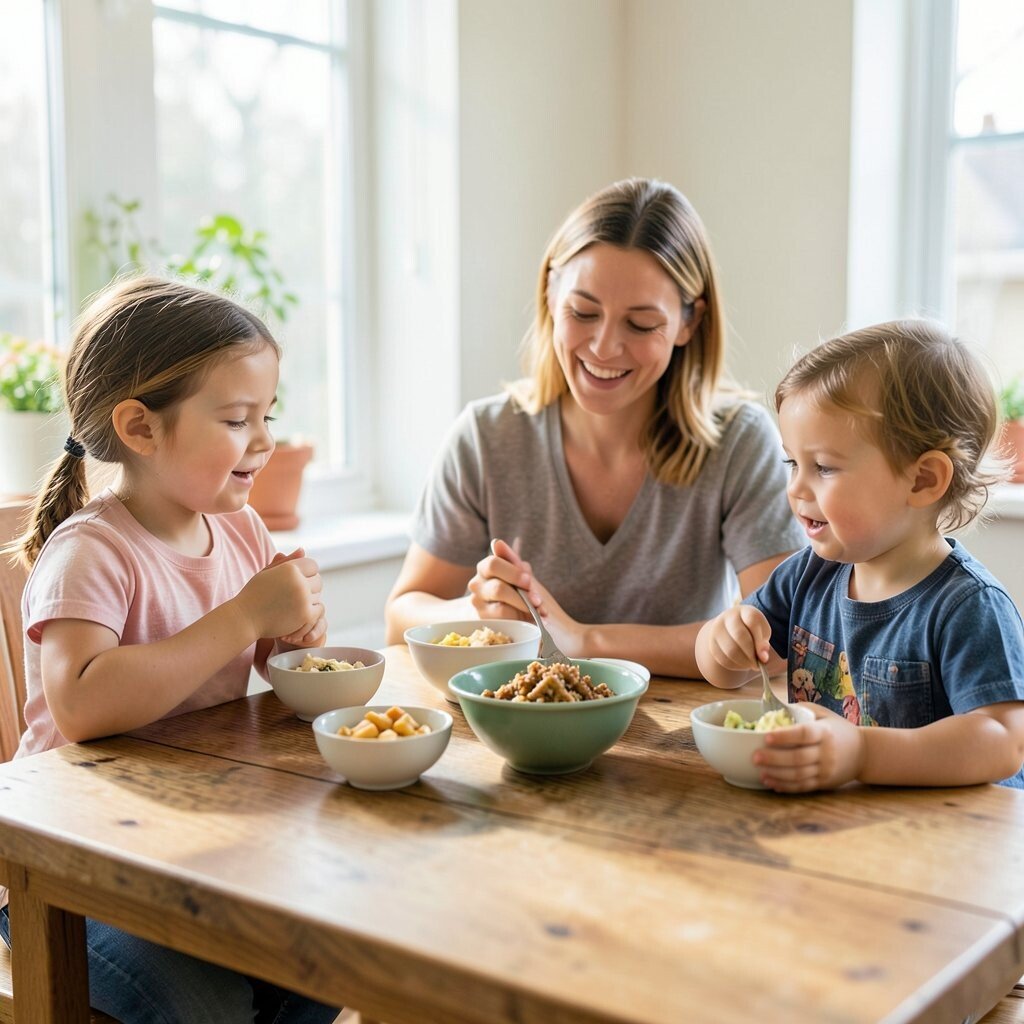
Place a few simple snacks on a plate and slow down long enough to notice color, shape, and smell. Bright berries, crunchy crackers, and a toddler’s sticky fingers can turn snack time into a small lesson in attention.
This practice can help reduce rushing and may even make picky eating feel a little easier. It is unique because food becomes part of the mindfulness moment, and you can personalize it by using your child’s favorite cup, plate, or napkin.
The cost stays low when you use everyday foods you already buy. It also fits a current parenting trend that favors calm mealtimes over perfect mealtimes, which can make the whole day feel less pressured.
7. Listen for One Tiny Sound
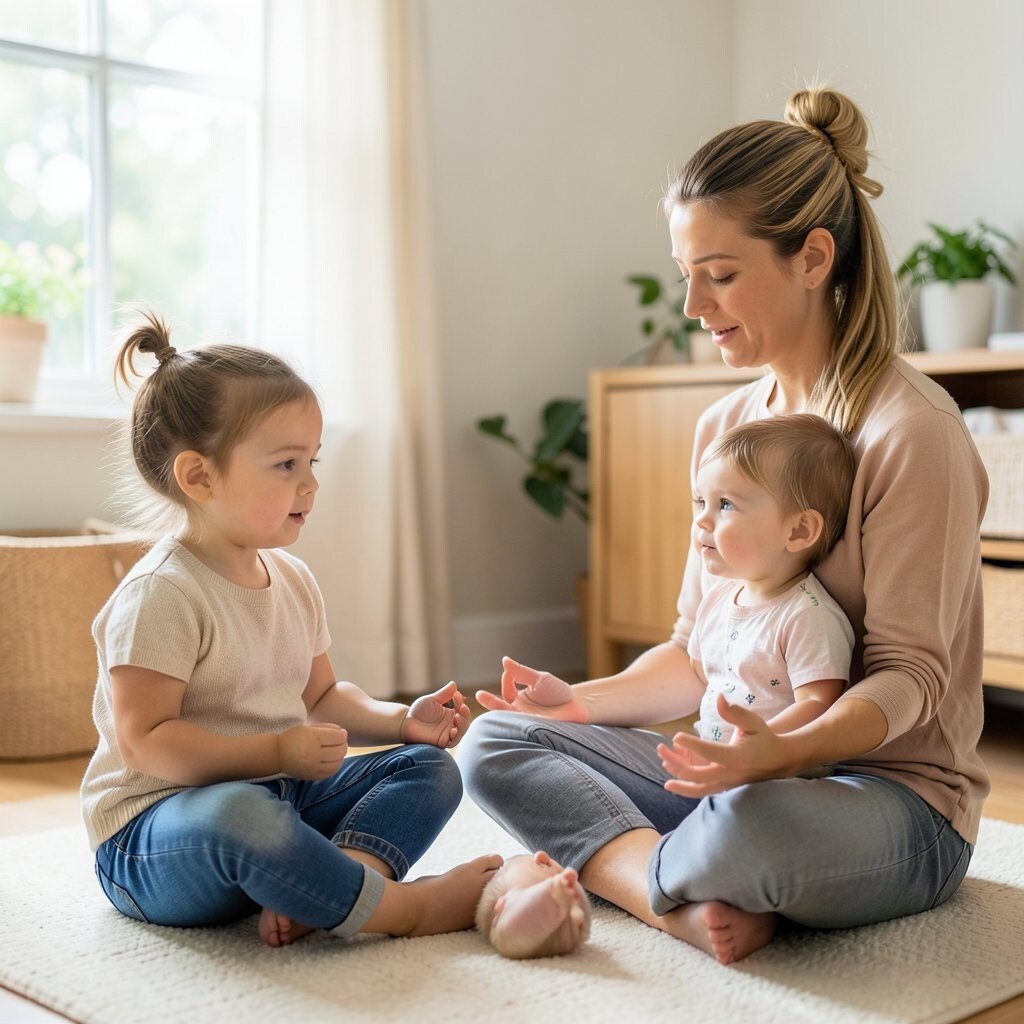
Pause together and try to hear one small sound in the house or outside. It might be a fan humming, birds chirping, or a spoon tapping the counter, and each sound can feel like a little surprise.
This helps train attention in a gentle way and gives your child a game that is quiet but not boring. It feels personal when you use sounds from your own home, and it costs nothing at all beyond a few slow breaths and a little time.
You can make it more fun by taking turns guessing what you hear or pointing in the direction of the sound. Many busy parents like this kind of simple sensory game because it works in the car, the kitchen, or the stroller without any prep.
8. Stretch Like an Animal
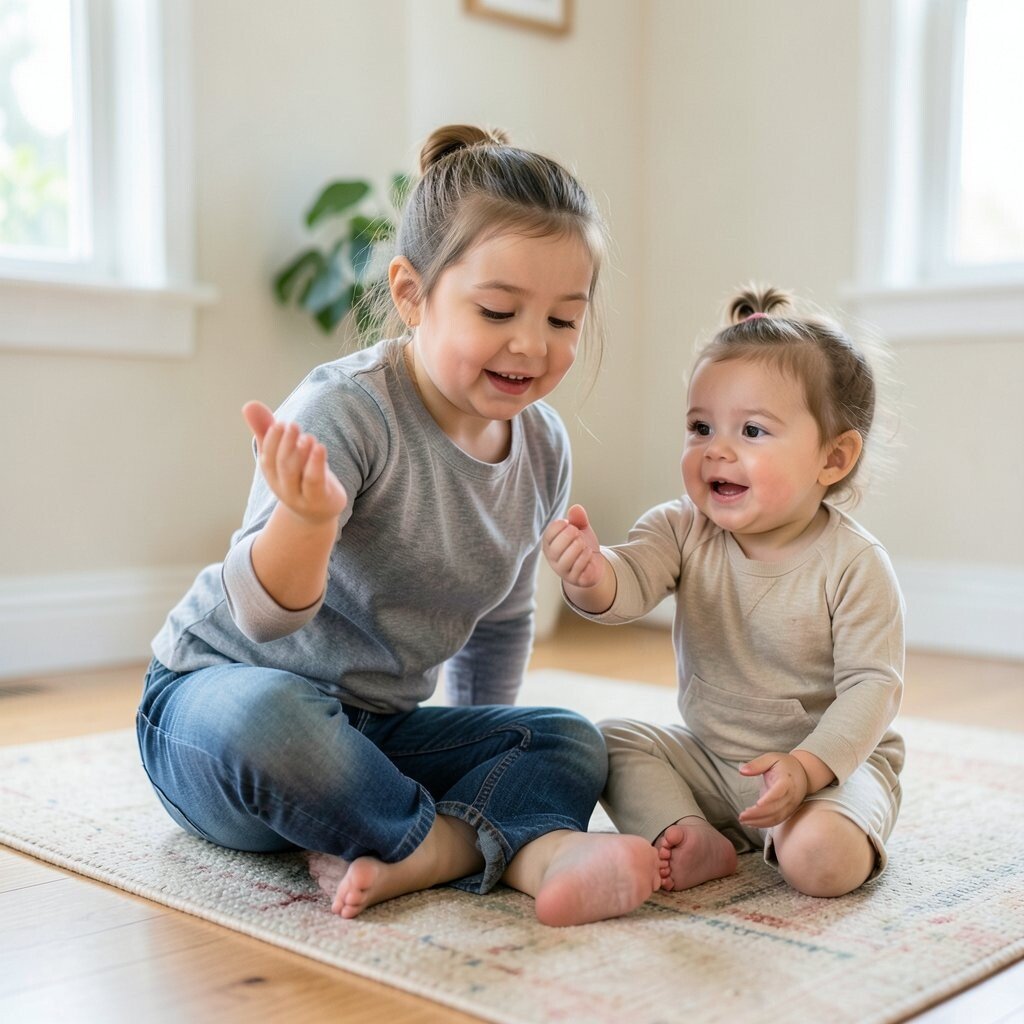
Try reaching tall like a giraffe, curling small like a turtle, or standing wide like a bear. The moving bodies and silly shapes can bring smiles while also loosening tight muscles.
This practice helps release tension after carrying bags, toys, and toddlers all day. It is unique because it invites play into mindfulness, and you can personalize it by picking animals your child already loves from books or toys.
It costs nothing and works well in a tiny living room, bedroom, or even on a rug beside the couch. Parents often enjoy it because it matches the current shift toward movement breaks that feel fun instead of forced.
9. Color Hunt in the House
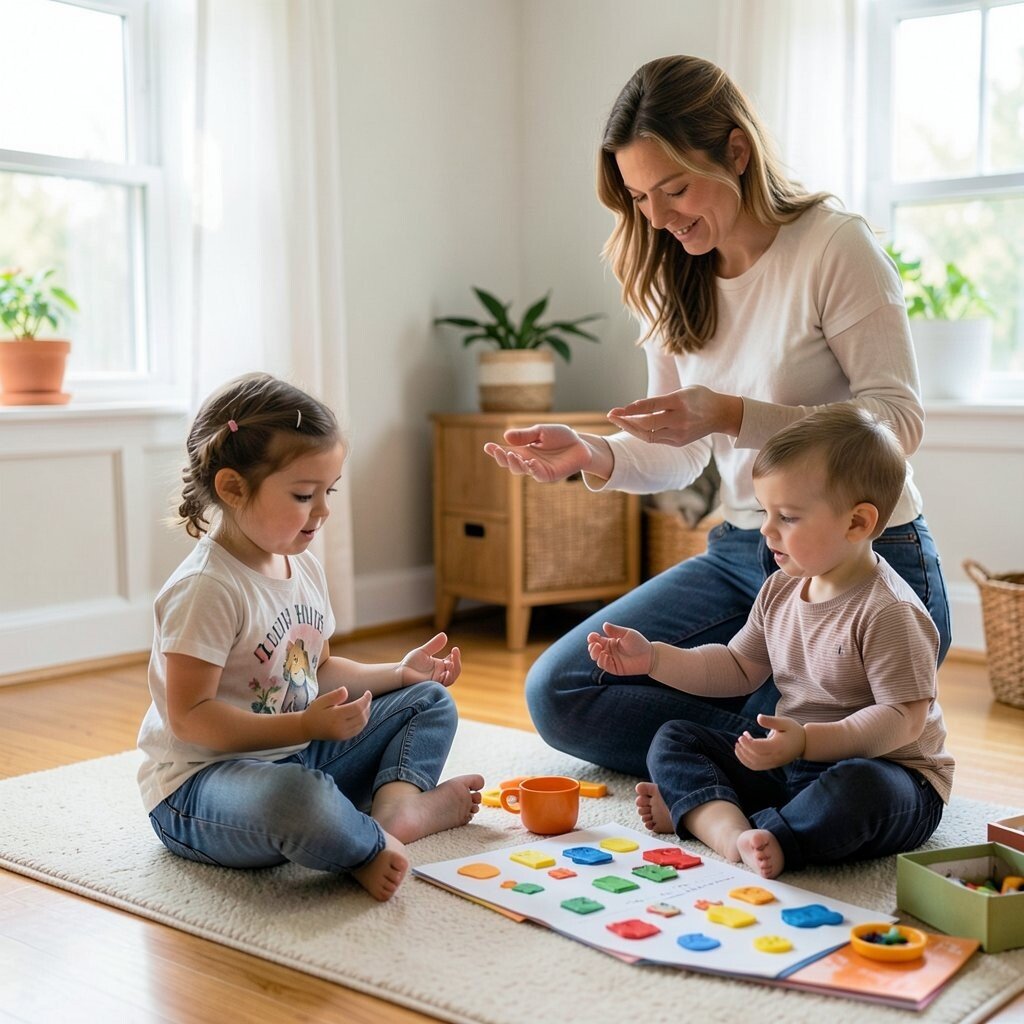
Pick one color and look for it together in every room. A red cup, a blue blanket, or a yellow block can make the home feel full of tiny treasures.
This can steady a restless mind while keeping a toddler happily involved. It is easy to personalize by using favorite colors or matching the game to the season, like green leaves in spring or orange pumpkins in fall.
The best part is that it does not need any special purchases or planning. Families who like budget-friendly fun often enjoy this because it feels fresh without adding clutter or screen time.
10. Calm Counting With Fingers
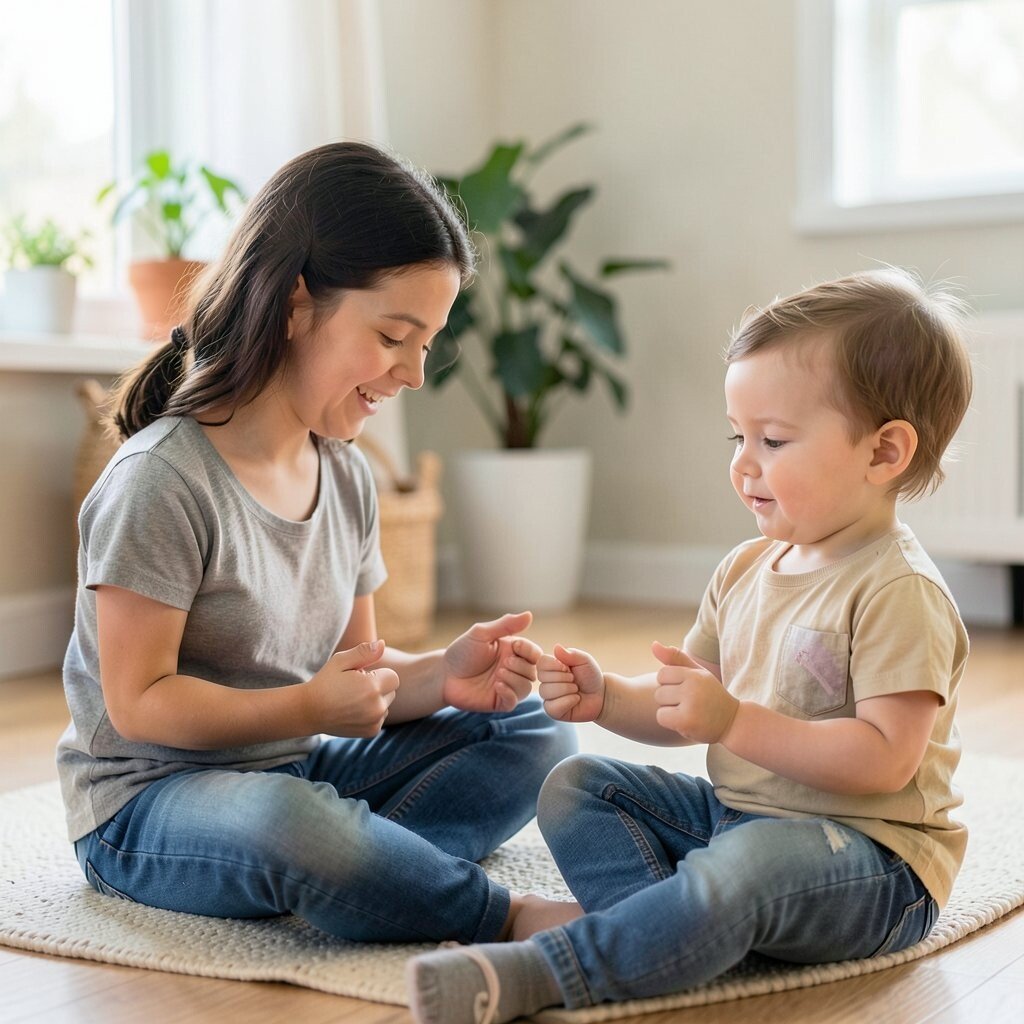
Slowly count your fingers, then your toddler’s fingers, and notice each one as you go. The small hands, open palms, and gentle tapping can create a quiet pocket in a busy morning.
This practice helps with focus and can also teach numbers in a soft, playful way. It stands out because it mixes learning with calming, and you can make it your own by counting in a sing-song voice or by pairing each number with a breath.
It costs nothing and can be done while waiting for water to boil or shoes to be found. Many parents like this kind of easy mindfulness because it turns little waits into peaceful moments instead of frayed ones.
11. Gratitude for Small Things
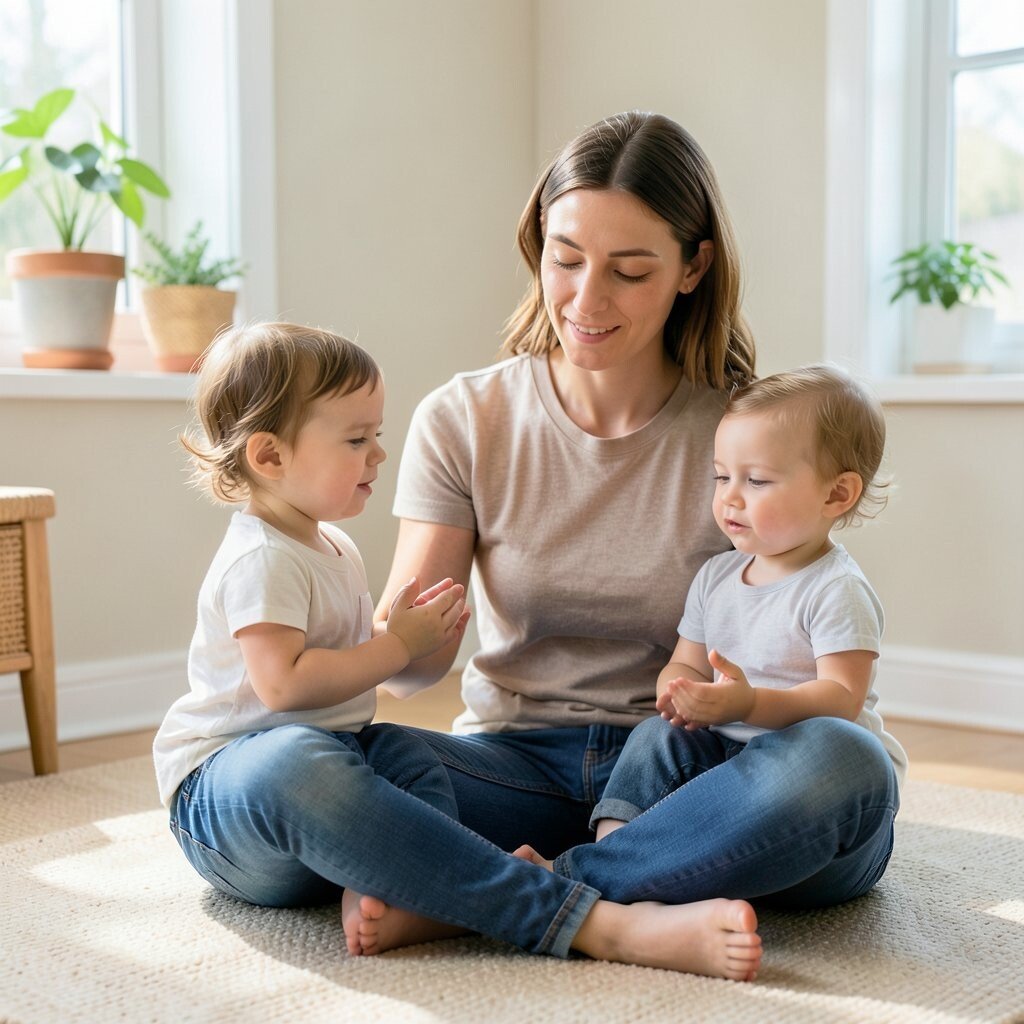
Say one thing you are glad to have right now, even if it is very small. A warm mug, a clean shirt, or a toddler laugh can feel bright when you stop to name it.
This helps shift the mind away from stress and toward what is already working. It is unique because it can happen anywhere, and you can personalize it by letting your child point to a toy, a snack, or a pet that makes them smile.
There is no cost, no setup, and no need for perfect words. The practice also fits well with today’s simpler parenting trends, where many families want more meaning in the small parts of the day.
12. Gentle Music Pause

Play one calm song and sit with your child while you listen all the way through. The soft rhythm, the sway of a body, and the look on your toddler’s face can make the room feel slower.
This can lower stress and help reset everyone after a noisy moment. It feels personal when you choose songs that remind you of home, and it can be as cheap as a free playlist on a phone or speaker.
You can add a hand on your heart, a slow sway, or a cuddle to make the pause feel warmer. Parents today often like this idea because music is easy to bring into a routine without adding one more task to the day.
13. Window Watching
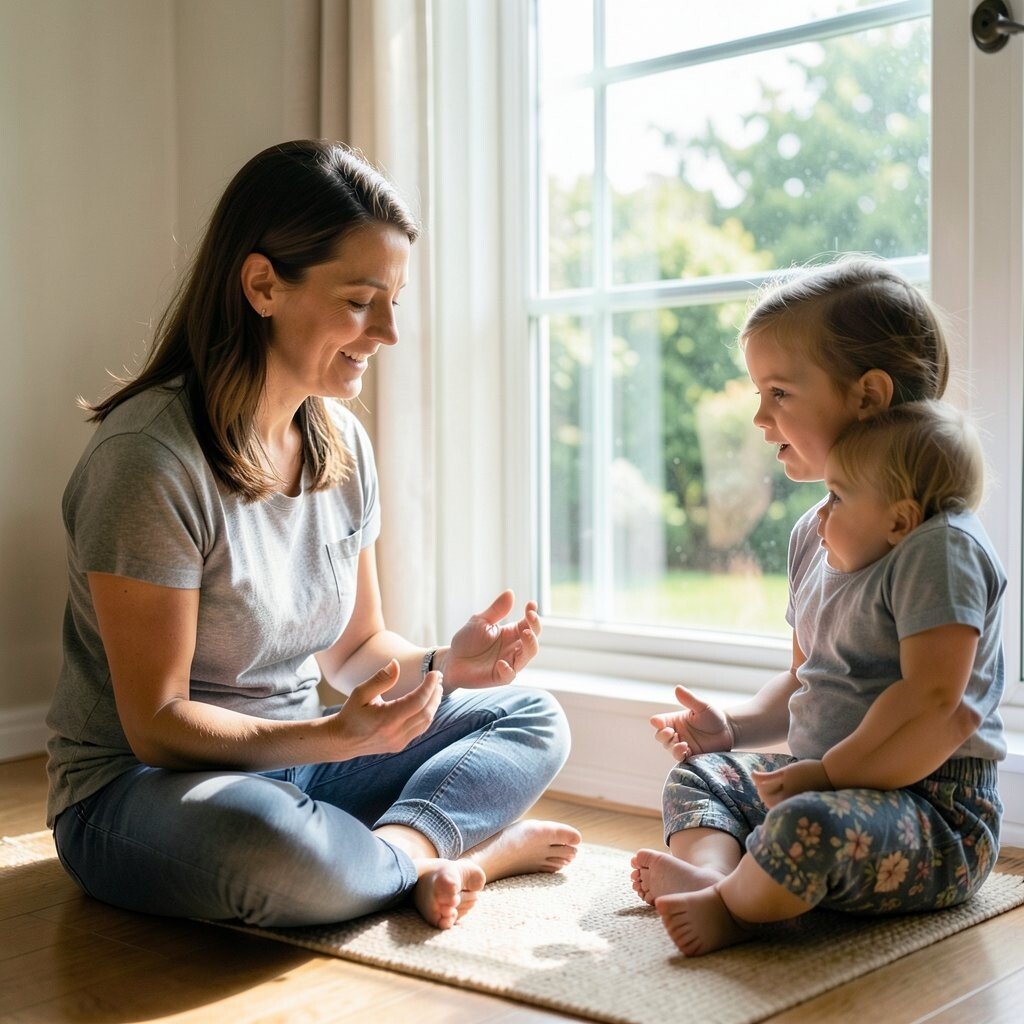
Stand near a window and look outside together for a short while. Clouds moving, trees bending, and people passing by can give your eyes a place to rest.
This practice can help you both slow down after a rush and notice the world without leaving home. It is special because the view changes every day, and you can personalize it by naming shapes in the clouds or talking about the weather in simple words.
The cost is zero, and the only thing needed is a window and a few quiet minutes. It is also a nice fit for busy parents who want easy screen-free moments that still feel calm and fresh.
14. Mindful Bath Time

Let bath time become more than cleanup by noticing the warm water, bubbles, and tiny splashes. The glimmer on the surface and the sound of dripping water can feel soothing in a busy home.
This helps both parent and toddler slow down before bedtime. It is unique because a routine chore turns into a sensory break, and you can personalize it with a favorite cup, a soft cloth, or a gentle song.
You do not need fancy bath toys, though a few simple ones can make the moment fun without costing much. Many families also like this kind of routine because it is easy to repeat and can help children settle more smoothly for sleep.
15. Sitting Still With a Stuffed Friend
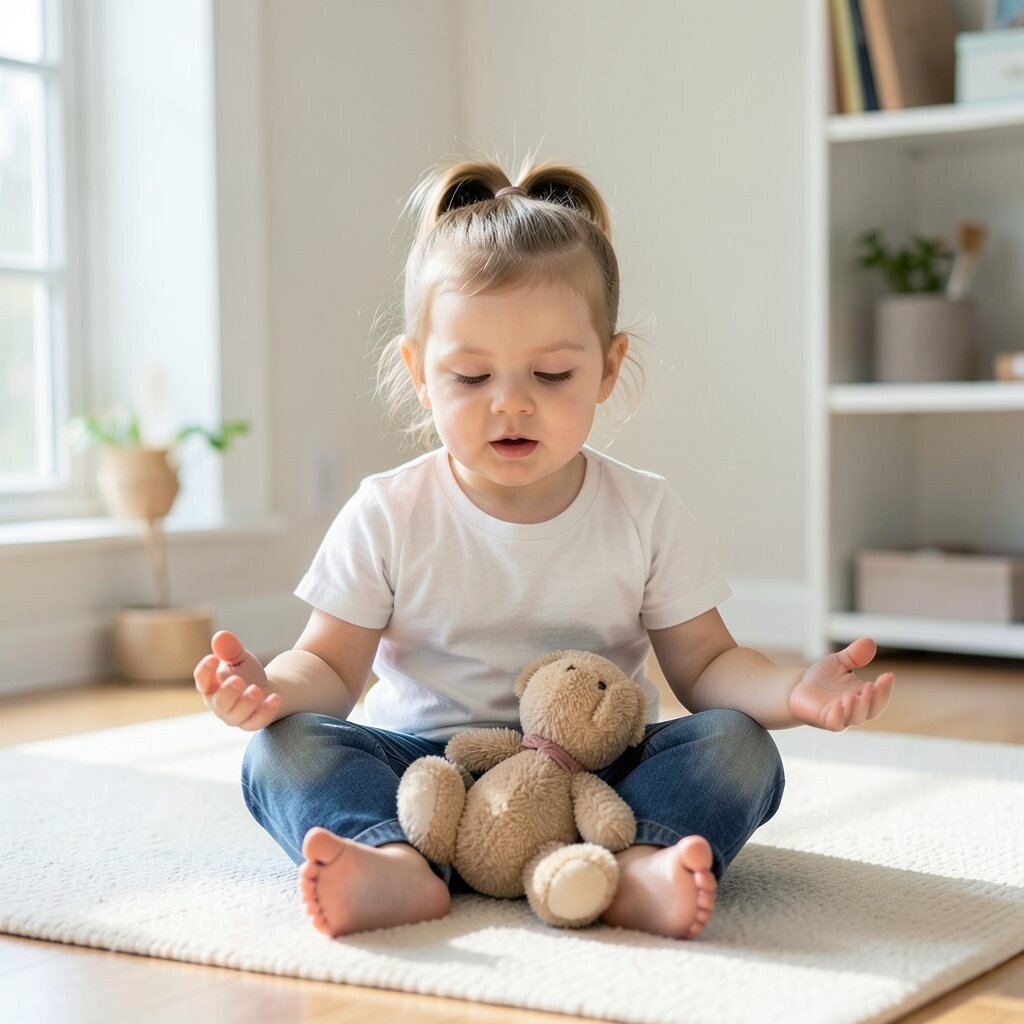
Invite your toddler to sit with a stuffed animal and watch how long both can stay still. The tiny toy in a child’s arms can make stillness feel safe instead of hard.
This practice can build patience and give a tired parent a short breathing space. It is different from many active games, and you can make it personal by choosing a stuffed friend that already feels comforting to your child.
It costs nothing if you use a toy already in the house, and it can happen on a rug, bed, or couch. Some parents like to use it as a bridge between play and nap time because it feels gentle and clear.
16. Plant Care With Slow Hands
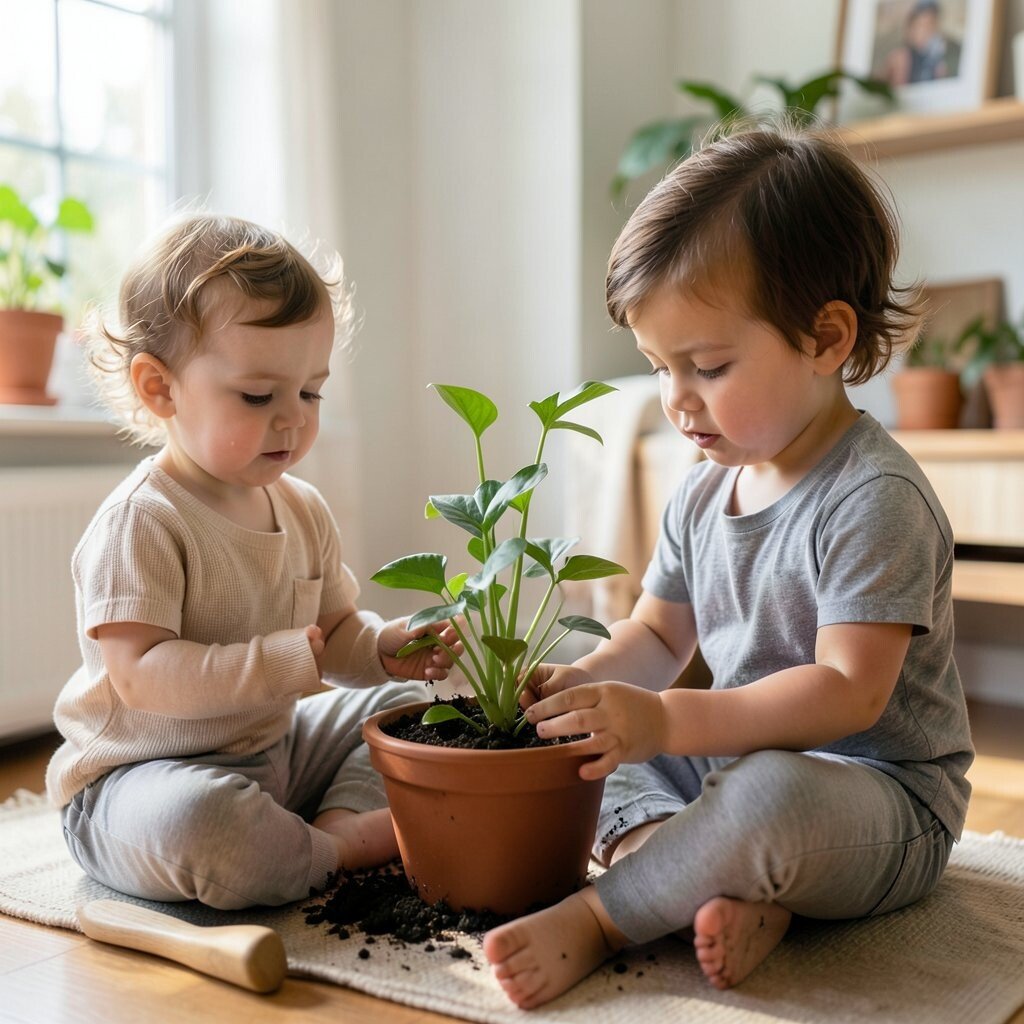
Water a houseplant together and notice the soil, leaves, and drops of water. The green shape of a plant and the quiet act of caring for it can give your minds a softer pace.
This helps toddlers learn responsibility while giving parents a simple mindful task. It is unique because it connects daily life to something living, and you can personalize it by naming the plant or choosing a pot that matches your home style.
The cost can stay small if you start with one easy plant and a simple watering cup. It also fits the current love for indoor greenery, which many families enjoy because it adds calm without adding much work.
17. Laughing Breath Break
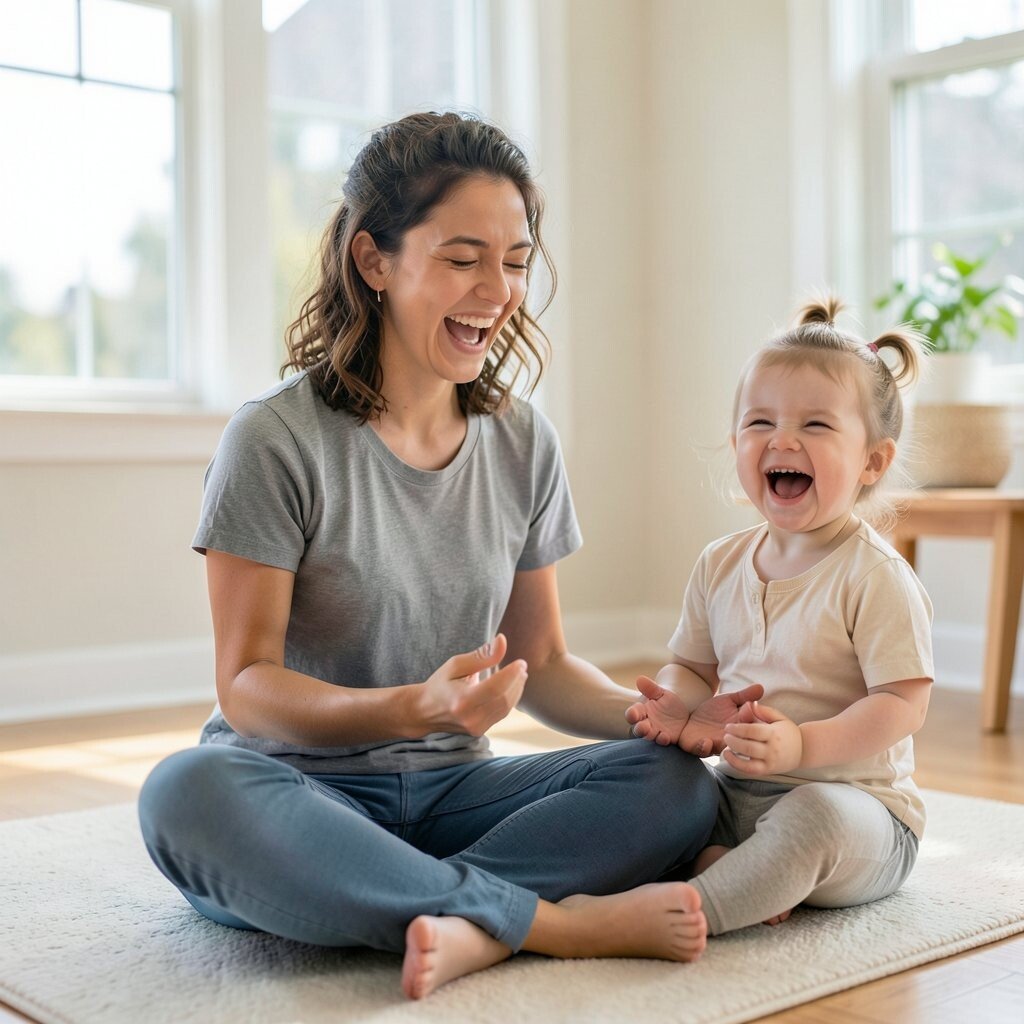
Take a deep breath and let out a soft laugh, even if the laugh starts fake. The sound can become real fast, and the funny faces that follow often bring both parent and toddler into a lighter mood.
This can ease tension after tears, tantrums, or a long stretch of noise. It is unusual because it uses joy as a calming tool, and you can personalize it by making silly faces, using a favorite joke, or turning it into a quick game of who can smile first.
There is no cost, and it can be done almost anywhere, including the car or kitchen. Parents often appreciate this kind of practice because it feels easy, human, and ready to use on hard days.
18. Closing the Day With a Soft Goodbye
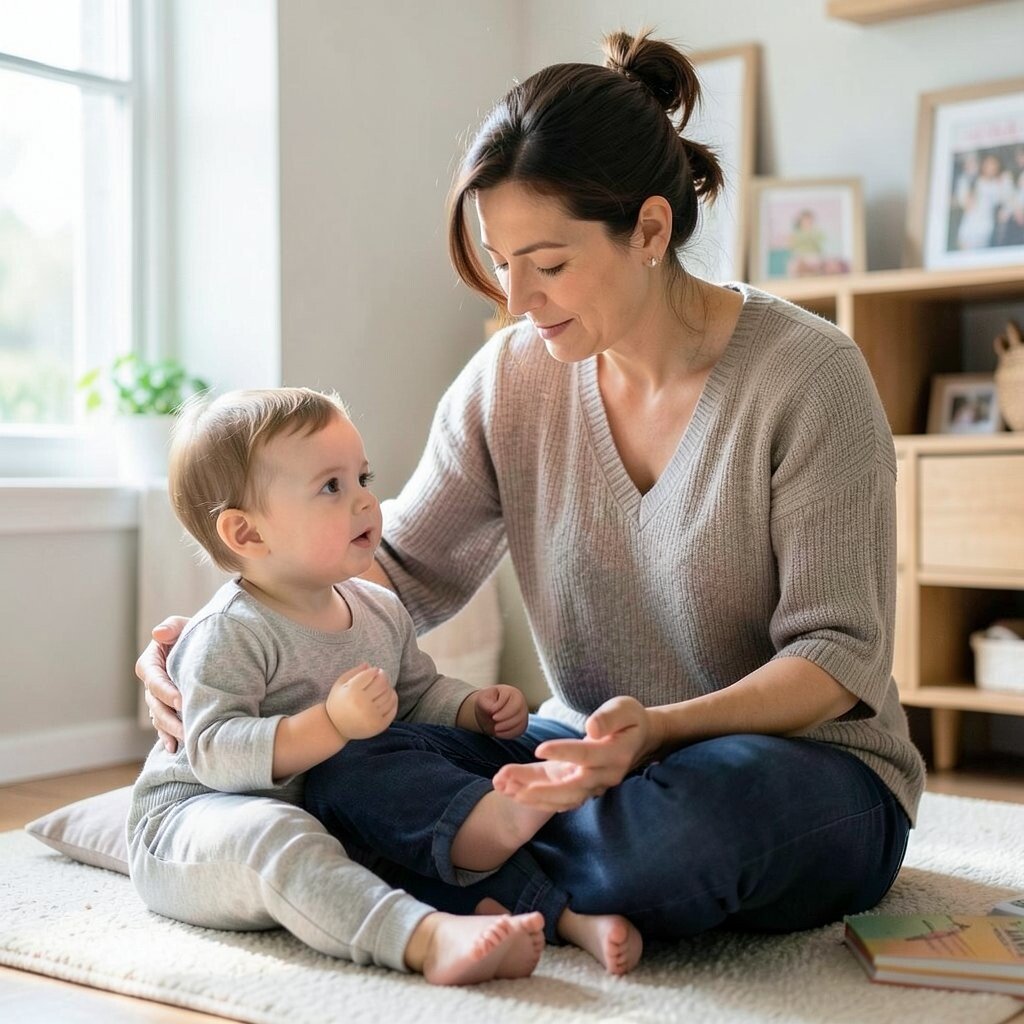
At the end of the day, look around the room and say goodbye to the day with a gentle voice. The dim light, the quiet toys, and the sleepy shape of your toddler can make the moment feel tender.
This helps the mind let go of the rush and make room for rest. It is personal because every family can create its own words, and it costs nothing while still feeling warm and meaningful.
You might thank the house, the toys, or even the messy moments before sleep. Many busy parents like this simple ritual because it brings a calm ending without needing anything fancy, and it leaves the night feeling softer for everyone.