
Tech work can move fast, and your mind can feel pulled in ten directions at once. Small calm habits can make the day feel lighter.
1. Start the day with one slow breath check-in

Sit still for a moment before email or chat apps open, and notice how your chest and shoulders feel. This simple pause can lower tension and give your brain a kinder start.
Keep it easy by taking one slow breath in and one slow breath out while looking at a quiet corner of your room. A plain chair, a soft light, or even a window view can make the moment feel calm without costing anything.
2. Use a five-minute screen-free pause between tasks

After a meeting or coding session, step away from the screen and let your eyes rest on something far away. The shift can help your mind reset and stop one task from spilling into the next.
You can stand by a desk plant, stretch near a window, or sip water while you breathe slowly. Some people like using a simple timer on a smartwatch or phone, which is popular now because it fits busy days and still feels very personal.
Try to keep the pause short enough that it feels safe, not heavy, so it becomes a habit you can repeat. Since it costs nothing and needs no special gear, it is easy to tailor to any office, home desk, or shared workspace.
3. Practice mindful typing with relaxed hands

Notice how your fingers feel on the keys before you start typing, and let your hands soften a little. This can reduce strain and help you feel more in control when work gets rushed.
Picture your wrists resting gently and your shoulders staying low as you type. A split keyboard, wrist rest, or standing desk can help, but the real win is the calm attention you bring to the task.
Many tech workers now pair this with posture reminders from wearables or desktop apps. You can make it your own by checking your grip, slowing your pace, or taking one deep breath every time you hit send.
4. Turn coffee or tea into a mindful break

Instead of gulping your drink while reading messages, hold the cup and notice its warmth. The smell, steam, and first sip can pull you out of stress for a small but useful reset.
Choose a mug you enjoy, a tea blend you love, or even a cheap office cup if that is what you have. The point is not fancy gear but a tiny ritual that feels yours and brings a bit of steady calm.
5. Try a quiet walk without podcasts

Walking with no audio can feel strange at first, but it gives your mind room to settle. You may notice the sound of shoes on pavement, trees moving, or city noise fading into the background.
Wear whatever shoes are comfortable and take the route that feels safest and easiest. This low-cost habit can fit into a lunch break, a parking lot lap, or a walk around the block, and many people like it because it feels more natural than another screen-based tool.
Some professionals keep it personal by choosing the same path after hard meetings or before evening work. That repeat pattern can make the walk feel like a small anchor in a busy week.
6. Use a three-breath reset before speaking in meetings

Before you jump into a call, take three slow breaths and let your jaw unclench. This tiny move can help your words come out clearer and can cut down on rushed answers.
It also gives you a visual pause if you are on camera, since your face looks calmer and more present. No special app is needed, though some teams now use subtle meeting reminders or smartwatch taps to keep the habit going.
You can make it fit your style by breathing through the nose, looking at one point on the wall, or resting both feet on the floor. The cost is zero, and the benefit can be a steadier voice and a more confident start.
7. Keep a small desk object for grounding
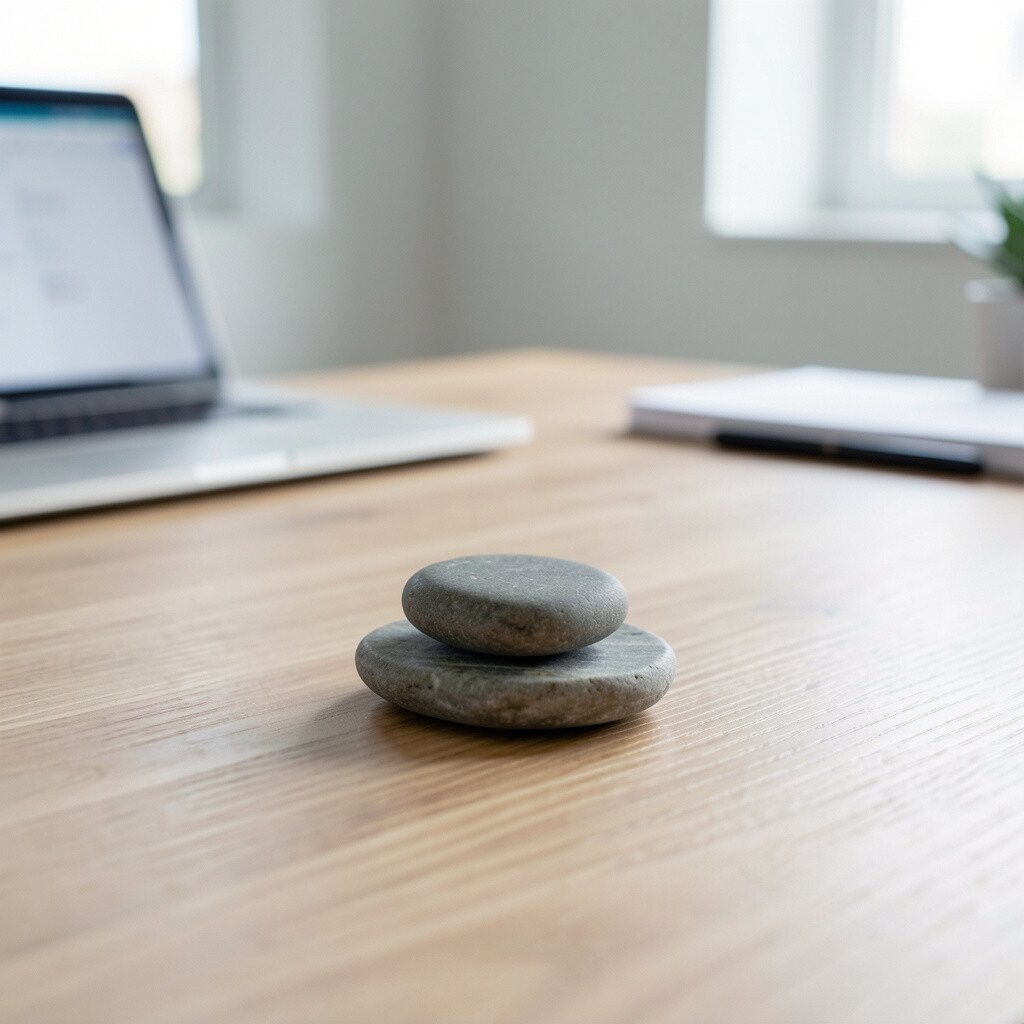
A smooth stone, tiny plant, or favorite figure can help bring your attention back when your mind races. Just seeing it on your desk can remind you to slow down and notice the present moment.
This works well because it is simple, visual, and easy to personalize. Some people use gifts from family, travel items, or cheap desk finds, which makes the practice feel warm and unique instead of generic.
Trends in home and hybrid work have made desk mindfulness more common, especially when people want comfort without clutter. Place the object where your eyes naturally land, and let it become a gentle cue to breathe before the next task.
8. Set a calm start to your first login
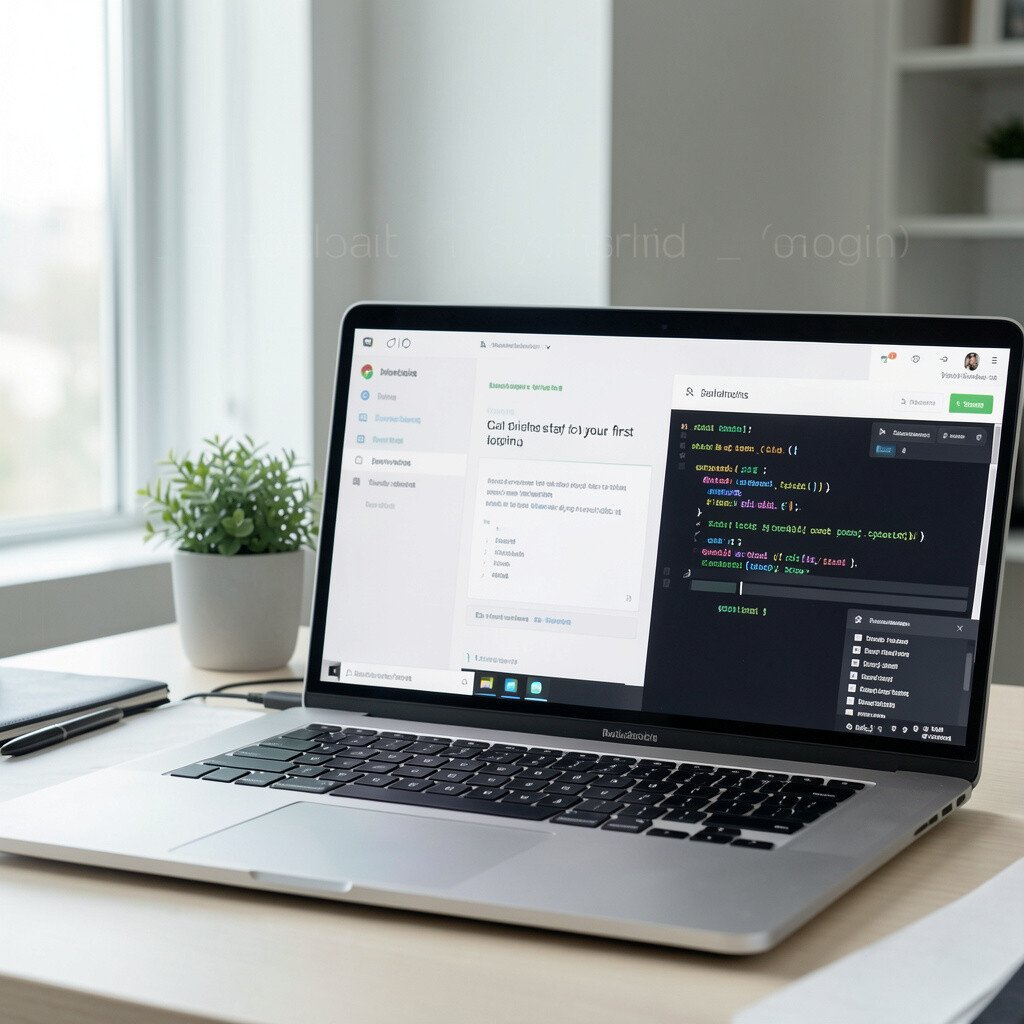
Before you open your work tools, sit for a moment and decide how you want the day to feel. This can turn your first login from a rush into a clear and steady beginning.
You might keep your screen simple, dim the room a little, or open with a calm playlist at very low volume. The habit is easy to shape around your routine, and it costs nothing if you use what you already have.
Some people like a short note on the monitor with one kind phrase for the day. That small touch can make the practice feel more personal and can help you move into work with less fear and more focus.
9. Do a body scan while waiting for code to build
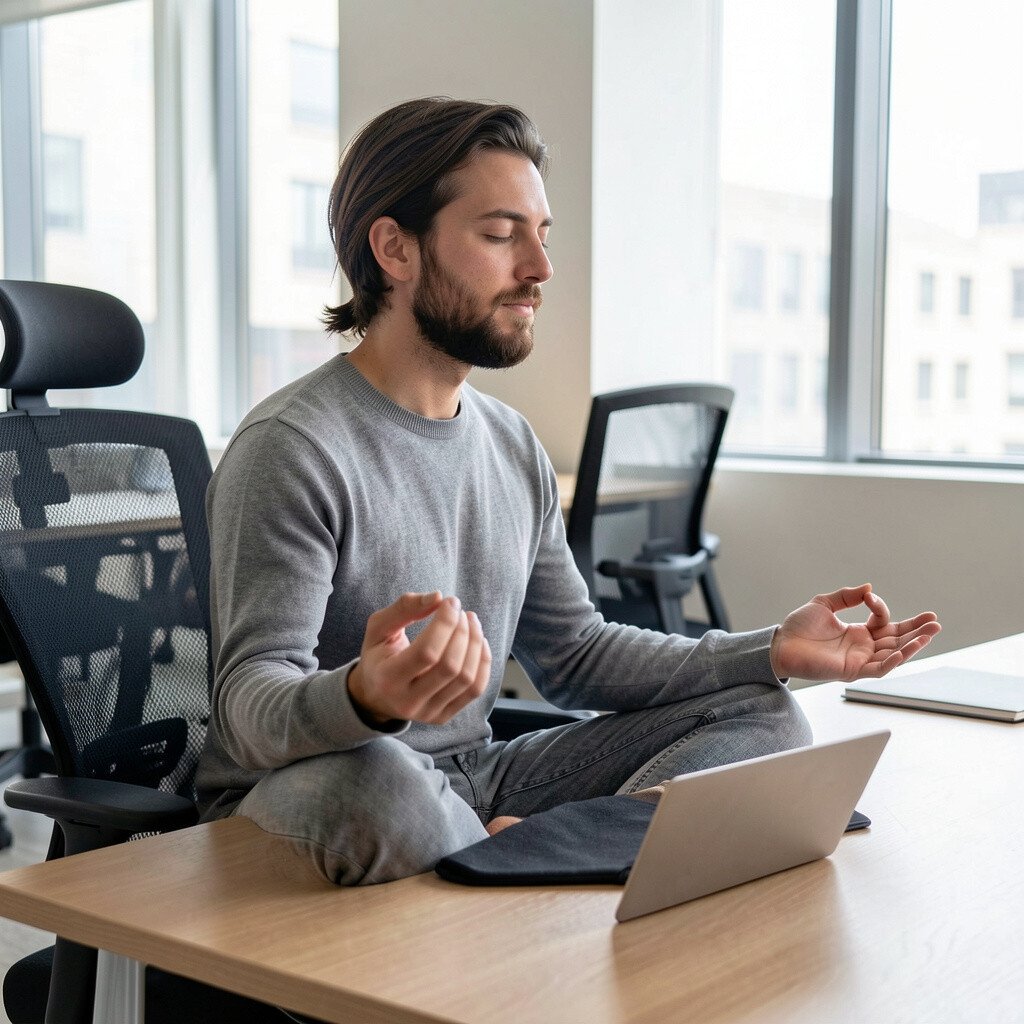
While the build runs, notice your forehead, shoulders, hands, and belly one by one. This turns dead time into a useful reset and can help you catch stress before it grows.
Close your eyes if that feels safe, or keep them soft on the screen if you need to watch the clock. No extra cost is involved, and the practice fits neatly into a common tech moment that already happens during the day.
Some teams now pair tiny pauses like this with mindful work habits and lighter task switching. You can personalize it by choosing one body area to scan first each time, so it feels natural and easy to repeat.
10. Make lunch a real break, not a desk task
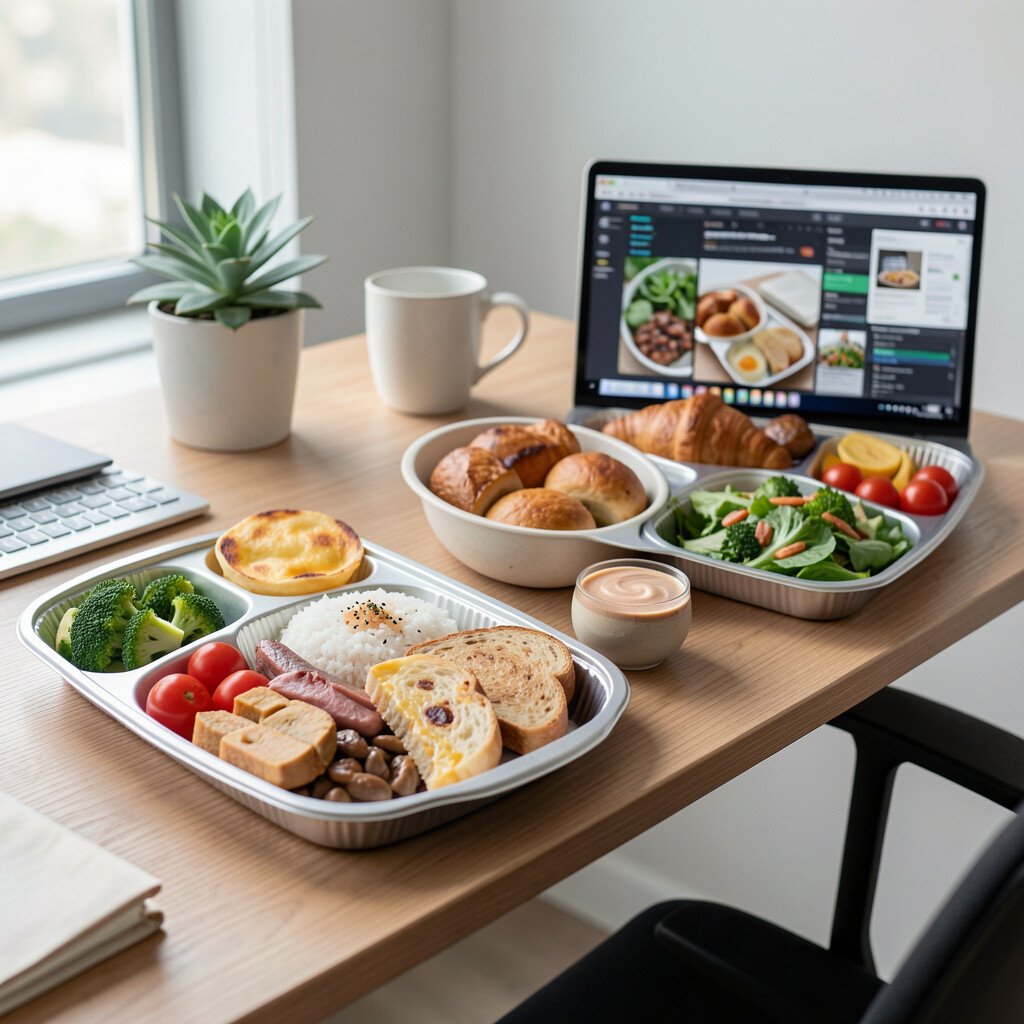
Eating away from the keyboard helps your mind notice flavor, texture, and fullness. That simple shift can support better digestion and give your brain a cleaner rest.
Even a plain bowl of soup can feel more satisfying when you look at it, smell it, and eat it slowly. If money is tight, this practice still works with any lunch, and it needs no new tools or special place.
The unique part is that you are training attention during a normal part of the day, which can make the afternoon feel less blurry. Many busy workers now use lunch as a quiet reset, and you can make it yours by sitting near a window or leaving your phone in your bag.
11. Use gentle reminders instead of harsh alarms

A soft chime, a subtle buzz, or a calm visual cue can bring you back to the present without a jolt. Harsh alerts can spike stress, while gentle ones help the body stay settled.
Try a watch vibration, a browser reminder, or a low-volume sound that does not make your shoulders jump. This trend fits modern work tools well, and it can be adjusted for your style, your team, and your comfort level.
You can make the reminder personal by linking it to a phrase like slow down or check your breath. It costs little or nothing, and the calm effect often feels better than being snapped out of deep focus.
12. Practice mindful listening in one-on-one chats

When someone speaks, put your full attention on their face, voice, and meaning instead of planning your reply. This can improve trust, reduce misunderstandings, and make talks feel less tense.
Notice how their words land in your body and let a pause happen before you answer. A quiet room, a good headset, or a clean video call layout can make the experience feel clearer and more human.
This habit is especially helpful in fast tech teams where messages can get clipped or rushed. You can personalize it by choosing one person each week to listen to more carefully, which keeps the practice simple and real.
13. Try a short mindful stretch at your chair

Lift your arms, roll your shoulders, and stretch your neck slowly while staying seated or standing beside the desk. The movement can release built-up tension and help you feel more awake without leaving work for long.
Look for the visual cue of your hands reaching overhead or your spine lengthening up tall. A standing desk mat, a simple timer, or a stretch video can help, but none of them are required to get the benefit.
Many people now use brief stretch breaks as part of a healthy remote work routine. You can make it feel right for your body by choosing gentle moves that match your energy and by keeping the routine free and easy.
14. Write one clear thought before closing your laptop
At the end of the day, write one sentence about what went well and one sentence about what needs tomorrow. This can clear mental clutter and help you stop carrying work home in your head.
Use a notebook, a notes app, or even a sticky note if that feels easiest. The visual act of closing the page can signal that work is done, and the low cost makes it simple to keep going.
This practice stands out because it is both mindful and practical, which busy tech workers often need. You can make it personal by choosing a pen you like or a note format that feels neat and calm.
15. Listen to silence for a few minutes

Silence can feel rare in tech, yet it gives your mind a place to land. Even a short quiet stretch can lower mental noise and help you notice what you truly need.
You can sit in a parked car, close your office door, or use a calm corner at home. If complete silence is not possible, soft background sounds or a fan can still create a peaceful setting without any real expense.
The trend toward wellness spaces and quiet rooms at work shows that more people want this kind of break. Keep it personal by choosing the place that feels safest, softest, and easiest to return to each day.
16. Use scent as a simple calm cue

A light scent from hand lotion, tea, or a tiny diffuser can help your brain link smell with relaxation. That link can make it easier to settle down before a hard task or after a stressful call.
Pick a scent you already enjoy so the habit feels natural and not forced. Some people keep it very low cost by using a teabag, a fresh orange peel, or a small bottle they already own.
This practice works well in hybrid setups because it can move with you from home to office. The visual part matters too, since seeing the item can remind you to pause and breathe before you rush ahead.
17. Keep one meeting-free block for deep focus

A protected block of time can calm the constant pull of messages, calls, and task switching. When the calendar looks less crowded, your mind can settle and work more smoothly.
Use that block for writing, planning, coding, or anything that needs clear attention. This idea is popular because it respects the real rhythm of tech work, and it costs nothing except a little planning.
Make it personal by choosing the part of the day when your brain feels strongest. You can add a plant, a clean desk, or a quiet playlist to support the mood without turning it into a big production.
18. Practice gratitude for one small work win

Before you move on to the next problem, name one thing that went well today. This can shift your mind away from constant fixing and toward a more balanced view.
Maybe a bug was solved, a teammate helped, or you stayed calm during a hard call. Writing it in a notebook or saying it out loud costs nothing, and the visual act of seeing the words can make the good moment feel more real.
Some teams now keep shared win boards or simple digital notes, which fits the current focus on positive culture. You can personalize the habit by choosing a private voice note, a journal line, or a quiet moment at your desk.
19. Use mindful breathing during app loading or lag

When a tool freezes or loads slowly, use the wait as a cue to breathe instead of getting upset. That tiny shift can turn a frustration spike into a calm reset.
Watch the loading wheel, feel your feet on the floor, and take one slow breath while the screen catches up. This is a very tech-specific mindfulness trick, and it works because it uses a moment that already exists in your day.
You can make it more personal by pairing each wait with a short phrase like stay loose or keep steady. Since it requires no money and no extra device, it is easy to use even on the busiest projects.
20. Build a calm shutdown ritual for the evening

Ending work in the same gentle way each day can help your body understand that the work part is over. A simple ritual may lower stress and make home time feel more open and restful.
Close tabs, tidy the desk, dim the light, and take one slow breath before walking away. The visual change from busy screen to clean space can feel surprisingly powerful, and it does not have to cost anything at all.
Many professionals now use small ending routines to protect their personal time in a world of always-on devices. You can personalize yours with a favorite song, a warm drink, or a brief note about what can wait until tomorrow.
21. Make mindfulness social in a way that feels safe

Share a calm habit with a coworker, friend, or partner so the practice feels more likely to stick. A shared pause can make mindfulness feel friendly instead of lonely.
You might take a walk together, mute the call for ten quiet seconds, or remind each other to breathe before a hard meeting. This kind of support is becoming more common in modern teams, and it can be free, low pressure, and easy to fit into real life.
Keep it personal by choosing someone who respects your style and pace. A small shared routine, seen in a quick message or a warm smile, can make your day feel steadier without adding more work.