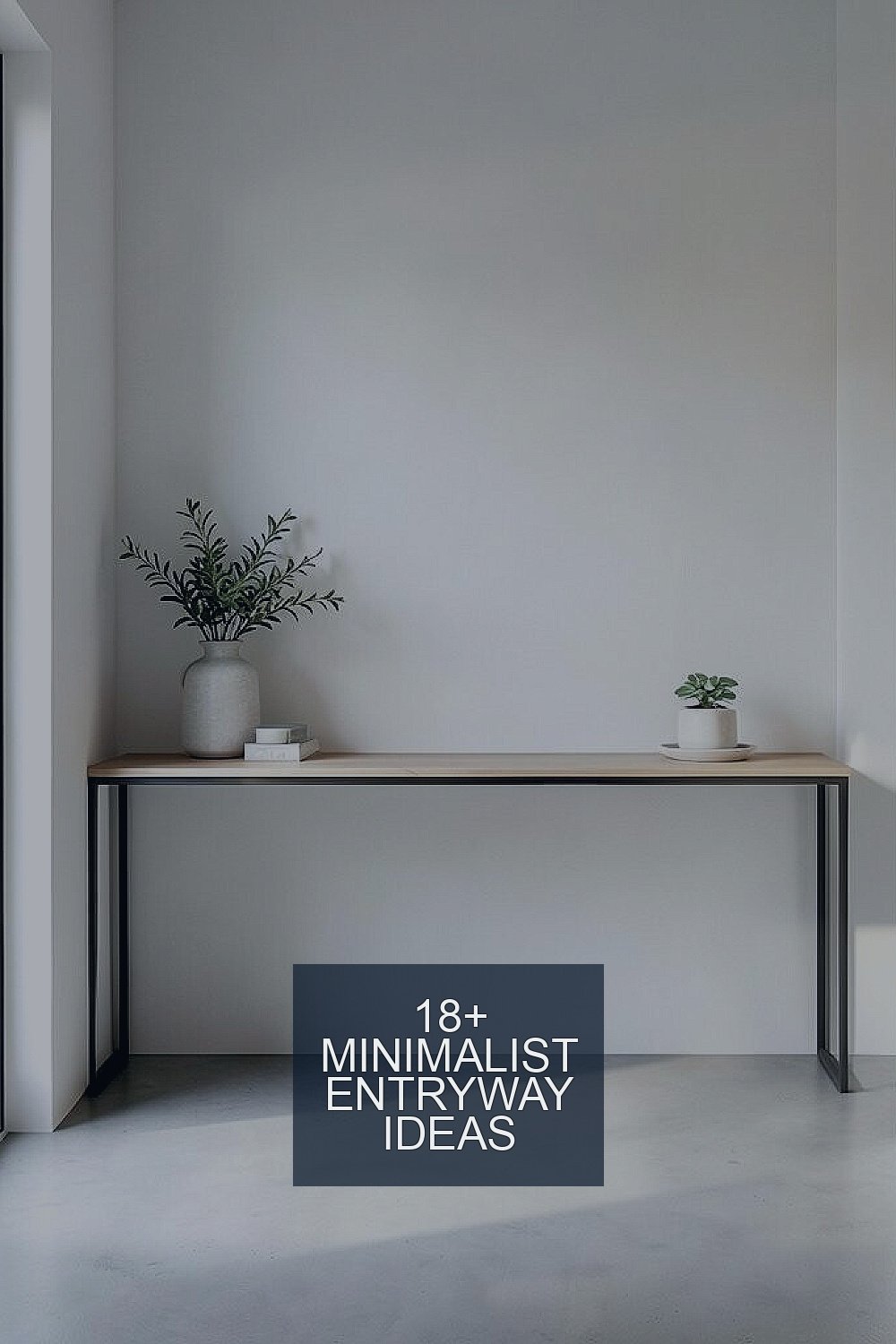
Your entryway sets the mood before you even take off your shoes. With a few calm, simple choices, it can feel neat, welcoming, and easy to use.
Minimal design doesn’t mean boring. It means every piece earns its place and makes daily life smoother.
1. Clear the Floor, Keep the Calm
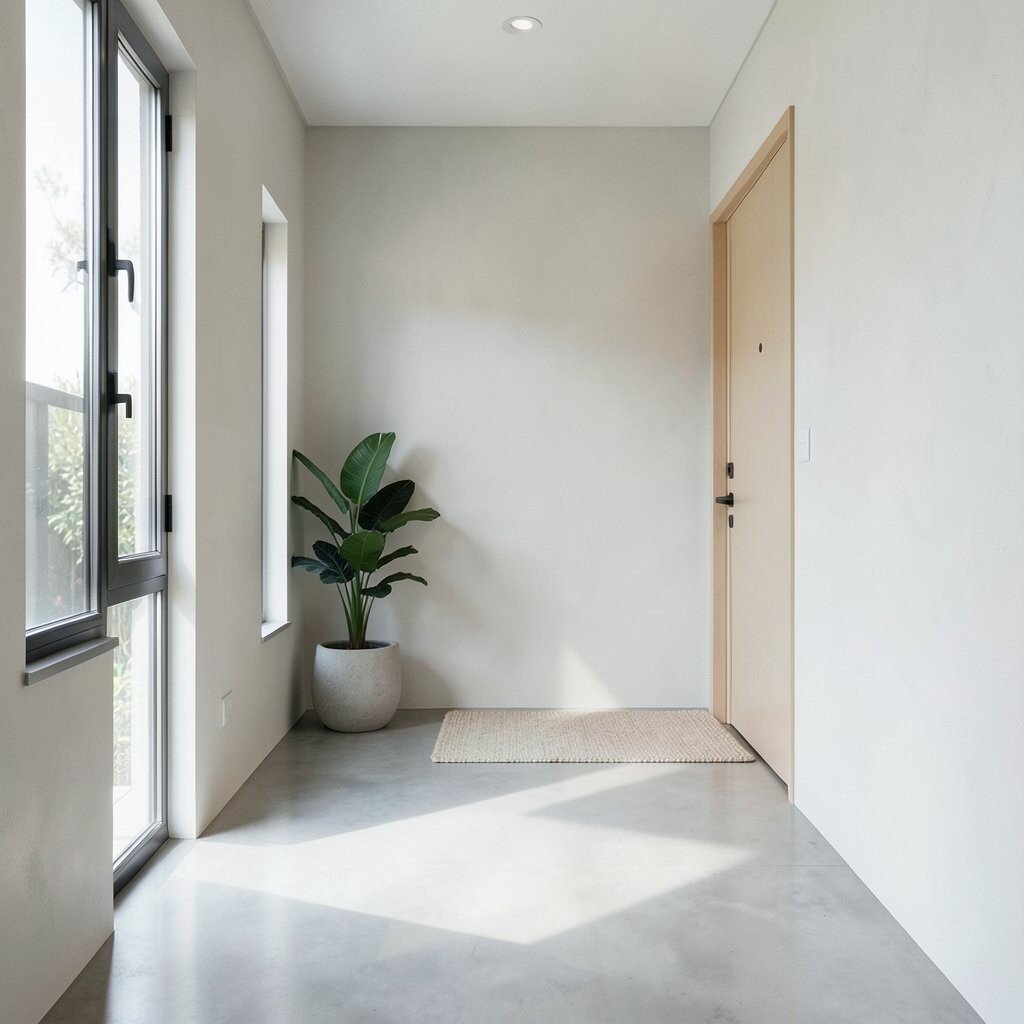
Start by making the entry floor feel open and light. When there’s less clutter, your eyes rest and your mornings move faster.
Try a single low tray for keys and small items, so everything has one home. If you use baskets, choose fabric or matte finishes that look soft but stay tidy.
2. A Slim Console That Looks Like Air
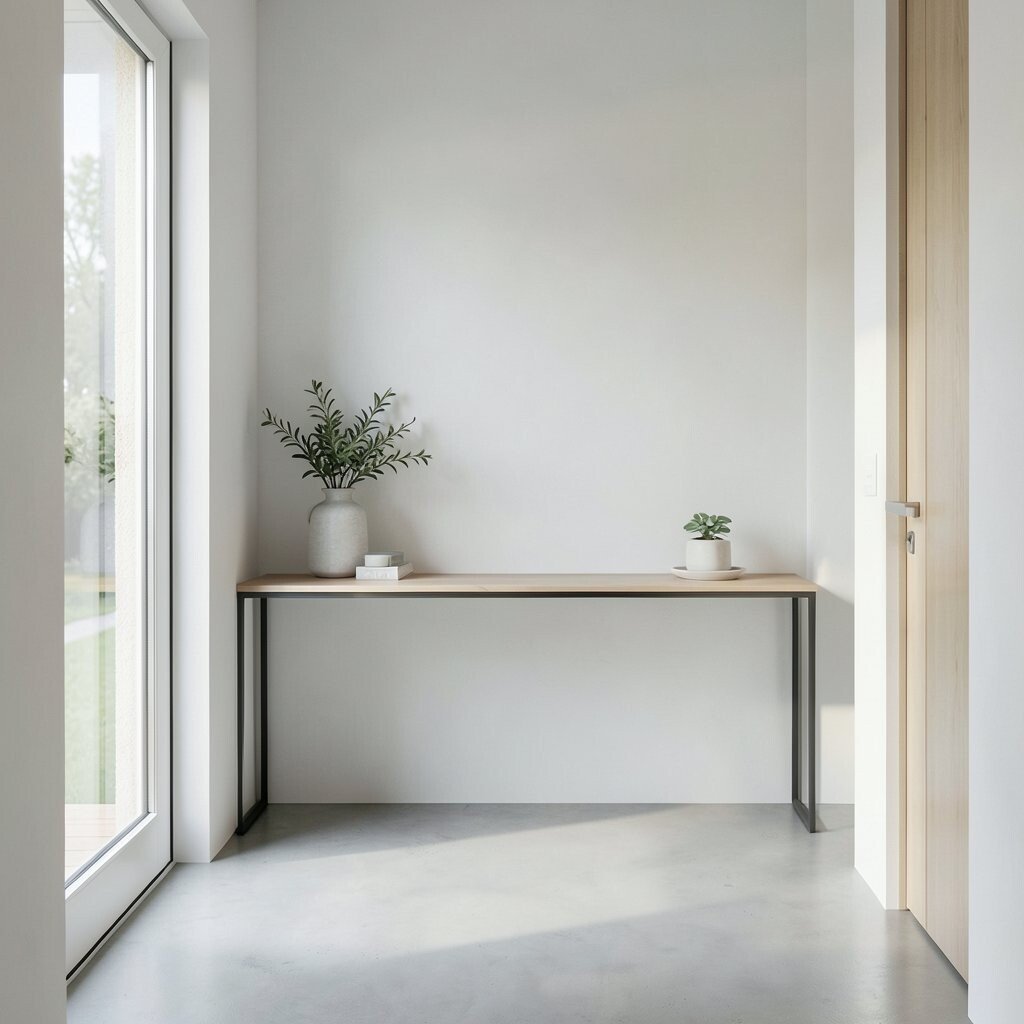
A narrow console can add function without taking over the room. You can picture shoes landing neatly below while the top stays clean and bright.
Choose one with simple lines and a light color such as oak, white, or blackened steel. Add just a small mirror or one sculptural object so the space feels styled, not stuffed.
For personalization, place a tiny vase with one stem or a folded cloth in a color you already love.
3. Hook Wall Instead of Big Storage
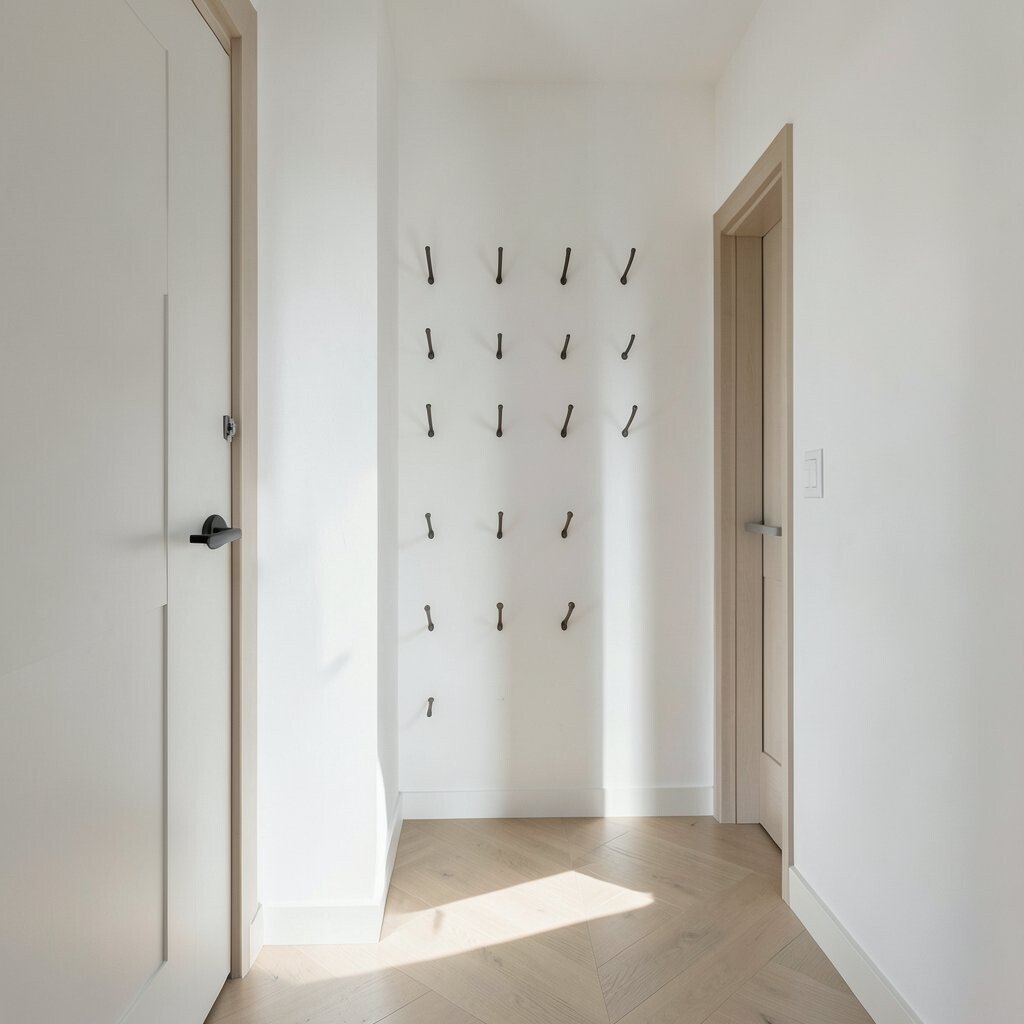
Hooks feel casual and work great for minimalist entryways. They keep bags and coats off chairs, which instantly makes the area calmer.
Use a row of matching hooks mounted at a comfortable height for daily use. In a visual sense, the line of hooks creates order, like a tidy checklist for your gear.
If you want a unique touch, mix a couple of hooks with different shapes while keeping the finish the same.
To keep it practical, hang only what you actually use, and remove the rest so the wall stays clean.
4. A Bench With Hidden Storage

A simple bench is comforting the moment you step in. Look for one with a lid or drawers so shoes and bags disappear when you’re not using them.
This setup helps keep the visual space uncluttered, which is a big minimalist win. Choose a fabric or wood finish that matches your flooring, and the entryway will feel more connected.
5. Mirrored Light With a Simple Shape
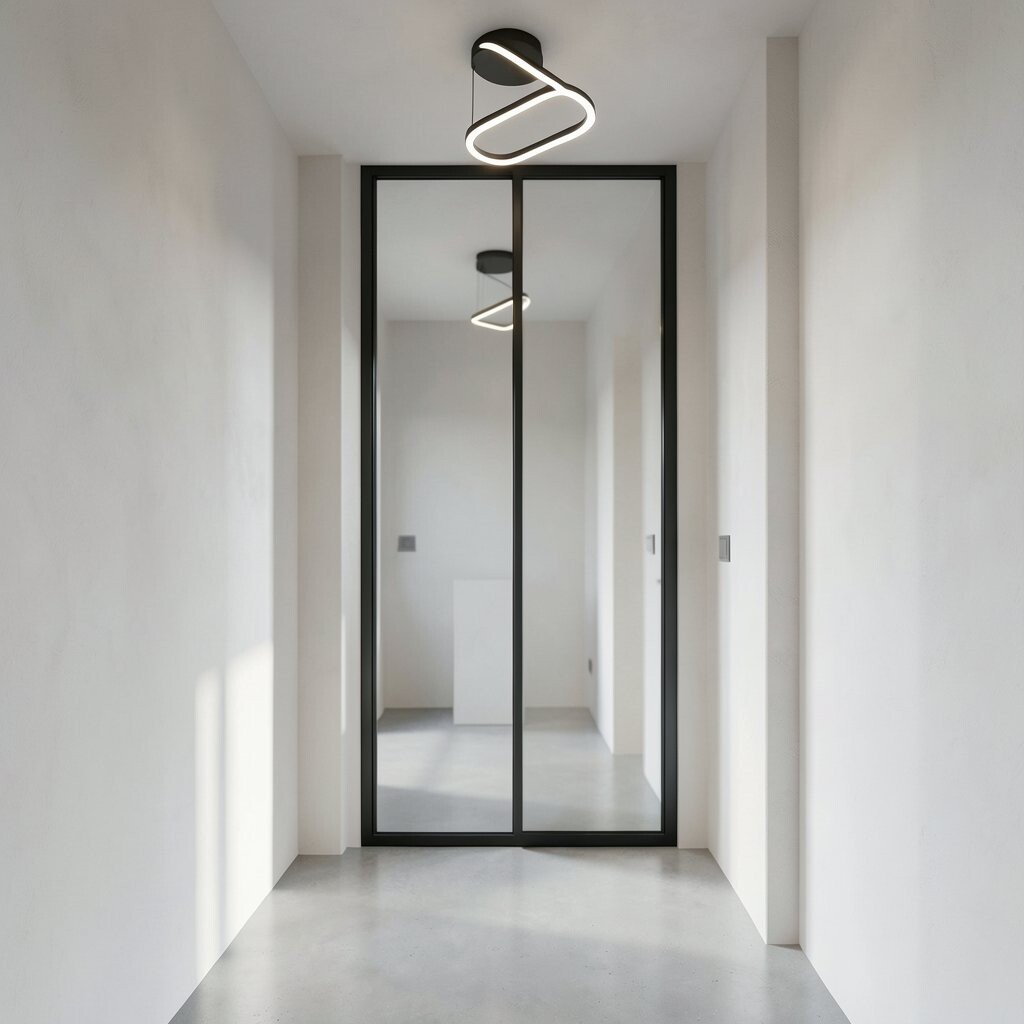
A mirror adds brightness and makes the hallway feel wider. It also gives you a quick glance before you head out, which saves time and helps you feel ready.
Go for a plain frame or no frame at all to match today’s clean, modern look. If you like personalization, hang it at eye level and pair it with one small tray under it.
For cost considerations, thrift-store mirrors can be surprisingly affordable, and a quick coat of paint can refresh the frame.
6. One Rug That Defines the Entry
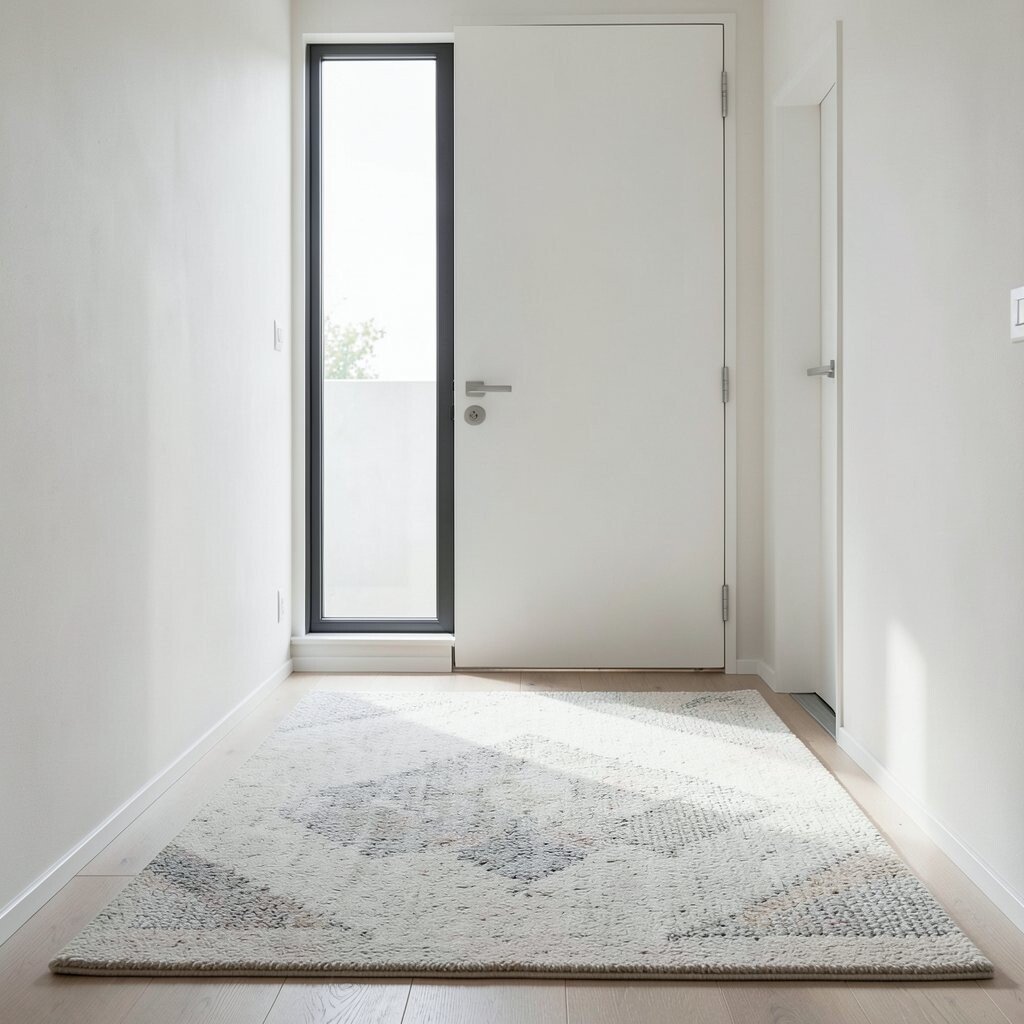
A minimalist entry rug sets the zone and protects your floor. When the rug has a simple pattern, it helps the whole space feel intentional without lots of visual noise.
Choose a flat weave or low-pile option for easy cleaning and a tidy look. Consider a neutral tone with a subtle texture so it hides everyday scuffs better.
If you want uniqueness, pick a rug with a gentle geometric line or a thin border that echoes your wall color.
Keep it practical by measuring first, because too-small rugs can look messy when you walk in and out.
7. Color That Feels Soft, Not Loud
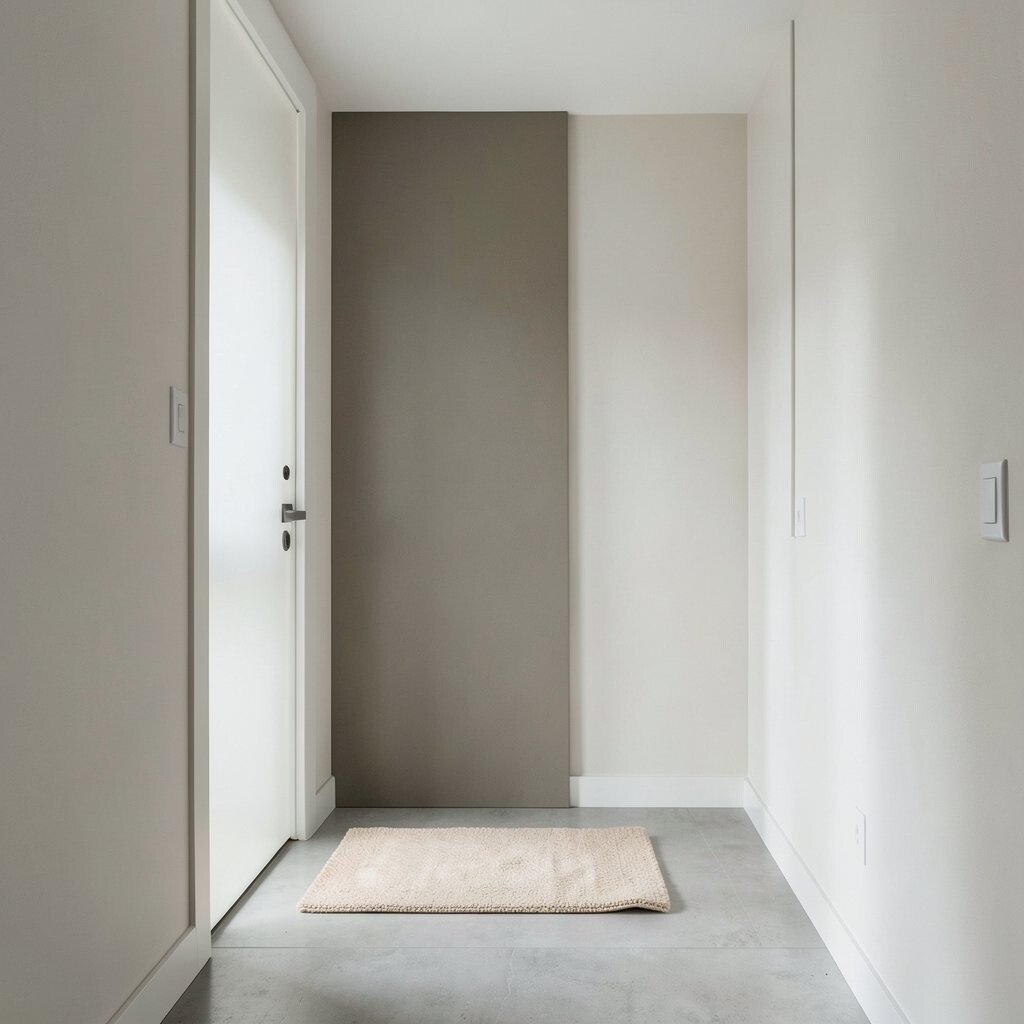
Color can still be minimalist if it’s calm and limited. A soft warm white, light greige, or muted clay makes the entryway feel fresh and easy on the eyes.
Stick to one main wall tone and repeat the same shade in smaller details like a shoe mat or a vase. This approach keeps the space from feeling busy while still giving it personality.
8. Wall Shelf for Everyday Essentials
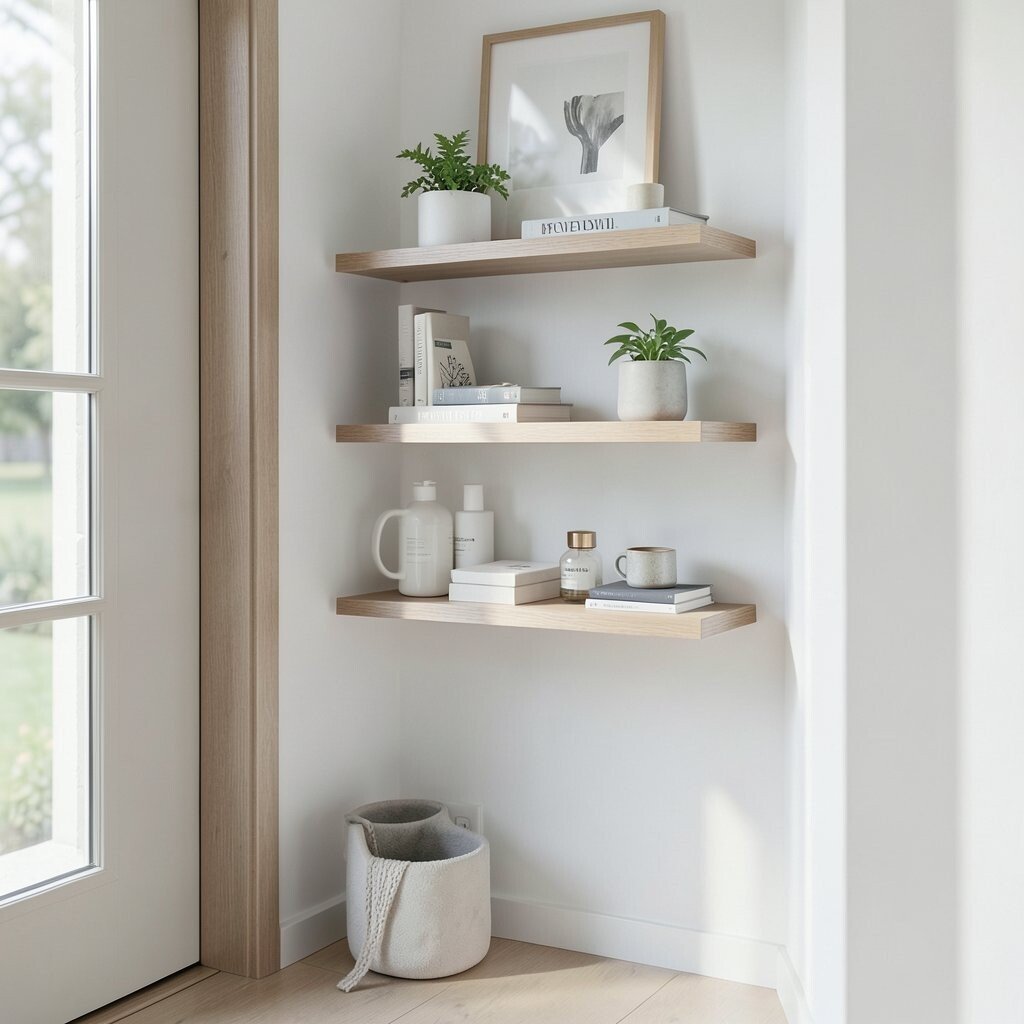
A small wall shelf can hold the things you grab most often. Think of it as a gentle landing spot for sunglasses, a mail organizer, or a neatly folded scarf.
Go for floating shelves or slim supports to keep the look light. Add a single container with a lid or a small tray so loose items stay contained and don’t visually pile up.
To personalize, match the shelf finish to your hardware, like cabinet pulls or curtain rods.
9. Basket System for Shoes You Actually Wear
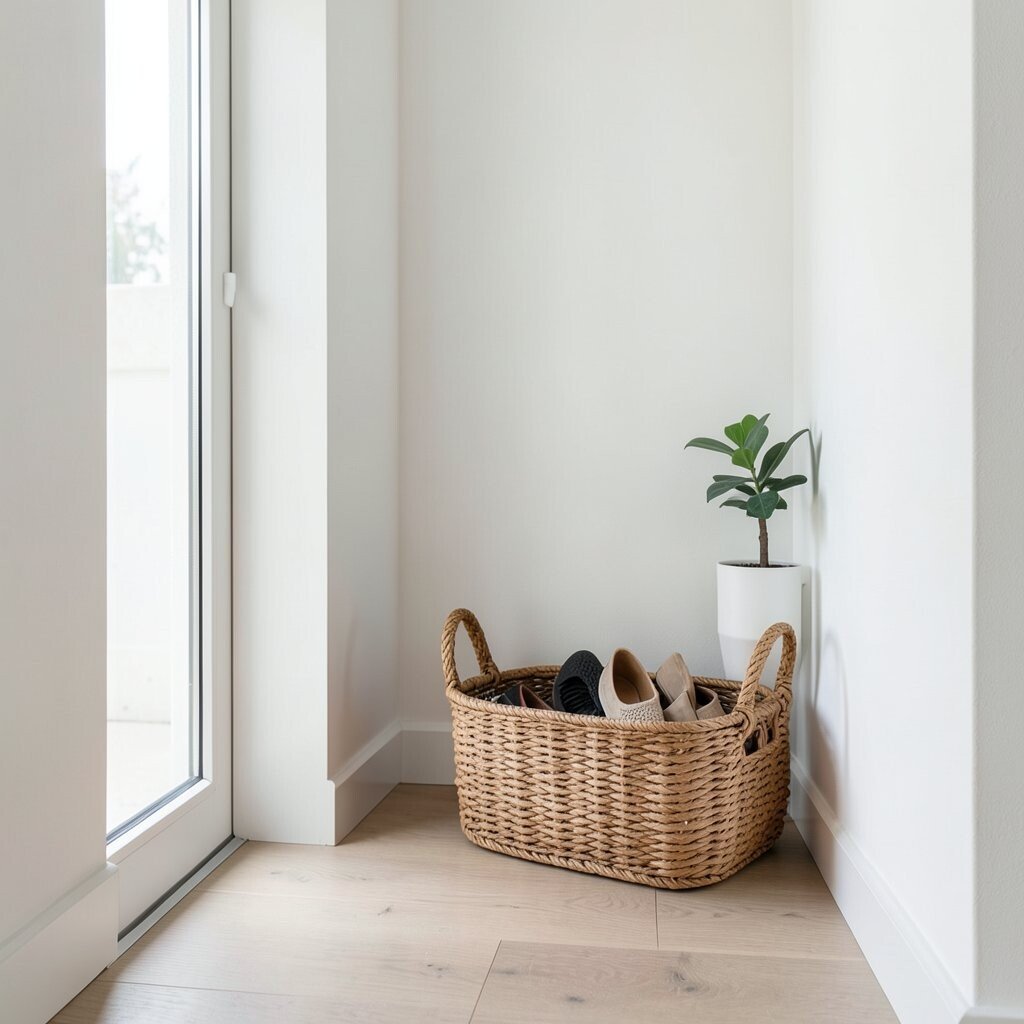
Instead of hiding shoes in every corner, keep a tight system that makes sense. A pair of matching baskets or a slim shoe rack can make your mornings feel smoother.
Choose sizes that fit your daily rotation, and store the rest elsewhere. That way, the entry stays neat and you’re not constantly searching for the right pair.
If you want a unique look, use baskets in two complementary neutrals rather than one heavy color block.
For cost considerations, woven baskets can be affordable, and upgrading just one or two pieces can make the biggest difference.
10. A Matching Set of Hangers and Trays
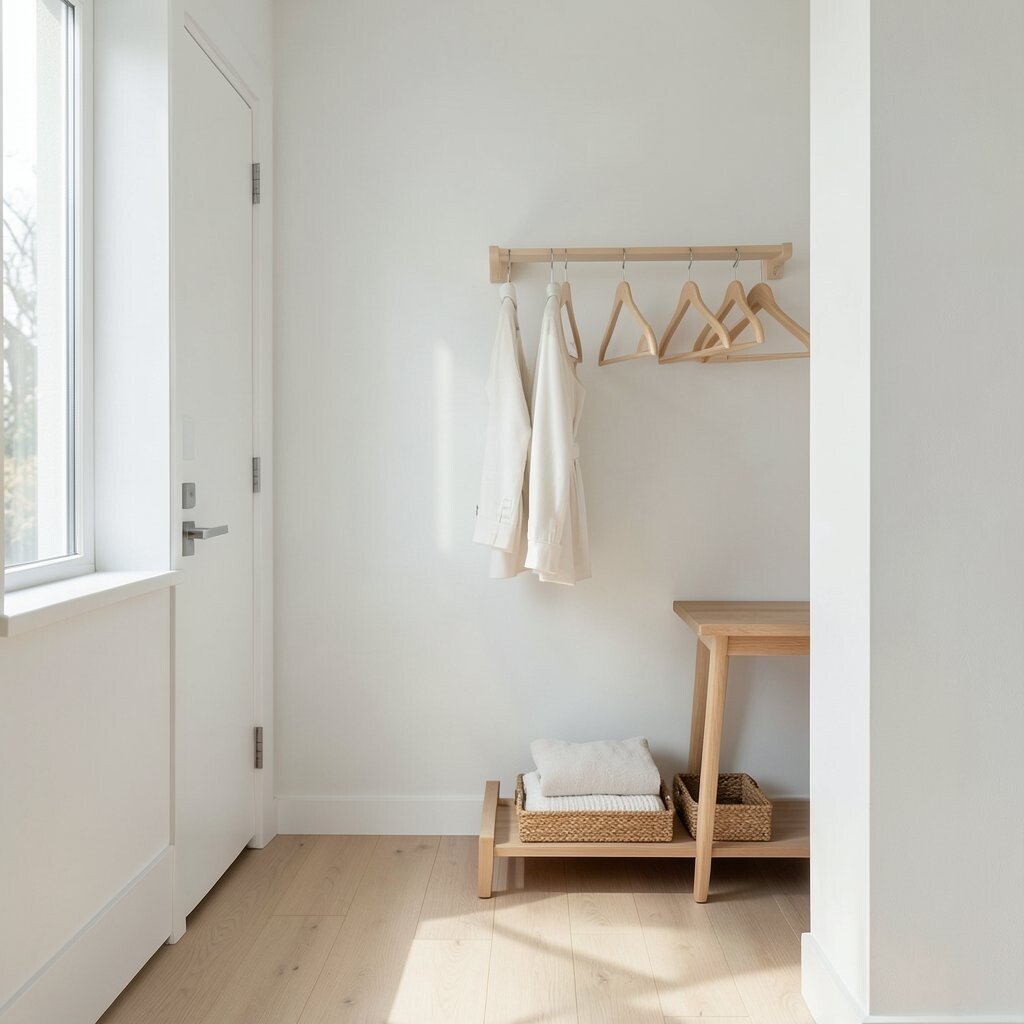
When everything matches, the entryway looks designed even with fewer items. A consistent style across hangers, trays, and containers creates a calm visual rhythm.
Pick a single finish such as matte black, brushed brass, or natural wood. Then use it across hooks, a key tray, and any small organizer you place on the console.
11. Minimal Art With a Bold Theme
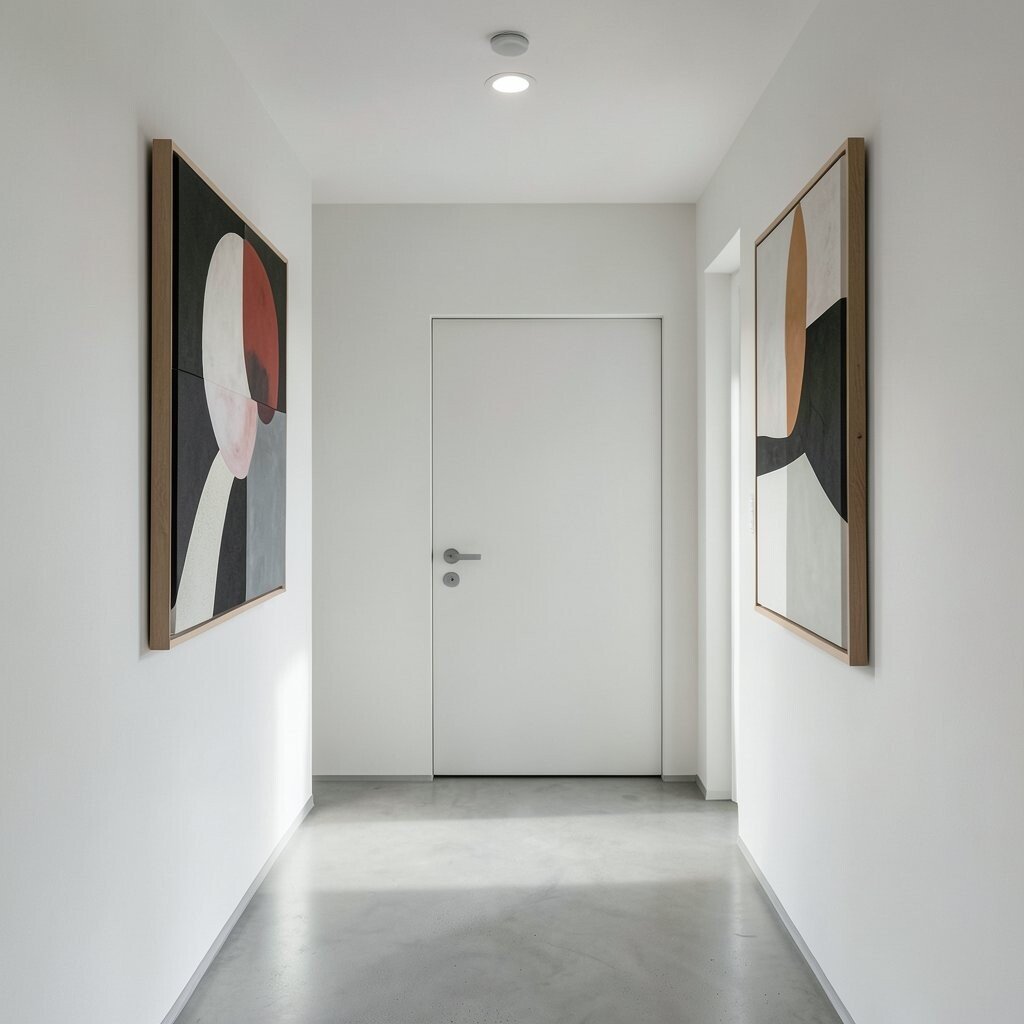
One artwork piece can bring personality without clutter. A single bold print or a simple line drawing can make the entry feel stylish and cared for.
Choose art with wide spacing and fewer elements so it stays airy. A gallery look works well when you limit the number of frames and keep their sizes close.
For personalization, pick a subject that fits your life, like a favorite city map, a soft botanical, or abstract shapes in your color palette.
12. Use Lighting That Flatters and Grounds
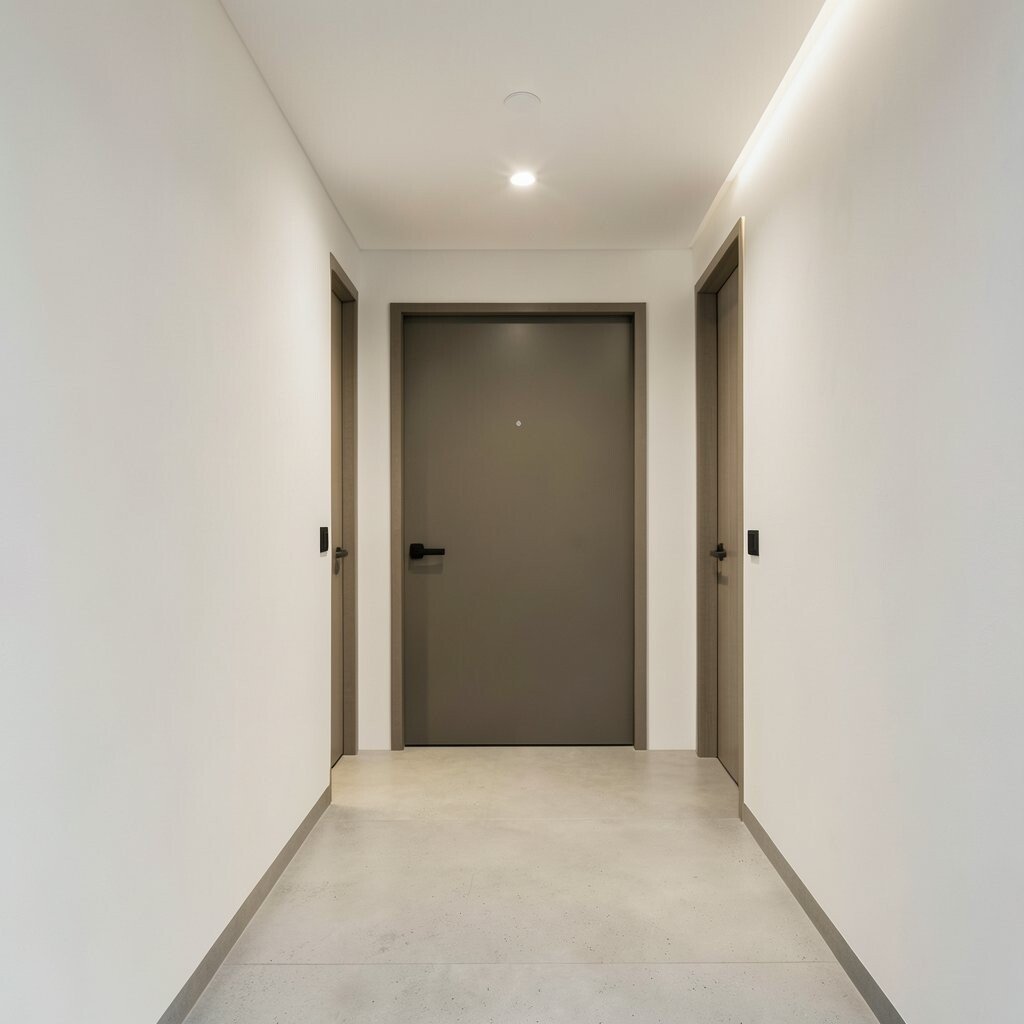
Lighting makes a hallway feel welcoming, even when it’s empty. A clean wall sconce or a simple pendant can add warmth and help the space feel finished.
Look for shades in linen, frosted glass, or neutral tones for a minimalist look. Position the light so it evenly brightens the mirror or bench area rather than only the ceiling.
To keep it practical, use a warm bulb and aim for comfortable brightness that doesn’t glare when you check yourself before leaving.
13. Curtain or Screen for a Soft Separation

A minimalist entry can still feel cozy when it has a gentle boundary. A slim curtain rod or an airy screen can separate the entry from the rest of your home.
This helps reduce visual clutter from rooms beyond, especially if you tend to see bags, boxes, or everyday mess. Choose a simple linen or sheer fabric so the space stays light and open.
If you want uniqueness, select a subtle texture or a slightly warmer white that matches your wall color.
Cost considerations are flexible here, because a basic curtain panel can be cheaper than new furniture while still changing the mood.
14. A Command Center That Stays Out of Sight
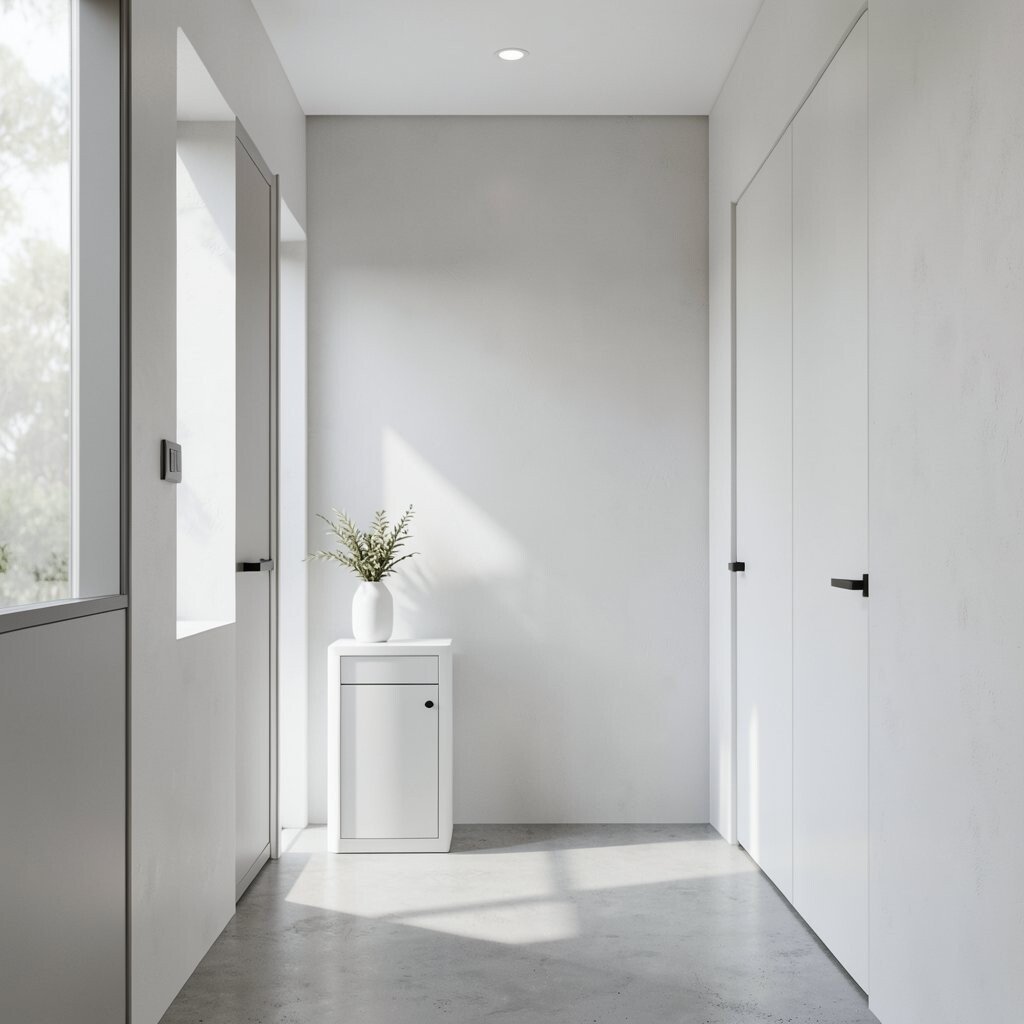
You can keep planning tools without making your entryway look like an office. A hidden mail slot or a small cabinet with a closed door keeps paper from spreading across surfaces.
Store one folder for important documents and one envelope for outgoing items. That simple rhythm makes it easier to stay organized without adding visual clutter.
For personalization, label with small stickers or a simple stamp that matches your style, but keep the labels minimal so the space stays calm.
15. Bench Styling With One Vase and One Tray
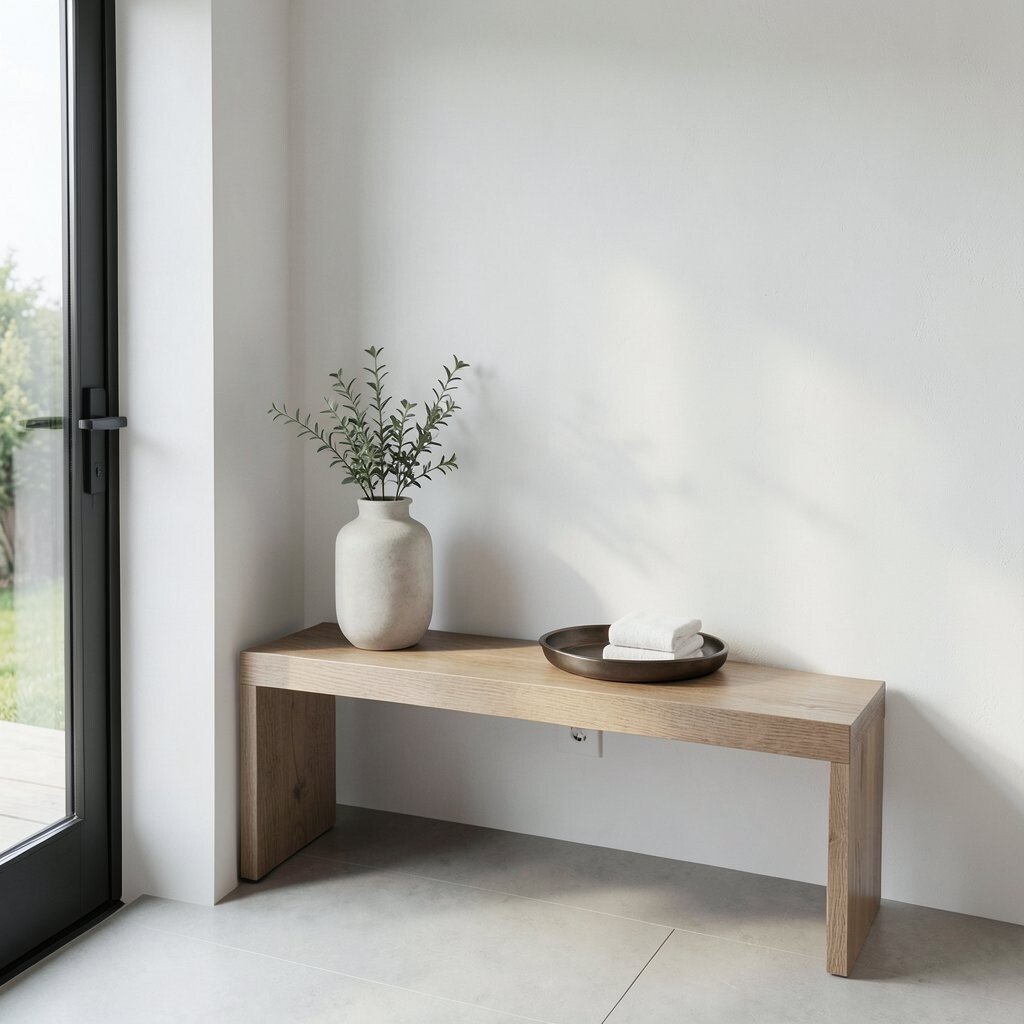
Styling a bench with only a few items makes it feel intentional. When you keep it light, the bench becomes a welcoming stop instead of a storage dump.
Try one vase with fresh greens, plus one tray for small daily items. This gives you a neat visual anchor and helps you find things quickly.
If you want uniqueness, rotate seasonal accents like a reed bundle in fall or a small ceramic bowl in winter.
To keep it practical, avoid putting fragile items where they might get bumped when you rush in and out.
16. Pattern-Free Wallpaper or Textured Plaster Look
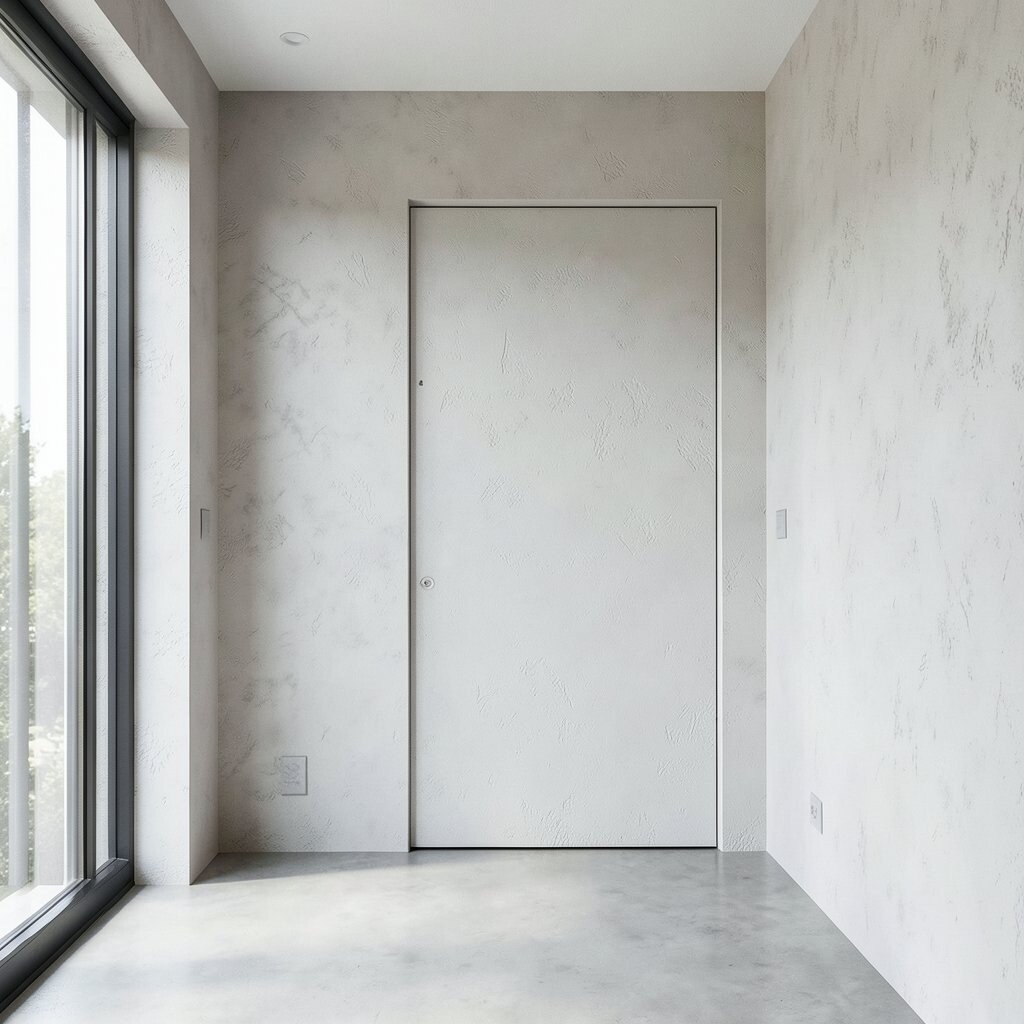
For minimalist entryways, texture can do the heavy lifting. A subtle plaster look or a simple pattern-free wallpaper adds depth without visual clutter.
Choose a tone that matches your flooring and paint palette so everything blends naturally. Textured walls also hide small marks, which is great for a high-traffic area.
When personalizing, add one accent piece like a small art frame or a modern clock that stands out against the calm background.
17. Keep Hardware Consistent for an Instant Upgrade
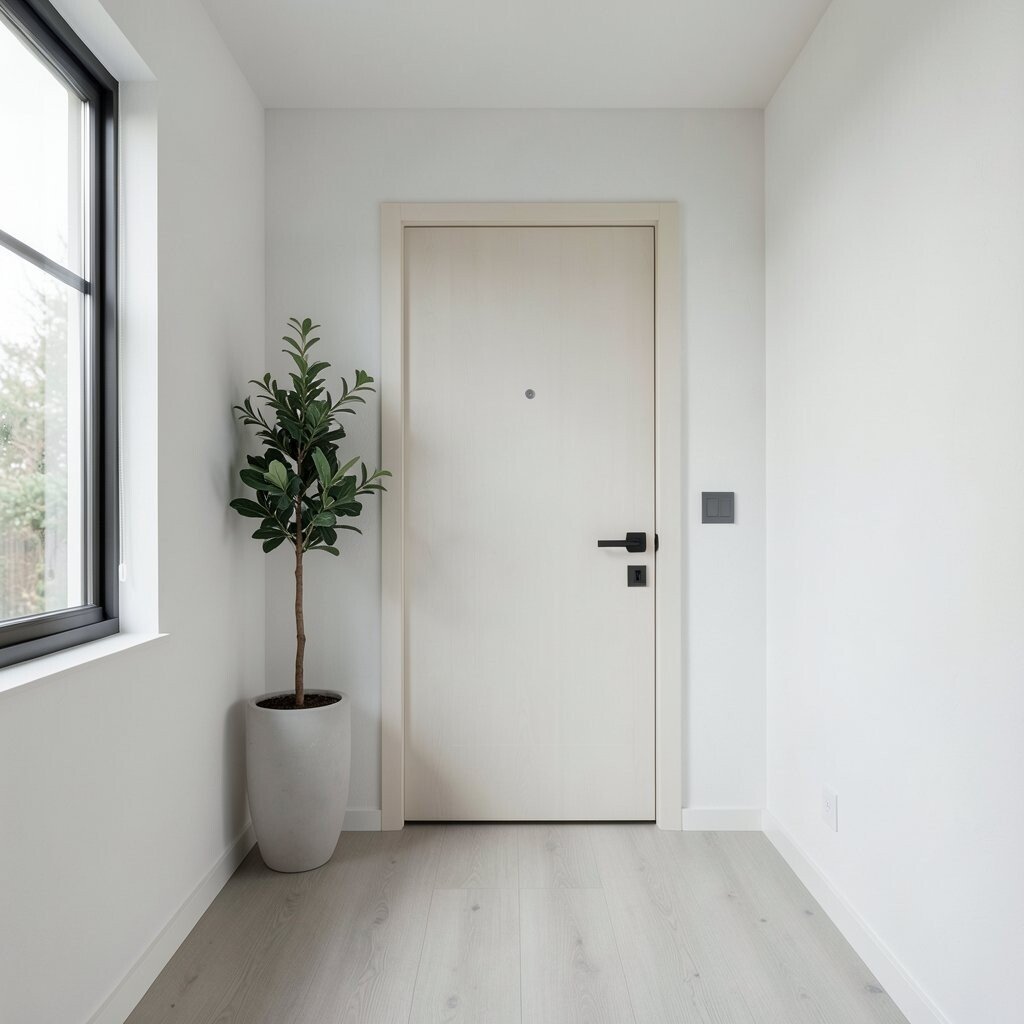
Even small details can change the whole feel of an entryway. Matching hardware finishes, like drawer pulls and coat hooks, makes the space look thought out.
This is a current trend because it creates a clean, cohesive design without needing lots of new furniture. If you rent, you can still refresh hooks and knobs, which often costs less than a bigger renovation.
For cost considerations, prioritize the spots you touch daily and choose updates that bring the biggest visual payoff.
Then keep new items in the same finish so the entry stays unified over time.
18. A Plant Corner With One Easy-Love Green
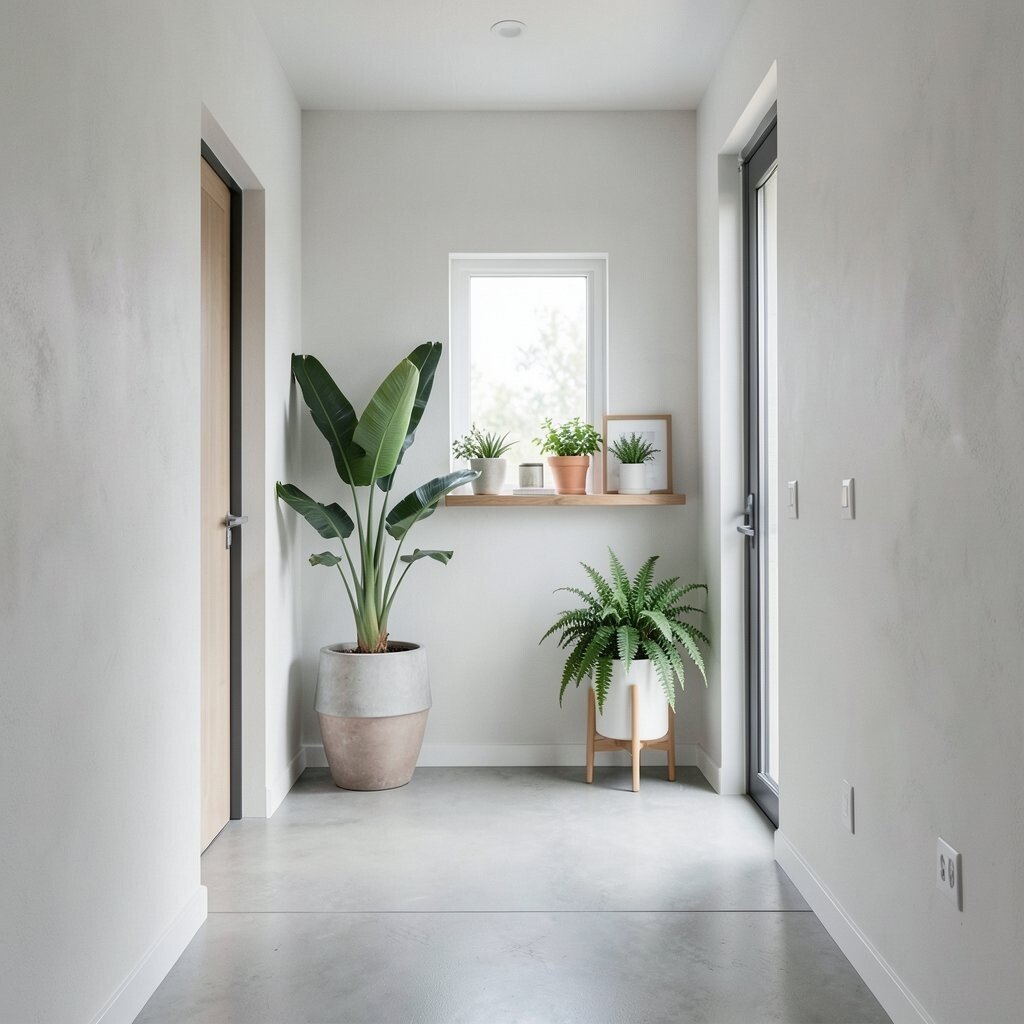
A single plant makes an entryway feel alive and welcoming. Even a small plant by the mirror softens the space and adds a calming natural note.
Choose a low-maintenance plant like a pothos, snake plant, or ZZ plant so you don’t fight with care schedules. Use a simple pot in matte ceramic or a woven container to keep the look minimalist.
For personalization, match the pot color to your rug or bench, so the greenery feels placed on purpose.
19. Swap Out the Big Doormat for a Clean Statement
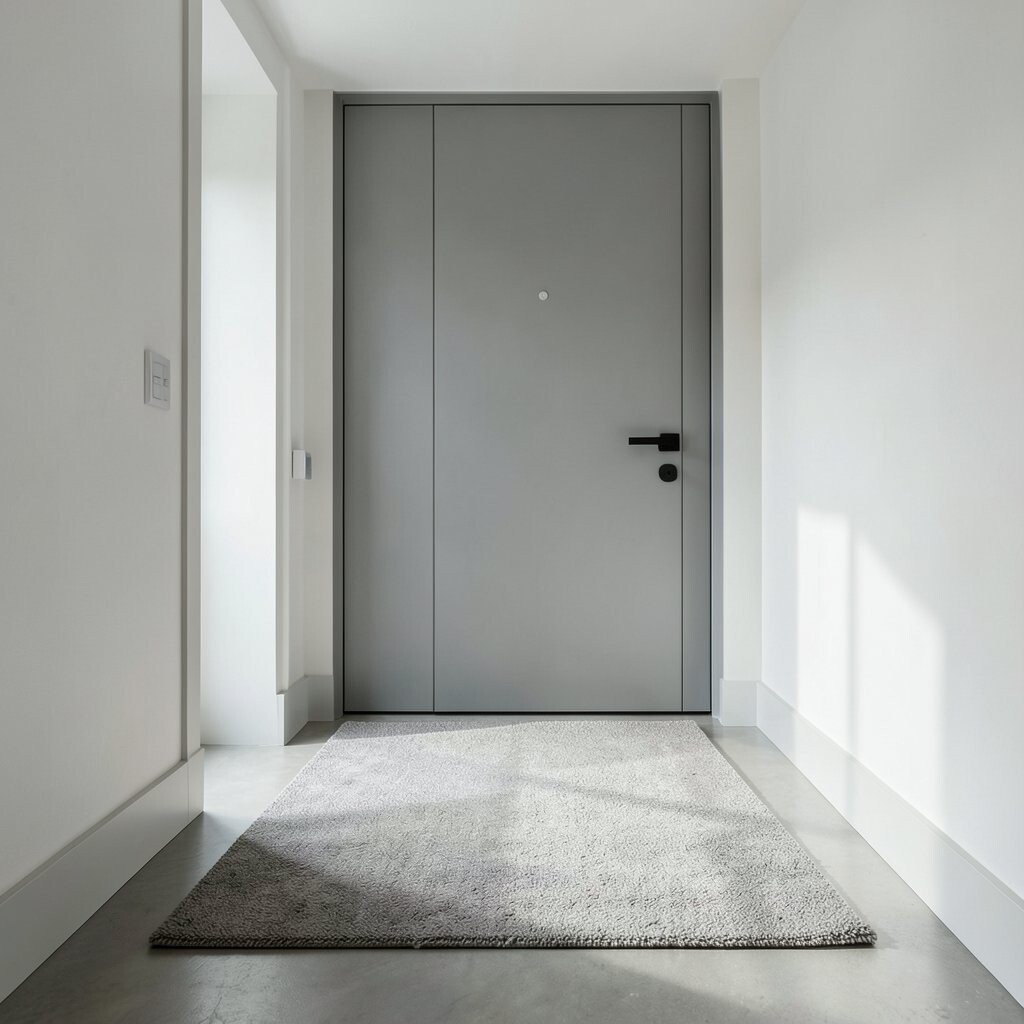
A doormat is one of the first things you notice, and it can still look minimal. Go for a simple shape, a low-contrast color, or a subtle woven texture that cleans up easily.
Durable materials like coir or rubber backing help with daily wear, which keeps the entry looking sharp. If you want a unique touch, choose a mat with a small monogram or a barely-there pattern.
To keep cost considerations friendly, replace only the doormat and one nearby accessory rather than redoing the whole entry.
Make it personal by selecting a tone that matches your shoes or your favorite accent color in the room.