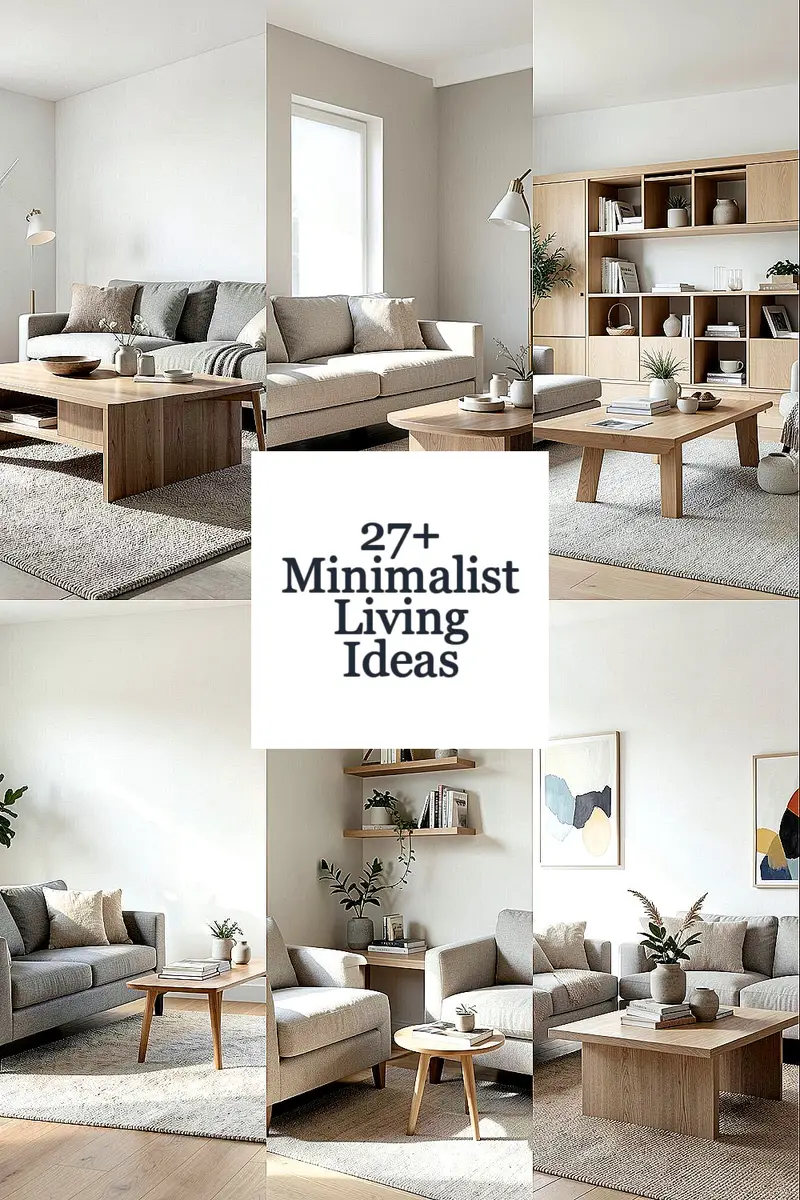
Less can feel like more when your home is calm. Small changes can make every room easier to use.
1. Start with a clear surface rule
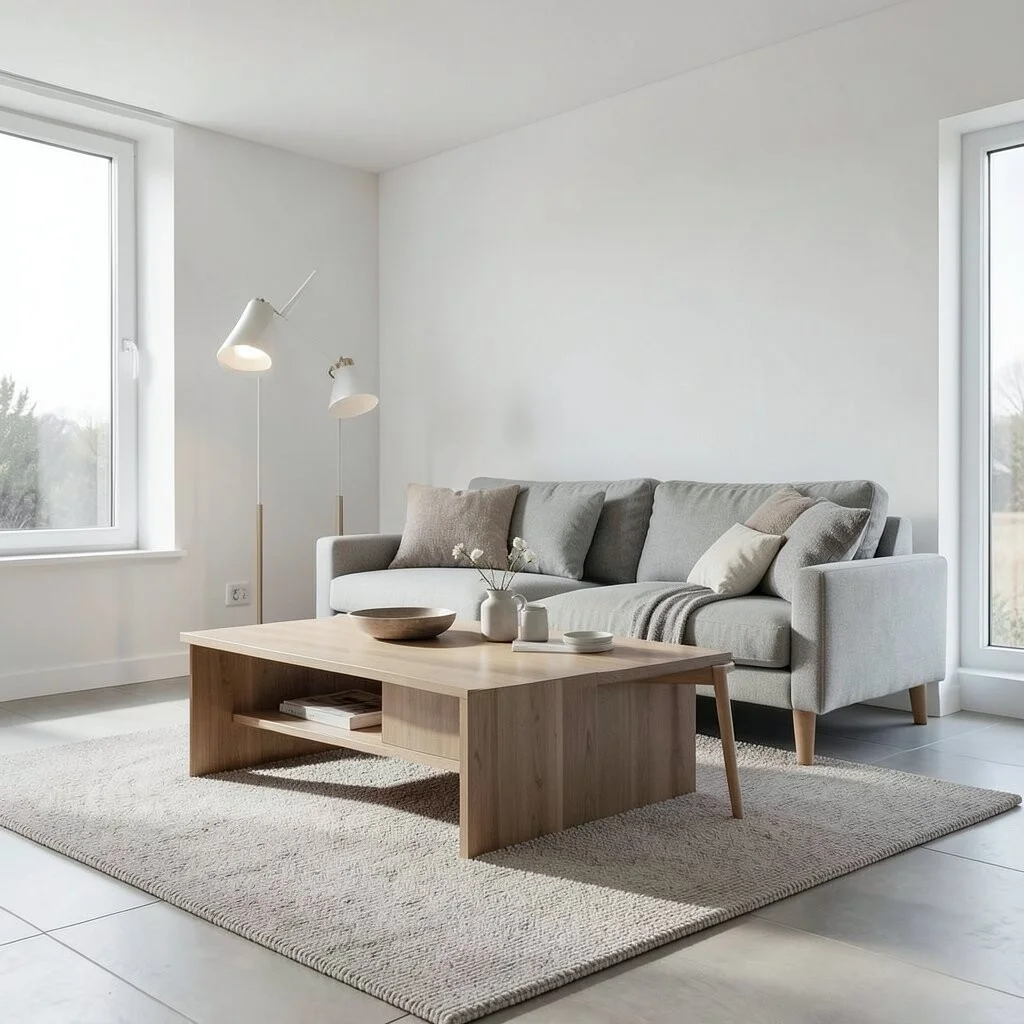
Flat spaces look peaceful when they stay open and simple. A table with only a lamp and one bowl can feel fresh right away.
This idea helps you clean faster and think more clearly. It also makes your home look bigger without buying anything new. Try choosing one special item to keep out in each room, like a plant, a candle, or a framed photo.
2. Use a soft neutral color base
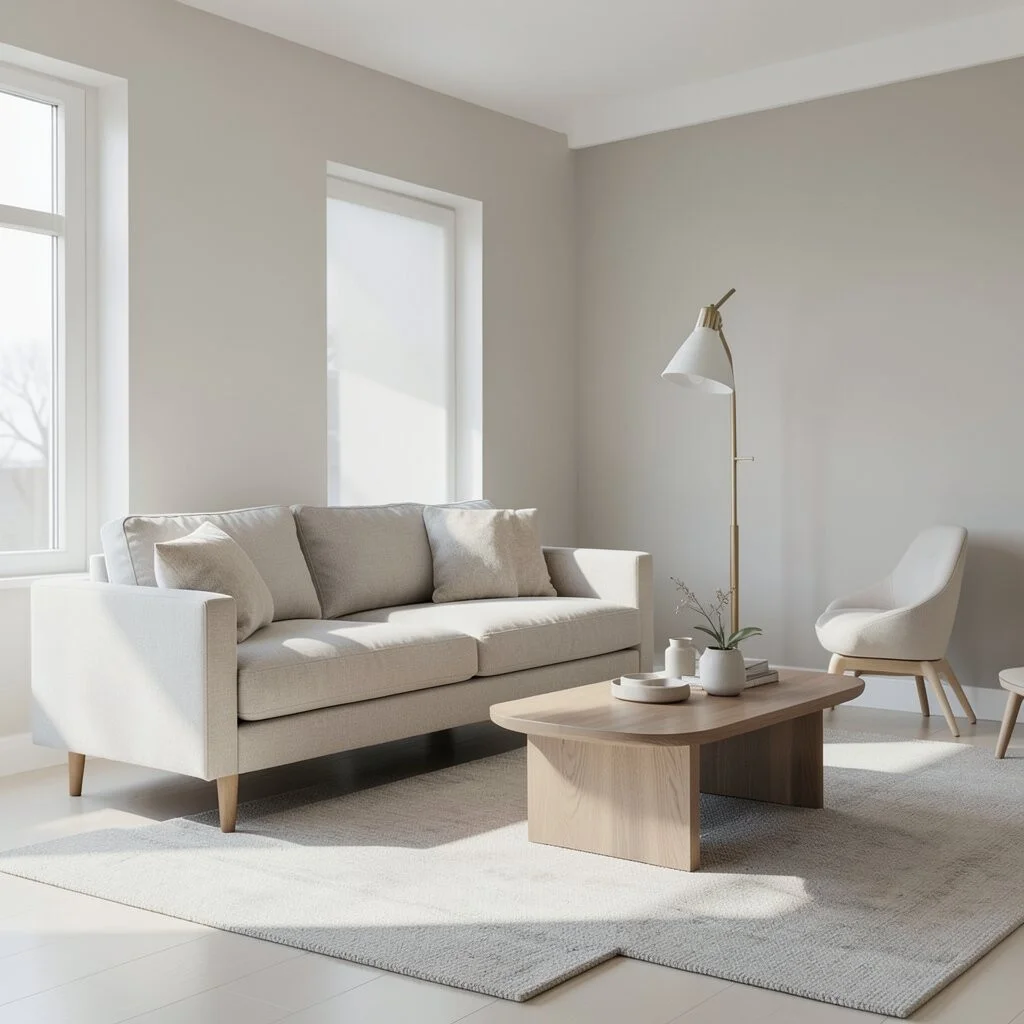
Light shades can make a room feel airy and calm. White, beige, soft gray, and warm cream work well together.
This style is popular because it feels quiet and timeless. You can add your own touch with one favorite color in a pillow, vase, or throw blanket. It is also budget friendly because paint and fabric swaps cost less than a full makeover.
If you like warmth, choose sand or oatmeal tones instead of bright white. If you want a cleaner look, keep the palette tight and repeat the same few shades around the room. A simple color base makes furniture and decor feel more connected.
3. Choose furniture with hidden storage

A storage ottoman or bed with drawers can hide clutter in plain sight. The room still looks neat, but your things stay close by.
This is a smart choice for small homes and busy families. It saves floor space and cuts down on extra bins and shelves. You can make it feel personal by storing books, games, or craft supplies inside pieces you already use every day.
Look for sturdy items with clean lines so they fit a minimalist style. Many stores now offer simple storage pieces in natural wood, soft fabric, and matte finishes. Even one smart furniture swap can change how a room works.
4. Keep only what you use often

Minimalist living works best when your things earn their place. If an item is used all the time, it deserves space.
This habit makes shelves and drawers easier to manage. It also saves money because you stop buying extras that sit unused. Try placing rarely used items in a box first, then see if you miss them after a few weeks.
5. Create one calm reading corner

A small chair, a lamp, and a blanket can make a room feel cozy and simple. The corner does not need much to feel special.
This idea gives you a quiet spot for rest and focus. It can also help you use space in a better way, especially in a living room or bedroom. Add your own style with a woven basket, a soft pillow, or a tiny side table.
Many people like reading corners because they feel personal without being crowded. You can keep costs low by using a chair you already own and moving it near natural light. A calm corner can become your favorite place in the house.
6. Pick one statement piece per room

One bold item can give a room personality without making it busy. A large mirror, a colorful chair, or an art print can do the job well.
This keeps the eye focused and helps the rest of the room stay simple. It is a great way to show style without filling every wall or shelf. You can choose a piece that matches your taste, like modern, rustic, playful, or soft and classic.
Statement pieces do not need to be expensive. A thrifted frame, a painted stool, or a handmade wall hanging can stand out beautifully. The trick is to let the piece breathe by keeping nearby decor light and simple.
7. Use baskets for quick cleanup

Baskets make a room look tidy even on busy days. They can hold blankets, toys, chargers, or mail in a neat and friendly way.
This is one of the easiest ways to keep clutter under control. It also adds texture, which makes minimalist rooms feel warmer. Try woven, fabric, or wire baskets depending on the look you like best.
Place baskets where mess tends to gather, like beside the sofa or near the entryway. You can label them if several people share the space. Affordable baskets come in many sizes, so it is easy to find one that fits your budget.
8. Let natural light do the decorating

Sunlight can make even a plain room feel lively and open. Clean windows and simple curtains help the light spread more freely.
This choice saves energy and makes colors look softer and brighter. It also gives your home a fresh, current feel that many people love right now. Sheer curtains, light shades, or no extra window clutter can make a big difference.
If your room gets little light, use mirrors to bounce brightness around. Keep window sills clear so the view stays calm and uncluttered. A bright room often needs less decoration because the light already brings beauty.
9. Build a small capsule wardrobe

A smaller closet can feel easier to use every morning. Clothes that mix and match well create more outfit choices with less effort.
This saves time, space, and money because you buy fewer pieces that work harder. It also makes laundry and folding feel less stressful. Choose colors and shapes that suit your life, not just what is trendy.
You can make the wardrobe feel like your own by keeping a few favorite accessories. A scarf, watch, or pair of shoes can change the look without adding clutter. A tidy closet often makes the whole bedroom feel lighter.
10. Keep cords and chargers out of sight
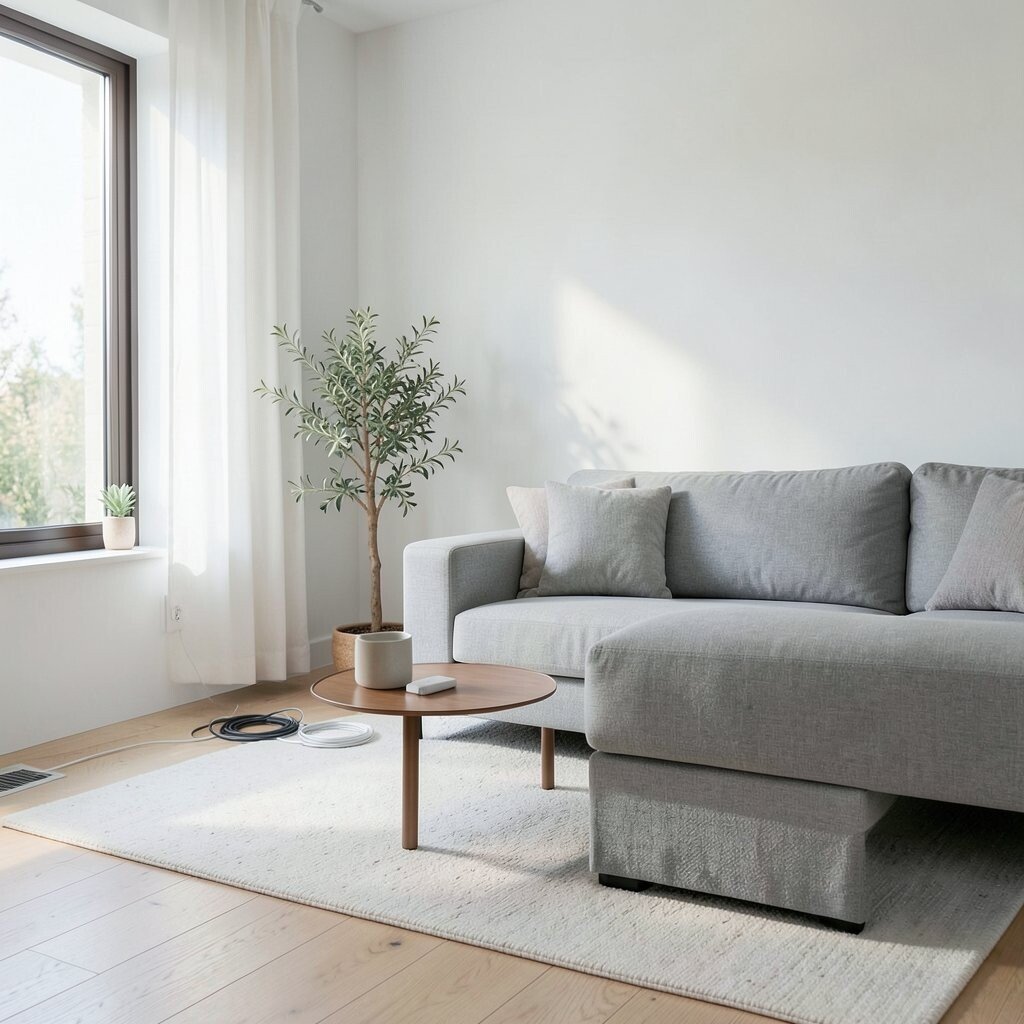
Loose cords can make even a neat room look messy. Simple clips, boxes, or sleeves can hide them fast.
This small fix makes desks and nightstands look clean and calm. It also helps you find the right charger more quickly. Many cable tools are cheap, so this is a smart update for a small budget.
Try grouping cords by use, like work, phone, or entertainment. You can tuck them behind furniture or inside a drawer with a small opening. A cleaner tech setup fits well with modern minimalist style.
11. Decorate with plants, not piles

A few green plants can bring life to a room without adding clutter. Their shapes and colors make spaces feel fresh and natural.
Plants are unique because they decorate and soften the room at the same time. They can also improve your mood and make a plain corner feel cared for. Choose easy plants if you are new to plant care, like pothos, snake plants, or succulents.
Use simple pots in clay, white, or black for a clean look. If floor space is tight, hang a plant or place one on a shelf. Even one healthy plant can make a room feel more alive.
Try not to crowd plants together if you want a minimalist feel. Leave space around each one so the shape stands out. A small plant collection can feel calm when each pot has room to shine.
12. Make the entryway simple and useful

The first spot you see at home should feel easy and clear. A hook, a bench, and a tray can handle daily items well.
This keeps shoes, bags, and keys from spreading through the house. It also helps guests feel welcome right away. You can personalize the area with a small print, a mirror, or a mat that fits your style.
Entryway storage does not need to cost much if you use what you already own. A wall hook and a basket can do a lot of work in a small space. When the entrance stays tidy, the rest of the home often feels easier to manage.
13. Use open space as part of the design

Empty space can be beautiful when it is used on purpose. A room does not need every corner filled to feel finished.
This idea gives your eyes a place to rest and makes furniture stand out more. It also helps small rooms feel less crowded. Try leaving some wall space blank and some shelves partly open so the room can breathe.
Open space is a big part of current minimalist design because it feels calm and modern. You can still make the room warm with soft textures and a few meaningful items. The balance between full and empty is what makes the look work.
14. Choose simple window coverings

Heavy drapes can make a room feel dark and busy. Light curtains, shades, or blinds often look cleaner and easier.
This choice helps bring in more light and makes walls feel taller. It also gives windows a neat frame without too much fuss. Pick a fabric or finish that fits your room, from crisp white to soft linen.
Simple window coverings can be a low-cost update with a big effect. If you want a custom feel, hang curtains a bit higher than the window to make the space look larger. The result is calm, tidy, and easy to live with.
15. Store things by category
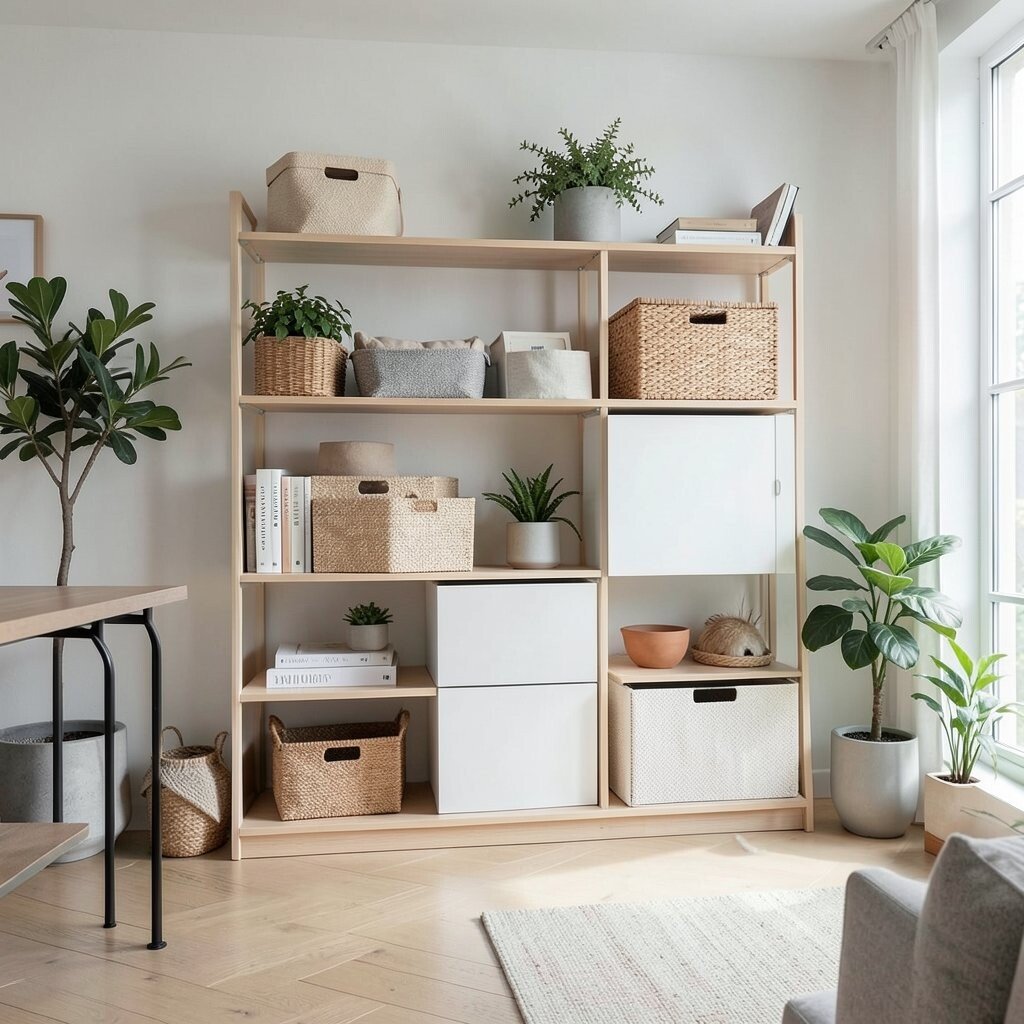
When similar items stay together, life gets simpler. Books with books, tools with tools, and papers with papers make more sense.
This makes it easier to find what you need and put it back. It also cuts down on duplicate items because you can see what you already have. Clear bins, drawer dividers, and labels can help without making the room look busy.
Try to keep the outside of the storage simple, even if the inside is well organized. That way the room still looks clean and calm. Category storage works well in kitchens, closets, offices, and play areas.
16. Hang art in a calm, planned way

Art can bring character to a minimalist room without making it feel crowded. A few well-placed pieces often work better than a wall full of frames.
This approach feels personal and stylish at the same time. It also helps your favorite images stand out more. Choose art that matches the mood you want, like peaceful landscapes, simple shapes, or black-and-white photos.
Framing art in the same color can make a wall feel neat and unified. You can also mix sizes if the spacing stays balanced. Thrifted frames are a good budget option if you want a custom gallery look.
17. Keep the kitchen counters light
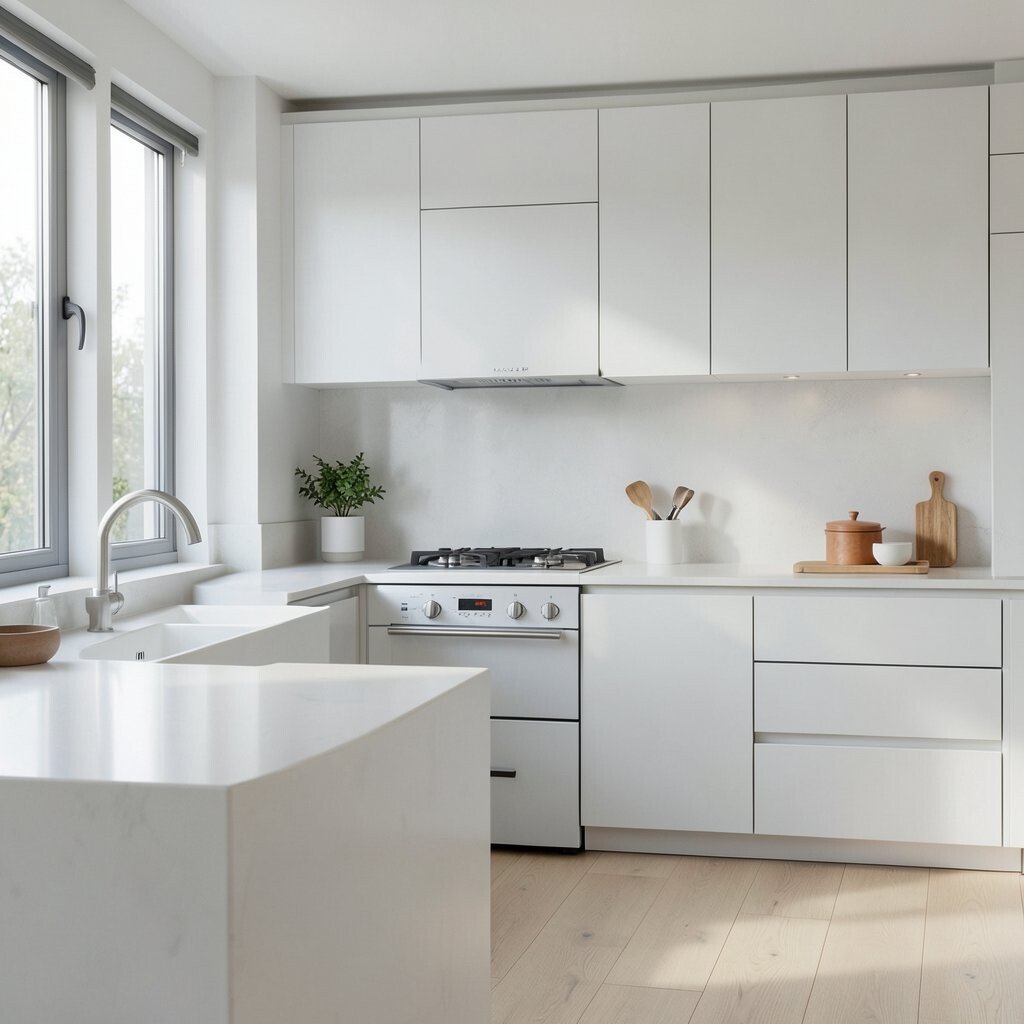
Kitchen counters look better when they are not packed with gadgets. A coffee maker, a cutting board, and one jar can be enough.
This makes cooking feel easier because you have more room to work. It also gives the kitchen a fresh, clean look that fits minimalist living well. Try storing rarely used tools in cabinets so the counter stays open.
Use matching containers for salt, sugar, or dry goods if you want a more polished feel. This small detail can make the kitchen look more organized without much effort. Clear counters are practical, pretty, and simple to maintain.
If you love a warm home feel, leave out one wooden bowl or a small plant. That personal touch keeps the room from feeling too plain. A little style goes a long way when the surface stays uncluttered.
18. Choose multipurpose decor
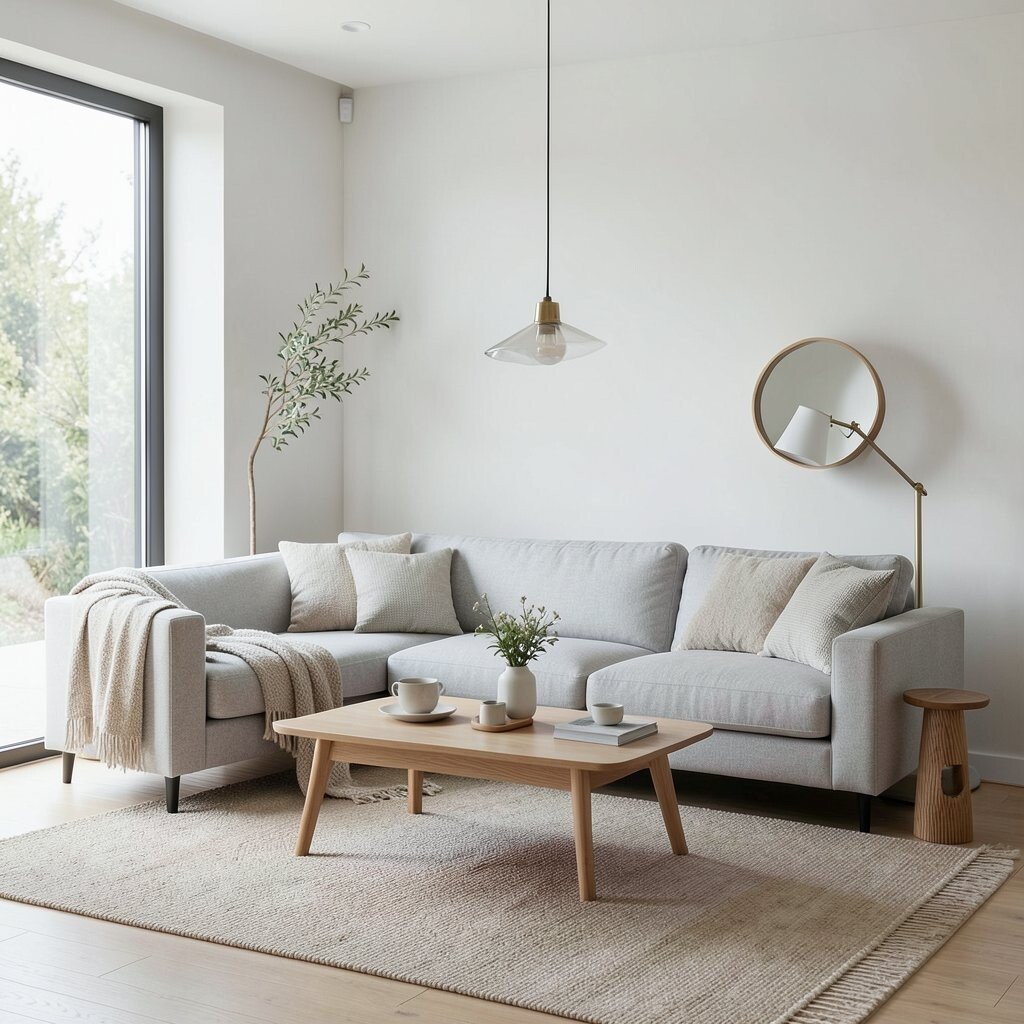
Some items can be useful and beautiful at the same time. A tray can hold keys, candles, or cups while still looking neat.
This is a smart way to save space and money. It also helps every object earn its place in the room. Look for pieces that can move from one job to another, like stools, boxes, or simple wall shelves.
Multipurpose decor is popular because homes are getting smaller and people want less clutter. You can make it feel personal by choosing colors and materials you love. Natural wood, soft metal, and woven textures work well in many rooms.
19. Keep bedside tables very simple

A bedside table works best when it holds only the essentials. A lamp, a book, and a glass of water may be enough.
This makes bedtime feel calmer and mornings feel less rushed. It also keeps dust down and makes cleaning easier. Try a small tray to hold tiny items like glasses, lip balm, or a watch.
You can personalize the table with one framed photo or a tiny plant if you want a softer look. Keep cords tucked away so the surface stays neat. A simple nightstand can make the whole bedroom feel more restful.
20. Use a thoughtful mix of textures

Minimalist rooms do not have to feel cold or flat. Soft blankets, smooth wood, woven baskets, and matte metal can add gentle interest.
This mix gives the eye something to enjoy without adding clutter. It also makes a room feel cozy and layered in a quiet way. Try repeating one or two textures in several places so the room feels connected.
Texture is a big trend because it adds warmth without extra stuff. You can change the feeling of a room with a rug or cushion instead of buying more decor. That keeps costs lower while still making the space feel special.
21. Keep cleaning supplies easy to reach
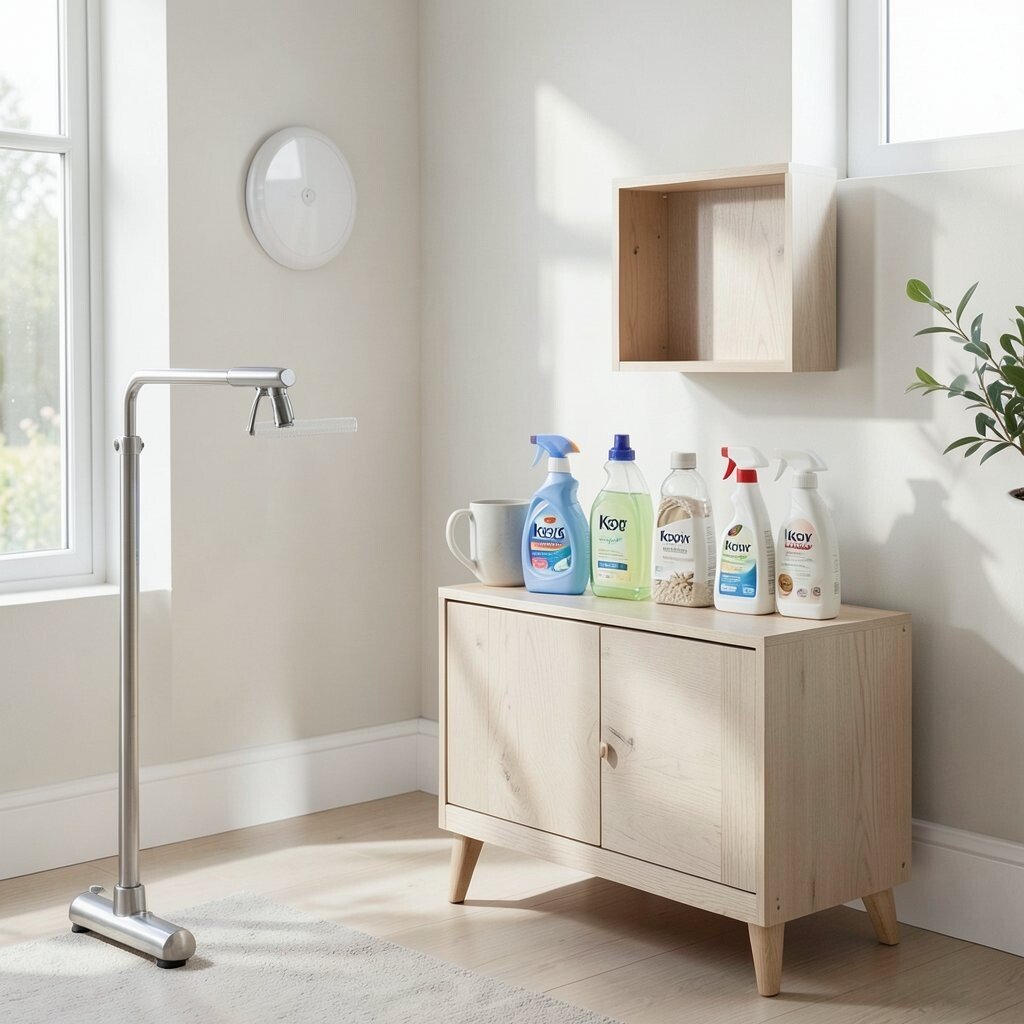
When cleaning tools are nearby, tidying becomes much simpler. A small caddy or hidden cabinet can hold the basics.
This helps you clean little messes before they grow. It also supports a minimalist home because the space stays neat with less effort. Choose a small set of supplies that works well instead of keeping too many products.
You can personalize the setup by using containers that match your home style. A plain bin, labeled spray bottles, and cloths in one color can look surprisingly tidy. Simple storage makes daily care feel lighter and faster.
22. Limit decorative collections

Collecting can be fun, but too many items can crowd a room. A small, chosen group often looks more special than a large display.
This helps each piece stand out and keeps shelves from feeling busy. It also saves money because you become more careful about what you bring home. Pick a theme that matters to you, like shells, small pottery, or vintage books.
If you love a collection, rotate the pieces instead of showing all of them at once. That keeps the room fresh without adding more stuff. A small display can feel meaningful, neat, and easy to enjoy.
23. Use simple storage in the bathroom

Bathroom counters can get crowded fast, so a clean setup matters. Small trays, jars, and under-sink bins can help a lot.
This makes the room feel fresher and easier to use every day. It also keeps toiletries from spreading across every surface. Choose containers that are easy to wipe clean and look calm on the counter.
Clear jars work well for cotton pads, cotton swabs, or bath salts. If you prefer a softer look, use ceramic or frosted glass instead. A tidy bathroom can feel like a small spa without a big cost.
24. Make a simple work zone

A desk works better when it holds only what helps you focus. A laptop, a notebook, and one pen holder can be enough.
This setup cuts distractions and makes work feel less heavy. It also creates a clean visual break from the rest of the room. Try a desk lamp with a simple shape and keep papers in one folder or tray.
You can make the space feel personal with one small photo or a plant. Keep colors soft so your eyes can rest during long tasks. A neat work zone can help both kids and adults stay on track.
25. Choose quality over quantity

One well-made item often works better than many cheap ones. A strong chair, a good rug, or a solid shelf can last longer and look better.
This idea can save money over time because you replace things less often. It also keeps the home from filling up with items that do not last. Look for pieces with simple shapes and materials that age well.
Quality does not always mean expensive. Secondhand stores, local makers, and sales can help you find good pieces at fair prices. When your items last, your space stays simpler too.
26. Keep the floor as open as possible

Open floor space makes a room feel larger and easier to move through. Fewer items on the ground means less visual noise.
This is helpful in small homes, apartments, and busy family rooms. It also makes sweeping and vacuuming much easier. Try using wall shelves or mounted storage so more of the floor stays clear.
A rug can still work well if it is the right size and shape. Choose one that anchors the room without covering too much space. A clear floor gives minimalist rooms their calm, open feel.
27. Add personal meaning, not random decor
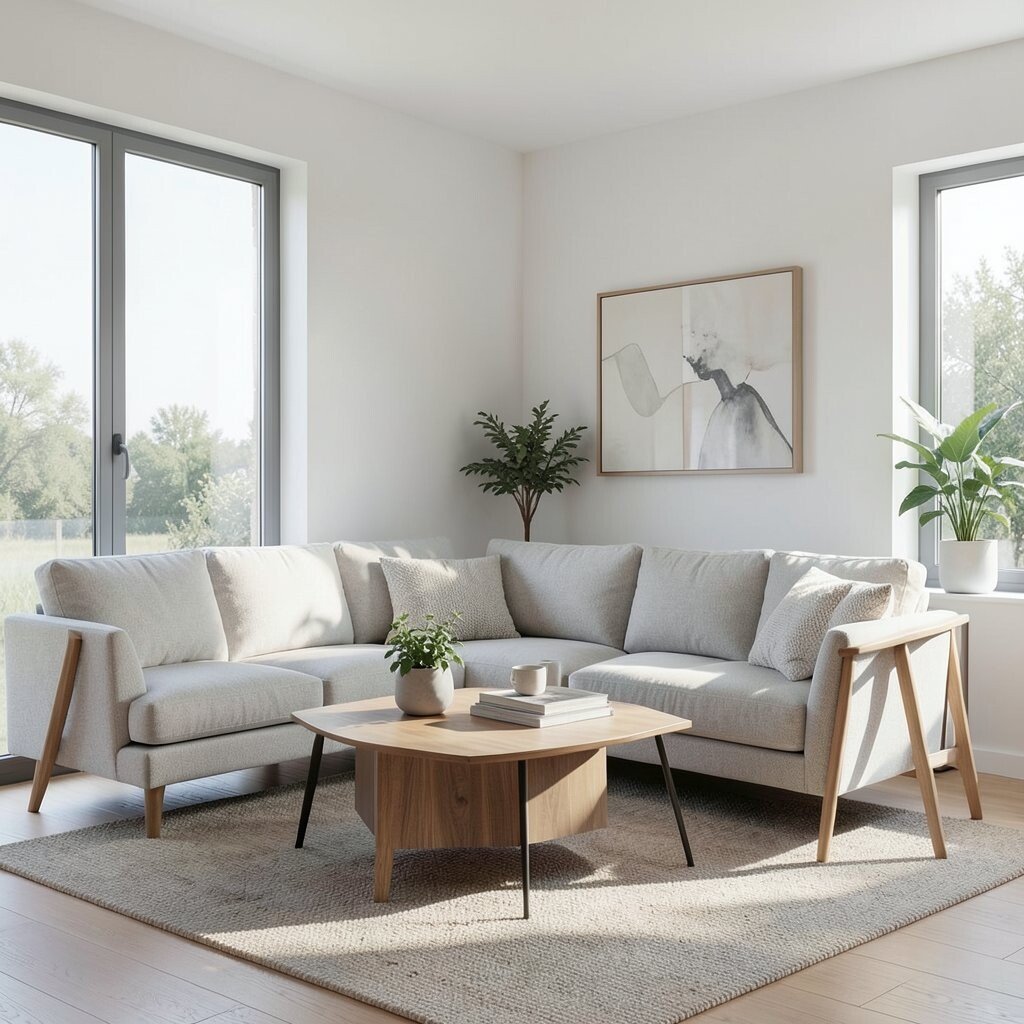
Minimalist living still leaves room for your story. A few loved items can make a home feel warm and real.
This keeps the space from looking cold or copied from a catalog. It also helps you enjoy what you see every day. Choose items with memory or meaning, like a family photo, a travel keepsake, or a handmade gift.
Try placing those pieces where they can be noticed without taking over the room. A small shelf or framed wall spot can be enough. Personal decor works best when it feels calm, chosen, and easy to care for.
28. Build habits that keep clutter from coming back
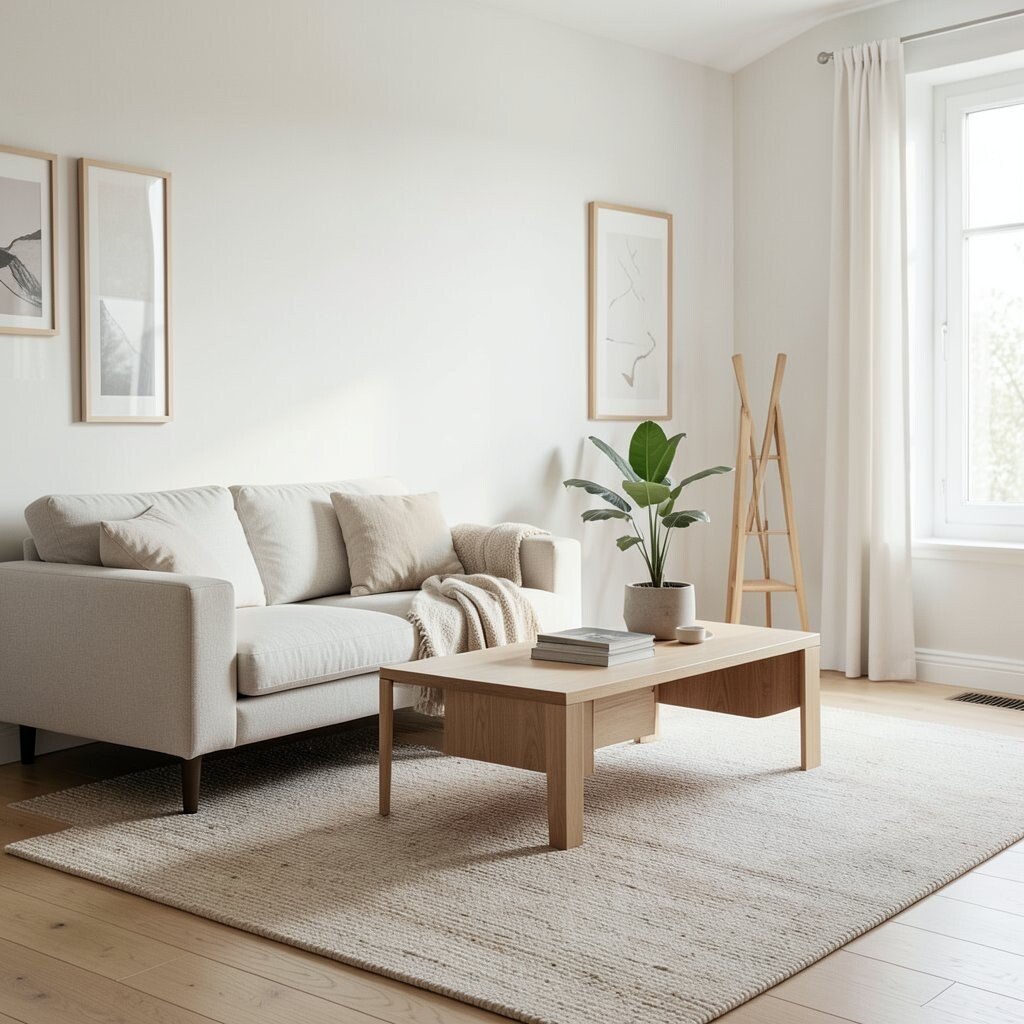
A simple home stays simple when daily habits support it. Putting things back right away can make a huge difference.
This habit protects all the work you put into your space. It also keeps you from needing long cleaning sessions later. You can make it easier by using a five-minute reset at the end of the day.
Try giving every item a home so it always has a place to go. If something new comes in, something old may need to leave. That small rule keeps the room balanced and helps minimalist living feel natural.