Room decoration can be an exciting adventure, a way to bring your personality to life in your space. But sometimes, even the best intentions can lead to design blunders that dampen the vibe.
1. Ignoring the Power of Lighting
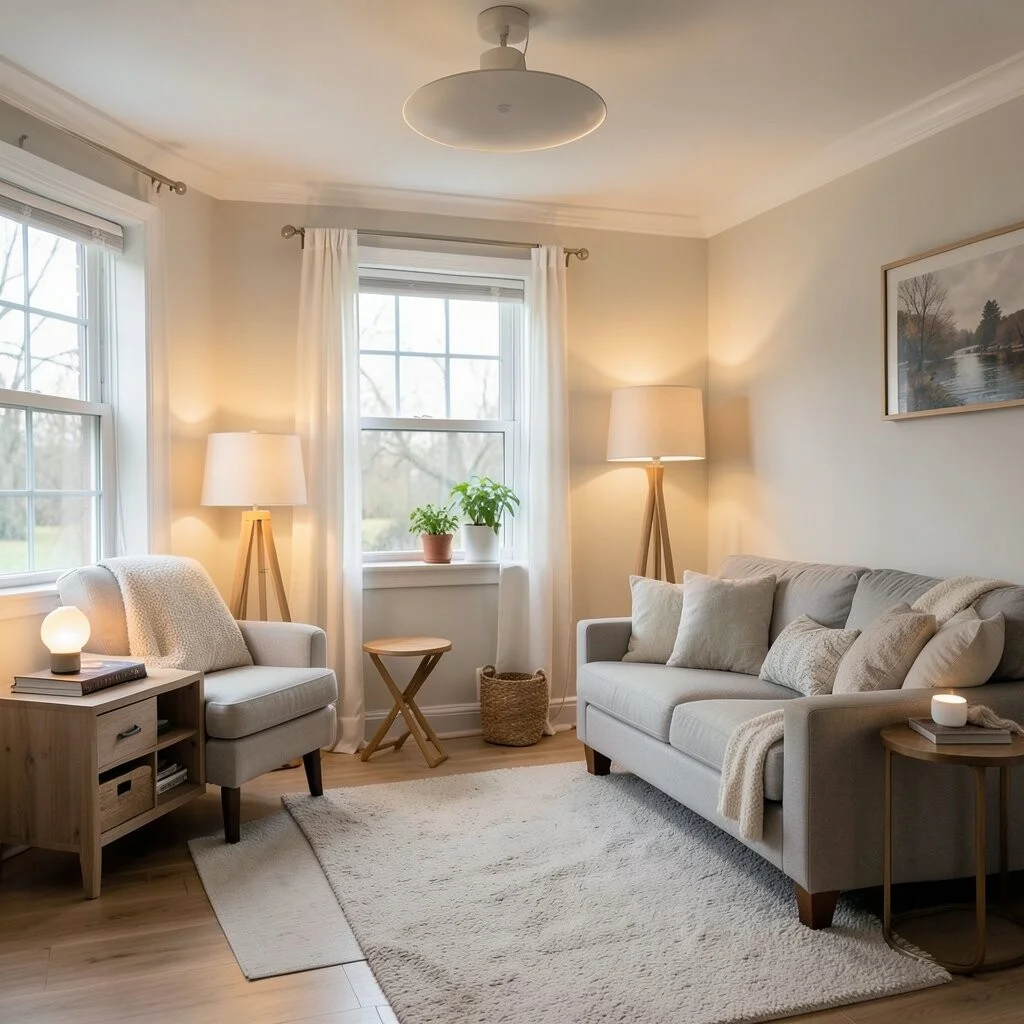
Lighting is like magic. It can make a room feel cozy or energetic. But forgetting about it is a common mistake.
Try layering your lights. Use a mix of overhead lights, floor lamps, and table lamps. This not only adds depth but also lets you set different moods. Plus, it’s easy on the eyes!
Consider warm bulbs for a soft glow. They are perfect for reading nooks or comfy corners. And for those who love trends, smart bulbs are all the rage and can change colors with a tap on your phone.
2. Overlooking the Importance of Rugs
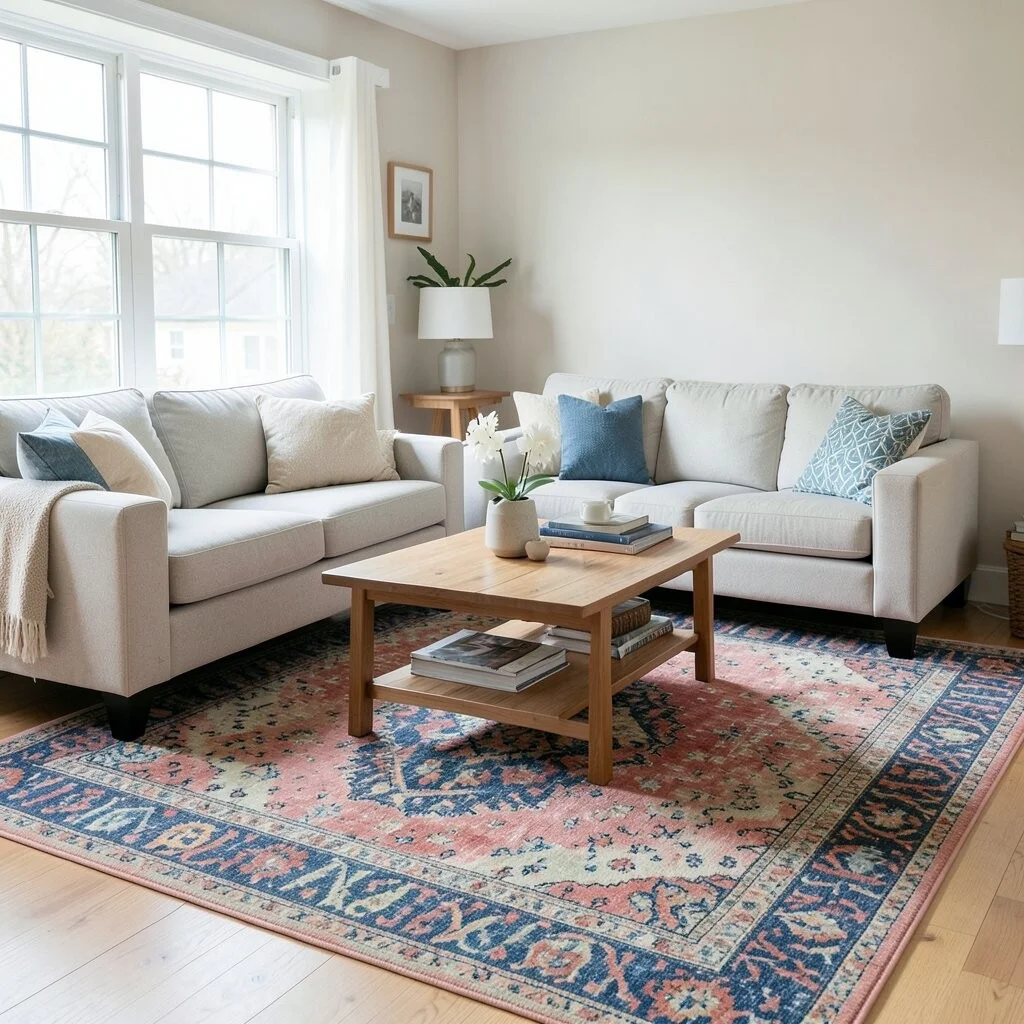
Rugs are like the shoes of your room. They tie everything together. Forgetting them can leave your space feeling cold.
A bright or patterned rug can act as a room’s centerpiece. It draws attention and adds personality. Plus, it’s a great way to try bold colors without painting your walls.
Don’t skimp on size. Make sure your rug is big enough to fit under all your furniture. This trick makes any room look put together and spacious.
3. Choosing Matching Furniture Sets
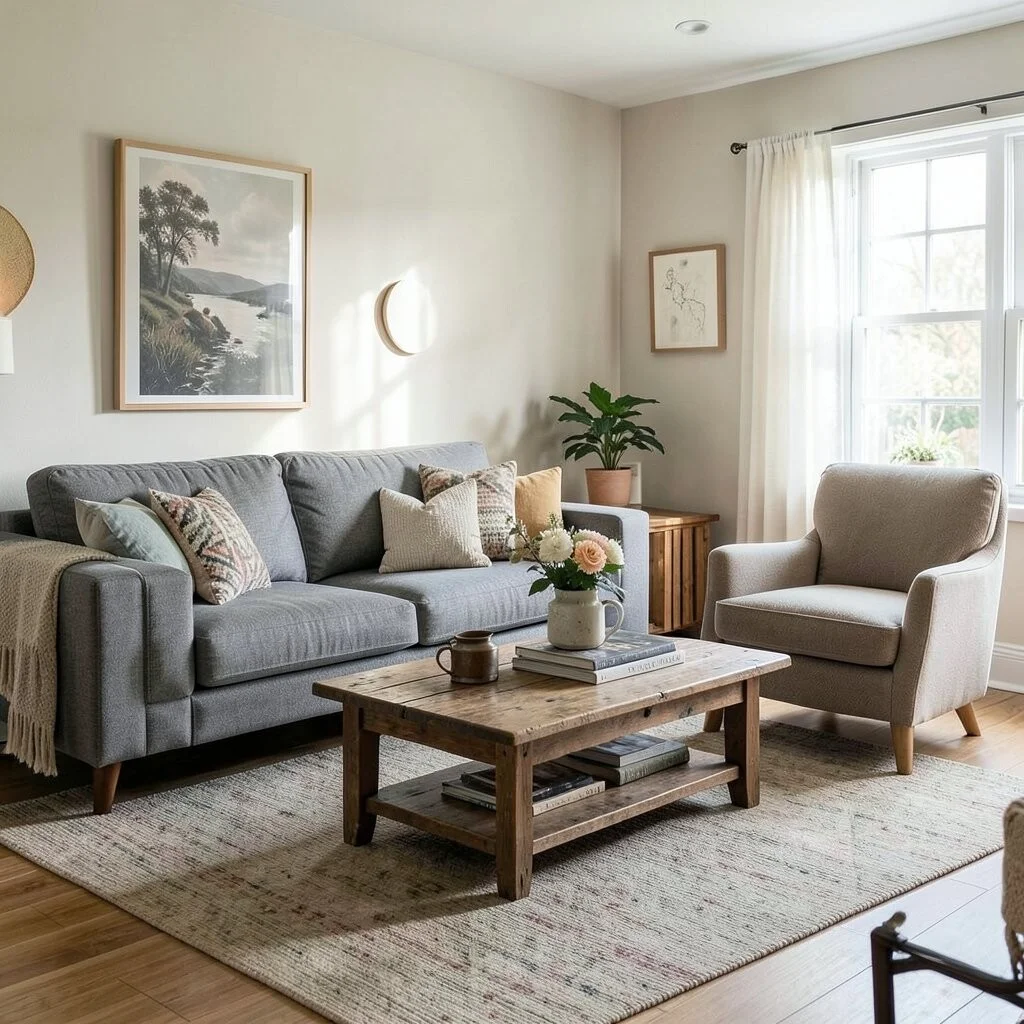
Matching furniture sets might seem like an easy choice, but they can make your space feel like a showroom, not a home.
Mixing and matching different styles or textures is more interesting. Pair a modern couch with a vintage coffee table. It creates character and tells a story about you.
Try thrifting for unique pieces. It’s cost-effective and you might stumble upon a rare gem that adds charm to your room.
4. Forgetting About Wall Art
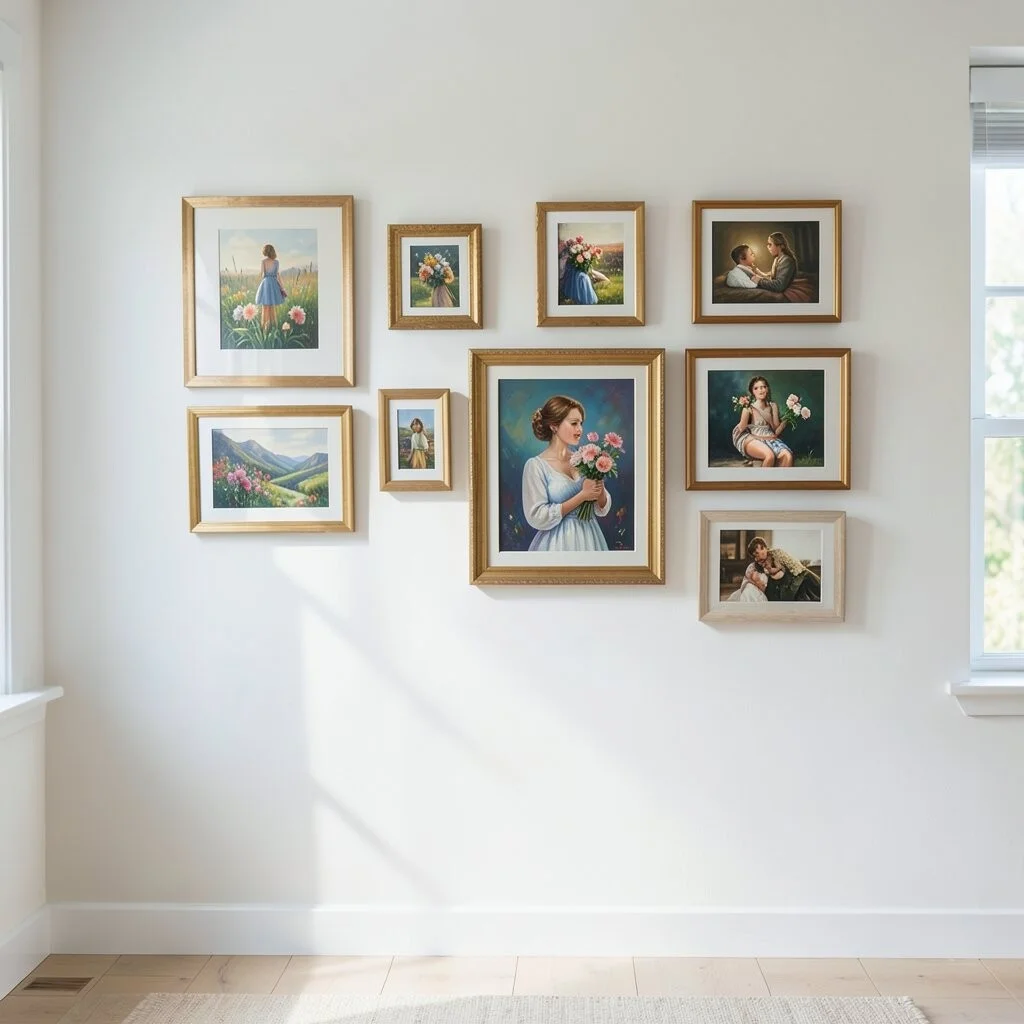
Bare walls can be uninspiring. Art adds life and color. It’s like jewelry for your walls!
Think about a gallery wall. Mix different sizes and frame styles. It’s a fun way to show off your personality and interests.
If buying art seems expensive, try creating your own. Paint a canvas or print out your favorite photos. Personal touches are always in style.
5. Not Considering Scale and Proportion
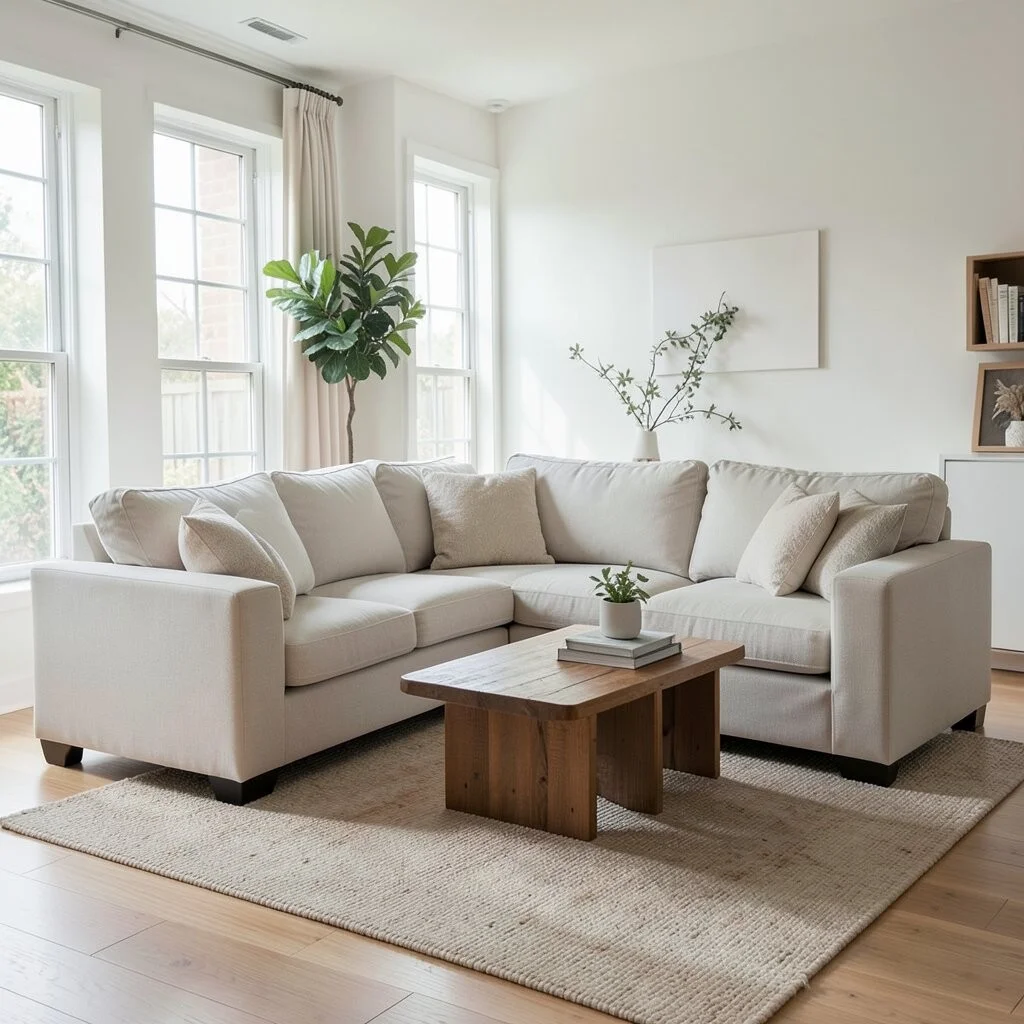
Have you ever been in a room where the furniture just feels…off? That’s often a scale issue.
Make sure your furniture fits the space. A huge sofa can overwhelm a small room. Likewise, tiny furniture in a large space can feel lost.
Measure before you buy. And if you’re unsure, paper templates can help visualize how pieces will fit. It’s a free and easy trick!
6. Neglecting the Ceiling
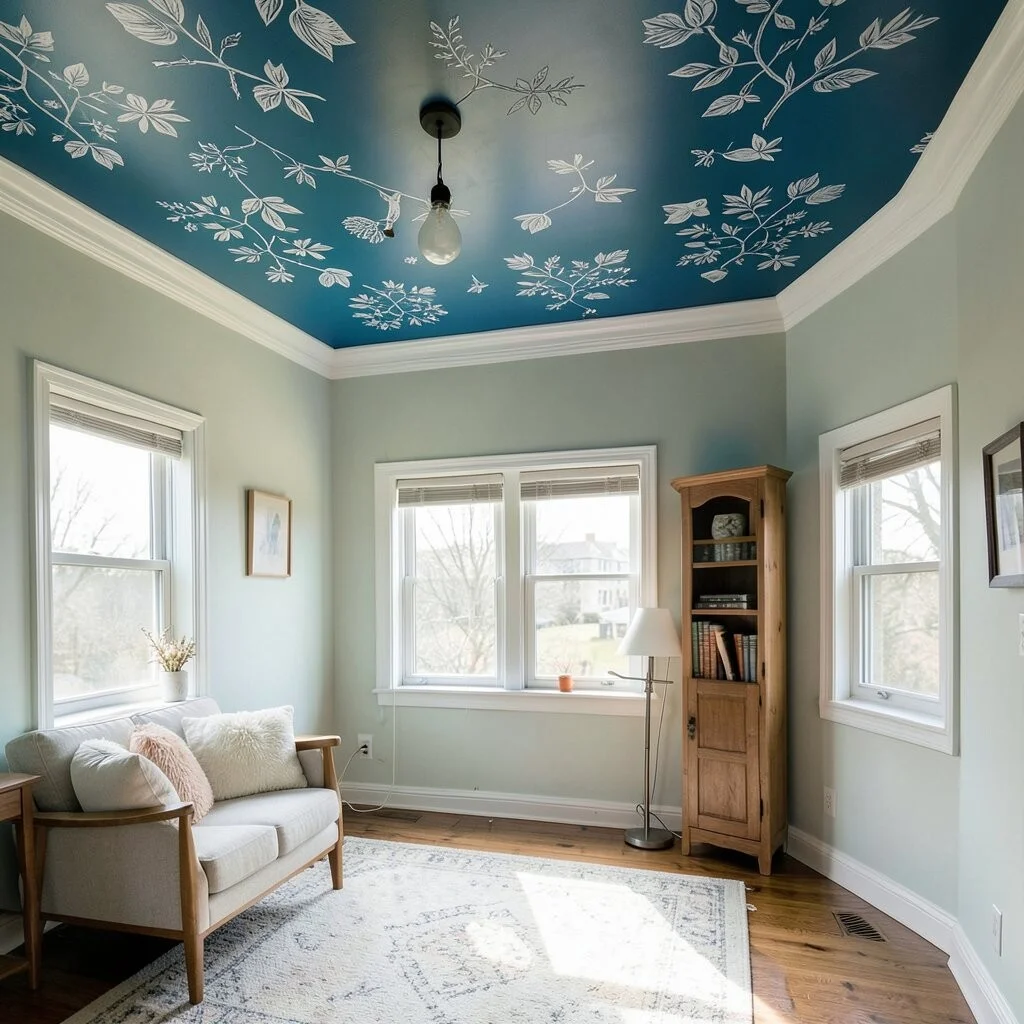
The ceiling is often called the fifth wall. Ignoring it means missing out on great design opportunities.
Consider painting it a bold color or adding wallpaper. It can make your room feel taller and more stylish.
For a DIY project, add some stenciling or decals. It’s a simple way to bring a personal touch without breaking the bank.
7. Overloading on Trends
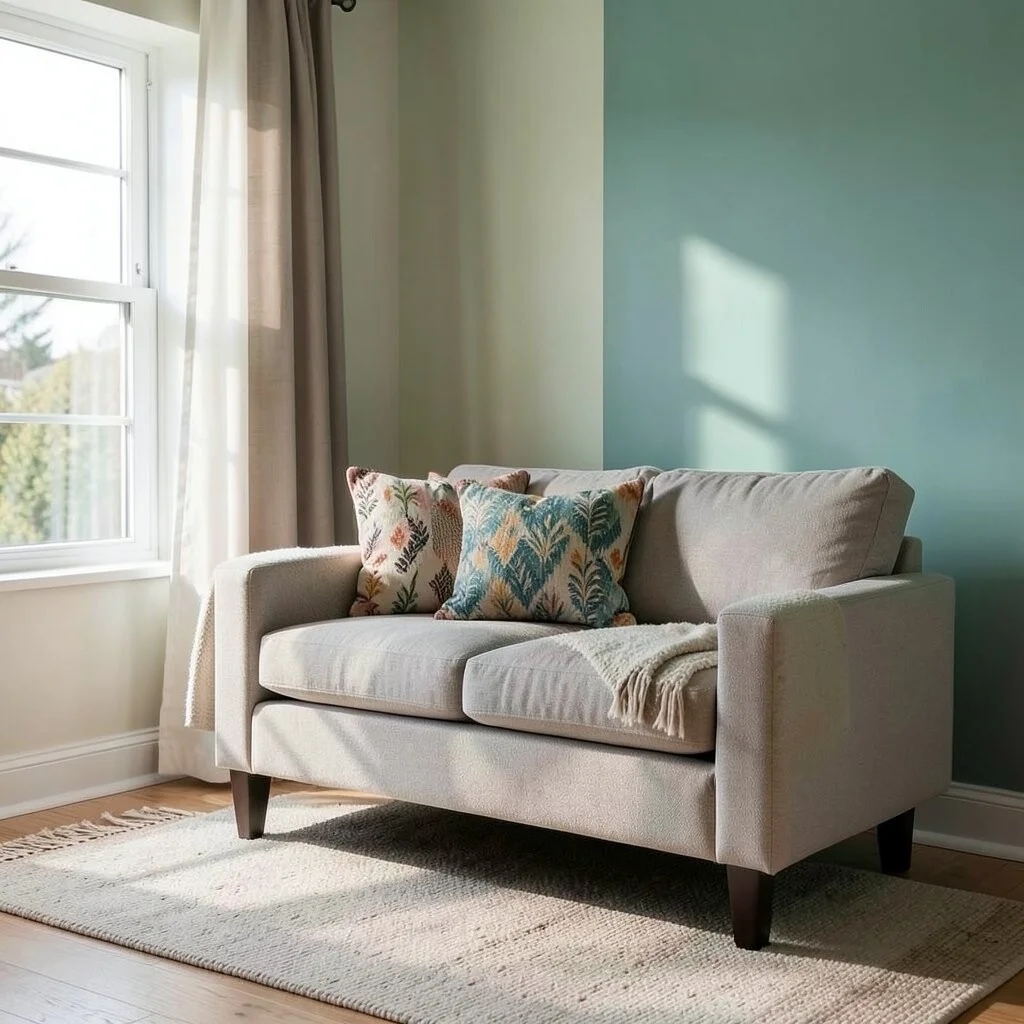
Trends are fun, but going overboard can make your space feel dated quickly.
Pick one or two trends you love and incorporate them in small doses. Maybe a trendy cushion or a popular color for an accent wall.
Remember, your space should feel timeless and true to you. Balance is key to keeping things fresh and inviting.
8. Failing to Create a Focal Point
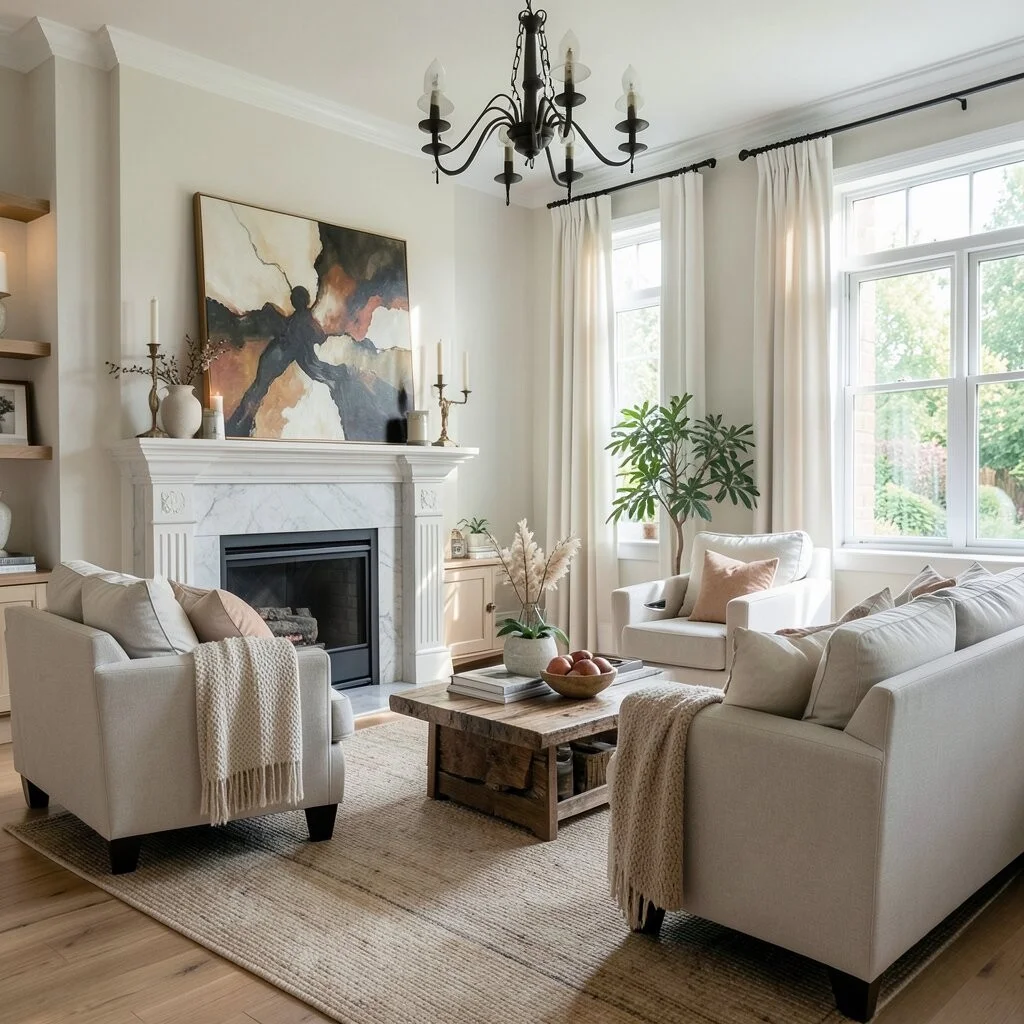
Every room needs a focal point, a place where the eye naturally goes first.
This can be a fireplace, a stunning piece of art, or even a large window. It anchors your room and gives everything else a sense of place.
Use this focal point to guide your furniture arrangement. It makes decorating easier and more cohesive.
9. Disregarding Personal Style

Your home should reflect you. Following every design rule can make a space feel impersonal.
Incorporate elements that speak to you. A quirky lamp or a collection of travel souvenirs adds a personal touch.
Mix your favorite colors and textures. The result is a room that feels uniquely yours and endlessly inviting.
10. Neglecting Storage Needs
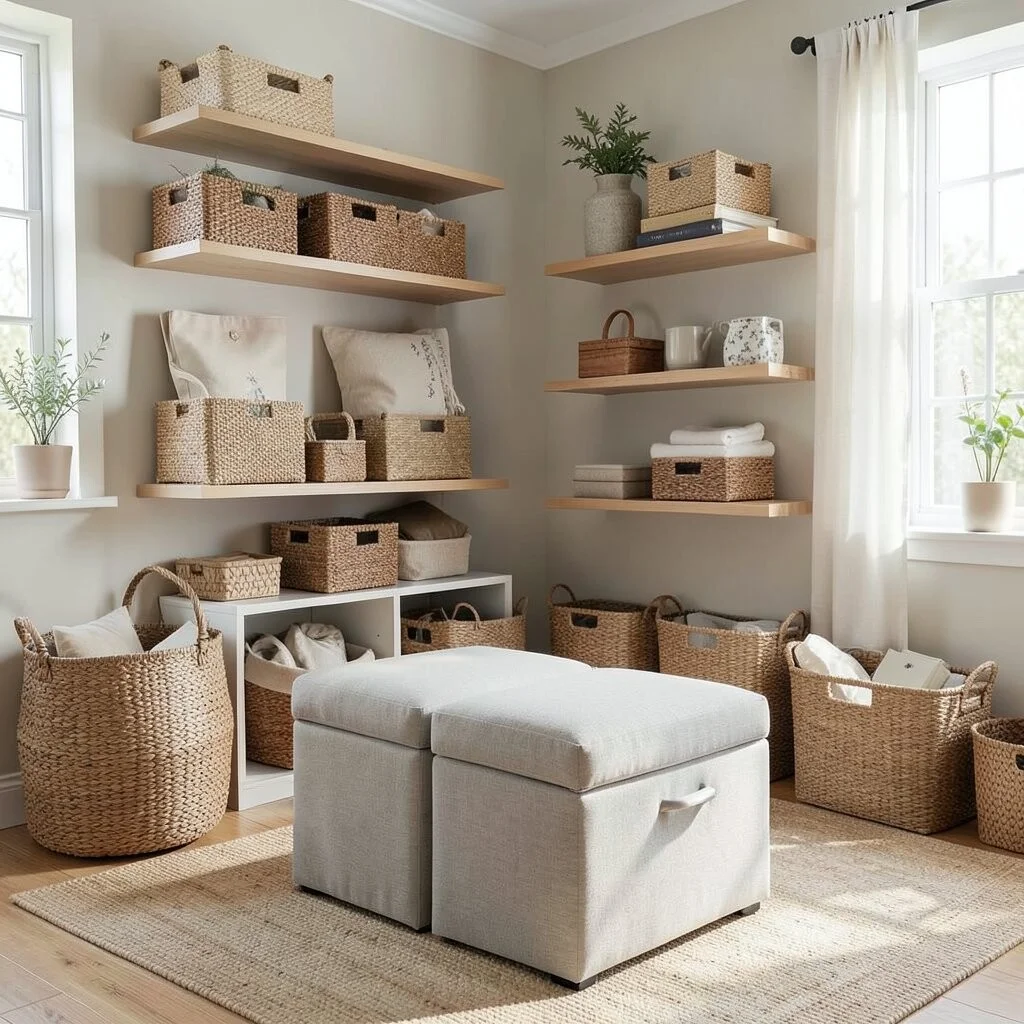
Clutter can ruin even the most beautifully decorated room. Storage is your best friend.
Think creatively about storage solutions. Ottomans with hidden compartments or wall shelves make a big difference.
Incorporate baskets and bins to keep things organized. They come in various styles, adding charm while being functional.
11. Misjudging Color Palette
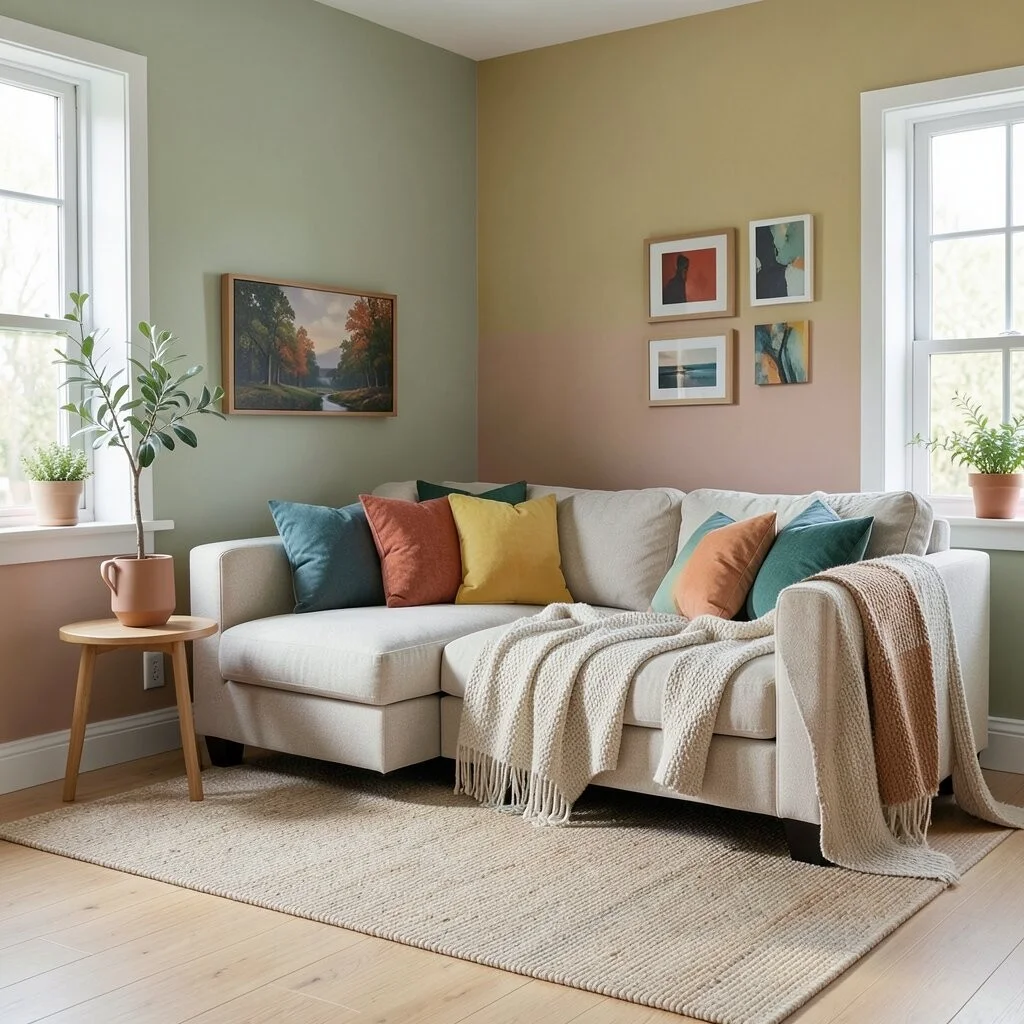
Color sets the mood. Choose wisely, as too many hues can overwhelm a space.
Pick a base color and a couple of accent colors. This helps in creating a cohesive look. Neutral tones are a safe choice and can be easily refreshed with colorful accessories.
If you’re feeling bold, try color blocking. It’s trendy and adds a playful touch to any room.
12. Overstuffing the Space
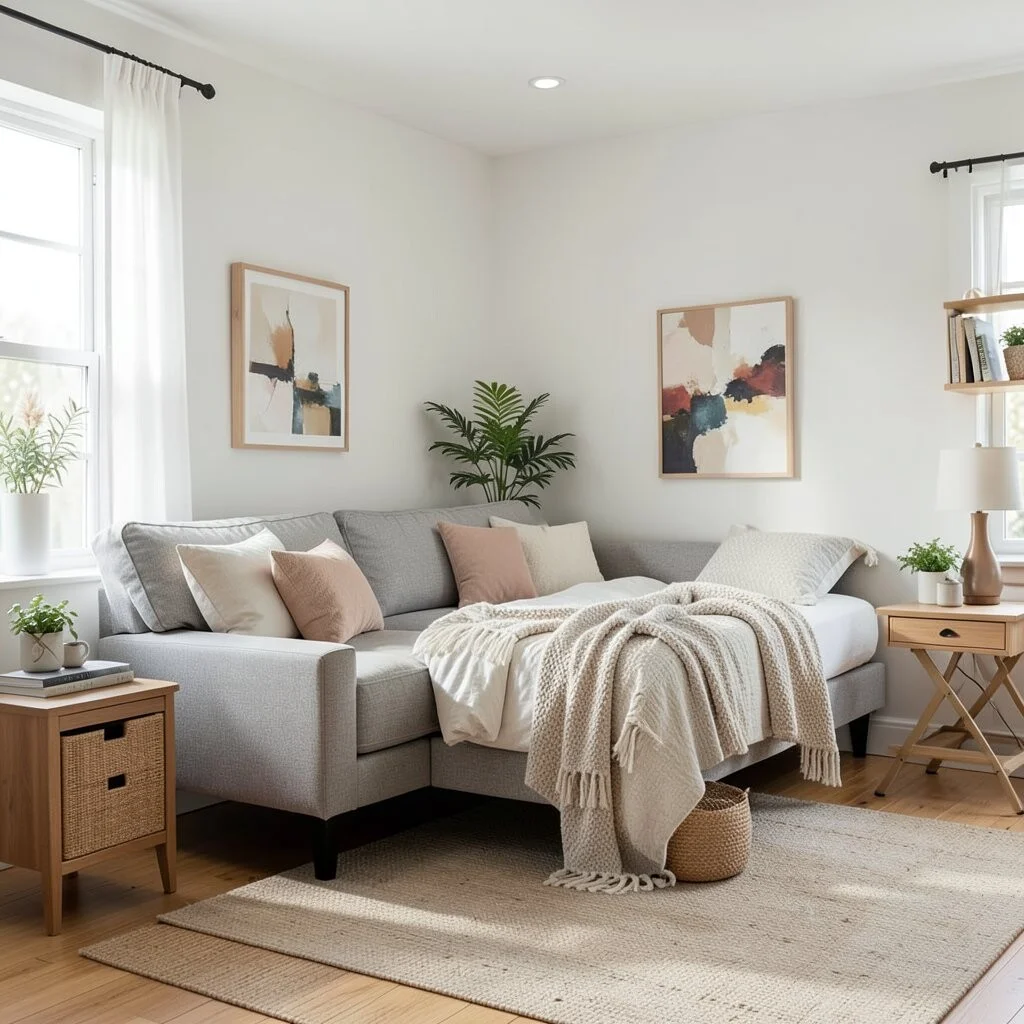
Overcrowding a room can make it feel cramped and chaotic.
Less is often more. Select a few key pieces that you love and let them shine. Your room will feel more open and airy.
Consider multi-functional furniture. A sofa bed or a foldable desk can save space without sacrificing style.
13. Overlooking Window Treatments
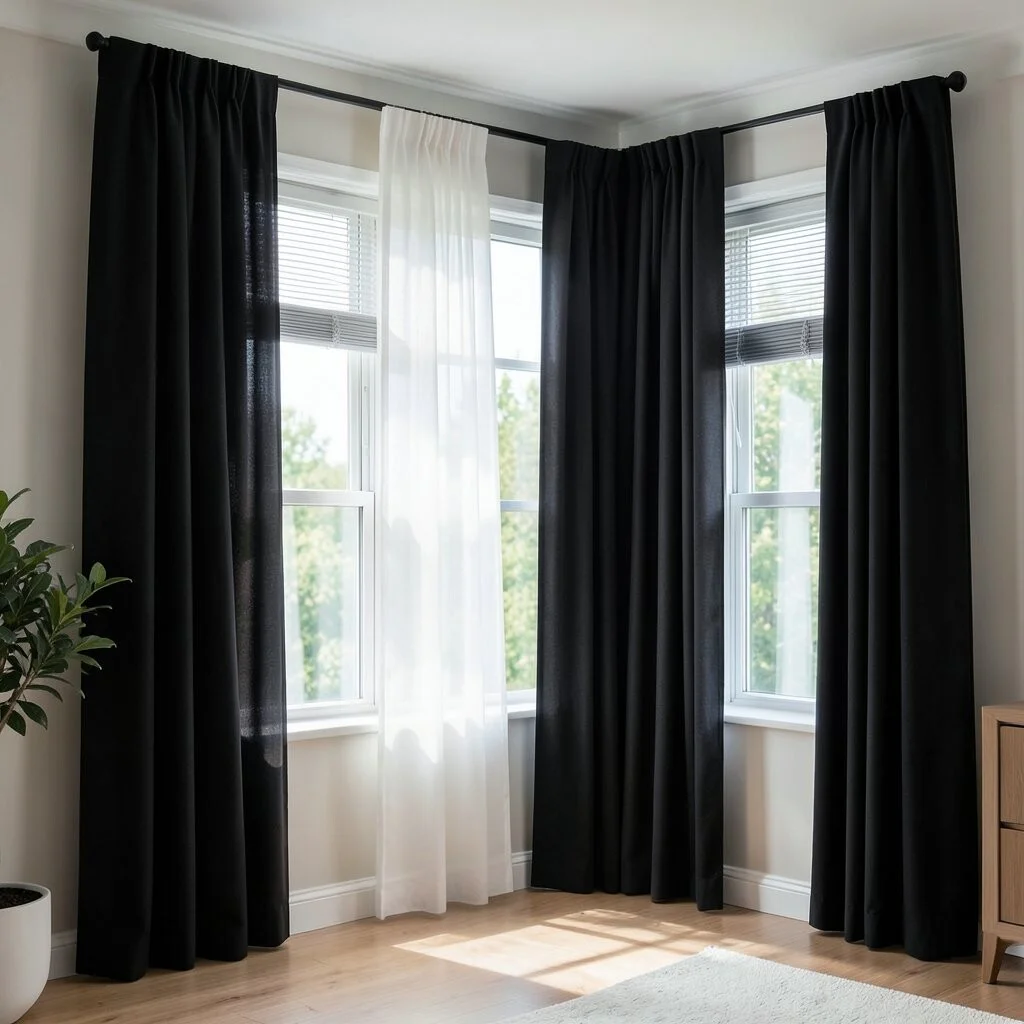
Windows need love too! The right treatments can change the look of a room completely.
Think about layering with sheer and blackout curtains. They offer versatility in light control and privacy.
If you love a view, go for minimal treatments. A simple valance or blinds can keep things chic and modern.
14. Forgetting About Greenery
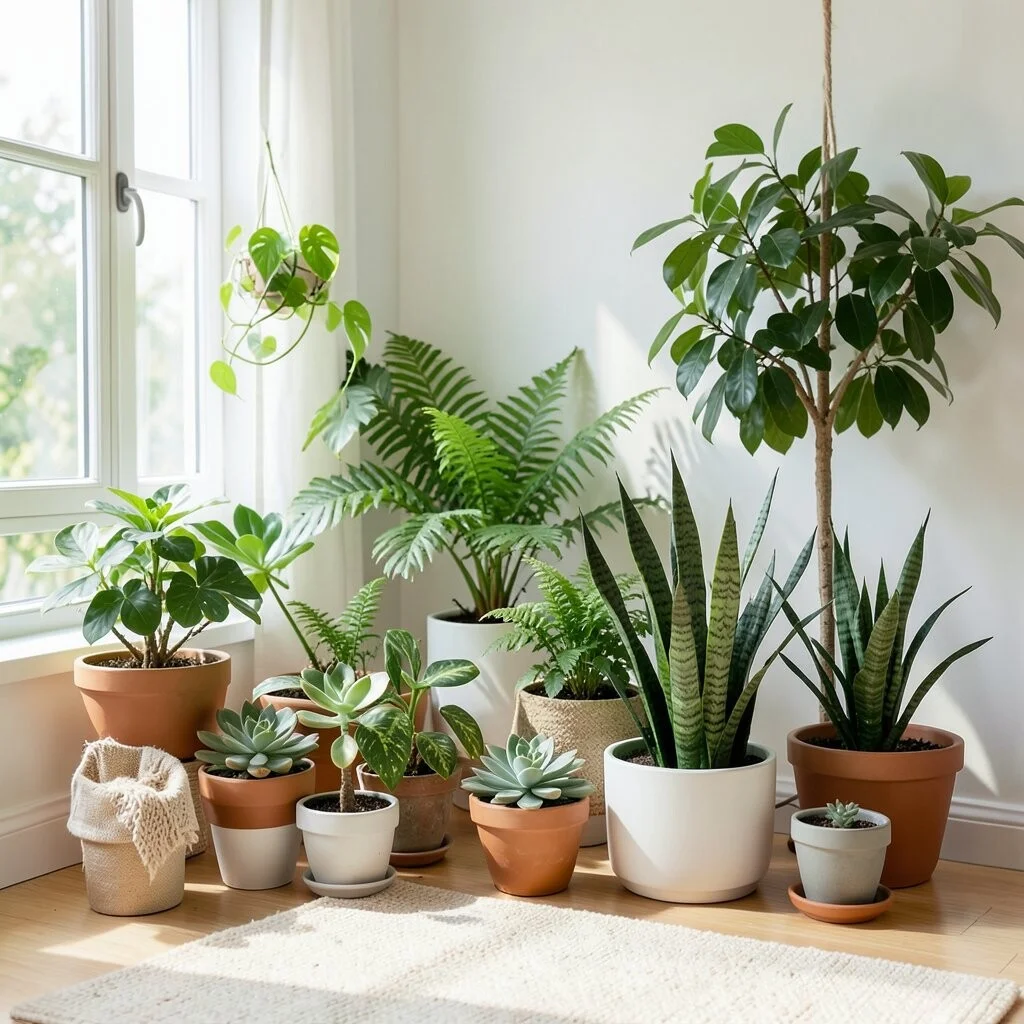
Plants bring life and freshness. Ignoring them is a missed opportunity.
Even if you don’t have a green thumb, there are easy-care options like succulents or snake plants. They add color and improve air quality.
Group different sizes together for a mini indoor garden. It’s a natural way to brighten up any space.
15. Ignoring Flow and Function
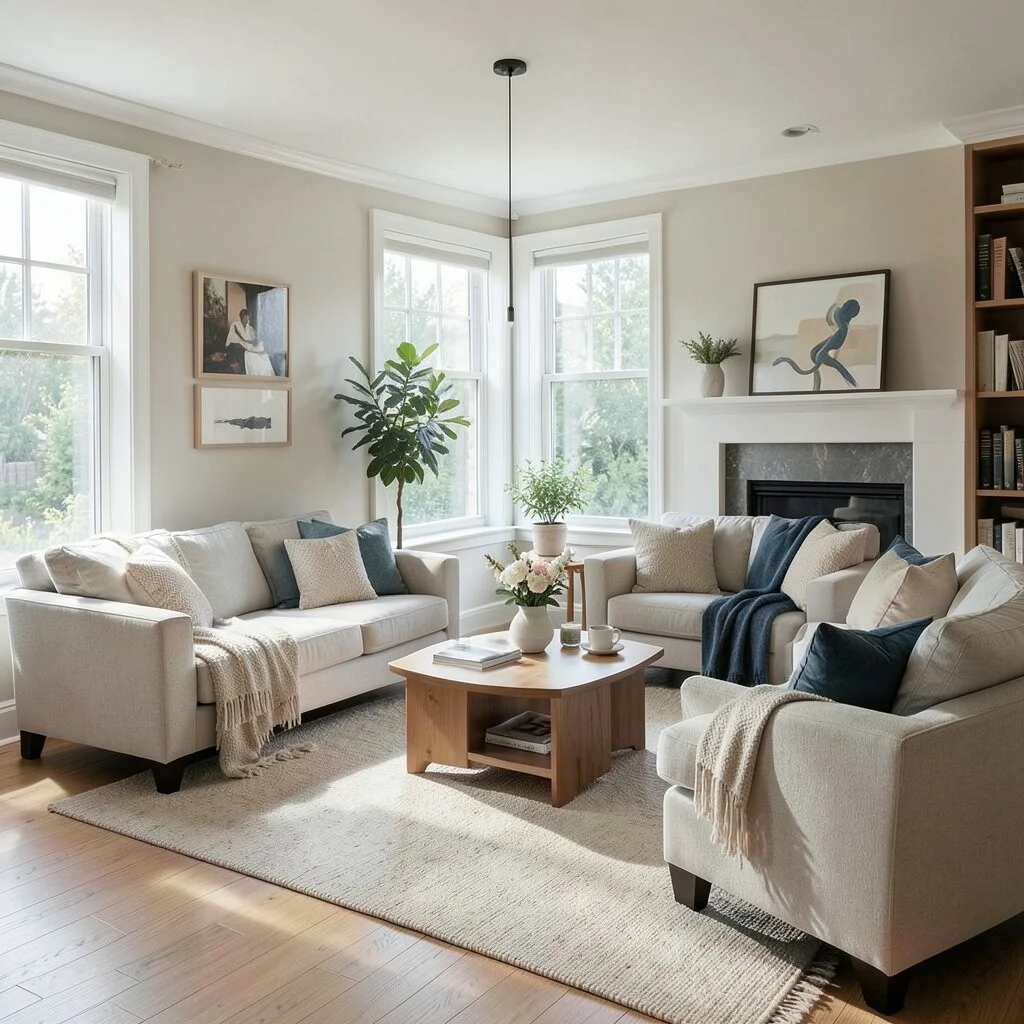
How you move through a room is just as important as how it looks.
Make sure your layout makes sense. You shouldn’t have to navigate an obstacle course to get from one side to the other.
Consider the room’s function. If it’s a social space, arrange seating to encourage conversation. It’s all about making life easier.
16. Not Testing Paint Colors
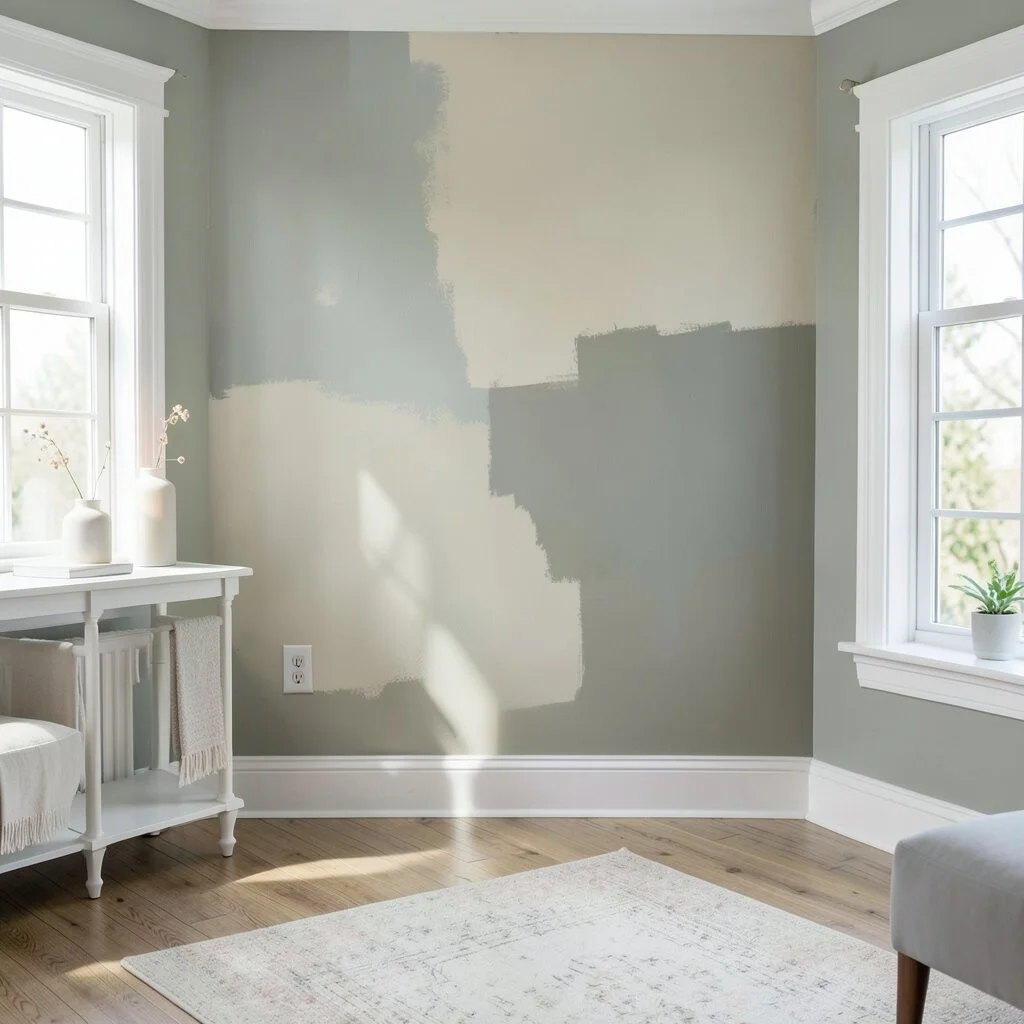
A color can look different on your walls than it does in the store. Skipping this step can lead to regret.
Paint small patches on your wall and observe them at different times of the day. This ensures you love the color in every light.
Commit to a color only when you’re sure. It saves time and money in the long run.
17. Overlooking the Entryway
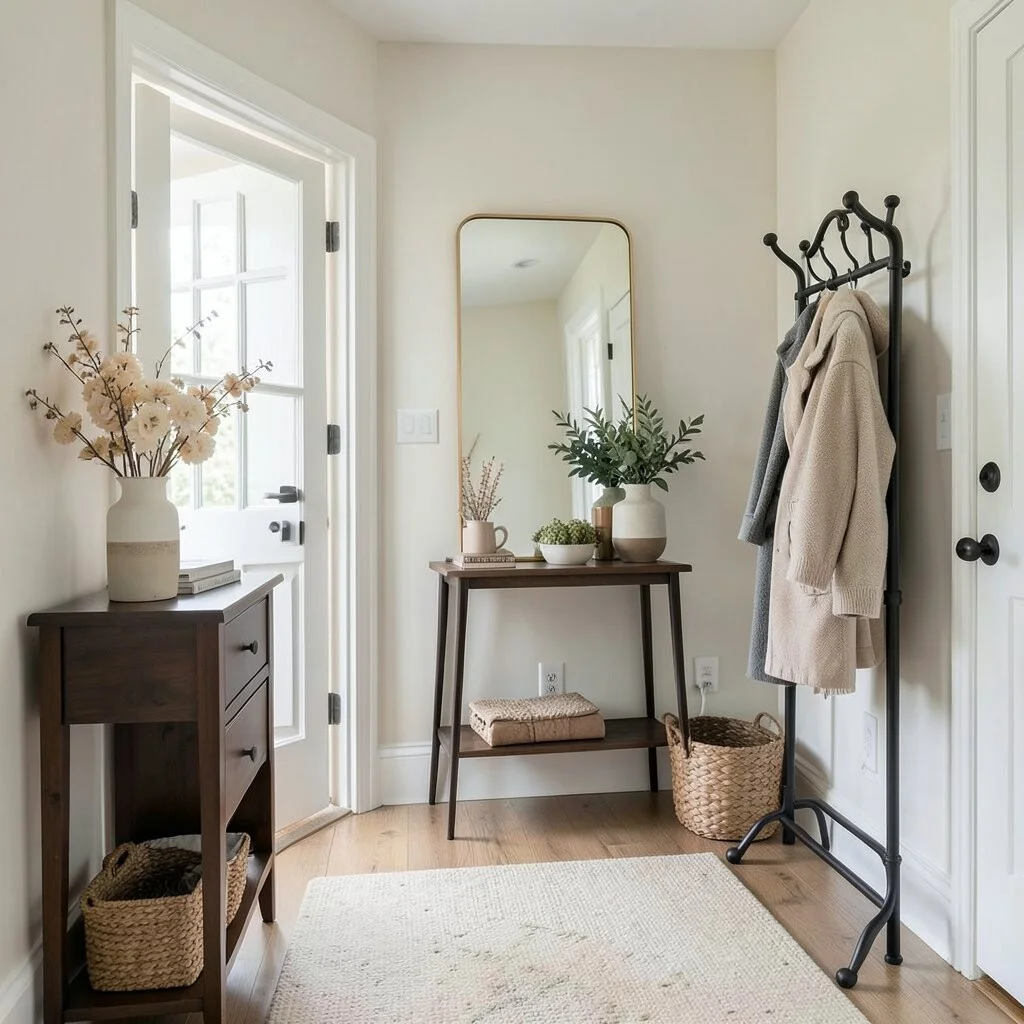
The entryway is the first impression of your home. Don’t let it be an afterthought.
Add a welcoming touch with a console table or a stylish coat rack. It’s both practical and inviting.
A mirror here can be handy for last-minute checks and helps to make the space feel larger and brighter.
18. Not Balancing Old and New
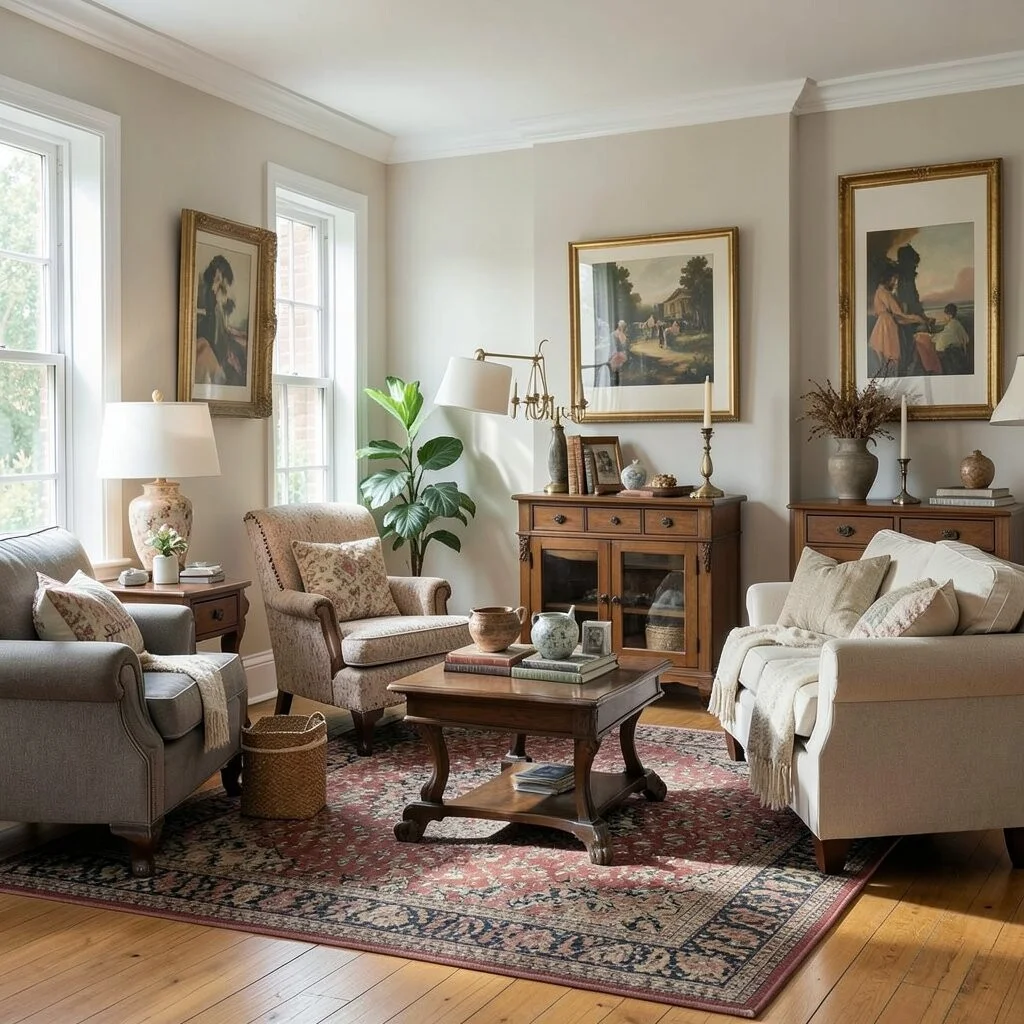
A room full of new things can feel sterile. Mixing in some vintage or sentimental items adds warmth.
Blend eras by pairing new furniture with antique decor or vice versa. It creates a balanced, lived-in look.
It’s also more sustainable, which is a trend that never goes out of style!
19. Skipping Seasonal Decor
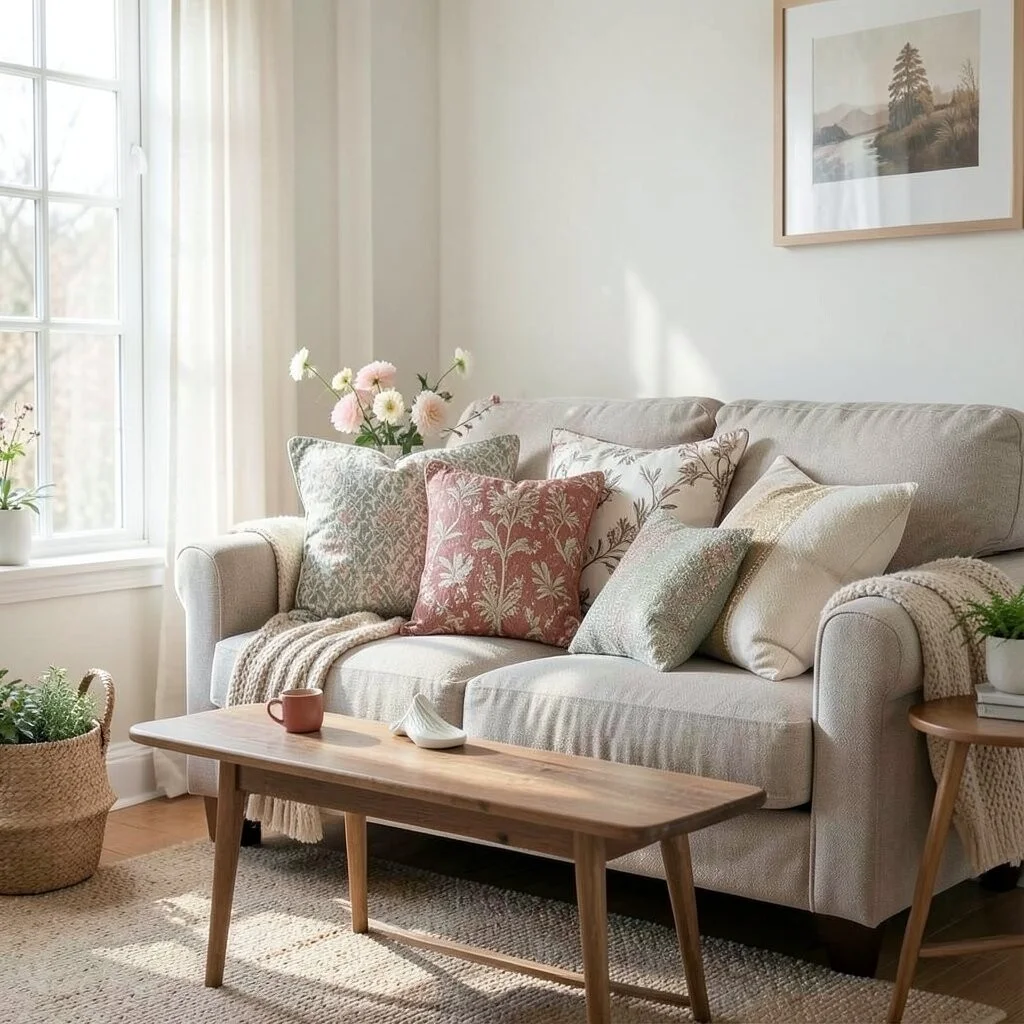
Changing decor with the seasons keeps things fresh and exciting.
Switch out pillow covers or add seasonal flowers for a quick update. It’s a fun way to embrace change without a full makeover.
Being mindful of seasons can also make your home feel more connected to the outside world, adding a cozy, dynamic element.
20. Underestimating the Impact of Scent
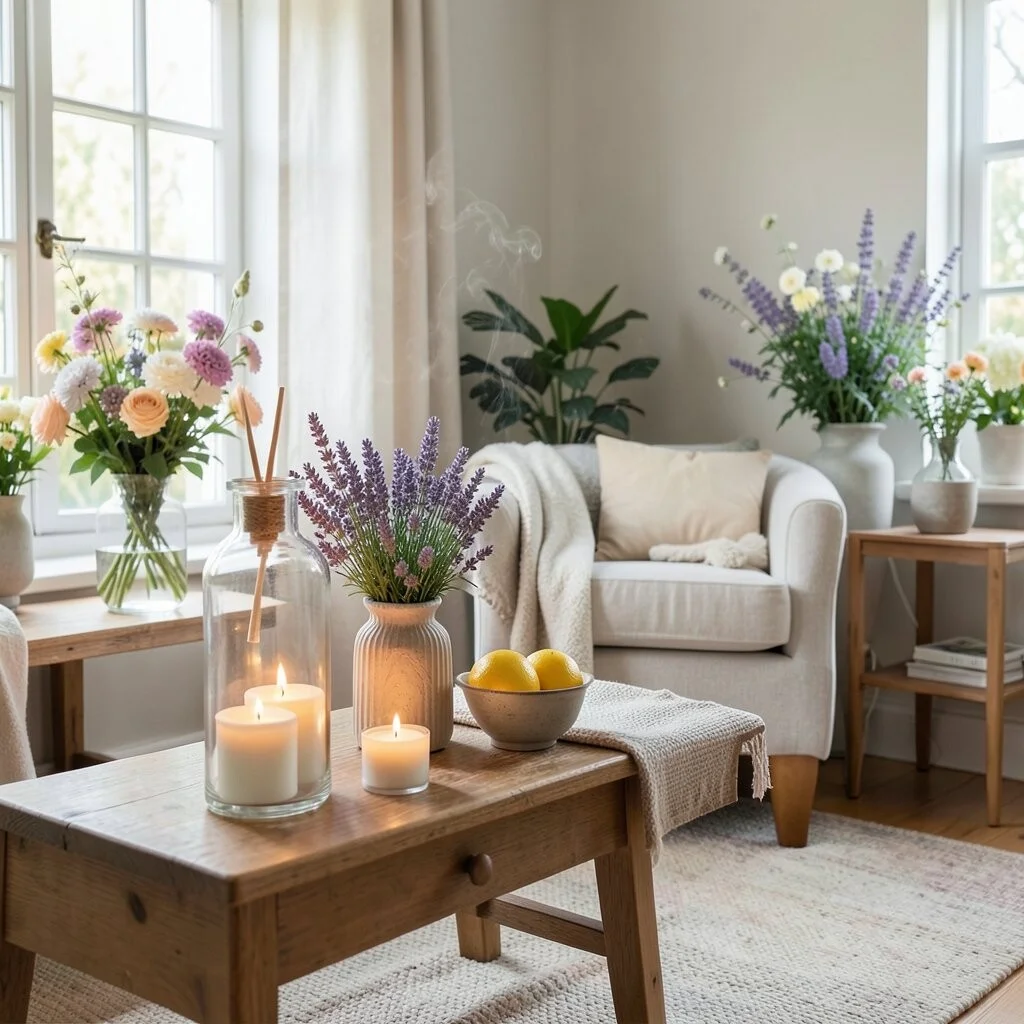
Scent is powerful. It affects mood and memory, yet it often gets overlooked in home design.
Candles, diffusers, or even fresh flowers can add a lovely aroma to your space. It’s the finishing touch to a well-decorated room.
Try different scents for different rooms. Lavender for relaxation or citrus for energy can enhance the room’s purpose.
21. Not Having Fun
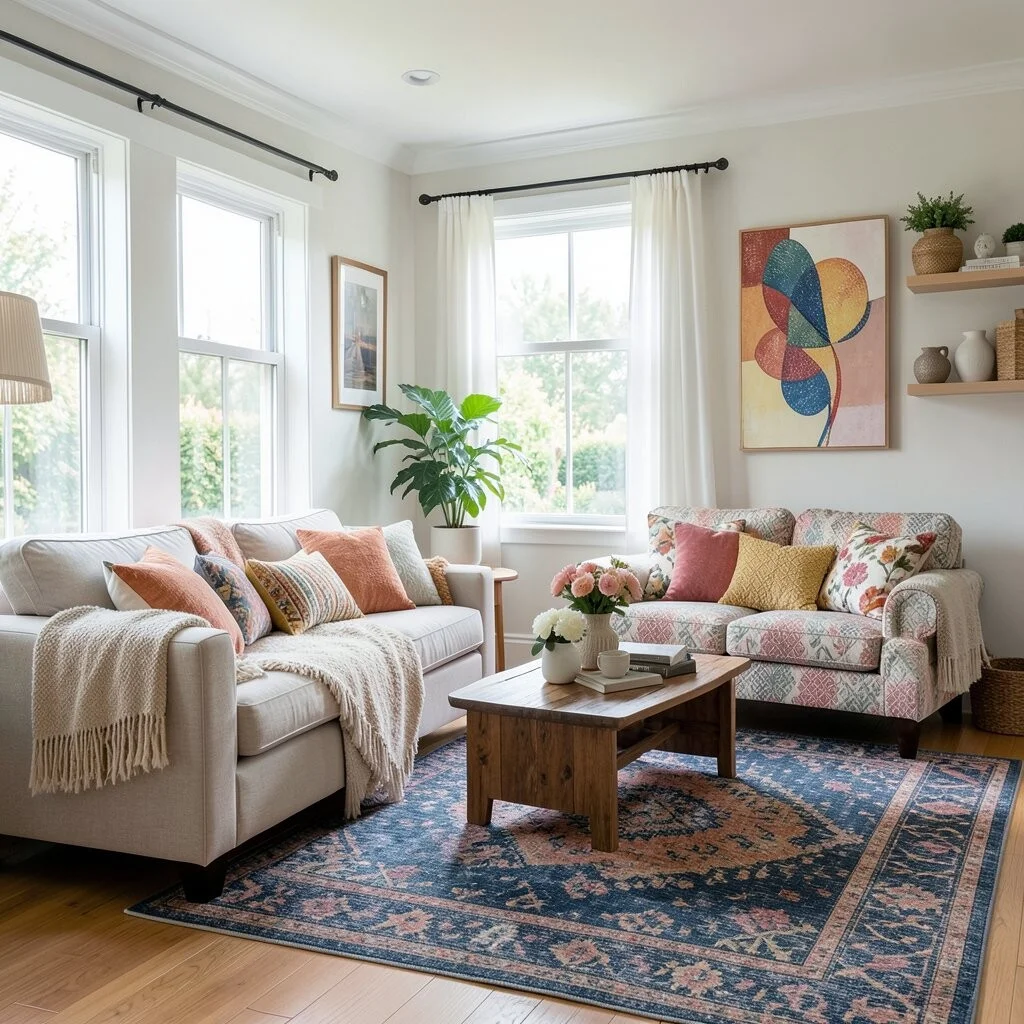
Decorating should be a joy, not a chore. Don’t take it too seriously!
Experiment with colors, patterns, and styles. It’s your space, and it should make you happy.
Remember, there are no hard and fast rules. What matters most is that you love the space you’re in.