The kitchen can make or break a restaurant. Small slips there can turn into big trouble fast.
Good habits save time, money, and stress. They also help every plate look and taste better.
1. Ignoring Kitchen Flow

A crowded kitchen can look busy in a bad way. People bump into each other, trays wobble, and hot pans get hard to move.
When work stations are placed with care, everything feels smoother. Food moves from prep to cook to plate with less wasted motion, and that helps speed up service. A smart layout also makes the space feel calmer, which is a big win during rush hour.
2. Skipping Daily Cleaning

Grease on the floor and crumbs on the counter can build up fast. That mess does more than look ugly.
Clean spaces lower the chance of slips, pests, and bad smells. They also help staff find tools faster and keep food tasting fresh. Many kitchens now use color-coded cloths and eco-friendly cleaners, which can fit modern trends and keep supply costs in check.
Try making a simple cleaning map for each shift. You can also give each station a small checklist so no one forgets the hard-to-see spots. A clean kitchen can feel more personal too, since teams can add their own style with neat labels and tidy storage bins.
3. Buying Cheap Tools That Wear Out Fast

Shiny low-cost gear can look like a smart deal at first. Then the knives dull, the pans warp, and the handles crack.
Better tools often cost more upfront, but they last longer and work more safely. That means less replacing, less frustration, and fewer delays in service. If your kitchen has a unique menu, choose tools that match your exact cooking style instead of buying random items that sit unused.
It helps to spend more on the tools used every day and save on the ones used less often. You can also compare repair costs, not just the sticker price, before buying. A small test run with one piece of gear can show if it fits your team and your budget.
Look for items with simple shapes and strong parts, since those are easier to clean and fix. Many chefs also like modern tools with smart temperature control or better grips. Those little upgrades can make the kitchen feel more personal and more current at the same time.
4. Forgetting About Food Safety Labels

Containers without labels can turn into a guessing game. No one wants to open a box and wonder how old the sauce is.
Clear labels help staff use food in the right order and keep waste down. They also support safer service by making it easier to spot expired items before they cause trouble. A neat label system can be simple, colorful, and unique to your kitchen so it stands out right away.
5. Crowding the Fridge

A packed fridge may seem efficient, but it can block cold air. That can leave some food too warm and some food too cold.
When items are spaced well, the fridge works better and food stays fresher longer. This can lower spoilage costs and help your team grab what they need without digging through a messy stack. Many kitchens now use clear bins and slim shelves, which are a smart trend for saving space.
Give each shelf a job, like dairy, sauces, or ready-to-serve items. You can also place the most used foods near the front to cut down on searching. A fridge that is easy to read feels more personal because it matches the way your team actually cooks.
If your fridge stays full all the time, it may be time to rethink ordering. Buying smaller amounts more often can cost a little more in delivery, but it may save money by cutting spoilage. That balance can be worth it for fresh kitchens that care about quality.
6. Not Training New Staff Well
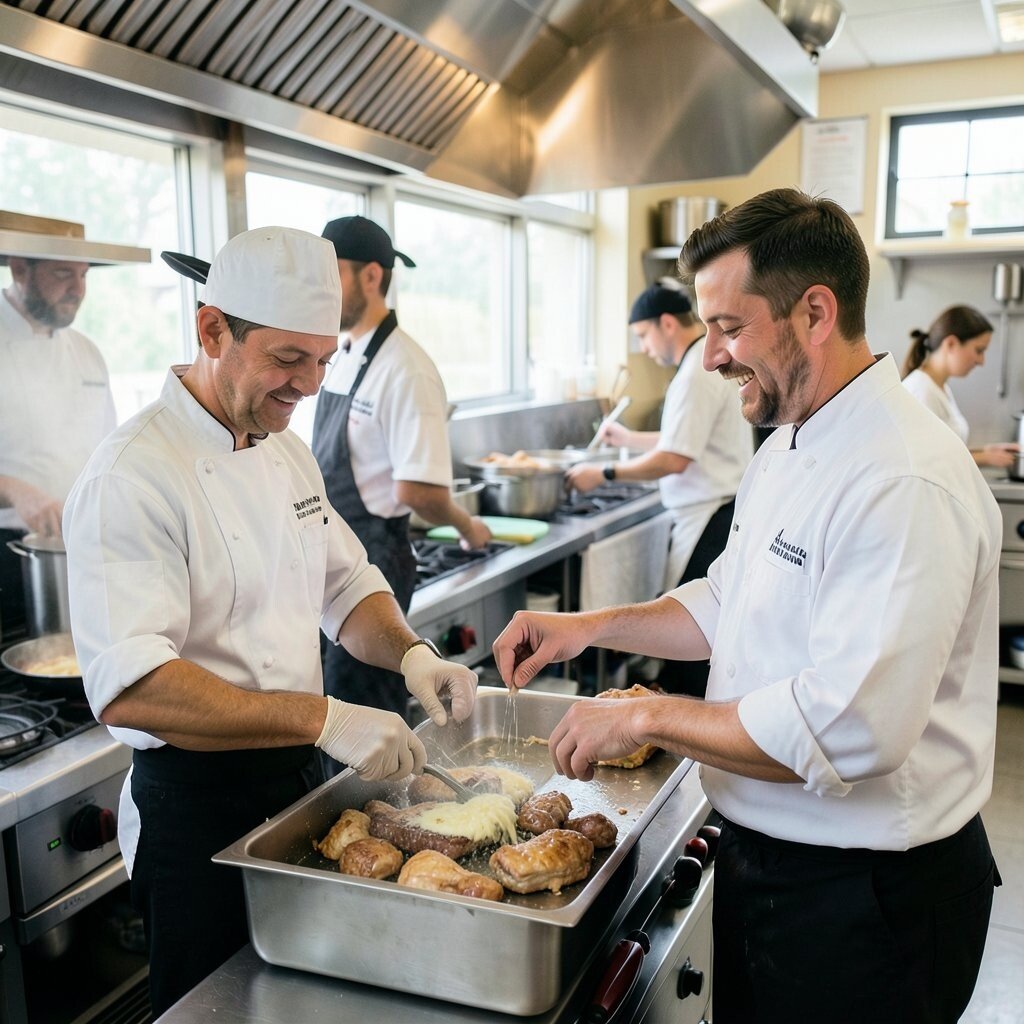
Even great cooks struggle when no one shows them the house rules. A new worker can feel lost fast in a loud, busy kitchen.
Clear training helps people learn faster and make fewer mistakes. It also builds confidence, which can improve speed and teamwork during a rush. Short demos, simple charts, and hands-on practice make the space feel more welcoming and less scary.
Try pairing each new hire with one steady mentor for the first few shifts. That gives the kitchen a more personal feel and helps new staff ask questions without worry. It also keeps training costs lower than fixing repeated mistakes later.
Many restaurants now use quick phone videos or screen-based guides for busy teams. Those tools can be updated fast when recipes change or a new trend appears. A few clear steps today can save a lot of confusion tomorrow.
7. Using the Wrong Storage Containers

Thin containers can crack, stain, or leak at the worst time. That can ruin ingredients and make shelves look messy.
Good containers protect food, stack neatly, and help staff move faster. They also make it easier to see what is inside, which cuts waste and saves money. If your menu has special sauces or house-made items, choose containers that fit those needs instead of using one-size-fits-all bins.
Glass, strong plastic, and metal each have a place, so match the material to the job. Clear lids and bold labels can make the system even easier to use. Some kitchens now favor stackable square shapes because they waste less space than round tubs.
It can help to group containers by size and color so anyone can grab the right one quickly. That small change makes the shelves look neat and easy to read. A tidy storage wall can feel like part of the restaurant’s style, not just a back-room tool.
8. Letting Equipment Go Unchecked

A stove that runs too hot or a mixer that shakes can slow the whole line. Problems often start small and then grow into costly repairs.
Regular checks help catch trouble early, before food quality drops or a machine stops working mid-shift. That protects your budget and keeps service steady when the dining room is full. It also helps staff feel safer around heavy or hot equipment.
Make a simple service calendar for ovens, fridges, vents, and fryers. You can also write down odd sounds, smells, or temperature changes so nothing gets missed. A kitchen that stays in good shape often looks cleaner and more professional too.
Some owners now track repairs with digital tools, which makes it easier to spot repeat issues. That can be a smart trend for kitchens that want fewer surprises. Even one small fix on time can save a lot more than a full replacement later.
9. Wasting Space on the Line

Too many tools on the counter can make a station feel cramped. Staff then spend extra time moving things around instead of cooking.
A clear line gives each item a home and keeps the work area easy to use. That helps speed, safety, and plate quality all at once. It can also make a kitchen feel more unique, since the setup can match the way your chefs actually work.
Use only the tools needed for that shift and store extras nearby. You can also keep backup pans and utensils in labeled spots so they are easy to grab without cluttering the line. This kind of setup keeps cost waste down because fewer tools get lost or damaged.
Open shelves, wall hooks, and magnetic strips are popular because they free up counter space. They also give the kitchen a clean, modern look. Small changes like these can make a busy station feel much more personal and easy to manage.
10. Ignoring Portion Control

Big scoops may look generous, but they can hurt profits fast. Uneven portions also make dishes look different from plate to plate.
Portion tools help keep taste, cost, and size steady every time. That means guests know what to expect, and the kitchen can plan food orders better. It also makes training easier because staff can learn the same serving size instead of guessing.
Use ladles, scoops, and scales where they make sense. You can also post photo guides near the line so everyone can see the right amount. A few well-placed tools can pay for themselves by cutting waste over time.
Many kitchens now like smaller, cleaner plates with careful portions and bright food styling. That trend can make dishes feel more special without raising ingredient costs too much. If your restaurant has a signature look, portion control helps protect it every day.
11. Keeping Poor Communication on Busy Shifts

When people do not speak clearly, orders get mixed up. A small mix-up can send the wrong dish to the wrong table.
Good communication keeps the team moving as one unit. It also lowers stress because everyone knows what is happening and what comes next. Clear call-backs, eye contact, and short words work well in a loud kitchen where time matters.
Try using the same phrases for common tasks so there is less confusion. You can also hold quick pre-shift talks to share specials, low stock items, and any menu changes. Those talks add a personal touch and help the team feel included.
Some kitchens use headsets or screen systems to support fast service, especially in larger restaurants. That can be a helpful trend when the room is busy and the line is long. Better communication costs little, but it can save a lot in mistakes and remakes.
12. Overlooking Staff Comfort

Hot rooms, sore feet, and poor lighting can wear people down. A tired team is less likely to move fast and stay focused.
Comfort supports better work and fewer injuries. It can also help staff stay longer, which saves hiring and training money. Small touches like anti-fatigue mats, fans, and bright lights can make the kitchen feel more human and less harsh.
Think about shoes, mat placement, and where people stand for long periods. You can also set up water access so staff can stay hydrated during a long shift. When the space fits the team better, the whole restaurant gets a more personal and caring feel.
Quiet corners for quick breaks are becoming more common in modern kitchens. That trend shows that rest can be part of strong service, not a sign of weakness. A comfortable crew often works with more energy and fewer mistakes.
13. Failing to Update the Menu for the Kitchen You Have

A menu that looks great on paper can be hard to run in real life. If the kitchen is too small or the tools do not match, service can slow down.
Menus should fit the space, staff, and budget you actually have. That makes prep easier, lowers waste, and keeps food quality more steady. A menu with a few well-made items can feel more unique than a long list of dishes that are hard to manage.
Review recipes with the team and remove items that cause delays or too much waste. You can also adjust dishes to use shared ingredients, which helps control cost and keeps stock simpler. Seasonal updates are a strong trend because they keep the menu fresh without adding too much pressure on the line.
It can help to ask staff which dishes are hardest to make during a rush. Their answers often point to fixes that save time and money right away. A kitchen menu that matches the real space feels more personal, more practical, and much easier to run.