Your small bedroom can feel cramped, even when you do everything “right.” With a few smart changes, it can look calmer, breathe easier, and work better for your daily life.
The trick is spotting the habits that quietly steal space and comfort. When you avoid them, the room starts working for you instead of against you.
1. Choosing a Bulky Bed Frame
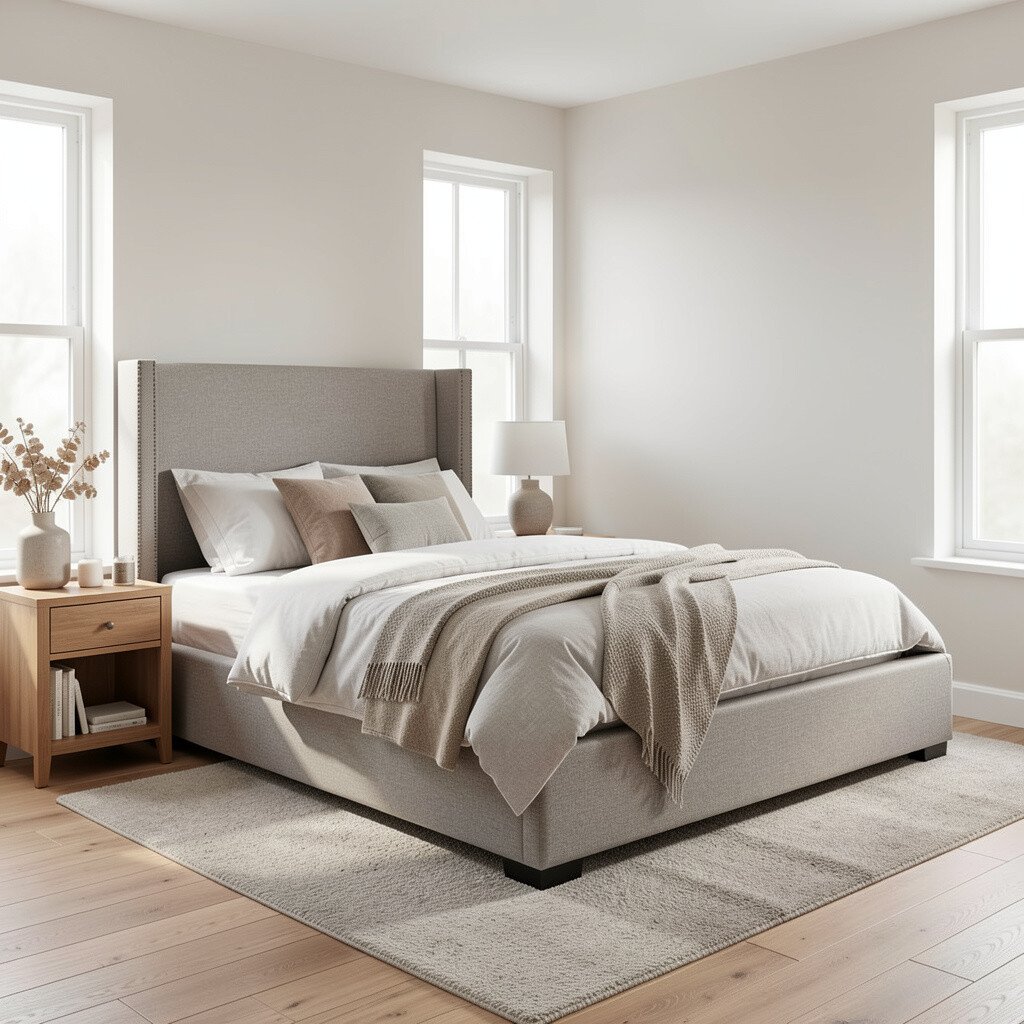
A big bed frame can dominate a small room before you even add anything else. You might love the look, but the visual weight can make walls feel farther away and corners feel crowded.
Pick a lower profile frame or one with a lighter visual design so your eyes can move across the space. If you store things under the bed, use drawers or rolling bins to get practical storage without adding extra furniture.
2. Using the Wrong Nightstands
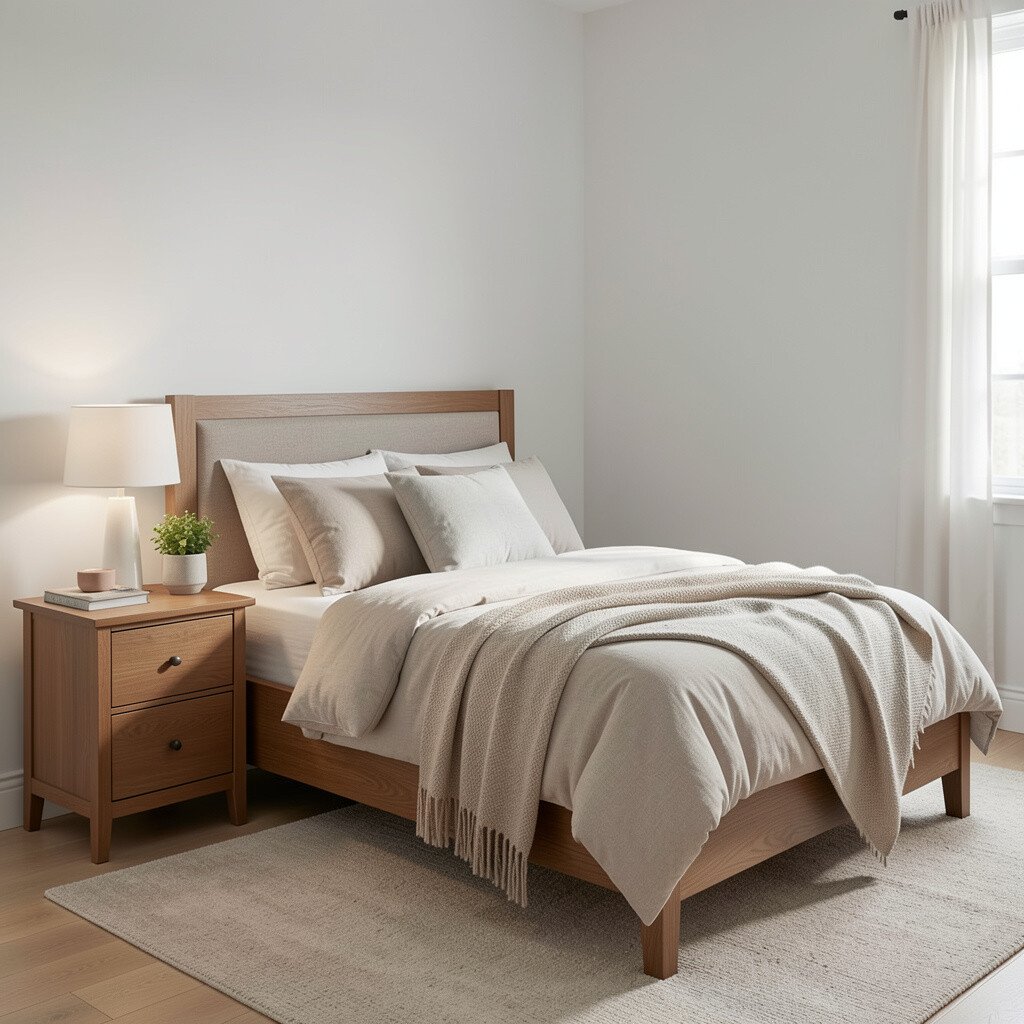
Matching nightstands often sound like the easiest choice, but oversized ones can block pathways. You may notice doors scrape, lamps feel crowded, and your bedside area turns into a messy landing spot.
Consider a slimmer nightstand or a floating shelf style that keeps the floor open. A narrow drawer unit can hold what you need, while a small open cubby can show a book you actually read.
For personalization, choose finishes that match your lighting and bedding tones, so everything looks intentional. In many homes, this change costs less than replacing the bed, and it can still feel like a big upgrade.
3. Blocking Natural Light With Heavy Curtains
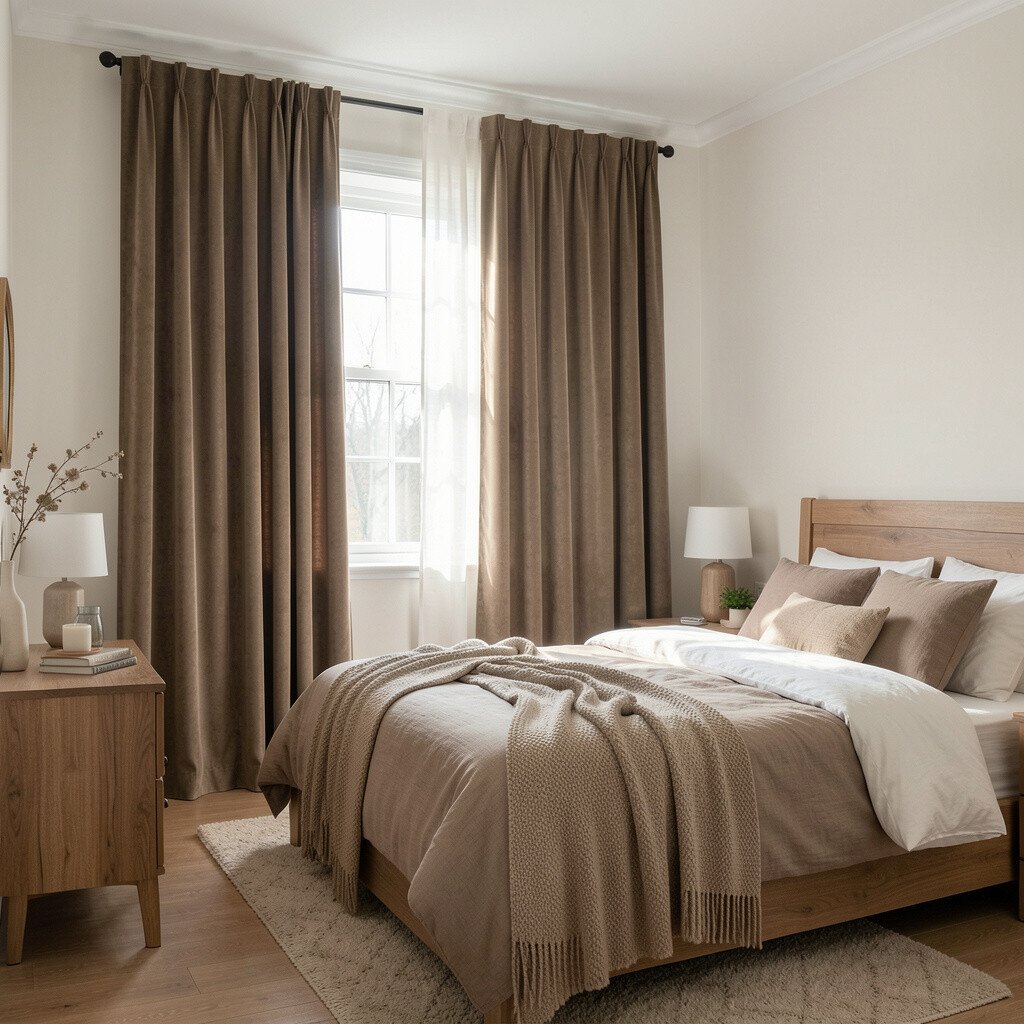
Thick curtains can make a small bedroom feel dim and even smaller. When daylight can’t reach the floor, the whole room loses that airy, open feeling.
Try sheer or lighter curtains, or use a double setup that lets you open the heavier layer during the day. Hang the curtain rod close to the ceiling and extend it wider than the window so the opening looks taller and broader.
You’ll get a brighter room for less effort, and the space will look more welcoming the moment you wake up. This trend of layered, light-friendly window treatments keeps the room cozy without shutting out the sun.
If privacy matters, add a Roman shade under sheer fabric for a clean look. Keep the palette soft, like warm white or muted sand, to avoid visual harshness.
4. Forgetting Vertical Space
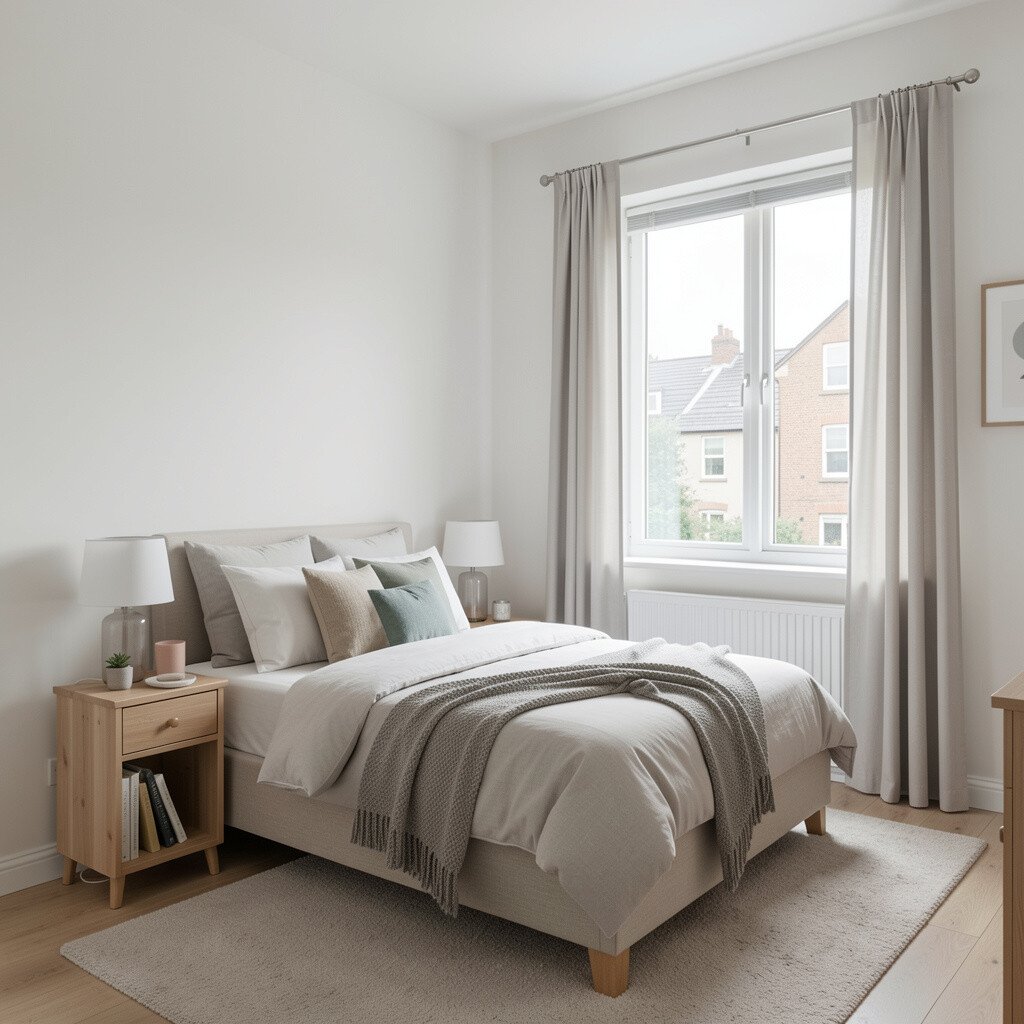
Many people only think about furniture that sits on the floor, so the walls stay empty and underused. That choice can make storage feel impossible, especially when the room also needs to look nice.
Use wall shelves, hanging organizers, and tall bookcases that fit the room’s shape. When you keep items off the floor, you create breathing space, and walking routes feel smoother.
5. Oversized Rugs That Don’t Fit
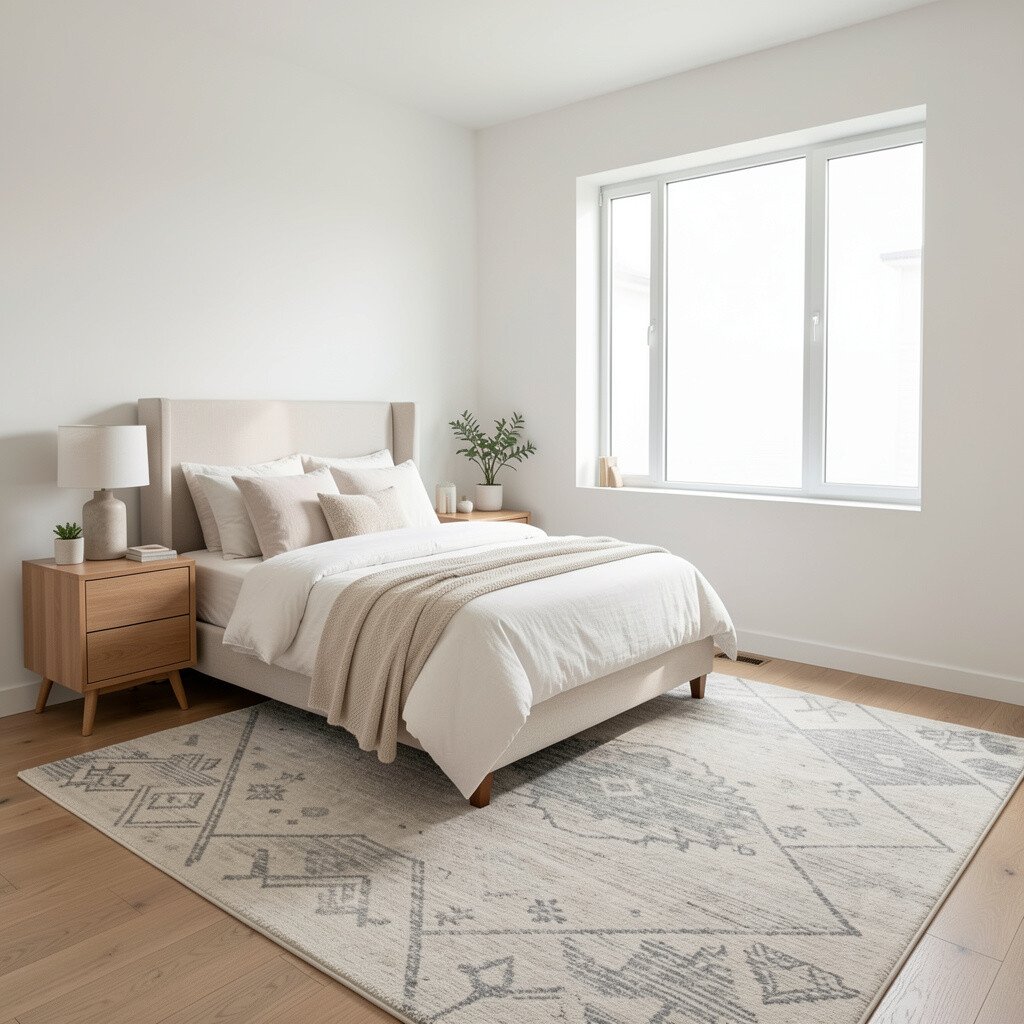
A rug that’s too small can make a small bedroom look like it’s floating in the middle of empty space. The boundaries feel messy, and the room loses the tidy “together” look that helps it feel larger.
Choose a rug that lets at least the front legs of your bed and seating land on it. If you can, match the rug’s shape to the room, like a rectangle for most layouts, and keep patterns calm so they don’t compete with everything else.
Neutral colors with gentle texture are having a moment, especially in modern, cozy styles. This also gives you flexibility, because you can change bedding later without replacing the entire foundation.
6. Crowding the Room With Too Many Decor Items
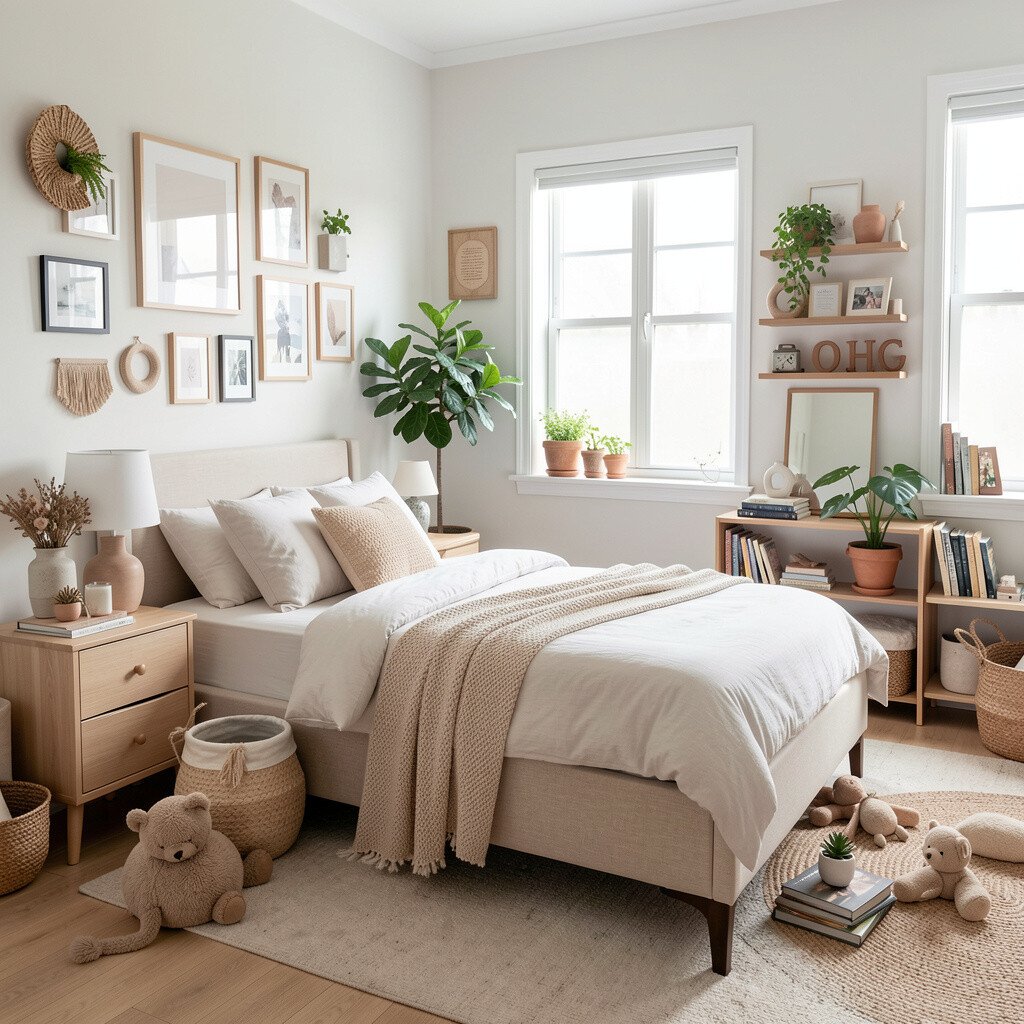
Little objects feel harmless, but in a small bedroom they stack up fast. You may love your collection, yet the room ends up looking busy instead of restful.
Pick a few items that feel meaningful and group them with purpose. One statement mirror, a framed photo cluster, and a tidy tray on the dresser can look curated without feeling tight.
When you reduce visual clutter, you free up mental space too. Your bedroom becomes a calmer place to unwind, which is the real benefit.
7. Skipping a Plan for Closet Storage
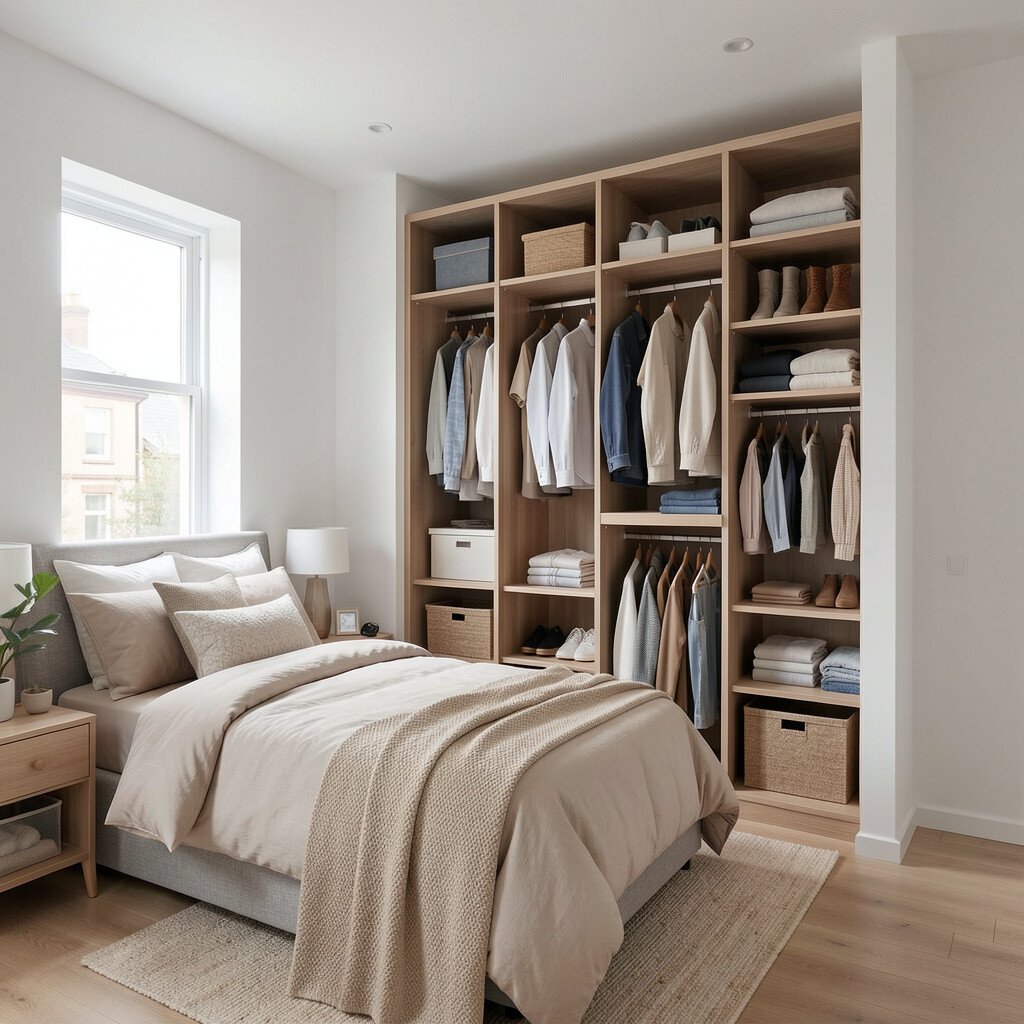
Leaving a closet to “figure itself out” can turn daily life into a search mission. Socks disappear, shirts wrinkle, and you end up wearing what’s easiest to grab.
Use slim hangers, drawer dividers, and shelf organizers so everything has a clear home. A hanging organizer on the inside of the door can hold accessories, scarves, or even small folded items that would otherwise sit loose.
For personalization, color-code sections based on how you live, like work clothes together and weekend pieces together. This tends to cost less than new furniture, and it can bring instant order.
8. Placing the Dresser Where It Blocks Movement
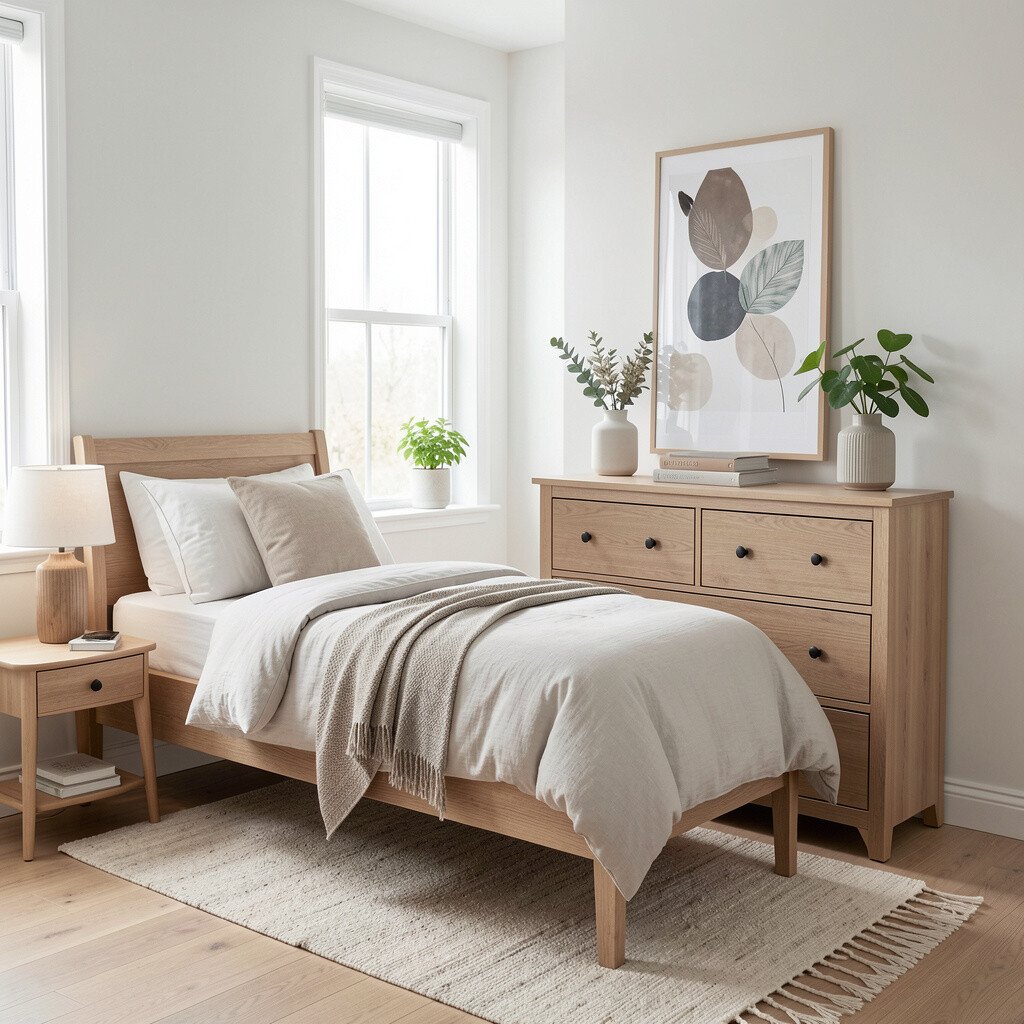
It’s common to put the dresser against the first wall that looks “available,” and then realize you can’t move comfortably. Narrow gaps make it harder to open drawers and can even make the room feel unsafe in a hurry.
Test your layout by walking the routes you actually use every day. Leave enough space for the path between bed, door, and closet, and keep drawers easy to reach.
If you want a unique look, choose a dresser with raised legs so the floor stays visible. Visible floor makes a room feel lighter, which is a simple trick with a big effect.
In some cases, swapping the dresser position can save money by avoiding replacement furniture entirely.
9. Using the Same Lighting for Every Moment

Overhead lighting alone can feel harsh in a small bedroom. Shadows gather behind furniture, and the room can look flatter than it really is.
Add layered lighting like a bedside lamp, a warm wall sconce, and soft ambient light from a floor lamp. Dimmers are a current favorite because they let you shift moods without changing the whole room.
Warm bulbs with a cozy color temperature help the space feel restful. The benefit is practical too, since you can read comfortably without turning the room into a spotlight.
10. Ignoring Bedside Functionality
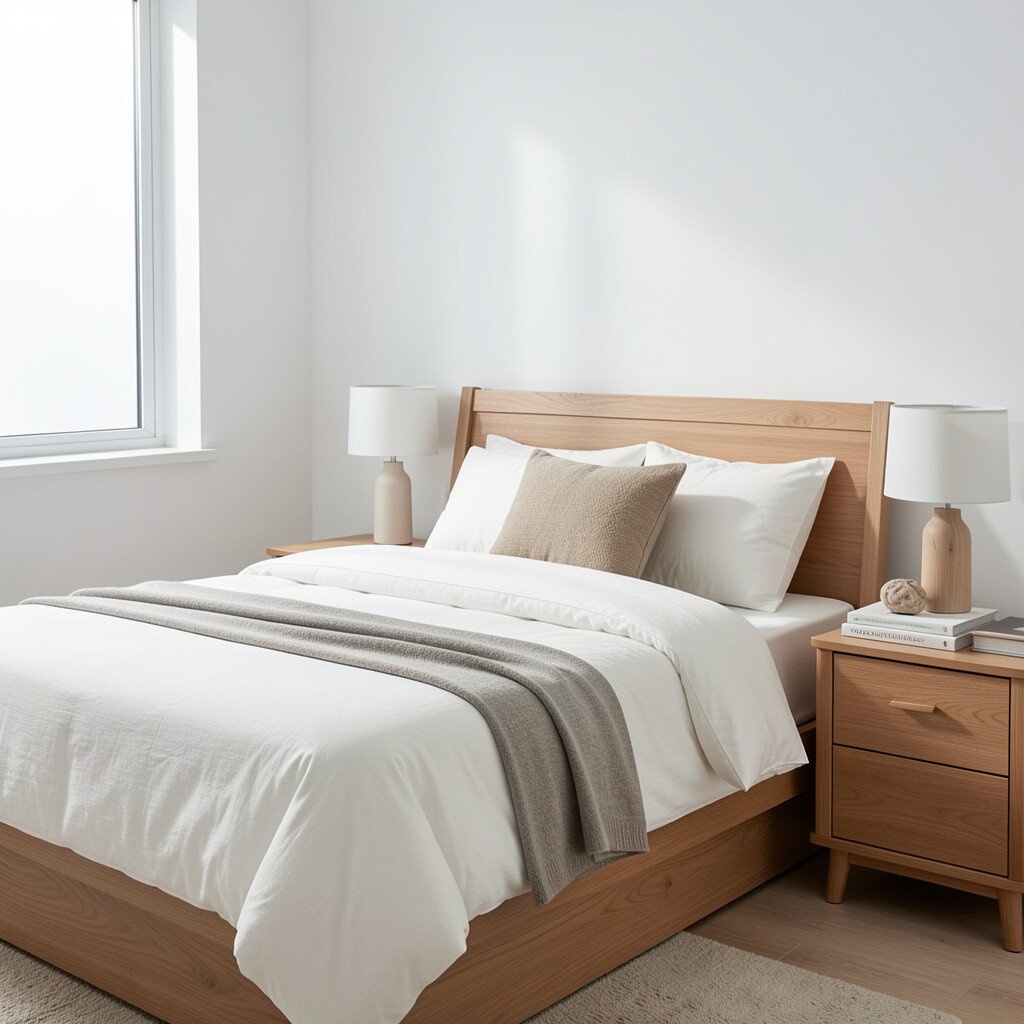
A beautiful bed setup can still fail if there’s no place for everyday items. A phone on the nightstand edge, water left on the floor, and random charging cords can create daily friction.
Choose a nightstand or shelf layout that supports your routine, like a spot for books, glasses, and a charging station. Hidden cable management keeps your space visually clean and makes the room feel intentionally designed.
Personalize with a small catch-all tray for keys or jewelry so small things don’t wander. You can often do this with inexpensive organizers that fit your existing furniture.
When the bedside area works well, getting ready feels quicker and calmer.
11. Forgetting an Airy Color Strategy
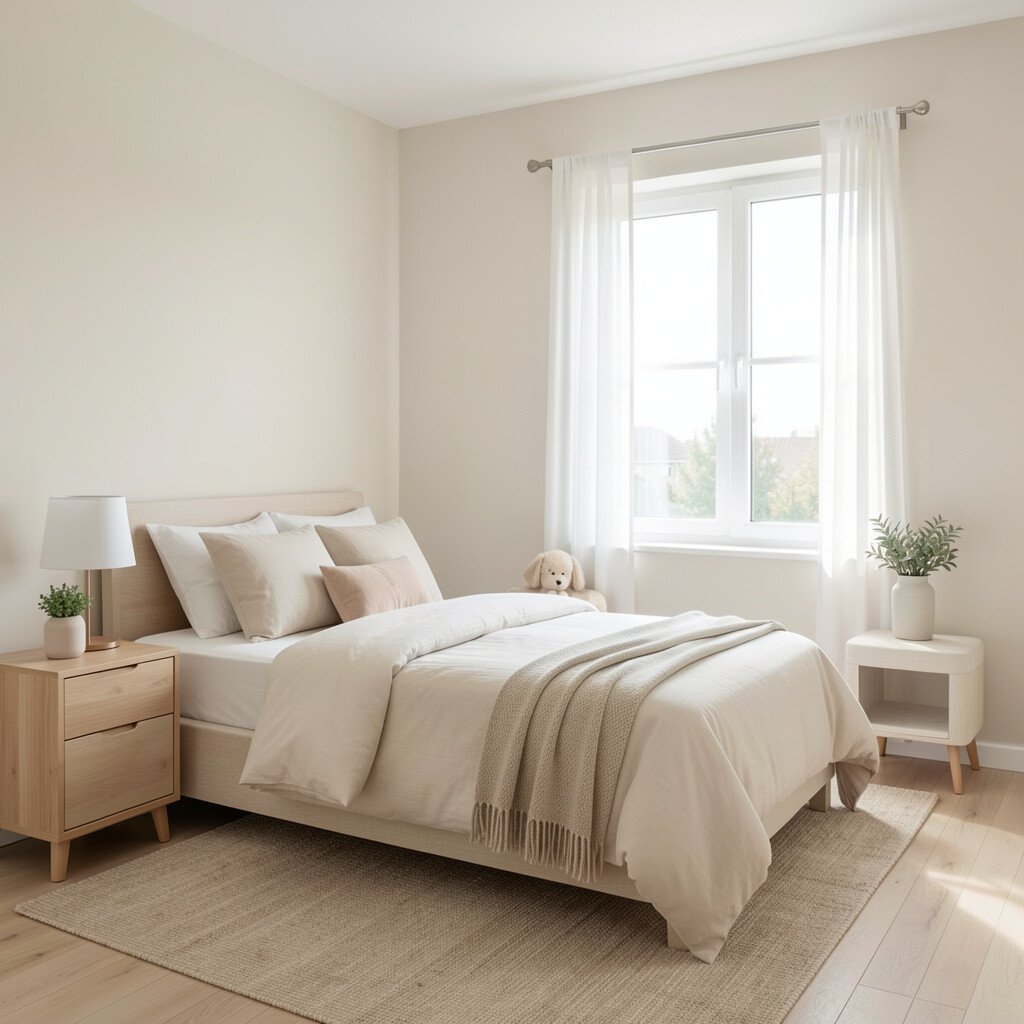
Dark walls, heavy patterns, and mismatched colors can shrink the room by absorbing light. The bedroom may look less inviting, even if you like the style.
Go for light walls or warm neutrals, then add personality through bedding, curtains, and art. Painting one wall in a soft accent tone can add uniqueness without making the whole room feel heavy.
Current trends favor calming palettes like creamy whites, gentle greige, and dusty blues. These colors work well with modern textures, like boucle, ribbed knits, and smooth matte finishes.
12. Putting Furniture at the Wrong Angles
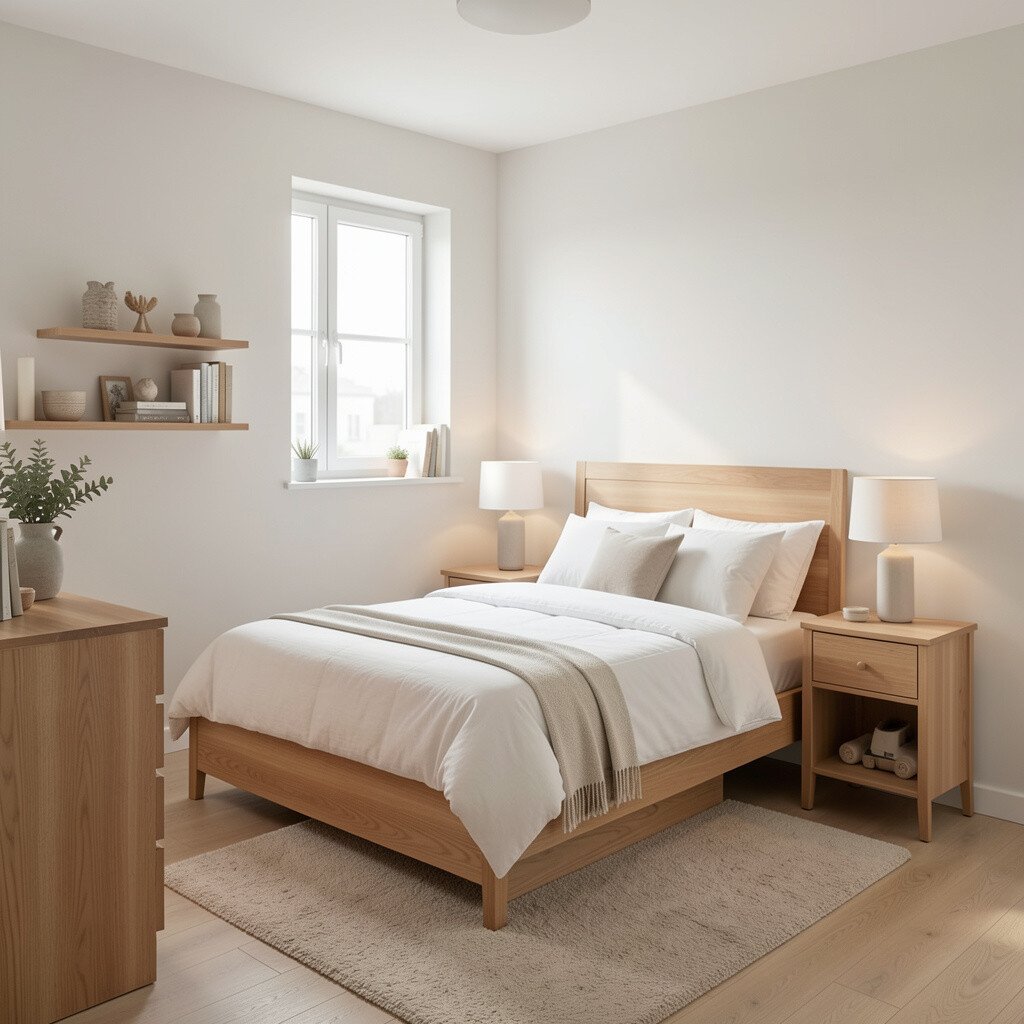
Straight-on placement can be neat, but it sometimes creates dead corners and awkward walking paths. If furniture sits without respect to the door swing or window clearance, the room feels tighter every day.
Try slight angling where it makes sense, especially with chairs or a small desk. This can help the room flow, and you might notice that the layout looks more dynamic without adding any new items.
When you test angles, measure the clearance for doors and drawers first. A little planning here can prevent costly mistakes like buying furniture you can’t use comfortably.
For a unique touch, use a slim desk or vanity set at a gentle angle to create a softer visual rhythm.
13. Choosing Storage That’s Hard to Use
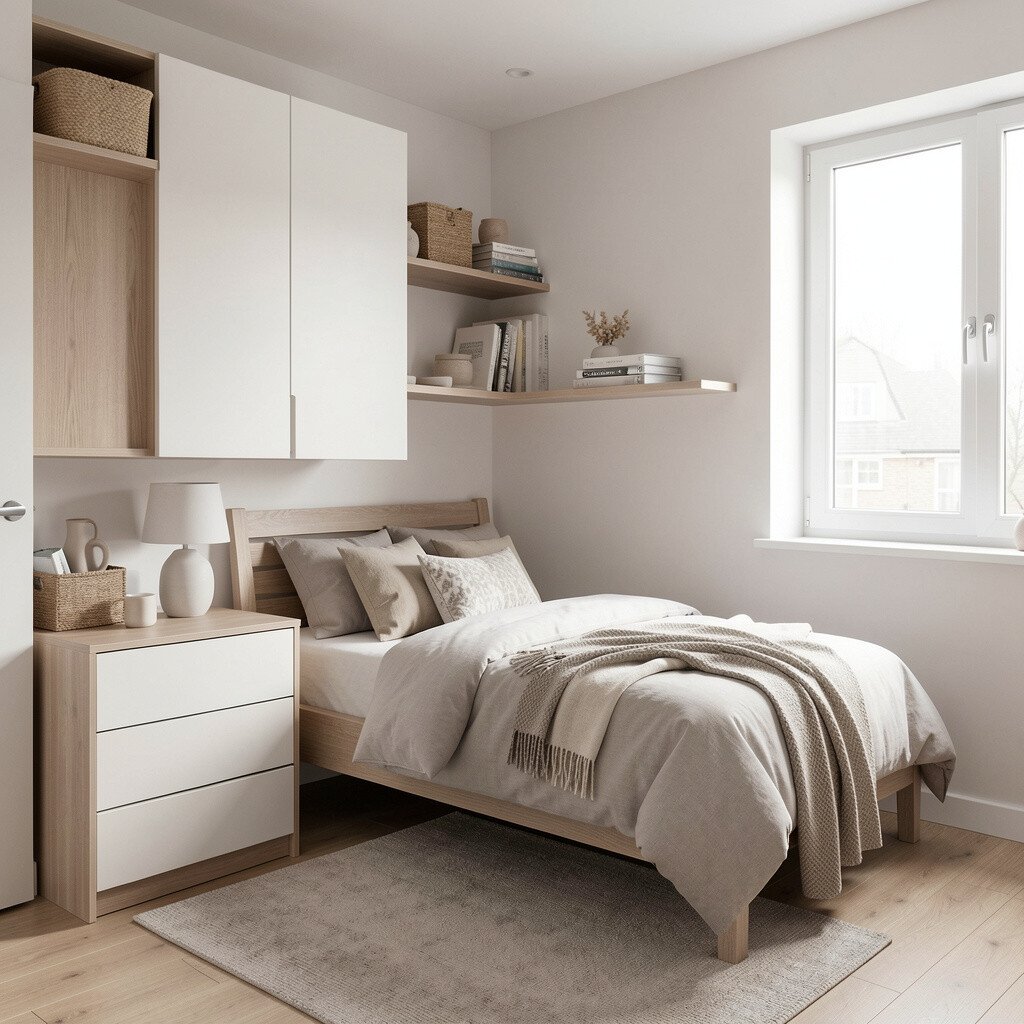
Storage can look great, but it’s not helpful if it’s annoying to open or reach. If bins are too deep or shelves are too high, you’ll stop using them and the clutter returns.
Prioritize accessibility with pull-out trays, shallow baskets, and organizers that match your height and routine. Keep the most-used items in the easiest spots, like top drawers for daily accessories and lower shelves for less frequent items.
This is where personalization shines, because your storage should match your habits. For cost considerations, start small with one or two organizer systems, then add more only when you feel the need.
14. Overlooking the Power of Mirrors
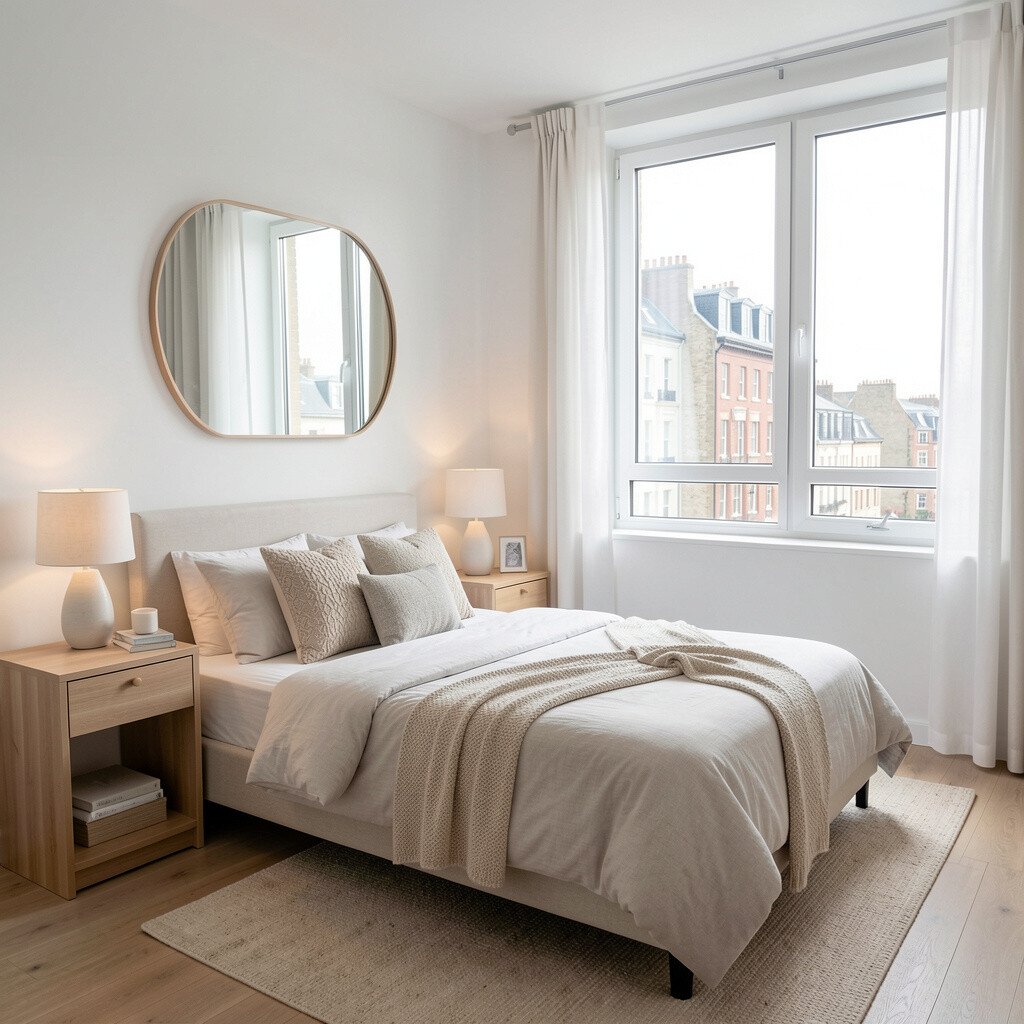
Many small bedrooms feel cramped because there’s not enough visual bounce. Without reflection, the room can look flat, and walls feel closer than they are.
A mirror can add brightness by reflecting light and making the space feel longer. Place it where it catches window light, or position it across from a lamp so the glow spreads around the room.
For uniqueness, choose an arched mirror, a sunburst style, or a framed piece that matches your decor vibe. This upgrade is often affordable compared to major furniture changes and delivers an immediate “wow” effect.
Just keep it tidy and intentional, because a mirror also reflects what’s nearby. When the surrounding surfaces are organized, the room feels instantly more polished.