Stairs can be plain or unforgettable. The wrong choices can make them feel awkward, costly, and dull.
1. Ignoring the shape of the room
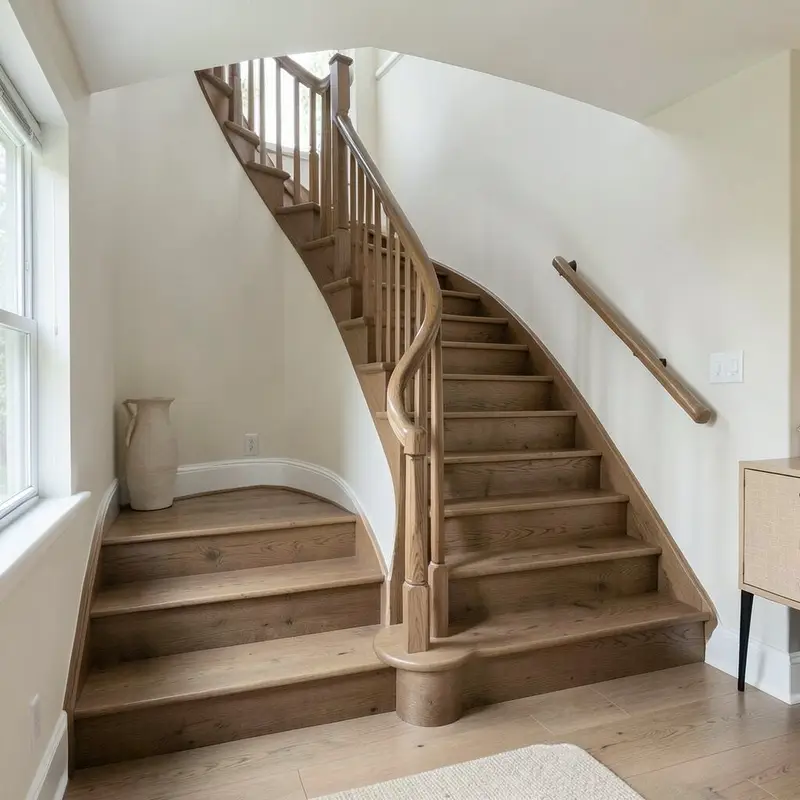
Stairs should fit the room like a good puzzle piece. When they fight the layout, the whole space can feel cramped and off-balance.
A straight run, a turn, or a soft curve can change the mood fast. Curved stairs feel graceful, while compact turns can save space in busy homes. If you want a custom look, sketch a few layouts before you spend on materials.
2. Choosing style before safety
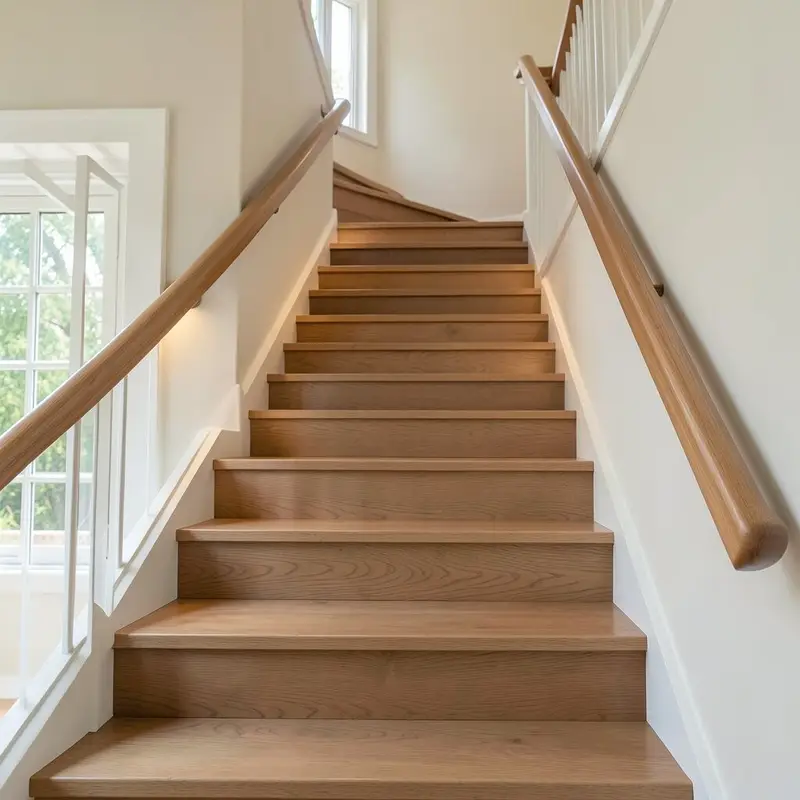
Pretty stairs are nice, but safe stairs matter more. Thin treads, weak railings, and slick finishes can turn a lovely feature into a worry.
Good design blends both beauty and comfort. Rounded edges, firm handrails, and steady lighting help people move with ease. A safe stair can still look modern, warm, or bold, so you do not need to give up style.
Think about who uses the stairs every day. Kids, older adults, and guests all need a clear path that feels easy to trust. Spending a little more on strong materials now can save repair costs and stress later.
3. Forgetting the power of light
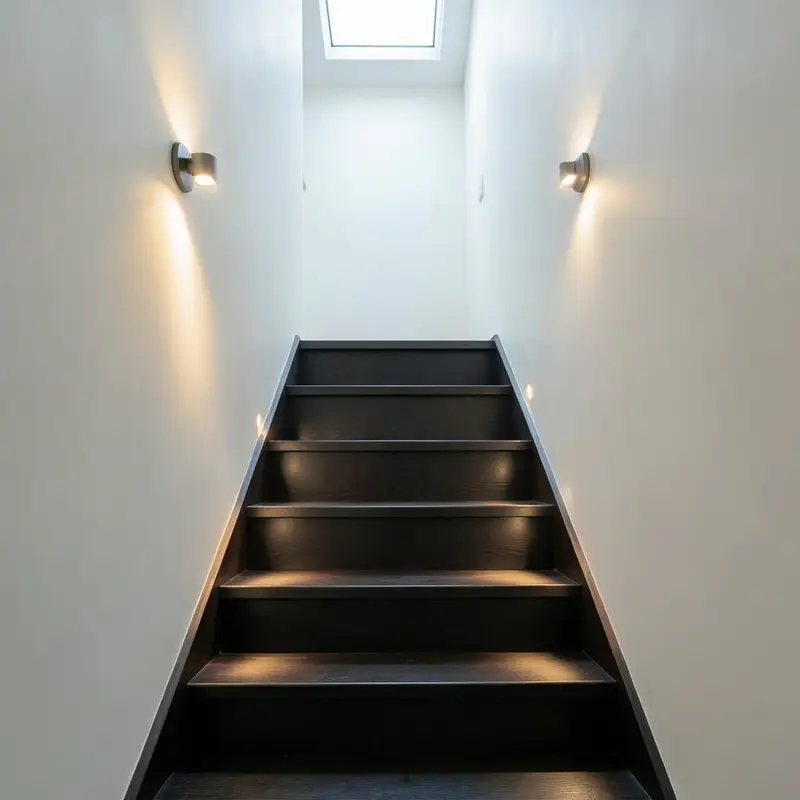
Dark stairs can look dramatic in photos, but they are hard to use. Shadows hide steps and make the area feel smaller than it is.
Light can come from wall lamps, step lights, or a bright skylight. Warm light adds a cozy glow, while cooler light gives a clean, modern feel. This is a simple way to make stairs look special without a huge budget.
Try placing lights where feet land, not just near the top. That small detail helps each step stand out. It also gives your stair design a more polished, current look.
4. Using materials that clash with daily life
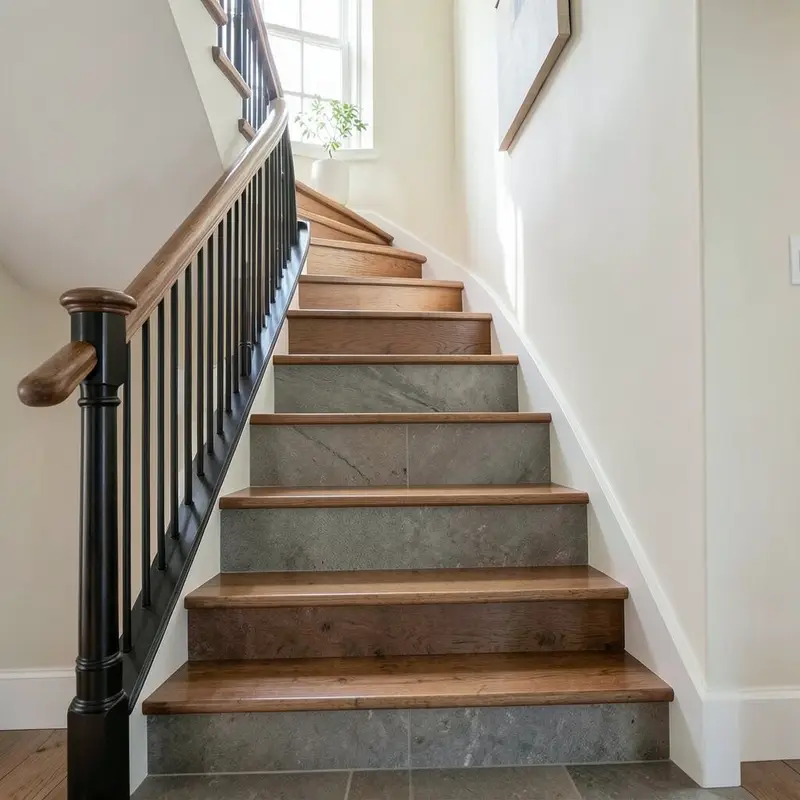
Some stair materials look amazing in a showroom but fail in a real home. Shiny surfaces may show every mark, and soft wood may wear out faster in busy spaces.
Pick finishes that match how the stairs will be used. A family home may need tough wood, stone, or coated metal. If you want a luxe look on a smaller budget, mix a simple base with a few standout details.
5. Making the railing an afterthought
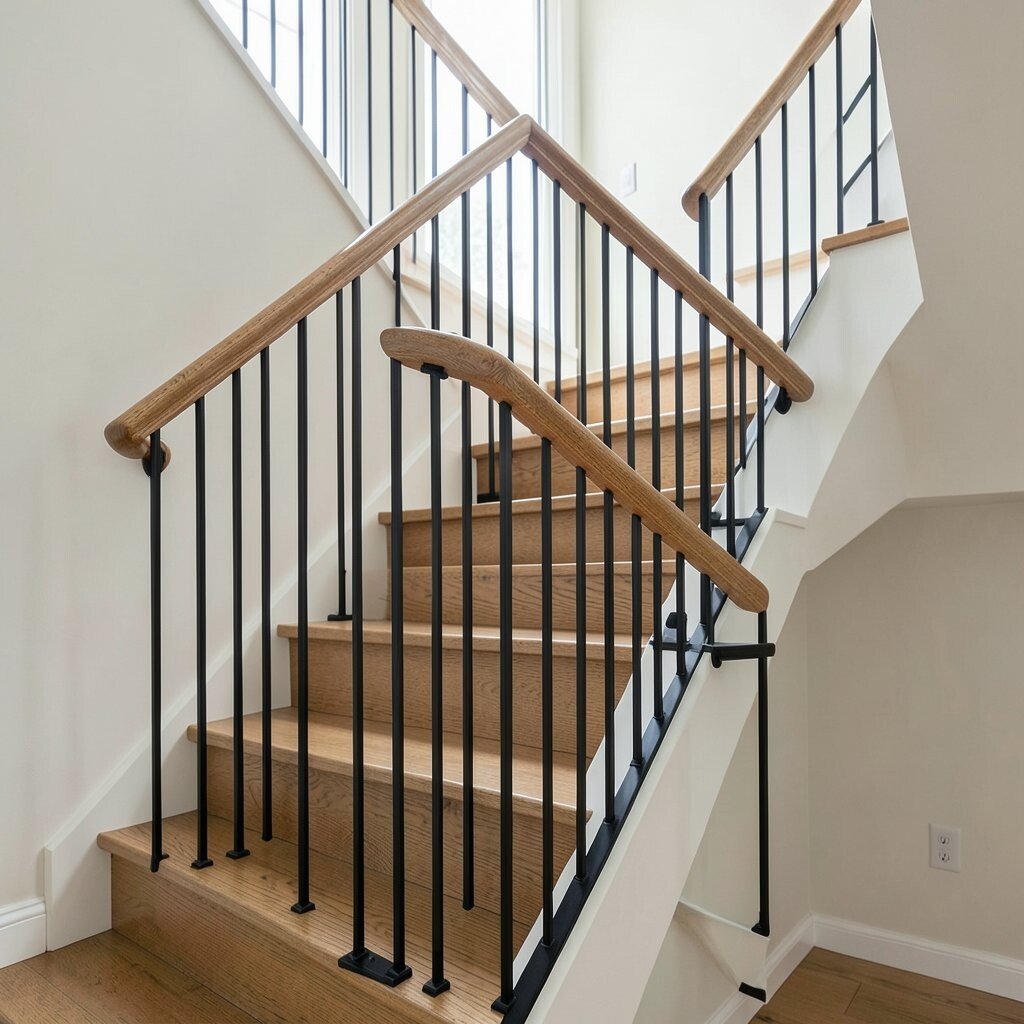
A railing is not just a support bar. It can be a major design feature that shapes the whole stair view.
Thin black rails feel crisp and modern, while carved wood rails feel warm and classic. Glass panels can open up a tight hall and make the area feel larger. Choose a railing that matches your home, and think about how it feels in the hand.
Custom rail details can raise the price, but they often give the best personality. Even a simple rail can look rich if the finish is smooth and the lines are clean. Keep the style steady from top to bottom so the stairs feel calm and complete.
6. Overcrowding the stair area
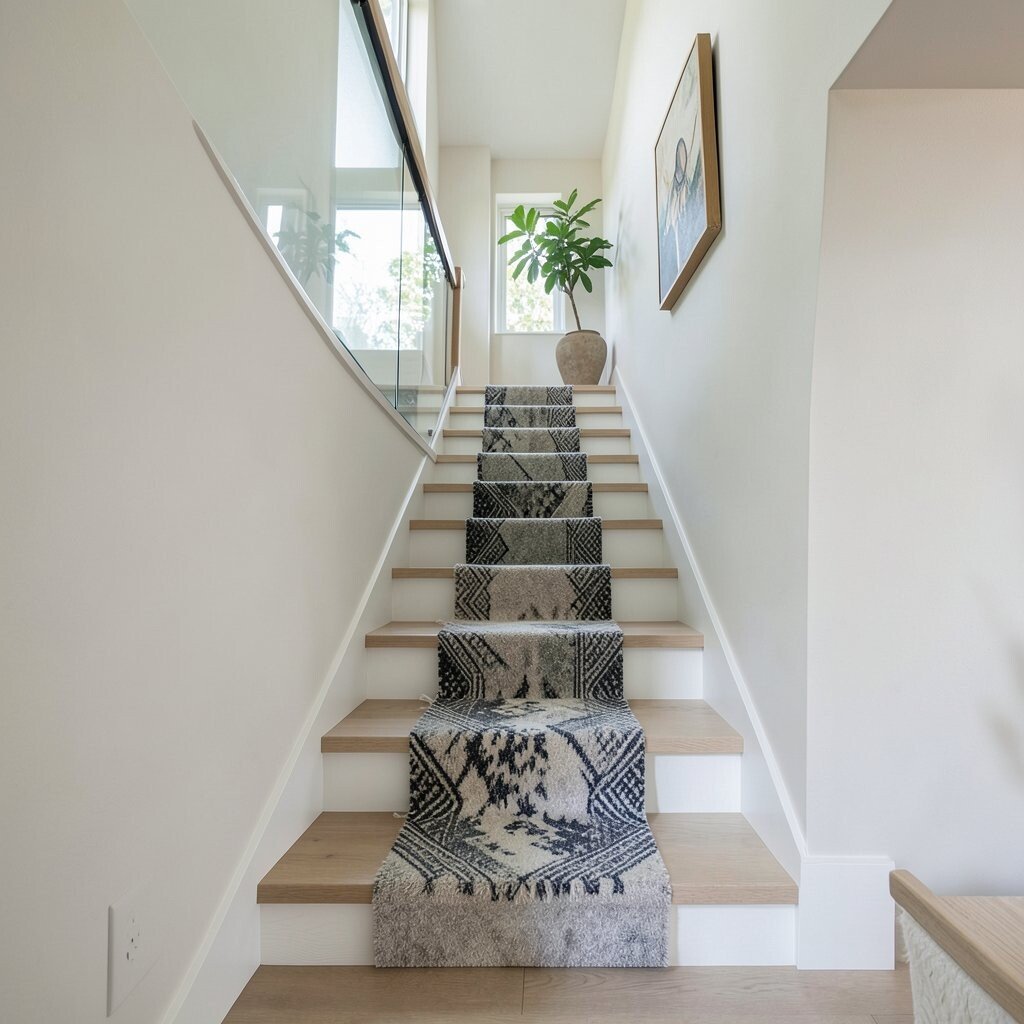
Stairs need breathing room. When the space around them is packed with decor, furniture, or heavy patterns, the whole area feels busy.
Clean walls and open edges make stairs easier to enjoy. A single art piece, a runner, or a bold paint color can add charm without crowding the scene. This also keeps the design easier to clean and maintain.
If your home feels small, choose slim details instead of bulky ones. Floating steps, light-colored walls, and clear glass can help the area feel airy. That kind of simplicity often costs less than a full makeover too.
7. Skipping a clear color plan
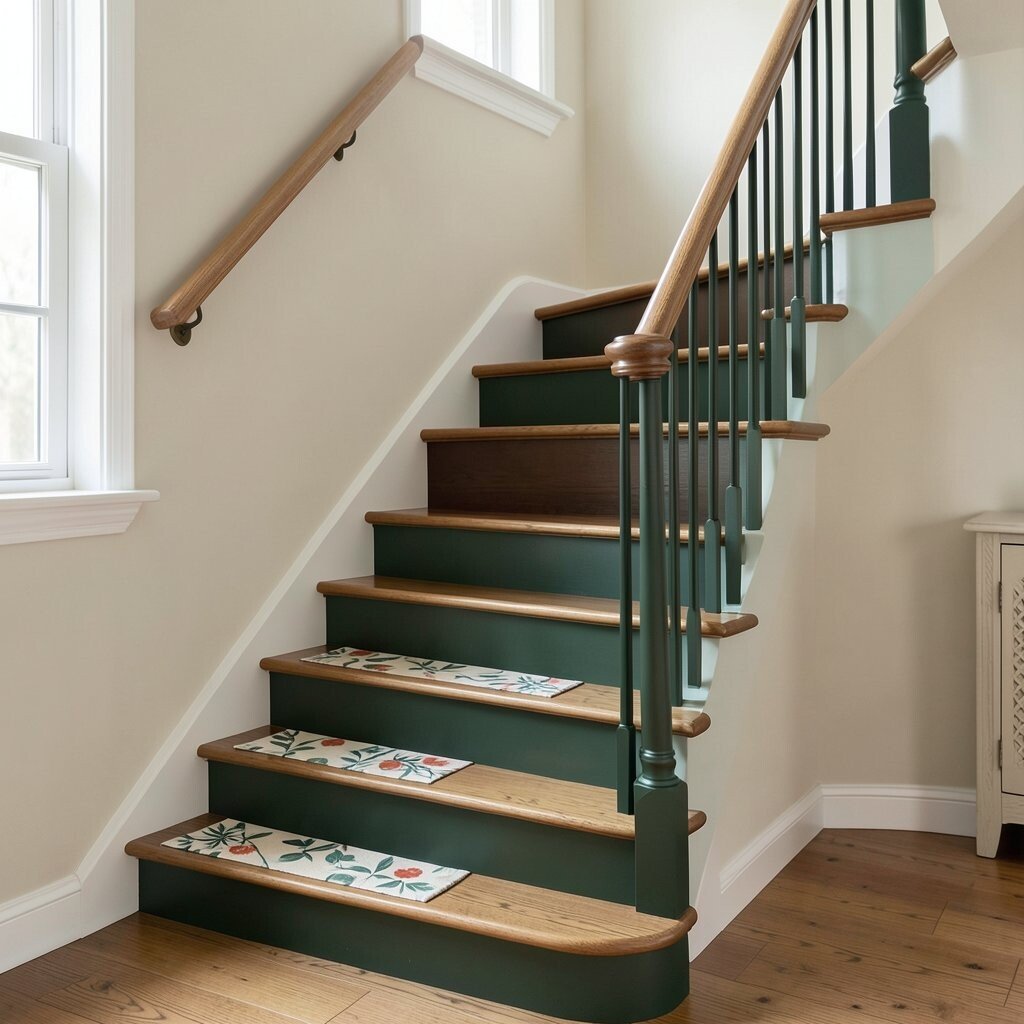
Color can make stairs feel tied to the rest of the house. Without a plan, the stair area may look like it belongs to another home.
Soft neutrals feel calm, while bold colors can make the stairs the star of the room. You can paint risers, stain treads, or add a runner with a fresh pattern. Matching colors to nearby floors and walls helps the design feel thoughtful.
For a unique touch, use one accent shade on the handrail or trim. That small pop can make the stairs feel custom without a big cost. Trendy tones like warm oak, deep green, and matte black are popular because they feel fresh and easy to live with.
8. Forgetting comfort underfoot
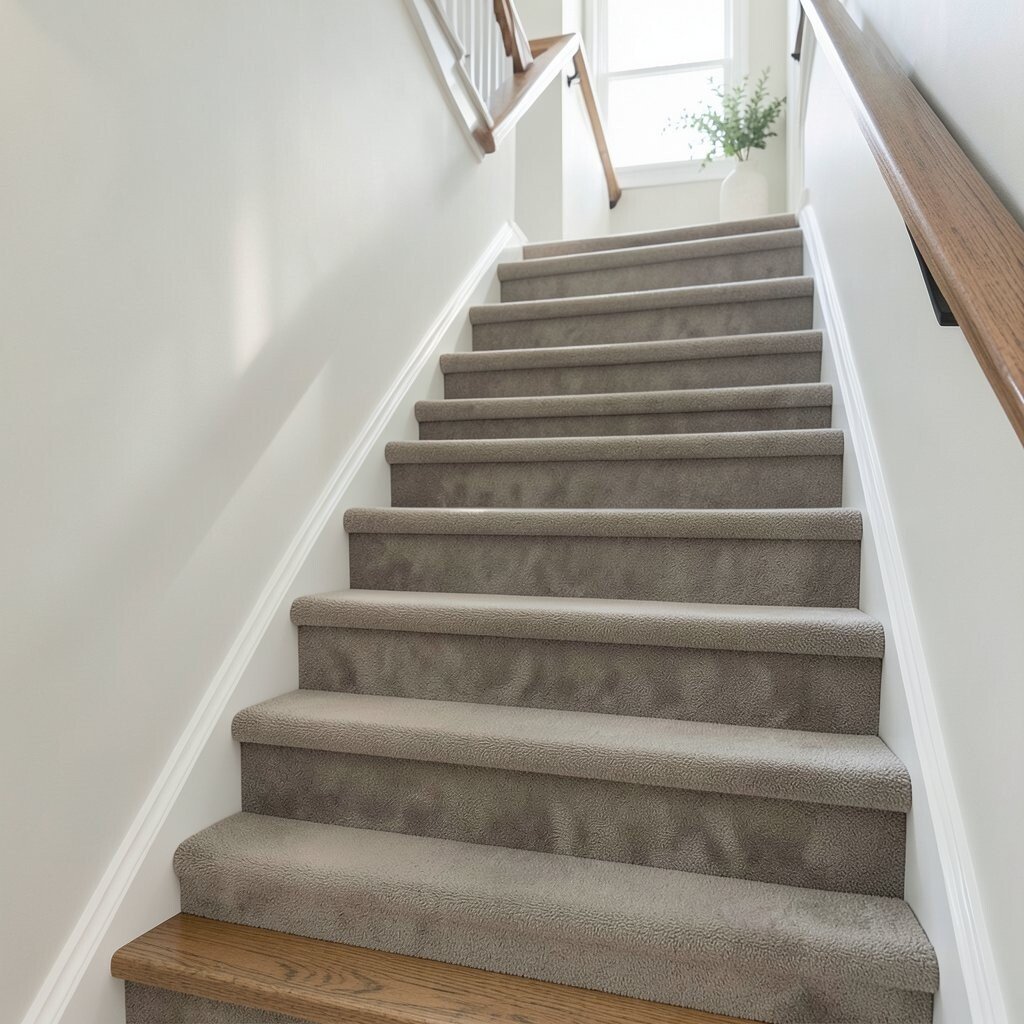
Stairs should feel good to walk on, not just look nice. Slippery or hard surfaces can make every step feel tense.
Texture helps a lot. A stair runner, a matte finish, or a lightly grained surface can give better grip and a softer feel. This is a smart choice for homes that want both comfort and style.
Think about noise too, since some stairs echo loudly when people walk on them. Softer materials can make the home feel calmer and more peaceful. If you are choosing between looks and comfort, aim for a mix of both.
9. Missing the chance to add personality
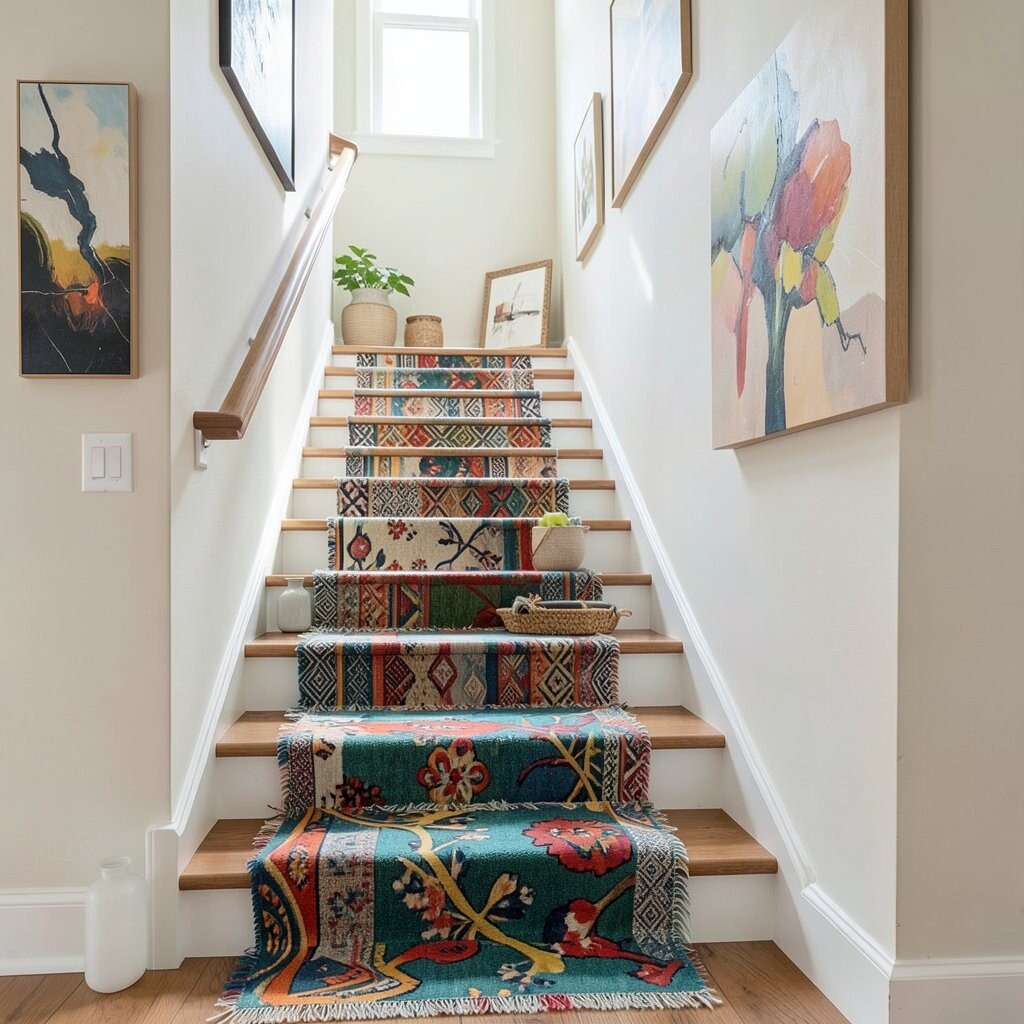
Stairs do not have to blend in and stay boring. They can show off your taste in a way that feels fun and welcoming.
Try patterned risers, art on the wall, or a bold runner with a playful edge. Small changes can make the stairway feel like a special moment in the home. Personal touches also help the space feel less like a hallway and more like part of your story.
Keep the rest of the design simple if you want the stairs to stand out. That balance makes the feature feel intentional instead of messy. Unique details often cost less than a full rebuild, which makes them a smart upgrade.
10. Underestimating storage and function
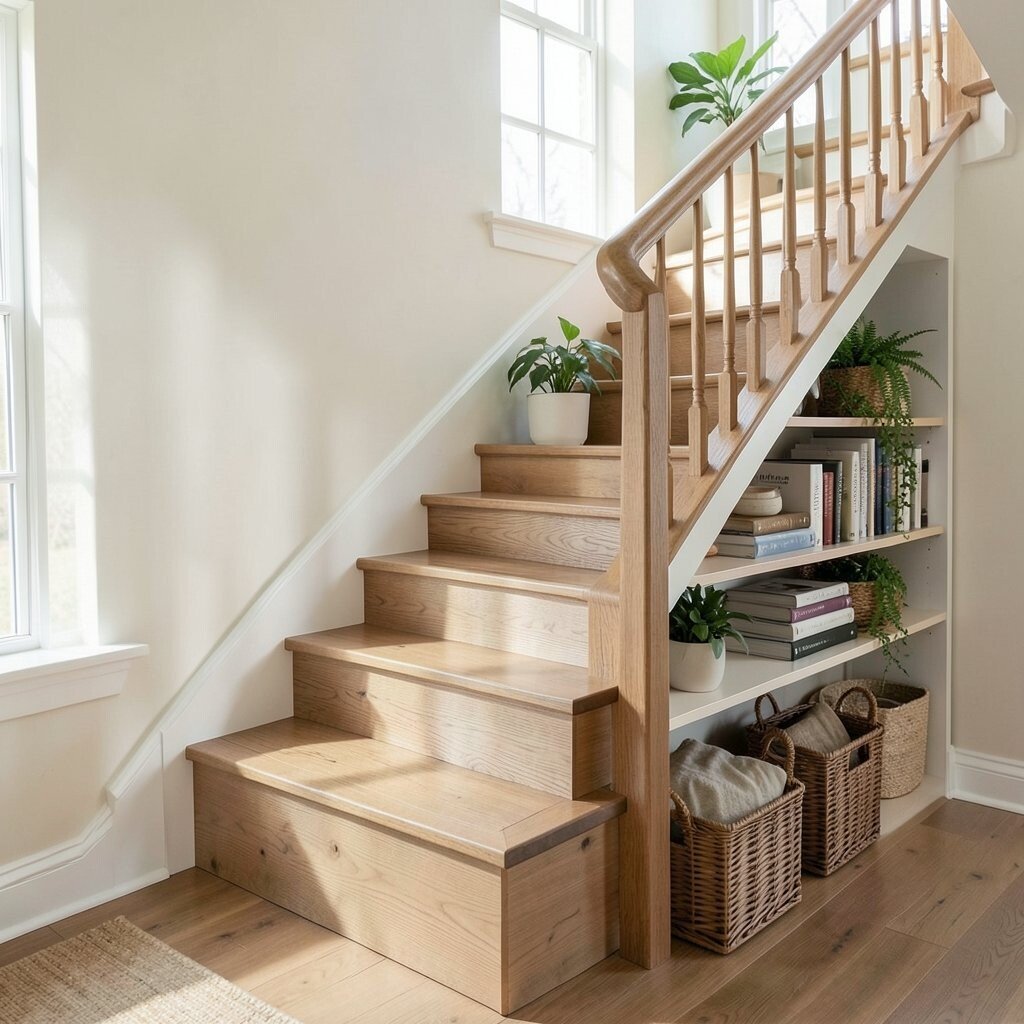
Stairs can do more than move people from one floor to another. They can also hide storage, display objects, or help shape a smarter home.
Built-in drawers under the steps work well in small spaces. Open shelves can hold books, baskets, or plants if you want a lighter look. These ideas add usefulness without taking up extra floor space.
Before you build, think about what your home needs most. A family may want toy storage, while a design lover may want display space for favorite objects. Functional stairs often feel more valuable because they save room and reduce clutter.
11. Choosing trends without thinking long term
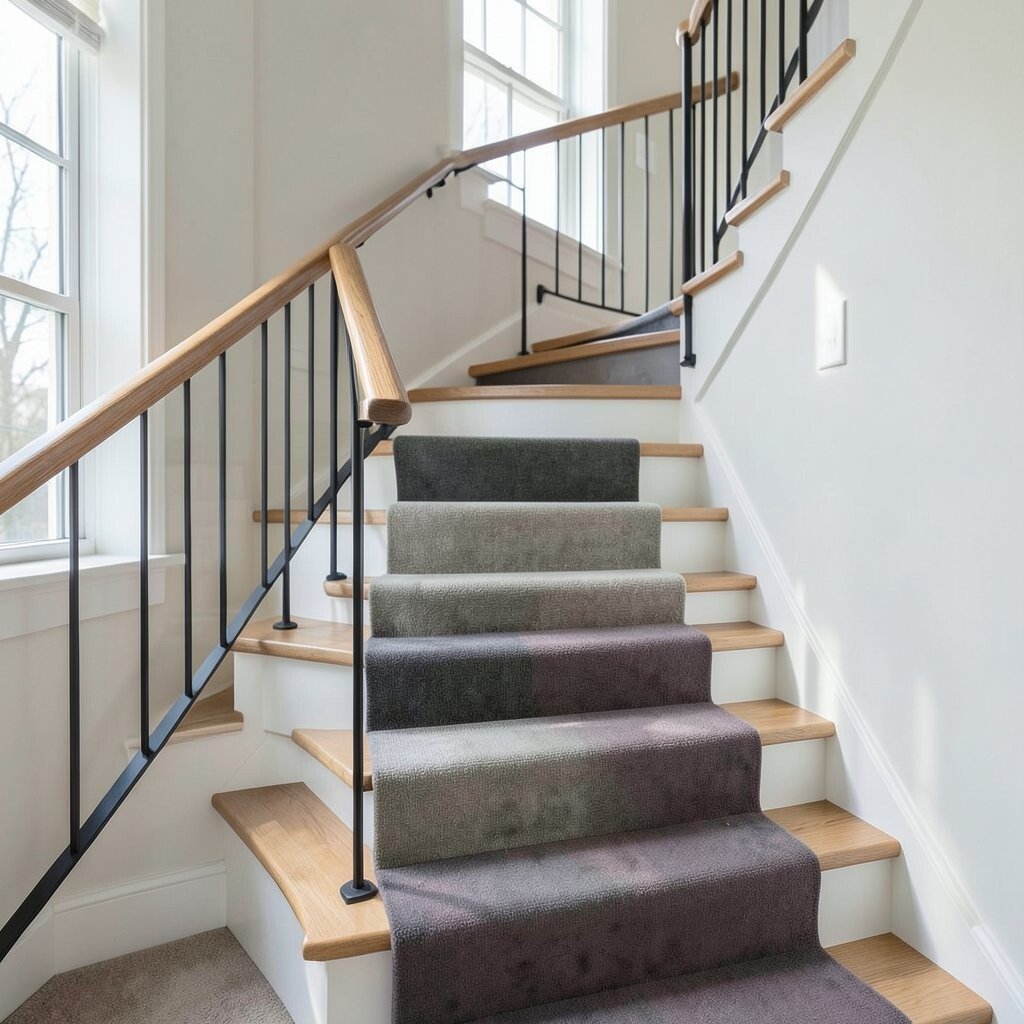
Trendy stairs can look exciting at first. If the style is too loud, it may feel old fast and be hard to live with.
Pick trend pieces that are easy to update later. A bold runner or painted riser is simpler to change than a full structural design. This gives you flexibility while still keeping the stairs fresh and current.
Classic shapes with modern finishes often age best. Think clean lines, natural wood, or simple metal details with one stylish accent. That mix gives you a look that feels new now and still works years later.
12. Forgetting the view from every angle
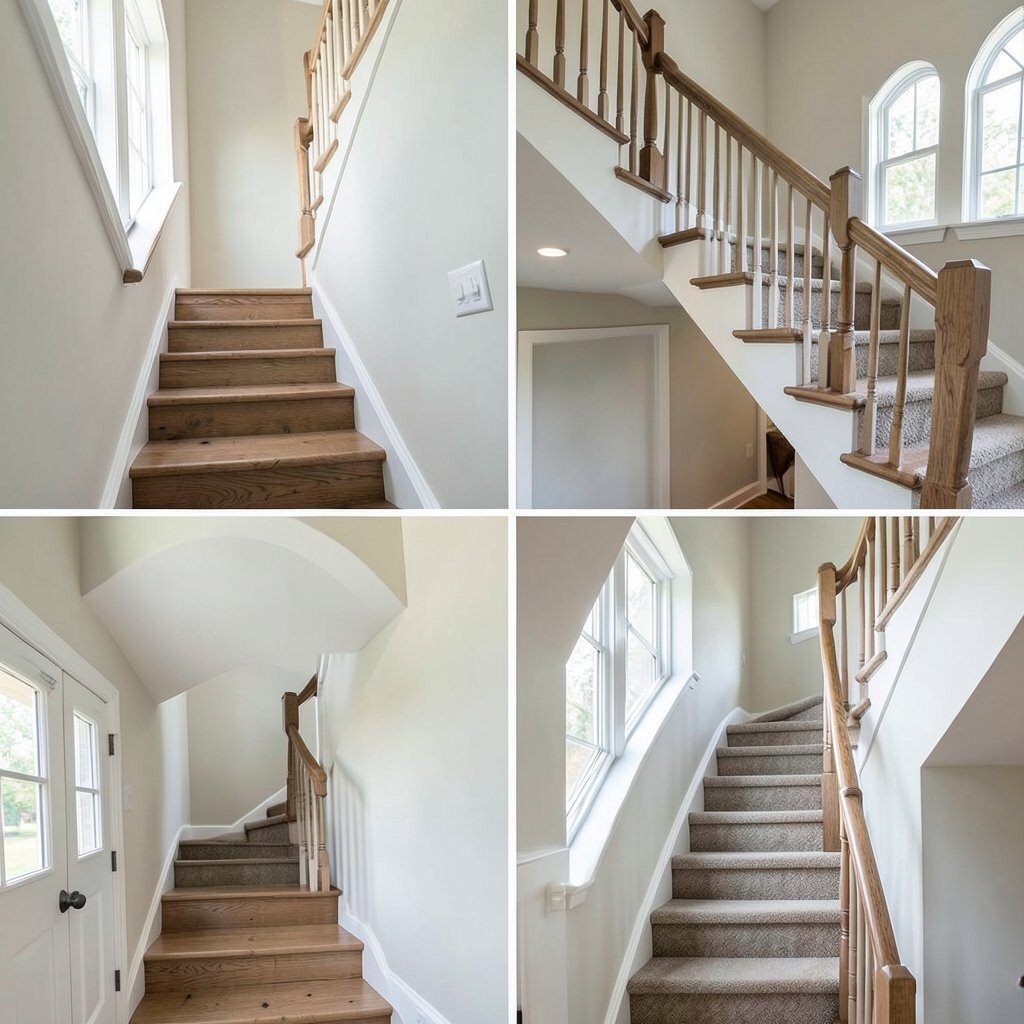
Stairs are seen from above, below, and across the room. If the design only looks good from one side, the whole space can feel unfinished.
Check how the stairs appear when you enter the home, stand at the landing, and look back from the upper floor. The underside, side walls, and rail profile all matter. Even a simple stair can feel special when every angle is considered.
This is a great place to use texture, trim, or a soft color wash. It adds depth without making the design too busy. A well-planned stair view can make the whole home feel more polished.
13. Focusing only on looks and not upkeep
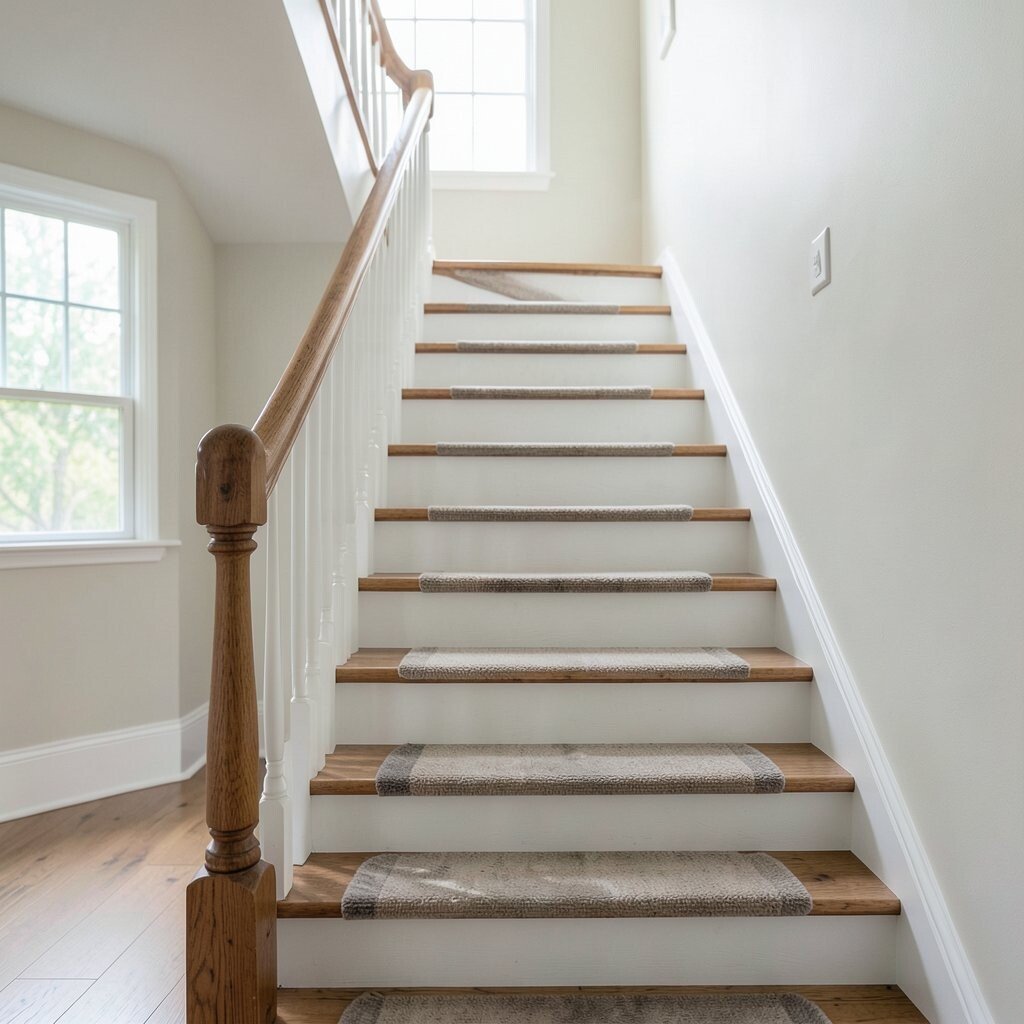
Beautiful stairs still need care. If they are hard to clean or easy to scratch, the shine fades fast.
Choose finishes that fit your routine and your budget. Easy-wipe paint, durable wood, and stain-resistant runners can save time and money over the years. Low-maintenance stairs often stay attractive longer, which makes them a smart design win.
Ask how the stairs will age before you buy anything. Will the finish show dust, scuffs, or pet hair? The best stair ideas feel good on day one and still look good after daily use.