A calm home can feel like a deep breath at the end of a long day. Minimalist design helps your space look neat, feel lighter, and stay comfortable.
1. Soft-White Monochrome Rooms
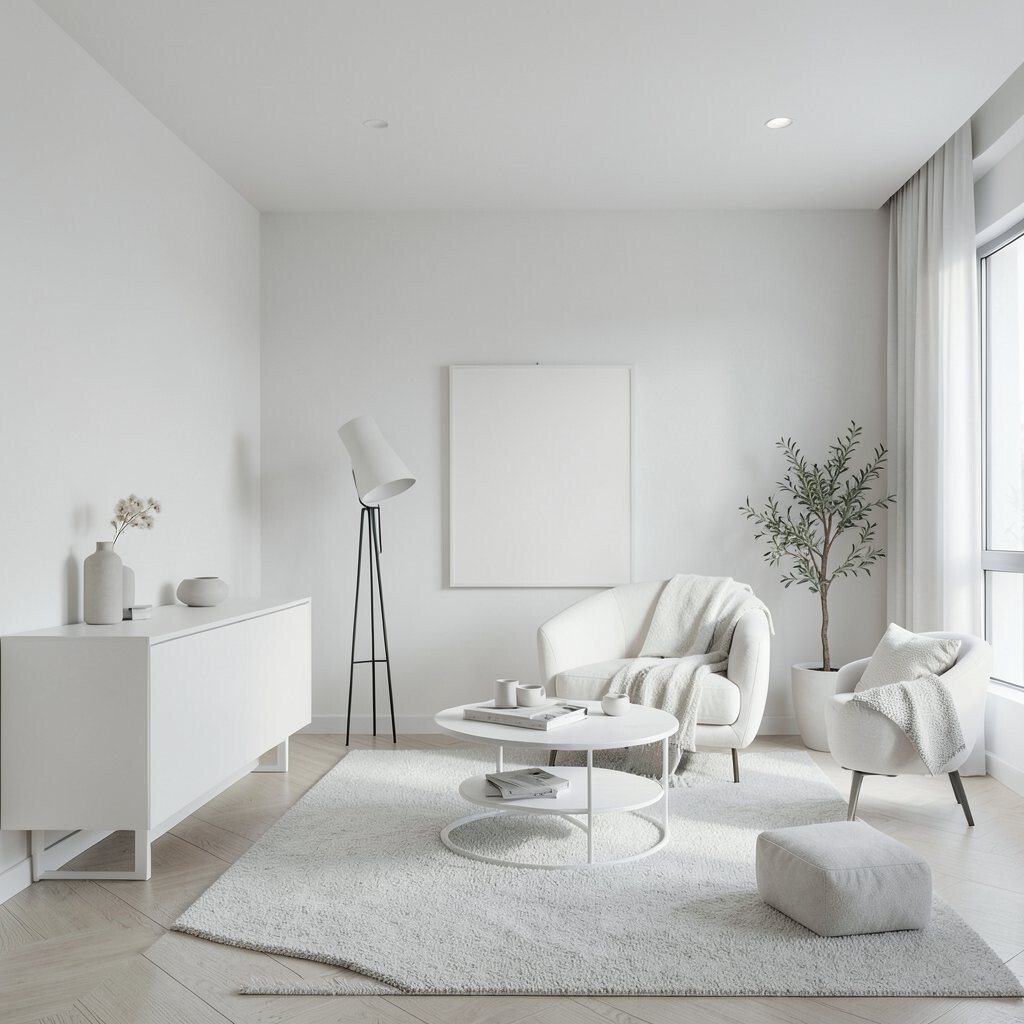
Pick a soft-white palette across walls, trim, and larger furniture pieces for a clean, airy look. You’ll see how light bounces around the room and makes everything feel more open.
Choose matte paint and low-sheen finishes to keep the room from looking flat or shiny. Add warmth with natural wood, linen curtains, and a few textured throws. Keep patterns subtle so the eye rests instead of jumping from one detail to the next.
2. Low-Slung Furniture With Clean Lines
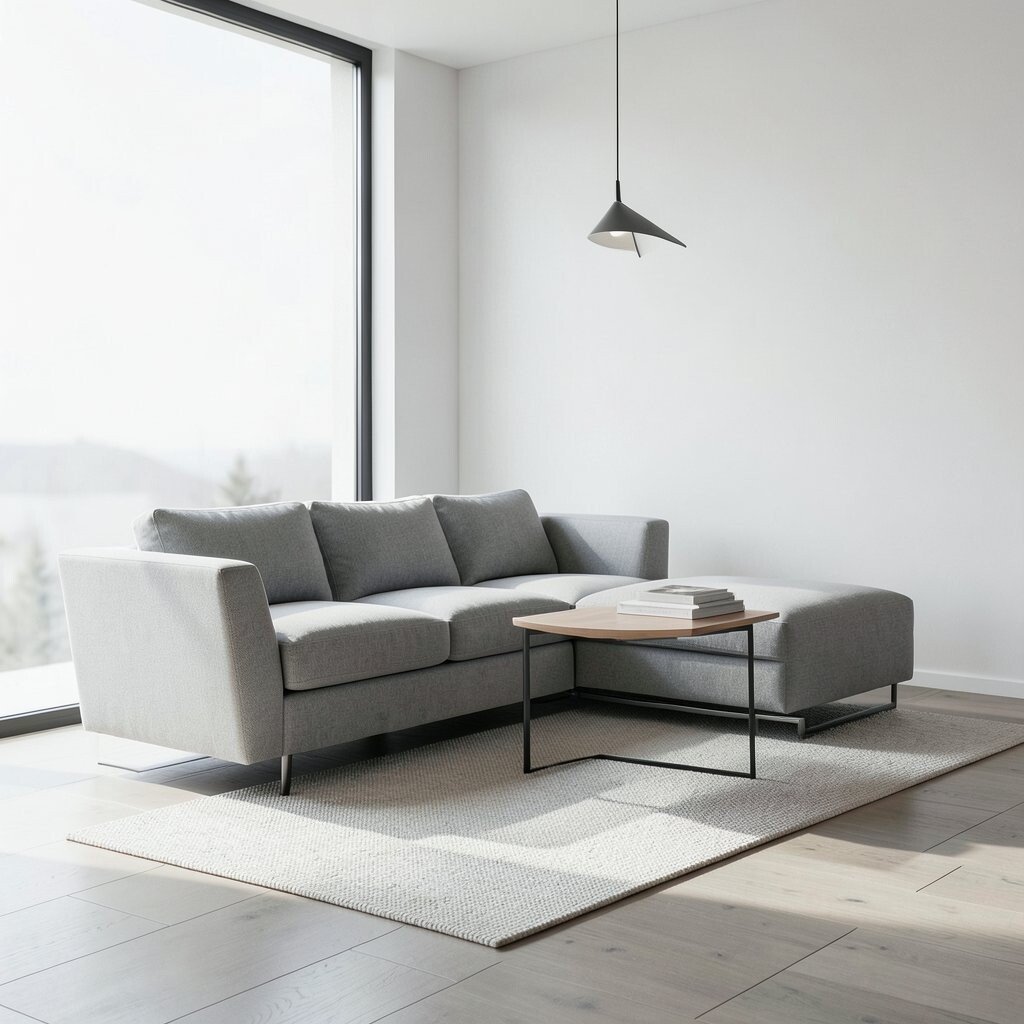
Go for sofas, chairs, and beds that sit closer to the floor. This makes rooms feel grounded while keeping walkways visually open.
Use simple shapes like straight arms and rounded backs, and pair them with a thin-profile rug. When you measure before buying, you avoid the common minimalist mistake of blocking doors and vents. If you want a personal touch, swap in one standout accent pillow in a color you love.
3. Floating Shelves That Feel Airy
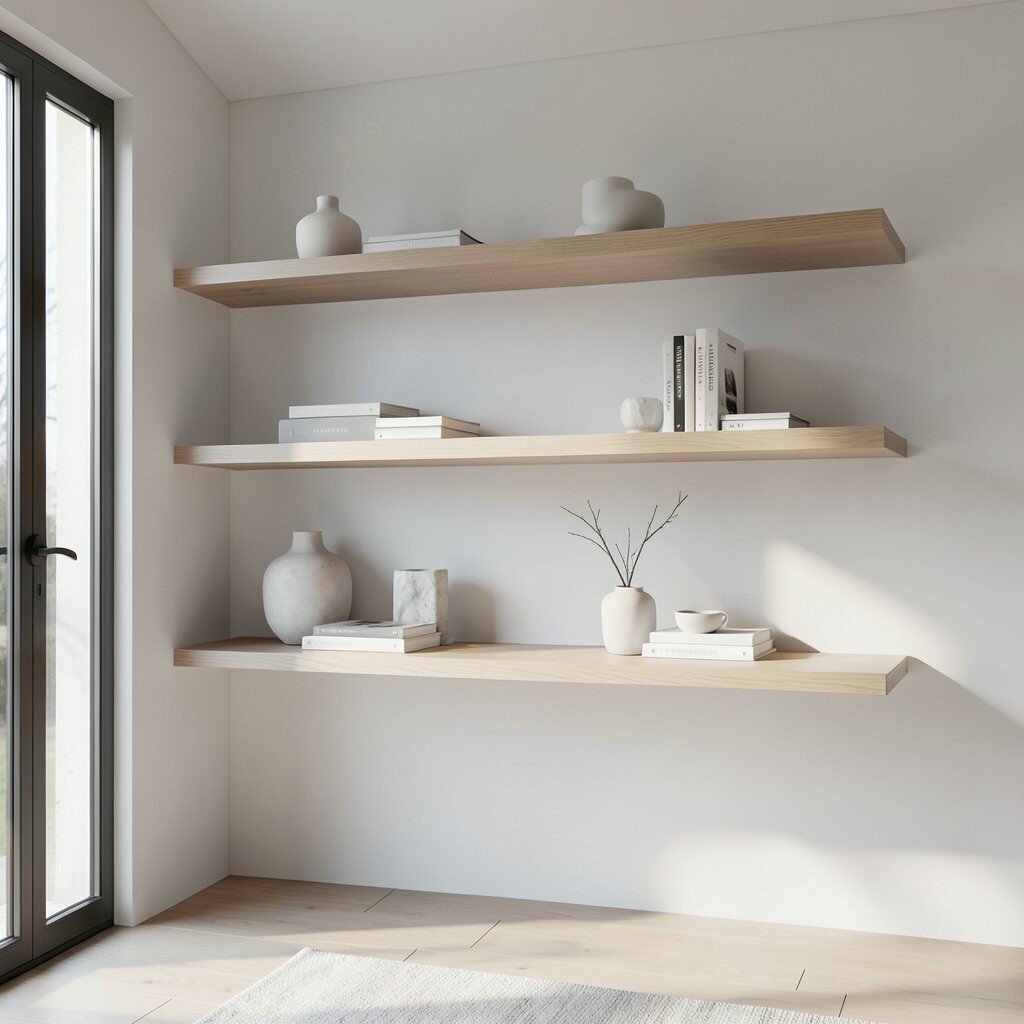
Floating shelves bring storage up and out of the way while keeping the wall visually light. Style them with a few books, one small plant, and a simple tray.
Keep spacing even and limit the number of items so the arrangement looks calm. A good practical move is to group objects by height, which creates an easy rhythm for your eye. For cost control, use affordable shelf systems and invest in quality brackets if the shelves will hold heavier decor.
To personalize, choose small pieces that match your daily life, like a mug set, a travel book, or a framed photo. If you like current trends, look for warm neutrals and gentle curves on shelf decor rather than bold neon items.
4. Textured Neutrals Instead of Loud Color
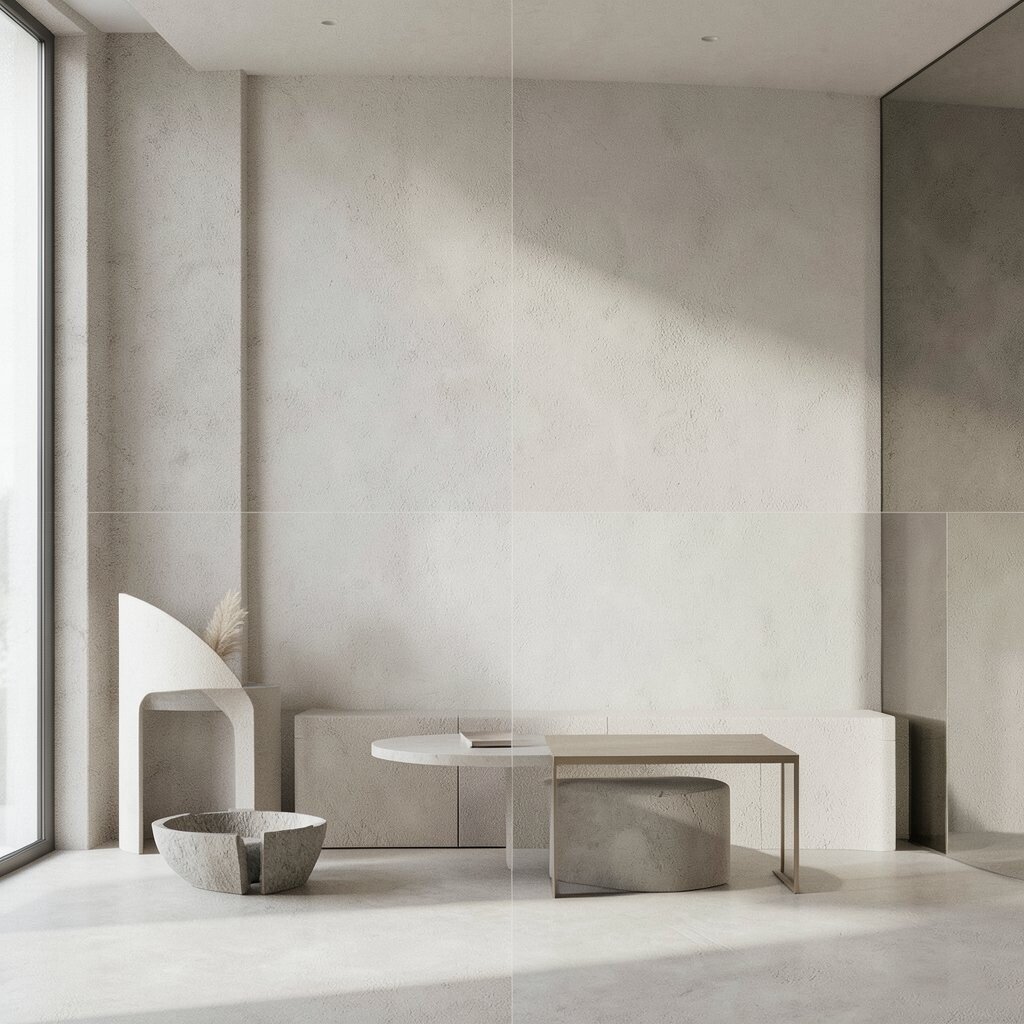
When you avoid bright colors, texture becomes the main character. Think boucle cushions, ribbed ceramic vases, and woven baskets that show depth without clutter.
Mix materials in a controlled way so the room stays cohesive. Try a simple rule like using two or three textures per area, and repeat them in another room for flow. This approach often costs less than buying many new bold items because texture can come from covers, rugs, and small accessories.
5. Gallery Walls With Big Spacing
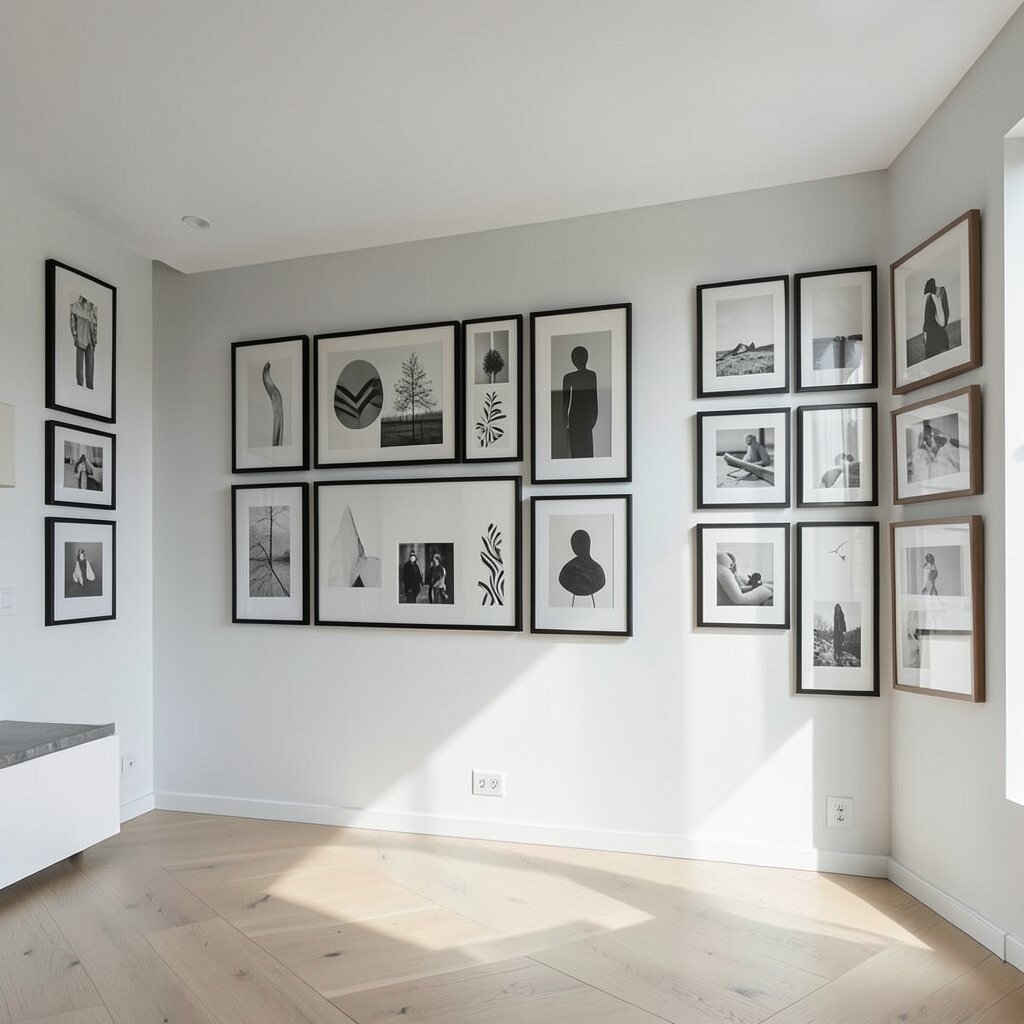
A minimalist gallery wall doesn’t need lots of frames. Use fewer pieces, larger sizes, and wide spacing so the wall feels intentional.
Stick to a limited frame finish like black, oak, or white to keep the look tidy. Use the same mat color across artworks for a simple, modern feel. For an easy budget win, print your own photos or use inexpensive poster art with high-quality frames.
To personalize, choose art that matches your daily mood, such as calm landscapes, abstract shapes, or meaningful quotes in soft typography. This style fits current trends toward personal, warm minimalism instead of cold, empty spaces.
6. Slab-Style Cabinet Doors in Warm Finishes
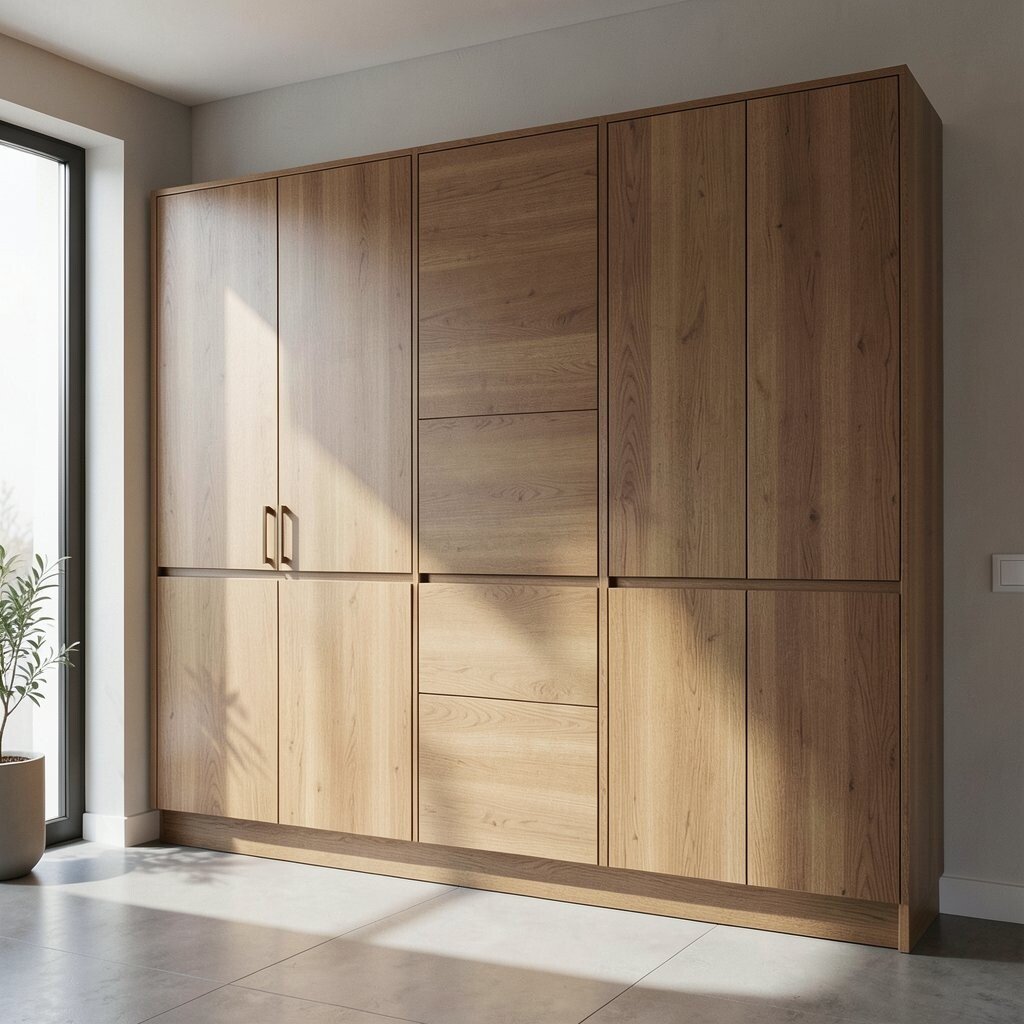
Flat slab cabinet doors look sleek and modern, especially in warm finishes like light oak or soft walnut. The smooth front surfaces make kitchens feel orderly and easier to keep clean.
Keep hardware minimal, such as simple pulls or even push-to-open doors, for a streamlined look. Use matching cabinet fronts across upper and lower units to reduce visual breaks. If you’re budgeting, refresh existing cabinets with new doors or a refinishing kit rather than replacing everything.
7. Integrated Lighting for a Clean Glow
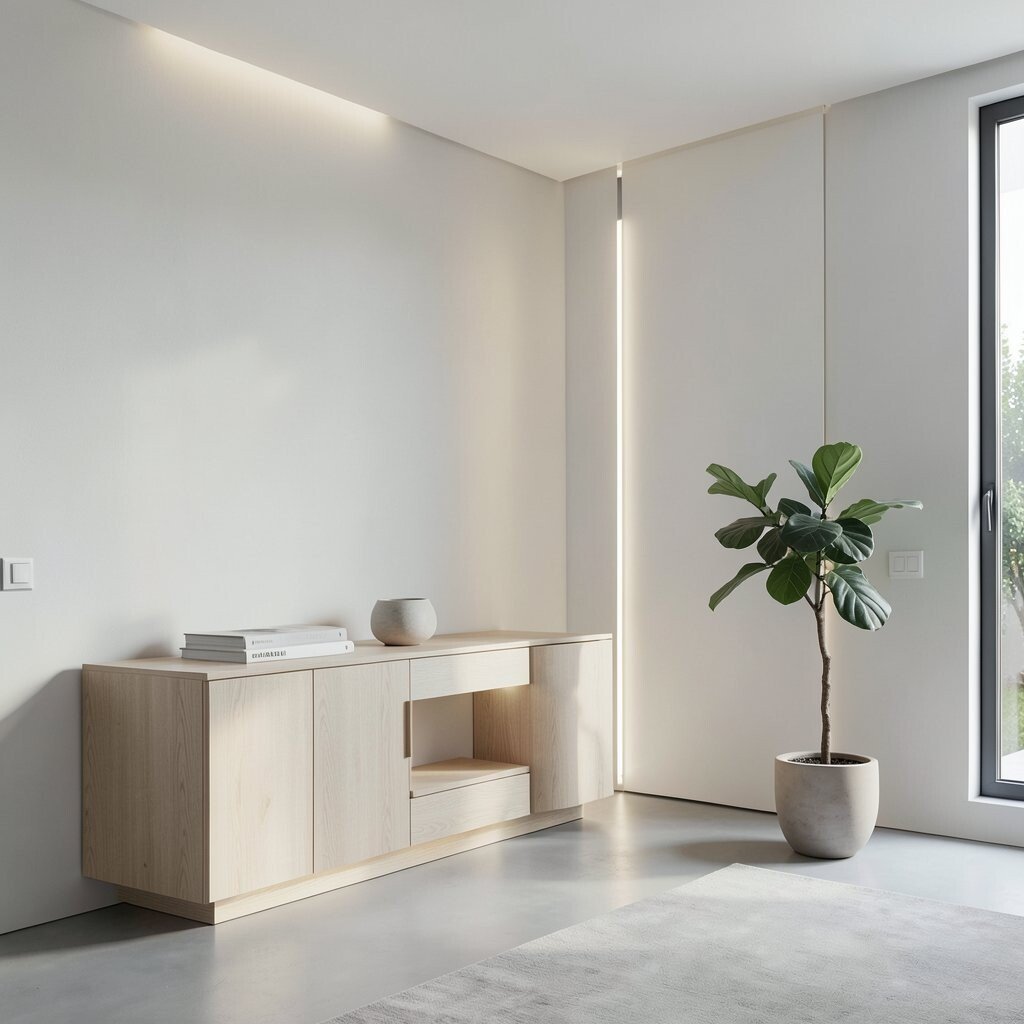
Lighting can make minimalist design feel cozy instead of bare. Choose recessed lights, slim track fixtures, or understated wall sconces to create a steady, flattering glow.
Use warmer bulbs in common living spaces so skin tones look natural and evenings feel inviting. Add dimmers if you can, because changing light levels helps your room feel flexible for different plans. For personalization, aim a small accent light at a favorite texture like a ceramic bowl or a wood shelf.
This matches a current trend toward layered, low-profile lighting that supports both calm and function. When the fixtures are tidy and well-placed, you’ll notice the room looks larger even when nothing else changes.
8. Statement Mirror in a Simple Frame
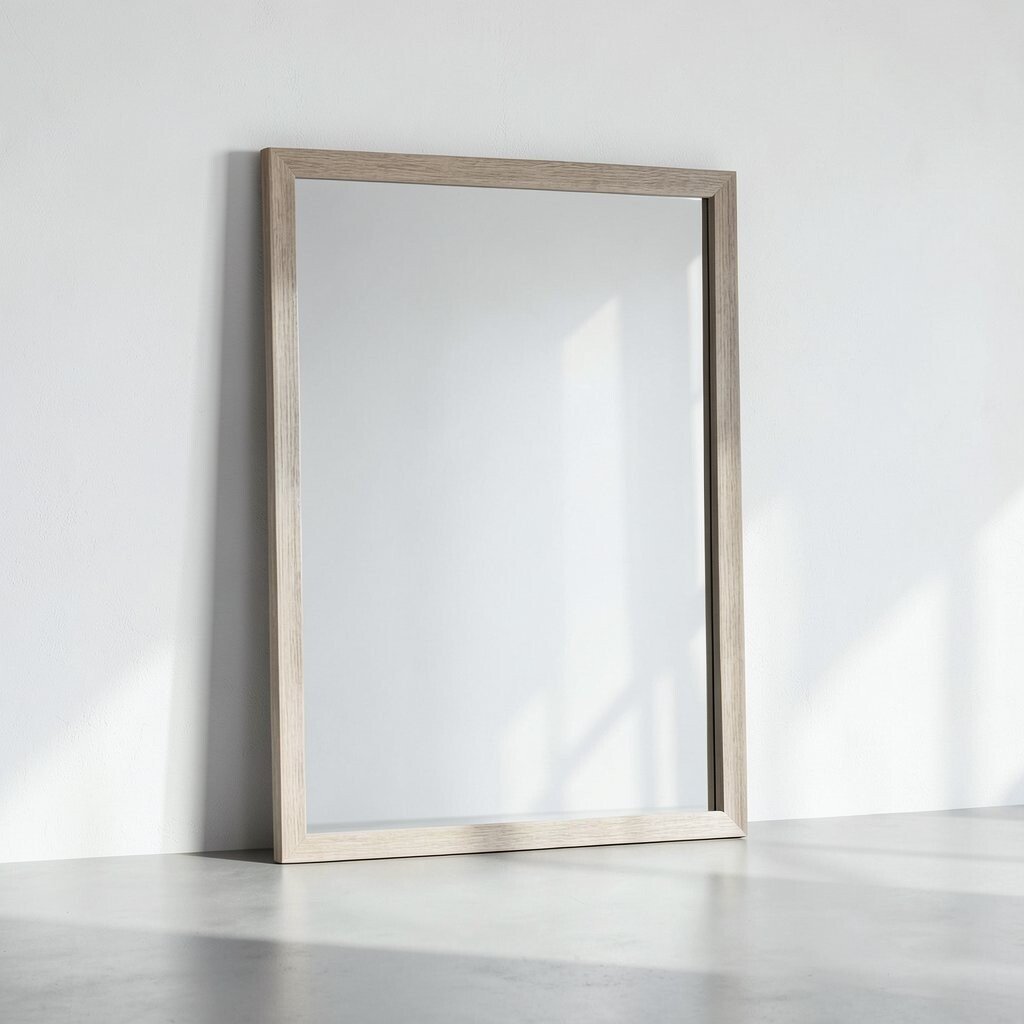
A large mirror can make any room feel bigger without adding clutter. Place it to bounce daylight from a window and create an instant, airy effect.
Keep the frame simple and strong, like a thin metal bar or a smooth wood edge. For practical results, make sure the mirror size matches the wall space, and avoid odd gaps that look accidental. Personalize it by selecting a finish that matches your other metals, such as brushed nickel or matte black.
9. Single Color Accent With a Purpose

Minimalism still needs a little personality, and one accent color can do the job. Choose a shade like sage green, muted blue, or terracotta and repeat it only in a few places.
Use the accent color on items that are easy to swap later, like a rug runner, a chair throw, or a small lamp. Keep the rest of the room in neutrals so the accent feels intentional rather than random. This is a great cost strategy because you can update the look with accessories instead of major furniture changes.
To personalize, pick a color tied to your lifestyle, like a favorite coffee tone for kitchens or a calm sea tone for bedrooms. Current trends lean toward nature-inspired accents, so you’ll feel very on style without needing to be flashy.
10. Minimal Entryway With Hidden Storage
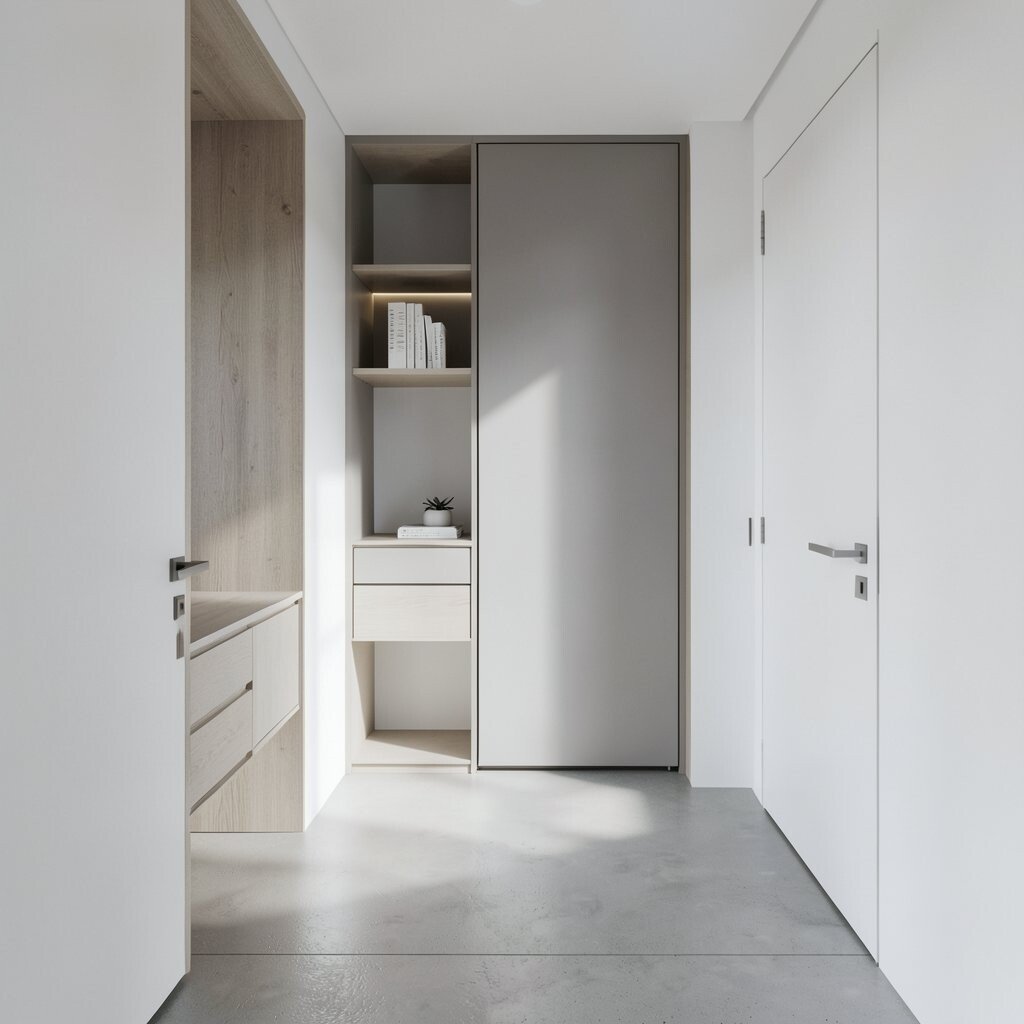
Your entryway sets the mood the moment you walk in. A minimalist entry looks best when everything has a home, from keys to shoes to bags.
Use a bench with storage underneath, a slim cabinet, or hooks that tuck items neatly. Choose wall hooks that match your hardware so the whole area feels consistent. For personalization, keep one small tray for mail and add a simple framed print above for a warm first impression.
11. Neutral Bedding With One Patterned Layer
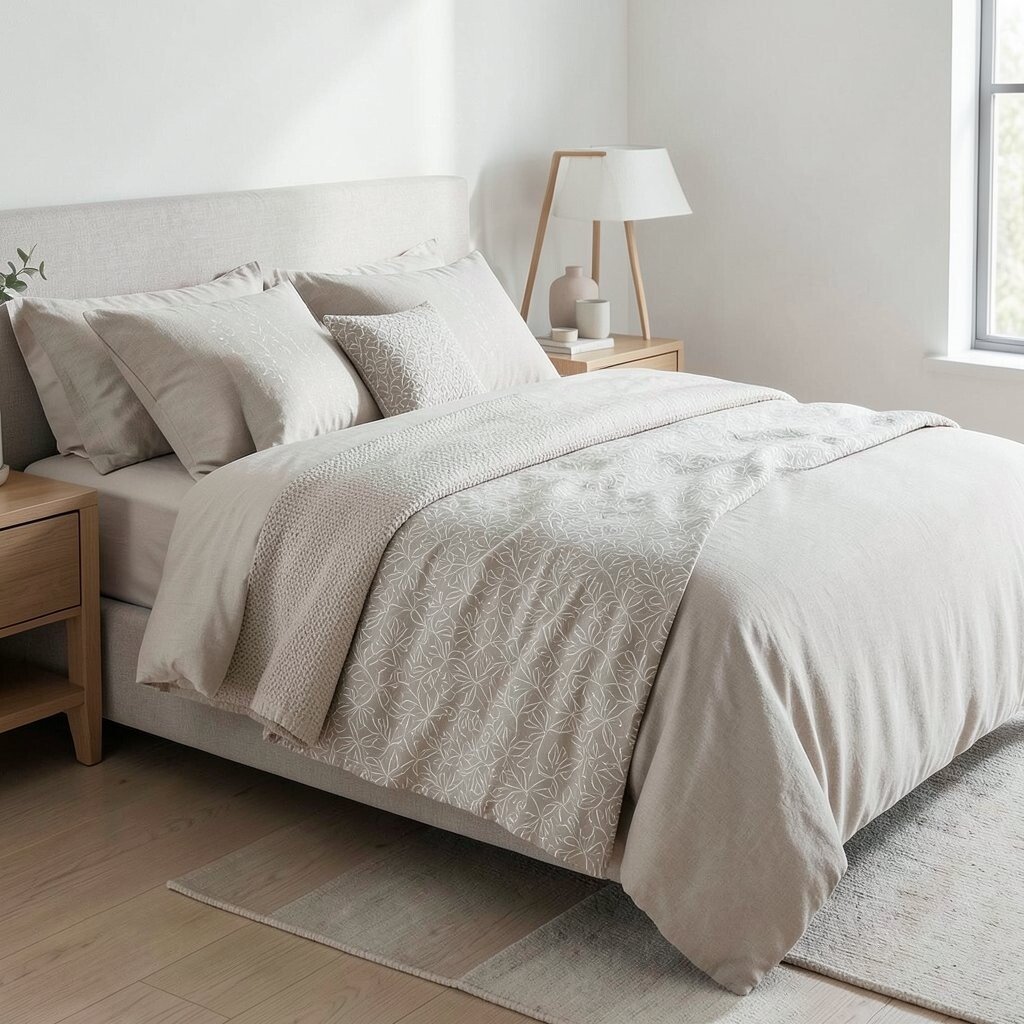
A bedroom can feel calm fast when your bedding is mostly neutral. Select crisp white, oatmeal, or soft beige, then add one patterned layer for interest.
Try a subtle geometric pillow cover or a minimal stripe on the throw. Keep the pattern scale small so it feels modern and not busy. If you want to control cost, update only pillow covers and a duvet cover while reusing your comforter.
To personalize, choose fabric that feels good to you, like cotton percale for crisp nights or linen for a relaxed vibe. This style fits current trends toward breathable textures and low-fuss, high-comfort bedrooms.
12. Carefully Curated Rugs With Simple Borders
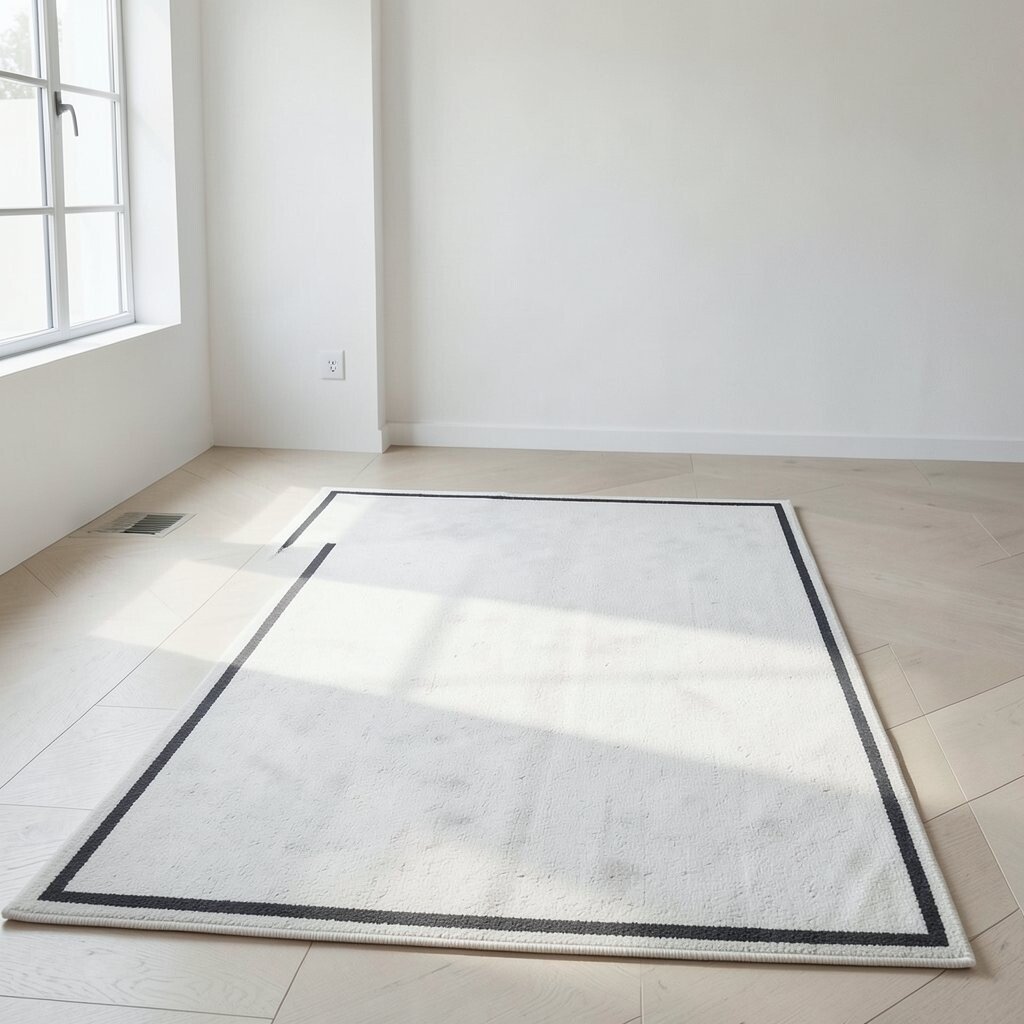
A rug can anchor a room and make everything look finished. Minimalist rugs often use solid colors, gentle gradients, or simple borders.
Pick the right size by testing layout first, because too-small rugs make rooms feel chopped. Stick to materials that match your lifestyle, like stain-resistant blends for families or wool for a softer feel. Personalize the look with a slightly different texture than your sofa so the room feels rich without adding visual noise.
13. Open-Plan Layout With Clear Zones
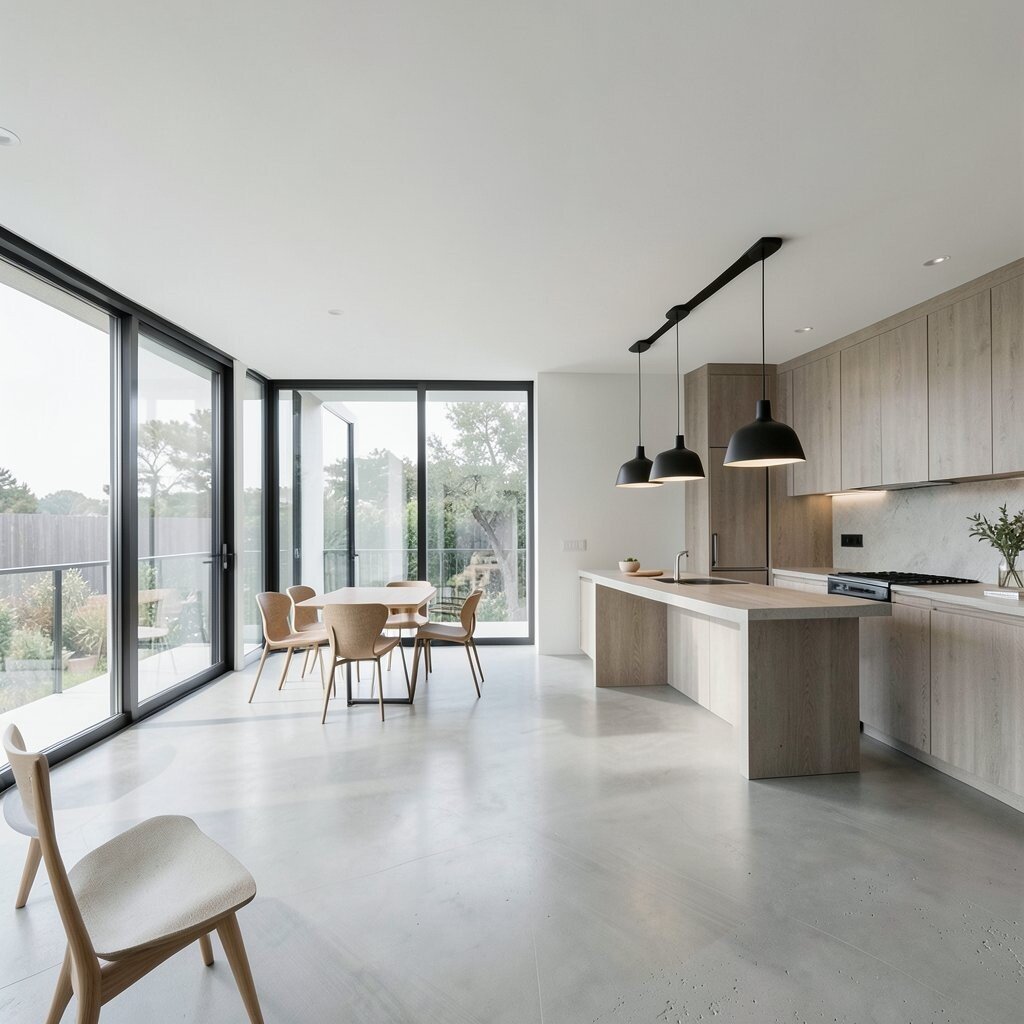
An open floor plan can feel messy unless you define zones. Even in a large space, minimalist design works by guiding movement and function.
Use furniture placement to create areas, like a sofa zone for relaxing and a dining zone for meals. A low bookshelf or a slim console can offer light separation without building walls. For personalization, choose rugs that match your color theme so each zone feels connected.
This approach is popular right now because many homes aim for flexible living spaces. When zones are clear, you get better daily flow and less clutter because people know where things belong.
14. Clean Window Treatments With Light Fabrics
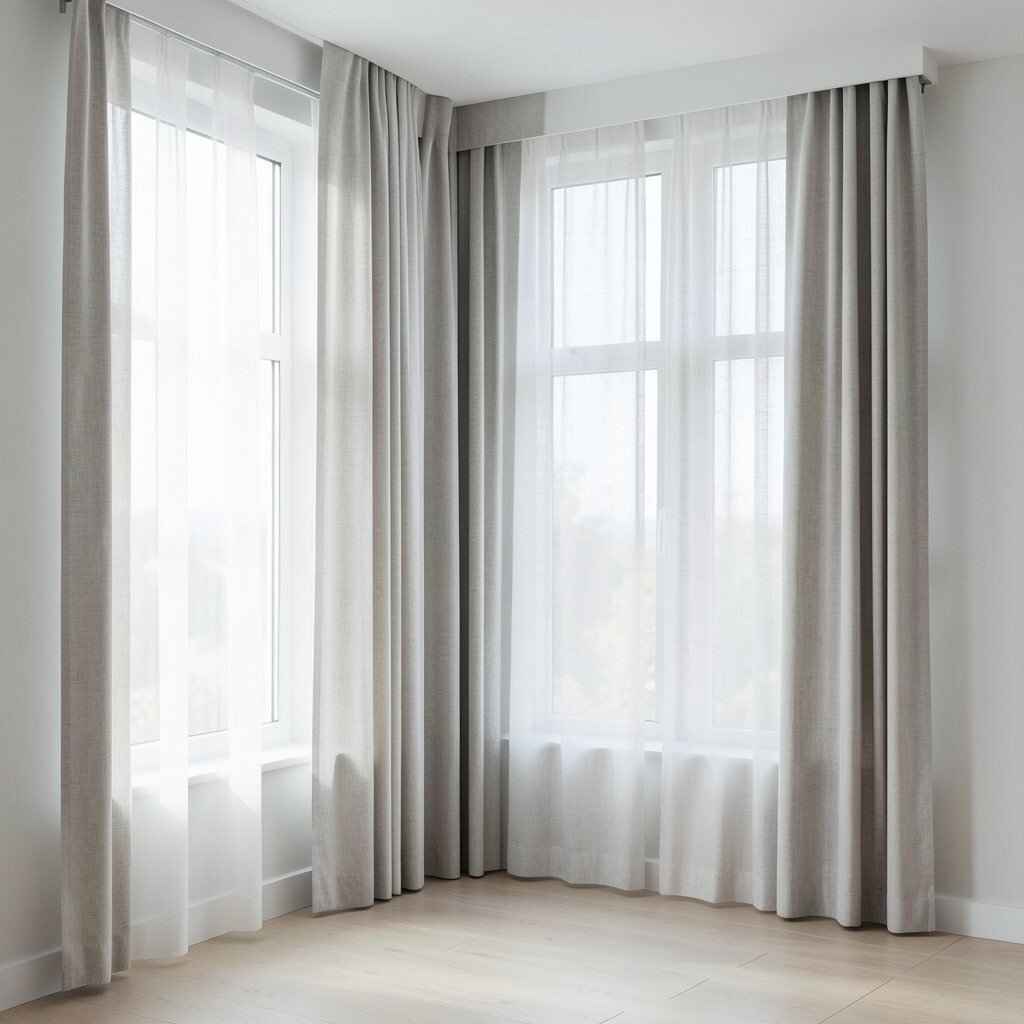
Window treatments can either add clutter or bring calm. Choose simple curtains in light fabrics like linen blends or soft cotton to keep the look modern and bright.
Hang them close to the ceiling for a taller, more open feeling. If you prefer privacy, pair sheer layers with optional blackout panels that fold neatly. For practical use, pick machine-washable fabrics and add tiebacks so the curtains stay neat in daylight.
15. Minimal Bathroom With Matching Finishes
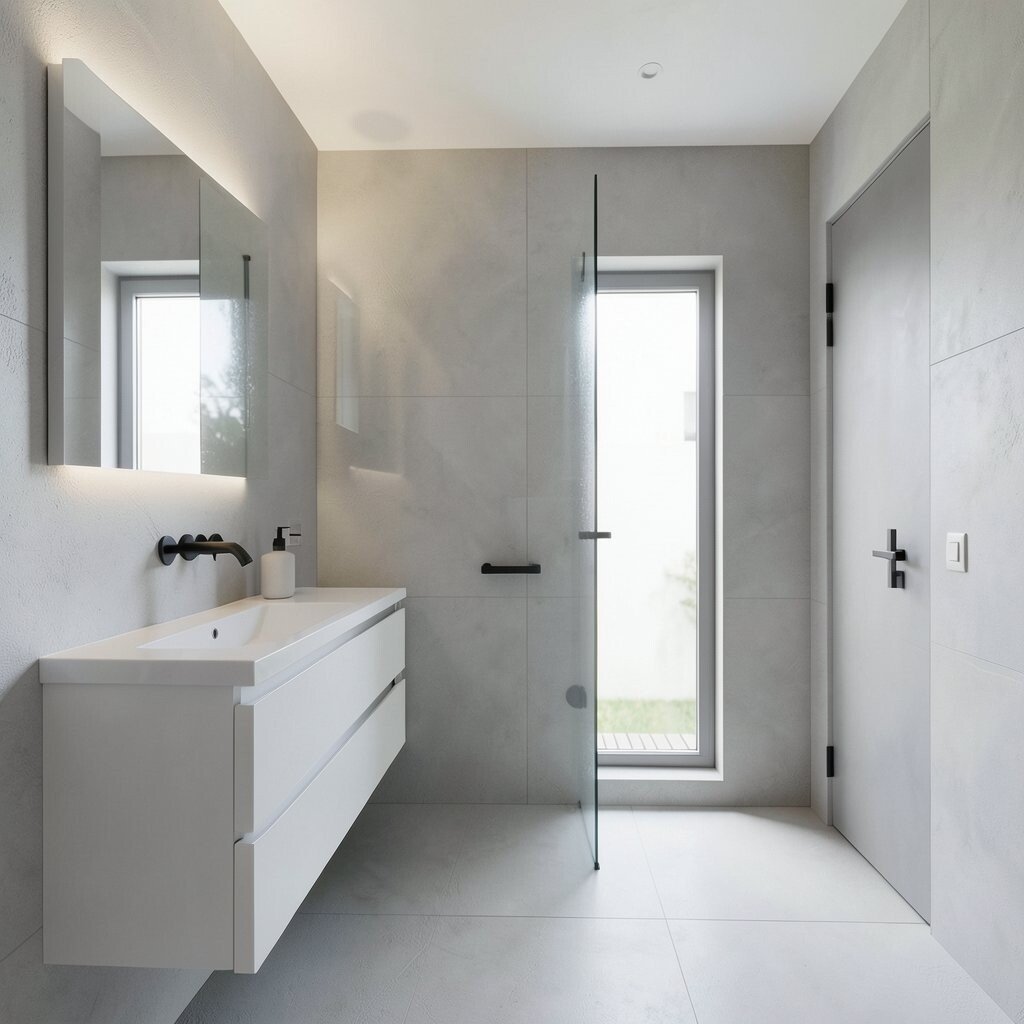
A bathroom looks instantly modern when everything matches in finish and style. Aim for one metal tone across faucets, towel bars, and cabinet hardware.
Use a floating vanity or a simple cabinet with clean lines to keep the floor visible. Keep countertop items limited to what you use daily, like soap, a toothbrush holder, and one small tray. Personalize by adding a textured hand towel set or a framed print that fits the mood you want.
For cost considerations, replace only the parts that show every day, like the mirror, lighting, and faucet. This is a smart way to get a modern feel without redoing the whole room.
16. Practical Storage Bins That Look Built-In
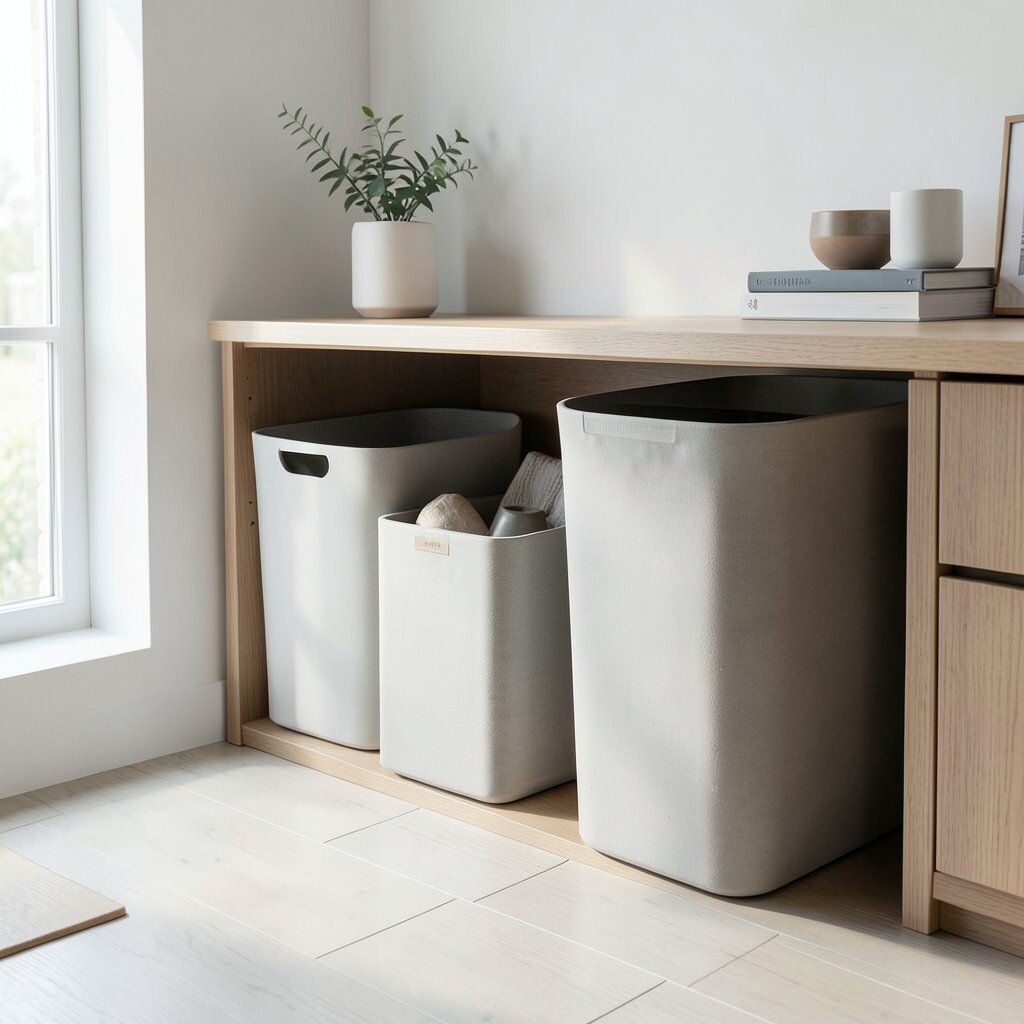
Minimalism isn’t about having nothing, it’s about having less visible clutter. Storage bins help you keep items tidy while preserving the calm look.
Choose bins in neutral colors like sand, gray, or natural fiber so they blend in. If you can, use matching bins across closets or shelves for a uniform appearance. Personalize by labeling lightly with a small tag or by using different textures to separate categories without bright colors.
This also helps with organization speed, because you can clean up in minutes instead of sorting all over again. A lot of minimalist homes are trending toward hidden storage, especially in busy family spaces.
17. Simple Plant Styling With Negative Space
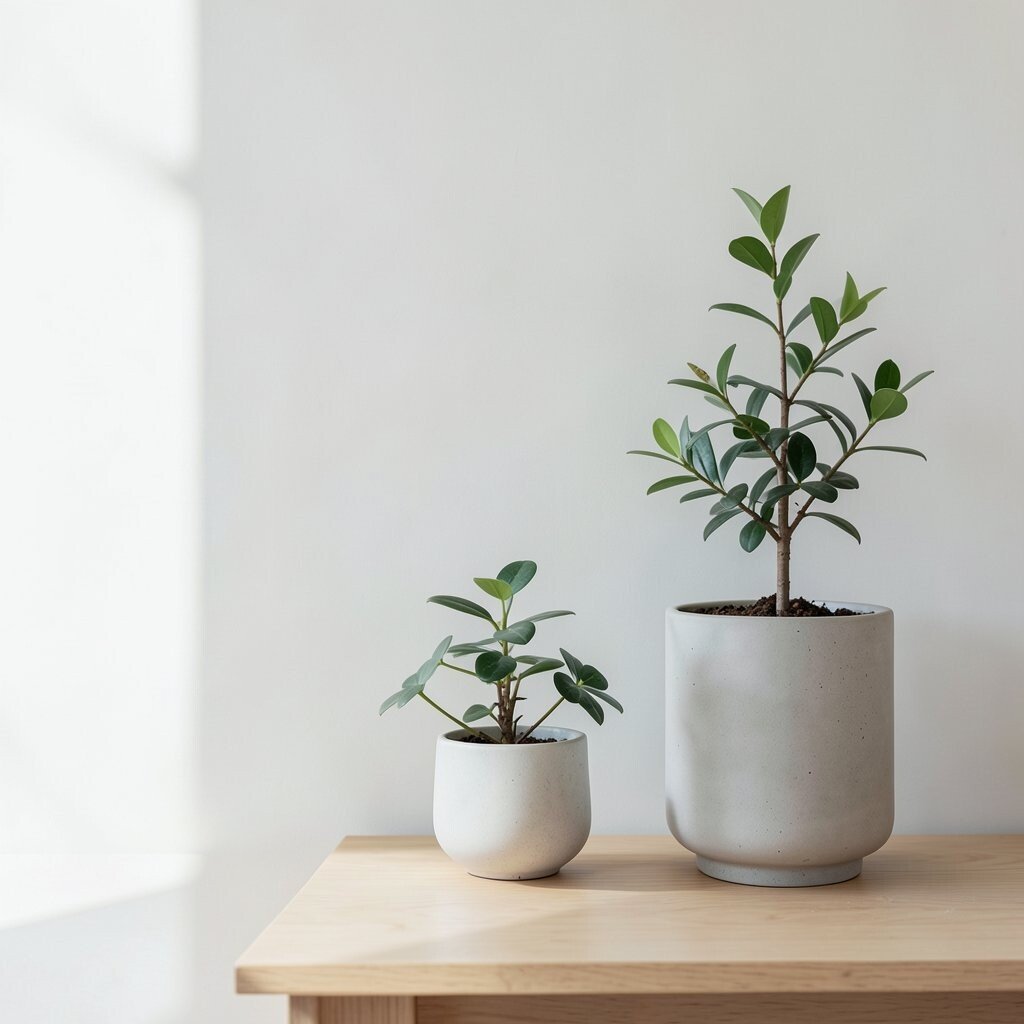
Plants bring life to a minimalist home, especially when they’re styled with breathing room. Choose a few plants that fit your light, such as a fiddle-leaf fig, a snake plant, or a pothos vine.
Place plants on the floor or on a single shelf so they don’t crowd every surface. Use matching pots in muted colors, and keep the plant grouping intentional with clear negative space around them. For personalization, add one unique pot you love and let the rest stay simple to keep the focus on greenery.
If you’re watching current trends, you’ll notice more modern planters with matte finishes and clean silhouettes. Plus, plants can make the home feel more calming and welcoming after a long day.
18. Monochrome Kitchen Countertops With Fewer Tools
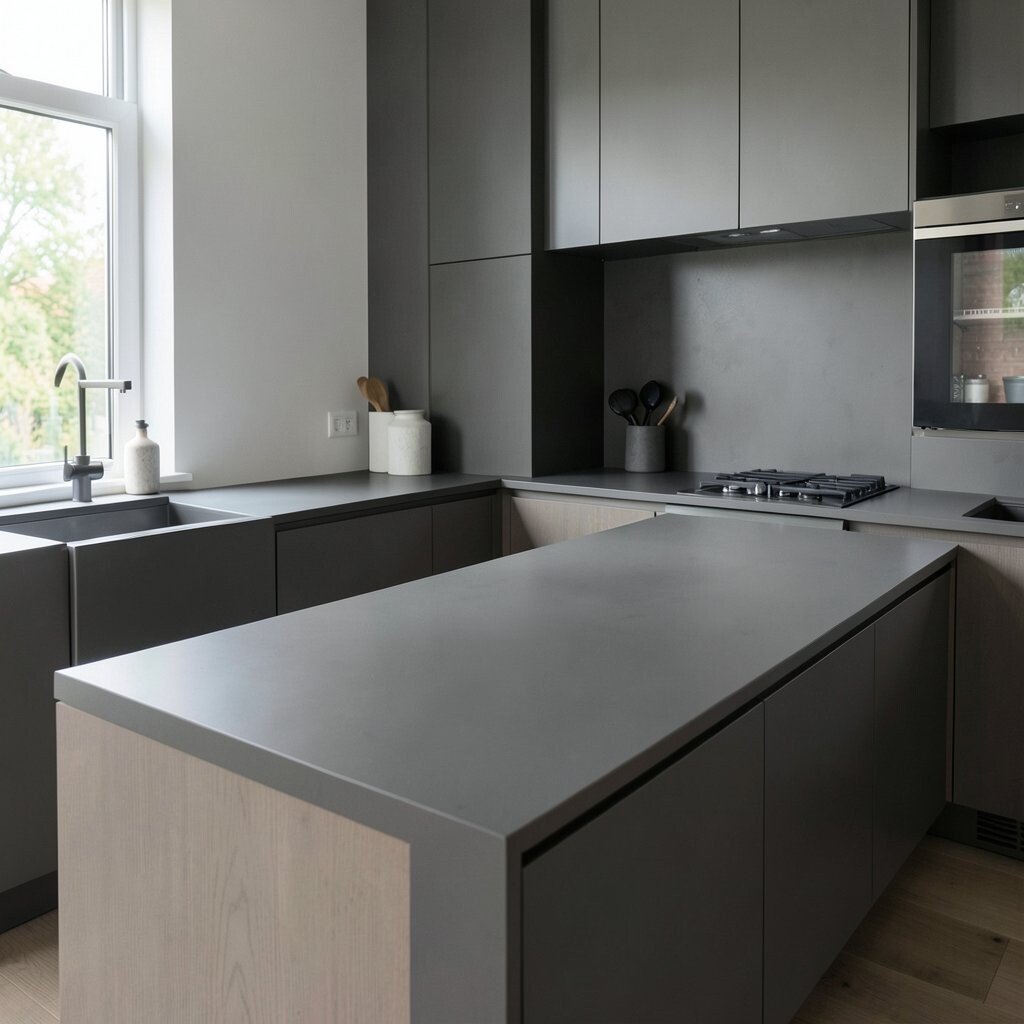
Minimal kitchens look great when counters stay mostly clear. You can still cook easily, just store most tools out of sight.
Use a covered utensil holder, a magnetic strip for metal tools, and small containers with matching lids. When you limit the items on the counter, you’ll wipe and reset faster each night. For personalization, keep one decorative piece that you actually use, like a sleek cutting board or a beautiful bowl for fruit.
Cost-wise, prioritize organizing upgrades like drawer dividers and containers before expensive renovations. This trend toward tidy counters is popular because it reduces daily visual stress and keeps the space looking fresh.
19. Textured Wall Panels or Slatted Wood Features
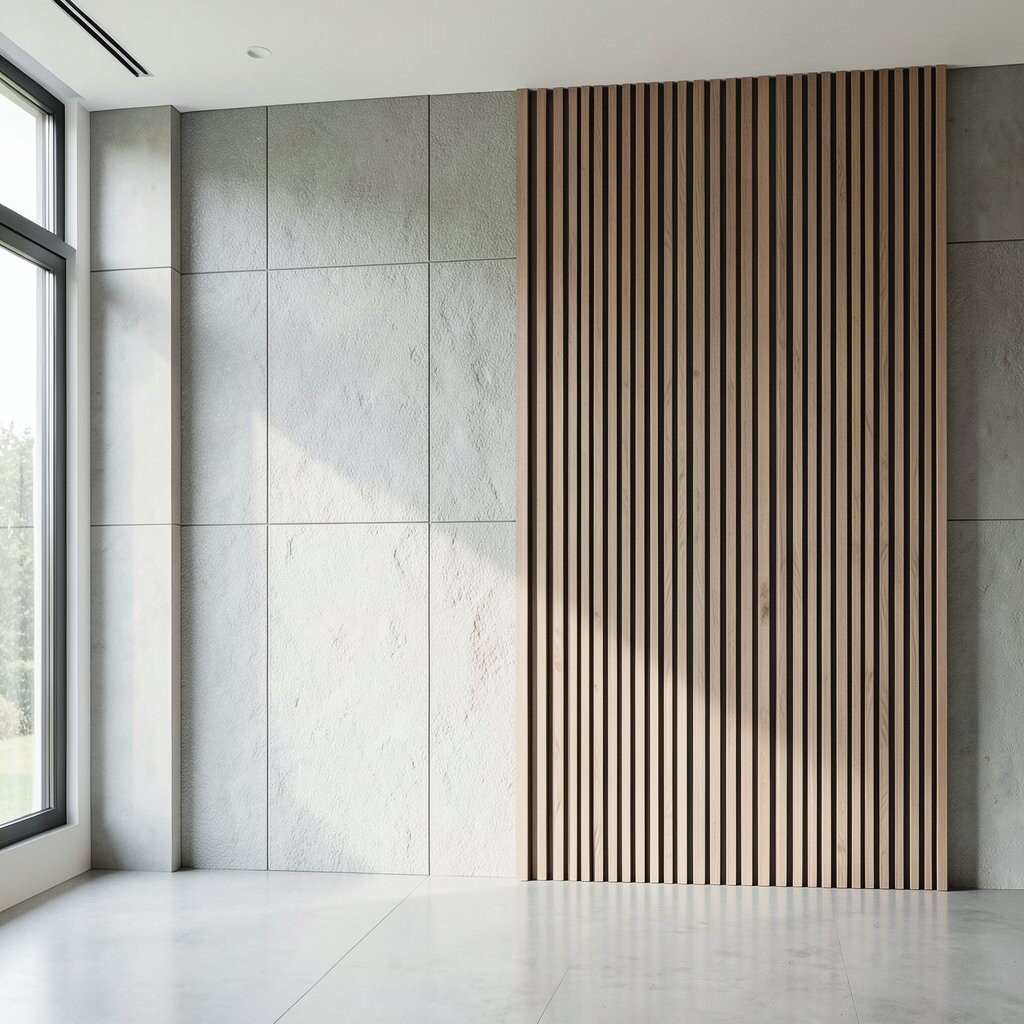
A wall feature can add depth without turning your room into a busy display. Consider slatted wood, subtle textured panels, or even a simple vertical pattern on one accent wall.
Keep the color close to your main palette so it feels cohesive. This makes the room feel warmer and more modern, especially behind a bed, a sofa, or a TV console. For practical steps, measure carefully and use the right anchors so the feature stays secure and straight.
If you want to personalize, choose the slat spacing that matches your taste, with tighter spacing for a calmer look or wider spacing for a more open vibe. It’s also a popular modern trend because it brings structure without heavy decoration.
20. Curated “One-Shape” Decor Stacking
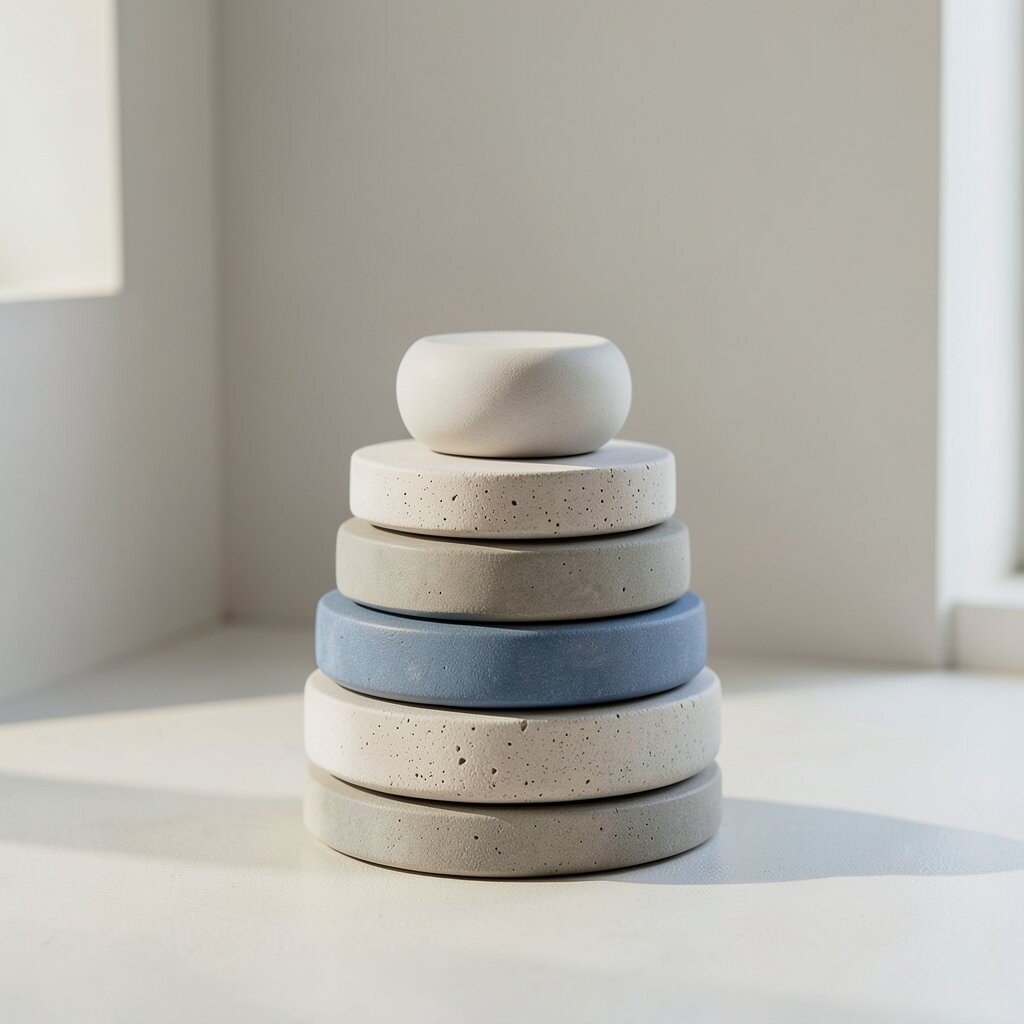
Choose decor pieces that share one visual trait, like round shapes, slim rectangles, or gentle arches. When the shapes match, the room feels designed instead of randomly filled.
For example, stack only round ceramics on a shelf, use one type of vase silhouette on the table, or repeat a simple tray form. Keep quantities small so you still get negative space and a clean line of sight. Personalize by using items that matter to you, like a small heirloom bowl or a vase from a trip, while keeping the overall shape style consistent.
Cost considerations are friendly here because you can build the look slowly with affordable pieces. This idea also matches current trends toward curated minimal collections that feel personal, textured, and calm.