
Calm rooms can change the way a day feels. Small choices can make a home feel light, clean, and easy to love.
1. Keep the Color Story Soft and Simple
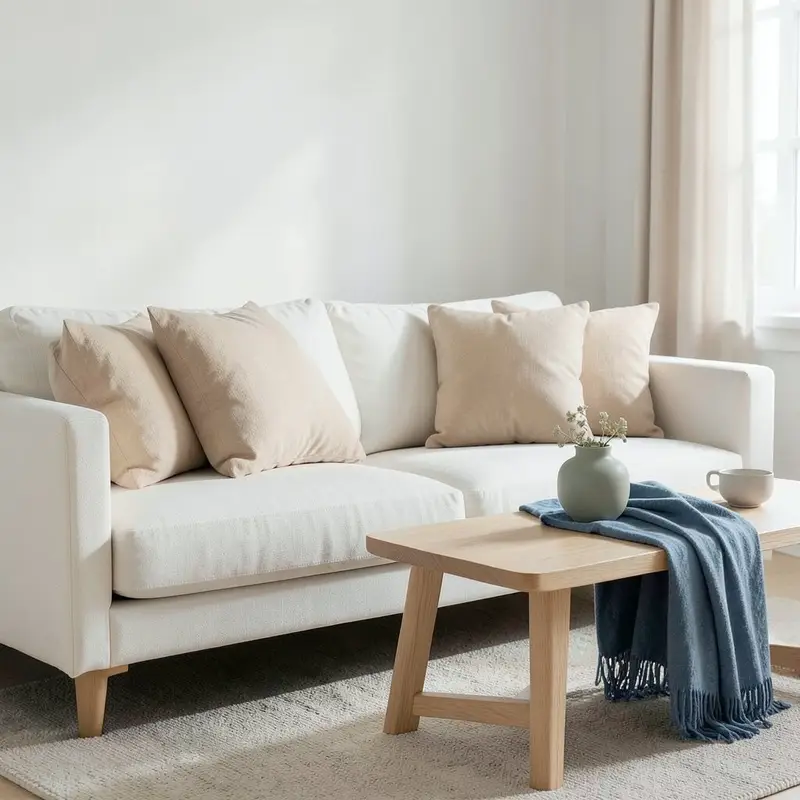
Soft white, warm beige, and pale gray can make a room feel open and quiet. These shades bounce light around and help busy spaces feel less crowded.
Try using one main color and one or two gentle accents for a neat look. A cream sofa with sand pillows and a light wood table can feel fresh without looking cold. If you want more personality, add a muted sage vase or a dusty blue throw for a tiny pop.
2. Choose Furniture With Clear Lines

Furniture with straight, clean shapes gives a room a calm and modern feel. It also keeps the eye from getting stuck on too many curves or busy details.
A simple sofa, a boxy coffee table, and a plain bed frame can make a space feel tidy fast. This style is often smart for small rooms because it saves visual space and can make the room look bigger. Look for good quality pieces that will last, since fewer items means each one matters more.
Personal touches still fit well here. You might pick a chair with a slim black frame or a table with soft rounded corners to match your taste. If your home feels too sharp, add a cozy knit blanket or a plush rug to soften the look.
3. Let Natural Light Do the Heavy Lifting
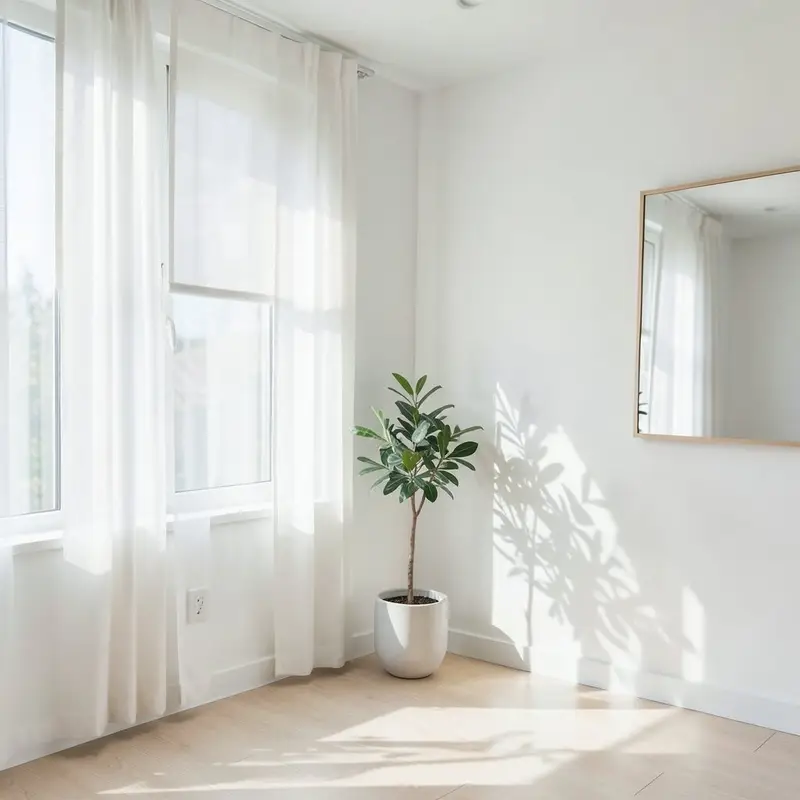
Bright daylight is one of the easiest ways to make a minimalist home feel calm. It brings out the shape of each object and gives the room a clean glow.
Use light curtains or simple shades so sunshine can move through the room. Keep windows clear of clutter, and place mirrors where they can reflect light in a gentle way.
This idea is popular right now because people want homes that feel airy and healthy. It can also save money since you may use fewer lamps during the day. For a personal touch, set a small plant near the window so the light catches the leaves.
4. Use Storage That Hides the Mess

Hidden storage helps a room stay peaceful because the eye sees less clutter. Closed cabinets, woven baskets, and drawers can make daily life feel easier.
Try a bench with storage under the seat or a bed with drawers below. These smart pieces keep shoes, toys, and extra blankets out of sight while still close at hand.
Good storage can save time, too, since you know where things belong. It may cost more at first, but it often pays off by keeping you from buying duplicates or replacing lost items. Add labels inside drawers if that helps your family keep things in order.
5. Add One Strong Texture at a Time
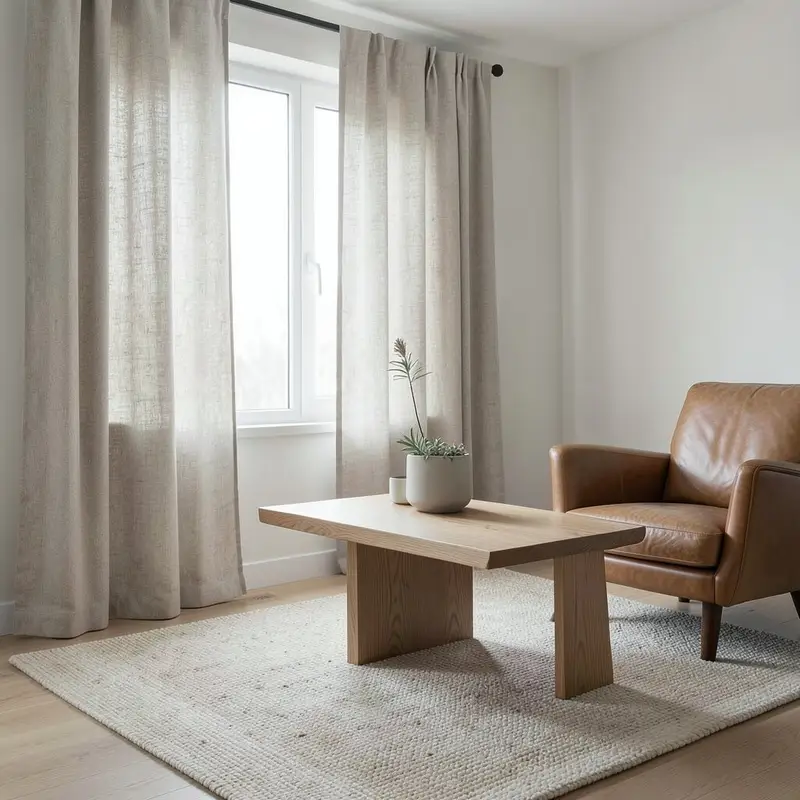
Minimalist rooms do not have to feel flat. A single rich texture can give warmth and make the space feel special.
Think of linen curtains, a wool rug, or a smooth oak table. These surfaces add quiet interest without breaking the calm mood.
Mixing textures is a modern trend because it keeps simple rooms from feeling plain. You can also personalize the look by choosing textures that match your life, like soft cotton for a child’s room or a leather chair for a reading corner. If you are watching your budget, start with one special item and build slowly.
6. Keep Wall Art Large and Uncluttered
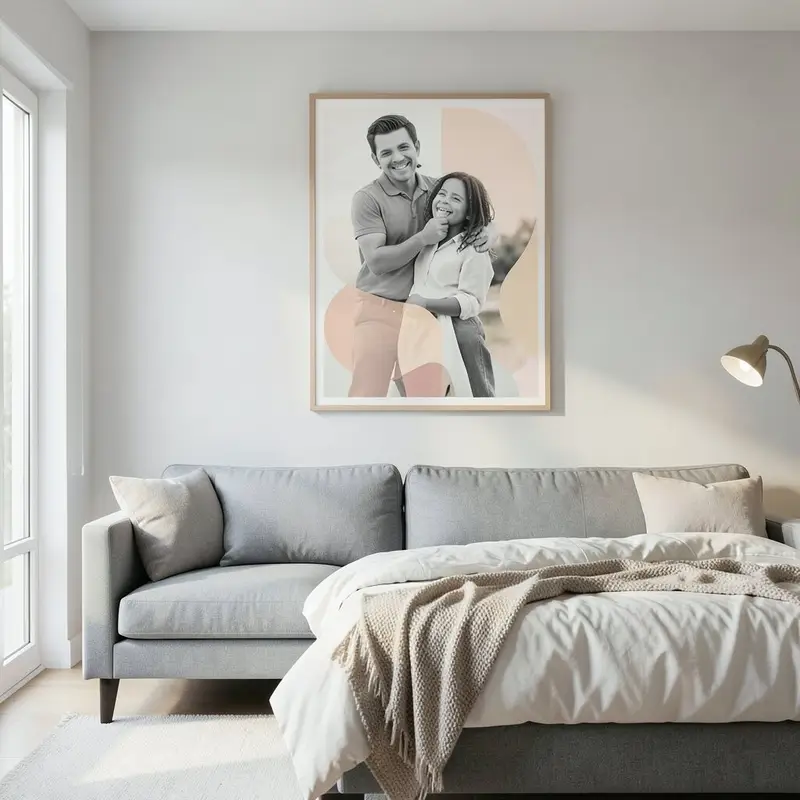
One large piece of art can feel more peaceful than a wall full of tiny frames. It gives the eye a place to rest and makes the room feel more grown-up.
Choose art with simple shapes, soft colors, or calm scenes. A single print above the sofa or bed can set the mood for the whole room.
This style works well because it feels neat and bold at the same time. You can make it personal with a family photo in black and white or a print from a favorite place. To keep costs down, frame a poster or use a digital print from an artist you like.
7. Bring in Plants With Clean Shapes
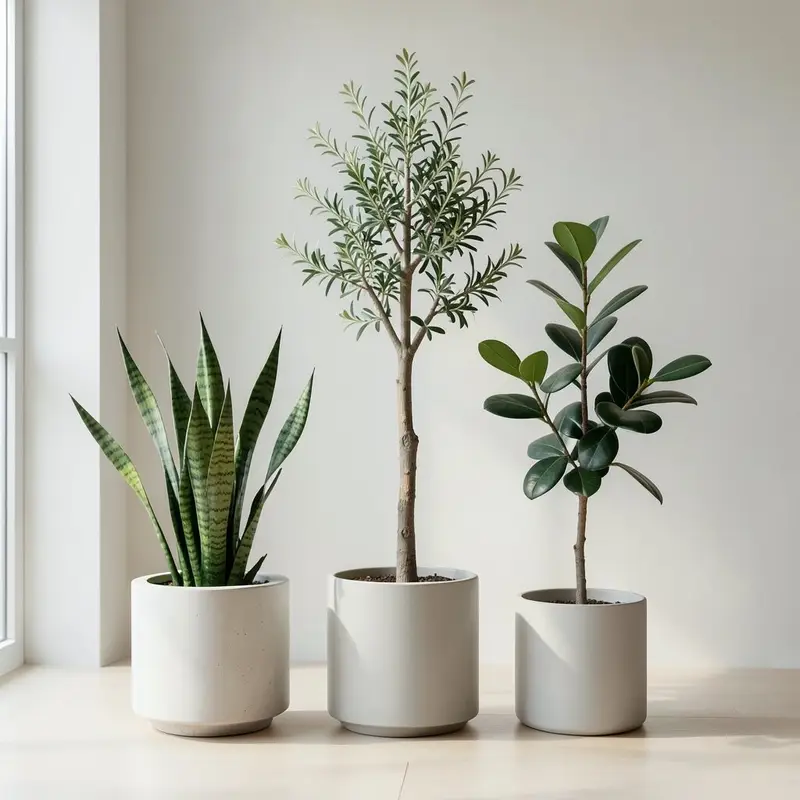
Plants can make a minimalist home feel alive without making it messy. Their green color adds a fresh note that works well with soft neutral rooms.
Pick plants with simple forms, like a snake plant, olive tree, or rubber plant. Set them in plain pots so the leaves stay the star.
Plants are popular because they add calm and can make a room feel more cared for. They also give you a chance to show your style, since pot shape and size can change the whole look. If you want low cost and low effort, choose one easy plant and place it where it gets good light.
8. Use Open Space as Part of the Design

In minimalist style, empty space is not wasted space. It helps the room breathe and makes each item feel more important.
Leave some surfaces clear, and do not pack every wall or shelf full. A quiet corner or an open tabletop can make the whole home feel less rushed.
This idea is useful for busy families because it makes cleaning easier. It can also help a room look larger, which is great in apartments or small houses. For a personal touch, choose one open shelf to hold a few favorite books or a tiny sculpture.
9. Mix Warm Wood With Cool Neutrals
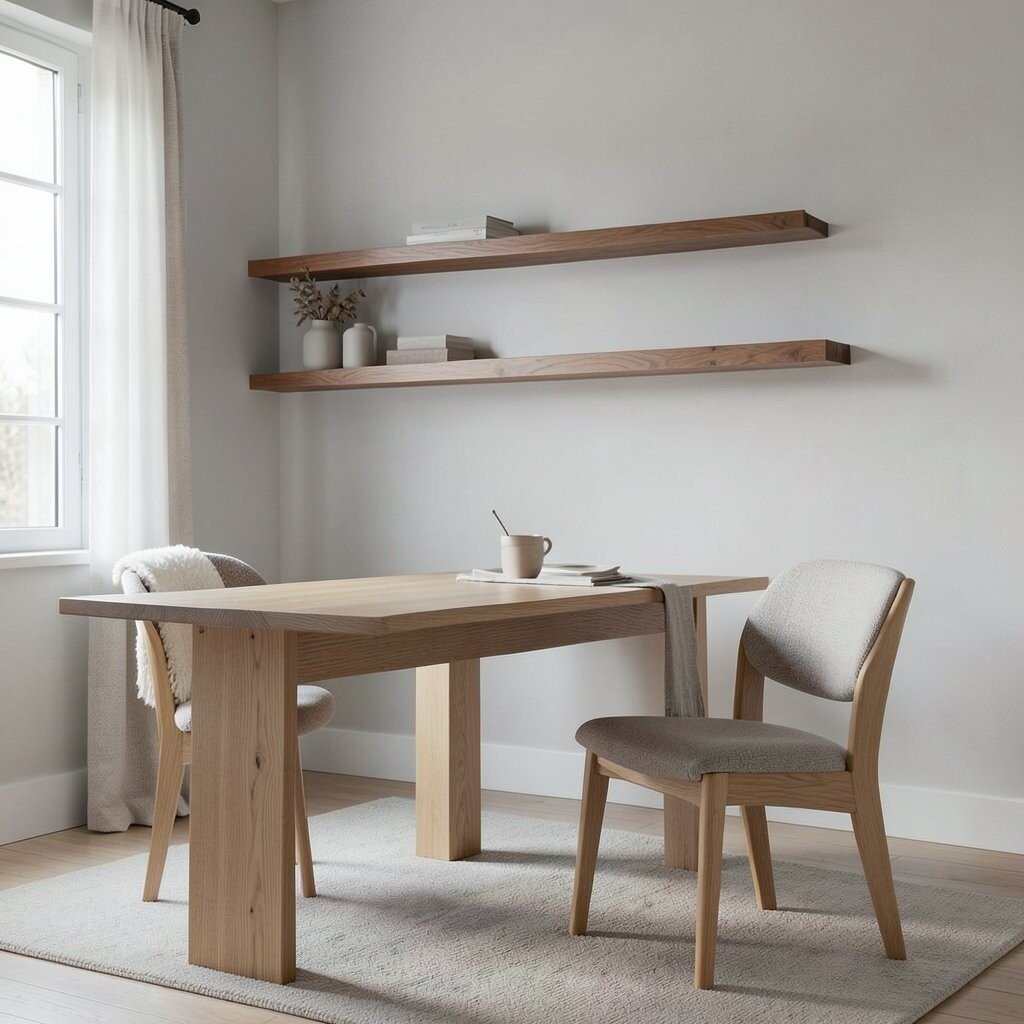
Warm wood can soften a room that uses a lot of white, gray, or black. The mix feels balanced and keeps the space from looking too plain.
A light oak table, walnut shelf, or beech chair can add a cozy touch. These natural tones work well with simple walls and soft fabrics.
Wood is a timeless choice, but it also fits current modern trends because people want homes that feel natural. It can be a smart cost choice, too, since a few wood pieces can do a lot of visual work. If you want a custom feel, mix different wood tones in a careful way instead of matching everything exactly.
10. Keep Decor Small, Useful, and Beautiful

Minimalist decor works best when each item has a purpose or a clear place. A pretty bowl, a lamp, or a tray can look calm and still be useful.
Choose pieces that help the room in some way, like holding keys or giving soft light. This keeps the home neat while still feeling warm and lived in.
Small decor can be a budget-friendly way to refresh a room without buying big furniture. It also gives you room to add personal meaning, such as a handmade mug or a travel keepsake. Try grouping a few simple items on a tray so they feel like one tidy display.
11. Use Black Accents in a Light Hand

A little black can make a minimalist room feel crisp and modern. It gives shape and contrast, which helps the space feel clear.
Try black picture frames, lamp bases, or table legs. These small touches stand out nicely against light walls and soft fabrics.
Black accents are a strong trend because they make simple rooms look polished fast. They are also easy to personalize, since you can choose matte, shiny, or metal finishes. If you want to keep costs low, start with one or two small items instead of a full set.
12. Pick Rugs That Ground the Room
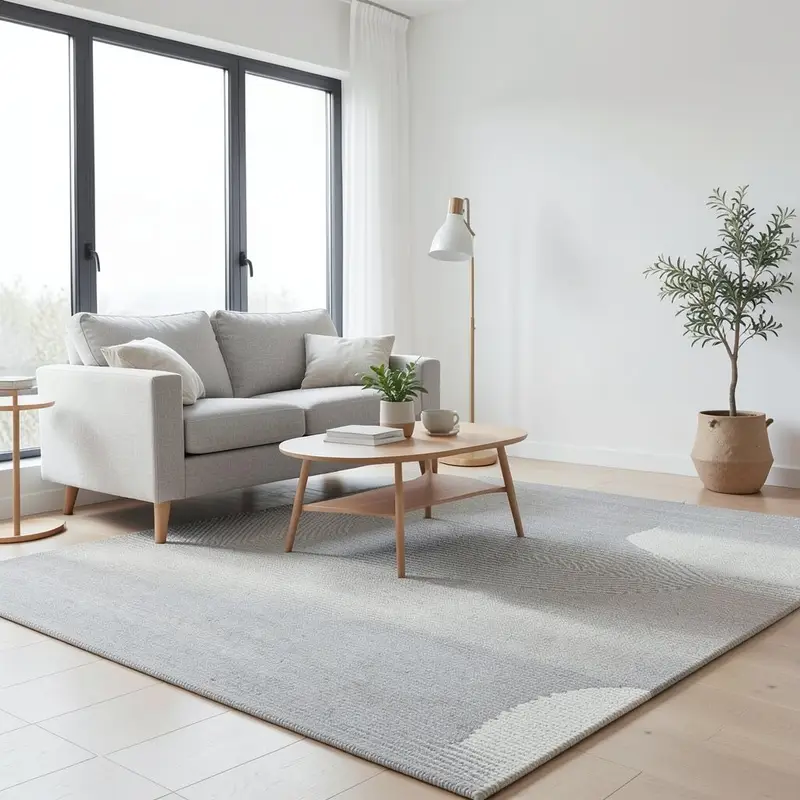
A rug can pull a minimalist room together and make it feel more finished. It also adds comfort underfoot and softens hard floors.
Look for plain rugs with a gentle pattern or a solid color that fits the room. A low-key rug can make furniture feel like it belongs together.
This choice is helpful in open rooms because it can mark out a seating area without using walls. It can also be a smart place to spend money, since a good rug often changes the whole feel of the room. For a personal touch, choose a weave or color that matches your family’s daily life.
13. Keep Lighting Simple but Layered
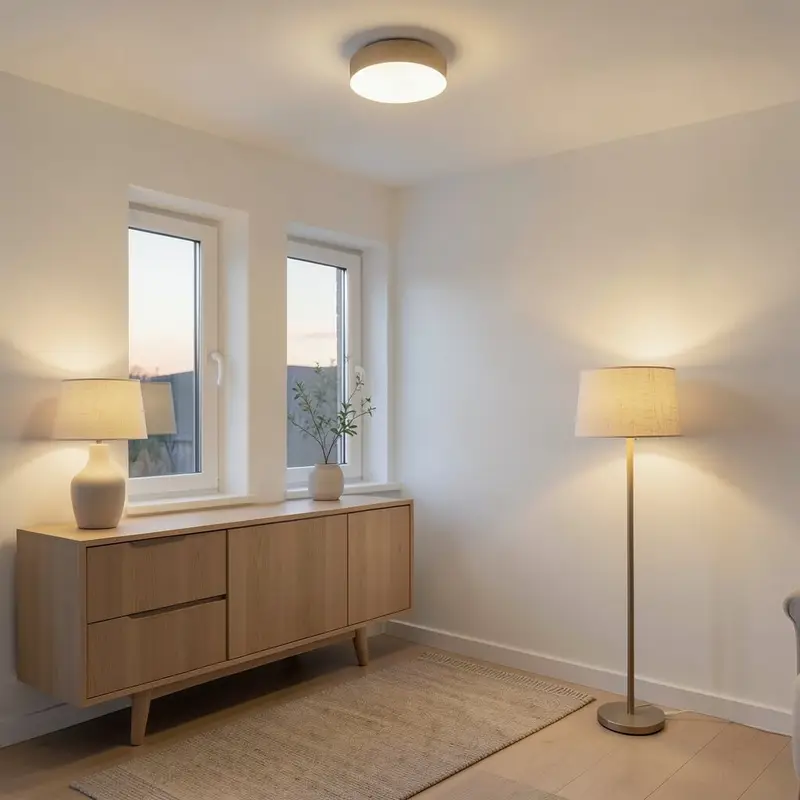
Soft lighting makes a calm home feel warm after sunset. A mix of ceiling light, table lamps, and floor lamps can make the room feel gentle and easy on the eyes.
Use lamps with plain shades and clean shapes so they fit the style. Warm bulbs can make white walls and wood pieces look inviting instead of cold.
Layered lighting is a smart modern habit because it gives you control over the mood. It also helps you use each room in a better way, from reading to relaxing. If you want a personal touch, pick one lamp with a shape that feels a little special, like a curved base or a linen shade.
14. Make the Bedroom Feel Like a Quiet Retreat

A minimalist bedroom should feel restful the moment you walk in. Soft bedding, clear nightstands, and calm colors can help the whole room slow down.
Keep only what you use near the bed, like a lamp, book, or glass of water. This makes bedtime feel simpler and can help the room stay neat with less effort.
Many people like this look because it supports better sleep and less stress. It also gives you a chance to spend money on comfort, such as good sheets or a supportive pillow, instead of extra decor. To make it feel personal, add one framed photo or a small object that brings you peace.
15. Choose a Few Meaningful Pieces Instead of Many
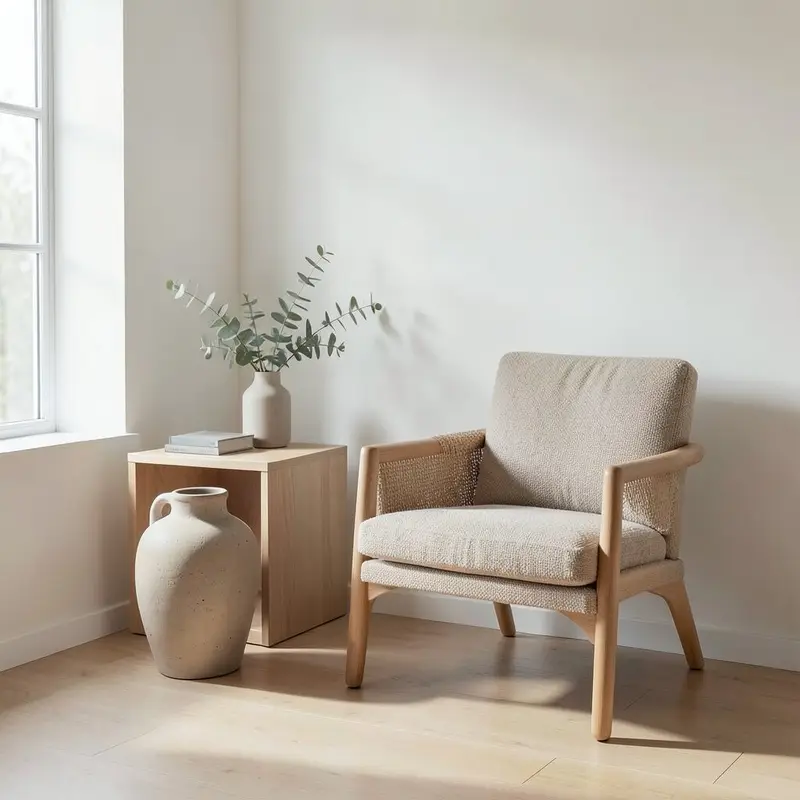
Minimalist style feels strongest when every item has a reason to be there. A room with a few loved pieces often feels warmer than one packed with decorations.
Pick objects that tell your story, like a handmade vase, a favorite chair, or a book you love to see every day. This keeps the home calm while still showing who lives there.
Meaningful items are a good fit for today’s style because people want homes that feel honest and simple. They can also help with cost, since you spend more carefully on things you truly want to keep. When you choose with care, even a small room can feel unique, personal, and beautifully quiet.