Clean lines can make a home feel calm and confident. Stairs can look just as modern as the rest of your design.
When you remove railings, the whole stairway becomes more open and architectural, like furniture you can walk on.
1. Floating Steps With a Shadow Gap
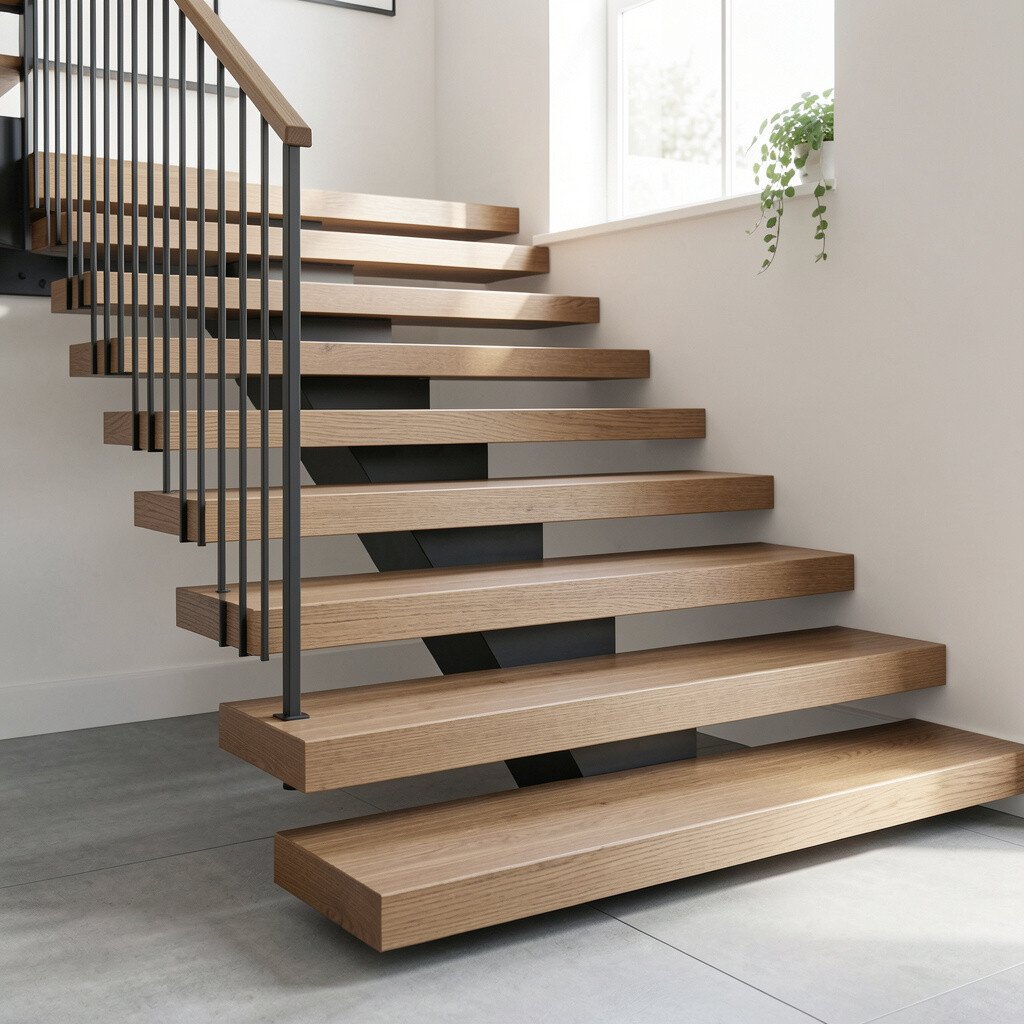
Floating steps feel light, like they are hovering above the floor. The space underneath creates a neat shadow gap that makes the stair look crisp from every angle.
Choose a sturdy concealed support system so the treads feel solid underfoot. This setup looks great in small homes because the open sightline helps rooms feel bigger.
If you want it to match your style, pick the tread finish first, like oak for warmth or dark stone for drama. For safety, keep tread edges non-glossy and add subtle contrast strips so each step is easy to read in daylight.
2. Monolithic Concrete Treads With Warm Lighting
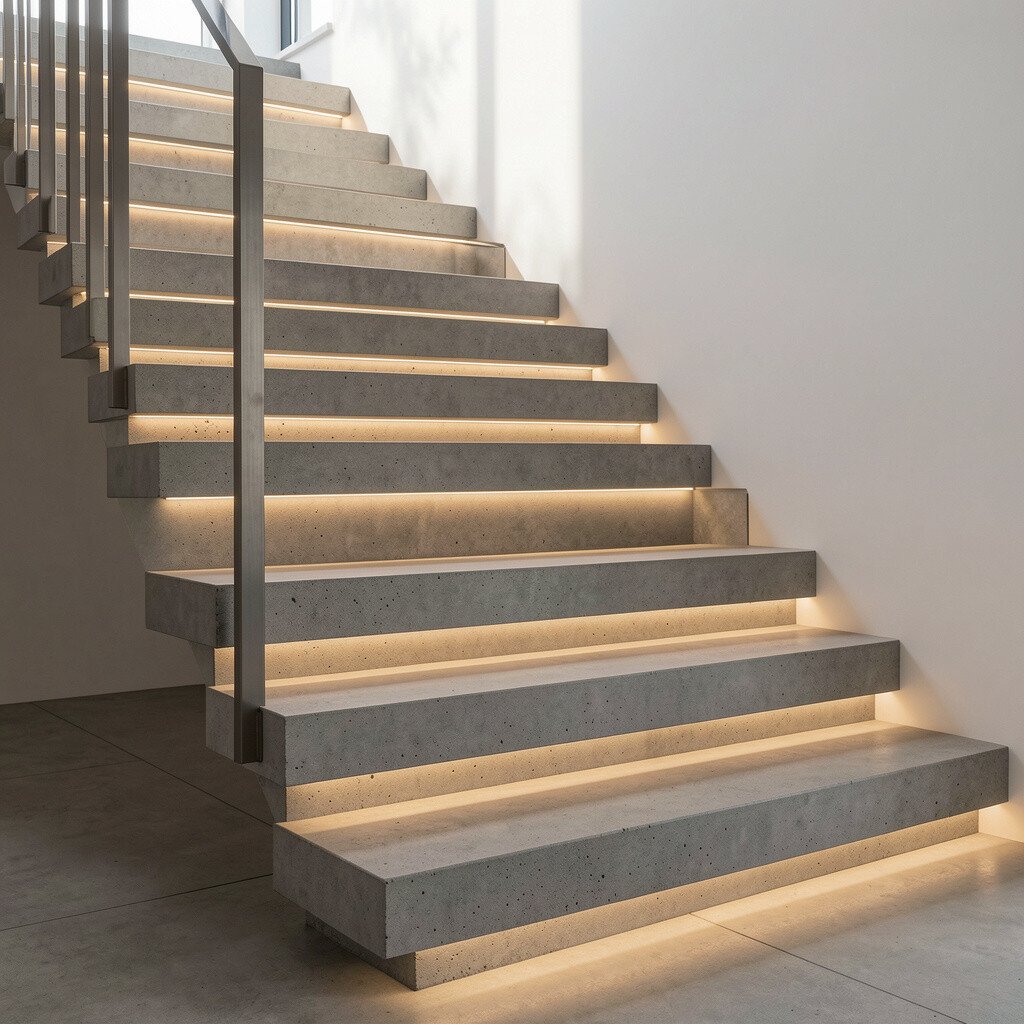
A single, continuous concrete stair can look bold and calm at the same time. Smooth faces and clean edges make the geometry feel intentional, not accidental.
Because the stair is made from one strong material, it often feels durable and long-lasting. Pair it with warm recessed lights in the riser line so the step glow guides your foot naturally.
To personalize, consider a light stain or a finely brushed texture that hides scuffs. If budget is a concern, ask about a simpler concrete formwork design and keep the detailing minimal for the best value.
3. Steel-Frame Steps With Minimal Understair Visibility
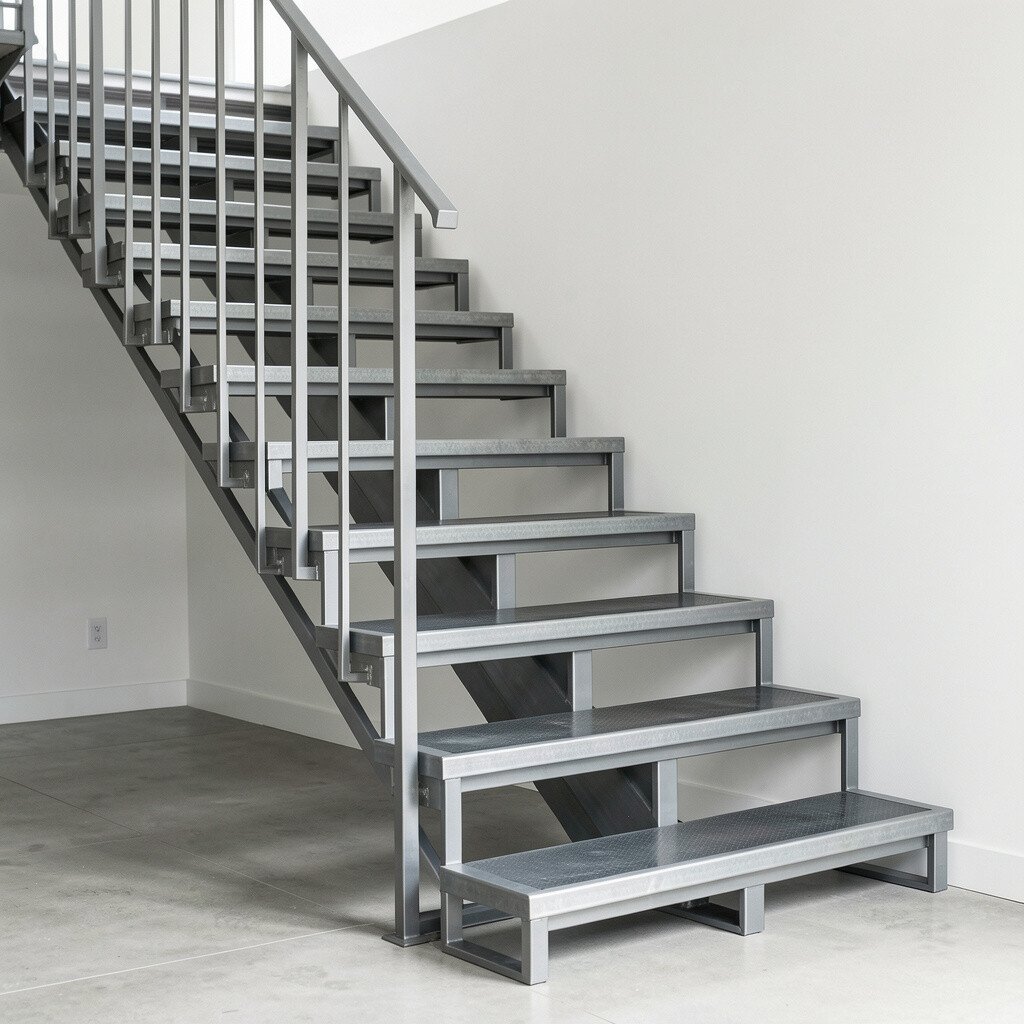
Thin steel supports can make stairs look airy without looking fragile. You still get a modern, industrial feel, especially when the frame is finished in matte black or brushed metal.
The open understructure gives a stylish view below, which many homeowners love in contemporary spaces. It also helps airflow and makes cleaning easier than enclosed stringers.
For a practical upgrade, use treads with traction coating or a textured top layer. If you want visual uniqueness, vary the tread lengths slightly so the stair rhythm feels more like a design piece than a hallway necessity.
Think about cost by deciding early whether you need full custom fabrication or can use a near-standard frame. Custom steel work looks stunning, but it can raise the price, so it helps to balance special design moments with repeatable components.
4. Curved Floating Steps for a Soft, Gallery Look
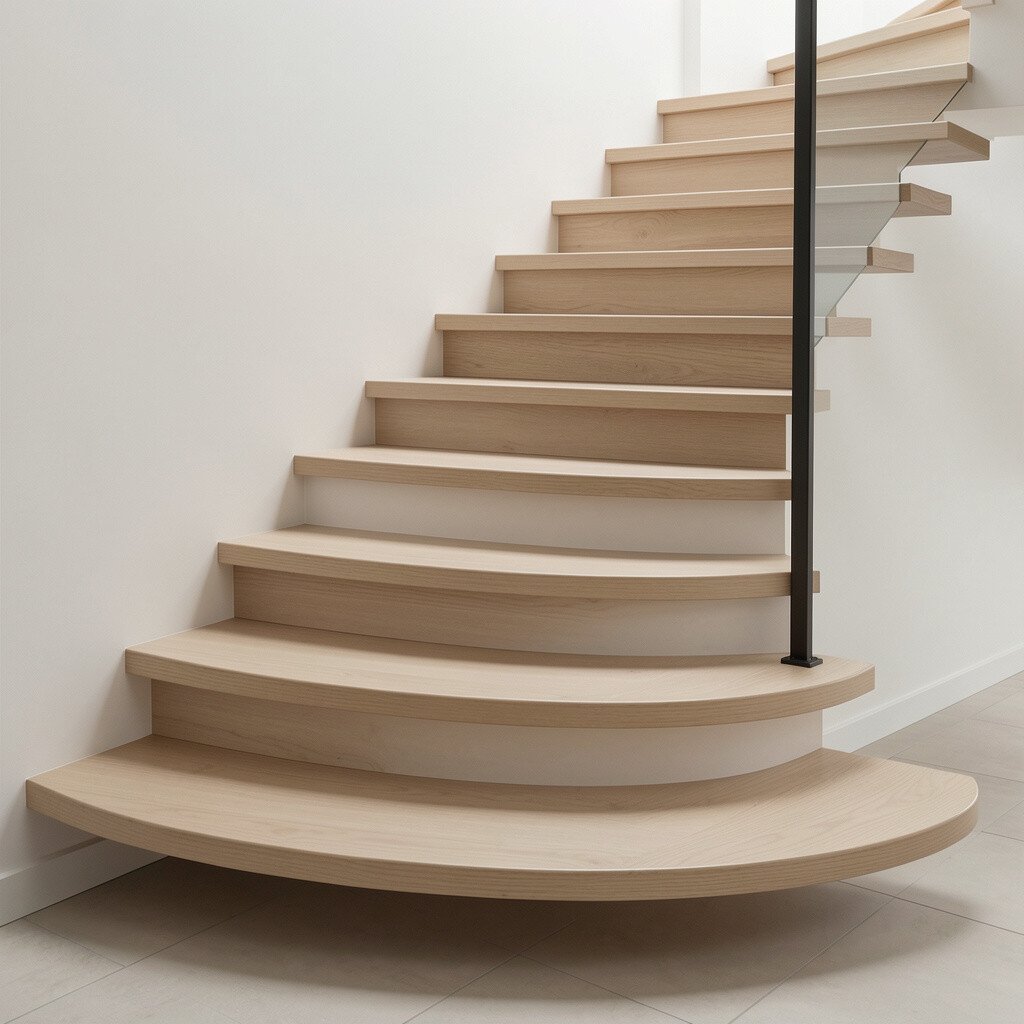
Curved steps make a home feel like it has a smooth art gallery mood. The sweeping shape gently leads you upward, and the lack of railings keeps the curve feeling open.
When the curve is done well, the stair becomes a focal point without feeling heavy. It also works nicely for entryways where you want guests to notice the space right away.
To keep it practical, choose materials with reliable grip and ensure the nosing is clearly defined. If you want personalization, match the curved profile to rounded furniture legs or a circular light fixture nearby.
Cost can vary a lot because curved stairs usually require careful measuring and custom fabrication. Still, you can reduce cost by keeping the curve radius simple and avoiding extra turnouts or complex landings.
5. Glass-Top Treads With Matte Backing Plates
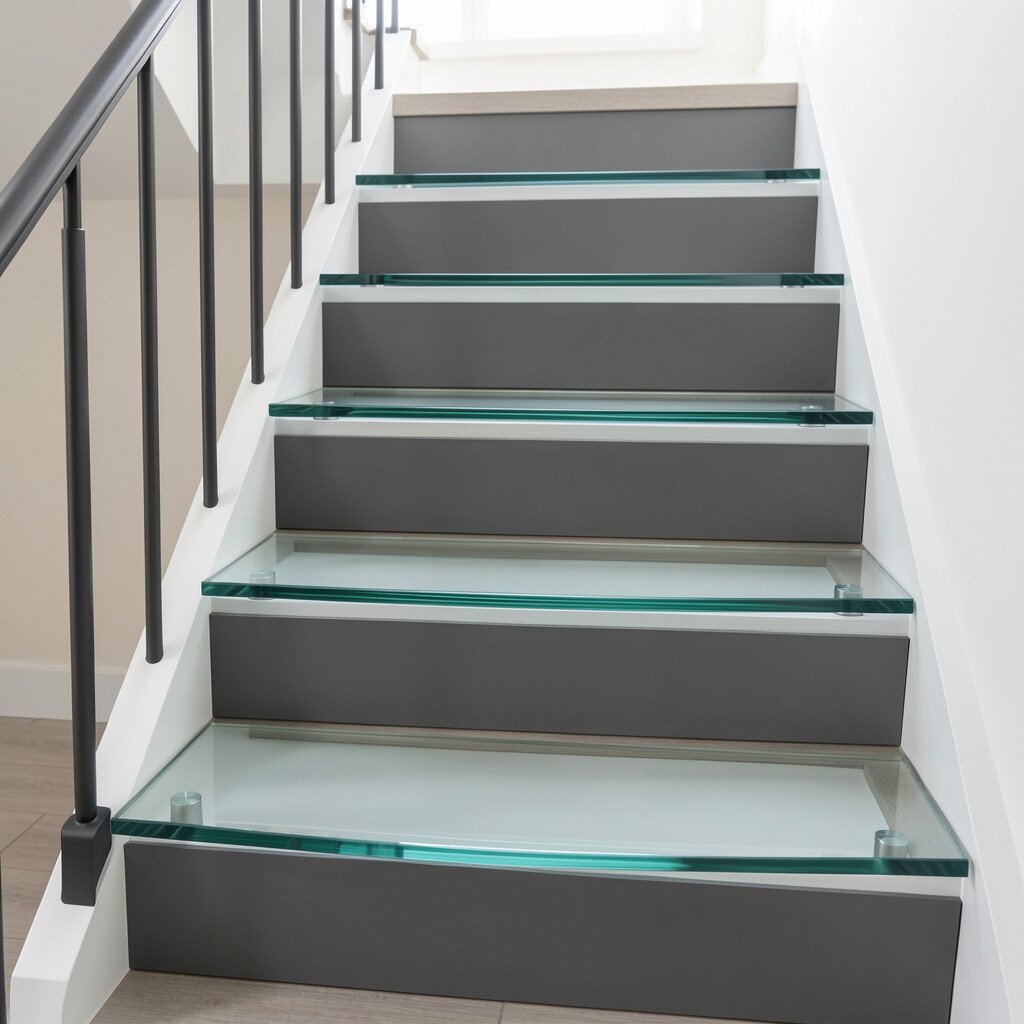
Glass-top steps look sleek and futuristic, especially when they sit on matte panels. The transparency lets light move through the stair zone, which makes the whole area feel brighter.
You get a stylish, high-end look that pairs well with minimalist interiors and modern kitchens. It can also make a long stair feel less crowded because the visual weight stays low.
For safety, use thick laminated glass designed for foot traffic and choose a non-slip finish. Personalize the look with tinted or smoked backing so the stair matches your wall tone while still feeling light.
On cost, glass systems can be pricier, but you can manage spending by limiting glass to the tread area and using durable backing materials. Ask whether pre-engineered glass panels are available, since that can lower installation time.
6. Timber Stringer Steps With a Tucked-Under Detail
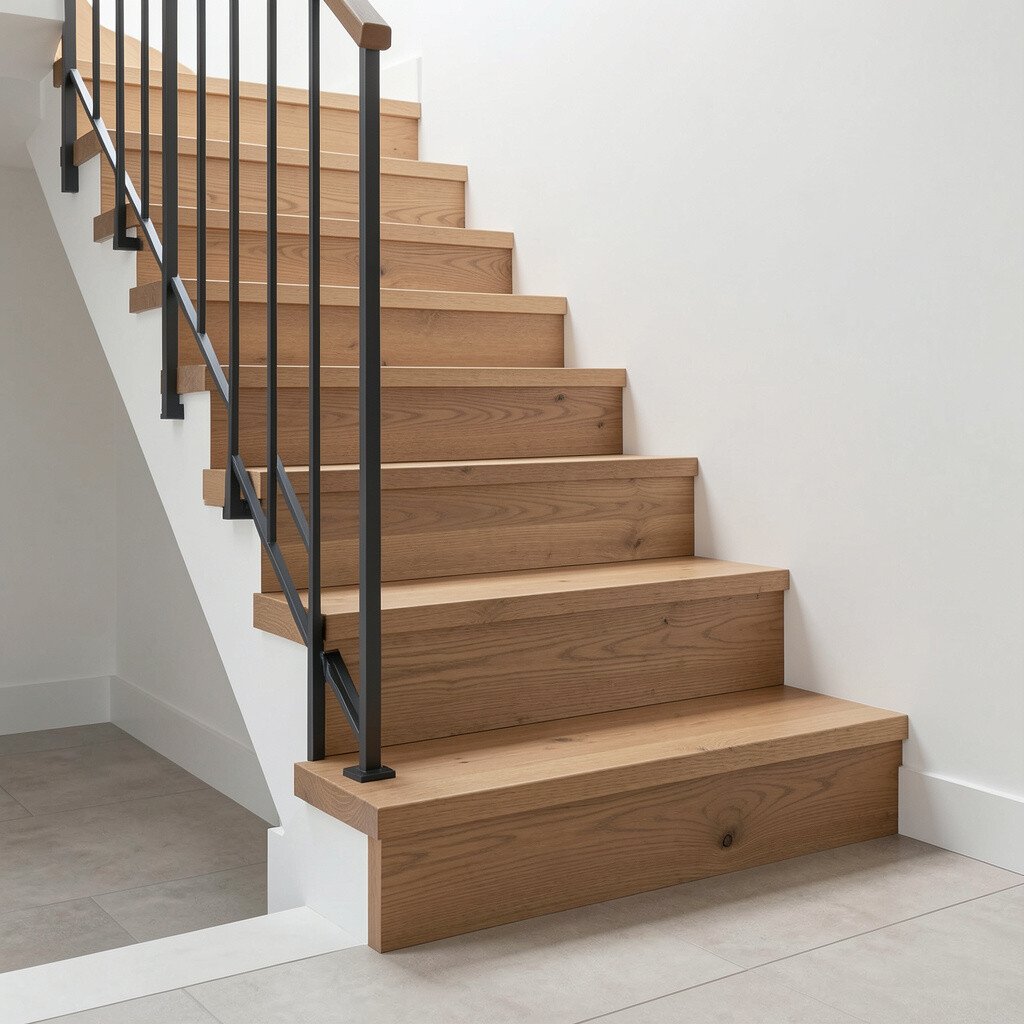
Timber stairs can feel cozy even when they have no railings. A strong wood stringer with a tucked-under detail creates a clean edge that guides the eye upward.
The natural grain adds uniqueness, and wood tones warm up modern spaces. Without railings, you can see more of the craftsmanship, which many people enjoy when they love handmade details.
To make it practical, select a hardwood with good wear resistance and finish it with a durable topcoat. Add discreet step lighting so nighttime movement feels easier and less stressful.
Personalize the stair by choosing contrasting wood stain for the treads and stringers. If you’re watching cost, opt for straightforward stair geometry and avoid too many custom cutouts.
7. Limestone Steps With a Crisp, Cut Edge
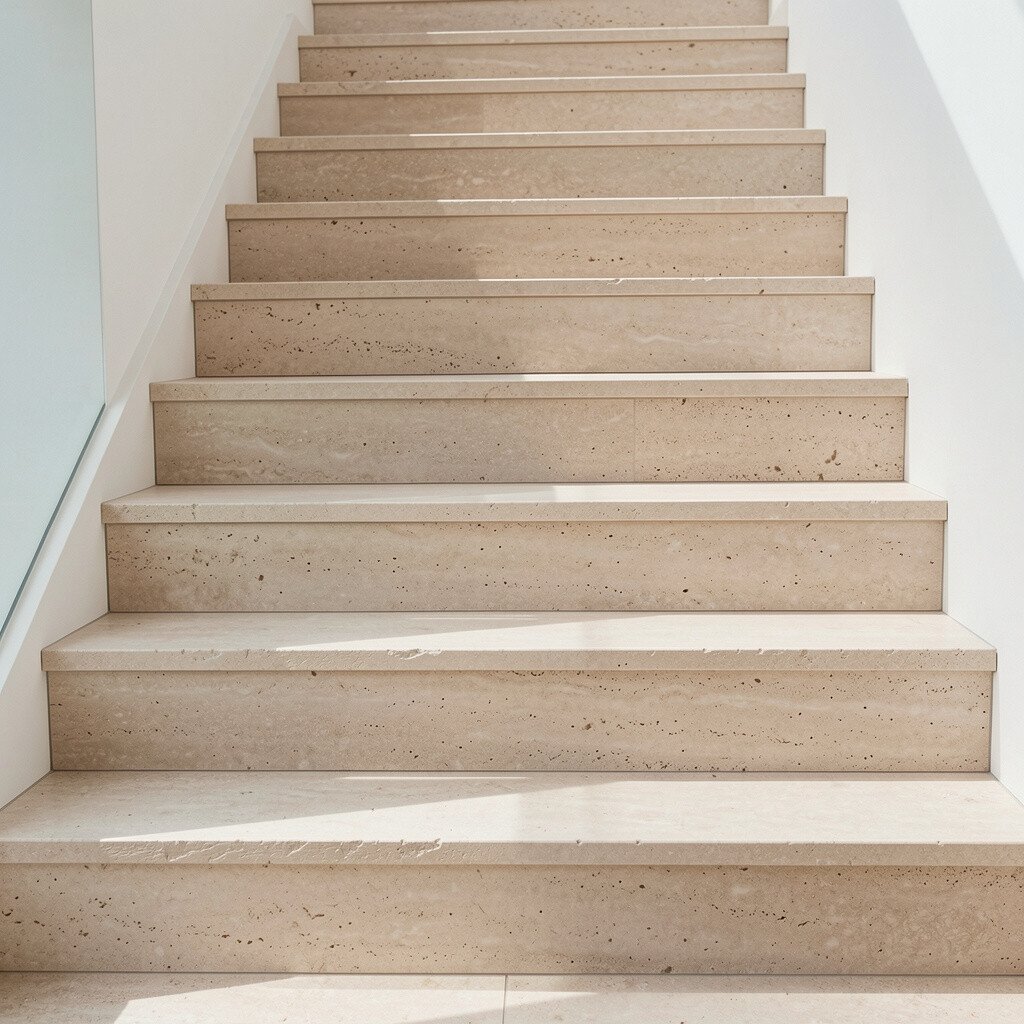
Limestone steps bring a natural, elegant feel that works in both modern and classic homes. The cut edge catches light and makes each tread look sharp and well-defined.
Stone looks unique because every slab has its own pattern. It also lasts a long time when properly sealed, which is a major benefit for busy households.
For traction, choose a finish that feels slightly matte rather than glossy. You can also add subtle edge contrast using a thin inlay strip so steps are easy to track from a distance.
Personalization is easy when you select a stone color that matches your flooring or fireplace surround. Cost-wise, limestone can range widely, so compare thickness options and ask about off-cut pieces for lower material expense.
8. Terrazzo Treads With Pattern-Forward Style
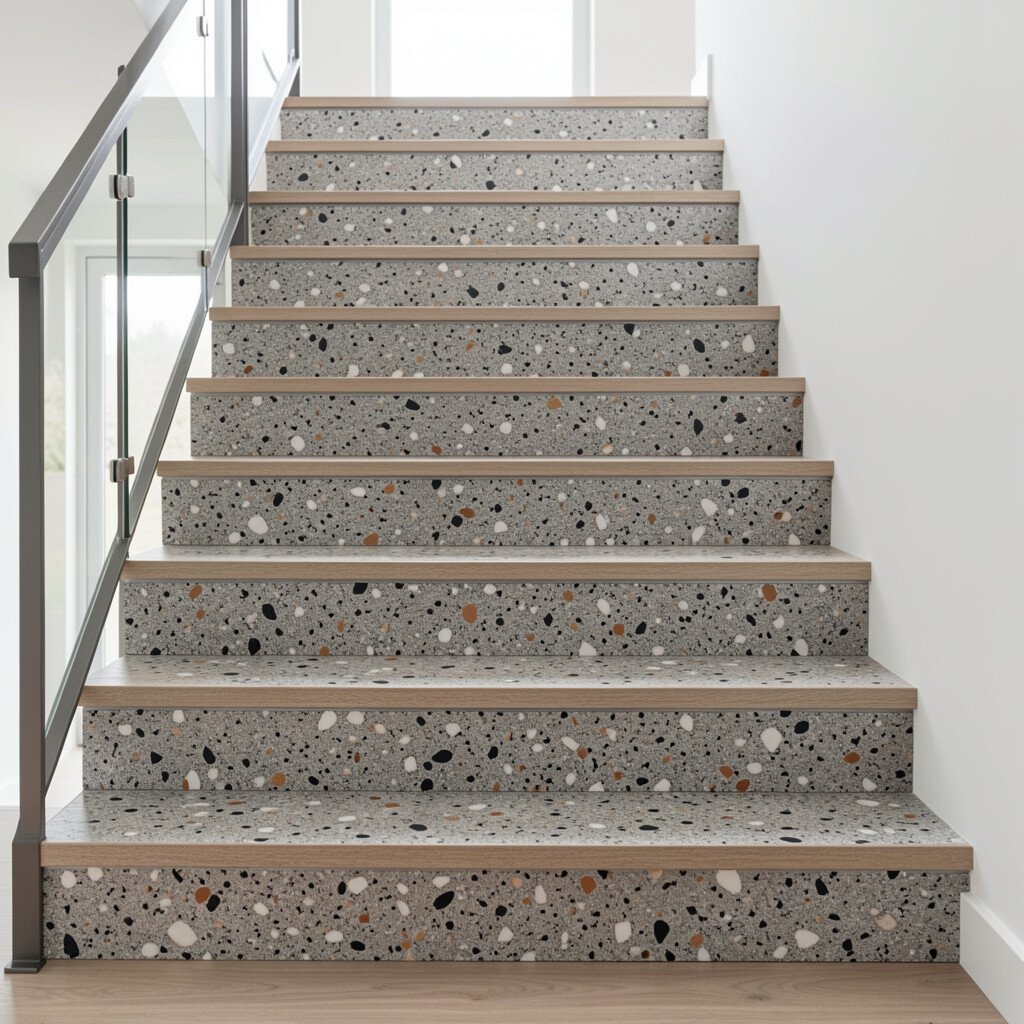
Terrazzo steps are like wearable texture for your home. The speckled surface adds character, and it looks especially lively under soft stair lighting.
Without railings, the terrazzo becomes the star because there’s nothing else to compete with it. Many homeowners love how terrazzo can match multiple interior colors since it’s already blended.
To keep it safe and practical, choose a terrazzo mix that’s not overly smooth and consider a sealing system made for foot traffic. Personalize by selecting a palette that pulls from your backsplash, hallway rug, or outdoor stone accents.
On cost, terrazzo can be moderate to high depending on the binder and custom color. If you want the look without the biggest price tag, select a standard chip mix and focus your customization on lighting and step dimensions.
9. Cantilevered Tile Treads With a Floating Line
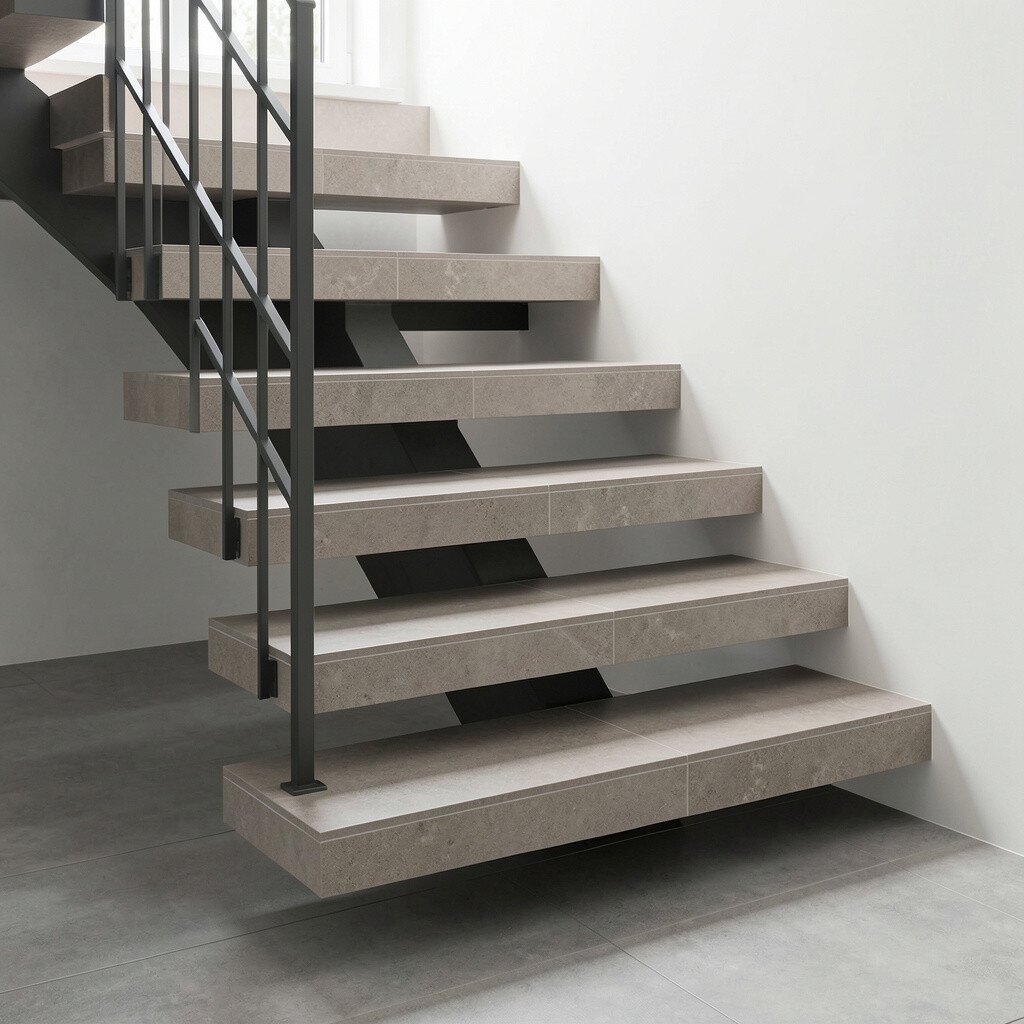
Tile treads that cantilever forward create a strong “floating line” effect. You get clean color blocks and a neat, modern rhythm between steps.
Tile also offers lots of personalization since you can pick pattern, color, and grout style. It’s a benefit for busy homes because tile wipes clean and handles daily wear well.
For practical tips, use slip-resistant tile rated for flooring and choose grout that resists staining. Add a thin metal edge strip for durability at the tread nose, which helps prevent chips.
If cost is a factor, consider large-format tiles and a simple layout to reduce cutting waste. This design looks high-end when the grout line spacing stays consistent from step to step.
10. L-Shaped Stair With Sculpted Under-Ceiling Lighting
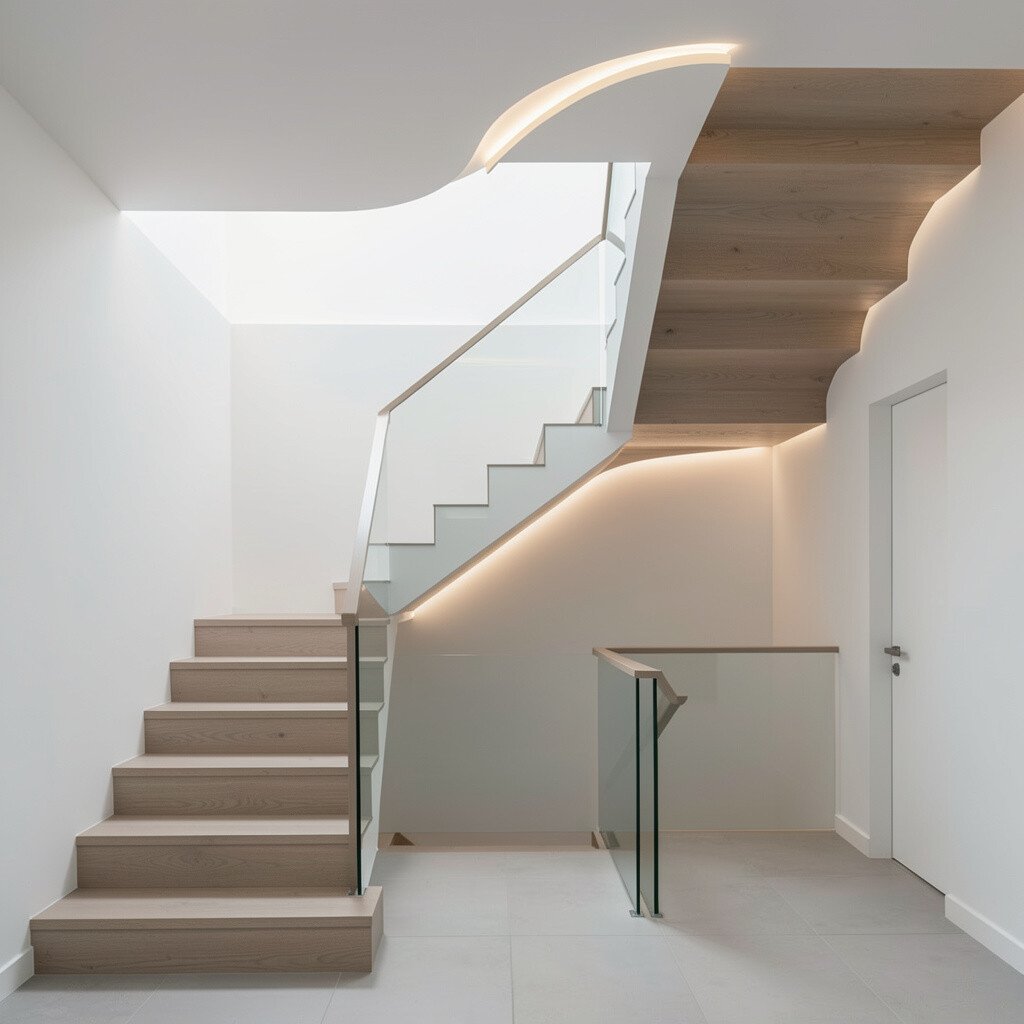
An L-shaped stair can feel modern because it breaks the space into clean zones. Without railings, the landing and corner feel sleek and open, like the stair is part of the architecture.
Good under-ceiling lighting makes the steps readable, which is a big everyday benefit. It also creates a soft glow that flatters nearby walls and decor.
To personalize, place a small bench or planter near the landing so the stair area feels inviting. Use warm white LEDs and a diffuser to avoid harsh spots that can tire your eyes.
Cost considerations are mostly about the complexity of the landing framing and electrical work. Keeping the lighting simple, with a consistent run, usually keeps the budget calmer while still achieving a designer look.
11. Walnut Steps With a Built-In Foot-Led Light Channel
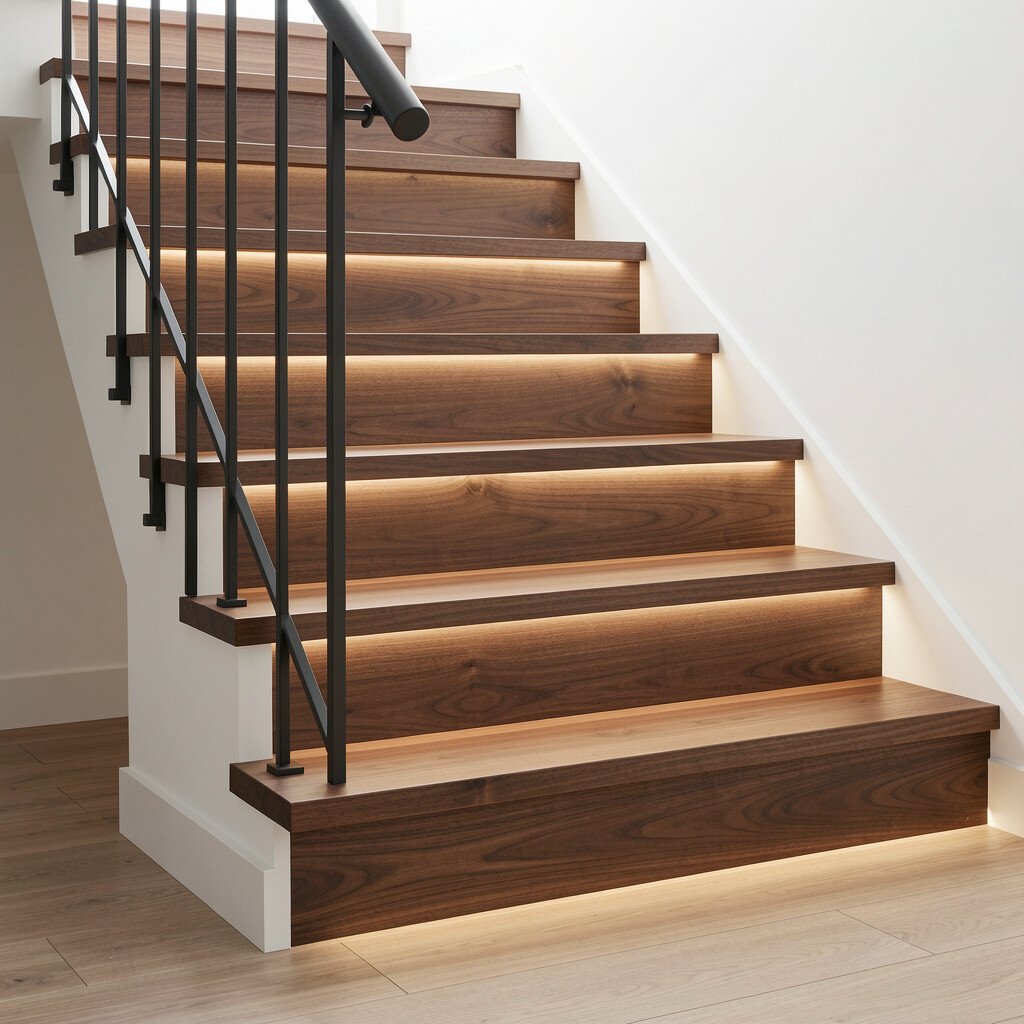
Walnut steps can look both modern and rich, especially when the grain is visible. A hidden foot-led light channel adds a gentle path for your movement.
The warm wood tone gives comfort, and the light channel makes the stairs feel safer without visible railings. This is a practical design move because it supports nighttime navigation in a subtle, stylish way.
Personalize by pairing walnut with matte black accents in the ceiling trim, light fixtures, or door hardware. If you want uniqueness, consider slight beveling on the tread edges so light catches them softly.
Cost can be affected by wood thickness and custom milling. To manage spending, plan for durable finishes that protect the walnut, since refinishing later can be expensive.
12. Minimal Stone Steps With a Hidden Winder Pattern
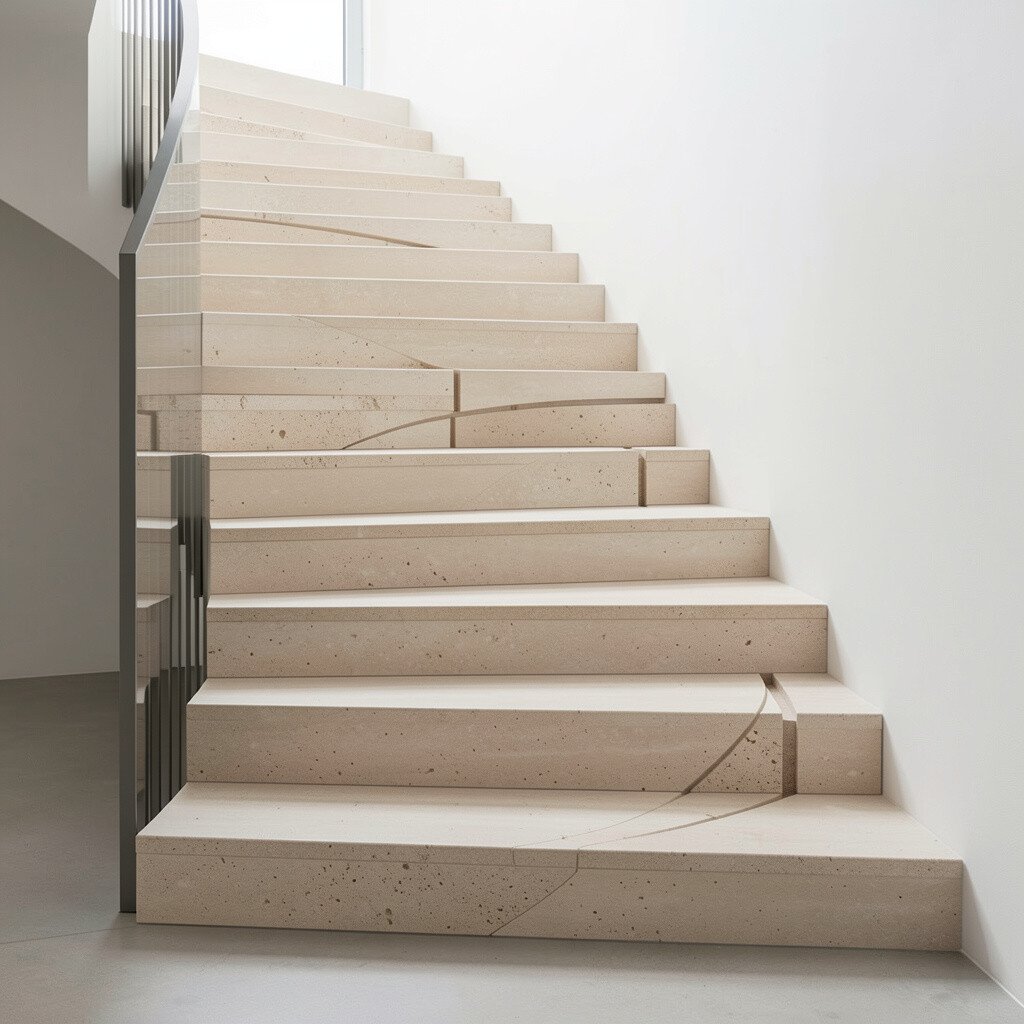
Winder steps can be tricky, but they look amazing when done with restraint. A minimal stone finish and hidden patterning can make the stair feel smoother, not busier.
The benefit is a sculpted layout that fits tight spaces while still feeling intentional. When railings are removed, the winder shape reads like a modern sculpture.
For practical tips, keep the tread surface consistent in texture so feet don’t slip. Use contrasting tread noses or lighting so the inside curve remains easy to navigate.
To personalize, choose stone colors that blend with your room’s palette, like greige, warm gray, or creamy limestone. Cost depends on how complex the winder framing is, so ask your builder what can be standardized without losing the design impact.
13. Integrated Stair and Wall Paneling for a Seamless Look
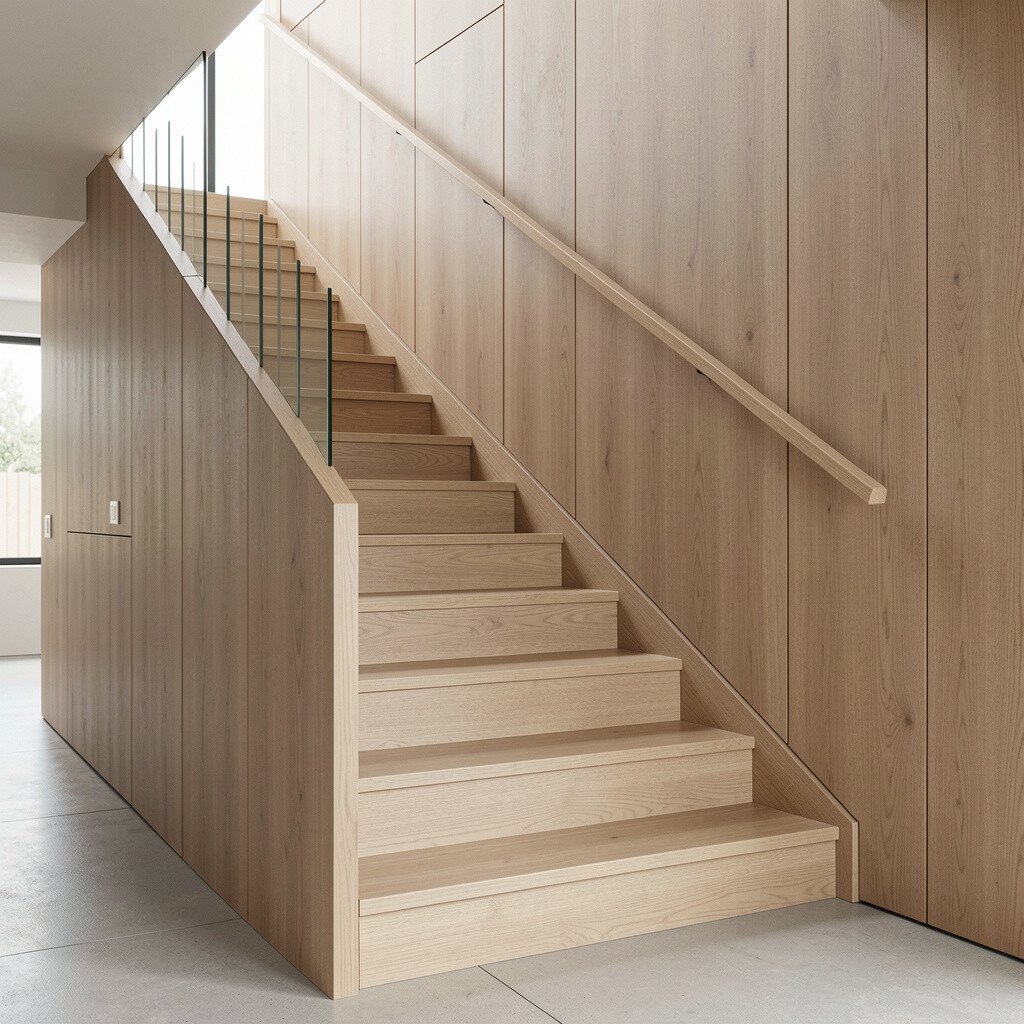
When the stair blends into wall paneling, it looks like one continuous piece. The absence of railings makes the lines feel uninterrupted, which is a major visual benefit for modern homes.
This approach also hides extra clutter, like cables or unfinished edges. It can be a great solution in hallways where you want the stair to feel calm and built-in.
For personalization, match the paneling to your cabinetry or closet doors. Add thin wall-washed lighting to make the stair treads stand out without needing a railing.
Cost considerations often include custom carpentry for the paneling. Still, because the design is integrated, it can reduce the need for separate finishing materials, which may balance out some expenses.
14. Brick Treads in a Modern Grid With Bold Spacing
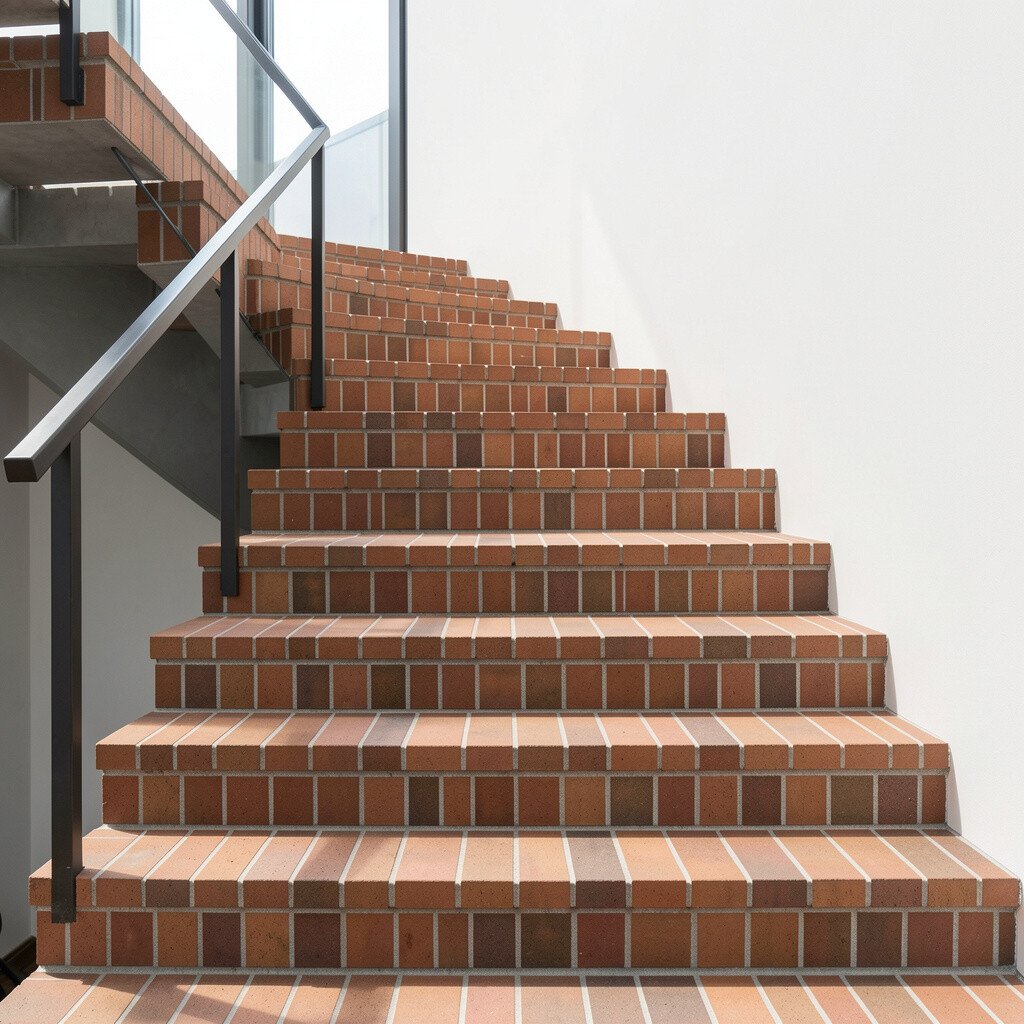
Brick steps bring warmth and texture, especially when arranged in a neat grid. Without railings, the repeating lines look graphic and stylish.
The unique visual rhythm can complement modern farmhouse, industrial, or even contemporary interiors. It also adds practical grip when the surface is finished correctly for foot traffic.
For safety, choose brick that’s treated for sealing and use a slip-resistant finish. Personalize the stair by adjusting mortar color or mixing brick tones to match your exterior or fireplace.
Cost can be friendly if you work with local brick suppliers and avoid complex cuts. Keeping the pattern straightforward helps reduce installation labor while still giving you that handcrafted look.
15. Floating Steel Mesh Treads With a Clean Foot Surface
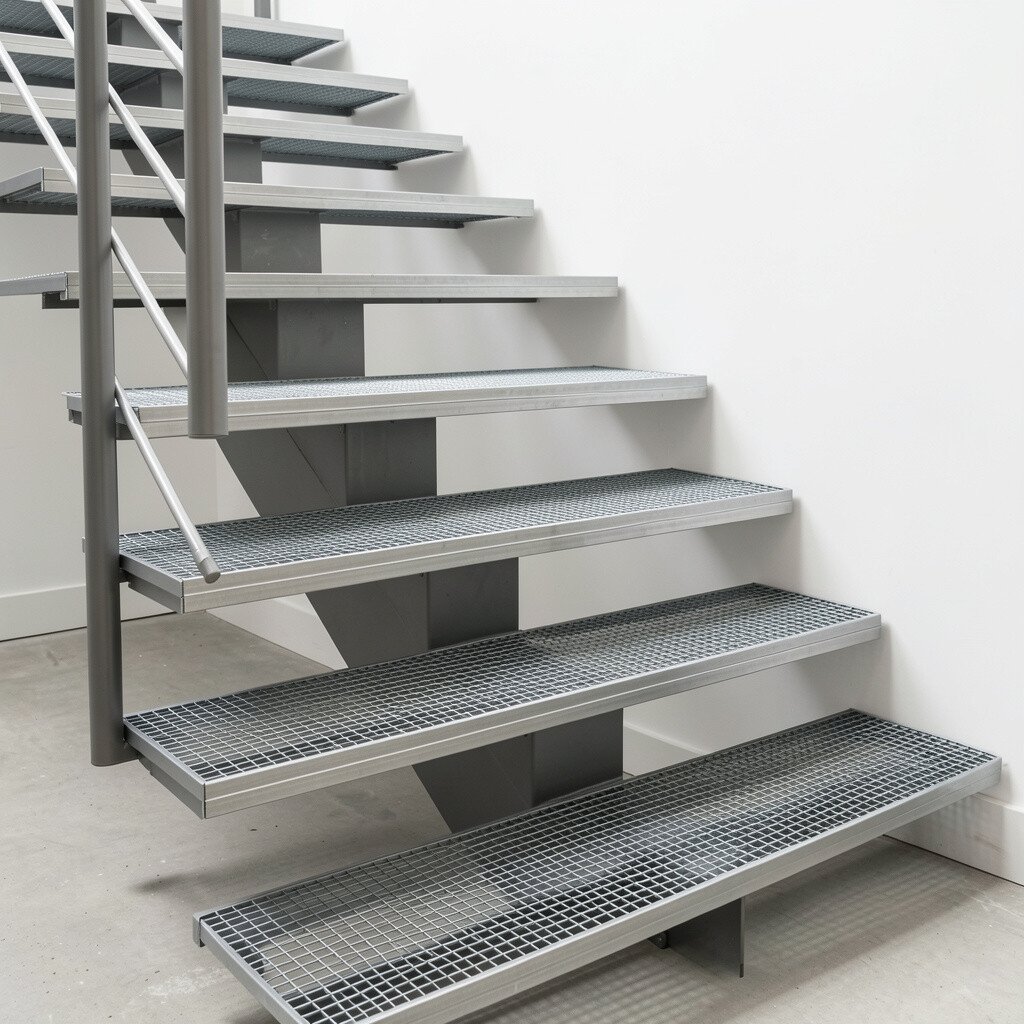
Steel mesh treads give a modern, light-catching feel while keeping the step surface open. When railings are removed, the staircase looks like it’s part of a sleek metal frame.
The main benefit is easy cleanup and airflow, which can be great near entries or basements. It also creates a distinctive look that feels architectural rather than typical.
For practical tips, make sure the mesh is designed for stepping and has safe spacing. Add a solid grip coating or a perimeter band so your foot lands confidently every time.
Personalize the vibe by pairing the mesh with warm wood walls or bright white ceilings. Cost will depend on the mesh specification and custom fabrication, so request options that fit common sizes to keep pricing steady.
16. Folded Plate Stair With a Crisp, Sculpted Profile
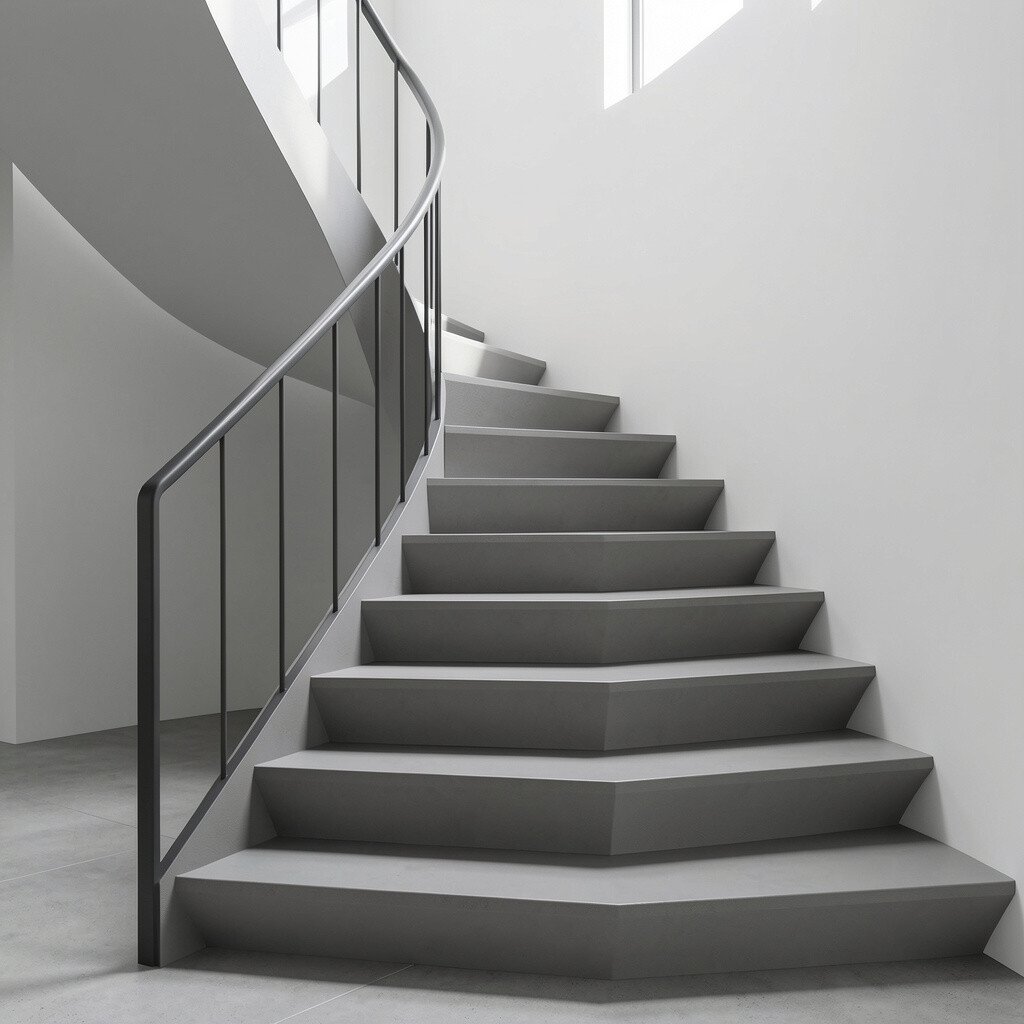
A folded plate stair looks like modern metalwork turned into a functional path. The sharp profile and smooth finish make the steps feel sleek and designer.
This style can feel unique because it has bold lines without being loud. It also offers a practical advantage since metal treads can handle heavy use when finished properly.
For personalization, consider a powder-coated color that matches your kitchen hardware or exterior door. Add integrated step lights along the underside to make the stair glow and guide you without railings.
Cost considerations often relate to fabrication and coating. You can reduce expenses by choosing a simpler stair run and keeping the plate profile consistent across all treads.
17. Wood Lamella Stairs With Vertical Rhythm
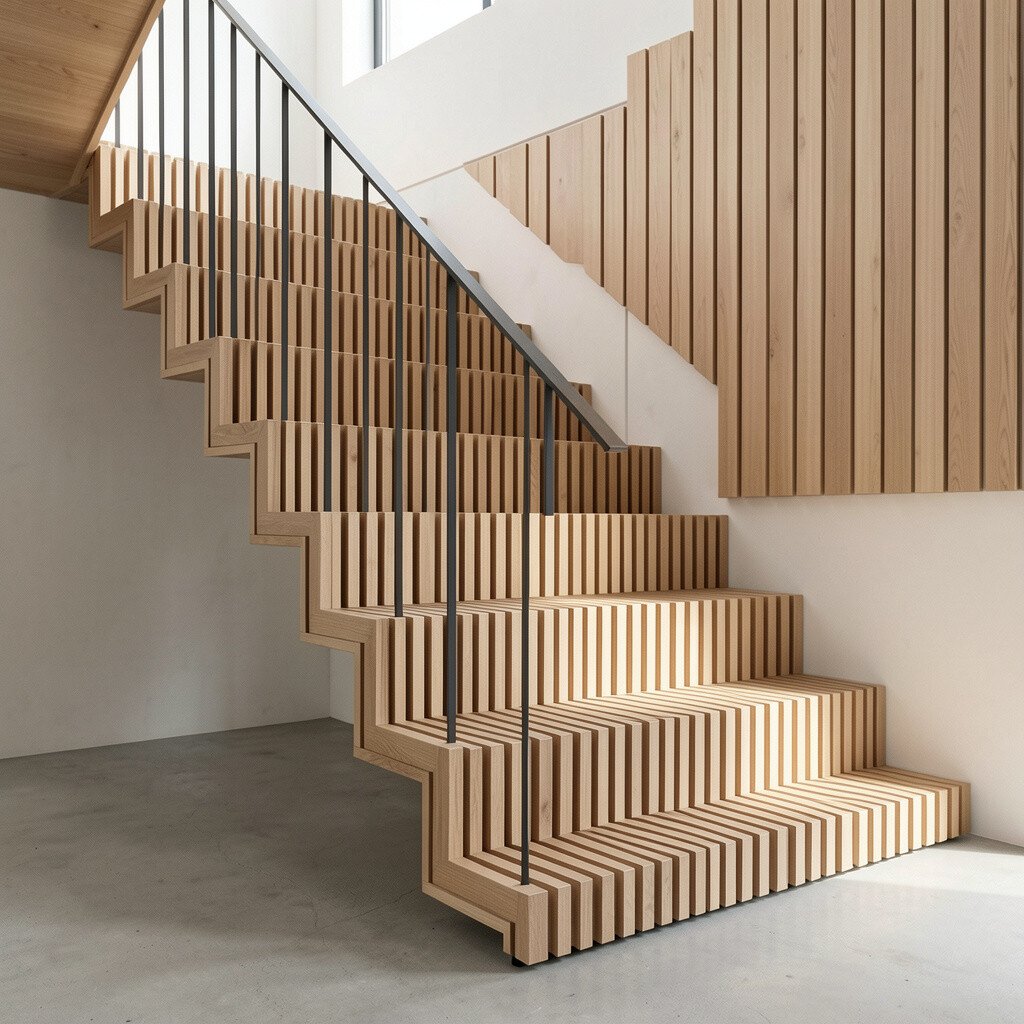
Wood lamella stairs create a rhythmic, airy look that feels modern and handcrafted. Thin vertical elements add texture, and removing railings keeps the pattern flowing.
The visual rhythm can make the stairway feel like a design feature rather than a necessity. It’s a benefit when you want privacy nearby but still want openness on the stair itself.
For practical tips, use lamella spacing that doesn’t trap small feet and keep treads properly supported. Add a protective topcoat to handle daily foot traffic and reduce scratching.
Personalize by choosing lamella thickness and stain depth, then coordinate the color with your floor or wall accents. Cost varies because lamella details are labor-heavy, so plan a clean layout and avoid extra angles.
18. Patterned Concrete Steps With a Built-In Nosing Line
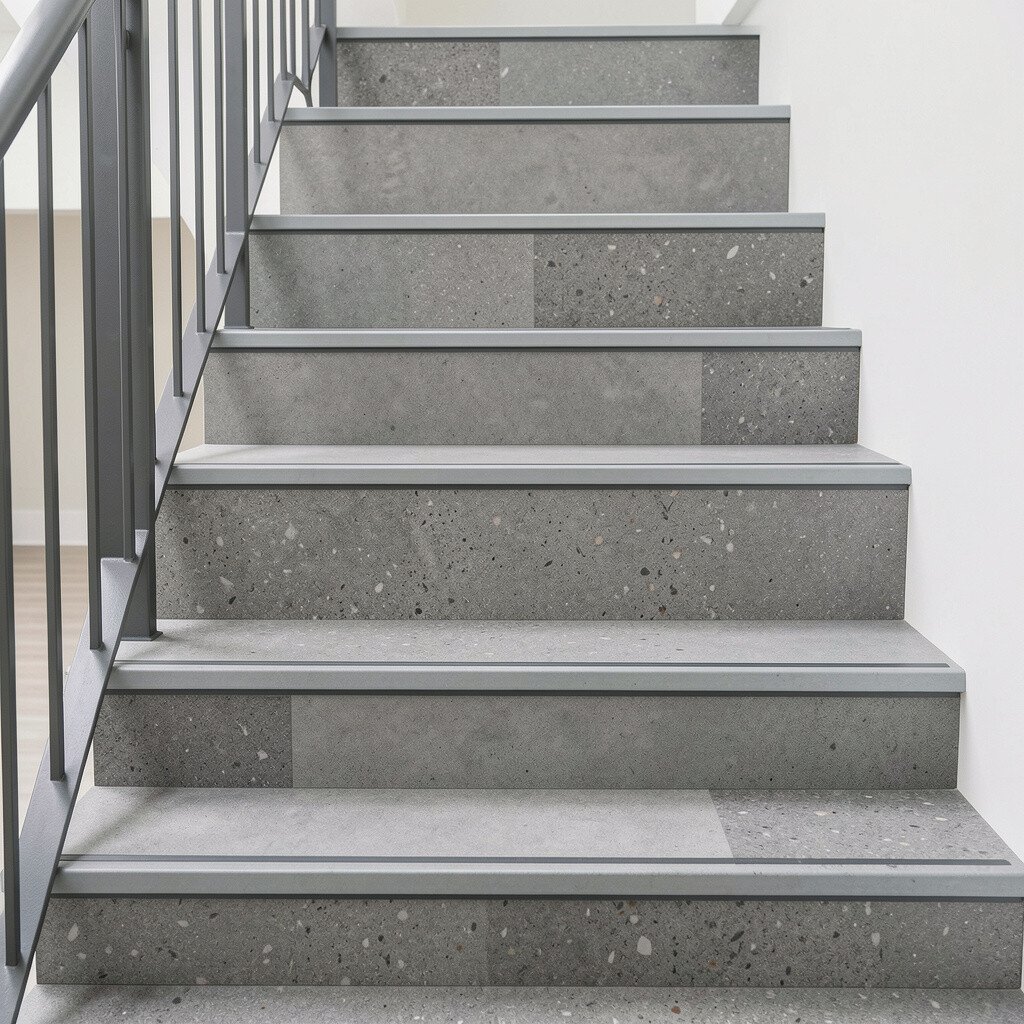
Patterned concrete stairs can look bold while still feeling grounded. When the tread edges have a built-in nosing line, your steps become easier to read at a glance.
The main benefit is durability, because concrete holds up well and resists many daily scuffs. The pattern also gives uniqueness since no two finishes are exactly alike.
For safety, use a textured surface or a broom finish so the tread holds grip. Personalize by choosing a subtle pattern like a light aggregate swirl that complements your floor instead of fighting it.
Cost considerations include whether you want stamped patterning or a simple texture. Simple finishes usually keep budget lower while still delivering a modern look with strong structure.
19. Minimal Rubber Tread Overlays in Designer Colors
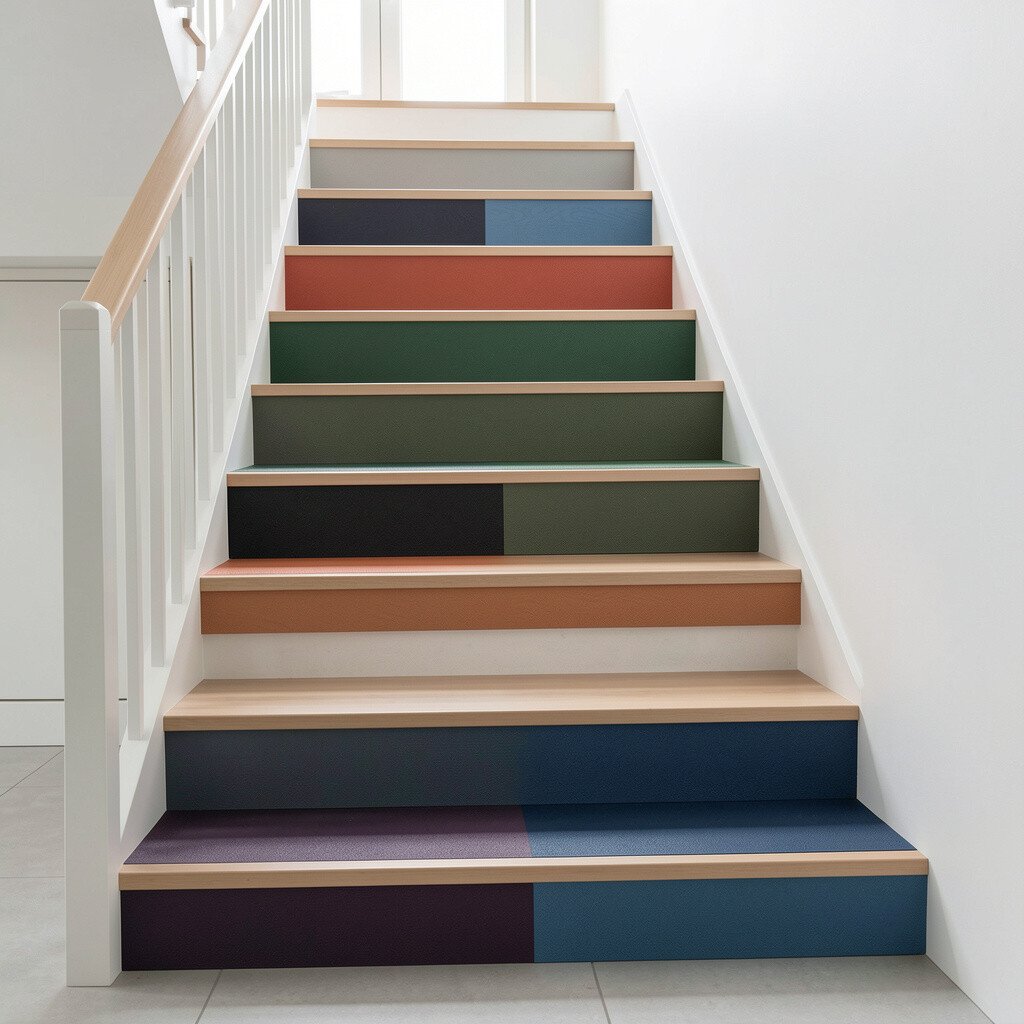
Rubber tread overlays might sound unexpected, but they can look very modern. With designer colors and clean edge lines, they feel intentional rather than temporary.
This is a practical, safety-first option because rubber helps with slip resistance and sound reduction. Many people like how it feels quieter on floors, especially in homes with kids or active routines.
For personalization, pick a color that matches your wall trim or a subtle accent in the space. You can also mix tones between landings and runs so the stair area feels styled.
Cost can be more budget-friendly than full material replacement, depending on your existing staircase. It’s also easier to update later, since overlays can be swapped without tearing out everything.
20. Monochrome Marble Steps With Under-Riser Glow
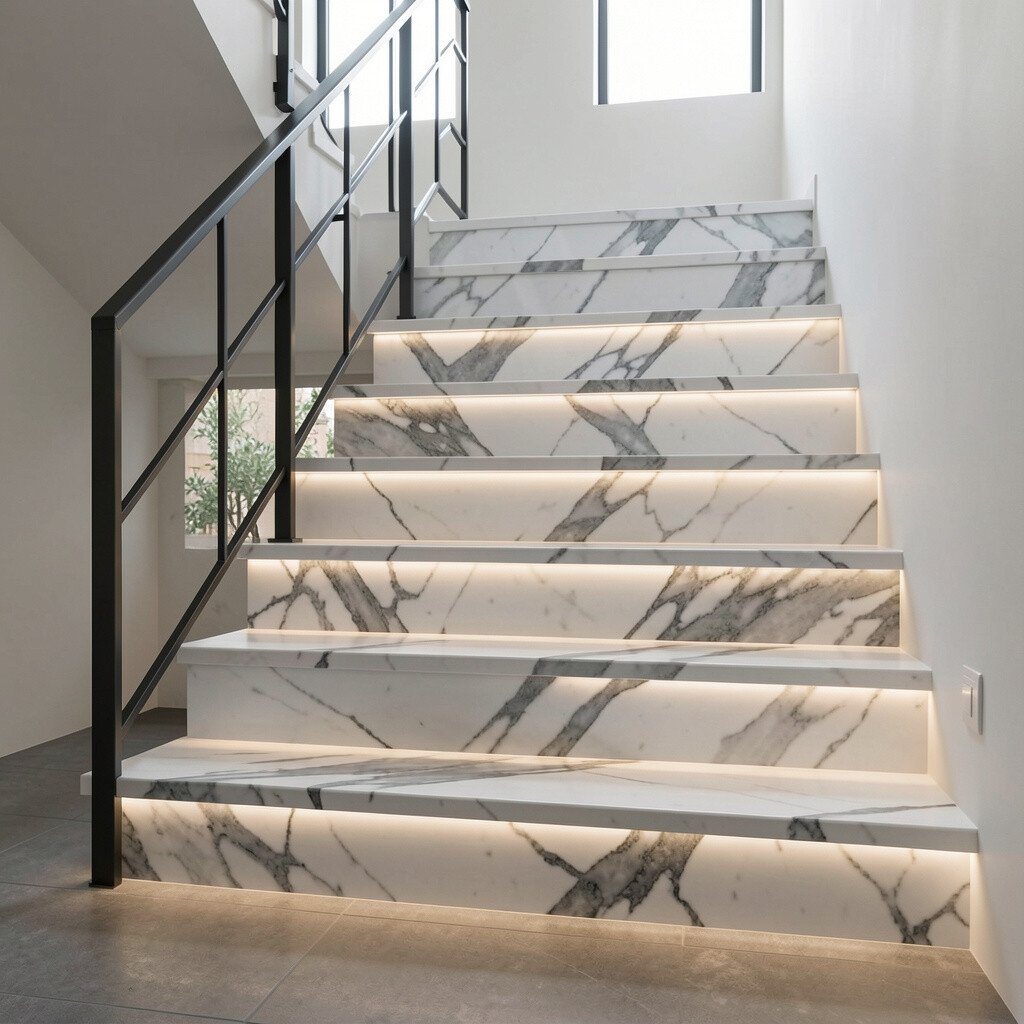
Monochrome marble makes a stair look like it belongs in a luxury showroom. The smooth, quiet tone looks especially striking when paired with gentle under-riser glow.
Without railings, the marble lines feel uninterrupted, which is the biggest visual benefit. The glow helps you see the step edges clearly, making everyday movement feel more confident.
To personalize, choose a marble veining style that matches your room, from calm and linear to more dramatic swirls. Keep it practical by sealing the marble well and using non-slip treatment on the tread surface.
Cost considerations depend on the slab size and whether you want premium veining consistency. If budget is tight, you can still get the look by choosing a simpler marble grade while focusing your spending on lighting, finishing, and installation quality.