The morning meeting sets the tone for the whole day. With a few thoughtful decor choices, it can feel calm, welcoming, and just right for every learner.
When the space supports different sensory needs, children settle faster and participate with more comfort. Small changes in visuals, sound, and touch can make a big difference in how safe and ready everyone feels.
1. Soft Anchor Zones for Calm Arrivals
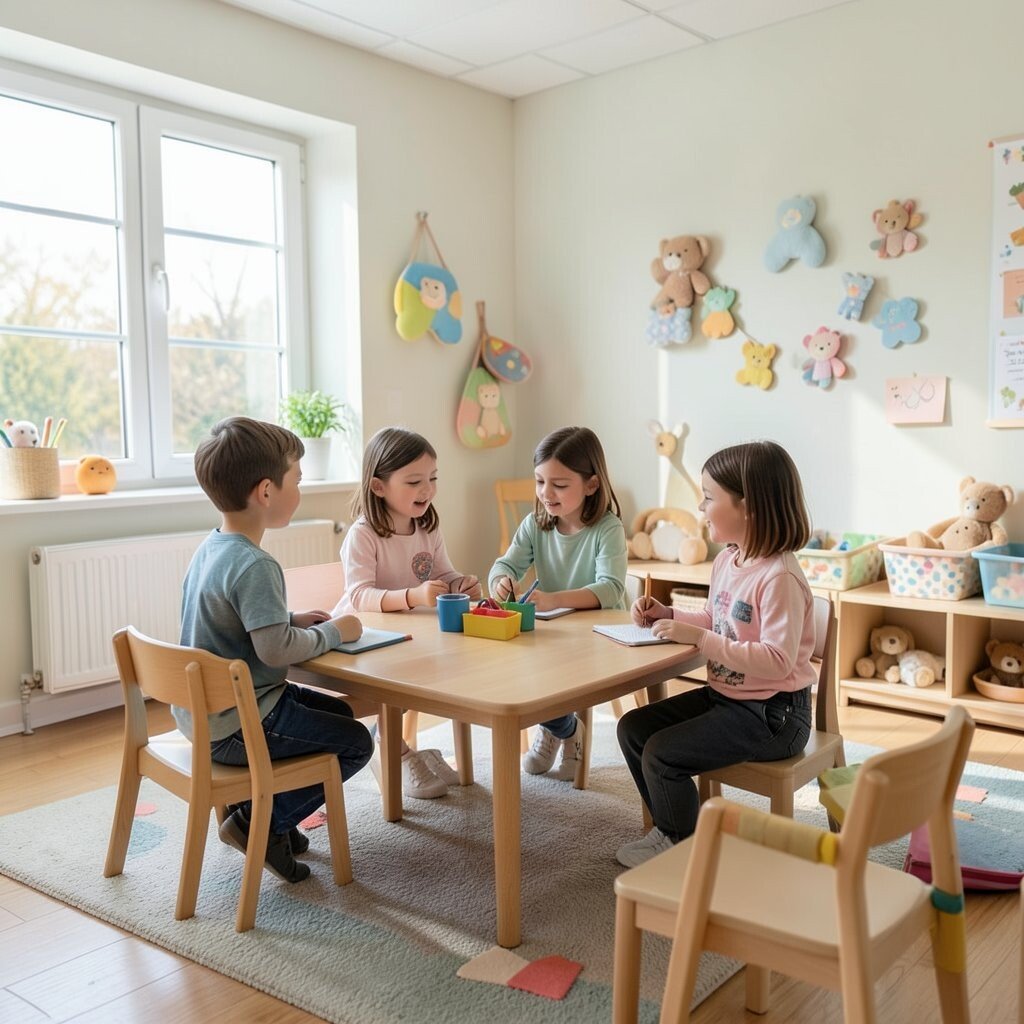
Create gentle anchor zones where children can land when they walk in. Think of plush rugs, foam mats, or low-pile carpet squares placed in a circle, and add a calm visual frame like scalloped edges made from felt or fabric.
Use bright but soothing colors such as muted teal, warm beige, or soft coral so the area feels friendly instead of loud. Keep the decor consistent each day by using the same zone shapes and placement, and that predictability helps children shift into the meeting without rushing.
2. Picture-First Daily Schedule in Touchable Lanes
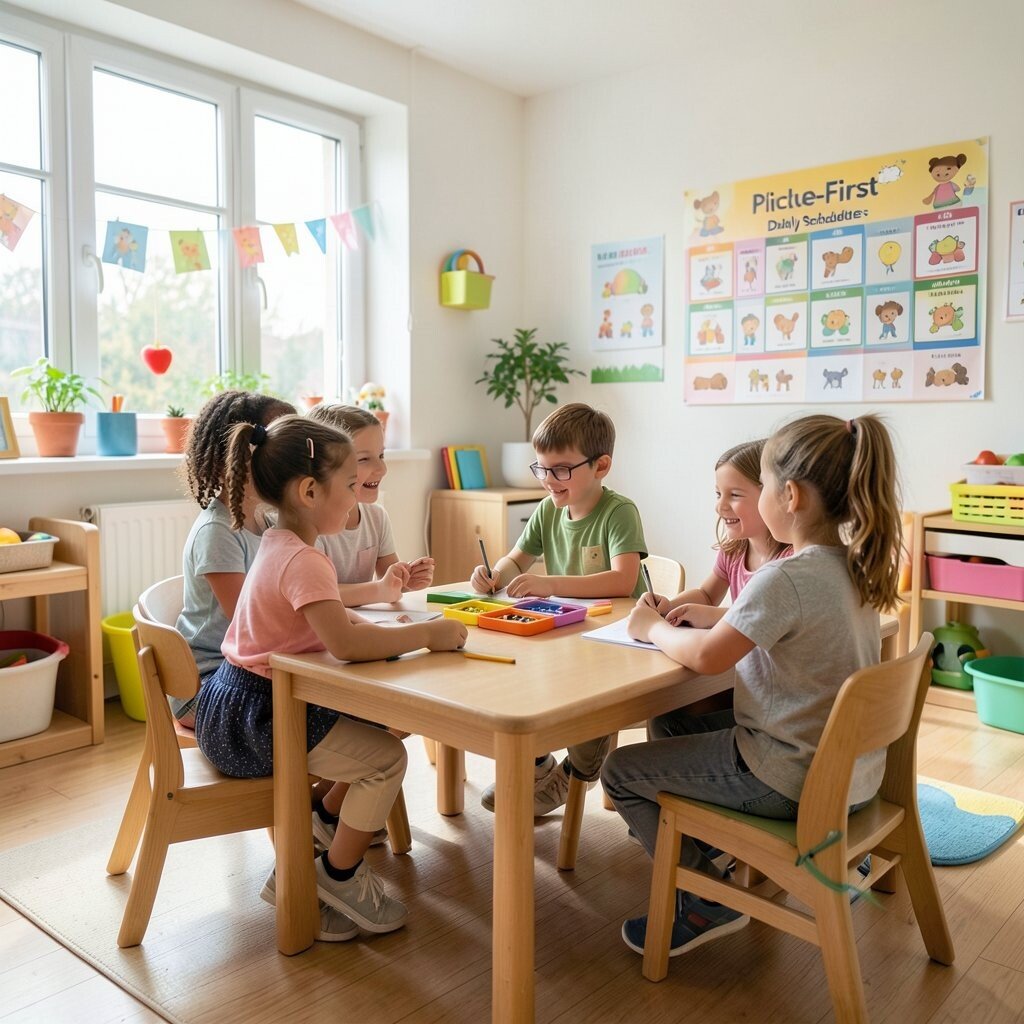
Build a schedule children can see at a glance, using large pictures for each part of the morning meeting. Place pocket cards in a vertical lane so the first icon starts at eye level and the sequence moves across the day.
For sensory comfort, choose matte materials that do not glare and use velcro dots that are easy to press without snapping sounds. When kids add or move their own cards, they gain control over the flow, which can reduce anxiety.
To personalize, add family photos during community weeks and swap in seasonal images like fall leaves or spring flowers. A simple set of printable icons is usually low cost, and you can laminate for durability.
3. Noise-Control Corners with Fabric and Calm Visuals
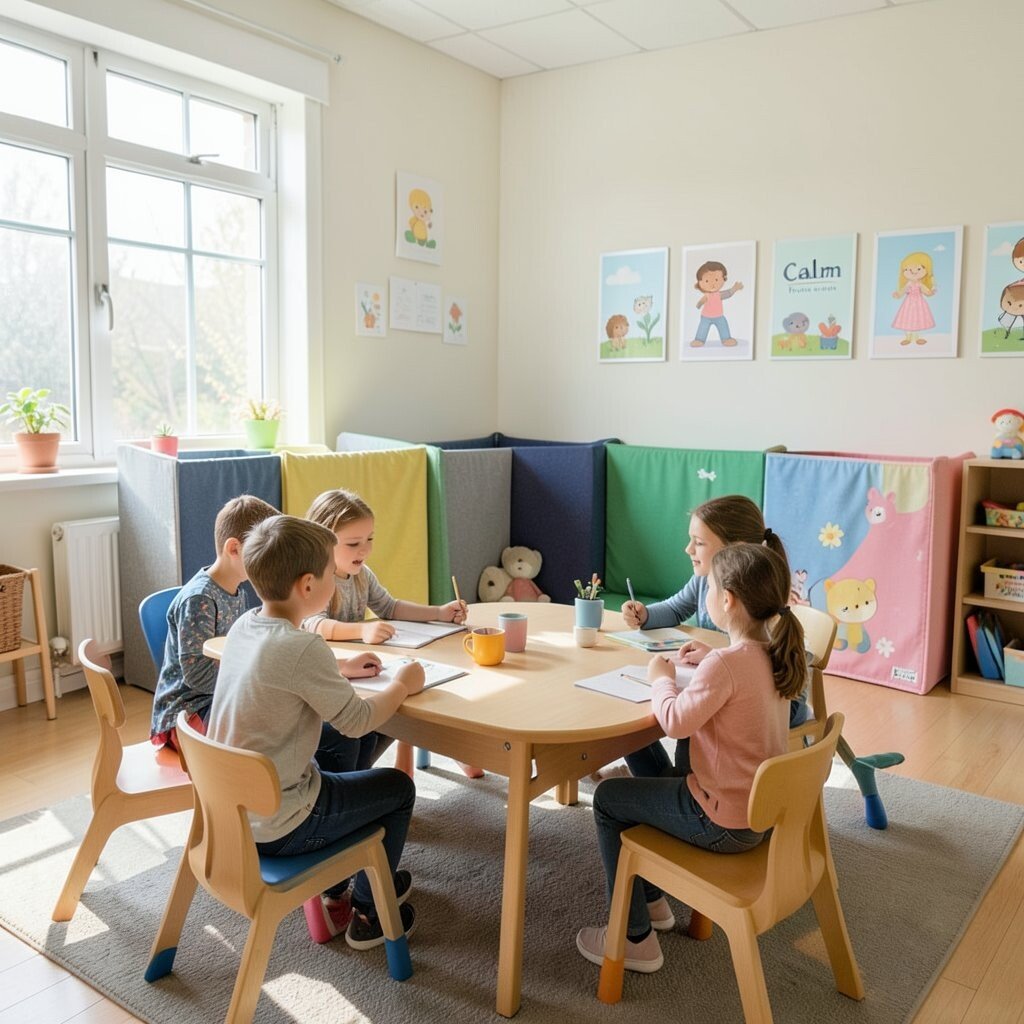
Morning meetings often get louder as excitement builds, so plan for gentle sound control. Hang soft fabric panels or use upholstered privacy dividers behind the meeting circle, and pick colors that match your classroom palette.
Add a subtle visual anchor such as a calm sky-themed mural or a solid-color backdrop so children know where to focus. Keep the visual uncluttered, because too many busy details can feel overwhelming for some kids.
Choose washable materials and test them during group time, because how a space sounds matters more than how it looks. If you have budget limits, start with layered rugs and heavy curtains, which are usually affordable and highly effective.
4. Hands-On Welcome Bins for Shared Start Rituals
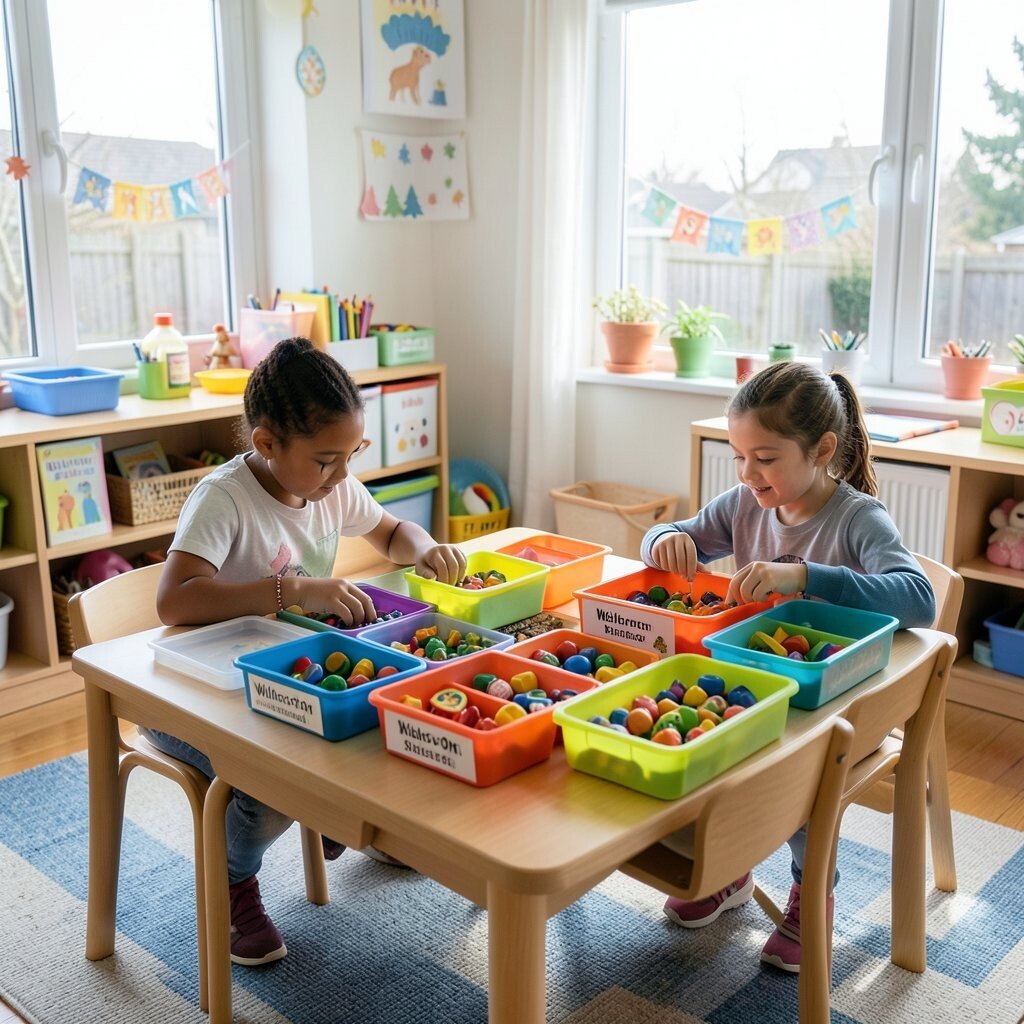
Set out a welcome bin with sensory tools that match your meeting goals, like a small textured ball, a quiet fidget, or a soft scarf for stretching. Place the bin near the meeting area so children can grab an item calmly while they wait for the first song.
Keep the items limited and consistent to avoid distractions, and store everything in labeled see-through boxes so children can self-manage. Rotate one or two tools monthly, which feels fresh without causing chaos.
5. Texture Paths Underfoot to Guide Participation
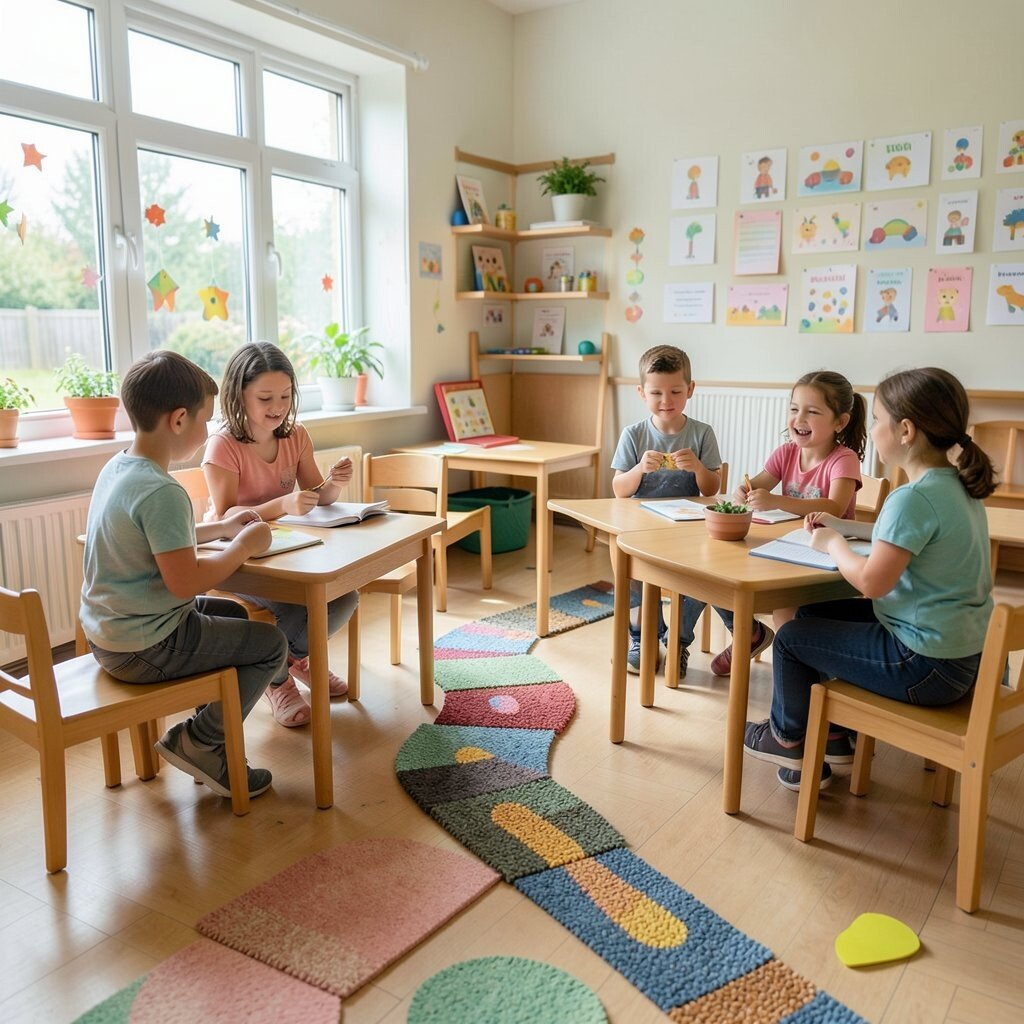
Create a texture path that gently guides where children sit, stand, or line up for transitions. Use painter’s tape to outline footprints, then place fabric swatches or foam cutouts on top so the path feels clear and comfy.
Use textures with different sensations, like smooth fabric paired with lightly bumpy felt, and let children choose the texture they prefer when it’s time to join. This helps kids who need movement or sensory input stay regulated while still participating.
For personalization, let children vote on a texture theme each season, like “ocean waves” with stretchy netting or “forest floor” with leaf-patterned felt. Many materials can come from classroom craft leftovers, making it budget-friendly.
6. Visual Timers That Look Like Friendly Characters
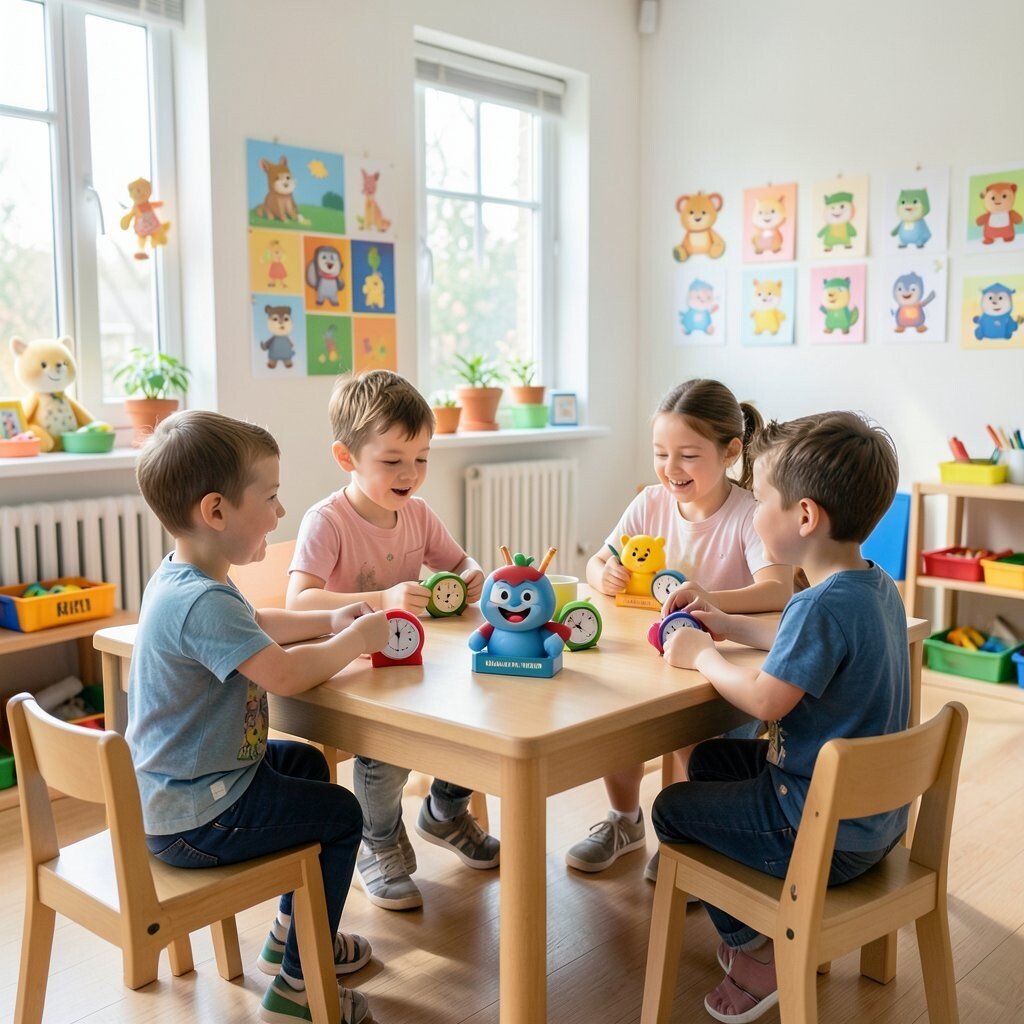
Some children struggle when time feels invisible, so use a visual timer that matches your theme. Choose a countdown device with a soft glow or a large illustrated timer card that shows “almost done” in a gentle way.
Place the timer where children can see it from their seats, and keep it consistent for songs, transitions, and sharing moments. When the timer runs, it can replace repeated reminders, which often reduces stress for both students and teachers.
To keep it sensory-friendly, avoid flashing lights and use calm, steady movement instead. You can personalize by adding a “time buddy” character that changes each month, like a sleepy cat for calm days.
7. Calm Color Curtains for a Soft Meeting Backdrop
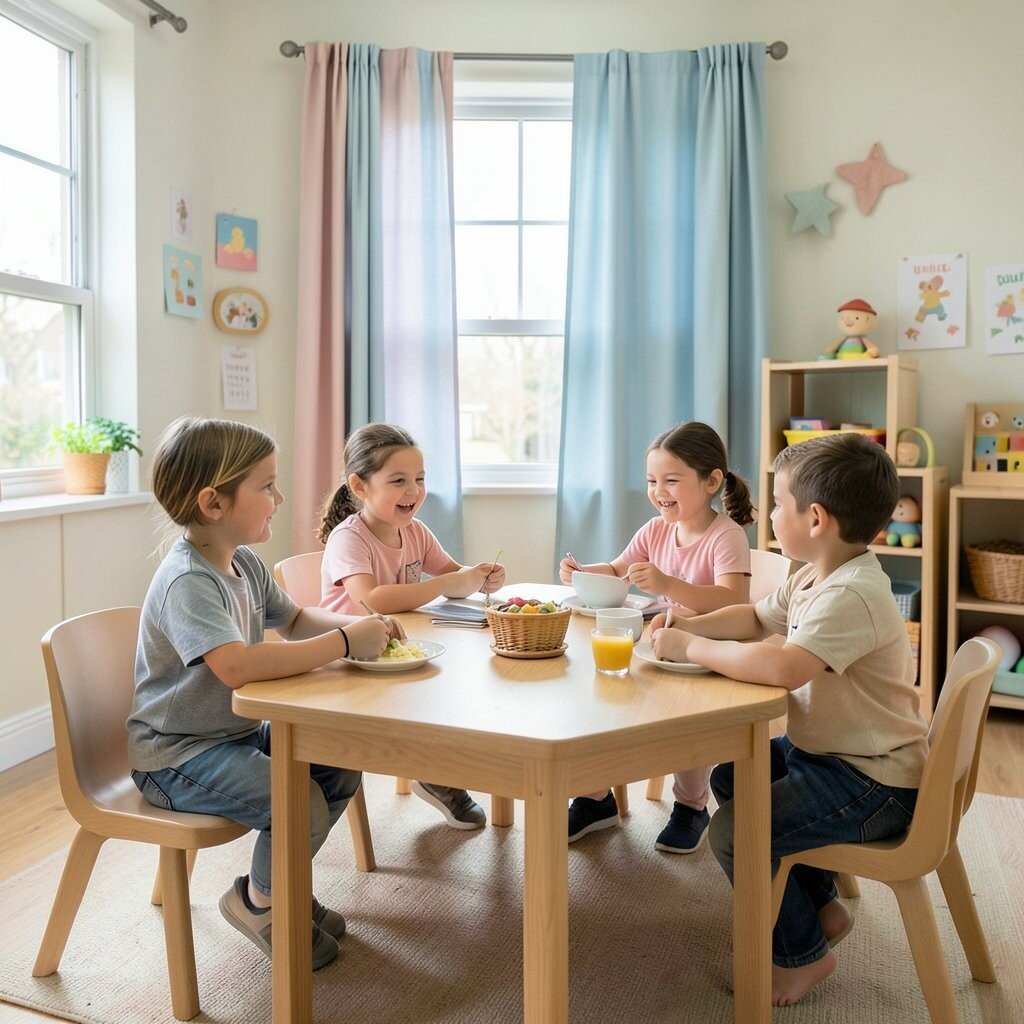
Try a curtain-style backdrop behind the meeting circle to create a cozy visual “room within the room.” Use sheer but tinted fabric for light diffusion or thicker fabric to reduce echo, and select colors that feel steady, such as sage green or sandy tan.
Keep the backdrop simple so it supports focus rather than competing with it. When children can see a clear background, it’s easier for them to track your face, the chart, and the daily rhythm.
8. Letter and Number Tiles That Children Can Move and Sort
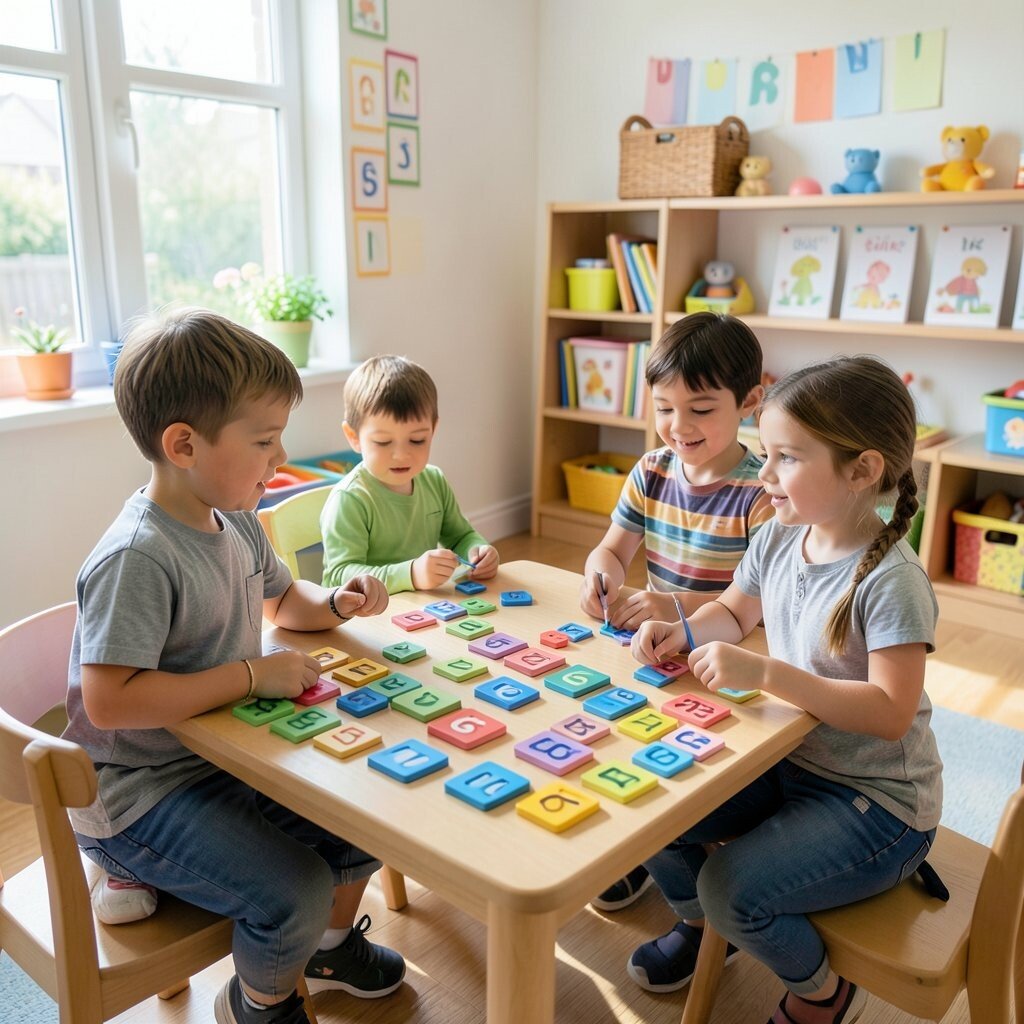
Make morning meeting more active with movable tiles that kids can touch and rearrange. Use large magnetic letters, foam tiles, or thick wooden pieces on a tray so children build their names, first-letter sounds, or a quick “word of the day” in a hands-on way.
For sensory comfort, provide a quiet sorting mat underneath so pieces land softly and don’t clack. This type of tactile play supports fine motor practice and helps children stay engaged during sharing time.
Personalize the tiles by adding custom name sets with consistent fonts and a small color dot next to each child’s picture. Budget-wise, you can start with a simple set of foam letters and use erasable labels until your collection grows.
9. Story Props Built for Sightlines and Shared Attention
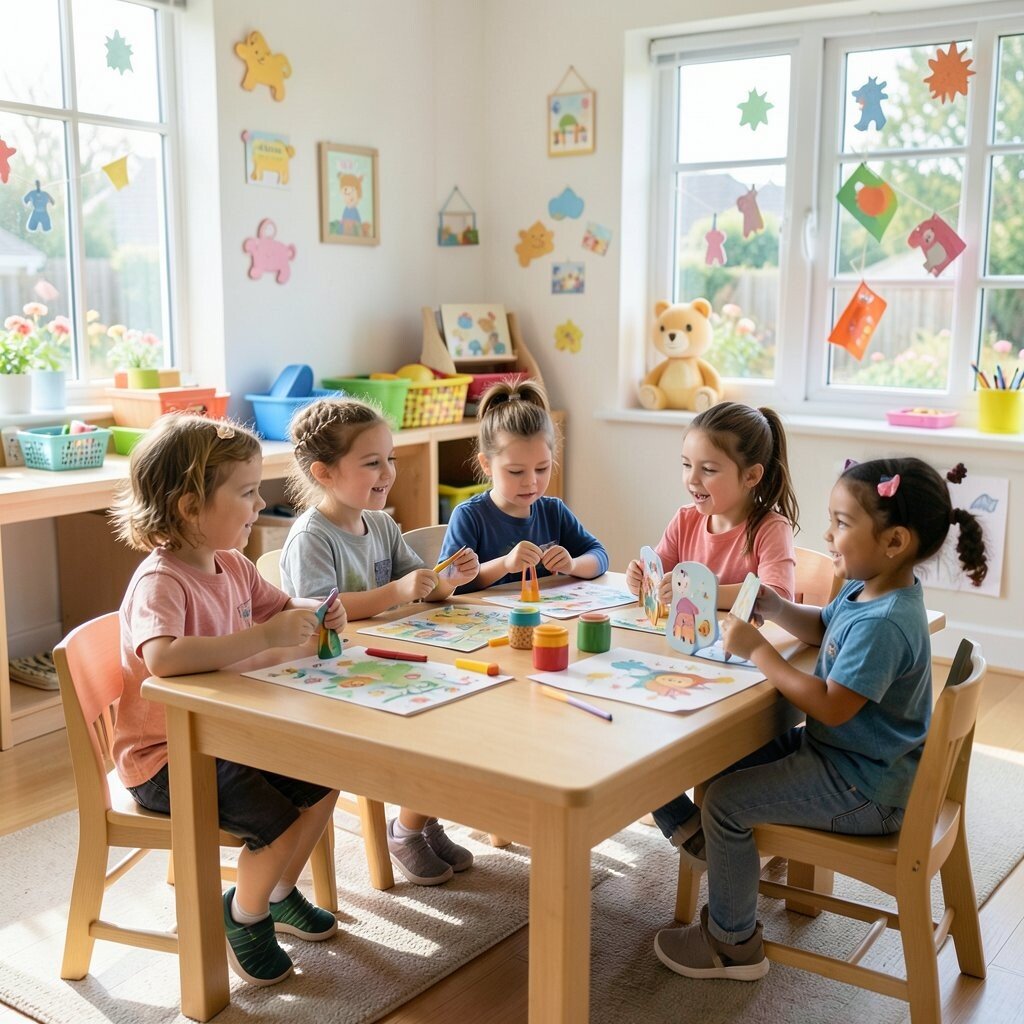
When you tell a short morning meeting story or use a read-aloud moment, choose props that fit the space and the sensory needs of the group. Use felt board characters, simple laminated pictures, or a small upright picture book stand that keeps visuals at face level.
Arrange props so they sit in a neat “story track,” avoiding clutter around the meeting circle. Clear sightlines help children focus on one thing at a time, which can reduce wandering and fidgeting.
Choose props that are easy to hold and safe to handle, and store them in a bin with dividers to prevent mess. If you want a trend-friendly twist, use seasonal “mini scenes” where you swap one background layer each month with new theme colors.
10. Name Tags That Clip On Like Little Stickers
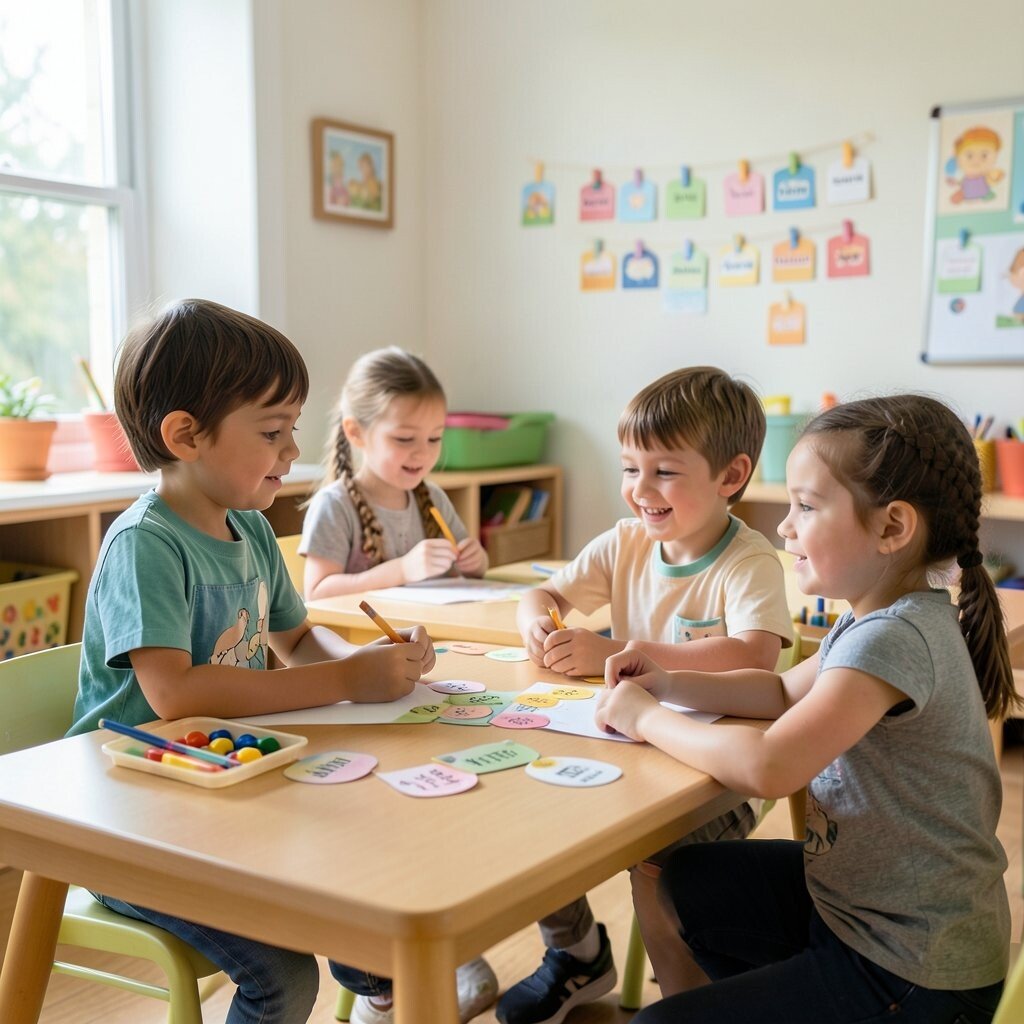
Upgrade name displays with tactile-friendly name tags children can clip on to a shirt or lanyard. Use soft fabric clips, rounded badges, or Velcro-friendly name cards that do not require fragile fasteners.
Make the name tags visible but not flashy by using one main color per child and keeping fonts clear and large. When children see their names easily, it builds confidence and supports participation during greetings and calling rolls.
To personalize, add a small favorite theme icon next to the name, like a star, turtle, or cloud. You can keep costs low by using cardstock, laminating sheets, and a basic set of clip holders from craft stores.
11. Greeting Signals with Gentle Visual Gestures
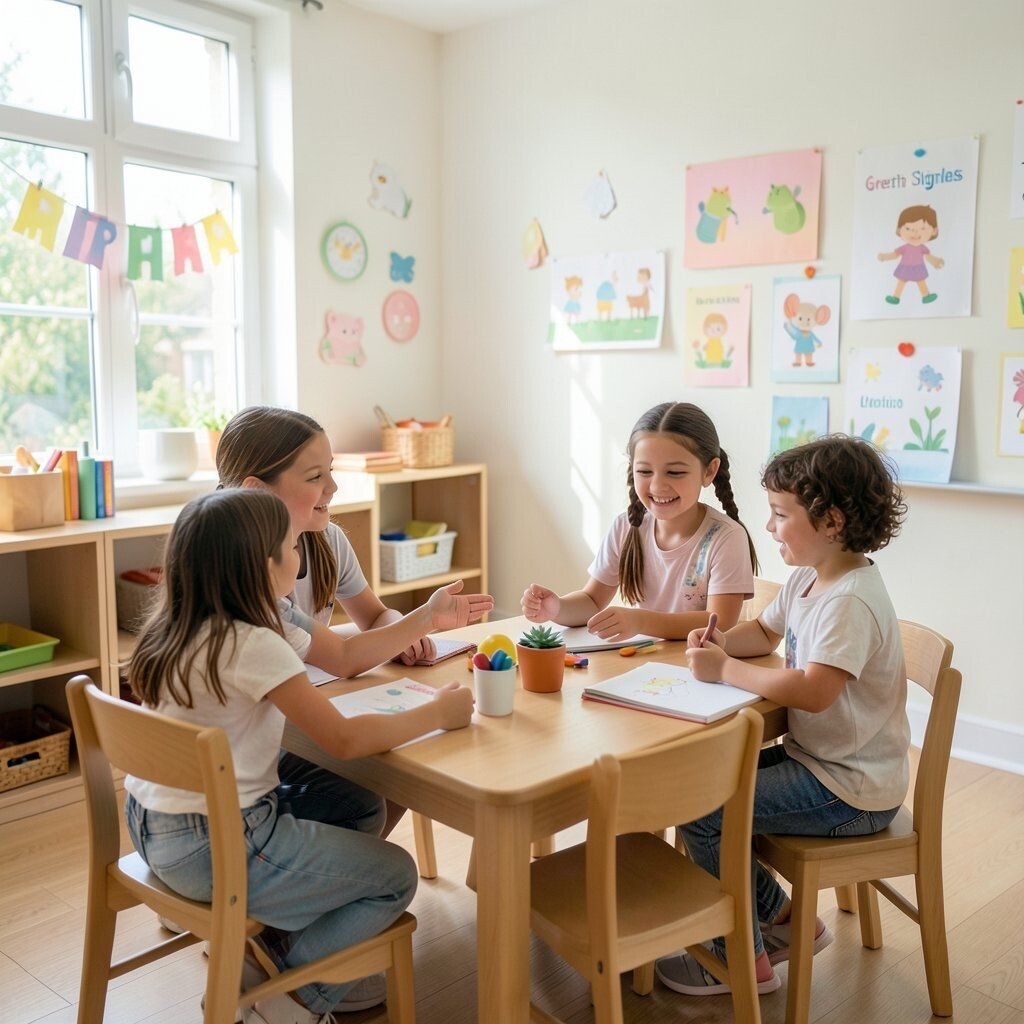
Include a greeting system children can use without feeling rushed or singled out. Put up a small set of icons showing how to greet, such as a wave, a fist bump, or a friendly thumb sign, and keep them near the meeting circle.
When kids choose a gesture that feels comfortable, it supports social confidence and reduces sensory overload from eye contact or loud speaking. Pair the gesture with a calm voice and a steady pace so everyone learns the rhythm together.
Personalize the gesture set by adding classroom community favorites, like “high five with both hands” or “peace sign for quiet days.” This is usually low cost because icon printouts and a few laminations can handle the whole year.
12. Sensory-Friendly Lighting with Diffused Lamps and Filters
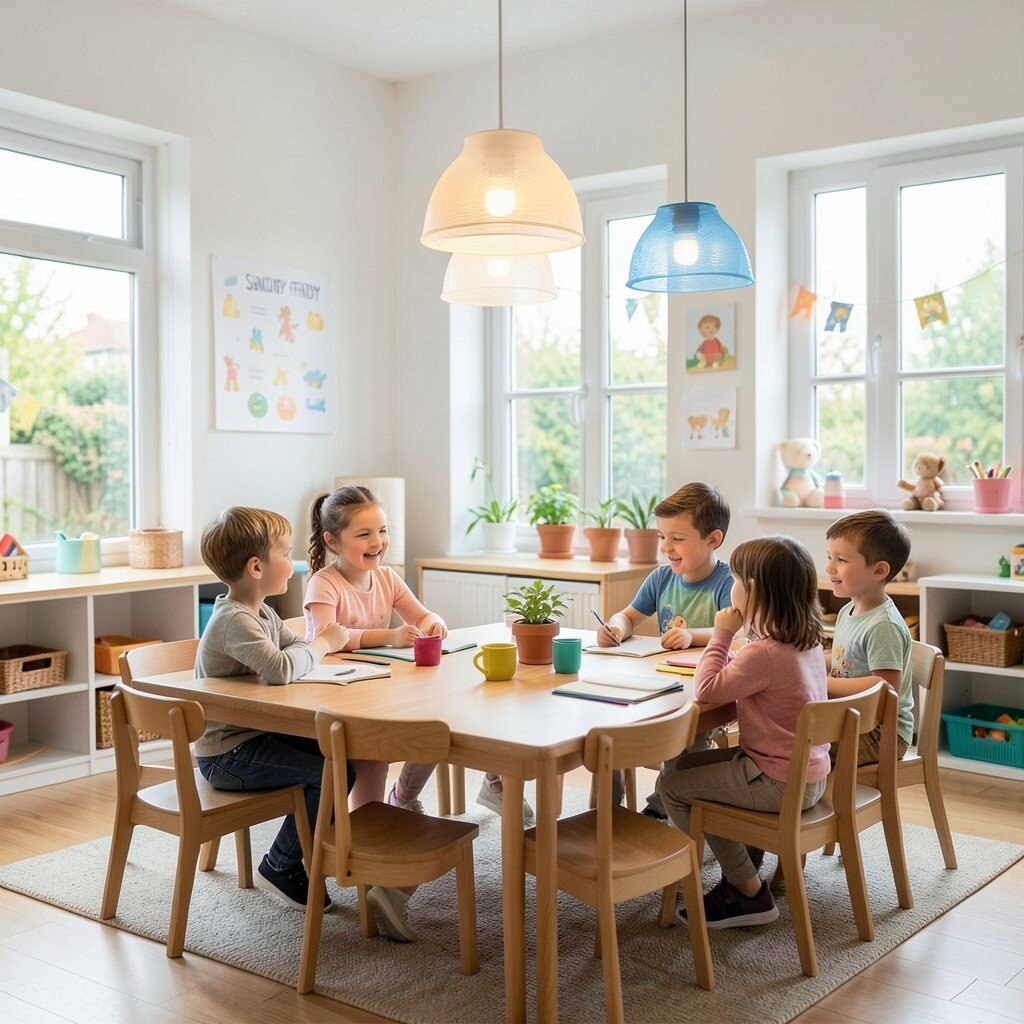
Lighting can be the hidden decor that affects how regulated a group feels. Use lamps with diffusers, warm bulbs, or shade filters to soften bright overhead glare during the meeting portion of the day.
Keep the meeting area slightly dimmer than other corners so children’s eyes can relax. When glare is reduced, it often improves attention and helps kids who are light sensitive stay calm.
If you can’t change bulbs, try adding fabric shades or translucent curtains to buffer bright light. This kind of adjustment can be inexpensive and can make your decor feel more professional without buying new furniture.
13. Theme Walls That Rotate Without Creating Too Much Clutter
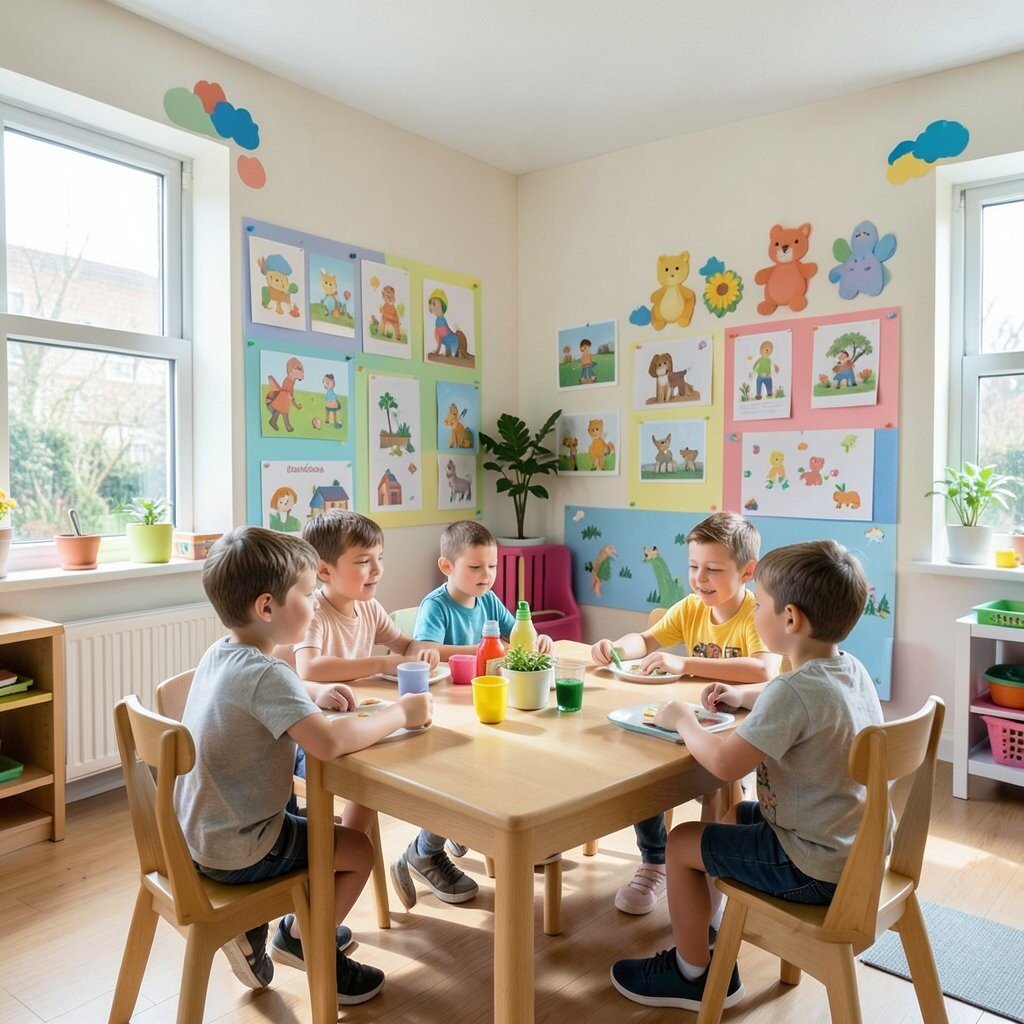
Create a theme wall where visuals rotate on a simple system, such as a magnetic strip or a felt background with pockets. Keep core elements like the schedule and meeting anchor icons stable, then swap the seasonal pieces behind them.
This approach helps the room feel fresh while preventing the “everything at once” effect that can overwhelm sensory-sensitive learners. When children know what stays the same, they can handle what changes.
For personalization, add student-created items like crayon cloud art or photo cards, but limit how many pieces are visible at one time. A rotation system keeps costs controlled because you reuse backgrounds and only make a few new pieces per month.
14. Floor Seating Options with Soft, Supportive Variety
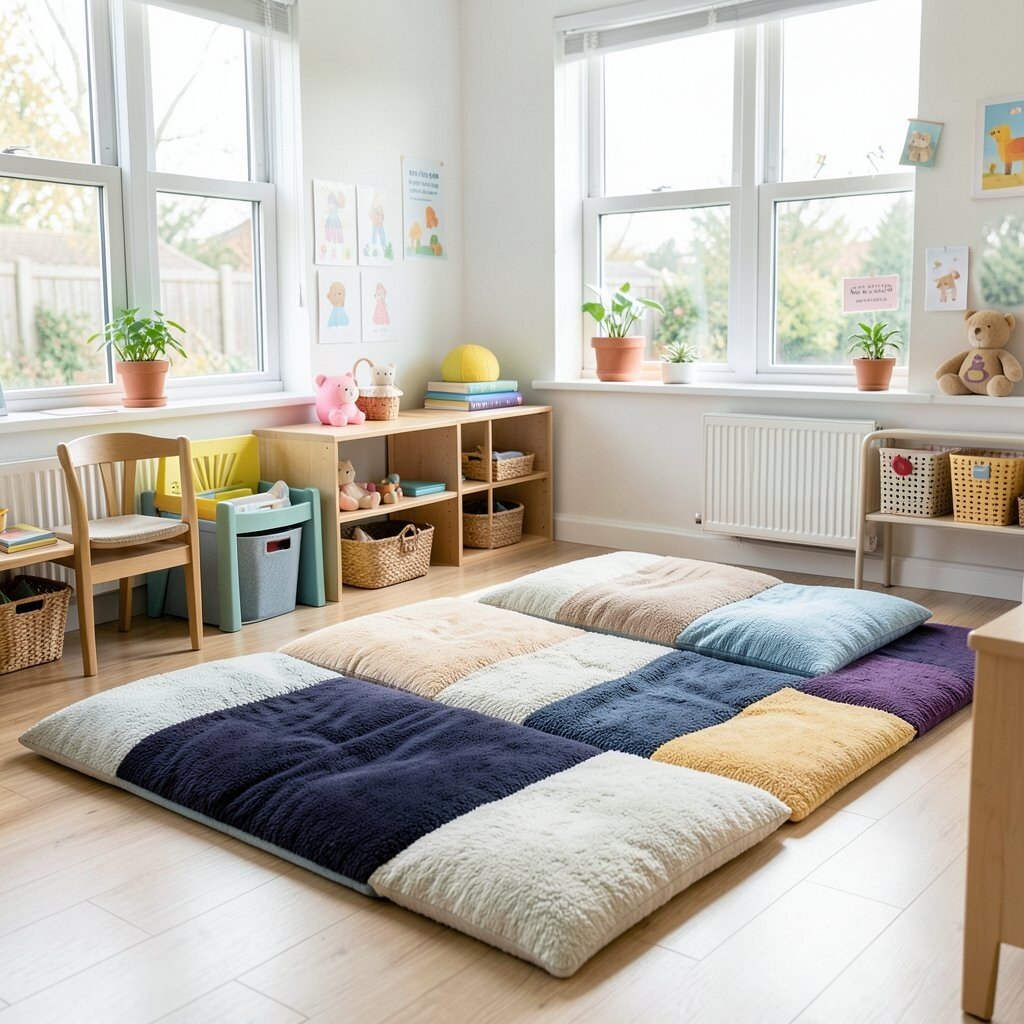
Not every child sits the same way, so offer seating choices that feel supportive and safe. Use floor pillows, small beanbags, kneeling pads, or low back cushions arranged around your meeting circle.
Make choices predictable by keeping seating in the same general area, such as a “cozy ring” and a “quiet bench.” When children can select a seat that supports their body, behavior problems often drop because comfort helps regulation.
To personalize, allow a few kids to be “seat helpers” for the day, matching seats to preferences you’ve observed. Consider cost by using washable covers and buying one or two durable cushions first, then adding more over time.
15. Rotating Calm Tools Display for Self-Regulation Moments
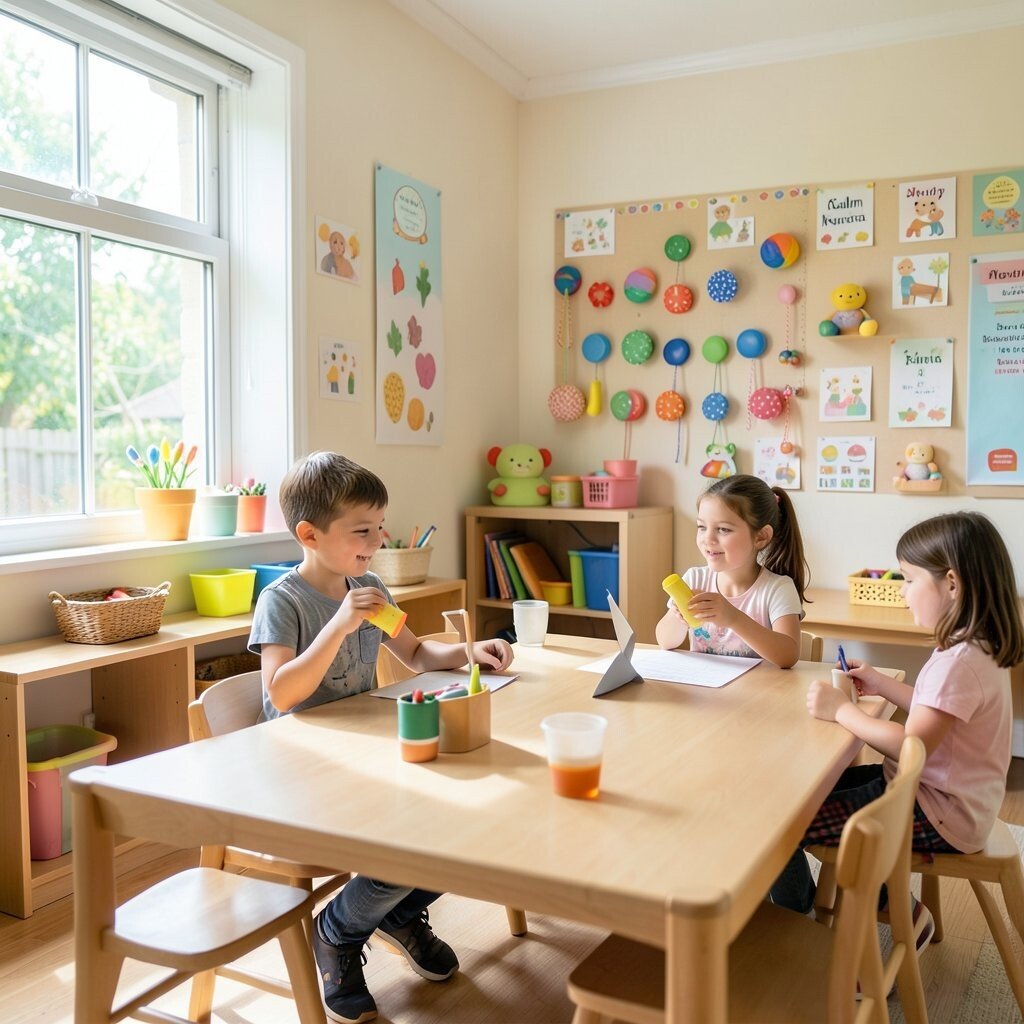
Build a small display of calm tools that children can access when the meeting needs a reset. Include items like a calm breathing card, a soft stress ball, a fidget strip, or a short visual cue card for “pause and breathe,” placed in a neat basket.
Set clear routines for when tools can be used, and keep the display visually tidy so it feels like support, not a distraction. With practice, many children learn to request a tool instead of escalating.
Personalize by adding student interests, such as ocean-themed calm cards or space-themed breathing visuals, using colors that match your classroom. Start small to control costs, then expand as you learn what your group truly uses and appreciates.