A surprising science class can happen right outside your apartment window. Nature holds quiet clues for city life, and your curiosity is the key.
1. Microclimate Spotting on Apartment Block Walls
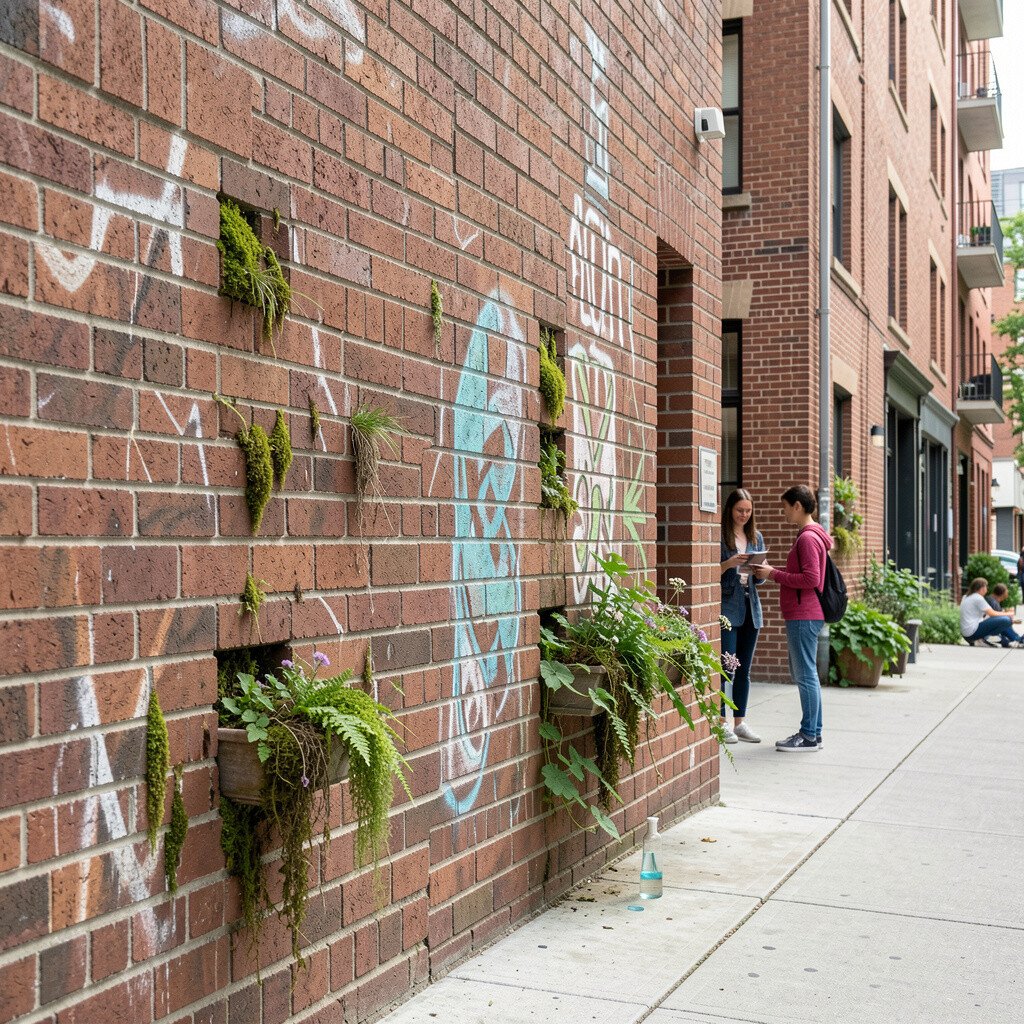
Notice how sunlight and wind change from one side of a building to another. You can see it in warmer brick patches, cooler shaded corners, and breezes that race down narrow streets.
Pick one small spot, like a south-facing wall or a balcony railing, and watch it across the day. Write down what you feel and see, such as temperature comfort, shadow length, and how quickly dust settles. This lesson helps you connect everyday sensations with real science and builds careful observation habits.
2. Rain Garden Design With Everyday Storm Math
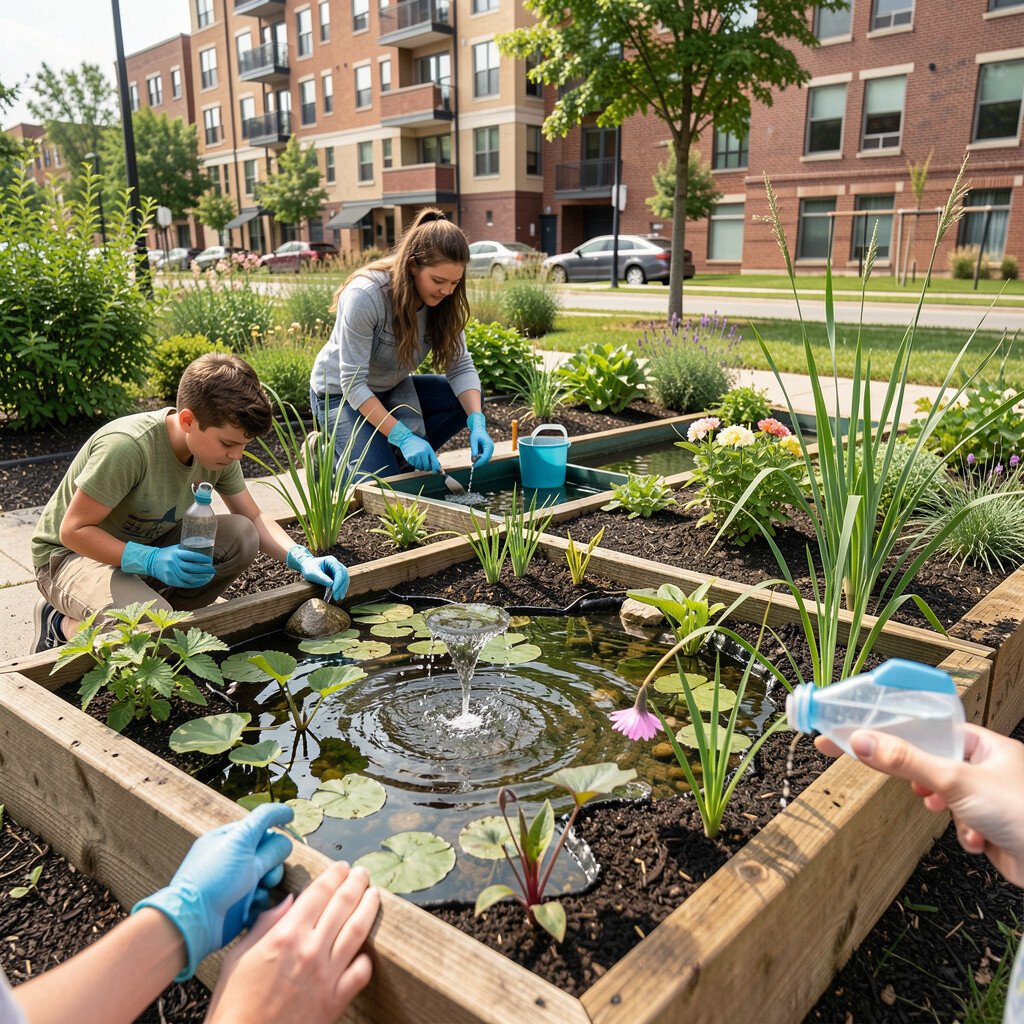
Watch where rainwater runs when a storm hits. In many neighborhoods, runoff races along curbs instead of soaking into the ground.
Model a simple rain garden by comparing a small planted patch with nearby pavement. You can measure how fast water disappears from different surfaces using timing from steady drips. Students gain practical understanding of water cycles, soil absorption, and why green spaces reduce flooding.
For personalization, pick plants that fit your local conditions or use seed packets from community gardens. Keep costs low by reusing buckets for small trials and asking parks groups about mulch donations. A helpful current trend is “stormwater thinking,” where schools and city groups link science to real infrastructure.
3. Pollinator Pathways Through Balcony and Window Gardens
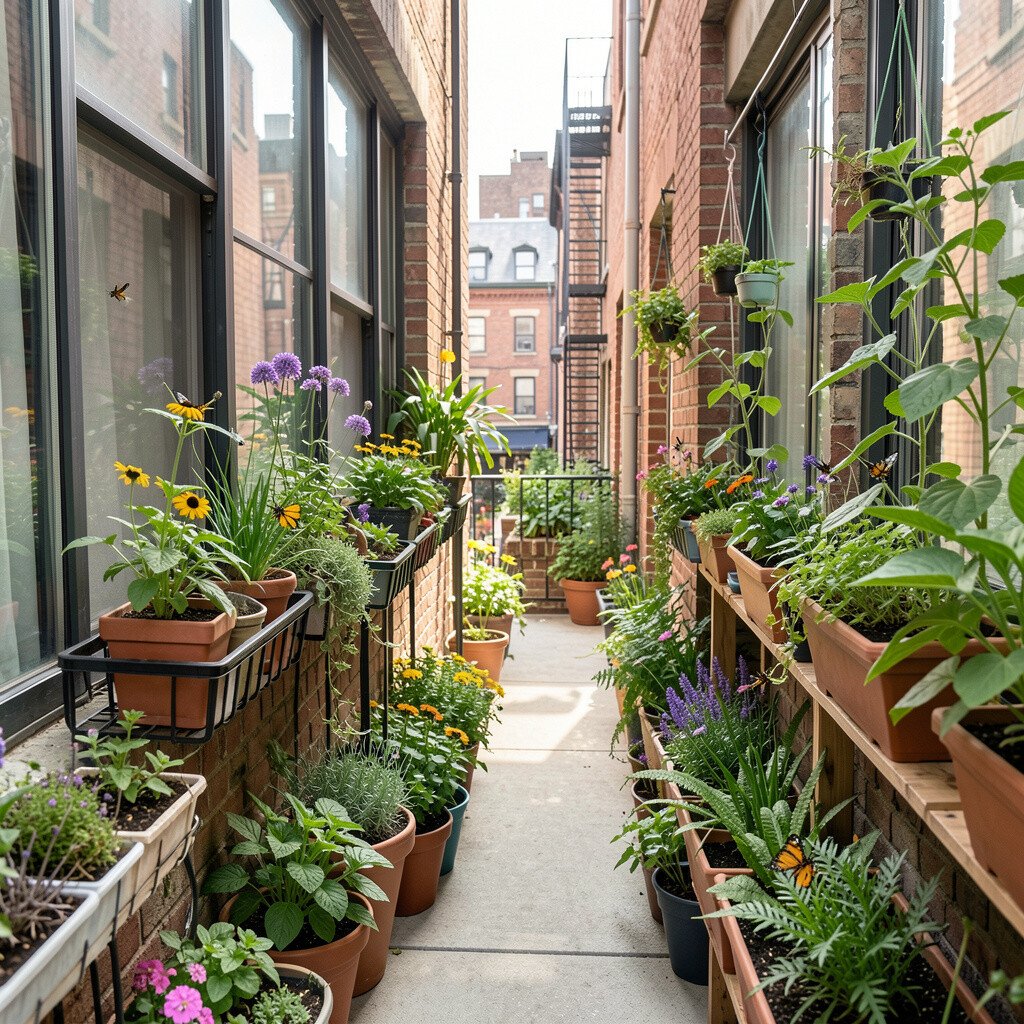
Even in a concrete block, pollinators can find their way. You may spot bees, hoverflies, or butterflies pausing near bright blooms.
Create a tiny “pollinator route” by placing a few nectar plants in a line from window to railing. Take photos on different days and notice which colors and shapes attract visitors. This activity strengthens life science knowledge while training attention to behavior.
Try personalization by matching plant choices to your light levels, like shade-friendly options for north-facing windows. Keep cost in mind by starting with a few inexpensive seeds and growing them in reused containers. The unique part is how you turn your view into a living lab that keeps working as seasons change.
To make it actionable, bring a notebook and record the time of day, weather, and visitor type you see. Over time, patterns will feel like a story told by wings and petals.
4. Mushroom Logging From Sidewalk Texture to Fungal Facts
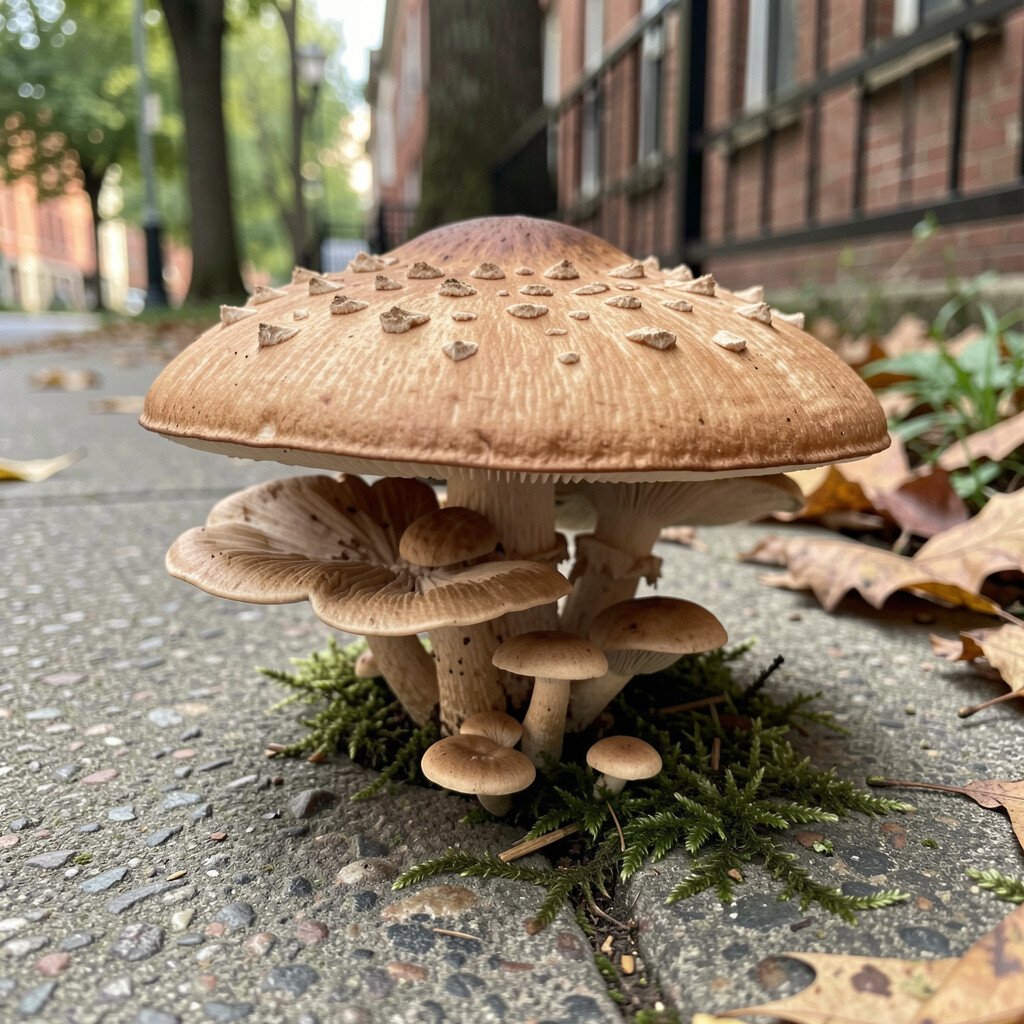
After a rain, the city can become a hidden mushroom museum. You might find tiny fungi on tree bases, planter edges, or even damp wood.
Use safe, non-harvesting observation to record location, color, and texture, then sketch what you see. This builds respect for living systems and supports inquiry skills without risking safety.
For personalization, focus on a single material, like wood chips in a park or leaf litter near a storm drain. Keep things affordable by using your phone camera and a cheap notebook instead of buying equipment. A uniqueness bonus is learning how fungi recycle matter, which directly connects to soil health in urban landscapes.
To stay practical, remember that some mushrooms look alike, so you should never taste them. Share your photos with a local nature group to get help identifying patterns.
5. Bird-Line Investigations With Streetlight and Timing Clues
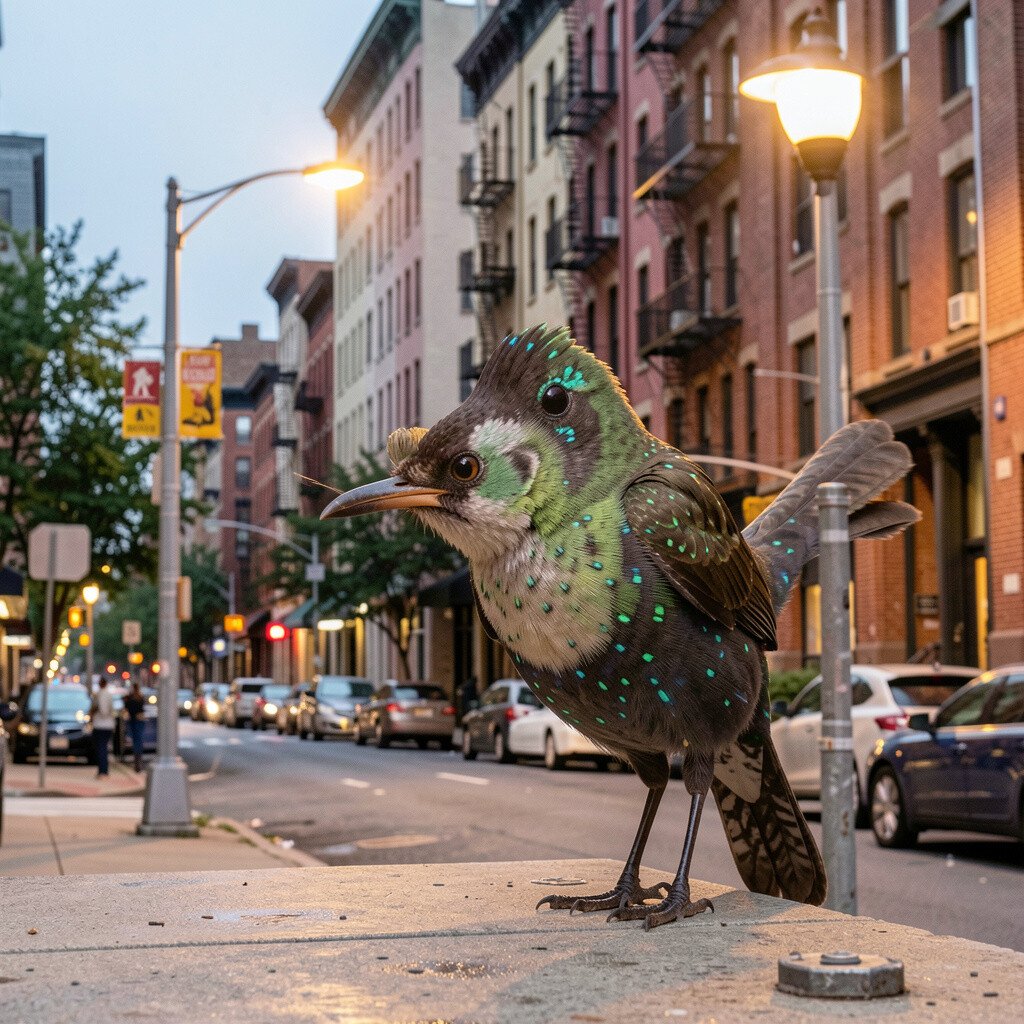
Birds in cities often follow schedules that match light, noise, and feeding spots. Listen at dawn, and you may hear different calls than late afternoon.
Track one bird species you recognize and record when it appears and what it does. Add a simple note about nearby factors like traffic flow or nearby fruiting trees. This strengthens behavioral ecology understanding and helps students practice collecting usable data.
Personalize by choosing a location students already pass, like a school gate or transit stop. Cost stays low because you mainly need time, attention, and a phone camera if you want photos. A current trend is urban wildlife study groups, where students contribute observations to real monitoring efforts.
Make it actionable by setting a small goal for the week, like observing for just a few minutes at a time. You will notice that patterns emerge even with short study sessions.
6. Lichen and Air Quality Clues on Nearby Surfaces
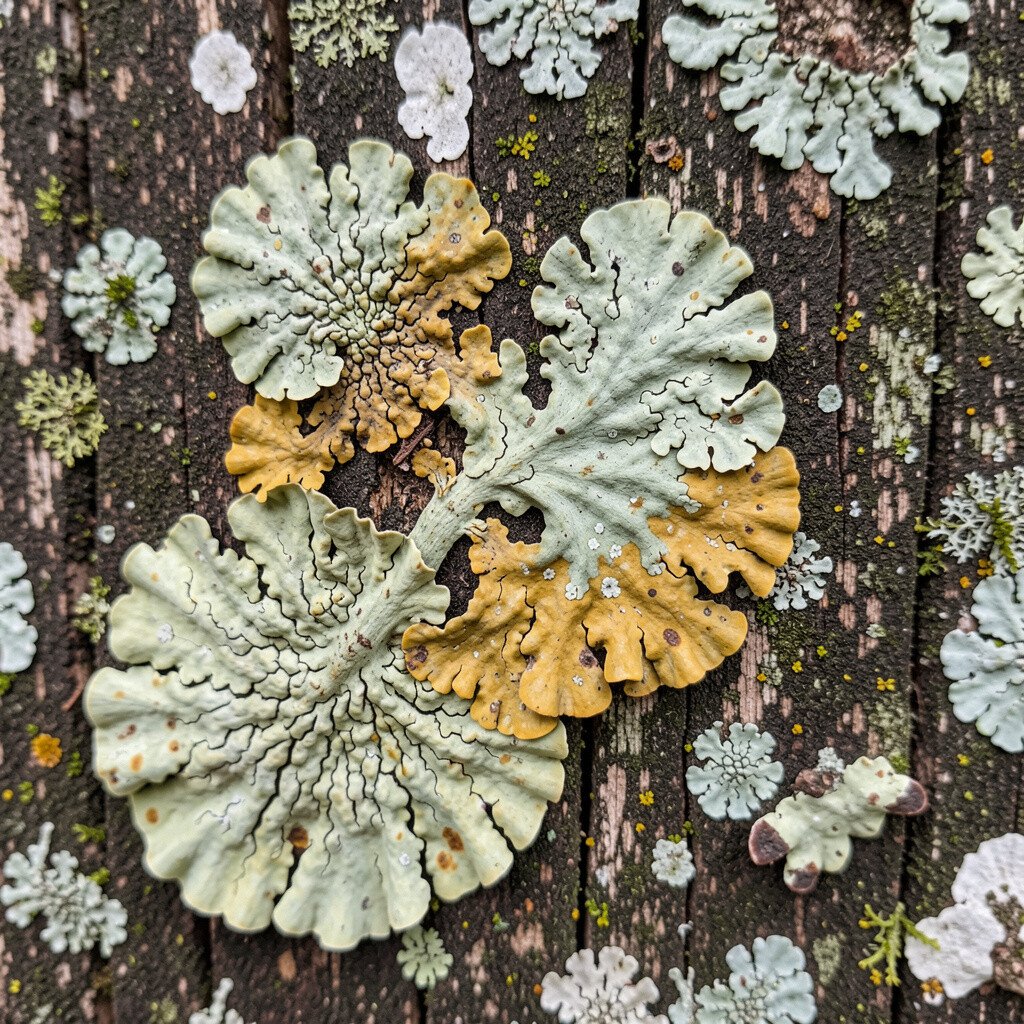
On tree trunks and old stones, lichen can look like tiny paint splashes. Their presence and color often reflect how clean the air feels where they grow.
Choose a safe public spot and observe lichen growth on different surfaces, such as shaded versus sunlit areas. Compare how thick the growth looks and how far it spreads. You build an early understanding of indicators and how living things respond to their environment.
For practical tips, use the same viewing angle each time and measure the rough size of a patch with steps. Personalize by focusing on color, texture, or growth form, like leafy versus crusty types. Keep costs minimal by using a ruler app or simple string for measurements.
7. Wind Tunnel Learning With Cardboard, Tape, and Rooftop Breezes
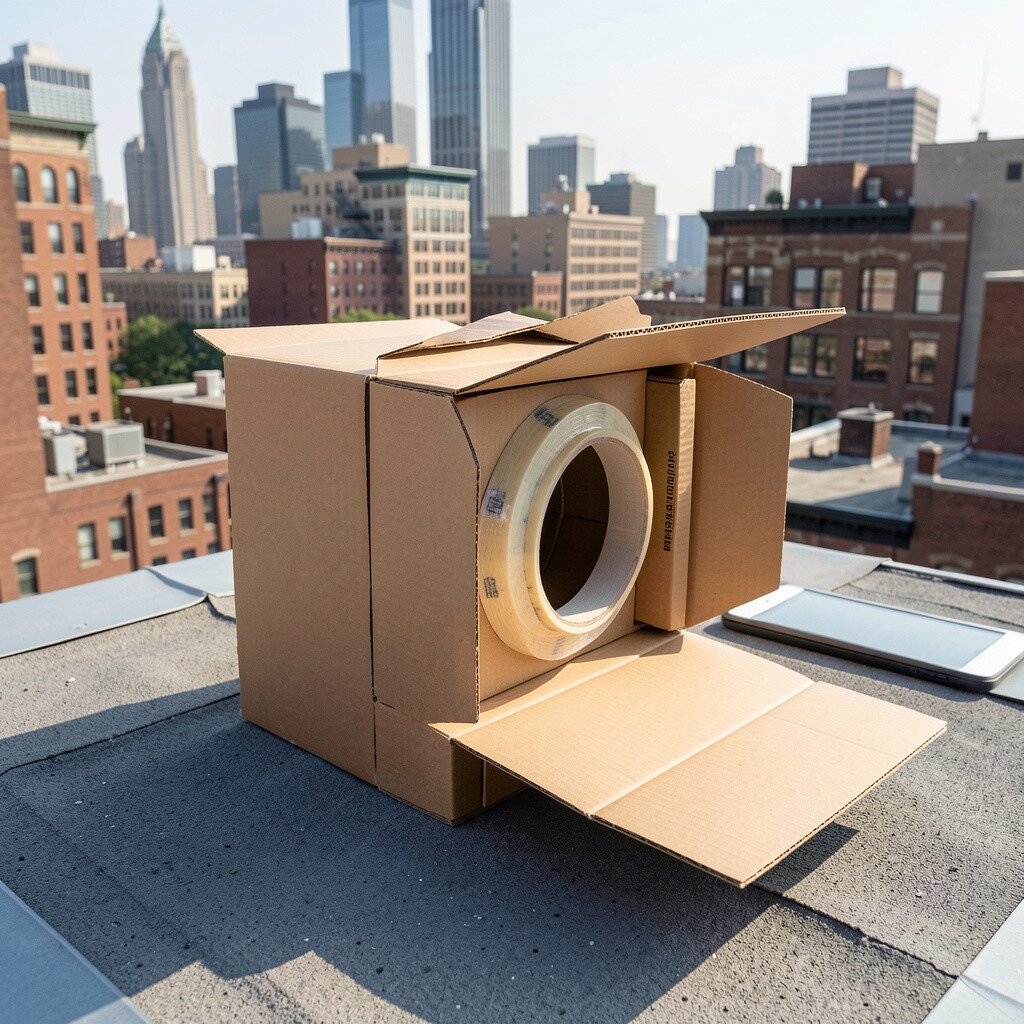
The city is full of moving air, and you can turn that motion into a science question. Breezes change near buildings, alleys, and rooftops.
Build a simple wind tunnel model using cardboard, a fan, or even a bicycle-mounted fan if you have access. Test how different shapes affect airflow by watching lightweight paper strips move. This makes physics feel real and helps students connect forces to everyday movement.
To personalize, try different materials like corrugated cardboard or plastic folders. Cost is usually low because craft supplies are easy to find. A uniqueness angle is that urban design creates micro-wind patterns, so your results can connect to real places you walk daily.
8. Compost Science Using Kitchen Scraps and Soil Life Stories
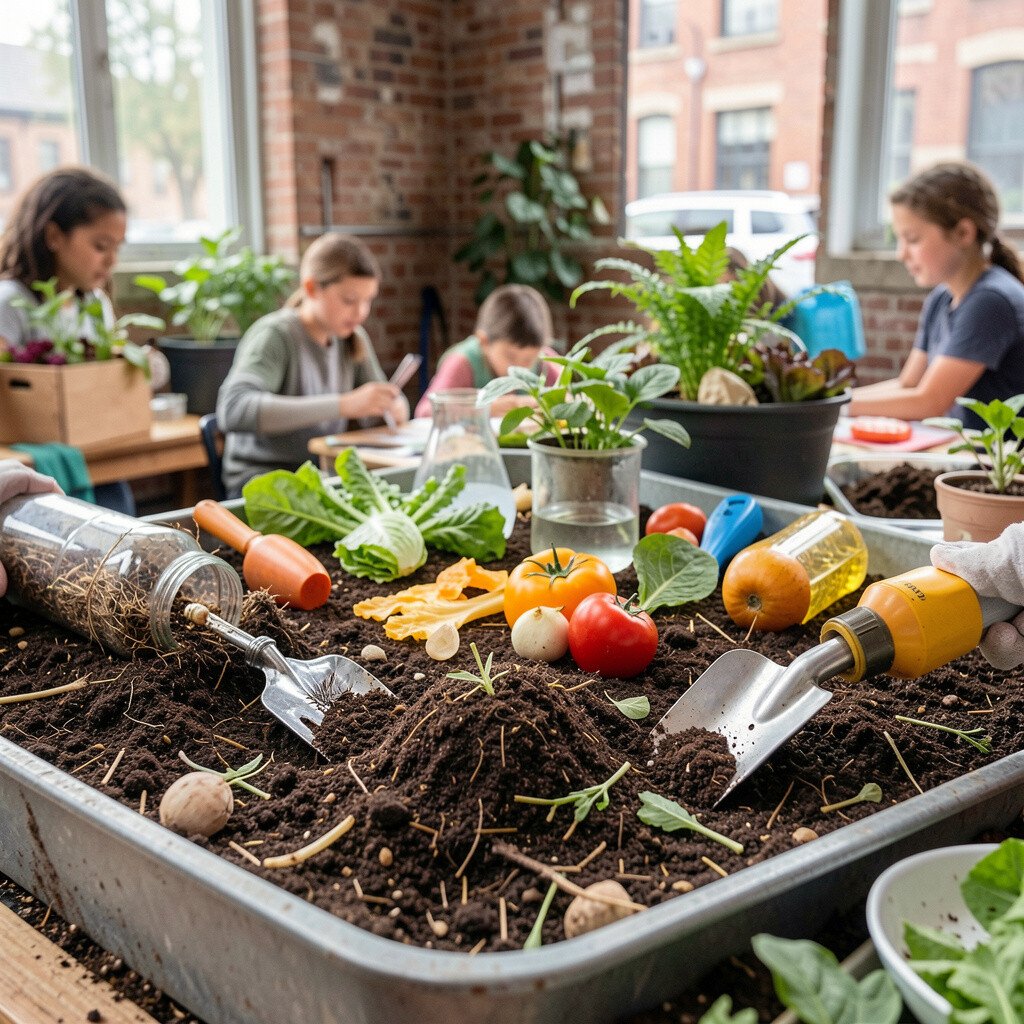
Composting turns leftovers into a chance to watch decomposition in action. Even a small setup can show how life breaks down matter.
Start a simple compost bin with food scraps, dry leaves, and a little soil for microbes. Stir gently and observe changes in smell, texture, and moisture over time. Students learn chemistry and biology together by watching a cycle unfold.
Personalize by tracking what works best for your household, like veggie peels or coffee grounds. Keep costs low by using a sealed container you already have or a low-cost starter kit. Current trends include compost pickup programs and school compost challenges, so you can link your work to community action.
9. Watershed Mapping With Side Streets and Storm Drains
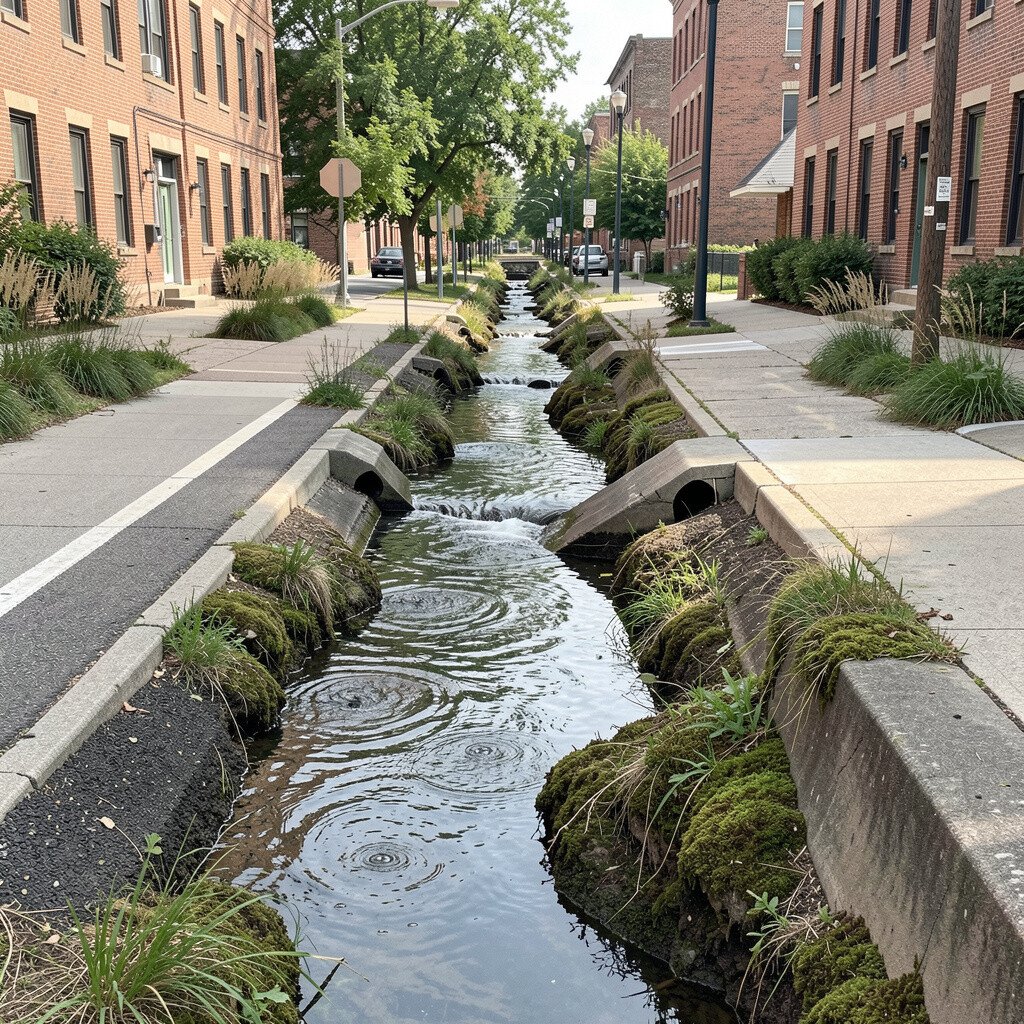
Your neighborhood has a hidden water story, and it starts with where water flows. Storm drains, ditches, and creeks point like arrows across the map.
Trace local drains using a map and simple phone GPS, then note where water might travel next. Compare what happens after a rainfall by checking which streets get puddles and which stay dry. This helps students understand Earth systems and how human design affects nature.
For practical tips, take photos of storm drain covers and label them in your notes with nearby landmarks. Personalize by choosing one route students walk often and turning it into a “water path.” Costs stay minimal because maps and observation do most of the work.
Uniqueness comes from using the city itself as your model, making science feel like a detective game with a real-world payoff.
10. Tree Ring and Bark Clue Observation With Measuring Tricks
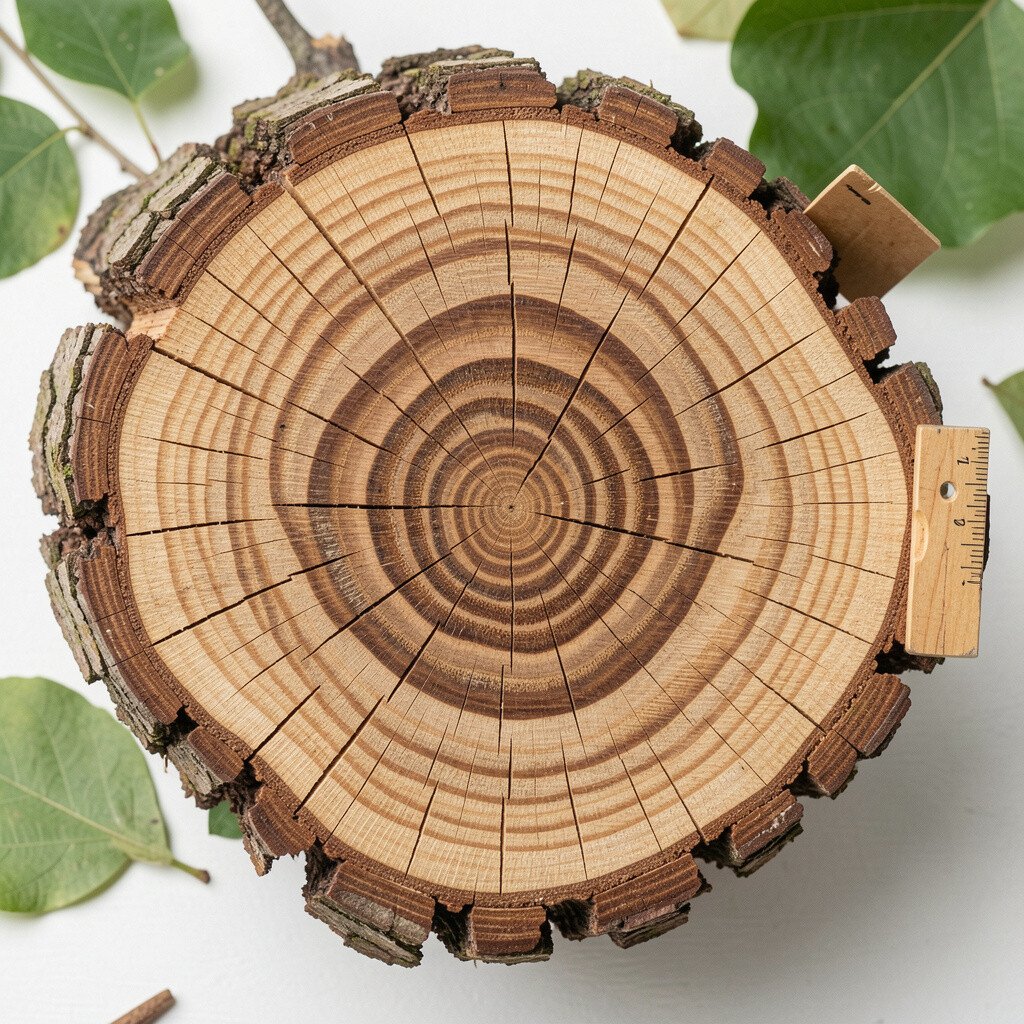
Trees can store history, and their surfaces show that history in different ways. Bark texture and branching patterns can hint at how conditions changed over time.
Measure trunk diameter and compare growth marks on nearby trees, like those in a school yard or park. For tree rings, you can use safe cross-sections from fallen logs or wood products with visible rings. This builds understanding of time, growth, and plant structure.
Personalize by choosing trees with different canopy sizes or species you can name with help. Keep costs low by using a tape measure, string, and a basic journal. A uniqueness moment happens when you connect what you see to weather events you remember from family stories.
11. Seed Dispersal Experiments With Wind, Water, and Animals
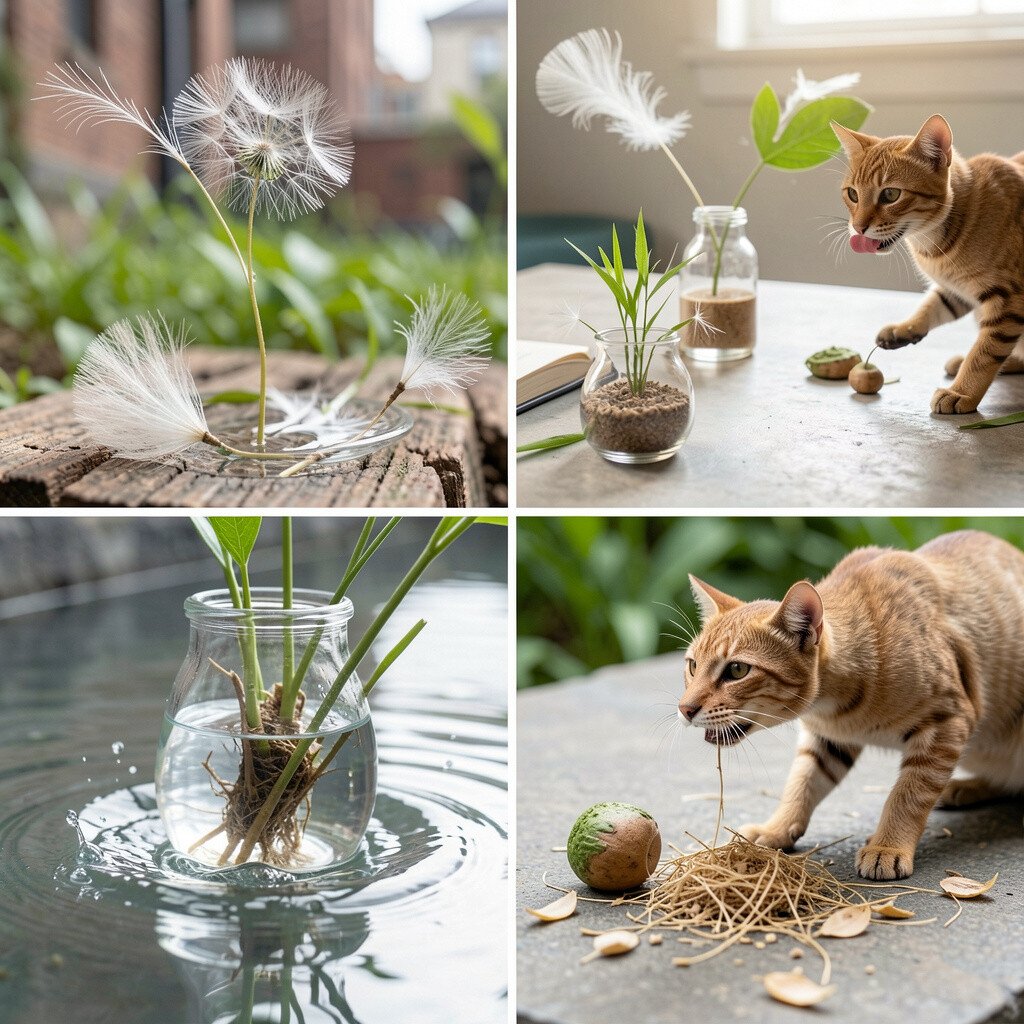
Seeds have built-in travel plans, and you can test those plans with simple models. Some spin, some float, and some cling.
Collect safe, already-fallen seed types and design small tests for wind or water movement. Time how far each seed-like model travels across a tray or how long it stays afloat. Students learn about adaptation and how form supports function.
For personalization, match tests to materials you can gather, like paper “wing” shapes for samaras or leaf-like shapes for parachute models. Costs are usually tiny because you can use paper, tape, and repurposed containers. Current trends in informal STEM learning encourage hands-on engineering through backyard experiments, and this fits perfectly.
Make it actionable by recording results in a simple way, like ranking distances in your notebook and discussing why winners behaved differently.
12. Aquatic Life in Urban Puddles and Park Ponds
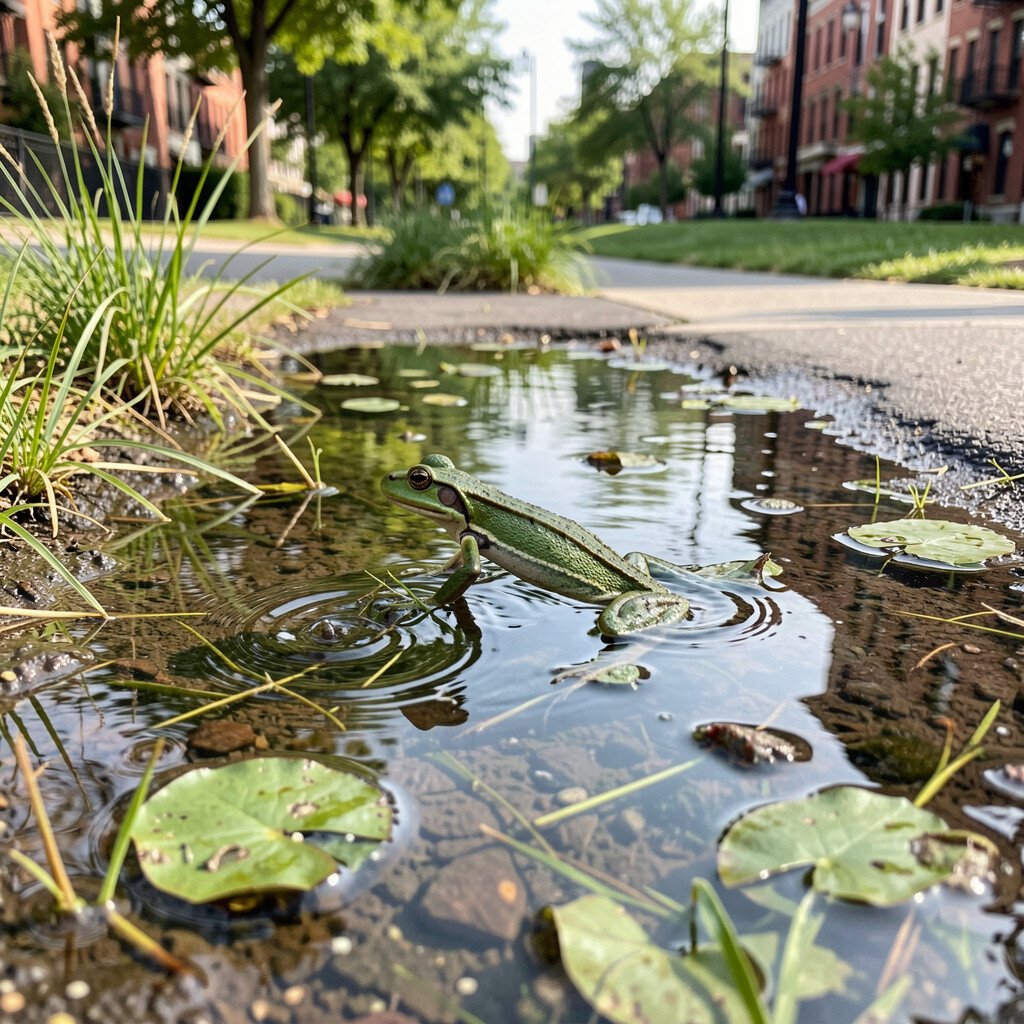
Puddles might look boring, but they can be busy worlds. When water sits, microscopic life and small creatures often move in.
Observe small water bodies using safe viewing tools, like a magnifier and a clear container for closer looks. Note color, presence of algae, and movement, then sketch what you see. This strengthens biology skills and builds patience for slow, tiny changes.
To personalize, focus on one habitat, like a shaded puddle or a sunny pond edge, and compare differences. Keep costs low by borrowing a simple microscope from a school or using a basic magnifier. Uniqueness comes from learning that water quality and light can shape what lives where, even right in a city.
13. Heat Island Detective Work With Thermometer Choices
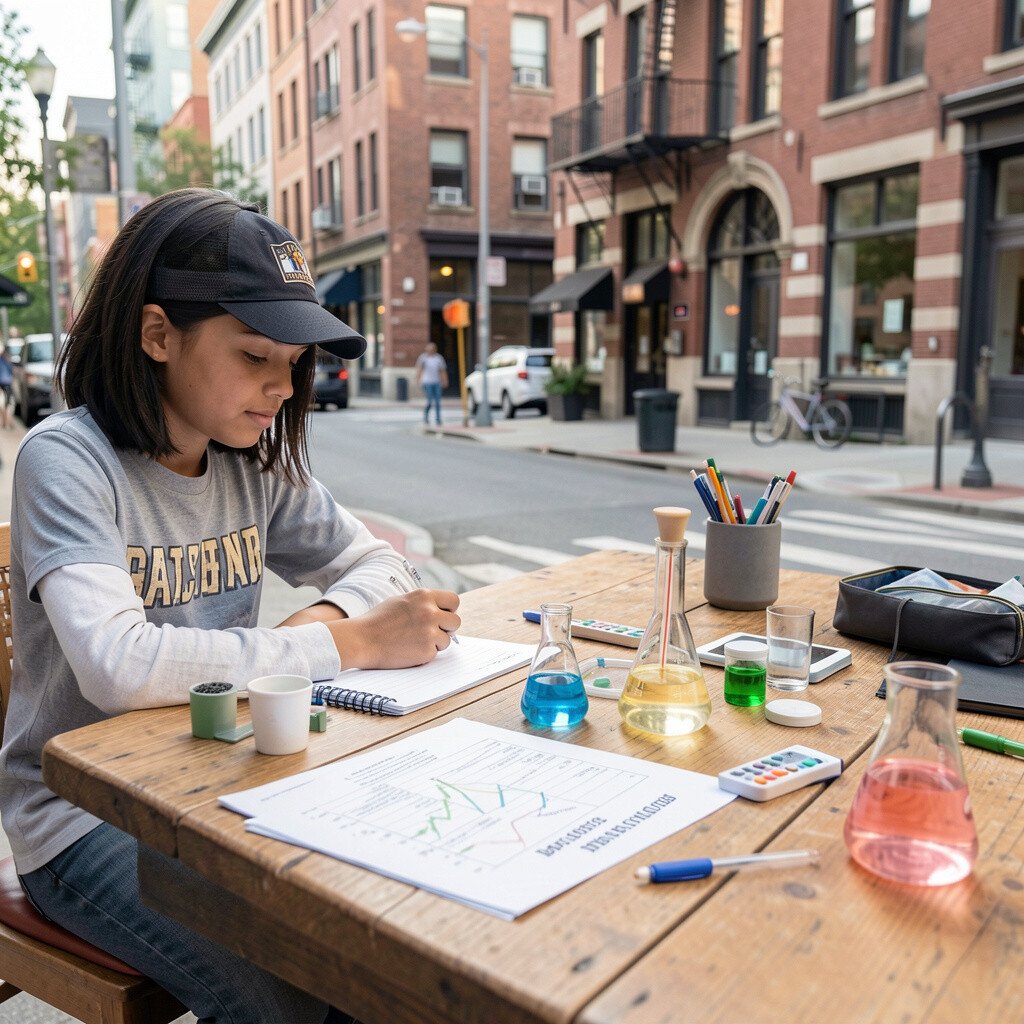
Cities can feel hotter than nearby greener areas, and that difference is measurable. Asphalt and dark roofs soak up sun and release heat later.
Compare surface temperatures in a shaded patch versus a paved area using a thermometer or inexpensive temperature sensors. Record results at similar times and discuss what causes the difference. Students connect physics, energy, and urban planning in a way that feels personal.
Personalize by adding a “cooler materials” test, like comparing a bare walkway to one with light-colored paint or mulch. Keep costs in mind by choosing affordable tools and reusing the same measurement spots. A uniqueness edge is that you can link findings to current climate resilience conversations.
To keep it practical, make your measurements quick and consistent, so your data stays trustworthy.
14. Ecosystem Interaction Notes From Urban Plant Beds
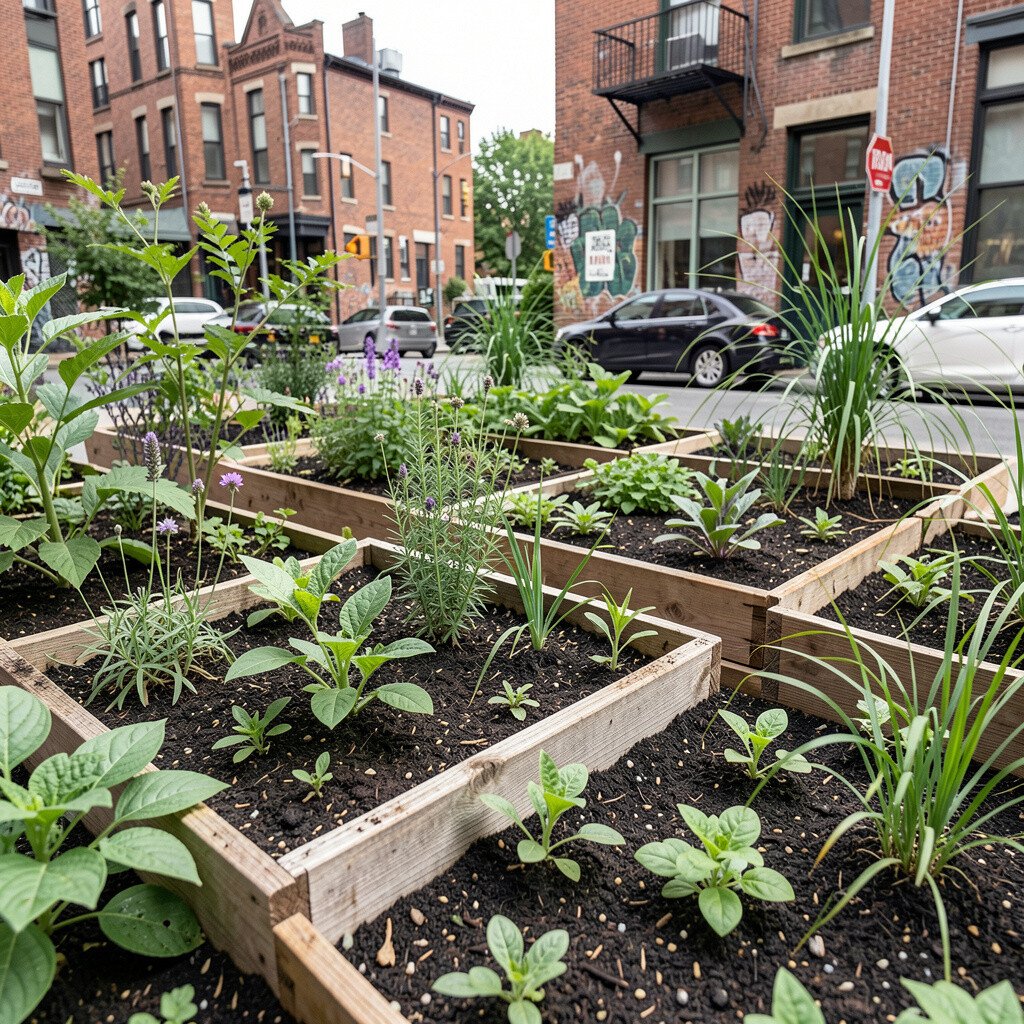
Plant beds in city parks can look tidy, but they host constant interactions. Leaves attract insects, insects attract birds, and fungi support soil.
Choose a single bed and watch what changes over days, like leaf chewing, new sprouting, and visiting pollinators. Record clues with photos and short descriptions, then connect them to possible cause-and-effect relationships. This builds ecology thinking without needing a big outdoor field trip.
For practical tips, look at the same corner of the bed each time and write down weather, since wind and rain change patterns. Personalize by focusing on one interaction, like plant growth versus insect presence. Costs stay low because parks already provide most of the materials, and your notebook does the rest.
15. Soil Health Comparisons With Simple Texture Tests
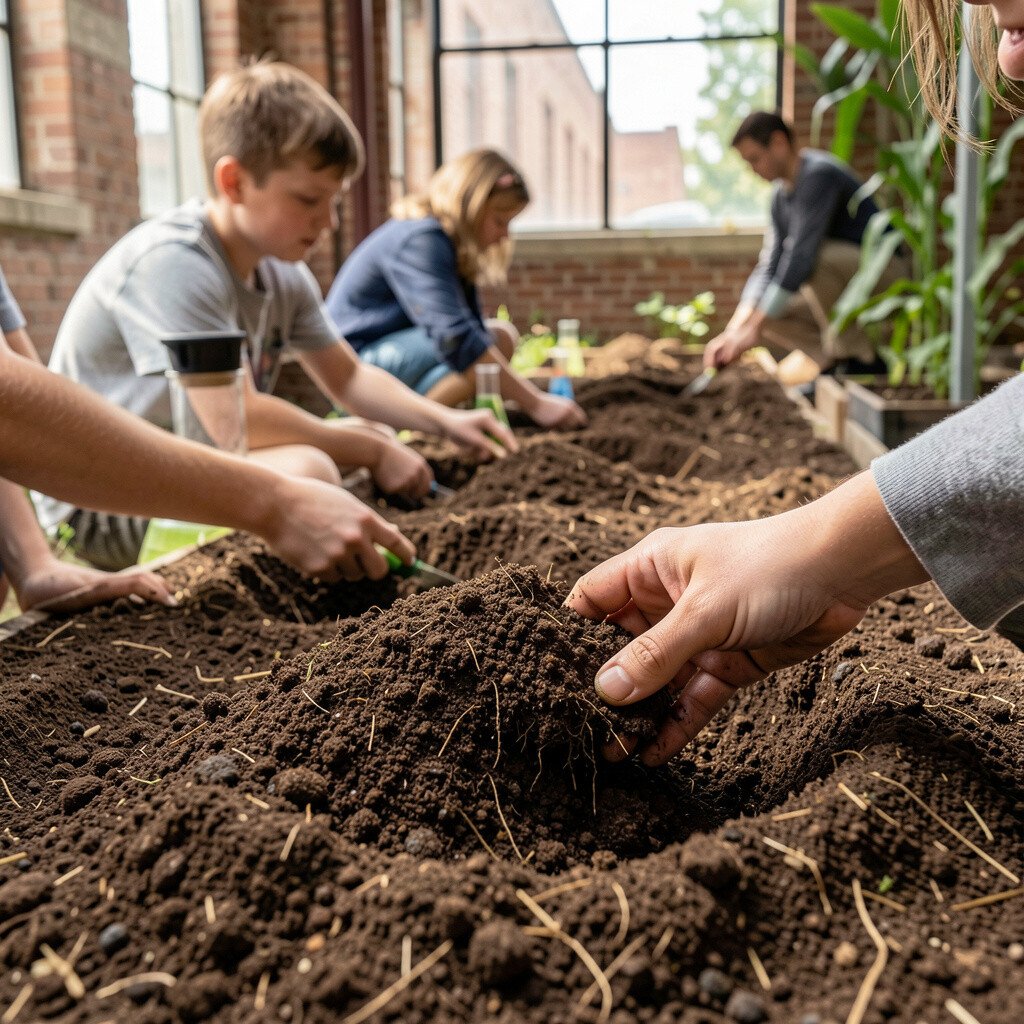
Soil is not just dirt, and it can feel different depending on what’s growing there. Texture, crumbiness, and moisture give clues about how well soil holds water.
Collect small amounts of soil from different nearby places, such as a garden bed and a roadside edge, only where it is allowed and safe. Test by rubbing between fingers and making a basic squeeze test to see how it clumps. Students learn physical properties and how soil supports plants and microbes.
Personalize by comparing soil near tree roots versus open ground, then discuss how plant cover might change soil structure. Keep costs minimal with gloves, small containers, and a simple measuring cup. A uniqueness point is that soil tests connect directly to food systems and why healthy ground matters in cities.
16. Sun Path Sketching With Shadows and Seasonal Thinking
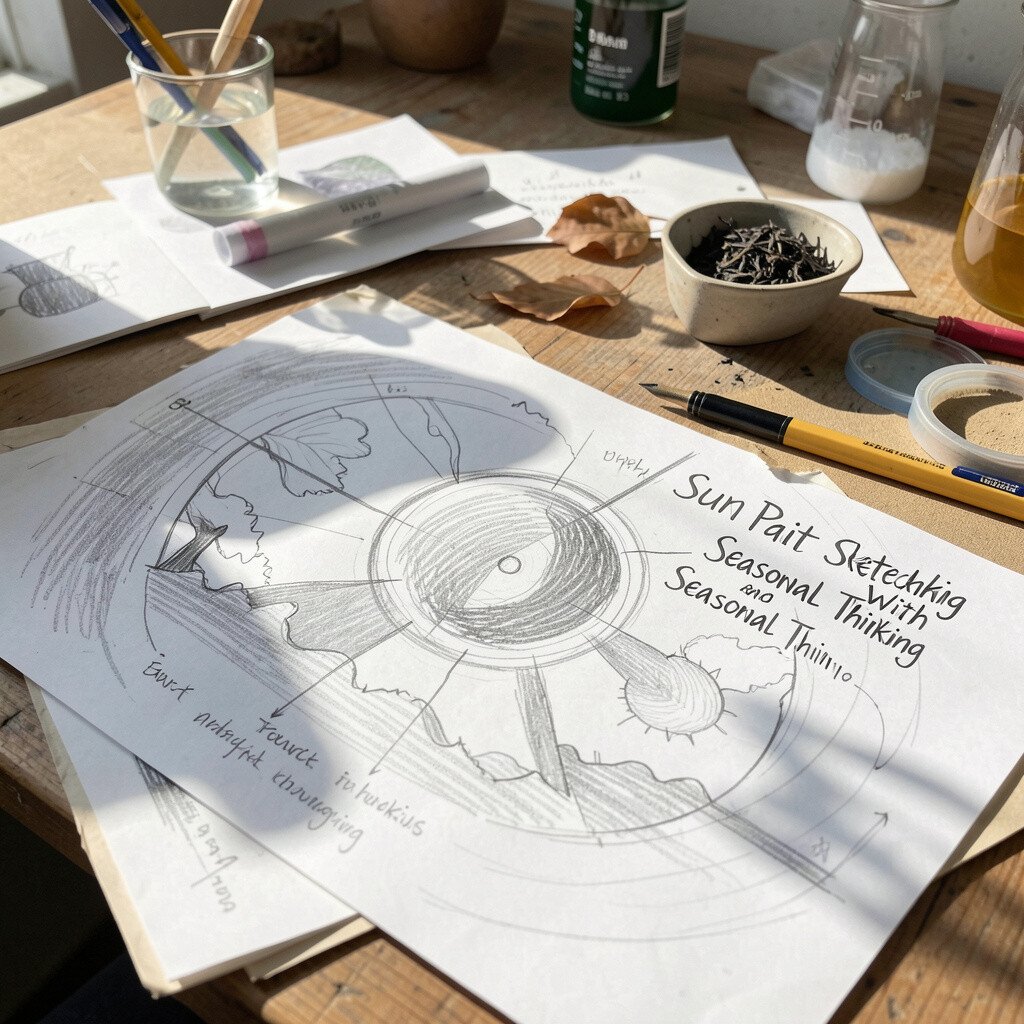
Shadows act like a moving clock, and the sun’s path is easier to understand when you watch it. Even a small patch of outdoor space can show patterns across the day.
Mark a spot outdoors and trace the shadow edge every so often using sidewalk chalk or temporary tape. Compare how the shadow direction and length change between morning, midday, and afternoon. Students practice Earth science concepts while using observation skills they already have.
Personalize by tying your shadow journal to a favorite tree, bench, or playground feature. Cost stays low because chalk and a notebook are enough. A current trend is sharing time-lapse observation videos online, and you can create simple photo sequences with a phone.
17. Water Filtration Experiments With Nature-Inspired Layers
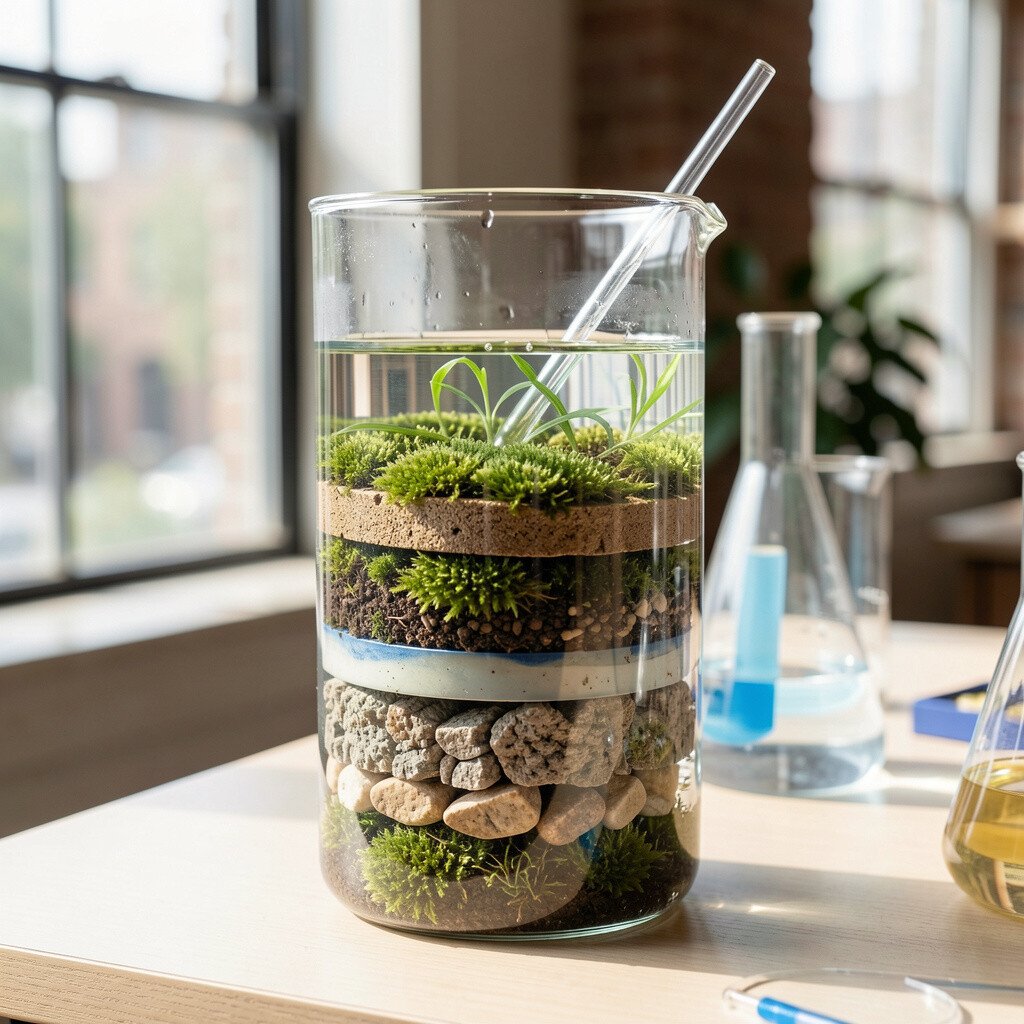
Natural systems filter water all the time, from marshes to sandy river edges. You can mimic that idea using simple layered materials.
Build a small filtration setup with layers like gravel, sand, and charcoal in a safe container. Pour a cloudy liquid through and compare how clarity changes. Students learn how matter behaves and why real water treatment uses multiple steps.
For personalization, test different layer orders and record which version reduces cloudiness most. Keep costs in mind by reusing clean bottles and using materials you can safely obtain. Uniqueness shines when students connect their results to local water concerns and community water systems.
18. Soundscape Science With Urban Noise and Animal Signals
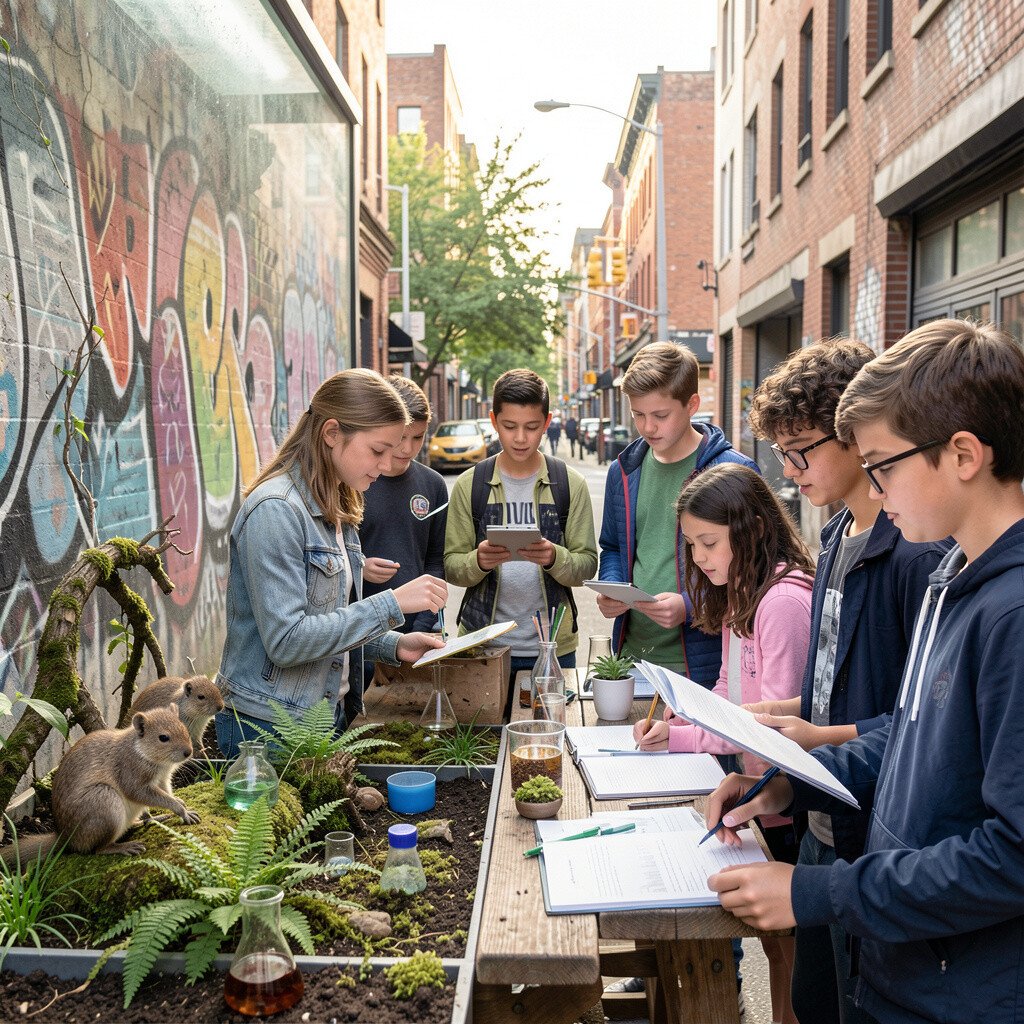
Every neighborhood has a sound identity, shaped by traffic, footsteps, and wind through buildings. Birds and insects add their own music on top.
Spend time near the same location at different times and map the sounds you hear, like peaks in loudness or quiet pockets. Use a phone audio meter if available, then compare patterns across morning versus evening. This builds physics and ecology together by showing how sound travels and how animals respond.
Personalize by creating a “sound story” for a place students care about, like the route to school. Cost can be low if you rely on listening and simple notes, and higher if you choose audio apps. A uniqueness angle is tying the data to current conversations about sound pollution and wellbeing.
To keep it actionable, set one short observation window and focus on consistency, so your comparisons stay fair.
19. Desert Plant Strategy With “Water Budget” Roleplay
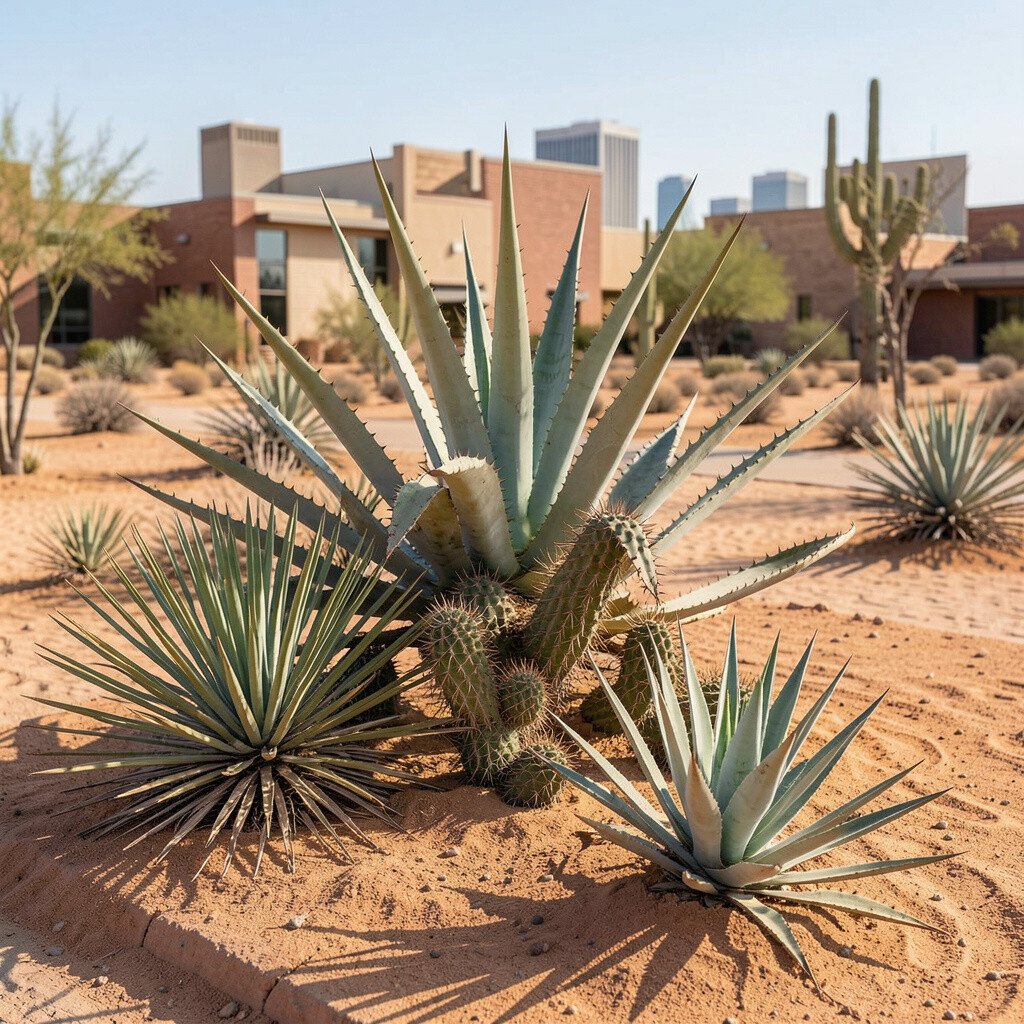
Desert plants survive with smart strategies like storing water and reducing loss. You can learn these strategies by modeling a water budget with roleplay.
Choose a few plant types, such as succulents or spiky drought-tolerant plants, and discuss what makes each one efficient. Then create a simple daily “water plan” for your classroom models using measured drops and observation notes. Students connect adaptation to survival and practice systems thinking.
Personalize by growing a few hardy plants and comparing soil moisture after different watering habits. Keep costs manageable by using cuttings or inexpensive starter plants if your environment allows. Uniqueness grows when students relate the “rules” to their own routines, like why consistency helps a system stay healthy.
20. Rock Cycle Mapping Using Local Stone Samples
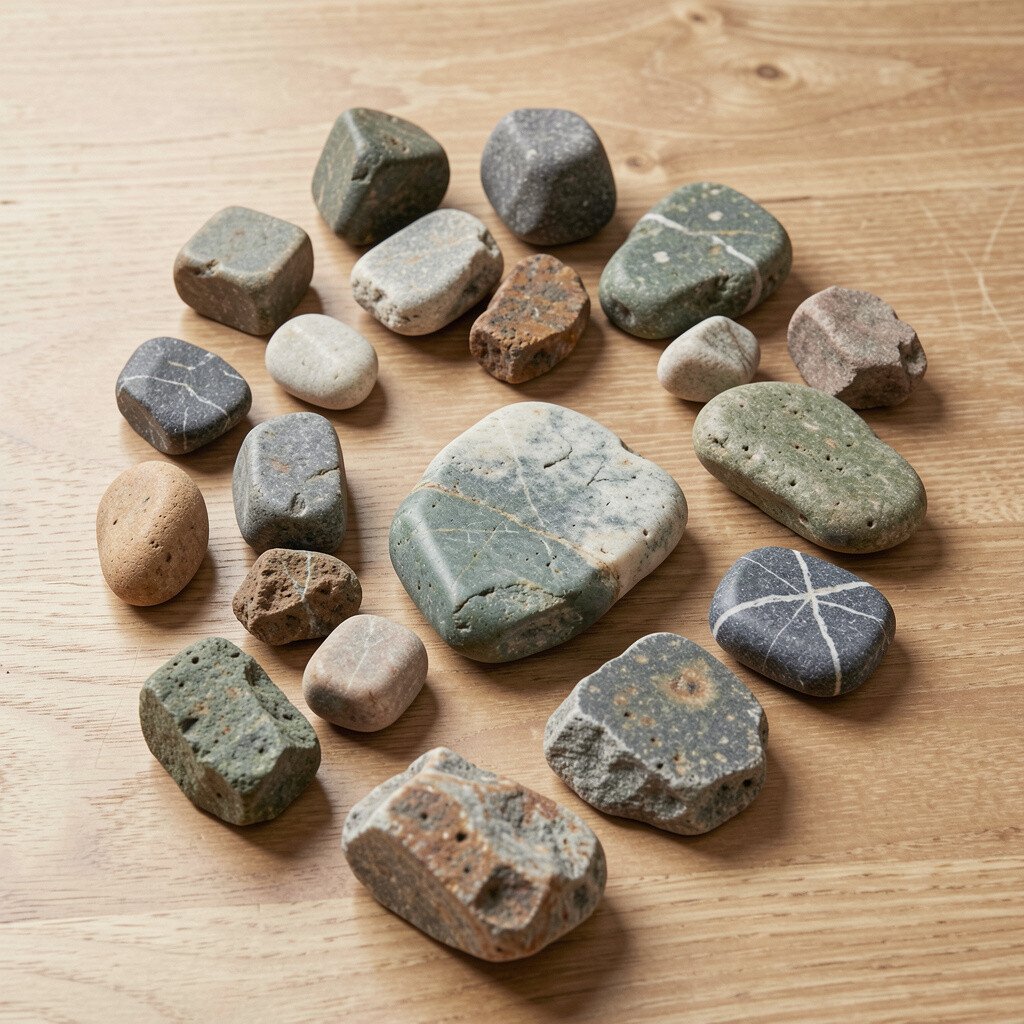
Rocks change slowly, and cities often bring different rock types together through construction and landscaping. Sidewalk edges can reveal layers, chips, and textures.
Collect small, allowed samples from safe locations, like gravel or broken pieces from landscaping areas where permitted. Sort them by visible traits, then discuss how weathering and cementing could reshape them over time. Students learn Earth science by linking observations to the rock cycle story.
For practical tips, take close-up photos and label them with where you found each piece. Personalize by focusing on one trait like color banding or grain size. Cost stays low because you mainly need gloves, paper bags, and a notebook.
A uniqueness benefit is that your “field site” can be your daily street, so the lesson feels real and immediate.
21. Bioinspired Engineering With City-Friendly Material Tests
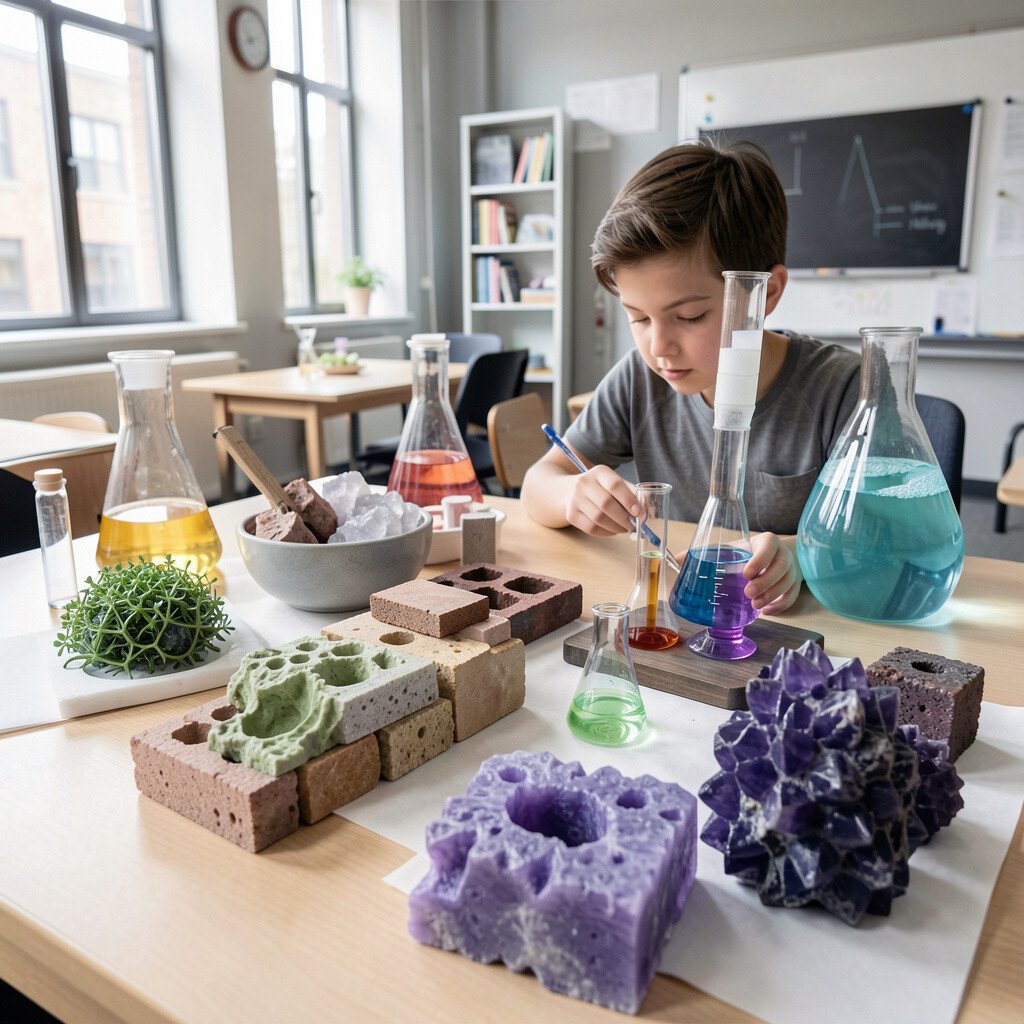
Nature designs solutions that engineers copy, like lightweight shells and water-shedding surfaces. Urban students can test these ideas using simple, safe materials.
Create small prototypes inspired by things you notice, like leaf shapes, spiderweb patterns, or lotus-like water behavior. Test how well materials repel water, resist tearing, or catch airflow by using consistent trials and easy measurements. Students practice engineering thinking while learning why nature’s patterns work.
Personalize by letting students choose their favorite inspiration from parks, books, or neighborhood signs of life. Keep costs in mind by using common materials such as paper, fabric scraps, and reusable containers. A current trend in classrooms is hands-on “make and measure” learning, and this style fits urban spaces where full labs are rare.
To stay actionable, set a simple goal for each prototype, like better droplet run-off, then improve one feature at a time based on what you observe.