City streets are full of hidden life. Small wild moments wait in plain sight.
1. Read the city like a habitat
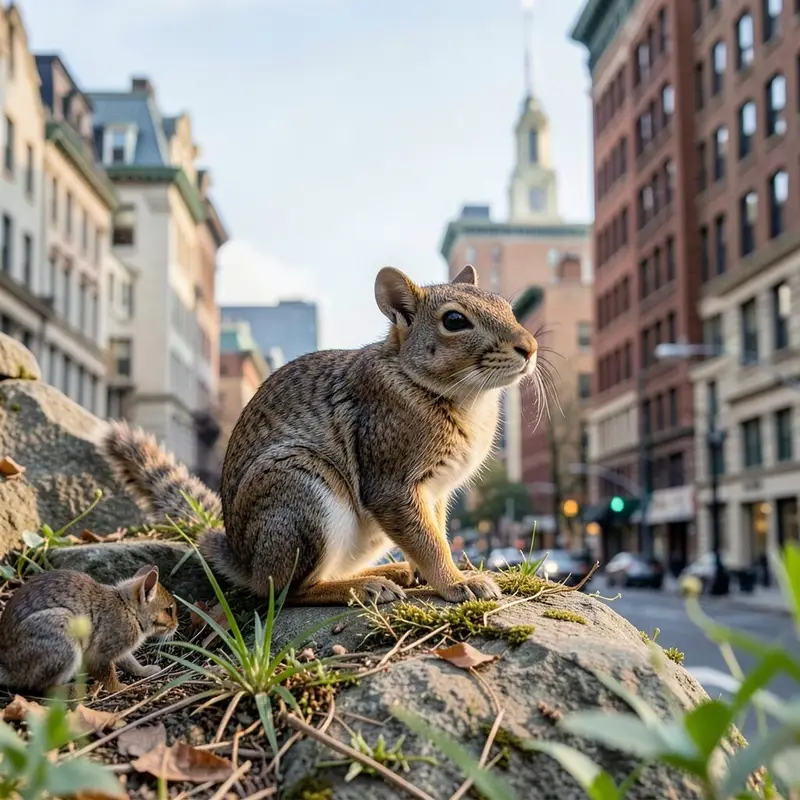
Urban wildlife often follows the same paths every day, so start by watching how people, cars, trash bins, trees, and water all connect. A squirrel on a fence, a heron by a canal, or a fox near train tracks can feel almost cinematic when you frame the scene with brick walls, glass towers, or glowing streetlights.
This habit gives you sharper photos and saves time because you stop guessing where animals might appear. It also helps you build a personal style, since your images can show the meeting point between wild behavior and city texture without needing expensive gear.
2. Use early light for softer street scenes
Morning light can make feathers, fur, and leaves look warm and gentle, which is perfect for birds perched on railings or raccoons crossing empty alleys. The quiet mood also makes the city feel less crowded, so the animal becomes the clear star of the frame.
Try walking before traffic gets heavy and keep your camera ready at chest level for quick lifts. This timing costs nothing, works with almost any camera, and is a popular choice right now because soft natural light pairs well with the clean, calm look many photographers want.
If your style leans dreamy, look for reflections in windows or puddles to add a soft glow. You can also choose wider shots for a lonely, storybook feel or tighter shots if you want the animal’s eyes to stand out more.
3. Blend in with plain clothing and slow movement
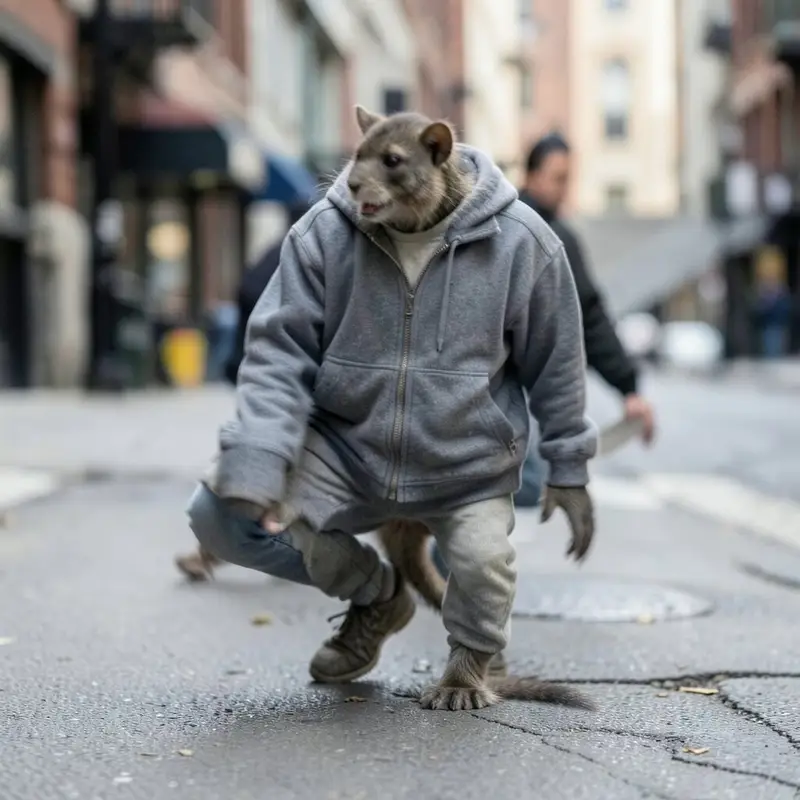
Urban animals notice sudden motion, bright colors, and loud sounds, so simple clothes can help you stay part of the background. A muted jacket, quiet shoes, and gentle steps can turn a nervous bird into a calm subject with a better pose.
This approach gives you more natural behavior, which usually looks richer than a startled glance. It also saves money because you do not need fancy camouflage gear, and it lets you choose a look that matches your own comfort and style.
Move like you belong there and stop often so the animal can relax. When you stay patient, the scene may open up with grooming, feeding, or a childlike hop that feels rare and special.
4. Shoot through city layers for depth
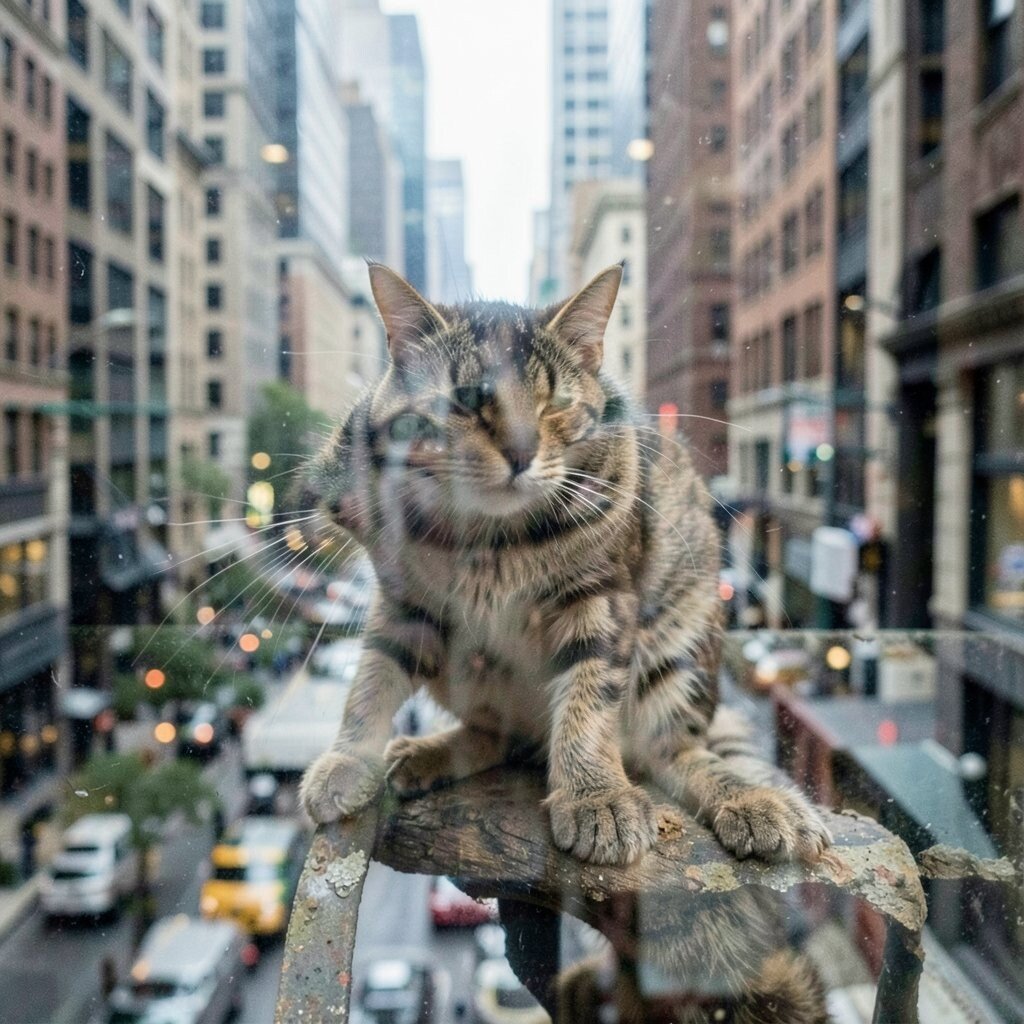
Fences, branches, railings, and bus stops can all act like frames inside the frame, which adds depth fast. A pigeon seen through chain links or a cat behind wet glass can feel more vivid than a plain open shot.
This method makes ordinary corners look more creative and helps your image stand out in a busy social feed. It also works with low-cost gear because the effect comes from careful placement, not from an expensive lens.
Shift your body a little left or right until the foreground lines do not cover the animal’s face. If you enjoy a modern style, try clean geometric shapes, but if you want something softer, use leaves, steam, or shadow instead.
5. Watch for behavior, not just species
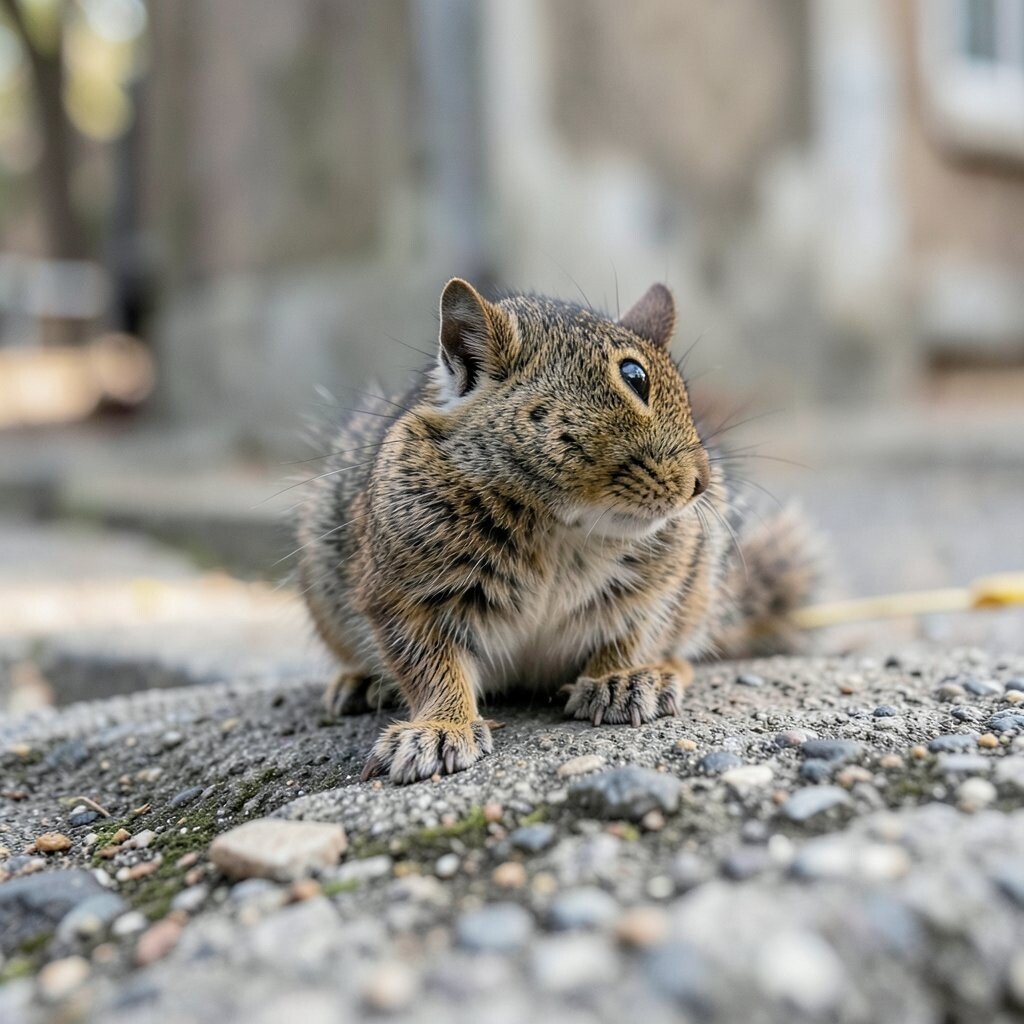
A photo of a pigeon is nice, but a pigeon puffing up in wind or pecking at a shiny wrapper feels much stronger. Behavior gives your images personality, and that small moment can show the city in a fresh and honest way.
Pay close attention to tails, wings, paws, and heads because tiny shifts tell you what might happen next. This helps you predict action, and it keeps your camera work efficient, which is useful if you are shooting on a budget or with a phone.
Look for grooming, hunting, resting, and social play, since each one creates a different mood. You can then match your angle and distance to the action, making each image feel more like your own story.
6. Try quiet bursts instead of long spraying
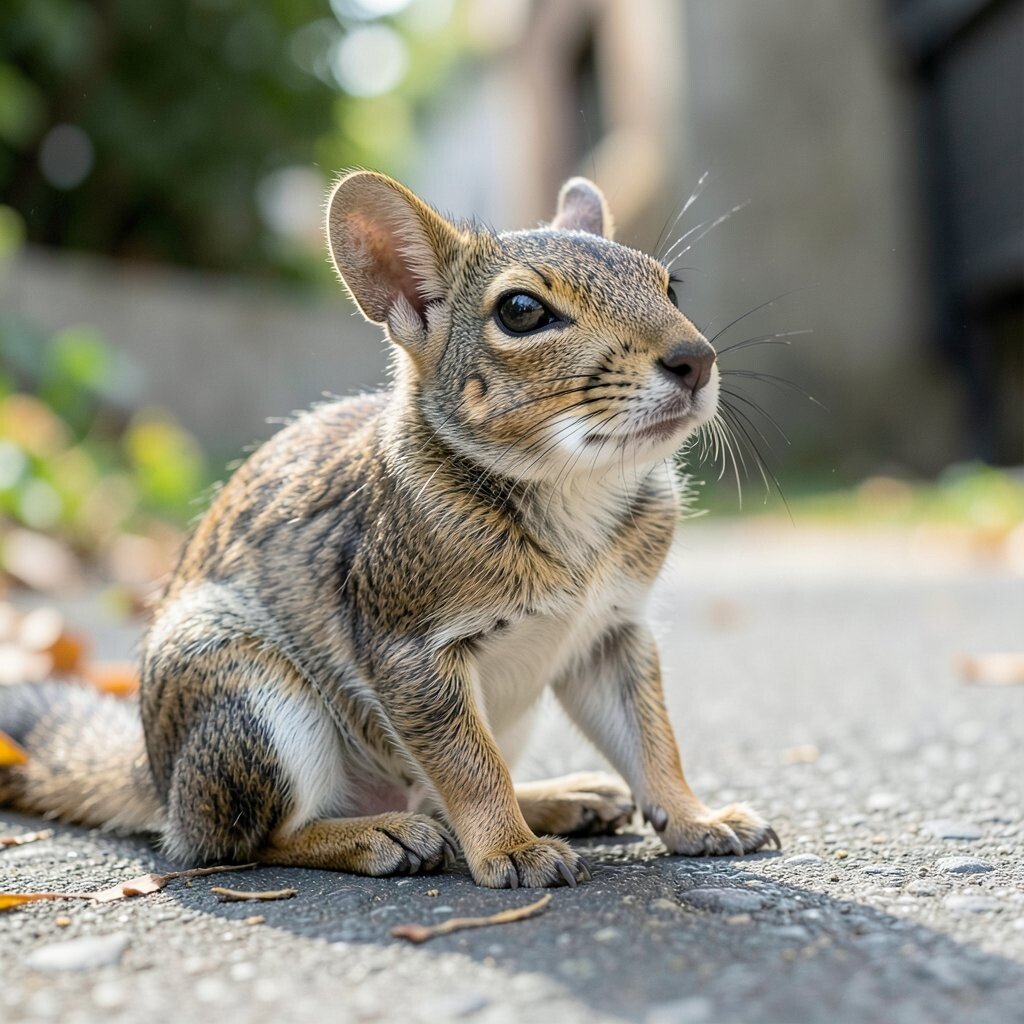
When a fox darts across a sidewalk or a hawk lifts from a pole, short bursts can catch the best wing or leg position. Modern cameras and phones often have fast burst modes, and that trend is popular because it helps people freeze motion without needing a giant setup.
This technique gives you more choices later, which is great when the light is strange or the animal moves in a surprise way. It can also save editing time because you can pick the sharpest frame instead of hoping one single shot worked.
Use bursts with care so you do not scare the animal or fill your card too fast. A quick touch on the shutter often feels less intrusive and still gives you the crisp, active look many urban wildlife scenes need.
7. Make shadows part of the story
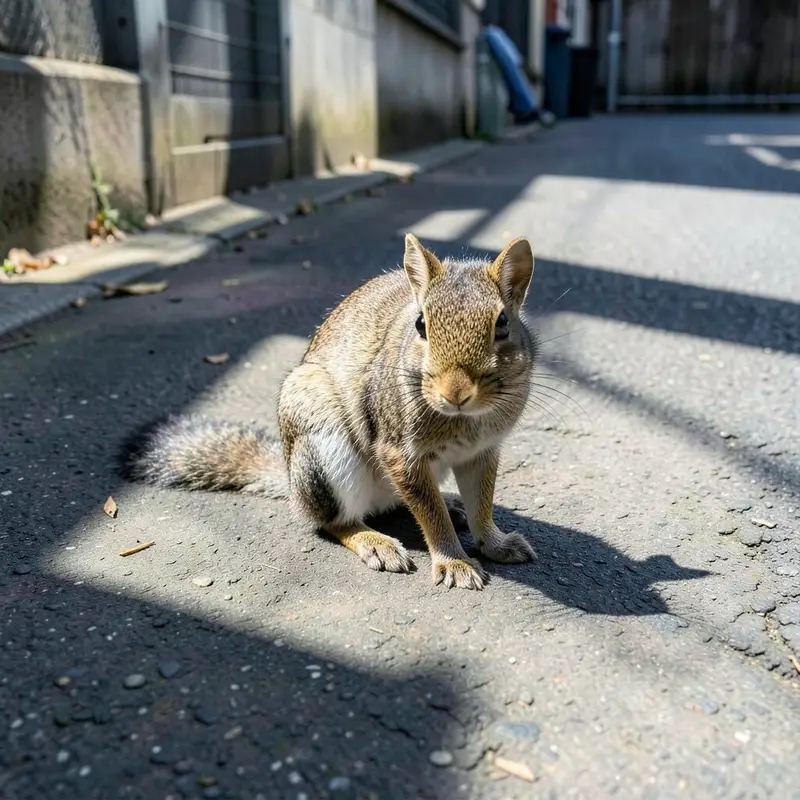
Street shadows can turn a simple bird or squirrel into something dramatic and bold. Morning building shapes, fence lines, and tree shadows can cut across the scene and make the animal look like it belongs in a hidden comic book panel.
This adds mood without spending extra money on lighting tools. It also gives your photos a unique edge, since the same animal can look playful in one light and mysterious in another.
Try placing the subject at the edge of light and dark so the eye is drawn right to it. If you want a softer style, keep the shadows gentle, but if you like strong contrast, look for hard lines from railings or signs.
8. Keep a small zoom or a phone lens attachment handy
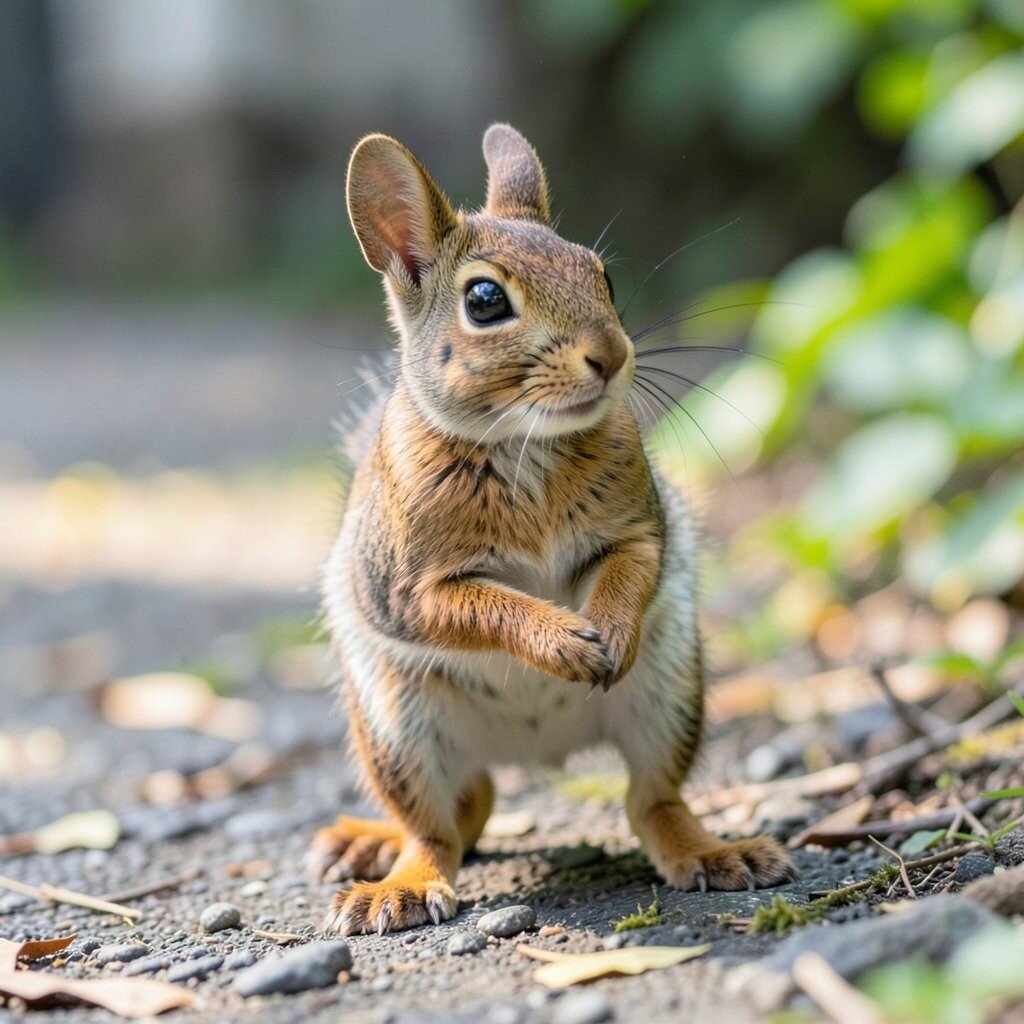
Urban wildlife often stays just out of reach, especially on rooftops, under bridges, or across busy roads. A small zoom lens or an affordable clip-on phone lens can bring the animal closer without crowding it.
This is useful for tiny birds, shy foxes, and high-perched hawks, and it also helps protect both you and the animal by giving space. Many people like this setup because it keeps gear light and cost-friendly while still opening up more framing choices.
Choose tools that fit your daily walk, not just your wish list. A simple, easy-to-carry setup encourages more practice, and that practice shows in cleaner, calmer images over time.
9. Use wet pavement and reflections after rain
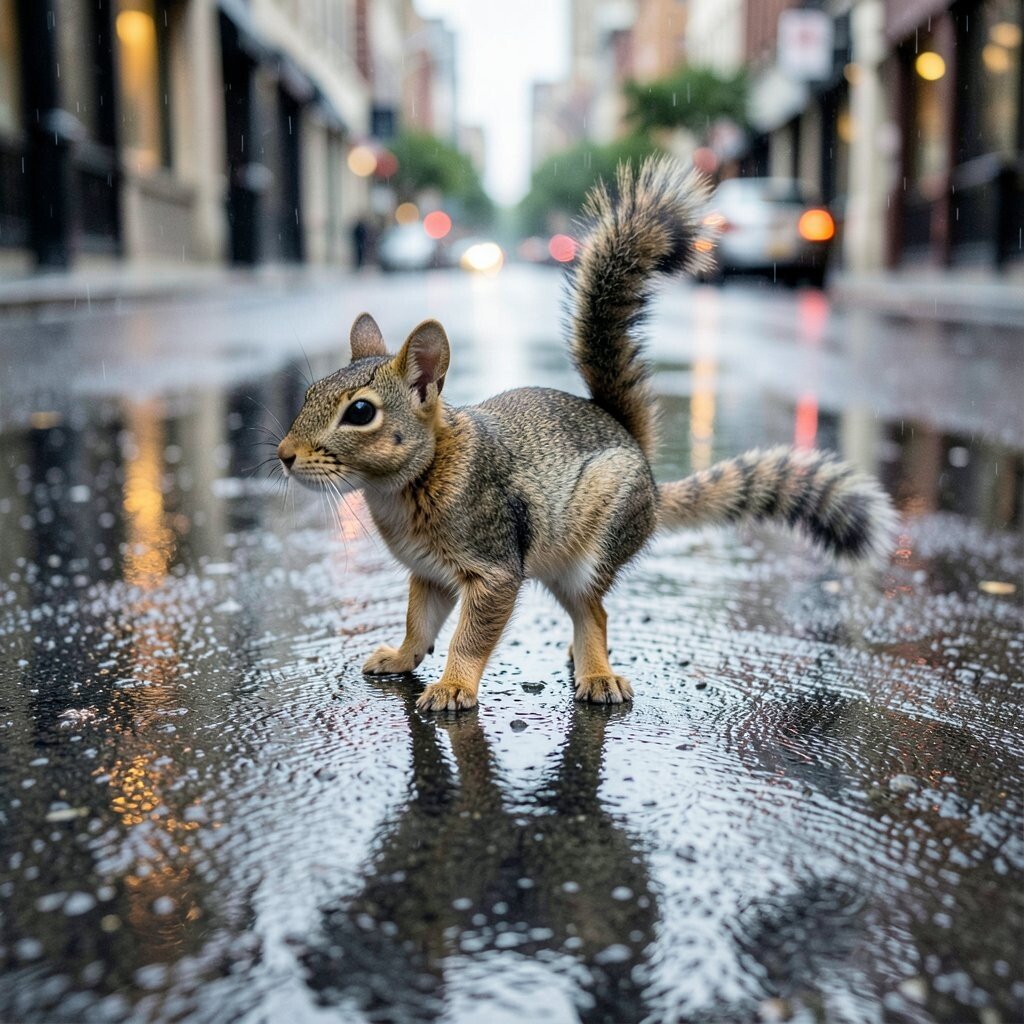
Rain can make a city glow, and wet ground can double the beauty of a bird, rat, cat, or duck in one frame. Reflections in puddles or storefront glass add a slick, modern look that feels very current and very urban.
This kind of scene often needs no extra props, which keeps costs low. It also adds a sense of place, since the animal is shown inside the real city mood instead of pasted onto a plain background.
Be careful with your footing and keep a cloth ready for your lens. If you like bold visuals, shoot low so the reflection becomes part of the story, and if you prefer a gentler style, use the shine only as a soft accent.
10. Focus on eye contact when the moment is right
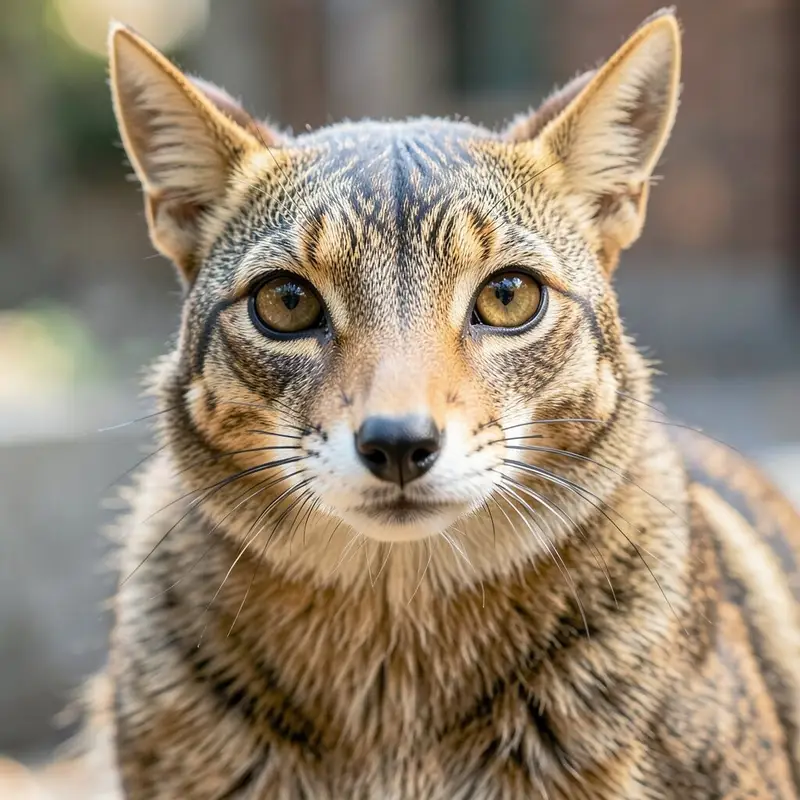
Eyes can pull a viewer straight into the image, even if the animal is small. A sparrow glancing toward the camera or a fox looking back over its shoulder can make a simple street scene feel alive.
Try to wait for that brief head turn rather than forcing it. This gives your work a stronger emotional pull and helps your photos stand out in a time when many wildlife images are shot fast and shared even faster.
Keep your camera set for quick focus so you do not miss the look. When the eyes are sharp and the background is busy, the photo can still feel neat if the face is bright and easy to read.
11. Work with local habits and city routines
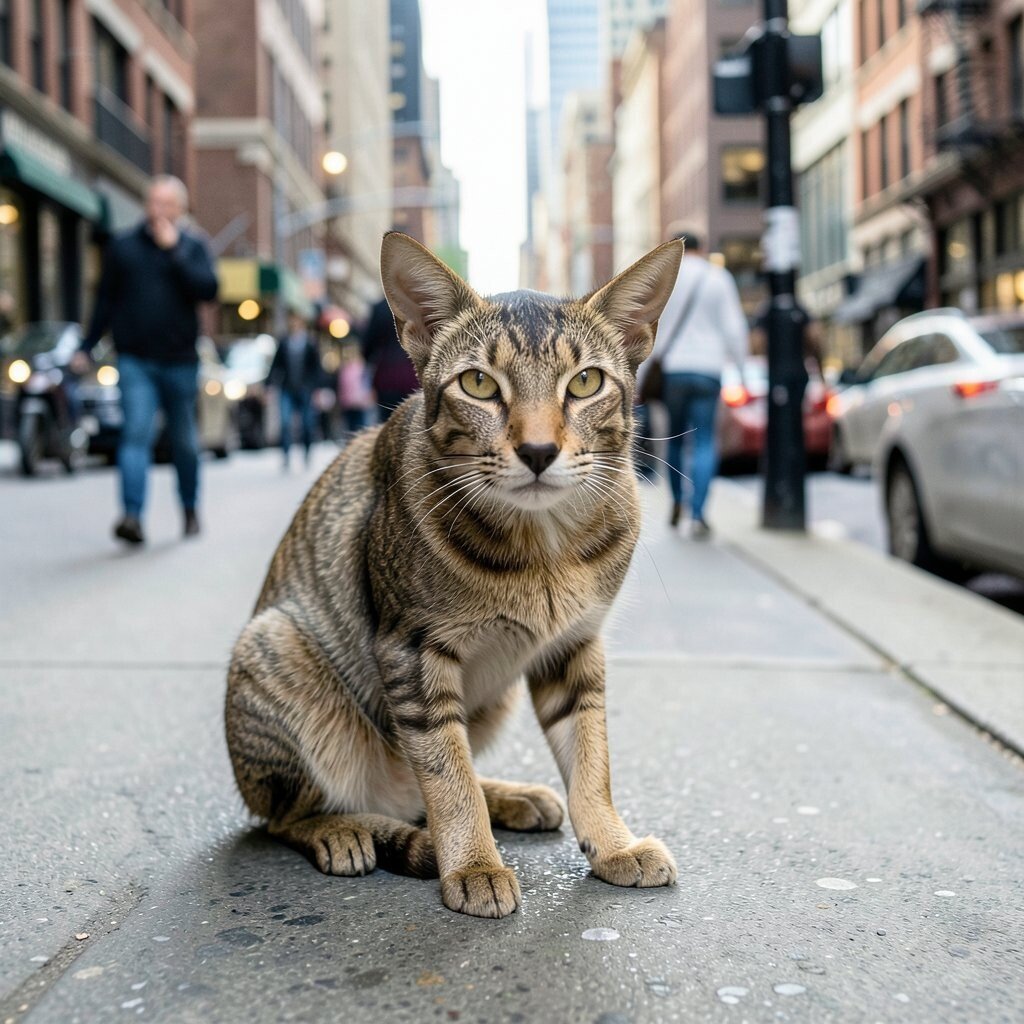
Some animals feed near parks after school lets out, while others appear near markets when scraps are common. Learning these routines can feel like meeting a secret cast of characters that only appears at certain hours.
This habit saves time and helps you plan smarter walks, which is great if you have limited free time. It also lets you personalize your project by focusing on one neighborhood, one species, or even one daily route.
Track where you see repeat behavior and note how the light changes there. Over time, you can return with the right lens, the right patience, and a much better chance of catching a scene that feels rare but true.
12. Include human traces without making them the focus
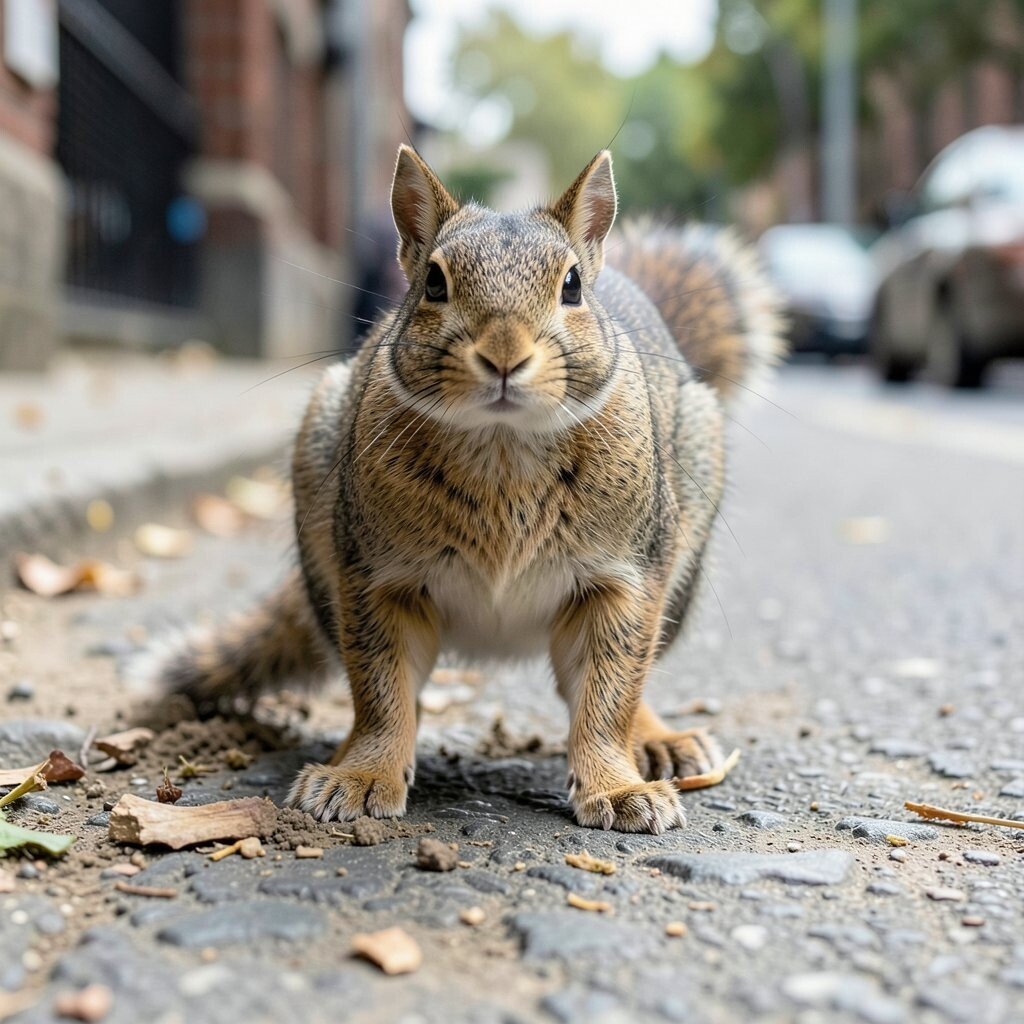
A bike rack, coffee cup, sidewalk sign, or train platform can give scale and show how wildlife shares space with people. A crow standing beside a neon ad or a goose crossing painted lane marks can feel both funny and striking.
This approach tells a bigger story and can make your images more unique than a plain close-up. It also costs nothing because the city already gives you all the background pieces you need.
Keep the animal as the main subject and let the human objects support the mood. If you enjoy documentary style, include more of the street, but if you want a cleaner image, crop tighter and let just one clue remain.
13. Try low angles for a stronger point of view
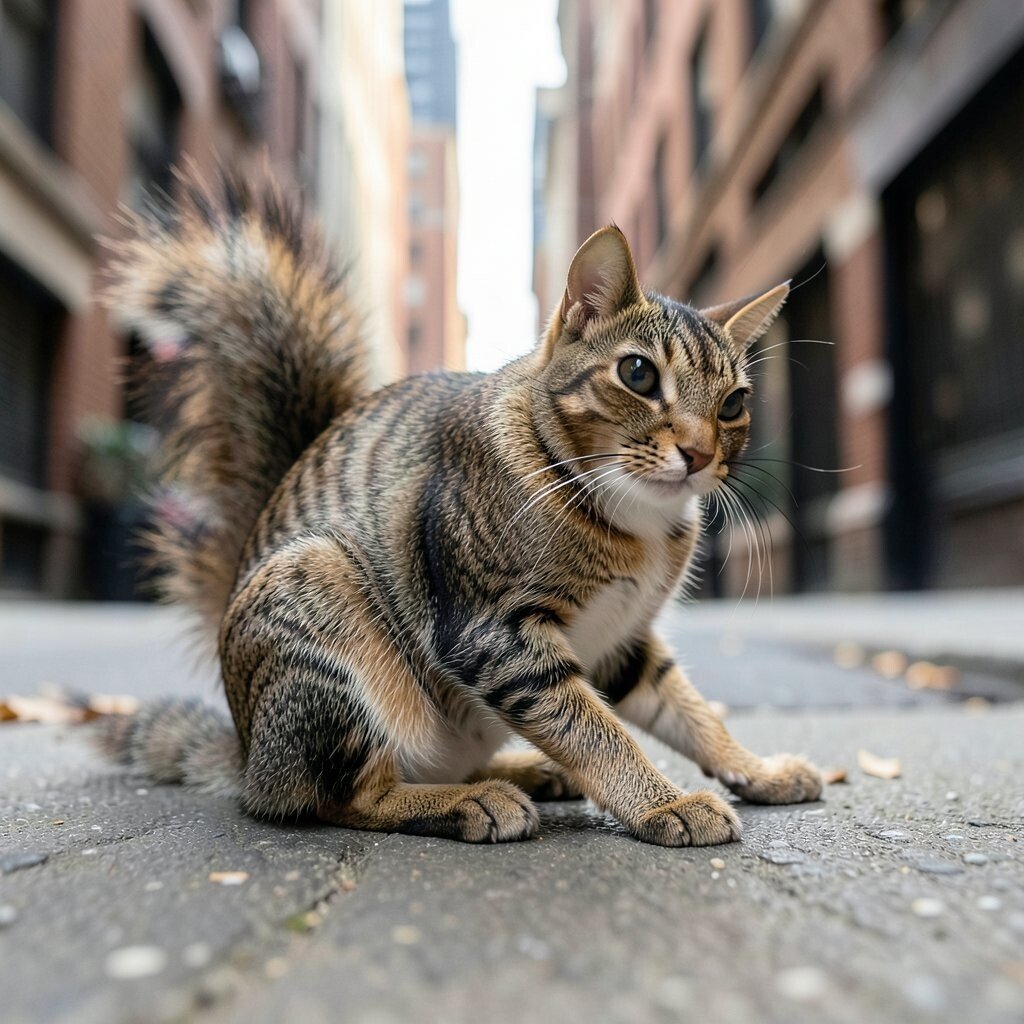
Getting close to the ground can make a pigeon look grand, a squirrel look bold, or a stray cat look like a neighborhood king. The city feels larger from this view, which adds drama without needing special effects.
Low angles are often more engaging because they place the viewer at the animal’s level. That small shift can improve your photos a lot, and it works with nearly any camera, so the cost stays friendly.
Rest your elbows on a bench, curb, or bag to steady the shot if needed. You can also change the mood by using a wide view for big streets or a tighter crop for a more intimate feel.
14. Keep noise low and manners better
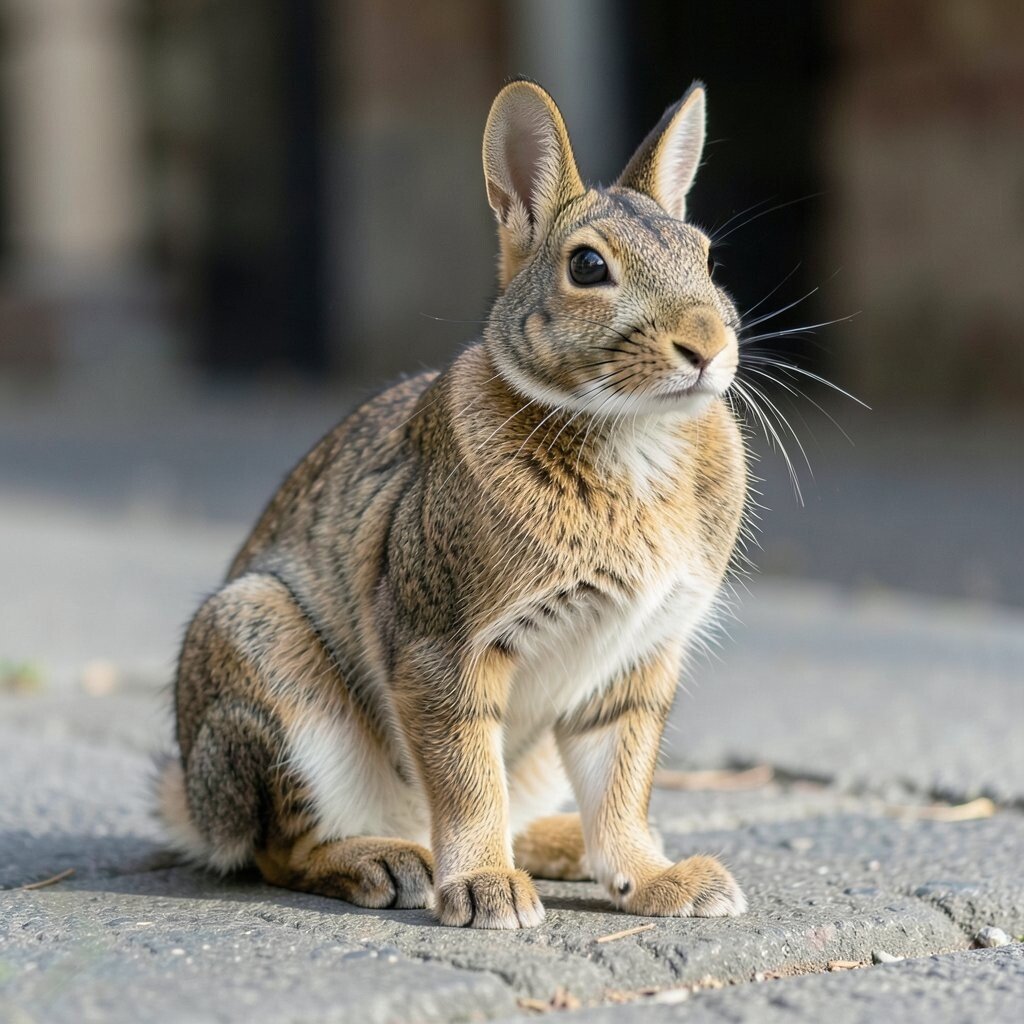
Urban wildlife photography works best when you act like a quiet guest in the animal’s world. Soft voices, muted camera sounds, and slow steps help keep stress down and often lead to calmer, more natural images.
This is good for the animal and good for your results, because relaxed behavior usually looks more interesting. It is also an easy habit to keep, which makes it a smart choice for beginners and experienced shooters alike.
Think about other people nearby too, since sidewalks and parks belong to everyone. A respectful approach often leads to better personal style, because your images start to feel thoughtful instead of rushed.
15. Use simple backgrounds to make the subject pop
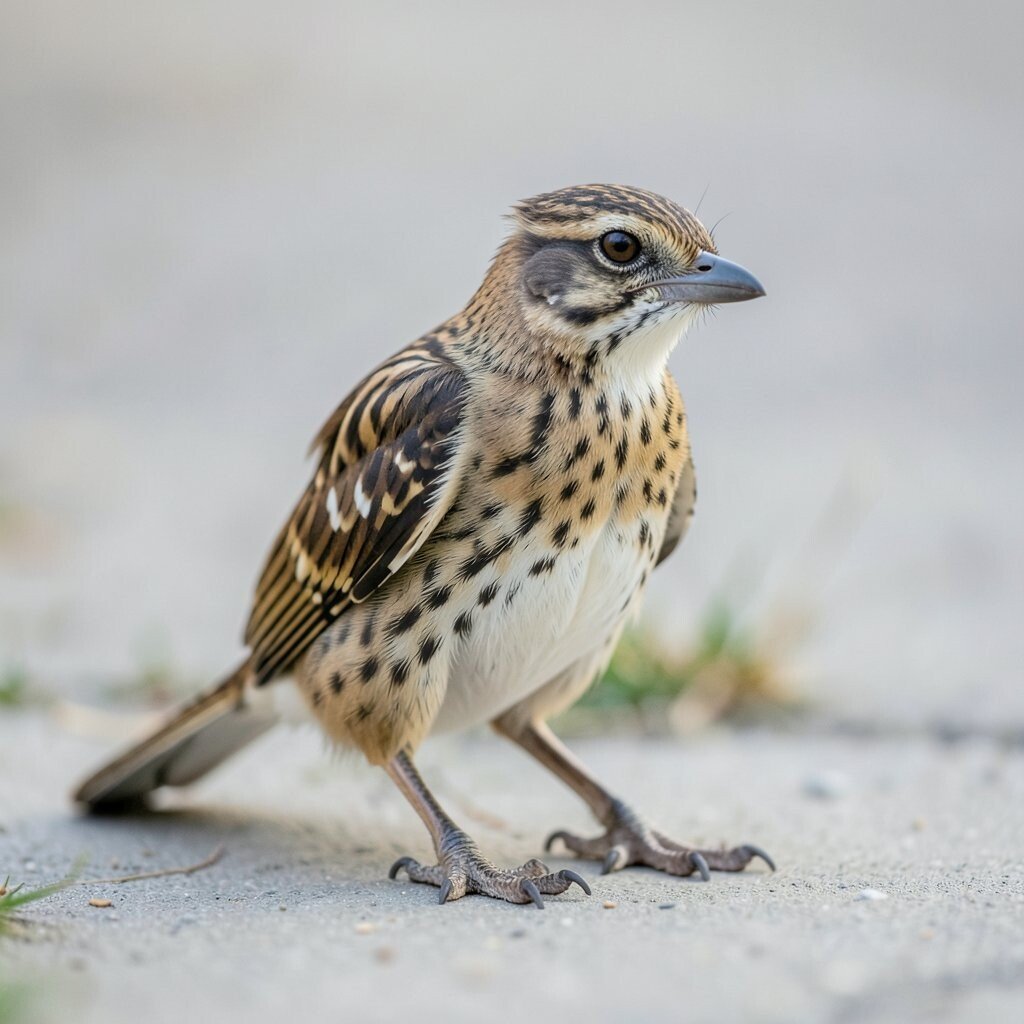
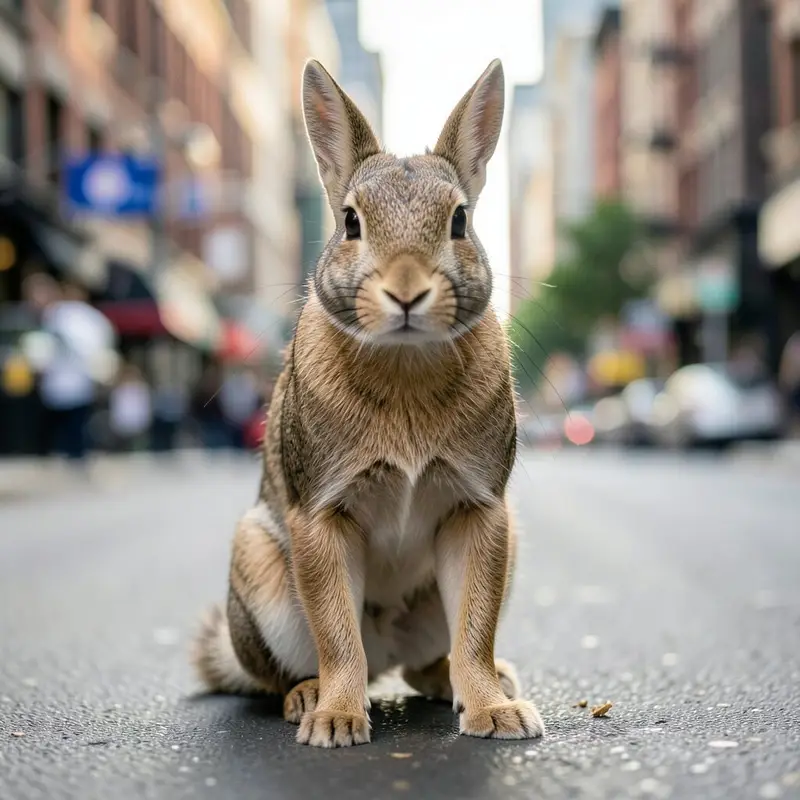
Busy city scenes can get messy fast, so clean backgrounds are a big help. A bird on a plain wall, a fox against fog, or a rabbit near a soft patch of grass can stand out with much more clarity.
This makes the animal easier to read and gives the photo a neat, polished feel. You do not need costly studio tools, because smart positioning and a little patience can create the same visual lift in real street settings.
Look for empty sky, a single-colored building, or a smooth patch of shadow behind the subject. If you want a more artistic look, let just one bright object stay in the frame so the eye has a path to follow.
16. Catch the small stories, not just the rare ones
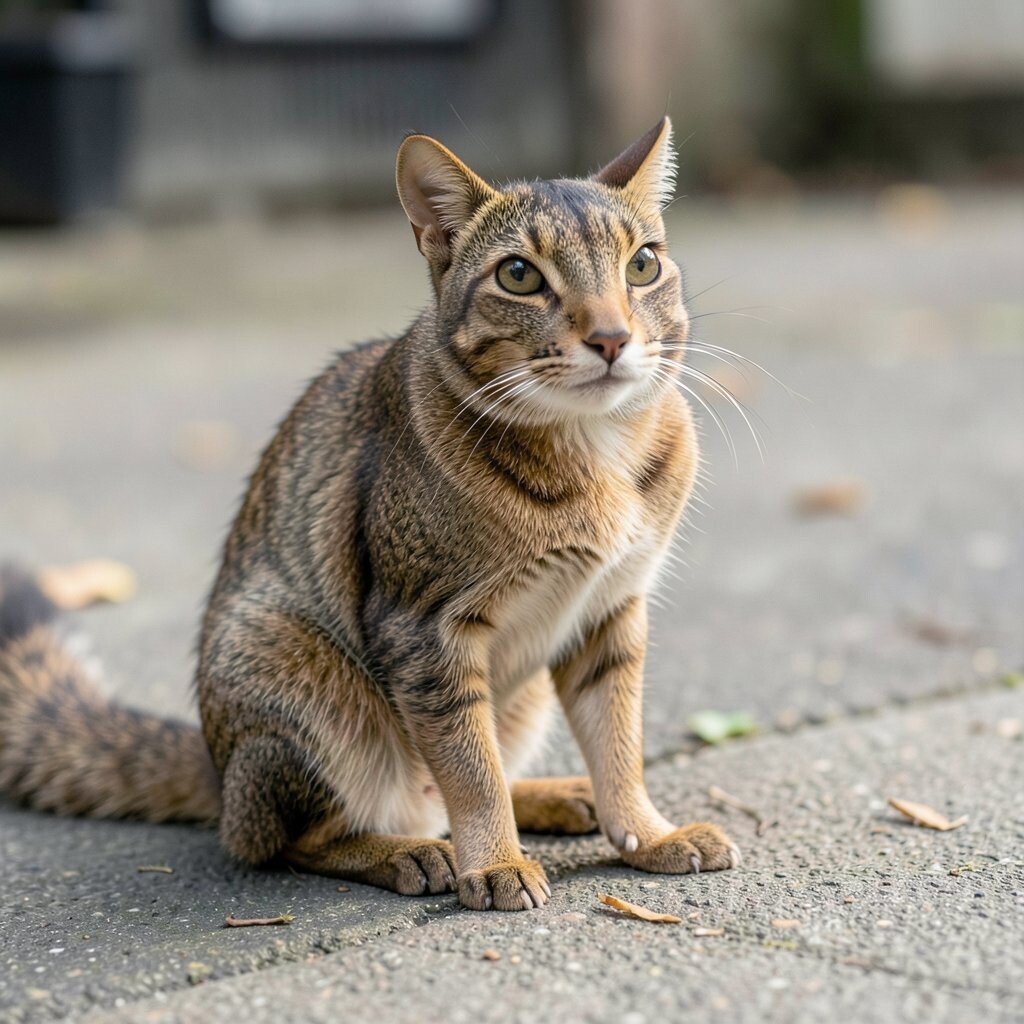
Not every great image needs a fox or hawk at the center. A squirrel dragging a french fry, a rat climbing a curb, or a pigeon napping on a sign can show city life in a way that feels real and full of charm.
These smaller moments are often easier to find and can make your portfolio feel more personal. They also suit current social trends, since many viewers enjoy honest, everyday scenes that feel a little funny or surprising.
Stay open to odd pairings and tiny actions because those often become the best pictures. A modest subject can still feel unique when the light is good and the composition is clean.
17. Match your color choices to the scene
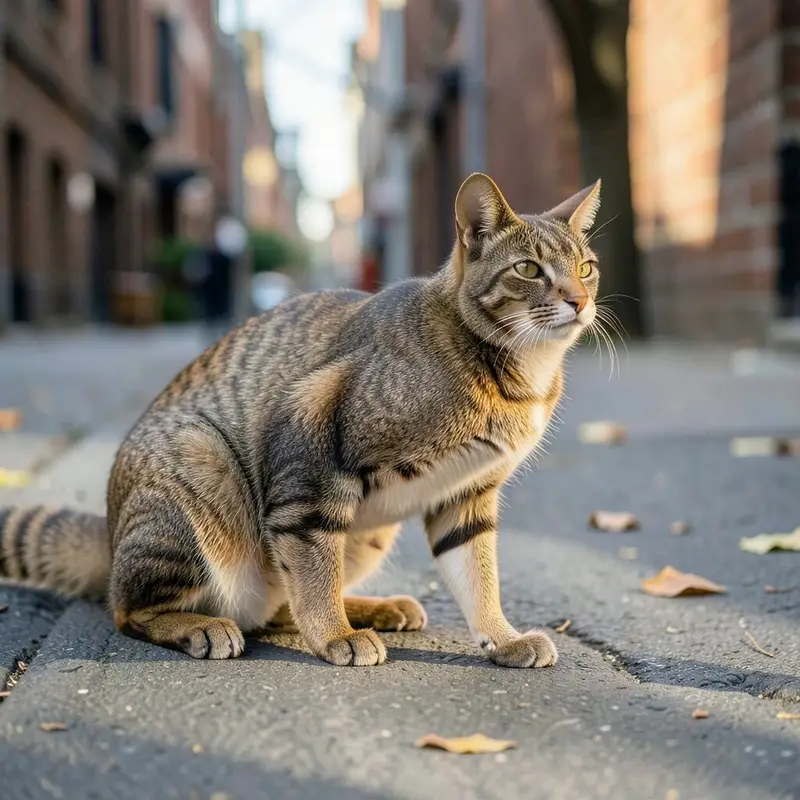
Color can shape the whole mood of an urban wildlife photo. Warm brick, blue glass, green trees, and gray concrete each give the subject a different stage, and that stage can change the story more than you might expect.
You can use this to your advantage by choosing what stays in the frame and what gets left out. It is a simple way to make images feel more personal, and it does not require extra spending beyond careful observation.
If you like a softer look, aim for gentle color mixes, but if you want energy, place the animal near bold signs or colorful street art. The best part is that the city already gives you plenty of color choices for free.
18. Keep editing clean and true to the moment
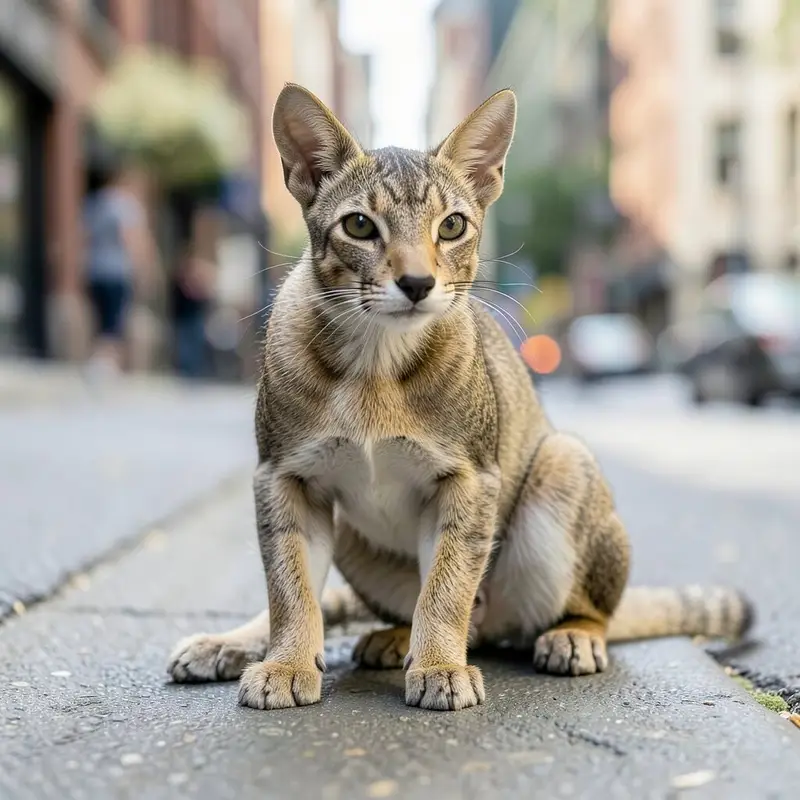
Urban wildlife photos often look best when they still feel natural, even after editing. A little brightness, a touch of contrast, and a careful crop can make fur, feathers, and eyes clearer without losing the real street mood.
Current editing trends often favor a cleaner look over heavy filters, because viewers want detail and honesty. That style can also save time and keep your work easy to repeat, which is useful if you shoot often.
Try not to overdo sharpening or color changes, since city scenes already have strong shapes and tones. A light hand can make your images feel fresh, personal, and more believable at the same time.
19. Build a repeat route and return often
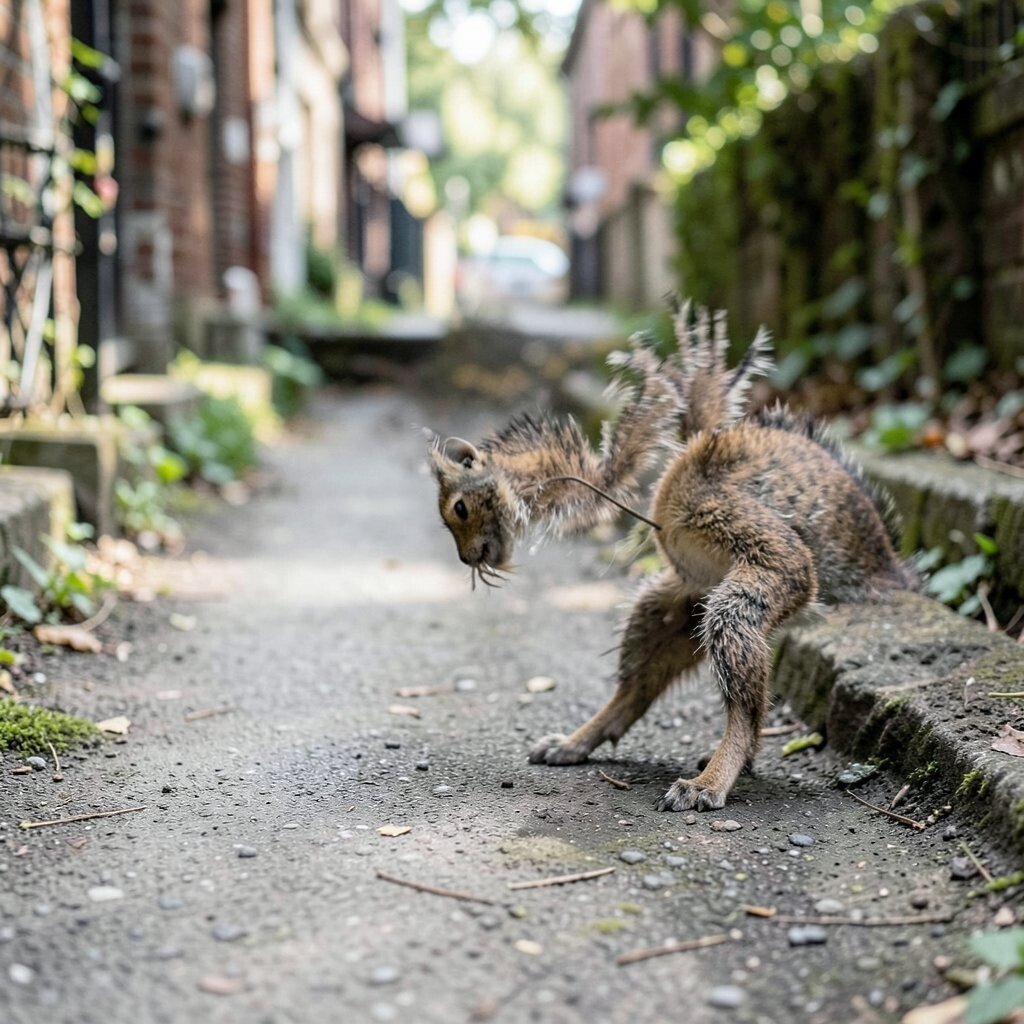
One visit is useful, but repeat visits teach you much more about where animals rest, feed, and travel. A regular route can turn an ordinary block into a familiar stage where you know which corner gets morning birds and which wall gets sunset cats.
This routine is good for skill growth and also helps with budget, since you do not need to travel far to practice. It gives your work a unique local feel too, because the same places often change with weather, season, and street activity.
Bring a notebook or use your phone to record times, weather, and sightings. Over time, these notes help you plan smarter outings and create a body of work that feels shaped by real experience.
20. Tell a full city-wild story in one frame
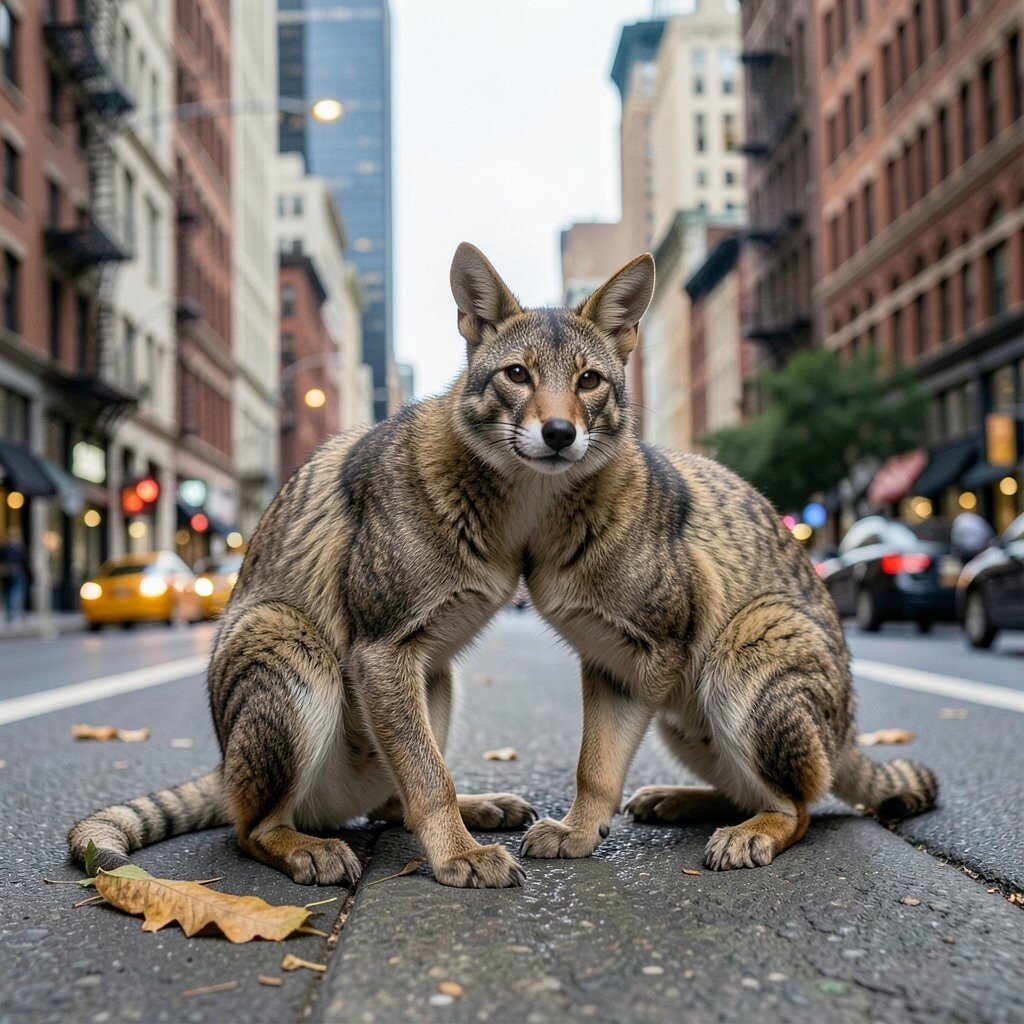
The strongest urban wildlife photos often show more than just the animal itself. A gull balancing on a traffic light, a rabbit near a mural, or a hawk above a bus stop can tell a full story in one clear glance.
When you think about story, your shots gain meaning and people remember them longer. This also gives you room to personalize your work, since you can focus on humor, calm, tension, or wonder depending on what you feel that day.
Look for scenes where the animal, the street, and the light all work together. That mix can make even a simple moment feel special, and it keeps your urban wildlife photography fresh without demanding costly gear or complicated setups.