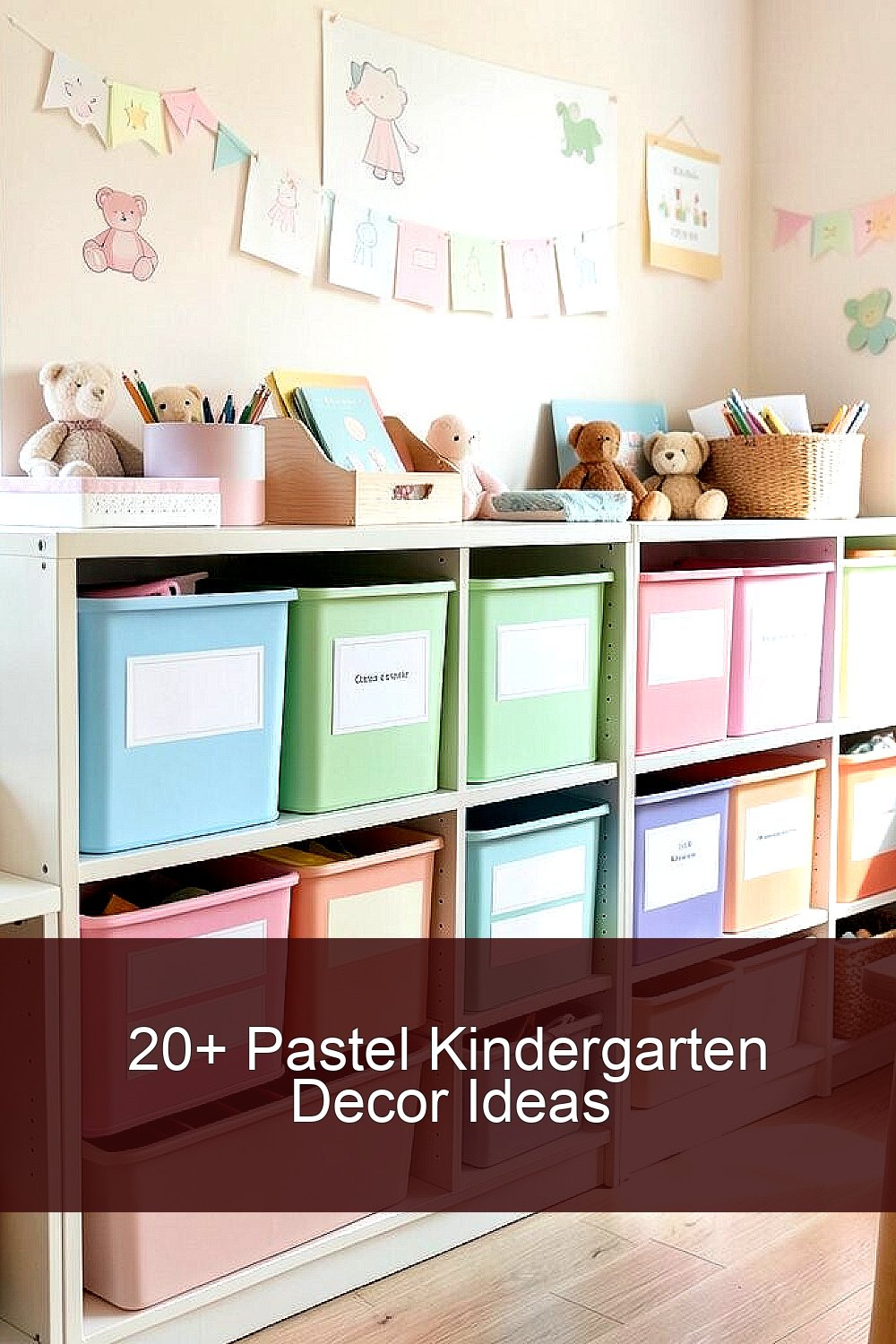
Soft colors can make daily routines feel calmer and easier. With a few smart decor choices, your classroom can look cozy and stay well organized.
Warm pastel details help kids feel safe, focused, and ready to learn. They also make it simple for children to put things back in the right spots.
1. Pastel Color-Coded Cubby Labels
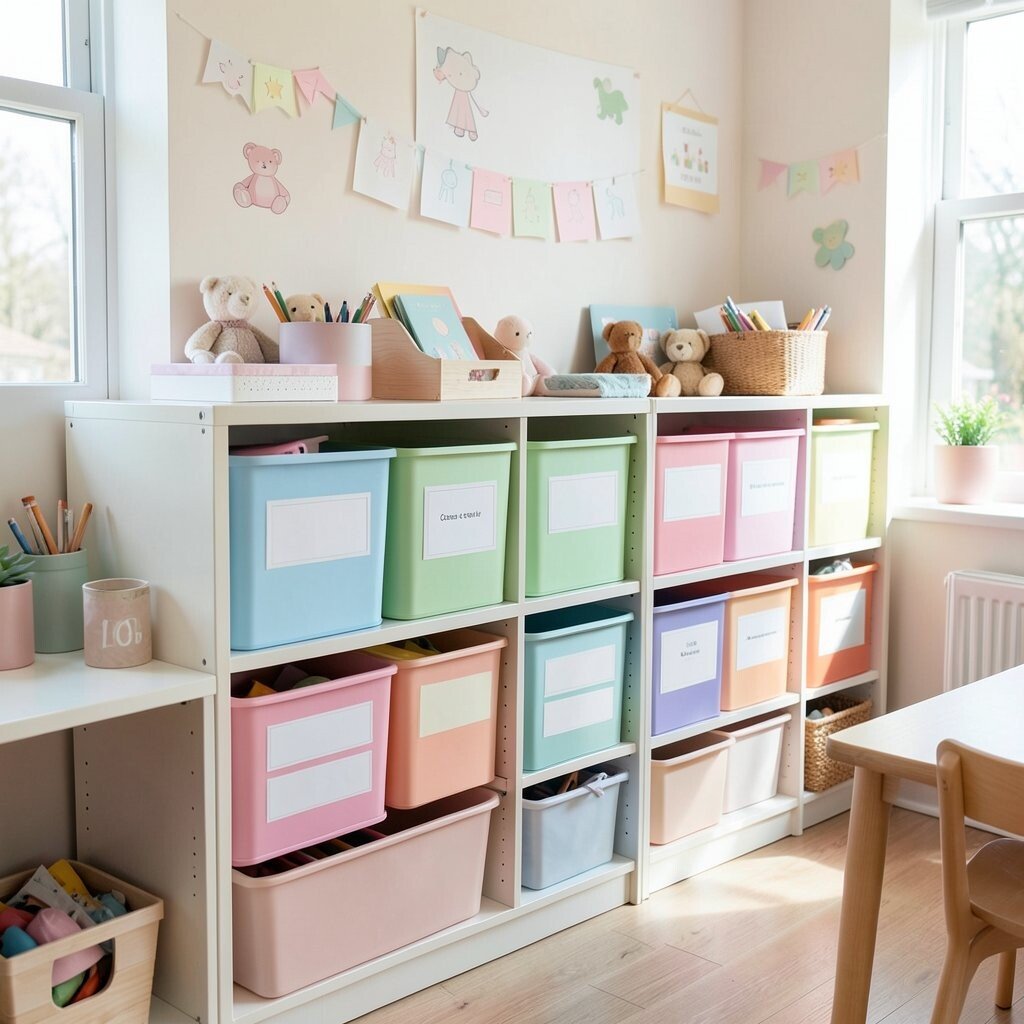
Use pastel label dots or strips on each cubby so every child can spot their spot quickly. The room looks neat, and kids spend less time searching for backpacks and jackets.
Choose a small set of colors that match your schedule cards or classroom theme. For practical organization, add a picture for nonreaders and a short name for older kinders.
To keep it unique without overspending, print labels at home or write them neatly with pastel markers. Laminate or cover with clear shelf paper so the labels survive sticky hands.
2. Color-Matched Supply Bins With Photo Cards
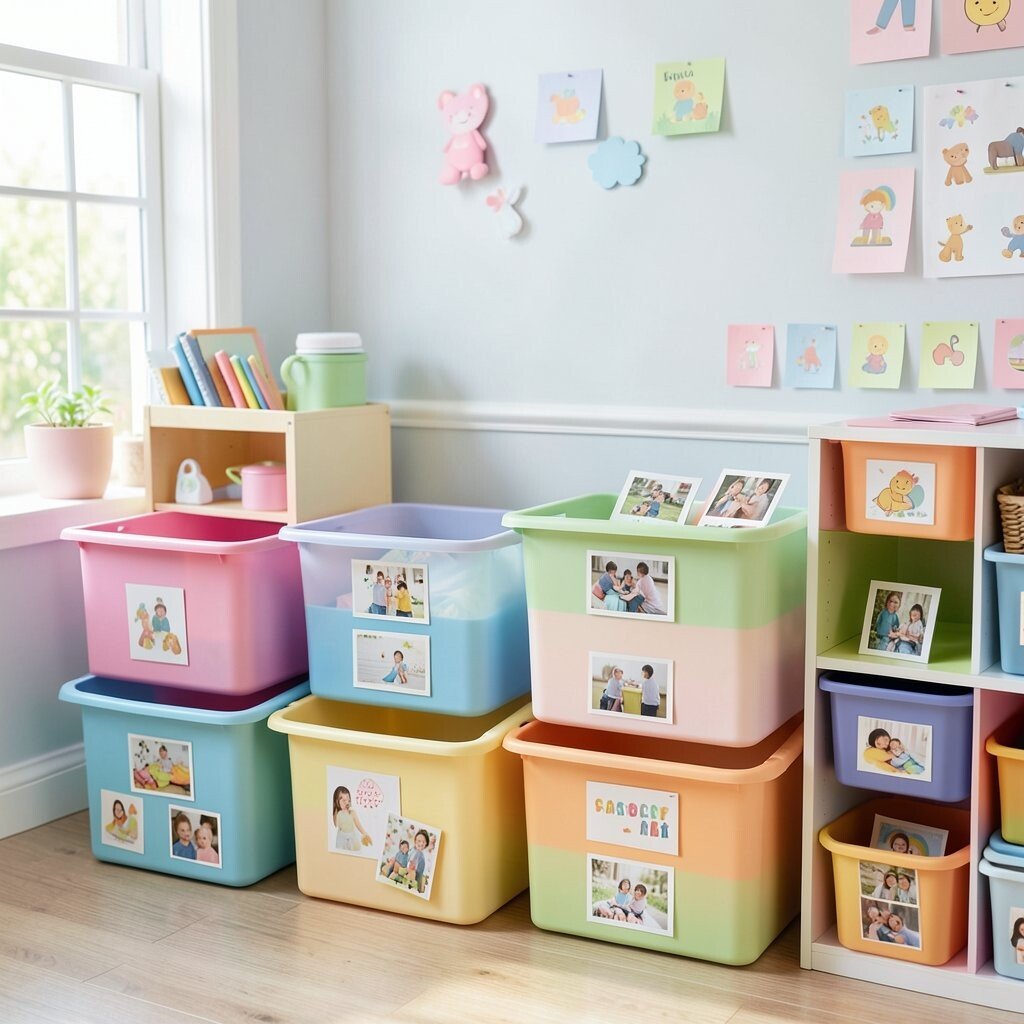
Place supplies in pastel bins and attach a photo card on the front. When students can see what belongs in a bin, cleanup becomes faster and calmer.
Pick bins in three or four soft shades and use matching colors for categories like crayons, paper, and markers. Keep the photo cards at kid eye level so they can choose without asking for help.
For a personalized touch, let each child decorate their bin label with a tiny sticker border. Use a label maker or simple paper with clear tape for a cost-friendly finish.
3. A Soft Tone Morning Meeting Background Wall
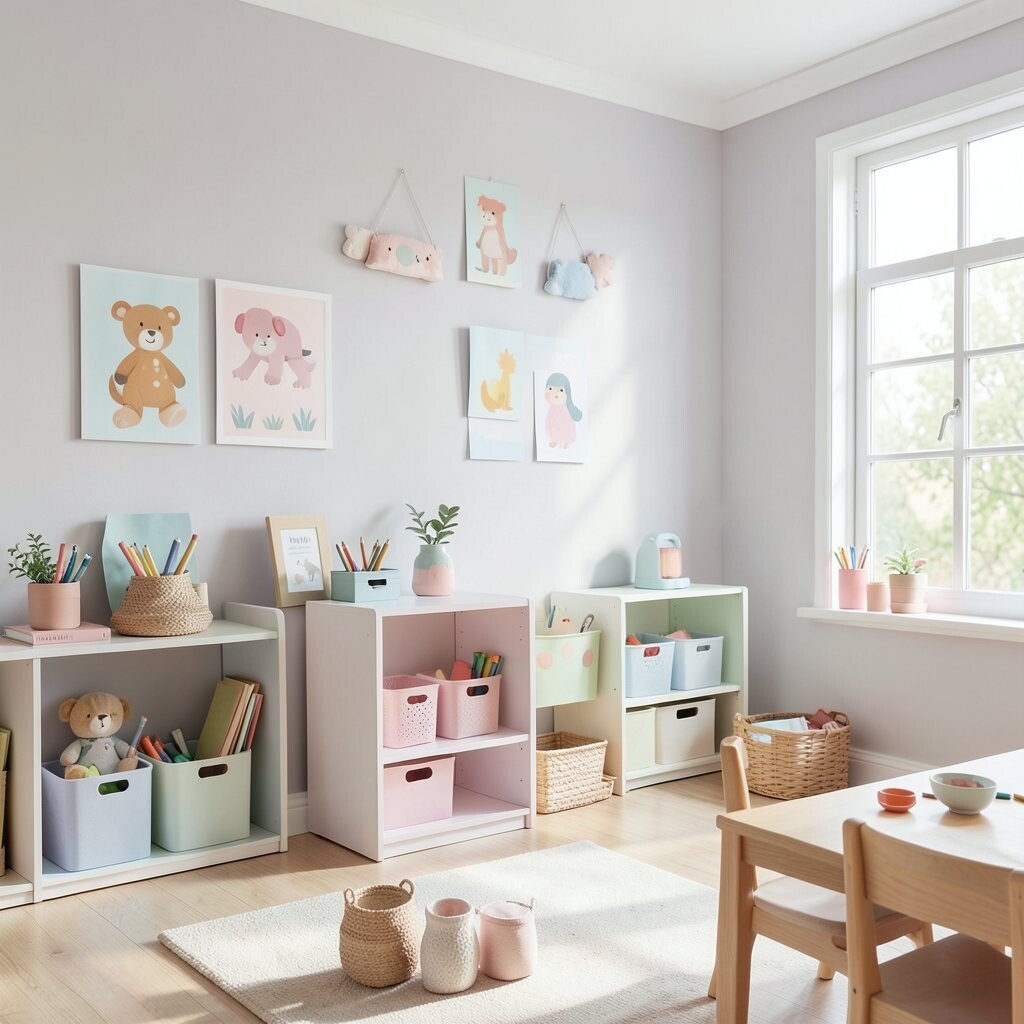
Create a pastel backdrop where morning meeting happens every day. A consistent area helps kids learn the routine and reduces wandering around the room.
Try a gentle pattern like light clouds, tiny dots, or pastel stripes that frame a calendar space. Add a pocket chart or flat surface so you can store name cards and weather tools neatly.
For trend value, use matte textures like felt or paper that look smooth and calming in photos. You can also mix in a small daily routine card set that matches the wall colors for easy personalization.
If you want to save money, make the backdrop from leftover craft paper and border trim. Laminate only the cards that get handled often, so the wall stays budget-friendly.
4. Pastel Name Tags on Storage Ledges
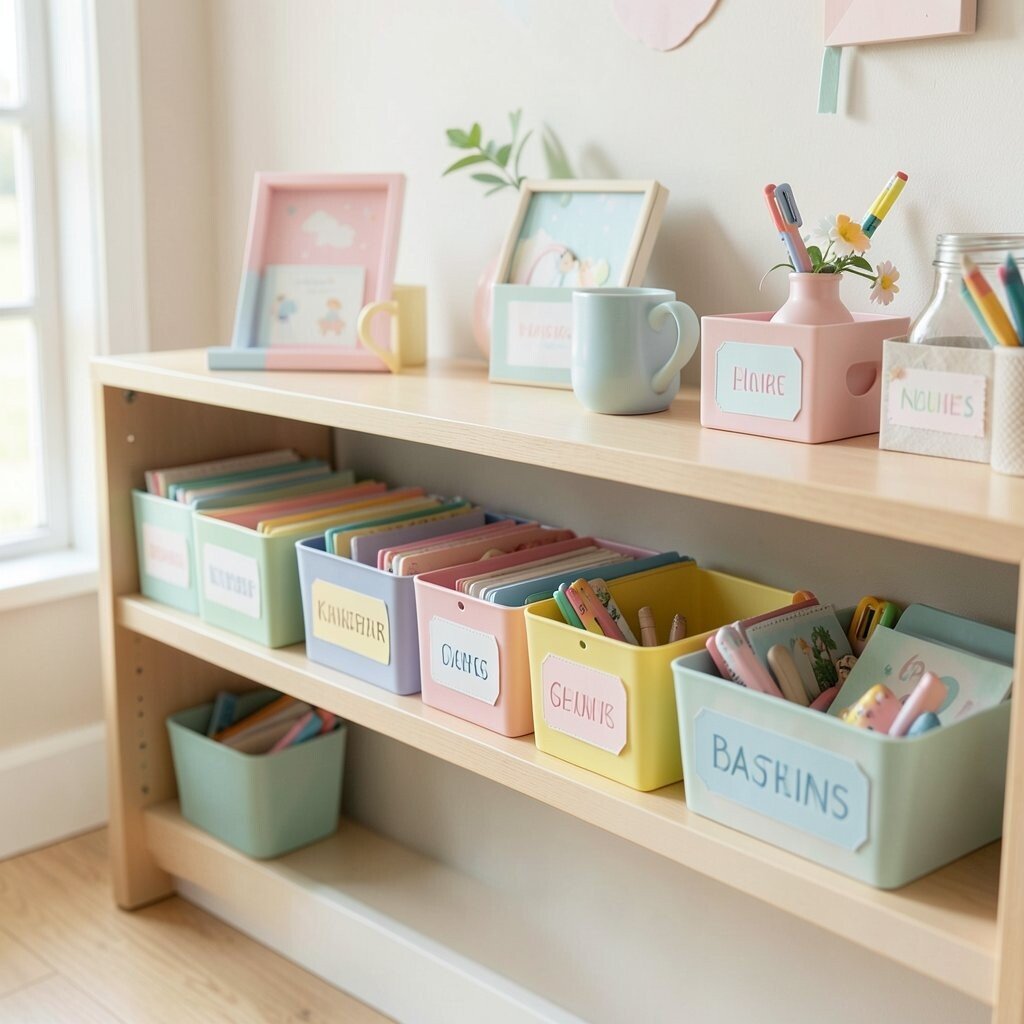
Attach pastel name tags to storage ledges so each area feels specific. Kids naturally learn where their belongings go when everything has a familiar label.
Use tags in soft colors and include a simple picture or initial for each student. Place the tags near the correct shelf edge so children can align items without climbing or asking.
To keep it unique, use different tag shapes for different zones, like circles for books and rectangles for art supplies. This small design choice makes the room feel intentional and organized.
5. Book Nook With Pastel Reading Steps
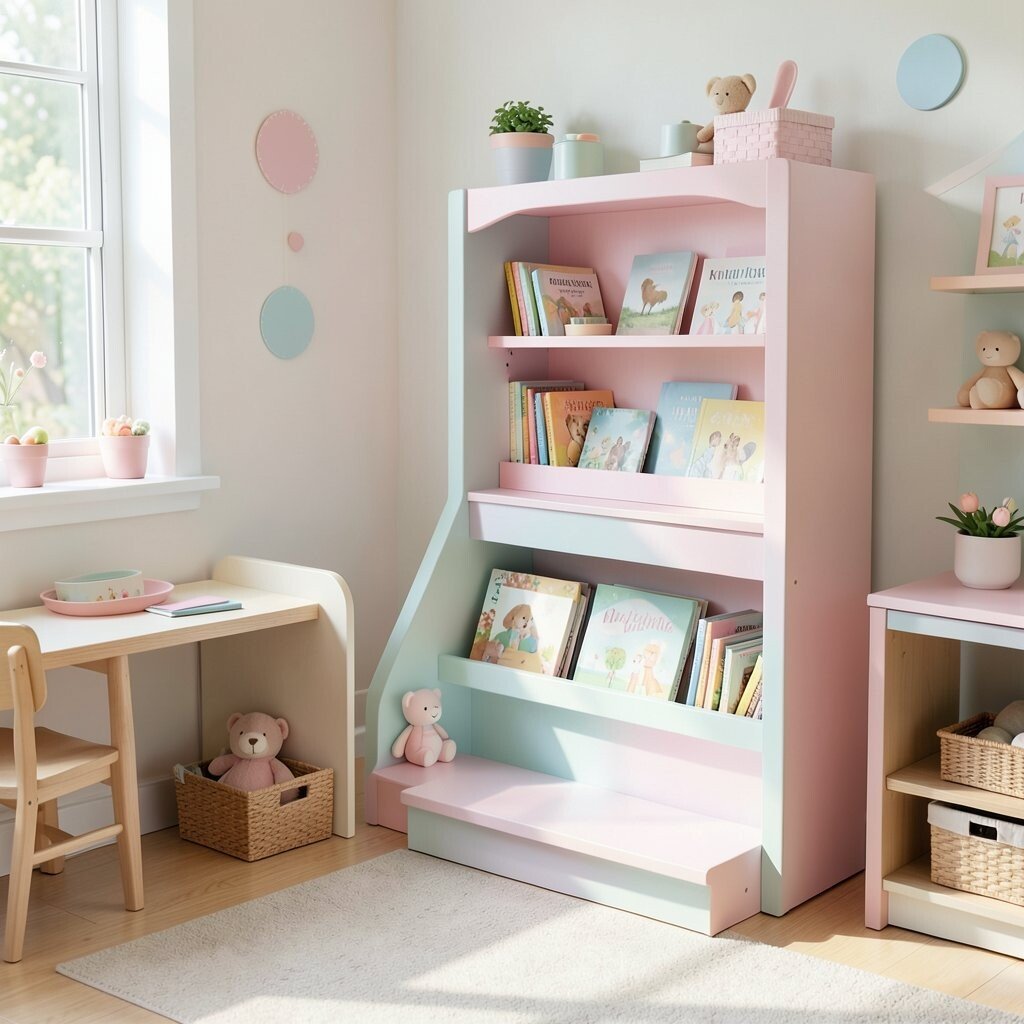
Build a cozy reading nook using a pastel rug and a small set of steps or cushions. When kids have a comfortable spot to settle, they’re more likely to return books to the right area.
Arrange books face-out in a gentle color order so the spines create a pretty rainbow effect. Add a simple bookmark stand so kids can keep their place without messing up the whole shelf.
For practical success, limit the number of book stacks and rotate what’s displayed weekly. That keeps the shelf tidy and helps you match current learning themes without clutter.
6. Welcome Bulletin Board With Organized Pockets
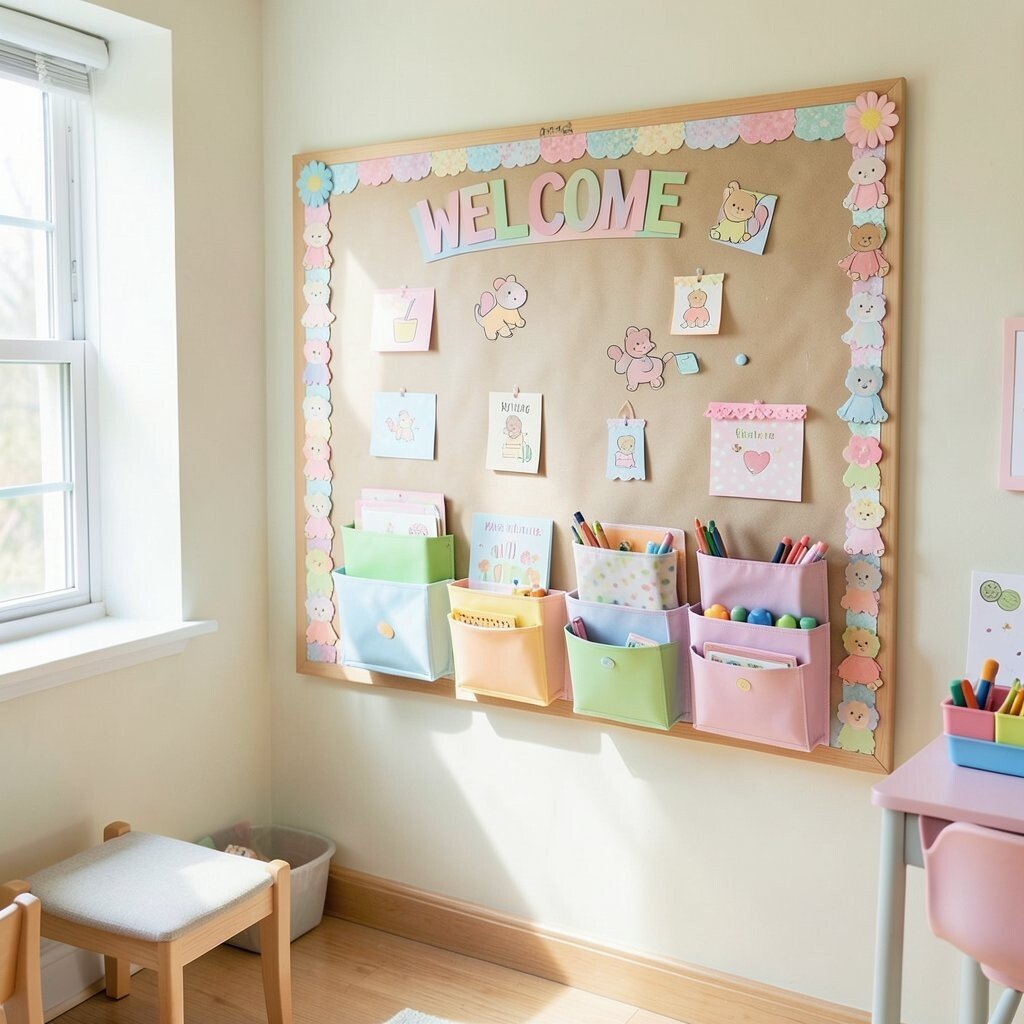
Use a pastel bulletin board frame around a center theme area. Add shallow pockets so items like class jobs cards or finished work can go somewhere specific.
Choose pockets in soft colors and place a label card on the side for quick sorting. Kids learn to check the board, then return supplies without leaving papers scattered around.
To personalize it, let each student contribute a tiny pastel square to a “community quilt” style background. Keep costs low by using craft paper scraps and simple glue sticks instead of expensive materials.
7. Calendar Station With Pastel Cards and Mini Rails
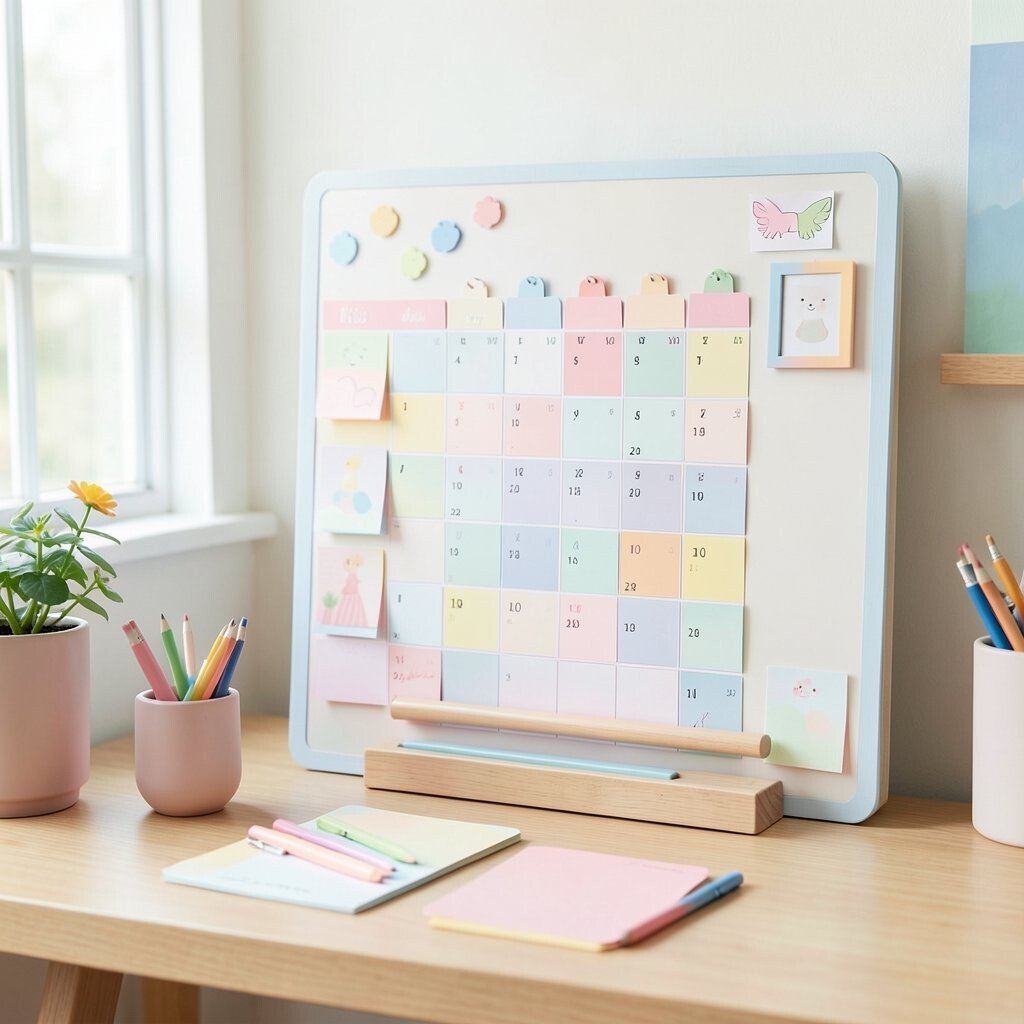
Design a calendar corner using light pastel cards and small rails or trays. A dedicated spot keeps date materials from wandering into other areas of the room.
Use matching card colors for days, weather, and seasons so kids can learn patterns faster. Keep the pieces in a clear lidded container with a soft label strip so cleanup stays easy.
For uniqueness, add a tiny “today” pocket that holds a single object linked to your theme. That little touch makes the calendar feel special and encourages students to keep it neat.
To save money, use cardstock and simple binder clips for rails. Replace the cards each month so you can stay current with classroom seasons and holidays.
8. Pastel Learning Library Dividers by Category
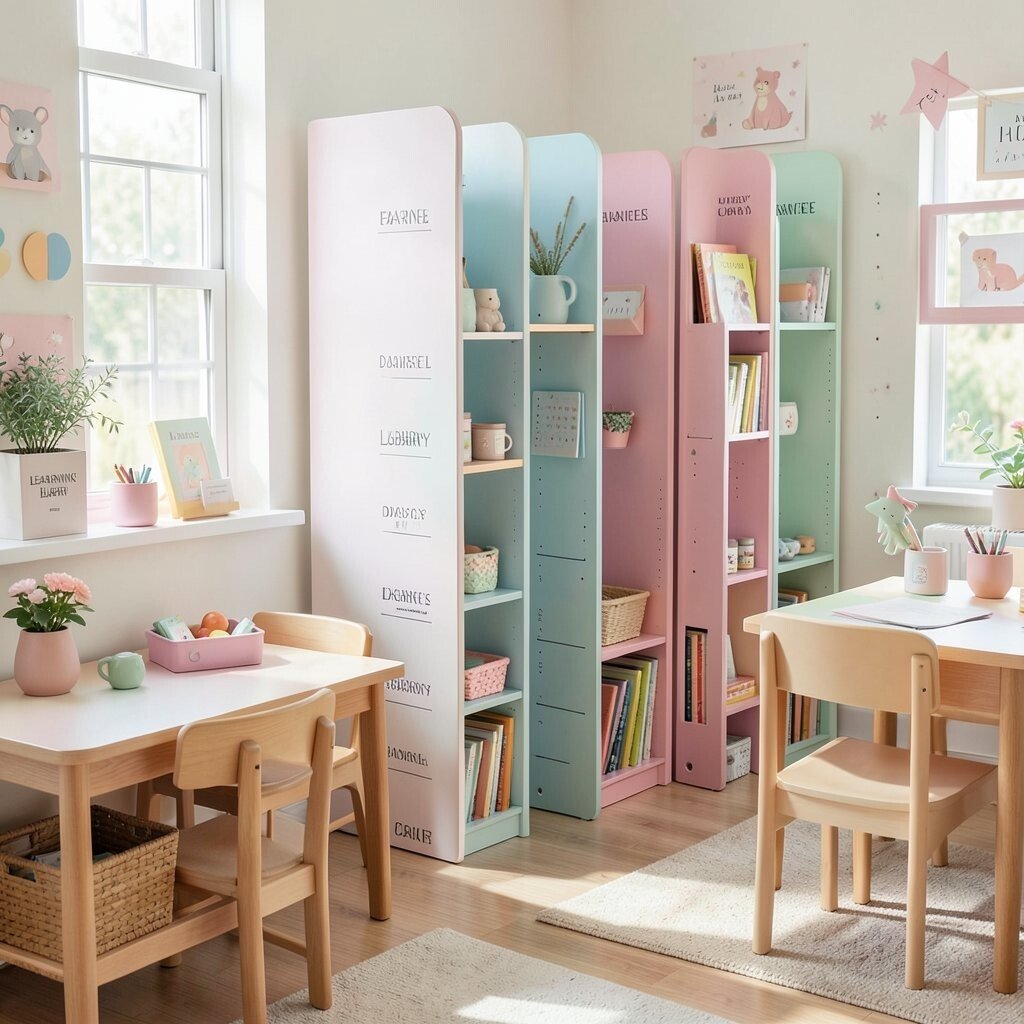
Sort your classroom library into categories using pastel dividers. When books are grouped, kids can browse without pulling out a whole shelf.
Try categories like stories, alphabet books, and nonfiction, then match each divider color to the shelf label. Add a simple illustration so children who can’t read the title can still choose confidently.
For practical organization, keep the most popular books at a reachable height. Rotate less-used books into storage and bring them back when interest starts to fade.
9. Art Corner With Pastel Storage for Paper and Tools
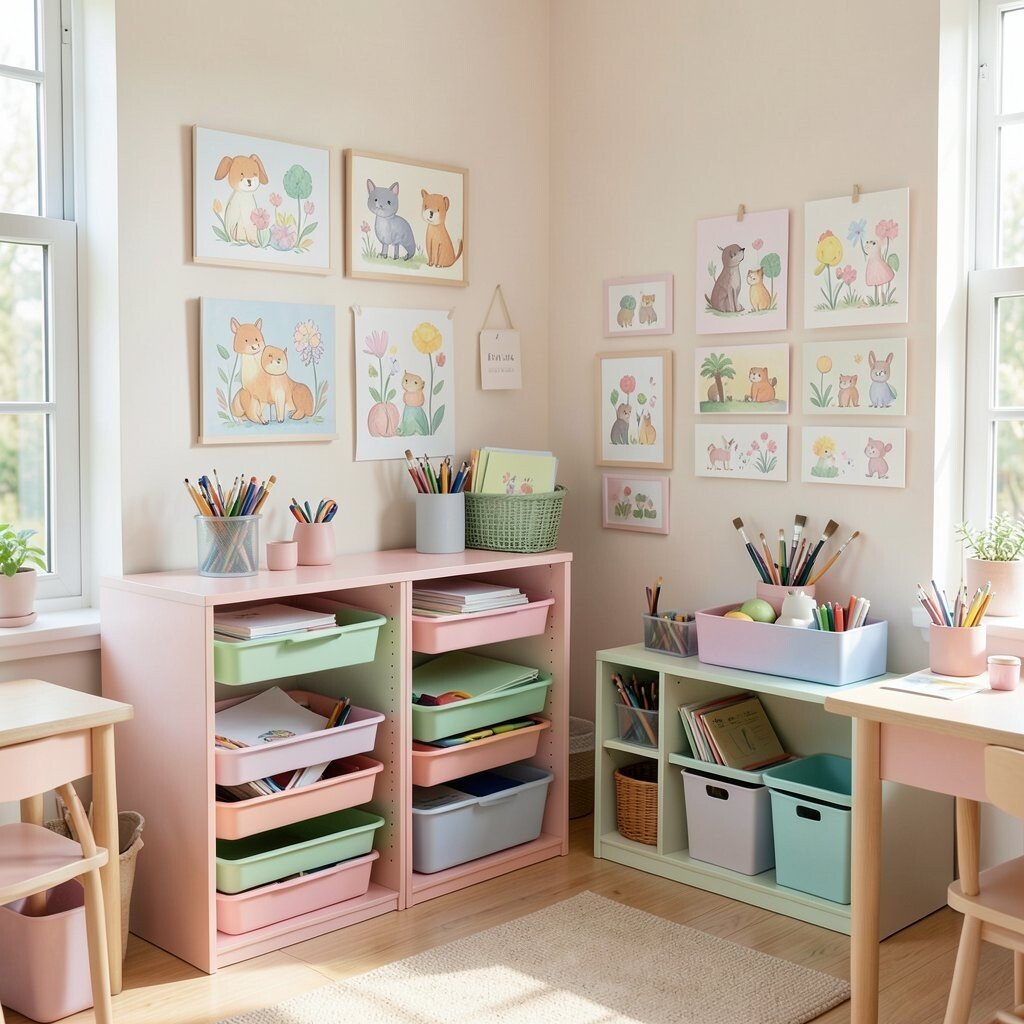
Set up an art corner where paper, markers, and scissors have their own pastel home. A tidy art area helps kids start projects faster and finish with less mess.
Store paper in flat pastel file organizers to prevent curls and wasted supplies. Put scissors in a labeled tray with a picture, and keep glue in a small caddy so it doesn’t spill across tables.
To keep it budget-friendly, use recycled containers and cover them with pastel contact paper. Add a color-matched bin for “scraps” so students can reuse and reduce waste.
10. Seating Area With Pastel Behavior Charts on Display Panels
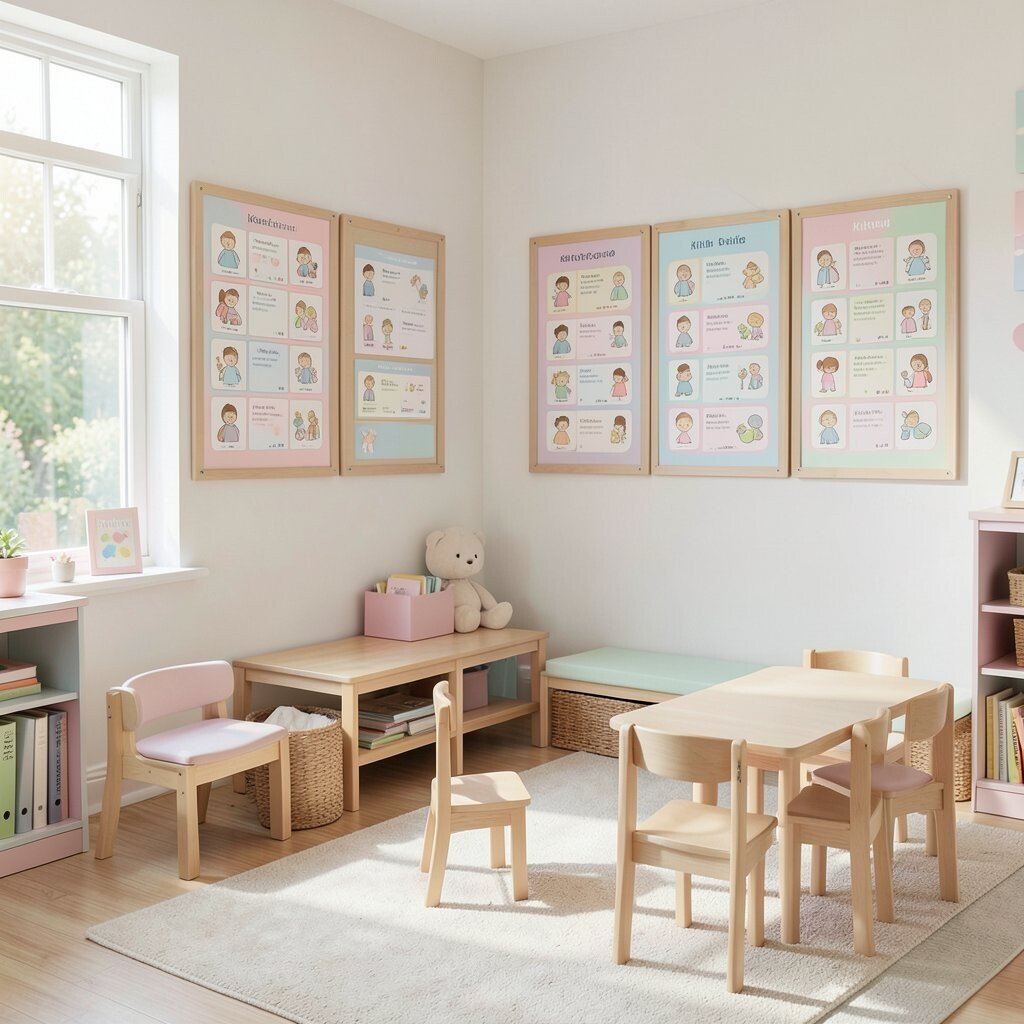
Create a pastel seating zone using chair caddies and soft display panels. When expectations are visible, you’ll spend less time repeating rules during busy moments.
Use calm colors and simple visual steps so kids can self-check during transitions. Keep the system low-pressure by storing it at kid eye level and using icons instead of long text.
For practicality, place the display panel near where students sit so you can update it in seconds. Personalize it with classroom mascot stickers or seasonal pastel accents that match your decor.
11. Pastel Desk Organizers for One-Place Supplies
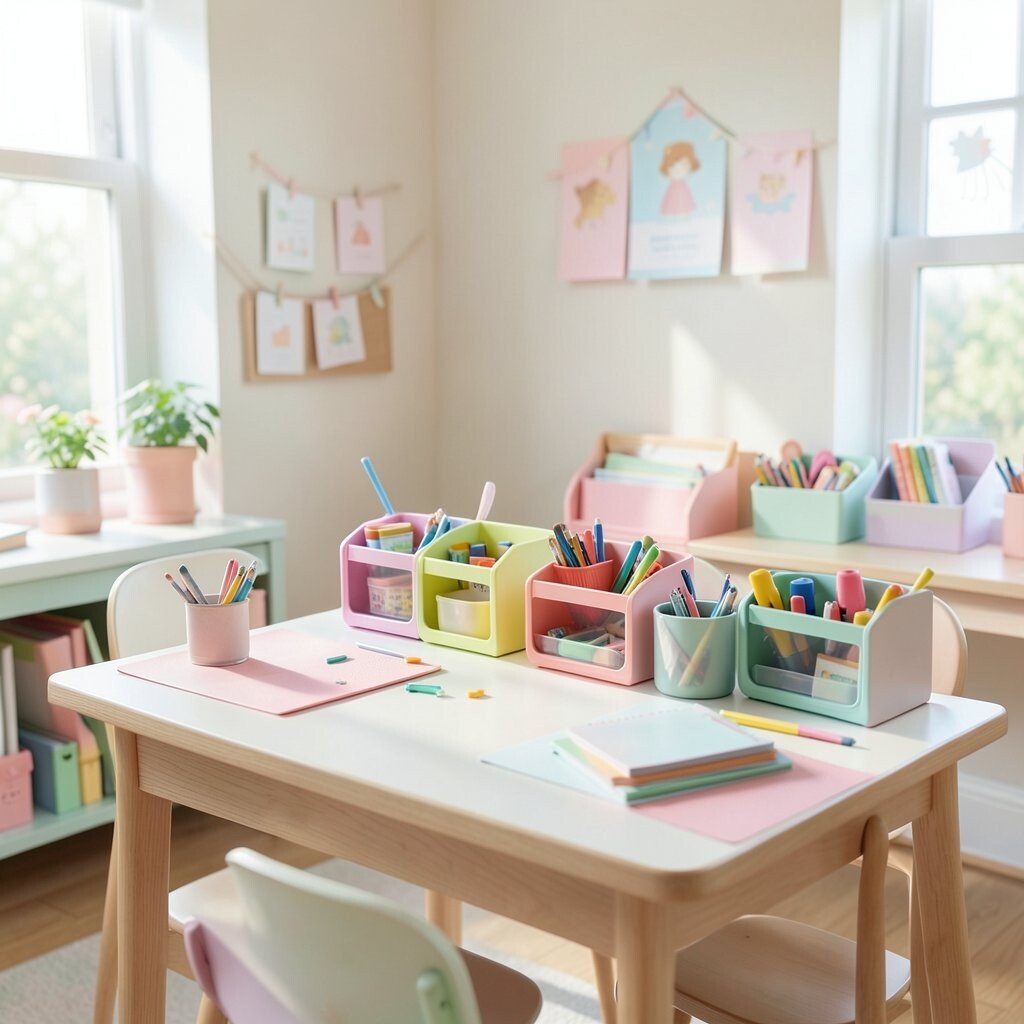
Give each child a small pastel desk organizer with clear sections. When pencils, erasers, and crayons live in one place, students can work independently longer.
Choose organizers with lids or compartments to reduce scattered materials. Add a color-coded label strip and a picture for each section so children know exactly where things go.
To keep costs reasonable, buy a few sturdy organizers and swap paper inserts each term. You can also make custom inserts with cardstock and laminate-friendly pockets for durability.
This design feels unique because every desk looks similar but still has personalization through student-decorated label borders.
12. Pastel Clipboards for Turn-In and Take-Home Papers
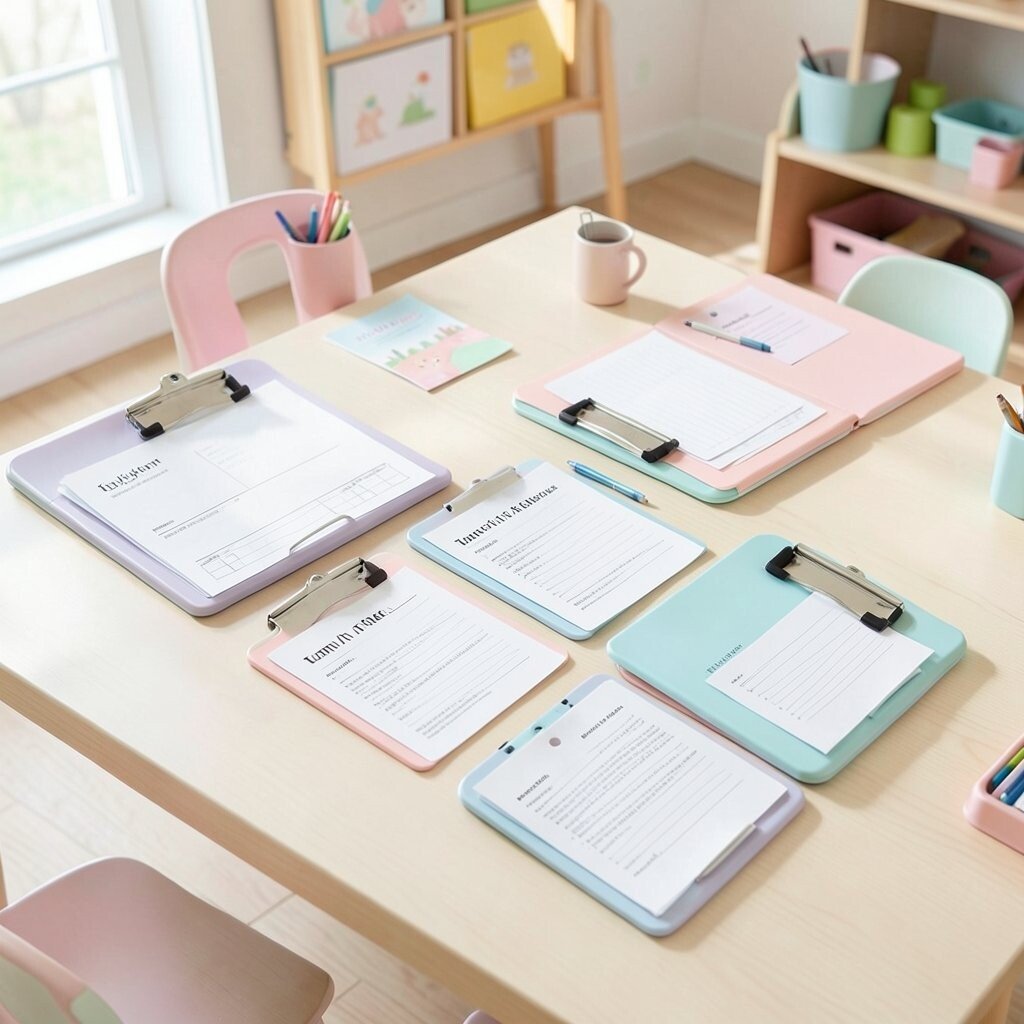
Use pastel clipboards or mail carriers to collect finished work and send items home. When papers have a clear route, they’re less likely to pile up or disappear.
Set up a “ready to turn in” spot and a “sent home” spot with matching colors. Keep each clipboard visible and at the same angle every day so children develop a steady routine.
For practical organization, use page protector sleeves on clipboards for pages that need to stay flat. Add a small student photo card near the clipboards so kids can find the correct carrier faster.
13. Pastel Storage Wall With Rolling Bins for Materials
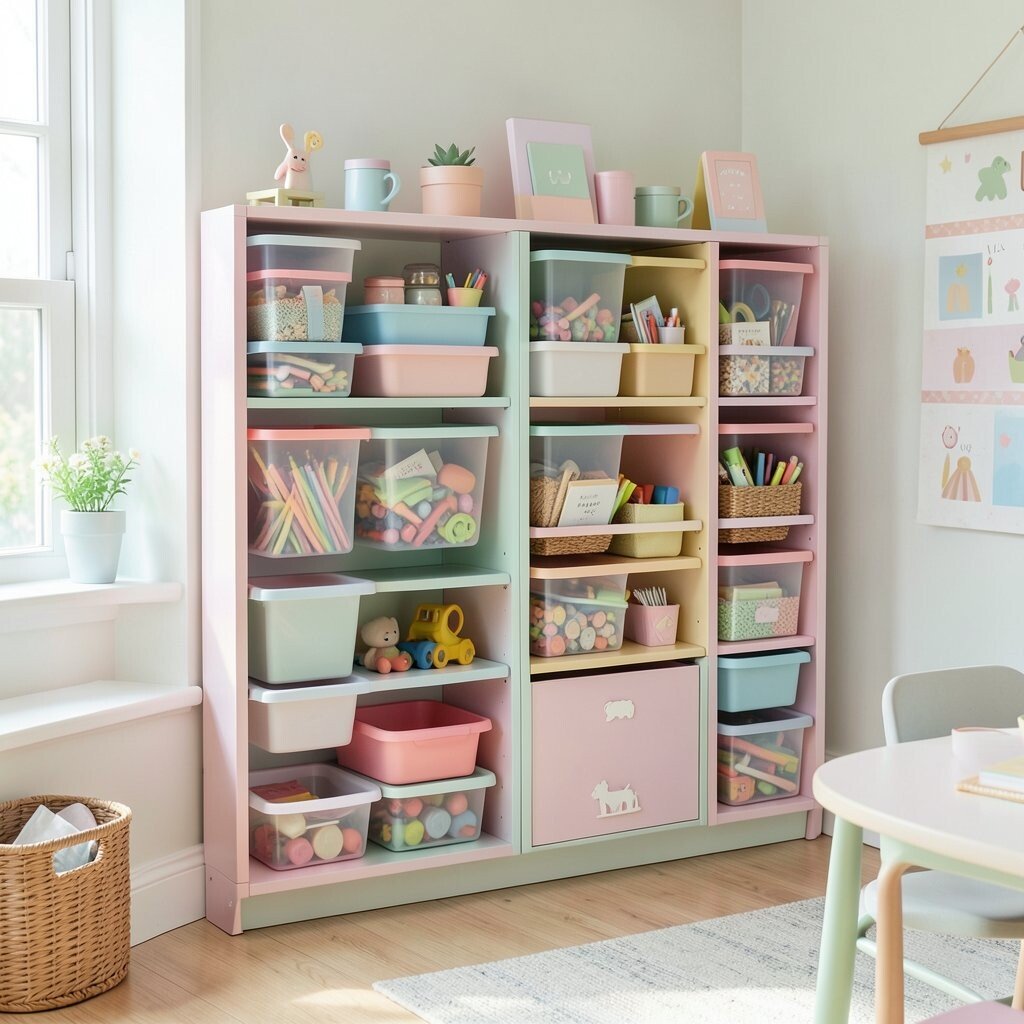
Build a storage wall area using pastel rolling bins for frequently used resources. Rolling bins help you keep big supplies together while still moving them where you need them.
Label each bin with a picture and a short word, using pastel label strips that match the bins. Keep the most common items closer to the floor for kid access and save deeper shelves for backup supplies.
To keep it unique, use different bin shapes based on material type, like tall bins for paper and wide bins for manipulatives. This makes the room feel thoughtfully designed instead of crowded.
14. Manipulative Station With Pastel Trays and Scoop Baskets
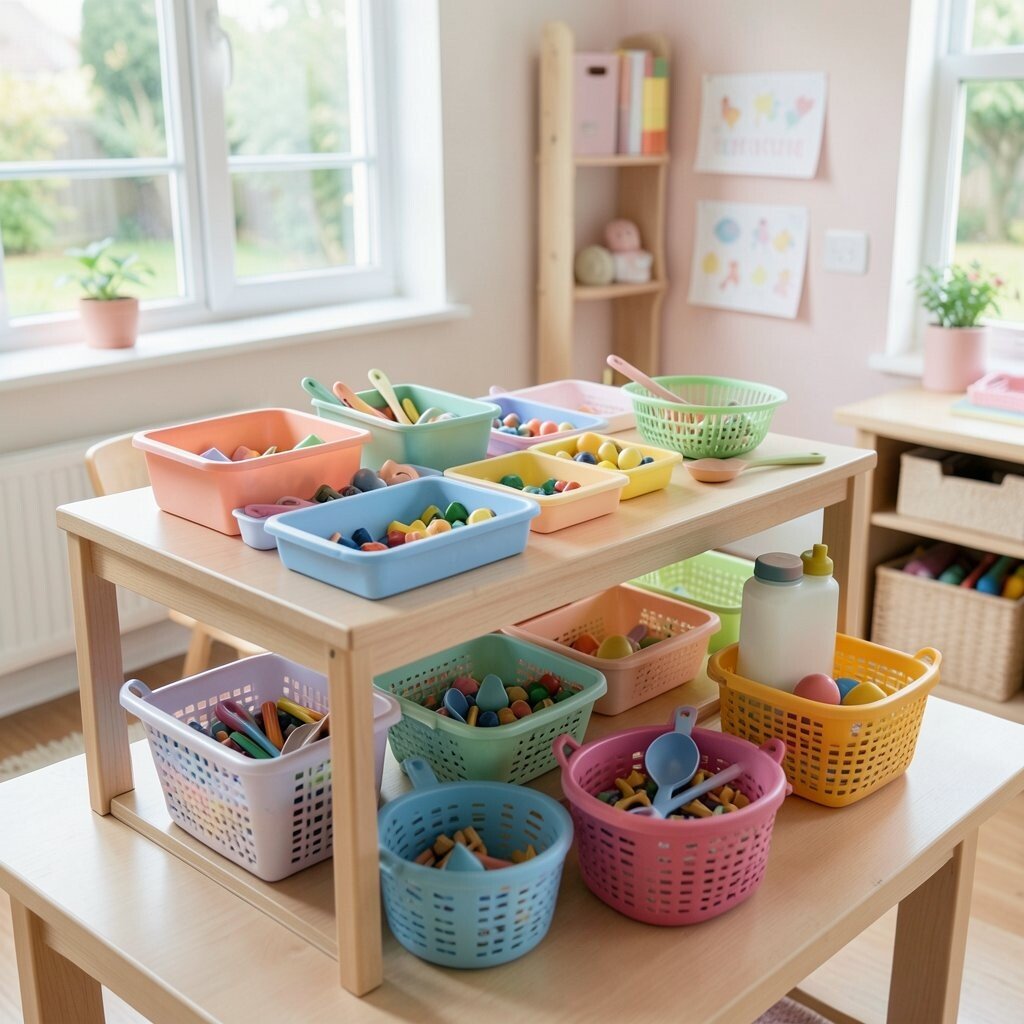
Create a hands-on station with pastel trays for sorting manipulatives. When pieces are contained in trays, they won’t spread across tables during play.
Use scoop baskets for items like counters, blocks, and connecting shapes. Place sorting cards near the trays so kids can copy simple patterns without asking every time.
For current classroom trends, many teachers are moving toward clear, labeled containers and fewer open piles. Pastel trays keep that trend soft and friendly while still supporting organization.
To save money, choose one set of sturdy baskets and print replacement sorting cards on cardstock. You can update the cards weekly for different skills.
15. Pastel Weather Corner With Visual Sorting Tools
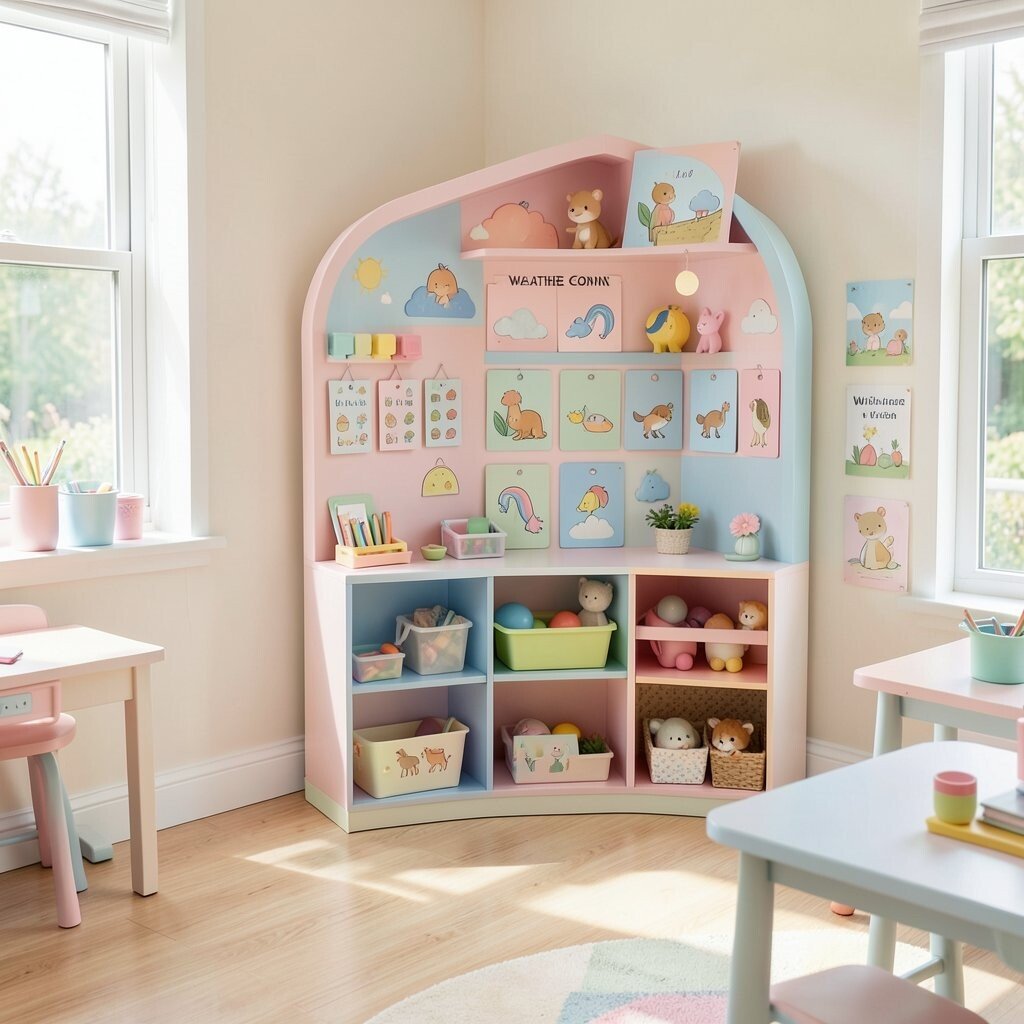
Set up a weather corner with pastel labels and visual sorting tools. Kids love checking the weather, and the area becomes a natural place to return daily chart items.
Use a pocket chart with color-coded pieces for sunny, cloudy, rainy, and windy days. Keep each piece stored in a matching envelope so they don’t fall behind the chart.
Personalize the weather theme with small student art like pastel raindrop drawings or sun cutouts. The corner feels special and helps the class notice patterns in a fun way.
For cost considerations, use cardstock and inexpensive binder rings to make the pockets sturdy. Replace parts each season so the station stays fresh without buying new everything.
16. Pastel Sensory Bin Area With Clear Lid Containers
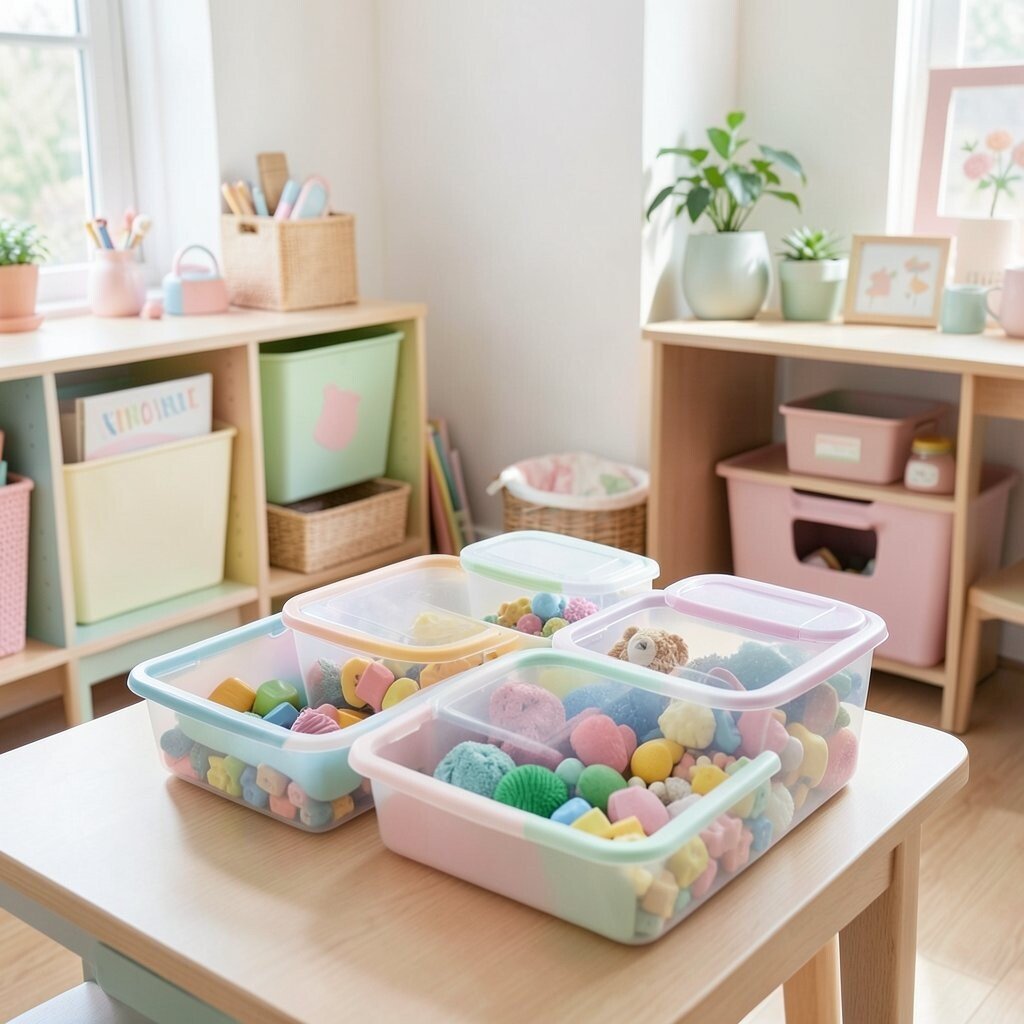
Organize sensory play using pastel labeled containers with clear lids. Clear lids help you see what’s inside, so kids and teachers grab the right materials faster.
Pick pastel base colors for lids and add a photo label for each sensory bin type, like kinetic sand or water beads. Keep empty tools in a labeled small caddy to avoid lost scoops and scoops that vanish into toy piles.
For uniqueness, create a “sensory care checklist” card and attach it to the side of the bin area. It builds responsibility without feeling like a rule poster.
17. Pastel Transitional Picture Cards on a Hanging System
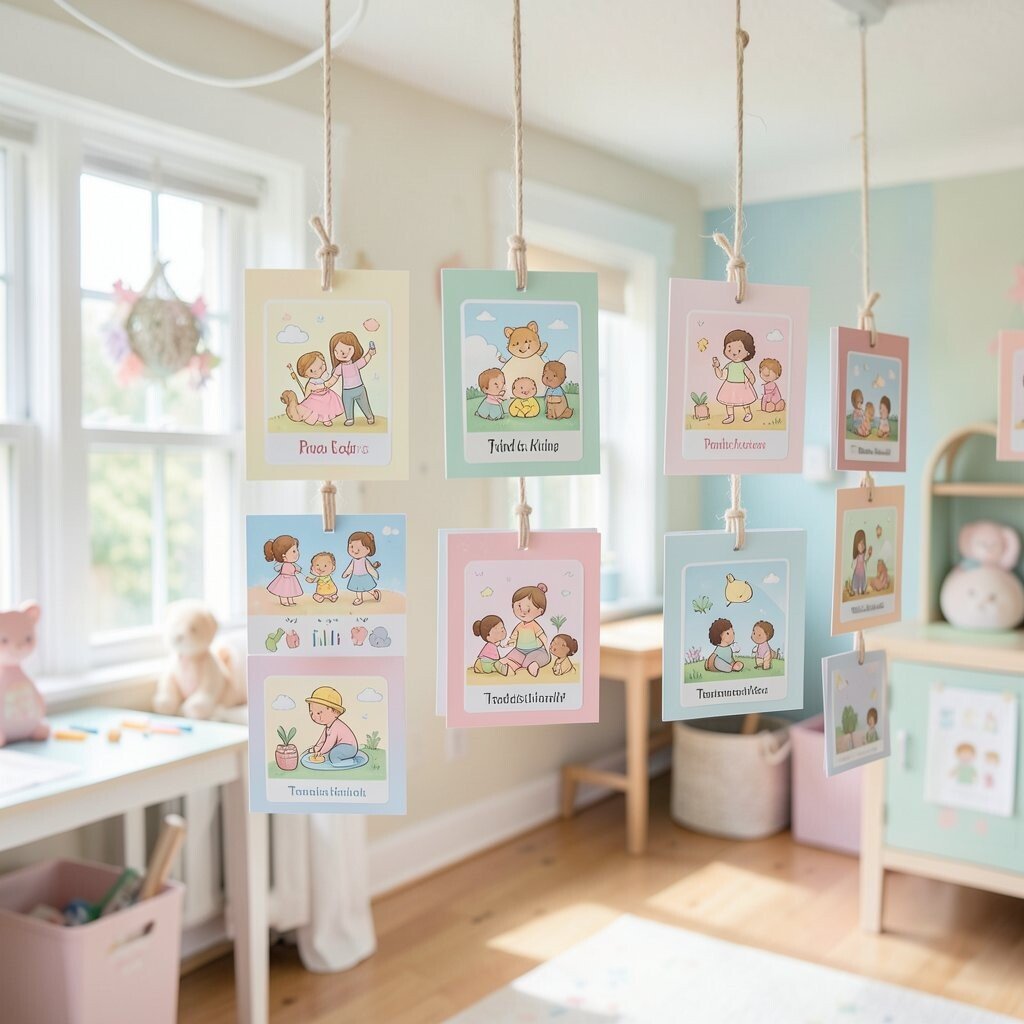
Use pastel picture cards mounted on a hanging display for transitions. When students can preview what happens next, they get less stuck and less frustrated.
Choose gentle colors and simple icons for wash hands, line up, clean up, and quiet time. Put the display at a height students can access with a teacher supervising.
To keep it practical, store the cards in a small pastel sleeve between uses. This prevents wrinkling and keeps the system looking neat for long periods.
18. Pastel Classroom Job Station With Rotating Roles
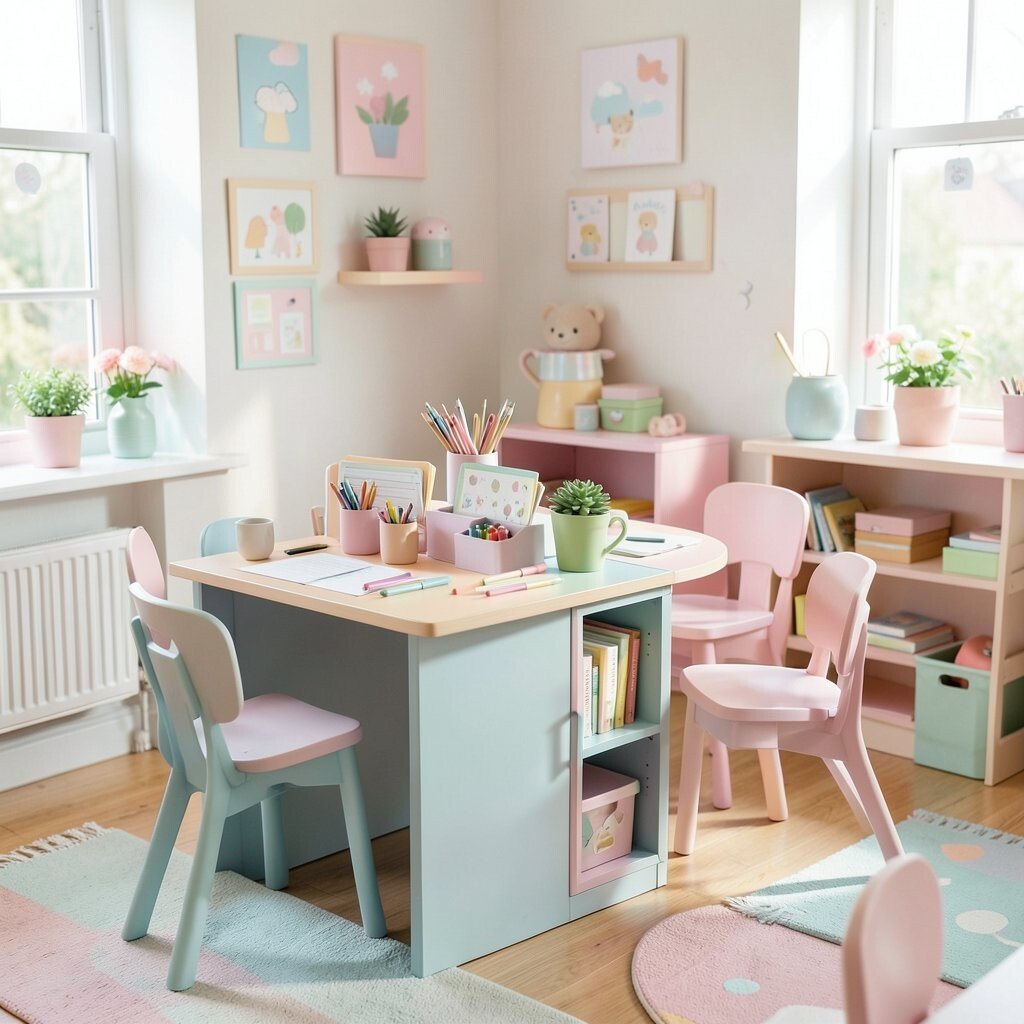
Set up a pastel job station with rotating roles for class helper tasks. When jobs are organized, the classroom runs smoother and kids feel proud of their responsibilities.
Use small pastel job cards and attach them to a clip rail or pocket display. Include pictures for nonreaders so every child can understand what their job includes.
For personalization, let students add a sticker to their job card when they complete the task. That small moment of recognition makes the whole system feel warm and encouraging.
Cost-wise, you can reuse the same cards each year by printing new name strips. Pastel borders and laminating keep everything looking polished.
19. Pastel Math Manipulative Sorting With Numbered Card Slots
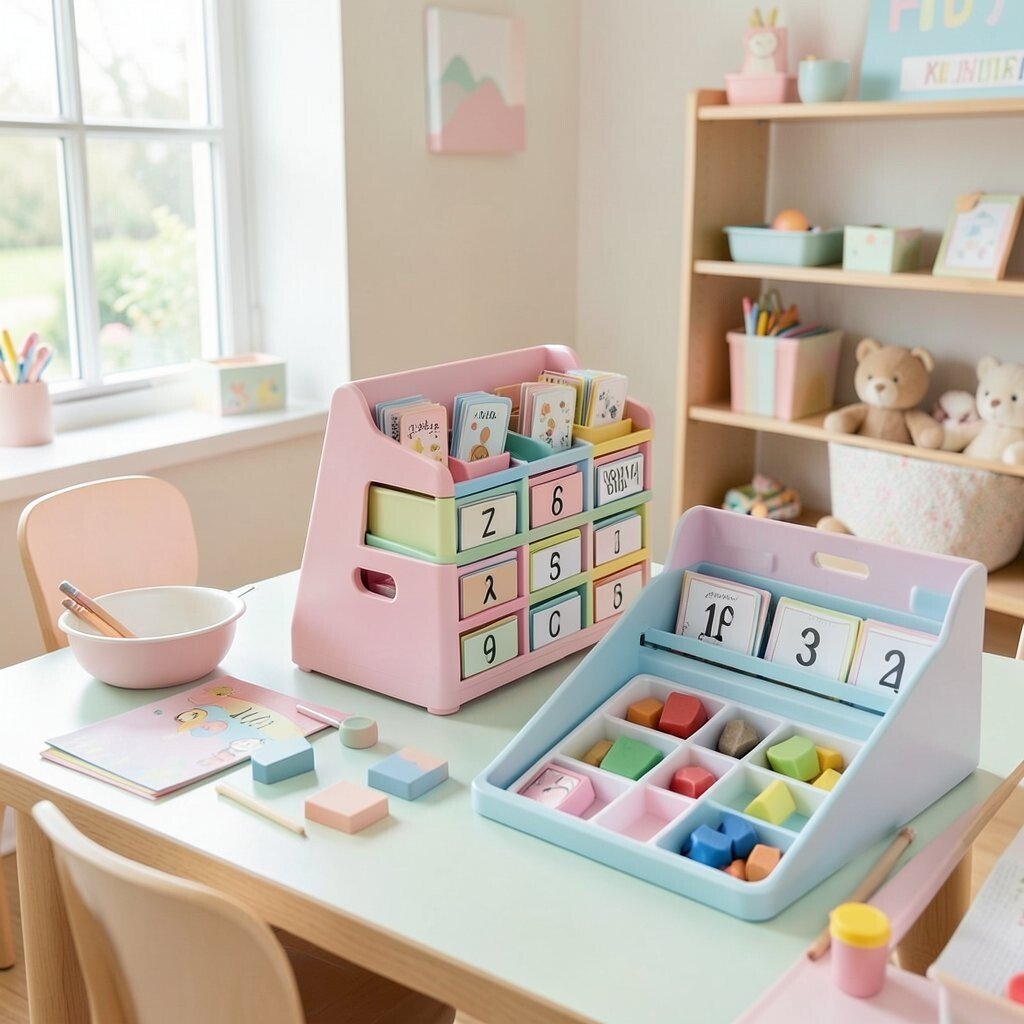
Organize math tools in a pastel sorting area using card slots. Numbered slots help kids return items to the correct spot and keep learning materials ready for the next lesson.
Use a small set of pastel trays with picture cards for counting, shape matching, and simple grouping. Keep the cards inside laminated sleeves so they survive daily use and marker smudges.
To make it unique, add a “find and match” card that shows a completed example next to the sorting area. Kids can check their own work with less teacher direction.
For practical tips, keep backup manipulatives in a closed container at the back. Students can access what they need without making the main station overflow.
20. Pastel Storage for Sensible Homework Folders and Letters
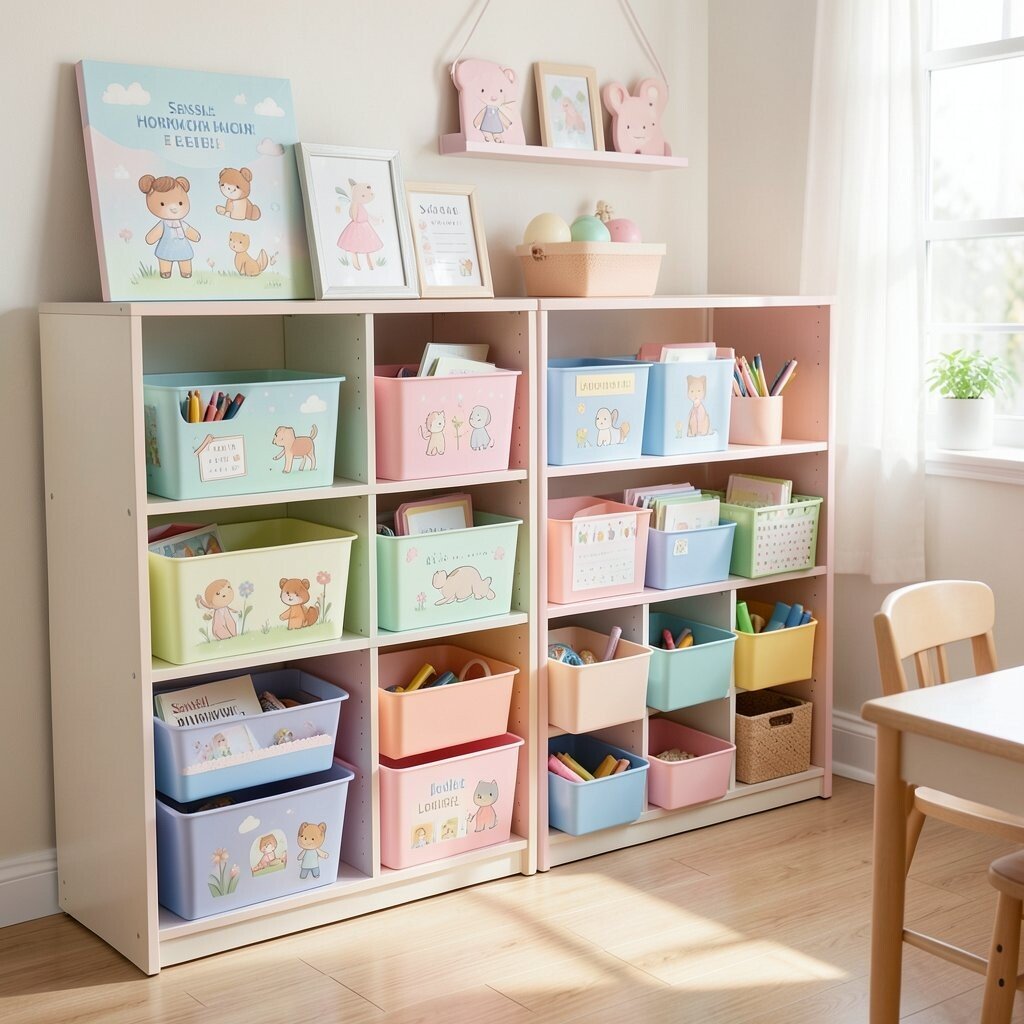
Use pastel folders for take-home communication and store them in a neat vertical rack. A consistent place for letters reduces lost papers and makes family updates easier.
Choose one or two soft pastel colors for parent-facing folders so the system looks calm and consistent. Add a label card with child names or a simple picture cue for quick sorting.
Personalize the folders with tiny pastel sticker tabs that show topics like reading or art. That makes it fun to open the folder and helps kids understand what’s inside.
To keep costs down, print folder labels at home and use clear tape for reinforcement. You can also request a few families to reuse last year’s folders when they can.
21. Pastel Theme Wall With Labeled Tool Tracks for Teachers
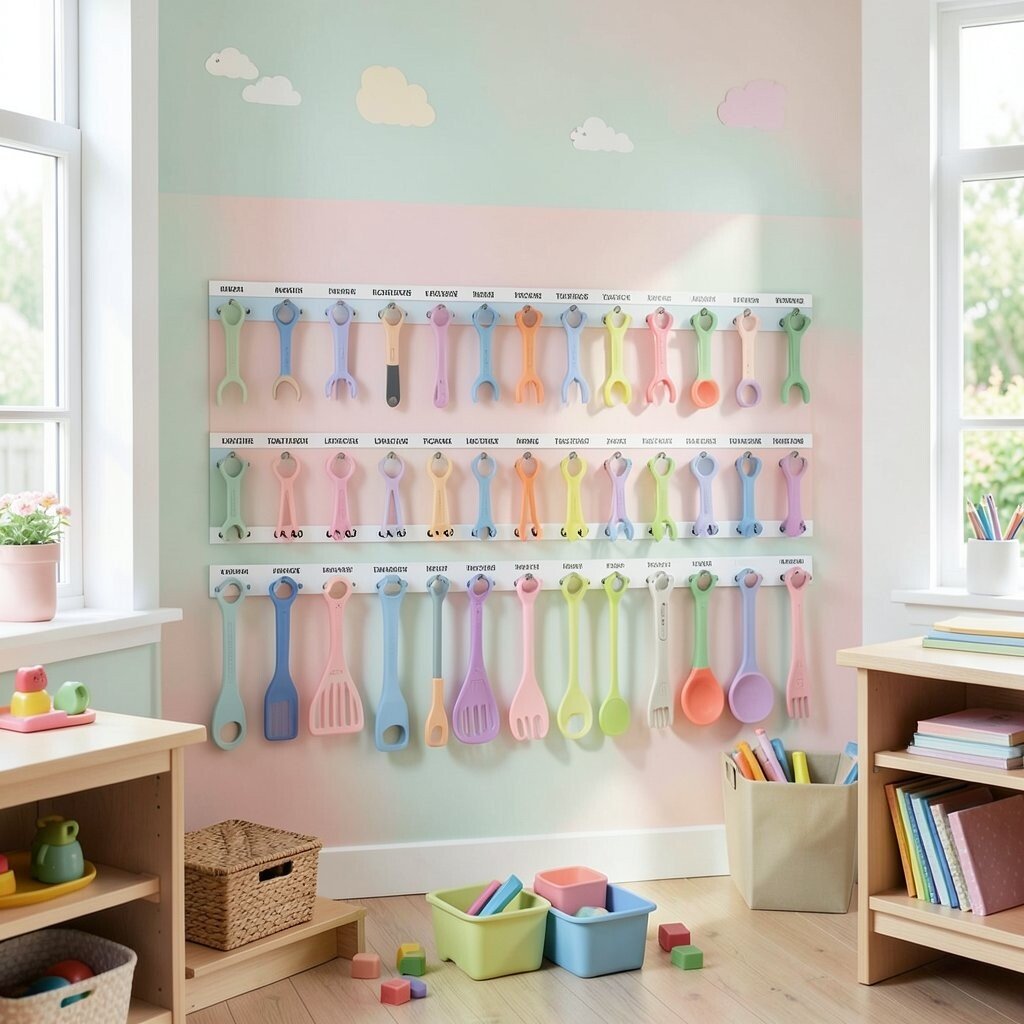
Create a pastel theme wall that includes labeled tool tracks for teacher materials. When you can grab what you need instantly, lesson time stays smooth and the room stays calmer.
Use small pastel hooks or rails for items like scissors, extra markers, and lesson props. Add picture labels so the right tool goes back in the right place after use.
For uniqueness, match the tool track colors to the rest of your decor so the wall looks like part of the classroom story. It feels cohesive instead of like random storage.
In terms of cost considerations, repurpose magazine holders, leftover wooden strips, or simple plastic trays. Paint or cover them with pastel contact paper for a quick refresh that still looks professional.
When organization supports your workflow, you get more time for kids and less time searching, which is the best kind of decor win.